

We use cookies to ensure our website works properly and to personalise your experience. Cookies policy
Department of Pharmacy, Genba Sopanrao Moze College of Pharmacy, Wagholi, Pune, Maharashtra, India.
Metabolic dysfunction-associated steatotic liver disease (MASLD) is a long-term liver condition that happens when fat builds up in the liver and there is least one cardiometabolic risk factor. MASLD can start as fat accumulation in the liver and may progress to metabolic dysfunction-associated steatohepatitis (MASH). MASH can get worse over time. Lead to liver scarring, cirrhosis and even liver cancer. Conditions like obesity, type 2 diabetes and other metabolic problems are becoming more common. This rise in metabolic disorders is driving up the number of people affected by MASLD around the world. The disease develops because of insulin resistance, problems with metabolism, oxidative stress and ongoing inflammation. Genes and changes in the gut-liver connection also contribute to the disease. Diagnosis is done through an exam, blood tests and imaging that checks for fat in the liver and fibrosis. The first steps in treatment are lifestyle changes such as losing weight, getting physical activity and managing metabolic conditions. Medical treatments should be used when needed. This review covers the spread, how the disease works, symptoms, how it is diagnosed and how it is managed.
There have been changes in the area of non-alcoholic fatty liver disease (NAFLD) in recent years, including [1] a change in its nomenclature,[2] a recommendation for screening to identify more severe liver disease among patients with type 2 diabetes mellitus (T2DM), [3] the concept of compensated advanced chronic liver disease (cACLD) and clinically significant portal hypertension (CSPH) diagnosed using non-invasive tests, and [4] recognition of the importance of sarcopenia. This review aims to provide an update on these subjects and highlight some important aspects of changing one’s lifestyle, reducing the risk of cardiovascular disease (CVD), and using anti-hyperglycemic drugs and other medications to manage metabolic comorbidities, especially in patients with cirrhosis.
The prevalence of metabolic dysfunction-associated steatotic liver disease (MASLD) has steadily increased over the last few decades and is currently estimated to be 38% globally. Metabolic dysfunction-associated steatohepatitis (MASH), a progressive subset of MASLD, poses a substantial and growing clinical and financial burden worldwide due to its potential to develop into advanced fibrosis, cirrhosis, and hepatocellular carcinoma.[5,6]
Cirrhosis, hepatocellular carcinoma, and advanced fibrosis may develop.[7] Furthermore, people with MASLD, and especially those with MASH and hepatic fibrosis, are at increased risk of developing type 2 diabetes, cardiovascular disease, chronic kidney disease, and specific types of extrahepatic cancers.[8]
Hepatic steatosis is significantly related to cardiometabolic risk factors, including abdominal obesity, dyslipidemia, hyperglycemia, insulin resistance, and subclinical inflammation [9]. Furthermore, those with type 2 diabetes (69%, 95% CI 63–74%) and obesity (75%, 95% CI 71–79%)16 had the greatest worldwide pooled prevalence of MASLD.[10] The term metabolic (dysfunction) associated fatty liver disease (MAFLD) was proposed in 2020 as a result of these correlations, which led to a request to concentrate on metabolic concerns in the diagnosis of hepatic steatosis.[11]
The terms non-alcoholic fatty liver disease (NAFLD) and non-alcoholic steatohepatitis (NASH) were changed to MASLD and MASH, respectively, in 2023 after a cooperative process including doctors, public health professionals, regulatory authorities, industry representatives, and patient advocacy organisations.[12] The MASLD and MASH nomenclature can be extended to populations that were previously classified as having NAFLD and NASH, according to subsequent analyses. [13,14,15] This review describes earlier research using the MASLD nomenclature.
Over the past ten years, research has focused on heterogeneity in the pathogenesis and consequences of major non-communicable illnesses such as obesity, type 2 diabetes, and cardiovascular disease.[16] Precision medicine techniques have been proposed for the prevention, diagnosis, and treatment of obesity and type 2 diabetes.[17,18] Similarly, there is now rising interest in studying the variability of the pathophysiology of MASLD. Additionally, the efficacy of pathophysiology-based phenotyping and data dimensionality reduction techniques in predicting outcomes in MASLD patients has recently been investigated.[19]
We discuss the heterogeneity of MASLD with regard to its pathophysiology, risk prediction, and metabolism-based therapeutic response in this narrative review. We particularly concentrate on comprehending the common pathways underlying the pathophysiology of type 2 diabetes, cardiovascular disease, steatohepatitis, and hepatic steatosis. Additionally, since type 2 diabetes and cardiovascular disease are linked epidemiologically, we discuss whether hepatic steatosis may play a role in their pathogenesis. We also discuss whether the benefits of metabolism-based treatments for hepatic steatosis can be mechanistically separated from their benefits on type 2 diabetes and cardiovascular disease in individuals with MASLD.[19,20]
In recent years, there have been several official and unofficial term changes for non-alcoholic fatty liver disease (NAFLD), which is now known as metabolic dysfunction-associated steatotic liver disease (MASLD). In June 2023, a consensus process coordinated by the American Association for the Study of Liver Diseases, the European Association of the Study of the Liver and the Asociación Latinoamericana para el Estudio del Hígado, gave an official name to MASLD. This name is the name that is used universally for MASLD.[12]
2. NOMENCLATURE, DEFINITION AND CLASSIFICATION:
2.1 NOMENCLATURE:
The terminology used for fatty liver disease has changed a lot since its first description by Addison in 1836. The term “nonalcoholic steatohepatitis” (NASH) was introduced in 1980, and the broader term non-alcoholic fatty liver disease (NAFLD) was established later.[21,1,22] Steatotic liver disease (SLD) is a term that covers conditions in which excess fat builds up in the liver. For a time, the most common term used for this condition was non-alcoholic fatty liver disease (NAFLD). NAFLD was usually described as having fat in at least 5% of the liver cells when there was no other main reason for the fat accumulation and when the person did not drink too much alcohol. The term was helpful in some situations but had some problems. It was based on ruling out causes and focused on the absence of excessive alcohol consumption rather than the main health issues related to the disease.[12,23]
In 2020, a group of experts from around the world suggested the term metabolic dysfunction-associated fatty liver disease (MAFLD). This new name focused more on the health problems linked to metabolic dysfunction. Later, a large group of experts from fields such as hepatology, gastroenterology, and other related areas worked together to create a way to name the disease. In 2023, they introduced the term metabolic dysfunction-associated steatotic liver disease. They also decided to use liver disease (SLD) as the main category.[12,24]
The condition was previously called non-alcoholic fatty liver disease (NAFLD). In 2023, a group of experts from around the world created names for this condition. The new terminology includes MASLD and related groups. [12]
The new terminology uses standards to describe the disease. These standards include the presence of fat in the liver with risk factors for heart and metabolic health. The diagnosis does not rely on ruling out alcohol or other causes of liver fat.[12]
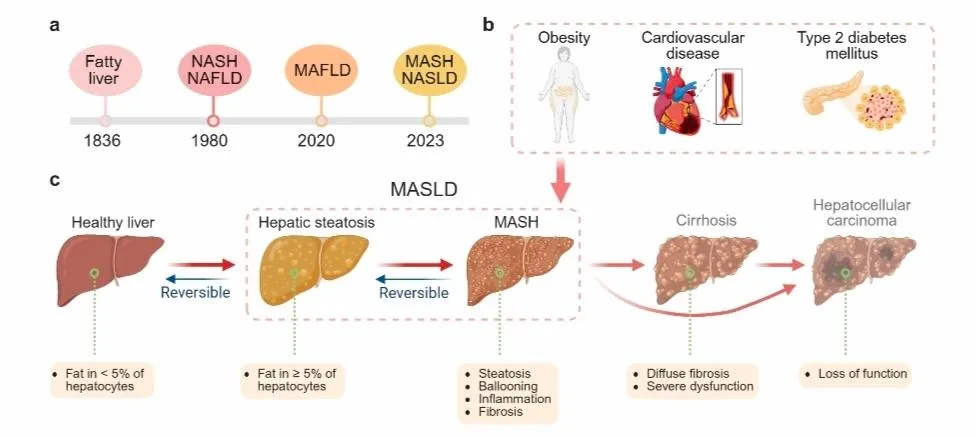
Figure 1: Overview of MASLD. a Timeline of Nomenclature Evolution. B MASLD as a Multisystem Metabolic Disorder. C Pathological Spectrum of MASLD Progression. Https://BioRender.Com/Dpnvtbh
2.2 DEFINITIONS:
Steatotic liver disease (SLD) is a term that includes conditions where fat builds up in the liver. In terms of naming things, SLD is split into groups based on the presence of risk factors for heart and metabolic health, alcohol use, and other specific causes of fat in the liver.[12]
Metabolic dysfunction-associated steatotic liver disease (MASLD) is when fat is found in the liver as seen with imaging, blood tests or a tissue sample and at least one risk factor for heart and metabolic health is present, and no other clear cause explains the fat buildup.[12]
The risk factors for heart and metabolic health in adults include:
Because of these factors, MASLD is closely connected to health issues that lead to insulin resistance, fat in the liver, and worse liver disease.[12,16]
Metabolic dysfunction-associated steatohepatitis (MASH) is a form of MASLD. MASH shows fat in the liver along with damage to liver cells and inflammation. Scarring may be present or not. MASH can get worse. Lead to scarring of the liver, cirrhosis and liver cancer.[12,16]
2.3 Classification:
Current classification and nomenclature of steatotic liver disease.
Table 1: Classification of Steatotic Liver Disease (SLD)
| Main category | Description |
|---|---|
| 1. Metabolic dysfunction-associated steatotic liver disease (MASLD): | This means a person has fatty liver along with at least one health issue tied to metabolism, like high blood sugar, high cholesterol or high blood pressure. |
| 2. Metabolic dysfunction and alcohol-associated liver disease (MetALD): | This is for people who drink alcohol within a range. 20 to 50 grams per day for women and 30 to 60 grams per day for men. And also meet the criteria for MASLD. |
| 3. Alcohol-related liver disease (ALD): | This is liver damage caused by drinking alcohol above the MetALD limits. The diagnosis is based on the person’s history and standard tests. |
| 4. Steatotic liver disease (SLD) with specific aetiology: | This includes fatty liver caused by known factors, like inherited genetic diseases, medicines, poor nutrition or other specific medical conditions. |
| 5. Cryptogenic SLD: | This is liver disease where no clear cause can be found even after a full medical check-up and testing. |
Table 2: Classification within the MASLD Spectrum
| Term | Description |
|---|---|
| MASLD: | Hepatic steatosis occurring in association with at least one cardiometabolic risk factor |
| MASH: | Steatohepatitis associated with metabolic dysfunction, which is characterised by hepatic steatosis, hepatocellular injury and lobular inflammation, with or without fibrosis. |
| MASLD with fibrosis: | MASLD is associated with liver fibrosis of varying degrees, possibly progressing to advanced fibrosis or cirrhosis. |
| Advanced disease complications: | In some people, cirrhosis and hepatocellular carcinoma may occur, especially in cases of advanced disease. |
3. EPIDEMIOLOGY, NATURAL HISTORY AND BURDEN OF DISEASE:
The number of people with MASLD varies depending on ethnicity. In individuals, the rate is around 10 to 15%. Among individuals, it rises to 40 to 45%. The numbers for Caucasians and South Asians fall in between. But there is growing proof that South Asians tend to have a severe form of the disease.[25] MASLD is common in people with type 2 diabetes—60 to 70% of them have it. Among people with obesity, the rate reaches 75%. [26]
About 20% of those with MASLD have a normal body mass index (BMI). This condition is called “MASLD.” It occurs often in people of South Asian descent. These patients face more liver problems and cardiometabolic issues than lean people without MASLD.[27,28] Having lean MASLD makes diagnosis harder. That’s why we need screening tools that are tailored to ethnic groups and set BMI thresholds based on those differences.
The rise in cases mirrors the increase in obesity and related health problems. Metabolic dysfunction-associated steatohepatitis, or MASH, is the form of MASLD. It shows up when blood tests reveal inflammation in the liver and damaged liver cells. This means the liver may get worse over time.[29]
In one study using liver biopsies, MASH was found in 63% of people with MASLD.[9] But among those who didn’t have a biopsy, the rate dropped to just 7%.[9]
Cardiovascular disease remains the top cause of death in people with MASLD. When liver fibrosis is severe, the risk shifts toward liver-related death. That risk increases sharply as fibrosis gets worse.[31]
A long-term study followed people with MASLD who had a liver biopsy at the start. The overall event rate was 2.03 per 100 person-years. The liver-related event rate was 0.43 per 100 person-years. Liver-related events mostly happened in people with fibrosis. Over time, 9.1% of patients with liver fibrosis developed liver-related complications. No liver-related events were seen in patients without fibrosis. For those with fibrosis, the rates were higher: 1.47 per 100 person-years for F3 fibrosis and 3.85 per 100 person-years for F4 fibrosis. F3 fibrosis means bridging fibrosis seen on biopsy. F4 fibrosis means cirrhosis. Any fibrosis stage of F3 or above is considered liver fibrosis.[32]
Steatotic liver disease (SLD) adds to the burden of chronic liver disease. In our liver clinic, 62% of patients had MASLD. It’s not only MASLD patients who are affected. Among patients with forms of chronic liver disease, 47% also had significant fat buildup in the liver. When we look at all patients seen in the clinic, a total of 85% had steatosis. That’s a number.[33]
In the hospital wards, most patients admitted for cirrhosis or its complications started with a cause. In many of these cases, the actual problem turned out to be MASLD. So, when the reason wasn’t known at first, MASLD was often behind the disease.[34]
Hepatocellular carcinoma (HCC) is still frequently caused by cryptogenic cirrhosis. The number of cases has more than doubled—from 16 to 34%—during two periods: 2006–2009 and 2011–2014. This increase doesn’t include the 7% of patients already diagnosed with MASH.[35]
In the United States, MASH has become an important reason for adult liver transplantation. This is especially true for patients with carcinoma (HCC) who receive liver transplantation.[36,37]
The burden of MASLD and its complications, including hepatocellular carcinoma (HCC), is expected to grow in the years ahead.[38,39]
Figure 2: A. Prevalence of MASLD in Different Populations B. Associated Risk Groups
4. PATHOPHYSIOLOGY:
The pathophysiology of metabolic dysfunction-associated steatotic liver disease (MASLD) has been discussed in many other places.
Environmental exposure and genetic risk work together in a complicated way to cause MASLD. Being inactive, feeling lonely and eating a lot of carbohydrates and saturated fat are risk factors. Studies that look at the genome have found some genetic changes that are connected to how the body handles fats, like those in PNPLA3 and TM6SF2.9. The chance that MASLD runs in families is 50%.[40,41]
Most of the time, eating a lot of fructose and glucose causes the liver to make fatty acids through a process called de novo lipogenesis. This process causes inflammation in the liver and in tissue. It also causes the body to become less sensitive to insulin in the liver, in the muscles and in the tissue when people also eat a lot of saturated fats. [40]
Metabolic dysfunction-associated steatohepatitis (MASH) is a condition where fat builds up in the liver, and there is also damage to liver cells and inflammation in the liver lobules. This can happen with or without scarring of the liver. In some people, MASH can get worse over time. Lead to serious liver damage, such as severe fibrosis and cirrhosis. When this happens, the risk of liver problems goes up. These problems include liver failure, liver cancer and the need for a liver transplant. It can also lead to liver decompensation, where the liver can no longer do its jobs properly.[7,42]
The global disease registry shows that the yearly increase in liver cancer cases caused by MASLD is bigger than that caused by any other reason, even though viral hepatitis is still the main cause of liver cancer around the world.[43]
Pathophysiology of MASLD Progression
| 1. Fundamental Causes Genetic Predisposition (e.g., TM6SF2, PNPLA3) Environmental factors: overeating, sedentary lifestyle |
2. Overconsumption of nutrients: Elevated glucose and fructose Too many carbs Overconsumption of saturated fat |
3. Changes in metabolism: "DE NOVO" lipogenesis accelerated Hepatocyte buildup of fat and triglycerides |
|---|
Figure 3: Pathophysiology of MASLD Progression
| 4. Stress on cells: Insulin resistance (IR) Low-grade chronic inflammation Muscle and adipose dysfunction |
5. MASLD Fatty liver, or simple steatosis |
6. MASH Hepatitis steato- Hepatocyte damage Cell death and ballooning |
7. Cirrhosis and fibrosis: Significant scarring A higher chance of liver failure Increased risk of HCC |
|---|
5. CLINICAL SPECTRUM AND MANIFESTATION OF METABOLIC DYSFUNCTION-ASSOCIATED LIVER DISEASE:
Metabolic dysfunction-associated steatotic liver disease (MASLD) covers a range of possible health conditions. It can start with fat in the liver without damage. It can then progress to metabolic dysfunction-associated steatohepatitis (MASH), serious liver damage, scarring of the liver, and even liver failure. In some cases, it can lead to liver cancer. Each person may experience this disease differently. Many people do not have any symptoms even when their liver has scarring. The level of scarring in the liver is a factor in determining what happens to the liver in the long run.[7,44]
MASLD is often asymptomatic in its early stages and is frequently discovered incidentally during routine health check-ups, abdominal imaging, or work-up of abnormal liver biochemistry. Ultrasonography or other imaging modalities can be used to identify hepatic steatosis, and serum alanine aminotransferase (ALT) and aspartate aminotransferase (AST) may be normal or mildly elevated. Importantly, normal aminotransferase levels do not exclude the presence of MASLD or clinically meaningful liver disease.[44,7]
When symptoms appear, they are usually not specific. Symptoms can include fatigue, malaise, weakness, low energy, or vague discomfort in the upper part of the abdomen. Some people may show an enlarged liver on physical examinations. These signs are not unique to MASLD, and the lack of symptoms does not mean that progressive liver disease is not occurring.[44,45]
Some people with MASLD go on to develop metabolic dysfunction-associated steatohepatitis (MASH). MASH means that fat builds up in the liver, liver cells are harmed, and inflammation occurs in the liver lobules. MASH can also lead to fibrosis. The extent of MASH can be different for each person. Some people with MASH do not experience any symptoms. The presence of MASH still increases the risk of worsening fibrosis, which can lead to progressive liver disease over time.[7,40]
Progressive liver damage can lead to the development of liver fibrosis. Liver fibrosis is one of the clinically important stages in the natural history of MASLD. Liver fibrosis occurs when excess components of the body’s extracellular matrix build up in response to damage and inflammation. Liver fibrosis can progress from early stages to significant or advanced liver fibrosis and can then progress to cirrhosis. As liver fibrosis becomes more advanced, the risk of serious complications increases. It is important to know that the stage of liver fibrosis is strongly connected to liver-related outcomes, more than the amount of fat in the liver. [46,16]
Patients who develop fibrosis and cirrhosis might initially have no symptoms. As cirrhosis progresses, signs related to increased pressure in the blood vessels around the liver and impaired liver function can appear. These signs include fluid accumulation in the abdomen, swelling in the legs, an enlarged spleen, a decreased platelet count, yellowing of the skin, bleeding from veins in the oesophagus, and confusion caused by liver dysfunction. When cirrhosis becomes decompensated, the risk of hospitalisation, liver failure, and death increases considerably.[44,47]
Hepatocellular carcinoma (HCC) is one of the serious complications that can occur in patients with MASLD. People with MASLD who have advanced fibrosis or cirrhosis are at a much higher risk of developing HCC. Sometimes, HCC can also appear in patients with MASLD even when there is no clear cirrhosis present. This is important because the increasing prevalence of MASLD may contribute to a significant increase in the number of HCC cases in the future.[44,48]
MASLD is also strongly linked to cardiovascular and metabolic problems, such as obesity, abdominal fat, insulin resistance, type 2 diabetes mellitus, high blood pressure, and abnormal cholesterol levels. These problems often occur together and contribute to the development of fatty liver and liver injury. People who have cardiometabolic problems, especially type 2 diabetes mellitus, are more likely to develop serious liver fibrosis and adverse health outcomes. [7,44]
Cardiovascular disease is an important extrahepatic manifestation and a major cause of illness and death in people with MASLD. Those who have MASLD often have an increased risk of cardiovascular problems, including conditions associated with high blood pressure, abnormal cholesterol levels, obesity, and diabetes. Because of this, cardiovascular risk assessment is a crucial part of the management of patients with MASLD.[49,50]
MASLD is also linked to an increased risk of developing chronic kidney disease. This association is partly related to metabolic risk factors, including obesity, insulin resistance, high blood pressure, and diabetes. In addition, systemic inflammation and other metabolic processes may play a role. The risk of kidney disease appears to increase as liver disease and metabolic abnormalities become more severe.[51]
Another important extrahepatic condition associated with MASLD is obstructive sleep apnea (OSA). OSA commonly occurs in people with obesity and metabolic syndrome. Repeated reductions in oxygen levels, increased oxidative stress, insulin resistance, and inflammation associated with OSA may contribute to the development and progression of metabolic liver disease.[52]
MASLD has also been associated with an increased risk of developing cancers outside the liver. This association varies depending on the type of cancer and the population studied. Some studies have reported associations with colorectal cancer and other cancers related to obesity and metabolic disorders. These findings support the concept that MASLD is not only a liver problem but also a systemic metabolic condition.[53]
Overall, the clinical spectrum of MASLD includes everything from asymptomatic fatty liver to serious conditions such as MASH, progressive fibrosis, cirrhosis, liver failure, and liver cancer. There are also effects outside the liver involving the cardiovascular system, kidneys, metabolism, and other organs. Because many people do not experience symptoms even when liver damage is progressing, clinical evaluation should not rely only on physical examination. Blood tests and non-invasive tools should be used to assess fibrosis and identify individuals who may be at risk of disease progression.[7,44,16]
6. DIAGNOSIS AND ASSESSMENT:
Diagnosing MASLD requires a step‑by‑step method. It must look at heart and metabolic risk factors, rule out liver problems and measure how active the disease is and how much scarring has occurred. This shows that MASLD can look different and get worse over time.[7,12]
Most people with MASLD feel fine until the liver gets badly damaged, so catching it early is hard. Unlike type 2 diabetes, which can be checked with an HbA1c test, there is no one test for MASLD. A liver biopsy can show the tissue details, but it is invasive and not advised as the first test.
You should think about MASLD in anyone who has heart or metabolic risks and whose ALT stays high. It is vital to check for reasons by taking a careful medical history, especially a clear alcohol history and then doing a liver cause screen. After that, imaging should be used to spot fatty liver and look for signs of liver issues.[55,7]
MASLD is found when the liver holds fat, and the person has at least one heart or metabolic risk factor after other main causes of fatty liver are ruled out. Fat in the liver can be seen with imaging or by looking at liver tissue under a microscope. Heart or metabolic risk factors include being overweight or obese, having glucose problems or type 2 diabetes, having high blood pressure, having high triglycerides and having low HDL‑cholesterol. The check should also ask about alcohol, medicines, and other conditions that can cause liver fat.[55,7]
A clinical check‑up looks at body mass index, waist size and blood pressure. Whether the person has type 2 diabetes or bad cholesterol. Asking about diet, exercise, heart disease and family history of metabolism or liver problems also helps. A physical exam can spot obesity, belly fat, and in those with serious liver disease, it can show marks of long‑term liver damage.[55,7]
Blood tests check for liver damage, metabolic problems, and other liver illnesses. Typical tests are ALT, AST, GGT, ALP, bilirubin, and albumin. Even if ALT and AST are normal, MASLD or serious scarring can still exist. So, enzyme levels alone are not enough to diagnose or gauge how bad it is; checking how the body handles glucose matters because type 2 diabetes is linked to MASLD and can worsen the liver. Glucose and HbA1c measure glucose handling. A lipid panel, showing triglycerides, total cholesterol, LDL‑cholesterol and HDL‑cholesterol, is also advised because bad cholesterol is common in MASLD and raises heart risk.[55,7]
A full blood count and platelet count can give hints about serious liver disease. Platelet count is part of fibrosis scores. If needed, more blood tests should rule out liver problems like viral hepatitis, autoimmune liver disease, hereditary iron overload, Wilson disease, alpha‑1 antitrypsin deficiency and drug‑caused liver injury. [55,7]
Imaging Assessment:
Imaging shows the liver. Standard abdominal ultrasound is common because it is safe, easy and cheap. It is not very good at spotting fat in the liver, especially in people who are overweight. So a clear ultrasound does not rule out fatty liver or MASLD.[55,7]
Ultrasound can also reveal the liver’s texture, shape and blood vessels. May spot signs of serious liver disease like a big spleen or portal hypertension clues. [7]
Assessment of Liver Fibrosis:
Checking for liver scarring is key in MASLD work‑up because how much scarring exists ties to the risk of liver problems. The latest guidelines suggest a step‑by‑step method to find patients who’re low, medium or high risk, for serious scarring.[55,7]
The fibrosis-4 (FIB-4) index is commonly used as a non‑invasive assessment. FIB-4 takes into account age, AST, ALT and platelet count. Patients who have a risk of advanced fibrosis can usually stay in primary or community care with appropriate follow‑up and repeat assessment that matches their overall health and risk factors. Patients who have high‑risk results must undergo further non‑invasive testing.[55,7]
FIB-4 has some limitations. FIB-4 is less accurate in people who’re very young or very old and may have reduced sensitivity in people of South Asian ethnicity.[57]
Second-line assessment options include elastography (TE), the Enhanced Liver Fibrosis (ELF) test or other validated non‑invasive methods. These tests help identify patients who’re more likely to have advanced fibrosis and who may need referral to a specialist. The choice of test depends on availability, the setting and local practice.[55,7]
The NAFLD Fibrosis Score (NFS) is another tool used to estimate the likelihood of liver fibrosis. It uses factors such as age, body mass index, diabetes or impaired glucose metabolism, AST/ALT ratio, platelet count and albumin level. Although the name has changed from NAFLD to MASLD, validated non‑invasive fibrosis scores can still give useful information about the risk of liver fibrosis.[55,7]
Transient Elastography:
Transient elastography is a non‑invasive test that supplies information about both hepatic steatosis and fibrosis. The controlled attenuation parameter (CAP) helps estimate steatosis, while liver stiffness measurement (LSM) gives an estimate of liver stiffness and is used to assess fibrosis. TE is especially useful for patients who have an increased or indeterminate risk of fibrosis after initial non‑invasive assessment.[55,7]
Both non‑invasive blood tests and FibroScan/TE have limitations. TE may give elevated liver stiffness measurements when the liver is inflamed, during heavy alcohol use when hepatic congestion is present or when liver lesions are present.[57]
Magnetic Resonance Imaging and Elastography:
MRI‑PDFF provides a way to measure liver fat. Is highly accurate in detecting and monitoring hepatic steatosis. Magnetic resonance elastography (MRE) measures liver stiffness. Helps assess liver fibrosis without needing an invasive procedure. These techniques are useful when a precise assessment is required or when other non‑invasive tests give conflicting results. However, the high cost and limited availability of these techniques make them less practical for use.[55]
Liver Biopsy and Histological Assessment:
Liver biopsy is not routinely performed to diagnose MASLD. It is a procedure and is generally reserved for selected patients when the diagnosis is uncertain, when other liver diseases cannot be excluded or when histological information is required for clinical management. A biopsy may also be considered when confirmation of MASH or assessment of the degree of fibrosis is clinically necessary.[55,7]
Histological examination of liver tissue can show steatosis, hepatocellular injury, inflammation and fibrosis. The presence of steatosis along with hepatocellular ballooning and lobular inflammation supports the histological diagnosis of MASH. Fibrosis is assessed separately. Staged according to its severity. Because liver biopsy is invasive and sampling variability can happen depending on where tissue’s collected non‑invasive tests are generally preferred first with biopsy reserved for selected cases when additional histological information is needed.[55,58]
Overall Diagnostic Approach:
Overall, the diagnosis and assessment of MASLD should follow a step‑by‑step approach. This approach includes assessment of cardiometabolic risk factors, detailed medical and alcohol history, laboratory investigations, assessment for hepatic steatosis, exclusion of alternative causes of liver disease and evaluation of liver fibrosis using non‑invasive methods. FIB‑4 can be used for risk stratification followed by a second‑line test such as transient elastography or ELF when indicated. MRI‑PDFF or MRE may be used when a precise assessment is required. Liver biopsy should be reserved for selected cases where histological information is necessary, for diagnosis, disease characterisation, or clinical management.[55,7]
7. MANAGEMENT:
The care for metabolic dysfunction-associated steatotic liver disease (MASLD) focuses on lowering fat in the liver, stopping it from getting worse into metabolic dysfunction-associated steatohepatitis (MASH), slowing the progression of liver scarring, and lowering the chances of heart and liver problems. Treatment should be tailored based on whether someone has obesity, type 2 diabetes mellitus (T2DM), high cholesterol, high blood pressure, and how far the liver scarring has progressed. Changing lifestyle habits is still the main approach to treat this condition, but medicine is becoming more important for people who have MASH and serious liver scarring.[7,55]
Lifestyle modification is the foundation of managing MASLD. Making changes to diet and staying physically active can help reduce fat in the liver and improve insulin sensitivity. These changes also support heart and metabolic health. A Mediterranean diet is often recommended. This includes plenty of vegetables, fruits, whole grains, legumes, nuts, fish, and healthy fats, such as olive oil. On the other hand, it is important to limit sugar-sweetened drinks, added sugars, refined carbohydrates, saturated fats, and processed foods. Both aerobic exercise and strength training are helpful. These activities should be encouraged even if weight loss is not significant.[7,55]
Weight management plays a role in patients who are overweight or obese. Losing at least 5% of body weight can lead to better liver fat levels. The more weight a person loses, the greater the improvements in MASH and liver fibrosis. Maintaining a weight loss of around 7% to 10% or more can make a difference in steatohepatitis and fibrosis. Dietary changes, regular physical activity, and behaviour-focused treatments should be used to help achieve and maintain weight loss. For patients with obesity who are eligible, medicine to help with weight loss can be considered. In some cases, metabolic or bariatric surgery may be a choice for those with obesity and MASLD who meet the appropriate criteria.[7,55,59]
Managing cardiometabolic risk factors is a part of treating MASLD because T2DM, dyslipidemia, hypertension, and obesity are strongly linked to the worsening of the disease and heart problems. Blood sugar control must be improved in people who have diabetes, whereas dyslipidemia and hypertension must be managed following the guidelines that direct cardiovascular risk treatment. Statins should be taken when needed because lowering cardiovascular risk is a part of MASLD care, and having MASLD does not prevent the use of statins.[7,55] Proper management of these metabolic problems is especially crucial because heart disease is still a main cause of death in people who have MASLD.[7,49]
Pharmacological management mainly targets patients at risk of disease progression, especially those with MASH and serious fibrosis. When choosing a treatment, fibrosis stage, obesity, type 2 diabetes mellitus, other metabolic comorbidities, contraindications, and regulatory approval must be considered. Pioglitazone has shown benefits in selected patients with MASH, especially those with type 2 diabetes mellitus, but pioglitazone use must be weighed against possible side effects.[7,60] GLP-1 receptor agonists, such as semaglutide, can produce significant weight loss and improve metabolic parameters. Clinical trials have shown improvement in MASH. The role of GLP-1 receptor agonists should be explained according to their specific regulatory indications and the latest evidence.[61] Tirzepatide has also shown improvement in MASH resolution in a phase 2 trial and is an emerging therapeutic option.[62]
A significant development in the pharmaceutical management of MASH with fibrosis is the thyroid hormone receptor-β agonist resmetirom. Resmetirom significantly improved MASH-related histology endpoints and reduced liver fibrosis in patients with MASH and fibrosis when compared to a placebo in the MAESTRO-NASH phase 3 study.[63] The US Food and Drug Administration later authorised the medication for use with diet and exercise in persons with moderate-to-advanced fibrosis and noncirrhotic MASH.[64] The regulatory status in the country where the evaluation is being conducted should be taken into account when evaluating its availability and approved indications.
Because liver fibrosis stage is a significant predictor of liver-related outcomes in MASLD, assessment and monitoring of liver fibrosis are crucial. While vibration-controlled transient elastography (VCTE/FibroScan), magnetic resonance elastography, and other validated non-invasive tests can offer more information in patients at higher risk, non-invasive tests like the Fibrosis-4 (FIB-4) index can be used for initial risk assessment.[7,55,65] Patients who have a high likelihood of progressive fibrosis should be evaluated by a specialist and monitored more closely. This risk-based strategy helps identify patients who need more intensive care while preventing low-risk individuals from undergoing unnecessary invasive examinations.[7,55]
Management of fibrosis and cirrhosis requires careful monitoring and treatment of complications that come with chronic liver disease. Patients who have cirrhosis should be checked for portal hypertension and gastroesophageal varices. They need follow-up to watch for issues like ascites, hepatic encephalopathy, and hepatocellular carcinoma (HCC). For patients with cirrhosis, proper screening for HCC should be done as recommended by guidelines.[7,55] When a patient develops decompensated cirrhosis or severe liver failure, a liver transplantation evaluation should be considered if it is appropriate.
Long-term follow-up is necessary because MASLD is a metabolic and liver disorder that can get worse over time. MASLD should be managed by controlling weight, exercising regularly, eating healthy meals, and keeping diabetes, dyslipidemia, and hypertension under control. Fibrosis risk should be reassessed, and patients should be monitored for complications according to their metabolic risk profile and the stage of liver disease.[7,55] Spotting people who may develop fibrosis early allows doctors to refer them to specialists quickly and provide the right treatment.
8. PHARMACOLOGICAL THERAPIES:
Pharmacological treatment of MASLD aims to improve metabolic dysfunction, reduce buildup in the liver, lower inflammation, help resolve MASH and slow down the progression of fibrosis. Choosing the treatment should be based on how severe the disease is, the stage of fibrosis and any other metabolic conditions the patient may have. The main drug treatments, how they work, their role in MASLD and MASH and the current evidence supporting them are summarised in Table 3.
Table 3: Emerging and Investigational Pharmacological Therapies for MASLD/MASH
| Pharmacological therapy | Mechanism of action | Role in MASLD/MASH | Evidence and limitations | Ref. |
|---|---|---|---|---|
| Resmetirom | A selective thyroid hormone receptor-β (THR-β) agonist is a compound that helps the liver burn more fat. This compound also improves the way the liver processes fats. | Approved for adults with MASH who have moderate-to-advanced fibrosis (F2–F3) when used along with diet and exercise. | The MAESTRO‑NASH trial showed that MASH resolution can happen without worsening fibrosis and that fibrosis improvement can happen without worsening MASH. People often experience diarrhoea and nausea as side effects. | [66,67] |
| GLP-1 receptor agonist | Activate GLP-1 receptors and GLP-1 receptors help improve blood sugar control, make insulin work better, and help you lose body weight. | May lower steatosis and help MASH improve, especially through weight loss and better metabolism. | Liraglutide showed MASH resolution in the LEAN trial. Semaglutide also showed MASH resolution without making fibrosis worse. It has shown more benefits in the ESSENCE trial. The definitive antifibrotic efficacy is still not well established. | [68,61,69] |
| Tirzepatide | Dual glucose-dependent insulinotropic polypeptide (GIP) and GLP-1 receptor agonist | Promotes weight loss and improves how insulin works, with possible benefits in MASH. | The SYNERGY‑NASH trial showed that MASH can be resolved without making fibrosis worse, and it led to a drop in weight. We still need research to see how fibrosis and liver health change over a long time. | [62] |
| Pioglitazone | Peroxisome proliferator-activated receptor-γ (PPAR‑γ) is a medicine that helps the body use insulin better and changes how fat cells store and use fats. | May help improve fatty liver, liver inflammation and liver cell damage in people with type 2 diabetes or prediabetes. | Clinical studies have shown that clinical studies have benefits and clinical studies might improve fibrosis. Weight gain, oedema, fluid retention, heart failure and bone‑fracture risk are limitations. | [70,60] |
| Vitamin E | An antioxidant helps reduce stress and helps reduce oxidative injury. | May be considered in selected adults who have MASH and do not have diabetes. | The PIVENS trial demonstrated improvement compared with placebo. However, the PIVENS trial does not provide evidence of an antifibrotic effect. | [71] |
| SGLT2 inhibitors | Inhibit sodium-glucose cotransporter 2 to boost glucose excretion and improve glycemic control. Sodium-glucose cotransporter 2 inhibition also brings renal benefits. | May reduce liver fat. Improve metabolic health in patients with MASLD | Evidence indicates that liver fat may reduce and liver enzymes may improve. However, these results are not confirmed as MASH-antifibrotic therapies. They should mainly be used for established indications such as T2DM, heart failure or chronic kidney disease. | [70,71] |
| Statins | Inhibit HMG‑CoA reductase, which reduces the liver’s production of cholesterol and lowers LDL cholesterol in the bloodstream. | Important for lowering heart risk in patients with MASLD and dyslipidemia. | Statins are not treatments for MASH. Nevertheless, Statins are important because heart disease is a cause of illness and death in MASLD. | [70,71] |
| Metformin | Improves glycemic control and insulin sensitivity | Primarily used for management of T2DM in patients with MASLD | Current evidence does not show improvement in MASH histology or liver fibrosis to support metformin as a specific treatment for MASH. | [70,72] |
| Emerging pharmacological therapies | Target the pathways that are involved in liver metabolism, insulin resistance, inflammation and fibrosis. | Potential future therapeutic options for MASLD/MASH | Investigational approaches cover thyroid hormone receptor-β, PPAR, growth factor (FGF), acetyl-CoA carboxylase (ACC), diacylglycerol acyltransferase (DGAT) and incretin-related pathways. These therapies need clinical evidence and regulatory approval before routine use. | [70,19] |
9. CARDIOVASCULAR, EXTRAHEPATIC MANIFESTATION:
Metabolic dysfunction-associated steatotic liver disease (MASLD) is a multifactorial condition that is highly associated with cardiovascular disease (CVD). Cardiovascular disease is one of the major causes of morbidity and mortality in MASLD patients because of the increased risk of CVD in affected individuals. This elevation in risk is attributed to the fact that most individuals with MASLD also suffer from obesity, insulin resistance, type 2 diabetes mellitus (T2DM), hypertension and dyslipidaemia. These factors are closely interlinked with MASLD through inflammation resulting from radical damage to blood vessel endothelium, changes in fat metabolism and disrupted signals emanating from adipose tissues.[20,45]
MASLD patients are at risk for cardiovascular disease or atherosclerotic cardiovascular disease (ASCVD). A large cohort study that included 34,043 patients with alcoholic fatty liver disease or non-alcoholic fatty liver disease (NAFLD), now called MASLD, revealed that MASLD patients had an increased incidence of developing cardiovascular events. The majority of cardiovascular events were not fatal. However, the higher the amount of fat in the liver, the greater the risk of developing cardiovascular disease.[74]
Coronary artery disease occurs alongside myocardial infarction, both of which are associated with MASLD. Insulin resistance and defects in hepatic metabolism can drive the production of a lipoprotein profile that includes lipoproteins within fats and low-density lipoprotein particles that are small and dense. Furthermore, an altered cholesterol profile can contribute to the development of coronary artery disease. Systemic inflammation, stress, and endothelial dysfunction can facilitate the formation of plaques that raise the chances of developing coronary artery disease and myocardial infarction.[20,45,75]
Ischaemic stroke is another cardiovascular complication that is associated with MASLD. The association could be through the accumulation of plaque in the arteries, dysfunction of the endothelium, increased insulin resistance, extensive systemic inflammation and the co-occurrence of hypertension and dyslipidaemia. Clinical studies and meta-analyses on NAFLD reveal an increased likelihood of cardiac and vascular events in NAFLD patients when compared to individuals without NAFLD.[75,76]
Heart failure is increasingly being reported as a cardiovascular problem affecting MASLD patients. A comprehensive meta-analysis established a relationship between NAFLD and the incidence of heart failure. Both kinds of heart failure, one in which the ejection fraction is retained and the other in which it is lost, can occur amongst metabolically abnormal individuals. The level of evidence varies for the two conditions. Risk factors for heart failure include insulin resistance, fat infiltration into the heart, generalised inflammation, stress from radicals, endothelial malfunction and abnormal cardiac remodelling. [77]
MASLD can be associated with covert cardiac involvement preceding overt heart failure. According to cardiac imaging studies, MASLD is linked to aberrant myocardial contractility, ventricular hypertrophy, and poor cardiac relaxation. These heart symptoms might be caused by oxidative stress, inflammation, cardiomyocyte damage, and metabolic disorders.[78]
Fibrillation (AF) is a cardiac arrhythmia that has been associated with fatty liver disease. Research and in-depth analyses have established that non-alcoholic fatty liver disease (NAFLD) patients are more likely to develop fibrillation. The association has been linked to factors including insulin resistance, systemic inflammation, oxidative stress, cellular remodelling in the atria and autonomic nervous system abnormalities in NAFLD patients. Individuals with pre-existing cardiac problems or severe liver damage run a higher risk of developing atrial fibrillation.[79]
MASLD is also associated with atherosclerosis. Vascular abnormalities such as an increase in carotid intima-media thickness and plaques and calcium in the coronary arteries have also been reported and confirmed in MASLD patients. A biopsy-proven study on NAFLD patients revealed that they had a significantly increased carotid intima-media thickness compared to the control group. The carotid intima-media thickness was associated with hepatic steatosis, inflammation and cirrhosis amongst NAFLD patients. These findings suggest that vascular problems may occur before developing cardiovascular manifestations.[80]
An important consideration in the risk assessment of MASLD patients is the degree of hepatic fibrosis. Steatosis is indeed associated with risk per se, but patients with advanced stages of the disease usually present with an increased incidence of adverse cardiovascular outcomes and mortality. Consequently, assessment of liver fibrosis using validated non-invasive methods such as the FIB-4 index and liver stiffness measurement is important in determining the global risk.[20,7]
The likelihood of developing cardiovascular complications in MASLD is of great significance to patients who simultaneously present with T2DM, obesity, hypertension and dyslipidaemia. These comorbidities can worsen cardiovascular problems. Consequently, the management of MASLD patients should include the assessment and appropriate control of modifiable cardiovascular risk factors such as blood pressure, blood glucose, lipids, weight, smoking and physical inactivity.[20,7,55]
MASLD is associated with cardiovascular complications that include arterial stiffness and atheroma formation, impaired cardiac function and potentially fatal conditions such as coronary artery stenosis, myocardial infarction, ischaemic strokes, heart failure and cardiac arrhythmias such as atrial fibrillation. The associations demonstrate that MASLD is not just a liver condition; it’s a body metabolic problem that affects systems. This is why we should incorporate evaluating heart health into the management of patients with MASLD. This allows us to detect risks early and improve long-term outcomes.[20,45,7]
10. CHALLENGES AND FUTURE PERSPECTIVES:
10.1 Disease heterogeneity and prediction of disease progression:
Dysfunction-associated steatotic liver disease (MASLD) is a condition that varies a lot from person to person. Some people only have buildup in the liver, while others go on to develop metabolic dysfunction-associated steatohepatitis (MASH), advanced fibrosis, cirrhosis, liver cancer or other liver-related problems. This variety comes from a mix of risk, metabolic issues, lifestyle, environmental influences and other health conditions. We still do not fully understand what drives each person’s disease path. So future studies should look for signs—clinical, genetic and molecular—that can predict how the disease will progress and how well a person will respond to treatment.[12,7,42]
10.2 Improving diagnosis and non-invasive risk stratification:
Finding fibrosis early is still a challenge. Liver enzymes alone are not enough to show liver damage. While liver biopsy gives a picture, it is invasive and can miss the full picture due to sampling errors. Non-invasive tools like FIB-4, elastography and magnetic resonance elastography have made risk assessment easier. Their accuracy, availability and ability to clearly separate disease stages still need work. I think future research should focus on creating and testing tools that’re accurate easy to use and can detect fibrosis track changes over time and measure treatment effectiveness.[7,65,55]
10.3 Development of biomarkers and precision medicine:
There is no biomarker to identify MASH or predict fibrosis progression or to monitor how well a treatment works. This is an unmet need. New biomarkers such as proteins in the blood, metabolites, microRNAs, extracellular vesicles and genetic data may help us understand the disease better. Combining these biomarkers with characteristics and imaging could lead to more accurate risk assessments and help identify who will respond best to a certain therapy. More research is needed to test these biomarkers in populations before they can be used in clinics.[65,41,19]
10.4 Therapeutic development of combination strategies:
MASLD involves overlapping processes—insulin resistance, fat tissue problems, harmful effects of fats in the liver, oxidative stress, inflammation and scarring of the liver. Since these processes are linked, treating just one may not help everyone. When designing treatments, we must look at long-term safety, how well patients can take the medicine, cost and whether the treatment actually improves health outcomes. Future studies should explore combination therapies. This is especially important for patients with MASH and fibrosis. Treatments should also work with lifestyle changes and managing metabolic risks like obesity and diabetes.[7,40]
10.5 Need for long-term care:
MASLD is not just a liver disease. It is a metabolic disorder connected to heart disease, type 2 diabetes, kidney disease and other health problems. I believe treatment should not focus on the liver but should include specialists in hepatology, endocrinology, nutrition, obesity medicine and other areas. Future care plans should aim to detect risk, follow patients over time and manage all metabolic and heart-related risks fully. Clinical research should also look at whether better liver outcomes lead to heart attacks, kidney issues and deaths.[7,81]
10.6 Limitations of research and need for clinical trials:
Many current clinical trials have issues with how participants are selected, the stage of disease, treatment length, how outcomes are measured and a lack of diversity in ethnic and metabolic groups. Since MASLD behaves differently in people, future trials should include diverse populations and reflect different disease types, stages and comorbidities. Longer follow-up is needed to see if changes in fat, MASH or fibrosis lead to rates of liver failure, liver cancer or death. Real-world evidence will become more important to assess long-term effectiveness and safety of treatments.[12,40]
10.7 Gut–liver axis, artificial intelligence and future personalised care:
Emerging problems in MASLD involve changes in the gut-liver axis and the gut flora. When the gut barrier breaks down, inflammation can increase. Energy metabolism and how the liver handles fats may also change due to shifts in the gut microbiota. Still, it’s not clear how these changes lead to MASLD. Even though treatments targeting the microbiome are being studied, we don’t yet know if they will provide long-term benefits or be effective in real-world settings.[82,83]
For liver imaging for non‑invasive fibrosis evaluation and, for risk stratification, artificial intelligence and machine learning are being explored and investigated more and more. Artificial intelligence and machine learning should be validated in a wide range of populations before they can become an integral part of clinical practice and should be assessed for generalizability, repeatability, and potential biases.[55,7]
With a plan that uses areas of expertise it looks at risks related to metabolism uses tests that don't need surgery makes changes to how people live uses medicine and uses technology to help with health future care, for MASLD could be more tailored to each person.[55,7]
CONCLUSION:
MASLD is a metabolic condition that can touch both the liver and the rest of the body. Some patients with MASLD may start with a fatty liver, then move on to a serious state called MASH. After MASH, the liver can get cirrhosis, scarring and even cancer. The environment and the body itself can shape these changes. Heart disease, type 2 diabetes, chronic kidney disease and other non‑liver problems are strongly tied to MASLD. This connection reminds doctors that they must look at the patient as a whole, not the liver, when treating MASLD. Better results happen when doctors use tests that spot scarring in patients likely to develop it.
Heart disease, type 2 diabetes, chronic kidney disease and other non‑liver problems are tightly linked to MASLD. This link reminds doctors that they must see the patient as a whole, not the liver. Better outcomes happen when doctors use tests that can spot scarring in patients who are likely to develop it.
Changing habits and treating the metabolic problems are how we manage MASLD. Patients with MASH and severe scarring now have medicines that target the liver. Those medicines work best when chosen carefully for each patient. The big differences between patients show that biomarkers, multi‑omics and personalised medicine can help predict risk and tailor treatment. More evidence is needed before these tools become common in clinics.
Future research should look for markers and design combination medicines. Treat each stage of MASLD while bringing together experts from different fields. These steps can lower the long‑term heart, liver and metabolic problems caused by MASLD.
ACKNOWLEDGEMENTS:
The authors would like to express their sincere gratitude to Ms. Pranjali Ugale, Assistant Professor, Department of B. Pharmacy, for their valuable guidance, constructive suggestions, and continuous support throughout the preparation of this review article. The authors also gratefully acknowledge Dr. Tushar Shelke, Principal, for providing the necessary institutional support, encouragement, and facilities required for the completion of this work. The authors sincerely appreciate their valuable contributions and support.
REFERENCES


Shraddha. Yadav, Pranjali Ugale, Dr. Tushar Shelke, Metabolic Dysfunction-Associated Steatotic Liver Disease (MASLD): A Comprehensive Review of Epidemiology, Pathophysiology, Clinical Manifestations, Diagnosis and Management., Int. J. of Pharm. Sci., 2026, Vol 4, Issue 11, 301-321. https://doi.org/10.5281/zenodo.23922294
 10.5281/zenodo.23922294