

We use cookies to ensure our website works properly and to personalise your experience. Cookies policy
Department of Pharmacy, Lokmanya Tilak Institute of Pharmacy, Kharghar, Navi Mumbai.
Vaginal infections, including vulvovaginal candidiasis, bacterial vaginosis, and trichomoniasis, are common conditions that affect women’s reproductive health and quality of life. Conventional treatments, such as antibiotics and antifungal agents, may be associated with recurrence, antimicrobial resistance, biofilm formation, and local irritation. Therefore, novel herbal-based drug delivery systems have gained attention as potential approaches for improving localized treatment. This review discusses the female reproductive system, vaginal microbiota, major vaginal infections, their clinical significance, and the limitations of conventional therapies. It explores novel vaginal drug delivery approaches, including liposomes, niosomes, nanoparticles, nanoemulsions, and mucoadhesive in-situ gelling systems, which may improve drug stability, vaginal retention, and controlled release. Selected medicinal plants, including Nigella sativa, Myrtus communis, Melissa officinalis, Hypericum perforatum, and Punica granatum, are discussed for their reported antimicrobial and antifungal potential. Marketed formulations, including Palomacare® Vaginal Gel, Acidosalus® Vaginal Suppositories, Bioapigyn® V Antiviral Pessaries, and Himalaya V-Gel Vaginal Gel, are also reviewed to illustrate existing herbal and combination-based vaginal preparations. Future research should focus on standardized herbal ingredients, formulation stability, mucoadhesion, antibiofilm activity, vaginal mucosal safety, and preservation of beneficial vaginal microbiota. Overall, integrating herbal bioactive compounds with advanced drug delivery technologies may offer promising strategies for vaginal infection management; however, further experimental and clinical evidence is required to establish their safety and therapeutic effectiveness.
1.Introduction to vaginal infections
1.1 Female Reproductive System
The female reproductive system is a group of organs responsible for reproduction, including the production of ova (eggs) and the secretion of female sex hormones. It consists of internal and external organs responsible for reproduction, menstruation, and hormonal regulation. The internal organs include the ovaries, fallopian tubes, uterus, cervix, and vagina, while the external genital organs are collectively called the vulva. The ovaries produce eggs and hormones such as oestrogen and progesterone. The vagina allows menstrual fluid to pass out of the body and acts as the birth cana.1
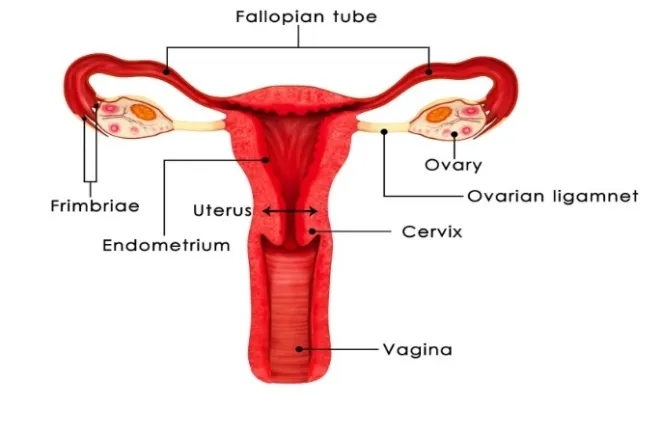
Figure 1.1: Female Reproductive Tract
Oestrogen and progesterone regulate the menstrual cycle and reproductive functions. These hormones regulate changes in the endometrium.2 Oestrogen influences vaginal health and acidity. After ovulation, the corpus luteum secretes progesterone to support early pregnancy. Ovarian hormonal activity gradually declines after menopause.3
1.2 Definition and basic structure of the vagina.
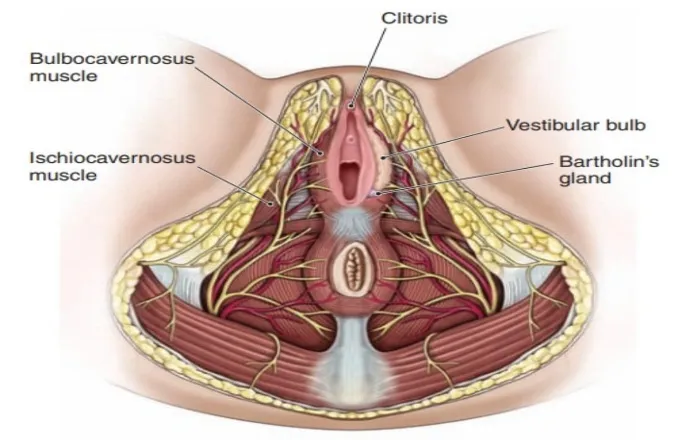
Figure 1.2: Structure of the Vagina
The vagina is a muscular tube that connects the external genital area to the uterus through the cervix. In an adult female, it is usually about 7–9 cm long. It can stretch and become longer when needed. The vagina forms an angle of more than 90° with the normally tilted-forward uterus. At its upper end, the cervix projects into the vagina, creating small spaces around it called fornixes. These include anterior, posterior and later.4The vaginal wall consists of four layers: stratified squamous epithelium, which protects against infections and damage; lamina propria, which contains elastic fibres and blood vessels; fibromuscular layer, which enables stretching and contraction; and adventitia, which supports and connects the vagina to surrounding tissues.5 The vaginal epithelium acts as a protective barrier against pathogens, while the endocervix has a single layer of columnar epithelial cells that can be susceptible to certain sexually transmitted pathogens. Hormonal changes and disturbances in the vaginal environment may weaken these protective mechanisms and increase infection risk .6–8 The vagina functions as the female copulatory organ, serves as the birth canal, and allows menstrual blood and secretions to pass out of the body.9 Its inner lining consists of moist, non-keratinized stratified squamous epithelium.7 Oestrogen stimulates glycogen production in vaginal epithelial cells, and glycogen-derived carbohydrates support beneficial Lactobacillus bacteria that help maintain vaginal health.10
1.3 Vaginal Mucosa
The vaginal mucosa is the inner lining of the vagina and acts as the first line of defence against microorganisms such as Candida. Its epithelial cells form a physical barrier, remove infected cells through shedding, and release substances that help fight infections. Mucus keeps the lining moist, provides lubrication, and helps regulate sperm movement. The cervicovaginal mucosa also protects against harmful substances and microorganisms.11,12 Immune cells, including CD4+ and CD8+ memory T cells, natural killer (NK) cells, and B cells, help recognize and fight infections.13 Vaginal microbiota refers to the microorganisms naturally present in the vagina. A healthy vaginal environment generally has an acidic pH of 3.8–4.5 and is dominated by beneficial Lactobacillus bacteria, which may constitute more than 75% of the microbiota in some women.14,15 These bacteria help maintain acidity, inhibit harmful microorganisms, and preserve microbial balance. A reduction in Lactobacillus can cause microbial imbalance, known as dysbiosis, which is associated with bacterial vaginosis, vaginal candidiasis, and sexually transmitted infections.16–18 Maintaining vaginal health is essential for women’s reproductive health. Beneficial Lactobacillus bacteria protect against infections, while microbial imbalance (dysbiosis) may cause discharge, itching, inflammation, and discomfort.17 It may also affect fertility and pregnancy outcomes, including preterm birth. Untreated infections can lead to complications such as pelvic inflammatory disease, infertility, and ectopic pregnancy .Although antibiotics and antifungals treat many infections, recurrence may occur due to biofilm formation and antimicrobial resistance.16,19,20 Therefore, maintaining vaginal health and developing effective treatments are important for reproductive well-being.
1.4 Introduction to vaginal infections
Vaginal infections are conditions caused by harmful microorganisms or disturbances in the normal vaginal microbial balance. They may occur as vaginosis, involving microbial imbalance, or vaginitis, involving vaginal inflammation. In some cases, multiple infections or causes of inflammation may occur simultaneously, resulting in mixed infections. Treatment can be challenging due to recurrent infections and antimicrobial resistance, highlighting the need for effective therapeutic approaches.21
Types of vaginal infection
1.4.1 Yeast Infection (Vulvovaginal Candidiasis)
Definition and Introduction-Vaginal candidiasis, also called a vaginal yeast infection, is a common type of vaginal infection that affects millions of women worldwide. Although it is often considered a minor infection, it can affect a woman's health and quality of life. In women of reproductive age, it accounts for approximately one-third of vulvovaginal infection.
Causative Organism-The main organism responsible for vaginal yeast infection is a fungus called Candida albicans. Other species of Candida can also cause this infection. Normally, the vagina contains different microorganisms that live together in a natural balance. When this balance is disturbed, Candida can grow excessively and cause an infection.22
Pathogenesis - In vaginal yeast infection, Candida attaches to the vaginal lining and may invade the surface tissues, triggering an inflammatory response in which the body’s defence system reacts to the infection. The pathogenesis involves several steps, including adhesion, where the fungus attaches to the vaginal lining; invasion, where it enters the surface tissues; morphological changes, which help it survive and cause infection; enzyme production, which helps damage or penetrate tissues; and environmental adaptation, which allows it to adjust to changes in its surroundings and continue to survive.23
1.4.2 Bacterial Vaginosis (BV)
Definition and Introduction-Bacterial vaginosis (BV) is a common vaginal condition caused by an imbalance in the normal bacteria present in the vagina. It may cause an unpleasant smell and vaginal discharge, but some women may not experience any symptoms.
Causative Organisms-Normally, beneficial bacteria called Lactobacillus, such as Lactobacillus crispatus, help maintain a healthy vaginal environment. In BV, these protective bacteria decrease, while other bacteria increase. These include Gardnerella species, Fannyhessea vaginae, Prevotella species and other bacteria.24
Pathogenesis of Bacterial Vaginosis (BV)-The pathogenesis of bacterial vaginosis (BV) begins with a decrease in protective Lactobacillus bacteria, which normally produce lactic acid to maintain a low vaginal pH and protect against harmful microorganisms .This allows Gardnerella vaginalis to grow on the vaginal lining, reducing the dominance of beneficial bacteria. It then forms a biofilm that supports the growth of other bacteria, such as Prevotella bivia and Atopobium vaginae. These bacteria produce enzymes and other substances that disrupt the protective mucus layer and increase vaginal pH. As a result, the microbial imbalance may cause vaginal discharge and a characteristic fishy odour. Vaginal epithelial cells covered with bacteria, known as clue cells, may also be observed.25
1.4.3 Vaginal Trichomoniasis
Definition - Trichomoniasis is a sexually transmitted infection (STI) that spreads mainly through sexual contact with an infected person. It can affect both males and females.
Causative Agent-Trichomoniasis is caused by Trichomonas vaginalis, a flagellated protozoan parasite that infects the human genital tract.25
Pathogenesis of Trichomoniasis-T. vaginalis exists in the trophozoite stage and multiplies by longitudinal binary fission in the lower genital tract. After entering the genital tract, it attaches to squamous epithelial cells through surface molecules that bind to proteins on host cells. The parasite releases proteolytic enzymes that damage epithelial cells, degrade the protective mucus layer and contribute to tissue injury. These changes trigger the host immune response, leading to the release of inflammatory cytokines and causing inflammation of the vaginal tissues. The parasite can also use these enzymes to evade host immune defenses, helping it persist in the genital tract. The incubation period generally ranges from 5 to 28 days, and the infection may persist for longer periods if untreated. T. vaginalis does not form a cyst stage and survives poorly outside the human body.26
1.4.4 Viral Infections Affecting the Female Genital Region
Viral infections can affect the female genital region and may cause lesions, inflammation and other complications. Common examples include genital herpes, caused by herpes simplex virus (HSV), and human papillomavirus (HPV) infection, which may cause genital warts and is associated with cervical cancer. However, these infections do not always directly involve the vagina and are therefore distinguished from common causes of vaginitis, such as bacterial vaginosis, vulvovaginal candidiasis and trichomoniasis.
A. Condyloma Acuminata (HPV)-Condyloma acuminata, commonly known as genital warts, is caused mainly by human papillomavirus (HPV) types 6 and 11. It produces small, raised or cauliflower-like growths around the genital area and may sometimes affect the vaginal region. These lesions are often painless but can cause itching or irritation.27
B. Genital Herpes (HSV)-Genital herpes is a viral infection caused by herpes simplex virus types 1 and 2 (HSV-1 and HSV-2). It can affect the vulva and vaginal mucosa, causing painful blisters that may develop into ulcers or sores. The infection can recur because the virus remains dormant in the body and may reactivate later.28
1.4.5 Non-Infectious Vaginal Conditions
Non-infectious vaginal conditions occur due to hormonal changes, irritation or inflammation rather than infectious microorganisms.Atrophic vaginitis occurs due to reduced estrogen levels, causing vaginal dryness, thinning and irritation.29,30Irritant or allergic reactions to soaps, fragrances, lubricants and other products may cause burning, itching and redness. Desquamative inflammatory vaginitis (DIV) is an uncommon inflammatory condition characterized by vaginal discharge, irritation and pain during intercourse, with an unclear underlying cause. These conditions require treatment according to their underlying cause rather than routine antimicrobial therapy.31
1.5 Global prevalence:
According to the World Health Organization, bacterial vaginosis affects approximately 23–29% of women of reproductive age worldwide.32Vulvovaginal candidiasis affects approximately 70–75% of women at least once during their lifetime, with Candida albicans responsible for around 90% of cases.33A global meta-analysis reported a pooled prevalence of 8% for Trichomonas vaginalis infection, although country-specific estimates ranged from 1% to 35%.34 Studies have also reported Mycoplasma genitalium in up to 10% of sexually active men and women, with prevalence reaching 20% in certain key populations.
Prevalence reported in individual studies:
In one study involving 438 participants, the prevalence of bacterial vaginosis was 22.8%, vulvovaginal candidiasis was 21.7%, and Trichomonas vaginalis infection was 2.1%. Mixed infections, involving two or more conditions, accounted for 6.2% of participants.35In another study, vaginal infections were identified in 15.6% of women of reproductive age. The reported prevalence was 17.3% among non-pregnant women and 13.3% among pregnant women.36Candidiasis was the most commonly identified infection in that study, at 8.3%, followed by trichomoniasis at 2.1%.
In another study, the prevalence of bacterial vaginosis (BV) was reported to be 9.2%. The highest prevalence was observed among women aged 25–35 years. BV was more common in symptomatic women (14%) than in asymptomatic women (6%).37A higher prevalence was also observed among women who were not using contraception and those with a longer duration of cohabitation. Elevated vaginal pH, the presence of clue cells, and a positive amine test were strongly associated with BV.
Recurrence of vulvovaginal candidiasis: Approximately 40–50% of women experience at least one recurrence, while 5–10% experience recurrent vulvovaginal candidiasis, defined in the supplied source as four or more episodes per year.38Recurrent vulvovaginal candidiasis (RVVC) affects approximately 138 million women worldwide every year, with estimates ranging from 103 million to 172 million. The annual prevalence is about 3,871 cases per 100,000 women. Over their lifetime, approximately 372 million women are estimated to experience this condition. Women aged 25–34 years have the highest prevalence, at around 9%. By 2030, the number of women affected annually is expected to increase to nearly 158 million, resulting in approximately 20 million additional cases. In high-income countries, the economic burden due to lost productivity could reach US$14.39 billion annually.39
1.6 Clinical significance of vaginal infection
Women with vaginal infections may experience symptoms such as itching, bad smell, pain during urination, and pelvic discomfort. These symptoms can affect their physical and mental well-being. The main causes of vaginal discharge are bacterial vaginosis, vulvovaginal candidiasis, and trichomoniasis. Bacterial vaginosis occurs when the normal balance of vaginal bacteria is disturbed, causing protective Lactobacillus bacteria to decrease and other bacteria, such as Gardnerella vaginalis and Mobiluncus species, to increase. Vulvovaginal candidiasis is mainly caused by Candida albicans and causes thick, white discharge and severe itching. Trichomoniasis is caused by a parasite called Trichomonas vaginalis and may cause frothy, bad-smelling discharge and vaginal irritation.In vulvovaginal candidiasis, the vulva and vagina may become red, swollen, and irritated. Thick, white discharge and skin scratches due to itching may also occur. Some women may have very little or no discharge. Symptoms are usually more severe with Candida albicans and milder with Candida glabrata. Since different vaginal infections can cause similar symptoms, tests such as vaginal pH testing, wet mount examination, and the whiff test may be needed to identify the cause.Although vaginal infections are not always dangerous, severe symptoms can affect daily activities and sexual well-being. Other conditions, such as injuries, foreign bodies, sexually transmitted infections, inflammatory diseases, and malignancy, may cause similar symptoms and should also be considered.40
2. Drawbacks of conventional treatment used in vaginal infection: -
2.1 Resistance: - Antibiotic resistance among bacterial vaginosis-associated bacteria (BVAB) is a major limitation in the treatment of recurrent and persistent BV. Studies have shown that the susceptibility of Gardnerella vaginalis to metronidazole decreases following repeated treatment, suggesting that acquired antibiotic resistance may contribute to treatment failure. Clindamycin resistance has also been reported to increase after treatment, and antimicrobial resistance genes associated with clindamycin and other antibiotics are more prevalent in women with BV than in those without BV. Furthermore, some women continue to experience persistent BV despite metronidazole treatment, with studies reporting an increase in the relative abundance of Gardnerella species and a decline in beneficial Lactobacillus species. These findings suggest that antibiotic resistance, changes in vaginal microbial composition, and bacterial mechanisms that protect against antibiotic effects may contribute to treatment failure. Therefore, further research is needed to improve the use of existing antibiotics and develop new or combination therapies for recurrent and persistent BV.Antibiotic resistance among BV-associated bacteria limits effective treatment. Gardnerella vaginalis may show resistance to metronidazole, while clindamycin activity varies among bacterial species. Biofilm formation further reduces antibiotic susceptibility. Resistance mechanisms involving erm and nim genes contribute to clindamycin and nitroimidazole resistance, respectively, making bacterial eradication difficult.25
2.2 Recurrence: - The major limitation of antibiotic treatment for bacterial vaginosis (BV) is its high recurrence rate, which may range from 50% to 100% within one year. Recurrence may occur due to the failure to restore a Lactobacillus-dominated vaginal microbiome or the regrowth of BV-associated bacteria, such as Gardnerella vaginalis and Atopobium vaginae, which may become less susceptible to subsequent antibiotic treatment. Although antibiotics effectively reduce bacterial overgrowth, oral administration of metronidazole and clindamycin may disturb the gut microbiome, while even intravaginal antibiotic use may increase the risk of vulvovaginal candidiasis. Therefore, antibiotics may not provide long-term restoration of the vaginal microbiome, highlighting the need for additional approaches, such as probiotics and vaginal microbiota transplantation (VMT), to support microbial recovery and prevent recurrence.41
2.3 Biofilm: - The major limitations of probiotic treatment for vaginal infections include the difficulty of achieving successful and sustained colonization of beneficial Lactobacillus species in the vaginal microbiome. Colonization may be influenced by resident vaginal bacteria, glycogen and lactic acid levels, sexual activity, hormonal changes, and menstruation. Furthermore, a single Lactobacillus strain may not be effective for all women because of differences in genetic and immunological backgrounds. Although combinations of strains may be used, the appropriate strains and their compatibility remain uncertain, and competition between strains may affect their colonization and effectiveness. Probiotics also lack other potentially beneficial components, such as bacteriophages and molecules that support bacterial growth and colonization. Additionally, the absence of standardized manufacturing and regulatory guidelines regarding strain selection, dosage, administration, safety, and contamination may lead to inconsistent treatment outcomes. These limitations highlight the need for further research to establish safe, effective, and standardized probiotic formulations for vaginal infections.41Conventional treatment for bacterial vaginosis (BV) has limited long-term effectiveness due to high recurrence rates and bacterial biofilm formation. Biofilms dominated by Gardnerella vaginalis protect BV-associated bacteria by reducing their susceptibility to antibiotics and making complete eradication difficult. Consequently, antibiotics such as metronidazole and clindamycin may relieve symptoms without completely eliminating the infection, leading to recurrence. Antibiotic treatment may also disturb the normal vaginal microbiota by reducing beneficial Lactobacillus species, delaying the restoration of a healthy vaginal environment. The limited availability of effective biofilm-targeting therapies further complicates the management of recurrent BV. Therefore, alternative or adjunctive treatment strategies are needed to target bacterial biofilms and support the recovery of beneficial vaginal bacteria.42
2.4 Stability: - Vaginal gels have significant stability and leakage-related limitations due to the dynamic physiological environment of the vagina. Variations in vaginal fluid volume, the presence of semen, changes in pH, and physiological stresses can alter the rheological properties of gels. These factors may cause dilution of the polymer network, reducing gel elasticity, rigidity, and structural integrity, thereby increasing the risk of leakage. Furthermore, the natural self-cleansing mechanisms of the vagina can shorten gel residence time and reduce contact between the formulation and the vaginal epithelium, potentially compromising drug absorption and therapeutic efficacy. Although mucoadhesive polymers can improve adhesion to vaginal mucosa, their use alone may not provide sufficient resistance to dilution and physiological stresses. To overcome these limitations, combining mucoadhesive polymers with gel-structuring polymers may enhance elasticity, improve resistance to dilution, minimize leakage, and prolong vaginal residence time.43Pessary stability and displacement depend on the type and size of the pessary, vaginal anatomy, prolapse severity, and proper fitting. An appropriately fitted pessary should provide adequate support, ensure patient comfort, and remain in place during the Valsalva manoeuvre. Ring pessaries are commonly used for mild to moderate pelvic organ prolapse, whereas Gellhorn and cube pessaries provide stronger support in advanced cases. One cohort study reported ring pessary dislodgement in 16.1% of women within six months, with apical prolapse significantly associated with displacement. Other factors, such as higher BMI, shorter vaginal length, previous surgery, and advanced prolapse, may also affect successful fitting, although findings vary between studies. Therefore, individualized pessary selection and proper fitting are essential for improving stability, retention, and patient comfort.44
2.5 Irritation: - Conventional topical and vaginal antifungal treatments are generally well tolerated; however, they may cause localized adverse effects, such as burning sensations and irritation, in some patients. Azole antifungals and ciclopirox olamine have been associated with these local reactions in approximately 1–10% of cases. Such discomfort may negatively affect patient adherence to the prescribed treatment regimen, potentially leading to incomplete therapy. Furthermore, treatment-related irritation may be misinterpreted as therapeutic failure or resistance to the antifungal agent, complicating the assessment of treatment effectiveness. Although allergic reactions can occur, they are relatively uncommon.45Pessary use may cause vaginal irritation and epithelial changes, including redness, abrasions, erosions, ulceration, and granulation tissue. Common adverse effects include vaginal bleeding (8–33%), discomfort (up to 79%), vaginal erosions (7–45%), and increased vaginal discharge (15–30%). However, increased discharge does not always indicate infection. These complications may occur due to prolonged pressure or friction between the pessary and vaginal epithelium. Gellhorn and donut pessaries may have higher erosion rates than ring pessaries, while vaginal atrophy, particularly in postmenopausal women, can increase the risk of tissue injury. Management may include proper pessary fitting, vaginal oestrogen therapy, temporary discontinuation, and regular clinical examination. Therefore, appropriate device selection, proper sizing, and regular follow-up are essential to minimize complications and improve patient comfort and safety.44
3. Novel Drug Delivery for Vaginal Infection
3.1 Novel Drug Delivery System
A Novel Drug Delivery System (NDDS) refers to an advanced approach that incorporates innovative techniques, new formulations, and modern technologies to deliver pharmaceutical substances safely and effectively to specific sites in the body to achieve optimal therapeutic outcomes.46Novel drug delivery system (NDDS) is an expression mainly associated with the formulation of new pharmaceutical forms which have optimized characteristics such as smaller particle size, higher permeability parameters, and selective site targeting. NDDSs can be used to enhance the performance of biotherapeutic agents when compared with their effect in the conventional dosage forms.47 Before modern drug-delivery technologies emerged, conventional dosage forms such as immediate-release formulations, sustained-release oral systems, and long-acting injectables were widely used. However, these traditional systems often face challenges such as poor solubility, rapid metabolism, enzymatic degradation, food interactions, and unwanted effects on non-target cells or organs .46
The development of novel drug delivery systems (NDDS) has advanced from conventional dosage forms to controlled-release and targeted delivery technologies. Systems such as liposomes, microspheres, micelles, and nanoparticles improve drug stability, bioavailability, therapeutic efficacy, and patient compliance. Modern NDDS uses biodegradable and smart polymers for sustained and site-specific drug delivery. However, challenges related to drug solubility, biological barriers, cost, and targeted delivery remain.48,49 Conventional vaginal dosage forms often suffer from leakage, short retention time, reduced drug bioavailability, and frequent dosing, which may affect patient compliance. Novel approaches such as nanotechnology, thermoresponsive gels, and mucoadhesive systems help overcome these limitations by improving drug retention and delivery efficiency.50Novel drug delivery systems (NDDS) have gained considerable attention in the treatment of vaginal infections because they can improve drug retention, provide controlled release, and enhance the local availability of therapeutic agents. Conventional vaginal formulations, such as creams, gels, and suppositories, may have limited effectiveness due to leakage, rapid clearance, and insufficient contact time with the vaginal mucosa. Therefore, advanced vaginal drug delivery systems are being developed to overcome these limitations and improve therapeutic outcomes.51
3.2 Types of Novel Drug Delivery used in Vaginal Infection
3.2.1 Liposomal Drug Delivery
Liposomes are spherical lipid nanoparticles consisting of one or more lipid bilayers surrounding an aqueous core.52They can encapsulate both hydrophilic compounds within the aqueous core and lipophilic compounds within the lipid bilayer, making them versatile drug delivery systems.53A study investigated chitosan-coated, clotrimazole-loaded liposomes for vaginal infections. Liposomes coated with different chitosan concentrations (0.1%, 0.3%, and 0.6%) measured 100–200 nm in size. In vitro studies showed prolonged drug release, while ex vivo studies using pregnant sheep vaginal tissue demonstrated improved drug retention and reduced penetration. Lower chitosan concentrations showed better mucoadhesive potential.54PEG coatings and cationic lipids have also been explored to improve mucoadhesion and vaginal retention. Liposomes offer biocompatibility, biodegradability, and versatile drug loading; however, physical instability and limited shelf life remain important limitations.52
3.2.2 Niosomes
Niosomes are vesicular drug delivery systems composed of non-ionic surfactant bilayers surrounding an aqueous core. They can encapsulate hydrophilic and lipophilic drugs and provide improved stability, controlled release, and reduced production costs compared with liposomes. Prepared by methods such as thin-film hydration and sonication, niosomes offer potential for vaginal drug delivery by enhancing local drug availability, prolonging drug retention, and sustaining drug release for the treatment of vaginal infections.Niosomely gels incorporating carbopol demonstrated sustained drug release kinetics following zero-order or Higuchi models, with significantly improved vaginal retention compared to plain drug gels. The non-ionic surfactants provide protection against enzymatic degradation in vaginal fluids.55 Niosomes offer good stability, protect encapsulated drugs from degradation, and enhance drug penetration. They are suitable for various routes of drug administration, including vaginal delivery, where they may improve drug retention and local therapeutic efficacy. Their surfactants are generally biodegradable, biocompatible, and non-immunogenic.56
3.2.3 Nanoparticle based system
Nanoparticles are solid particulate systems, generally ranging from 10 to 200 nm, that can deliver both hydrophilic and hydrophobic drugs. They protect drugs from degradation and support controlled and targeted delivery.Their design focuses on controlling particle size, surface properties, and drug release to achieve site-specific action at an optimal therapeutic dose.57Nanoparticles may improve drug solubility, dissolution rate, bioavailability, and targeting, while reducing unwanted effects. In vaginal drug delivery, they can enhance local drug retention, therapeutic efficacy, and controlled release.58Natural polymer-based nanoparticles are prepared using polymers such as chitosan, alginate, gelatin, zein, and hyaluronic acid. They offer biocompatibility and drug encapsulation, while chitosan may improve mucoadhesion and prolong retention on the vaginal mucosa.Synthetic polymer-based nanoparticles use polymers such as PLGA, PLA, PCL, and polyacrylates. These materials allow control over drug release, stability, and degradation, potentially improving local treatment and reducing administration frequency. Overall, nanoparticles may improve drug solubility, pharmacokinetic properties, penetration across biological barriers, and bioavailability.56
3.2.4 Nano-emulsion
In order to overcome limitations related to intravaginal drug administration, i.e., short contact time with mucosa, constant washing-out by vaginal discharge, low volume of vaginal discharge and high individual anatomical and physiological variability, there is a need for novel gynecological formulations development, such as hydrogels, films, micro- and nanoemulsions or nanoparticles-based drug delivery systems.59Emulsions are biphasic liquid systems where one liquid phase known as the internal or dispersed phase is dispersed as small droplets through the second liquid phase known as the external or continuous phase. Nanoemulsions are defined as oil-in-water or water-in-oil droplets of colloidal dispersions, consisting of two immiscible liquids stabilized by surfactants, with mean droplet diameters typically less than 500 nm. They exhibit enhanced kinetic stability and optical transparency due to their small particle size, which reduces sedimentation and enhances shelf stability.60These systems have high free energy and high solubilizing capacity, and stability as compared to conventional macroemulsions. Bachhav and Patravale formulated gel incorporating nanoemulsion of Clotrimazole for vaginal delivery. The results showed enhanced mucoadhesion and better in vitro antifungal activity in comparison with marketed gel.61
3.2.5 In-Situ Gelling System
In situ gel drug delivery system: In situ gels are liquid formulations that transform into gels under physiological conditions such as changes in temperature, pH, or ion concentration. They provide controlled drug release, prolonged retention, improved patient compliance, and reduced dosing frequency.62In situ gels offer longer vaginal residence time than conventional dosage forms. A mucoadhesive, thermosensitive vaginal gel was developed for vaginitis treatment using Pluronic F-127, Carbopol 934, and hydroxypropyl methylcellulose to improve retention and prolong drug release. In vitro studies demonstrated sustained drug release and prolonged antimycotic activity.63,63Mucoadhesive systems have been investigated in combination with various novel drug delivery approaches to improve drug retention at the vaginal mucosa. Liposomes incorporated into mucoadhesive gels have demonstrated potential for sustained antifungal delivery, while polymeric nanoparticles and lipid-based nanocarriers offer opportunities to improve localized drug delivery and vaginal retention. Similarly, nanoemulsion-loaded mucoadhesive gels have shown promising results for the treatment of vulvovaginal candidiasis, including prolonged vaginal retention in ex vivo studies. Mucoadhesive in situ gelling systems and niosomal formulations are also relevant approaches for investigation in vaginal drug delivery; however, specific references should be cited for the particular formulations discussed. Overall, combining nanocarriers with mucoadhesive platforms may offer potential advantages for localized treatment of vaginal infections.63–65
3.3 Synthetic Marketed Novel Preparation Available For Management Of Vaginal Infection
Conventional vaginal dosage forms, including creams, gels, pessaries and tablets, are widely used for the management of bacterial vaginosis and vulvovaginal candidiasis. Marketed examples include metronidazole vaginal gel and clindamycin vaginal cream for bacterial vaginosis, as well as clotrimazole and miconazole vaginal preparations for vulvovaginal candidiasis. Dequalinium chloride vaginal tablets are also used for bacterial vaginosis in jurisdictions where approved. Recent formulation research has focused on mucoadhesive gels, thermosensitive in-situ gelling systems, nanoparticle-based drug delivery, vaginal films and probiotic-loaded formulations. These approaches aim to improve vaginal residence time, provide sustained drug release and potentially enhance therapeutic efficacy. However, the clinical benefits and regulatory status of each formulation must be evaluated separately, because many advanced delivery systems remain at the preclinical or investigational stage.
Table 1: Synthetic Marketed Novel Preparation Available
| Therapeutic Drug | Intended use | Dosage Form |
|---|---|---|
| Metronidazole (Metrogel Vaginal®) | Bacterial vaginosis | Vaginal gel |
| Tioconazole (Trivagizole®) | Anti-fungal, vaginal Candida infection | Vaginal ointment |
| Clotrimazole (Trivagizole®) | Anti-fungal | Cream |
| Clindamycin | Bacterial Vaginosis | Cream |
| Fluconazole | Candida albicans | Nano-lipid carrier based gel |
| Clotrimazole | Yeast Infection | Thermoreversible Vaginal gel |
| Itraconazole | vaginal candidiasis | Bioadhesive film |
| Probiotic formulations | Investigated or used in vaginal microbiota restoration | Lactobacillus-based vaginal preparations |
Each system enables protection of active compounds and controlled systemic release, improving therapeutic outcomes. These proprietary platforms have expanded the practical use of herbal medicines by enhancing stability, intestinal permeability, and clinical reliability. They are widely adopted in nutraceuticals, phytopharmaceuticals, and modern herbal therapeutics.62
4.Herbal based novel drug delivery system for treatment of vaginal infection.
4.1 Herbs used in the treatment of vaginal infection
1.Nigella sativa (Black Seed)
[Figure - see the formatted PDF]
Figure 4.1: 1. Nigella Sativa (Black Seed)
Nigella sativa L., commonly known as black seed or kalonji, belongs to the family Ranunculaceae. Its seeds contain bioactive constituents, particularly thymoquinone, which has demonstrated antimicrobial and antifungal properties. The herb has been investigated for its potential role in vulvovaginal candidiasis, a fungal infection commonly caused by Candida albicans. A randomized clinical trial evaluated a vaginal cream containing N. sativa extract and honey in women with vulvovaginal candidiasis and reported improvements in several symptoms following treatment.66 Nigella sativa contains bioactive compounds such as thymoquinone and thymol, which have been investigated for their antifungal properties. Studies have reported antifungal activity of its extracts and essential oil against Candida albicans, a fungus associated with vulvovaginal candidiasis.67,68 Its extracts have also shown inhibitory activity against nystatin-resistant C. albicans strains in laboratory studies.
2. Myrtus communis (Myrtle)
[Figure - see the formatted PDF]
Figure 4.1: 2. Myrtus Communis (Myrtle)
Myrtus communis L., commonly known as myrtle, is a medicinal plant belonging to the family Myrtaceae. Its leaves contain essential oils and bioactive compounds, including α-pinene, 1,8-cineole, and linalool. Studies have reported antifungal activity of M. communis extracts and essential oils against Candida albicans.69,70 Furthermore, a clinical study investigated vaginal gel containing M. communis extract alongside metronidazole for bacterial vaginosis and reported improved treatment outcomes compared with metronidazole gel alone.71A clinical trial evaluated vaginal suppositories containing M. communis and Quercus infectoria (oak gall) for vaginitis.72
3.Melissa officinalis (Lemon balm)
[Figure - see the formatted PDF]
Figure 4.1: 3. Melissa Officinalis (Lemon Balm)
Melissa officinalis L., commonly known as lemon balm, belongs to the family Lamiaceae. Its essential oil has demonstrated antifungal activity against Candida species, including multidrug-resistant strains isolated from women with vulvovaginal infections. Studies have also reported inhibitory effects on Candida biofilm formation in laboratory experiments.73
4.Hypercium perforatum (St. John’s wort)
[Figure - see the formatted PDF]
Figure 5.1: 4. Hypercium Perforatum (St. John’s Wort)
Hypericum perforatum L., commonly known as St. John’s wort, is a flowering medicinal plant belonging to the family Hypericaceae. It has been investigated as a topical vaginal treatment for vaginal infections because its constituents, including hyperforin, hypericin, flavonoids, and tannins, exhibit antimicrobial and anti-inflammatory activity. In a randomized clinical trial of women with bacterial vaginosis, a 3% H. perforatum vaginal gel produced a cure rate comparable to 0.75% metronidazole vaginal gel (82% vs 85%), with a lower reported recurrence rate at 30 to 35 days.74
5. Punica granatum (Pomegranate)
[Figure - see the formatted PDF]
Figure 4.1: 5. Punica Granatum (Pomegranate)
Punica granatum L. (pomegranate), a plant of the family Lythraceae, has received increasing attention as a potential topical therapy for vaginal infections owing to the antimicrobial and anti-inflammatory properties of its polyphenol-rich peel and fruit extracts. In vitro studies have demonstrated activity of pomegranate peel extract against urogenital Candida isolates, including inhibition of fungal growth, germ-tube formation, adhesion, and biofilm development.75,76
6. Zataria multiflora (Shirazi thyme)
[Figure - see the formatted PDF]
Figure 4.1: 7. Zataria Multiflora (Shirazi Thyme)
Zataria multiflora, commonly known as Shirazi thyme, is an aromatic herb from the mint family (Lamiaceae) that has long been used in traditional medicine. Its essential oil contains thymol and carvacrol, compounds known for their antibacterial, antifungal, and antiprotozoal properties. Because of these actions, researchers have studied Z. multiflora as a vaginal cream for common infections such as bacterial vaginosis, candidiasis, and trichomoniasis. In clinical studies, a 0.1% Z. multiflora vaginal cream helped relieve symptoms such as abnormal discharge, odor, and itching, with results generally comparable to standard medicines like metronidazole and clotrimazole.77,78
7. Terminalia chebula (Haritaki)
[Figure - see the formatted PDF]
Figure 4.1: 6. Terminalia Chebula (Haritaki)
Terminalia chebula Retz. (Haritaki), a medicinal plant of the family Combretaceae, has been traditionally used for infectious and inflammatory disorders and is increasingly investigated for its antimicrobial potential.Its fruit contains tannins and polyphenols such as chebulagic acid, chebulinic acid, gallic acid, and ellagic acid, which have demonstrated antibacterial and antifungal activity in laboratory studies. Although direct clinical evidence for the treatment of vaginal infections is limited, these properties support the potential use of T. chebula extracts in topical or vaginal formulations for bacterial vaginosis and vulvovaginal candidiasis.79,80
8. Clerodendrum serratum (Bharangi)
[Figure - see the formatted PDF]
Figure 4.1: 8. Clerodendrum Serratum (Bharangi)
Clerodendrum serratum (L.) Moon, also known as Bharangi and currently accepted as Rotheca serrata, is a medicinal shrub belonging to the mint family, Lamiaceae. It has been traditionally used for respiratory and inflammatory conditions, while its roots and leaves contain phenolic compounds, flavonoids, terpenoids, and ursolic acid. Laboratory studies have found that extracts of C. serratum can inhibit the growth of several bacteria and Candida albicans, the fungus commonly responsible for vaginal yeast infections. However, there is currently no strong clinical evidence that C. serratum effectively treats vaginal infections in humans, so it should be considered a plant with potential antimicrobial activity rather than an established vaginal treatment.81,82
Table 2: Herbs Used in the Treatment of Vaginal Infection
| No. | Plant / Herb (Scientific and common name) | Family of plant | Part of the plant used | Reported / investigated activity |
|---|---|---|---|---|
| 1 | Nigella sativa (Black seed) | Ranunculaceae | Seeds | Antifungal for vulvovaginal candidiasis |
| 2 | Myrtus communis (Myrtle) | Myrtaceae | Leaves | Antibacterial; investigated for bacterial vaginosis |
| 3 | Melissa officinalis (Lemon balm) | Lamiaceae | Leaves | Antimicrobial potential |
| 4 | Hypericum perforatum (St. John’s wort) | Hypericaceae | Flowering aerial parts | Anti-inflammatory; antimicrobial potential |
| 5 | Punica granatum (Pomegranate) | Lythraceae | Fruit peel | Antimicrobial and antifungal |
| 6 | Zataria multiflora (Zataria) | Lamiaceae | Aerial parts | Antifungal activity against Candida species |
| 7 | Terminalia chebula (Black myrobalan) | Combretaceae | Fruit | Antifungal activity against Candida species |
| 8 | Clerodendrum serratum (Bharangi) | Lamiaceae | Roots and leaves | Antifungal potential |
In addition to the herbs discussed in detail, other medicinal plants have been explored for their potential role in managing vaginal infections and associated discomfort. These include Calendula officinalis (calendula), Matricaria chamomilla (chamomile), Achillea millefolium (yarrow), and Capsella bursa-pastoris (shepherd’s purse), which have been incorporated into combined vaginal preparations investigated for vaginitis. Although these formulations showed improvements in symptoms, the contribution of each individual herb remains uncertain. Other plants, such as Origanum vulgare (oregano),Melissa officinalis (lemon balm), Berberis vulgaris (barberry), and Curcuma longa (turmeric), have attracted interest because of the antimicrobial or antifungal activity of their extracts or constituents, with some clinical research involving curcumin-containing vaginal preparations.
4.3 Marketed Novel Herbal Formulations for Vaginal Treatment
Marketed novel herbal formulations for vaginal treatment combine plant-derived ingredients with dosage forms such as gels, suppositories, and pessaries for localized delivery. Some incorporate advanced carriers or probiotics to improve formulation performance. Examples include Palomacare®, Acidosalus®, Bioapigyn® V, and Himalaya V-Gel.
Table 3: Marketed Novel Herbal Formulations Available for Vaginal Treatment83–86
| Marketed product / brand name | Manufacturer company | Ingredients | Application / activity | Novelty | Image of product |
|---|---|---|---|---|---|
| 1. Palomacare® Vaginal Gel | Procare Health, Spain | Hyaluronic acid, beta-glucan, Centella asiatica and other ingredients, depending on the formulation. | Vaginal hydration, mucosal protection and support for vaginal health. | Uses niosomes and phytosomes, as described in product information |
|
| 2. Acidosalus® Vaginal Suppositories | MarinaLab, Croatia | Lactobacillus acidophilus, Lactobacillus rhamnosus, inulin, beta-glucan and reported herbal oils or extracts. | Intended to support vaginal pH and microbial balance. | Combines probiotics and selected herbal ingredients in a vaginal suppository. | |
| 3. Bioapigyn® V Antiviral Pessaries | Apiherbal Ltd., Croatia | Reported plant extracts and essential oils. | Marketed for genital and vaginal care; specific antiviral and antimicrobia | Polyherbal vaginal pessary formulation. | |
| 4. Himalaya V-Gel Vaginal Gel | Himalaya Wellness Company, India | Triphala (Emblica officinalis, Terminalia chebula, Terminalia bellirica), Persian rose (Rosa damascena), cardamom (Elettaria cardamomum), Boerhaavia diffusa, Parmelia perlata, Vitex negundo and turmeric (Curcuma longa). | Marketed for symptomatic relief of vaginal irritation, itching and discharge. | Combination of herbal extracts in a vaginal gel. |
5. Future Perspectives on Novel Herbal-Based Drug Delivery Systems for the Treatment of Vaginal Infections
Herbal-based drug delivery systems offer promising approaches for the treatment of vaginal infections. Herbal in situ gels, vaginal films, fast-dissolving inserts, and controlled-release suppositories can be developed to improve ease of administration, reduce leakage, and prolong contact with the vaginal mucosa. The incorporation of mucoadhesive polymers may enhance formulation retention, while suitable formulation bases can support the gradual release of herbal extracts or isolated phytoconstituents at the site of infection.Lipid-based nanocarriers, including liposomes and nanostructured lipid carriers, may improve the solubility and stability of poorly water-soluble phytoconstituents and protect them from degradation. Combining these carriers with mucoadhesive polymers could provide improved local retention and delivery. Another important approach is to develop herbal formulations that target pathogenic microorganisms while preserving beneficial vaginal bacteria, particularly Lactobacillus species. Combining herbal actives with probiotics or microbiota-supporting strategies may also be explored, provided their compatibility is established experimentally.63,87
Future Scope: The future of novel herbal-based drug delivery systems lies in developing optimized, stable, and mucoadhesive vaginal formulations incorporating standardized herbal extracts or selected phytoconstituents in suitable nanocarriers. Herbal in situ gels or controlled-release vaginal formulations could be investigated to enhance local antimicrobial activity and prolong vaginal residence time. Future research should focus on formulation optimization, physicochemical characterization, stability studies, antimicrobial and antibiofilm evaluation, mucoadhesive strength, vaginal pH compatibility, mucosal tolerability, and effects on beneficial Lactobacillus species.88 These approaches may provide potential alternatives to conventional vaginal formulations; however, their safety and therapeutic effectiveness must be established through appropriate experimental and clinical studies.
CONCLUSION
The management of vaginal infections requires therapeutic approaches that address not only pathogenic microorganisms but also recurrence, biofilm formation, and disruption of the normal vaginal microbiota. The literature reviewed indicates that several medicinal plants possess promising antimicrobial and antifungal properties, with some supported by preliminary clinical findings. However, evidence varies among herbs, and laboratory activity does not necessarily translate into clinical effectiveness. Novel drug delivery systems offer opportunities to overcome formulation-related limitations through improved mucosal retention, controlled release, and localized delivery of therapeutic agents. Existing marketed products demonstrate the diversity of herbal, probiotic, and combination-based vaginal formulations, but their availability alone does not establish their superiority over conventional treatments. Therefore, the key future direction is to develop standardized herbal formulations that combine suitable bioactive compounds with effective delivery platforms while maintaining vaginal mucosal safety and beneficial Lactobacillus populations. Rigorous formulation studies and well-designed clinical trials are essential before these systems can be recommended as reliable alternatives or adjuncts to established treatments.
REFERENCES






Manasi Thakre, Saakshi Khade, Chaitanya Bari, Saniya Rothe, Shrutika Patil, Sanika Bondre, Novel Approach of Herbal Based Drug Delivery System for Treatment of Vaginal Infection, Int. J. of Pharm. Sci., 2026, Vol 4, Issue 11, 361-380. https://doi.org/10.5281/zenodo.23923123
 10.5281/zenodo.23923123