

We use cookies to ensure our website works properly and to personalise your experience. Cookies policy
SOS in Pharmaceutical Sciences, Jiwaji University, Gwalior (MP), India.
Herbal products have become an item of global importance both medicinally and economically. Although usage of these herbal products has increased, their quality, safety and efficiency are serious concerns in industrialized and developing countries. The present research has been undertaken with the aim to formulate and evaluate the pure herbal formulation. An herbal soap was formulated using the leaf and bark extract of Azadirachta indica, and tulsi. The natural content in the herbs does not have any side effect on the human body. Most herbal supplements are based on several botanical ingredients with long histories of traditional or folk medicine usage. Numerous chemical toxins, microorganism present in the atmosphere may cause chemical infection and damage to skin. Cosmetics alone are not sufficient to take care of skin and body parts. Neem (Azadirachta indica) tree has attracted worldwide prominance owing to its wide range of medicinal properties. neem leaves and its constituents have been demonstrated to exhibit anti– inflammatory, antihyperglycemic, antiulcer, antimalarial, antifungal, antibacterial, antimutagenic and anticarcinogenic properties. This study was conducted to evaluate the effect of aqueous, ethanolic and ethyl acetate extract from neem leaves. The physicochemical parameters of formulations (Physical evaluation, pH, Foaming ability and foam stability) were determined. The results showed that formulation have pH level nearly equal to skin pH, Foaming index is excellent. Saponification is the chemical reaction in which triglycerides are mixed with strong base to form fatty acid metals salts during soap preparation. The herbal extracts were tested for the microbial growth inhibition of Escherichia coli, Staphylococcus aureus and Candida albicans by anti-microbial testing. The herbal extracts formulated and prepared herbal soaps were calculated for hardness, cleansing, conditioning, bubbly, creamy, and INS (Iodine and Saponification Value).
The outer covering of the body, known as human skin, constitutes the primary line of defense that safeguards the body from a variety of pathogens. Due to its constant exposure to various environmental stimuli, the skin is susceptible to damage as it interacts with the surroundings. Herbal soaps prove effective in addressing diverse skin issues. These soaps incorporate glycerine, a component not commonly found in commercial soaps. Because glycerine is essential for skin moisture retention, these soaps are great for those with dry skin. Medicinal or therapeutic herbal soaps include antimicrobial and antifungal ingredients sourced from various plant components, such as leaves, stems, roots, and fruits. In order to cure injuries, illnesses, or to promote general health, these concoctions use the medicinal characteristics of plants. They come in a variety of forms that may be used topically, including creams, gels, soaps, solvent extracts, and ointments. A bar of natural soap is one that uses only natural components, including plant extracts or essential oils, and does not include any synthetic surfactants. Herbs are used to cure a variety of skin issues and illnesses because they are natural, efficient, inexpensive, widely available, and work effectively for human body.
The concept of using soap for washing and body maintenance was initially introduced by Galen. However, some chemical soaps available today can often lead to dryness and skin irritation. As a consequence, prevalence of herbal-based soaps is on the increase owing to their efficiency in managing cutaneous ailments. Soap was formerly manufactured by combining animal fats with lye, a process that was widely practiced and sourced from nature. On the current day soap is fabricate with fats and an alkali with a most common method cold process also some peoples make soap using historical hot process. Aim of the current research is formulating a polyherbal soap utilizing extracts from Ocimum sanctum, Azadirachta indica (Neem). The study aims to assess various parameters including appearance, pH, physical attributes, foam height, foam retention, and high-temperature stability. This evaluation is essential for the standardization of the polyherbal soap formulation, paving the way for potential commercial Citation use. [1, 2, 3]
.
Advantages of Herbal soaps:
Disadvantages of Herbal Soap:
Raw materials used for the preparation of Herbal soaps
1) Neem powder (Azadirachta indica)
Advantages
Disadvantages
2) Turmeric powder (Curcuma longa)
Advantages
Disadvantages
3) Aloe juice (Aloe barbadensis miller)
Advantages
Disadvantages
4) Charcoal (Amorphous Carbon)
Advantages
a. Clinical Settings: Utilized by healthcare professionals in specific toxicological protocols.
b. Industrial Filtration: Employed to purify drinking water and filter air contaminants.
c. Personal Care: Included in various consumer products for its abrasive or deodorizing properties.
d. Digestive Support: Sometimes used to address symptoms of intestinal gas.
e. Drug Interactions: Can interfere with the absorption of oral medications, including daily prescriptions.
f. Gastrointestinal Effects: May cause constipation or changes in stool consistency.
g. Emergency Protocol: In the event of suspected poisoning or overdose, it is critical to contact emergency services or a poison control center immediately rather than attempting self-treatment.
Disadvantages
Not effective against all substances, such as alcohols, corrosive agents. [1, 14]
5) Other excipients used:-
a) Soap base- A glycerin soap base is a pre-made, "melt and pour" foundation crafted from plant oils, glycerin, and natural solvents. Renowned for its hydrating qualities, it is the safest and easiest way to create customized, skin-friendly soaps at home without handling harsh chemicals like lye. Understanding what makes up a glycerin base will help you choose or formulate the perfect bar.
b) Vegetable Oils: Nourishing bases like coconut or palm oil provide the primary lather and cleansing.
c) Glycerin: A natural humectant that draws moisture from the air to keep your skin deeply hydrated. It. is arguably the most important pharmaceutical excipient after water. Its standout pharmaceutical key point is its remarkable multifunctionality—it safely acts as a solvent, humectant, sweetener, and lubricant all at once, making it indispensable in modern drug formulation.
d) Sugar & Solvents: Ingredients like sucrose and propylene glycol dissolve soap molecules to give the base its signature translucent or transparent look.
e) Surfactants: Compounds like sodium stearate and SLES create the rich, bubbly lather you expect from a great bar of soap.
f) Bees wax- Beeswax is a natural lipid secreted by worker honeybees to build honeycomb. It is renowned for its moisture-locking, non-toxic, and antimicrobial properties, making it a staple in cosmetics, pharmaceuticals, food preservation, and candle making.
g) Sodium Lauryl sulfate (SLS) - also known as sodium dodecyl sulfate (SDS), is a highly effective anionic surfactant and foaming agent. Derived naturally from coconut or palm kernel oil, it is widely used across the cosmetic, pharmaceutical, and cleaning industries to emulsify oils, reduce surface tension, and create lather.
h) EDTA (Ethylenediaminetetraacetic acid) - is a powerful, synthetic chelating agent. Its primary function is to bind tightly to di- and trivalent metal ions (such as calcium, magnesium, and iron), making it a staple in medicine, laboratory testing, food preservation, and industrial manufacturing.
i) Citric Acid Anhydrous - is a water-free, naturally occurring organic acid used in pharmaceutical and cosmetic soaps to control pH, act as a chelating agent to prevent soap scum and rancidity, and act as a mild exfoliant.
j) Coconut Oil- is primarily used as a multi-functional pharmaceutical excipient (inactive ingredient) rather than an active drug. Its unique chemical structure, high stability, and biocompatibility make it a critical component in modern drug delivery systems. [1, 15, 16]
METHOD OF PREPARATION
Table 1: Composition of Soap’s
| S. NO. | INGREDIENT | F-I (Neem) |
F-II (Turmeric) |
F-III (Aloe) |
F-IV (Charcoal) |
|---|---|---|---|---|---|
| 1. | HERBAL POWDER | 5 gm | 5 gm | 5 gm | 5 gm |
| 2. | SOAP BASE | 33.5 gm | 33.5 gm | 33.5 gm | 33.5 gm |
| 3. | BEES WAX | 4.5 gm | 4.5 gm | 4.5 gm | 4.5 gm |
| 4. | GLYCERIN | 5.3 ml | 5.3 ml | 5.3 ml | 5.3 ml |
| 5. | SLS | 1.5 gm | 1.5 gm | 1.5 gm | 1.5 gm |
| 6. | EDTA | 0.5 gm | 0.5 gm | 0.5 gm | 0.5 gm |
| 7. | CITRIC ACID | 0.5 gm | 0.5 gm | 0.5 gm | 0.5 gm |
| 8. | COCONUT OIL | 2.5 ml | 2.5 ml | 2.5 ml | 2.5 ml |
Procedure: -
1) Neem soap (F-I)
Measure out neem powder into a small bowl. Add coconut oil to the powder and stir to create a smooth, clump-free paste. This ensures the neem powder blends evenly into the hot soap base. Place soap base and beeswax into a heat-safe bowl. Melt them gently until they are completely liquid. Beeswax has a higher melting point, so ensure it is fully integrated with the soap base. Once the mixture is fully melted and removed from the heat (but still very hot and liquid), slowly stir in EDTA and citric acid. Mix thoroughly until they are completely dissolved in the base. Add SLS (Sodium Lauryl Sulfate), which boosts lather, glycerin, and neem-coconut oil paste. Stir the entire mixture continuously for 1–2 minutes until you achieve a uniform consistency and color. Carefully pour the molten soap mixture into your prepared silicone mold. If you notice small bubbles on the surface, quickly spritz them with isopropyl alcohol to dissolve them. Allow the soap to settle undisturbed in the mold at room temperature for at least 3 to 4 hours, or until it is completely firm and cooled to the touch. Once solid, pop the bars out of the molds. Your soap is ready for use.
2) For Turmeric soap (F-II)
In a small bowl, thoroughly mix the turmeric powder with glycerin and coconut oil until you have a smooth, clump-free paste. Prepare soap base- bees wax melt as above. While the mixture is still hot and fluid, slowly stir in the SLS, EDTA, and citric acid. Stir continuously until they are fully dissolved and incorporated. Gently pour the turmeric-glycerin-coconut oil paste into your melted soap base. Stir thoroughly until the color is consistent throughout the soap. Pour the liquid soap mixture into your preferred silicone soap molds.
3) For Aloe soap (F-III)
In a heat-safe glass or stainless-steel double boiler, melt the Bees Wax and Coconut Oil on low heat. Once liquefied, add Soap Base and stir continuously until completely melted and smooth. Do not let the mixture boil. In a separate small beaker, gently heat Glycerin. Slowly whisk the Aloe Powder into the warm glycerin until you achieve a completely smooth, clump-free paste. This ensures the aloe powder disperses evenly throughout the final soap base. Remove the main melted soap and wax mixture from the heat. Slowly stir the aloe-glycerin paste into the melted soap base. Add SLS, EDTA, and Citric Acid to the mixture. Stir thoroughly for 2 to 3 minutes until all powders are fully dissolved and the mixture is uniform.
Lightly spray a silicone soap mold with rubbing alcohol to prevent bubbles. Carefully pour the liquid soap mixture into your mold. Allow the soap to cool and harden at room temperature for 12 to 24 hours. Once completely firm, remove the bars from the molds.
4) For Charcoal soap (F-IV)
Mix charcoal powder with coconut oil and glycerin in a small bowl. Stir vigorously until it forms a smooth, lump-free paste. In a heat-safe glass or double boiler, melt the soap base and beeswax together on low heat. Stir gently to avoid creating excess bubbles. Once the mixture is fully liquefied, remove it from the heat. Carefully stir in SLS, EDTA, and citric acid. Mix until completely dissolved. Pour the charcoal paste into the melted soap base mixture. Stir slowly but thoroughly until the color is uniformly black and the texture is consistent.
Pour the liquid soap mixture immediately into a silicone soap mold. Spray the top lightly with rubbing alcohol to eliminate any surface bubbles. Let it rest for 2-4 hours until fully hardened, then unmold. [17, 18, 19]
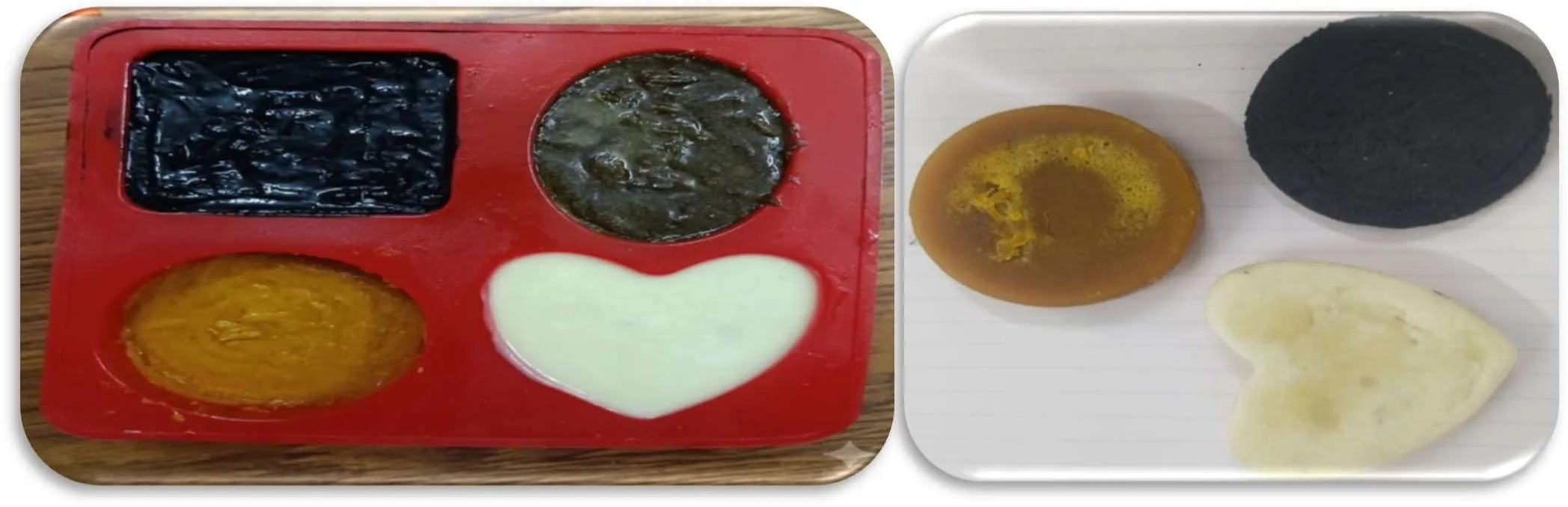
Figure 01: Pour & Set Antimicrobial Soaps
EVALUATION TEST
1) Neem Soap (F-I):-
a) Organoleptic Evaluation:-
b) Chemical Evaluation and Physical Performance Evaluation:-
c) Antimicrobial Efficacy Testing
2) Turmeric Soap (F-II):-
a) Organoleptic Evaluation:-
b) Chemical Evaluation and Physical Performance Evaluation:-
c) Antimicrobial Efficacy Testing
d) Weaknesses and Optimization Risks
3) Aloe Soap (F-III):-
a) Organoleptic Evaluation
b) Chemical Evaluation and Physical Performance Evaluation:-
c) Antimicrobial Efficacy Testing
4) Charcoal Soap (F-IV):-
a) Organoleptic Evaluation
b) Chemical Evaluation and Physical Performance Evaluation:-
c) Antimicrobial Efficacy Testing
RESULTS
Herbal soaps were successfully prepared using a soap base, herbal powder (neem, turmeric, aloe vera, and activated charcoal), beeswax, glycerin, coconut oil, SLS, EDTA, and citric acid.
Table 2: Main Characteristics of Finished Soap
| Parameter | Observation |
|---|---|
| Appearance | Smooth, uniform, and well-molded soap bar |
| Color | Dark greenish-brown to black due to the herbal powder and activated charcoal |
| Odor | Mild, pleasant herbal fragrance |
| Texture | Firm, smooth, and non-gritty |
| pH | Approximately 8.5–10.0 (typical for soap) |
| Foaming Ability | Good, with stable lather due to the presence of SLS and the soap base |
| Cleansing Property | Effective removal of dirt and excess oil while producing adequate foam |
| Skin Feel | Soft and moisturized after washing because of glycerin and coconut oil |
| Homogeneity | Herbal ingredients were uniformly distributed with no visible phase separation or cracks |
| Overall Acceptability | The prepared herbal soap showed satisfactory physical characteristics and was suitable for routine cleansing. |
CONCLUSION
Herbal therapy does have the ability to heal a wide number of skin ailments. Herbs are rich source of active ingredients and can be cost effective skin infection treatment ranging from rashes. Our study showed that the extract od (Once in die) neem, turmeric gives best antimicrobial effect. It also provides moisture to skin. Effectively cleanse the skin, removing dirt, oil, and impurities without stripping away the skin’s natural oils.
The prepared soap showed good physical characteristics, including a smooth appearance, firm texture, and uniform distribution of herbal ingredients. Incorporation of 5 gm herbal powder alongside moisturizing agents like glycerin and coconut oil successfully offsets the harshness of synthetic surfactants like SLS leaving pleasant skin feel after use. The addition of beeswax ensures structural integrity, resulting in a firm bar that lathers well and delivers targeted herbal skincare benefits. This natural formulation is a viable, skin-friendly alternative to commercial antibacterial soaps. Good for skin, useable and cheapest. Overall, the formulation exhibited acceptable quality and can serve as a promising herbal soap for personal hygiene.
REFERENCES


Dr. Sunisha Kulkarni, D. S. Rathour, S. Rajak, N. Prajapati, A. Saket, D. S. Songara, Preparation and Evaluation of Natural Antimicrobial Soap, Int. J. of Pharm. Sci., 2026, Vol 4, Issue 11, 758-767. https://doi.org/10.5281/zenodo.23939875
 10.5281/zenodo.23939875