

We use cookies to ensure our website works properly and to personalise your experience. Cookies policy
Shri Gurudev institute of pharmaceutical education and Research.
Their application in oral drug delivery and health-promoting formulations has gained considerable attention because of their potential to support intestinal microbial balance, modulate immune responses, and improve gastrointestinal health. However, the therapeutic potential of probiotics is often limited by their susceptibility to gastric acidity, bile salts, digestive enzymes, environmental stress, and viability loss during processing and storage. Microencapsulation has emerged as a promising strategy to overcome these limitations by entrapping probiotic cells within protective materials that enhance their stability and survival during gastrointestinal transit. Future research should focus on developing standardized evaluation methods, optimizing encapsulation materials and processes, and validating the safety, stability, and clinical effectiveness of advanced formulations. Overall, probiotic microencapsulation represents a promising approach for improving the performance of oral probiotic delivery systems and expanding their applications in pharmaceutical and healthcare formulations.
Introduction: Probiotics are living microorganisms that, when administered in adequate amounts, may provide beneficial effects on human health. They have attracted considerable interest in pharmaceutical and healthcare research because of their potential role in maintaining intestinal microbial balance, supporting digestive functions, regulating immune responses, and improving intestinal barrier integrity. Their potential health-promoting properties have encouraged their incorporation into functional foods, dietary supplements, and pharmaceutical formulations. Depending on the strain, probiotics may contribute to intestinal microbial balance, produce beneficial metabolites, support immune regulation, strengthen intestinal barrier function, and inhibit the growth of certain pathogenic microorganisms. However, their effectiveness following oral administration depends on maintaining sufficient microbial viability during formulation, storage, and passage through the gastrointestinal tract These limitations highlight the need for protective oral delivery systems. Microencapsulation is a promising formulation strategy that entraps probiotic cells within suitable protective materials, potentially improving their stability, resistance to gastrointestinal stress, and delivery to the intended intestinal site and inhibit the growth of certain pathogenic microorganisms.
This review focuses on recent advances in probiotic microencapsulation for oral drug delivery, with particular emphasis on the materials used, formulation techniques, protective mechanisms, and emerging technological approaches. It also discusses the pharmaceutical and therapeutic applications of encapsulated probiotics, major formulation challenges, evaluation parameters, and future research opportunities. Understanding these aspects may contribute to the development of more stable, effective, and scalable probiotic delivery systems for potential healthcare applications.
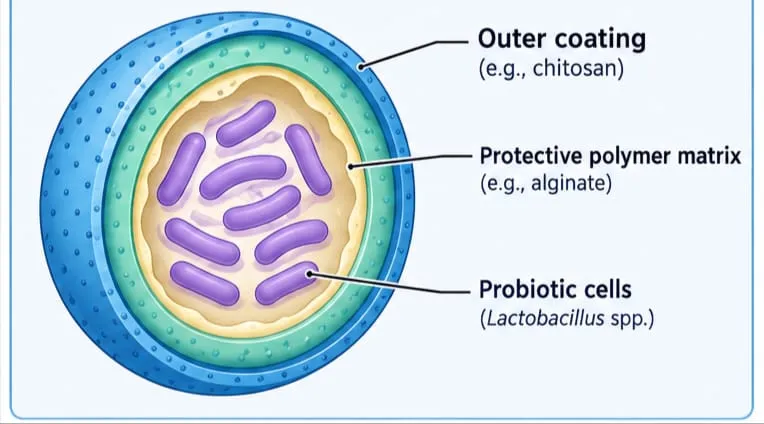
Figure 2: Structure of Probiotic Microencapsulation
Table 1: Role and Mechanism of Different Probiotics
| Probiotic strain | Mechanism | Potential application | Short references (author, journal, year) |
|---|---|---|---|
| Escherichia coli Nissle 1917 | Enhances the mucosal barrier, modulates host cytokines, and helps regulate intestinal flora. | Inflammatory bowel disease; adjuvant antitumor therapy. | Zhao et al. Food & Function. 2022;13(11):5914–5924. Schultz. Inflamm Bowel Dis. 2008;14(7):1012–1018. Yu et al. Microb Biotechnol. 2020;13(3):629–636. |
| Bifidobacterium adolescentis S2-1 | Competes with Porphyromonas gingivalis for growth factors such as vitamin K. | Chronic colitis; attenuation of fracture-induced systemic effects. | Hojo et al. J Appl Microbiol. 2007. (Details unavailable in source review.) unavailable.) |
| Bifidobacteria and Lactobacilli | Activate pro-caspases and downregulate pro-apoptotic Bax proteins. |
Gastrointestinal inflammation and carcinogenesis. | Nowak et al. Crit Rev Food Sci Nutr. 2019;59(21):3456–3467. Sánchez. Nat Rev Gastroenterol Hepatol. 2018. (Details unavailable.) |
| Bifidobacterium longum subsp. | Produces acetate associated with | Suppresses inflammation; | Arvidsson et al. Gut Microbes. 2022. (Details unavailable in |
| Infantis 157 F | protection against Shiga toxin from E. coli O157:H7. | supports intestinal barrier function and acetate production. | source review.) Henrick et al. mSphere. 2018;3(2). |
| Lactobacillus reuteri | Produces antimicrobial agents that inhibit mentions inhibition of lung pathogens. | Antitumor potential; prevention of diarrhea; relief of depression-related symptoms | Prince et al. Appl Environ Microbiol. 2012;78(15):5119–5126. Yu et al. Front Microbiol. 2023;14:1095555. Wang et al. Front Pharmacol. 2022;13:1025860. |
| Lactobacillus sakei JD10 | Produces carnosine and is described as inhibiting pathogenic bacteria. | Potential for combating pathogenic infection and regulating host immune function. | Idrees et al. Front Nutr. 2022;9:959941. Li et al. Microbiol Res. 2021. (Details unavailable.) |
| Bacillus paranthracis MHSD3 | Produces bacteriocin-like substances (BLIS) against Escherichia coli (wording varies in the source table/text). | Potential c ontribution to gastrointestinal tract health. | Diale et al. 2022. (Journal/details unavailable in source review.) Diale et al. Front Genet. 2021;12:672149. |
Microencapsulation
Microencapsulation is a widely investigated technology for improving the protection and delivery of probiotic microorganisms through the oral route. It involves incorporating live bacterial cells into a protective material that acts as a barrier against environmental stresses. The encapsulating material can help reduce the direct exposure of probiotics to acidic gastric fluids, bile salts, and other unfavorable conditions encountered within the gastrointestinal tract. By providing a protective microenvironment, this technique may support the survival of probiotic cells during digestion and increase the number of viable microorganisms reaching the intestine.
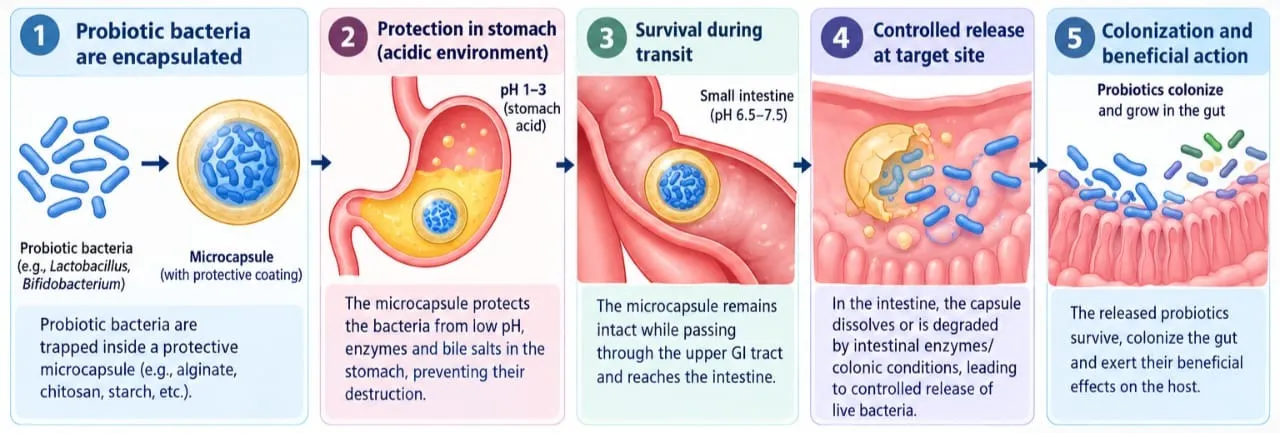
Figure 2: Mechanism of Microencapsulation
The microencapsulation can help maintain probiotic stability during processing, storage, and transportation, depending on the materials and encapsulation method selected the effectiveness of this approach is influenced by several factors, including the bacterial strain, encapsulating agent, particle characteristics, and preparation technique. Therefore, selecting an appropriate microencapsulation system is essential for developing stable probiotic formulations with improved gastrointestinal protection and potential therapeutic benefits.
Challenges In Coventional Probiotic Deliveray:
1. Instability in the Gastric Environment
The acidic conditions of the stomach can adversely affect the viability of probiotic microorganisms. Exposure to low gastric pH may cause cellular damage and reduce the number of living bacteria that successfully pass into the intestine, thereby limiting the effectiveness of probiotic formulations.
2. Adverse Effects of Bile Salts
After entering the small intestine, probiotic microorganisms encounter bile salts that may interfere with their cellular membranes and normal metabolic functions. The degree of damage depends on the probiotic strain and its bile tolerance, which can influence the survival of bacteria during intestinal transit.
3. Reduced Survival During Gastrointestinal Transit
Probiotic microorganisms must withstand several challenging conditions while moving through the digestive tract, including changes in pH, digestive enzymes, and other gastrointestinal factors. These conditions may decrease bacterial viability, preventing an adequate number of living microorganisms from reaching the intended site of action.
4.Loss of Probiotic Viability During Processing or storage.
One of the primary challenges in probiotic microencapsulation is preventing cellular damage during the manufacturing process. The survival of probiotic microorganisms may decrease during storage due exposed to heat, dehydration, osmotic pressure, mechanical forces, and unfavorable pH conditions. These stresses can affect cell membranes, enzymes, and other cellular components, resulting in a reduction in viable cell numbers. These factors can damage bacterial cells and reduce the number of viable microorganisms present in the final product, potentially affecting its quality and effectiveness.
5. Selection of Appropriate Encapsulating Materials
The selection of an encapsulating material is critical because it determines the protective capacity, physical stability, permeability, and release behavior of the resulting microcapsules. Commonly investigated materials include alginate, chitosan, pectin, starch, proteins, and combinations of biopolymers.
6. Inadequate Control of probiotic Release
An effective oral delivery system should protect probiotic cells during passage through the stomach while allowing their release under suitable intestinal conditions. Two major problems may occur: premature release, which exposes cells to unfavorable conditions, and incomplete release, which limits the availability of viable microorganisms.
7. Long-Term Storage Stability
Maintaining an adequate viable-cell count throughout the product's shelf life remains a major challenge. Probiotic microorganisms may gradually lose viability because of temperature fluctuations, moisture uptake, oxygen exposure, residual metabolic activity, or interactions with the encapsulating material.
8. Compatibility with the Final Food or Pharmaceutical Product
The behavior of encapsulated probiotics may change when the capsules are incorporated into a finished product. Acidity, salts, sugars, fats, proteins, preservatives, and other active ingredients can influence capsule integrity and microbial survival. Processing operations such as mixing, heating, compression, or prolonged storage may introduce further challenges, depending on the dosage form.
9. Inconsistency in Viable Probiotic Count
The number of living probiotic cells in a formulation may vary because of differences in manufacturing, packaging, transportation, and storage conditions. Maintaining the required viable cell count until the end of the product's shelf life is therefore a significant challenge in conventional probiotic delivery.
10. Limited Adhesion and Persistence in the Intestine
Certain probiotic strains have a limited ability to attach to the intestinal mucosal surface. Consequently, they may pass through the gastrointestinal tract relatively quickly and remain in the intestine for a short period. This can restrict their interaction with the intestinal environment and influence their potential health benefits.
Concept Of Microencapsulation:
Microencapsulation is an advanced technique in which small particles, droplets, or living cells are enclosed within a thin protective coating or polymeric material to form tiny capsules. The enclosed substance is called the core material, while the surrounding protective layer is known as the coating material, shell, or wall material. The main concept of microencapsulation is to protect sensitive substances from environmental factors such as moisture, oxygen, light, temperature changes, and acidic conditions. It can also help control the release of the encapsulated material at a specific site or over a particular period.
In pharmaceutical applications, microencapsulation is used to improve drug stability, mask unpleasant taste or odor, reduce irritation, and achieve controlled drug release. In probiotic delivery, it helps protect beneficial microorganisms from stomach acid and bile salts, thereby improving their chances of reaching the intestine in a viable form. The selection of coating materials depends on the nature of the core substance and the intended application. Common materials include alginate, gelatin, chitosan, starch, and other biocompatible polymers.
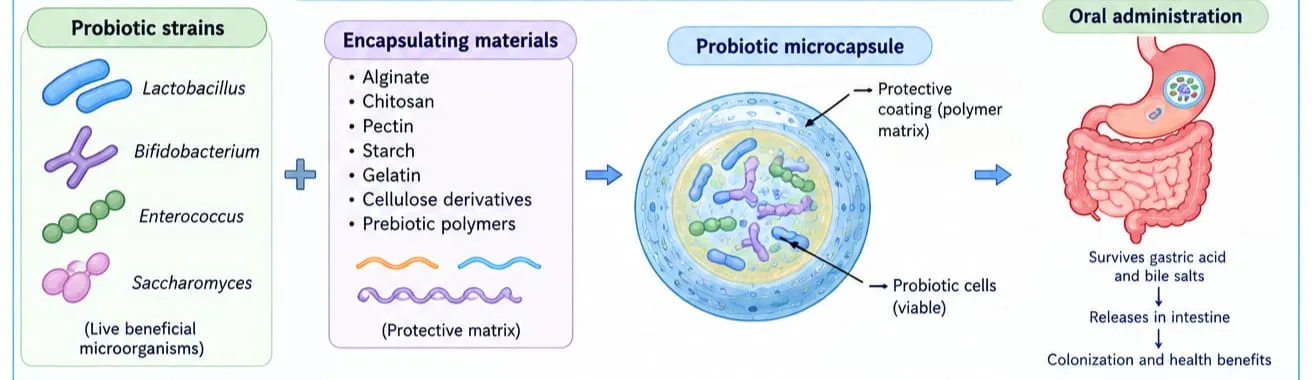
Figure 1: Probiotic Microencapsulation for Oral Durg Delivery
Table 2: Materials Used for Probiotic Microencapsulation
| Encapsulating material | Advantages | Disadvantages | Oral delivery application | References |
|---|---|---|---|---|
| Alginate | Biocompatible; relatively inexpensive; forms gels under mild conditions; may protect probiotics from gastric stress. | Porous structure can permit acid penetration; mechanical strength may be limited. | Microbeads intended to protect probiotics during passage through the stomach and release them in the intestine. | Wang X, Gao S,Zhang M,Peng L,Li Y,et al. |
| Chitosan | Biodegradable and mucoadhesive; can be applied as a coating over alginate beads. | Solubility and performance depend on pH; formulation conditions need optimization. | Coating microcapsules to improve barrier properties and potentially support intestinal retention. | Microencapsulating Alginate-Based Polymers for Probiotics Delivery Systems and Their Application (2022); Materials Microencapsulating of Probiotic Bacteria in the Food Industry (2022). |
| Pectin | Plant-derived polysaccharide; can form a protective matrix and may support pH-dependent release. | Used alone, it may provide insufficient gel strength or acid protection in some formulations. | Pectin-based beads and mixed-polymer systems for intestinal delivery. | Natural Sources and Encapsulating Materials for Probiotics Delivery Systems (2022); |
| Starch / resistant starch | Generally economical; can form a matrix; resistant starch may also act as a substrate for beneficial gut microbes. | Properties vary by starch type; some systems have limited acid resistance or mechanical strength. | Probiotic beads and symbiotic delivery systems combining probiotics with prebiotic substrates. | Polysaccharides, Proteins, and Their Complex as Microencapsulation Carriers for Delivery of Probiotics (2023); Natural Sources and Encapsulating Materials (2022). |
| Whey protein | Good film- and gel-forming properties; can improve encapsulation and storage stability. | Not suitable for people who must avoid milk proteins; excessive heat may reduce viability of sensitive strains. | Protein-based microcapsules and alginate–protein combinations. | Alginate-Based and Protein-Based Materials for Probiotics Encapsulation (2013); Polysaccharides, Proteins, and Their Complex (2023). |
| Soy protein | Plant-based alternative; can form protective matrices and support probiotic stability. | Performance depends on solubility, processing and formulation; soy allergy is a consideration. | Plant-protein microparticles for oral probiotic delivery. | Polysaccharides, Proteins, and Their Complex as Microencapsulation Carriers (2023); Natural Sources and Encapsulating Materials. |
| Gelatin | Forms films and can be combined with other polymers to improve capsule structure. | Animal origin may limit acceptability; performance depends on gelation and processing conditions. | Gelatin–alginate or gelatin–gum arabic microcapsules. | Materials Used for the Microencapsulation of Probiotic Bacteria in the Food Industry (2022). |
| Carrageenan | Gel-forming polysaccharide that can immobilize probiotic cells in a matrix. | Gel properties depend on formulation; compatibility and gastrointestinal performance need testing. | Hydrogel-based probiotic encapsulation systems. | Materials Used for the Microencapsulation of Probiotic Bacteria in the Food Industry (2022). |
| Gum Arabic | Useful as a film-forming and stabilizing material; can be combined with proteins and other polymers. | May work better in mixtures; cost and processing requirements can be limiting. | Complex coacervation and biopolymer-complex microcapsules. | Materials Used for the Microencapsulation of Probiotic Bacteria in the Food Industry (2022); |
| Zein | Corn-derived protein with low water solubility that can provide a protective barrier. | May need to be combined with other polymers to optimize encapsulation and release. | Protein-based and core–shell microcapsules for gastrointestinal delivery. | Polysaccharides, Proteins, and Their Complex (2023); . |
| Alginate + chitosan | Combines alginate gel formation with a chitosan coating; may improve barrier | Extra processing and formulation optimization can increase complexity and cost. | Gastric-protective microcapsules designed for intestinal release. | Microencapsulating Alginate-Based Polymers for Probiotics Delivery Systems and Their Application. |
| Alginate + whey protein | Combines polysaccharide gel formation with protein stabilization; may improve survival during digestion and storage. | Milk-protein restrictions apply; results depend on material ratio and processing conditions. | Protective microbeads for oral probiotic delivery. | Alginate-Based and Protein-Based Materials for Probiotics Encapsulation |
Table 3: Microencapsulation Techniques
| Microencapsulation technique | Process | Advantages | Disadvantages | References |
|---|---|---|---|---|
| Spray drying | Atomized liquid feed is dried rapidly with hot air to form powder. | Fast, economical, scalable. | Heat may affect thermolabile ingredients; particle variation can occur. | Gharsallaoui, A., Roudaut, G., Chambin, O., Voilley, A., & Saurel, R. (2007). |
| Complex coacervation | Two oppositely charged polymers form a coacervate around a core material. | Potentially high loading and encapsulation efficiency; can support gradual release. | Sensitive to pH, polymer ratio and ionic strength; may need further stabilization. | Muhoza, B., Yuyang, H., Uriho, A., Harindintwali, J. D., Liu, Q., & Li, Y. (2023). . |
| Cyclodextrin inclusion | Active molecules form inclusion complexes inside cyclodextrin cavities. | Can improve solubility, stability and retention of suitable compounds. | Depends on molecule size and chemical compatibility; material may be costly. | Madene, A., Jacquot, M., Scher, J., & Desobry, S. (2006). Flavour encapsulation and controlled release – a review. International Journal of Food Science & Technology, 41(1), 1–21. |
| Spray chilling / cooling | Molten lipid feed is atomized into a cool chamber and solidifies into particles. | Useful for heat-sensitive ingredients; lipid matrix may protect the active. | Release and particle properties depend on lipid and process conditions. | de Abreu Figueiredo, J., de Paula Silva, C. R., Souza Oliveira, M. F., Norcino, L. B., Campelo, P. H., Botrel, D. A., & Borges, S. V. (2022). Microencapsulation by spray chilling in the food industry: Opportunities, challenges, and innovations. Trends in Food Science & Technology, 120, 274–287. |
| Extrusion | Material is passed through a nozzle to form beads or particles, often followed by gelation. | Relatively simple; can use mild processing temperatures. | Often slower; viscosity and nozzle conditions can affect particle size and shape. | Shahidi, F., & Han, X.-Q. (1993). Encapsulation of food ingredients. Critical Reviews in Food Science and Nutrition, 33(6), 501–547. |
| Freeze drying | Frozen material is dried by sublimation under vacuum, followed by secondary drying. | Suitable for heat-sensitive compounds; may preserve sensitive ingredients. | Slow, energy-intensive and relatively expensive. | Muhoza et al. (2023). Food Hydrocolloids, 140, 108650. |
Recent Advances
Recent Advancements in Probiotic Microencapsulation
1. Multilayer Microencapsulation: Multiple polymer layers improve protection against gastric acid and enhance controlled release.
2. Composite Microcapsules: Combining polysaccharides, proteins and lipids improves capsule strength and probiotic stability.
3. pH-Responsive Microcapsules: Capsules respond to gastrointestinal pH to support intestinal delivery.
4. Targeted Intestinal Delivery: Helps deliver viable probiotics to specific intestinal or colonic regions.
5. Layer-by-Layer (LbL) Assembly: Successive polymer layers provide adjustable protection and release properties.
6. Double-Emulsion Technology (W/O/W): Provides a protective multiphase structure that may improve probiotic survival.
7. Symbiotic Microencapsulation: Combines probiotics with prebiotics such as inulin, FOS and resistant starch.
8. Bioactive Co-encapsulation: Delivers probiotics along with vitamins, polyphenols or omega-3 fatty acids.
9. Advanced Encapsulation Techniques: Electrospraying, microfluidics, coacervation and emulsion gelation improve control over capsule properties.
10. Smart Microcapsules: Respond to stimuli such as pH or enzymes for more precise release.
11. Improved Storage Stability: Optimized wall materials and moisture control help maintain probiotic viability during storage.
12. Industrial Scale-Up: Focuses on cost-effectiveness, reproducibility, safety and large-scale production.
Table 4: Evaluation Parameter of Probiotics Microencapsulation
| Sr. No. | Evaluation parameter | Evaluation method | Reference |
|---|---|---|---|
| 1 | Viability | Plate count method; viable cells expressed as CFU/g. | de Deus et al. (2023). Article record: |
| 2 | Encapsulation efficiency | Percentage of probiotic cells successfully entrapped in the encapsulating matrix. | de Deus et al. (2023). Article record: |
| 3 | Particle size | Measurement of average particle diameter and size distribution. | de Deus et al. (2023). Article record: |
| 4 | Morphology | Microscopic examination of capsule shape, surface and structural integrity. | de Deus et al. (2023). Article record: |
| 5 | Moisture content | Determination of water content in the encapsulated probiotic powder. | de Deus et al. (2023). Article record |
| 6 | Water activity | Measurement of available water that may affect microbial stability. | de Deus et al. (2023). Article record: |
| 7 | Gastrointestinal resistance | Survival assessment in simulated gastric and intestinal fluids. | Zeashan et al. (2020). DOI: 10.1002/fsn3.15 |
| 8 | Storage stability | Monitoring viable cell counts at defined storage temperatures and intervals. | Silva et al. (2018). DOI: 10.1590/0103-8478cr20180035. |
| 9 | Thermal stability | Assessment of probiotic survival after exposure to specified temperatures. | Silva et al. (2018). DOI: 10.1590/0103-8478cr20180035. |
Application Of Probiotics In Oral Drug Delivery
1. Maintenance of gut microbiota: Encapsulated probiotics may help maintain a healthy balance of beneficial and potentially harmful microorganisms in the intestine.
2. Management of Diarrhea: Certain probiotic strains may help reduce the duration or risk of some types of diarrhea depending on the strain and clinical setting.
3. Improvement of digestive health: Probiotics may support normal digestion and intestinal function by interacting with the gut microbiota.
4. Management of constipation: Selected probiotic strains may improve bowel movement frequency and stool consistency in some individuals.
5. Support for intestinal barrier function: Some probiotics may help maintain the intestinal barrier and support its normal protective functions.
6. Immune system support: Certain probiotic strains interact with intestinal immune cells and may influence immune responses.
7. Protection against gastric acidity: Microencapsulation can provide a protective barrier around probiotic cells, helping improve survival during passage through the stomach.
8. Targeted intestinal delivery: pH-responsive and other advanced encapsulation systems can be designed to release probiotics under conditions found in the intestine.
9. Improved shelf life and stability: Appropriate encapsulating materials may protect probiotics against moisture, oxygen, temperature changes, and other environmental stresses.
15. Protection During Food Processing: Suitable encapsulating materials can protect probiotic cells during certain manufacturing processes, depending on the temperature and processing conditions.
16. Management of Irritable Bowel Syndrome (IBS): Some probiotic strains may help relieve selected symptoms, such as bloating or abdominal discomfort, although results vary between strains and patients.
17. Support for Nutrient Absorption: Certain probiotics may influence the intestinal environment and support the digestion or availability of some nutrients.
18. Personalized Probiotic Delivery: Emerging formulations may be tailored to specific probiotic strains, intended intestinal release sites, and individual health needs.
19. Symbiotic Delivery Systems: Microencapsulation can combine probiotics with probiotics formulations designed to support probiotic survival and beneficial microbial activity.
20. Development of Next-Generation Oral Formulations: Research into biopolymers, multilayer coatings, and pH-responsive materials is helping develop more effective oral probiotic delivery systems.
Advantages Of Probiotics Microencapsulation
Improves digestion:
Boosts immunity: Helps strengthen the body's immune system.
Prevents diarrhea: May help prevent or reduce certain types of diarrhea.
Management of Irritable Bowel Syndrome (IBS): Certain probiotic strains may help relieve symptoms such as bloating, abdominal discomfort, and irregular bowel movements.
Management of Lactose Intolerance: Certain probiotic-containing fermented dairy products may help improve lactose digestion and reduce symptoms in some individuals.
Anti-Diarrheal Activity
Probiotics may help reduce the duration or risk of certain types of diarrhea by supporting intestinal microbial balance, competing with harmful microorganisms, and strengthening the intestinal barrier. Some strains have been studied for antibiotic-associated diarrhea.
Anti-obesity Activity
Certain probiotics may contribute to body-weight regulation by influencing energy metabolism, fat storage, appetite-related signals, and gut microbial composition. Their effects vary depending on the strain and individual metabolic conditions.
Anti-inflammatory Activity
Certain probiotics may help regulate inflammatory responses by influencing immune-cell activity and the production of inflammatory mediators. These properties are being investigated for their potential role in inflammatory intestinal disorders.
Antimicrobial Activity
Some probiotic strains produce organic acids, bacteriocins, and other antimicrobial substances that can inhibit the growth of selected harmful microorganisms. They may also compete with pathogens for nutrients and attachment sites Restores gut microbiota and maintain gut health:
Antitumor
Probiotic-based Nanocarriers have gained attention as potential platforms for cancer treatment because of their ability to interact with the tumor microenvironment (TME) and support the targeted delivery of therapeutic agents. Recent research has explored the combination of probiotics with functional nanomaterials to improve antitumor activity through localized reactive oxygen species (ROS) generation, enhanced tumor penetration, and modulation of the tumor microenvironment.
Certain probiotic strains have demonstrated anticancer-related activities in experimental studies through mechanisms such as immune modulation, regulation of inflammatory pathways, production of bioactive metabolites, and inhibition of cancer-cell proliferation. However, these effects are strain-specific and should not be considered established clinical cancer treatments.
Research-based examples
1. Lactobacillus acidophilus with CoCuMo-LDH nanomaterial
A study discussed by Chen et al. (2025) describes the combination of Lactobacillus acidophilus with two-dimensional cobalt-copper-molybdenum layered double hydroxide (CoCuMo-LDH) nanosheets. The system was investigated for its potential to enhance antitumor activity through reactive oxygen species (ROS) generation.
Additional research perspective: Future studies should investigate the compatibility of this coating with different probiotic strains, its stability during gastrointestinal transit, its influence on bacterial metabolic activity, and its safety during repeated administration.
Anti-Inflammatory Applications of Micro-Encapsulation
Inflammatory bowel disease (IBD) comprises chronic inflammatory conditions of the gastrointestinal tract, including Crohn’s disease and ulcerative colitis. Its development and progression involve interactions among genetic susceptibility, immune responses, environmental factors, oxidative stress, and intestinal microbial imbalance. These interconnected mechanisms highlight the need for therapeutic approaches that address multiple inflammatory pathways while minimizing damage to intestinal tissues.S
Other Therapeutic Applications: Diabetes Management
Other therapeutic diabetes mellitus is a major health concern that required long term management to maintain control blood glucose level . Although insulin injections remain an important treatment option for many patients, repeated administration can cause discomfort, increase treatment burden, and affect adherence to therapy.
Supports overall health
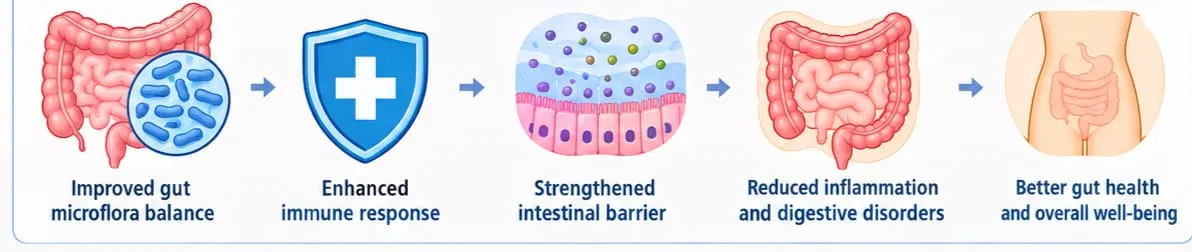
Figure 3: Health Benefits
LIMITATIONS OF PROBIOTIC IN ORAL DELIVERY.
Intestinal microbial composition, and the production of biologically active metabolites. Encapsulation may help preserve their viability during oral administration. However, anticancer efficacy and safety the gut microbiota represents a complex microbial ecosystem that contributes to intestinal homeostasis, immune regulation, digestion, and protection against pathogenic microorganisms. Alterations in its composition, commonly referred to been associated with several gastrointestinal and systemic Disorders Probiotics have therefore attracted considerable interest because of their potential to support microbial balance and promote host health. their therapeutic effectiveness following oral administration may be reduced by exposure to gastric acid, bile salts, digestive enzymes, oxygen, and other environmental stressors. These conditions can decrease probiotic viability and limit the number of viable cells reaching the intestine.
Nanotechnology-assisted encapsulation offers a promising strategy to overcome these challenges. By surrounding probiotic cells with protective biocompatible materials, encapsulation can improve their resistance to gastrointestinal conditions and support their survival during oral delivery. Depending on the formulation, the encapsulating material may also facilitate controlled release, improve intestinal retention, and protect probiotics from premature exposure to adverse environmental conditions.
Direct oral administration of probiotics presents several challenges, particularly the loss of viable cells during gastrointestinal transit and the difficulty of delivering an adequate number of microorganisms to the intended intestinal site. To address these limitations, researchers have explored protective coating systems, sometimes described as Nano-armor, that surround probiotic cells with functional materials. Such coatings may improve cellular protection, preserve probiotic viability, and facilitate interactions with the intestinal mucus layer. Certain formulations may also promote localized release in response to environmental conditions, including changes in PH.
in the existing microbiota and the host's intestinal environment can further influence probiotic performance. Thus, the effectiveness of an orally administered probiotic may depend not only on the administered dose but also on the characteristics of the host microbiome and the selected microbial strain.
2.1 Incomplete Protection Against Gastrointestinal Conditions
Although microencapsulation can improve probiotic survival, some encapsulating materials remain porous and may allow gastric acid or bile salts to penetrate the capsule. Therefore, complete protection of sensitive probiotic strains cannot always be achieved.
2.2 Strain-Dependent Performance
Different probiotic strains exhibit different levels of resistance to acidity, bile salts, temperature, and dehydration. Consequently, an encapsulation formulation that works effectively for one strain may not provide similar protection to another strain.
2.3 Premature or Incomplete Release
Some microcapsules may release probiotic cells before reaching the intended intestinal region, whereas others may retain microorganisms within the polymeric matrix. Both conditions can reduce the effectiveness of the delivery system.
2.4 Reduced Viability During Prolonged Storage
Even after successful encapsulation, probiotic microorganisms may gradually lose viability during prolonged storage. The protective effect of the polymeric coating may decrease under unfavorable temperature and humidity conditions.
2.5 Increased Production Cost
Advanced encapsulation methods, including spray drying, freeze drying, microfluidic systems, and multilayer coating, may require specialized equipment, additional processing steps, and higher manufacturing costs.
2.6 Limited Clinical Evidence
Many advanced probiotic microencapsulation systems have been investigated mainly through laboratory experiments and animal studies. More well-designed human clinical trials are required to establish their long-term safety, therapeutic effectiveness, and appropriate dosage.
2.7 Formulation Complexity
Multilayer and composite encapsulation systems may involve several polymers, coating materials, and processing steps. This complexity can make formulation development, quality control, and large-scale manufacturing more difficult.
2.8 Variability in Evaluation Methods
Different studies use different methods to measure encapsulation efficiency, probiotic viability, particle size, and gastrointestinal resistance. This makes direct comparison between formulations difficult and limits standardization of probiotic products.
Challenges In Probiotic Microencapsulation
1.1 Maintaining Probiotic Viability During Processing
Probiotic microorganisms are sensitive to processing conditions such as high temperature, dehydration, mechanical stress, and exposure to oxygen. These factors may damage bacterial cell membranes and reduce the number of viable microorganisms during microcapsule preparation.
1.2 Selection of Encapsulating Materials
Selecting an appropriate encapsulating material is a major formulation challenge. Materials such as alginate, chitosan, pectin, starch, and proteins differ in their physicochemical properties. Researchers must identify suitable combinations that provide sufficient protection without affecting probiotic viability.
1.3 Optimization of Encapsulation Efficiency
Achieving high encapsulation efficiency while maintaining bacterial survival is difficult. Polymer concentration, mixing conditions, processing temperature, and formulation composition can influence the number of probiotic cells successfully entrapped within the encapsulating matrix.
1.4 Control of Particle Size and Morphology
Producing microcapsules with uniform particle size, shape, and surface characteristics remains a formulation challenge. Variations in particle properties may influence capsule stability, gastrointestinal protection, and release behavior.
1.5 Controlled Release in the Intestinal Environment
An effective formulation should protect probiotic cells during gastric transit and release them under suitable intestinal conditions. Designing a system that responds appropriately to gastrointestinal pH and other physiological factors requires careful optimization.
1.6 Maintaining Long-Term Storage Stability
Maintaining an adequate viable-cell count throughout the shelf life of probiotic formulations is challenging. Temperature, humidity, oxygen exposure, and moisture content can influence microbial survival during storage.
1.7 Industrial Scale-Up and Reproducibility
Transferring laboratory-scale encapsulation techniques to commercial production requires optimization of equipment, processing parameters, production costs, and quality-control procedures. Maintaining consistent capsule properties during large-scale manufacturing is particularly important.
1.8 Compatibility with Pharmaceutical Dosage Forms
Incorporating encapsulated probiotics into tablets, capsules, powders, and other pharmaceutical formulations requires consideration of excipient compatibility, compression forces, moisture exposure, and manufacturing conditions.
Future Prospectives
Research on probiotic delivery systems is increasingly focused on identifying and combining suitable probiotic strains that can inhibit pathogenic microorganisms, prevent their attachment to intestinal surfaces, and help restore microbial balance in individuals with specific health conditions. The effectiveness of these formulations depends on the characteristics of the selected strains, their compatibility with one another, and their ability to survive under gastrointestinal conditions. Researchers are also investigating strain-specific benefits to determine which probiotics may be appropriate for particular health applications.
An important area of development involves producing affordable probiotic formulations that can be used to support the prevention or management of selected diseases. These approaches include selecting strains with strong antimicrobial activity, evaluating their interactions with intestinal microorganisms, and developing delivery systems that improve their survival and retention in the gastrointestinal tract. However, the effectiveness of probiotic combinations must be established through appropriate experimental studies and well-designed clinical trials.
Another major research priority is maintaining probiotic viability throughout product development and oral administration. Factors such as temperature, moisture, oxygen exposure, processing conditions, storage duration, and gastrointestinal acidity may reduce the number of viable microorganisms available at the intended site of action. Therefore, researchers are exploring protective technologies, particularly microencapsulation, to improve probiotic stability and enhance resistance to environmental stress.
Microencapsulation can protect probiotic cells by incorporating them into suitable polymeric or matrices. Materials such as alginate, chitosan, pectin, starch, and other biocompatible polymers may provide protection against acidic gastric conditions and help regulate the release of microorganisms under intestinal conditions. Depending on the formulation, encapsulation may also improve storage stability, reduce moisture-related damage, and facilitate the incorporation of probiotics into different dosage forms and functional food products.
Future investigations should emphasize the optimization of encapsulation efficiency, particle size, polymer composition, and release characteristics while preserving microbial viability. In addition, the development of active packaging, moisture-resistant materials, oxygen-barrier systems, and standardized manufacturing procedures may contribute to improved product quality. Comprehensive evaluation of probiotic viability during processing, storage, and simulated gastrointestinal transit is essential for developing reliable, scalable, and commercially feasible oral delivery systems.
Prospective Action Plans and Future Research Directions
Advancing probiotic formulations from laboratory research to practical healthcare and food applications. The development of probiotic-containing products must address several interconnected challenges, including formulation stability, therapeutic effectiveness, manufacturing costs, consumer acceptance, and regulatory compliance. future research should integrate pharmaceutical formulation
CONCLUSION
Probiotic microencapsulation has emerged as an important advancement in oral delivery technology, providing new possibilities for improving the survival, stability, and therapeutic performance of probiotic microorganisms. This approach offers protection against unfavorable gastrointestinal conditions, including acidic gastric pH, digestive enzymes, bile salts, and other environmental stresses that can reduce probiotic viability. The selection of appropriate encapsulating materials, such as alginate, chitosan, pectin, gelatin, and other biocompatible polymers, plays a significant role in determining the protective efficiency and release characteristics of the formulation. Furthermore, advanced approaches such as multilayer encapsulation, ionic gelation, spray drying, coacervation, and pH-responsive delivery systems have expanded the possibilities of achieving improved gastrointestinal protection and site-specific intestinal release.
Beyond enhancing probiotic survival, these technologies may contribute to the development of functional formulations with potential applications in maintaining intestinal microbial balance, supporting digestive health, and delivering probiotics for various therapeutic purposes. The integration of prebiotics, bioactive compounds, and innovative polymeric systems also provides opportunities for developing multifunctional delivery platforms. Nevertheless, several challenges, including moisture sensitivity, reduced viability during prolonged storage, strain-dependent formulation behavior, high production costs, and difficulties in large-scale manufacturing, continue to restrict their widespread application. Variations in encapsulation methods and evaluation parameters also highlight the need for standardized quality assessment procedures.
Future research should prioritize the development of stable, economical, and scalable formulations with improved encapsulation efficiency and predictable release profiles. Greater attention should also be directed towards long-term stability studies, gastrointestinal simulation models, safety assessment, and well-designed clinical investigations to establish their actual therapeutic benefits in humans. Overall, the combination of advanced encapsulation technologies, optimized biomaterials, and evidence-based formulation development could transform probiotic microencapsulation into a more reliable platform for oral delivery, offering promising opportunities for future pharmaceutical innovation and healthcare applications.
REFERENCES


Rupali Chauragade, Nitin Dube, Punam Parihar, Khushi Jambhulkar, Jitendra Barewar, Ashish Saursawat, Punam Kharole, Recent Advance in Probiotics Microencapsulation for Oral Drug Delivery ; Techniques, Materials, Challenges, and Future Perspectives, Int. J. of Pharm. Sci., 2026, Vol 4, Issue 11, 4642-4655. https://doi.org/10.5281/zenodo.24528528
 10.5281/zenodo.24528528