

We use cookies to ensure our website works properly and to personalise your experience. Cookies policy
Ms College Of Pharmacy Wada.
The rapid expansion of social media has created new opportunities to transform pharmacy practice, education, research, and patient engagement. Beyond its role as a communication platform, social media is increasingly being explored as a digital resource for medicine-related education, professional collaboration, public health promotion, and the identification of potential drug-safety concerns. Pharmacists can use platforms such as WhatsApp, YouTube, Instagram, Facebook, and X to deliver accessible medicine information, encourage medication adherence, support health awareness campaigns, and facilitate continuous professional learning. In pharmacy education, interactive digital content may promote collaborative learning and connect theoretical knowledge with practical healthcare situations. Furthermore, social media data, when analysed using artificial intelligence and natural language processing, may contribute to pharmacovigilance by helping identify potential adverse drug reactions and emerging safety signals. Despite these opportunities, the reliability of online information, patient confidentiality, data privacy, professional boundaries, and ethical concerns remain significant challenges. Social media-derived information also requires scientific validation before it can inform clinical or regulatory decisions. This review critically examines the evolving role of social media across pharmacy practice, pharmaceutical education, research, and medicine safety, while considering its advantages, limitations, and emerging technological applications. It also highlights the need for evidence-based communication, digital literacy, professional guidelines, and responsible integration of social media into pharmacy services. Overall, social media should be viewed not as a replacement for established pharmaceutical care, but as a complementary digital tool with the potential to strengthen patient-centred practice and advance pharmacy in an increasingly connected healthcare environment.
2.1 Background on Social Media Growth in Healthcare.
Social media has become an important part of modern healthcare by enabling rapid communication and the exchange of health-related information. Platforms such as Facebook, Instagram, YouTube, WhatsApp, LinkedIn, and X allow healthcare professionals, patients, researchers, and healthcare organisation to share knowledge, promote health awareness, and communicate with wider audiences. Its growing use has created opportunities for professional networking, healthcare education, public health promotion, and scientific communication. [1]
2.2 Relevance to Pharmacy Practice, Education, and Research
Social media is increasingly relevant to pharmacy practice, education, and research. In pharmacy practice, it can help pharmacists provide medicine-related information, promote medication safety, and improve public awareness of the appropriate use of medicines. In pharmacy education, it supports knowledge sharing, online discussions, and access to educational resources. In research, social media can facilitate professional collaboration, dissemination of scientific findings, and communication among researchers. However, its use requires reliable information, professional conduct, and protection of patient confidentiality. [1]
2.3 Purpose of the Review
The purpose of this review is to examine the role of social media in pharmacy practice, pharmacy education, and pharmaceutical research. It also aims to discuss its potential benefits, applications, limitations, and ethical challenges, with particular attention to patient education, professional communication, medicine safety, and the responsible use of digital platforms. [1]
3 Social Media Platforms in Pharmacy
3.1 Overview of Commonly Used Platforms
Social media has become an important communication tool in pharmacy practice, education, and research. Platforms such as Facebook, Twitter/X, LinkedIn, Instagram, YouTube, and WhatsApp allow pharmacists, pharmacy students, researchers, healthcare institutions, and patients to exchange information. Facebook and Instagram support health-awareness campaigns, while Twitter/X helps share pharmaceutical news and scientific updates. LinkedIn facilitates professional networking and career development. YouTube provides video-based educational resources, and WhatsApp enables quick communication and information sharing. These platforms can improve access to pharmacy-related knowledge when used responsibly and professionally[2].
3.2 Role in Professional Networking, Patient Education, and Institutional Outreach.
Social media supports professional networking by connecting pharmacists, educators, students, and researchers for collaboration and knowledge sharing. It can promote patient education through medicine-safety information, medication-use guidance, disease-awareness messages, and educational videos. In institutional outreach, pharmacies, hospitals, universities, and professional organisation can share public-health campaigns, service announcements, educational resources, and research updates. However, healthcare professionals should ensure information accuracy, maintain professional conduct, and protect patient confidentiality[3].
4. Applications of Social Media in Pharmacy
4.1 Pharmacy Education
Social media has emerged as a supplementary educational tool in pharmacy education by supporting e-learning, webinars, online discussions, and collaborative learning. Platforms such as YouTube, WhatsApp, Facebook, and LinkedIn enable pharmacy students to access recorded lectures, drug information resources, educational videos, and discussions on pharmaceutical subjects. Online webinars allow students to interact with experienced pharmacists, academicians, and researchers without geographical limitations. Digital study groups also encourage peer-to-peer learning, sharing of lecture notes, discussion of clinical cases, and preparation for examinations.
Social media can improve student engagement by providing interactive learning opportunities, including quizzes, polls, question-and-answer sessions, and case-based discussions. Pharmacy educators may use these platforms to share updates about new medicines, clinical guidelines, pharmaceutical technologies, and research developments. Professional platforms can also help students explore career opportunities and connect with the pharmacy community. However, social media should complement formal teaching, laboratory training, and clinical placements rather than replace them. Educators and students must assess the credibility of online resources and avoid sharing copyrighted material or confidential patient information[2].
4.2 Pharmacy Practice
In pharmacy practice, social media can support patient counselling, health education, medicine-related communication, and pharmacy service promotion. Pharmacists may share reliable information about dosage instructions, medication adherence, storage conditions, possible adverse effects, and precautions associated with commonly used medicines. Educational posts, short videos, and infographics can help communicate complex medicine-related information in a more accessible format. Online communication may also provide opportunities for patients to ask general questions and learn when professional medical advice is required.
Digital communication tools and telepharmacyservices can help extend pharmacy support to people living in remote areas or experiencing difficulties accessing healthcare facilities. Depending on local regulations and available technology, pharmacists may provide remote medication counselling, medication reviews, and follow-up support. Social media can also help pharmacies announce operating hours, vaccination services, medicine-safety initiatives, and other healthcare activities. Nevertheless, public comments and ordinary social media messages are not always suitable for confidential clinical discussions. Pharmacists should verify patient identity when required, protect personal health information, follow applicable professional regulations, and refer urgent or complex medical concerns for appropriate clinical assessment[4].
4.3 Pharmacovigilance and Materiovigilance
Pharmacovigilance plays an essential role in monitoring the safety of medicines after they become available for use. Materiovigilance focuses on identifying, reporting, and preventing adverse events associated with medical devices. Social media can support both areas by spreading medicine-safety alerts, vaccine-safety information, device recalls, and awareness messages to healthcare professionals and the public. It can also help patients learn about the importance of reporting suspected adverse drug reactions (ADRs) and medical-device-related incidents through appropriate reporting systems.
Online patient discussions may provide supplementary information about suspected side effects, treatment experiences, and problems encountered while using medicines. Researchers have explored text-mining techniques and other digital methods to identify possible adverse-event signals from social media posts. These methods may help identify patient experiences that are not always captured by conventional reporting systems. However, online reports may lack essential clinical details, contain inaccurate information, or describe events that cannot be directly attributed to a medicine or device. Therefore, social media data should be treated as a supplementary source for safety monitoring rather than a replacement for formal reporting, clinical assessment, or regulatory surveillance. Patient privacy and ethical data use must also be maintained[5].
4.4 Research and Scientific Collaboration
Social media can facilitate communication and collaboration among pharmacy researchers, academics, clinicians, and students. Professional networking platforms allow researchers to share publication announcements, conference presentations, research opportunities, and updates about new developments in pharmaceutical sciences. Online professional communities may help researchers identify potential collaborators, exchange methodological knowledge, discuss research challenges, and develop interdisciplinary projects.
Digital platforms can also increase the visibility of published research by helping authors communicate scientific findings to audiences outside their immediate academic communities. Pharmacy researchers may use online networks to discuss topics such as drug discovery, formulation development, clinical pharmacy, medication safety, pharmacopeia, and pharmaceutical biotechnology. Students and early-career researchers may benefit from learning about conferences, scholarships, training opportunities, and emerging research areas.
Despite these benefits, the number of views, likes, or shares received by a research post does not necessarily indicate its scientific quality. Researchers should verify information against the original publication, distinguish peer-reviewed evidence from preliminary findings, respect copyright requirements, and avoid overstating study results. Responsible use of professional networks can support scientific communication while preserving research integrity[6].
4.5 Public Health Communication and Combating Misinformation
Social media provides pharmacists with an opportunity to participate in public health communication and promote the rational use of medicines. Pharmacists can share educational messages about the importance of taking medicines according to professional advice, completing prescribed treatment appropriately, avoiding unnecessary self-medication, and understanding the risks associated with inappropriate antibiotic use. Social media campaigns may also promote vaccination awareness, antimicrobial resistance prevention, safe medicine storage, and the proper disposal of unused or expired medicines.
Another important application is combating misinformation about medicines and health conditions. Misleading claims, unverified remedies, and inaccurate information about vaccines or prescription medicines may influence public behavior and encourage unsafe treatment decisions. Pharmacists can help address these concerns by sharing evidence-based explanations, referring audiences to reliable healthcare sources, and correcting false claims in a respectful and understandable manner. Collaboration with public health organizations, hospitals, universities, and professional pharmacy associations can further strengthen the reach of educational campaigns.
For effective communication, messages should use clear language, culturally appropriate examples, and accessible formats such as infographics, short videos, and question-and-answer sessions. The impact of campaigns should be evaluated using measures such as audience understanding, engagement quality, changes in knowledge, and health-related behavior. Social media should be used responsibly, and individual medical advice should be provided through appropriate professional channels[7].
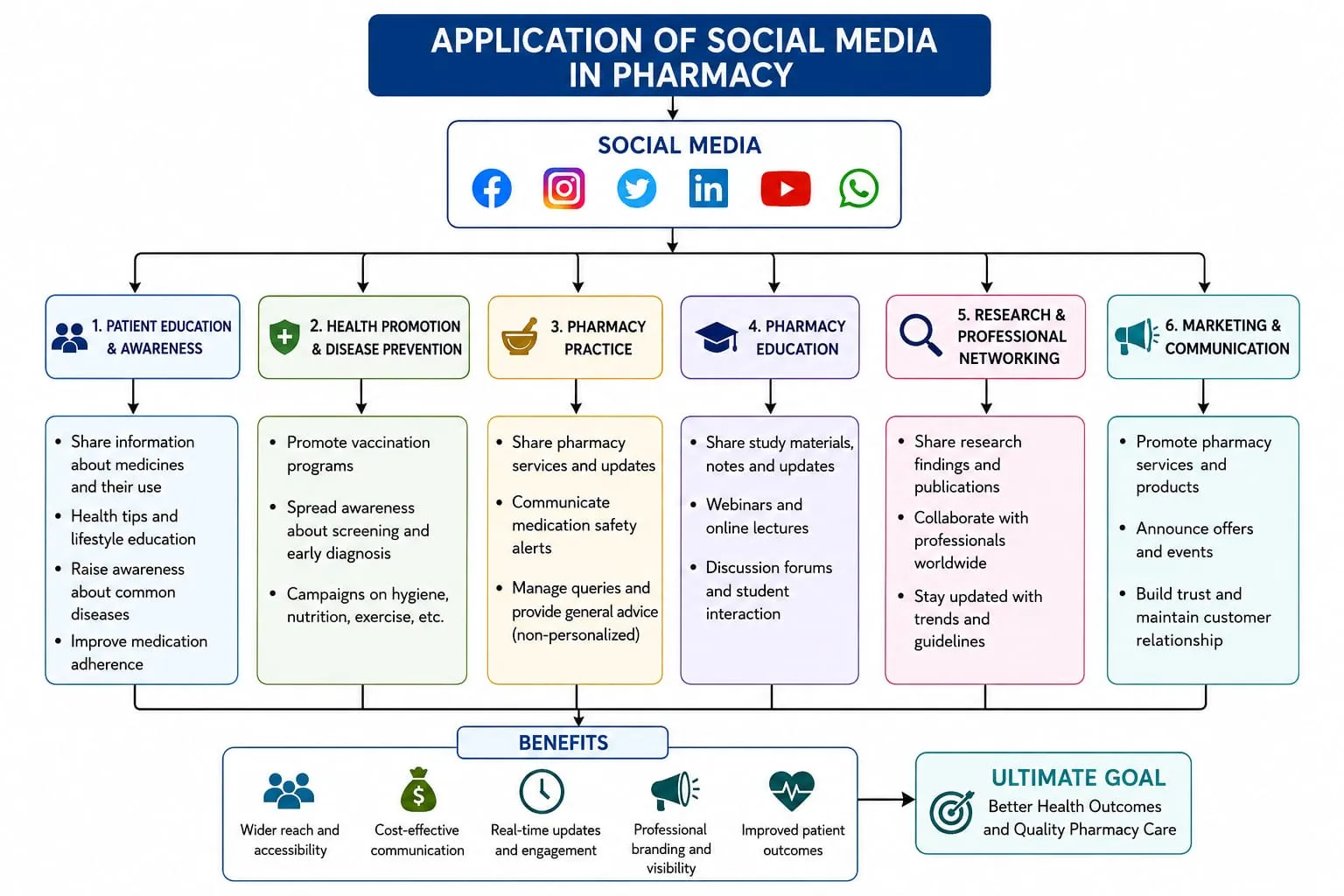
Figure 1: Applications of Social Media in Pharmacy [3]
5. Benefits of Social Media Use in Pharmacy
5.1 Wider Reach and Accessibility
Social media has become an important communication tool in pharmacy and healthcare because it enables pharmacists, pharmaceutical companies, healthcare professionals, and educational institutions to reach a large audience. Platforms such as Facebook, Instagram, YouTube, and LinkedIn can be used to share information about medicines, disease prevention, vaccination, medication adherence, and general health awareness. Social media allows healthcare information to reach people across geographical boundaries and provides convenient access to educational materials. It may also help community pharmacies communicate with patients who have limited opportunities to attend face-to-face educational programmes. However, the information shared must be accurate, evidence-based, and easy to understand. [2]
5.2 Cost-Effective Communication
Social media offers a relatively cost-effective method of communication for community pharmacies, pharmaceutical organizations, researchers, and pharmacy educators. Educational posts, infographics, short videos, and awareness messages can be created and distributed without the printing and distribution expenses associated with traditional promotional materials. Free social media accounts allow pharmacies to share service updates, announce health-awareness programmes, and communicate with their audiences. Paid advertising options may also help organizations reach selected audiences. Nevertheless, pharmaceutical promotion must comply with applicable laws, ethical standards, and patient-confidentiality requirements. [8]
5.3 Real-Time Updates and Engagement
One of the important benefits of social media in pharmacy is the rapid sharing of healthcare information and the opportunity for immediate interaction with the public. Pharmacists and healthcare organizations can use digital platforms to communicate updates about public health campaigns, vaccination programmes, medicine safety, disease prevention, and healthcare services. Social media enables patients and healthcare professionals to participate in discussions, ask general questions, provide feedback, and exchange educational information. This interaction can help pharmacists understand common medication-related concerns and identify topics that require further patient education. However, information concerning adverse drug reactions, medicine recalls, or treatment recommendations should be verified through reliable sources before publication. [6]
5.4 Professional Branding and Visibility
Social media provides opportunities for pharmacists, community pharmacies, pharmaceutical companies, and pharmacy educational institutions to establish a professional identity and improve their visibility. Platforms such as LinkedIn, Facebook, Instagram, and YouTube can be used to share professional achievements, educational videos, research findings, pharmacy services, and health-awareness campaigns. A professional online presence can help pharmacists connect with colleagues, participate in professional networks, exchange knowledge, and demonstrate their expertise in pharmaceutical care. Community pharmacies can use these platforms to inform the public about available services and improve awareness of the pharmacist’s role in healthcare. However, professional branding should be based on accurate information, responsible communication, respect for patient privacy, and compliance with applicable advertising regulations. [3]
5.5 Support for Pharmacy Education
Social media can support pharmacy education by providing opportunities for collaborative learning, sharing educational materials, discussing pharmaceutical topics, and communicating with teachers and fellow students. Online discussions, educational videos, and professional groups may supplement classroom teaching and encourage student participation. The effectiveness of these approaches depends on the quality of the content and the appropriate use of digital platforms [9]
5.6 Professional Networking and Collaboration
Social media helps pharmacists and other healthcare professionals build professional networks, exchange information, discuss developments in pharmacy practice, and share educational resources. These connections may support professional learning and collaboration across institutions and geographical boundaries. Privacy, confidentiality, and professional boundaries must be maintained during online communication. [10]
5.7 Improved Public Health Awareness
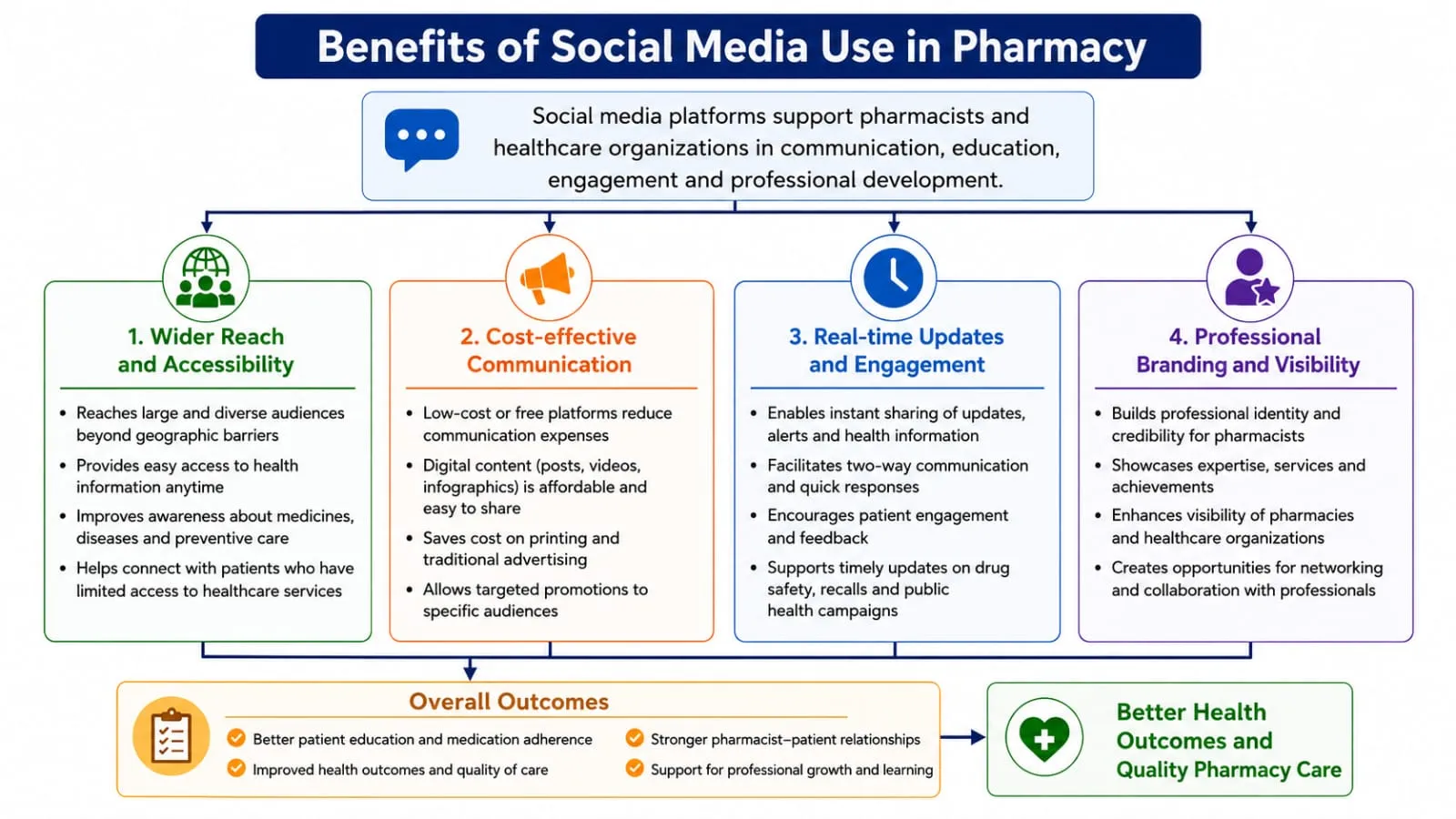
Figure 2: Benefits of Social Media Use in Pharmacy[3]
Social media can help distribute public health messages to large audiences, including information about disease prevention, vaccination, the responsible use of medicines, and health promotion. Repeated exposure to clear, evidence-based messages may improve public awareness and encourage people to seek appropriate healthcare advice. However, the impact of campaigns depends on the accuracy of the information, audience engagement, and the credibility of the source. [11]
6. Challenges and Risks of Social Media Use in Pharmacy
6.1 Misinformation and Lack of Regulation
Social media has become an important platform for sharing pharmaceutical and healthcare information; however, the spread of misinformation remains a major challenge. Incorrect or misleading information
about medicines, diseases, vaccines, dietary supplements, and treatment methods can spread rapidly through social networking platforms. Such information may be shared by unqualified individuals, commercial organizations, or users who do not verify the accuracy of the content. Patients who rely on unverified online information may misunderstand the correct use of medicines, discontinue prescribed treatment, use inappropriate remedies, or delay seeking professional medical advice. Misleading claims about the safety and effectiveness of pharmaceutical products may also influence patients’ healthcare decisions. [3]
Another challenge is the difficulty of monitoring and regulating health-related content across different social media platforms. Although professional guidelines and legal requirements exist in many jurisdictions, the enforcement of rules may vary between countries and platforms. Some advertisements may exaggerate product benefits or fail to communicate important safety information. Pharmaceutical companies and healthcare professionals must therefore ensure that online information is scientifically accurate, transparent, and consistent with applicable regulations. Pharmacists can help address misinformation by educating patients, checking the credibility of online sources, and directing the public towards reliable resources such as government health agencies, recognized medical organizations, and peer-reviewed scientific publications. [9]
6.2 Privacy and Confidentiality Concerns
Privacy and confidentiality are important concerns when social media is used in pharmacy practice. Patients may disclose personal health information, prescription details, medical reports, photographs, or treatment experiences while interacting with pharmacists and healthcare organizations online. If this information is shared without appropriate authorization or protection, it may expose patients to privacy violations, discrimination, embarrassment, or misuse of personal data. Even seemingly harmless posts, photographs, and comments can unintentionally reveal a patient's identity or medical condition. Therefore, healthcare professionals must exercise caution when communicating about patients or clinical situations on digital platforms.[10]
Pharmacists should avoid sharing identifiable patient information through public posts, comments, messaging groups, or personal social media accounts. Patient information should only be accessed, used, or disclosed for appropriate purposes and in accordance with applicable privacy laws and professional standards. Healthcare organizations should establish clear policies regarding online communication, data protection, consent, and the use of digital platforms. Secure and authorized communication systems should be preferred for confidential clinical discussions. In addition, pharmacists should use strong passwords, appropriate privacy settings, and secure devices to reduce the risk of unauthorized access. Protecting confidentiality is essential for maintaining patient trust and preserving the professional integrity of pharmacy practice. [12]
6.3 Professional Boundaries and Ethical Issues.
Maintaining professional boundaries is another significant challenge associated with the use of social media in pharmacy. Pharmacists may interact with patients through public comments, direct messages, online groups, and professional networking platforms. Although these interactions can improve communication, they may create confusion between personal and professional relationships. For example, accepting personal friend requests from patients, discussing confidential clinical matters through public comments, or providing individualized treatment recommendations without reviewing the patient's medical history may create ethical and professional difficulties. Pharmacists must recognize that online communication does not remove their responsibility to follow professional standards. [8]
Ethical concerns may also arise from misleading pharmaceutical advertisements, undisclosed commercial relationships, conflicts of interest, and the promotion of medicines without adequate scientific evidence. Pharmacists and pharmaceutical organizations should ensure that information is truthful, balanced, transparent, and consistent with applicable professional and legal requirements. They should avoid making unsupported claims about the safety or effectiveness of medicines and should disclose relevant commercial interests when appropriate. Establishing separate professional and personal accounts, following institutional social media policies, obtaining appropriate consent, and referring complex medical questions to secure professional consultation can help reduce these risks. Responsible online conduct is essential to maintain public trust and protect the reputation of the pharmacy profession. [13]
6.4 Digital Divide and Accessibility Issues
The digital divide refers to inequalities in access to digital technologies, internet connectivity, electronic devices, and the skills required to use online services effectively. Although social media can make healthcare information widely accessible, not every individual can benefit equally from these platforms. People living in rural or remote areas may experience poor internet connectivity, while individuals from economically disadvantaged backgrounds may lack smartphones, reliable data services, or access to digital devices. Older adults and people with limited digital literacy may also face difficulties navigating social media platforms and identifying reliable healthcare information. Consequently, social media-based pharmacy education may fail to reach some of the populations that need health information the most.[14]
Language barriers and accessibility limitations can further increase inequalities. Healthcare information may be unavailable in local languages or presented in complex medical terminology that is difficult for some users to understand. People with visual, hearing, or other disabilities may encounter difficulties when educational content lacks captions, readable text, image descriptions, or accessible formats. Pharmacists and healthcare organizations should therefore develop inclusive digital content using simple language, appropriate local languages, captions, and accessible designs. Social media should complement traditional communication methods, including printed educational materials, community outreach program and face-to-face counselling. Combining digital and non-digital approaches can help ensure that essential pharmaceutical information reaches a broader population. [12]
social media offers important opportunities for pharmacy practice, but its use also presents challenges related to misinformation, privacy, professional ethics, and unequal digital access. These risks can be reduced through evidence-based communication, appropriate privacy safeguards, professional guidelines, digital literacy education, and inclusive healthcare strategies. Pharmacists should use social media responsibly and ensure that online communication supports safe medication use, patient confidentiality, and equitable access to healthcare information. [3]
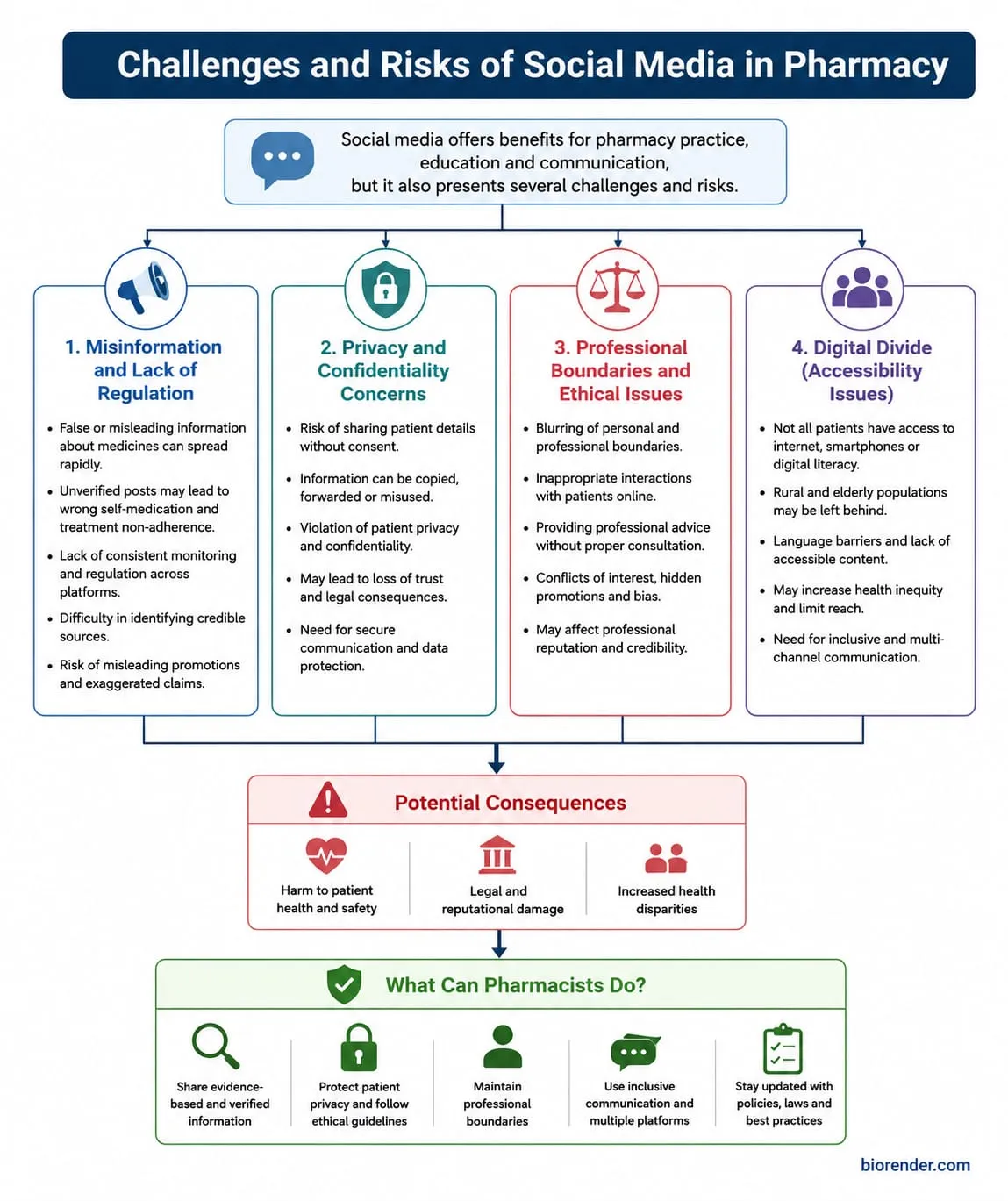
Figure 3: Challenges and Risks for Use of Social Media in Pharmacy. [6].
7. Case Studies / Examples
7.1 Successful Pharmacy Campaigns on Social Media
Social media has become an important communication tool in pharmacy practice because it enables pharmacists, healthcare institutions and regulatory authorities to share medicine-related information with a large audience. Platforms such as Facebook, Instagram, YouTube, WhatsApp and X can be used to promote awareness regarding rational drug use, medication adherence, generic medicines, vaccination, antimicrobial resistance and adverse drug reactions. Educational posters, short videos, infographics, quizzes and awareness messages can make complex pharmaceutical information easier for the public to understand. These activities can also encourage patients to consult qualified healthcare professionals before starting, stopping or changing their medicines. The World Health Organization (WHO) promotes medication safety through its global Medication Without Harm initiative, which encourages patients, caregivers and healthcare professionals to participate actively in safer medication practices. [15]
One important example of a successful international social media initiative is #MedSafetyWeek, coordinated by the Uppsala Monitoring Centre in collaboration with medicines regulators and pharmacovigilance organisations. The campaign uses digital communication materials, social media posts, graphics and videos to encourage patients and healthcare professionals to report suspected side effects of medicines. Its main purpose is to improve awareness of adverse drug reactions and strengthen national medicine-safety reporting systems. Campaign materials are made available in several languages, allowing participating organisation to adapt the messages for their communities. This initiative demonstrates how coordinated digital communication can support pharmacy education and public participation in pharmacovigilance. [16]
7.2 Institutional Initiatives: Pharmacovigilance Week Awareness Drives in India
In India, the Pharmacovigilance Programme of India (PvPI) is an important institutional initiative for monitoring the safety of medicines. It operates under the Indian Pharmacopoeia Commission (IPC), Ministry of Health and Family Welfare, Government of India. The programme aims to identify, assess and communicate adverse drug reactions (ADRs) to improve patient safety. Pharmacists, doctors, nurses, researchers and patients play an important role in reporting suspected adverse drug reactions. Social media can support these activities by distributing educational materials, digital posters, short videos and instructions about reporting medicine-related side effects. [17]
The Indian Pharmacopoeia Commission organises National Pharmacovigilance Week annually from 17 to 23 September to increase awareness about pharmacovigilance and encourage the reporting of suspected adverse drug reactions. The 4th National Pharmacovigilance Week was observed in September 2024 under the theme “Building ADR Reporting Culture for Patient Safety.” The campaign included promotional materials, educational programmes, webinars, quizzes and e-poster competitions. These activities provided opportunities for pharmacy students, healthcare professionals and academic institutions to participate in medicine-safety awareness. Digital communication can extend the reach of such programmes beyond institutional events and help share reliable safety information with the general public. [18]
Another significant example was the 5th National Pharmacovigilance Week, conducted from 17 to 23 September 2025 under the theme “Your Safety, Just a Click Away: Report to PvPI.” The campaign focused on encouraging the public and healthcare professionals to report suspected adverse drug reactions through accessible reporting mechanisms. According to the Indian Pharmacopoeia Commission's official report, participating adverse drug reaction monitoring centres organised workshops, conferences, quizzes, poster competitions, walkathons, street plays and community outreach programmes. Awareness activities also reached rural and urban communities. Social media can complement these initiatives by sharing reporting instructions, campaign announcements and patient-safety messages in regional languages. [19]
The Pharmacovigilance Programme of India has also promoted digital approaches to adverse-event reporting. The development of the Adverse Drug Reaction Monitoring System (ADRMS) online portal represents an important step towards improving access to medicine-safety reporting. Such digital systems can be publicised through pharmacy college websites, institutional social media accounts, WhatsApp groups and educational campaigns. Pharmacists can explain the importance of reporting suspected reactions and direct patients towards official reporting facilities. However, suspected adverse reactions should be assessed by qualified healthcare professionals, and social media should not replace formal reporting systems or clinical evaluation. [20]
7.3 Global vs. Local Perspectives
At the global level, social media campaigns focus on common public health priorities, including medication safety, rational medicine use and the reporting of adverse drug reactions. The WHO's Medication Without Harm initiative promotes safer medication practices through the message “KNOW. CHECK. ASK.” This approach encourages patients and healthcare professionals to understand their medicines, check relevant information and ask questions when uncertain. International campaigns can provide standardised educational resources that healthcare institutions and pharmacy organisations adapt for local use. [21]
In India, the effectiveness of pharmacy-related social media communication depends on language, health literacy, internet access and local healthcare needs. For example, a pharmacy college in Maharashtra could publish Marathi and Hindi infographics explaining the correct use of medicines, the risks of self-medication, antibiotic resistance and the importance of reporting suspected adverse drug reactions. Short educational videos and WhatsApp messages may be particularly useful for communicating simple health information to local communities. Campaigns should use verified information from government health department, the Indian Pharmacopoeia Commission and other recognised healthcare organise.
Global and local approaches therefore have complementary roles. International campaigns provide evidence-based messages and reusable educational resources, whereas local institutions adapt these messages to regional languages, cultural practices and community needs. Pharmacy colleges can assess the effectiveness of their campaigns by measuring participation, post-campaign knowledge, engagement with educational materials and awareness of official ADR reporting mechanisms. The number of likes or shares alone does not establish that a campaign has improved health outcomes. Reliable sources, patient privacy, ethical communication and professional responsibility must remain central to all pharmacy-related social media activities. [22]
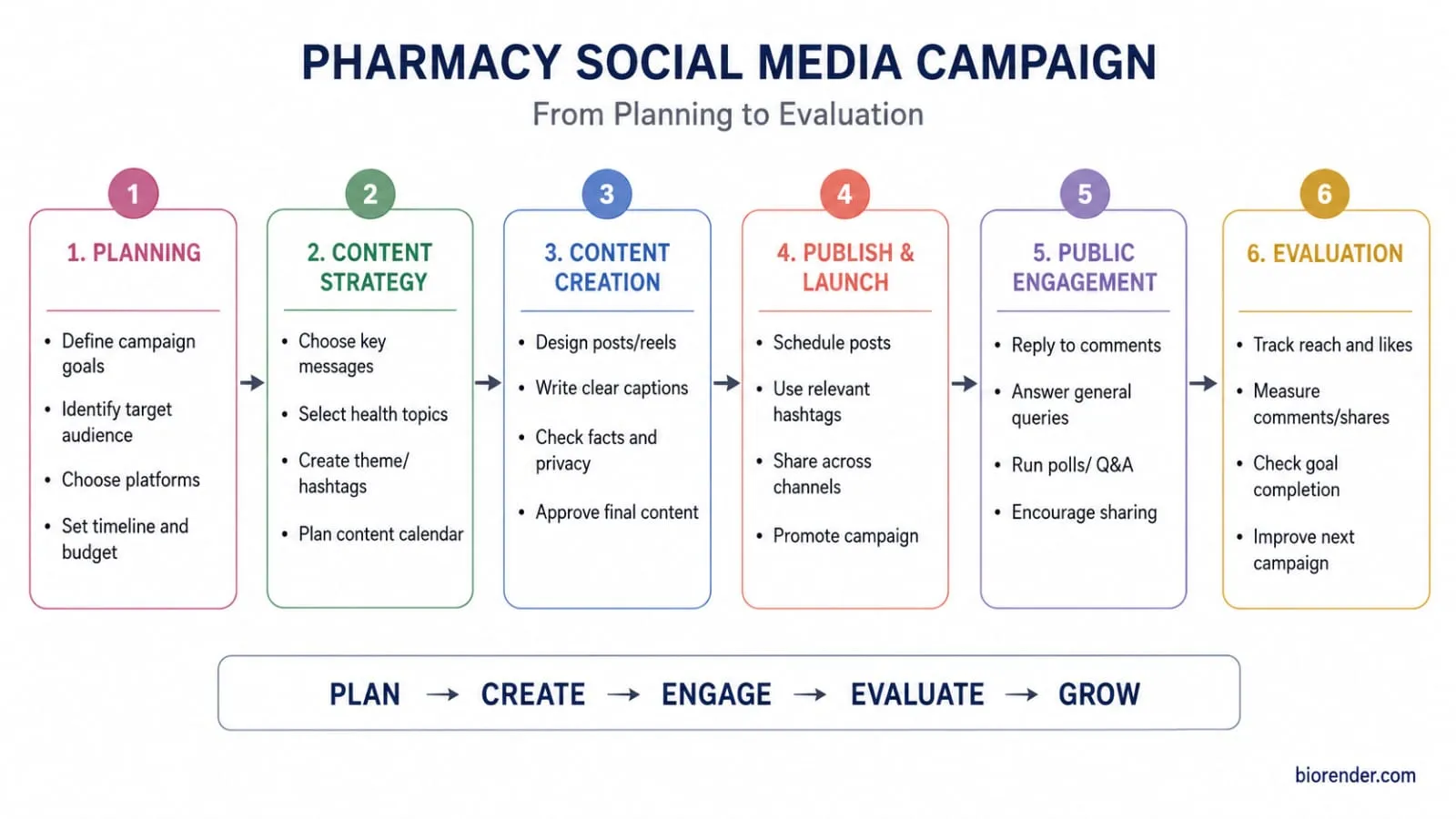
Figure 4: Content Creation in a Pharmacy Social Media Campaign.[3]
8.Future Direction
8.1 Integration with Artificial Intelligence and Digital Health Tools
In the future, social media may be increasingly integrated with artificial intelligence (AI), mobile health applications, chatbots, and other digital health tools to improve pharmaceutical communication. AI-supported systems may help pharmacists prepare educational content, answer frequently asked questions, and identify common public concerns regarding medicines. Social media platforms can also be used to share links to reliable medicine-information resources, online consultations, and digital health education programmes. However, AI-generated pharmaceutical information must be verified by qualified healthcare professionals before publication to minimise errors and misinformation. AI should support pharmacists rather than replace their professional judgement[23].
8.2 Role in Personalized Medicine and Patient Monitoring
Social media and digital health applications may contribute to more personalised patient education by providing information suited to patients’ needs, language preferences, and health literacy levels. When appropriately integrated with authorised digital health tools, these platforms may support reminders about medication adherence, educational messages for chronic disease management, and guidance on using prescribed medicines correctly. Wearable devices and remote monitoring applications can provide health measurements that support ongoing care. Nevertheless, sensitive medical information should not be collected or shared through public social media posts. Personalised treatment decisions and patient monitoring must rely on appropriate clinical assessment, informed consent, and secure handling of health data[24].
8.3 Policy Development and Guidelines for Pharmacists’ Social Media Use
The future development of social media in pharmacy requires clear professional policies and practical guidelines. These guidelines should address patient confidentiality, data protection, evidence-based communication, online professionalism, advertising of medicines, and the responsible use of AI-generated content. Pharmacists should verify information before sharing it, avoid unsupported therapeutic claims, disclose relevant conflicts of interest, and maintain appropriate professional boundaries when interacting with patients online. Pharmacy colleges, professional organisations, and healthcare authorities can provide training on digital communication and ethical online behaviour. Clear policies and regular evaluation will help ensure that social media is used safely, responsibly, and effectively in pharmacy practice[3].
8.4 Future Research and Innovation
Further research is required to evaluate the effectiveness of pharmacy-related social media campaigns in improving medication adherence, medicine safety awareness, patient engagement, and public health outcomes. Future studies should compare different platforms, communication methods, and educational approaches to identify the most effective strategies for different populations. Researchers should also investigate privacy risks, digital health inequalities, misinformation, and the accuracy of AI-supported health communication. Evidence from such studies may help develop better guidelines and improve the integration of social media into pharmacy practice, education, and research.[23]
CONCLUSION
Social media has become a valuable communication tool in pharmacy, offering opportunities to improve patient education, pharmacy practice, professional networking, pharmaceutical research, and public health awareness. Platforms such as Facebook, Instagram, YouTube, WhatsApp, and LinkedIn can help pharmacists share medicine-related information, promote medication adherence, support pharmacy education, and communicate important health messages to the public. Social media can also encourage collaboration among pharmacists, students, researchers, and other healthcare professionals, thereby supporting the exchange of knowledge and professional development[2].
Despite these advantages, the use of social media in pharmacy also presents several risks, including the spread of misinformation, violation of patient confidentiality, misleading medicine advertisements, and unprofessional online behaviour. Therefore, pharmacists must evaluate the reliability of information before sharing it and ensure that their online activities follow ethical principles and applicable professional guidelines. Social media should complement traditional pharmacy services and face-to-face patient counselling rather than replace professional consultation and individualised healthcare[3].
In conclusion, the responsible adoption of social media can contribute to the development of modern pharmacy practice. Pharmacists, pharmacy educators, students, and researchers should use digital platforms carefully to promote evidence-based information, protect patient privacy, and maintain professional standards. Appropriate training, clear guidelines, and further research are necessary to maximise the benefits while minimising the risks. A balanced and ethical approach to social media use can help strengthen public trust, improve medicine-related awareness, and support better healthcare outcomes.[6]
REFERENCES



Ghodvinde Sanket, Shaikh Ainul, Sawant Priyanka, Beyond Digital Connectivity: The Evolving Role of Social Media in Pharmacy Practise Education and Pharmacovigilance, Int. J. of Pharm. Sci., 2026, Vol 4, Issue 11, 4528-4540. https://doi.org/10.5281/zenodo.24527095
 10.5281/zenodo.24527095