

We use cookies to ensure our website works properly and to personalise your experience. Cookies policy
1DCH Paediatrician , Senior civil surgeon, Department of Paediatrics , Government Medical College , Nagapattinam , Tamil Nadu , India.
2,3PharmD Interns, Edayathangudy G. S. Pillay College of Pharmacy, Nagapattinam, Tamil Nadu, India.
Epilepsy is a neurological disorder characterized by recurrent seizures, with considerable variability in disease presentation, treatment response, and adverse drug reactions among patients. Despite the availability of multiple antiseizure medications, achieving optimal seizure control remains challenging, particularly in patients with drug-resistant epilepsy and treatment-related adverse effects. Precision medicine represents an evolving approach to individualized epilepsy management through the integration of genetic information, clinical characteristics, and advanced computational technologies. Pharmacogenomics helps identify genetic variations associated with epilepsy susceptibility, drug metabolism, therapeutic response, and medication toxicity. Variants in genes such as SCN1a, SCN2a, SCN8a, CYP2c9, and CYP2c19, along with human leukocyte antigen markers, may contribute to disease characterization and safer antiseizure medication selection. Artificial intelligence (AI), including machine learning and deep learning, has demonstrated potential in electroencephalogram analysis, seizure detection and prediction, neuroimaging interpretation, and treatment-response assessment. Integrating pharmacogenomic data with AI-based clinical decision-support systems may improve patient stratification, facilitate individualized drug selection, minimize preventable adverse drug reactions, and support clinical decision-making. However, challenges involving data quality, algorithm interpretability, clinical validation, accessibility, and ethical considerations remain. This review discusses the role of pharmacogenomics and AI in epilepsy and explores their potential integration to advance personalized, safer, and more effective treatment strategies.
1.1 Epilepsy and the Evolution of Its Understanding
Epilepsy is a neurological disorder with diverse clinical manifestations and underlying mechanisms. Historically, seizures were often interpreted through supernatural or spiritual beliefs, resulting in misconceptions and stigma toward affected individuals. A major change in understanding occurred when Hippocrates proposed that seizure disorders originated in the brain and should be investigated as medical conditions. Subsequent neurological research, electroencephalography (EEG), neuroimaging, and molecular studies established a scientific basis for identifying seizure activity and investigating its causes [1,2].
Epilepsy affects approximately 50 million people worldwide and can occur at any age. Its underlying causes include structural brain abnormalities, genetic factors, infections, metabolic disturbances, immune-mediated disorders, or unknown mechanisms. Seizure manifestations differ according to the neuronal networks involved and may include altered consciousness, involuntary movements, sensory symptoms, or behavioural changes [1,3]. Beyond seizures, epilepsy may affect cognition, emotional well-being, education, social participation, and quality of life. Differences in access to diagnostic facilities and specialist care further contribute to the challenges of epilepsy management.
1.2 Classification, Etiology, and Treatment Challenges
The International League Against Epilepsy (ILAE) classifies epilepsy using seizure characteristics, epilepsy type, and syndrome, while considering its underlying etiology. Seizures are broadly categorized as focal, generalized, or unknown onset, and epilepsy may be classified as focal, generalized, combined focal and generalized, or unknown. Etiological assessment includes structural, genetic, infectious, metabolic, immune, and unknown categories. This framework helps guide diagnosis, treatment selection, and further investigation [2,3].
Antiseizure medications (ASMs) remain the principal treatment for most patients. Drugs such as carbamazepine, valproate, lamotrigine, levetiracetam, and phenytoin are selected according to seizure type, patient characteristics, contraindications, and adverse-effect considerations. However, treatment outcomes differ between individuals. Some patients achieve sustained seizure control with initial therapy, whereas others experience inadequate response or medication-related toxicity. Variations in disease mechanisms, drug metabolism, genetic background, comorbidities, concomitant medications, and adherence may contribute to these differences [4,5].
Drug-resistant epilepsy is an important concern when seizures continue despite appropriate pharmacological treatment. The ILAE defines drug resistance as failure of adequate trials of two tolerated, appropriately selected, and appropriately used ASM regimens to achieve sustained seizure freedom [6]. This highlights the need for approaches that go beyond conventional drug selection and consider individual factors influencing treatment effectiveness and safety.
1.3 Precision Medicine and Pharmacogenomics
Precision medicine aims to improve healthcare decisions by incorporating individual biological, genetic, and clinical characteristics into diagnosis and treatment. In epilepsy, this approach may help explain why patients with similar seizure presentations respond differently to the same medication. Integrating information such as genetic findings, EEG, neuroimaging, clinical history, comorbidities, and previous treatment outcomes may support more individualized management [7].
Pharmacogenomics is an important component of precision medicine because genetic variations may influence drug metabolism, therapeutic response, and susceptibility to adverse reactions. Variants affecting drug-metabolizing enzymes can alter medication exposure and toxicity risk. For example, CYP2C9 variation may affect phenytoin clearance, while CYP2C19 variation can influence clobazam metabolism. Certain human leukocyte antigen (HLA) alleles are also associated with severe antiseizure medication-related hypersensitivity reactions. The association of HLA-B\*15:02 with carbamazepine-induced Stevens–Johnson syndrome and toxic epidermal necrolysis is an important example of pharmacogenomic information supporting medication safety [8,9].Although pharmacogenomic testing may assist treatment selection and adverse-effect prevention, its clinical usefulness depends on the strength of evidence for individual gene–drug associations. Therefore, genetic results should be interpreted alongside clinical findings and established prescribing recommendations.
1.4 Artificial Intelligence in Epilepsy
Artificial intelligence (AI) is increasingly being investigated as a tool for analysing complex neurological information and assisting clinical decision-making. Machine learning and deep learning techniques can process EEG recordings, neuroimaging, and clinical datasets to identify patterns relevant to epilepsy diagnosis and management. Potential applications include automated EEG interpretation, epileptiform discharge detection, seizure detection and forecasting, neuroimaging analysis, and prediction of treatment-related outcomes [10].
AI-assisted EEG analysis may help identify seizure-related patterns in prolonged recordings and support clinical review. Imaging-based algorithms are being investigated for detecting subtle structural abnormalities, while predictive models may explore relationships between patient characteristics, treatment history, and seizure outcomes. These technologies may improve data interpretation and assist clinical workflows; however, their performance depends on dataset quality, validation, interpretability, and suitability for the population in which they are used [10].
1.5 Integration of Pharmacogenomics and AI
Combining pharmacogenomics with AI may provide a broader approach to individualized epilepsy treatment. Genetic information can contribute to the assessment of medication metabolism and adverse drug reaction susceptibility, while AI may help integrate genomic findings with clinical characteristics, EEG, neuroimaging, medication history, and treatment outcomes. Such integration could support medication selection, identify patients requiring closer monitoring, and assist the evaluation of treatment failure or toxicity [7,10].
Nevertheless, integrated pharmacogenomic and AI approaches remain an evolving area. Their clinical application requires reliable datasets, appropriate validation, transparent interpretation, and evidence that their use improves patient outcomes. These technologies are best considered supportive tools within evidence-based epilepsy care rather than replacements for clinical judgement.
1.6 Aim of the Review
This review aims to examine the contribution of pharmacogenomics and artificial intelligence to precision medicine in epilepsy, focusing on their potential to improve individualized antiseizure medication selection, therapeutic outcomes, medication safety, and clinical decision-making. It also discusses current applications, limitations, implementation challenges, and future opportunities for integrating these technologies into epilepsy care.
2. CONCEPT OF PRECISION MEDICINE
2.1 Definition and Principles of Precision Medicine
Precision medicine is an individualized healthcare approach that utilizes patient-specific characteristics to guide diagnostic evaluation, treatment selection, and therapeutic monitoring. It incorporates clinical findings, genetic information, molecular mechanisms, biomarkers, environmental factors, and previous treatment responses to develop more appropriate management strategies. Unlike conventional treatment approaches that primarily rely on standardized protocols, precision medicine aims to recognize individual differences in disease mechanisms and therapeutic responses, thereby improving treatment effectiveness and reducing unnecessary adverse effects [11,12].
In epilepsy, precision medicine is particularly important because seizures with similar clinical manifestations may arise from different underlying etiologies. Genetic abnormalities, structural brain lesions, metabolic disturbances, immune-mediated processes, and other biological mechanisms may contribute to seizure development. Understanding these factors can support more accurate diagnosis, improve treatment selection, and identify patients who may benefit from mechanism-specific interventions [11,13].
The major principles of precision medicine in epilepsy include:
* Etiological identification: Determining the underlying cause of epilepsy whenever possible.
* Biomarker integration: Incorporating genetic findings, EEG, neuroimaging, and laboratory investigations.
* Individualized treatment: Selecting antiseizure medications according to patient characteristics and disease mechanisms.
* Risk assessment: Identifying susceptibility to adverse drug reactions, drug interactions, and treatment complications.
* Therapeutic optimization: Adjusting treatment according to seizure control, tolerability, and clinical outcomes.
The successful implementation of precision medicine depends on translating patient-specific information into clinically meaningful decisions supported by scientific evidence [11,12].
2.2 Clinical Applications of Precision Medicine in Epilepsy
Precision medicine has the potential to improve several aspects of epilepsy management, including diagnosis, drug selection, treatment optimization, seizure monitoring, and assessment of treatment outcomes. Integrating genetic testing, pharmacological information, clinical biomarkers, and computational technologies may help healthcare professionals develop more individualized treatment plans [11,13].
2.2.1 Genetic Diagnosis and Disease Characterization
Genetic testing plays an important role in identifying the underlying causes of epilepsy, particularly in patients with early-onset seizures, developmental and epileptic encephalopathies, unexplained epilepsy, or suspected inherited disorders. Identifying disease-associated genetic variants can improve diagnostic classification, provide prognostic information, support genetic counselling, and guide therapeutic decisions. In selected patients, molecular diagnosis may also identify potential targeted treatment strategies or opportunities for specialized clinical management [12,13].
2.2.2 Pharmacogenomics-Guided Medication Selection
Pharmacogenomics examines the influence of genetic variations on medication response, metabolism, efficacy, and toxicity. In epilepsy, genetic variations affecting drug-metabolizing enzymes or immune-related pathways may influence the safety of certain antiseizure medications. For example, HLA-associated susceptibility to carbamazepine-induced hypersensitivity reactions and CYP2C9 genetic variations affecting phenytoin metabolism demonstrate the clinical importance of genetic information in medication selection and dosing. Incorporating relevant pharmacogenomic findings into clinical practice may help reduce adverse drug reactions and improve treatment safety [11,13].
2.2.3 Individualized Antiseizure Treatment
Individualized treatment involves selecting antiseizure medications based on epilepsy type, seizure classification, underlying etiology, age, comorbidities, organ function, concomitant medications, previous treatment response, and tolerability. Understanding the molecular mechanism of a particular epilepsy may also influence medication selection. For instance, sodium-channel-blocking medications may worsen seizures in certain patients with SCN1A-related Dravet syndrome. Therefore, identifying the underlying disease mechanism can help clinicians avoid potentially unsuitable medications and select more appropriate therapeutic strategies [12,13].
2.2.4 Artificial Intelligence-Assisted Seizure Monitoring
Artificial intelligence is increasingly being investigated as a tool for analyzing EEG recordings and other neurological data. Machine-learning and deep-learning techniques may assist in identifying epileptiform abnormalities, detecting seizure-related patterns, and analyzing prolonged EEG recordings. Automated seizure detection identifies seizure activity after its onset, whereas seizure prediction attempts to identify patterns associated with an increased probability of a future seizure. These technologies may support continuous monitoring and provide additional information for individualized epilepsy management [11,12].
2.2.5 Prediction of Treatment Response and Clinical Outcomes
Computational approaches can analyze clinical, electrophysiological, imaging, genetic, and medication-related information to identify patterns associated with treatment response. Predictive models may help estimate the likelihood of seizure control, identify patients at risk of treatment failure, and support earlier reassessment of therapeutic strategies. However, the reliability of these models depends on the quality of the data, the representativeness of the patient population, and validation in independent clinical settings before routine clinical implementation [11,12].
2.3 Precision Medicine in Drug-Resistant Epilepsy
Precision medicine may offer important opportunities for patients with drug-resistant epilepsy, particularly when seizures remain uncontrolled despite appropriate antiseizure medication trials. Further evaluation using genetic testing, EEG, neuroimaging, metabolic investigations, and detailed clinical assessment may help identify the underlying cause and determine alternative treatment approaches. Depending on the patient's characteristics, management may include epilepsy surgery, dietary therapies, neuromodulation, or targeted pharmacological treatment[12,13].
In some genetic disorders, understanding the molecular pathway involved in seizure development may provide opportunities for mechanism-based treatment. For example, patients with tuberous sclerosis complex may benefit from mTOR-pathway-directed therapies such as everolimus when appropriate clinical indications are present. Nevertheless, targeted treatments are available only for selected conditions, and the identification of a genetic abnormality does not necessarily indicate that an effective targeted therapy exists. Treatment decisions must be based on clinical evidence, disease characteristics, and specialist assessment [12,13].
2.4 Multidisciplinary Implementation of Precision Medicine
The successful application of precision medicine in epilepsy requires collaboration among neurologists, clinical pharmacists, geneticists, neurophysiologists, radiologists, laboratory specialists, and other healthcare professionals. Multidisciplinary assessment allows clinical, molecular, electrophysiological, and pharmacological information to be integrated into patient care.
Clinical pharmacists have an important role in medication reconciliation, dose optimization, drug interaction assessment, adverse drug reaction monitoring, pharmacogenomic interpretation, and evaluation of therapeutic outcomes. Their participation may help identify medication-related risks and improve the safe and effective use of antiseizure medications.
Despite its potential advantages, precision medicine in epilepsy faces challenges such as limited access to genetic testing, high costs, uncertain interpretation of genetic variants, inadequate availability of targeted therapies, data privacy concerns, and the need for clinical validation. Overcoming these limitations will be essential for integrating precision medicine into routine epilepsy care and improving patient-specific treatment outcomes [11,12,13].
3. PHARMACOGENOMICS IN EPILEPSY
3.1 Genetic Basis of Epilepsy
Epilepsy is a heterogeneous neurological disorder arising from different underlying mechanisms, including genetic abnormalities, structural brain alterations, metabolic disturbances, immune-mediated processes, and environmental factors. Genetic variations may contribute to epilepsy by modifying neuronal excitability, ion-channel function, synaptic transmission, neurotransmitter activity, neuronal development, and intracellular signalling. Depending on the disorder, genetic involvement may occur through single-gene variants, chromosomal abnormalities, or interactions between multiple genetic and environmental factors [14,15].
Advances in molecular genetics have improved the identification of epilepsy-associated genes and have contributed to a better understanding of the biological mechanisms underlying seizure disorders. Genetic testing is particularly useful in patients with early-onset seizures, developmental and epileptic encephalopathies, unexplained epilepsy, suspected inherited disorders, or unusual clinical presentations. Establishing a molecular diagnosis may support disease classification, prognosis, genetic counselling, and therapeutic decision-making [14,15].
Genetic abnormalities may influence epilepsy through different mechanisms. Variants affecting voltage-gated ion channels can alter membrane excitability and neuronal firing. Changes in genes involved in synaptic function may disrupt excitatory or inhibitory neurotransmission. Other abnormalities may interfere with neuronal migration, brain development, cellular metabolism, or intracellular signalling pathways, thereby contributing to seizure susceptibility [14].
It is important to distinguish epilepsy-associated genetic variants from pharmacogenomic variants. Epilepsy-associated variants contribute to the development or characteristics of the disorder, whereas pharmacogenomic variants influence medication response, metabolism, efficacy, or toxicity. Some genetic variants may influence both disease mechanisms and treatment response, making their clinical interpretation particularly important in precision medicine.
3.1.1 Molecular Mechanisms Involved in Epilepsy
Genetic alterations can contribute to epilepsy through several molecular mechanisms.
* Ion-channel dysfunction: Variations in sodium, potassium, calcium, or chloride channel genes may disrupt neuronal electrical activity and alter the threshold for seizure generation.
* Synaptic transmission abnormalities: Genetic changes affecting synaptic proteins may disturb neurotransmitter release or receptor function, resulting in an imbalance between excitatory and inhibitory neuronal activity.
* Neuronal development abnormalities: Variants affecting neuronal migration, cortical development, or synapse formation may contribute to structural and functional abnormalities associated with epilepsy.
* Intracellular signalling dysregulation: Alterations in cellular signalling pathways, particularly the mechanistic target of rapamycin (mTOR) pathway, may contribute to neuronal growth abnormalities and seizure development in specific genetic disorders.
Understanding these mechanisms may help identify the underlying cause of epilepsy and support the selection of treatment strategies appropriate to particular disease subtypes [14,15].
3.1.2 Important Genes Associated with Epilepsy
Several genes are associated with epilepsy through their effects on neuronal function, development, and cellular signalling. Selected examples are presented in Table 1.
Table 1: Selected Epilepsy-Associated Genes and Their Biological Functions.
| Gene | Biological function | Associated epilepsy phenotype |
|---|---|---|
| SCN1A | Voltage – gated sodium channel function | Dravet syndrome and other epilepsies |
| SCN2A | Neuronal sodium channel activity | Developmental epilepsy and Neurodevelopmental disorders |
| SCN8A | Sodium channel regulation | Epilepsy and developmental disorders |
| KCNQ2 | Voltage - gated potassium channels | Neonatal epilepsy and encephalopathy |
| KCNT1 | Sodium activated potassium channels | Severe early-onset epilepsy |
| TSC1/TSC2 | Regulation of mTOR signaling | Tuberous sclerosis-associated epilepsy |
| PCDH19 | Cell adhesion and neuronal organization | PCDH19-related epilepsy |
| DEPDC5 | Regulation of mTOR signaling | Familial focal epilepsy |
| GABRA1 | GABA-A receptor function | Various epilepsy phenotypes |
| CDKL5 | Neurodevelopmental regulation | CDKL5 deficiency disorder |
The detection of variants in these genes may help establish a molecular diagnosis and explain the mechanisms underlying seizures. However, identifying a genetic variant does not automatically indicate a specific medication or targeted treatment. Its clinical relevance depends on the variant's classification, inheritance pattern, phenotype correlation, and supporting evidence [14,15].
3.2 Genetic Testing and Its Role in Epilepsy
Genetic testing is increasingly incorporated into the diagnostic evaluation of patients with suspected genetic epilepsy. It can be particularly valuable when seizures begin during infancy or childhood, when developmental abnormalities are present, or when the clinical presentation suggests a specific genetic syndrome. Genetic investigations may also be considered in unexplained epilepsy when conventional clinical evaluation does not establish the cause [14,15].
The commonly used genetic testing methods include:
* Targeted gene panels: Evaluate a group of genes associated with specific epilepsy phenotypes.
* Whole-exome sequencing (WES): Identifies variants within protein-coding regions of the genome.
* Whole-genome sequencing (WGS): Evaluates coding and non-coding genomic regions and may identify a wider range of genetic abnormalities.
* Chromosomal microarray: Detects certain chromosomal abnormalities and copy-number variations.
* Single-gene testing: Used when clinical findings strongly suggest a particular genetic condition.
Genetic testing can improve diagnostic accuracy, shorten the diagnostic process, support counselling, and identify potential opportunities for mechanism-based treatment. Nevertheless, results may include variants of uncertain significance, incidental findings, or variants that do not fully explain the patient's clinical presentation. Therefore, genetic results should be interpreted alongside clinical history, EEG findings, neuroimaging, family history, and specialist assessment [14,15].
3.3 Pharmacogenomic Variations Affecting Antiseizure Medication Therapy
Pharmacogenomics evaluates how genetic differences between individuals influence drug response, metabolism, efficacy, and susceptibility to adverse effects. In epilepsy, genetic variations may affect the pharmacokinetic and pharmacodynamic properties of antiseizure medications (ASMs), contributing to differences in drug concentrations, treatment effectiveness, and tolerability.
Pharmacokinetic factors involve drug absorption, distribution, metabolism, and elimination, whereas pharmacodynamic factors relate to drug targets and biological responses. Genetic variations affecting drug-metabolizing enzymes, transport proteins, and drug targets may contribute to interindividual variability in ASM therapy. However, the clinical relevance of these associations differs substantially between drugs, and only a limited number have established evidence-based prescribing recommendations [16,19].
3.3.1 Genetic Variations in Drug-Metabolizing Enzymes
Drug-metabolizing enzymes influence the rate at which medications are converted into metabolites and eliminated from the body. Genetic polymorphisms may result in reduced, normal, or increased enzyme activity, potentially altering drug exposure and the risk of adverse effects.
Important enzyme systems involved in ASM metabolism include:
* CYP2C9: Important in the metabolism of phenytoin.
* CYP2C19: Contributes to the metabolism of clobazam and its active metabolite.
* UGT enzymes: Involved in glucuronidation of medications such as lamotrigine.
* CYP3A enzymes: Participate in the metabolism of several ASMs and are involved in clinically significant drug interactions.
Among these enzymes, CYP2C9 has a particularly established pharmacogenomic role in phenytoin therapy. Reduced-function CYP2C9 variants can decrease phenytoin clearance, increase drug exposure, and predispose patients to concentration-dependent toxicity. Genotype-informed dose recommendations can therefore support safer treatment when combined with clinical monitoring [16,17].
3.3.2 CYP2C9 and Phenytoin Metabolism
Phenytoin is primarily metabolized in the liver through CYP2C9, with CYP2C19 contributing to its metabolism to a lesser extent. Genetic polymorphisms in CYP2C9 may decrease enzymatic activity and result in slower drug clearance.
Patients carrying reduced-function alleles, including CYP2C92 and CYP2C93, may require lower phenytoin doses to achieve therapeutic exposure. This is particularly important because phenytoin exhibits nonlinear pharmacokinetics. Once its metabolic capacity becomes saturated, small dosage increases may produce disproportionately large increases in plasma concentration, increasing the possibility of toxicity [16].
The clinical manifestations of phenytoin toxicity may include nystagmus, ataxia, dizziness, impaired coordination, and altered mental status. Pharmacogenomic information may help identify patients who require cautious dose initiation or adjustment. However, genotype-guided prescribing should be combined with clinical assessment and therapeutic drug monitoring when indicated.
3.3.3 CYP2C19 and Clobazam Metabolism
Clobazam undergoes hepatic metabolism to N-desmethylclobazam, an active metabolite that contributes to its pharmacological effects. CYP2C19 participates in the further metabolism of N-desmethylclobazam. Genetic variations associated with reduced CYP2C19 activity may increase active-metabolite exposure and potentially prolong drug effects.
Patients with reduced CYP2C19 activity may experience excessive sedation, somnolence, or other dose-related adverse effects. Pharmacogenomic information may help explain unusual drug exposure or tolerability in selected patients receiving clobazam. Nevertheless, treatment assessment must also consider the dose, concomitant medications, age, clinical condition, and individual response [17,18].
3.3.4 Other Metabolic Pathways
Several ASMs undergo metabolism through pathways other than CYP enzymes. Lamotrigine is primarily metabolized through glucuronidation, while valproate undergoes multiple metabolic processes, including glucuronidation and mitochondrial beta-oxidation. Genetic variation inthese pathways has been investigated for possible effects on drug concentrations and adverse reactions.
Although multiple candidate gene associations have been reported, many remain insufficiently validated for routine clinical use. Consequently, pharmacogenomic testing should prioritize drug–gene associations with reliable evidence and established recommendations rather than extrapolating findings from preliminary studies [17,18].
3.4 HLA Variants and Antiseizure Medication-Induced Hypersensitivity
Human leukocyte antigen (HLA) genes encode proteins involved in immune recognition and antigen presentation. Certain HLA alleles are associated with increased susceptibility to medication-induced immune reactions, including severe cutaneous adverse reactions (SCARs). These reactions may range from relatively mild skin eruptions to life-threatening conditions such as Stevens–Johnson syndrome (SJS), toxic epidermal necrolysis (TEN), and drug reaction with eosinophilia and systemic symptoms (DRESS).
The relationship between HLA variants and ASM-induced hypersensitivity is among the most clinically important pharmacogenomic applications in epilepsy because it can influence medication selection before treatment begins [18,19].
3.4.1 HLA-B*15:02 and Carbamazepine
HLA-B*15:02 has a strong association with carbamazepine-induced SJS/TEN, particularly in populations in which the allele is more prevalent. Screening for this allele before carbamazepine initiation may help identify patients with increased susceptibility to severe cutaneous reactions.
When a patient tests positive for a clinically relevant risk allele, an alternative medication may be considered according to established guidelines, the patient's clinical condition, and available treatment options. This approach illustrates how pharmacogenomic information can be used prospectively to reduce preventable medication-related harm [18,19].
3.4.2 HLA-A*31:01 and Carbamazepine Hypersensitivity
HLA-A31:01 has been associated with several carbamazepine-related hypersensitivity reactions, including maculopapular exanthema, DRESS, and SJS/TEN. Unlike some associations primarily involving severe cutaneous reactions, HLA-A31:01 may be associated with a broader spectrum of hypersensitivity manifestations.The relevance of testing depends on population characteristics, the clinical indication, and applicable pharmacogenomic recommendations. Identification of a risk allele may contribute to the decision to select an alternative medication or increase clinical vigilance during treatment [18,19].
3.4.3 HLA Associations With Other ASMs
Pharmacogenomic investigations have also identified associations between HLA alleles and hypersensitivity reactions involving other ASMs, including oxcarbazepine and phenytoin. The strength of evidence and recommendations may differ among drugs and populations.
Selected associations include:
* HLA-B\*15:02 and oxcarbazepine-related SJS/TEN.
* HLA-B*15:02 and phenytoin-related severe cutaneous adverse reactions.
* HLA-related susceptibility to lamotrigine-associated cutaneous reactions in certain populations, although evidence and recommendations vary.
These associations highlight the importance of population-specific evidence and careful interpretation of genetic test results. A negative genetic test does not completely eliminate the risk of an adverse reaction, and patients should be educated about early warning symptoms such as rash, mucosal lesions, fever, facial swelling, and systemic illness [18,19].
3.5 Pharmacogenomics of Individual Antiseizure Medications
Pharmacogenomic testing does not have equal clinical value for every ASM. Its application is strongest when an established gene–drug association provides information that can change treatment selection or dosing. Selected clinically important medications are discussed below.
3.5.1 Phenytoin
Phenytoin is used for selected seizure disorders and has a narrow therapeutic range with nonlinear pharmacokinetics. CYP2C9 genetic variations can influence its metabolism and clearance. Reduced-function variants may result in increased exposure and an elevated risk of concentration-related toxicity.
The CPIC guideline provides recommendations for phenytoin dosing based on CYP2C9 genotype and HLA-B genotype. Genotype-informed dose adjustment may help reduce the risk of toxicity, particularly in patients with reduced metabolic activity. In addition, HLA-B\*15:02 may be associated with an increased risk of severe cutaneous adverse reactions in susceptible populations [16].
Pharmacogenomic testing may be particularly valuable when phenytoin is being considered for a patient with known genetic risk, when unexplained toxicity develops, or when unusual drug concentrations are observed. However, genetic information must be interpreted together with clinical response and therapeutic drug monitoring.
3.5.2 Carbamazepine
Carbamazepine is used mainly for focal seizures and certain other seizure disorders. Its pharmacogenomic relevance is primarily associated with HLA-related susceptibility to hypersensitivity reactions.
HLA-B15:02 is associated with carbamazepine-induced SJS/TEN, while HLA-A31:01 has been linked to a broader range of hypersensitivity reactions. Genetic screening before treatment may help identify patients who could be at increased risk and support the selection of an alternative ASM.
Carbamazepine also has enzyme-inducing properties, which may alter the metabolism of concomitant medications. Although these interactions are not necessarily caused by genetic variation, they must be considered when individualizing therapy. Genetic testing, medication review, patient counselling, and monitoring should therefore be integrated into treatment decisions [18,19].
3.5.3 Oxcarbazepine
Oxcarbazepine is structurally related to carbamazepine and is primarily used for focal seizure management. Its pharmacogenomic considerations include HLA-associated susceptibility to severe cutaneous adverse reactions.
HLA-B*15:02 is associated with an increased risk of oxcarbazepine-induced SJS/TEN in certain populations. When a relevant risk allele is detected, clinicians may consider an alternative medication based on clinical circumstances and guideline recommendations. Other factors, including seizure classification, previous treatment response, concomitant medication use, and electrolyte status, should also influence the decision [18,19].
3.5.4 Lamotrigine
Lamotrigine is used in several epilepsy syndromes and undergoes hepatic glucuronidation. Its dose is influenced by factors such as concomitant enzyme-inducing or enzyme-inhibiting medications. Genetic variations in metabolic pathways have been investigated for their potential influence on lamotrigine concentrations and clinical response, although the evidence for routine genotype-based dosing is limited.
Lamotrigine is associated with the risk of serious cutaneous adverse reactions, including SJS/TEN. The risk may be influenced by initial dose, titration rate, concomitant medications, and individual susceptibility. Therefore, gradual dose escalation and appropriate clinical monitoring remain important components of safe therapy. Pharmacogenomic findings related to lamotrigine hypersensitivity should be interpreted according to the strength of evidence and applicable recommendations [18,19].
3.5.5 Clobazam
Clobazam is a benzodiazepine used as adjunctive therapy in selected epilepsy syndromes. Its active metabolite, N-desmethylclobazam, may accumulate in patients with reduced CYP2C19 activity. Genetic differences in CYP2C19 may therefore contribute to variability in drug exposure and tolerability.
In selected patients, pharmacogenomic information may help explain prolonged sedation, excessive somnolence, or unusual responses to clobazam. However, treatment decisions should also take into account concomitant ASMs, dose, duration of treatment, and the patient's clinical response. CYP2C19 genotyping may be helpful in specific circumstances, but it is not a universal requirement for every clobazam-treated patient [17, 18].
3.5.6 Valproate
Valproate is metabolized through several pathways, and genetic variations in metabolic enzymes or pathways associated with toxicity have been investigated. However, many proposed pharmacogenomic associations remain insufficiently established for routine prescribing.
Valproate therapy should be individualized according to seizure type, age, reproductive considerations, liver function, concomitant medications, adverse-effect profile, and clinical response. Pharmacogenomic testing currently has a more limited established role in routine valproate treatment than certain HLA-associated or CYP2C9-related associations involving other ASMs [17,18].
3.6 Clinical Applications of Pharmacogenomic Testing
Pharmacogenomic testing may contribute to epilepsy management by supporting medication selection, dose optimization, and prevention of adverse drug reactions. Its clinical utility depends on whether the identified genetic information provides an actionable recommendation supported by adequate evidence.
3.6.1 Prevention of Adverse Drug Reactions
One of the most established applications of pharmacogenomics in epilepsy is the identification of patients at increased risk of serious medication-induced hypersensitivity reactions. Testing for relevant HLA alleles before initiating selected ASMs may help prevent severe reactions such as SJS/TEN.
For example, identification of HLA-B*15:02 in a patient being considered for carbamazepine therapy may support the use of an alternative medication. This approach is especially relevant in populations where the risk allele is more prevalent. Pharmacogenomic screening may therefore improve medication safety by identifying susceptible individuals before exposure to the drug [18,19].
3.6.2 Individualized Dose Optimization
Genetic variations affecting drug metabolism may influence the dosage required to achieve therapeutic concentrations. CYP2C9 genotype information may help guide phenytoin dosing in patients with reduced metabolic activity. Such information can be particularly useful when there is an increased risk of accumulation or toxicity.
However, dosage decisions should not be based solely on genotype. Age, body weight, hepatic function, concomitant medications, serum concentrations, clinical response, and adverse effects should also be considered. Integrating pharmacogenomic results with clinical monitoring provides a more comprehensive approach to individualized dosing [16,17].
3.6.3 Assessment of Treatment Response
Genetic variations in drug targets, metabolic enzymes, transporters, and neuronal signalling pathways have been investigated for their potential influence on ASM effectiveness. These findings may help explain differences in treatment response among patients with similar epilepsy syndromes.
Nevertheless, seizure control is influenced by several interacting factors, including disease etiology, seizure type, medication adherence, drug exposure, comorbidities, and environmental influences. Most genetic markers proposed for predicting ASM efficacy or drug-resistant epilepsy require additional validation before they can be used routinely to guide prescribing [17,19].
3.6.4 Pharmacogenomic Testing Workflow
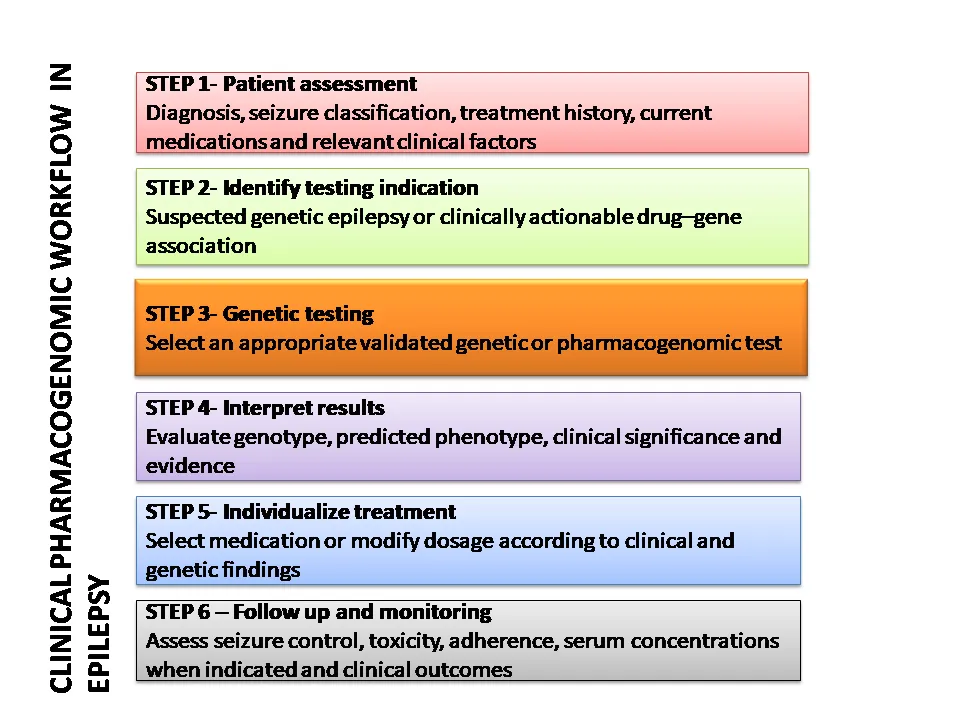
Figure 1: Proposed Clinical Workflow for Integrating Pharmacogenomic Testing into Epilepsy Management.
3.7 Role of the Clinical Pharmacist in Pharmacogenomics
Clinical pharmacists can support the integration of pharmacogenomic information into epilepsy care through their expertise in pharmacokinetics, pharmacodynamics, medication safety, drug interactions, and therapeutic monitoring. Their involvement may help translate genetic findings into practical prescribing recommendations.
Key responsibilities include:
* Reviewing pharmacogenomic results and assessing their clinical relevance.
* Identifying actionable gene–drug interactions.
* Recommending alternative medications when significant genetic risks are identified.
* Supporting individualized dose adjustment.
* Assessing enzyme induction, inhibition, and potential drug interactions.
* Monitoring adverse drug reactions and treatment effectiveness.
* Recommending therapeutic drug monitoring when clinically indicated.
* Counselling patients regarding genetic testing, medication risks, and adherence.
* Collaborating with neurologists, geneticists, and other healthcare professionals during treatment planning.
The clinical pharmacist can also help distinguish clinically actionable genetic findings from emerging or uncertain associations. This is important because not all genetic variants have established prescribing implications. Applying evidence-based pharmacogenomic guidelines may help avoid inappropriate treatment changes based on unvalidated genetic findings [16,18,19].
3.8 Limitations and Future Perspectives
Despite its potential, pharmacogenomics in epilepsy faces several limitations that affect its implementation in routine clinical practice. Although numerous gene–drug associations have been investigated, only a proportion have demonstrated consistent clinical validity and utility.
Major challenges include:
* Genetic heterogeneity: Epilepsy may arise from multiple genetic mechanisms, and different variants may produce similar clinical phenotypes.
* Population variability: Allele frequencies differ across ethnic and geographical populations, which may affect the applicability of pharmacogenomic recommendations.
* Variants of uncertain significance: Genetic testing may identify variants whose clinical implications are unclear.
* Limited clinical validation: Many proposed associations with ASM efficacy, drug resistance, or adverse reactions lack sufficient prospective evidence.
* Cost and accessibility: Genetic testing and interpretation may not be readily available in all healthcare settings.
* Complex treatment response: Clinical outcomes are influenced by genetic, environmental, pharmacological, and disease-related factors.
* Interpretation and counselling: Pharmacogenomic findings require appropriate expertise and should be considered alongside the patient's clinical presentation.Future research should focus on multicentre studies involving larger and more diverse populations, prospective clinical validation of actionable gene–drug associations, standardized testing strategies, and evaluation of the clinical and economic benefits of pharmacogenomic-guided treatment. Improved integration of genetic information with clinical data may further strengthen individualized epilepsy management [16,19].
4. ARTIFICIAL INTELLIGENCE IN EPILEPSY
4.1. Introduction to Artificial Intelligence
Artificial intelligence (AI) is an emerging technology that enables computer systems to perform tasks involving pattern recognition, data interpretation, prediction, and decision-making. In healthcare, AI can process large amounts of clinical information and identify relationships between patient characteristics, investigations, and treatment outcomes. Its application in epilepsy is particularly relevant because seizure manifestations, electroencephalographic findings, disease progression, and treatment responses vary considerably among individuals [20,21].
AI-based approaches have been explored for EEG interpretation, seizure identification, prediction of seizure occurrence, neuroimaging assessment, and clinical decision support. By analysing complex neurological data, these technologies may assist healthcare professionals in recognizing abnormalities, improving diagnostic assessment, and developing more individualized management strategies. However, AI should be considered a supportive clinical technology rather than a replacement for neurologists and other healthcare professionals [20].
4.2. Types of Artificial Intelligence
AI approaches used in epilepsy research include machine learning (ML) and deep learning (DL), which differ in how data are processed and patterns are identified.
* Supervised learning: Models are trained using labelled datasets to classify EEG signals, distinguish seizure from non-seizure activity, or predict clinical outcomes.
* Unsupervised learning: Algorithms identify hidden patterns or groupings within unlabelled data, which may assist in identifying seizure-related patterns or patient subgroups.
* Reinforcement learning: Systems learn through feedback and may be investigated for optimizing adaptive therapeutic strategies.
* Deep learning: Multilayer neural networks can learn complex features directly from EEG, imaging, and other high-dimensional clinical data.
Table 2: AI Approaches and Their Potential Applications in Epilepsy
| AI approach | Potential learning |
|---|---|
| Supervised learning | Seizure classification and outcome prediction |
| Unsupervised learning | Pattern identification and patient clustering |
| Reinforcement learning | Adaptive treatment and device optimization |
| Deep learning | Automated EEG and neuroimaging analysis |
4.3. Artificial Intelligence in Electroencephalography
Electroencephalography (EEG) is a major diagnostic investigation used in epilepsy to assess electrical activity generated by the brain. Interpretation of EEG recordings can be challenging because recordings may contain artifacts, interictal epileptiform discharges, seizure-related activity, and variations in background rhythms. AI techniques have been investigated to improve the automated analysis of these signals and reduce the workload associated with prolonged EEG interpretation [20]. AI-assisted EEG analysis generally involves signal acquisition, preprocessing, feature extraction, and classification. Preprocessing may include noise reduction, filtering, and artifact removal. Relevant signal characteristics, such as frequency distribution, amplitude, waveform morphology, and temporal patterns, may subsequently be analysed by ML or DL algorithms.
Table 3: AI Algorithms Used in EEG Analysis
| Algorithm | Potential role |
|---|---|
| Support vector machine (SVM) | Classification of EEG patterns |
| Random forest (RF) | Classification using multiple decision trees |
| Convolutional neural network (CNN) | Recognition of signal patterns and epileptiform |
| Recurrent neural network (RNN) | Analysis of sequential and temporal EEG information |
| Long short-term memory (LSTM) | Identification of temporal dependencies in EEG |
| Transformer models | Analysis of complex relationships within EEG |
Automated EEG analysis may support the identification of epileptiform abnormalities, seizure classification, and localization-related assessments. Nevertheless, EEG findings must be interpreted alongside the patient's clinical history, seizure description, neurological examination, and other investigations [20].
4.4. AI-Based Seizure Detection and Prediction
AI-based seizure detection and prediction are two important areas of epilepsy research. Seizure detection involves identifying an event that is occurring or has already occurred, whereas seizure prediction attempts to recognize physiological changes that may precede seizure onset. These applications are being developed using EEG signals, intracranial recordings, wearable devices, and computational models [20,21].
Automated seizure detection systems analyse continuous physiological signals to recognize patterns associated with ictal activity. Such technologies may be particularly useful during prolonged video-EEG monitoring, where manual examination of extensive recordings requires considerable time and expertise. Seizure prediction approaches investigate changes in brain activity that may indicate an increased likelihood of an impending seizure. Although promising, prediction remains challenging because pre-seizure patterns may differ between patients and even between seizures in the same individual [20,21].
Table 4: Comparison of AI-based Seizure Detection and Prediction
| Feature | Seizure detection | Seizure prediction |
|---|---|---|
| Objective | Identify ongoing seizure activity | Estimate possible future seizure occurrence |
| Data analysis | Ictal signal characteristics | Preictal or changing signal |
| Potential use | Monitoring and event recognition | Early-warning systems |
| Major limitation | False alarms and missed events | Uncertain prediction timing and reliability |
4.5. AI in Neuroimaging
Neuroimaging techniques such as magnetic resonance imaging (MRI), functional MRI (fMRI), positron emission tomography (PET), and computed tomography (CT) provide information regarding structural and functional abnormalities associated with epilepsy. AI-based image analysis can assist in identifying abnormalities, extracting imaging features, and examining patterns associated with seizure localization and disease characteristics [21].
Machine learning and deep learning algorithms can analyse imaging data to identify subtle abnormalities that may be difficult to recognize during conventional visual assessment. In patients with drug-resistant focal epilepsy, AI-assisted imaging may support the identification of potential epileptogenic regions and contribute to presurgical evaluation. Integration of imaging findings with EEG and clinical data may improve the overall understanding of an individual's epilepsy profile [20,21].
Table 5: Potential Applications of AI in Neuroimaging
| Imaging modality | Potential AI application |
|---|---|
| MRI | Identification of structural abnormalities |
| fMRI | Analysis of functional connectivity and brain activity |
| PET | Assessment of metabolic patterns |
| CT | Identification and classification of structural findings |
AI-assisted neuroimaging remains an adjunct to established diagnostic methods. Imaging abnormalities must be assessed by qualified clinicians and interpreted in the context of clinical presentation and other neurological investigations [20,21].
4.6. AI in Treatment Decision-Making and Clinical Pharmacy
The management of epilepsy requires consideration of seizure type, epilepsy syndrome, age, comorbidities, concomitant medications, tolerability, and patient-specific treatment response. AI may assist in integrating these factors to support medication selection, outcome prediction, and identification of patients who may require further evaluation for drug-resistant epilepsy [20].
In clinical pharmacy practice, AI-based decision-support systems may provide opportunities to review medication-related information, identify potential drug interactions, assess adverse-effect risks, and support monitoring of antiseizure medication therapy. Integration of patient records, laboratory results, medication history, and clinical outcomes may help pharmacists recognize potential medication-related problems and contribute to safer pharmacotherapy.
AI may also assist in evaluating treatment response by analysing clinical data collected over time. However, the selection or modification of antiseizure medications should remain a clinician-led decision, with consideration of patient-specific clinical factors and established treatment guidelines [20].
Table 6: Potential Applications of AI in Epilepsy Treatment and Clinical Pharmacy
| Application | Potential contribution |
|---|---|
| Medication selection | Support individualized antiseizure treatment decisions |
| Treatment-response prediction | Identify factors associated with therapeutic outcomes |
| Adverse-effect assessment | Assist in recognizing potential medication-related risks |
| Drug-interaction screening | Identify possible interactions within prescribed therapy |
| Medication review | Support pharmacist-led medication optimization |
| Drug-resistant epilepsy assessment | Assist in identifying patients requiring specialist evaluation |
4.7. Emerging AI Technologies in Epilepsy
Recent developments in AI have expanded the possibilities for continuous seizure monitoring and individualized neurological assessment. Wearable devices equipped with physiological sensors may collect information such as movement, heart rate, and other signals associated with seizure events. AI algorithms can analyse these data to detect abnormalities and support remote monitoring, particularly in patients experiencing seizures outside hospital settings [21].
Multimodal AI is another developing approach that combines different sources of information, including EEG recordings, neuroimaging, clinical history, electronic health records, and wearable-device data. Integrating these datasets may provide a broader representation of the patient's condition than analysing an individual data source alone. Natural language processing (NLP) may also help extract clinically relevant information from medical records, including seizure descriptions, treatment history, and documented outcomes [20].
4.8. Challenges and Limitations of Artificial Intelligence
Despite its potential, the clinical implementation of AI in epilepsy is associated with several limitations. The accuracy and reliability of AI systems depend on the quality, size, diversity, and representativeness of the datasets used during model development. Models trained using limited populations or specific EEG datasets may not perform consistently when applied to patients from different clinical settings [20,21].
The lack of transparency in some complex algorithms may also make it difficult for clinicians to understand how a particular prediction was generated. In addition, false-positive results may lead to unnecessary investigations or alarm fatigue, whereas false-negative findings could delay recognition of clinically important seizure activity. Data privacy, cybersecurity, algorithmic bias, clinical validation, and integration into existing healthcare workflows are further concerns [20].
Table 7: Major Limitations of AI in Epilepsy
| Limitation | Clinical concern |
|---|---|
| Limited datasets | Poor representation of diverse patient populations |
| Data variability | Inconsistent model performance across centres |
| Limited interpretability | Difficulty understanding algorithmic decisions |
| False-positive results | Unnecessary alarms and clinical workload |
| False-negative results | Missed seizures or abnormalities |
| Privacy concerns | Risks associated with patient data handling |
| Limited external validation | Uncertain performance in real-world practice |
Further multicentre studies, external validation, standardized evaluation methods, and prospective clinical investigations are necessary before widespread adoption of AI technologies in epilepsy care [20,21].
4.9. Conclusion
Artificial intelligence offers promising opportunities to improve epilepsy diagnosis, monitoring, and management through automated EEG interpretation, seizure detection, prediction, neuroimaging analysis, and clinical decision support. Its integration with clinical pharmacy practice may also contribute to medication review, identification of drug-related risks, and individualized treatment planning. However, clinical implementation requires reliable validation, transparent algorithms, representative datasets, and appropriate safeguards. AI should complement the expertise of neurologists, clinical pharmacists, and other healthcare professionals to support evidence-based and patient-centred epilepsy care [20,21].
5. Integration of Pharmacogenomics and Artificial Intelligence in Epilepsy
5.1. Rationale for Integrating Pharmacogenomics and Artificial Intelligence
Epilepsy is a complex neurological disorder characterized by considerable variability in treatment response, drug tolerability, and disease progression. Although antiseizure medications (ASMs) are the primary treatment for many patients, an optimal therapeutic outcome is not always achieved with initial treatment. Some patients experience persistent seizures, adverse drug reactions (ADRs), or treatment failure despite receiving appropriate medications. Conventional treatment approaches frequently rely on sequential medication trials, which may delay the identification of an effective therapeutic regimen.
Pharmacogenomics (PGx) investigates the influence of genetic variation on drug disposition, pharmacological response, and susceptibility to adverse effects. In epilepsy, genetic information may help explain differences in medication metabolism, drug exposure, and the risk of specific drug-related complications. Artificial intelligence (AI), particularly machine learning (ML), can analyse complex datasets and identify relationships between patient characteristics and treatment outcomes that may not be readily apparent through conventional statistical approaches.
The integration of PGx and AI may provide a broader framework for precision epilepsy management. Genetic information can be combined with clinical variables, seizure characteristics, electroencephalography (EEG), neuroimaging, laboratory parameters, and previous medication exposure. Such integration may support the prediction of treatment response, identification of potential safety concerns, and selection of more appropriate medication strategies. Machine-learning research has demonstrated the potential of clinical, imaging, EEG, and genetic information for predicting ASM response, although performance varies considerably among studies [22].
5.2. Multimodal Data Integration in PGx–AI
Integrated precision medicine systems may analyse multiple data sources to characterize the biological and clinical features of individual patients. Combining these information types may provide a more comprehensive assessment than evaluating each variable independently.
Table 8: Multimodal Patient Data Used in PGx–AI Integration
| Data type | Examples | Potential contribution |
|---|---|---|
| Pharmacogenomic | CYP2C9, CYP2C19,HLA-B and HLA-A variants | Drug metabolism and genetically associated toxicity |
| Clinical information | Age, sex, seizure type, comorbidities | Patient stratification and therapeutic assessment |
| EEG data | Seizure patterns, epileptiform discharges, quantitative EEG | Seizure assessment and response prediction |
| Neuroimaging | MRI, PET findings | Structural abnormalities and disease characterisation |
| Medication history | ASMs, doses,interactions,previous failures | Treatment response and safety evaluation |
| Laboratory data | Liver and renal function,electrolytes,drug concentrations | Dose individualization and monitoring |
| Outcome information | Seizure frequency,seizure freedom,ADRs | Model development and response evaluation |
Data integration can be performed through different computational strategies. Data-level integration combines raw information before analysis; feature-level integration combines extracted characteristics from different sources; and decision-level integration combines outputs from independently developed models. The appropriate method depends on the quality, availability, and compatibility of the data.Multimodal integration may improve predictive capability by incorporating complementary information. However, missing variables, differences in data collection methods, and limited representation of certain populations can reduce model reliability and generalizability [22].
5.3. AI-Assisted Prediction of Antiseizure Medication Response
Predicting ASM response is an important objective in epilepsy precision medicine. Therapeutic outcomes may be influenced by seizure classification, epilepsy etiology, age, disease severity, genetic variation, comorbid conditions, concomitant medications, and previous treatment response. Machine-learning algorithms can analyse these variables to identify patient characteristics associated with seizure control, treatment failure, or medication tolerability.Models such as logistic regression, support vector machines (SVMs), random forests, gradient-boosting algorithms, and deep neural networks can be applied to epilepsy datasets. These methods may classify patients according to their probability of responding to treatment or identify characteristics associated with drug-resistant epilepsy.
A systematic review of machine-learning approaches for ASM response prediction reported that several types of data, including clinical characteristics, EEG, brain MRI, and genetic information, have been investigated. The review also highlighted considerable variability in reported model performance, emphasizing the need for improved methodological quality and validation [22].
Table 9: Proposed Workflow for AI-assisted ASM Response Prediction
| Stage | Description |
|---|---|
| Patient assessment | Evaluate diagnosis, seizure type, epilepsy syndrome, and clinical status |
| Data collection | Gather clinical, EEG, imaging, laboratory, and medication information |
| PGx evaluation | Identify relevant genetic information where indicated |
| Data preprocessing | Organize, standardize, and assess data quality |
| AI analysis | Apply a suitable model to evaluate response-related patterns |
| Prediction | Estimate treatment response or risk of inadequate seizure control |
| Clinical interpretation | Review model findings with the healthcare team |
| Follow-up outcomes | Monitor seizure frequency, adverse effects, adherence, and treatment outcomes |
The predicted outcomes may include likelihood of seizure control, risk of treatment failure, potential drug-related toxicity, or the need for further clinical evaluation. However, these outputs should be interpreted in conjunction with established clinical evidence and the patient's overall condition. AI prediction should not independently determine ASM selection or discontinuation.
5.4. Clinical Evidence for Machine-Learning-Based Treatment Prediction
Recent studies have investigated the application of machine learning in predicting the effectiveness of ASMs using patient-related data. These studies demonstrate growing interest in using computational approaches to reduce reliance on conventional sequential treatment trials. Kaushik and colleagues investigated machine-learning algorithms for predicting ASM treatment efficacy in a North Indian population. Their research represents an approach to exploring treatment-response prediction using population-specific clinical information and computational modelling [23].
Quantitative EEG-based analysis has also been explored in newly diagnosed epilepsy. Combining EEG-derived features with machine-learning methods may help identify patterns associated with medication response, potentially providing additional information during treatment evaluation [24].
Table 10: Research Approaches Supporting AI-based ASM Response Prediction
| Research approach | Data or technique | Relevance to precision medicine |
|---|---|---|
| Systematic review of ML-based response prediction | Clinical, MRI, EEG, and genetic datasets | Evaluates the evidence and limitations of response prediction models [22] |
| Population-based ML investigation | Clinical data and machine-learning classifiers in North Indian patients | Explores treatment efficacy prediction within a specific population [23] |
| Quantitative EEG with machine learning | EEG-derived features in newly diagnosed epilepsy | Investigates neurological signals as predictors of treatment response [24] |
Although these investigations support the potential role of AI in epilepsy treatment prediction, their findings should not be interpreted as proof that integrated PGx–AI systems are ready for routine prescribing. Differences in study populations, dataset size, model development, outcome definitions, and validation procedures remain important limitations.
5.5. Personalized ASM Selection Through PGx–AI Integration
Personalized ASM selection aims to identify a treatment strategy that provides effective seizure control while minimizing adverse effects. Pharmacogenomic findings may provide information regarding selected drug-metabolizing enzymes or genetic susceptibility to drug-related hypersensitivity. AI may complement this information by analysing genetic results together with clinical characteristics, treatment history, and relevant laboratory findings. The potential applications of PGx–AI vary according to the ASM and the strength of existing pharmacogenomic evidence. Some gene–drug associations have established clinical relevance, whereas the use of AI to combine these associations with broader patient data remains an evolving research area.
Table 11: Pharmacogenomic Considerations and Potential Integration with AI in ASM Therapy
| ASM | Relevant pharmacogenomic factor | Potential role in individualized management |
|---|---|---|
| Phenytoin | CYP2C9 variation; HLA-associated hypersensitivity considerations | Metabolism-related dose assessment and safety evaluation |
| Carbamazepine | HLA-B15:02 and HLA-A31:01 | Assessment of genetically associated hypersensitivity risk |
| Clobazam | CYP2C19 variation affecting active metabolite exposure | Evaluation of metabolite accumulation and tolerability |
| Lamotrigine | Glucuronidation and clinically important drug interactions | Individualized titration and adverse-effect monitoring |
| Valproate | Clinical safety factors and patient-specific susceptibility | Treatment safety assessment and monitoring | |
| Levetiracetam | Limited established routine PGx guidance | Clinical response and tolerability assessment using patient data |
PGx–AI models could potentially integrate relevant genetic information with age, body weight, comorbidities, organ function, interacting medications, and previous treatment outcomes. Such systems may help clinicians identify factors that influence medication choice and monitoring. Nevertheless, AI-based drug selection for these examples remains a developing application and should not be presented as established clinical practice.
5.6. Proposed Integrated Precision-Medicine Workflow
The implementation of PGx–AI in epilepsy could involve a structured process connecting clinical assessment, genetic testing, computational evaluation, and treatment monitoring. The workflow should remain clinically supervised at every stage.
Table 12: Proposed Clinical Workflow for Integrated PGx–AI Precision Medicine
| Step | Activity | Purpose |
|---|---|---|
| 1 | Comprehensive patient assessment | Establish epilepsy diagnosis and clinical characteristics |
| 2 | Multimodal data collection | Obtain relevant clinical, EEG, imaging, laboratory, and medication data |
| 3 | Pharmacogenomic assessment | Identify actionable genetic information where appropriate |
| 4 | Computational integration | Analyse available data using AI-based methods |
| 5 | Risk and response assessment | Evaluate predicted efficacy or potential safety concerns |
| 6 | Clinical decision-making | Interpret findings and individualize therapy |
| 7 | Medication implementation | Initiate or adjust ASM under clinical supervision |
| 8 | Monitoring and reassessment | Evaluate seizure outcomes, adverse effects, and adherence |
This framework may facilitate a more systematic approach to evaluating individual treatment options. The model-generated predictions should be considered alongside clinical guidelines, pharmacogenomic recommendations, patient preferences, and clinician experience. Following treatment initiation, ongoing monitoring is essential to determine whether the predicted outcome corresponds with the patient's actual response.
5.7. Role of the Neurologist and Clinical Pharmacist
Successful integration of PGx and AI into epilepsy management requires collaboration between healthcare professionals. Computational predictions alone cannot adequately account for every clinical circumstance, making professional interpretation essential.
Table 13: Responsibilities of the Multidisciplinary Team in PGx–AI-based Epilepsy Care
| Healthcare professional | Contribution |
|---|---|
| Neurologist | Diagnosis, seizure classification, treatment selection, and evaluation of clinical outcomes |
| Clinical pharmacist | PGx interpretation support, dose review, drug-interaction assessment, adverse-effect monitoring, and medication optimization |
| Geneticist/genetic counselor | Interpretation of genetic findings and communication of genetic implications |
| Laboratory professional | |Quality assurance, accurate testing, and reporting of laboratory and genetic results |
| AI/data specialist | Model development, performance evaluation, data processing, and technical validation |
| Patient/caregiver | Medication adherence, symptom reporting, treatment preferences, and shared decision-making |
Clinical pharmacists may contribute substantially to the practical application of precision medicine by identifying medication-related risks, reviewing relevant pharmacogenomic findings, evaluating drug interactions, and recommending monitoring strategies. Their involvement may help translate genetic and AI-generated information into appropriate medication-related care.The neurologist remains responsible for integrating these findings into the overall clinical assessment and determining the treatment plan. Collaboration among the multidisciplinary team can support safer prescribing and more individualized epilepsy management.
5.8. Challenges and Limitations
Despite the potential benefits of PGx–AI integration, several limitations must be addressed before widespread clinical application.
Data availability and quality: Integrated datasets containing genomic, clinical, EEG, imaging, and longitudinal treatment outcomes are limited. Missing or inconsistent data may affect model accuracy.
Population diversity: Genetic variation and differences in clinical characteristics across populations may influence prediction performance. Models developed in one population may not perform equally well in another.
Model reliability: Overfitting, inadequate sample sizes, imbalanced data, and inappropriate validation methods may lead to inaccurate predictions.
Interpretability: Some AI algorithms operate as complex models that may make it difficult for clinicians to understand the factors influencing a prediction.
Ethical and privacy considerations: Genetic and medical data require secure storage, appropriate consent, confidentiality, and responsible use.
Clinical implementation: Computational predictions require external validation and prospective assessment before integration into routine clinical workflows. Evidence of improved model accuracy alone does not necessarily establish improved patient outcomes.
The variability in reported performance across existing machine-learning studies highlights the need for standardized methodology, reproducible research, and robust clinical validation [22,24].
5.9. Future Perspectives and Summary
The integration of pharmacogenomics and artificial intelligence represents a promising direction for precision medicine in epilepsy. Pharmacogenomics may identify genetic factors associated with drug metabolism and selected adverse reactions, while AI can analyse multidimensional patient data to identify patterns associated with therapeutic response and clinical outcomes.
Future research should prioritize the development of large, diverse, standardized datasets that incorporate genetic information, clinical variables, EEG, neuroimaging, medication history, and longitudinal outcomes. Prospective multicentre studies are needed to evaluate the clinical utility of integrated PGx–AI systems, including their ability to improve seizure control, reduce adverse drug reactions, and support treatment decisions.
The involvement of neurologists and clinical pharmacists will be essential for translating computational predictions into evidence-based and individualized care. Although the technology remains under development, the combination of pharmacogenomic information, AI-based analysis, and clinical expertise may eventually contribute to more precise, safer, and effective epilepsy treatment [22,23,24].
6. CLINICAL APPLICATIONS OF PRECISION MEDICINE IN EPILEPSY
6.1. Clinical Implementation of Precision Medicine
Precision medicine in epilepsy aims to tailor treatment according to individual patient characteristics, including seizure type, underlying etiology, genetic profile, comorbidities, treatment history, and susceptibility to adverse drug reactions. Rather than applying the same therapeutic approach to every patient with epilepsy, precision medicine supports the selection of interventions according to the clinical and biological features of the individual. Genetic diagnosis, pharmacogenomic testing, EEG, neuroimaging, and treatment-response assessment may contribute to more individualized management [25,26]. The clinical application of precision medicine begins with accurate diagnosis and classification of epilepsy. Identifying the seizure type and epilepsy syndrome is important because the selection of antiseizure medications (ASMs) depends on the underlying clinical condition. Genetic investigations may be considered when epilepsy has early onset, developmental abnormalities, a suggestive family history, unexplained drug resistance, or features indicating a genetic epilepsy syndrome. Identifying a disease-associated genetic variant may provide diagnostic clarification and, in selected conditions, influence treatment selection [25].
Pharmacogenomic testing may also support medication safety by identifying selected genetic variants associated with drug metabolism or hypersensitivity. Incorporating these findings into prescribing decisions may help clinicians recognize patients who require alternative medications, dose modification, or additional monitoring. However, testing should be guided by established evidence and the clinical relevance of the specific gene–drug association rather than indiscriminate genetic screening [26].
6.2. Genotype-Guided Treatment Selection
One of the important clinical applications of precision medicine is selecting treatment according to the molecular mechanism underlying a particular epilepsy syndrome. Identifying the genetic cause may influence medication choice by indicating therapies that are potentially beneficial or medications that should be avoided. This approach is particularly relevant in developmental and epileptic encephalopathies, in which specific genetic abnormalities may affect neuronal excitability, ion-channel function, or neurotransmitter signalling [25,27]. For example, in SCN1A-related Dravet syndrome, understanding the underlying sodium-channel dysfunction has clinical implications for treatment selection. Certain sodium-channel-blocking antiseizure medications may aggravate seizures in affected patients, making syndrome-specific treatment considerations important. Genetic diagnosis may also facilitate counselling, prognosis assessment, and the development of an individualized management plan [27].
Genetic diagnosis can additionally identify patients who may be candidates for mechanism-directed therapies, dietary interventions, or disease-specific treatments. However, the therapeutic relevance varies according to the gene, variant, functional mechanism, and available clinical evidence. Not every genetic diagnosis leads to an immediately actionable treatment [25,26].
6.3. Pharmacogenomic Applications in Medication Safety
Pharmacogenomics provides clinically relevant information regarding genetic factors that may influence drug metabolism and susceptibility to medication-related adverse reactions. Its application in epilepsy can support medication selection, dose individualization, and safety monitoring when evidence-based gene–drug associations are available. Genetic variants affecting drug-metabolizing enzymes may alter medication exposure and contribute to variability in therapeutic response or toxicity. Pharmacogenomic information may therefore be considered alongside age, body weight, hepatic and renal function, concomitant medications, and clinical response. Genetic testing is particularly useful when a clinically actionable association exists and the result can influence treatment decisions. For example, pharmacogenomic assessment may support safety decisions involving carbamazepine and associated HLA variants, or phenytoin and CYP2C9-related metabolic variation. The clinical utility of testing depends on the specific medication, genotype, population, and available recommendations. Pharmacogenomic results should not be interpreted in isolation or used to replace routine clinical monitoring [26].
6.4. Application of Artificial Intelligence in Clinical Decision Support
AI can potentially assist clinicians in managing epilepsy by analysing complex patient information and supporting clinical decision-making. Machine-learning models may evaluate EEG signals, seizure characteristics, imaging findings, treatment history, and clinical variables to identify patterns associated with seizure recurrence, treatment response, or disease progression.
In clinical practice, AI-assisted tools may be useful for:
*Electronic health record integration: AI-based systems may analyse longitudinal clinical records, medication histories, laboratory findings, and seizure outcomes to support clinical review.
* EEG interpretation: Supporting the identification and analysis of abnormal electrical patterns.
* Seizure monitoring: Analysing seizure-related signals and supporting recognition of seizure events.
* Treatment-response assessment: Integrating clinical data to estimate the probability of response to an ASM.
* Risk stratification: Identifying patients who may require closer monitoring or further evaluation.
* Clinical decision support: Providing data-based information to assist clinicians in evaluating treatment options.
The use of AI in epilepsy is increasingly being explored through digital technologies, physiological monitoring, multimodal biomarkers, and data-driven clinical systems. However, clinical implementation requires evaluation of accuracy, reliability, interpretability, and performance across different patient populations. AI-based predictions should remain supportive tools and must be reviewed by qualified healthcare professionals [27].
6.5. Role of the Clinical Pharmacist in Precision Epilepsy Care
The clinical pharmacist plays an important role in translating precision-medicine findings into practical medication management. The integration of pharmacogenomic information and AI-assisted clinical assessment may expand the pharmacist's contribution to optimizing antiseizure therapy.
Key clinical responsibilities include:
* Reviewing ASM selection based on seizure type, epilepsy syndrome, and relevant patient characteristics.
* Evaluating pharmacogenomic results when clinically indicated.
* Identifying drug–drug interactions and medication-related risks.
* Assessing dose appropriateness, adherence, and tolerability.
* Monitoring therapeutic response and adverse drug reactions.
* Communicating medication-related recommendations to neurologists and the healthcare team.
* Educating patients and caregivers regarding treatment, safety, and follow-up.
The pharmacist may also contribute to the interpretation of AI-generated medication-related recommendations by evaluating their clinical relevance, checking supporting evidence, and identifying potential risks before recommendations are incorporated into patient care. Collaboration between neurologists, clinical pharmacists, geneticists, laboratory professionals, and patients is essential for responsible implementation of precision medicine [25–27].
6.6. Limitations and Future Clinical Implementation
Despite advances in genetic testing, pharmacogenomics, and AI, several challenges remain in applying precision medicine to routine epilepsy care. Genetic testing may not identify the cause in every patient, and the clinical significance of some genetic variants remains uncertain. In addition, access to genetic testing, specialized treatments, trained professionals, and advanced computational tools may differ between healthcare institutions and regions.
The implementation of precision medicine also requires evidence demonstrating that individualized approaches improve meaningful patient outcomes. Genetic diagnosis alone does not guarantee a change in therapy, and AI prediction alone does not establish treatment effectiveness. Clinical studies, prospective evaluation, standardized outcome measures, and multidisciplinary decision-making are necessary to ensure that these technologies are used appropriately [25,26,27].
6.7. Conclusion
Clinical application of precision medicine in epilepsy involves the integration of genetic diagnosis, pharmacogenomics, clinical assessment, EEG, neuroimaging, and emerging AI technologies into individualized treatment strategies. These approaches may improve syndrome recognition, guide treatment selection, support medication safety, and facilitate more structured clinical monitoring. The clinical pharmacist contributes through pharmacogenomic interpretation, medication review, dose optimization, interaction assessment, and therapeutic monitoring. Although precision medicine is progressing towards more individualized epilepsy care, further research and improved access to diagnostic and therapeutic resources are required to establish its wider clinical benefit.
7. FUTURE PERSPECTIVES
Precision medicine is expected to transform epilepsy management by integrating pharmacogenomics (PGx), artificial intelligence (AI), clinical data, and advanced diagnostic technologies. Future research may enable more accurate identification of genetic epilepsies, improved prediction of antiseizure medication (ASM) response, and individualized treatment strategies. Pharmacogenomic research should focus on discovering additional genetic markers associated with drug efficacy, metabolism, and adverse effects. Expanding genomic studies across diverse populations may improve the applicability of genetic findings and support more personalized medication selection [28,29,30]. Future pharmacogenomic investigations should also evaluate the clinical utility of gene–drug associations across different populations and develop standardized approaches for incorporating actionable genetic results into prescribing decisions.
AI-based models may increasingly combine genetic information, EEG, neuroimaging, clinical records, and medication history to predict seizure outcomes and treatment response. Wearable devices and digital health technologies may also facilitate continuous seizure monitoring and individualized follow-up. However, these applications require rigorous clinical validation, reliable performance, and protection of patient data [28,29].Emerging gene-based therapies, molecular-targeted treatments, and disease-modifying approaches may provide new opportunities for patients with specific genetic epilepsies. Further clinical research is needed to establish their safety, efficacy, and long-term benefits before widespread implementation [30]. Explainable AI, external validation, and prospective clinical evaluation will be important for improving clinician confidence and determining whether AI-assisted systems provide meaningful benefits in routine epilepsy care.
Clinical pharmacists may have an expanding role in precision epilepsy care through pharmacogenomic interpretation, medication optimization, interaction screening, adverse-effect monitoring, and patient education. Collaboration among neurologists, pharmacists, geneticists, and researchers will be essential for translating scientific advances into clinical practice. In the future, integrating pharmacogenomics, AI, and clinical expertise may enable more effective, safer, and individualized epilepsy treatment. Nevertheless, clinical validation, affordability, accessibility, and ethical implementation remain essential for successful adoption [28,29,30].
CONCLUSION
Precision medicine represents a promising advancement in epilepsy management through the integration of pharmacogenomics, artificial intelligence, genetic testing, and comprehensive clinical assessment. These approaches may facilitate individualized antiseizure medication selection, improve treatment-response prediction, and reduce the risk of medication-related adverse effects. Clinical pharmacists contribute to this approach through pharmacogenomic assessment, medication optimization, drug-interaction evaluation, and therapeutic monitoring. Despite these advances, further clinical validation, large-scale research, improved accessibility, and evidence-based implementation strategies are necessary to establish their clinical utility. Ultimately, integrating pharmacogenomic knowledge, AI-assisted analysis, and multidisciplinary clinical expertise may support safer, more effective, and personalized epilepsy care.
Conflict of Interest
The authors declare that they have no potential conflicts of interest related to this manuscript.
Funding
No specific funding was received from any public, commercial, or not-for-profit funding agency for this work.
REFERENCES



Siddharthan. J., Madheshwhararaj. K., Swathi. R., Precision Medicine in Epilepsy: Role of Pharmacogenomics and Artificial Intelligence, Int. J. of Pharm. Sci., 2026, Vol 4, Issue 11, 4501-4526. https://doi.org/10.5281/zenodo.24526913
 10.5281/zenodo.24526913