

We use cookies to ensure our website works properly and to personalise your experience. Cookies policy
JBIT College of Pharmacy, 23rd Milestone, NH-07, Chakrata Road, Shankapur, Near Sahaspur, Dehradun, Uttarakhand – 248197, India.
Rheumatoid arthritis is a chronic autoimmune and inflammatory disease characterized by prolonged joint inflammation, swelling, pain, stiffness, and progressive damage. When not treated sufficiently, it can lead to cartilage destruction, bone erosion, and decreased physical function. Curcumin, a natural polyphenolic compound obtained from the rhizome of Curcuma longa (turmeric), has received significant scientific interest owing to its potential anti-inflammatory, antioxidant, and immune-modulating properties. This review aims to analyze the possible therapeutic effects of curcumin in RA by summarizing its mechanisms of action, existing preclinical and clinical evidence, limitations, and drug delivery approaches. Preclinical studies have shown curcumin may regulate inflammatory pathways, primarily nuclear factor-kappa B (NF-kB), and modulate inflammatory mediators such as tumor necrosis factor-alpha (TNF-?), interleukin-1 beta (IL-1?), interleukin-6 (IL-6), and cyclooxygenase-2 (COX-2). These may help reduce oxidative stress and protect joint tissue from inflammatory damage. Clinical studies have observed potential improvement in selected inflammatory markers, disease activity, joint damage, pain, and swelling. However, the findings from preclinical studies are limited by variations in study design, sample size, dosage, treatment duration, and curcumin formulation. Low aqueous solubility, low oral bioavailability, rapid metabolism, and insufficient absorption remain significant challenges affecting its therapeutic factors. Advanced drug delivery systems, including nanoparticles, liposomes, and nano-structured carriers (NLCs), are being studied to improve curcumin’s solubility, stability, and controlled release. However, further research is required to establish the clinical effectiveness of these formulations. Overall, curcumin represents a promising candidate for complementary management of rheumatoid arthritis.
Rheumatoid arthritis is a chronic, progressive autoimmune disease associated with prolonged inflammation of the synovial joints, swelling, pain, morning stiffness and tenderness. It primarily affects the joints of the hands, wrists, and feet and may cause cartilage destruction, joint deformity, bone erosion, and disability if not managed effectively. Apart joint involvement, RA may affect other organs, including the lungs, heart, eyes, and blood vessels. The disease can considerably reduce patients’ quality of life and lead to physical, psychological, and economic burdens. The exact cause of RA is unclear; genetic susceptibility, environmental factors, and abnormal immune system factors are considered important contributors to its development. RA is more common in women than in man and requires early diagnosis and proper treatment to control inflammation and prevent advancing joint damage (1,2).
The pathogenesis of RA involves complex of interaction between immune cells, inflammatory mediators and synovial tissue. Activated immune cells release pro-inflammatory cytokines, involves tumor necrosis factor-alpha (TNF-α), interleukin-1 beta (IL- 1β), and interleukin-6 (IL-6), which lead to increasing inflammation and joint destruction. The activation of inflammatory signaling pathways, mainly nuclear factor-kappa B (NF-kB), encourages the production of inflammatory mediators and enzyme involves in cartilage degradation. Matrix metalloproteinases (MMPs) contribute to the breakdown of cartilage and other component of joint tissue. Consequently, controlling inflammatory responses and protecting joint structures are important purpose in the management of Rheumatoid arthritis (2, 3, 6).
The current treatment of Rheumatoid arthritis involves non-steroidal anti-inflammatory drugs (NSAIDs), conventional synthetic disease-modifying antirheumatic drugs (DMARDs), targeted synthetic DMARDs, biological DMARDs, and corticosteroids. Methotrexate is one of commonly used conventional synthetic DMARDs, during biological agents may target specific inflammatory mediators such as TNF- and IL-6. These treatment help to manage Rheumatoid arthritis by suppress symptoms, and prevent joint damage. Although, some patients experience adverse effects, inadequate responses, or high treatment costs. Hence, researchers are investigating complementary therapeutic agents with anti-inflammatory and antioxidants properties may offers additional benefits when used alongside conventional treatment for Rheumatoid arthritis (1, 4, 5).
Curcumin is a natural polyphenolic compound obtained from the rhizome of Curcuma longa L., commonly known as turmeric. Turmeric belongs to the family Zingiberaceae and has traditionally been used as a culinary spice and in herbal preparations. It has attracted scientific interest because of its potential anti-inflammatory, antioxidant, and immunomodulatory properties (2, 3).
Curcumin may contribute to manage RA by inhibiting the NF-kB signaling pathway and suppress inflammatory mediators such as TNF-α, IL-β, IL-6, COX-2 and PGE2. Preclinical studies indicate that lead to joint swelling inflammation. A 2023 systematic review and meta-analysis by Kou et al. reported improvements in several inflammatory markers and clinical symptoms in patients with Rheumatoid arthritis. Even so, difference in study results and limitations in available evidence means that further clinical trials are required (1, 3, 6).
The major limitations of curcumin are poor water solubility, low absorption, rapid metabolism, and low bioavailability. Advanced drug delivery systems, such as nanoparticles, liposomes, and nanostructured lipid carriers (NLCs), are being studied to enhance the therapeutic effectiveness of curcumin (5, 7).
Consequently, this review investigates the mechanisms of action, anti-inflammatory and antioxidant effects, and preclinical approaches of curcumin in RA management. Although curcumin could be a potential complementary agent along with standard treatment, more research is needed to establish its safety and effectiveness.
Significance:
1. Anti-inflammatory potential: To investigate the role of curcumin in inflammation in rheumatoid arthritis (RA).
2. Antioxidant activity: to understand its potential in reducing oxidative stress and protecting joint tissues.
3. Immunomodulatory effects: To evaluate how curcumin may lead to abnormal immune responses in RA.
4. Limitations of conventional therapy: To study the requirements for additional therapeutic approaches for patients who experience inadequate responses to existing treatments.
5. Improper bioavailability: To determine the approaches for improving curcumin absorption and bioavailability.
METHODOLOGY:
2.1 Literature Search Strategy
A literature search was conducted to collect relevant scientific information regarding the role of curcumin in the management of rheumatoid arthritis (RA). Relevant research articles, review articles, systematic reviews, and meta-analyses were identified through online sources, including Google. The literature was collected during September and October 2026. The search focused on the pharmacological properties of curcumin, its anti-inflammatory and antioxidant activities, mechanisms of action, clinical applications, and advanced drug delivery systems.
2.2 Search
Keywords
Relevant terms related to the topic were used to identify scientific publications. These included “Curcumin,” “Rheumatoid Arthritis,” “Curcumin and Rheumatoid Arthritis,” “Anti-inflammatory Activity,” “Antioxidant Activity,” “Mechanism of Action,” “Clinical Studies,” “Bioavailability,” and “Advanced Drug Delivery Systems.”
2.3 Inclusion and Exclusion Criteria
Publications relevant to the objectives of this review were considered for inclusion. Original research articles, experimental studies, clinical studies, review articles, systematic reviews, and meta-analyses discussing curcumin and its potential role in rheumatoid arthritis were considered. Publications focusing on unrelated diseases or not providing relevant information about curcumin, its pharmacological effects, or drug delivery approaches were excluded.
2.4 Literature Screening and Selection
The collected publications were examined according to their titles, abstracts, and relevant full-text information. Articles providing useful information about the therapeutic potential of curcumin in rheumatoid arthritis were considered for the preparation of this review. Both experimental and clinical findings were reviewed to understand the available scientific evidence.
2.5 Data Extraction and Analysis
Relevant information was collected from the selected publications, including study objectives, research findings, pharmacological activities, mechanisms of action, and clinical outcomes. Particular attention was given to inflammatory mediators, antioxidant effects, joint-related symptoms, and the limitations of curcumin, such as poor solubility and low bioavailability. Information about advanced drug delivery systems, including nanoparticles, liposomes, nanostructured lipid carriers, micelles, and transfersomes, was also reviewed. The collected information was compared, interpreted, and organized under relevant headings to present an overview of the potential role of curcumin in rheumatoid arthritis, following the general principles of narrative review preparation [26,27].
3. Curcumin: Source, Chemistry, And Properties
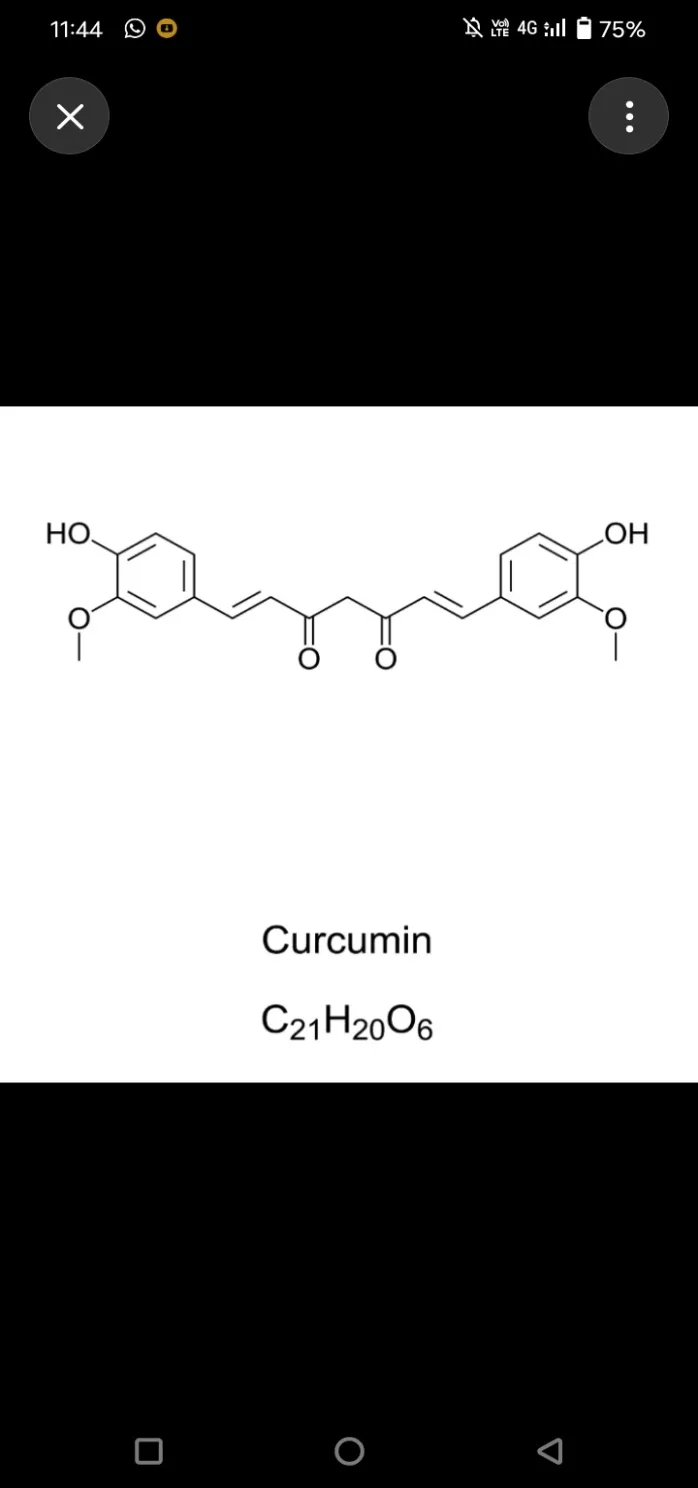
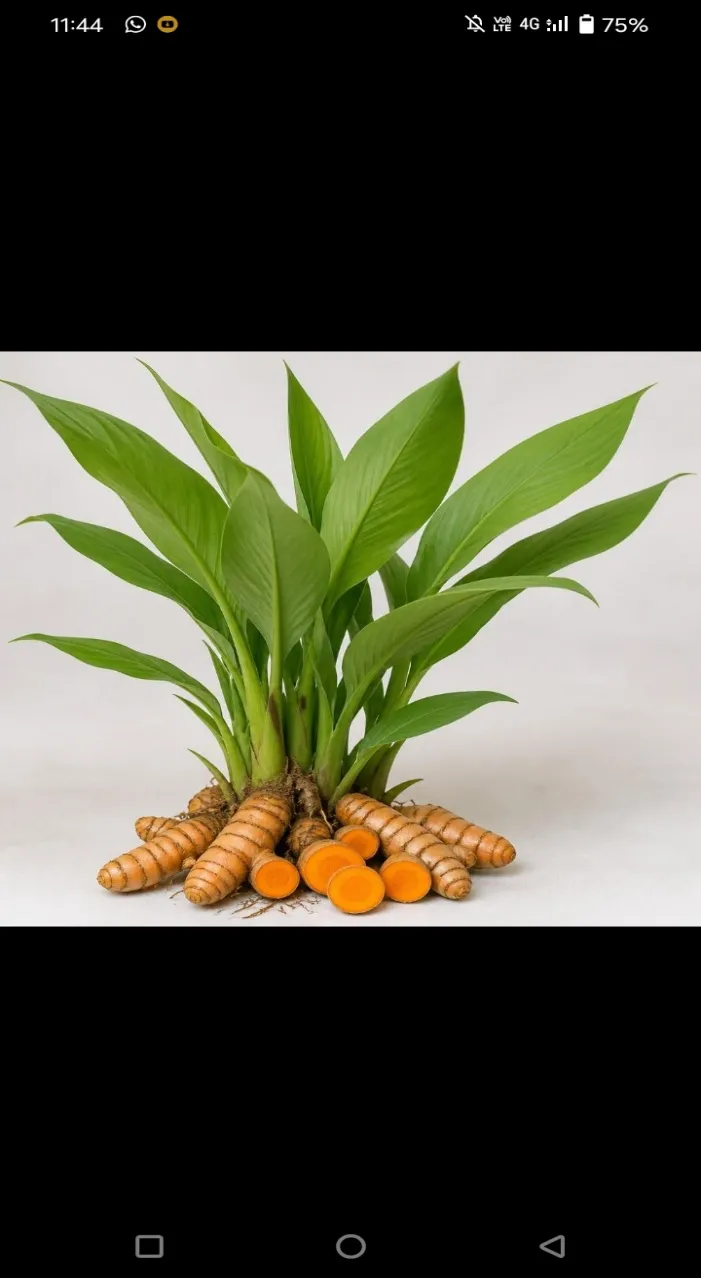
Figure 1: Turmeric plant (Curcuma longa) Figure 2. Chemical structure of curcumin
Curcumin is a natural polyphenolic compound derived from rhizome of curcuma longa ,
commonly known as turmeric. They are belongs to family Zingiberaceae and used traditionally in food and herbal medicine. Curcumin is represents one its major bioactive constituents and has gained considerable scientific attention because of its potential anti-inflammatory, antioxidant and immune-regulating properties. Their activities has encouraged researchers to recognized its possible role in the management of rheumatoid arthritis (RA) [14, 15, 16,19].
Chemically, curcumin is known as diferuloylmethane and has the molecular formulaC21H20O6. Turmeric shows three major curcuminoids: curcumin, demethoxycurcumin, and bisdemethoxycurcumin. Among their compounds, curcumin has been extensively studied for its ability to modulate inflammatory responses and oxidative stress. Preclinical studies have also examined its effects on inflammatory mediators and pathways involved in joint inflammation [14,16, 17,19].
One of the major properties of curcumin has the potential to modulate several molecular targets associated with inflammation. Research studies have shown that curcumin may inhibit the activation of nuclear factor-kappa B (NF-kB), mitogen-activated protein kinase (MAPK) signaling and the production of pro-inflammation cytokines, involves tumor necrosis factor-alpha (TNF-α), interleukin-1 beta (IL-1β), interleukin-6 (IL-6). Curcumin has also exhibited antioxidant activity damage associated with inflammatory disorders [14, 16,18,19,].
Despite these potential benefits, the therapeutic applications of curcumin is constrained by its low water solubility, poor oral bioavailability, rapid metabolism and elimination from the body. These factors may to lead the amount of curcumin available to produce a therapeutic effect. Consequently, researchers have investigated different formulations and drug-delivery approaches, including nanoemulsions, solid lipid nanoparticles, nanomicelles, and transfersomes, to improve its absorption and delivery [9, 12, 20,25].
Dai et al. investigated the effects of curcumin in a rat model of rheumatoid arthritis. The study reported reductions in joint inflammation, inflammatory cell infiltration, and synovial hyperplasia following curcumin treatment. Reduced levels of inflammatory mediators, including IL-1β, TNF-α, MMP-1, and MMP-2, were also reported. The study investigated the involvement of the mammalian target of rapamycin (mTOR) signaling pathway in these effects. These findings provide preclinical evidence regarding the possible role of mTOR-related signaling in curcumin-mediated anti-inflammatory activity. However, the findings from this animal model cannot be directly generalized to human patients. [3].
Clinical studies have also been conducted to determine whether these experimental findings translate into clinical benefits of patients. Further some studies have reported improvement in joint-related symptoms and disease activity, the available evidence remains inconclusive. Due to variations in research methodology, dose, treatment duration and curcumin formulations make it difficult to determine a standard therapeutic regimen. Therefore, further well-designed clinical studies are needed to establish the effectiveness, safety, relevant role of curcumin as a complementary therapy for conventional RA treatment [8-12, 15,16].
3. Anti-Inflammatory And Antioxidant Effects Of Curcumin:
Curcumin has attracted considerable scientific interest due of its potential anti-inflammatory and antioxidant properties. Their activities may be relevant to rheumatoid arthritis (RA), in which persistent inflammation and oxidative stress play an important role in the development of joint symptoms and tissue damage. Clinical studies have reported beneficial effects of curcumin on inflammatory responses; although, experimental evidence in patients with RA remains inconclusive [8, 14,15,16,19].
3.1. Anti-inflammatory effects
Inflammation is a major feature of rheumatoid arthritis and influencing to joint pain, swelling, stiffness, and long-term damage to joint tissue. Curcumin has suggesting anti-inflammatory activity in clinical studies by influencing inflammatory mediators and cellular responses. These effects may lead to reduce excessive inflammation affected joints [8, 14,16,18,19].
In a study using an experimental rat model of rheumatoid arthritis, curcumin treatment was connected with reduced inflammation and synovial hyperplasia [3]. A systematic review and meta-analysis published in 2023 also reported improvement in certain RA-related outcomes, involves disease activity and joint tenderness. Despite this, a later systematic review and meta-analysis reported no statistically significant overall effects on some inflammatory and disease-activity markers. Differences in study design, formulations, dosages, and treatment duration may contribute to their inconsistent findings.
Thus, curcumin shows potential as an inflammatory agent, but further high-quality clinical trials are required to determine its effectiveness in RA [8, 15,16,19].
3.2. Antioxidant effect
Oxidative stress is accompanied by the inflammatory environment observed in rheumatoid arthritis. An imbalance between reactive oxygen species (ROS) and antioxidant defence mechanisms may lead to cellular damage and the maintenance of inflammation. Curcumin has shown antioxidant activity in clinical research and may promote to regulate oxidative stress by decreasing oxidative damage and influencing antioxidant defence mechanisms [11, 14,15].
Their properties may complement its anti-inflammatory activity and could promoted to protecting joint tissues from inflammation-associated damage. However, evidence demonstrating the extent of these antioxidant effects in patients with RA is limited. Further experimental studies are needed to influences whether the antioxidant activity of curcumin produces meaningful improvements in disease outcomes [11, 14, 16].
4. Potential Role of Curcumin in Managing Joint Symptoms of RA:
Joint pain, swelling, and stiffness are common symptoms of rheumatoid arthritis (RA) that affect patients’ daily activities and quality of life. Curcumin has been studies for its potential to relieve these symptoms due to its anti-inflammatory properties. It may lead to reduce joint tenderness, swelling and disease activity by influencing inflammatory processes. However, its effectiveness in patients with RA requires further confirmation through well-designed clinical studies [1,4, 8].
Chandran and Goel conducted a randomized pilot study including 45 patients with active RA. Participants were allocated into three treatment groups receiving curcumin (500mg), diclofenac sodium (50mg), or their combination. The primary outcomes was the change in Disease Activity Score (DAS28), while secondary outcomes included improvements in joint tenderness and swelling according to the American College of Rheumatology (ACR)criteria.The study reported satistically significant changes in DAS scores across the treatment groups, with the curcumin group showing a greater percentage improvement in the reported clinical outcomes than the diclofenac group. No adverse events related to curcumin treatment were reported. However, the small size limits the generalizbility of the findings, and the results should not be interpreted as definitive evidence of long-term superiority.[4]
Similarly, Kou et al. conducted a systematic review and meta-analysis of experimental studies involving patients with RA. These findings indicated significant improvements in tender joint count, swollen joint count and disease activity scores among patients receiving curcumin supplementation compared with controls groups. Their results suggest that curcumin may help to relieve joint symptoms associated with RA. Nevertheless, differences in study design, dosage, treatment duration and curcumin formulations limit the certainty of the evidence [1].
Overall, curcumin shows potential as complementary approaches for managaing joint pain, swelling and stiffness in RA. Further large-scale, high- quality randomized controlled trials are needed to determine its clinical effectiveness and safety. Curcumin should not replace prescribed disease-modifying antirheumatic drugs (DMARDs) or other standard RA treatments [1,4,8].
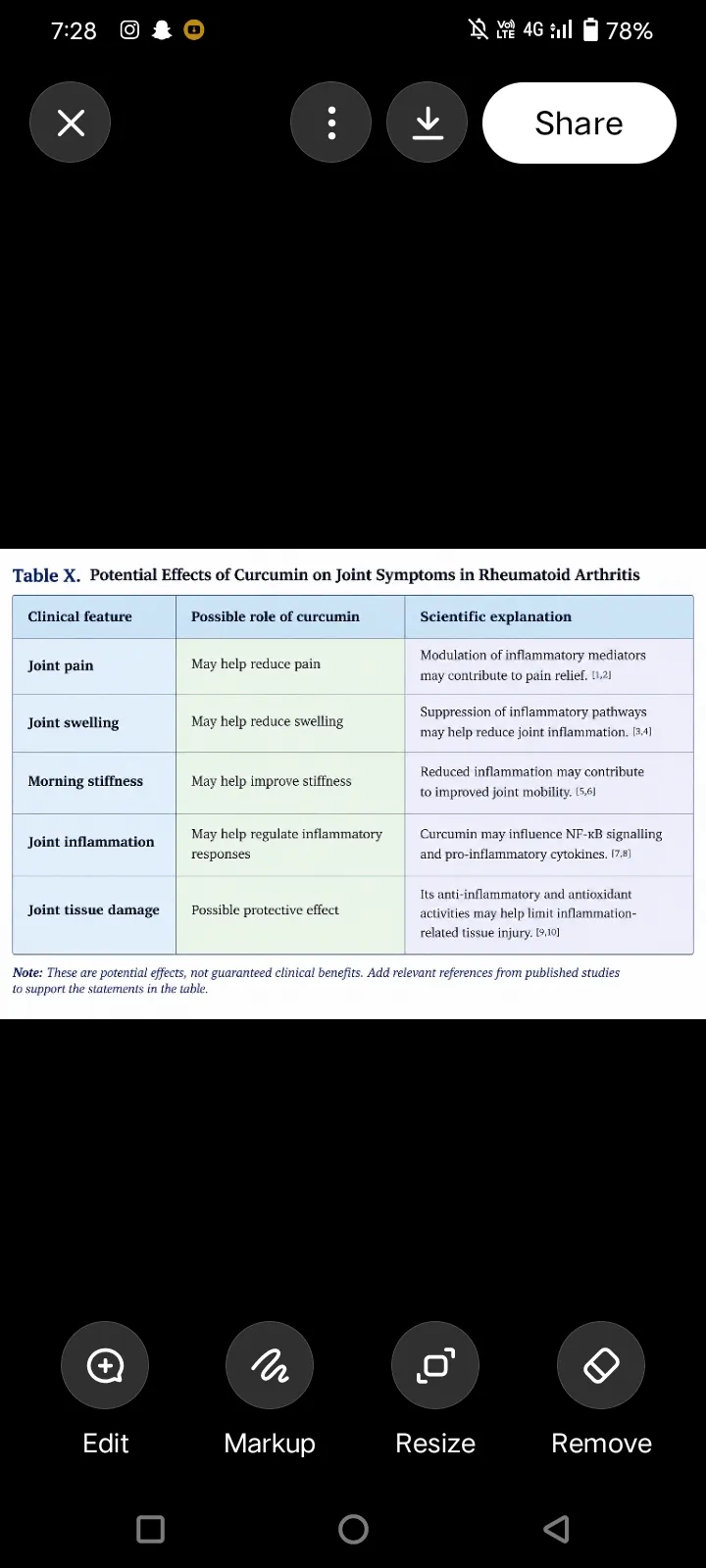
Figure 1: potential effects of curcumin on joint symptoms in Rheumatoid Arthritis
5. Literature Review
5.1. Existing Research:
5. 2. Gaps In The Existing Research:
1. The clinical potential of curcumin in rheumatoid arthritis is restricted by its poor aqueous solubility, low bioavailability, and rapid metabolism. These factors may negatively affect the amount of curcumin available in the systemic circulation and site of action (1, 5).
2. Although initial clinical findings to provide supportive evidence, further large-scale, high-quality clinical trials are needed to verify the effectiveness, optimal dosage and safety of curcumin in rheumatoid arthritis (1, 4, 5).
3. Variability in the formulation used, dosage regimens, duration of treatment and mitigate the drawback it difficult to evaluate and differences findings among studies. Standardized study procedures would help provide more consistent evidence (1, 4, 5).
4. Further clinical evidence is need to establish the prolonged safety and extended benefits of curcumin, especially when administered alongside standard rheumatoid arthritis (1, 4, 5).
5. Curcumin-loaded NLCs indicate a potential drug delivery intervention; however, additional research is required to examine their physicochemical stability, release kinetics, bioavailability, safety, joint-targeting potential and therapeutic effectiveness in RA (7).
6. Clinical Evidence Synthesis:
Clinical evidence regarding the therapeutic potential of curcumin in rheumatoid arthritis (RA) has been investigated through randomized clinical trials and systematic reviews. These studies have evaluated different curcumin formulations, doses, treatment durations, and clinical outcomes. The findings suggest potential improvements in disease activity, joint symptoms, and inflammatory markers; however, the results are not consistent across all studies.
6.1. Randomized Clinical Trials
Chandran and Goel (2012):
Chandran and Goel conducted a randomized pilot clinical study involving 45 patients with active rheumatoid arthritis. The participants were divided into three treatment groups receiving curcumin (500 mg), diclofenac sodium (50 mg), or a combination of both. The primary outcome was the Disease Activity Score (DAS28), while secondary outcomes included joint tenderness and swelling according to the American College of Rheumatology (ACR) criteria. All three groups showed statistically significant improvements in DAS scores. The curcumin group demonstrated the highest percentage improvement in DAS and ACR20, ACR50, and ACR70 responses, with results significantly better than the diclofenac group. No adverse events related to curcumin treatment were reported. However, the small sample size limits the generalizability of these findings, and further large-scale clinical trials are required [4].
Amalraj et al. (2017):
Amalraj and colleagues evaluated a highly bioavailable curcumin formulation in a randomized, double-blind, placebo-controlled, three-arm clinical trial involving 36 patients with active rheumatoid arthritis. Twelve patients were assigned to each group and received placebo, 250 mg curcumin twice daily, or 500 mg curcumin twice daily for 90 days. The study assessed clinical outcomes using ACR response, visual analogue scale (VAS), C-reactive protein (CRP), DAS28, erythrocyte sedimentation rate (ESR), and rheumatoid factor (RF). Both curcumin dosage groups showed improvements in clinical symptoms and selected diagnostic indicators compared with baseline and placebo. Both doses were reported to be well tolerated without side effects. Nevertheless, the relatively small number of participants limits the strength of the evidence [5].
Javadi et al. (2019):
Javadi and colleagues conducted a randomized, double-blind, placebo-controlled trial involving 65 eligible patients with rheumatoid arthritis. Participants were divided into a curcumin nanomicelle group (n = 30) and a placebo group (n = 35). Curcumin nanomicelle (40 mg) or placebo was administered three times daily for 12 weeks. The study evaluated DAS28, tender joint count (TJC), swollen joint count (SJC), and ESR. Although improvements in DAS28, TJC, and SJC were observed within both groups, the differences in changes between the curcumin and placebo groups were not statistically significant. No significant between-group difference was observed in ESR. These findings indicate that the formulation showed some improvement, but its clinical benefit over placebo was not established conclusively [9].
Pourhabibi-Zarandi et al. (2024):
Pourhabibi-Zarandi and colleagues conducted a randomized, double-blind, placebo-controlled clinical trial involving 48 women with rheumatoid arthritis. Participants received curcumin supplementation (500 mg daily) or placebo for eight weeks. The study evaluated total antioxidant capacity (TAC), malondialdehyde (MDA), and disease activity. Curcumin supplementation significantly increased TAC (p < 0.05) and reduced tender joint count, swollen joint count, VAS pain, and DAS28 compared with placebo (p < 0.001). MDA levels decreased significantly within the curcumin group (p < 0.05); however, the difference in MDA changes between groups was not statistically significant (p = 0.145). These findings suggest potential antioxidant and clinical benefits, although the study was limited by its relatively short treatment duration and specific study population [11].
Khamar et al. (2025):
Khamar and colleagues conducted a pilot randomized, double-blind, controlled clinical trial to investigate the immunomodulatory effects of nano-micelle-based curcumin in patients with rheumatoid arthritis. Data from 30 patients were analyzed, with 15 patients in each group. Participants received 40 mg of Sina-curcumin or placebo daily for 12 weeks. The study evaluated DAS28-ESR, ESR, CRP, and T-helper cell responses. The results showed statistically significant reductions in ESR and CRP in the curcumin group compared with placebo (p < 0.0001). A decrease in DAS28-ESR was also observed, but it was not statistically significant between groups (p = 0.5125). The study reported favourable changes in the Th1/Th2 cell balance. However, the small sample size, short duration, and pilot nature of the study limit the certainty of its findings [12].
6.2. Evidence from Systematic Reviews and Meta-Analyses
Kou et al. (2023):
Kou and colleagues conducted a systematic review and meta-analysis to evaluate the efficacy and safety of curcumin in rheumatoid arthritis. The analysis included six publications involving a total of 539 patients. The authors assessed outcomes such as ESR, CRP, DAS28, rheumatoid factor, VAS pain, TJC, and SJC. The pooled results showed significant improvements in ESR (MD = −29.47; 95% CI: −54.05 to −4.88; p = 0.02), DAS28 (MD = −1.20; 95% CI: −1.85 to −0.55; p = 0.0003), SJC (MD = −5.33; 95% CI: −9.90 to −0.76; p = 0.02), and TJC (MD = −6.33; 95% CI: −10.86 to −1.81; p = 0.006). The review used the Cochrane risk-of-bias assessment tool. Although the pooled findings indicated potential benefits, differences among the included studies and variations in curcumin formulations and treatment protocols should be considered when interpreting the results [1].
Other systematic reviews and meta-analyses have also examined curcumin and turmeric extracts in arthritis. Zeng et al. (2022), Daily et al. (2016), and Pourhabibi-Zarandi et al. (2021) reported evidence from clinical trials and summarized the potential effects of curcumin on arthritis-related symptoms and inflammatory outcomes. However, these reviews included studies with different arthritis populations and treatment approaches; therefore, their findings should not be interpreted as evidence exclusively from patients with rheumatoid arthritis [2, 8, 13, 15, 21, 22].
6.3. Overall Interpretation of Clinical Evidence
Overall, clinical studies suggest that curcumin may have beneficial effects on selected clinical symptoms, disease activity measures, and inflammatory or antioxidant markers in patients with rheumatoid arthritis. Some trials have reported favourable results, particularly with highly bioavailable and nano-formulated curcumin preparations. However, other trials, such as the study by Javadi et al., did not demonstrate statistically significant differences between curcumin and placebo for the main clinical outcomes.
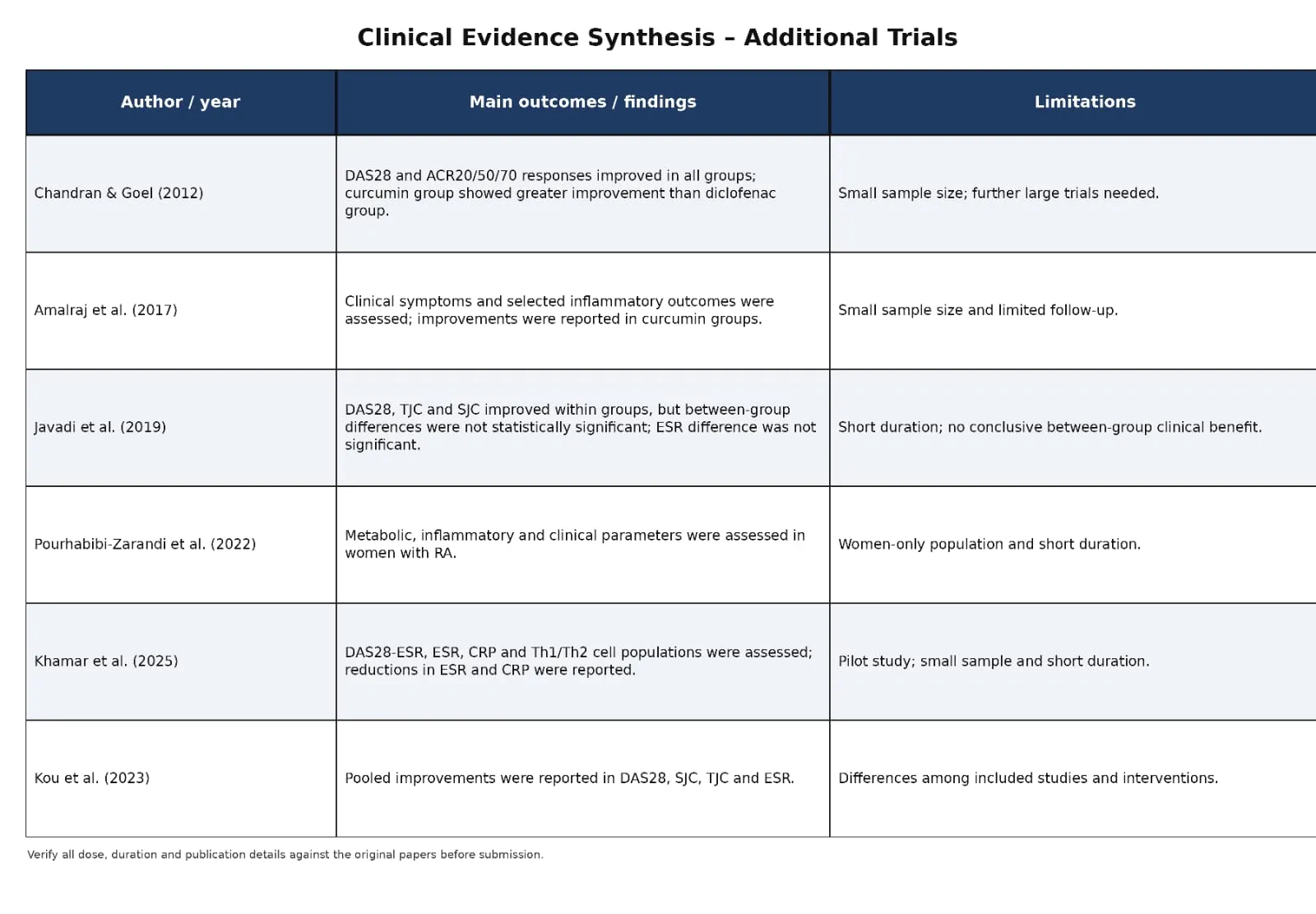
Figure 2: Clinical Evidence Synthesis-Clinical trials
The available evidence is limited by small sample sizes, short treatment durations, differences in formulations and doses, and variations in study design and outcome measurements. Furthermore, improvements in individual biomarkers do not necessarily establish long-term control of rheumatoid arthritis or prevention of joint damage. Therefore, larger, well-designed, multicentre randomized controlled trials with standardized formulations, adequate follow-up, and clearly reported safety outcomes are required to establish the clinical effectiveness and long-term safety of curcumin. Curcumin should be considered only as a potential complementary approach and not as a replacement for standard rheumatoid arthritis treatment.
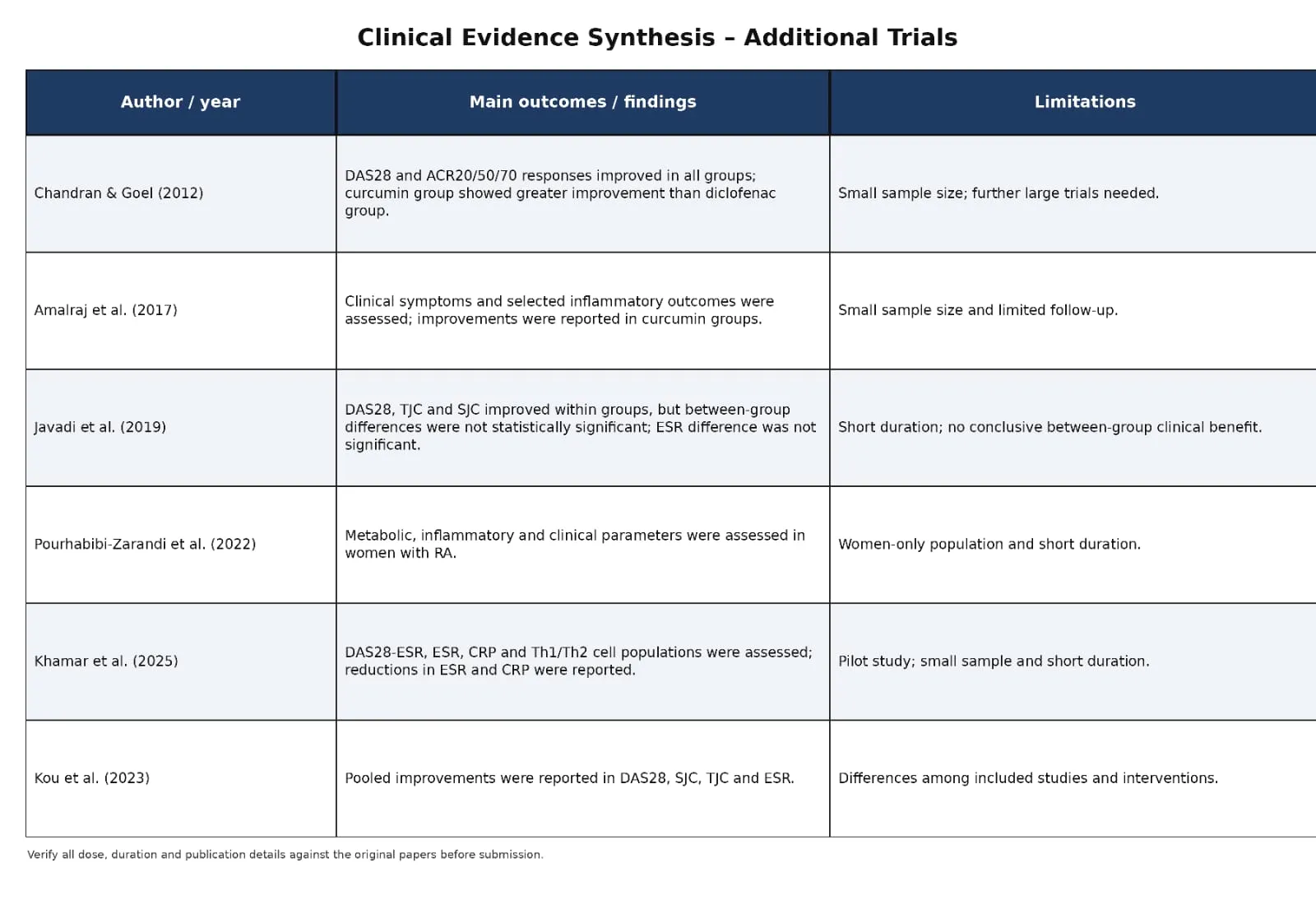
Figure 3: Clinical evidence synthesis-Additional trials
DISCUSSION:
Rheumatoid arthritis is a chronic autoimmune disorder associated with pain, joint inflammation, swelling, and reduced joint flexibility. Curcumin, a natural polyphenolic compound derived from curcuma longa, has attracted scientific interest because of its possible anti-inflammatory, immunomodulatory, and antioxidant properties (1, 2).
Curcumin may regulate inflammatory signaling pathways, specifically NF-kB signaling, and altering inflammatory mediators like as TNF-α, IL-1β, IL-6 and COX-2. It may to reduce control of oxidative stress by enhancing antioxidant protective mechanisms. Their activities demonstrate to potential role in managing inflammation characterized by RA; even so, more clinical evidence is needed to establish these effects in patients (2, 3, 6).
Kou et al. reported that curcumin supplementation was related to improvement in ESR, DAS28, tender joint count and swollen joint count in these systemic review and meta-analysis. Their findings support to possible benefits in decreasing inflammatory activity and joint symptoms. Still, the authors emphasized randomized controlled trials to substantiate the results (1).
Despite their encouraging findings, curcumin has limitations, including low aqueous solubility, and poor oral bioavailability. Advanced drug delivery systems, including nano-structured lipid carriers (NLCs), are being explored to improve its stability, delivery, and potential treatment performance. However, further research is important to determine their effectiveness and safety in rheumatoid arthritis (5, 7).
Overall, curcumin shows potential research therapeutic agent for rheumatoid arthritis because to its anti-inflammatory and antioxidant effects. However, more well-designed clinical trials are required to evaluate its sustained dose, prolonged safety, and therapeutic benefits. Curcumin should not replace standard RA treatment, and its role as an adjunctive therapy requires further investigation.
8. Mechanism of Action of Curcumin in Rheumatoid Arthritis:
Curcumin, a natural polyphenolic compound obtained from turmeric that has exhibited anti-inflammatory, antioxidant, and immunomodulatory effects in preclinical studies of rheumatoid arthritis (RA). It may influence multiple molecular pathways involves inflammation, immune responses, and joint tissue injury. The major mechanisms include the inhibition of nuclear factor-kappa B (NF-kB), modulation of pro-inflammatory cytokines, reduction of oxidative stress, inhibition of cartilage-degrading enzymes, and regulation of other cellular signaling pathways. Nevertheless, most mechanistic evidence derived from laboratory experiments and animal studies, and further clinical research is required to determine its effects in humans [3, 16-19].
8.1. Inhibition of the NF-kB signaling pathway:
Nuclear factor-kappa B (NF-kB) is an mainly important transcription factor include in regulating inflammatory responses. In rheumatoid arthritis, enhanced NF-kB activity contributes to the production of inflammatory cytokines, enzymes, and other mediators that stimulate synovial inflammation and joint tissue injury. Curcumin has reported to inhibit NF-kB signaling by modulating with the activation if this pathways. This may reduce the expression of pro-inflammatory responses, including tumor necrosis factor-alpha (TNF-α), interleukin-1 beta (IL-1β), and cyclooxygenase-2 (COX-2). Consequently, inhibition of NF-kB may promote to the anti-inflammatory effects of curcumin in RA [14, 16, 18, 19].
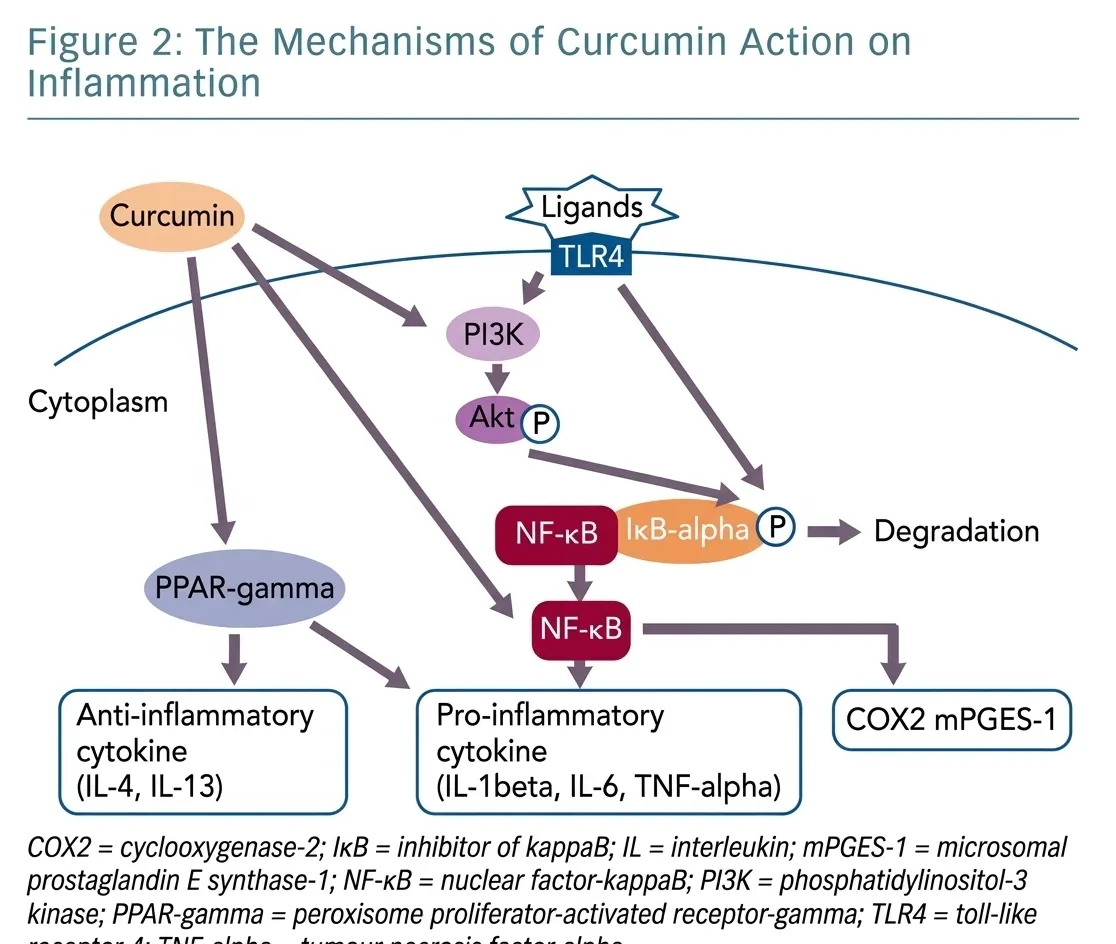
Figure 4: Proposed Mechanism of Action of Curcumin in RA
8.2. Regulation of pro-inflammatory cytokines
Pro-inflammatory cytokines play a major role in the disease production of rheumatoid arthritis. TNF-α, IL-1β, and interleukin-6 (IL-6) influence to synovial inflammation, immune-cell activation and the breakdown of joint tissue. Experimental studies help that curcumin may reduce the production or activity of their cytokines. Through the regulating inflammatory signaling, curcumin may help control excessive inflammatory responses in affected joints. However, the extent of these effects in patients with RA remains inconclusive because clinical studies have reported variable results [1,3, 16, 18,19].
8.3. Inhibition of COX-2 and prostaglandin production
Cyclooxygenase-2 (COX-2) is an enzyme include in the production of prostaglandins, involves prostaglandin E2 (PGE2) that promotes to inflammation and pain. Cucumin has been reported to reduce COX-2 activity and PGE2 production in experimental inflammatory models. These mechanism help explains its potential role in reducing inflammatory symptoms. Further, curcumin should not be used as a substitute for prescribed anti-inflammatory medicines or disease-modifying antirheumatic drugs (DMARDs) [14, 16 , 18].
8.4. Antioxidant activity and reduction of oxidative stress
Oxidative stress arises when the production of reactive oxygen species (ROA) exceeds the body’s antioxidant defence capacity. Increased oxidative stress may promote to inflammatory processes and tissue damage in rheumatoid arthritis. Curcumin has indicates antioxidant activity in clinical studies and may help regulate oxidative stress by reducing oxidative damage and enhancing antioxidant defence mechanisms. Their effects may to help the protection of joint tissues. Thus, further human studies are needed to regulate the clinical importance of this mechanism in RA [11, 14, 16, 18].
8.5. Inhibition of cartilage-degrading enzymes
Joint damage in rheumatoid arthritis is determined with the activity of matrix metalloproteinase MMPs, which are enzymes involves in the breakdown of cartilage and extracellular matrix components. Clinical research help that curcumin may reduce the expression of certain matrix metalloproteinase MMPs, such as MMP-1 and MMP-3. In an experimental study of arthritis in rats, curcumin treatment was related with reduced inflammatory responses and synovial hyperplasia. Their findings promote a possible protective effect against joint tissue damage, while, the same effects cannot be considered in human patients without further experimental evidence [3, 16, 17, 19].
8.6. Modulation of MAPK and other signaling pathways
Mitogen-activated protein kinase (MAPK) pathways promote several cellular processes, involves inflammation, cell survival, and the production of inflammatory curcumin mediators. Studies evaluated curcumin in RA models suggest that it may modulate MAPK signaling and other pathways including in inflammatory responses. Curcumin has also been studies for its effects on the mammalian target of rapamycin (mTOR) pathway, which is linked with cellular growth and synovial tissue changes. Their mechanism may promote to its overall biological activity in clinical models of rheumatoid arthritis [3, 16, 17, 19].
8.7. Immunomodulatory effects
Rheumatoid arthritis includes abnormal immune responses, involves the activity of T cells, macrophages, and fibroblast-like synoviocytes. These cells help to the release of inflammatory mediators and the maintenance of chronic synovial inflammation. Clinical evidence promote that curcumin may contribute immune-cell activity and inflammatory signaling. Its immunomodulatory properties may consequently influence to the regulation of excessive inflammation in RA. Although, the precise effects of curcumin on immune responses in human RA require further investigation [1, 16, 17,19].
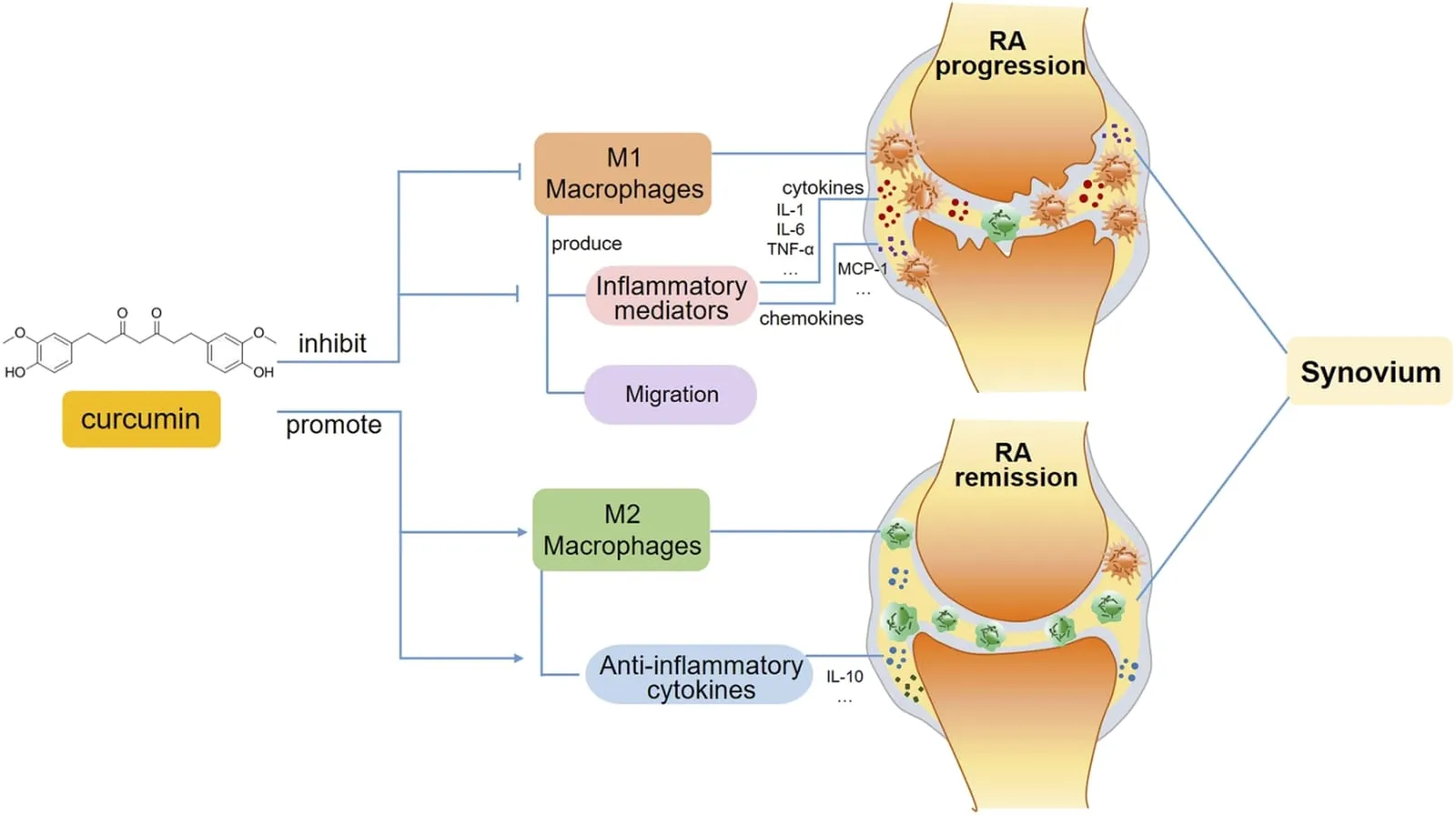
Figure 5: Proposed Overall Mechanism of Action of Curcumin
9. Scientific Implications Of Curcumin In Rheumatoid Arthritis:
The scientific implications of curcumin in rheumatoid arthritis (RA) are associated with its effect on inflammatory pathways, oxidative stress, immune responses and joint tissue damage. RA is a chronic autoimmune disorder in which prolonged inflammation of the synovial membrane promote to joint pain, swelling, joint rigidity, cartilage degradation, and bone erosion. Various inflammatory mediators and intracellular signaling pathways contribute to the progression of the disease. Curcumin has been studies for its ability to affect these biological processes and its potential role in the management of RA [14, 16, 19].
9.1. Regulation of inflammatory signaling pathways
One of the important scientific aspects of curcumin inflammatory signaling pathways include in RA. Nuclear factor kappa B (NF-kB) is main transcription factors that help to controls the expression of several inflammatory mediators. Its activation to influence the production of tumor necrosis factor-alpha (TNF-α), interleukin-1 beta (IL-1β), interleukin-6 (IL-6), and cyclooxygenase-2 (COX-2). Their inflammation and the joint damage deterioration [14, 16, 18, 19].
Clinical studies shows that curcumin may reduce NF-kB activation and inhibit the expression of selected pro-inflammatory mediators. This activity may lead to its anti-inflammatory models of arthritis. Curcumin has also been assessed for its effects on other signaling pathways, involves mitogen-activator protein kinase (MAPKs) and Janus kinase/signal transducer and activation of transcription (JAK/STAT).These pathways modulate inflammatory responses, immune cell activity, and the production of cytokines. The ability of curcumin to affect these processes provides a biological explanation for its potential anti-inflammatory activity in RA [3, 16, 17, 19].
9.2. Effects on oxidative stress and cellular protection
Oxidative stress is an major factor related with chronic inflammation in RA. An imbalance between reactive oxygen species (ROS) production and antioxidant defence mechanisms can promotes to cellular damage and inflammatory responses in joint tissues. Increased oxidative stress may also interact with inflammatory signaling pathways and lead to the persistence of synovial inflammation [14, 16,18].
Curcumin has demonstrated antioxidant activity in clinical studies through its ability to neutralize certain reactive species and cellular antioxidant defence mechanisms. Its effects on pathways involved to nuclear factors erythroid 2-related factor 2 (Nrf2) have also been investigated. Nrf2, which regulates the expression of antioxidant and cytoprotective proteins are of scientific interest [14,16, 18].
The antioxidant properties of curcumin are scientifically relevant due to oxidative stress and inflammation are closely associated with the progression of RA. By influencing oxidative and inflammatory processes, curcumin may promote to the protection of cells against oxidative damage under experimental conditions. Their activities provides additional evidence of its biological effects in inflammatory disorders [11, 14, 16, 18].
9.3.Influence on synovial inflammation and joint tissues
The synovial membrane play an major role in the development of RA. Long-term activation of synovial cells and immune cells help to inflammatory tissue change and the release of mediators that can damage cartilage and bone. Fibroblast-like synoviocytes may become abnormally activated and support to the production of in cytokines and enzymes includes in extracellular matrix degradation [3, 16, 17,19].
Experimental research has studies the effects of curcumin, cellular proliferation, and the expression of inflammatory mediators. Curcumin may regulate processes associated with synovial cell activation and production of enzymes including tissue damage. It has also been evaluated for its effects on pathways associated with osteoclast activity and bone resorption [16, 19].
These biological activities are relevant to RA due to chronic synovial inflammation influence to the deterioration of joint structures. The effects of curcumin on inflammatory mediators and cellular processes provide insight into its potential influence on joint tissue responses in experimental models of arthritis [3, 16, 19].
9.4.Clinical relevance of curcumin in rheumatoid arthritis
The scientific relevance of curcumin also depends on the clinical findings reported in patients with RA. Experimental studies have assess outcomes such as disease activity, joint tenderness, joint swelling, pain intensity, inflammatory markers, and functional status. Their parameter contribute the effects of curcumin on the symptoms and clinical manifestations of the disease [1,4, 5,8-12].
A systematic review and meta-analysis by Kou and colleagues evaluated clinical studies of curcumin in patients with RA and reported improvements in selected outcomes, involves disease activity scores and tender and swollen joint counts. These findings demonstrates that curcumin has been associated with improvement in certain clinical measures in the studies reviewed [1].
The clinical relevance of these findings lies in the relationship between inflammatory activity and the symptoms experienced by patients with RA. Factors such as the (DAS28)=Disease Activity Score based on assessment of 28 patients, tender joint count, swollen joint count and inflammatory markers are useful for evaluating disease activity. These clinical findings contribute to understanding the potential role of curcumin’s potential role in RA management [1, 4, 5,8-12].
10.Limitations Of Curcumin In Therapy:
11. Advanced Drug Delivery System Of Curcumin:
Curcumin has attracted considerable scientific attention due to its anti-inflammatory, antioxidant and immunomodulatory properties. However, its therapeutic application is limited by low aqueous solubility, poor oral bioavailability, rapid metabolism and elimination from the body. Their limitations may lead to the amount of curcumin reaching inflamed joint tissues. To overcome these challenges, various advanced drug delivery system have been investigated to improve its solubility, stability, absorption, and therapeutic effectiveness [14, 20, 25].
Advanced drug delivery system are prepared to improve the delivery of curcumin to the target site and maintain its therapeutic concentration for a prolonged period. Their systems involves nanoparticles, nanostructured lipid carrier, liposomes, solid lipid nanoparticles, polymeric nanoparticles, miscelles and transfersomes. Some formulations may improve curcumin delivery and enhance its potential anti-inflammatory effects in RA, these clinical effectiveness and prolonged safety require further evaluation [7, 20,25].
11.1 Nanoparticle-based drug delivery system
Nanoparticles are small carrier systems that can encapsulate curcumin and protect it from degradation. They may enhance its dispersion in aqueous environment and modify its release characteristics. Depending on these composition, nanoparticles can be prepared from lipids, polymers or other biocompatible materials [20, 25].
In rheumatoid arthritis, nanoparticle-based formulations may help promote curcumin delivery to inflamed tissues and support its effects on inflammatory signaling pathways, involves in the production of inflammatory mediators like TNF-α, IL-1β, and IL-6. Nanoparticle formulations are therefore promising for further evaluation, though their accumulation in joint and therapeutic benefit depend on their physicochemical properties and the formulation used [16, 20, 25].
11.2 Liposomes
Liposomes are spherical vesicles composed of one or more phospholipid bilayers. They can carry water-soluble substances in their water core and poorly water-soluble compounds, such as curcumin, within these lipids bilayers. This structure may promote curcumin dispersion, protect it from degradation and influence its release [20,25].
Liposomal formulations may improve the delivery of curcumin and support to maintain its availability for prolonged periods. In RA they may be evaluated for reducing inflammatory responses and delivering curcumin to affected tissues. Nevertheless, their stability, drug leakage, manufacturing cost and storage conditions remain important considerations [20, 25].
11.3 Solid lipid Nanoparticles (SLNs)
Solid lipid nanoparticles re colloidal carrier systems prepared using lipids that remain solid at room and body temperatures. Curcumin can be incorporated into the lipid matrix, which may protect it from degradation and promote its dispersion and absorption. Their carriers can also modify drug release and improve the stability of the formulation [20, 25].
In RA research, curcumin-loaded SLNs have shown potential for improving anti-inflammatory activity in experimental arthritis models. They may reduce inflammatory mediators and oxidative stress related with joint damage. However, their performance depends on lipid composition, particle size, drug loading and the route of administration [20, 25].
11.4 Nanostructured Lipid Carriers (NLCs)
Nanostructured lipid carriers are second-generation lipid-based nanocarriers consisting of a mixture of solid and liquid lipids, stabilized with surfactants. These imperfect lipid matrix can provide space for drug incorporation and may reduce drug leakage during storage compared with some conventional lipid systems [20, 25].
Curcumin-loaded NLCs are of particular interest in RA due to it may improve curcumin loading, stability and sustained release. Shinde et al. determined curcumin-loaded NLC smart gels in an experimental arthritis model and reported promising improvement in joint inflammation. Such formulations may promote localized delivery to affected joints, particularly when developed for intra-articular administration. Nevertheless, further studies are required to determine their safety, effectiveness and suitability for human use [20, 25].
11.5 Polymeric Naniparticles
Polymeric nanoparticles are designed using biodegradable or biocompatible polymers that can encapsulate curcumin or blind it within a polymeric matrix. It may protect curcumin against environment degradation and allow controlled drug release [20, 25].
These system can prepared to modify drug distribution and long-term its release. In RA, polymeric nanoparticles may assessed for improving curcumin delivery to inflamed synovial tissues and modulating inflammatory pathways. Nevertheless, polymer selection, degradation products toxicity must be evaluated before clinical application [20, 25].
11.6 Transfersomes and Transdermal Delivery systems
Transfersomes are highly deformable lipid vesicles containing phospholipid and edge activators. These flexibility allows them to pass through narrow spaces in the skin more readily than conventional rigid vesicles, making them useful candidates for transdermal drug delivery [7].
Sana et al. investigated a curcumin-loaded transfersomal gel and reported encouraging formulation characteristics and sustained drug release. These approach may help improve curcumin penetration through the skin and provide a potential local treatment strategy for inflammatory joint conditions. Despite these findings evidence that transfersomal curcumin is an effective treatment for RA in humans [7].
11.7 Micelles and Nanoemulsions
Micelles are nanoscale structures formed by amphiphilic molecules that can include poorly aqueous-soluble compounds into their hydrophobic core. Nanoemulsions are dispersions of very small oil droplets in an aqueous phase or vise verse, stabilized by suitable emulsifiers [20, 25].
Both systems may improve crucumin solubilization and facilitate its delivery through oral or topical routes. Nanoemulsion-based gels may increase skin penetration, although micellar formulations may enhance dispersion and promote drug absorption. Their usefulness in RA depends on formulation stability, drug release, tissue distribution and evidence of therapeutic efficacy [20, 25].
11.8Future prospects and limitations
Advanced drug delivery systems offers potential approaches for overcoming the pharmaceutical limitations of conventional curcmin formulations. Improvements in solubility, stability, absorption and controlled release may increase the amount of curcumin available to exert biological effects. Targeted delivery systems may also help concentrate the compound at swollen tissues and potentially reduce unnecessary exposure to other tissues [20, 25].
Despite these advantages, several challenges remain, involves large-scale manufacturing, formulation stability, cost, prolonged safety and regulatory approval. Furthermore, much of the evidence for curcumin nanocarriers in arthritis comes from laboratory and animal studies rather than large clinical trials. Consequently, these systems should be encouraging research strategies rather than demonstrated replacement for conventional antirheumatic medicines [20,25].
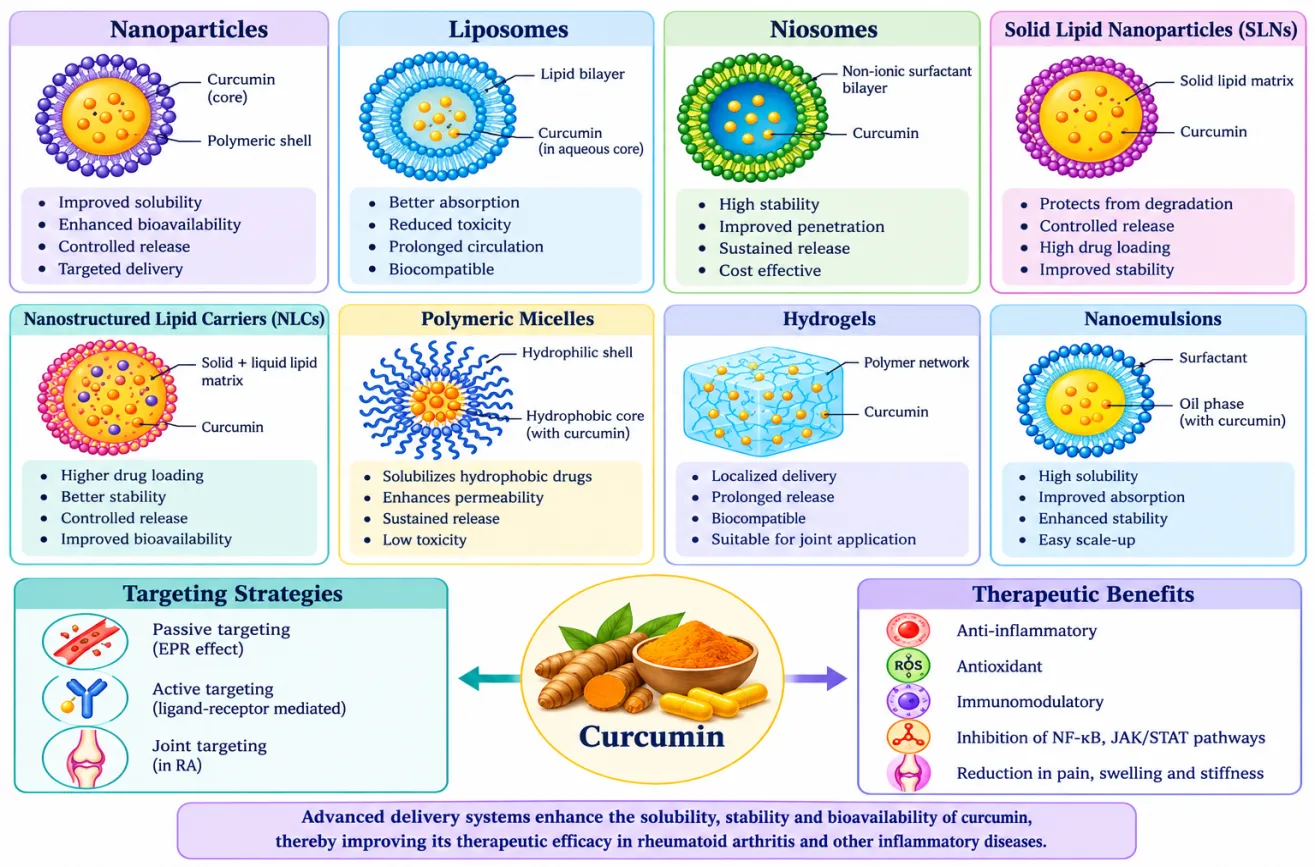
Figure 6: Advanced Drug Delivery System of Curcumin
12. Future Research Directions:
Future research is required to determine the therapeutic value of curcumin in the management of rheumatoid arthritis (RA). Though existing studies suggest potential benefits in selected clinical outcomes, additional evidence is necessary to determine its efficacy, optimal dosage, appropriate formulation and prolonged safety. Future investigations should focus on improving the quality of clinical evidence and identifying the condition under which curcumin may provide meaningful benefits to patients [1,8 ,16].
One of the most important priorities is conducting large-scale, well-designed randomized controlled trials (RCTs). Such studies should involve adequate numbers of participants, appropriate control groups and clearly defined inclusion and exclusion criteria. Randomization and suitable blinding procedures, where feasible, can reduce bias and improve the reliability of findings. Large studies would also allow researchers to determine whether responses differ according to disease severity, treatment history or other relevant patient characteristics [1, 8].
Another major research direction is the standardization of curcumin dosage and treatment duration. Existing studies have used different curcumin preparations and administration schedules, which makes it difficult to identify an optimal therapeutic regimen. Future trials should compare carefully selected doses and treatment duration to evaluate their relationship with clinical outcomes and advanced effects. Standardized reporting of the curcumin content, formulation composition and administration method would also improve reproducibility and facilitate comparisons between studies [1, 4, 5,8-12].
Improving the bioavailability of curcumin is another important area for determination. Researchers should continue evaluating advanced drug delivery systems, involves nanoparticles, liposomes, phospholipid complexes, micelles and nanostructured lipid carriers. These systems may promote solubility, stability, absorption and drug release however, further research should not rely solely on physicochemical characterization or laboratory findings. Pharmacokinetic studies and appropriate human clinical trials are needed to evaluate whether improved bioavailability results in better disease-related outcomes and acceptable safety [14, 20, 25].
Targeted drug delivery to inflamed joint is main area for the research. Advanced formulations should be determined to improve curcumin accumulation in affected tissues while minimizing exposure to other body tissues. Parameters such as particle size, drug loading capacity, stability, drug release and biocompatibility should be studied [20, 25].
Future clinical studies should use standardized outcomes measures, including DAS28, joint counts, pain intensity, CRP, and ESR, to promote curcumin’s effectiveness. Prolonged studies are also needed to determine safety, tolerability, and possible interactions with conventional RA medicines [1, 4, 5, 8-12].
Finally, Curcumin should be analyzed as a adjunct to standard antirheumatic treatment rather than a replacement. Further research should evaluate whether it provides additional clinical benefits and improves long-term disease outcomes [1, 4, 8,16].
CONCLUSION:
Rheumatoid arthritis (RA) is a chronic autoimmune disorder that exhibits prolonged inflammation leading to joint damage, swelling, pain, and joint rigidity. Curcumin, a natural polyphenolic compound derived from the rhizome of Curcuma longa, has gained considerable attention due to its potential to modulate inflammatory responses, antioxidant, and immunomodulatory properties. Available preclinical research supports that curcumin may lead to regulate inflammatory signaling pathways, mainly NF-kB signaling, and decrease the activity of inflammatory mediators such as TNF-α, IL-1β, IL-6, and COX-2. These effects may help to reduce inflammation and protect joint integrity.
Human trials, involving a systemic review and meta-analysis, have shown improvement in certain inflammatory factors and clinical symptoms of patients with RA treated with curcumin. However, differences in study design, duration of treatment, dosage and formulation complicate the interpretation and comparison of these findings. Low aqueous solubility, low oral bioavailability, and rapid metabolism are significant challenge that may reduce its therapeutic potential. Advanced drug delivery system, involving nanoparticles, liposome, and nanostructured lipid carriers (NLCs); are being studied to improve the absorption, stability, and delivery of curcumin.
Overall, curcumin is a potential complementary therapeutic agent for rheumatoid arthritis. However, existing evidence is insufficient to establish its prolonged efficacy and safety or recommend it as replacement for conventional treatment.
14. Recommendations
Future research should focus on standardizing curcumin formulations, dosage, and treatment duration, conducting rigorous clinical trials to establish efficacy and safety in rheumatoid arthritis (RA), and developing advanced drug delivery systems to improve stability, solubility, bioavailability, and joint-targeting potential. Further studies should investigate curcumin’s effects on NF-κB signaling, inflammatory mediators (TNF-α, IL-1β, and IL-6), oxidative stress, and immune modulation. Its impact on joint damage, swelling, stiffness, physical function, disease activity, and quality of life should also be evaluated, alongside long-term safety, potential adverse effects, and interactions with conventional antirheumatic drugs.
15. Acknowledgement
I sincerely acknowledge the authors and researchers whose published articles and previous research have provided useful insights to this review article entitled “ Role of curcumin in the management of Rheumatoid Arthritis”. These research findings contributed essential insights into the anti-inflammatory, antioxidant, and immune-modulating properties of curcumin , its prospective therapeutic role in RA and the challenges and future prospects of curcumin-based treatment.
16. Declaration:
I hereby declare that the review paper entitled “Role of Curcumin in the Management of Rheumatoid Arthritis” has been prepared by me as part of the academic requirements of the Bachelor of Pharmacy, 7th semester, at JBIT College of Pharmacy, Dehradun.
The manuscript is based on a review of previously published research articles, review papers, systematic reviews, meta-analyses, and other relevant scientific literature concerning the role of curcumin in the management of rheumatoid arthritis. All sources consulted during the preparation of this manuscript have been acknowledged through appropriate citations and reference. Every effort has been made to present the available scientific evidence accurately and objectively.
I declare that this manuscript has been prepared for academic purposes and that the ideas, findings, and information obtained from other sources have been appropriately cited. I accept responsibility for the final content of the manuscript and its compliance with the academic requirements of my institution.
• Availability of Data and Materials
This review article is based on previously published research and relevant scientific literature on curcumin in rheumatoid arthritis. The information has been reviewed and summarized using my own understanding and all sources have been appropriately cited in the reference list.
• Data Availability Statement
The information presented is based on previously published literature and relevant scientific sources cited in the manuscript.
• Declaration of AL Use
AI-based tools were used to assist with language improvement, paraphrasing, and the organization of certain sections of the manuscript. The content was reviewed and edited during the preparation of the final document. The author takes responsibility for the accuracy of the scientific information, the appropriate acknowledgement of sources, and the final content of the manuscript.
• Conflict Of Interest Statement
The authors declare no conflict of interest.
REFERENCES


Tejaswi Kashyap, Ashish Kushwaha, Dr. Arun Kumar Maurya, Dr. Lalit Bisht, Curcumin and Inflammatory Signaling in Rheumatoid Arthritis: Targeting Nf-?b and Pro-Inflammatory Cytokines, Int. J. of Pharm. Sci., 2026, Vol 4, Issue 11, 4567-4587. https://doi.org/10.5281/zenodo.24527490
 10.5281/zenodo.24527490