

We use cookies to ensure our website works properly and to personalise your experience. Cookies policy
School of Pharmaceutical Science and Research, Sardar Patel University, Madhya Pradesh, India-481001.
Wound healing is aPharmaceutical materials require reliable preliminary assessment before further processing and quality evaluation. Conventional inspection methods may require separate instruments for different material attributes, which can increase complexity and time. This study presents the design and development of a Smart Multimodal Pharmaceutical Material Pre-Screening System that integrates multiple sensing modalities for preliminary screening of pharmaceutical materials. The proposed system combines an IR sensor for material presence detection, an inductive proximity sensor for metallic material screening, and a moisture sensor for relative moisture indication. A separate turbidity sensing module is incorporated for preliminary optical assessment of liquid samples. An Arduino-based control system processes the sensor responses and provides real-time information through display and automated mechanical handling using servo and stepper motors. The system is designed with a hybrid solar–battery–mains power architecture to provide flexible power operation. The proposed prototype aims to demonstrate a low-cost, automated and modular approach for preliminary pharmaceutical material screening while reducing dependence on separate basic screening arrangements.
Pharmaceutical materials are required to undergo appropriate inspection and quality assessment before further processing, formulation, or analytical evaluation. Preliminary screening of material characteristics can help in identifying
basic physical conditions and potential unwanted components at an early stage. However, basic screening activities are often performed using separate instruments or manual observations, which may increase handling, time, and operational complexity.
Recent developments in low-cost electronics and embedded systems have enabled the integration of sensors with microcontrollers for automated monitoring and material handling. Sensors such as infrared, inductive proximity, and moisture sensors can provide rapid responses for different physical characteristics, while optical sensing can be used for preliminary assessment of liquid samples.
The present study focuses on the design and development of a Smart Multimodal Pharmaceutical Material Pre-Screening System that integrates multiple sensing modules within a single prototype. The system uses IR sensing for material presence detection, inductive proximity sensing for metallic material screening, and moisture sensing for relative moisture indication. A separate turbidity sensing module is incorporated for preliminary optical assessment of liquid samples.
The prototype is controlled using an Arduino-based system and includes automated mechanical handling through servo and stepper motors. A hybrid solar–battery–mains power architecture is also proposed to provide flexible power operation. The developed system is intended to serve as a pre-screening and demonstration prototype, rather than replacing validated pharmaceutical quality-control instruments or official analytical methods.
Previous work has demonstrated the use of sensor-based systems for automated material segregation. A 2018 study by Susan Shiny et al. described a smart dustbin system using an IR sensor, moisture sensor, and inductive proximity sensor for identifying metallic, wet, and dry waste. The system used an Arduino-based control arrangement for automated segregation.
The study reported the use of an IR sensor for detecting the presence of material and a moisture sensor for distinguishing wet and dry material. An inductive proximity sensor was incorporated for detecting metallic objects based on its interaction with conductive materials.
Although such sensor integration demonstrates the feasibility of automated material classification, the reported application was primarily focused on waste segregation. The present work adapts the concept of multimodal sensing toward preliminary pharmaceutical material screening, with additional incorporation of a turbidity sensing module for liquid samples and a hybrid solar–battery–mains power architecture
RESEARCH GAP AND NOVELTY:
Existing sensor-based automated segregation systems have demonstrated the use of IR, moisture, and inductive proximity sensing for identification and separation of different types of materials. However, the reviewed system was developed primarily for waste segregation and did not address preliminary screening of pharmaceutical materials.
The present work proposes a different application of multimodal sensing by integrating these sensing principles into a pharmaceutical material pre-screening system. The system additionally incorporates a separate turbidity sensing module for preliminary optical assessment of liquid samples and a hybrid solar–battery–mains power architecture.
The proposed system is designed as a low-cost, modular and automated pre-screening prototype that can provide rapid preliminary information about material presence, metallic content, relative moisture, and liquid turbidity response. The system is not intended to replace validated pharmaceutical analytical instruments or official quality-control methods.
Objectives:
1. To develop an Arduino-based system for preliminary pharmaceutical material screening.
2. To integrate IR, inductive proximity, and moisture sensing for basic material
3. To incorporate a separate turbidity sensing module for preliminary assessment of liquid samples.
4. To provide real-time sensor information through an LCD display.
5. To develop automated material handling using servo and stepper motors.
6. To implement a hybrid solar–battery–mains power architecture for flexible operation.
7. To develop a modular prototype that can serve as a preliminary screening tool for further research and validation.
MATERIALS AND METHODS:
5.1 System Components
5.1.1 Arduino Uno
Arduino Uno is used as the central control unit of the proposed prototype. It receives signals from the connected sensing modules, processes the sensor responses according to the programmed logic, and controls the LCD, buzzer, servo motor, and stepper motor. It provides the coordination required for automated preliminary screening and material handling.
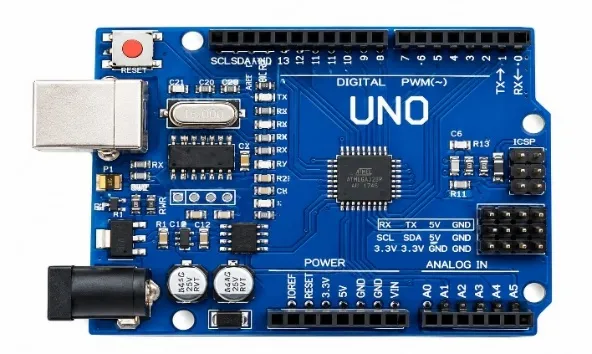
Figure 1: Arduino Uno Microcontroller Used in the Proposed System
5.1.2 IR Sensor
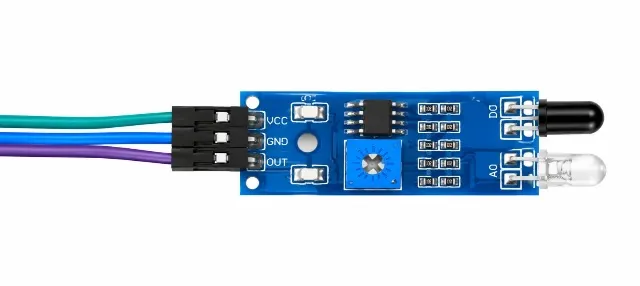
The IR sensor is used for detecting the presence of a material at the sensing point. It operates by emitting infrared radiation and detecting the reflected signal from an object. In the proposed system, the sensor provides an input signal to the Arduino Uno when a material is detected, thereby initiating the programmed screening and handling sequence.
Figure 2: IR Sensor Used for Material Presence Detection
5.1.3 Inductive Proximity Sensor
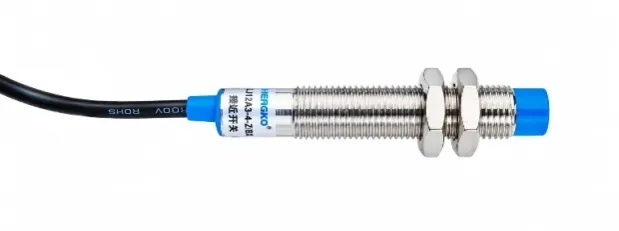
The inductive proximity sensor is used for detecting the presence of metallic materials. It operates on the principle of electromagnetic induction, in which the presence of a metal object near the sensing face produces a change in the sensor's electromagnetic field. In the proposed system, the sensor provides a detection signal to the Arduino Uno, which processes the signal and activates the programmed response for metallic material screening.
Figure 3: Inductive Proximity Sensor Used for Metallic Material Screening
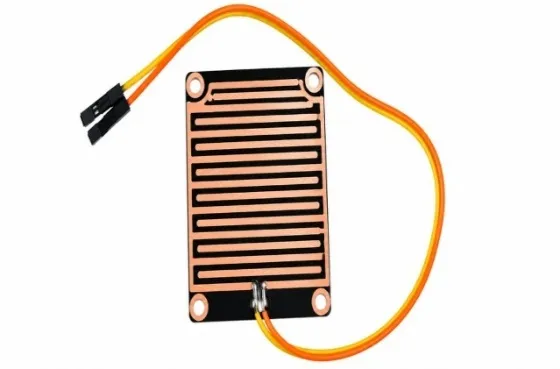
5.1.4 Moisture Sensor
The moisture sensor is used to provide a relative indication of moisture present in the tested material. It produces an electrical response that varies with the moisture condition of the sample. In the proposed system, the sensor is connected to the analog input of the Arduino Uno, which processes the sensor response and displays the corresponding relative moisture value on the LCD.
5.1.5 Turbidity Sensor
The turbidity sensor is used for the preliminary optical assessment of liquid samples. It detects changes in the optical response of a liquid caused by suspended particles or changes in sample clarity. In the proposed system, the turbidity sensor is incorporated as a separate liquid-sample screening module, and its output is used for comparative observation of different liquid samples.
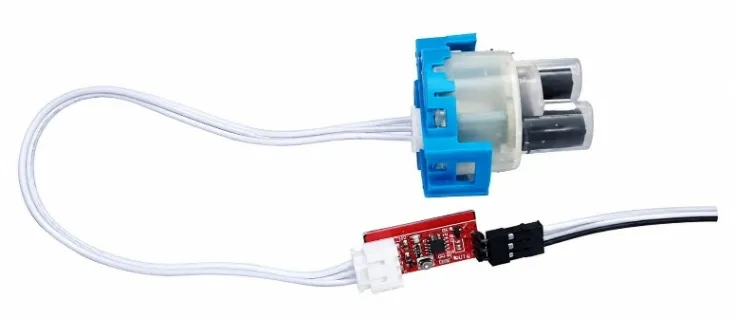
Figure 5: Turbidity Sensor Used for Preliminary Liquid-Sample Assessment
5.1.6 16×2 I2C LCD Display
The 16×2 I2C LCD is used to provide real-time information about the sensor responses and system status. It displays the detected material condition and corresponding relative moisture information during the screening process. The I2C interface reduces the number of Arduino pins required for communication, allowing the remaining pins to be used for other sensing and control modules
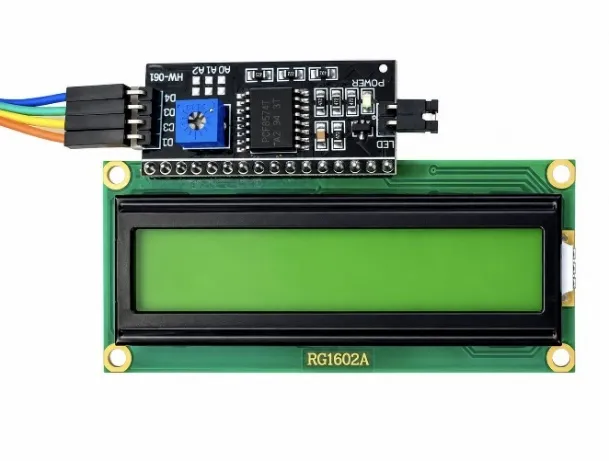
Figure 6: 16×2 I2C LCD Display Used for Real-Time System Information
5.1.7 Servo Motor
The servo motor is used for controlled mechanical movement in the proposed system. It operates by receiving control signals from the Arduino Uno and rotating to programmed angular positions. In the prototype, the servo motor assists in controlled opening and closing of the material-handling mechanism during the screening sequence.
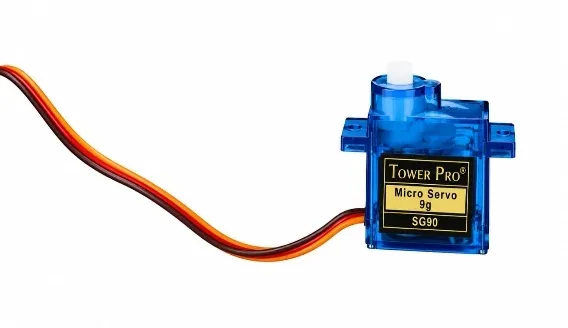
Figure 7: Servo Motor Used for Controlled Mechanical Handling
5.1.8 Stepper Motor
The stepper motor is used for controlled rotational movement of the mechanical handling mechanism. It rotates throughprogrammed angular steps according to commands from the Arduino Uno. In the proposed prototype, the stepper motor provides controlled movement of the material-handling assembly during the screening sequence.
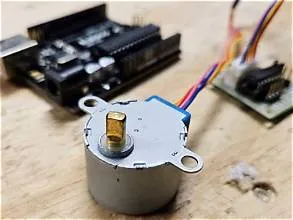
Figure 8: Stepper Motor Used for Controlled Rotational Movement
5.1.9 Buzzer
The buzzer is used as an audible alert component in the proposed system. It is activated by the Arduino Uno when a programmed detection event occurs. The audible indication helps the operator identify the occurrence of a sensor-detection event during prototype operation.
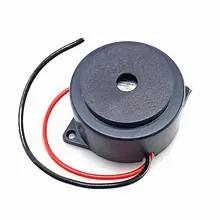
Figure 9: Buzzer Used for Audible Detection Alert
5.1.10 Hybrid Solar–Battery–Mains Power System
The proposed prototype incorporates a hybrid power architecture consisting of a solar panel, rechargeable battery, and mains power source. The solar panel provides renewable electrical input, while the rechargeable battery is intended for energy storage. Mains power provides an alternative source when solar-generated power is insufficient. This arrangement is designed to provide flexible power operation for the prototype.
5.2 WORKING PRINCIPLE
The developed system operates by integrating multiple sensing modules with an Arduino Uno for preliminary screening of pharmaceutical materials. When a material is introduced into the sensing area, the IR sensor detects its presence and provides an input signal to the controller. The inductive proximity sensor is used to identify the presence of metallic material, while the moisture sensor provides a relative indication of moisture in the tested material.
The Arduino Uno processes the sensor inputs according to the programmed control logic. The corresponding information is displayed on the 16×2 I2C LCD, while the buzzer provides an audible indication during programmed detection events. The servo and stepper motors provide controlled mechanical movement of the material-handling mechanism.
For liquid samples, the turbidity sensor operates as a separate sensing module and provides an optical response that can be compared among selected samples. The solar–battery–mains arrangement provides the proposed flexible power architecture for the prototype.
The complete system therefore combines material presence detection, metallic screening, relative moisture indication, liquid turbidity assessment, real-time display, and automated mechanical handling within a single prototype.
5.3 EXPERIMENTAL SETUP AND TESTING PROCEDURE
The developed prototype was assembled by integrating the sensing, control, display, and mechanical handling modules. Before integrated operation, the individual sensing modules were checked to confirm their basic response and connection with the Arduino Uno.
For solid-material screening, selected test materials were introduced into the sensing area. The IR sensor was used to detect material presence, while the inductive proximity sensor was tested using selected metallic objects. The moisture sensor was evaluated under different sample conditions, and the corresponding sensor responses were recorded.
For liquid-sample assessment, selected liquid samples were tested separately using the turbidity sensing module. The observed optical responses were recorded for comparative evaluation.
The servo and stepper motor mechanisms were also operated through the programmed control sequence to observe their movement and positioning. The LCD display and buzzer responses were checked during sensor-detection events.
The observations obtained during these tests were recorded and used for evaluating the functional response of the prototype.
5.4 EXPERIMENTAL OBSERVATIONS
The experimental observations obtained from the developed prototype were recorded for individual sensing and mechanical modules. The observations were organized according to the type of sensing or mechanical response evaluated. The recorded data were used to examine the functional response of the prototype under the selected test conditions.
The observations are presented in the following tables.
Table 1: Inductive Proximity Sensor Response for Selected Metallic Objects
| S. No. | Test Material | Sensor Response | Detection Status |
|---|---|---|---|
| 1 | Iron/Steel object | — | Detected |
| 2 | Aluminium object | — | Not detected* |
| 3 | Copper object | — | Not detected* |
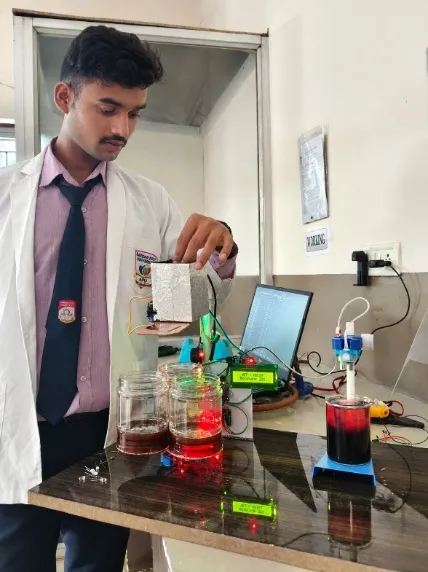
Figure 10: Experimental Demonstration of Wet-Condition Detection Showing a Relative Moisture Reading of 22% on the LCD Display.
Figure 11: Experimental Demonstration of Cloudy Liquid Detection Showing a Turbidity Sensor Response Of 62%.
Table 2: Relative Moisture Response of the Developed Sensing Module
| S. No. | Test Sample/Condition | Moisture Reading (%) | Screening Indication |
|---|---|---|---|
| 1 | Dry sample | 7-10 | Dry/Low moisture |
| 2 | Slightly moist sample | 10-15 | Intermediate response |
| 3 | Moist sample | 55-85 | Higher moisture |
| 4 | Highly moist sample | 85-100 | High moisture |
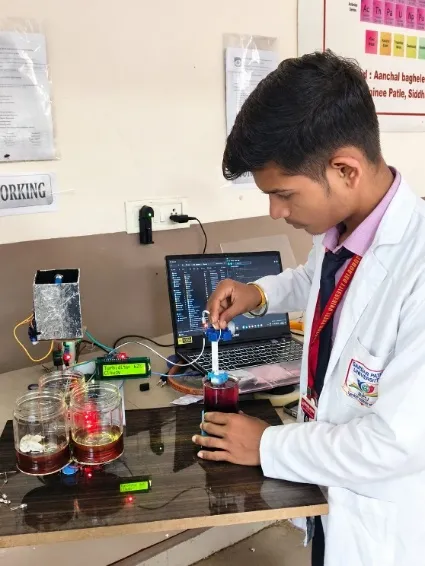
Table 3: Turbidity Sensor Response for Selected Liquid Samples
| S. No. | Liquid Sample | Turbidity Sensor Reading | Relative Optical Response |
|---|---|---|---|
| 1 | Clear liquid sample | 0-10 | Low |
| 2 | Slightly turbid sample | 10-35 | Moderate |
| 3 | Turbid sample | 35-85 | High |
| 4 | Highly turbid sample | 85-100 | Higher |
Table 4: Lookup Table for Automated Handling Mechanism
| Material Condition | Sensor Detection | Direction of Stepper Motor | Servo Action |
|---|---|---|---|
| Dry | IR detected, Moisture ≤ 20% | No rotation | Open → Close |
| Wet | IR detected, Moisture > 20% | Clockwise 240° | Open → Close |
| Metal | Proximity detected | Anticlockwise 240° | Open → Close |
The table represents the programmed response of the automated handling mechanism according to the sensor detection conditions.
5.5 RESULTS AND DISCUSSION
The developed prototype was experimentally evaluated using selected solid and liquid sample conditions. The inductive proximity sensor successfully detected the tested iron material. The moisture sensing module showed a relative response of 0–10% for dry samples and 85–100% for moist samples, indicating a clear difference between the tested conditions.
The turbidity sensing module showed different relative responses for liquid samples. Clear liquid produced a sensor range of 0–30, cloudy liquid produced 30–75, and dirty liquid produced 75–100. These observations demonstrate that the module can provide a comparative indication of liquid clarity under the tested conditions.
The automated handling mechanism also demonstrated proper movement during operation. The stepper motor performed the programmed rotational movements, while the servo motor completed the required opening and closing action.
Overall, the experimental results demonstrate the functional operation of the integrated sensing, display, alert, and automated handling modules for preliminary pharmaceutical material pre-screening.
5.6 LIMITATIONS
The moisture sensor provides a relative moisture indication and is not a validated pharmaceutical moisture analyzer.
The turbidity sensor provides comparative sensor responses and was not calibrated against standard turbidity solutions.
The inductive proximity sensor was evaluated using selected metallic material and may not represent the sensitivity of industrial pharmaceutical metal-detection systems.
The developed prototype was evaluated under selected laboratory conditions; therefore, further testing with a larger number of samples is required.
The present prototype is intended for preliminary screening and should not be considered a replacement for validated pharmaceutical quality-control methods.
5.7 FUTURE SCOPE
The developed prototype can be further improved for advanced pharmaceutical material screening and laboratory applications. Future developments may include:
Calibration of sensing modules using appropriate reference standards to improve measurement reliability.
Improved moisture sensing using a validated moisture-measurement technique for quantitative moisture determination.
Advanced turbidity analysis by calibrating the optical sensor with standard turbidity solutions.
Additional sensing modules such as pH, conductivity, temperature, or other suitable sensors can be integrated according to the intended application.
Data logging and connectivity can be incorporated for storing and monitoring experimental observations.
Improved mechanical design can be developed for more precise and reliable automated material handling.
The hybrid solar–battery–mains power architecture can be optimized for improved energy management and longer operating duration.
Further validation with a larger number of representative samples can be performed to evaluate the reproducibility and practical applicability of the system.
5.8 CONCLUSION
The present study focused on the design and development of a Smart Multimodal Pharmaceutical Material Pre-Screening System integrating multiple sensing and automated handling modules. The developed prototype combines material presence detection, metallic material screening, relative moisture indication, liquid turbidity assessment, real-time display, audible alert, and automated mechanical movement.
Experimental evaluation showed that the inductive proximity sensor detected the tested iron material, while the moisture sensor provided distinct relative responses for dry and moist samples. The turbidity module also demonstrated different sensor responses for clear, cloudy, and dirty liquid conditions. The servo and stepper motor mechanisms showed proper programmed movement during prototype operation.
The developed system demonstrates the feasibility of integrating multiple sensing modalities into a single prototype for preliminary pharmaceutical material screening. Further calibration, validation, and optimization are required before consideration for practical pharmaceutical quality-control applications.
REFERENCES
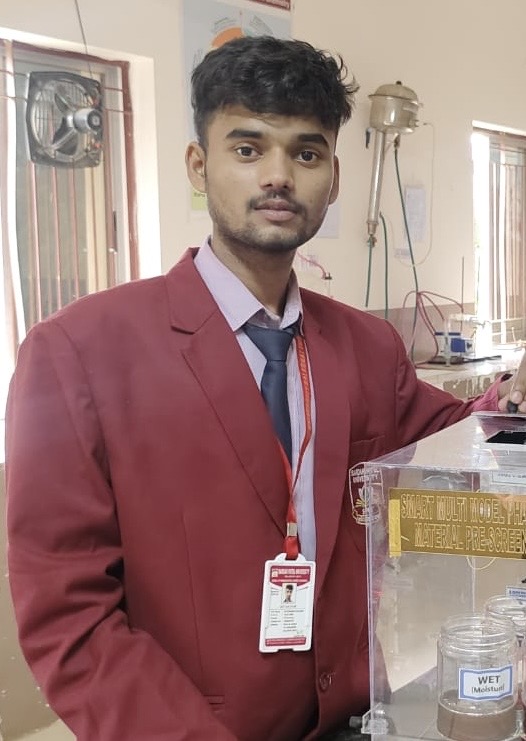

Dev Gautam, Anirudh Gautam, Tushar Bankar, Sumit Patle, Dr. Disha Chouhan, Smart Multimodel Pharmaceutical Material Pre-Screening System, Int. J. of Pharm. Sci., 2026, Vol 4, Issue 11, 293-300. https://doi.org/10.5281/zenodo.23914404
 10.5281/zenodo.23914404