
Govindrao Nikam College of Pharmacy, Mumbai University, Sawarde, India
This study investigates the innovative fusion of ghee- a traditional clarified butter- and a curated selection of medicinal herbs to achieve dual functional benefits: enhanced bioavailability of phytoconstituent and improved thermal stability during high- temperature food processing. Ghee, rich in saturated fats and short chain fatty acids, acts as an effective lipid carrier, facilitating the absorption of lipophilic herbal compounds across cellular membranes. The herbal infusion includes Tulsi, Shatavari, Ashwagandha, Clove, Curry leaves, Rosemary, Betel leaf, Turmeric, and Arjuna, each selected for their potent antioxidant, anti-inflammatory, and adaptogenic properties. The formulation process involves controlled thermal infusion techniques that preserve the integrity of bioactive compounds while enhancing the oxidative resistance of ghee. Analytical assessments reveal that herbal ghee exhibits superior thermal stability, reduced peroxide formation, and extended shelf life compared to conventional ghee. Additionally, the synergistic interaction between ghee and herbs promotes targeted delivery of nutraceuticals, potentially improving therapeutic outcomes in integrative medicine. This review bridges traditional ayurvedic wisdom with modern food science, offering a novel approach to functional food development. The findings have implications for culinary applications, preventive healthcare.
Ghee, a clarified butter, holds specific definitions within global and Indian food regulations. The Codex Alimentarius, a collection of international food standards, and India's Food Safety and Standards Authority (FSSAI) offer broad definitions. They describe ghee as a product derived solely from milk, cream, or butter. This derivation involves processes that meticulously remove nearly all water and non-fat solids. The result is a product with a distinct, developed flavor and a specific physical structure.[1] chemically ghee is a complex lipid of mixed glycerides together with a small amount of fatty acid, phospholipids, sterols and their esters, fat soluble vitamins (A, D, E and K), carotenoids, carbonyl compound, hydrocarbon, charred casein, moisture and traces of trace elements like copper and iron. It undergoes the oxidative degradation during storage and deep-fat frying so, these resulting in an alteration of major quality parameter such as colour, flavour, aroma, nutritive value??.[2] Deep-fat frying is one of the most used procedures for the preparation and manufacture of foods throughout the world. During frying, the ghee is exposed continuously, or repeatedly, to the elevated temperature in presence of air and moisture. Several chemical reactions including oxidation, hydrolysis, and polymerization of frying fat take place, that are leading to the formation of desirable and undesirable secondary products. As these reaction proceeds, the functional, sensory, and nutritional quality of oil deteriorates and may reach a point where it must be ultimately discarded.?Development of the rancidity reduces the shelf-life of product which ultimately affect consumer acceptability. there are numerous evidence correlating oxidized lipids with negative health implication. [3]
People want natural ways to prevent spoilage. Finding antioxidants from plants is a smart move. The food industry uses plant extracts more and more. These extracts contain helpful compounds called phenolics. They stop fats from breaking down quickly. This keeps food fresh and improves its quality. It also adds to the food's nutrition. Many herbs offer these benefits. Tulsi, Shatavari, and Clove are some examples. Ashwagandha, Curry leaves, and Rosemary also help. Betel leaf, Turmeric, and Arjuna work well too. People have used spices and herbs for hundreds of years. They make food taste great. These ingredients also improve its color and smell.
Herbs and spices have special natural compounds. These help humans grow and stay healthy. They offer many health benefits. Polyphenols, carotenoids, and phenolics are some examples. Scientists have studied these compounds. They help against heart disease, diabetes, and high blood pressure. They may also aid with obesity and weak bones.[4]
Ghee and ayurveda share a deep, ancient bond. For thousands of years, they have been closely linked. Ghee makes a great base for ayurvedic medicines. It reaches to the body tissues and organs quickly. This helps carry medicines without changing them. Ayurveda calls this special action “yogawahi”. Because of this, ghee serves as a vehicle for many herbs and remedies. Good medicines need proper digestion and absorption. They must also reach these steps happen. Ancient ayurvedic texts praise ghee for, many reasons. They said it boosts intelligence and memory. Ghee also aids digestion and promotes a long life. It can even improve vision.[5]
Ghee is an oil that blends with fat-soluble nutrients and herbs. This allows them to pass through the body’s cell walls. It makes certain herbs stronger. Ghee carries their active compounds to target areas. This helps grow marrow, semen, and immunity. This makes the herbs work even better.[6] A new way to deliver drugs is exciting scientists. It uses fats to carry medicines. This method is called LBDDS (lipid drug delivery system). These fat carriers aim drugs at specific body parts. They can reach cancer cells. They also target the system that cleans your blood. Old Indian medicine, Ayurveda, also used this idea. Things like ghrita and rasayan have fat bases. They work like early LBDDS forms. These old remedies help medicinal herbs nutrients to enter the body. The nutrients then reach the heart and lungs. They also boost the immune system. Some even go to the brain. Many herbs like fats. This helps them mix with lipoproteins. Chylomicrons are key carriers for these herbs. Ghee is one example. It travels through your lymph system. Then it reaches the large veins. This helps spread its helpful compounds.[5]
Needs of herbs in the ghee
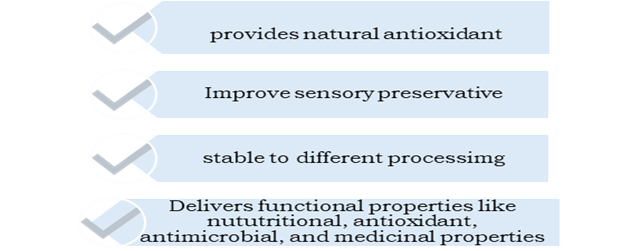
Selection of herbs - Herbs are selected for fortification in functional foods based on the following properties
HERBAL GHEE
Herbal ghee plays a big role in Ayurvedic medicine. There use it for many treatments. Ayurveda sees ghee as a powerful carrier. It helps move the good parts of herbs and spices all over your body. Ghee is more than just food. It works well to transport herbs. Many health-aware people now want to use herbs more. They seek their health benefits. Herbs can boost your nutrition. They also support your immune system and improve overall health. This growing trend comes from the natural healing herbs offer.[7]
BIOAVAILABILITY
Enhancement of Bioavailability by Bioenhancer
Bioenhancers- Bioenhancer have an ancient root. This term comes from Ayurveda. It means a drug's effect grows when combined with something else. Ayurveda calls this 'Yog Vahi' in Sanskrit. This word shows how combinations boost effects. Bose first noted how bioenhancers worked in 1929. He used a plant called vasaka. This boosted its anti-allergy power. Later, C.K. Atal named piperine the first bioenhancer. This happened in 1979. He worked at a lab in Jammu, India. In Ayurveda, made a hypothesis about the 'Trikatu' can increase the efficacy. This mix includes black pepper. Atal wondered if Trikatu made medicines stronger. He studied its parts closely. Piperine is an active part of long pepper.[8]
Health Benefits of Ghee-
Ghee is a valued fat in Indian meals. People often choose it over others. It is great for cooking. Many also use it for health reasons. Ayurveda sees ghee as a medicine. It has a sweet taste. Ghee helps balance vata and pitta in the body. Ghee supports the body's seven key tissues. These include your blood, bones, and body fluids. It works well for all ages. Kids, adults, and the elderly can all benefit. Ghee improves how well your senses work. It helps hair grow strong. Ghee aids bone growth. It can even mend broken bones. Your skin also looks better. Ghee offers health benefits in two ways. You get them by eating it as food. You also get them by using it as a treatment.[9]
Ghee used as a Carrier or a Base for the Ayurvedic Medicines-
Ghee holds a special place in Ayurveda. It is an ancient Indian medicine. Doctors use ghee alone. They also use it to help other medicines work. It helps bodies take in and use remedies. Ghee is vital when fat properties are needed for healing. It can draw out active parts from herbs and minerals. Ghee acts as a base for this. It aids in soaking up fat-soluble vitamins. It helps absorb other key elements from food or drugs. Ghee can carry medicine. It helps active parts cross cell walls. Some cell walls only let fats pass. The blood-brain barrier is one such wall. Ghee can move 'medhya' medicines there. These medicines boost memory and sharp thinking. This works if the drug is mixed with fats. [10] Ayurveda calls ghee "Madhur-rasa." This means it is safe even for newborns. Cow ghee makes a great base for Ayurvedic remedies. This pure butter has many good traits. It can reach deep into the body's tissues. This makes it perfect for medicines. It helps target specific body parts or organs. Cow ghee has many other uses in Ayurveda. These uses make it a priceless part of this old healing system. Ayurveda uses cow ghee for many health issues. This includes allergies, skin problems, and breathing sicknesses.[10]
PHYTOCHEMICAL – TYPES AND BIOAVAILABILITY
Hydrophilic and Hydrophobic Photoactive-
Phytochemicals are compounds found in medicinal herbs. Many have health benefits for people. Scientists have found thousands of them. Dozens are known to be good for us. These plant compounds, or phytonutrients, fall into two main categories. One group is water-loving. The other group does not like water. Water-loving phytochemicals are called hydrophilic. Phenolics and polyphenols are examples. They dissolve in water. The other group is water-hating. These are hydrophobic. Carotenoids and curcuminoids fit here. This difference matters a lot. It tells us how the body can use them. It affects how we get them into our bodies. It also impacts how well we absorb them. This is true for fruits, vegetables, and herbs. The helpful plant compounds are either water-soluble or fat-soluble. Think of them as needing the right delivery system. Just eating a plant powder might not work. You may not get the full benefit. Consider curcumin, which is in turmeric. It needs some fat to be absorbed well. Many turmeric drinks sold today might not deliver the real benefits. They might not have enough fat. To absorb all the plant compounds from an herb, we need both kinds of carriers. We need water carriers. We also need fat carriers. This ensures the body can use everything. It allows for complete absorption. For example, vitamin C is hydrophilic. It dissolves in water easily. Our bodies absorb it well from many sources. However, beta-carotene, a type of carotenoid, is hydrophobic. It is fat-soluble. Eating carrots with a little bit of oil or fat helps our bodies absorb beta-carotene better. This is why salads with dressing are a good way to eat leafy greens and other vegetables. The dressing often contains healthy fats.[5]
MECHANISM-
Ghee holds a respected place in Ayurvedic tradition. This ancient Indian practice acknowledges its medicinal properties. Ghee finds application in treating a wide array of ailments. These treatments involve both external application and internal consumption. Essentially clarified butter, ghee serves as a vital carrier. It acts as a base for formulating many traditional remedies. The effectiveness of a drug depends on several factors. How it spreads through the bloodstream is key. This spread is influenced by its ability to dissolve in fats. It also depends on its ionization. Blood flow in different body parts plays a role too. Water-soluble drugs tend to stay in watery parts of the body. They may struggle to enter the cerebrospinal fluid. This fluid present in the brain and spinal cord protects them. It can also be hard for them to reach other body cavities.[11]
Lipid-soluble drugs behave differently. They move quickly into all body spaces. This includes both inside and outside cells. Drugs that easily enter the cerebrospinal fluid and the brain are lipid-soluble. This suggests a significant advantage for drugs prepared with fats like ghee. When a medicine is given in a fatty form, it absorbs fast. It then distributes efficiently to its intended targets. Ghee, being rich in lipids, facilitates this process. The membranes that separate brain tissue from blood are selective. They allow fats and fat-soluble substances to pass through. Drugs formulated with ghee are not only quickly broken down and absorbed. They also gain access to crucial areas like the central nervous system. This makes them effective for treating conditions affecting the brain and mind. For instance, psychotropic drugs given in ghee can show significant benefits. Their lipophilic nature aids their journey to the central nervous system.
Ayurveda, the ancient Indian system of medicine, utilizes many types of medicated ghee, known as 'Ghritam'. The special ghee is prepared using specific herbs and processing methods. They serve a dual purpose, being applied both externally and taken internally. For external applications, medicated ghee often incorporated into healing formulations. Their extended use can include acting as a dressing for wounds, a soothing ointment for skin irritations, or as a key component in medicated enemas. Internally, potent ghee plays a vital role in Ayurveda's detoxification and rejuvenation therapies, collectively known as Panchakarma. Within these therapeutic procedures, medicated ghee is ingested to help mobilize toxins from deep within the body's tissues, facilitating their elimination. Ayurveda deeply values ghee for its numerous health benefits. It is extensively employed in various treatments. For example, it is used to manage skin allergies, providing relief from itching and inflammation. It also offers therapeutic benefits for respiratory ailments like asthma and coughs. Beyond treating specific conditions, ghee is believed to enhance overall well-being. It is considered capable of sharpening mental acuity and improving cognitive functions. This includes boosting memory and concentration. Furthermore, medicated ghee is thought to contribute positively to physical appearance, promoting healthy skin and a radiant complexion. It is recognized for its ability to treat ulcers, aiding in tissue repair and reducing inflammation. Eye-related diseases also benefit from its application, believed to improve vision and alleviate discomfort. The preparation and use of the medicated ghee are time-honoured practices in Ayurvedic medicine, reflecting a holistic approach to health and healing.[11]
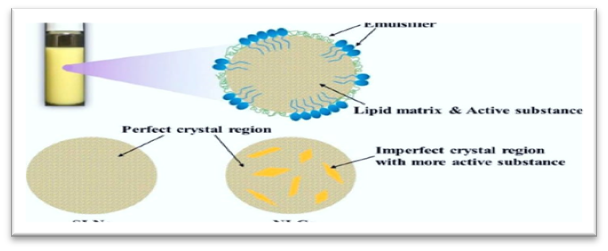
Fig No 1. Ghee as a Carrier
Why Ghrita is Therapeutic-
Ayurveda recognizes about 60 detailed ghrita-based formulations. The Ayurvedic Pharmacopoeia of India catalogs these. They are used for various diseases and as nutraceutical agents. Ghritas like Pachagavya Ghrita, Kalyanaka Ghrita, and Brahmi Ghrita are rich in beneficial compounds. These include Polyunsaturated Fatty Acids (PUFAs), specifically DHA. They also contain certain alkaloids and terpenoids. These components are known to boost acetylcholine levels. This action makes them useful for central nervous system (CNS) disorders. Examples include dementia, schizophrenia, epilepsy, and psychosis. These ghritas also act as powerful antioxidants. They fight free radicals, promoting longevity. This makes them beneficial for age-related neurodegenerative diseases. These conditions affect the nervous system, brain cells, and peripheral nerves. In geriatrics, ghritas offer dual benefits. They address cardiovascular risk by lowering LDL cholesterol. This effect is attributed to alpha-Linolenic Acid (ALA). ALA is the type of Omega-3 fatty acid. They also contain rTFA. Furthermore, ghritas help with inflammatory diseases. They support bone health. They also play a role in immunomodulation. Saraswata ghrita is a well-regarded paediatrics formulation. It provides triglycerides in amounts suitable for children. These ready-to-use formulations contain DHA. They are essential for children experiencing delayed speech. They are also helpful for those with Attention Deficit Hyperactivity Syndrome (ADHD).
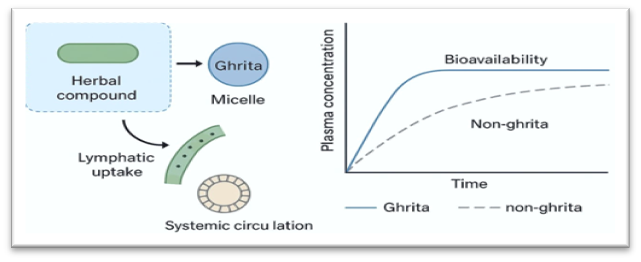
Fig no 2. Improved bioavailability of herbal compounds when delivered through ghrita compared to non ghrita formulation.
Most ghritas possess a rich phenolic base. This contributes to their diverse health benefits. Interestingly, hydroalcoholic formulations like Ashwagandharishta and Saraswatarishta share similar plant compounds. However, when these same ingredients are formulated as ghritas, they show greater potency. This is observed in managing different health conditions. Ghritas are lipid-based formulations. They offer innovative potential. New drugs with solubility or permeability issues can be incorporated. Ghritas are listed in pharmacopoeias. They have a large following as nutraceuticals.[12] There are also the other research papers which shows the different ghrita to be effective as a pediatric formulation and the results shows that the ghrita are effective and the results is seen by months or more than month or within 15 days the pediatric formulation is effective against the various types of diseases such as the bleeding , eye or to cure the chronic disease, neurological development disorder, and for tumor the results is been cleared mention. [13]
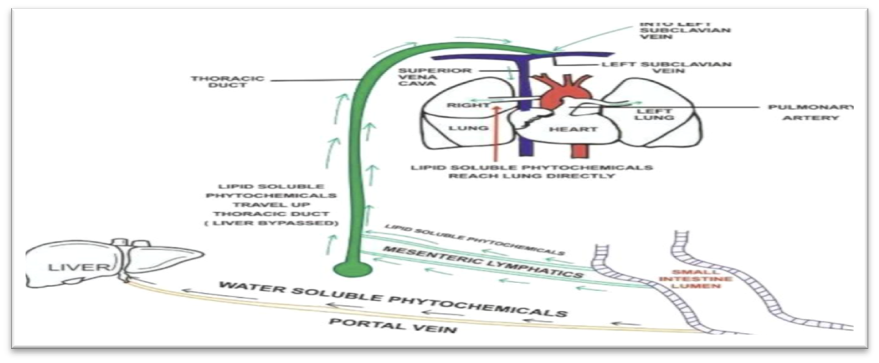
Fig no 3. Showing separate routes of absorption of water soluble and lipid soluble phytochemicals through the gut, and bypass of the lipophilic bioactive by metabolic degradation in the liver.
THERMAL STABILIZATION
Oxidation of ghee- Ghee, despite its superior resistance to spoilage from both environmental factors and microbial invasion compared to other dairy products, is not immune to degradation over extended storage periods at room temperature. Like other fats and oils, it is susceptible to oxidative changes. This oxidation leads to rancidity, a problem that has plagued food preservation since antiquity. When ghee is exposed to air, or more specifically, oxygen, an initial period of stability often occurs. During this phase, very little apparent change takes place. However, this is followed by an acceleration in the rate at which ghee absorbs oxygen. This initial stable phase is known as the induction period. Following this period, the oxidation reaction becomes self-sustaining. It essentially catalyze itself, a process commonly referred to as autooxidation. This reaction between oxygen and the fat molecules within ghee results in the development of a strong, unpleasant flavor and smell, often described as "off-flavors." Beyond the sensory impact, this oxidative process also diminishes the ghee's nutritional value. For the dairy industry, these losses translate into significant economic consequences due to product spoilage and reduced shelf life.[14]
This chemical process degrades fats, leading to off-flavors, unpleasant odors, and changes in texture. Understanding how it happens is key to preserving food. There are three main ways lipids oxidize in food. Autoxidation is the most common. Photo-oxidation occurs when light triggers the reaction. Enzyme-catalyzed oxidation involves specific enzymes speeding up the process. Autoxidation is a chain reaction. It happens in three stages: initiation, propagation, and termination. The initiation stage is where it all begins. Free radicals, which are unstable molecules with an unpaired electron, seek stability. They find it by "stealing" a hydrogen atom. These hydrogen atoms are often found on the methylene groups within polyunsaturated fatty acids. These fatty acids have many double bonds. Once a hydrogen atom is removed, the fatty acid becomes a radical itself. This radical can then rearrange its structure. This rearrangement, called diene conjugation, makes the molecule more stable. It creates a new arrangement of double bonds. Next, in the presence of oxygen, these conjugated dienes react to form peroxyl radicals. These are highly reactive lipid radicals. The more bis-allylic carbons a fatty acid has, the faster these peroxyl radicals can form. Reactive oxygen species, often called ROS, are common initiators. They readily abstract a hydrogen atom from lipid molecules. The propagation stage is the core of the chain reaction. The highly reactive peroxyl radical (LOO?) grabs a hydrogen atom from another nearby polyunsaturated fatty acid. This action creates a new lipid radical and a new peroxyl radical. This process repeats, spreading the oxidation throughout the fat. This chain reaction can continue for a long time. It will keep going until the termination stage is reached. In termination, the unstable peroxyl radicals meet. They react with each other. This reaction forms stable, non-radical products. This effectively ends the chain reaction. A diagram summarizing this entire process is available in Figure 2.[15]
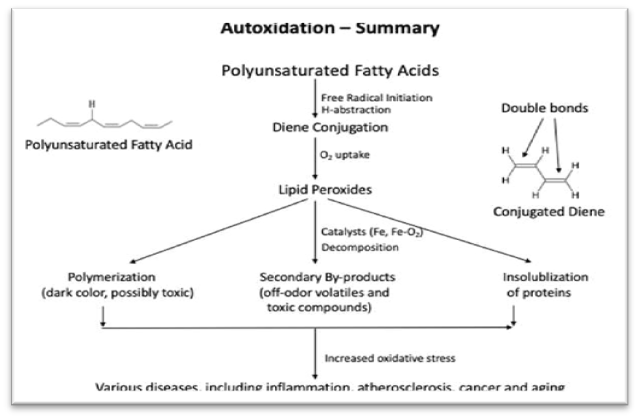
Fig no 3- Autoxidation of lipids
Within food matrices, naturally occurring antioxidant compounds play a vital role in protecting lipids from oxidative damage. However, many of these beneficial antioxidants are unfortunately lost or significantly reduced during food processing and subsequent storage. This loss creates a need to supplement foods with external, or exogenous, antioxidants. The addition of these artificial or added antioxidants helps to effectively delay the onset of lipid oxidation, thereby extending the usable life, or self-life. Polyphenols represent a broad category of herbs-derived compounds. They are known for their powerful antioxidant capabilities. These substances work by neutralizing harmful free radicals, which are unstable molecules that can damage cells. By doing so, polyphenols offer protection against a range of serious health issues, including certain cancers, cardiovascular diseases, asthma, infections, and diabetes. The classification of polyphenols is based on their chemical structure, specifically the number of phenol rings they contain and how these rings are linked. There are four main groups: phenolic acids, flavonoids, stilbenes, and lignans. Acidic fruits are a good source of phenolic acids. These are further categorized into two sub-types: hydroxyl benzoic acids and hydroxyl cinnamic acids. Flavonoids constitute a significant class of polyphenols that are commonly found in the human diet. Within the flavonoid group, there are six distinct subclasses: flavonols, flavones, flavanones, flavanols, anthocyanins, and isoflavones. [16]Extensive research has demonstrated that incorporating herbs rich in polyphenols into a healthy diet can contribute to the prevention of coronary heart disease. These compounds have also shown promise in inhibiting the growth of cancer cells and exerting anti-diabetic effects.[17]
Factors affecting the Lipid Oxidation-
Several key elements drive the speed of lipid oxidation in food products. Understanding these factors is crucial for extending shelf life and maintaining quality.
ANTIOXIDANTS
Lipid oxidation is a natural process. Several factors speed it up. These include oxygen's presence. Metal ions also play a role. Heat and light are other catalysts. To stop or slow this process, we must remove these catalysts. Oxygen needs to be blocked. Metal ions must be captured. They should be made unreactive. Foods prone to oxidation need protection. Store them in cool places. Keep them away from light. Antioxidants are key. They fight oxidation effectively. They work at different stages. This includes the start, middle, and end. Herbs and spices contain helpful compounds. Phenolic compounds are one type. They are found widely. These compounds often act as radical scavengers. They can also act as chelators. This means they can bind metal ions. Phenolic compounds show promise. They can help prevent lipid oxidation. Many antioxidants work by donating hydrogen. This happens to lipid free radicals. These radicals form during oxidation. The donated hydrogen creates a stable molecule. Antioxidants fall into two main groups.
Primary antioxidant- The first group is primary antioxidants. These directly interact with oxidizing lipids. They may also help renew other antioxidants. Examples include certain phenols. Monohydric phenols like BHT and BHA are common. Dihydric phenols such as catechol and TBHQ are also used. Pyrogallol and propyl gallate are trihydric phenols. Alpha-tocopherol and carotene are also primary antioxidants. They can also block oxygen's harmful effects.
Secondary antioxidant - The second group is secondary antioxidants. They work differently than primary ones. They stop oxygen's reaction with lipids. They do this without direct interaction with lipids. These are also called synergists. They include metal chelating agents. Citric acid is one such agent. Phosphoric acid is another. EDTA (ethylene diamine tetra-acetic acid) is also used. Ascorbic acid, also known as vitamin C, fits here. Phospholipids also act as synergists. These compounds enhance the effectiveness of primary antioxidants.[14]
Preservative Role of Herbs-
Classification of herbs and spices -Spices and herbs can be categorized into several groups based on their flavor & colour i.e., hot (cayenne pepper, black & white peppers, mustard, chilies) slight flavor (coriander, paprika), aromatic herbs (basil leaf, bay leaf onion). And also Based on colour (turmeric) and herbaceous (rosemary) or based on their taste such as sweet, bitter, spicy, sour, and sharp (embuscado,2015; Bhattacharyya). [18]
Pharmacological Effects and Preservative Role of Herbs
|
Herb |
Botanical Name |
Key Constituent/ Bioactive Constituent |
Pharmacological Effects/ Traditional Uses |
|
Tulsi (holy basil) 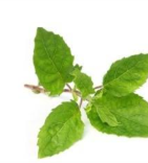
|
Ocimum tenuiflorum |
Geraniol, linalool, carvacrol, eugenol, elemol, ursolic acid, rosmarinic acid, vanillin, linoleic acid. |
Antioxidant action (monitors superoxide dismutase, glutathione, and thiols), significant reduction in peroxidized lipids.[19] |
|
Shatavari 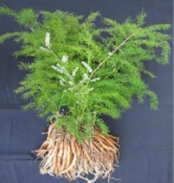
|
Asparagus racemosus |
Saponins, flavonoids, and steroidal saponins. |
General and female reproductive tonic. Traditionally used as a bittersweet, emollient, cooling, nervine tonic, constipating, diuretic, and carminative agent. [20] |
|
Ashwagandha 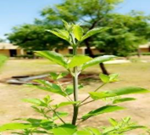
|
Withania somnifera |
Alkaloids, dulcitol, withaniol acid. |
Anti-hepatotoxic, anti-inflammatory, anti- tumor used as an adaptogen, for sexual vitality, and as a sleep-aid (“sleep bearing”). Historically significant in ayurveda for over 3000 years. [21] |
|
Clove 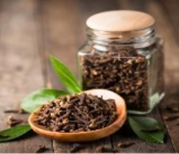
|
Syzygium aromaticum |
Eugenol, flavonoids, phenolic acids, tannins, humulene, caryophyllene |
Antioxidant properties, antimicrobial, anti- inflammatory, oral health, pain relief. [22] |
|
Curry leaves 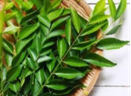
|
Murraya koenigii |
Polyphenol, alkaloids, and flavonoids, carbazole alkaloids, linalool |
Antioxidant, antimicrobial, antidiabetic, hepatoprotective, anticancer, hair care, digestive health. [23] |
|
Rosemary 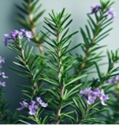
|
Rosamarinus officinalis |
Phenolic acids, flavonoids, diterpenoids and triterpenes. |
Antioxidant, flavouring agent, pain relief, hair and scalp health, anti- inflammatory, hepatoprotective. [24] |
|
Betel leaf 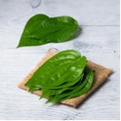
|
Piper betel linn |
Polyphenol, alkaloids, steroids, saponin, tannin. |
Antioxidant, anti-diabetic, anti-ulcer, aggregation, antifertility, asthma, leprosy. [25] |
|
Turmeric 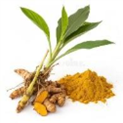
|
Curcuma longa |
Curcumin, curcuminoid, bisdemethoxycurcumin, demethoxycurcumin phenolic volatile oils xanthorrhizal |
Anti-inflammatory, antimicrobial, hepatoprotective, anticarcinogenic, antidiabetic, ulcer, eczema. [26] |
|
Arjuna 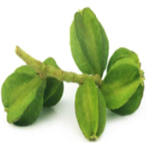
|
Terminalia arjuna |
Flavonoids, and phenolic content, sitostreol |
Antioxidant & free radical scavenger activities, heart tonic for healthy cardiovascular system, lowers blood cholestrol. [27] |
Functional Properties of Herbs-
Herbs offer significant health benefits through their rich array of natural compounds. These herbs are packed with bioactive substances. Many of these compounds are well-known for their positive effects on the body. For instance, flavonoids and polyphenols are common. Phenolic acids and terpenoids are also abundant. Sulphides, carotenoids, and coumarins contribute too. Lignin, saponins, and curcumins play a role. Phthalides and herbs sterols are among the many beneficial ingredients. These naturally occurring compounds exhibit a range of biological actions. They can combat microbes, reduce swelling, and protect cells. They also help ease allergic reactions and lower blood pressure. Herbs are particularly rich in natural antioxidants. Antioxidants are vital for health. They work by stopping or slowing down oxidation. Oxidation is a process that can damage cells. The food industry often uses synthetic antioxidants. Examples include butyl hydroxy anisole and butyl hydroxy toluene. These chemicals prevent food from spoiling. They protect lipids, carbohydrates, and proteins from breaking down. However, these artificial additives have drawbacks. They can evaporate at high temperatures. Their presence in food also raises health concerns for consumers. Many people worry about potential risks from ingesting them. This has led to a surge in demand for natural antioxidants. They prefer phytochemicals found in herbs over synthetic versions. This shift is driven by a growing awareness of synthetic antioxidant risks. Phenolic compounds found in herbs are especially noteworthy. Research shows they can help prevent or lower the chances of certain diseases. These include chronic conditions like diabetes, cancer, obesity, and heart disease.[28] The protective qualities of these herbal components are a major focus of health research. Consumers are actively looking for these natural solutions. They want safer ways to protect their health.[29]
Butter and Ghee
These understanding drives demand for foods fortified with herbs. Herbs offer natural antioxidant properties. This is especially beneficial for people with heart disease. Ghee, a clarified butter, is often enhanced with these herbal extracts. Rosemary extract is a common addition to ghee. Research by Ozcan and colleagues highlights this trend. Rosemary’s antioxidants are more potent than synthetic ones. Najgebauer and his team demonstrated this. They added 2% dried rosemary to butter. This butter was made from sour cream. The addition delayed fat breakdown. This improved the butter’s stability during storage. Herbal-infused ghee is now marketed as medicinal ghee. This marketing spans India and global markets.[30] A study by Rajanikant and Patil explored its effects. They looked at Terminalia arjuna in ghee. This herb addition showed benefits for heart health. The product acted as a free radical scavenger. It also extended ghee's shelf life. This was compared to regular ghee.[31]
Further research by Parmar and Khamrui focused on buffalo butter ghee. They combined it with 7% arjuna alcohol extract. This mixture had high phytosterol content. It also scored well in taste tests. Another health-focused ghee is Vasa Ghee. It uses Malabar nut, also known as Vasa. This ghee aims to reduce asthma risk. The herb Vasa contains vasicinone. This compound is known for its anti-asthma properties.[32] Nilkanth and his team studied other herb extracts. They tested Ashwagandha and Shatavari. These extracts were in water and alcohol forms. They used three tests for antioxidant activity.[33] These included the carotene bleaching assay. The DPPH assay and Rancimat procedure were also used. Alcohol extracts were more effective. They showed higher antioxidant activity than water extracts. These alcohol extracts also better prevented fat damage in ghee. They reduced peroxide value and conjugated dienes. Ghee mixed with these alcohol extracts had better free radical scavenging. Herbs can serve as natural antioxidants. They offer health perks and preserve food. Their use in ghee combines these benefits. This enhances ghee's nutritional profile. It also extends its usability.[33]
METHODS
Inclusion and exclusion criteria of the review
The inclusion criteria for this systemic review article encompassed article published between 1997 to 2024. The studies had to investigate: Ghee as a vehicle to increase bioavailability of medicinal herbs (i.e., how ghee helps herbs get absorbed better). Dual benefits: studies where herbs act as preservatives/antioxidants in ghee to improve its thermal stability and shelf-life. Clinical evidence about the biological activities of ghee-herb formulations (not just lab theory). Also include the wound healing cream made by the ghee and herbs and its invitro study on rats.
Exclusion Criteria - Experimental studies (probably meaning very preliminary lab experiments without clinical/real-world relevance) were excluded. Any formulations that don’t contain the herbs which are mentioned (like other specialized/herbal ghee).
BIBLIOGRAPHIC REVIEW
This systematic review was conducted following PRISMA 2020 guidelines and the MOOSE checklist. A comprehensive search (1997–2024) was performed across PubMed, Scopus, Web of Science, Embase, Google Scholar, AYUSH Research Portal, and ClinicalTrials.gov, with additional screening of non-indexed South Asian journals. Keywords and Mesh terms included “Ghee,” “Ghrita,” “Clarified butter,” “Herbal formulation,” “Bioavailability,” “Lipid drug delivery,” “Antioxidant,” and “Thermal stability”, “medicinal herb”. Eligible studies examined ghrita derived from cow or buffalo ghee as a vehicle for herbal formulations, and the wound healing cream made by the ghee as the carrier and herbs used which is mentioned with outcomes related to improved bioavailability, antioxidant effects, or enhanced thermal stability. Exclusion criteria removed studies limited to non-ghrita lipid matrices or purely experimental designs without formulation relevance. This bibliographic review establishes the evidence base for ghee as a dual-function carrier: enhancing the absorption of herbal actives while supporting medicinal herb as antioxidant-mediated thermal stabilization of ghee.
Quality Appraisal
The comparative study of Go-ghrita and Arjun-ghrita upheld scientific integrity through a randomized clinical trial design, conducted with prior ethical approval and informed consent. Participants were selected using clear inclusion and exclusion criteria and randomly allocated to intervention groups, ensuring balanced representation. The formulations were authenticated and administered in standardized doses, and both subjective measures (digestion and bowel habits) and objective parameters (vital signs, fitness, and lipid profile) were systematically assessed. Statistical methods were applied appropriately, and results were transparently reported. Although the study was limited by small sample size, short duration, and lack of advanced cardiac biomarkers, the methodological clarity and ethical rigor support the reliability of its findings, while highlighting the need for larger and longer-term trials on Go-ghrita and Arjun-ghrita. [34]
RESULT
Prisma flow [35]

Fig no 4. Prisma flow chart
Functionality and Shelf-Life Extension of Ghee
Ghee boasts remarkable functionality and an extended shelf life. This is largely due to its extremely low moisture content, typically below 0.5% by weight. The manufacturing process plays a crucial role here. The time and duration of the heating step directly impact how much water remains in the ghee. Additionally, ghee lacks milk solids, often called SNF (solids-not-fat). These milk solids are a food source for bacteria. Without them, the growth of harmful microbes is significantly inhibited, contributing to ghee's stability. However, ghee is not immune to spoilage. The primary threat to its quality is oxidative degradation. This process attacks the fatty acids within the ghee. When this happens, the sensory qualities we associate with ghee, like its flavor and aroma, begin to change. Its nutritional value can also suffer.
Oxidation happens in stages. In the early, or primary, stage, unstable compounds called hydroperoxides are formed. These hydroperoxides are not easily detected by our senses. They are tasteless. But they are a precursor to further breakdown. These primary products then degrade into secondary oxidation products. These include peroxides, oxidized forms of cholesterol, a compound called malonaldehyde, and various cyclic aromatic compounds. The presence of these secondary products is what truly impacts ghee's desirable characteristics. They cause off-flavors and odors, making the ghee less appealing and reducing its overall quality. Mehta and his colleagues detailed these changes in 2015.[36] This oxidative damage is mainly driven by a process called auto-oxidation. This means that once the oxidation process begins, it can continue on its own. It's like a chain reaction that feeds itself. This self-sustaining nature makes controlling oxidation vital. Kapadiya and Aparnathi explained this self-catalysed reaction in 2018.[37] To combat this natural degradation and enhance ghee's storage stability and overall functionality, researchers have explored various natural antioxidants. These are compounds that can slow down or prevent the oxidation process. The following section will provide a brief overview of these natural solutions. Antioxidants play a crucial role in food preservation. They actively combat lipid oxidation. Research by Pawar et al. in 2012 and Kapadiya and Aparnathi in 2018 highlights this. These studies explain how antioxidants work. They achieve this by stopping free radicals. Free radicals initiate the breakdown of fats. Antioxidants interrupt this process through several key actions. One primary mechanism involves directly neutralizing harmful free radicals. This prevents them from starting the oxidation chain.[38] [37]Think of it as putting out the initial spark. Another important function is metal ion chelation. Certain metal ions, like iron and copper, can speed up oxidation. They act as catalysts, creating more free radicals. Antioxidants bind to these metal ions. This process forms stable complexes. These complexes render the metal ions unable to promote oxidation. A third way antioxidants work is by reducing reactive oxygen species. These are unstable oxygen molecules. They readily react with fats. Antioxidants can break down these species. This prevents them from forming damaging peroxides. Peroxides are unstable compounds. They can further break down into more free radicals. Finally, antioxidants can disrupt the propagation of oxidative chain reactions. Once lipid oxidation starts, it creates a cascade. Each new free radical can start another reaction. Antioxidants can break this chain. They intercept the reactive molecules. This stops the damaging cycle. Concerns about synthetic antioxidants grew significantly in the early 2000s. Studies focused on commonly used synthetic antioxidants. These included butylated hydroxytoluene (BHT), butylated hydroxyanisole (BHA), and tertiary butylhydroquinone (TBHQ). Research on these compounds revealed unsettling health implications. These studies demonstrated potential mutagenic effects. Mutagens can cause changes in DNA. The research also indicated carcinogenic properties. Carcinogens are substances that can cause cancer. These effects were observed in experimental animal models.[39]
Studies on functionality and shelf-life enhancement of ghee
|
Medicinal Herbs Used In Ghee For The Shelf-Life Enhancement |
Primary Or Secondary Antioxidant |
Extract Type |
Antioxidant Activity |
Stage Of Herb Addition |
Storage Research Interval |
Key Reference |
|
TURMERIC |
Primary antioxidants like curcumin |
Turmeric is added in the powdered form orange variety of turmeric 0.6% and itis compare with the BHA added 0.02% |
Orange variety turmeric shows the potent antioxidant activity because of the primary antioxidant like curcumin but some fraction can also show the prooxidant effects. Than the BHA 0.02% the turmeric Turmeric > BHA |
The turmeric should be added at during the clarification |
The sample of ghee is stored at 80±2°C. At the intervals of 7 days |
Soni mehul kumar (2011) [40] |
|
TULSI |
Primary antioxidant such as phenolics and flavonoids |
Ethanolic extract of Tulsi is used where the Krishna Tulsi and Sri Tulsi leave effectiveness is compare with the concentration of 0.6% |
the Krishna Tulsi exhibit a higher antioxygenic activity than sri tulsi Addition of SCF pre-extract at the level of 0.6 per cent (w/v) was found to be more effective than the addition of BHA at the level of 0.02 per cent. Tulsi > BHA |
Tulsi should be added in ghee after the clarification |
The sample of ghee was stored 80 ± 2 °C. At the interval of 48h |
Mamta sharma (1997) [41] |
|
CURRY LEAVES |
Primary antioxidants such as (phenolics)mahanimbine, murrayanol |
Curry leaves added into the ghee with the different rates like (0.1%, 0.2%, 0.3%, 0.4%) |
The 0.3% was found to be most effective for the peroxide formation and the flavour deterioration of ghee The curry leaves are not more effective than the BHA but it can be used as natural antioxidant to minimize the adverse effect. BHA> curry leaves |
Curry leaves added at the final stage of heat clarification |
The sample is stored at 80±2 °C intervals of 3 for 21 days |
Kapadiya and KD Aparnathi. (2017) [42] |
|
BETEL LEAVES |
Primary antioxidants include phenolics, hydroxyl chavicol |
Betel Leaves are added in different rate in ghee such as (0.1%,0.2%, 0.3%, 0.4%) out of these rates the most effective one is the 0.3%. |
The betel leaf with the rate of 0.3% is more effective than the BHA 0.02% hence, the betel leaves could be promising natural alternative as BHA. Betel leaves > BHA |
The betel leave should be added final stage of heat clarification |
The sample ghee is stored at 80°±2°C for 21 days |
Kapadiya dhartiben B (2022) [43] |
|
SHATAVARI |
Primary antioxidants flavonoids and phenolic compound |
Shatavari both aqueous extract and ethanolic extract is used |
The ethanolic extract of shatavari shows the better radical scavenging as compared to ghee incorporated with the aqueous extract the ethanolic extract added is about 0.5% |
The shatavari should also add after the ghee clarification. |
The sample is 80°±1°C stored at the intervals of 3 for 21 days |
Nikanth pawar (2012) [33] |
|
ASHWAGANDHA |
Primary antioxidants are phenolics, flavonoids, alkaloids |
Ashwagandha both extracts are used in aqueous and the ethanolic extract. |
The ethanolic extract 0.5% is more effective than the aqueous by the better radical scavenging but it is not more effective than the BHA. BHA> ashwagandha. |
Ashwagandha should be add after the ghee clarification. |
The sample of ghee is stored at the 80°±1°C interval of 3 for 21 days. |
Nikanth pawar (2012) [33] |
|
CLOVE |
Primary antioxidant eugenol, phenolics |
Clove extract such as oleoresin and the steam distilled clove extract. |
Clove extract added at different rates 0.25%, 0.50%, 0.75% but the 0.50% (w/w) is selected because of its effective antioxidant activity than the 0.25% and the higher rate such as 0.75% can leads to poor organoleptic property of ghee the eugenol extract is observed using the RP-HPLC. The BHA showed the higher antioxidant activity the accelerated stability study. BHA> CLOVE. But had a lower antioxidant potential during the deep-frying studies as compared to clove extract steam distilled and oleoresin Clove extract> BHA. |
The clove is added after the heat clarification. |
The sample are stored at 80°±1°C interval of 3 of 21 days. Deep fat frying studies 180 ± 5?C. |
Shende (2014) [44] |
|
ROSEMARY |
Carnosic acid, rosmarinic acid. |
Rosemary added in ghee with 0.1% |
Addition of rosemary in with 0.1% increased the antioxidant potential of ghee by means of radical scavenging, without affecting the sensory and physicochemical properties of ghee. Rosemary shows greater effect than BHA. Rosemary> BHA |
The rosemary can be added before the heat clarification. And after also it depends upon the desired flavour |
45, 90, 45, 60, 210 and 90 days, respectively of storage at 37?±1?C and stored at 60?±1?C were 4, 12, 4, 8, 36 and 12 days. |
Rahila m.p [45] (2016) [46] |
|
ARJUNA |
Flavonoids, phenolic. |
Arjuna with the ethanolic extract 7% |
Arjuna with ethanolic extract of 7% reduces the auto-oxidation of both cow and buffalo ghee it improved the phytosterol content in ghee with increased duration of action. Could be used as natural antioxidant possess a good potential to act as free radical scavenger. Arjuna> BHA |
The arjuna should be add after the heat clarification. |
The arjuna herbal ghee is stored at 80±1°C |
Parmar (2013) [47] |
Such findings raised serious questions about their safety for human consumption. This led to increased interest in natural antioxidant sources. Studies on different plant as a source to increase the antioxidant activity in ghee is discussed in the following section in table 1.
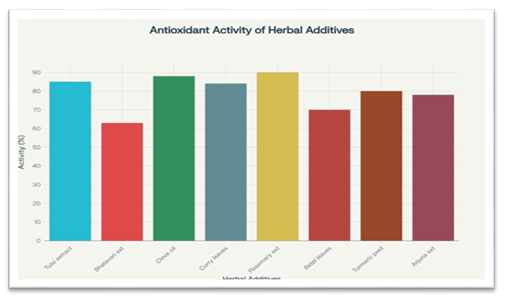
Fig5- Antioxidant Activity of Herbal Additives in Ghee (Percent Radical Scavenging Activity)
Antimicrobial Activity of Herbs
Herbs offer powerful antimicrobial benefits. These natural compounds effectively combat microorganisms. Spoilage in dairy products is a common issue. These microbial agents cause food to degrade. Herbs help stop this growth. This extends the usable life of dairy items. It also improves their overall stability. Many herbs and spices show this activity. They target various bacteria, yeasts, and molds.[48] These unwanted organisms thrive in food. Spices can be ranked by their strength. Clove and turmeric are strong fighters. Tulsi and betel leaf show medium strength. Rosemary also possesses these traits. The active parts within these plants are key. They include phenols, alcohols, and aldehydes. Ethers, ketones, and hydrocarbons also play roles. Phenolic compounds are especially important. These are strong antimicrobial agents. Oleuropein is one such compound. Ellagic acid is another. Ferulic acid and coumaric acid are also noted. These natural substances can replace artificial preservatives. Many food products use synthetic agents. These can have unwanted side effects.[49] Phenolic compounds are effective.
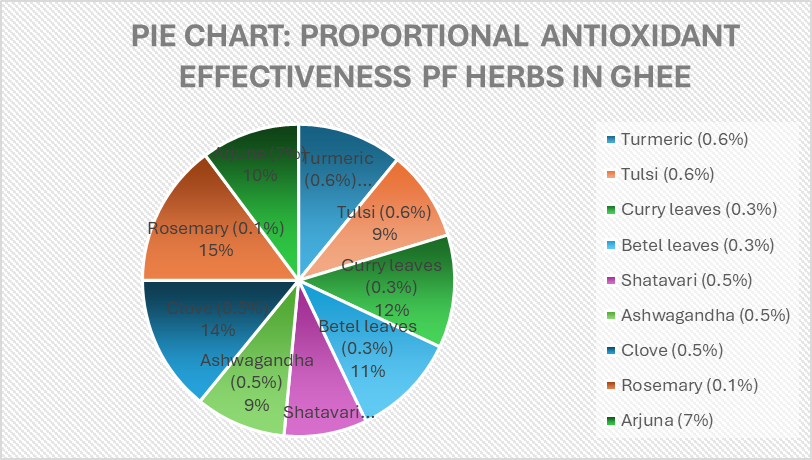
Fig no 6. Pie chart proportional effectiveness of herbs in ghee
Bioavailability
Preclinical research - Cow ghee, a staple in many kitchens, can offer more than just culinary delight. Researchers have found a way to boost its health potential and its ability to help wounds heal. They did this by infusing ghee with fragrant plants like rosemary and clove. This isn't just a simple mix; the scientists explored the chemical changes and tested how the new ghee versions worked on skin repair in a lab setting.
The research aimed to enhance ghee's value. They wanted to make it better for our bodies and for healing. They focused on two potent herbs: rosemary and clove. These plants are known for their own health properties. The team prepared different ghee samples. There was plain ghee as a baseline for comparison. Then, they made ghee infused with just rosemary. Another sample had only clove. A final sample combined both rosemary and clove. This allowed them to see the individual effects and the combined power of the herbs. Infusing ghee with these herbs dramatically changed its chemical makeup. The plant-enriched ghee showed much higher levels of natural compounds. These compounds are powerful antioxidants. Antioxidants protect our cells from damage. Regular ghee has some antioxidants. However, the ghee with rosemary and clove had significantly more. This increase in antioxidants also made the ghee more stable. This means it would last longer on the shelf. It would be less likely to go bad. The harmful changes that can happen to fats over time were slowed down. This chemical enhancement is a key benefit. To test the wound-healing power, the scientists used a special lab method. They called it a "scratch assay." They grew skin cells, called fibroblast cells, in a lab dish. Then, they carefully made a tiny cut or "wound" in the layer of cells. This mimicked a real skin injury. After creating these simulated wounds, they applied the different ghee samples. They observed how the cells responded to each type of ghee.
The results were quite promising. The fibroblast cells began to move into the wounded area more quickly when treated with the plant-infused ghee. This cell movement is crucial for healing. It's how new skin forms to close a cut or scrape. Ghee enriched with rosemary or clove, or both, sped up this healing process. The most impressive results came from the ghee that had both rosemary and clove. This combination seemed to work better than either herb alone. It showed that combining the herbs amplified their healing capabilities.[50]
This research suggests some exciting possibilities. Plant-infused ghee could be used in new ways. People could use it as a natural remedy to help wounds heal faster. It could also be a valuable addition to modern medicine. Beyond healing, its improved stability means it could preserve food better. This approach marries old traditions with new science. Traditional herbal knowledge meets modern research methods. The goal is to create "functional foods." These are foods that offer extra health benefits. In essence, adding rosemary and clove to ghee creates a more powerful product. It becomes more stable for storage. Its ability to promote healing is strengthened. This makes it more useful as both a healthy food and a natural medicinal aid.
DISCUSSION
Interpret Finding - Ghee serves as a vital lipid carrier. It significantly boosts the absorption of fat-soluble herbal compounds. These compounds easily cross cell barriers. This process enhances their effectiveness. Medicinal herbs like Tulsi are key. Shatavari and Ashwagandha are also important. Clove, curry leaves, and rosemary add value. Betel leaf and turmeric are beneficial. Arjuna is another valuable herb. When these herbs infuse ghee, they create a powerful blend. This blend offers strong antioxidant and anti-inflammatory effects. It also provides adaptogenic benefits. These properties support overall well-being. The fusion of ghee and herbs is synergistic. It improves how phytochemicals are delivered. This leads to better health outcomes. The interaction also benefits ghee itself. It enhances ghee's heat stability. It also extends ghee's shelf life. This happens by slowing down oxidation. Peroxide formation is reduced. Herbs rich in polyphenols are crucial. They are also rich in flavonoids. These compounds act as natural antioxidants. They greatly delay the spoilage of fats in ghee. This prevents rancidity. It keeps ghee's taste and nutrients intact. Studies confirm this benefit. Herbal additives show superior antioxidant power. Rosemary, clove, turmeric, and betel leaf outperform synthetic antioxidants. Examples include BHA and BHT. Herbal ghee versions fight free radicals better. They also exhibit stronger antimicrobial action. These qualities further extend how long ghee lasts. This reduces waste and maintains quality. In-vitro tests provide further evidence. These tests used fibroblast cells. They examined wound healing abilities. Herbal ghee formulations showed enhanced healing. Ghee with rosemary and clove was particularly effective. It sped up cell movement. It also promoted tissue repair. This suggests a role for herbal ghee in topical applications. It aids the body's natural healing processes. Limitations of Evidence.
CONCLUSION
herbal ghee formulation offers a promising natural approach to enhance the bioavailability of lipophilic herbal compounds and improve the oxidative stability and shelf- life of ghee. The antioxidant, anti-inflammatory, and antimicrobial properties of these herbal additives help to prevent the lipid oxidation and maintain sensory qualities, making the herbal ghee an attractive functional food and therapeutic agent in integrative and ayurvedic medicine the most promising herb of its antioxidant properties can be considered the rosemary comparing to other herbs its shows the most prominent antioxidant effect in the ghee for thermal stability. Use of ghee and herbs as ayurveda medicines, being free from any side effects when compared to the synthetic medicines. Ghee could absorb all the fat soluble and water-soluble component from the herbs enhancing their effectiveness. So, ghee is natural, safe, and synergistic alternative to synthetic delivery systems, especially for herbal formulation aimed at enhancing bioavailability and stability. despite encouraging evidence for antioxidant and wound healing benefits, further rigorous clinical studies with larger populations and standardized protocols are essential to confirm the efficacy, safety, and optimize formulation strategies.
ACKNOWLEDGMENT
The work is part of final year B. Pharmacy (practice school) project of first author. The authors gratefully acknowledge respected Principal, Dr. A.P. Battase Sir, Hon’ble Vice Principal Mr. Pravin Waghchoure and special gratitude to project incharge Mrs. Bharati tare. Author also wants to thanks the school of pharmacy and Mumbai University, for providing an ambient environment for the successful completion of the project.
REFERENCES


Shreya Jadhav, Bharati Tare, A Review of Ghee as Bioavailability Enhancer and Its Thermal Stabilization by The Medicinal Herbs, Int. J. of Pharm. Sci., 2025, Vol 3, Issue 10, 1488-1511. https://doi.org/10.5281/zenodo.17352108
 10.5281/zenodo.17352108
