
Rungta Institute of Pharmaceutical Science & Research Kohka, Kurud Bhilai Chhattisgarh, India
Acne vulgaris is an extremely common skin disorder that affects Virtually all individuals at least once during life. Acne can have Important negative psychosocial consequences for the affected Individual, including diminished self-esteem, social withdrawal due to Embarrassment and depression. Acne represents a significant challenge to dermatologists because of its prevalence, complexicity and range of Clinical expression. It is the single most common skin disease affecting 85% of teenage boys and 80% of teenage girls and can continue Throughout adulthood. Treatment of acne with topical and systemic Allopathic medicines results in mild to severe side effects. Hence herbs and herbal preparations play a significant role as alternative line of treatment.
One of the most common disorders Found among youngsters usually 18 – 25 Years of age is Acne1. Acne vulgaris, Which is a skin disorder of the Pilosebaceous gland leads to the formation Of inflammatory lesions, seborrhea, Comedone, etc2. The pus being formed in Acne which triggers inflammation is due to Propionibacterium acnes and Staphylococcus epidermis3. There is a remarkable demand of herbal formulations in the global market. Acne is a popular disorder among the teenagers which make them feel unappealing to look at and also a sort of inferior feel. They take many measures to avoid and cure acne. Plants are well known for their medicinal and cosmetic uses. Skin diseases are commonowadays and 80% of people rely on herbal remedies. Herbal cosmetics are gaining importance in this current scenario. Recent trends in the development of new formulations in the treatment of skin diseases are gaining importance in curing chronic skin diseases. Acne is a common inflammatory skin disorder affecting adolescence 85% of teenagers. It ismost commonly found in women than in men. Acne mostly affects the puberty stage it is most common in thein the age range of 35-40 years. Acne vulgaris is an inflammatory disorder of sebaceous glands and is prevalent in adolescence. This condition may be painful with redness and inflammation and sometimes pus may be formed. This condition may be due to exposure of the skin to environmental hazards like dust and pollution, consumption of more oily foods, increased production ofsebum in the sebaceous glands, due to food habits, etc. acne can be characteristic lesions, inflammatory papules, pustules, nodules and cysts, which may lead to scarring and pigmentary change. Acne may occur also due to hormonal changes in the body. Acne vulgaris is a common inflammatory skin condition. Nearly 90% ofteenagers have acne, and half of them continue toexperience symptoms as adults. By age 40 years, 1% ofmen and 5% of women still have lesions. Recent analyses show an increasing prevalence of acne inchildren, perhaps because of pubertal onset. The objective of the study was to prepare a poly herbal gel containing aloevera and turmeric with incorporation of excipients. Aloevera belonging to the (Liliaceae) family is a perennial succulent plant. This plant has been known as “the healing plant”. Aloevera has been used in traditional medicine since ancient times in several centuries for millennia it has been demonstrated that aloevera has immunomodulatory and growth promoting activities. Aloevera is a plant which has more efficacy and potency against many skin diseases with less side effects and toxicity. The gel present in the plant can be directly applied on the skin to cure folklore claims.The pathogenesis of acne involves multiple physiological factors. These include follicular Hyper-proliferation, increased sebum production due to higher androgen levels & Colonization of organism, Propionibacterium acnes & staphylococcus epidermidis.Novel Concept have emerged to help better understand its pathogenesis, these includes variation in Target cell sensitivity, biological markers, neuro-endocrine, genetic,& environmental factors. Plenty of herbal as well as synthetic ingredients are reported to have remarkable beneficial Effect on acne vulgaris.They may have different mechanism like, Herbal medicines have been used since ancient times for the treatment of various skin disorders due to their therapeutic properties and better safety profile. In recent years, topical herbal gel formulations have gained significant attention as they provide controlled drug delivery, improved stability, and better patient acceptability. This review article aims to provide a comprehensive overview of the formulation and evaluation of herbal gels used in acne treatment, along with their mechanisms, benefits, and future scope in pharmaceutical research.
Numbers of formulations are available in the market with variety of active pharmaceutical ingredients for the treatment of acne. Topical formulations, available in the market are as follows: Gel, Cream, Lotion, Face wash or cleanser, Face pack or mask. Neem (Azadirachta indica, Meliaceae), turmeric (Curcuma longa) & nutmeg (Myristica fragrance,Myristiceae) are reported to have very beneficial effect on acne due to anti-microbial, anti-inflammatory & anti-oxidant activities of different chemical constituents.
Pathophysiology for Acne:
Acne vulgaris is a multifactorial skin disorder involving the pilosebaceous unit. The pathogenesis of acne is mainly governed by four key factors: increased sebum production, follicular hyperkeratinization, microbial colonization, and inflammation. Excess sebum production is stimulated by androgens, leading to oily skin. This sebum, along with dead skin cells, blocks the hair follicles resulting in comedone formation (whiteheads and blackheads). The anaerobic bacterium Propionibacterium acnes proliferates within the blocked follicles, producing inflammatory mediators that lead to redness, swelling, and pus formation.
Herbal Ingredients Used In Anti-Acne Gel:
Various medicinal plants have been extensively studied for their anti-acne properties due to their antimicrobial, anti-inflammatory, and antioxidant activities. Aloe vera contains active constituents such as aloin and aloe-emodin, which exhibit soothing and wound-healing properties. Neem (Azadirachta indica) is well known for its strong antibacterial activity against acne-causing microorganisms. Turmeric (Curcuma longa) contains curcumin, which provides potent anti-inflammatory and antioxidant effects. Tea tree oil (Melaleuca alternifolia) is widely used for its antimicrobial properties and ability to reduce acne lesions. Tulsi (Ocimum sanctum) possesses antibacterial and anti-inflammatory activities, making it effective in treating skin infections. These herbal ingredients act synergistically to reduce microbial growth, control sebum production, and minimize inflammation associated with acne.
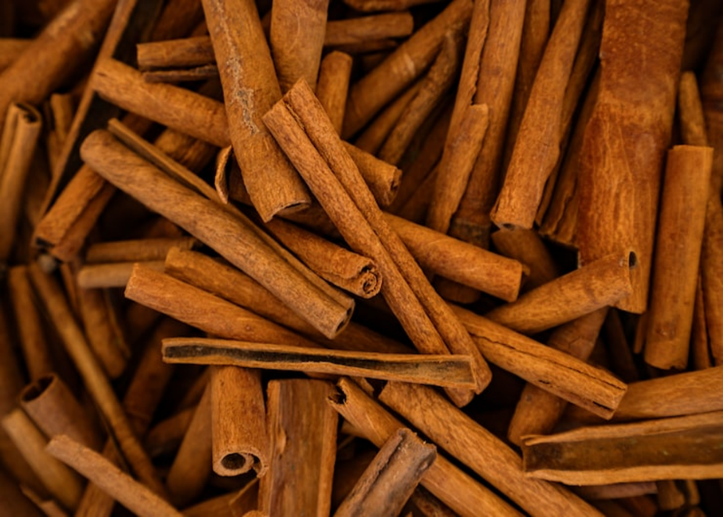
Cinnamon (Cinnamomum zeylanicum):
Cinnamon (Cinnamomum zeylanicum), commonly known as Dalchini, is a widely used medicinal plant obtained from the bark of cinnamon trees. It has been traditionally used in Ayurvedic and herbal medicine for the treatment of various skin disorders. In recent years, cinnamon has gained significant attention in dermatological research due to its potent antimicrobial, anti-inflammatory, and antioxidant properties, making it a promising candidate for acne treatment.
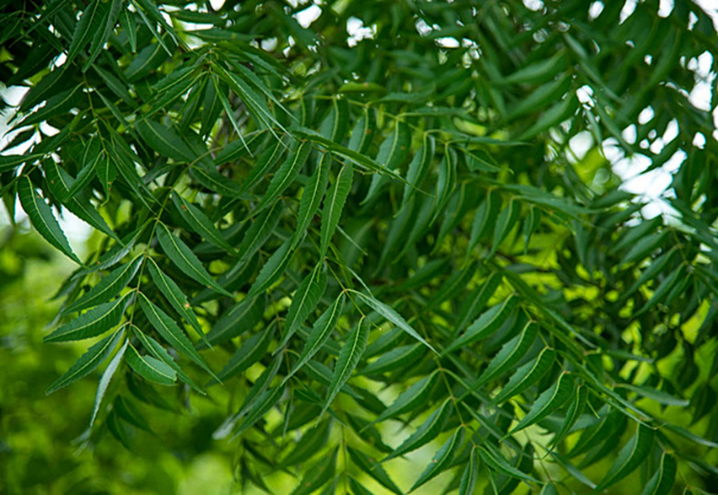
Neem (Azardirachta indica):
Neem (Azadirachta indica) is a well-known medicinal plant widely used in traditional systems of medicine such as Ayurveda for the treatment of various skin disorders. It is commonly referred to as the “village pharmacy” due to its broad spectrum of therapeutic properties. Neem exhibits potent antibacterial, anti-inflammatory, antifungal, and antioxidant activities, making it highly effective in the management of acne. These compounds contribute to the antimicrobial and anti-inflammatory actions of neem, which are essential in acne treatment. Neem exhibits anti-acne activity through multiple mechanisms. It possesses strong antibacterial properties against acne-causing microorganisms such as Propionibacterium acnes and Staphylococcus epidermidis by disrupting their cellular functions and inhibiting their growth.
Tulasi (Ocimum sanctum):
Tulsi (Ocimum sanctum), also known as Holy Basil, is an important medicinal plant widely used in Ayurveda for the treatment of various diseases, including skin disorders. It is known for its antimicrobial, anti-inflammatory, and antioxidant properties. Due to these pharmacological activities, Tulsi has gained attention as a potential natural remedy for acne management.
Turmeric (Curcuma longa):
Turmeric (Curcuma longa), commonly known as Haldi, is a widely used medicinal plant in Ayurveda and traditional medicine. It has been extensively utilized for the treatment of skin disorders due to its potent anti-inflammatory, antimicrobial, and antioxidant properties. In recent years, turmeric has gained significant attention in dermatological research for its effectiveness in acne management. Turmeric exhibits anti-acne activity through multiple mechanisms. It shows strong antibacterial action against acne-causing bacteria such as Propionibacterium acnes and Staphylococcus epidermidis by inhibiting their growth and proliferation.
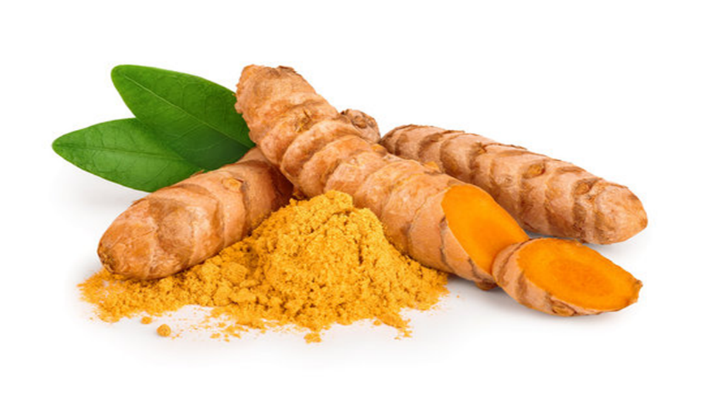
Table 1: List of herbs with their specifications
|
S No. |
Herbs Name |
Scientific Name |
Part Used |
Use |
|
1. |
Meri Gold |
Calendula officinalis |
Oil from flower |
Anti inflammatory |
|
2. |
Cinnamon |
Cinnamomum zeylanicum |
Oil from bark |
Anti bacterial |
|
3. |
Tulasi |
Ocimum sanctum |
Oil from leaves |
Anti acne |
|
4. |
Neem |
Azardirachta indica |
Oil from leaves |
Anti acne |
|
5. |
Turmeric |
Curcuma longa |
Powder from rhizomes |
Anti septic |
Formulation of Herbal Gel:
Herbal gels are prepared using suitable gelling agents along with herbal extracts and other excipients. The formulation typically includes a gelling agent such as Carbopol 934, preservatives like methyl paraben, humectants such as glycerin, and neutralizing agents like triethanolamine. The general method of preparation involves soaking the gelling agent in distilled water to allow swelling, followed by the addition of herbal extracts with continuous stirring. Other ingredients such as preservatives and humectants are then incorporated. Finally, the pH is adjusted using a neutralizing agent to form a clear and homogeneous gel. The prepared gel is then stored in suitable containers for further evaluation.
Evaluation Parameters of Herbal Gel:
The evaluation of herbal gel is essential to ensure its quality, stability, and efficacy. Various parameters are used for evaluation: Physical appearance: The gel should be clear, homogeneous, and free from grittiness. pH determination: The pH of the gel should be compatible with skin (approximately 5.5–7). Viscosity: Determines the thickness and consistency of the gel. Spreadability: Indicates ease of application on the skin. Homogeneity: Ensures uniform distribution of ingredients. Drug content: Measures the amount of active constituents present in the formulation. In vitro diffusion study: Evaluates the release of active components from the gel. Antimicrobial activity: Determines the effectiveness against acne-causing bacteria. These parameters help in assessing the overall performance and stability of the formulation.
DISCUSSION:
The present review highlights the potential of herbal ingredients in the formulation of anti-acne gel as a safer and effective alternative to conventional therapies. Acne vulgaris is a multifactorial disorder involving excess sebum production, bacterial colonization, inflammation, and follicular blockage. Conventional treatments, although effective, are often associated with adverse effects such as skin irritation, dryness, and antibiotic In addition to antimicrobial effects, these herbal agents exhibit potent anti-inflammatory activity by inhibiting inflammatory mediators, which helps in reducing redness, swelling, and irritation associated with acne lesions. The antioxidant properties of these herbs further contribute to neutralizing free radicals, promoting skin repair, and preventing post-acne scarring. The incorporation of these herbal extracts into gel formulations offers several advantages, including improved patient compliance, ease of application, non-greasy nature, and enhanced drug penetration. Gels also provide controlled release of active constituents, thereby improving therapeutic efficacy. Overall, the combination of multiple herbal ingredients in a gel formulation provides synergistic effects, enhancing antimicrobial and anti-inflammatory actions. Future research should focus on advanced drug delivery systems, such as nano-gels and liposomal formulations, to improve the bioavailability and stability of herbal actives. Thus, herbal anti-acne gels represent a promising approach in dermatological therapy, offering a natural, safe, and effective alternative for long-term acne management.
CONCLUSION:
Herbal gels have emerged as an effective and safer alternative for the treatment of acne due to their natural origin and minimal side effects. The incorporation of medicinal plant extracts with proven antimicrobial and anti-inflammatory properties enhances the therapeutic efficacy of the formulation. Proper formulation and evaluation of herbal gels are essential to ensure their stability, safety, and effectiveness. With increasing demand for natural products, herbal anti-acne gels have significant potential in pharmaceutical and cosmetic industries. Further research and advanced drug delivery systems can improve their efficacy and market acceptance.
REFERENCES

Sourabh Sao, Shahabuddin Alam, Maneesh Baghel, Dr. Gyanesh Kumar Sahu, Dr. Chanchal Deep Kaur, A Review of Herbal Gel for Acne Treatment, Int. J. of Pharm. Sci., 2026, Vol 4, Issue 4, 834-840. https://doi.org/10.5281/zenodo.19422188
 10.5281/zenodo.19422188
