

We use cookies to ensure our website works properly and to personalise your experience. Cookies policy
Rashtriya Collage of Pharmacy, Hatnoor. Kannad. Chh. Sambhajinagar – 431103
Hair is an important part of the body appeal and its look is a health indicator. Accordingly, recent advances in hair science and hair care technologies have been reported in literature claiming innovations and strategies for hair treatments and cosmetic products. Herbal Cosmetics are formulated, using various permissible cosmetic ingredients to form the base in which one or more herbal ingredients are used to provide defined cosmetic benefits only. Herbal extracts are used for time being for preparation of gel and extracts of polyherbal have a great interest in increasing its efficacy. Continuous usage of synthetic compounds containing dye or other agents on natural hair causes many side effects such as skin irritation, erythema, loss or damage of hair and skin cancer, to overcome this problem polyherbal hair formulation concept arises. A more radical approach in reducing the synthetic ingredient is by incorporating natural extract whose functionality is comparable with their synthetic ingredient. The industry is now focusing on the growing segment with a vast scope of manifold expansion in coming years. Herbal cosmetics are defined as the beauty products which posses desirable physiological activity such as healing, smoothing appearance, enhancing and conditioning properties because of herbal ingredient. Here we reported the introduction, classification, common herbs used in cosmetics. Herbal Gel was formulated and evaluated by using Carbopol 934, triethanolamine etc. A polyherbal hair gel was found to be effective against candidiasis along with this it nourished the hair and prevent premature graying.
The word cosmetic was derived from the Greek word “kosm tikos” meaning having the power, arrange, skill in decorating 1. The origin of cosmetics forms a continuous narrative throughout the history of man as they developed. The man in prehistoric times 3000BC used colours for decoration to attract the animals that he wished to hunt and also the man survived attack from the enemy by colouring his skin and adorned his body for protection to provoke fear in an enemy (whether man or animal) .The origin of cosmetics were associated with hunting, fighting, medicine religion and superstition and later associated with Medicine Recently considerable attention has been paid to utilize eco-friendly and bio- friendly plant based products for the prevention and cure of different human diseases Natural products in the form of herbal formulations are available on the market and are used as hair tonic, hair growth promoter, hair conditioner, hair cleansing agent, antidandruff agents, as well as for the treatment of alopecia and lice infection.
Preparations used in hair care are available in the form of creams, dyes, pomades, powders, tonics, etc. Hence, the knowledge from Ayurveda and herbals will be enhanced by information on the evidence-basis of these plants. Drugs from the herb resources are quickly accessible, cheap, safe, efficient and rarely have side effects. The need for herb based natural products is vastly increasing due to the lack of side effects and natural goodness The word cosmetic was derived from the Greek word “kosm tikos” meaning having the power, arrange, skill in decorating 1. The origin of cosmetics forms a continuous narrative throughout the history of man as they developed. Herbal Cosmetics, here in after referred as Products, are formulated, using various permissible cosmetic ingredients to form the base in which one or more herbal ingredients are used to provide defined cosmetic benefits only, shall be called as “Herbal Cosmetics 4” The skin and hair beauty of individuals depends on the health, habits, routine job, climatic conditions and maintenance. The skin due to excessive exposure to heat will dehydrate during summer and causes wrinkle, freckles, blemishes, pigmentation and sunburns. The extreme winter cause damages to the skin in the form of cracks, cuts, maceration and infections8. The skin diseases are common among all age groups and can be due to exposure towards microbes, chemical agents, biological toxin present in the environment, and also to some extend due to malnutrition. The only factor they had to rely on was the knowledge of nature compiled in the ayurveda. The science of ayurveda had utilized many herbs and floras to make cosmetics for beautification and protection from external affects 10. The natural content in the botanicals does not cause any side effects on the human body; instead enrich the body with nutrients and other useful minerals . The cosmetics, according to the Drugs and Cosmetics Act is defined as articles intended to be rubbed, poured, sprinkled or sprayed on, introduced into or otherwise applied to the human body or any part thereof for cleansing, beautifying, promoting attractiveness or altering the appearance. The cosmetic does not come under the preview of drug license. The herbal cosmetics are the preparations containing phytochemical from a variety of botanical sources, which influences the functions of skin and provide nutrients necessary for the healthy skin or hair+. The natural herbs and their products when used for their aromatic value in cosmetic preparation are termed as herbal cosmetics . There is common belief that chemical based cosmetics are harmful to the skin and an increased awareness among consumers for herbal products triggered the demand for natural products and natural extracts in cosmetics preparations.
Benefits: Hair growth, scalp infections, nourishment, moisturizing, healthy stimulating hair .
Hair growth:
Using herbal hair spa gel can be a soothing and potentially beneficial way to promote hair growth. Look for ingredients like aloe vera. which are known for their hairstimulating properties. However, remember that consistent use and a healthy lifestyle are also key factors in promoting hair growth. When using a hair spa gel for promoting hair growth, it's essential to massage it into the scalp gently to stimulate blood circulation and ensure that the ingredients penetrate the hair follicles effectively. Additionally, consistent use over time is typically necessary to see significant results.
Hair Scalp Infection:
Dandruff is a skin condition with Symptoms includes flaking and sometimes mild itchiness cause to the scalp. The are many bacteria, Fungus causing scalp infections which leads to further hair problems or skin issues. There is one of the common conditions candidiasis which is typically caused on the skin or mucus membrane caused by candida. As skin is the protective layers of body against infection but this yeast leads to skin conditions and if is multiplies it can become pathogenic. This fungus thrives mostly in moist, warm and sweaty conditions, There been some subdivisions in case of Candidiasis based on the areas of body and also consist of approx 150 species among these Candida albicans is most prevalent, This yeast is supposed to be present in healthy people. The symptom varies on basis of body location, focusing on the scalp problem the symptoms such as rash and white flaky substance over affected area is formed. There are many allopathic formulation treatments for this infection. Malassezia most commonly present in patients with higher levels of sebaceous secretion because of mallassezia feed off of lipids. Folliculitis is a skin syndrome which is commonly found in population and cause inflammation to the skin. Several microbial agents act as causative agents, but Staphylococcus aureus is found in most of patients with Folliculitis. Candida albicans and S. Aureus are opportunistic microbes. The frequency of this infection is more and cause hair problems on regular basis in unhygienic conditions or lower immunity towards them. Many such treatments are available in market but compared to any other treatment, Herbal treatment is always a better option. Even after complete cure, the infection cans cause recurrence.
Nourishment:
A herbal hair spa gel is a nourishing treatment that provides essential nutrients and moisture to the hair and scalp. It is made from natural and organic ingredients, such as aloe vera hydrosol, meadowfoam seed oil, foraha oil, camellia seed oil, glycerin, hydrolyzed soy protein, glyceryl caprylate, orange peel oil, chamomile oil, lavender oil, rosemary oil, dehydroxanthan gum, and vitamin B5. These ingredients work together to hydrate, condition, and strengthen the hair, while also promoting healthy growth and reducing split ends. The gel is easy to apply and can be used on both wet and dry hair to add shine and detail your style. It is a cruelty-free and chemical-free product, making it a safe and natural choice for those who want to nourish their hair without using harsh chemicals. The herbal hair spa gel is ideal for all hair types and can be used as a daily styling product or as a deep conditioning treatment. It is a great alternative to traditional hair styling products, as it not only styles the hair but also provides nourishment and hydration. For nourishment, consider herbal hair spa gels containing ingredients like coconut oil, argan oil, shea butter, and hibiscus extract. These ingredients are rich in vitamins, minerals, and fatty acids that can help nourish and moisturize your hair, leaving it soft, shiny, and healthy.
Healthy Stimulating Hair:
Introducing our herbal hair spa gel, a rejuvenating and nourishing treatment designed specifically for her hair care needs. This gel combines the power of natural oils and herbs to stimulate hair growth, improve hair thickness, and maintain a healthy scalp. Hair spa treatments offer several benefits for hair and scalp health. They can remove impurities and unclog scalp pores, improve blood circulation, repair damaged and frizzy hair, control scalp oil production, and remove dandruff. Hair spa treatments can also strengthen hair follicles and promote the natural re-growth of damaged and broken hair.
Plant Materials Used in Hair Spa Gel:
Flaxseed:
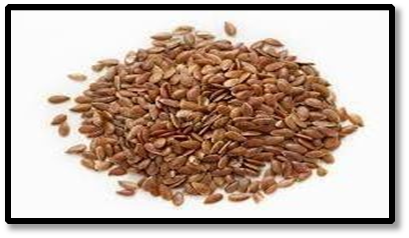
Flaxseed gel is a natural hair care product that can be made at home by cooking or processing flax seeds to release their natural oils, resulting in a thick, gelatinous substance that can be applied to the hair. Flaxseed gel is rich in nutrients such as omega-3 fatty acids, lignans, and mucilage, which can provide various benefits for the hair, including promoting hair growth, reducing inflammation, balancing hormonal levels, and moisturizing and soothing the scalp. Flaxseed gel can be used in various ways, such as a hair styling gel, hair mask, or scalp treatment, and can be beneficial for different hair types, including curly, straight, damaged, and loced hair.
Flaxseed gel can help hair grow faster and longer by providing nourishment to the hair follicles, reducing free radical damage, and promoting curl clumps to reduce frizz. The vitamin E present in flaxseed plays a significant role in fending off damage, increasing elasticity in the hair, and adding shine. Flaxseed gel is specifically beneficial for curly or wavy hair, as it doesn't harden too much but gently defines and moisturizes the hair, giving it movement. For straight hair, flaxseed gel can help keep the hair smooth and moisturized. For dry or damaged hair, flaxseed gel can nourish and moisturize the hair, providing fatty acids that can help provide moisture. For wavy hair, flaxseed gel is widely used and can help define and moisturize the hair.
To make flaxseed gel at home, you can cook or process flax seeds in water until they form a gel-like consistency. There are also various flaxseed gel products available on the market, such as CurlMix Pure Flaxseed Gel with Organic Jojoba Oil, Cantu Flaxseed Smoothing Oil, and Briogeo Curl Charisma Chia + Flax Seed Coil Custard. To use flaxseed gel as a hair mask, you can pour a small amount into your hands and massage it directly into your hair, leaving it on for up to 15 minutes before rinsing and shampooing as normal. You can also use it as a preconditioning rinse after shampooing.
Flaxseed gel is generally safe to use, but some people may experience adverse reactions, such as skin rashes, swellings, or itching, due to allergies. If you experience any of these symptoms, you should discontinue using flaxseed gel and consult your doctor. Flaxseed gel can also cause temporary hair loss in some individuals, but this is usually transitory and goes away after you stop using the gel.
In summary, flaxseed gel is a natural hair care product that can provide various benefits for the hair, including promoting hair growth, reducing inflammation, balancing hormonal levels, and moisturizing and soothing the scalp. Flaxseed gel can be used in various ways, such as a hair styling gel, hair mask, or scalp treatment, and can be beneficial for different hair types, including curly, straight, damaged, and loced hair. Flaxseed gel is generally safe to use, but some people may experience adverse reactions, and it is essential to discontinue use and consult a doctor if you experience any symptoms.
Flaxseed gel for hair promotes quicker and longer hair growth by nourishing the roots. The richness of Omega-3 fatty acids in flaxseed makes it an effective remedy for nourishing hair and increasing hair elasticity, Balances scalp pH level. Vitamin E in flaxseed can also help in preventing premature greying of hair due to oxidative stress. substance that is found in abundance in flaxseed is lignin, it works as an antioxidant that prevents hair loss and hair thinning caused by hormonal imbalance Prevents split ends. Protein and vitamin E-rich flaxseed are great for the hair. It assists in avoiding split ends by keeping the hair moisturi
Bhringraj:
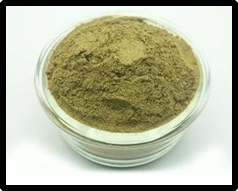
Bhringraj commonly known as false daisy. It is widespread across much of the world. This plant has cylindrical, greyish roots. Solid, circular, purplish stems with white fine hairs 0.8m. It is also known for its ability to improve blood circulation to the scalp, which can help to increase the oxygen and nutrient supply to the hair follicles, leading to stronger, healthier hair. It also prevents scalp infections. Bhringraj, also known as Eclipta Prostrata, is a medicinal herb that is widely used in Ayurvedic hair care due to its numerous benefits for hair and scalp health. It is often used in hair oils, hair masks, and other hair care products to promote hair growth, reduce hair fall, and improve overall hair health.
One of the key benefits of Bhringraj is its ability to promote hair growth. It is rich in antioxidants and essential nutrients that nourish the hair follicles and improve blood flow to the scalp, which stimulates hair growth. Regular use of Bhringraj oil or hair masks can lead to thicker, fuller hair and reduce hair fall.
Bhringraj is also known for its ability to combat dandruff and scalp itchiness. It has antiinflammatory properties that soothe the scalp and provide immediate cooling relief. It also helps to condition the scalp and prevent dryness, which can lead to dandruff and itchiness.
Another benefit of Bhringraj is its ability to treat baldness and premature greying. The herb contains antioxidants that fight against free radicals responsible for baldness and premature greying. Regular use of Bhringraj hair masks or oil can help restore the growth and color of natural hair.
Bhringraj is also used to treat various skin infections, allergies, and itching conditions due to its antimicrobial and anti-inflammatory properties. It detoxifies the blood to remove skin impurities and reduces aging signs by penetrating deep into the skin layer to fight against aging wrinkles.
To use Bhringraj for hair care, it can be mixed with other natural ingredients like coconut oil, aloe vera gel, or yogurt to create hair masks or oil. These masks can be applied to the hair and scalp and left on for a period of time before washing off with shampoo. Regular use of Bhringraj hair masks or oil can lead to healthier, stronger hair and a healthier scalp. Bhringraj is a powerful medicinal herb that offers numerous benefits for hair and scalp health. It promotes hair growth, reduces hair fall, combats dandruff and scalp itchiness, treats baldness and premature greying, and even has benefits for skin health. Incorporating Bhringraj into your hair care routine can lead to healthier, stronger hair and a healthier scalp
Reetha:
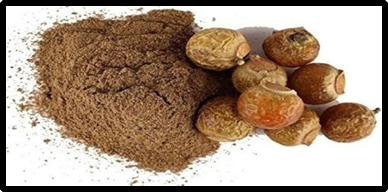
Reetha known as Indian soapberry, wash nut, reetha or Chinese soapberry. It is a deciduous tree that grows in the lower foothills and mid hills of the Himalayas at altitudes of up to 1,200 metres. Reetha is rich in iron, which is essential for hair loss, prevents dryness, reetha has numerous other potential uses for overall health, including as a natural cleanser, antifungal in nature, adds shine, It is a natural and reusable product.it is an Ayurvedic herb that has been traditionally used in India for hair care. It is a natural ingredient that nourishes damaged hair, promotes hair regrowth, and has insecticidal properties. Reetha powder is used as a hair cleanser and helps in getting rid of hair issues such as dandruff, head lice, and grey hair. Reetha powder is rich in vitamins and antioxidants, which promote hair growth, reduce hair fall, and have antifungal properties that help with dandruff. It has a low pH, which means it won't strip your hair off its oils, making it gentle for all hair types.
Reetha powder is often used in combination with other Ayurvedic herbs such as Shikakai and Amla to make herbal hair masks and hair spa treatments. These herbs work together to prevent dandruff, improve hair length, and nourish the scalp. To make a herbal hair spa gel with Reetha powder, you can follow the recipe in the video. The ingredients include Shikakai, Reetha, Amla, and fenugreek seeds, which are all Ayurvedic herbs that have been traditionally used for hair care. These herbs are ground into a powder and mixed with water to make a gentle herbal shampoo that can be used to cleanse the hair and scalp.
Reetha powder is a natural ingredient that has numerous benefits for hair care. It promotes hair growth, reduces hair fall, and has antifungal properties that help with dandruff. Reetha powder can be used in combination with other Ayurvedic herbs to make herbal hair masks and hair spa treatments that nourish the scalp and improve hair health.
Aloe vera:
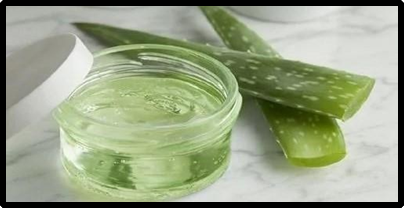
An evergreen perennial, it originates from the Arabian Peninsula, but also grows wild in tropical, semi-tropical, and arid climates around the world. It Controls greasy hair. Aloe vera has enzymes that break down fats and so strips your hair of any extra oil (sebum). reducing the chances of hair breakage, make hair smooth and shiny. Aloe vera has several benefits and uses for herbal hair spa gel. It promotes scalp health by gently cleansing and hydrating the hair and scalp. Aloe vera contains vitamins A, C, and E, which contribute to cell turnover, promoting healthy cell growth and shiny hair. It can also help combat hair fall, fight dandruff, and nourish the hair. The gel of the aloe vera plant stimulates blood circulation in the scalp, which promotes hair growth. Aloe vera shampoos are effective in addressing specific hair concerns like dandruff or hair loss, as they contain proteolytic acid that repairs the damaged skin on the scalp while improving follicle health.
Aloe vera can also help protect moisture levels in dry hair, and it can be applied to the hair in various ways, such as directly from a live aloe vera plant or in commercial products. Hair masks with aloe vera and other ingredients like honey, jojoba oil, egg whites, or fenugreek can also be used for hair care. Aloe vera is widely available in different forms, including liquid, oil, gel, pills, shampoos, lotions, creams, and sprays. aloe vera has several benefits for hair, including promoting scalp health, nourishing hair, stimulating hair growth, and protecting moisture levels in dry hair. It can be applied in various ways, including direct application from a live plant or in commercial products, and hair masks. Aloe vera is widely available in different forms, making it a versatile ingredient for hair care.
Fenugreek:
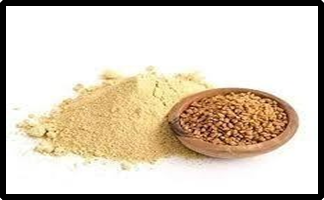
Fenugreek is cultivated worldwide as a semiarid crop. Its seeds and leaves are common ingredients in dishes from the Indian subcontinent, and have been used as a culinary ingredient since ancient times. It also reduced the inflammation of the hair follicles thus ensuring the scalp is in good health Fenugreek or methi seeds are frequently used as a natural home remedy for thinning hair and other related conditions, such as dandruff or a dry hair From hair loss to dandruff to baldness, those methi seeds can open up a world of goodness for the hair and scalp. Fenugreek is a versatile ingredient with numerous benefits for hair spa treatments. It can stimulate hair growth, nourish the hair, and help in preventing dandruff. When used in a herbal hair spa gel, fenugreek, along with honey and curd, can add volume to the hair, prevent dandruff, calm excessive oil production, and leave the hair feeling silky and shiny Additionally, fenugreek in a hair spa treatment helps in conditioning the hair, strengthening the hair follicles, deeply nourishing the roots, ensuring hair hydration, and promoting healthy hair growth. It also aids in hydrating the scalp, preventing dryness, and exfoliating the scalp to make the hair smoother and lustrous Furthermore, fenugreek in a hair spa treatment can reverse damage, increase hair volume, thicken the hair, and provide the necessary nutrition to keep the hair and scalp youthful and healthy. Overall, incorporating fenugreek into a herbal hair spa gel can be a beneficial and natural way to rejuvenate and care for your hair at home.
Amla:
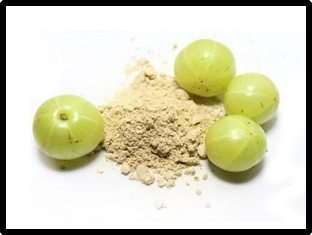
Amla, also known as Indian gooseberry, is a fruit commonly used in Ayurvedic medicine for its numerous health benefits, including hair growth. Amla is rich in Vitamin C, which helps in strengthening the hair follicles, reducing hair fall. It also has antifungal properties that can help in treating dandruff and promoting a healthy scalp. Amla oil, amla powder, and amla juice are some of the effective ways to use amla for hair growth. Amla oil can be massaged into the scalp to boost hair growth, while amla powder can be used to make a hair mask by mixing it with other ingredients like coconut oil or yogurt. Amla juice can be consumed or applied directly to the scalp for an extra boost of nutrients. Regular consumption of amla helps to prevent hair loss, promote hair growth, and make your hair thicker and stronger. It also helps in treating dandruff and other scalp conditions, improving hair quality, and preventing premature greying of hair. The fruit of the tree is small, yet edible and known by the same name gooseberry/ amla. The tree is a small-to-mediumsized tree, typically reaching a height of 25 feet. The leaves are simple and resembles like pinnate pattern. The high concentration of vitamin C in amla tackles dandruff and strengthens the hair follicles. In addition, amla contributes to a healthy scalp and encourages healthy hair growth. Amla can be consumed in a number of different ways. amla not only rejuvenates hair follicles but also prevents loss of hair and baldness.
Formulation of Hair Spa Gel:
FORMULATION:
The herbal hair spa gel formulations were prepared by using varying amounts of herbal extract weighed quantity of methyl pareben and glycerine and PVP , PEG, triethelomine where dissolve in water and incorporated to flaxseed and amla, reetha, methi, Bhringraj extract using magnetic stirrer the mixture was stirred at high speed.A gel was obtained by mixing.The prepared herbal hair gel formulation was stored at room temperature
EVALUATION OF HERBAL HAIR SPA GEL
Physical appearance: The formulated herbal hair spa gel was evaluated for color, transparency, odor, visual appearance.
Determination of pH: The digital pH metre was used to calculate the pH of different hair gel compositions. In 100ml of distilled water, one gram of gel was dissolved and allowed to stand for two hours. The pH of the hair gel formulations was measured after fully submerging the electrodes.
Homogeneity: All created hair gels were checked for homogeneity by visual examination after the gel compositions were put within the container. They underwent examinations to check for lumps, flocculates, or aggregates as well as for visual appearance.
Spreadability : The spreadability of gel formulations was calculated on a glass slide, the gel is fixed between the two slides, a 20gm load is planted on the slide, the time to squeeze the sample to uniform thickness, and the time to separate the two slides (seconds) was calculated. Measures were taken for spreadability in the outcomes are summarised.
S= M.L/T
Where,
Viscosity: The Brookfield viscometer was used for the measurement of the viscosity of the prepared gel. The Brookfield viscometer was measured spindle L2. After the sample reached equilibrium at the end of the first two minutes, each reading was taken. presents the findings.
Extrudability: Metal tubes with foldable ends were filled with the hair gel formulas. The material was forced through the tubes, and the formulations extrudability was evaluated. The formulations' ability to be extruded was examined. The formulations extrudability was assessed by calculating the weight in grams needed to extrude a 0.5 cm gel ribbon in 10 seconds.
Stability studies: The formulated gel was filled within the collapsible tubes and stored at room temperature and 40°C at 75% RH. The three-month stability assessment was carried out. The parameters like appearance, pH, homogeneity, viscosity, and spreadability were tested every month.
CONCLUSION:
Herbal hair spa gel is formulated from natural ingredients and herbal extracts helps in controlling hair falling, removes dandruff. Its potent blend of natural ingredients offers a rejuvenating experience, promoting healthy hair growth, strengthening follicles, and providing deep hydration. Users can expect soft, manageable hair with regular use, making it a standout choice in the realm of herbal hair care products. The knowledge of medicinal plants used by the people of seems to be well known to its culture and tradition. In the present study we identified many plants used by the people to cure dermatological disorders and as cosmetics. Some of the plants were found to have dual use, both as curative and cosmetic. it is assumed to be safe for longer periods of time.
This article is an endevor to describe the advantage and application of herbs as remedial for the purpose of natural hair growth.
REFERENCES




Punam Nikam, Manish Patil, Ankush Rathod, Vinayak Gaikwad, A Review on Herbal Hair Spa Gel, Int. J. of Pharm. Sci., 2025, Vol 3, Issue 12, 2995-3006. https://doi.org/10.5281/zenodo.17989222
 10.5281/zenodo.17989222