

We use cookies to ensure our website works properly and to personalise your experience. Cookies policy
Mahadev Kanchan College of Pharmaceutical Education and Research, Uruli Kanchan
This comprehensive review paper examines the scientific principles underlying the formulation, preparation, and evaluation of lip balm products within the domain of cosmetic science. Lip balm, a widely used personal care product, requires careful formulation to achieve optimal therapeutic benefits, sensory characteristics, and stability. This paper discusses the theoretical foundation of cosmetic science as per Indian pharmaceutical legislation, explores key ingredients and their functions, details the preparation methodologies, and outlines standardized evaluation parameters. The integration of natural ingredients with scientific principles ensures the development of safe, effective, and consumer-acceptable lip care products. This review provides comprehensive insights into the preparation methods, quality control measures, and evaluation protocols that align with current Good Manufacturing Practices (cGMP) and regulatory guidelines established by Indian pharmaceutical authorities [1][2].
1.1 Overview of Cosmetics Industry
The cosmetics industry represents one of the fastest-growing sectors in the personal care market globally, with significant expansion observed particularly in India [1]. Lip care products, specifically lip balms, have evolved from simple petroleum jelly formulations to sophisticated cosmeceutical products incorporating natural bioactive compounds [2]. The global lip balm market is driven by consumer awareness regarding lip protection, aesthetic enhancement, and therapeutic benefits, with an estimated value exceeding several billion dollars annually [3].
Lip balm serves multiple functions: protective barrier against environmental stressors, moisture retention, therapeutic effects from active ingredients, and aesthetic enhancement through natural pigmentation and fragrances [4]. The formulation of effective lip balms requires comprehensive understanding of lipid chemistry, ingredient interactions, physical properties, and regulatory requirements.
1.2 Regulatory Framework in India
According to the Drugs and Cosmetics Act, 1940 and amendments of 1945, cosmetics in India are dined as articles intended to be applied to the human body for cleansing, beautifying, promoting attractiveness, or altering appearance without affecting the body's structure or functions [1]. This definition is crucial for proper classification and regulatory compliance of lip balm products.
Key Regulatory Bodies in India:
The manufacturing and sale of cosmetics require specific licenses obtained from these authorities. Documentation requirements include Master Formula Records (MFR), Batch Formula Records (BFR), Quality Audit Reports, and comprehensive stability data[2].
1.3 Significance of Lip Care ProductsLips represent a unique anatomical structure with:
These characteristics necessitate specially formulated lip care products that provide protective, moisturizing, and therapeutic effects [3].
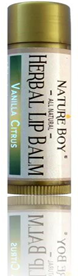
Figure 1: Representative herbal lip balm product showing natural ingredients and formulation characteristics.
2. COSMETIC SCIENCE: REGULATORY AND LEGISLATIVE FRAMEWORK
2.1 Pharmaceutical Legislations and Implications
The Drugs and Cosmetics Act, 1940 governs the manufacturing, import, storage, and sale of cosmetics in India [1]. Key legislative provisions include:
Prohibited Items and Regulations:
Classes of cosmetics prohibited from import and manufacture.
The 1945 amendments introduced stricter quality control measures and denied Good Manufacturing Practices (GMP) standards [2]. Manufacturers must maintain comprehensive documentation for each batch, including ingredient procurement records, in-process controls, and noshed product testing results.
2.2 Conditions for Obtaining Manufacturing License
Manufacturing License Requirements for Cosmeceuticals:
Obtaining a manufacturing license for cosmetic products requires compliance with multiple criteria established by regulatory authorities:
Table 1: Licensing criteria for cosmetic manufacturing facilities
|
Licensing Criterion |
Requirement |
|
Infrastructure |
Dedicated manufacturing facility with segregated areas for raw material, production, and quality control |
|
Personnel Qualification |
Qualified pharmacist/ chemist with relevant manufacturing experience |
|
Quality Control Lab |
Fully equipped laboratory with calibrated instruments for testing |
|
Standard Operating Procedures (SOPs) |
Documented procedures for all manufacturing and testing processes |
|
Documentation System |
Records management for batch documentation and traceability |
|
Stability Protocol |
ICH-compliant stability testing protocols established |
|
Environmental Controls |
HVAC systems, cleanliness standards, and contamination prevention |
|
Waste Management |
Proper disposal procedures for manufacturing waste and defective products |
2.3 Documentation Requirements
Master Formula Record (MFR):
The MFR contains the complete formula, manufacturing process, quality standards, and specifications for a cosmetic product. It serves as the reference document throughout the product's lifecycle [2].
Batch Formula Record (BFR):
The BFR documents the actual execution of manufacturing for each batch, including:
Quality Audit Report:
Independent verification of manufacturing compliance, equipment calibration, and adherence to established procedures [3].
2.4 Current Good Manufacturing Practices (cGMP)
cGMP as per regulatory guidelines encompasses:
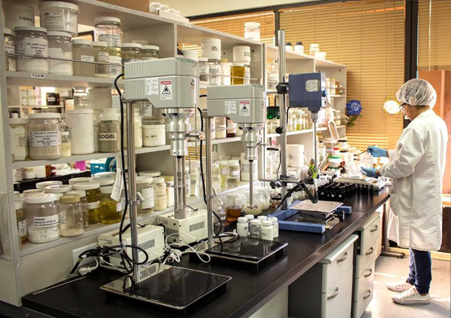
Figure 2: Cosmetic laboratory setup demonstrates cGMP compliance with properly organized workstations and equipment.
3. KEY INGREDIENTS AND BUILDING BLOCKS FOR LIP BALM FORMULATIONS
3.1 Base Ingredients
3.1.1 Beeswax (Cera Flava)
Beeswax represents the primary structural component of lip balm formulations, providing:
The concentration of beeswax typically ranges from 25-35% w/w in lip balm formulations, providing adequate rinses while maintaining appropriate spread ability [2].
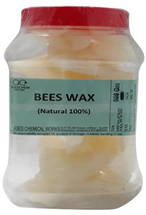
Figure 3: Natural beeswax, key structural component in lip balm formulations
3.1.2 Cocoa Butter and Shea Butter
Vegetable butter provides:
Cocoa butter contains phenolic compounds with demonstrated anti-inflammatory potential, while shea butter provides vitamin A and E [3].
Common lipid components include:
3.2.1 Glycerol
Glycerol (glycerin) functions as a humectant, drawing water from deeper skin layers to the surface:
3.2.2 Sorbitol and Other Polyols
Polyol compounds provide additional humectant activity and stability to formulations, particularly in natural and semi-solid preparations [2].
3.3 Active Botanical Ingredients
3.3.1 Aloe Vera Gel
Aloe vera demonstrates multiple beneficial properties:
Aloe vera's gel structure is separated from the latex layer due to latex's potential irritant properties (anthraquinone compounds).

Figure 4: Aloe vera and vitamin E products demonstrating natural active ingredients used in lip balm formulations
3.3.2 Beetroot Extract
Beetroot (Beta vulgaris) provides:
3.3.3 Pomegranate Extract
Pomegranate (Punica granatum) contributes:
Ellagic acid: Potent antioxidant with 250-fold greater activity than vitamin E
Punicalagins: Large polyphenolic molecules providing sustained antioxidant effect
Anti-inflammatory properties: Through NF-κB pathway inhibition
Skin protection: Against UV-induced damage and photoaging
3.3.4 Plant Extracts with Therapeutic Benefits
Additional botanical components include:
|
Botanical Source |
Active Compounds |
Primary Benefits |
Concentration |
|
Rosadamascena |
Phenolics, essential oils |
Antioxidant, anti- inflammatory, fragrance |
1-3% w/w |
|
Centaurea orientalis |
Anthocyanins |
Antioxidant, pigmentation |
0.5-2% w/w |
|
Nyctanthes arbor-tristis |
Polyphenols |
Antioxidant, antimicrobial |
1-2% w/w |
|
Rubia cordifolia |
Anthraquinone nanovoids |
Anti-inflammatory, antimicrobial |
1-3% w/w |
|
Curcuma longa |
Curcumin, polyphenols |
Anti-inflammatory, antioxidant |
0.5-2% w/w |
3.4 Micronutrients and Antioxidants
3.4.1 Vitamin E (Tocopherol)
Vitamin E serves multiple functions in cosmetic formulations:
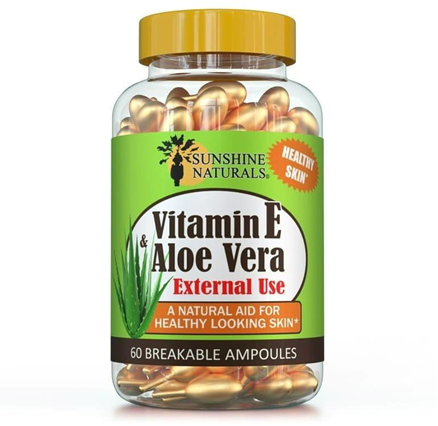
Figure 5: Vitamin E and botanical extracts providing antioxidant stability and therapeutic benefits
3.4.2 Vitamin A (Retinyl Palmitate)
Vitamin A derivatives provide:
3.5 Aesthetic and Sensory Ingredients
3.5.1 Natural Colorants
Natural pigmentation from botanical sources eliminates synthetic colorant concerns:
3.5.2 Fragrances and Essential Oils
Fragrance components provide:
4. SCIENTIFIC PRINCIPLES IN LIP BALM FORMULATION
4.1 Colloidal and Interface Chemistry
Lip balm formulations represent complex colloidal systems where hydrophobic and hydrophilic components require careful equilibration [1]. The balance of lipophilic base compounds with humectants and aqueous extracts necessitates understanding of interfacial tension and emulsifying principles.
Phase Separation Considerations:
4.2 Rheological Properties
Rheology, the science of ow and deformation, directly impacts:
Lip balm formulations typically exhibit pseudoplastic (shear-thinning) behavior, facilitating application through decreased viscosity under pressure [2].
4.3 Thermal Stability and Melting Point Control
The melting point of lip balm (typically 60-70°C) represents a critical quality parameter:
The composition of beeswax, cocoa butter, and additional waxes requires careful balancing to achieve target melting point [3].
4.4 Oxidative Stability and Shelf-Life
Natural lipid-based formulations face oxidative degradation challenges:
Accelerated stability studies at 40±2°C/75% relative humidity for 3 months provide accelerated shelf-life assessment [1].
5. PREPARATION METHODS AND MANUFACTURING PROCESSES
5.1 Raw Material Selection and Pre-Treatment
5.1.1 Ingredient Sourcing and Quality Verification
All raw materials require:
5.1.2 Ingredient Preparation
Natural extracts require careful extraction and processing:
Aloe Vera Gel Preparation:
Beetroot Extract Preparation:
Optional concentration via freeze-drying to increase pigment density [1]
Rose Water and Essential Oil Preparation:
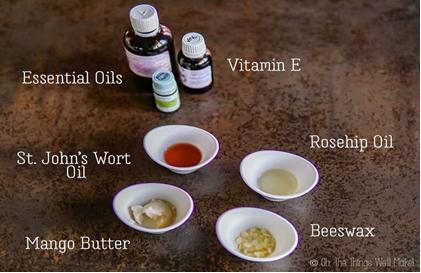
Figure 6: DIY homemade lip balm formulation demonstrating ingredient preparation and mixing.
5.2 Fusion Method (Hot Process Formulation)
The fusion method represents the most employed manufacturing technique for lip balm production:
Step 1: Ingredient Weighing
Table 2: Typical lip balm formulation components and concentrations
|
Ingredient |
Typical Concentration |
Function |
|
Beeswax |
25-35% w/w |
Structural base, occlusive |
|
Cocoa Butter/ Shea Butter |
15-25% w/w |
Emollient, melting point adjustment |
|
Coconut Oil |
15-20% w/w |
Emollient, consistency adjustment |
|
Castor Oil |
10-15% w/w |
Anti-inflammatory, viscosity |
|
Aloe Vera Gel |
3-5% w/w |
Hydration, antioxidant |
|
Vitamin E Oil |
0.5-1.5% w/w |
Antioxidant, stabilizer |
|
Glycerol |
2-5% w/w |
Humectant |
|
Botanical Extracts |
1-3% w/w |
Active therapeutic ingredients |
All ingredients are weighed with precision (0.1 gm) using calibrated digital balance
Step 2: Heating Phase A (Lipophilic Components)
Step 3: Preparation of Phase B (Extracts and Heat-Sensitive Components)
Step 4: Thermal Equilibration
Step 5: Homogenization
Step 6: Packaging
Step 7: Surface Finishing
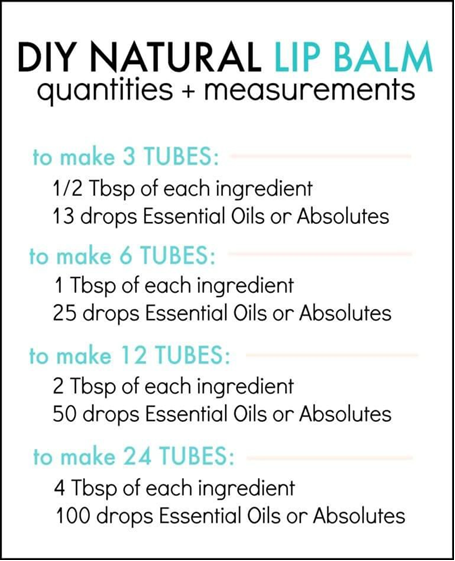
Figure 7: Lip balm formulation process showing complete preparation methodology
5.3 Process Variations and Optimization
Temperature Management:
Different natural extracts require temperature-specific additions:
Ingredient Sequencing:
Strategic addition order ensures optimal mixing and component compatibility:
5.4 Batch Documentation and Control
According to cGMP, comprehensive records document:
6. QUALITY CONTROL AND EVALUATION PARAMETERS
6.1 Organoleptic Assessment
Organoleptic properties represent the initial quality evaluation parameters:
Color Assessment:
Odor Evaluation:
Texture and Appearance:
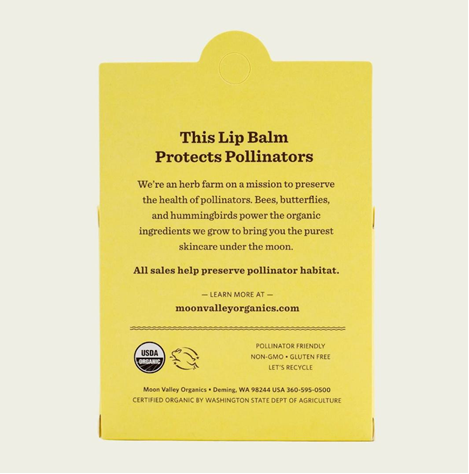
Figure 8: High-quality lip balm products demonstrate optimal organoleptic characteristics.
6.2 Physical and Physicochemical Parameters
6.2.1 pH Measurement
Measurement procedure and parameters:
|
Parameter |
Speciation |
Rationale |
|
Sample Preparation |
1 gm lip balm dissolved in 100 ml distilled water |
Standard protocol ensuring reproducibility |
|
Measurement Device |
Digital pH meter (Calibrated with pH 4.0 and 7.0 buyers) |
Precision measurement 0.1 pH units |
|
Acceptable Range |
4.5-7.5 |
Compatibility with lip skin pH (typically 5.05.5) |
|
Measurement Frequency |
Minimum three replicates |
Statistical validation |
|
Temperature Control |
25°C + 2°C |
Temperature compensation for accurate readings |
pH values exceeding physiological range may cause irritation, while excessively acidic formulations risk discoloration or irritation [1].
6.2.2 Melting Point Determination
Principle:
Melting point represents the temperature at which crystalline solid transitions to liquid phase under denied conditions.
Procedure:
Acceptable Range: 60-75°C depending on formulation composition.
6.3 Spreadability Testing
Spreadability represents a critical sensory parameter affecting consumer acceptance:
Method and Criteria:
Table 3: Spread ability evaluation criteria
|
Rating |
Symbol |
Characteristics |
|
Good |
G |
Smooth, consistent, uniform application; no fragmentation; perfect spreadability without deformation |
|
Intermediate |
I |
Uniform application with minor fragmentation; proper application characteristics; minimal deformation |
|
Bad |
B |
Non-uniform application; significant fragmentation; difficult application; severe deformation |
Procedure:
6.4 Hardness/ Texture Analysis Using Texture Analyzer
The texture analyzer (e.g., Brook eld CT3, AMETEK) provides quantitative evaluation of product riminess:
Specifications:
Data Generated:
This provides objective, reproducible assessment replacing subjective tactile evaluation [1].
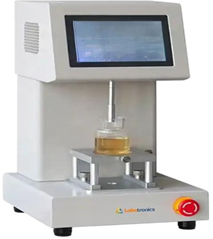
Figure 09: Texture analyzer equipment for quantitative assessment of lip balm hardness and consistency
6.5 Stability Studies
ICH guidelines recommend stability studies following specific protocols:
Storage Conditions and Duration:
|
Storage Condition |
Duration |
Purpose |
Frequency of Testing |
|
Room Temperature (25°C ± 2°C / 60% RH) |
3, 6, 9, 12 months |
Long-term stability |
Monthly |
|
Refrigerated (4°C ± 2°C) |
3 months |
Cold stability |
Baseline, 3 Months |
|
Accelerated (40°C ± 2°C / 75% RH) |
3 months |
Shelf-life prediction |
Baseline, 1, 2, 3 months |
Parameters Evaluated at Each Timepoint:
Acceptance Criteria:
6.6 Skin Irritation and Safety Assessment
Patch Test Procedure:
Safety assessment conforms:
6.7 Breaking Point Assessment
Procedure:
7. REGULATORY COMPLIANCE AND MANUFACTURING STANDARDS
7.1 Current Good Manufacturing Practices (cGMP) Implementation
Successful lip balm manufacturing requires systematic implementation of cGMP principles:
Personnel and Organization:
Manufacturing Environment:
Equipment Management:
7.2 Documentation Systems
Comprehensive documentation requirements include:
Pre-Manufacturing Documentation:
Manufacturing Documentation:
Post-Manufacturing Documentation:
7.3 Quality Management Systems
Quality systems ensure consistent product safety and safety:
8. ADVANCED FORMULATION STRATEGIES AND INNOVATION
8.1 Natural and Polyherbal Approaches
Modern lip balm formulations increasingly incorporate poly-herbal combinations providing synergistic benefit.
Multi-Botanical Formulations:
Combining extracts from multiple plant sources creates complementary therapeutic effects:
Example Formulation:
Rosa damascene extract (antioxidant, fragrance) + Aloe vera gel (hydration, soothing) +Beetroot extract (pigmentation, antioxidant) + Vitamin E (formulation stabilizer) + Honey (humectant, therapeutic)
8.2 Microencapsulation and Controlled Release
Advanced technologies enable sustained delivery of active ingredients:
Encapsulation Strategies:
Benefits:
8.3 SPF and UV Protection Incorporation
Lip-specific photoprotection incorporating:
8.4 Functional and Therapeutic Formulations
Medicated Lip Balms:
Cosmeceutical Development:
Advanced scientific evidence supporting therapeutic claims:
9. CURRENT RESEARCH AND FUTURE PERSPECTIVES
9.1 Emerging Natural Ingredients
Scientific investigation continues identifying novel botanical sources with lip-beneficial properties:
Recently Investigated Compounds:
9.2 Sustainable and Ethical Considerations
Modern lip balm manufacturing increasingly emphasizes:
Sustainability Principles:
Ethical Considerations:
9.3 Regulatory Evolution and Harmonization
Ongoing developments in cosmetic regulations:
Global Harmonization Efforts:
Advanced Testing Requirements:
10. CASE STUDY: PREPARATION OF HERBAL LIP BALM USING MULTIPLE BOTANICAL EXTRACTS
10.1 Formulation Design
A successful polyherbal lip balm formulation incorporating multiple botanical sources demonstrates practical application of discussed principles:
Complete Formulation Composition:
Table 4: Complete formulation composition for polyherbal lip balm
|
Ingredient |
Concentration |
Function |
Source |
|
Beeswax (white) |
30% |
Structural base |
Apis mellifera |
|
Cocoa Butter |
20% |
Emollient, melting point |
Theobroma cacao |
|
Coconut Oil |
18% |
Emollient, antimicrobial |
Cocos nucifera |
|
Castor Oil |
12% |
Anti-inflammatory |
Ricinus communis |
|
Aloe Vera Gel |
4% |
Hydration, soothing |
Aloe barbadensis |
|
Beetroot Extract |
3% |
Pigmentation, antioxidant |
Beta vulgaris |
|
Rose Water |
2% |
Fragrance, antioxidant |
Rosa damascene |
|
Honey |
2% |
Humectant, therapeutic |
Apis mellifera |
|
Vitamin E Oil |
1% |
Antioxidant stabilizer |
Tocopherol (mixed) |
|
Rose Essential Oil |
0.8% |
Fragrance, antimicrobial |
Rosa damascena |
10.2 Manufacturing Process
Batch Size: 100 grams for initial preparation.
Step 1 - Material Preparation:
Step 2 - Phase A Heating:
Step 3 - Phase B Preparation:
Step 4 - Cooling and Combining:
Step 5 - Addition and Mixing:
Step 6 - Packaging:
Step 7 - Surface Finishing:
Step 8 - Final Curing:
10.3 Quality Evaluation Results
Expected Results from Evaluation Protocol:
|
Evaluation Parameter |
Expected Result |
Acceptable Range |
Significance |
|
Color |
Pink/ rosy, brown |
Consistent pink coloration without separation |
Natural pigment integration success |
|
Odor |
Pleasant oral rose |
Absence of rancidity or odors |
Botanical extract preservation |
|
Appearance |
Smooth, homogenous |
Smooth texture, no grittiness |
Adequate mixing and uniformity |
|
pH |
5.8-6.2 |
4.5-7.5 |
Skin compatibility confirmation |
|
Melting Point |
67-69°C |
60-75°C |
Formulation stability verification |
|
Spreadability |
Good (G) |
Good (G) or Intermediate (I) |
Consumer acceptability confirmation |
|
Breaking Point |
28-32 grams |
>25 grams |
Mechanical integrity adequate |
10.4 Stability Study Results
12-Week Stability Assessment:
CONCLUSION
The preparation and evaluation of lip balm represent a significant intersection of cosmetic science, pharmaceutical technology, and regulatory compliance. Through systematic application of established formulation principles, careful ingredient selection emphasizing natural bioactive components, and comprehensive quality evaluation protocols, cosmeceutical manufacturers develop products meeting consumer expectations for legacy, safety, and sensory characteristics.
Modern lip balm formulations incorporate diverse botanical extracts selected for demonstrated therapeutic properties antioxidant, anti-inflammatory, antimicrobial, and hydrating effects. The scientific understanding of formulation principles, encompassing colloidal chemistry, rheology, thermal stability, and oxidative degradation mechanisms, enables optimization of product performance and shelf-life.
Adherence to Current Good Manufacturing Practices ensures consistent quality and safety throughout manufacturing. Comprehensive quality evaluation utilizing both organoleptic assessment and instrumental analysis provides objective verification of product specifications. Accelerated stability studies predict real-time performance, conforming product each throughout its intended shelf-life.
The convergence of traditional botanical knowledge with modern scientific validation exempli es the emerging cosmeceutical paradigm where cosmetic products demonstrate measurable therapeutic bene ts grounded in scientific evidence. Continued investigation into novel natural ingredients, advanced formulation technologies, and sustainable sourcing practices promises further innovation in lip care products.
The discipline of cosmetic science, supported by regulatory frameworks ensuring transparency and safety, enables development of products addressing fundamental human needs for lip protection, hydration, and aesthetic enhancement while maintaining the highest standards of quality and consumer safety [1][2][3].
REFERENCES

Suyash Lokhande, Cosmetic Science: Preparation and Evaluation of Lip Balm, Int. J. of Pharm. Sci., 2025, Vol 3, Issue 12, 3625-3645. https://doi.org/10.5281/zenodo.18061859
 10.5281/zenodo.18061859