

We use cookies to ensure our website works properly and to personalise your experience. Cookies policy
G.H Raisoni University, Saikheda, Pandhurna, Madhya Pradesh, India 480337
Herbal serums are an emerging class of cosmeceuticals that integrate plant-derived bioactive compounds with advanced formulation technologies to provide therapeutic and cosmetic benefits. Rich in flavonoids, phenolics, terpenoids, and alkaloids, extracts from botanicals such as turmeric, neem, aloe vera, green tea, clove, and licorice exhibit antioxidant, anti-inflammatory, antimicrobial, and skin-rejuvenating effects. Formulation strategies—including gels, emulsions, nano-emulsions, liposomes, and phytosomes—enhance solubility, stability, and skin penetration of sensitive phytochemicals, improving efficacy in addressing acne, hyperpigmentation, photoaging, and dehydration. In vitro and clinical studies demonstrate significant improvements in skin hydration, barrier function, and lesion reduction, with minimal adverse effects. However, challenges such as phytochemical variability, stability concerns, allergenicity, and regulatory inconsistencies persist. Recent advances in nanotechnology, biotechnology, and hybrid formulations combining herbal and modern actives aim to overcome these limitations, offering enhanced bioavailability, controlled release, and multifunctional benefits. With rising global consumer demand for natural, sustainable, and “clean” skincare, herbal serums hold significant promise as next-generation cosmeceuticals, provided rigorous quality control, standardized extraction, and clinical validation are implemented.
1.1 Herbal Cosmetics and Serum: An Overview
Herbal cosmetics, often referred to as phytocosmetics, are skincare formulations enriched with plant-derived bioactive compounds. These products combine traditional herbal knowledge with modern formulation science to deliver both cosmetic appeal and therapeutic activity. Unlike conventional cosmetics that mainly mask imperfections, herbal serums and cosmeceuticals actively influence skin physiology through antioxidants, anti-inflammatory agents, and natural antimicrobials (1)(2).
Herbal serums and cosmeceuticals are enriched by plant-derived antioxidants such as polyphenols, carotenoids, tocopherols and ascorbic acid, which help neutralize free radicals and bolster skin health by slowing photoageing and oxidative damage (3). Several botanicals with anti-inflammatory actions—including Curcuma longa (turmeric), Zingiber officinale (ginger), and other spices—have been shown to down-regulate pro-inflammatory mediators in both (4)in vitro and in vivo studies, supporting their use in skin calming or acne/eczema interventions. Advances in herbal-derived products indicate that many isolated compounds or herbal mixtures can inhibit matrix metalloproteinases (e.g. MMP-1, MMP-2), preserve skin elasticity, reduce hyperpigmentation, and improve wound-healing and barrier integrity (5)There is growing evidence that extract-based formulations, or serums designed with phenolic acids, flavonoids, vitamins, etc., improve stratum corneum hydration, decrease transepidermal water loss, and enhance appearance (3)Novel topical combinations, for example those using Hippophae salicifolia, Celosia argentea, plus bioactives like rutin, caffeine, and bakuchiol, have been formulated into serum, gel, or cream and shown good physicochemical stability and in silico docking scores indicating promising anti-ageing potential (6)
Herbal serums and cosmeceuticals are enriched by plant-derived antioxidants such as polyphenols, carotenoids, tocopherols and ascorbic acid, which help neutralize free radicals and bolster skin health by slowing photoageing and oxidative damage (3). Several botanicals with anti-inflammatory actions—including Curcuma longa (turmeric), Zingiber officinale (ginger), and other spices—have been shown to down-regulate pro-inflammatory mediators in both (4) in vitro and in vivo studies, supporting their use in skin calming or acne/eczema interventions. Advances in herbal-derived products indicate that many isolated compounds or herbal mixtures can inhibit matrix metalloproteinases (e.g. MMP-1, MMP-2), preserve skin elasticity, reduce hyperpigmentation, and improve wound-healing and barrier integrity (5)There is growing evidence that extract-based formulations, or serums designed with phenolic acids, flavonoids, vitamins, etc., improve stratum corneum hydration, decrease transepidermal water loss, and enhance appearance (3)Novel topical combinations, for example those using Hippophae salicifolia, Celosia argentea, plus bioactives like rutin, caffeine, and bakuchiol, have been formulated into serum, gel, or cream and shown good physicochemical stability and in silico docking scores indicating promising anti-ageing potential (6)
1.2 Importance of Herbal Formulations in Modern Skincare
The growing preference for herbal formulations arises from their safety profile, cultural acceptance, and multi-functional benefits. Consumers increasingly seek natural alternatives to synthetic cosmetics due to concerns about endocrine disruption, allergic reactions, and long-term health hazards associated with chemical ingredients. Herbal-based skincare is considered eco-friendly, sustainable, and effective in addressing conditions such as acne, premature aging, and hyperpigmentation (7)(8).
The increasing shift toward herbal skincare is in part driven by the belief that plant-based formulations pose fewer health risks than many synthetic cosmetics, since many chemical cosmetics have been linked to endocrine disruption, allergenic potential, and long-term toxicity (9). Clinical trials have shown that many medicinal plants substantially reduce both inflammatory and non-inflammatory lesions of acne vulgaris, often matching or exceeding standard treatments, while reporting minimal adverse effects (10) traditional herbal skincare ingredients enjoy wide cultural acceptance and trust across diverse populations, reinforcing their multifunctional benefits and use in functions like anti-inflammation, antioxidant protection and skin renewal (11)
1.3 Advantages of Herbal Serum over Synthetic Products
Compared to synthetic serums, herbal serums provide enhanced skin tolerance, minimal adverse effects, and compatibility with diverse skin types. Many herbal extracts (e.g., aloe vera, turmeric, green tea) show potent antioxidant and antimicrobial actions without the irritation common in synthetic actives. Furthermore, advances in nanotechnology, such as liposomes, niosomes, and nanoemulsions, improve the solubility, stability, and penetration of herbal actives, thereby increasing serum efficacy (12)(8).
1.4 Scope of Research and Market Trends
The global herbal cosmetics industry is expanding rapidly, fuelled by consumer demand for “clean beauty” and organic formulations. Reports suggest the herbal personal care market, valued at billions of dollars, continues to grow due to its perceived safety and effectiveness compared to conventional products. Asia-Pacific countries, including India and China, are emerging as leading contributors, with growing exports and innovation in herbal serums and cosmeceuticals. However, challenges such as raw material standardization, stability issues, and regulatory hurdles remain areas of ongoing research (7)(8)(1).
2. HERBAL SERUM COMPONENT
2.1 Phytoconstituents
Plant-based serums derive their therapeutic activity mainly from phytoconstituents such as flavonoids, alkaloids, phenolics, and terpenoids. Flavonoids are well-recognized antioxidants that neutralize free radicals and reduce skin inflammation. Alkaloids often contribute antimicrobial and wound-healing effects. Phenolic compounds provide UV protection and anti-aging properties, while terpenoids exhibit anti-inflammatory and skin regenerative actions. Together, these metabolites form the scientific backbone for the use of herbs in modern cosmetic serum (12)(1).
Flavonoids, which belong to the broader phenolic family, are highly effective scavengers of reactive oxygen species and reduce inflammation in disorders like acne, vitiligo, and atopic dermatitis via multiple signaling pathways (13). Studies on medicinal plants traditionally used for dermatological applications, such as Rubus vulgaris and Plantago major, have demonstrated that a variety of phytochemicals—including phenolic acids, anthocyanins, flavonoids, tannins, and sesquiterpenes—exert antioxidant, anti-inflammatory, and antimicrobial effects. These compounds contribute to epidermal repair and modulate immune responses by downregulating pro-inflammatory cytokines, including IL-6 and TNF-α. Terpenoid alkaloids, which combine nitrogen-containing alkaloid structures with terpene backbones, exhibit a broad spectrum of bioactivities, such as anti-inflammatory, antibacterial, and analgesic effects, and are increasingly recognized as promising bioactive leads due to their structural diversity and potency at low concentrations. (15)
2.2 Common Herbal Extracts Used in Serum
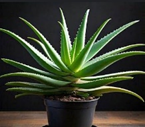
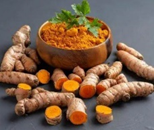
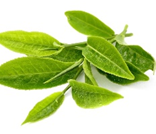
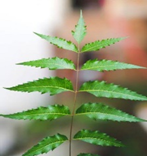
Widely used herbal extracts in serum formulations include Aloe vera, known for its soothing, moisturizing, and anti-dermatitis action; Turmeric, which provides antibacterial and antioxidant activity; Green tea, rich in catechins with anti-acne and photo-protective benefits; and Neem, which exhibits strong antimicrobial effects useful in acne and other skin infections. These herbs are favored due to their ability to improve skin tone, delay aging, and enhance barrier repair while maintaining good safety and tolerability (2)(8).
Aloe vera gel has been reported to promote wound repair, soothe inflammation, brighten complexion, protect against UV damage, provide antioxidant support and moisturize skin, with multiple clinical and experimental studies confirming its suitability for dermal application. (16) .
Turmeric (Curcuma longa) rhizome extracts—with constituents such as curcumin, flavonoids, alkaloids, saponins, and tannins—demonstrate strong antibacterial action against pathogens like Staphylococcus aureus, making them effective for acne-prone and infection-susceptible skin. (17) .
Green tea catechins have been shown in human trials to lessen UV-induced skin redness, improve skin elasticity, texture, hydration, and decrease scaling after regular intake or topical use, offering photo-protective benefits (18).
Neem (Azadirachta indica) secondary metabolites, when formulated into creams or soaps, show potent antimicrobial and radical-scavenging effects with minimal toxicity to human cells, supporting their use in skin infection and oxidative stress control (19).
2.3 Role of Carrier Oils and Natural Additives
Carrier oils such as jojoba, almond, or coconut oil play a vital role in herbal serums by serving as natural solvents for lipophilic phytoconstituents, enhancing penetration into the skin. They also supply essential fatty acids that improve hydration and restore the skin barrier. Alongside oils, natural additives such as honey, glycerin, and essential oils provide extra stability, fragrance, and synergistic therapeutic benefits. These components not only enhance the formulation’s effectiveness but also improve consumer acceptance by maintaining a natural, skin-friendly profile (2)(7).
Carrier oils such as almond, jojoba, and coconut are rich in fatty acids and triglycerides that act as emollients and natural penetration enhancers by loosening stratum corneum lipids to facilitate absorption of lipophilic phytochemicals (20).
Honey, when formulated into topical creams or serums at suitable proportions, has been shown to significantly boost skin moisture, smoothness, and reduce wrinkle depth over time, while retaining favourable feel and minimal stickiness (21).
Natural additives like essential oils, glycerine, and humectants serve multiple formulation purposes: they enhance aroma, contribute synergistic antimicrobial or antioxidant effects, stabilize the product, and improve skin barrier function by reducing trans-epidermal water loss (22).
2.4 Extraction and Standardization Method
The effectiveness of herbal serums depends on the quality and consistency of the plant extracts. Common extraction techniques include solvent extraction, cold pressing, steam distillation, and supercritical fluid extraction, each chosen based on the chemical nature of the phytoconstituents. Standardization ensures that extracts contain defined amounts of active compounds, which is critical for reproducibility and safety in cosmetic applications. This process reduces variability in raw materials, overcomes seasonal differences, and guarantees efficacy in herbal serum formulation (7)(12).
Extraction methods such as microwave-assisted extraction, supercritical fluid extraction, accelerated solvent extraction, subcritical water extraTction, and ultrasound-assisted extraction are increasingly preferred to traditional solvent, maceration or Soxhlet techniques, because the newer approaches offer faster recovery, reduced solvent use, greater selectivity, and better preservation of heat-sensitive bioactives (23).
Standardization of herbal extracts — involving authenticated raw material, marker compound quantification, measurement of moisture and ash content, and verification of extractive values — is essential for ensuring batch-to-batch consistency, safety, and efficacy of herbal serum products (24).
Comprehensive reviews emphasize combining rigorous extraction techniques with chromatographic, spectroscopic (e.g. HPLC, UV-Vis, IR), and botanical authentication methods to define and maintain levels of active phytoconstituents, minimize variability due to season, location or plant part, and ensure stability under storage (25).
Table no. 1: Latest studies on herbal phytoconstituent
|
Sr. No. |
Phytochemical |
Source |
Role |
Application |
Recent/ Ongoing Research |
|
01 |
Curcumin |
Curcuma longa (Turmeric) |
Potent antioxidant, anti-inflammatory, antimicrobial; inhibit NF-?B and MMPs (26) |
Anti-inflammatory / anti-aging serum; nanoemulsions, NLCs, liposomes to overcome poor water solubility and stability (26). |
Multiple recent studies on nano-delivery for topical use (nanoemulsions, solid-lipid NLCs) showing improved skin penetration, stability and efficacy in models – e.g., curcumin nanoemulsions / NLCs for topical delivery (27) |
|
02 |
EGCG (epigallocatechin gallate) |
Camellia sinensis (Green tea) |
Strong antioxidant, anti-inflammatory, photoprotective; reduces sebum and modulates MMPs (28). |
Anti-ageing, anti-acne, photo-repair serums; used in stabilized extracts or encapsulated (liposomes/ phytosome) to reduce oxidation (28). |
Reviews and formulation studies (2022-2024) examine topical EGCG stability and encapsulation approaches to improve skin delivery and reduce oxidation in serums (28). |
|
03 |
Aloe vera |
Aloe barbadensis (Aloe vera) |
Humectant, soothing, anti-inflammatory, wound-healing; supports hydration and barrier repair (29). |
Hydration / repair serums and humectant bases; used as aqueous phase or combined with HA for moisturizing serums (30). |
Recent reviews (2020-2025) summarise polysaccharide bioactivity and explore purified polysaccharide fraction and their incorporation into cosmeceutical gels / serums for improved rheology and skin repair (31). |
|
04 |
Neem |
Azadirachta indica (Neem) |
Broad antimicrobial, anti-inflammatory, sebum-modulating; effective vs acne organisms (32). |
Anti-acne serum / gels and spot treatments; often formulated in gels, O/W serum or incorporated into nano-gels for controlled release (32). |
Multiple recent topical formulation studies (2023-2025) report Carbopol gels, creams and nano-delivery of neem extracts with measurable anti-acne / antimicrobial activity in vitro and in small in-vivo models (32). |
|
05 |
Tea tree oil (Trpinen-4-ol) |
Melaleuca alternifolia (Tea tree) |
Antimicrobial (incl. Cutibacterium acnes), anti-inflammatory; reduces lesion counts in acne studies (variable)(33). |
Anti-acne serums, spot treatments, low-concentration hydro-serums or encapsulated EO for reduced irritation (33). |
Systematic reviews and formulation papers (2020-2024) emphasize efficacy but also variability in designs; recent NLC / nanoemulsion approaches aim to lower irritancy while improving delivery (33). |
|
06 |
Clove (Eugenol) |
Syzygium aromaticum (Clove) |
Antibacterial, antioxidant, activity via membrane disruption (34). |
Antimicrobial / anti-acne serums (low-concentration); often used in nano-emulgels to control release and reduce skin irritation(34). |
Recent formulation work explores clove oil nanoemulsions / nanoemulgels against acne pathogens and seek dose windows that balance efficacy vs irritancy (34) |
|
07 |
Licorice |
Glycyrrhiza glabra (Licorice) |
Tyrosinase inhibition and antimelanogenic activity skin-brightening; anti-inflammatory (35). |
Brightening serums; often formulated as encapsulated liposome / phytosomal glabridin to target melanocutes and improve stability (35). |
2024-2025 studies show glabridin-loaded liposomes/ phytosomes targeting melanogenesis pathways (MITF / tyrosinase suppression) promising for stable topical brightening serums (35) |
|
08 |
Resveratrol (stilbene polyphenol) |
Grape seed / skins, peanuts concentration extracts. |
Potent antioxidant, modulates SIRT1, anti-inflammatory, photoprotective and collagen-preserving (36) |
Anti-ageing / antioxidant serum; often paired with stabilization strategies (encapsulation, ester derivatives) to prevent oxidation (36). |
Ongoing translation studies explore topical resveratrol formulations and combination NLC/ phytosome systems; reviews call for more controlled clinical trials (36) |
3. FORMULATION STRATEGIES FOR HERBAL SERUM
3.1 Selection of Active Herbal Ingredients
The foundation of any herbal serum lies in the careful selection of active plant-based ingredients. This choice is based not only on traditional knowledge but also on modern pharmacological evidence of bioactivity. Phytochemicals such as flavonoids, alkaloids, terpenoids, and phenolics present in herbs contribute specific therapeutic effects—antioxidant, antimicrobial, anti-inflammatory, or hydrating. For instance, turmeric is a rich source of curcumin, which has been scientifically validated for its antibacterial and anti-inflammatory effects on acne-prone skin. Neem, with its active components like azadirachtin and nimbin, offers strong antimicrobial and wound-healing benefits, making it ideal for acne serums. Green tea provides catechins (EGCG) with excellent free-radical scavenging and anti-sebum properties, while aloe vera polysaccharides act as natural moisturizers that soothe irritated skin. The ingredient selection also considers compatibility with other formulation components, potential for synergistic activity, consumer safety, and ease of standardization. Thus, rational ingredient selection ensures both efficacy and acceptability of herbal serums in the market (2)(8)
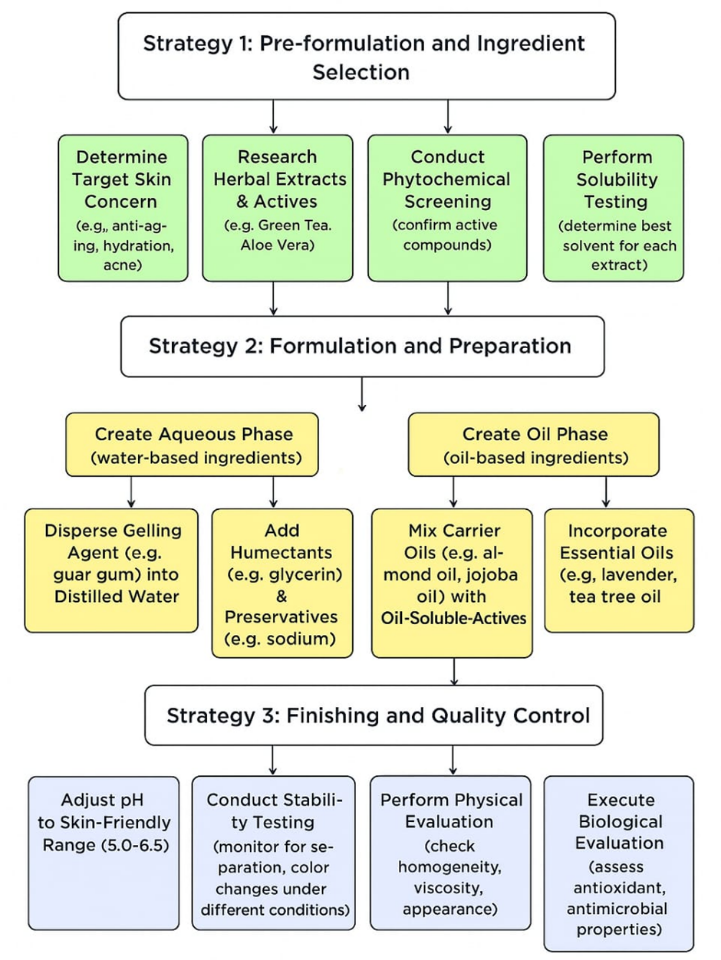
Fig no. 1– Formulation strategies of herbal serum
3.2 Types of Serum
Herbal serums are classified into categories depending on their therapeutic and cosmetic functions, each supported by distinct phytoconstituents:
1. Anti-aging Serums
Anti-aging herbal serums are formulated to reduce wrinkles, fine lines, and loss of elasticity caused by oxidative stress and collagen breakdown. Green tea extract, rich in epigallocatechin gallate (EGCG), protects skin from UV-induced oxidative damage and stimulates collagen synthesis. Ginkgo biloba contains flavonoids and terpenoids that enhance microcirculation and reduce free-radical damage. Rosemary and grape seed extracts (resveratrol, proanthocyanidins) act as powerful antioxidants, improving skin firmness and reducing early signs of aging (2)(7).
2. Anti-acne Serums
These serums target excessive sebum production, microbial growth (especially Propionibacterium acnes), and inflammation. Neem (azadirachtin, nimbin) exhibits antibacterial and anti-inflammatory activity, making it effective against acne lesions. Turmeric (curcumin) reduces redness, swelling, and bacterial proliferation. Tea tree oil, rich in terpinen-4-ol, shows strong antimicrobial action against acne-causing bacteria. Basil and clove extracts also provide antibacterial and sebum-regulating effects, making them frequent additions in anti-acne herbal serums (12)(2).
3. Skin-Brightening Serums
Skin-brightening or depigmenting serums reduce hyperpigmentation, melasma, and uneven tone. Licorice root extract (glabridin) inhibits tyrosinase, the key enzyme in melanin synthesis, helping lighten dark spots. Lemon and orange peel extracts, rich in vitamin C, enhance collagen production while reducing oxidative pigmentation. Saffron (crocetin, crocin) improves skin tone and radiance. Aloe vera also contributes mild depigmenting activity by soothing inflamed skin and preventing post-acne pigmentation (8)(2).
4. Hydration Serums
Hydration-focused serums restore moisture balance and repair the skin barrier. Aloe vera gel, rich in polysaccharides, acts as a natural humectant, binding water to the skin surface. Hyaluronic acid (often sourced from plant fermentation) enhances water retention in the dermis, improving skin plumpness. Cucumber extract (ascorbic acid, silica) soothes dehydrated skin, while natural oils like jojoba and almond supply essential fatty acids that strengthen the lipid barrier and prevent transepidermal water loss (2)(7)
5. Multifunctional Serums
Modern formulations often combine multiple benefits. For example, a green tea–aloe vera serum may provide both anti-acne and hydration, while turmeric–licorice combinations may offer anti-inflammatory and skin-brightening effects. Such multifunctional designs align with current market trends, where consumers seek comprehensive skincare in a single product (8)(12).
Table no. 2 : Latest studies on herbal serum
|
Sr. No. |
Types of herbal serums |
Phytochemicals use |
Recent/ Ongoing research |
|
1 |
Anti-aging / antioxidant |
EGCG (green tea catechins), resveratrol (grape seed), proanthocyanidins, ginkgo flavonoids, curcumin (turmeric) |
Scoping reviews and clinical studies report EGCG and polyphenol benefits for photo-protection, wrinkle reduction and improved skin hydration (clinical trials and reviews 2022–2024). Representative sources: Zheng et al. (review on green tea catechins & skin health) and clinical EGCG trials (28) |
|
2 |
Anti-acne / antimicrobial & anti-inflammatory |
Neem (azadirachtin, nimbin), curcumin (turmeric), terpinen-4-ol (tea tree oil), eugenol (clove), basil phenolics. |
Multiple small randomized/clinical evaluations and antimicrobial assays support topical neem/turmeric/tea-tree combinations against acne pathogens and inflammation; systematic reviews call for larger trials. Representative citations: Yogesh et al. (clinical study on neem + turmeric formula), recent reviews on neem for topical dermatology (38) |
|
3 |
Skin brightening |
Glabridin, isoliquiritigenin (licorice), vitamin C (plant sources), crocin/crocetin (saffron), citrus flavonoids. |
Licorice constituents (glabridin, isoliquiritigenin) are well documented tyrosinase inhibitors; clinical/formulation studies show topical brightening effects and ongoing work on optimized extract delivery. Representative sources: licorice phytochemistry & anti-melanogenic studies and recent formulation evaluations(39) |
|
4 |
Hydration / barrier repair |
Aloe vera polysaccharides, plant-sourced hyaluronic acid (fermentation), glycerin, jojoba/almond oils. |
Controlled clinical studies of topical hyaluronic-acid serums show statistically significant increases in corneometer hydration (examples 2021–2024); next-gen multi-weight HA formulations continue to be trialed. Representative citations: Draelos 2021 HA clinical evaluation; multi-weight HA studies 2024–2025 (40) |
|
5 |
Multifunctional (combination serums) |
Combinations: EGCG + aloe, turmeric + licorice, polyphenols + peptides, botanicals + stabilized vit C. |
Growing body of product-level and clinical work testing hybrid “heritage + science” serums (botanical antioxidants combined with peptides/vitamin derivatives). Reviews highlight synergy but emphasize need for stability and interaction testing. Representative citations: reviews on combinations & recent hybrid formulation clinical data 2023–2025 (5) |
|
6 |
Nanoformulation / delivery-focused serums |
Encapsulated curcumin, phytosome EGCG, nanoemulsified essential oils, SLN/NLC carrying polyphenols. |
Many recent experimental and translational studies show nanoencapsulation improves stability and skin penetration of labile phytochemicals (curcumin, catechins); regulatory and safety evaluation studies are ongoing. Representative citations: nanoformulation reviews & experimental reports (2021–2025) (37) |
3.3 Formulation Techniques
The delivery system plays a crucial role in determining the effectiveness of a herbal serum. Emulsion-based serums (oil-in-water or water-in-oil) are widely used because they provide a lightweight texture and enable the incorporation of both hydrophilic and lipophilic actives. Gel-based formulations are favored for their non-greasy feel, quick absorption, and suitability for oily or acne-prone skin. Nanoemulsions represent a more advanced strategy, offering smaller droplet sizes that increase surface area, improve solubility of poorly water-soluble phytoconstituents, and enhance absorption across the skin barrier. Liposomes, phytosomes, and niosomes are nanocarriers that encapsulate herbal actives, protecting them from oxidation and degradation while promoting controlled release and deeper penetration into skin layers. These nanocarriers also improve the bioavailability of sensitive compounds like curcumin, catechins, or flavonoids, which otherwise have poor stability. By selecting appropriate formulation techniques, researchers can significantly enhance the therapeutic potential, stability, and market appeal of herbal serums (8)(12).
3.4 Role of Excipients in Stability and Efficacy
Excipients are not just inactive fillers but critical components that enhance the stability, efficacy, and consumer acceptance of herbal serums.Moisturizing agents such as glycerin, honey, and sorbitol function as humectants, aiding in water retention and preventing transepidermal moisture loss. Emulsifying agents, including lecithin and various natural gums, are incorporated to maintain uniform dispersion of oil and aqueous phases, thereby improving formulation stability and consistency. Preservation systems—ideally utilizing natural substances such as essential oils (e.g., rosemary or clove) or mild organic acids—serve to inhibit microbial growth and ensure product safety throughout storage. Furthermore, antioxidants like tocopherol (vitamin E) and ascorbic acid play a vital role in minimizing oxidative degradation of sensitive phytoconstituents, which in turn extends the formulation’s stability and shelf life. (2)(7)
4. IN-VITRO AND IN-VIVO EVALUATION OF HERBAL SERUM
4.1 Physicochemical Evaluation
In a study developing an anti-acne herbal gel from peanut skin extract, investigators prepared six formulations with different ratios of Carbopol 934 and Xanthan Gum. They found the gels were homogenous, free of particles, and uniform in appearance. The pH values ranged between 6.2 and 6.8, which is close to normal skin pH, suggesting good compatibility. Viscosities measured were around 2,342 to 2,704 cps showing adequate thickness, and spreadability was acceptable, indicating easy application. These parameters helped select the optimal formulation balancing ease of use and stability (42).
4.2 Stability Testing
In the “Honey-based hydrogel” formulation, different concentrations of honey and two gelling agents (chitosan, Carbopol 934) were used to make hydrogel dressings for burns. Stability assessments included physical appearance, pH changes over time, swelling index, and release profile. The 75% honey-chitosan hydrogel in particular maintained its pH, spreadability, and integrity over the storage period. Its in-vitro release profile stayed consistent, indicating the formulation stayed stable under test conditions. This helped confirm it would be practical for real-use wound care (43).
4.3 Skin Irritation and Compatibility Studies
An anti-aging eye serum was subjected to a comprehensive safety assessment employing in silico prediction, in vitro assays, and in vivo patch testing. Computational toxicology analysis indicated minimal likelihood of mutagenic or skin-sensitizing effects associated with the selected raw materials. Subsequent in vivo evaluations conducted on healthy volunteers with Fitzpatrick skin phototypes I–IV revealed no signs of erythema, edema, or other irritation, confirming excellent dermal tolerance. The integration of these complementary approaches collectively substantiated the serum’s safety and compatibility for application to the sensitive periorbital region. (44).
4.4 Antioxidant and Antimicrobial Evaluation
The anti-acne gel formulated with peanut skin extract was evaluated for its antibacterial efficacy against Propionibacterium acnes and Staphylococcus epidermidis. The formulation demonstrated pronounced inhibitory activity, producing mean inhibition zones of approximately 11.1 mm and 10.4 mm against P. acnes and S. epidermidis, respectively. These results surpassed the antimicrobial performance of comparable marketed formulations, indicating the potential of peanut skin extract as an effective natural agent for acne management.. Additionally, the extract exhibits antioxidant potential via its phytoconstituent content (flavonoids, phenols), which likely contribute to both antimicrobial and anti-inflammatory effects. These combined activities suggest the formulation could reduce acne via multiple mechanisms (42).
4.5 Clinical Evaluation in Human Volunteers
In a recent single-centre non-randomized trial, a lotion enriched with ceramides (Venusia CeraPlus) was tested on volunteers who had dry skin.
Thirty healthy adult participants applied the lotion on the volar forearm twice daily over several weeks. The endpoints included measurements of skin hydration (via corneometer or similar device), assessment of barrier function (trans-epidermal water loss or related parameter), and subjective evaluations of skin smoothness, tightness, and relief from dryness. Results showed statistically significant improvements in skin hydration and barrier integrity by week two, and volunteers reported noticeable improvements in smoothness and comfort. No adverse effects or irritation were reported, indicating good tolerability. These findings support the lotion’s efficacy in improving dry-skin parameters under real-use volunteer conditions(45)
5. MECHANISM OF ACTION OF HERBAL SERUM
5.1 Penetration and Absorption Pathways
Herbal serums reach target skin layers by moving across the skin barrier via three principal routes: (1) transcellular (through corneocytes), (2) intercellular (between corneocytes through lipid domains), and (3) appendageal (via hair follicles and sweat glands). The stratum corneum (SC) is the main barrier; small, moderately lipophilic molecules diffuse more easily via the intercellular lipid route, while highly polar molecules may use transient aqueous domains or rely on follicular access. Nanocarriers (liposomes, phytosomes, nanoemulsions, niosomes, solid lipid nanoparticles) increase delivery efficiency by (a) reducing effective particle/solute size, (b) transiently altering SC lipids, and/or (c) acting as reservoirs that deliver actives into hair follicles for prolonged release. Penetration enhancers and formulation pH, vehicle polarity, and excipient choice (e.g., ethanol, propylene glycol, certain fatty acids) also modulate partitioning into the SC and subsequent permeation. Modern reviews stress that the follicular pathway can be particularly important for serums intended to affect sebaceous glands or deep epidermal targets, because follicles bypass much of the SC barrier and act as drug depots(46)(47).
5.2 Role in Skin Repair and Rejuvenation
Herbal actives promote skin repair and rejuvenation through multiple, often complementary mechanisms: (1) antioxidant action — neutralizing ROS and reducing oxidative damage to collagen and elastin; (2) inhibition of matrix-degrading enzymes — many phytochemicals downregulate collagenase/ elastase/ hyaluronidase or MMP expression, preserving extracellular matrix integrity; (3) stimulation of dermal fibroblasts — certain polyphenols and terpenoids upregulate TGF-β/SMAD signalling and collagen type I/III synthesis, improving dermal thickness and elasticity; and (4) modulation of microcirculation and repair pathways — flavonoids and terpenoids can improve local blood flow and nutrient delivery, accelerating healing. Collectively, these pathways reduce wrinkle formation, improve skin firmness, and accelerate repair after inflammation or microdamage. Recent mechanistic reviews emphasize that the net clinical benefit depends on (i) sufficient active concentration at the target site, (ii) protection of labile actives from oxidation (via antioxidants or encapsulation), and (iii) control of formulation pH and vehicle to permit optimal bioactivity(41)(48).
5.3 Anti-inflammatory, Antioxidant and Antimicrobial Effects
Phytochemicals common in herbal serums (polyphenols, flavonoids, terpenoids, alkaloids) exert overlapping bioactivities that underpin many cosmetic claims:
6. CHALLENGES AND LIMITATIONS
Note: these challenges are widely reported in recent regulatory and pharmaceutical literature and are major reasons herbal cosmetics require stronger standardization and quality frameworks.
6.1 Issues of Standardization and Quality Control
Herbal materials are inherently variable — phytochemical content changes with species, cultivar, geography, harvest time, drying methods, and storage. This variability makes it difficult to guarantee consistent biological activity across batches. Modern quality control relies on chemical fingerprinting (HPLC, LC-MS, GC-MS), quantification of marker compounds, botanical authentication (DNA barcoding), and good agricultural and collection practices (GACP). International regulatory reviews emphasise that combining these orthogonal techniques — DNA barcoding to confirm identity + chromatographic fingerprint to quantify actives + validated potency assays — is the best path to reproducible, safe herbal cosmetics. However, implementing such multi-tiered QC raises cost and logistical hurdles for small manufacturers(54).
6.2 Shelf-life and Stability Concerns
Many phytochemicals (polyphenols, anthocyanins, curcuminoids, certain essential oils) are chemically unstable — they oxidize, isomerize, or hydrolyse under light, heat, or oxygen. This causes loss of efficacy and potential color/odor changes. Stability solutions include antioxidant co-formulation (vitamin E, ascorbic acid derivatives), chelators, opaque/air-tight packaging, and encapsulation in nanocarriers (liposomes, SLN, NLC) that protect actives and control release. Even so, accelerated stability testing often reveals that botanical serums require stricter storage conditions or preservatives to maintain shelf life comparable to synthetic products. Regulatory requirements for validated shelf-life and preservation thus add complexity to product development(55)(56).
6.3 Safety and Allergenicity Issues
The perception that natural ingredients are inherently non-irritant is often misleading. Many botanicals contain potent bioactive compounds—such as essential oils, coumarins, and alkaloids—that may cause skin sensitization or irritation in certain individuals. Preliminary safety evaluations, including patch testing and in-vitro reconstructed epidermal models, are useful for assessing potential irritancy; however, occasional allergic responses may still emerge once products reach the market. Moreover, the presence of contaminants such as pesticide residues, heavy metals, or mycotoxins resulting from inadequate raw-material quality control poses additional safety risks. Consequently, manufacturers are advised to implement comprehensive contaminant monitoring, employ validated preservative systems, provide transparent labelling—particularly regarding essential oil content—and establish post-marketing surveillance or pharmacovigilance frameworks to document and manage any adverse reactions reported by consumers. (57)(58).
6.4 Regulatory and Marketing Challenges
Herbal cosmetics occupy a regulatory intersection between therapeutic and cosmetic categories across various jurisdictions. In many regions, any claim suggesting disease prevention or treatment subjects a product to pharmaceutical regulation, whereas purely cosmetic claims fall under less stringent oversight. Divergent international frameworks—such as the European Union’s Cosmetics Regulation, the U.S. FDA’s cosmetic guidance, and India’s AYUSH and Drug Rules—further complicate compliance for globally marketed formulations. At the same time, increasing consumer expectations for clinically validated efficacy and transparent, “clean” labeling are driving manufacturers to conduct rigorous studies and adhere to higher manufacturing standards, including Good Manufacturing Practices (GMP). Collectively, these scientific, regulatory, and marketing pressures extend product development timelines, escalate production costs, and pose significant challenges for smaller enterprises seeking to balance compliance with commercial viability.. Recent reviews call for harmonized standards for herbal cosmetic safety, stability, and efficacy testing to improve consumer protection and industry credibility(58).
7. RECENT ADVANCES AND FUTURE PERSPECTIVES
7.1 Nanoformulation-based Herbal Serums
Nanotechnology continues to transform herbal serums by solving two classic problems of botanicals: poor aqueous solubility and chemical instability. Nanoformulations — including nanoemulsions, solid lipid nanoparticles (SLN), nanostructured lipid carriers (NLC), liposomes, phytosomes and polymeric nanoparticles — increase the apparent solubility of lipophilic phytoactives, protect sensitive polyphenols from oxidation, and enable controlled or targeted release into the epidermis and pilosebaceous units. Multiple recent reviews and experimental studies report improved skin penetration, prolonged residence time, reduced irritation, and enhanced bioactivity of encapsulated herbs (for example curcumin, catechins, and essential oils) when converted into nanosystems. Practical formulation advantages include reduced required dose of the botanical, better sensory attributes (lighter feel, less greasiness), and improved physicochemical stability under accelerated conditions. However, developers must balance enhanced delivery with safety/regulatory scrutiny, as nanoscale ingredients attract additional toxicology and labeling requirements in several jurisdictions(59)(60).
7.2 Combination of Herbal Extracts with Modern Actives
A major trend is rationally combining traditional herbal extracts with well-characterized modern actives (e.g., peptides, stabilized vitamin C derivatives, niacinamide, or low-dose retinoids) to create synergistic formulations. The combination strategy is evidence-driven: botanicals often supply broad-spectrum antioxidant and anti-inflammatory activity while modern actives deliver targeted molecular effects such as collagen stimulation (peptides) or tyrosinase inhibition (vitamin C derivatives). Recent reviews and product studies show that combining polyphenol-rich extracts with peptides or probiotics can enhance barrier repair, reduce oxidative stress, and improve clinical endpoints (wrinkle depth, pigmentation) more than either ingredient alone — provided formulation compatibility and stability are validated. These hybrid formulations allow marketers to claim “heritage + science” benefits, but they demand rigorous stability, interaction, and safety testing because active–active interactions can accelerate degradation or alter bioavailability(61).
7.3 Role of Biotechnology in Herbal Cosmetics
Biotechnological innovations—encompassing plant cell culture, metabolic engineering, and fermentation—are transforming the sourcing and production of cosmetic bioactives. Through plant cell culture techniques, valuable secondary metabolites such as stilbenes, flavonoids, and specialized glycosides can be synthesized within controlled bioreactor environments, thereby minimizing dependence on seasonal availability, geographical factors, and ecological limitations. Progress in elicitor application, reactor configuration, and omics-guided process optimization has significantly enhanced the yield of desired phytoconstituents. Moreover, recent developments in synthetic biology and CRISPR-based metabolic pathway engineering have made it possible to obtain tailor-made phytochemicals that are otherwise difficult or inefficient to isolate directly from plant materials.. Additionally, microbial fermentation (for example to produce hyaluronic acid, peptides, or stabilized sugars) and enzymatic biotransformation are used to generate novel or purer cosmetic actives with consistent quality. Together, these biotechnologies address standardization, traceability, and environmental concerns, and they support claims of “clean,” cruelty-free, and sustainable sourcing — increasingly important to regulators and consumers alike(62).
7.4 Global Market Trends and Consumer Demand
The global demand for herbal cosmetics is expanding rapidly, driven by consumer preference for products that are perceived as safer, sustainable, and eco-friendly compared to synthetic alternatives. A 2022 review highlighted that the shift towards plant-based cosmetics is not only due to cultural trust in traditional medicine but also to concerns about adverse effects and regulatory restrictions associated with synthetic ingredients. Asia-Pacific remains the largest contributor due to its rich biodiversity and well-established herbal medicine systems, while Europe and North America are witnessing increasing consumer awareness and regulatory encouragement for natural formulations. However, the same review noted that significant obstacles persist, such as inconsistencies in raw material quality, fluctuations in the concentration of active phytoconstituents, and a scarcity of extensive clinical trials confirming therapeutic claims. To uphold consumer confidence, manufacturers are increasingly adopting standardized cultivation practices, eco-conscious extraction processes, and clear ingredient disclosure policies. Consequently, despite the steady global rise in consumer interest, the future expansion of the herbal cosmetics sector will depend largely on sustainable resource management and robust scientific substantiation of product efficacy. (7).
8. CONCLUSION
Herbal serums represent an emerging category within the field of cosmeceuticals, integrating the therapeutic efficacy of plant-derived bioactives with advancements in formulation science. These preparations exhibit multiple pharmacological activities, including antioxidant, anti-inflammatory, antimicrobial, and collagen-stimulating properties, which render them effective in the management of various dermatological conditions such as acne, hyperpigmentation, premature aging, and skin dehydration. Contemporary innovations in nanotechnology, biotechnology, and hybrid delivery systems combining phytoconstituents with synthetic agents have markedly improved their dermal penetration, physicochemical stability, and clinical performance. Nonetheless, challenges persist in achieving consistent phytochemical standardization, maintaining formulation stability, mitigating allergenic risks, and navigating diverse international regulatory frameworks. Future research should emphasize the application of sustainable biotechnological approaches, eco-friendly extraction techniques, and transparent safety and efficacy assessments to reinforce product reliability and consumer confidence. In view of the increasing global inclination toward natural and environmentally responsible skincare products, herbal serums are positioned to become integral components of next-generation dermatological formulations, contingent upon the systematic resolution of scientific and regulatory challenges.
REFERENCES

Kashfiya Sadique, Priyansh Jawre, Shikha Prasad, Emerging Benefits of Phytoconstituent in Serum Formulation, Int. J. of Pharm. Sci., 2026, Vol 4, Issue 2, 1726-1745. https://doi.org/10.5281/zenodo.18613043
 10.5281/zenodo.18613043