
View Article

Abstract

CVD remains the main cause of death in the world and there is still a significant residual risk of cardiovascular disease despite the progress in standard pharmacologic and interventional treatment. The conventional treatment is mainly focused on the symptoms and risk factors but fails to effectively target the underlying disease developmental molecular pathways. New treatment options include RNA-based therapies, gene therapy, regenerative treatment, and next-generation pharmacology which provide new opportunities to alter cardiovascular disease on a biological level. RNA interference systems and genetic interventions on genes have shown positive outcomes in lowering lipids, remodeling myocardial, and genetic cardiomyopathies, and regenerative therapies are focused on repairing myocardial structure and myocardial function. Simultaneously, new pharmacologic therapies including PCSK9-inhibitors, SGLT2-inhibitors, GLP-1 receptor agonists, and anti-inflammatory treatments have provided additional ways to reduce cardiovascular risks, beyond the conventional ones. The present review indicates the changing role of these innovative therapies along with the incorporation of molecular and pharmacologic therapies into a precision medicine framework to enhance the long-term cardiovascular outcomes.

Keywords

Cardiovascular disease; RNA therapeutics; Gene therapy; Precision medicine; Regenerative cardiology; Lipid management

Introduction

Huge contributors to the 17.9 million deaths that heart disease causes annually is heart disease and its rising prevalence in the third world and low and middle-income countries contribute 32 percent of all heart disease-related deaths on earth. The key gaps are the lack of telemedicine and other technology utilisation in the low-resource regions, limited access to specialised care, and inadequate adherence to the guidelines. The recent industry efforts have been on residual cardiovascular risks, which has shown that high-risk patients remain under the threat despite medicines.(1,2,3)

Pharmacologic therapies, such as as beta-blockers, ACE inhibitors and statins, assist in the symptoms by normalizing cholesterol, blood pressure, and cardiac workload. Nevertheless, these drugs have side effects such as sleepiness, electrolytes imbalance, and fatigue and they are not effective in repairing damaged tissue. Besides, they require their lifetime use. Although coronary artery bypass grafting (CABG) and percutaneous coronary intervention (PCI) are useful in restoring blood flow, they not only fail to deal with the underlying issue of heart muscle regeneration, but also they have little long-term success because the condition progresses, and cannot be used in complex patients as well as situations of large costs. Despite the fact that the symptoms are alleviated by the means of device implants, including a pacemaker, they are costly, and they fail to prevent the underlying disease.(4,5)

Innovative promise Cardiac disease has transformative promise in the novel medicines targeting the biological basis of pathogenesis, including RNA-based approaches, gene therapy, and precision pharmacology. These modalities address the inadequacies of conventional medicine in three ways; gene control, tissue healing, and personalised dosage.

RNA-Based Therapeutics in Cardiovascular Disease

  1. RNA Platforms

Antisense oligonucleotides (ASOs) bind to target messenger RNA (mRNA) and can turn off genes that lower lipids, such as apolipoprotein B, by either breaking them down or stopping their translation. Inclisiran is a PCSK9 inhibitor and involves the process of knocking down specific sequences through the RNA interference (RNAi) pathway with small interfering RNAs (siRNAs). To make the networks more accurate, microRNA (miRNA) manipulation involves the use of inhibitors or mimics. As one example, miR-92a silencing activates vascular repair whereas miR-21 silencing suppresses fibrosis.(6,7)

  1. Lipid-Lowering Therapies

PCSK9-inhibitory siRNA e.g. inclisiran demonstrates an LDL- C reduction of 50 percent following bi-annual dosing, licensed in hypercholesterolemia, and demonstrates reduced cardiovascular event risk. The phase 2/3 trials of lipoprotein(a) [Lp(a)] therapies such as olpasiran (siRNA) and zerlasiran reduce a remaining risk factor not eliminated by statins by over 70-90%. ANGPTL3 inhibitors, like siRNA (for example, zodasiran), lower triglycerides and LDL in genetic dyslipidaemias. Phase 3 results have confirmed their effectiveness.(6)

  1. Cardiac Remodeling Targets

MiRNA modulation improves collagen degradation and preserves heart failure function in preclinical heart failure models by ameliorating fibrosis with miR-29 mirrors and hypertrophy with miR-133 silencers. The miR-208a modulators and miR-155 inhibitors are metabolic and macrophage activation targets respectively, which improves and suppresses cardiomyocyte energy balance and macrophage activation respectively.(7)

  1. Delivery and Safety

It is challenging to enhance cardiac/vascular targeting with lipid nanoparticles (LNPs) and GalNAc conjugates; however, this administration technique poses the risk of immune reaction. Chemical derivations, including 2'-O-methyl may decrease the off-target effects. This, however, depends upon the persistence of these effects which may take between three and twelve months. At present, the experiments are in progress to maximise the safety of phase 2 and 3.(6,7)

Gene Therapy in Heart Disease

  1. Therapeutic Rationale

Multifactorial complications such as ischaemic heart failure have multiple pathways that can be corrected using medicines that increase contractility or vascularization, but monogenic conditions such as familial hypertrophic cardiomyopathy (e.g., MYBPC3 mutations) are treated by gene replacement or editing. Gene therapy is long-term change compared to medication which requires day to day administration. This modification can also reverse remodelling and minimize death in advanced cases. (8,9)

  1. Delivery Vectors

Adeno-associated viral (AAV) vectors, particularly cardiotropic AAV1 or chimeric capsid (such as those of AB-1002) used as intracoronary vectors, have very low immunogenicity, and years of long-term expression in preclinical animals, leading to high cardiac tropism. Examples of non-viral technologies that can potentially bypass immune reactions include lipid nanoparticles and electroporation; however, they are less effective and have temporary effects, so they are not the best options when it comes to CRISPR-based editing research.(9)

  1. Clinical Applications

Heart failure treatments target contractility, such as I-1c in AB-1002, or calcium. Phase 1 results showed that these drugs improved LVEF and did not hurt HF patients who did not have ischaemia. Arrhythmia syndromes can reactivate ion channel activity in preclinical Long QT models through KCNH2 or SCN5A regulation. Inherited cardiomyopathies, however, necessitate mutation-specific strategies, including allele-specific silencing.( 10)

  1. Challenges

The immunogenicity of AAV pre-existing antibodies that prevent 30-50% of people can be reduced by using capsid engineering or immunosuppression. Risks of insertional mutagenesis are mild that are strictly followed through long-term follow-ups and its longevity is between 6 to 24 months. Ethical issues that can be addressed through the stepwise study include fair access, banning of germline editing and provision of informed consent to undergo permanent changes through the FDA and the EMA.(8)

Regenerative Approaches in Cardiovascular Medicine

  1. Stem Cell-Based Therapies

Mesenchymal stem cells (MSCs) enhance cardiac performance by neovascularisation, paracrine signalling and anti-inflammatory mechanisms in models of myocardial infarction (MI). Preclinical studies have indicated that induced pluripotent stem cells (iPSCs) could enhance ventricular activity and tissue repair in patients when they are transplanted although teratomas should be eliminated prior to transplantation.(11,12)

  1. Cardiac Reprogramming

In the absence of the dangers of pluripotency, direct reprogramming can make fibroblasts into cardiomyocyte-like cells in vivo, which enhances heart performance following myocardial infarction and reduces fibrosis. Electrical stimulation has improved the contractility and shape of the bioengineered cardiac tissues and thus is a good candidate to be used in heart patches.(13)

  1. Extracellular Vesicles

Exosomes secreted by stem cells can have paracrine effects, including reduced apoptosis, inflammation, and fibrosis, through microRNAs which can interact with signaling pathways such as NF- 2. They have the possibility of use as treatment to avoid heart damage due to ischemia-reperfusion injury, enhance autophagy, and recover functionality without issues related to cell engraftment.(14,15)

  1. Translation Barriers

The success rates of engraftment are usually below 5 percent due to the inability of cells to retain and survive in ischaemic conditions, which inhibits efficiency. The lack of a complete development and integration of electrophysiology may contribute to arrhythmogenic issues such as the instability or ectopic beating. The scale of the problem of scalability is contributed to the production process itself, quality assurance, and regulatory needs of the clinical-grade products.(16,17,18,19,20)

  1. Next-Generation Pharmacotherapies

In addition to the traditional antihypertensives and statins, the next-generation pharmacotherapeutic agents are expected to reduce the frequency of cardiovascular events by acting on inflammation, fibrosis, lipids, and glucose metabolism. Areas where the drugs have demonstrated promising results in the clinical studies include atherosclerotic cardiovascular disease (ASCVD), heart failure (HF), and cardiometabolic protection.(21,22)

  1. PCSK9 Inhibitors

Monoclonal antibodies, like evolocumab, stop LDL receptors from going down and lower LDL-C levels by 50–60% by binding to PCSK9. Inclisiran, a siRNA-containing drug, inhibits the PCSK9 synthesis through GalNAc conjugation, and both inclisiran and ORION-4 outcomes are expected in 2026 and both drugs prevent ASCVD.(23)

  1. SGLT2 Inhibitors

These agents are favourable to HF with ejection fractions by reducing hospitalisations in natriuresis, preload drop, and RAAS modulation. They preserve kidney and heart functions by reducing tubular hypoxia, inhibiting fibrosis and inflammation with no effects on glucose levels. Two of the mechanisms include increments in haematocrit and energy efficiency.(24)

  1. Emerging Therapie

Besides SGLT2i, GLP-1 receptor and dual agonists (including tirzepatide) minimize the risks of myocardial infarction, acute coronary syndrome (ACS), and renal disease. New anti-inflammatory agents like canakinumab (IL-1 2 ), colchicine, and IL-6 inhibitors reduce the number of recurrent episodes by targeting adherent inflammation. SRC/TGF inhibitors can reverse myofibroblast activation in preclinical models of fibrosis.(25,26,27,28)
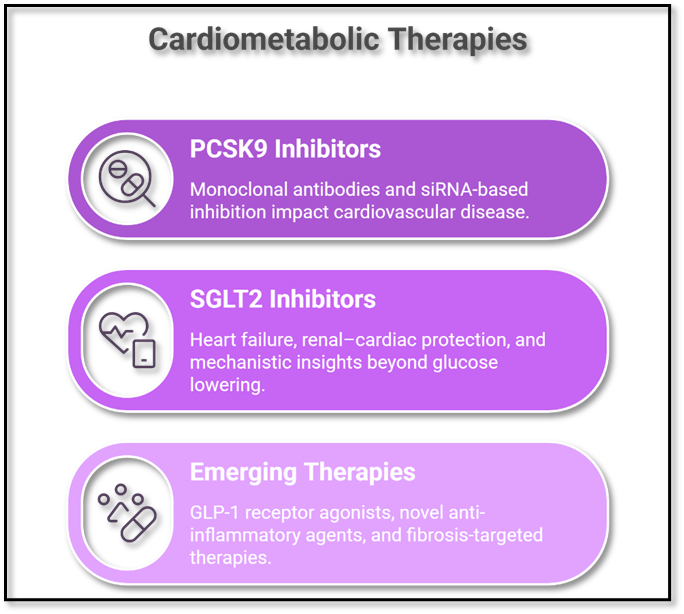
Figure 1. Overview of Key Cardiometabolic Therapeutic Strategies

Integration of Molecular and Pharmacologic Therapies

With regard to cardiovascular care, precision medicine is concerned with integrating pharmacologic drugs with molecular interventions such as RNA and gene editing to provide individualised care. Biomarkers and imaging can be used to select patients and measure response, which improves patient outcomes in CVD.(29,30)

  1. Precision Medicine

In order to stratify patients and discover risk assessable biomarkers in ACS and HF, precision methods utilize genomes, transcriptomics, and AI/ML. Such biomarkers are natriuretic peptides and troponins. Patient selection algorithms based on genetic profiles to predict medication response can be used to give examples of biomarker panels that have attained 96% CVD diagnostic accuracy.(31)

  1. Combined Therapies

In Mendelian and acquired CVD, the gene is targeted by RNA (siRNA, ASOs, mRNA); the strategies can be used together with drugs, including PCSK9 inhibitors to treat atherosclerosis or HF. With the integration of gene editing technology such as CRISPR and pharmacologics we can fight inflammation and fibrosis without the challenges of nanoparticles or AAV delivery.(32)

  1. Biomarkers and Imaging

Besides clinical evaluation, high-sensitivity troponins, NT-proBNP, and inflammatory markers can be applied to prognose and offer therapeutic recommendations. Molecular imaging can follow the pathogenesis of HF and the treatment success, including the reversal of fibrosis, and intracoronary ultrasound and optical coherence tomography (IVUS/OCT) enhance percutaneous coronary intervention (PCI).(33)

Challenges, Limitations, and Future Directions

Regenerative and pharmacologic ameliorations to cardiovascular therapy have numerous barriers, including high prices and translation barriers. Nevertheless, this can be overcome through customized methods. The solution of these problems would enhance the effectiveness and fairness of the patient treatment.

Stem cells, gene editors, PCSK9 blockers and the rest are not accessible to a large population especially in regions with limited funds, and it is broadening health disparities. The failure to represent the different people in the trials and the deficiency of the required facilities in developing countries such as India are factors that perpetuate the inequity disparities.

There are things to be concerned with, such as immunogenicity, off-target effects in RNA/gene therapies, and late arrhythmogenesis or cancer in stem cell therapies. Most of the advantages also wear off after one or two years and thus continuous medication or repeated disposition is required; the effects of it are not known.

Adaptive studies and real-world evidence are speeding up orphan indication approvals even though FDA/EMA pathways require robust phase III data of hard endpoints.Two challenges to the development of customised treatments are the vector safety and the standardisation of cell potency testing.

Examples of bench-to-bedside challenges include poor preclinical models which do not reflect human retention/survival (less than 5% engraftment) and variable responses in patients. In order to seal loopholes to personalize the therapy, future studies must examine organoids, biomarkers that are driven by artificial intelligence, and combination drugs.(34)

CONCLUSION

Innovations in RNA-based therapeutics, gene therapy, regenerative medicine and next-generation pharmacology are a paradigm shift in managing cardiovascular diseases as opposed to merely controlling the symptoms but actually intervening at the mechanism level. Although these innovations have a great potential, there are still issues concerning the cost, accessibility, safety, and long-term durability. The future of cardiovascular care is likely to be characterized by the integration of the molecular therapies and the well-established pharmacologic therapies based on precision diagnostics and biomarkers. It will be necessary to continue research, implement these improvements with equal measure, and generate evidence in the field to ensure these improvements are translated into sustainable improvements in the outcomes of global cardiovascular.

REFERENCES

  1. Sethi Y, Biondi-Zoccai G. Unmet needs in cardiovascular disease care: an umbrella review of challenges, innovations, and systemic barriers. Minerva Cardiol Angiol. 2025. doi:10.23736/S2724-5683.25.06853-X
  2. European Society of Cardiology. Unmet medical needs [Internet]. ESC; c2024 [cited 2026 Feb 9]. Available from: https://www.escardio.org
  3. Lewis Katz School of Medicine. Researchers identify new mRNA-based therapy that shows promise in heart regeneration after heart attack [Internet]. 2025 [cited 2026 Feb 9]. Available from: https://medicine.temple.edu
  4. Mushtaq MR, Rubab S, Riaz U, Haroon SS, Ahmed S, Baadu FA. Comparison of conventional therapies with stem cell therapy in the treatment of heart disease. Cureus. 2025;17(8):e91077. doi:10.7759/cureus.91077
  5. Mass General Brigham. Gene therapy for heart failure demonstrates safety and efficacy in phase 1 trial [Internet]. 2025 Oct 21 [cited 2026 Feb 9]. Available from: https://www.massgeneralbrigham.org
  6. Dui W, Xiaobin Z, Haifeng Z, Lijuan D, Wenhui H, Zhengfeng Z, et al. Harnessing RNA therapeutics: novel approaches and emerging strategies for cardiovascular disease management. Front Cardiovasc Med. 2025;12:1546515. doi:10.3389/fcvm.2025.1546515
  7. Mainkar G, Ghiringhelli M, Zangi L. The potential of RNA therapeutics in treating cardiovascular disease. Drugs. 2025;85(5):659–76. doi:10.1007/s40265-025-02173-1
  8. Henry TD, Chung ES, Alvisi M, Sethna F, Murray DR, Traverse JH, et al. Cardiotropic AAV gene therapy for heart failure: a phase 1 trial. Nat Med. 2025;31(11):3845–52. doi:10.1038/s41591-025-04011-z
  9. Musolino PL, Rosser SJ, Brittan M, Newby DE, Berry C, Riley PR, et al. Gene therapy in cardiac and vascular diseases: a review. Cardiovasc Res. 2025;121(12):1843–55. doi:10.1093/cvr/cvaf109
  10. AskBio. AskBio presents complete results of phase 1 trial of AB-1002 gene therapy in congestive heart failure [Internet]. 2025 May 19 [cited 2026 Feb 9]. Available from: https://www.askbio.com
  11. Nsair A, MacLellan WR. Induced pluripotent stem cells for regenerative cardiovascular therapies. Adv Drug Deliv Rev. 2011;63(4–5):324–30. doi:10.1016/j.addr.2011.01.013
  12. Seow KS, Ling APK. Mesenchymal stem cells as future treatment for cardiovascular regeneration and challenges. Ann Transl Med. 2024;12(4):73. doi:10.21037/atm-23-1936
  13. Ahmad W, Dutta S, He X, Chen S, Saleem MZ, Wang Y, et al. In vivo targeted reprogramming of cardiac fibroblasts for heart regeneration. Bioengineering (Basel). 2025;12(9):940. doi:10.3390/bioengineering12090940
  14. Gartz M, Strande JL. Paracrine effects of exosomes in cardiovascular disease and repair. J Am Heart Assoc. 2018;7(11):e007954. doi:10.1161/JAHA.117.007954
  15. Hassanzadeh A, Shomali N, Kamrani A, Nasiri H, Javad AH, Pashaias M, et al. Role of mesenchymal stem cell–derived exosomes in cardiac diseases. EXCLI J. 2023;23:401–20. doi:10.17179/excli2023-6538
  16. Tang J, Cores J, Huang K, Cui X, Luo L, Zhang J, et al. Is cardiac cell therapy dead? Stem Cells Transl Med. 2018;7(4):354–9. doi:10.1002/sctm.17-0196
  17. Shahannaz DC, Sugiura T, Ferrell BE, Yoshida T. Arrhythmogenic risk in iPSC-derived cardiomyocytes. Medicina (Kaunas). 2025;61(11):2056. doi:10.3390/medicina61112056
  18. Dhaiban S, Chandran S, Noshi M, Sajini AA. Clinical translation of human iPSC technologies. Front Cell Dev Biol. 2025;13:1627149. doi:10.3389/fcell.2025.1627149
  19. Menasché P. Stem cell therapy for heart failure. Circulation. 2009;119(20):2735–40. doi:10.1161/CIRCULATIONAHA.108.812693
  20. Demir ST. Disadvantages of induced pluripotent stem cells in heart disease [Internet]. Liv Hospital; 2026 Jan 7 [cited 2026 Feb 9]. Available from: https://int.livhospital.com
  21. Greco A, Capodanno D. Current and future role of PCSK9 inhibitors in ASCVD prevention. Future Cardiol. 2025;21(2):71–3. doi:10.1080/14796678.2025.2450189
  22. Margonato D, Galati G, Mazzetti S, Cannistraci R, Perseghin G, Mortara A. Renal protection as a mechanism of SGLT2 inhibitor cardiovascular benefit. Heart Fail Rev. 2021;26(2):337–45. doi:10.1007/s10741-020-10024-2
  23. Gouni-Berthold I, Schwarz J, Berthold HK. PCSK9 monoclonal antibodies in the nucleic acid therapy era. Curr Atheroscler Rep. 2022;24(10):779–90. doi:10.1007/s11883-022-01053-3
  24. Aguilar-Gallardo JS, Correa A, Contreras JP. Cardiorenal benefits of SGLT2 inhibitors in HFrEF. Eur Heart J Cardiovasc Pharmacother. 2022;8(3):311–21. doi:10.1093/ehjcvp/pvab056
  25. Shokravi A, Seth J, Mancini GBJ. Cardiovascular and renal outcomes of dual GLP-1RA and SGLT2 inhibitor therapy. Cardiovasc Diabetol. 2025;24(1):370. doi:10.1186/s12933-025-02900-8
  26. Feng L, Wang L, Yan X, Ma T. Targeted anti-inflammatory therapy in cardiovascular events. J Clin Hypertens (Greenwich). 2025;27(11):e70172. doi:10.1111/jch.70172
  27. Fadini GP. Dual incretin receptor agonists and cardiovascular protection. Diabetes Ther. 2025;16(10):1893–8. doi:10.1007/s13300-025-01784-x
  28. Dimitroglou Y, Aggeli C, Theofilis P, Tsioufis P, Oikonomou E, Chasikidis C, et al. Novel anti-inflammatory therapies in coronary artery disease. Life (Basel). 2023;13(8):1669. doi:10.3390/life13081669
  29. DeGroat W, Abdelhalim H, Patel K, Mendhe D, Zeeshan S, Ahmed Z. Machine learning biomarkers for cardiovascular disease prediction. Sci Rep. 2024;14:1. doi:10.1038/s41598-023-50600-8
  30. Dall’Orto CC, Lopes RPF, Pinto GV, Braga PGS, Da Silva MR. Advances in diagnosis and management of high-risk cardiovascular conditions. J Cardiovasc Dev Dis. 2026;13(1):52. doi:10.3390/jcdd13010052
  31. Hendrianus H, Navasere E, Gorog D, Gurbel PA, Kim S, Jeong Y. Precision medicine and biomarker testing in cardiovascular disease. Front Med (Lausanne). 2025;12:1564155. doi:10.3389/fmed.2025.1564155
  32. Chia SPS, Pang JKS, Soh B. Current RNA strategies in cardiovascular disease. Mol Ther. 2024;32(3):580–608. doi:10.1016/j.ymthe.2024.01.028
  33. Saraste A, Ståhle M, Roivainen A, Knuuti J. Molecular imaging of heart failure. Semin Nucl Med. 2024;54(5):674–85. doi:10.1053/j.semnuclmed.2024.03.005
  34. Gupta R, Losordo DW. Challenges in translation of cardiovascular cell therapy. J Nucl Med. 2010;51(Suppl 1):122S–7S. doi:10.2967/jnumed.109.068304

Reference

  1. Sethi Y, Biondi-Zoccai G. Unmet needs in cardiovascular disease care: an umbrella review of challenges, innovations, and systemic barriers. Minerva Cardiol Angiol. 2025. doi:10.23736/S2724-5683.25.06853-X
  2. European Society of Cardiology. Unmet medical needs [Internet]. ESC; c2024 [cited 2026 Feb 9]. Available from: https://www.escardio.org
  3. Lewis Katz School of Medicine. Researchers identify new mRNA-based therapy that shows promise in heart regeneration after heart attack [Internet]. 2025 [cited 2026 Feb 9]. Available from: https://medicine.temple.edu
  4. Mushtaq MR, Rubab S, Riaz U, Haroon SS, Ahmed S, Baadu FA. Comparison of conventional therapies with stem cell therapy in the treatment of heart disease. Cureus. 2025;17(8):e91077. doi:10.7759/cureus.91077
  5. Mass General Brigham. Gene therapy for heart failure demonstrates safety and efficacy in phase 1 trial [Internet]. 2025 Oct 21 [cited 2026 Feb 9]. Available from: https://www.massgeneralbrigham.org
  6. Dui W, Xiaobin Z, Haifeng Z, Lijuan D, Wenhui H, Zhengfeng Z, et al. Harnessing RNA therapeutics: novel approaches and emerging strategies for cardiovascular disease management. Front Cardiovasc Med. 2025;12:1546515. doi:10.3389/fcvm.2025.1546515
  7. Mainkar G, Ghiringhelli M, Zangi L. The potential of RNA therapeutics in treating cardiovascular disease. Drugs. 2025;85(5):659–76. doi:10.1007/s40265-025-02173-1
  8. Henry TD, Chung ES, Alvisi M, Sethna F, Murray DR, Traverse JH, et al. Cardiotropic AAV gene therapy for heart failure: a phase 1 trial. Nat Med. 2025;31(11):3845–52. doi:10.1038/s41591-025-04011-z
  9. Musolino PL, Rosser SJ, Brittan M, Newby DE, Berry C, Riley PR, et al. Gene therapy in cardiac and vascular diseases: a review. Cardiovasc Res. 2025;121(12):1843–55. doi:10.1093/cvr/cvaf109
  10. AskBio. AskBio presents complete results of phase 1 trial of AB-1002 gene therapy in congestive heart failure [Internet]. 2025 May 19 [cited 2026 Feb 9]. Available from: https://www.askbio.com
  11. Nsair A, MacLellan WR. Induced pluripotent stem cells for regenerative cardiovascular therapies. Adv Drug Deliv Rev. 2011;63(4–5):324–30. doi:10.1016/j.addr.2011.01.013
  12. Seow KS, Ling APK. Mesenchymal stem cells as future treatment for cardiovascular regeneration and challenges. Ann Transl Med. 2024;12(4):73. doi:10.21037/atm-23-1936
  13. Ahmad W, Dutta S, He X, Chen S, Saleem MZ, Wang Y, et al. In vivo targeted reprogramming of cardiac fibroblasts for heart regeneration. Bioengineering (Basel). 2025;12(9):940. doi:10.3390/bioengineering12090940
  14. Gartz M, Strande JL. Paracrine effects of exosomes in cardiovascular disease and repair. J Am Heart Assoc. 2018;7(11):e007954. doi:10.1161/JAHA.117.007954
  15. Hassanzadeh A, Shomali N, Kamrani A, Nasiri H, Javad AH, Pashaias M, et al. Role of mesenchymal stem cell–derived exosomes in cardiac diseases. EXCLI J. 2023;23:401–20. doi:10.17179/excli2023-6538
  16. Tang J, Cores J, Huang K, Cui X, Luo L, Zhang J, et al. Is cardiac cell therapy dead? Stem Cells Transl Med. 2018;7(4):354–9. doi:10.1002/sctm.17-0196
  17. Shahannaz DC, Sugiura T, Ferrell BE, Yoshida T. Arrhythmogenic risk in iPSC-derived cardiomyocytes. Medicina (Kaunas). 2025;61(11):2056. doi:10.3390/medicina61112056
  18. Dhaiban S, Chandran S, Noshi M, Sajini AA. Clinical translation of human iPSC technologies. Front Cell Dev Biol. 2025;13:1627149. doi:10.3389/fcell.2025.1627149
  19. Menasché P. Stem cell therapy for heart failure. Circulation. 2009;119(20):2735–40. doi:10.1161/CIRCULATIONAHA.108.812693
  20. Demir ST. Disadvantages of induced pluripotent stem cells in heart disease [Internet]. Liv Hospital; 2026 Jan 7 [cited 2026 Feb 9]. Available from: https://int.livhospital.com
  21. Greco A, Capodanno D. Current and future role of PCSK9 inhibitors in ASCVD prevention. Future Cardiol. 2025;21(2):71–3. doi:10.1080/14796678.2025.2450189
  22. Margonato D, Galati G, Mazzetti S, Cannistraci R, Perseghin G, Mortara A. Renal protection as a mechanism of SGLT2 inhibitor cardiovascular benefit. Heart Fail Rev. 2021;26(2):337–45. doi:10.1007/s10741-020-10024-2
  23. Gouni-Berthold I, Schwarz J, Berthold HK. PCSK9 monoclonal antibodies in the nucleic acid therapy era. Curr Atheroscler Rep. 2022;24(10):779–90. doi:10.1007/s11883-022-01053-3
  24. Aguilar-Gallardo JS, Correa A, Contreras JP. Cardiorenal benefits of SGLT2 inhibitors in HFrEF. Eur Heart J Cardiovasc Pharmacother. 2022;8(3):311–21. doi:10.1093/ehjcvp/pvab056
  25. Shokravi A, Seth J, Mancini GBJ. Cardiovascular and renal outcomes of dual GLP-1RA and SGLT2 inhibitor therapy. Cardiovasc Diabetol. 2025;24(1):370. doi:10.1186/s12933-025-02900-8
  26. Feng L, Wang L, Yan X, Ma T. Targeted anti-inflammatory therapy in cardiovascular events. J Clin Hypertens (Greenwich). 2025;27(11):e70172. doi:10.1111/jch.70172
  27. Fadini GP. Dual incretin receptor agonists and cardiovascular protection. Diabetes Ther. 2025;16(10):1893–8. doi:10.1007/s13300-025-01784-x
  28. Dimitroglou Y, Aggeli C, Theofilis P, Tsioufis P, Oikonomou E, Chasikidis C, et al. Novel anti-inflammatory therapies in coronary artery disease. Life (Basel). 2023;13(8):1669. doi:10.3390/life13081669
  29. DeGroat W, Abdelhalim H, Patel K, Mendhe D, Zeeshan S, Ahmed Z. Machine learning biomarkers for cardiovascular disease prediction. Sci Rep. 2024;14:1. doi:10.1038/s41598-023-50600-8
  30. Dall’Orto CC, Lopes RPF, Pinto GV, Braga PGS, Da Silva MR. Advances in diagnosis and management of high-risk cardiovascular conditions. J Cardiovasc Dev Dis. 2026;13(1):52. doi:10.3390/jcdd13010052
  31. Hendrianus H, Navasere E, Gorog D, Gurbel PA, Kim S, Jeong Y. Precision medicine and biomarker testing in cardiovascular disease. Front Med (Lausanne). 2025;12:1564155. doi:10.3389/fmed.2025.1564155
  32. Chia SPS, Pang JKS, Soh B. Current RNA strategies in cardiovascular disease. Mol Ther. 2024;32(3):580–608. doi:10.1016/j.ymthe.2024.01.028
  33. Saraste A, Ståhle M, Roivainen A, Knuuti J. Molecular imaging of heart failure. Semin Nucl Med. 2024;54(5):674–85. doi:10.1053/j.semnuclmed.2024.03.005
  34. Gupta R, Losordo DW. Challenges in translation of cardiovascular cell therapy. J Nucl Med. 2010;51(Suppl 1):122S–7S. doi:10.2967/jnumed.109.068304

Photo
Vishal Pednekar
Corresponding author

Oriental college of Pharmacy, Navi Mumbai.

Photo
Vikas Gupta
Co-author

Oriental college of Pharmacy, Navi Mumbai.

Photo
Sayali Jadhav
Co-author

Oriental college of Pharmacy, Navi Mumbai.

Photo
Nameerah Rakhe
Co-author

Oriental college of Pharmacy, Navi Mumbai.

Vishal Pednekar, Vikas Gupta, Sayali Jadhav, Nameerah Rakhe, Emerging Therapies in Heart Disease: RNA-Based Approaches, Gene Therapy, and Precision Pharmacology, Int. J. of Pharm. Sci., 2026, Vol 4, Issue 2, 3537-3544. https://doi.org/10.5281/zenodo.18723925

More related articles
Analytical Method Development & Validation for Sim...
A. Raja Reddy, E. Revanth, T. Rama Rao, ...
Biopharmaceuticals And Gene Therapy...
Sneha Kumari, Dr. Rakhi Kapadiya, Dr. Jitendra Banweer, ...
Nose-to-Brain Drug Delivery: A Novel Approach Thro...
Yashashri Deore , Vidhya Thorat , Dr. Pravinkumar Sable , Madhuri...
A Review on Sesame (Sesamum indicum L.) ...
Pawar Nikita Nitin, Shendkar Akanksha Bharat, Kore Arundhati Narayan, Shelar Jagruti Jagannath, ...
A Clinical Investigation of Acalypha Wilkesiana's Possible Heart-Protecting Effe...
Hrutik Sunil Jaiswal, Aditi Jyotishi, Dr. Karna khavane, ...
From Formulation to Delivery: Understanding the Importance of Emulsifying Agents...
Nishant Sharma, Dev Prakash, Inder Kumar, Ankita Sharma, ...
Related Articles
Network Pharmacology and Molecular Docking of Convolvulus pluricaulis in the Tre...
Shabin P, Savitha Mol G M, Anusha Jasmine R J, Akshaya P, Jyothi B N, Liya S Saji, Kiran K J, Prasob...
A Comprehensive Review on Medicated Chewing Gum (MCG): A Novel Drug Delivery Sys...
Rehan Beniwale, Dr. Amol Harsulkar, Aniket Kadam, Akshay Jadhav, Bhumika Bidwaik, ...
Artificial Intelligence In Healthcare: A Review...
Greeshma Ramachandran, Krishnananda Kamath, A R Shabaraya, ...
Development and Validation of RP-HPLC Method for the estimation of vitexin in Co...
Mahadevan Nanjaian, Alagar Raja, Shanmuga Sundaram Rajagopal, Uma Poorani T., ...
More related articles
Biopharmaceuticals And Gene Therapy...
Sneha Kumari, Dr. Rakhi Kapadiya, Dr. Jitendra Banweer, ...
Nose-to-Brain Drug Delivery: A Novel Approach Through Solid Lipid Nanoparticles...
Yashashri Deore , Vidhya Thorat , Dr. Pravinkumar Sable , Madhuri Sonawane , Pooja Paliwal , Rohan S...
Biopharmaceuticals And Gene Therapy...
Sneha Kumari, Dr. Rakhi Kapadiya, Dr. Jitendra Banweer, ...
Nose-to-Brain Drug Delivery: A Novel Approach Through Solid Lipid Nanoparticles...
Yashashri Deore , Vidhya Thorat , Dr. Pravinkumar Sable , Madhuri Sonawane , Pooja Paliwal , Rohan S...