
School of Pharmacy, G.H. Raisoni University, Saikheda, Pandhurna, Madhya Pradesh, India 480337
Wound healing is a complicated multi-phase biological process including inflammation, proliferation and remoulding. The inability to heal this process may cause delayed disclosure that persists from various factors such as infections or oxidative stress due to underlying diseases like diabetes and, thus, may lead to chronic wounds, which become resistant to traditional treatment. There has been a trend in recent years that herbal-based formulations especially gels are becoming good causative alternatives due to their biocompatibility, safety as well as economical attributes. The medicinal plants commonly known to have certain characteristics of wound healing include Aloe vera (Aloe barbadensis Miller) and Turmeric (Curcuma longa) among others. Aloe vera contains bioactive compounds, including glucomannans, and glycoproteins, which enhance fibroblast proliferation, synthesis of collagens and angiogenesis as well as reepithelialization process, possess clostridial anti-inflammatory and antimicrobial effects. Turmeric, under the guise of its active constituent, curcumin, provides anti-oxidant, anti-inflammatory, and antimicrobial properties, improves the formation of granulation tissues, curcumin deposition, and angiogenesis. These herbal extracts stay in moist environment, offer long-term discharge of active ingredients when they are placed in a gel-like substance and enhance patient compliance. The available in vitro, in vivo, and clinical evidence indicates that gels made out of Aloe vera and Turmeric speed up wound contraction, shorten healing period, and enhance quality of scars compared to traditional interventions. Nevertheless, the exposures of curcumin with low bioavailability, inconsistent label of standardization of herbal extracts, and the costly requirement of large-scale clinical validation are still prevailing. This is a review discussion about the mechanism, evidence, application, and future outlook of Aloe vera and Turmeric and herbal gels in wound care usage with respect to potential utilization as an effective, safe, and natural substitute to the conventional wound management.
Wound healing occurs through a complex system which moves through multiple stages including inflammation and proliferation. The healing process depends on the correct sequence of cellular activities which includes extracellular matrix deposition and blood vessel formation. The medical field faces three main problems which include delayed healing and infections and excessive inflammation. Scientists have made topical delivery system models their main research focus because these systems show promise for creating wet environments that improve drug penetration and sustain drug presence at wound sites. The medicinal properties of Aloe vera (Aloe barbadensis miller) and Turmeric (Curcuma longa) have been studied extensively because these plants have served as wound treatment agents for hundreds of years [1]. Aloe vera stands as a leading medicinal plant which researcher study for its wound treatment and skin care applications. The inner leaf gel contains a large number of polysaccharides (glucomannan) and vitamins (C, E, B12) and amino acids and enzymes and secondary metabolites. The chemicals accelerate fibroblast growth and collagen production. The wound bed stays infection-free because Aloe vera controls inflammatory cytokine production and oxidative stress and fights microbes. Aloe vera regulates inflammatory cytokine production and oxidative stress and possesses antimicrobial properties which stop infections in wound beds. Animal studies demonstrate that aloe extracts enhance wound healing through better contraction and strength yet human medical research shows these extracts work best for treating superficial burns and minor wounds[2],[3].The medicinal properties of Curcuma longa stem from its curcuminoid content which contains curcumin as the main active compound. The scientific community has established curcumin as a reliable substance because it shows anti-inflammatory and antioxidant properties and antimicrobial effects and angio-genic capabilities which together support wound healing. The substance blocks pro-inflammatory agents TNF-a and IL-1b and NF-kB while it promotes fibroblast movement and collagen formation. The antioxidant properties of the substance reduce reactive oxygen species (ROS) which protects tissues from oxidative damage. The medication shows poor solubility and stability which limits its medical use so researchers created gel-based systems and nanostructured gels to boost its absorption and wound treatment effectiveness [4]. Early tests show gels made with turmeric aid fast wound fix. A gel with 5% turmeric was great. It closed wounds quick in rabbits. It beat gels with 10% or 15% turmeric[5]. When Aloe gel and Turmeric gel are used as a combination product, Aloe gel has a potential of acting synergistically with curcumin, the antioxidant properties of curcumin would be highly effective. Herbal gel delivery systems have improved through modern technology which includes polymer gel and hydrogel development for controlled plant active substance delivery. The path toward clinical application encounters obstacles because of variable extract components and standardized formulation unavailability and missing extensive randomized clinical trial data [6]. The gel from its leaves is full of goo. It is famed for easing pain & fighting germs. Its main bits, like ace Mannan & others, fight fungus, clean wounds, kill virus, & kill germs. These bits boost your body's shield & make more body guards. This helps the plant heal you more[7]. The field of wound healing demonstrates how Aloe vera and Turmeric herbal gels blend ancient healing methods with current scientific knowledge yet scientists need to develop standardized safe formulations for medical practice.
WOUND HEALING
A wound can be described as any disruption or break in the normal structure or function of living tissue. The skin, being the largest organ of the human body, serves as a crucial barrier that protects the body’s internal, moisture-rich organs from exposure to the external, dry environment[8]. The true cost of wound care, most of all for long-term ills like leg sores, foot sores & bed sores, is not yet clear in the whole land [9].
The Stages of Wound Healing
Healing the skin after an injury is crucial for restoring tissue function and overall well-being. This process is complex and involves a carefully coordinated effort between various cell types and signalling molecules, all working together in a precise sequence to repair the damaged area and bring the skin back to its original state[10]. When the skin gets injured, the body kicks off a natural healing process to repair the damage. This process happens in four overlapping stages: first, hemostasis, where the body works quickly to stop the bleeding; next, inflammation, which helps fight off infection and clear out damaged cells; then proliferation, where new tissue starts to grow; and finally, maturation, where the new tissue gets stronger and more organized. Supporting any of these stages—whether through physical care, medications, or biological treatments—can help the wound heal faster and improve overall recovery[11]. Wound healing generally happens in four main phases, as shown in Figure 1: hemostasis, inflammation, cell growth (proliferation), and tissue remodelling. These stages aren’t separate events—they often overlap, with various types of cells working together in a well-coordinated way to repair the damage and restore the skin’s structure and function[10].
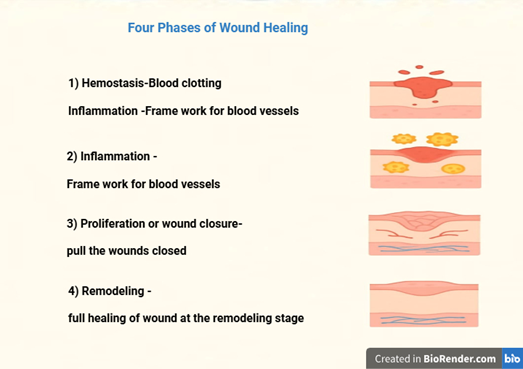
Figure 1. Schematic Representation of the Sequential Stages of Wound Healing[12].
TURMERIC
Turmeric (Curcuma longa) (1,7-bis(4-hydroxy-3-methoxyphenyl)-1,6-hepta-diene-3,5-dione) is perennial herbaceous plant which belong to family of Zingiberaceae or gincger family[15]. Turmeric which is native to South and southeast Asian countries is widely used in the ancient systems of medicine including Ayurveda, Unani, and Traditional Chinese Medicine. It is extensively grown in India and it is the largest manufacturer of turmeric globally, largest in export [16].The consumed part of the plant is the rhizome which is boiled dried and crushed into a bright yellow-orange powder. The powder is commonly utilized as a culinary spice especially in Indian and Southeast Asian cuisines, and similarly in most cultures and religions has associated cultural and religious meaning [17]. Curcumin a yellow polyphenol that is the major active constituent of turmeric, has a broad range of biological activities. Most of the medicinal properties shown by Turmeric are credited to curcumin, which imparts curcumin its characteristic colour. Despite its potential curcumin has low bioavailability meaning it is poorly absorbed into the bloodstream. To enhance its absorption it is often consumed with piperine an alkaloid from black peper, which increases bioavailability significantly[17]. Swelling is a body's true & right move when hurt or sick. Study shows it starts with a chain of steps by the body's guard (immune) system. It helps in shield & mend tasks, but it can lead to more body issues & health bad turns[18]. The root of Curcuma longa has been used for a long time. It fights germs & keeps bugs away. Studies show that curcumin, its main part, kills a wide range of germs. This includes germs that can cause bad bugs, colds, Mold, & malaria. Since it is safe even in big doses (up to 12 g/day in tests), curcumin is used as a model to make new germ-fighting drugs. Experts have made many forms of curcumin. They did this to boost & change how well it can kill germs[19].
Medical uses of turmeric-digestive issues such as indigestion and bloating skin conditions like acne, eczema and wound inflammatory diseases such as arthritis liver and gallbladder problems traditional medicines Cosmetic used in face mask and creams for glowing skin and treating acne. Modern research has confirmed many of these benefits. Curcumin exhibits anti-inflammatory properties by inhibiting enzymes molecules involved in inflammation. It is also a strong antioxidant, neutralizing free radicals and boosting the body's own antioxidant. In addition curcumin has been studied for its anticancer, antimicrobial and neuroprotective effects though more clinical studies are needed to confirm its effectiveness in these areas.
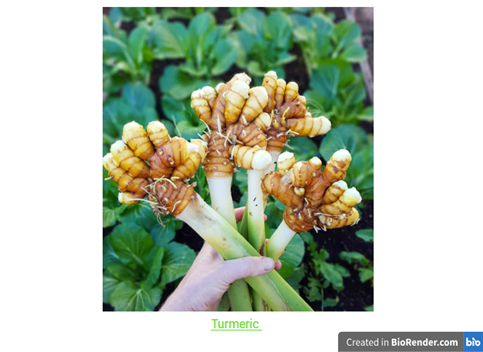
Figure 2. Image of Turmeric[12].
ALOE-VERA
Is a species of succulent plants of the family Asphodelaceae. It is well known as a medicine cosmetic as well as nutritional element. Aloe vera native to the Arabian Peninsula is grown today in tropical and subtropical areas of the globe such as India, Africa, the Caribbean, and some of the United States. The plant is distinguished by thick and fleshy leather as well as green leaves that hold transparent jelly like substance. This is the part of the plant most widely used and has been known to have cooling soothing and healing properties. The benefits of aloe vera in traditional medicine have thousands of years of history in such systems as Ayurveda, Unani, Chinese medicine. It is widely known as “miracle plant” because of its diverse therapeutic properties. where it was referred to as the “plant of immortality.” It was used for treating wounds skin diseases, and as a cosmetic[20], [21].
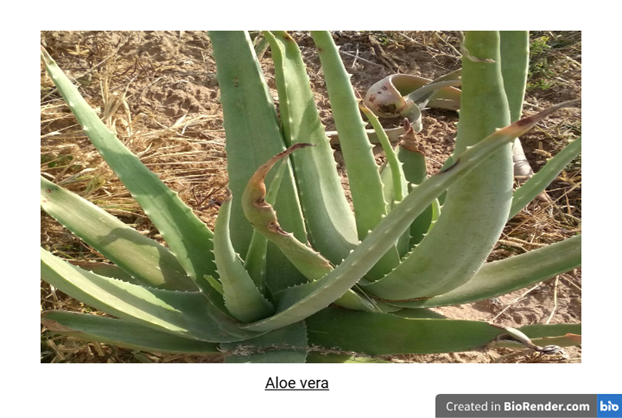
Figure 3. Image of Aloe vera[12].
Medicinal uses of aloe-vera:
Skin Care
Aloe vera is widely used in treating burns, wounds, acne, and sunburns. Its moisturizing and anti-inflammatory properties make it a key ingredient in many skincare products. it accelerates wound healing by promoting collagen synthesis and skin cell regeneration. It also soothes irritation and reduces redness. Aloe latex a yellowish sap found under the leaf skin contains compounds like aloin which have laxative properties. it used cautiously to avoid side effects like diarrhoea or cramping. Aloe vera juice is sometimes used to soothe gastrointestinal inflammation, ulcers, and irritable bowel syndrome (IBS).
Wound Healing
Studies have shown that aloe vera accelerates the healing of first- and second-degree burns and minor cuts due to its ability to increase collagen synthesis and cell regeneration[21].
Anti-inflammatory and Antioxidant
Aloe vera gel helps reduce inflammation and oxidative stress supporting skin regeneration and immune function[21].
Oral Health
Aloe-based mouthwashes help reduce plaque, gingivitis, and mouth ulcers[20].
Blood Sugar Regulation
Preliminary studies suggest that Aloe vera may help in managing type 2 diabetes by improving insulin sensitivity and reducing blood glucose levels [20].
CENTELLA ASIATICA
Centella asiatica has a significant amount of triterpenoids and saponins, especially Asiaticoside, Madecassoside, Asiatic acid, and Madecassic acid. These materials are essential in the processes of healing wounds.
Key phytochemicals: Asiaticoside, Madecassoside, Asiatic acid, Madecassic acid.
Mode of Action
Asiaticoside lowers the amounts of pro-inflammatory cytokines such as TNF-α and IL-1β, thus reducing tissue inflammation. The triterpenoid enhances the synthesis of Type I collagen, crucial for tensile strength and the renewal of the extracellular matrix[22].
AZADIRACHTA INDICA
Azadirachta indica includes numerous biologically active compounds, such as triterpenoids, phenolic compounds, carotenoids, steroids, and ketones, like Azadirachtin, nimbolide, and nimbidin.
Key phytochemical: Triterpenoids (nimbolide, azadirachtin) phenolics, steroids.
Mode of Action
This plant has various medicinal uses and countless applications, such as antioxidant effects, anti-inflammatory properties, antibacterial activity, anti-cancer effects, antiviral capabilities, antifungal action, antidiabetic effects, and promoting wound healing[23].
MORINGA OLEIFERA
The phytochemicals present in Moringa oleifera comprise isothiocyanates, flavonoids such as kaempferol, vanillin, and quercetin, alongside phenolic acids including gallic, ellagic, chlorogenic, and ferulic acids. These substances have substantial nutritional, medicinal, and antimicrobial characteristics.
Key phytochemicals: Isothiocyanates, flavonoids (quercetin, kaempferol, vanillin) phenolic acid (gallic, chlorogenic, ferulic, ellagic).
Mode of Action
Moringa oleifera leaves possess a strong variety of antioxidants because of a wide selection of natural bioactive substances, such as phenolics, vitamins A, E, and ascorbic acid, in addition to flavonoids. The wealth of bioactive compounds in Moringa oleifera, especially quercetin, can be associated with its anti-inflammatory effects[24].
CAMELLIA SINENSIS
The phytochemicals present in Camellia sinensis comprise epicatechin (EC), epigallocatechin (EGC), epicatechin gallate (ECG), and epigallocatechin gallate (EGCG)
Key phytochemical: Catechins like epicatechin (EC), epigallocatechin (EGC), epicatechingallate (ECG), epigallocatechin-gallate (EGCG).
Mode of Action
EGCG exhibits significant antioxidant capabilities, counteracting reactive oxygen species (ROS) and protecting fibroblasts. Catechins exhibit anti-inflammatory properties by inhibiting NF-κB. Extracts additionally stimulate fibroblast growth, improve the development of new blood vessels, and aid in epithelialization, while demonstrating antimicrobial effects against wound-related pathogens[25].
PUNICA GRANATUM
Punica granatum, commonly known as pomegranate, is a rich source of numerous phytochemical compounds, including ellagitannins, anthocyanins, flavonoids, and phenolic acids. The most common and bioactive components of pomegranate are ellagitannins such as punicalagins and punicalins.
Key phytochemical: Ellagitannins (punicalagin), anthocyanins, phenolic acids, flavonoids.
Mode of Action
Punica granatum is rich in antioxidants and shows anti-inflammatory and antimicrobial effects. The polyphenols in Punica granatum act as antioxidants and prevent pro-inflammatory cytokines. Ellagic acid enhances the growth of fibroblasts and the production of collagen, whereas punicalagin provides antimicrobial defense. Additionally, these substances promote angiogenesis and accelerate the process of epithelialization[26].
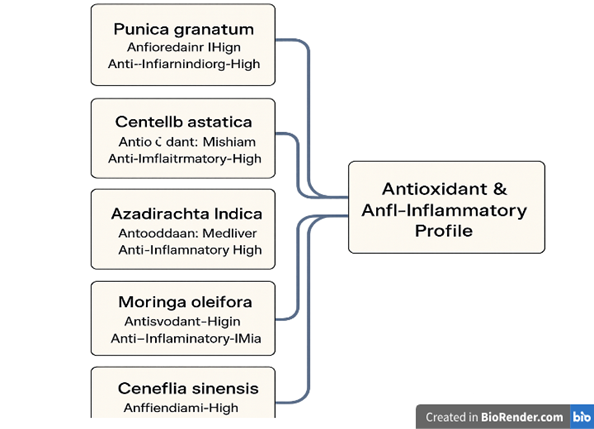
Figure 4. Flow chart of anti- inflammatory and antioxidant properties.
Table 1: Medicinal Plants in Wound Healing
|
Sr. No |
Plant |
Common Name |
Family |
Reported wound healing activity |
Uses |
References |
|
1. |
Ficus religiosa |
Sacred Fig / Peepal |
Moraceae |
Antimicrobial, wound contraction |
Ayurveda: bark paste for cuts, ulcers |
[27] |
|
2. |
Tridax procumbens |
Coat Buttons |
Asteraceae |
Fibroblast proliferation, angiogenesis |
Folk poultice for cuts, burns |
[28] |
|
3. |
Ocimum sanctum |
Holy Basil / Tulsi |
Lamiaceae |
Anti-inflammatory, antioxidant |
Indian medicine for skin infections, wounds |
[29] |
|
4. |
Piper betle |
Betel Leaf |
Piperaceae |
Antimicrobial, epithelialization |
Southeast Asia: leaf paste on wounds |
[30] |
|
5. |
Cassia alata |
Ringworm Bush |
Fabaceae |
Antioxidant, fibroblast activation |
Used for skin ulcers, fungal wounds |
[31] |
|
6. |
Mangifera indica |
Mango |
Anacardiaceae |
Collagen synthesis, angiogenesis |
Bark decoction in burns, ulcers |
[32] |
|
7. |
Zingiber officinale |
Ginger |
Zingiberaceae |
Anti-inflammatory, antimicrobial |
Rhizome extract for cuts, burns |
[33] |
|
8. |
Phyllanthus emblica |
Indian Gooseberry / Amla |
Phyllanthaceae |
Antioxidant, epithelialization |
Ayurveda: fruit paste for wound care |
[34] |
|
9. |
Cissus quadrangularis |
Hadjod / Veldt Grape |
Vitaceae |
Angiogenesis, collagen synthesis |
Folk remedy for bone fractures, tissue repair |
[35] |
|
10. |
Hibiscus rosa-sinensis |
Hibiscus |
Malvaceae |
Fibroblast proliferation, wound contraction |
Leaves/flowers for boils, injuries |
[36] |
|
11. |
Boerhaavia diffusa |
Punarnava |
Nyctaginaceae |
Anti-inflammatory, antioxidant |
Ayurvedic remedy for skin inflammation |
[37] |
|
12. |
Bauhinia variegata |
Orchid Tree |
Fabaceae |
Collagen synthesis, epithelialization |
Bark used for cuts, ulcers |
[38] |
APPLICATION
Burn Wounds: - Aloe vera gel serves as a common remedy for treating first-degree and second-degree burn injuries. The medication delivers three advantages through its cooling properties and anti-inflammatory effects and antimicrobial protection which work together to reduce pain and speed up recovery and prevent infections. The application of Turmeric gels onto the skin triggers wound healing because the gel promotes blood vessel growth and tissue regeneration. Burn treatment with gel combinations accelerates the healing process while decreasing the risk of developing scars[21]. Nurses must learn to identify different wound types because this knowledge enables them to start treatment which leads to rapid wound healing. The healing process for diabetic and chronic ulcers becomes slower because of oxidative stress and infections and collagen escape. Aloe vera gel boosts fibroblast activity but curcumin functions to decrease inflammation and oxidative stress. According to the studies the use of a combination of these gels could be effective in the management of non-healing diabetic wounds by inducing tissue regeneration and preventing infection[20]. Post-Surgical Wounds are topical use of Aloe vera hastens the healing of wounds in the body by enhancing wound contraction and collagen deposition in post-operative wounds. Curcumin gel alleviates inflammation of surgical wounds, inhibits proliferation of the routine cement since it is an anti-fibrotic agent. One of the applications of these gels is adjuvant therapy using conventional test prepared following surgery and using these gels[39]. Minor Cuts, Abrasions and Laceration is an advantage of herbal gels over synthetic antiseptic ointments is that they are cheaper and easily accessible in natural form and are better than synthetic baby’s ointments[39]Turmeric gels and aloe vera are commonly used in minor cuts, abrasions and day to day skin wounds on the basis of their antimicrobial and calming properties. Gels are easy to spread and painless to touch thus make them preferable to their patients.
Dermatological Uses Cosmetic Uses due to the effects of both Aloe vera and curcumin on collagen production and acne scars, stretch marks and any small surgical scars due to shorter prevention times, they are also used in cosmetic dermatology. They additionally contribute to the antioxidants of skin which suggests the regeneration of skin and the repair of the tissues[40].
EVIDENCE
Preclinical Studies
Carbopol gel containing Aloe vera extract on excision wounds on Wistar rats induced contraction of wounds of approximately 80% on day 14; in great contrast to controls[20].
Turmeric extract gel (5%) had better effects in wound length reduction as compared to higher concentrations so that optimum formulation enhances the curacy[41]. The anti-oxidative properties of the curcumin eaters prove the effectiveness of Aloe vera in vitro, due to its effects on fibroblast proliferation and migration of keratinocytes [42].
Clinical Studies
Systematic reviews and meta-analyses demonstrate that Aloe vera accelerates burn and surgical wound healing although research studies show varying quality and formulation of this treatment in the existing literature. The medical community shows increasing interest in using curcumin-based gels and creams to treat postoperative wounds and chronic ulcers but most clinical studies remain too small to produce reliable results because their organizational methods need improvement [39]. Over the past five years, several clinical trials have explored how curcumin may benefit patients with various conditions, including metabolic syndrome, diabetes, arthritis, and inflammatory gut disorders[43].
ADVANTAGES
Natural and Safe: Made from medicinal plants like Aloe vera, turmeric, calendula, and neem, offering high skin compatibility with minimal risk of irritation or allergies—ideal for sensitive skin and long-term use.
Anti-inflammatory and Antimicrobial: Reduce swelling and fight infections through ingredients like turmeric, neem, and tea tree oil, which help speed up healing.
Rich in Healing Compounds: Contain phytochemicals (flavonoids, tannins, alkaloids, etc.) that support all phases of wound healing—reducing oxidative stress, promoting tissue contraction, and preventing bleeding.
Supports Tissue Regeneration: Stimulate collagen production and cell growth (e.g., Centella asiatica promotes fibroblast activity), enhancing tissue repair and strength.
DISADVANTAGES
Lack of Standardization: No Set Rule: Each plant, pick time, & fix change. Makes mix vary. Hard to tell the health gain.
Short Life: Herb gels can spoil fast. They lack things to keep them safe. This can cut their power & safety.
Allergy Risk: All herbs are from nature, but some can give you bad skin, rashes, or make you have an allergy if you're not strong.
Risks of drugs mix: Herbs may clash with set meds. This is bad for folk on key drugs like blood thinners or immune-blockers.
Limited Scientific Evidence: Most herb gels lack big tests. It is hard to check their safety & use well. This is not so in main drugs.
Regulatory Gaps: In numerous countries, herbal products face minimal regulation, leading to concerns about contamination, inaccurate labelling, and overall safety.
CONCLUSION
Recent preclinical and clinical studies suggest that herbal gels containing Aloe vera and Turmeric (Curcuma longa/curcumin) show strong potential in accelerating wound healing. These two ingredients work together—Aloe vera promotes fibroblast activity, collagen production, and skin regeneration, while also offering anti-inflammatory and antimicrobial support. Curcumin, the active compound in turmeric, helps reduce oxidative stress, encourages new blood vessel formation (angiogenesis), and controls inflammation, all of which support tissue growth and scar reduction. These herbal gels have been effectively used for various wounds, including burns, surgical cuts, diabetic ulcers, and minor injuries. Studies show benefits like faster healing, improved wound contraction, stronger skin, and better cosmetic outcomes. The gel form also offers practical advantages: it retains moisture, allows for slow release of active compounds, and is easy for patients to use. Wound healing itself is a complex process involving stages like haemostasis, inflammation, proliferation, and remodelling. If disrupted—due to factors like infection, oxidative stress, or chronic illnesses like diabetes—wounds can become chronic and hard to treat. Herbal-based gels are increasingly seen as promising alternatives to conventional treatments because they are biocompatible, safe, and affordable. Aloe vera and turmeric are two of the most studied medicinal plants for wound care. Their bioactive components—such as glucomannans, glycoproteins, and curcumin—not only support tissue regeneration but also reduce inflammation and fight infection. The gel format ensures these benefits are delivered effectively and comfortably, making them a strong candidate for modern wound care practices.
REFERENCES





Nishant Thakre, Komal Katre, Sonu Gathe, Chanchal Pathade, Dharmendra Yadav, Exploring The Role of Herbal Gels in Accelerating Wound Healing: Evidence and Application, Int. J. of Pharm. Sci., 2026, Vol 4, Issue 1, 359-371. https://doi.org/10.5281/zenodo.18154256
 10.5281/zenodo.18154256
