View Article

Abstract

Rheumatoid arthritis (RA) is a chronic, systemic autoimmune disorder characterized by persistent synovitis, progressive cartilage degradation, and bone erosion, resulting in irreversible joint damage and multisystem involvement. Its pathogenesis involves a complex interplay of genetic susceptibility, environmental triggers, and immune dysregulation, resulting in the production of autoantibodies such as rheumatoid factor and anti-citrullinated protein antibodies, along with elevated pro-inflammatory cytokines including TNF-? and IL-6. NSAIDs, glucocorticoids, and disease-modifying anti-rheumatic drugs (DMARDs) are some of the current treatments that help with symptoms and control the disease, but they have side effects and can be toxic in the long term. Phytotherapeutic agents like Curcuma longa, Boswellia serrata, and Withania somnifera have strong anti-inflammatory and immunomodulatory effects by changing the way cytokines signal and the way oxidative stress pathways work. More clinical validation is needed

Keywords

Herbal Therapeutics, Rheumatoid Arthritis, persistent synovitis, progressive cartilage degradation

Introduction

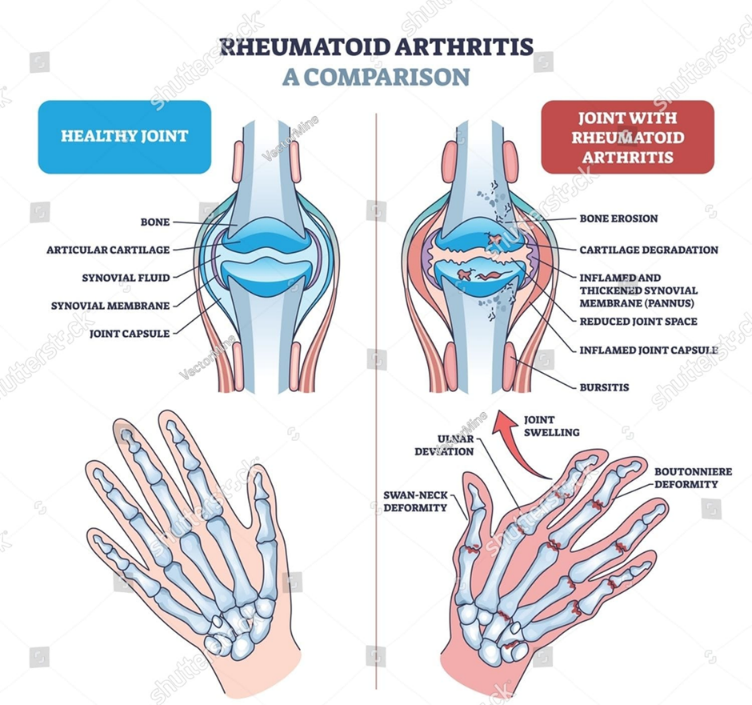
The crippling autoimmune disease known as rheumatoid arthritis (RA) is characterised by persistent inflammation of the synovial joints, which causes pain, swelling, and stiff joint deformities. It can also harm extra-articular organs such as the heart, lung, digestive system, eye, skin, and nervous system. Rheumatoid arthritis (RA) is a chronic inflammatory, systemic, progressive autoimmune disease in which the body's immune system, which is primarily responsible for defending against foreign bacteria and viruses, unintentionally targets the joints, causing thickened synovium, the formation of pannus, and the destruction of bone and cartilage (1). If left untreated, it can lead to a number of complications, including rheumatoid vasculitis, Elty's syndrome, permanent joint damage that necessitates an arthroplasty, and splenectomy. The precise cause of this illness is still unknown to scientists. Age, gender, genetics, and environmental exposure—such as cigarette smoking, air pollution, and occupational exposure—are thought to contribute to the development of RA. Since there is no known cure for RA, the main objectives of treatment are to lessen pain and prevent or slow further damage. In the developed world, RA affects 0.5 to 1% of adults, with 5 to 50 new cases per 100,000 people annually. The immune system typically exhibits self-tolerance in autoimmune diseases and does not target the body's own constituents. An autoimmune disorder results from HL's self-tolerance breaking down. Articular cartilage and juxta-articular bone can be destroyed by chronic inflammation of the synovial membrane, which is part of the pathophysiology of RA. Arthritis is a very common health issue that causes functional disability related to activities of daily living (ADLs) and instrumental activities of daily living (IADLs), limits social and occupational participation, and makes it difficult for people to fulfil their roles in life. Rheumatoid arthritis, osteoarthritis, gout, tuberculosis, and other infections are among the more than 200 conditions that can result in arthritis (2). Ankylosing spondylitis, gout, osteoarthritis, psoriatic arthritis, rheumatoid arthritis, septic arthritis, calcium pyrophosphate deposition disease, crystal arthritis, bacterial infections, systemic lupus erythematosus (SLE), fibromyalgia, lupus, scleroderma, post-traumatic arthritis, hemochromatosis arthritis, enteropathy arthritis, giant cell arthritis, Bechet’s disease, relapsing polychondritis, gonococcal arthritis, Pseudo-gout, and Relapsing polychondritis are the most common types of arthritis (3)       

(4)


ETIOLOGY:-

The etiology of rheumatoid arthritis (RA), a chronic autoimmune disease, is multifactorial and involves a complex interplay of immune system dysregulation, environmental triggers, and genetic susceptibility. Genetic factors are important, especially differences in the HLA-DRB1 gene (shared epitope alleles), which make joint tissues more vulnerable to autoimmune reactions. In people who are genetically predisposed to the disease, environmental factors like cigarette smoking, infections, and exposure to specific pollutants can cause aberrant immune activation and the production of autoantibodies like anti-citrullinated protein antibodies (ACPAs) and rheumatoid factor (RF). These antibodies cause synovial hyperplasia, cartilage degradation, and bone erosion by starting a chronic inflammatory reaction in the synovial membrane of joints. It has also been proposed that changes in the gut microbiome and hormonal effects play a role in the development and progression of disease. Current research suggests that RA develops through the interaction of genetic predisposition with environmental and immunological mechanisms, which ultimately result in chronic joint inflammation and systemic manifestations, even though the precise cause is still unknown. (5,6,7).

PATHOPHYSIOLOGY:-

The chronic autoimmune disease known as rheumatoid arthritis (RA) is caused by a complex interplay between immune system dysregulation, environmental triggers, and genetic susceptibility. The human leukocyte antigen (HLA) system and other loci that affect immune signalling and lymphocyte activation, such as CD28, CD40, and PTPN22, are genetically strongly linked to the disease. Histone alterations and DNA methylation are examples of epigenetic modifications that further contribute to the development of disease. Through mechanisms like molecular mimicry, environmental factors like smoking, infections, and socioeconomic conditions act as triggers, causing the immune system to mistakenly attack self-antigens.

The development of autoantibodies, specifically rheumatoid factor (RF) and anti-citrullinated protein antibodies (ACPAs), which can be identified years before clinical symptoms manifest, is the defining feature of RA pathophysiology. These antibodies create immune complexes that trigger tissue damage by activating the complement system and inflammatory cells like macrophages and osteoclasts. Chronic inflammation of the synovial membrane caused by both innate and adaptive immune responses is the hallmark of the illness. Leukocyte infiltration and pro-inflammatory cytokines, particularly tumour necrosis factor-alpha (TNF-α), interleukin-6 (IL-6), and, to a lesser extent, interleukin-1 (IL-1), are involved in this inflammation.

By encouraging the expression of receptor activator of nuclear factor kappa-B ligand (RANKL), which stimulates osteoclast formation and bone resorption, synovial fibroblasts become activated as the inflammatory process advances and contribute to joint destruction. Concurrently, chondrocytes are affected by cytokines, which causes the release of matrix metalloproteinases that break down cartilage. Joint deterioration, deformity, and loss of function follow from this. Furthermore, although the precise mechanisms are still unknown, changes in the microbiome have been noted in RA patients and may contribute to the development and course of the disease. In general, the pathophysiology of RA involves an ongoing cycle of inflammation and autoimmunity that, if left untreated, eventually results in irreversible joint destruction. (8)

TYPES OF RHEUMATOID ARTHRITIS:-

  • SERO-POSITIVE RHEUMATOID:-The arthritis Patients who have positive blood tests for anti-cyclic citrullinated peptide (anti-CCP) and/or rheumatoid factor (RF) are referred to as having seropositive RA. It is the most prevalent and serious type of rheumatoid arthritis. Patients usually exhibit extra-articular symptoms, more aggressive joint destruction, and quicker disease progression. Anti-CCP antibodies can show up years before clinical symptoms manifest, making them extremely specific indicators for RA. Compared to seronegative patients, people with seropositive RA frequently exhibit higher levels of inflammatory activity and more radiographic joint damage. Important markers of diagnosis Factor rheumatoid (RF) Anti-CCP, or anti-cyclic citrullinated peptide antibodies.
  • SERO-NEGATIVE RHEUMATOID: -

Seronegative Patients who exhibit clinical symptoms consistent with rheumatoid arthritis but do not exhibit detectable RF or anti-CCP antibodies in laboratory tests are referred to as having seronegative RA. In contrast to seropositive RA, the disease course is frequently milder and less damaging. Clinical symptoms, imaging results, and inflammatory markers like ESR and CRP are the primary factors used in diagnosis. As antibodies start to show up over time, some seronegative patients may eventually develop seropositive RA. Because conditions like psoriatic arthritis or spondyloarthritis can initially mimic seronegative RA, differential diagnosis is crucial. (9,10,11)

MECHANISM OF RHEMATOID ARTHRITIS:-

  • Environmental Trigger and Genetic Predisposition Rheumatoid arthritis is more common in people with specific genetic markers, such as HLA-DRB1 alleles (shared epitope). In people who are genetically predisposed, environmental factors like smoking, infections, or changes in the microbiome can activate the immune system. These triggers cause the immune system to recognize citrullinated proteins abnormally, which starts autoimmunity.
  •  Development of Autoantibodies Autoantibodies are produced by the immune system in response to self-antigens. The key antibodies that are involved are: An antibody called rheumatoid factor (RF) targets the Fc region of IgG. Antibodies against Citrullinated Proteins (ACPAs). By depositing in the synovial membrane and triggering the complement system, these antibodies create immune complexes that increase inflammation.
  •  Immunological Cell Activation B-cells, macrophages, and synovial fibroblasts are stimulated by CD4? T-cells activated by antigen-presenting cells. Inflammatory mediators are released by activated immune cells, such as: TNF-α (tumor necrosis factor alpha) and IL-1 (interleukin 1) Interleukin 6 (IL-6). These cytokines are responsible for the joint's persistent inflammation.
  •  The Development of Pannus and Synovial Inflammation Synovial hyperplasia, increased vascularization, and inflammatory cell infiltration are all brought on by chronic inflammation. A proliferative tissue called Pannus (rheumatoid arthritis) is formed by the inflamed synovium and grows over bone and cartilage.
  • Destruction of Bone and Cartilage Osteoclasts are activated by the pannus, which releases matrix metalloproteinases (MMPs), resulting in: Damage to cartilage Erosion of the bone Joint deformity and loss of function that progresses The symmetrical joint damage that characterizes rheumatoid arthritis can be explained by this destructive process.(10,11,12)

SYMPTOMS OF RHEUMATOID ARTHRITIS:-


Category

Symptom

Description

Citation

Articular

Joint pain (Arthralgia)

Persistent pain in multiple joints, commonly small joints (hands, wrists, feet)

[13]


Joint swelling

Synovial inflammation leading to soft tissue swelling

[13]


Morning stiffness

Stiffness lasting >30–60 minutes, especially in early morning

[14]


Reduced range of motion

Limited joint mobility due to inflammation and pain

[14]


Symmetrical joint involvement

Bilateral involvement of MCP, PIP, wrist, knee joints

[14]

Systemic

Fatigue

Most common systemic complaint due to chronic inflammation

[15]


Low-grade fever

Mild fever associated with inflammatory activity

[15]


Malaise

General feeling of discomfort and illness

[15]

Extra-articular

Rheumatoid nodules

Firm subcutaneous nodules on extensor surfaces

[16]


Dry eyes (Keratoconjunctivitis sicca)

Autoimmune involvement of lacrimal glands

[16]


Dry mouth (Xerostomia)

Salivary gland involvement

[16]


Pulmonary involvement

Interstitial lung disease, shortness of breath

[16]


Neurological symptoms

Nerve compression causing numbness/tingling

[16]

Early/Preclinical

Arthralgia (without swelling)

Early symptom before clinical RA develops

[17]


Palindromic rheumatism

Intermittent episodes of joint inflammation

[17]

General Clinical Feature

Chronic progressive inflammatory disorder

RA is a systemic autoimmune disease affecting synovial joints with progressive damage

[18]


(19)

DIAGNOSIS:-

  • Medical history: - A doctor will ask about your symptoms, any other medical conditions you or your family have, and any medications you are taking.
  • Physical exam: A doctor will check your general health, reflexes, and problem joints.
  • Imaging tests
  • X-rays
  • Ultrasound
  • Magnetic resonance imaging (MRI)
  • Computed tomography (CT)
  • Blood tests
  • Antinuclear antibody (ANA) test
  • Complete blood count (CBC)
  • Creatinine
  • Sedimentation rate
  • Rheumatoid factor (RF) and cyclic citrullinated peptide (CCP) antibody tests
  • White blood cell count
  • Uric acid
  • Surgery: Synovectomy is a procedure that removes damaged connective tissue lining a joint cavity.
  • Disease-modifying anti-rheumatic drugs (DMARDs) can help with symptom remission if started early.(20)

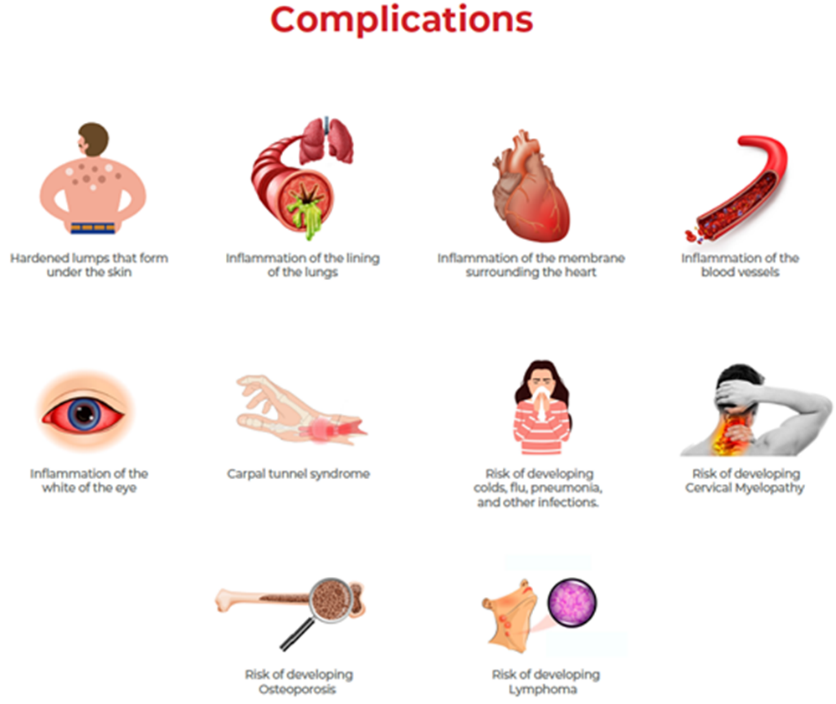
COMPLICATION OF RHEUMATOID ARTHRITIS:-


SERIAL N.O.

SYSTEM/CATEGORY

COMPLICATION

DESCRIPTION


  1.  

ARTICULAR

Joint destruction & deformity

Chronic synovial inflammation → cartilage erosion, bone destruction, deformities (e.g., ulnar deviation)


Functional disability


Progressive loss of joint mobility and function

 
  1.  

SKELETAL

Osteoporosis

Reduced bone density due to inflammation and corticosteroid use → ↑ fracture risk


  1.  

HEMATOLOGIC

Anemia of chronic disease

Decreased RBC production due to chronic inflammation


Felty’s syndrome

Triad: RA + splenomegaly + neutropenia

 
  1.  

CRDIOVASCULAR

Atherosclerosis

Chronic inflammation accelerates plaque formation → ↑ MI and stroke risk


Pericarditis / Myocarditis


Inflammatory involvement of cardiac tissues

 
  1.  

PULMONARY

Pleural effusion

Pulmonary

Fluid accumulation in pleural cavity


hypertension

Interstitial lung disease (ILD

Increased pulmonary arterial pressure

 
  1.  

NEUROLOGICAL

Peripheral neuropathy

Nerve compression or vasculitis-related nerve damage


Cervical myelopathy

Atlantoaxial subluxation leading to spinal cord compression

 
  1.  

OCULAR

Sjögren’s syndrome

Dry eyes due to autoimmune gland destruction


Scleritis / Episcleritis


Painful inflammatory eye disorders

 
  1.  

CUTANEOUS

Rheumatoid nodules

Subcutaneous nodules, commonly over pressure points


Vasculitis


Inflammation of blood vessels → ulcers, ischemia

 
  1.  

RENAL

Amyloidosis

Protein deposition in kidneys → renal dysfunction


  1.  

INFECTIOUS

Increased infection risk

Due to immunosuppression (disease + therapy)C


  1.  

PSYCHOLOGICAL

Depression / anxiety

Chronic pain and disability affecting mental health


  1.  

METABOLIC/SYSTEMIC

Cachexia

Muscle wasting due to chronic inflammation. (21-23)


(24)

CONVENTIONAL DRUGS OF RHEUMATOID ARTHRITIS WITH LIMITATIONS:-


Category

Drug/Class

Mechanism of Action

Key Effects in RA

Major ADRs / Limitations

Refs

NSAIDs

Non-selective (Ibuprofen, Diclofenac, Naproxen)

COX-1 & COX-2 inhibition → ↓ Prostaglandins

Symptomatic relief only

GI ulcer, bleeding, renal & CV risk

[25-27]


COX-2 inhibitors (Celecoxib, Etoricoxib)

Selective COX-2 inhibition

Reduced GI toxicity vs NSAIDs

↑ Cardiovascular risk

[26-28]

Glucocorticoids

Prednisolone

↓ Cytokines (IL-1, TNF-α), immunosuppression

Rapid relief, slows joint damage

Osteoporosis, diabetes, infection, adrenal suppression

[29-31]

Conventional DMARDs

Methotrexate

↑ Adenosine, ↓ T-cell activation

First-line, slows progression

Hepatotoxicity, myelosuppression, GI toxicity

[32-34]


Hydroxychloroquine

Inhibits lysosomal activity & cytokines

Mild RA, combination therapy

Retinopathy, GI upset

[35-36]


Sulfasalazine

↓ NF-κB, TNF-α

Anti-inflammatory

GI upset, hypersensitivity

[37]


Leflunomide

Inhibits pyrimidine synthesis

↓ Lymphocyte proliferation

Hepatotoxicity, teratogenicity

[38]


Azathioprine

Inhibits purine synthesis

Immunosuppressive

Bone marrow suppression, hepatotoxicity

[39]


Cyclosporine

Calcineurin inhibitor → ↓ IL-2

Reduces immune activation

Nephrotoxicity, hypertension

[40]

Biologic DMARDs

TNF inhibitors (Etanercept, Infliximab, Adalimumab)

Block TNF-α

Strong disease control

Serious infections (TB), malignancy risk

[41-43]


Abatacept

Inhibits T-cell activation (CD80/86)

Reduces immune response

Infection risk

[44]


Tocilizumab

IL-6 receptor blocker

Effective in resistant RA

Infection, liver enzyme elevation

[45]


Rituximab

Anti-CD20 → B-cell depletion

Severe RA

Infusion reactions, infection

[46]

Targeted Synthetic DMARD

Tofacitinib

JAK inhibitor

Oral alternative

Infection, thrombosis risk

[47]


MANAGEMENT OF RHEUMATOID ARTHRITIS:-

  • A better patient outcome depends on early symptom recognition and diagnosis. Early review makes it possible to start treatment and reduce inflammation more quickly.
  • Analyses have unequivocally shown that the length of symptoms prior to diagnosis influences the response to DMARD therapy.
  • Rheumatoid arthritis can be diagnosed using inflammatory markers and normal autoantibodies. If rheumatoid arthritis is suspected, primary care doctors shouldn't wait for test results before making a referral. Better outcomes have been linked to early referral to a specialist rheumatology clinic.
  • Primary healthcare:-Analgesia should be the first line of treatment for primary care patients who exhibit joint symptoms suggestive of inflammatory arthritis. Compound analgesics, codeine, and paracetamol are examples of this. In primary care, standard NSAIDs and selective COX2 inhibitors are further options. Corticosteroids ought to be started in secondary care only after review.
  • Interdisciplinary Care:-Occupational therapy, physical therapy, psychology, patient support, and patient education are all part of the multidisciplinary approach used in a rheumatology clinic to manage rheumatoid arthritis.
  • As members of the multidisciplinary team, patients with rheumatoid arthritis may receive care from the following specialists:
  • Occupational therapist: Splints, wrist supports, and pacing guidance to assist with daily tasks
  • Physiotherapist: Particular joint and muscle function, eccentric and concentric exercise regimens
  • GP: Comorbidity assessment and management, including cardiovascular risk and bone health consideration
  • Podiatrist: Take care of your feet and wear the right shoes.
  • Practical guidance and assistance from a rheumatology nurse specialist
  • Orthopaedic surgeons perform joint replacements.(48)

MEDICINAL PLANTS WITH ANTI-ARTHRITIC ACTIVITY:-


S. No.

Plant

Family

Active Constituents

Mechanism of Anti-RA Action

Ref.

1

Aloe barbadensis

Liliaceae

Aloe-emodin

↓ PGE2, NO, IL-6, TNF-α, NF-κB inhibition

[49-51]

2

Abrus precatorius

Fabaceae

Abrusosides

Anti-inflammatory

[52,53]

3

Alstonia scholaris

Apocynaceae

Alkaloids

↓ COX, LOX, NO, leukocyte migration

[54,55]

4

Andrographis paniculata

Acanthaceae

Andrographolide

NF-κB inhibition

[56-59]

5

Arctium lappa

Asteraceae

Arctigenin

↓ NO, iNOS, cytokines

[60,61]

6

Artemisia capillaris

Asteraceae

Scoparone

↓ NO, PGE2, NF-κB

[62,63]

7

Berberis lyceum

Berberidaceae

Alkaloids

↓ prostaglandins

[64,65]

8

Boswellia serrata

Burseraceae

Boswellic acids

↓ NF-κB, COX-2, LOX

[66-68]

9

Cannabis sativa

Cannabaceae

Cannabidiol

↓ TNF-α, IL-6

[69,70]

10

Curcuma longa

Zingiberaceae

Curcumin

↓ NF-κB, LOX

[71-75]

11

Glycyrrhiza glabra

Leguminosae

Glycyrrhizin

↓ IL-6, TNF-α

[76,77]

12

Moringa oleifera

Moringaceae

Polyphenols

↓ COX-2, cytokines

[78,79]

13

Nigella sativa

Ranunculaceae

Thymoquinone

↓ IL-1β, TNF-α

[80-85]

14

Piper nigrum

Piperaceae

Piperine

↓ prostaglandins

[86]

15

Rheum palmatum

Polygonaceae

Emodin

↓ NF-κB, cytokines

[87,88]

16

Terminalia chebula

Combretaceae

Tannins

↓ TNF-α, IL-6

[89]

17

Withania somnifera

Solanaceae

Withanolides

NF-κB inhibition

[90]

18

Zingiber officinale

Zingiberaceae

Gingerol

↓ PGE, NO

[91,92]

19

Vitis vinifera

Vitaceae

Resveratrol

↓ Th17, IL-17

[93-95]


MECHANISM OF ANTI-RHEUMATOID ARTHRITIS ACTIVITY:-

  • Cytokine Suppression (Core Mechanism):- The majority of these plants work by reducing pro-inflammatory cytokines, which are key factors in the pathophysiology of RA. TNF-α, IL-1β, and IL-6 are examples of cytokines that encourage pannus formation, synovial inflammation, and joint degradation. Herbal remedies such as Terminalia chebula, Aloe barbadensis, Nigella sativa, and Moringa oleifera dramatically lower these mediators, reducing inflammation and slowing the progression of disease.
  • NF-κB Pathway Inhibition (Master Switch Control):- NF-κB is an important transcription factor that controls the expression of genes related to inflammation. Numerous plants inhibit NF-κB activation, such as Andrographis paniculata, Curcuma longa, Boswellia serrata, and Withania somnifera. As a result, downstream mediators like adhesion molecules, COX-2, and cytokines are suppressed, effectively stopping the inflammatory cascade at its source.
  • Inhibition of Prostaglandins and COX/LOX Pathways:- Prostaglandins, particularly PGE2, are important mediators of inflammation and pain. Zingiber officinale, Piper nigrum, Berberis lyceum, and Alstonia scholaris are among the plants that reduce prostaglandin and leukotriene synthesis by inhibiting the COX and LOX enzymes. NSAIDs and this mechanism are comparable, but they frequently have fewer side effects.
  • Nitric Oxide (NO) and iNOS Suppression:- Nitric oxide overproduction is linked to inflammation and cartilage damage in RA. Joint tissues are shielded from oxidative damage by extracts from Arctium lappa, Citrus medica, and Moringa oleifera that inhibit iNOS expression and NO production.
  • Antioxidant and Oxidative Stress Modulation:- Oxidative stress hastens the deterioration of joints. By lowering ROS and boosting endogenous antioxidant enzymes, plants such as Nigella sativa, Citrus limon, and Vitis vinifera have antioxidant effects. This stops cellular damage and delays the course of illness.
  • Inhibition of Matrix Metalloproteinases (MMPs):- Extracellular matrix and cartilage are broken down by MMPs. Ferula asafetida and Clematis ochroleuca are two plants that inhibit MMP-2 and MMP-9, preventing structural damage and joint destruction.
  • Immunomodulatory Effects (Advanced Mechanism):- Some plants regulate immune responses in addition to reducing inflammation. For instance, Vitis vinifera specifically targets autoimmune mechanisms in RA by lowering Th17 cell populations and IL-17 levels. In a similar vein, Tripterygium wilfordii suppresses adhesion molecules that are necessary for leukocyte migration.(41-95)

LIMITATIONS OF CONVENTIONAL ANTI-RHEUMATOID ARTHRITIS:-

  • GI haemorrhage (NSAIDs)
  • Infection risk plus osteoporosis (glucocorticoids)
  • Methotrexate-induced hepatotoxicity plus bone marrow suppression
  • TB and other severe infections (Biologic DMARDs)
  • Risk of thrombosis (Tofacitinib)

RECENT ADVANCEMENT AND FUTURE PROSPECTS OF ANTI-RHEUMATOID ARTHRITIS THERAPY:-

Targeted, disease-modifying strategies have replaced symptomatic relief in the treatment of rheumatoid arthritis (RA) due to recent developments. The first-line treatment is still methotrexate, but by focusing on particular immune pathways, biologic DMARDs like TNF-α inhibitors, interleukin inhibitors, rituximab, and abatacept have greatly improved disease control. Targeted synthetic DMARDs act on intracellular signaling pathways and are administered orally, especially JAK inhibitors such as tofacitinib and baricitinib. While the treat-to-target strategy emphasizes early diagnosis and ongoing monitoring to achieve remission, the introduction of biosimilars has improved treatment accessibility. Personalized medicine, pharmacogenetics, epigenetic treatments, and stem cell-based strategies for accurate and long-term management are some of the future prospects. However, there are still a lot of obstacles to overcome, including high costs, safety issues, and inconsistent patient response. (96-98)


REFERENCES

 

  1. Radu A-F, Bungau SG. Management of rheumatoid arthritis: an overview. Cells. 2021;10(11):2857.
  2. Aletaha D, Smolen JS. Diagnosis and management of rheumatoid arthritis: a review. Jama. 2018;320(13):1360-72.
  3. Weyand CM, Goronzy JJ. The immunology of rheumatoid arthritis. Nature immunology. 2021;22(1):10-8.
  4. https://www.shutterstock.com/image-vector/rheumatoid-arthritis-diagram-shows-comparison-600w-2682943323.jpg
  5. Smolen JS, Aletaha D, McInnes IB. Rheumatoid arthritis. Lancet. 2016 Oct 22;388(10055):2023–2038.
  6. Almutairi K, Nossent J, Preen D, Keen H, Inderjeeth C. The global prevalence of rheumatoid arthritis: a meta-analysis based on a systematic review. Int J Epidemiol. 2021 Oct;50(Suppl 1):dyab168.034.
  7. World Health Organization. Rheumatoid arthritis [Internet]. Geneva: World Health Organization; 2023.
  8. Badghaish MMO, Qorban GNM, Albaqami AS, Nemer AA, Alali AJ, Al Yaqoub RFH, et al. Rheumatoid arthritis, pathophysiology and management. Egypt J Hosp Med. 2018;70(11):1898–1903.
  9. van der Helm-van Mil AHM, Huizinga TWJ. Advances in the genetics of rheumatoid arthritis point to subclassification into distinct disease subsets. Arthritis Res Ther. 2008;10(2):205.
  10. Firestein GS, McInnes IB. Immunopathogenesis of rheumatoid arthritis. Immunity. 2017;46(2):183-196.
  11. Scott DL, Wolfe F, Huizinga TW. Rheumatoid arthritis. Lancet. 2010;376(9746):1094-1108
  12. McInnes IB, Schett G. The pathogenesis of rheumatoid arthritis. N Engl J Med. 2011;365(23):2205-2219.
  13. Grassi W, De Angelis R, Lamanna G, Cervini C. Clinical features of rheumatoid arthritis. Eur J Radiol. 1998;27 Suppl 1:S18–24.
  14. Smith MH, Berman JR. What is rheumatoid arthritis? JAMA. 2022;327(12):1194.
  15. Walker SE, Ranatunga SKM. Rheumatoid arthritis: A review. Mo Med. 2006;103(5):539–544.
  16. Chauhan K, Jandu JS, Brent LH, Al-Dhahir MA. Rheumatoid Arthritis. StatPearls Publishing; 2023.
  17. Jutley GS, Latif ZP, Raza K. Symptoms in individuals at risk of rheumatoid arthritis. Best Pract Res Clin Rheumatol. 2017;31(1):59–70.
  18. Rheumatoid arthritis clinical features. PMC Review Article.
  19. https://www.lalpathlabs.com/blog/wp-content/uploads/2023/03/symptoms-of-rheumatoid-arthritis.png
  20. Smolen JS, Steiner G. Therapeutic strategies for rheumatoid arthritis. Nature reviews Drug discovery. 2003;2(6):473-88.
  21. Berman S, Bucher J, Koyfman A, Long BJ. Emergent complications of rheumatoid arthritis. J Emerg Med. 2018;55(5):647–658.
  22. Wu D, Luo Y, Li T, Zhao X, Lv T, Fang G, et al. Systemic complications of rheumatoid arthritis: Focus on pathogenesis and treatment. Front Immunol. 2022;13:1051082.
  23. Healthline Editorial Team. Rheumatoid arthritis complications. 2025.
  24. https://www.lalpathlabs.com/blog/wp-content/uploads/2023/03/complications-of-Rheumatoid-Arthritis.png.
  25. Crofford LJ. Use of NSAIDs in treating patients with arthritis. Arthritis Res Ther. 2013;15(Suppl 3):S2.
  26. Grosser T, Smyth E, FitzGerald GA. Anti-inflammatory, antipyretic, and analgesic agents. In: Goodman & Gilman’s. 13th ed.
  27. Bhala N, et al. Vascular and upper GI effects of NSAIDs. Lancet. 2013;382:769–79.
  28. Nissen SE, et al. Cardiovascular safety of celecoxib. N Engl J Med. 2016;375:2519–29.
  29. Buttgereit F, et al. Glucocorticoids in RA. Ann Rheum Dis. 2015;74:1799–807.
  30. van Everdingen AA, et al. Low-dose prednisone in RA. Ann Intern Med. 2002;136:1–12.
  31. Strehl C, et al. Glucocorticoid therapy risks. Nat Rev Rheumatol. 2016;12:133–43.
  32. Smolen JS, et al. Methotrexate in RA. Lancet. 2016;388:2023–38.
  33. Visser K, van der Heijde D. Methotrexate safety. Ann Rheum Dis. 2009;68:1086–93.
  34. Braun J, Rau R. Methotrexate review. Clin Exp Rheumatol. 2009;27:S67–S71.
  35. Schrezenmeier E, Dörner T. Hydroxychloroquine mechanisms. Nat Rev Rheumatol. 2020;16:155–66.
  36. Marmor MF, et al. HCQ retinopathy screening. Ophthalmology. 2016;123:1386–94.
  37. Scott DL, et al. Sulfasalazine in RA. Lancet. 2010;376:1094–108.
  38. Strand V, Cohen S. Leflunomide efficacy. Rheumatology. 1999;38:2–7.
  39. Weinblatt ME. Azathioprine in RA. Arthritis Rheum. 1985;28:832–40.
  40. Tugwell P, et al. Cyclosporine in RA. N Engl J Med. 1995;333:137–41.
  41. Maini R, et al. Infliximab trial. Lancet. 1999;354:1932–39.
  42. Keystone EC, et al. Adalimumab study. Arthritis Rheum. 2004;50:1400–11.
  43. Moreland LW, et al. Etanercept trial. N Engl J Med. 1997;337:141–47.
  44. Kremer JM, et al. Abatacept efficacy. N Engl J Med. 2003;349:1907–15.
  45. Jones G, et al. Tocilizumab trial. Lancet. 2010;376:823–31.
  46. Edwards JCW, et al. Rituximab trial. N Engl J Med. 2004;350:2572–81.
  47. Ytterberg SR, et al. Tofacitinib safety. N Engl J Med. 2022;386:316–26.
  48. Tracey G. Diagnosis and management of rheumatoid arthritis. Prescriber. 2017 Jun;28(6):13–18.
  49. Budai MM, Varga A, Milesz S, T?zsér J, Benk? S. Aloe vera downregulates LPS-induced inflammatory cytokine production and expression of NLRP3 inflammasome in human macrophages. Mol Immunol 2013; 56(4): 471-9. [http://dx.doi.org/10.1016/j.molimm.2013.05.005] [PMID: 23911403]
  50.  Kshirsagar AD, et al. Antiinflammatory and antiarthritic activity of anthraquinone derivatives in rodents. Int J Inflamm 2014; 2014: 1-12. [http://dx.doi.org/10.1155/2014/690596]
  51.  Yagi A, Yu BP. Prophylactic aloe components on autoimmune diseases: barbaloin, aloe-emodin, emodin, and fermented butyrate. J Gastroenterol Hepatol Res 2018; 7: 2535-41. [http://dx.doi.org/10.17554/j.issn.2224-3992.2018.07.762]
  52.  Georgewill O, Georgewill U. Anti-arthritic activity of Abrus precatorious in albino rats. Inter J Lab Med 2009; 4(1): 1115-8.
  53.  Choi YH, Hussain RA, Pezzuto JM, Kinghorn AD, Morton JF. Abrusosides A-D, four novel sweettasting triterpene glycosides from the leaves of Abrus precatorius. J Nat Prod 1989; 52(5): 1118-27. [http://dx.doi.org/10.1021/np50065a032] [PMID: 2691636]
  54.  Khyade MS, Vaikos NP. Phytochemical and antibacterial properties of leaves of Alstoniascholaris R. Br. Afr J Biotechnol 2009; 8: 6434-6. [http://dx.doi.org/10.5897/AJB2009.000-9489]
  55.  Tiwari OP, Sharma M. Anti-arthritic evaluation of some traditionally used medicinal plants in FCA induced arthritis in rats. J Drug Deliv Ther 2017; 7: 74-9. [http://dx.doi.org/10.22270/jddt.v7i4.1475]
  56. Gupta S, Mishra KP, Singh SB, Ganju L. Inhibitory effects of andrographolide on activated macrophages and adjuvant-induced arthritis. Inflammopharmacol 2018; 26(2): 447-56. [http://dx.doi.org/10.1007/s10787-017-0375-7] [PMID: 28735448]
  57. Li Y, He S, Tang J, et al. Andrographolide inhibits inflammatory cytokines secretion in LPSstimulated RAW264. 7 cells through suppression of NF-?B/ MAPK signaling pathway. Evid Based Complement Alternat Med 2017; 20178248142 [PMID: 28676833]
  58.  Jarukamjorn K, Nemoto N. Pharmacological aspects of Andrographis paniculata on health and its major diterpenoid constituent andrographolide. J Health Sci 2008; 54: 370-81. [http://dx.doi.org/10.1248/jhs.54.370]
  59. Wang T, Liu B, Zhang W, Wilson B, Hong JS. Andrographolide reduces inflammation-mediated dopaminergic neurodegeneration in mesencephalic neuron-glia cultures by inhibiting microglial activation. J Pharmacol Exp Ther 2004; 308(3): 975-83. [http://dx.doi.org/10.1124/jpet.103.059683] [PMID: 14718612]
  60.  Zhao F, Wang L, Liu K. In vitro anti-inflammatory effects of arctigenin, a lignan from Arctium lappa L., through inhibition on iNOS pathway. J Ethnopharmacol 2009; 122(3): 457-62. [http://dx.doi.org/10.1016/j.jep.2009.01.038] [PMID: 19429312]
  61.  Hyam SR, Lee IA, Gu W, et al. Arctigenin ameliorates inflammation in vitro and in vivo by inhibiting the PI3K/AKT pathway and polarizing M1 macrophages to M2-like macrophages. Eur J Pharmacol 2013; 708(1-3): 21-9. [http://dx.doi.org/10.1016/j.ejphar.2013.01.014] [PMID: 23375938]
  62. Jang SI, Kim YJ, Lee WY, et al. Scoparone from Artemisia capillaris inhibits the release of inflammatory mediators in RAW 264.7 cells upon stimulation cells by interferon-gamma Plus LPS. Arch Pharm Res 2005; 28(2): 203-8. [http://dx.doi.org/10.1007/BF02977716] [PMID: 15789752]
  63.  Guardia T, Juarez AO, Guerreiro E, Guzmán JA, Pelzer L. Anti-inflammatory activity and effect on gastric acid secretion of dehydroleucodine isolated from Artemisia douglasiana. J Ethnopharmacol 2003; 88(2-3): 195-8. [http://dx.doi.org/10.1016/S0378-8741(03)00211-3] [PMID: 12963142]
  64.   Alamgeer , Ambreen Malik U, Haseeb A, Umme Habiba H, Mueen Ahmad C. Traditional medicines of plant origin used for the treatment of inflammatory disorders in Pakistan: A review. J Tradit Chin Med 2018; 38(4): 636-56. [http://dx.doi.org/10.1016/S0254-6272(18)30897-5] [PMID: 32186090]
  65. Ahmad M, et al. Ethnobotanical importance of medicinal plants traded in Herbal markets of Rawalpindi-Pakistan. J Herb Med 2018; 11: 78-89. [http://dx.doi.org/10.1016/j.hermed.2017.10.001]
  66.  Kast RE. Borage oil reduction of rheumatoid arthritis activity may be mediated by increased cAMP that suppresses tumor necrosis factor-alpha. Int Immunopharmacol 2001; 1(12): 2197-9. [http://dx.doi.org/10.1016/S1567-5769(01)00146-1] [PMID: 11710548]
  67. Venkatesh HN, et al. Antifungal and antimycotoxigenic properties of chemically characterised essential oil of Boswellia serrata Roxb. ex Colebr. Int J Food Prop 2017; 20: 1856-68.
  68. Sharma A, et al. Antiinflammatory and analgesic activity of different fractions of Boswellia serrata. Int J Phytomed 2010; 2: 94-9.
  69. Mechoulam R, et al. Cannabinoids in models of chronic inflammatory conditions. Phytochem Rev 2005; 4: 11-8. [http://dx.doi.org/10.1007/s11101-004-1534-1]
  70.  Nagarkatti P, Pandey R, Rieder SA, Hegde VL, Nagarkatti M. Cannabinoids as novel antiinflammatory drugs. Future Med Chem 2009; 1(7): 1333-49. [http://dx.doi.org/10.4155/fmc.09.93] [PMID: 20191092]
  71.  Deodhar SD, Sethi R, Srimal RC. Preliminary study on antirheumatic activity of curcumin (diferuloyl methane). Indian J Med Res 1980; 71: 632-4. [PMID: 7390600]
  72.  Taty Anna K, Elvy Suhana MR, Das S, Faizah O, Hamzaini AH. Anti-inflammatory effect of Curcuma longa (turmeric) on collagen-induced arthritis: an anatomico-radiological study. Clin Ter 2011; 162(3): 201-7. [PMID: 21717043]
  73. Nonose N, Pereira JA, Machado PR, Rodrigues MR, Sato DT, Martinez CA. Oral administration of curcumin (Curcuma longa) can attenuate the neutrophil inflammatory response in zymosan-induced arthritis in rats. Acta Cir Bras 2014; 29(11): 727-34. [http://dx.doi.org/10.1590/S0102-86502014001800006] [PMID: 25424293]
  74.   Kamarudin TA, Othman F, Mohd Ramli ES, Md Isa N, Das S. Protective effect of curcumin on experimentally induced arthritic rats: detailed histopathological study of the joints and white blood cell count. EXCLI J 2012; 11: 226-36. [PMID: 27366139]
  75.  Alvarez L, Rios MY, Esquivel C, et al. Cytotoxic isoflavans from Eysenhardtia polystachya. J Nat Prod 1998; 61(6): 767-70. [http://dx.doi.org/10.1021/np970586b] [PMID: 9644061]
  76.  Maurya SK, Raj K, Srivastava AK. Antidyslipidaemic activity of Glycyrrhiza glabra in high fructose diet induced dsyslipidaemic Syrian golden hamsters. Indian J Clin Biochem 2009; 24(4): 404-9. [http://dx.doi.org/10.1007/s12291-009-0072-4] [PMID: 23105868]
  77. Lyss G, Knorre A, Schmidt TJ, Pahl HL, Merfort I. The anti-inflammatory sesquiterpene lactone helenalin inhibits the transcription factor NF-kappaB by directly targeting p65. J Biol Chem 1998; 273(50): 33508-16. [http://dx.doi.org/10.1074/jbc.273.50.33508] [PMID: 9837931]
  78. Martinez-Gonzalez CL, Martinez L, Martinez-Ortiz EJ, Gonzalez-Trujano ME, Deciga-Campos M, Ventura-Martinez R. Díaz- Reval I. Moringa oleifera, a species with potential analgesic and antiinflammatory activities. Biomed &. Pharmacotherapy 2017; 87: 482-8. [http://dx.doi.org/10.1016/j.biopha.2016.12.107] [PMID: 28073097]
  79.  Fard MT, Arulselvan P, Karthivashan G, Adam SK, Fakurazi S. Bioactive extract from Moringa oleifera inhibits the proinflammatory mediators in lipopolysaccharide stimulated macrophages. Pharmacogn Mag 2015; 11 (Suppl. 4): S556-63. [http://dx.doi.org/10.4103/0973-1296.172961] [PMID: 27013794]
  80.  Gheita TA, Kenawy SA. Effectiveness of Nigella sativa oil in the management of rheumatoid arthritis patients: a placebo controlled study. Phytother Res 2012; 26(8): 1246-8. [http://dx.doi.org/10.1002/ptr.3679] [PMID: 22162258]
  81.  Ghannadi A, Hajhashemi V, Jafarabadi H. An investigation of the analgesic and anti-inflammatory effects of Nigella sativa seed polyphenols. J Med Food 2005; 8(4): 488-93. [http://dx.doi.org/10.1089/jmf.2005.8.488] [PMID: 16379560]
  82.  Laughton MJ, Evans PJ, Moroney MA, Hoult JR, Halliwell B. Inhibition of mammalian 5- lipoxygenase and cyclo-oxygenase by flavonoids and phenolic dietary additives. Relationship to antioxidant activity and to iron ion-reducing ability. Biochem Pharmacol 1991; 42(9): 1673-81. [http://dx.doi.org/10.1016/0006-2952(91)90501-U] [PMID: 1656994]
  83.  Bahareh A, Hossein H. 2016. [http://dx.doi.org/10.1055/s-0035-1557838]
  84. Umar S, Zargan J, Umar K, Ahmad S, Katiyar CK, Khan HA. Modulation of the oxidative stress and inflammatory cytokine response by thymoquinone in the collagen induced arthritis in Wistar rats. Chem Biol Interact 2012; 197(1): 40-6. [http://dx.doi.org/10.1016/j.cbi.2012.03.003] [PMID: 22450443]
  85.   Vaillancourt F, Silva P, Shi Q, Fahmi H, Fernandes JC, Benderdour M. Elucidation of molecular mechanisms underlying the protective effects of thymoquinone against rheumatoid arthritis. J Cell Biochem 2011; 112(1): 107-17. [http://dx.doi.org/10.1002/jcb.22884] [PMID: 20872780]
  86.  Bang JS, Oh DH, Choi HM, et al. Anti-inflammatory and antiarthritic effects of piperine in human interleukin 1β-stimulated fibroblast-like synoviocytes and in rat arthritis models. Arthritis Res Ther 2009; 11(2): R49. [http://dx.doi.org/10.1186/ar2662] [PMID: 19327174]
  87. Li HL, Chen HL, Li H, et al. Regulatory effects of emodin on NF-kappaB activation and inflammatory cytokine expression in RAW 264.7 macrophages. Int J Mol Med 2005; 16(1): 41-7. [http://dx.doi.org/10.1007/s00894-004-0218-5] [PMID: 15942676]
  88. Ha MK, Song YH, Jeong SJ, et al. Emodin inhibits proinflammatory responses and inactivates histone deacetylase 1 in hypoxic rheumatoid synoviocytes. Biol Pharm Bull 2011; 34(9): 1432-7. [http://dx.doi.org/10.1248/bpb.34.1432] [PMID: 21881229]
  89. Prasad L, Husain Khan T, Jahangir T, Sultana S. Chemomodulatory effects of Terminalia chebula against nickel chloride induced oxidative stress and tumor promotion response in male Wistar rats. J Trace Elem Med Biol 2006; 20(4): 233-9. [http://dx.doi.org/10.1016/j.jtemb.2006.07.003] [PMID: 17098582]
  90. Khan MA, Ahmed RS, Chandra N, Arora VK, Ali A. In vivo, extract from Withania somnifera root ameliorates arthritis via regulation of key immune mediators of inflammation in experimental model of arthritis. Antiinflamm Antiallergy Agents Med Chem 2019; 18(1): 55-70. [http://dx.doi.org/10.2174/1871523017666181116092934] [PMID: 30444203]
  91. Ueki Y, Miyake S, Tominaga Y, Eguchi K. Increased nitric oxide levels in patients with rheumatoid arthritis. J Rheumatol 1996; 23(2): 230-6. [PMID: 8882024]
  92.  Sharma JN, Srivastava KC, Gan EK. Suppressive effects of eugenol and ginger oil on arthritic rats. Pharmacology 1994; 49(5): 314-8. [http://dx.doi.org/10.1159/000139248] [PMID: 7862743]
  93.  Coradini K, Friedrich RB, Fonseca FN, et al. A novel approach to arthritis treatment based on resveratrol and curcumin co-encapsulated in lipid-core nanocapsules: In vivo studies. Eur J Pharm Sci 2015; 78: 163-70. [http://dx.doi.org/10.1016/j.ejps.2015.07.012] [PMID: 26206297]
  94.  Xuzhu G, Komai-Koma M, Leung BP, et al. Resveratrol modulates murine collagen-induced arthritis by inhibiting Th17 and B-cell function. Ann Rheum Dis 2012; 71(1): 129-35. [http://dx.doi.org/10.1136/ard.2011.149831] [PMID: 21953348]
  95.  Elmali N, Baysal O, Harma A, Esenkaya I, Mizrak B. Effects of resveratrol in inflammatory arthritis. Inflammation 2007; 30(1-2): 1-6. [http://dx.doi.org/10.1007/s10753-006-9012-0] [PMID: 17115116]
  96. Brown P, Pratt AG, Hyrich KL. Therapeutic advances in rheumatoid arthritis. BMJ. 2024;384:e070856. doi:10.1136/bmj-2022-070856.
  97. Abbasi M, Mousavi MJ, Jamalzehi S, Alimohammadi R, Bezvan MH, Mohammadi H, et al. Strategies toward rheumatoid arthritis therapy; the old and the new. J Cell Physiol. 2019;234(7):10012-31.
  98. Goldblatt F, Isenberg DA. New therapies for rheumatoid arthritis. Clin Exp Immunol. 2005 May;140(2):195-204. doi: 10.1111/j.1365-2249.2005.02744.x.

Reference

  1. Radu A-F, Bungau SG. Management of rheumatoid arthritis: an overview. Cells. 2021;10(11):2857.
  2. Aletaha D, Smolen JS. Diagnosis and management of rheumatoid arthritis: a review. Jama. 2018;320(13):1360-72.
  3. Weyand CM, Goronzy JJ. The immunology of rheumatoid arthritis. Nature immunology. 2021;22(1):10-8.
  4. https://www.shutterstock.com/image-vector/rheumatoid-arthritis-diagram-shows-comparison-600w-2682943323.jpg
  5. Smolen JS, Aletaha D, McInnes IB. Rheumatoid arthritis. Lancet. 2016 Oct 22;388(10055):2023–2038.
  6. Almutairi K, Nossent J, Preen D, Keen H, Inderjeeth C. The global prevalence of rheumatoid arthritis: a meta-analysis based on a systematic review. Int J Epidemiol. 2021 Oct;50(Suppl 1):dyab168.034.
  7. World Health Organization. Rheumatoid arthritis [Internet]. Geneva: World Health Organization; 2023.
  8. Badghaish MMO, Qorban GNM, Albaqami AS, Nemer AA, Alali AJ, Al Yaqoub RFH, et al. Rheumatoid arthritis, pathophysiology and management. Egypt J Hosp Med. 2018;70(11):1898–1903.
  9. van der Helm-van Mil AHM, Huizinga TWJ. Advances in the genetics of rheumatoid arthritis point to subclassification into distinct disease subsets. Arthritis Res Ther. 2008;10(2):205.
  10. Firestein GS, McInnes IB. Immunopathogenesis of rheumatoid arthritis. Immunity. 2017;46(2):183-196.
  11. Scott DL, Wolfe F, Huizinga TW. Rheumatoid arthritis. Lancet. 2010;376(9746):1094-1108
  12. McInnes IB, Schett G. The pathogenesis of rheumatoid arthritis. N Engl J Med. 2011;365(23):2205-2219.
  13. Grassi W, De Angelis R, Lamanna G, Cervini C. Clinical features of rheumatoid arthritis. Eur J Radiol. 1998;27 Suppl 1:S18–24.
  14. Smith MH, Berman JR. What is rheumatoid arthritis? JAMA. 2022;327(12):1194.
  15. Walker SE, Ranatunga SKM. Rheumatoid arthritis: A review. Mo Med. 2006;103(5):539–544.
  16. Chauhan K, Jandu JS, Brent LH, Al-Dhahir MA. Rheumatoid Arthritis. StatPearls Publishing; 2023.
  17. Jutley GS, Latif ZP, Raza K. Symptoms in individuals at risk of rheumatoid arthritis. Best Pract Res Clin Rheumatol. 2017;31(1):59–70.
  18. Rheumatoid arthritis clinical features. PMC Review Article.
  19. https://www.lalpathlabs.com/blog/wp-content/uploads/2023/03/symptoms-of-rheumatoid-arthritis.png
  20. Smolen JS, Steiner G. Therapeutic strategies for rheumatoid arthritis. Nature reviews Drug discovery. 2003;2(6):473-88.
  21. Berman S, Bucher J, Koyfman A, Long BJ. Emergent complications of rheumatoid arthritis. J Emerg Med. 2018;55(5):647–658.
  22. Wu D, Luo Y, Li T, Zhao X, Lv T, Fang G, et al. Systemic complications of rheumatoid arthritis: Focus on pathogenesis and treatment. Front Immunol. 2022;13:1051082.
  23. Healthline Editorial Team. Rheumatoid arthritis complications. 2025.
  24. https://www.lalpathlabs.com/blog/wp-content/uploads/2023/03/complications-of-Rheumatoid-Arthritis.png.
  25. Crofford LJ. Use of NSAIDs in treating patients with arthritis. Arthritis Res Ther. 2013;15(Suppl 3):S2.
  26. Grosser T, Smyth E, FitzGerald GA. Anti-inflammatory, antipyretic, and analgesic agents. In: Goodman & Gilman’s. 13th ed.
  27. Bhala N, et al. Vascular and upper GI effects of NSAIDs. Lancet. 2013;382:769–79.
  28. Nissen SE, et al. Cardiovascular safety of celecoxib. N Engl J Med. 2016;375:2519–29.
  29. Buttgereit F, et al. Glucocorticoids in RA. Ann Rheum Dis. 2015;74:1799–807.
  30. van Everdingen AA, et al. Low-dose prednisone in RA. Ann Intern Med. 2002;136:1–12.
  31. Strehl C, et al. Glucocorticoid therapy risks. Nat Rev Rheumatol. 2016;12:133–43.
  32. Smolen JS, et al. Methotrexate in RA. Lancet. 2016;388:2023–38.
  33. Visser K, van der Heijde D. Methotrexate safety. Ann Rheum Dis. 2009;68:1086–93.
  34. Braun J, Rau R. Methotrexate review. Clin Exp Rheumatol. 2009;27:S67–S71.
  35. Schrezenmeier E, Dörner T. Hydroxychloroquine mechanisms. Nat Rev Rheumatol. 2020;16:155–66.
  36. Marmor MF, et al. HCQ retinopathy screening. Ophthalmology. 2016;123:1386–94.
  37. Scott DL, et al. Sulfasalazine in RA. Lancet. 2010;376:1094–108.
  38. Strand V, Cohen S. Leflunomide efficacy. Rheumatology. 1999;38:2–7.
  39. Weinblatt ME. Azathioprine in RA. Arthritis Rheum. 1985;28:832–40.
  40. Tugwell P, et al. Cyclosporine in RA. N Engl J Med. 1995;333:137–41.
  41. Maini R, et al. Infliximab trial. Lancet. 1999;354:1932–39.
  42. Keystone EC, et al. Adalimumab study. Arthritis Rheum. 2004;50:1400–11.
  43. Moreland LW, et al. Etanercept trial. N Engl J Med. 1997;337:141–47.
  44. Kremer JM, et al. Abatacept efficacy. N Engl J Med. 2003;349:1907–15.
  45. Jones G, et al. Tocilizumab trial. Lancet. 2010;376:823–31.
  46. Edwards JCW, et al. Rituximab trial. N Engl J Med. 2004;350:2572–81.
  47. Ytterberg SR, et al. Tofacitinib safety. N Engl J Med. 2022;386:316–26.
  48. Tracey G. Diagnosis and management of rheumatoid arthritis. Prescriber. 2017 Jun;28(6):13–18.
  49. Budai MM, Varga A, Milesz S, T?zsér J, Benk? S. Aloe vera downregulates LPS-induced inflammatory cytokine production and expression of NLRP3 inflammasome in human macrophages. Mol Immunol 2013; 56(4): 471-9. [http://dx.doi.org/10.1016/j.molimm.2013.05.005] [PMID: 23911403]
  50.  Kshirsagar AD, et al. Antiinflammatory and antiarthritic activity of anthraquinone derivatives in rodents. Int J Inflamm 2014; 2014: 1-12. [http://dx.doi.org/10.1155/2014/690596]
  51.  Yagi A, Yu BP. Prophylactic aloe components on autoimmune diseases: barbaloin, aloe-emodin, emodin, and fermented butyrate. J Gastroenterol Hepatol Res 2018; 7: 2535-41. [http://dx.doi.org/10.17554/j.issn.2224-3992.2018.07.762]
  52.  Georgewill O, Georgewill U. Anti-arthritic activity of Abrus precatorious in albino rats. Inter J Lab Med 2009; 4(1): 1115-8.
  53.  Choi YH, Hussain RA, Pezzuto JM, Kinghorn AD, Morton JF. Abrusosides A-D, four novel sweettasting triterpene glycosides from the leaves of Abrus precatorius. J Nat Prod 1989; 52(5): 1118-27. [http://dx.doi.org/10.1021/np50065a032] [PMID: 2691636]
  54.  Khyade MS, Vaikos NP. Phytochemical and antibacterial properties of leaves of Alstoniascholaris R. Br. Afr J Biotechnol 2009; 8: 6434-6. [http://dx.doi.org/10.5897/AJB2009.000-9489]
  55.  Tiwari OP, Sharma M. Anti-arthritic evaluation of some traditionally used medicinal plants in FCA induced arthritis in rats. J Drug Deliv Ther 2017; 7: 74-9. [http://dx.doi.org/10.22270/jddt.v7i4.1475]
  56. Gupta S, Mishra KP, Singh SB, Ganju L. Inhibitory effects of andrographolide on activated macrophages and adjuvant-induced arthritis. Inflammopharmacol 2018; 26(2): 447-56. [http://dx.doi.org/10.1007/s10787-017-0375-7] [PMID: 28735448]
  57. Li Y, He S, Tang J, et al. Andrographolide inhibits inflammatory cytokines secretion in LPSstimulated RAW264. 7 cells through suppression of NF-?B/ MAPK signaling pathway. Evid Based Complement Alternat Med 2017; 20178248142 [PMID: 28676833]
  58.  Jarukamjorn K, Nemoto N. Pharmacological aspects of Andrographis paniculata on health and its major diterpenoid constituent andrographolide. J Health Sci 2008; 54: 370-81. [http://dx.doi.org/10.1248/jhs.54.370]
  59. Wang T, Liu B, Zhang W, Wilson B, Hong JS. Andrographolide reduces inflammation-mediated dopaminergic neurodegeneration in mesencephalic neuron-glia cultures by inhibiting microglial activation. J Pharmacol Exp Ther 2004; 308(3): 975-83. [http://dx.doi.org/10.1124/jpet.103.059683] [PMID: 14718612]
  60.  Zhao F, Wang L, Liu K. In vitro anti-inflammatory effects of arctigenin, a lignan from Arctium lappa L., through inhibition on iNOS pathway. J Ethnopharmacol 2009; 122(3): 457-62. [http://dx.doi.org/10.1016/j.jep.2009.01.038] [PMID: 19429312]
  61.  Hyam SR, Lee IA, Gu W, et al. Arctigenin ameliorates inflammation in vitro and in vivo by inhibiting the PI3K/AKT pathway and polarizing M1 macrophages to M2-like macrophages. Eur J Pharmacol 2013; 708(1-3): 21-9. [http://dx.doi.org/10.1016/j.ejphar.2013.01.014] [PMID: 23375938]
  62. Jang SI, Kim YJ, Lee WY, et al. Scoparone from Artemisia capillaris inhibits the release of inflammatory mediators in RAW 264.7 cells upon stimulation cells by interferon-gamma Plus LPS. Arch Pharm Res 2005; 28(2): 203-8. [http://dx.doi.org/10.1007/BF02977716] [PMID: 15789752]
  63.  Guardia T, Juarez AO, Guerreiro E, Guzmán JA, Pelzer L. Anti-inflammatory activity and effect on gastric acid secretion of dehydroleucodine isolated from Artemisia douglasiana. J Ethnopharmacol 2003; 88(2-3): 195-8. [http://dx.doi.org/10.1016/S0378-8741(03)00211-3] [PMID: 12963142]
  64.   Alamgeer , Ambreen Malik U, Haseeb A, Umme Habiba H, Mueen Ahmad C. Traditional medicines of plant origin used for the treatment of inflammatory disorders in Pakistan: A review. J Tradit Chin Med 2018; 38(4): 636-56. [http://dx.doi.org/10.1016/S0254-6272(18)30897-5] [PMID: 32186090]
  65. Ahmad M, et al. Ethnobotanical importance of medicinal plants traded in Herbal markets of Rawalpindi-Pakistan. J Herb Med 2018; 11: 78-89. [http://dx.doi.org/10.1016/j.hermed.2017.10.001]
  66.  Kast RE. Borage oil reduction of rheumatoid arthritis activity may be mediated by increased cAMP that suppresses tumor necrosis factor-alpha. Int Immunopharmacol 2001; 1(12): 2197-9. [http://dx.doi.org/10.1016/S1567-5769(01)00146-1] [PMID: 11710548]
  67. Venkatesh HN, et al. Antifungal and antimycotoxigenic properties of chemically characterised essential oil of Boswellia serrata Roxb. ex Colebr. Int J Food Prop 2017; 20: 1856-68.
  68. Sharma A, et al. Antiinflammatory and analgesic activity of different fractions of Boswellia serrata. Int J Phytomed 2010; 2: 94-9.
  69. Mechoulam R, et al. Cannabinoids in models of chronic inflammatory conditions. Phytochem Rev 2005; 4: 11-8. [http://dx.doi.org/10.1007/s11101-004-1534-1]
  70.  Nagarkatti P, Pandey R, Rieder SA, Hegde VL, Nagarkatti M. Cannabinoids as novel antiinflammatory drugs. Future Med Chem 2009; 1(7): 1333-49. [http://dx.doi.org/10.4155/fmc.09.93] [PMID: 20191092]
  71.  Deodhar SD, Sethi R, Srimal RC. Preliminary study on antirheumatic activity of curcumin (diferuloyl methane). Indian J Med Res 1980; 71: 632-4. [PMID: 7390600]
  72.  Taty Anna K, Elvy Suhana MR, Das S, Faizah O, Hamzaini AH. Anti-inflammatory effect of Curcuma longa (turmeric) on collagen-induced arthritis: an anatomico-radiological study. Clin Ter 2011; 162(3): 201-7. [PMID: 21717043]
  73. Nonose N, Pereira JA, Machado PR, Rodrigues MR, Sato DT, Martinez CA. Oral administration of curcumin (Curcuma longa) can attenuate the neutrophil inflammatory response in zymosan-induced arthritis in rats. Acta Cir Bras 2014; 29(11): 727-34. [http://dx.doi.org/10.1590/S0102-86502014001800006] [PMID: 25424293]
  74.   Kamarudin TA, Othman F, Mohd Ramli ES, Md Isa N, Das S. Protective effect of curcumin on experimentally induced arthritic rats: detailed histopathological study of the joints and white blood cell count. EXCLI J 2012; 11: 226-36. [PMID: 27366139]
  75.  Alvarez L, Rios MY, Esquivel C, et al. Cytotoxic isoflavans from Eysenhardtia polystachya. J Nat Prod 1998; 61(6): 767-70. [http://dx.doi.org/10.1021/np970586b] [PMID: 9644061]
  76.  Maurya SK, Raj K, Srivastava AK. Antidyslipidaemic activity of Glycyrrhiza glabra in high fructose diet induced dsyslipidaemic Syrian golden hamsters. Indian J Clin Biochem 2009; 24(4): 404-9. [http://dx.doi.org/10.1007/s12291-009-0072-4] [PMID: 23105868]
  77. Lyss G, Knorre A, Schmidt TJ, Pahl HL, Merfort I. The anti-inflammatory sesquiterpene lactone helenalin inhibits the transcription factor NF-kappaB by directly targeting p65. J Biol Chem 1998; 273(50): 33508-16. [http://dx.doi.org/10.1074/jbc.273.50.33508] [PMID: 9837931]
  78. Martinez-Gonzalez CL, Martinez L, Martinez-Ortiz EJ, Gonzalez-Trujano ME, Deciga-Campos M, Ventura-Martinez R. Díaz- Reval I. Moringa oleifera, a species with potential analgesic and antiinflammatory activities. Biomed &. Pharmacotherapy 2017; 87: 482-8. [http://dx.doi.org/10.1016/j.biopha.2016.12.107] [PMID: 28073097]
  79.  Fard MT, Arulselvan P, Karthivashan G, Adam SK, Fakurazi S. Bioactive extract from Moringa oleifera inhibits the proinflammatory mediators in lipopolysaccharide stimulated macrophages. Pharmacogn Mag 2015; 11 (Suppl. 4): S556-63. [http://dx.doi.org/10.4103/0973-1296.172961] [PMID: 27013794]
  80.  Gheita TA, Kenawy SA. Effectiveness of Nigella sativa oil in the management of rheumatoid arthritis patients: a placebo controlled study. Phytother Res 2012; 26(8): 1246-8. [http://dx.doi.org/10.1002/ptr.3679] [PMID: 22162258]
  81.  Ghannadi A, Hajhashemi V, Jafarabadi H. An investigation of the analgesic and anti-inflammatory effects of Nigella sativa seed polyphenols. J Med Food 2005; 8(4): 488-93. [http://dx.doi.org/10.1089/jmf.2005.8.488] [PMID: 16379560]
  82.  Laughton MJ, Evans PJ, Moroney MA, Hoult JR, Halliwell B. Inhibition of mammalian 5- lipoxygenase and cyclo-oxygenase by flavonoids and phenolic dietary additives. Relationship to antioxidant activity and to iron ion-reducing ability. Biochem Pharmacol 1991; 42(9): 1673-81. [http://dx.doi.org/10.1016/0006-2952(91)90501-U] [PMID: 1656994]
  83.  Bahareh A, Hossein H. 2016. [http://dx.doi.org/10.1055/s-0035-1557838]
  84. Umar S, Zargan J, Umar K, Ahmad S, Katiyar CK, Khan HA. Modulation of the oxidative stress and inflammatory cytokine response by thymoquinone in the collagen induced arthritis in Wistar rats. Chem Biol Interact 2012; 197(1): 40-6. [http://dx.doi.org/10.1016/j.cbi.2012.03.003] [PMID: 22450443]
  85.   Vaillancourt F, Silva P, Shi Q, Fahmi H, Fernandes JC, Benderdour M. Elucidation of molecular mechanisms underlying the protective effects of thymoquinone against rheumatoid arthritis. J Cell Biochem 2011; 112(1): 107-17. [http://dx.doi.org/10.1002/jcb.22884] [PMID: 20872780]
  86.  Bang JS, Oh DH, Choi HM, et al. Anti-inflammatory and antiarthritic effects of piperine in human interleukin 1β-stimulated fibroblast-like synoviocytes and in rat arthritis models. Arthritis Res Ther 2009; 11(2): R49. [http://dx.doi.org/10.1186/ar2662] [PMID: 19327174]
  87. Li HL, Chen HL, Li H, et al. Regulatory effects of emodin on NF-kappaB activation and inflammatory cytokine expression in RAW 264.7 macrophages. Int J Mol Med 2005; 16(1): 41-7. [http://dx.doi.org/10.1007/s00894-004-0218-5] [PMID: 15942676]
  88. Ha MK, Song YH, Jeong SJ, et al. Emodin inhibits proinflammatory responses and inactivates histone deacetylase 1 in hypoxic rheumatoid synoviocytes. Biol Pharm Bull 2011; 34(9): 1432-7. [http://dx.doi.org/10.1248/bpb.34.1432] [PMID: 21881229]
  89. Prasad L, Husain Khan T, Jahangir T, Sultana S. Chemomodulatory effects of Terminalia chebula against nickel chloride induced oxidative stress and tumor promotion response in male Wistar rats. J Trace Elem Med Biol 2006; 20(4): 233-9. [http://dx.doi.org/10.1016/j.jtemb.2006.07.003] [PMID: 17098582]
  90. Khan MA, Ahmed RS, Chandra N, Arora VK, Ali A. In vivo, extract from Withania somnifera root ameliorates arthritis via regulation of key immune mediators of inflammation in experimental model of arthritis. Antiinflamm Antiallergy Agents Med Chem 2019; 18(1): 55-70. [http://dx.doi.org/10.2174/1871523017666181116092934] [PMID: 30444203]
  91. Ueki Y, Miyake S, Tominaga Y, Eguchi K. Increased nitric oxide levels in patients with rheumatoid arthritis. J Rheumatol 1996; 23(2): 230-6. [PMID: 8882024]
  92.  Sharma JN, Srivastava KC, Gan EK. Suppressive effects of eugenol and ginger oil on arthritic rats. Pharmacology 1994; 49(5): 314-8. [http://dx.doi.org/10.1159/000139248] [PMID: 7862743]
  93.  Coradini K, Friedrich RB, Fonseca FN, et al. A novel approach to arthritis treatment based on resveratrol and curcumin co-encapsulated in lipid-core nanocapsules: In vivo studies. Eur J Pharm Sci 2015; 78: 163-70. [http://dx.doi.org/10.1016/j.ejps.2015.07.012] [PMID: 26206297]
  94.  Xuzhu G, Komai-Koma M, Leung BP, et al. Resveratrol modulates murine collagen-induced arthritis by inhibiting Th17 and B-cell function. Ann Rheum Dis 2012; 71(1): 129-35. [http://dx.doi.org/10.1136/ard.2011.149831] [PMID: 21953348]
  95.  Elmali N, Baysal O, Harma A, Esenkaya I, Mizrak B. Effects of resveratrol in inflammatory arthritis. Inflammation 2007; 30(1-2): 1-6. [http://dx.doi.org/10.1007/s10753-006-9012-0] [PMID: 17115116]
  96. Brown P, Pratt AG, Hyrich KL. Therapeutic advances in rheumatoid arthritis. BMJ. 2024;384:e070856. doi:10.1136/bmj-2022-070856.
  97. Abbasi M, Mousavi MJ, Jamalzehi S, Alimohammadi R, Bezvan MH, Mohammadi H, et al. Strategies toward rheumatoid arthritis therapy; the old and the new. J Cell Physiol. 2019;234(7):10012-31.
  98. Goldblatt F, Isenberg DA. New therapies for rheumatoid arthritis. Clin Exp Immunol. 2005 May;140(2):195-204. doi: 10.1111/j.1365-2249.2005.02744.x.

Photo
Patel Prince Jignesh Kumar
Corresponding author

ITM SLS BARODA UNIVERSITY

Photo
Patel Mit Kajal kumar
Co-author

ITM SLS BARODA UNIVERSITY

Photo
Chauhan Parth kumar Shailesh bhai
Co-author

ITM SLS BARODA UNIVERSITY

Photo
Anil Govardhan Bhai Dewasi
Co-author

ITM SLS BARODA UNIVERSITY

Photo
Aasiya Khan
Co-author

ITM SLS BARODA UNIVERSITY

Photo
Jaswandi Mehetre
Co-author

ITM SLS BARODA UNIVERSITY

Patel Prince Jignesh Kumar, Patel Mit Kajal kumar, Chauhan Parth kumar Shailesh bhai, Anil Govardhan bhai Dewasi, Aasiya Khan, Jaswandi Mehetre, Herbal Therapeutics in Rheumatoid Arthritis: A Comprehensive Review, Int. J. of Pharm. Sci., 2026, Vol 4, Issue 4, 1252-1267, https://doi.org/10.5281/zenodo.19468568

More related articles
Design And Development of Sublingual Films Incorpo...
Surendra Dangi, Sweta Jaiswal, Dr. Bhaskar Kumar Gupta, Rajni Dub...
Antifungal Resistance In Dermatophytosis Treatment...
Fida P, Sreejith K, Thabshira M, PP Shahda, Simakh AP, ...
AI in Molecular Design and Optimization in Drug Di...
Sai Swagatika Das, Tushar Kanti Das, Biswa Bhusan Padhi , Nityapr...
Formulation And Evaluation Of Herbal Anti-Bacterial Crack Heel Ointment Using Th...
Ms.Priyanka Raut, Mrs.Manisha Mishra, Gayatri Bawane, Ayushi Ambade, Alshapha Anjum Khan, Abhilasha ...
Ocimum Sanctum (Tulsi): A Comprehensive Review of Its Botanical, Phytochemical, ...
Mohammad Altamash Mohammad Ayyub , Kazi Kaif Aarefoddin , Shaikh Mukrram Badshah , Kundhare Akash Bh...
Related Articles
Hepatoprotective Activity of Tectona grandis Root Extract against Paracetamol-in...
Shruti Shukla, Arvind Kumar Shrivastava, Rishita Shrivastava, Preeti Maurya, Siddharth Kesharwan, ...
A Review on Thermoresponsive In-Situ Gel...
Tejas Pawar , Dr. Anil Pawar , Dr. V. K. Deshmukh , ...
From Blood Sugar to Body Weight: The Expanding Therapeutic Potential of GLP-1 Ag...
Parshant Pokhriyal, Muskan Kumari, Yogesh Tamang, Khushi Sahu, ...
A Review On Novel Excipients...
Vaibhav B. Gunjal, Darshan S. Sonawane, Samruddhi K. Ahire, Pranav K. Jadhav, Yashashri K. Deore, Sh...
Design And Development of Sublingual Films Incorporating R-HCL And Vitamin D-Loa...
Surendra Dangi, Sweta Jaiswal, Dr. Bhaskar Kumar Gupta, Rajni Dubey, ...
More related articles
Design And Development of Sublingual Films Incorporating R-HCL And Vitamin D-Loa...
Surendra Dangi, Sweta Jaiswal, Dr. Bhaskar Kumar Gupta, Rajni Dubey, ...
Antifungal Resistance In Dermatophytosis Treatment...
Fida P, Sreejith K, Thabshira M, PP Shahda, Simakh AP, ...
AI in Molecular Design and Optimization in Drug Discovery...
Sai Swagatika Das, Tushar Kanti Das, Biswa Bhusan Padhi , Nityapriya Maharana, Jeeban Pradeep Agniho...
Design And Development of Sublingual Films Incorporating R-HCL And Vitamin D-Loa...
Surendra Dangi, Sweta Jaiswal, Dr. Bhaskar Kumar Gupta, Rajni Dubey, ...
Antifungal Resistance In Dermatophytosis Treatment...
Fida P, Sreejith K, Thabshira M, PP Shahda, Simakh AP, ...
AI in Molecular Design and Optimization in Drug Discovery...
Sai Swagatika Das, Tushar Kanti Das, Biswa Bhusan Padhi , Nityapriya Maharana, Jeeban Pradeep Agniho...