View Article

Abstract

The haircare properties of rice water have made it a popular hair care product, and it's being used worldwide today. Its benefits include nutrients like minerals, amino acids, and antioxidants. Rice water is believed to stimulate hair follicles, improve texture, add shine, and hydrate the scalp, making it a popular natural hair treatment.Although it's been used for a long time, there are few rigorously reviewed research thesis. However, new research suggests that rice water improves hair health and reduces breakage. It's increasingly being incorporated into various hair care products, such as shampoos, conditioners, masks, lotions, serums, and hair treatments.Compounds like antioxidants in rice water strengthen hair by repairing damage, increasing flexibility, and reducing dryness. Additionally, it can help reduce scalp dryness and roughness and promote hair growth. With the growing demand for natural and sustainable cosmetic products, rice water is becoming a favorite among brands and users looking for natural hair care options.

Keywords

Rice water, Hair care, Follicles stimulation, Scalp health, Antioxident, Amino acid, Hair shine

Introduction

Extensive studies and research suggest it could be a useful ingredient in targeted formulations for personal care items, oral products, and the pharmaceutical industry.

It's rich in beneficial and essential vitamins B, C, and E, as well as amino acids, minerals like magnesium, and antioxidants. Its antioxidants also promote strengthening properties, making it an excellent idea for transforming hair quality. Rice water deeply moisturizes the scalp and reduces dryness, prevents hair fall, increases flexibility, and imparts a natural shine. Penetrating deep into the hair, it repairs damage caused by environmental stress, temperature extremes, and chemical treatments, promoting healthy growth.

Today, rice water is being used in cosmetic products like shampoos, conditioners, masks, face washes, and scrubbers, which could contribute to the growing demand for clean, natural products.

  It contains many natural nutrients that balance hair's pH. As customer satisfaction prioritizes, rice water is emerging as a useful ingredient—combining age-old wisdom with innovative new formulations in the hair care market. Since time immemorial, communities around the world, primarily in indigenous areas, have promoted rice water as a novel ingredient—a nutrient-rich product made from soaked or boiled rice—for its health and beauty benefits. From ancient Chinese to Japanese, it's the secret to long, thick, and attractive hair and glowing skin. Today, pharmacists and researchers are thoroughly investigating its medicinal properties, firmly establishing its place as a supplement.

Human Hair

Human hair is a vital part of the human body. The main protein component of human hair is keratin, a spongy, sulfur-rich protein that makes up 65–95% of hair's weight and gives it strength, flexibility, and durability.

In addition to keratin, human hair also contains lipids, pigments, trace minerals, and water (approximately 32%). All of these elements work together to provide hair with overall function and longevity. Keratin provides hair with strength by forming a complex, layered structure. The structure and order of these proteins also greatly influence the physical characteristics of hair, including its texture and appearance. Smaller follicles form thin, "vellus" hair, similar to body hair, while larger follicles form thicker, "terminal" hair, similar to scalp hair. A person's hair type, which varies depending on their race, is also influenced by the curvature of their hair follicles.


Rice water

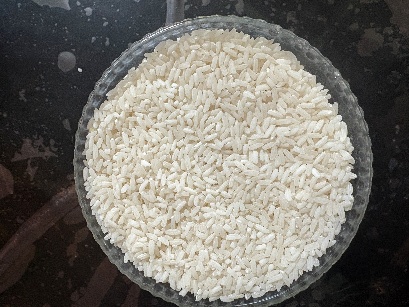
Rice water is a nutrient-rich ingredient obtained by soaking, rinsing, or boiling rice in water. This simple natural supplement has been used as a beauty supplement since ancient times, practiced throughout the world, where women from a specific tribe in China credit their long, beautiful, and strong hair to daily rice water. Rich in essential antioxidant amino acids, vitamins (such as B1, B2, C, and E), minerals, antioxidants, and a unique carbohydrate called inositol, rice water acts as a natural conditioner that nourishes hair from root to tip without any harsh chemicals.

For hair strength in particular, rice water is excellent due to its vital properties and high protein content, which are rich in amino acids called keratin—the primary protein that makes up the majority of hair.  When rice water is applied to hair, these proteins penetrate hair follicles and repair damage, dryness, and hair loss caused by temperature changes, excessive color use, or environmental contaminants like pollution and UV rays. This strengthening reduces hair breakage and frizz, making hair stronger and less prone to breakage when brushing or blow-drying. Keratin, a useful mineral, is absorbed into hair follicles and stimulates hair growth. Regular use can reduce hair breakage over time and significantly increase hair strength, allowing hair to grow longer without excessive thinning or loss.

In addition to these benefits, rice water provides numerous benefits to hair, as recent research has shown. Its antioxidants protect against oxidative stress, which weakens follicles and causes premature graying, thinning, and hair loss.  Inositol forms a protective layer on hair, sealing follicles to retain moisture, reducing dryness and roughness, and imparting a natural shine that beautifully reflects light and looks attractive. This smoothing effect is especially beneficial for curly or dry hair types, making hair care more manageable. On the scalp, its mild astringent and anti-inflammatory properties balance oil production, reducing dryness and eliminating dandruff by inhibiting fungal growth, creating a favorable environment for follicle health.

The pH of rice water (approximately 5-6) closely matches the natural pH of hair, minimizing scalp exposure and gently cleansing without stripping natural oils. Fermenting rice water overnight further enhances the benefits by increasing nutrient bioavailability and antioxidant levels through natural lactic acid production.


Neem

Neem, or Azadirachta indica, is an evergreen tree native to India, prized in Ayurveda as a "village pharmacy" for its leaves, seeds, bark, and oil rich in nimbin, azadirachtin, fatty acids, vitamin E, and antioxidants. Used for millennia, it combats infections with strong antibacterial, antifungal, and anti-inflammatory actions.

For hair, neem excels by targeting scalp issues and fortifying strands. A PMC study shows neem leaf paste significantly cuts dandruff via antifungal effects against Malassezia yeast, easing flakes, itch, and irritation. Another 2024 PubMed review on neem-rosemary blends confirms anti-dandruff and anti-hair loss benefits by soothing inflammation and balancing sebum. "The Power of Neem Oil" notes it boosts circulation during massages, nourishes follicles, strengthens roots, reduces breakage, and hydrates dry hair for shine. Healthline adds that fatty acids seal cuticles, minimizing frizz while promoting growth. "Neem Oil for Hair" highlights vitamin E's role in scalp regeneration and strand resilience. Applied diluted 1-2 times weekly, neem fosters thicker, healthier locks per these sources.
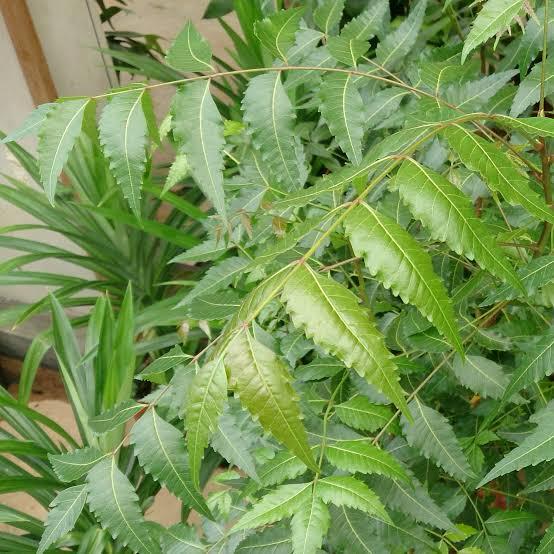


Fig: Neem

Lemon grass

Lemongrass is an evergreen plant, Cymbopogon citratus, belonging to the palm family and native to South Asia. It has long, straight leaves with a distinctive lemon scent. This scent comes from citral, a cyclic monoterpene found in essential oils.

Lemongrass is now used in many large laboratories and industries as a medicinal ingredient. It possesses a variety of properties, including antimicrobial, antifungal, antibacterial, antioxidant, and detoxifying properties. Its strong scent also makes it a fragrance agent.

Lemongrass has several properties that promote its use in hair care products. Lemongrass possesses antifungal and anti-inflammatory properties, which can reduce dandruff.  Strengthens follicles to reduce hair loss, and repels lice with its antibacterial compounds. Antioxidants like flavonoids protect scalp health, balance oil production, and promote growth by reducing stress.
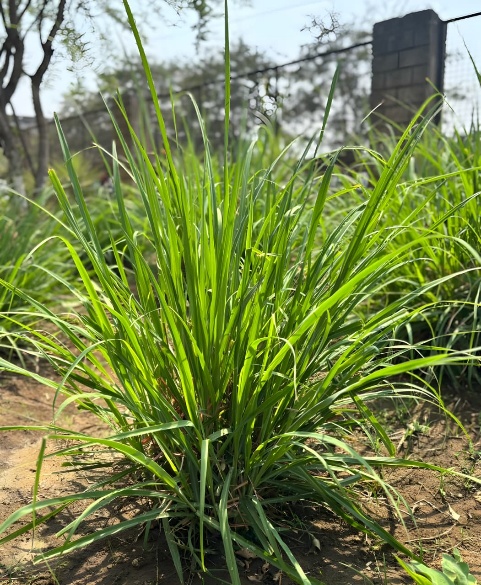


Fig; lemon grass

MATERIAL AND METHOD


S.No.

Ingredient

Biological Name

Family

Quantity

Properties

01

Rice water

Oryza Sativa

Poaceae

40 ml

Antioxident

02

Neem

Azadirachta Indica

Meliaceae

2 g

Antimicrobial

03

Lemon Grass

Cymbopogon

Poaceae

2 g

Antimicrobial or Fragrancing agent


Method for prepare Serum – (Methodology)
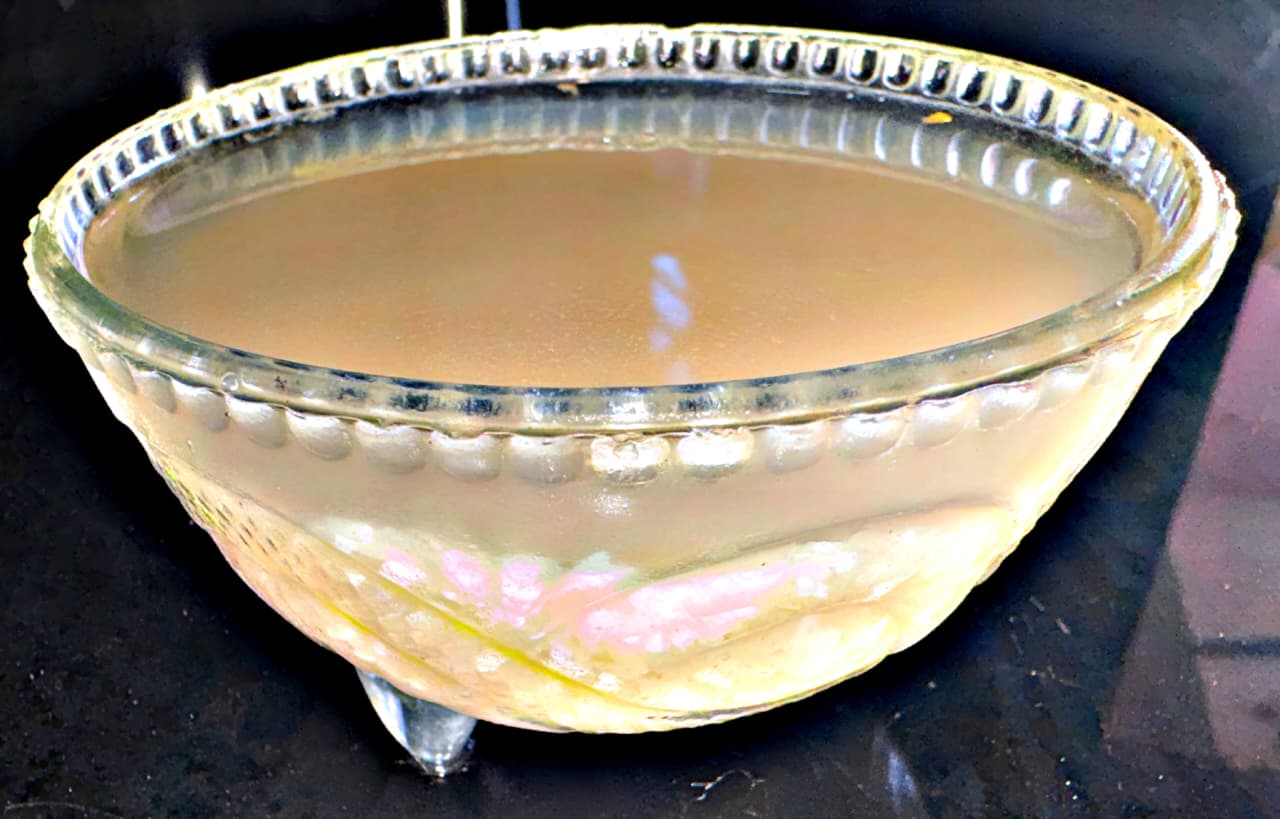
  • Prepare fermented rice water:
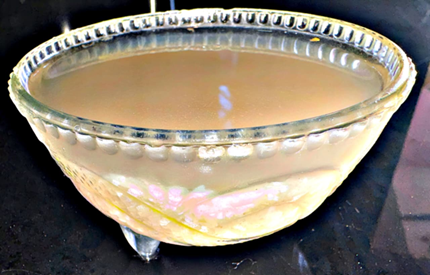
  1. To make fermented rice water, clean rice is soaked in water and allowed to ferment naturally. Initially, the rice is washed to remove impurities and then soaked in water at room temperature for 24 hours.
  2. During this process, the starch content gradually decreases, and nutrients such as amino acids, vitamins (B and E), and antioxidants are released into the water.
  3. The fermentation process produces a slightly sour odor, indicating the formation of keratin acids that help improve scalp health. After fermentation, the liquid is filtered to remove the rice, providing a complete solution of all the nutrients. This fermented rice water is then added to formulations such as hair serums. It strengthens hair, promotes growth, reduces dandruff, enhances shine, and reduces dryness.


Fig: Fermented rice water


  1. Fresh or dried lemongrass is washed, then chopped into small pieces, and added directly to the rice and water during the soaking or fermentation process.
  2. The mixture is left to steep for 24 hours, allowing the lemongrass' active ingredients and essentials to naturally dissolve into the liquid. Once complete, the solution is filtered to remove solid particles.
  3.  This ensures an even distribution of the fragrance and active ingredients, while maintaining simplicity, effectiveness, and improved stability in the final serum.
  • Neem extract:
  1. To make neem extract, fresh neem leaves are first thoroughly washed to remove dirt and microbes.
  2.  The cleaned leaves are then ground with a little water using a mortar and pestle. The resulting mixture is filtered through a cotton cloth or filter paper to yield a clear green extract rich in bioactive compounds like nimbidin and azadirachtin.
  3. Extract should be prepared fresh or stored in a cool, dry place to prevent spoilage and maintain their effectiveness in herbal formulations.
  • Prepare of gel base:
  1. The gel base for the serum is created using hydroxypropyl methylcellulose (HPMC) as a gelling agent. Approximately 0.5g of HPMC is slowly added to approximately 20ml of warm water, stirring constantly to prevent lumps and bubbles.
  2. The mixture is then allowed to swell and hydrate properly. Upon complete hydration, a smooth, clear, viscous, and thick gel forms.
  3. This gel base gives the serum the correct consistency and ensures even mixing of the fermented rice water and herbal extracts, improving the stability of the final serum formulation.
  • Incorporation:
  1. Dissolve methyl paraben in a small amount of warm water.
  2. Fermented rice water is slowly added to the prepared HPMC gel base with constant stirring. Neem extract are then slowly added to ensure even distribution of the active ingredients.
  3.  Methyl paraben, previously dissolved in a small amount of warm water, is then added for preservation. Thorough stirring during incorporation prevents clumping and bubbles, prevents phase separation, and maintains a consistent consistency, resulting in a smooth, stable, and effective hair serum formulation.
  • Make up volume:

After properly mixing all ingredients, such as the gel base, fermented rice water, and herbal extracts, distilled water is slowly added to bring the total volume to 50 ml. This step ensures uniform concentration of all ingredients in the formulation. Constant stirring is essential during this process to maintain consistency and prevent separation. Proper volume adjustment is crucial for the consistency, stability, and correct dosage of the final product, which contributes to the quality of the hair serum.

  • Filtration, Filling  and packaging:
  1. Filtration and filling are the final steps in making hair serums. Filtration is done using cotton cloth or filter paper to remove undissolved particles or impurities, resulting in a clean and smooth product.


  1. This step improves the product's appearance and stability. After filtration, the serum is carefully transferred into clean, dry, and sterilized containers. Proper filling ensures the correct volume, prevents contamination, and maintains product quality.
  2. The container is then tightly sealed and labeled for storage and use, with the labels indicating the manufacturing date, expiry date, MRP rate, batch number, and maintenance measures.

Evaluation test

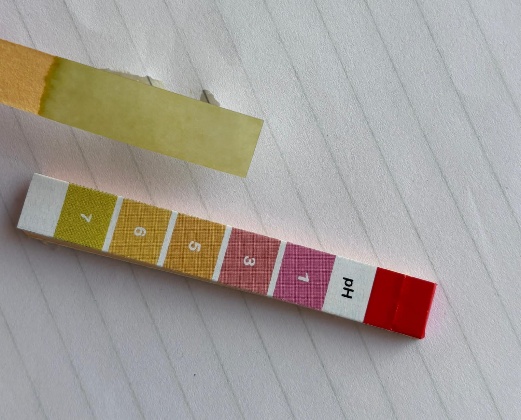
  • Ph test:

Ph paper method

  1. Pour 5ml of the prepared serum into a clean beaker.
  2. Immerse a strip of pH paper in the serum for 2-3 seconds.
  3. Remove the strip and allow the excess liquid to drain.
  4. Note the corresponding pH value.

Result – 6-7


Fig: PH test

  • Viscosity test:

Flow test method

Pour a small amount of serum into a clean glass or beaker. Gently tilt the container and observe how the serum flows. If it flows rapidly like water, the viscosity is low. If it flows very slowly or clumps, the viscosity is high. If the serum flows smoothly in a single stream, it has good viscosity.
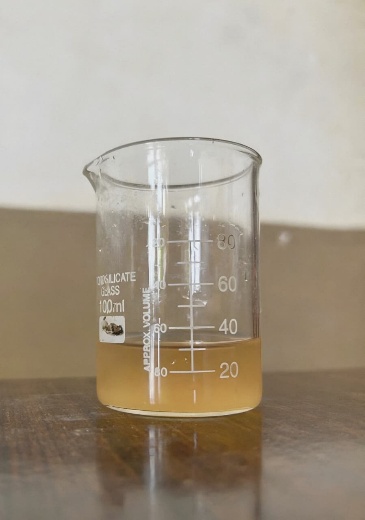


Fig: Viscosity test


  • Appearance test:

Slide method

A small drop of serum is placed on a clean glass slide. The slide is then viewed under normal light. Parameters such as color, clarity, texture, and the presence of any particles or impurities are checked. The slide can also be tilted slightly to check for spreading and uniformity. A good quality serum should be uniform, smooth, without lumps, and appear slightly clear or transparent.
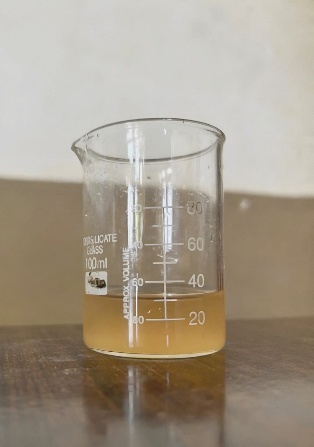
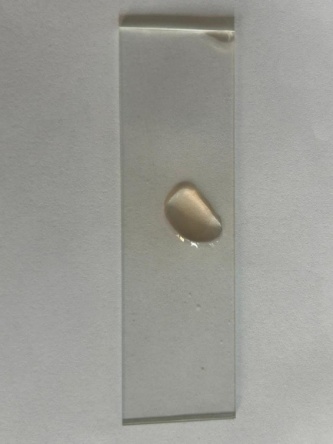


Fig: Appearance test


Colour - Pale yellow

Texture - Smooth

Clarity - clear (no visible particle)

CONCLUSION

This herbal hair serum made with fermented rice water is an effective and stable hair care formula. Rich in amino acids, vitamins, and antioxidants, fermented rice water will help strengthen hair, reduce breakage, and improve texture and shine. Neem has strong antifungal and antibacterial properties, which will help control dandruff and maintain a healthy scalp. Lemongrass will enhance the formula with antimicrobial activity and add a natural fragrance. Evaluation results showed a suitable pH range of 5–6, good viscosity, and a smooth, consistent appearance, indicating compatibility with scalp conditions and product stability. Overall, this serum is a safe, affordable, and natural alternative to synthetic hair products that will provide significant benefits for healthy, strong hair with regular use.

DISCUSSION

The physicochemical and performance properties of the fermented rice water herbal hair serum were good. The pH was determined to be between 6 and 7, which suggests that it is well suited to the circumstances of the scalp. The serum was easy to use and spread evenly because of its smooth texture, clear look, and suitable viscosity. Because fermented rice water contains amino acids and antioxidants, it has been shown to improve hair strength, decrease breakage, and increase gloss. Effective antibacterial activity was shown by neem and lemongrass, which helped to prevent dandruff and preserve the health of the scalp. All things considered, the formulation demonstrated stability, efficacy, and suitability as a natural substitute for managing hair care.

REFERENCES

  1. Cruz C F., et al. “Human hair and the impact of cosmetic pro cedures: A review on cleansing and shape modulating cos metics”. Multidisciplinary Digital Publishing Institute (MDPI) 3 (2016): 3.


  1. Milner Y., et al. “Exogen, shedding phase of the hair growth cycle: Characterization of a mouse model”. Journal of Investiga tive Dermatology 119.3 (2002): 474-481.
  2. Plikus M V and Chuong C M. “Complex hair cycle domain pat terns and regenerative hair waves in living rodents”. Journal of Investigative Dermatology (2008).
  3. Tobin D J. “Ageing of hair follicle pigmentation system”. Interna tional Journal of Trichology 1.2 (2009): 83-93.
  4. Mesler A L., et al. “Hair follicle terminal differentiation is or chestrated by distinct early and late matrix progenitors”. Cell Report 19.4 (2017): 809-821.
  5. Kruglikov I L and Scherer P E. “Dermal adipocytes and hair cy cling: Is spatial heterogeneity a characteristic feature of der mal adipose tissue
  6. Geyfman M., et al. “Resting no more: Re-defining telogen, the maintenance stage of the hair growth cycle”. Biological Reviews of the Cambridge Philosophical Society 90.4 (2015): 1176-1196.
  7. Lyle S., et al. “Human hair follicle bulge cells are biochemically distinct and possess an epithelial stem cell phenotype”. Jour nal of Investigative Dermatology Symposium Proceedings 4.3 (1999): 130-136.
  8. Mistriotis P and Andreadis S T. “Hair follicle: A novel source of multipotent stem cells for tissue engineering and regenerative medicines”. Tissue Engineering Part B: Reviews 19.4 (2013): 265-278.
  9. Martel J L., et al. “Anatomy, Hair Follicle”. StatPearls (2018).
  10. Hsu Y C., et al. “Dynamics Between Stem Cells, Niche, and Progeny in the Hair Follicle”. Nature 144.1 (2011): 92-105.
  11. Plikus MV. “New activators and inhibitors in the hair cycle clock: Targeting stem cells’ state of competence”. Journal of In vestigative Dermatology 132.5 (2012): 1321-1324.
  12. Berg D., et al. “Promotion of anagen, increased hair density and reduction of hair fall in a clinical setting following iden tification of FGF5-inhibiting compounds via a novel 2- stage process”. Clinical, Cosmetic and Investigational Dermatology 10 (2017): 71-85.
  13. Schneider MR., et al. “The hair follicle as a dynamic mini-or gan”. PubMed.Gov 19.3 (2009): 192-198.
  14. Higgins CA., et al. “From telogen to exogen: Mechanisms un derlying formation and subsequent loss of the hair club fiber”. Journal of Investigative Dermatology 129.9 (2009): 2144 2147.
  15. Rodriguez CN. “Identifying quiescent stem cells in hair fol licles”. Methods in Molecular Biology 1827 (2018): 137-147.
  16. Wang K., et al. “ANNOVAR: Functional annotation of genetic variants from high-throughput sequencing data”. Nucleic Acids Research 38.16 (2010): e120.
  17. https://ijprajournal.com/issue_dcp/Formulation%20 and%20Evaluation%20of%20Fermented%20Rice%20 Water%20Herbal%20Shampoo%20For%20Antihairfall%20 Activity.pdf
  18. Meduri Teja Sri., et al. “Formulation and Evaluation of Fer mented Rice Water Herbal Shampoo”. Journal of Drug Delivery and Therapeutics 11.4 (2021): 127-130.
  19. Barsagade PD., et al. “A formulation of face pack and hair prod ucts of rice water for the use of face and hair problem”. Journal of Cosmetics and Pharmaceutical Sciences 9.4 (2020): 683-694.
  20. Umadevi M., et al. “Rice: Traditional medicinal plant in India”. Journal of Pharmacognosy and Phytochemistry 1.1 (2012): 6-12.
  21. Harrison S and Sinclair R. “Telogen effluvium”. Clinical and Ex perimental Dermatology 27.5 (2002): 540-546.
  22. Erdo?an B. “Anatomy and Physiology of Hair”. Journal of Der matology Research 30 (2017): 67-73.
  23. Aruna V, Amruthavalli GV, Gayathri R. Hair root activation by anagen grow- a herbal hair growth serum. Dermatol & Cosmet 2019
  24. Begum R, Begum A. Preparation and evaluation of herbal hair oil. Int J of Res and Anal Reviews 2019; 6(1)
  25. Abdul Majeed Khorshed Ahmed, et al., “Spectrophoometric determination of Methyl paraben in Pharamaceutical Formulation in oxidative Coupling Reaction.” Tikrit Journal of pure science, 21 (6), 2016,

Reference

  1. Cruz C F., et al. “Human hair and the impact of cosmetic pro cedures: A review on cleansing and shape modulating cos metics”. Multidisciplinary Digital Publishing Institute (MDPI) 3 (2016): 3.
  2. Milner Y., et al. “Exogen, shedding phase of the hair growth cycle: Characterization of a mouse model”. Journal of Investiga tive Dermatology 119.3 (2002): 474-481.
  3. Plikus M V and Chuong C M. “Complex hair cycle domain pat terns and regenerative hair waves in living rodents”. Journal of Investigative Dermatology (2008).
  4. Tobin D J. “Ageing of hair follicle pigmentation system”. Interna tional Journal of Trichology 1.2 (2009): 83-93.
  5. Mesler A L., et al. “Hair follicle terminal differentiation is or chestrated by distinct early and late matrix progenitors”. Cell Report 19.4 (2017): 809-821.
  6. Kruglikov I L and Scherer P E. “Dermal adipocytes and hair cy cling: Is spatial heterogeneity a characteristic feature of der mal adipose tissue
  7. Geyfman M., et al. “Resting no more: Re-defining telogen, the maintenance stage of the hair growth cycle”. Biological Reviews of the Cambridge Philosophical Society 90.4 (2015): 1176-1196.
  8. Lyle S., et al. “Human hair follicle bulge cells are biochemically distinct and possess an epithelial stem cell phenotype”. Jour nal of Investigative Dermatology Symposium Proceedings 4.3 (1999): 130-136.
  9. Mistriotis P and Andreadis S T. “Hair follicle: A novel source of multipotent stem cells for tissue engineering and regenerative medicines”. Tissue Engineering Part B: Reviews 19.4 (2013): 265-278.
  10. Martel J L., et al. “Anatomy, Hair Follicle”. StatPearls (2018).
  11. Hsu Y C., et al. “Dynamics Between Stem Cells, Niche, and Progeny in the Hair Follicle”. Nature 144.1 (2011): 92-105.
  12. Plikus MV. “New activators and inhibitors in the hair cycle clock: Targeting stem cells’ state of competence”. Journal of In vestigative Dermatology 132.5 (2012): 1321-1324.
  13. Berg D., et al. “Promotion of anagen, increased hair density and reduction of hair fall in a clinical setting following iden tification of FGF5-inhibiting compounds via a novel 2- stage process”. Clinical, Cosmetic and Investigational Dermatology 10 (2017): 71-85.
  14. Schneider MR., et al. “The hair follicle as a dynamic mini-or gan”. PubMed.Gov 19.3 (2009): 192-198.
  15. Higgins CA., et al. “From telogen to exogen: Mechanisms un derlying formation and subsequent loss of the hair club fiber”. Journal of Investigative Dermatology 129.9 (2009): 2144 2147.
  16. Rodriguez CN. “Identifying quiescent stem cells in hair fol licles”. Methods in Molecular Biology 1827 (2018): 137-147.
  17. Wang K., et al. “ANNOVAR: Functional annotation of genetic variants from high-throughput sequencing data”. Nucleic Acids Research 38.16 (2010): e120.
  18. https://ijprajournal.com/issue_dcp/Formulation%20 and%20Evaluation%20of%20Fermented%20Rice%20 Water%20Herbal%20Shampoo%20For%20Antihairfall%20 Activity.pdf
  19. Meduri Teja Sri., et al. “Formulation and Evaluation of Fer mented Rice Water Herbal Shampoo”. Journal of Drug Delivery and Therapeutics 11.4 (2021): 127-130.
  20. Barsagade PD., et al. “A formulation of face pack and hair prod ucts of rice water for the use of face and hair problem”. Journal of Cosmetics and Pharmaceutical Sciences 9.4 (2020): 683-694.
  21. Umadevi M., et al. “Rice: Traditional medicinal plant in India”. Journal of Pharmacognosy and Phytochemistry 1.1 (2012): 6-12.
  22. Harrison S and Sinclair R. “Telogen effluvium”. Clinical and Ex perimental Dermatology 27.5 (2002): 540-546.
  23. Erdo?an B. “Anatomy and Physiology of Hair”. Journal of Der matology Research 30 (2017): 67-73.
  24. Aruna V, Amruthavalli GV, Gayathri R. Hair root activation by anagen grow- a herbal hair growth serum. Dermatol & Cosmet 2019
  25. Begum R, Begum A. Preparation and evaluation of herbal hair oil. Int J of Res and Anal Reviews 2019; 6(1)
  26. Abdul Majeed Khorshed Ahmed, et al., “Spectrophoometric determination of Methyl paraben in Pharamaceutical Formulation in oxidative Coupling Reaction.” Tikrit Journal of pure science, 21 (6), 2016,

Photo
Praveen Sahu
Corresponding author

Rungta institute of pharmaceutical scinces and research

Photo
Suryakant Jaiswal
Co-author

Rungta institute of pharmaceutical science

Photo
Twinkle Goyal
Co-author

Rungta institute of pharmaceutical science

Photo
Poorwi Sahu
Co-author

Rungta institute of pharmaceutical scinces and research

Photo
Riya Dewangan
Co-author

Rungta institute of pharmaceutical science

Photo
Hema Rajwade
Co-author

Rungta institute of pharmaceutical science

Photo
Dr. Gyanesh Sahu
Co-author

Rungta institute of pharmaceutical scinces and research.

Photo
Dr. Chanchal Deep Kaur
Co-author

Rungta institute of pharmaceutical science

Suryakant Jaiswal, Twinkle Goyal, Poorwi Sahu, Riya Dewangan, Hema Rajwade, Praveen Sahu, Dr. Gyanesh Sahu, Dr. Chanchal Deep Kaur, Formulation and Evaluation of Fermented Rice Water-Based Herbal Hair Serum for Hair Growth and Scalp Health, Int. J. of Pharm. Sci., 2026, Vol 4, Issue 4, 1379-1387, https://doi.org/10.5281/zenodo.19479633

More related articles
Development of a Polyherbal Antidiabetic Tablet fr...
Ashish Mote, Madan Pomaje, Ashwini Patil, Vipul Sansare, ...
A Review On Application And Scopes For Dosage Form...
Rohit R. Eklare, Mahesh M. Biradar, Anita S. Chavan, Vaishnavi K....
Beyond The Peel: Lemon Infused Serum Formulation...
Bhakti Patade, Dhanashree Kathole, Suvidha Kabadi, Adarsh Patil, ...
A Comprehensive Guide On Anthelmintic Activity Of Herbal Plants And Formulation...
Chaithra K, Varshitha A, Vidyashree R, Vinod Kumar B G, Yashaswini M U, Hardeek G, ...
Knowledge, Attitude and Practice on OTC Drugs...
Pooja M. Gunjal , Dr. Aman S. T. , Vaishnavi V. Gite , Yashwant G. Gosavi, Urvisha M. Ghodasara , ...
Related Articles
COX-2 Selectivity and Beyond: Exploring Polmacoxib Role in Knee Osteoarthritis T...
Rashmi Chandra , Ravi Kumar , Shoebul Haque, D. K. Katiyar, Arpit Singh, ...
Phytochemical and Pharmacological Review of Adhatoda vasica (Vasaka) and its The...
Aniket Nirmal, Hindavi Adhav , Krishna Vishwasrao, Rutik Datir , Sanskar Khemnar , Tejashri Kudnar ,...
Phytochemical Profiling, Comparative Evaluation of The Non-Dependent Antidiabeti...
Sudddagoni Santhosh, Maddineni Sarika, Dr Akula Ganesh, ...
Review on Phytochemical Profile of Adhatoda vasica Leaves...
Bhakti Khandagale, Prashant Palghadmal, Hindavi Adhav, Asmita Dukre, Krishna Vishwasrao, Rajwardhan...
Development of a Polyherbal Antidiabetic Tablet from Traditional Medicinal Plant...
Ashish Mote, Madan Pomaje, Ashwini Patil, Vipul Sansare, ...
More related articles
Development of a Polyherbal Antidiabetic Tablet from Traditional Medicinal Plant...
Ashish Mote, Madan Pomaje, Ashwini Patil, Vipul Sansare, ...
A Review On Application And Scopes For Dosage Forms Of Cissus Quadrangularis Ext...
Rohit R. Eklare, Mahesh M. Biradar, Anita S. Chavan, Vaishnavi K. Chavhan, Anjali G. Chopade, ...
Beyond The Peel: Lemon Infused Serum Formulation...
Bhakti Patade, Dhanashree Kathole, Suvidha Kabadi, Adarsh Patil, Aditi Pathak, Shubham Pardeshi, ...
Development of a Polyherbal Antidiabetic Tablet from Traditional Medicinal Plant...
Ashish Mote, Madan Pomaje, Ashwini Patil, Vipul Sansare, ...
A Review On Application And Scopes For Dosage Forms Of Cissus Quadrangularis Ext...
Rohit R. Eklare, Mahesh M. Biradar, Anita S. Chavan, Vaishnavi K. Chavhan, Anjali G. Chopade, ...
Beyond The Peel: Lemon Infused Serum Formulation...
Bhakti Patade, Dhanashree Kathole, Suvidha Kabadi, Adarsh Patil, Aditi Pathak, Shubham Pardeshi, ...