
Department of Pharmaceutics, Hindustan College of Pharmacy, Chenappady, Kanjirappally
Herbal mouthwashes represent therapeutic aqueous solutions prepared from natural plant extracts that offer antimicrobial benefits without the adverse effects associated with synthetic formulations. The present study was designed to formulate and evaluate a herbal mouthwash incorporating Piper betle and Centella asiatica extracts for the management of halitosis. Fresh leaves of Piper betle and Centella asiatica were collected from local markets in Kanjirappally during January 2025, shade-dried, powdered, and subjected to maceration using ethanol as the solvent at Hindustan College of Pharmacy, Chenappady. The ethanolic extracts were incorporated into three different formulations (F1, F2, and F3) containing varying concentrations of the active extracts (5ml, 10ml, and 15ml respectively), along with peppermint oil, sodium lauryl sulphate, glycerol, saccharin, and sodium benzoate. The prepared formulations were evaluated for physical characteristics, pH, viscosity, stability, foamability, and homogeneity. Results indicated that formulation F1 demonstrated optimal characteristics including a pH of 5.7 (compatible with oral cavity), pleasant odour, clear homogeneous appearance, viscosity of 1.32 cP ensuring easy rinsing, superior foam height of 2.9 cm, and excellent stability without sedimentation. In contrast, formulations F2 and F3 exhibited sedimentation, stronger odours, and higher viscosities that may compromise patient compliance. The phytoconstituents present in Piper betle (chavicol, hydroxychavicol, eugenol) and Centella asiatica (asiaticoside, madecassoside, asiatic acid) contributed to the antimicrobial and anti-inflammatory properties of the formulation. The study concludes that the herbal mouthwash containing Piper betle and Centella asiatica extracts, particularly formulation F1, offers a safe, effective, and natural alternative to synthetic mouthwashes for preventing and managing halitosis.
Halitosis, commonly referred to as bad breath, represents a prevalent oral health condition characterized by consistently malodorous breath emanating from the oral cavity. This condition may arise from various etiological factors including consumption of certain foods, inadequate oral hygiene practices, improper denture cleaning, reduced salivary flow, tobacco usage, or underlying systemic medical conditions.¹ Clinically, halitosis is broadly classified into genuine halitosis, which has an identifiable organic cause, and delusional halitosis, where the patient perceives bad breath that is not detectable by others.² The social and psychological impact of halitosis significantly affects patient quality of life, necessitating effective therapeutic interventions.
Mouthwashes serve as medicinal liquid dentifrices that are retained in the oral cavity and agitated by perioral musculature to eliminate oral microorganisms. These formulations perform multiple functions including removal of food debris, reduction of bacterial load, freshening of the oral cavity, and enhancement of breath odor.³ However, synthetic mouthwashes containing chlorhexidine, alcohol, and other chemical agents often cause mucosal irritation, staining, and other adverse effects with prolonged use. This limitation has prompted increased interest in herbal alternatives that provide comparable antimicrobial efficacy with improved safety profiles.
Herbal mouthwashes utilize bioactive compounds derived from various plant parts including leaves, fruits, and seeds. These phytochemicals exhibit intended antibacterial, anti-inflammatory, and antioxidant actions while being biodegradable and non-toxic.? The present investigation focuses on developing a herbal mouthwash formulation using Piper betle and Centella asiatica as primary active ingredients.
Piper betle Linn., belonging to the Piperaceae family, represents a perennial evergreen climber widely cultivated throughout tropical and subtropical regions. The leaves are rich in tannins, flavonoids, quercetin, eugenol, hydroxychavicol, and chavibetol. These phytoconstituents demonstrate potent antimicrobial activity against oral pathogens and contribute to prevention of bad breath, strengthening of gingival tissues, and maintenance of overall dental health.? Recent investigations have demonstrated that Piper betle exhibits significant antimicrobial and anti-inflammatory effects against Candida albicans, establishing its potential as a herbal alternative for oral care.? Similarly, comprehensive reviews report that betel leaf contains phenolic compounds including hydroxychavicol, chavibetol, eugenol, and quercetin that display antioxidant, antimicrobial, anti-inflammatory, and wound-healing properties relevant to oral cavity infections.?
Centella asiatica (L.) Urban, commonly known as Gotu Kola, belongs to the Apiaceae family and has been traditionally employed in Ayurvedic medicine for various ailments. The plant contains asiatic acid, madecassoside, madecassic acid, and asiaticoside as principal bioactive constituents. These triterpenoids exhibit antibacterial activity particularly against gram-positive organisms such as Staphylococcus aureus and Streptococcus mutans, along with notable anti-inflammatory, anti-ulcer, and wound-healing properties.? The combination of these two botanicals offers a synergistic approach to oral care through complementary mechanisms of action.
The primary objective of this study was to formulate and evaluate a herbal mouthwash for halitosis using ethanolic extracts of Piper betle and Centella asiatica. Specific objectives included extraction of active constituents from both plant materials, preparation of mouthwash formulations with varying extract concentrations, and comprehensive evaluation of the physicochemical properties and stability of the developed formulations.
MATERIALS AND METHODS
Collection of Plant Material
Fresh leaves of Piper betle and Centella asiatica were procured from local markets in Kanjirappally, Kottayam district, Kerala, India, during October 2025. All experimental work was conducted at the Department of Pharmaceutics, Hindustan College of Pharmacy, Chenappady, during the period January-March 2025-26.
Chemicals and Reagents
The following materials were utilized for formulation development: Piper betle extract, Centella asiatica extract, peppermint oil (flavouring agent), saccharin (sweetening agent), sodium lauryl sulphate (surfactant), glycerol (humectant and co-surfactant), sodium benzoate (preservative), and purified water (vehicle). All chemicals were of pharmaceutical grade and procured from authorized suppliers.
Equipment
The study employed an electronic weighing apparatus, mechanical grinder, Ostwald viscometer, and digital pH meter for formulation preparation and evaluation. All equipment was calibrated according to standard operating procedures before use.
Extraction Procedure
The collected leaves were thoroughly washed with distilled water to remove surface contaminants and shade-dried at ambient temperature for 5-7 days until complete moisture elimination. The dried material was mechanically ground to obtain a fine powder.
Preparation of Piper betle Extract:
The powdered leaves (100 g) were subjected to maceration using ethanol (95%) as the solvent. The plant material was immersed in the solvent at a solid-to-liquid ratio of 1:10 (w/v) and maintained at room temperature for 24-72 hours with occasional agitation to facilitate extraction. The mixture was filtered through Whatman filter paper to remove particulate matter, and the filtrate was obtained.This extraction method efficiently isolates phenolic compounds, flavonoids, tannins, essential oils, and alkaloids.?
Preparation of Centella asiatica Extract:
Similarly, powdered Centella asiatica leaves (100 g) were macerated with 96% ethanol for 7-8 days with periodic stirring. The extract was filtered using filter cloth. ¹?
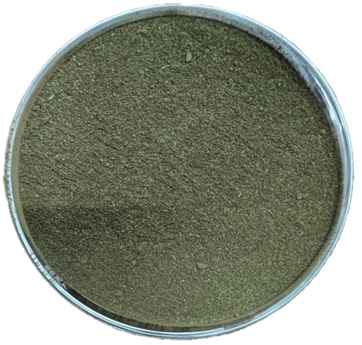
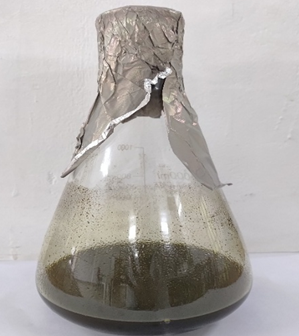
Fig No.1: Powder of piper betle Fig No.2: Extraction of piper betle
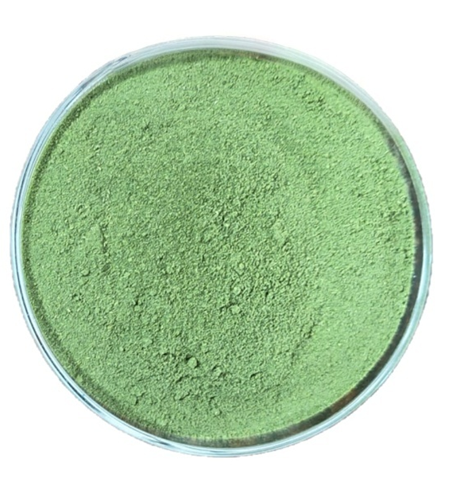
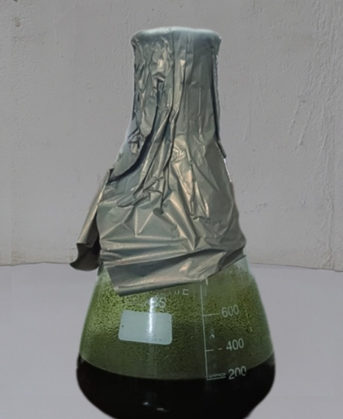
Fig No.3: Powder of Centella asiatica Fig No.4: Extraction of Centella asiatica
Formulation of Herbal Mouthwash
Three formulations (F1, F2, and F3) were prepared with varying concentrations of the active extracts as detailed in Table 1. The composition was designed to evaluate the effect of extract concentration on formulation characteristics and stability.
Preparation Method:
Accurately weighed quantities of each ingredient were utilized. The Piper betle and Centella asiatica extracts were initially triturated with a small quantity of purified water in a mortar to ensure uniform dispersion. Peppermint oil was incorporated dropwise with continuous trituration to prevent phase separation and ensure homogeneous distribution. Sodium lauryl sulphate and glycerol were added sequentially with thorough mixing. Saccharin and sodium benzoate were dissolved in the remaining water and added to the mixture. Finally, the volume was adjusted to 100 ml with purified water, and the formulation was transferred to suitable containers and stored at room temperature for evaluation.¹¹
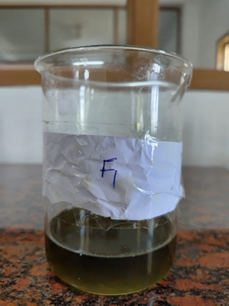
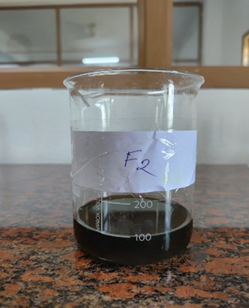
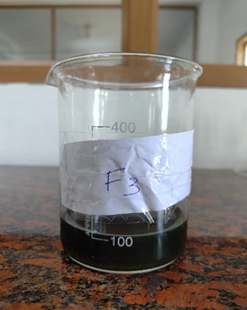
Fig No.5 Formulation F1 Fig No.6 Formulation F2 Fig No.7 Formulation F3
Table 1: COMPOSITION OF HERBAL MOUTHWASH FORMULATIONS
|
INGREDIENTS |
F1 |
F2 |
F3 |
|
Piper betle extract |
5 ml |
10 ml |
15 ml |
|
Centella asiatica extract |
5 ml |
10 ml |
15 ml |
|
Peppermint oil |
0.1 ml |
0.1 ml |
0.1 ml |
|
Saccharin |
0.1 mg |
0.1 mg |
0.1 mg |
|
Sodium lauryl sulphate |
0.03 g |
0.03 g |
0.03 g |
|
Glycerol |
6.5 ml |
6.5 ml |
6.5 ml |
|
Sodium benzoate |
0.2 g |
0.2 g |
0.2 g |
|
Purified water |
Up to 100 ml |
Up to 100 ml |
Up to 100 ml |
RESULTS
1. Physical Evaluation
The physical characteristics of the three formulations are presented in Table 2. Formulation F1 exhibited a yellowish-green color with pleasant cool mint odour and clear, homogeneous appearance without any visible particulate matter. Formulation F2 showed light brown coloration with mild odour and visible sedimentation upon standing. Formulation F3 presented dark brown color with strong odour and significant sedimentation. All formulations maintained liquid consistency suitable for rinsing applications.
Table 2: PHYSICAL EVALUATION OF MOUTHWASH FORMULATIONS
|
PROPERTIES |
F1 |
F2 |
F3 |
|
Colour |
Yellowish green |
Light brown |
Dark brown |
|
Odour |
Pleasant (cool mint) |
Mild odour |
Strong odour |
|
Appearance |
Clear and homogeneous |
Sedimentation occurs |
Sedimentation occurs |
|
Texture |
Liquid |
Liquid |
Liquid |
2. pH Evaluation
The pH values of the formulations ranged from 5.3 to 5.7, falling within the acceptable range for oral use (Table 3). Formulation F1 demonstrated a pH of 5.7, which is closest to the physiological pH of the oral cavity and therefore considered optimal for maintaining oral mucosal integrity. Formulation F2 showed pH 5.5, while F3 exhibited slightly acidic pH of 5.3, which may cause mild irritation with prolonged use.
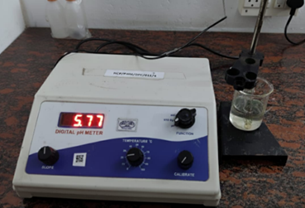
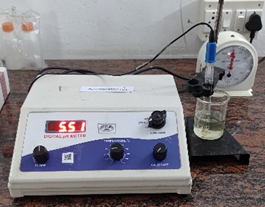

Fig No.8: pH meter showing Fig No. 9: pH meter showing Fig No.10: pH meter showing
value for F1 value for F2 value for F3
Table 3: pH EVALUATION OF FORMULATIONS
|
SR. NO. |
FORMULATIONS |
pH |
|
1 |
F1 |
5.7 |
|
2 |
F2 |
5.5 |
|
3 |
F3 |
5.3 |
3. Viscosity Determination
The viscosity measurements revealed that F1 possessed the lowest viscosity (1.32 cP), followed by F2 (1.45 cP) and F3 (1.92 cP). The lower viscosity of F1 ensures ease of rinsing and better patient compliance, while higher viscosities in F2 and F3 may result in sticky mouth feel and difficulty in expectoration.
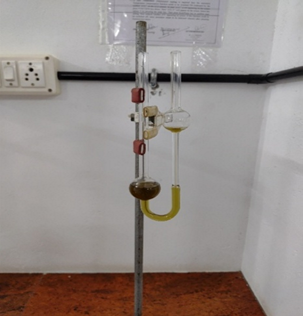
Fig No.11: Ostwald viscometer showing viscosity measurement
4. Stability Studies
Stability monitoring over four weeks demonstrated that formulation F1 maintained consistent color, odour, and appearance without any sedimentation or phase separation. In contrast, formulations F2 and F3 exhibited progressive deterioration with visible sedimentation and alterations in odour intensity (Table 4).
Table 4: STABILITY STUDIES AT ROOM TEMPERATURE
|
Formulations |
Parameters |
Observations |
|
F1 |
Change in color |
No change |
|
F2 |
Change in color |
No change |
|
F3 |
Change in color |
No change |
5. Foamability Assessment
Foam height measurements indicated that F1 generated the highest foam (2.9 cm), followed by F2 (1.9 cm) and F3 (0.7 cm) as shown in Table 5. F1 shows better distribution and cleansing action within the oral cavity.
Table 5: FOAMABILITY TEST RESULTS
|
FORMULATIONS |
FOAM HEIGHT (cm) |
|
F1 |
2.9 |
|
F2 |
1.9 |
|
F3 |
0.7 |

Fig No. 12: Foam height of F1, F2 and F3
6. Homogeneity Evaluation
Visual inspection confirmed that formulation F1 maintained excellent homogeneity without lumps, aggregates, or flocculates. Formulations F2 and F3 showed non-homogeneous appearance with visible particulate matter and sedimentation, indicating inadequate solubilization of extract components at higher concentrations.
DISCUSSION
The development of effective herbal mouthwashes requires careful balancing of active phytoconstituents with suitable excipients to achieve optimal therapeutic efficacy, physical stability, and patient acceptability. The present investigation successfully formulated and evaluated three variants of herbal mouthwash containing Piper betle and Centella asiatica extracts, with formulation F1 demonstrating superior characteristics compared to F2 and F3.
The extraction process employing maceration with ethanol proved effective in isolating bioactive compounds from both plant materials. Ethanol serves as an excellent solvent for extracting phenolic compounds, flavonoids, and terpenoids while providing preservative properties to the final formulation. The 48-hour maceration period for Piper betle and seven-day period for Centella asiatica ensured maximum yield of active constituents including hydroxychavicol, eugenol, asiaticoside, and madecassoside, which contribute to the antimicrobial and anti-inflammatory properties of the mouthwash.
The evaluation results clearly demonstrate that extract concentration significantly influences formulation performance. Formulation F1, containing 5 ml each of Piper betle and Centella asiatica extracts, exhibited optimal physicochemical properties including appropriate pH (5.7), low viscosity (1.32 cP), excellent stability, and superior foamability. These characteristics align with the requirements for an ideal mouthwash as described in pharmacopeial standards. The pH of 5.7 closely matches the physiological pH of the oral cavity, minimizing potential mucosal irritation while maintaining an environment conducive to oral health.
In contrast, increasing extract concentrations to 10 ml (F2) and 15 ml (F3) resulted in progressive deterioration of formulation quality. The higher extract content likely exceeded the solubilizing capacity of the surfactant and co-surfactant system, leading to precipitation of insoluble phytoconstituents and sediment formation. This phenomenon is consistent with observations reported in similar studies on high-concentration herbal mouthwashes. The increased viscosity in F2 and F3 (1.45 and 1.92 cP respectively) would compromise patient compliance due to difficulty in rinsing and unpleasant mouth feel.
The foamability results indicate that F1 generates adequate foam (2.9 cm) necessary for effective cleansing action and distribution throughout the oral cavity. Foam serves as a vehicle for delivering active ingredients to inaccessible areas between teeth and along the gingival margin. The reduced foam height in F2 and F3 may result from interference between high concentrations of extract components and the surfactant system, reducing the ability to entrap air and form stable foam.
The stability studies confirm that F1 maintains physical integrity over extended storage, a critical parameter for commercial viability. The absence of color change, odour alteration, and sedimentation in F1 suggests successful formulation optimization, whereas F2 and F3 would require additional stabilizing agents or modified manufacturing processes to achieve acceptable shelf life.
From a therapeutic perspective, the phytoconstituents present in the selected botanicals offer multiple benefits for halitosis management. The antimicrobial activity of Piper betle against oral pathogens such as Streptococcus mutans and Candida albicans addresses the microbial etiology of bad breath. Simultaneously, the anti-inflammatory and wound-healing properties of Centella asiatica promote gingival health and mucosal integrity. This dual action approach distinguishes the herbal formulation from synthetic alternatives that primarily focus on antimicrobial action without supporting tissue regeneration.
CONCLUSION
The present study successfully formulated and evaluated a herbal mouthwash incorporating Piper betle and Centella asiatica extracts for the management of halitosis. Among the three formulations developed, F1 containing 5 ml each of the herbal extracts demonstrated optimal physicochemical characteristics including suitable pH (5.7), low viscosity (1.32 cP), pleasant organoleptic properties, excellent stability, and superior foamability. The formulation-maintained homogeneity without sedimentation over the study period, indicating robust physical stability.
The selected botanicals provided rich sources of bioactive compounds including phenolics, flavonoids, triterpenoids, and essential oils responsible for antimicrobial, anti-inflammatory, and antioxidant activities. These properties address the multifactorial etiology of halitosis while promoting overall oral health. The formulation avoids the adverse effects associated with synthetic mouthwashes, offering a safe, effective, and patient-friendly alternative.
Future investigations should focus on conducting microbiological assays to quantify antimicrobial efficacy, clinical trials to evaluate therapeutic effectiveness in human subjects, and long-term stability studies under varying environmental conditions. Additionally, incorporation of other complementary herbal extracts and optimization of preservative systems may further enhance formulation performance.
The study concludes that herbal mouthwash formulation F1 represents a promising natural alternative for preventing and managing halitosis, with potential for commercial development as an over-the-counter oral care product.
ACKNOWLEDGEMENT
The authors express sincere gratitude to the Management of Hindustan College of Pharmacy, Chenappady, for providing necessary facilities and infrastructure to conduct this research. The authors thank Ms. Ardra Dileep, M.Pharm, Assistant Professor, Department of Pharmaceutics, for guidance and support throughout the study. The authors also acknowledge Dr. Shiny George, Principal, for encouragement and academic support. The authors are thankful to all faculty members of the Department of Pharmaceutics for their valuable suggestions and assistance during the experimental work conducted in 2025.
REFERENCES





Achu P Eapen, Haleema R, Liya John, Resmi Rajeev, Hanna Sainudheen, Ardra Dileep, Formulation and Evaluation of Herbal Mouthwash for Halitosis using Piper Betle and Centella Asiatica, Int. J. of Pharm. Sci., 2026, Vol 4, Issue 2, 1888-1896. https://doi.org/10.5281/zenodo.18621338
 10.5281/zenodo.18621338
