

We use cookies to ensure our website works properly and to personalise your experience. Cookies policy
Arihant College of Pharmacy Kedgaon Ahmednagar.
This research explores the therapeutic potential and cosmetic applications of four key medicinal plants: turmeric (Curcuma longa L.), ginger (Zingiber officinale), lavender (Lavandula angustifolia), and aloe Vera (Aloe barbadensis Miller). Each plant is renowned for its distinct bioactive compounds and traditional uses in medicine across cultures, particularly in the Indian subcontinent. Turmeric, with its curcuminoids, is valued for its anti-inflammatory properties and skin-brightening effects. Ginger offers gingerols and shogaols, contributing to its anti-inflammatory and digestive benefits. Lavender's essential oils, rich in monoterpenes, are cherished for their calming and anti-inflammatory properties. Aloe Vera, known for its polysaccharide-rich gel, is prized in skincare for its moisturizing and wound-healing capabilities. The study examines these plants' chemical composition, historical uses, and modern applications in herbal cosmetics, highlighting their roles in promoting skin health and well-being.
According to certain traditional texts, turmeric, or the rhizome of Curcuma longa L. (Zingiberaceae), is also referred to as haldi in Hindi. The Indian subcontinent is commonly used as a spice and food colouring. It has historically been used to treat a wide range of conditions about the gastrointestinal tract, skin, and lungs as well as liver, wounds, and sprains. A major study over the last 50 years indicates that curcumin is responsible for most of the activities associated with turmeric. The rhizome of Curcuma longa has been shown to contain curcuminoids, which include curcumin, desmethoxycurcumin, bis-desmethoxycurcumin, volatile oils (turmerone and zingiberene), sugars, proteins, and resins. The proposed goal of this effort was to standardize the manufactured and marketed product and create a w/o type cream with turmeric as the primary ingredient. In the nations where it originated, turmeric is widely used for several purposes, such as food colouring, spice, and Indian traditional medicine to cure a variety of ailments. In one way or another, it is utilized in Hindu religious rites as well as the textile and pharmaceutical sectors. It is used in modern traditional Indian medicine to treat rheumatism, sinusitis, cough, diabetic wounds, hepatic problems, and biliary disorders. It is described as a carminative and aromatic stimulant in ancient Hindu literature. Applying a localized mixture of slaked lime powder and turmeric powder to the affected area helps relieve sprains and swelling brought on by injuries. The plant family Zingiberaceae includes ginger (Zingiber officinal Rosc.). It was first utilized as a spice and condiment to enhance the flavor of food in numerous places, but it originated in Southeast Asia. In addition, traditional herbal therapy has made use of the rhizome of ginger. Ginger's rich phytochemistry is thought to be responsible for its health-promoting properties dividing fresh ginger into two broad categories: volatiles and non-volatiles. Ginger's unique flavor and scent are attributed to volatiles such as monoterpenoid hydrocarbons and sesquiterpene. Conversely, gingerols, shogaols, parasols, and zingerones are examples of non-volatile pungent chemicals. Ginger (Zingiber officinale) rhizomes have been used for ages as a spice in cookery and as a conventional medicine. Scientific studies have demonstrated the anti-inflammatory, hypolipidemic, antidiabetic, immune-modulatory, anticancer, antiapoptotic, and anticoagulant properties of ginger. Moreover, the antifungal properties of pharmaceuticals such as fluconazole are reinforced by ginger extracts, which inhibit the growth of biofilms by a variety of pathogenic bacteria and are very successful in treating diseases caused by drug-resistant pathogens. Originating in the Mediterranean mountain regions, lavender is one of the most widely used plants worldwide. Within the Lamiaceae family, the genus Lavandula has more than thirty species. The most widely grown species is Lavandula angustifolia Mill. (narrow-leaved lavender), Lavandula stoechas (French lavender), and Lavandula latifolia (broad-leaved lavender). The Latin verb lavare, which means "to wash," is the source of its common name. Garden lavender, often known as narrow-leaved lavender (Lavandula angustifolia, originally L. officinalis Chaix or L. vera), is the most valued genus among all the Lavender plants in terms of its distinct biological activity. Flowers and the upper growth of narrow-leaved lavender are used to make lavender oil. Flowers provide the majority of the therapeutic raw material, with about 3% coming from the essential oil. Comparable components, albeit in varying amounts, are present in the essential oils of the genus Lavender. Factors such as variety, growth circumstances, and place of origin affect the essential oil’s composition and quality. They are primarily classified as phenolic chemicals (flavonoids, phenolic acids, coumarin, tannins) and terpenoid compounds (monoterpenes, triterpenes, sesquiterpenes). Aloe vera, also known as Aloe barbadensis Miller, is a perennial succulent plant that is a member of the Liliaceae family. Gel and latex are two compounds that come from the plant. Squeezing the leaves releases the mucilaginous gel that is contained in the parenchymatous cells of the leaf pulp. Aloe latex, a yellow-bitter juice, is produced by the plant's peripheral bundle sheath cells and mostly contains anthraquinones and their derivatives, such as aloesin, oleoresin A, aloemodin, and barbalus (aloin A). Aloe latex on a dry-weight basis also includes a large quantity of ash, essential oil, and resin that is insoluble in acid. Polysaccharides, particularly ace Mannan, are the major components of the A. Vera gel. The ingestion of A. Vera leaf formulations have been demonstrated to have anti-arthritic and antirheumatoid, anticancer, and antidiabetic activities, despite the scientific literature providing minimal evidence to support claims on the systemic effects of A. Vera. Topically, A. Vera gel is used for a variety of therapeutic applications, such as treating heat injury and chronic wounds, reducing inflammation, treating mouth ulcers, preventing UV-induced immunosuppression, and treating psoriasis and skin infections. Well-designed scientific research is necessary to address this problem, particularly concerning sunburn treatment, since published results on the effects of Aloe vera gel on skin disorders are inconsistent.
The availability of herbal cosmetics has led to a primary increase in demand for cosmetics. Furthermore, it supplies the skin with essential nutrients and moisture. The herbal cream is just an emulsion of water and oil. Turmeric, ginger, lavender, and aloe Vera are among the natural ingredients used to prepare the herbal lotion. The specific qualities of each ingredient determine which one is used. Aloe vera works as an anti-acne and moisturizer. An Asian beauty product called turmeric is useful for giving the skin a golden glow. As a natural defensive reaction to tissue damage brought on by harmful chemicals, microbes, or physical trauma, inflammation occurs. Throughout human history, medicinal plants have been identified and utilized. In addition to carrying out essential biological tasks and protecting humans from predators like insects, fungi, and other microorganisms, plants can synthesize a vast array of chemical substances.
Aim and Objective
Aim
Objective
Review of Literature
Morphology
Turmeric

Fig. no. 01 Turmeric
Ginger-
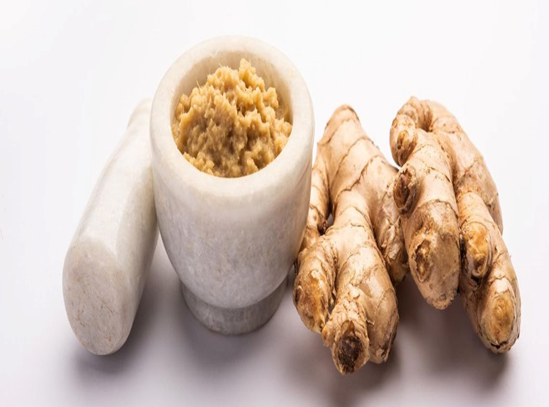
Fig no-02 Ginger
Aloe-Vera
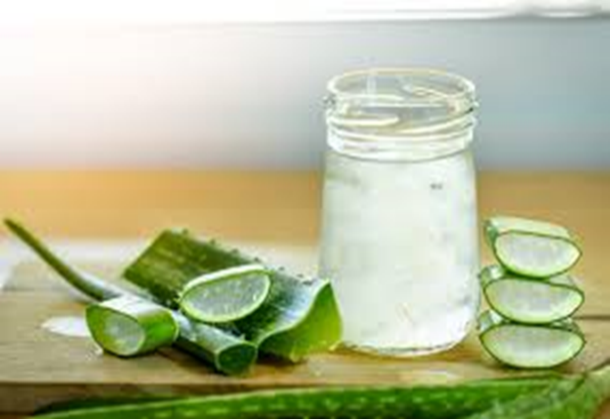
Fig no-03 Aloe Vera
Lavender
Fig no-04 Lavender oil
Cultivation
Turmeric: -
Soil properties: This crop can be cultivated on sandy soil having a good facility or loamy soil having enough humus content. To obtain a high yield of turmeric, the rhizome formation must be of high quality and can be achieved easily in soil having pulverized tilth
(Table 1)
Land preparation: The minimum tillage operation results are good for this crop. In the case of an irrigated crop system, the ridges and furrows are prepared for turmeric cultivation and the crop is sown on the ridges with shallow pits and the proper spacing is provided. Soil solarization is also used.
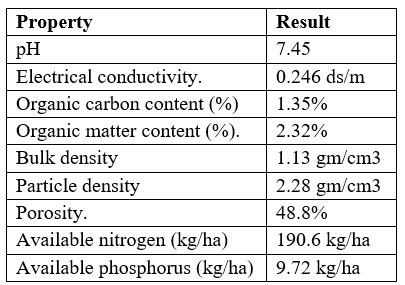
Table no 1. Required fertility status of organic research farm
Ginger
It is usually cultivated vegetation, meaning the pieces of rhizome are planted in the soil and each sprouts to form a new plant. Modern micropropagation is also being used where new plants are cloned from cells taken from a single plant. The propagation through rhizome cuttings includes small bits of rhizome; each containing a bud is planted in holes or trenches 10–15cm deep and about 30cm apart during the months from March to May. The plants produce aerial shoots which are dried after flowering and fruiting in about 8–10 months. Though ginger requires ample rainfall, there should not be any waterlogging at any time; otherwise, it may result in rotting.
Ginger, like turmeric, can grow under both irrigated and rain-fed conditions. The best time for planting is just after the pre-monsoon showers. In case there are no pre-monsoon showers, then irrigation is necessary. Else the seed rhizomes would dry up.
Aloe vera: -
Aloe is found as a wild herb along the coast of South India. It is under cultivation in fairly large areas in many parts of India, viz. Chhatisgarh, Maharashtra, Madhya Pradesh, Gujarat, etc. And also grown as an ornamental plant. It is a sure cash spinner and progressive farmers can go for plantation of it. Cultivation of this herb on a large scale can make India move towards the leadership in global herbal market and this will fetch India good foreign reserves as well as domestic economic prosperity. Commercial cultivation of Aloe has been started in many parts of India. They can be grown in deserts and other dry situations. They flourish in a variety of climates and even on the poorest of soils but need protection from frost. Soil: Naturally occurs in the driest and poorest soils and can be grown in a variety of soils. But the most ideal soil for it is sandy loam which is slightly alkaline with a pH up to 8.5. The root system of this plant is shallow and does not penetrate deep into the soil. However, water-logged soil is unsuitable.
Lavender oil: -
In India, the lavender crop is cultivated in low-rainfall regions and on the slopes of the hills of Himachal Pradesh (HP) and Uttar Pradesh (UP). The lavender crop is also successfully grown in the Kashmir Valley region.
Traditional uses: -
Turmeric: - It is commonly used for
Curcumin: -It is commonly used for its
Aloe – vera: - It is used for
Lavender oil: - It is used for
Reported Activities from Modern Literature
Inflammation
Inflammation may be indicated by a wound that hurts, swells, and turns red. The body’s immune system’s reaction to an irritant is, in general, what causes inflammation. If you have a splinter in your finger, for example, the irritant may not be a bacterium but something foreign.[9]
Anti-inflammatory
Muscle or joint discomfort can be brought on by inflammation. Pain and swelling brought on by a variety of illnesses and injuries can be lessened using topical anti-inflammatory treatments. As common topical anti-inflammatory drugs, Voltaren (diclofenac) gel, capsaicin cream, and menthol cream are used. Creams for inflammation can provide advantages comparable to those of oral medications when taken as prescribed. Their side effects also seem to be less common.[8]
Types Of Anti-inflammatories
1) Salicylates – Aspirin
2) Propionic acid derivative – Ibuprofen, ketoprofen
3) Anthranilic acid derivative – Mefenamic acid
4) Aryl-acetic acid derivative- Diclofenac, Aceclofenac
5) Oxicam derivative – Piroxicam
6) Pyrrolo-pyrrolo derivative – Ketorolac
7) Indole derivative – Indomethacin
8) Pyrazolone derivative – Phenylbutazone, Oxyphenbutazone
Nimesulide, Meloxicam, Nabumeton
Celecoxib, Etoricoxib
Types Of Inflammation
Your body's reaction to an unexpected injury or sickness is this. When an injury occurs, such as a cut on your finger, or an infection occurs, inflammatory cells move to the area and initiate healing. There can be unexpected, and typically transient, inflammation brought on by infections in many bodily areas. Inflammation of the throat can be brought on, for instance, by viral or bacterial illnesses such as strep throat. Inflammation of the small intestine (enteritis) can be brought on by separate bacterial and viral infections. Depending on your health, the duration of acute inflammation might range from a few hours to many days.
This occurs when there is no threat, but your body still produces inflammatory cells. Inflammatory cells and chemicals, for instance, assault joint tissues in rheumatoid arthritis. Your joints may sustain significant damage as a result of this intermittent inflammation. Procedures that should safeguard your body can wind up harming it when there is persistent inflammation. Months or years may pass during a period of chronic inflammation. It might get better for periods and then worse for others.
Symptoms of Acute and Chronic Inflammation
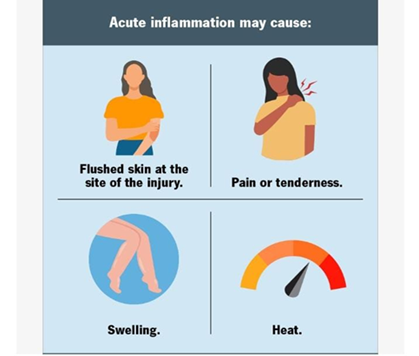
Fig no-05 Symptoms of Acute and Chronic Inflammation
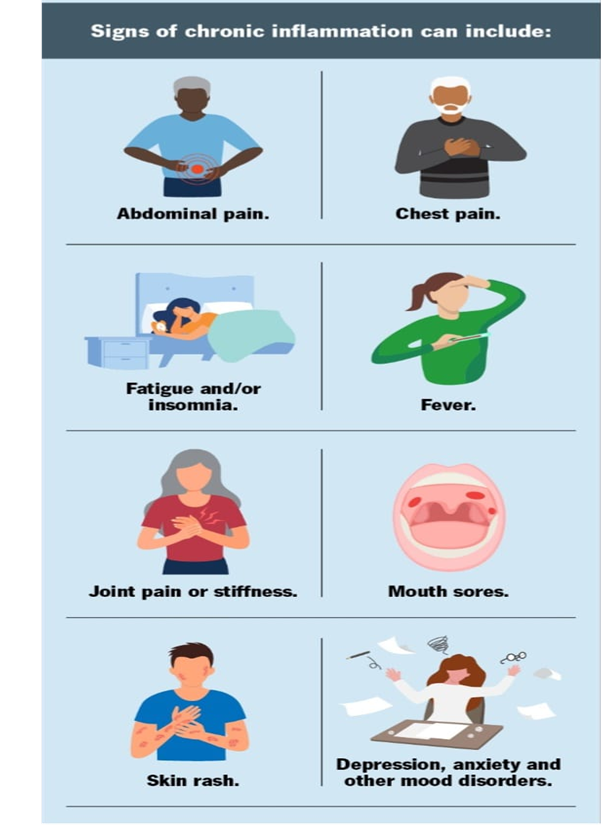
Fig no-06 Symptoms of Acute and Chronic Inflammation
Risk Factors of anti-inflammatory
How do anti-inflammatory creams work?
Depending on the drug. All anti-inflammatory lotions, however, must first be absorbed through the skin. At this point, the drug begins to ease pain in the surrounding muscles or joints. This may occur when the drug is distributed very little or not throughout the body.
How to apply anti-inflammatory creams
Applying anti-inflammatory treatments to the damaged area of your body's healthy skin is a good idea. The steps for using these topical medications are described below:
It's crucial to remember that open wounds or skin that are inflamed or broken shouldn't be treated with these lotions. And if there is any pharmaceutical residue on your hands, refrain from touching your mouth, nose, or eyes.
Treatment Of Anti-inflammatory
Aspirin

The enzyme phospholipase 2 is present in every cell in our body and is triggered by infections or damage to the cell. Membrane lipids are converted to arachidonic acid by it, and prostaglandins are subsequently produced by the enzyme cox1/2. These prostaglandins are responsible for both pain and inflammation. They do this by stimulating the nerve endings of the pain nerves and widening blood vessels, which draws white blood cells to the site of injury.
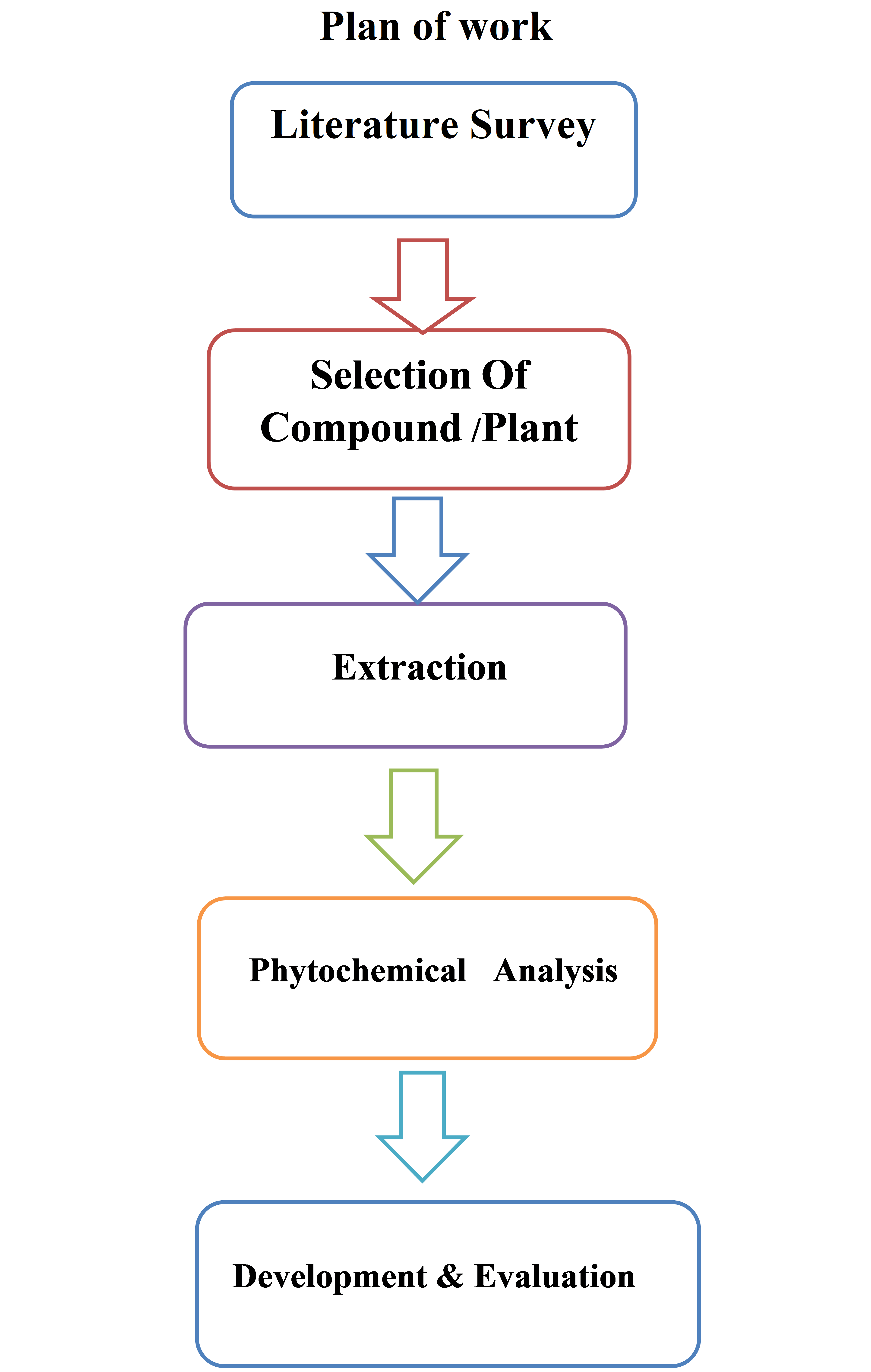
Methods And Material
Plant Material
Turmeric Extract, Ginger Extract, Aloe Vera Extract, Lavender Oil
List of Chemical
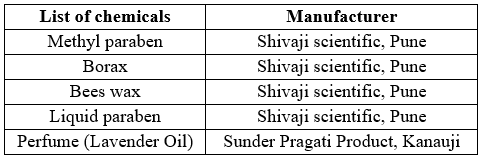
Table no – 02 List of chemicals
List of Equipment
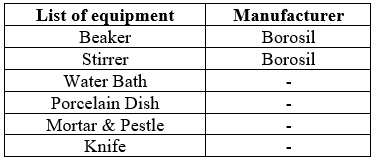
Table no – 03 List of Equipment
Preparation of Cream
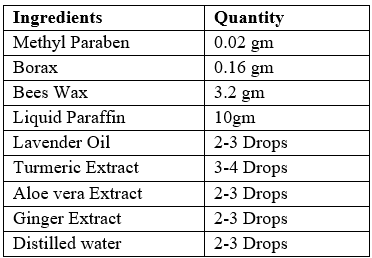
Table no - 04 Preparation of Cream
Beeswax, Liquid Paraffin were mixed at 75 0 C ± 2 with constant stirring using a hot plate. Borax were mixed in purified water and add methyl paraben with continuous stirring using a hot plate at 75 0 C ± 2. The aqueous phase was added gradually in the oily phase with continuous triturating in a mortar with a pestle till smooth thick cream was obtained. The extract of turmeric, ginger, Aloe vera And Lavender oil was added with triturating to get the desired product. The cream was preserved.
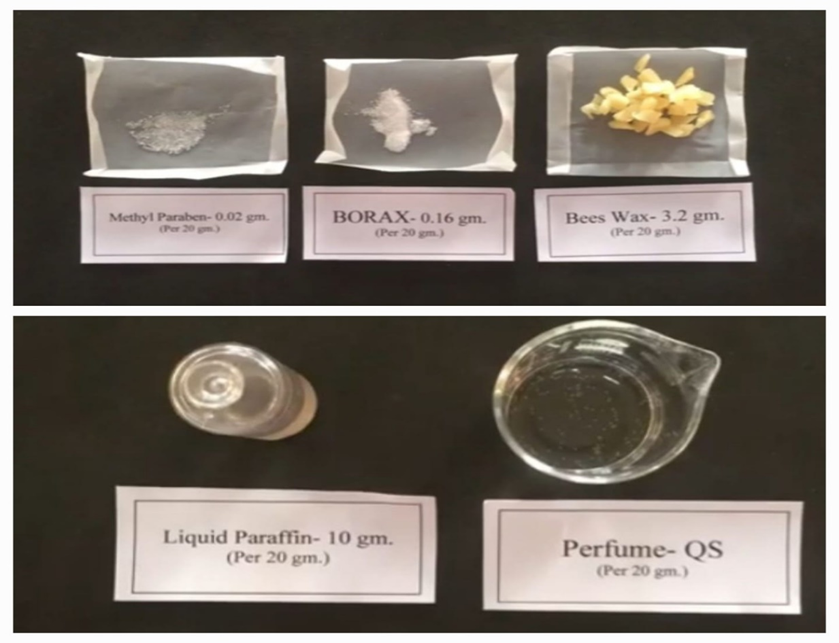
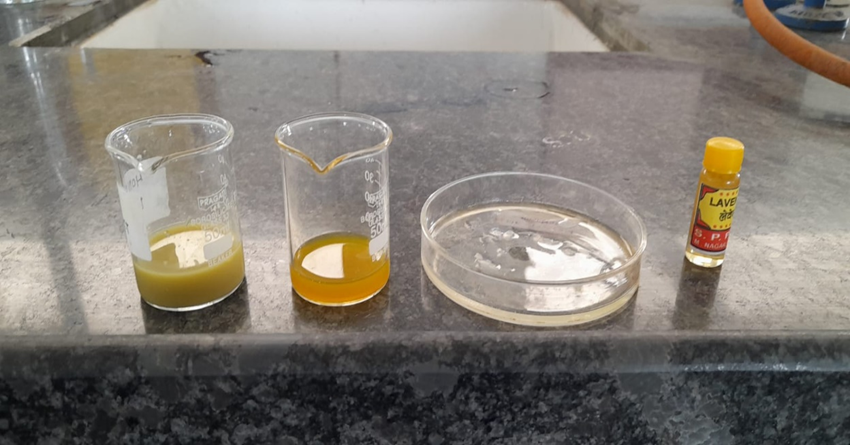
Ginger, Turmeric, Aloe Vera Extract
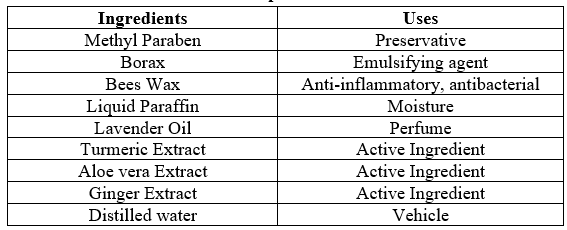
Table no -05 Composition of cream Formulation
Methodology
Test for Glycosides:
Test for Alkaloids
Test for Flavonoids
Test for Steroids
Test for Phenols
Ferric Chloride Test: A small amount of the ethanolic extract was taken with 1 mL of water in a test tube and 1 to 2 drops of Iron III chloride (FeCl3) was added. A blue, green, red or purple color is a positive test.
Test for Terpenoids
Test for Saponins
Test for Carbohydrates
1)Molisch’s test: Test solution with few drops of Molisch’s reagent and two ml of concentrated sulphuric acid added slowly from the sides of the test tube shows a purple ring at the junction of two liquids.
2) Barfoed’s test: Test solution treated with Barfoed’s reagent and boiling on a water bath shows brick red precipitate.
3)Benedict’s test: Test solution treated with Benedict’s reagent and boiling on a water bath shows reddish brown precipitate.
Test for Proteins
Test for Starch
Starch Reagent: Test: 1ml of extract was added into 10ml of Nacl solution. After heating, starch reagent was added a blue purplish colour is a positive test for the presence of starch.
Test for Tannins
Test for Flavanol
Test for Anthocyanin
Hcl Test: 2ml of plant extract and 2 ml of 2N Hcl were mixed with few ml of ammonia gives the pink red solution turns into blue violet after addition of ammonia.
Evaluation of Cream
Color, smell, texture, and condition were noted during the physical assessment.
Mark an area of 1 cm2 on the left dorsal surface. Following the designated area's application of the cream, the time was noted. It is then assessed for erythema, oedema, and irritation, if present, for a maximum of 24 hours before being reported.
The hand was given a small amount of cream, and to see if it could be cleaned, tap water was used.
It was decided to put cream in between a pair of glass slides. They were compressed to a set force, and the length of time it took for a slide to separate from the other was recorded. The surplus product that remained on the slides was scraped off once the weight was removed. It fell off with ease thanks to the weight force associated to the upper slide.
Spread ability= m × l/t
Where,
m= Standard weight, which is tied to or placed over the upper slide (30 gm),
l= length of a glass slide (5 cm),
t= time taken in seconds.
The developed and commercialized creams were kept between 25 and 100 0 C in a sealed jar away from light. Following that, phase separation was examined for a period of 24 to 30 days.
After making a 10% aqueous solution of each formulation, the pH of the final product was determined.
A Brooke field viscometer was used to determine the viscosity of a cream that was formulated and commercialized.
Extraction Process
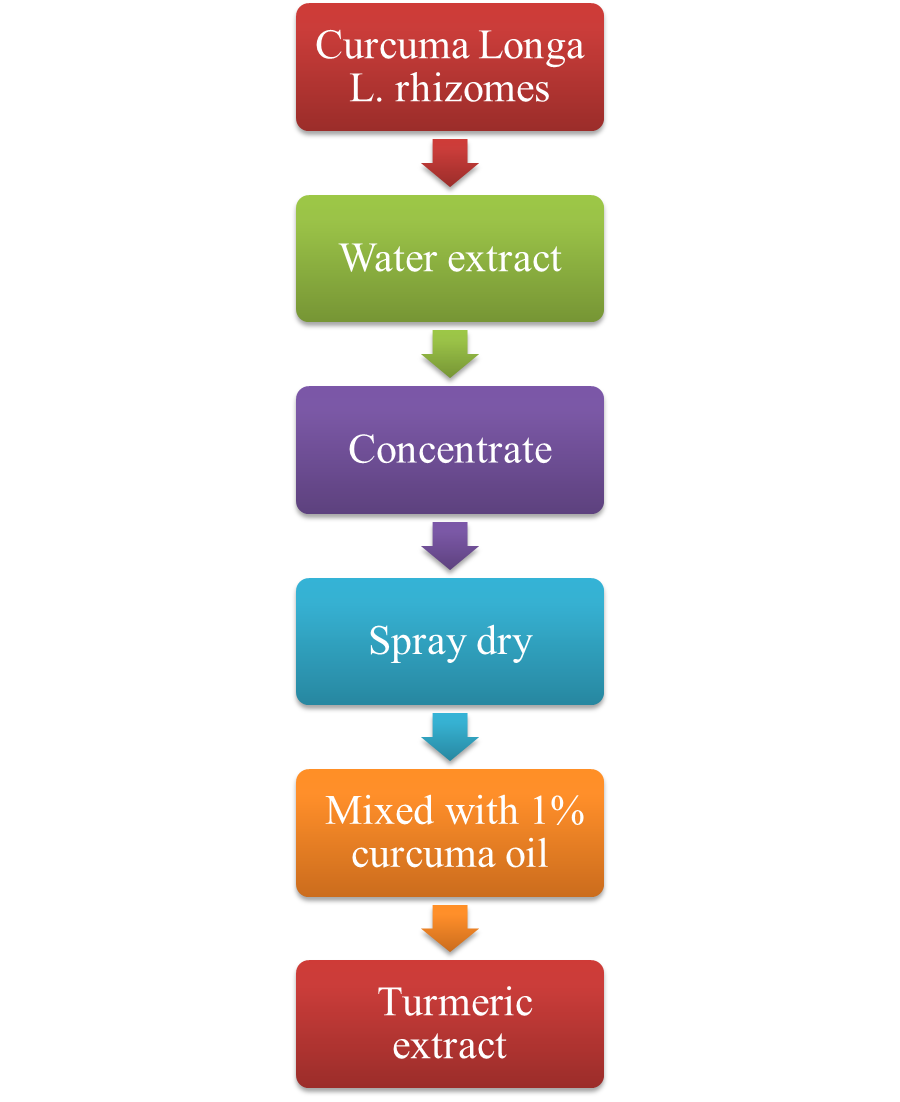
Turmeric
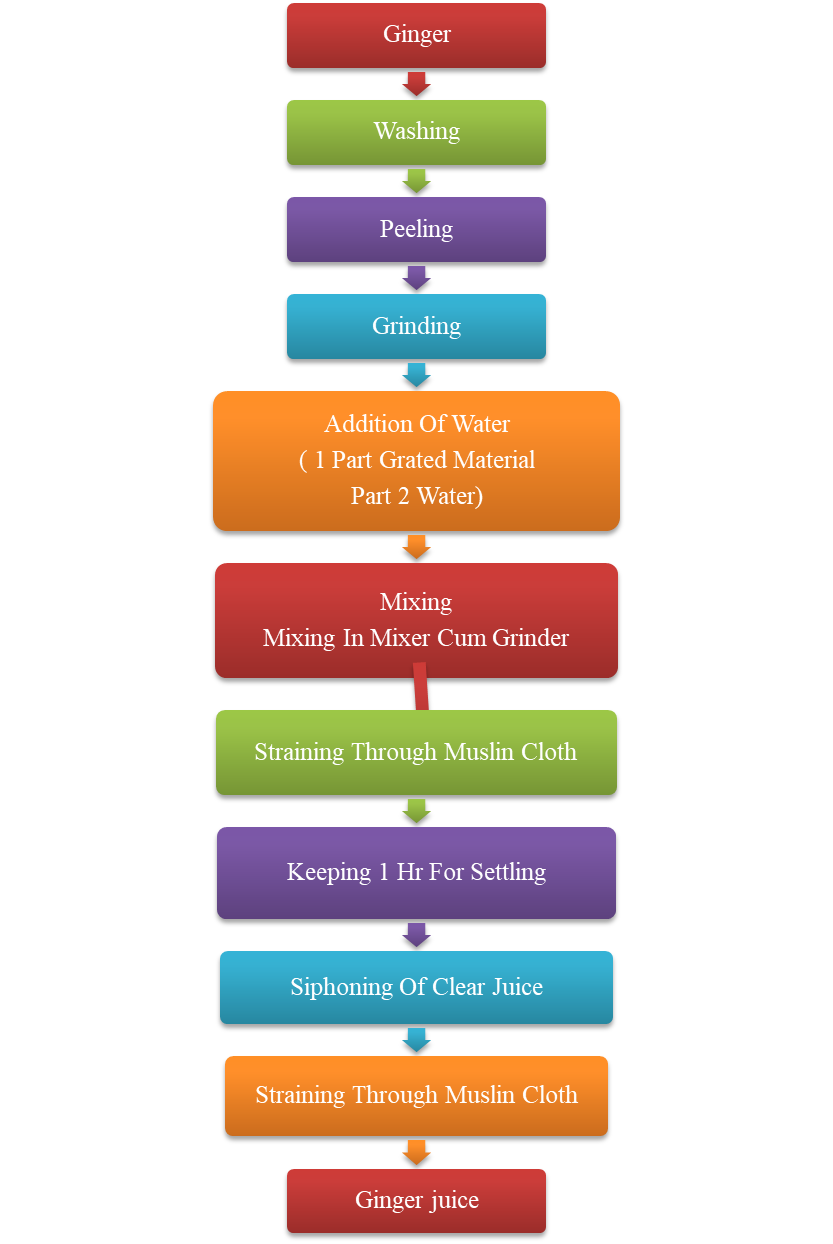
Ginger
Aloe vera

Phytochemical Analysis

Results Of Evaluation Cream
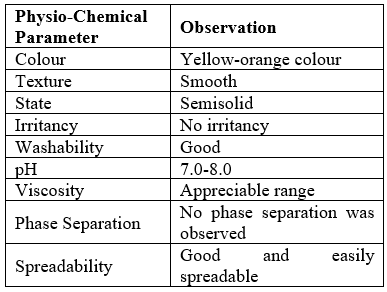
Table no- 07 Evaluation of anti-inflammatory Cream
DISCUSSION:
CONCLUSION
The main purpose of this study was to develop the effective herbal anti-inflammatory cream using turmeric. The prepared herbal turmeric cream demonstrates good physicochemical properties as compared to available marketed formulations . The release the active constituents is effective as anti-inflammatory formulations based on the carrageenan-induced rat paw oedema Method. Curcumin is the natural pigment obtained from the Curcuma longa with considered medicinal uses. The herbal cream is one of the good alternatives for the synthetic Cream. The Future clinical studies can be proven vital for its effective usage.
Now, the pharmacokinetics and anti-inflammatory effects of curcumin have been improved to some extent by the structural modification and modification of curcumin, preparation research and drug combination therapy. Among them, curcumin dietary supplement or adjuvant drug has significant therapeutic effect, which is the most feasible way for curcumin application at present.
FUTURE SCOPE
REFERENCE


Swamini Kute*, Harsh Meher, Swapnil Kale, Formulation and Optimization of Natural Anti-Inflammatory Cream Using Herbal Extract, Int. J. of Pharm. Sci., 2024, Vol 2, Issue 7, 1927-1946. https://doi.org/10.5281/zenodo.12930773
 10.5281/zenodo.12930773