View Article

  • Global Plastic Production, Environmental Impacts, and Sustainable Remediation Strategies: A Comprehensive Review

  • 1,2 Department of Chemistry, Government Degree College Tekkali, Srikakulam(Dist), Andhra Pradesh, India
    3 Department of Chemistry, Government Degree College Marripalem, A S R (dist), Andhra Pradesh, India

Abstract

Plastics have become indispensable commodities in modern society, with global output topping 370 million tons per year. However, their persistence and mismanagement have resulted in serious environmental and health consequences. This paper provides a comprehensive overview of plastic manufacturing trends from 1950 to 2025, focusing on the exponential development in worldwide output and the associated increase in trash generation. The research addresses the ecological, biological, and human health effects of plastics and microplastics, using quantitative data. Various remediation options, including as mechanical and chemical recycling, biodegradation, and the development of bioplastics, are critically reviewed. Policy initiatives, circular economy models, and global sustainability frameworks are all considered. The research concludes that comprehensive global policies combining innovation, legislation, and education are critical for transitioning to a sustainable plastic economy.

Keywords

Plastic pollution, Microplastics, Recycling, Bioplastics, Environmental impact, Sustainable remediation, Circular economy

Introduction

Plastics are synthetic polymers that have transformed industries with their variety, durability, and cost-effectiveness. Since the 1950s, plastic manufacturing has increased from 2 million tonnes to over 370 million tonnes in 2020, with estimates of 420 million tonnes by 2025 [1, 2]. While plastics have facilitated significant technological and economic advancement, their environmental impact has become a worldwide issue [3]. Inadequate waste management, reliance on single-use plastics, and poor recycling techniques all lead to widespread contamination of soil, air, and water ecosystem [4]. This analysis will examine manufacturing trends, environmental and health implications, and the most recent remediation solutions for sustainable plastic management.

2. GLOBAL PLASTIC PRODUCTION TRENDS (1950–2025)

Plastics manufacturing has increased approximately 200-fold since the 1950s, thanks to the packaging, construction, and consumer goods industries [5]. Developing economies, particularly in Asia and the Pacific, now account for the vast majority of global output.

Table 1. Global Plastic Production Data (1950–2025)

Year

Global Production (Million Tonnes)

Major Producers

Key Plastic Types

Remarks

1950

2

USA, UK

PE, PVC

Beginning of mass production

1970

35

USA, Europe, Japan

PE, PP, PVC, PS

Packaging boom

1990

100

USA, China, Germany

PET, HDPE, LDPE

Disposable culture rise

2000

200

China, USA, EU

PP, PET, PS

Globalization of plastic markets

2010

300

China, India, USA

PP, PET, HDPE

Growth of single-use plastics

2020

370

China (32%), USA (17%)

PE, PP, PET

Packaging & consumer goods

2025*

420 (projected)

China, India

Bioplastics emerging

Sustainable alternatives rise

Source: UNEP (2024) [1]), OECD Plastic Outlook (2023) [5], Statista Reports (2024) [6].
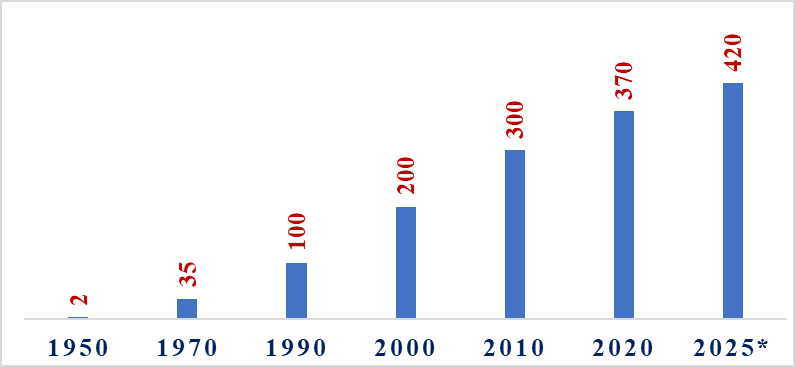
Figure 1. Global Plastic Production (Million Tonnes) Data from 1950-2025

The data show a large growth in production after 2000, owing to economic globalization and modernization. China accounts for over one-third of worldwide plastic output, followed by the United States and the European Union [5].

3. ENVIRONMENTAL AND HEALTH IMPACTS OF PLASTICS

3.1 Environmental Effects

Plastic contamination harms soil, river, and marine ecosystems. Mismanagement of plastic trash causes hazardous chemical leakage, microplastic production, and habitat destruction [7,8]. More than 11 million tonnes of plastic enter the ocean each year [9]. Microplastics (<5 mm) from these materials can accumulate in sediments and biota over centuries [10].

3.2 Biological and Human Health Effects

Microplastics and their associated chemicals, including bisphenol A (BPA) and phthalates, have been linked to endocrine disruption, reproductive difficulties, and carcinogenicity [4,11]. Marine creatures consume microplastics, resulting in bioaccumulation and trophic transmission via food webs [12].

Table 2. Environmental & Health Effects of Plastic Pollution

Category

Type of Effect

Description

Example / Impact

Environmental

Soil Contamination

Leaching of additives and microplastics into soil

Affects soil fertility & microbes

Environmental

Water Pollution

Accumulation in rivers and oceans

11 million tons enter oceans annually

Environmental

Air Pollution

Burning releases toxic gases

Dioxins, furans, carbon monoxide

Biological

Marine Life Impact

Ingestion by fish, turtles, birds

Food chain contamination

Human Health

Endocrine Disruption

BPA & phthalates mimic hormones

Reproductive & developmental disorders

Human Health

Carcinogenicity

Styrene, vinyl chloride compounds

Linked to cancers

Economic

Waste Management Cost

High cost of collection & recycling

$13 billion annual ocean cleanup cost

Source: WHO (2023) [11]; UNEP Plastic Report (2022) [9]; Rochman et al. (2019) [4].

4. PLASTIC WASTE GENERATION AND MANAGEMENT

Waste management is a significant global challenge. Recycling rates vary greatly between regions, with Europe recycling 32% compared to Asia-Pacific's 12% [13]. Landfilling and open dumping are still common activities in low-income areas.

Table 3. Plastic Waste Generation & Management (Region-wise, 2023)

Region

Waste Generated (Mt/year)

Recycling (%)

Landfill (%)

Ocean Leakage (%)

Africa

20

4

75

6

Latin America

25

10

65

3

North America

45

9

72

3

Europe

60

32

45

1

Asia-Pacific

170

12

60

4

Source: World Bank Plastic Waste Data (2024) [13].
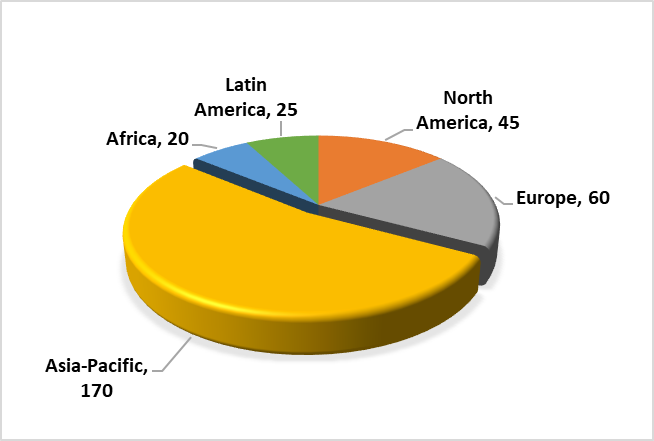
Figure 2: Region wise Plastic Waste Generation (Mt/Year)
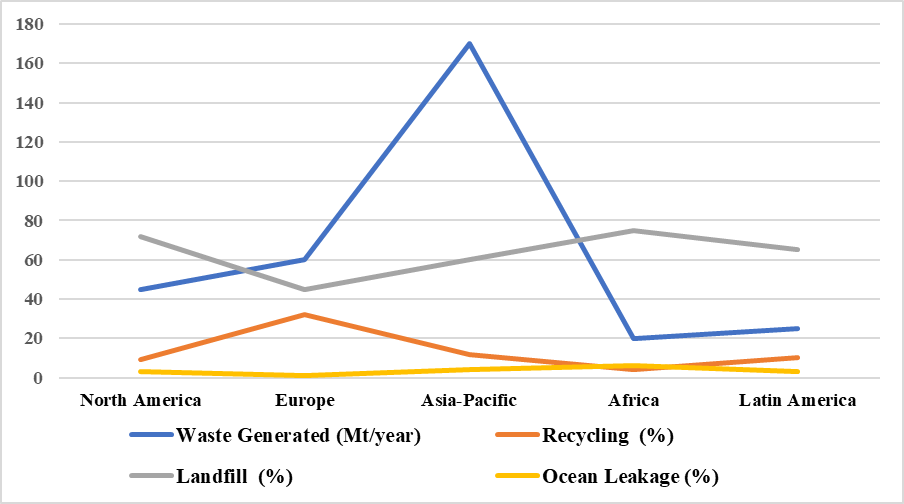
Figure 3: Plastic Waste Generation & Management (Region-wise, 2023)

Policies encouraging Extended Producer Responsibility (EPR) and circular economy initiatives are strengthening recycling systems in a number of countries [14,15], but enforcement is patchy.

5. SUSTAINABLE REMEDIATION AND RECYCLING TECHNOLOGIES

5.1 Mechanical and Chemical Recycling

Mechanical recycling is easy and inexpensive, but its effectiveness is restricted by polymer breakdown [16]. Chemical recycling has better potential for depolymerization into monomers, but it is still energy-intensive and cost restricted [17].

5.2 Biodegradation and Microbial Remediation

Recent discoveries of plastic-degrading bacteria, such as Ideonella sakaiensis, which can degrade PET, provide interesting biological treatment techniques [18,19].

5.3 Waste-to-Energy and Bioplastics

Thermal treatment and bioplastic synthesis using renewable resources like starch and cellulose are gaining popularity [20]. However, high costs and scalability concerns prevent widespread usage [21].

Table 4. Plastic Remediation & Management Techniques

Method

Principle

Advantages

Limitations

Example / Application

Mechanical Recycling

Sorting, shredding, melting

Simple,

low-cost

Quality degradation

PET bottles, HDPE containers

Chemical Recycling

Depolymerization to monomers

Reusable feedstock

Energy intensive

Pyrolysis of PE & PP

Biodegradation

Microbial/ plastic-eating enzymes

Eco-friendly

Slow process

Ideonella sakaiensis for PET

Incineration with Energy Recovery

Combustion to energy

Reduces volume

Air pollution risk

Waste-to-energy plants

Bioplastics

Made from starch/cellulose

Renewable, compostable

Limited strength, costly

PLA, PHA materials

Waste Reduction Policy

Bans, taxes, awareness

Preventive

Enforcement challenges

India’s single-use ban 2022

Table 5. Sustainable Alternatives to Conventional Plastics

Type

Source Material

Degradation Time

Applications

Example

PLA (Polylactic Acid)

Corn, sugarcane

6–24 months

Packaging, cutlery

NatureWorks PLA

PHA (Polyhydroxyalkanoate)

Bacterial fermentation

6–12 months

Medical, agriculture

Danimer PHA

Starch-based Plastics

Potato, maize starch

<1 year

Bags, films

Novamont Mater-Bi

Cellulose-based

Wood pulp

<6 months

Food wrapping

Cellophane

Recycled PET

PET waste

Long (recyclable)

Bottles, textiles

rPET fabrics

6. POLICY, EDUCATION, AND CIRCULAR ECONOMY

Effective plastic management necessitates robust policy frameworks. The EU Directive (2019/904) and India's 2022 ban on single-use plastics are significant legislative achievements [14, 22]. Public participation, awareness campaigns, and education are critical for behavioural change [23]. Circular economy approaches, which emphasize reuse, recycling, and material innovation, serve as the cornerstone for sustainable plastic management [15].

7. FUTURE PERSPECTIVES

Future research should focus on cost-effective biodegradable polymers, scalable recycling systems, and enhanced microplastic detection [17]. Artificial intelligence in garbage sorting, blockchain for traceability, and worldwide recycling code standardization could all help to hasten the circularity shift [24].

8. CONCLUSION

  • By 2025, global plastic production is expected to reach about 400 Mt per year, with packaging accounting for the majority.
  • Only 9% of plastic trash gets recycled, with the rest being burnt or landfilled.
  • Plastic pollution in the oceans and on land is getting worse, endangering ecosystems and human health.
  • Mechanical recycling is dominant but insufficient for achieving global circularity.
  • Promising developments in chemical and enzymatic recycling require large-scale demonstrations.
  • Bioplastics have limitations in performance and deterioration, making them not a universal answer.
  • Policy frameworks like EPR and recycled-content standards enhance accountability but require worldwide uniformity
  • Data transparency and standardized lifecycle metrics are critical for effective monitoring.
  • International cooperation under the Global Plastics Treaty will be pivotal for systemic transformation.
  • Integrated technological, economic, and behavioural interventions are essential to transition toward a sustainable plastic future.

ABBREVIATIONS:

  • PE: Polyethylene
  • PET: Polyethylene Terephthalate
  • rPET: Recycled Polyester
  • HDPE: High Density Polyethylene
  • PP: Polypropylene
  • PLA: Poly Lactic acid
  • PHA: Polyhydroxyalkanoate
  • PS: Polystyrene
  • PVC: Polyvinyl chloride
  • USA: United States of America
  • UK: United Kingdom
  • EU: European Union

ACKNOWLEDGEMENTS:

We thank our college principle and faculty members for give their support to write this wonderful article.

 REFERENCES

  1. UNEP (2024). Global Plastics Outlook: Data and Policy Insights. United Nations Environment Programme.
  2. Geyer, R., Jambeck, J.R., & Law, K.L. (2017). Production, use, and fate of all plastics ever made. Science Advances, 3(7), e1700782.
  3. Jambeck, J.R., et al. (2015). Plastic waste inputs from land into the ocean. Science, 347(6223), 768–771.
  4. Rochman, C.M., Browne, M.A., Underwood, A.J., et al. (2019). The ecological impacts of marine debris. Science of the Total Environment, 690, 147–158.
  5. OECD (2023). Global Plastics Outlook: Policy Scenarios to 2060. OECD Publishing, Paris.
  6. Statista (2024). Global Plastic Production Data 1950–2024. Statista Research Department.
  7. Thompson, R.C., Moore, C.J., vom Saal, F.S., & Swan, S.H. (2009). Plastics, the environment and human health. Philosophical Transactions of the Royal Society B, 364, 2153–2166.
  8. Lebreton, L., & Andrady, A. (2019). Future scenarios of global plastic waste generation and disposal. Palgrave Communications, 5, 6.
  9. UNEP (2022). From Pollution to Solution: A Global Assessment of Marine Litter and Plastic Pollution. United Nations Environment Programme.
  10. Andrady, A.L. (2011). Microplastics in the marine environment. Marine Pollution Bulletin, 62(8), 1596–1605.
  11. WHO (2023). Microplastics in Drinking Water: Updated Report. World Health Organization.
  12. Zhang, K., Hamidian, A.H., et al. (2021). Microplastics pollution in the marine environment: Sources, fate, and effects. Environmental Pollution, 274, 116–136.
  13. World Bank (2024). What a Waste 3.0: Global Plastic Waste Database. World Bank Publications.
  14. European Commission (2020). Directive (EU) 2019/904 on the Reduction of the Impact of Certain Plastic Products on the Environment.
  15. Ellen MacArthur Foundation (2022). Circular Economy and Plastics: A Vision for Systemic Change.
  16. Ragaert, K., Delva, L., & Van Geem, K. (2017). Mechanical and chemical recycling of solid plastic waste. Waste Management, 69, 24–58.
  17. Zhao, X., Li, Y., et al. (2023). Advances in chemical recycling of plastic wastes toward circular economy. Green Chemistry, 25(1), 350–368.
  18. Yoshida, S., Hiraga, K., Takehana, T., et al. (2016). A bacterium that degrades and assimilates poly (ethylene terephthalate). Science, 351(6278), 1196–1199.
  19. Danso, D., Chow, J., & Streit, W.R. (2019). Plastic biodegradation by bacteria and fungi. Applied Microbiology and Biotechnology, 103(5), 2183–2196.
  20. Kaiser, K., Schmid, M., & Schlummer, M. (2021). Recycling of polymer-based multilayer packaging: A review. Recycling, 6(1), 18.
  21. Emadian, S.M., Onay, T.T., & Demirel, B. (2017). Biodegradation of bioplastics in natural environments. Waste Management, 59, 526–536.
  22. CPCB (2022). Implementation of Plastic Waste Management Rules in India. Central Pollution Control Board, Government of India.
  23. Velis, C.A., & Cook, E. (2021). Mismanagement of plastic waste through open burning – A global perspective. Environmental Science & Technology, 55(11), 7186–7198.
  24. Singh, N., Tang, Y., & Ogunseitan, O.A. (2023). Harnessing AI for circular economy plastic recycling. Journal of Cleaner Production, 423, 138850.

Reference

  1. UNEP (2024). Global Plastics Outlook: Data and Policy Insights. United Nations Environment Programme.
  2. Geyer, R., Jambeck, J.R., & Law, K.L. (2017). Production, use, and fate of all plastics ever made. Science Advances, 3(7), e1700782.
  3. Jambeck, J.R., et al. (2015). Plastic waste inputs from land into the ocean. Science, 347(6223), 768–771.
  4. Rochman, C.M., Browne, M.A., Underwood, A.J., et al. (2019). The ecological impacts of marine debris. Science of the Total Environment, 690, 147–158.
  5. OECD (2023). Global Plastics Outlook: Policy Scenarios to 2060. OECD Publishing, Paris.
  6. Statista (2024). Global Plastic Production Data 1950–2024. Statista Research Department.
  7. Thompson, R.C., Moore, C.J., vom Saal, F.S., & Swan, S.H. (2009). Plastics, the environment and human health. Philosophical Transactions of the Royal Society B, 364, 2153–2166.
  8. Lebreton, L., & Andrady, A. (2019). Future scenarios of global plastic waste generation and disposal. Palgrave Communications, 5, 6.
  9. UNEP (2022). From Pollution to Solution: A Global Assessment of Marine Litter and Plastic Pollution. United Nations Environment Programme.
  10. Andrady, A.L. (2011). Microplastics in the marine environment. Marine Pollution Bulletin, 62(8), 1596–1605.
  11. WHO (2023). Microplastics in Drinking Water: Updated Report. World Health Organization.
  12. Zhang, K., Hamidian, A.H., et al. (2021). Microplastics pollution in the marine environment: Sources, fate, and effects. Environmental Pollution, 274, 116–136.
  13. World Bank (2024). What a Waste 3.0: Global Plastic Waste Database. World Bank Publications.
  14. European Commission (2020). Directive (EU) 2019/904 on the Reduction of the Impact of Certain Plastic Products on the Environment.
  15. Ellen MacArthur Foundation (2022). Circular Economy and Plastics: A Vision for Systemic Change.
  16. Ragaert, K., Delva, L., & Van Geem, K. (2017). Mechanical and chemical recycling of solid plastic waste. Waste Management, 69, 24–58.
  17. Zhao, X., Li, Y., et al. (2023). Advances in chemical recycling of plastic wastes toward circular economy. Green Chemistry, 25(1), 350–368.
  18. Yoshida, S., Hiraga, K., Takehana, T., et al. (2016). A bacterium that degrades and assimilates poly (ethylene terephthalate). Science, 351(6278), 1196–1199.
  19. Danso, D., Chow, J., & Streit, W.R. (2019). Plastic biodegradation by bacteria and fungi. Applied Microbiology and Biotechnology, 103(5), 2183–2196.
  20. Kaiser, K., Schmid, M., & Schlummer, M. (2021). Recycling of polymer-based multilayer packaging: A review. Recycling, 6(1), 18.
  21. Emadian, S.M., Onay, T.T., & Demirel, B. (2017). Biodegradation of bioplastics in natural environments. Waste Management, 59, 526–536.
  22. CPCB (2022). Implementation of Plastic Waste Management Rules in India. Central Pollution Control Board, Government of India.
  23. Velis, C.A., & Cook, E. (2021). Mismanagement of plastic waste through open burning – A global perspective. Environmental Science & Technology, 55(11), 7186–7198.
  24. Singh, N., Tang, Y., & Ogunseitan, O.A. (2023). Harnessing AI for circular economy plastic recycling. Journal of Cleaner Production, 423, 138850.

Photo
Sateesh Kumar Beepala
Corresponding author

Department of Chemistry, Government Degree College Tekkali, Srikakulam(Dist), Andhra Pradesh, India

Photo
V. Luke Paul
Co-author

Department of Chemistry, Government Degree College Tekkali, Srikakulam(Dist), Andhra Pradesh, India

Photo
Srividhya Maripi
Co-author

Department of Chemistry, Government Degree College Marripalem, A S R (dist), Andhra Pradesh, India

Sateesh Kumar Beepala, V. Luke Paul, Srividhya Maripi, Global Plastic Production, Environmental Impacts, and Sustainable Remediation Strategies: A Comprehensive Review, Int. J. of Pharm. Sci., 2025, Vol 3, Issue 11, 1870-1876. https://doi.org/10.5281/zenodo.17590419

More related articles
Formulation Development and Evaluation of Moringa ...
Jaydeep Wankhade, Ajay Baitule, Himani Malode , Gayatri Yeole , G...
Review On Effectual Communication In Pharmacovigil...
Suraj Kumar Prajapati , Tarkeshwar P. Shukla , Pramod Mishra , ...
A Comprehensive Review on Transmucosal Patch for O...
Deepthi C., Dr. Eswar Gupta Maddi, ...
Phytochemical Analysis and Potential Anthelmintic activity of Chenopodium ambros...
Manodeep Chakraborty, Rahul Pradhan , Praghya sharma , Nikki kumari Gupta, Samir Chouhan, Nowsad SK,...
A Comprehensive Review On: Role Of Artificial Intelligence In Pharmaceutical Tec...
Yuthika Sudhir Ovhal, Ashwini Gavit, Kiran Makhija, N. S. Vyawhare, ...
Marketing Surveillance and Pharmacovigilance: QA’s Role in Ensuring Product Sa...
Sagerika Jha, Dhruvi Jain, Shreya Dhanani, Sapna Rathod, ...
Related Articles
The Impact of Medicine Prices and Taxes on Access to Healthcare...
Dr. Sapna Khemnar, Gokul Cholke, Rushikesh Ghuge, Sunil Jadhav, ...
Formulation And Evaluation Of Polyherbal Hair Oil...
Namita Sagvekar, , Aishwarya Kocharekar, Gauri Patki, Swapnali Gawas, ...
Formulation And Evaluation of an Anti-Nerve Impulse Cream Containing Benzocaine ...
Mohammed Sufiyan Raees Ahmed, Shaikh Faizan, Rohan Chavan, Ashish Kulkarni, Piyush Raut, Nikhil Petk...
Self-Driving Drug Discovery Integrated with Next-Gen Drug Delivery: AI–Robotic...
Abhinandan Satapathy, PN Tapaswini Behera, Rajat Kumar Kar, ...
Formulation Development and Evaluation of Moringa Oleifera Herbal Shampoo ...
Jaydeep Wankhade, Ajay Baitule, Himani Malode , Gayatri Yeole , Gokul Rahate , Gauri Kunjam, ...
More related articles
Formulation Development and Evaluation of Moringa Oleifera Herbal Shampoo ...
Jaydeep Wankhade, Ajay Baitule, Himani Malode , Gayatri Yeole , Gokul Rahate , Gauri Kunjam, ...
Review On Effectual Communication In Pharmacovigilance...
Suraj Kumar Prajapati , Tarkeshwar P. Shukla , Pramod Mishra , ...
Formulation Development and Evaluation of Moringa Oleifera Herbal Shampoo ...
Jaydeep Wankhade, Ajay Baitule, Himani Malode , Gayatri Yeole , Gokul Rahate , Gauri Kunjam, ...
Review On Effectual Communication In Pharmacovigilance...
Suraj Kumar Prajapati , Tarkeshwar P. Shukla , Pramod Mishra , ...