View Article

Abstract

Autism Spectrum Disorder (ASD) is a complicated neurodevelopmental condition marked by challenges in social communication, narrow interests, repetitive behaviors, anxiety, sleep issues, and cognitive deficits. Although behavioral therapies and certain medications are currently available, there remains a demand for safer and more holistic treatment options to address accompanying symptoms. This study investigates the possible therapeutic effects of specific herbal ingredients—Brahmi (Bacopa monnieri), Shankhpushpi (Convolvulus pluricaulis), Jatamansi (Nardostachys jatamansi), and Tagar (Valeriana wallichii)—in managing the symptoms of ASD. The purpose of this research is to create and assess a polyherbal remedy that targets the main and related symptoms of ASD. Standardized behavioral and cognitive assessment parameters will be used to evaluate the formulation’s safety, tolerability, and potential therapeutic efficacy. The results could offer scientific understanding of the function of traditional herbal medicine as an adjunctive strategy for managing symptoms of ASD..

Keywords

Bacopa monnieri, Convolvulus pluricaulis, Nardostachys jatamansi, Valeriana wallichii, autism spectrum disorder, polyherbal formulation, neuroprotection, and cognitive improvement

Introduction

Autism Spectrum Disorder (ASD) is one of the many illnesses that have recently emerged in the world that cannot be clinically diagnosed. A significant neurodevelopmental disorder, this illness affects a variety of behavioral domains, such as social and communicative skills as well as repetitive and stereotyped behaviors.[1] According to WHO statistics, ASD was diagnosed in 0–63 percent of very young children and continues to spread to adolescents and adults. The symptoms and indicators start early.[2] A person with ASD may suffer from mental problems such as anxiety and misunderstanding, which can impair their capacity to function adequately during various periods of life.[3] But ASD is a brain developmental disorder that impacts a person's entire life for the rest of their life. It is important to remember that this condition may develop due to a combination of genetic and environmental factors.[4] While complete recovery is not possible for patients with this condition, its effects can be lessened temporarily if the symptoms are identified early. Scientists believe that human genes are to blame for the inability to pinpoint the exact causes of ASD.[6] While social interaction and communication are particularly difficult for people with ASD, they can still interact and communicate with others:-[7,8]

  • Lack of pain sensitivity
  • Incapacity to make proper eye contact Incapacity to react appropriately to sound
  • Lack of desire to cuddle
  • Incapacity to communicate gestures
  • Lack of social interaction
  • Inappropriate attachment to objects and a desire to live alone.

It is difficult to identify ASD because there are many other mental illnesses that have symptoms that are strikingly similar to those of ASD. Additionally, machine learning (ML) is the most popular field for identifying functional patterns for treating autism patients by employing various techniques to identify the condition and determine whether an individual is affected or not.[9] suggested a machine learning (ML) model to forecast ASD and related psychological disorders that have a major impact on a person's social behavior. They identified the disease, examined it, and determined the best course of action to lessen its severity using linear analysis and the quadratic discriminant algorithm. They analyzed and discovered the data from the University of California, Irvine (UCI) reservoir in order to construct the machine learning model. The Youden index, accuracy, sensitivity, and F1 score were all thoroughly assessed. The Quadruple Analysis Algorithm (QDA) demonstrated its high accuracy of 99.77 percent after adjusting the hyperparameters, demonstrating the effectiveness and efficiency of the suggested model. et al. Md. Mokhlesur Rdot.[10]

According to the Autism and Developmental Disabilities Monitoring Network (ADDM), for instance, the estimated prevalence of ASD rose from 0.67 percent in 2000 to 1.46 percent in 2012.In order to estimate the most recent prevalence of ASD among US children at the national and state levels in 2016, we examined nationally representative data from the National Survey of Children's Health (NSCH). Additionally, we calculated the percentages of people with ASD who received behavioral and pharmaceutical treatments.[11]

ASD is difficult to diagnose, and recent modifications to diagnostic standards and the way the disorder is viewed have sparked debate among experts, decision-makers, patients, and their families.[12]

2. Types :-

  1. Previous Classification (prior to DSM-5)

(Autism was previously classified into distinct disorders under the Diagnostic and Statistical Manual of Mental Disorders (DSM-IV))

  1.  Autistic Disorder (classic autism)
  • Significant social communication difficulties.
  • Delayed speech development.
  • Repetitive behaviors.
  • Symptoms is appear before age 3
  1. Asperger's Syndrome
  • Normal or above average intelligence
  • No discernible language impairment
  • Difficulty interacting with others
  • Limited interests.


  1. PDD-NOS (Pervasive Developmental Disorder – Not Otherwise Specified)
  • Mild or atypical symptoms
  • Did not fully meet criteria for other types
  1. Childhood Disintegrative Disorder
  • Normal Development for first 2-4 month
  • Then sudden loss of language and social skills
  1. Rett syndrome
  • Mostly affects girls
  1. Current Classification :-
  1. Level 1-Requiring Support
  • Mild symptoms
  • Difficulty initiating social interactions.
  1. Level 2-Requiring Substantial Support
  • Marked communication difficulties
  • Repetitive behaviors are more obvious
  • Needs regular support.
  1.   Level 3-Requiring Very Substantial Support
  • Severe communication impairment
  • Limited verbal ability
  • Requires significant daily support.
  1. Sign And Symptoms:-
  1. Social communication difficulties
  • Poor eye contact
  • Difficulty understanding others' emotions
  • Inability to react to their name
  • Difficulty forming friendships
  • Preference for playing alone
  • Limited use of gestures (pointing, waving)
  1. Speech and language issues include
  • Delayed speech development
  • Echolalia (repeating the same words or phrases)
  • Difficulty initiating or carrying on a conversation
  • Unusual speech rhythm or tone
  • Sometimes no speech at all.
  1. Repetive Behaviors
  • Hand flapping, rocking, and spinning
  • Repeating same activity again and again
  • Strong attachment to routines
  1. Restricted Interests
  • Very strong interest in specific topics or objects
  • Playing with toys in the same way repeatedly
  • Focusing on parts of objects (like wheels of a toy car).
  1. Sensory Sensitivity

Over- or under-sensitivity to sensory stimuli can occur in children with ASD. Examples include :-

  • Sensitivity to loud noises
  • Discomfort with bright lights
  • Strong reactions to touch or textures
  • Unusual interest in lights or smells.
  1. Additional Associated Symptoms:
  • Attention issues
  • Hyperactivity
  • Sleep issues
  • Aggressive behavior and occasionally self-harm.
  1. Causes :-
  1. Genetics Factor (main cause):-
  • Autism tends to run in families.
  • Certain gene mutations increase the risk.
  • If one child has ASD, that chance of another child having ASD is higher
  • Some genetic condition linked with autism, such as:
  • Fragile X syndrome
  • Rett Syndrome
  • Tuberous sclerosis
  1.  Brain Development Difference
  • Difference in brain structure and function
  • Abnormal growth of certain brain areas
  • Imbalance in neurotransmitters (like serotonin)
  1.  Environmental Risk Factor
  • Advanced parental age
  • Maternal infections during pregnancy
  • Exposure to certain drugs or toxins during pregnancy
  1. Immune And Metabolic Factors
  • Immune system abnormalities
  • Inflammation during pregnancy
  • Metabolic disorders(rare cases)
  1. Diagnosis :-
  1. Developmental screening
  • It is the first step of diagnosing ASD.
  • These ore done by regular pediatric examination.
  • Doctors refer them for additional assessment. These Milestones include speaking words, making eye contact, Responding to their name, and playing with others.
  1. Comprehensive Diagnostic Evaluation

In the event that screening indicates autism, specialists conduct a thorough evaluation that may involve:

  1. Behavioral Observation:
  • Doctors watch the child's social interaction, communication skills, repetitive behaviors, and emotional responses.
  1. Developmental History:
  • Parents are questioned about the child's early development, language development, and social behavior.
  1. Standard Diagnostic Tools:
  • Specialists may use standardized tests like-
  • ADOS (Autism Diagnostic Observation Schedule)
  • ADI-R (Autism Diagnostic Interview-Revised)
  • M-CHAT (Modified Checklist for Autism in Toddlers).
  1. Medical and Neurological Examination:
  • To rule out other conditions, doctors may conduct
  • additional tests, such as:-
  • A hearing test to rule out hearing issues.
  • A genetic test.
  • A neurological examination.
  • A developmental assessment.
  • These tests help confirm that symptoms are caused by ASD
  • and not another disorder.
  1. Diagnostic Criteria (DSM-5)

To diagnose ASD, physicians follow the recommendations found in the Diagnostic and Statistical Manual of Mental Disorders (DSM-5).

The DSM-5 states that the individual must exhibit:

  1. persistent deficiencies in social interaction and communication.
  2. Restricted or repetitive behaviors include:
  • sensitivity to sensory stimuli.
  • repetitive movements.
  • insistence on routines.
  • intensely focused interests.
  1. Age of Diagnosis:
  • Signs can start to show up as early as 12 to 18 months.
  • The majority of kids receive a diagnosis by the time they are 2-4 years old. Because early intervention therapy improves outcomes, early diagnosis is crucial.
  1. Treatments :-
  1. Behavior therapy:-
  • Reduces harmful or repetitive behaviors and teaches positive behaviors to children with ASD.
  • Applied Behavior Analysis (ABA) is the most widely used approach.
  • It focuses on enhancing everyday living skills, social skills, communication, and learning capacity.
  • When a child exhibits desired behavior, positive reinforcement, or rewards, are applied.
  • It also lessens tantrums, self-harm, and aggressive behavior.
  1. Speech Therapy:-
  • Children with ASD can communicate more effectively with speech therapy. carried out by a specialist in speech and language therapy. Enhances:
  • Verbal communication
  • Nonverbal communication (gestures, eye contact)
  • Language comprehension Some kids may learn to use picture boards or other communication tools if they have trouble speaking.
  1. Occupational Therapy:-
  • Occupational therapy supports children in carrying out everyday tasks on their own. carried out by a specialist in occupational therapy:-
  •  Improved
  • fine motor skills (holding objects, writing)
  • self-care activities (dressing, eating, bathing)
  • sensory processing (touch, sound, light sensitivity)
  • these are the main goals of this therapy, which helps kids become more independent in their everyday lives.
  1. Special Diet and Supplements:-

A few dietary adjustments may help control some symptoms of ASD. Sometimes behavioral problems are lessened by following

  • A gluten-free casein-free diet (GFCF diet).
  • Omega-3 fatty acids, vitamin B6, magnesium
  • probiotics are among the nutritional supplements that might be suggested.
  1. Medication:-
  • While there isn't a specific medication to treat ASD, some medications can help manage symptoms like anxiety, hyperactivity, and irritability.

Among the drugs that are frequently used to treat irritability and aggressive behavior is:-

  • Risperidone
  • Aripiprazole: aids in reducing aggression and mood swings.
  • Fluoxetine is occasionally used to treat repetitive behaviors and anxiety.

These medications must always be taken under a doctor's supervision.

Plant profile :-
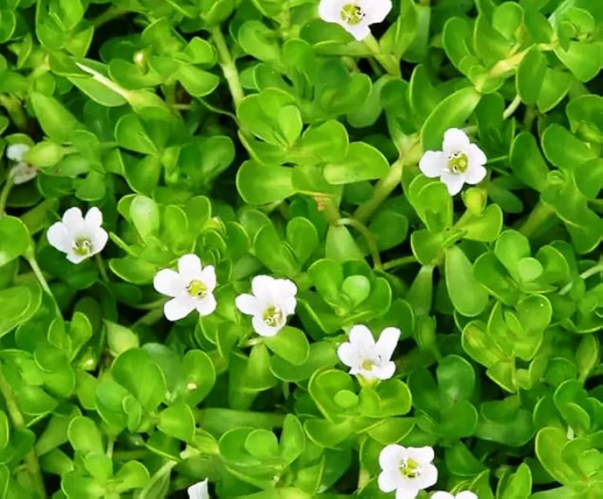
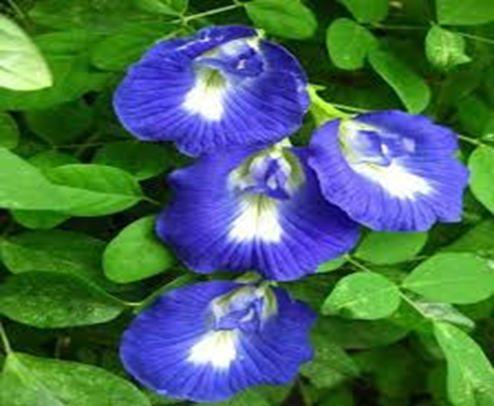
  1. Brahmi
  • Biological name – Bacopa monnieri(L.)wettst.
  • Common name –Brahmi, Water hyssop, Thyme-leaved gratiola
  • Synonyms – Herpestis monniera, Jalbrahmi, Nirbrahmi
  • Kingdom – Plantae
  • Family – Plantaginaceae
  • Genus – Bacopa
  • Species – Bacopa monnieri
  • Order – Lamialis
  • Properties – improves memory and cognitive function
            • Reduces anxiety and stress
            • Helps in calming and better sleep
            • Neuroprotective (protects brain cells from damage)


Fig. 1. Brahmi

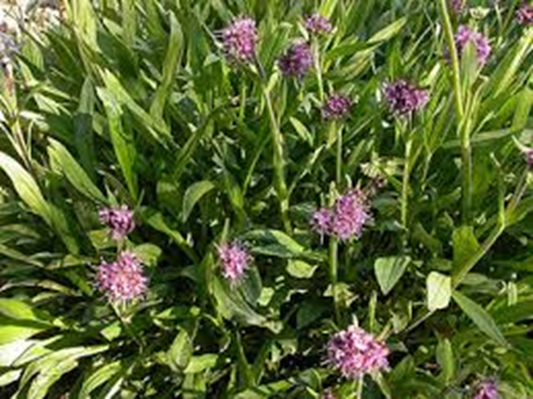
  1. Shankhpushpi


  • Biological name – Convolvulus Pluricaulis Choisy
  • Common name – Shankhpushpi, Aloe weed, Dwarf morning glory
  • Synonym – shankhini, ksheerpushpi, mangalyakusuma
  • Kingdom – Plantae
  • Family – Convolvulaceae
  • Genus – Convolvulus
  • Species – Convolvulus pluricaulis
  • Properties – Enhances memory and intelligence
  • Reduces stress and anxiety
  • Helpful in insomnia
  • Supports management of cognitive disorders (ADHD, ASD supportive therapy)


Fig. 2. Shankhpushpi

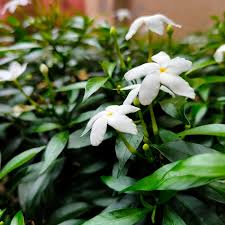
  1. Jatamansi
  • Biological name – Nardostachys jatamansi
  • Common name – Jatamansi, Spikenard, Indian Nard
  • Synonyms – Nardostachys grandiflora
  • Kingdom – Plantae
  • Family – Caprifoliaceae
  • Genus – Nardostachys
  • Species – Nardostachys jatamansi
  • Properties – Helpful in insomnia and hyperactivity
      • Enhances memory and cognitive function
      • Reduces anxiety and stress
      • Useful as supportive therapy in neurological disorders (ADHD, Autism supportive management)


Fig. 3. Jatamansi

  1. Tagar
  • Biological name – Valeriana wallichii DC.
  • Common name – Tagar, Indian Valerian, Sugandhbala
  • Synonyms – Valeriana jatamansi, Sugandhbala, Indian

            Valerian Root

  • Kingdom – Plantae
  • Family – Valerianaceae
  • Genus – Valeriana
  • Species – Valeriana wallichii
  • Properties – Reduces anxiety and nervousness
      • Helpful in insomnia
      • Mild Neuroprotective activity
      • Anticonvulsant                    

Fig. 4. Tagar


MATERIAL AND METHOD

Table :- Ingredients


s. no.

Ingredients

Quantity

Properties

1

Brahmi

75gm

Improves memory and cognitive function

2

Shankhpushpi

75gm

Reduces stress and anxiety

3

Jatamansi

75gm

Helpful in insomnia and hyperactivity

4

Tagar

75gm

Neuroprotective activity

5

Sugar

650gm

Sweetening agent

6

Citric acid

2gm

Acidifying agent

7

Sodium benzoate

1gm

Preservative

8

Glycerin (optional)

50ml

Viscosity enhancer

9

Purified water

Quantity sufficient

Solvent


Procedure :-

Step 1

Authentication and Cleaning Verify crude drugs.

Manually remove any foreign material.


Step 2

Drying & Powdering: Let the raw medications dry in the shade. Pulverize independently to a coarse powder (40 sieve).

 Aqueous Extraction (Decoction Method)

Step 3:

Combine 300 g of coarse powder.

 Add 2000 milliliters of purified water.

 Gently boil for 45 to 60 minutes.

Lower the volume to about 500 milliliters.

Filter through muslin cloth after cooling.

Get a filter (herbal extract).

Step 4:

Syrup Base Preparation: Dissolve 650 g of sugar in 400 mL of purified water. Gently heat until fully dissolved.

If required, filter. The syrup base should be cooled.

Step 5:

Complete Mixing Stir continuously as you gradually, add the filtered herbal extract to the syrup base.

Add: Citric acid, sodium benzoate (dissolved in a small amount of water), glycerin (optional for viscosity and stability), and finally, 1000 mL of purified water to make up the final volume. Mix well.

Step 6:

 Filtration & Filling Use muslin cloth to filter the finished syrup.

Pour into dry, clean amber bottles and label.

CONCLUSION

The polyherbal syrup containing Brahmi, Shankhpushpi, Jatamansi and Tagar was successfully formulated using the decoction method. The preparation may be useful as a supportive herbal supplement for neurological health. Further clinical evaluation is required to confirm its therapeutic efficacy in Autism Spectrum Disorder.

RESULT

The successful preparation of a brown, sweet, homogenous herbal syrup was achieved. Under typical storage conditions, the formulation demonstrated good stability and acceptable organoleptic properties.

REFERENCES

  1. J. Kang, X. Han, J. Song, Z. Niu, X. Li, The identification of children with autism spectrum disorder by SVM approach on EEG and eye-tracking data, Comput. Biol. Med. 120 (2020), 103722, 103722.
  2. N.A. Mashudi, N. Ahmad, N.M. Noor, Classification of adult autistic spectrum disorder using machine learning approach, IAES Int. J. Artif. Intell. 10 (3) (September 2021) 743–751, https://doi.org/10.11591/ijai.v10.i3.pp743-751.
  3. U. Erkan, D.N.H. Thanh, Autism Spectrum Disorder detection with machine learning methods, Current Psychiatry Research and Reviews 15 (4) (2019)
  4. M. Panda, D.P. Mishra, S.M. Patro, S.R. Salkuti, Prediction of diabetes disease using machine learning algorithms, IAES Int. J. Artif. Intell. 11 (1) (2022) 284.
  5. M.K. Hanif, N. Ashraf, M.U. Sarwar, D.M. Adinew, R. Yaqoob, Employing machine
  6. learning-based predictive analytical approaches to classify autism spectrum disorder types, Complexity 2022 (2022) 1–10.
  7. K. Shahrukh Omar, P. Mondal, N. Shahnaz Khan, R. Karim Rizvi, N. Islam, A machine learning approach to predict autism spectrum disorder, in: Proceedings of the 2019 International Conference on Electrical, Computer and Communication Engineering (ECCE), IEEE, Cox’sBazar, Bangladesh, Feb 2019, pp. 1–6.
  8. M. Panda, D.P. Mishra, S.M. Patro, S.R. Salkuti, Prediction of diabetes disease using machine learning algorithms, IAES Int. J. Artif. Intell. 11 (1) (2022) 284.
  9. N.A. Ali, Autism spectrum disorder classification on electroencephalogram signal using deep learning algorithm, IAES Int. J. Artif. Intell. 9 (1) (2020) 91.
  10. M.M. Rahman, O.L. Usman, R.C. Muniyandi, S. Sahran, S. Mohamed, R.A. Razak,1A review of machine learning methods of feature selection and classification for autism Spectrum Disorder, Brain Sci. 10 (12) (2020) 949.
  11. Xu, G., Strathearn, L., Liu, B., O’Brien, M., Kopelman, T. G., Zhu, J., ... & Bao, W. (2019). Prevalence and treatment patterns of autism spectrum disorder in the United States, 2016. JAMA pediatrics, 173(2), 153-159.
  12. Campisi, L., Imran, N., Nazeer, A., Skokauskas, N., & Azeem, M. W. (2018). Autism spectrum disorder. British medical bulletin, 127(1), 91-100.

Reference

  1. J. Kang, X. Han, J. Song, Z. Niu, X. Li, The identification of children with autism spectrum disorder by SVM approach on EEG and eye-tracking data, Comput. Biol. Med. 120 (2020), 103722, 103722.
  2. N.A. Mashudi, N. Ahmad, N.M. Noor, Classification of adult autistic spectrum disorder using machine learning approach, IAES Int. J. Artif. Intell. 10 (3) (September 2021) 743–751, https://doi.org/10.11591/ijai.v10.i3.pp743-751.
  3. U. Erkan, D.N.H. Thanh, Autism Spectrum Disorder detection with machine learning methods, Current Psychiatry Research and Reviews 15 (4) (2019)
  4. M. Panda, D.P. Mishra, S.M. Patro, S.R. Salkuti, Prediction of diabetes disease using machine learning algorithms, IAES Int. J. Artif. Intell. 11 (1) (2022) 284.
  5. M.K. Hanif, N. Ashraf, M.U. Sarwar, D.M. Adinew, R. Yaqoob, Employing machine
  6. learning-based predictive analytical approaches to classify autism spectrum disorder types, Complexity 2022 (2022) 1–10.
  7. K. Shahrukh Omar, P. Mondal, N. Shahnaz Khan, R. Karim Rizvi, N. Islam, A machine learning approach to predict autism spectrum disorder, in: Proceedings of the 2019 International Conference on Electrical, Computer and Communication Engineering (ECCE), IEEE, Cox’sBazar, Bangladesh, Feb 2019, pp. 1–6.
  8. M. Panda, D.P. Mishra, S.M. Patro, S.R. Salkuti, Prediction of diabetes disease using machine learning algorithms, IAES Int. J. Artif. Intell. 11 (1) (2022) 284.
  9. N.A. Ali, Autism spectrum disorder classification on electroencephalogram signal using deep learning algorithm, IAES Int. J. Artif. Intell. 9 (1) (2020) 91.
  10. M.M. Rahman, O.L. Usman, R.C. Muniyandi, S. Sahran, S. Mohamed, R.A. Razak,1A review of machine learning methods of feature selection and classification for autism Spectrum Disorder, Brain Sci. 10 (12) (2020) 949.
  11. Xu, G., Strathearn, L., Liu, B., O’Brien, M., Kopelman, T. G., Zhu, J., ... & Bao, W. (2019). Prevalence and treatment patterns of autism spectrum disorder in the United States, 2016. JAMA pediatrics, 173(2), 153-159.

Campisi, L., Imran, N., Nazeer, A., Skokauskas, N., & Azeem, M. W. (2018). Autism spectrum disorde

Photo
Shweta Ram
Corresponding author

Rungta Institute of Pharmaceutical Sciences and Research, Bhilai

Photo
Uttam Kumar
Co-author

Rungta Institute of Pharmaceutical Sciences and Research, Bhilai

Photo
Santosh
Co-author

Rungta Institute of Pharmaceutical Sciences and Research, Bhilai

Photo
Mahendra Gadhewal
Co-author

Rungta Institute of Pharmaceutical Sciences and Research, Bhilai

Photo
Maneesh Baghel
Co-author

Rungta Institute of Pharmaceutical Sciences and Research, Bhilai

Photo
Suchita Wamankar
Co-author

Rungta Institute of Pharmaceutical Sciences and Research, Bhilai

Photo
Dr. Gyanesh Kumar Sahu
Co-author

Rungta Institute of Pharmaceutical Sciences and Research, Bhilai

Uttam Kumar, Santosh, Mahendra Gadhewal, Maneesh Baghel, Shweta Ram, Suchita Wamankar, Dr. Gyanesh Kumar Sahu, Plant-Based Medicines for Managing Symptoms of Autism Spectrum Disorder, Int. J. of Pharm. Sci., 2026, Vol 4, Issue 4, 264-272 https://doi.org/10.5281/zenodo.19385132

More related articles
A Study on Anti-Inflammatory Activity of Leaves Ex...
Shital Darekar, Vaishali Bhagwat, Shweta Navale, Sakshi Bhosale, ...
Extraction, Identification, And Characterization o...
Arulraj Jeyaraj, Gopi Chinnadurai, Periyakaruppan Pradeepkumar, L...
Development and Validation of RP-HPLC Method for T...
Prasad Sakhare, Kailas Jadhao, Kailash Biyani, ...
A Review on Current Antibiotic Resistance Trends of Uropathogens in India, A Sur...
Dr. Kurupatha Menatha Jayasree, N. Vijay Vignesh A, Sathyapriyan, G. Venkata Vignesh, ...
Formulation And In Vitro Evaluation Of Bilayer Tablets Of Sustained Release Glic...
Nusiba Albasheer , Sumia Farid, Dhia Eldin Ehag, Neha Jaiswal, Swarnima Pandey, Abubaker Elamin, ...
An Overview of Pictogram: Need in Healthcare System...
Jikar Anuja, Kemekar Disha, Bhoyar Yash, Awachat Vrushabh, More Sachin, ...
Related Articles
Review On Stem Cell Therapy for Retinal Damage...
Pratiksha Kadale , Sakshi Ghunake, Sadiya Jamadar, Ganesh Chavan, ...
A Case Report on Peroral Endoscopic Myotomy for Achalasia Cardia with Dilated Es...
Grace N. Raju, Angitha Binu, Neehar M. Shanavas, Shaiju S. Dharan, ...
A Study on Anti-Inflammatory Activity of Leaves Extract Of Allium Sativum ...
Shital Darekar, Vaishali Bhagwat, Shweta Navale, Sakshi Bhosale, Akanksha Makade, ...
More related articles
A Study on Anti-Inflammatory Activity of Leaves Extract Of Allium Sativum ...
Shital Darekar, Vaishali Bhagwat, Shweta Navale, Sakshi Bhosale, Akanksha Makade, ...
Extraction, Identification, And Characterization of Bioactive Compounds from Tul...
Arulraj Jeyaraj, Gopi Chinnadurai, Periyakaruppan Pradeepkumar, Lakshmanan Nambi, ...
A Study on Anti-Inflammatory Activity of Leaves Extract Of Allium Sativum ...
Shital Darekar, Vaishali Bhagwat, Shweta Navale, Sakshi Bhosale, Akanksha Makade, ...
Extraction, Identification, And Characterization of Bioactive Compounds from Tul...
Arulraj Jeyaraj, Gopi Chinnadurai, Periyakaruppan Pradeepkumar, Lakshmanan Nambi, ...