
View Article

Abstract

Pterocarpus marsupium, commonly known as Vijayasar, is an important medicinal plant widely used in traditional Indian systems of medicine for the treatment of metabolic and inflammatory disorders. This review summarizes available information on its traditional uses, phytochemical constituents, and pharmacological activities. Phytochemical studies reveal that the plant is rich in flavonoids, stilbenes, tannins, and other phenolic compounds, with epicatechin and pterostilbene identified as major bioactive constituents. Pharmacological investigations have demonstrated antidiabetic, antioxidant, anti-inflammatory, cardioprotective, hepatoprotective, antimicrobial, and wound-healing properties, providing scientific support for its traditional applications. Despite substantial preclinical evidence, clinical studies on P. marsupium remain limited, and issues related to standardization and dosage persist. Further well-designed clinical investigations and development of standardized phytopharmaceutical formulations are necessary to establish its safety and therapeutic efficacy.

Keywords

Pterocarpus marsupium, Vijayasar, Phytochemicals, Traditional medicine, Antidiabetic medicinal plant

Introduction

The world of plants provides us with a fascinating insight into the usefulness of plants in our world today; in fact some plants may hold the cure for such diseases as diabetes and skin disease, demonstrating that the value of plants is high in our world today, as others have discovered from long ago. As the modern way advances in technology, we should not forget the value of our plant world.[1] The treasure of India is stored in the vast natural flora, which has been boon to mankind. India is virtually herbarium of the planet.[2] Pterocarpus marsupium. (Papilionaceae) is a deciduous tree commonly distributed in forests of the western ghats of India. The plant is commonly known as Asanahm bijakah (Sanskrit), Red Kino tree (English).[3] It is native to India, Nepal and Sri Lanka, where it exists in parts of the Western Ghats.[4] The plant has been extensively used in traditional systems of medicine such as Ayurveda, Unani, and Siddha for centuries, owing to its wide range of therapeutic properties. Among its various parts, the heartwood, bark, leaves, and gum resin have been most frequently employed for medicinal purposes.[5]Traditionally, P. marsupium is best known for its antidiabetic potential and has been widely prescribed for the management of diabetes mellitus.[6] Ancient Ayurvedic texts describe the use of its heartwood in the form of decoctions or water infusions for glycemic control.[7] In addition to its hypoglycemic activity, the plant has been reported to possess anti-inflammatory, antioxidant, cardioprotective, hepatoprotective, antimicrobial, anti-obesity, and wound-healing properties.[8] These diverse pharmacological effects are attributed to the presence of bioactive phytoconstituents such as flavonoids, stilbenes, phenolic compounds, terpenoids, and tannins.[9] Phytochemical investigations of P. marsupium have led to the identification of several important compounds, including epicatechin, pterostilbene, marsupsin, and liquiritigenin, which are considered key contributors to its antidiabetic and antioxidant activities.[10] Notably, epicatechin has been shown to promote pancreatic β-cell regeneration and insulin secretion, highlighting the therapeutic relevance of this plant in metabolic disorders.[11] Recent advances in experimental and clinical research have further validated many of its traditional claims, thereby strengthening its importance in evidence-based herbal medicine.[2] In recent years, increasing global interest in plant-based  therapeutics has been driven by the rising prevalence of chronic metabolic disorders, adverse effects associated with long-term use of synthetic drugs, and the need for safer, cost-effective alternatives. In this context, Pterocarpus marsupium has attracted significant attention due to its multitarget pharmacological profile and long history of traditional use. [12] Preclinical studies have demonstrated its ability to modulate key biochemical pathways involved in glucose metabolism, oxidative stress, inflammation, and lipid regulation.[13] These findings suggest that P. marsupium may offer therapeutic benefits not only in diabetes management but also in associated complications such as cardiovascular dysfunction, neuropathy, and hepatic disorders.[14] Furthermore, advances in phytochemical analysis and pharmacological screening have facilitated a deeper understanding of the molecular mechanisms underlying the biological activities of P. marsupium.[15]Compounds such as pterostilbene and epicatechin have been reported to exhibit insulin-sensitizing, antioxidant, and anti-apoptotic effects through modulation of signaling pathways including AMP-activated protein kinase (AMPK), peroxisome proliferator-activated receptors (PPARs), and nuclear factor-κB (NF-κB). [16] Advances in in silico modeling, in vitro assays, and in vivo experimental designs have further supported its interaction with molecular targets such as glucose transporters (GLUT4), inflammatory mediators, and antioxidant defense systems.[17]

TRADITIONAL USES OF PTEROCARPUS MARSUPIUM

In Ayurveda, the heartwood of P. marsupium is traditionally used for the management of Prameha (a group of metabolic disorders including diabetes).[18] The heartwood is often soaked in water overnight, and the infused water is consumed orally to regulate excessive urination, thirst, and fatigue.[19] It is also described as Tikta (bitter) and Kashaya (astringent) in taste, and is believed to balance Kapha and Pitta doshas.[20]

The bark of P. marsupium has traditionally been used as an astringent and cooling agent, particularly in the treatment of diarrhea, dysentery, and bleeding disorders.[19] Decoctions of the bark are administered orally to manage gastrointestinal disturbances and are also used externally for wounds, ulcers, and skin conditions due to their drying and cleansing properties.[19]

The gum resin, commonly known as kino, has been traditionally employed for its styptic and wound-healing purposes. It is applied externally to cuts, wounds, and ulcers to control bleeding and promote healing.[19] Internally, kino has been used in small doses to treat chronic diarrhea and hemorrhagic conditions.[19]

In Unani medicine, P. marsupium is used for conditions such as Zoaf-e-Jigar (weakness of the liver), urinary disorders, and excessive bleeding. Siddha medicine also recognizes the plant for treating urinary complaints, wounds, and metabolic imbalances.[20] These traditional practices highlight the long-standing cultural and therapeutic importance of Pterocarpus marsupium in indigenous healthcare systems.[21]
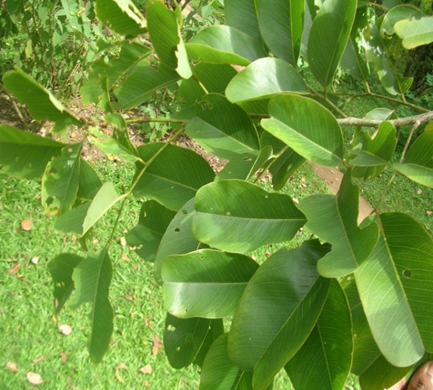
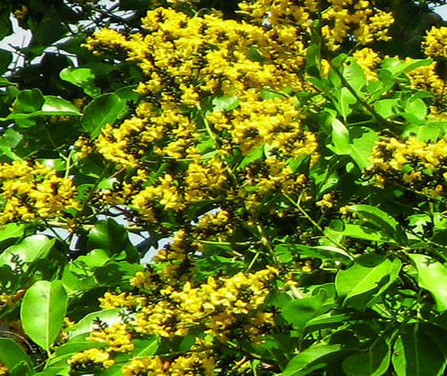


                      Pterocarpus marsupium Leaf                              Pterocarpus marsupium Flower

Scientific classification of Pterocarpus marsupium [22]

Family

Fabaceae

Domain

Eukaryota

Kingdom

Plantae

Subkingdom

Viridaeplantae

Phylum

Magnoliophyta

Subphylum

Euphyllophytina

Class

Magnoliopsida

Subclass

Rosidae

Super order

Fabanae

Order

Fabales

Genus

Pterocarpus

Species

Marsupium

PHYTOCHEMICAL CONSTITUENTS OF PTEROCARPUS MARSUPIUM

Phytochemical investigations of Pterocarpus marsupium Roxb. have revealed the presence of a diverse array of secondary metabolites, which are largely responsible for its traditional and therapeutic relevance.[9] Various parts of the plant, particularly the heartwood and bark, have been extensively studied and shown to be rich in phenolic compounds, flavonoids, stilbenes, tannins, and terpenoids.[5]

Tannins [5,23,24]

The bark and heartwood of P. marsupium are rich in condensed tannins, which account for the astringent properties of the plant. The presence of kino tannic acid and related polyphenolic tannins has been well documented. These tannins are traditionally associated with the use of the plant in treating diarrhea, dysentery, and wound conditions.

Terpenoids and Other Constituents [13,23,25]

In addition to polyphenols, P. marsupium contains terpenoids, sterols, and minor quantities of saponins and glycosides. Compounds such as β-sitosterol, lupeol, and other triterpenoids have been reported from the bark and leaves. The gum resin (kino) also contains complex mixtures of polyphenols and carbohydrates.

Distribution of Phytochemicals in Plant Parts

  • Heartwood [9,11]: Stilbenes (pterostilbene), flavonoids (epicatechin), phenolics
  • Bark [5]: Tannins, flavonoids, terpenoids
  • Leaves [5,9]: Flavonoids, phenolic acids, sterols
  • Gum resin (kino) [5]: Condensed tannins, polyphenols

PHARMACOLOGICAL ACTIVITIES OF PTEROCARPUS MARSUPIUM

Extensive pharmacological investigations have demonstrated that Pterocarpus marsupium Roxb. possesses a wide range of biological activities, which scientifically support its long-standing traditional use. These activities are primarily attributed to its rich phytochemical profile, particularly flavonoids, stilbenes, tannins, and other phenolic compounds present in different parts of the plant. [7,9,13]

Antidiabetic Activity

The antidiabetic activity of P. marsupium is the most extensively studied and well-established pharmacological property of the plant.[7] Experimental studies have shown that extracts and isolated compounds from the heartwood can reduce blood glucose levels, improve glucose tolerance, and enhance insulin secretion.[11] A unique mechanism involving regeneration of pancreatic β-cells has also been reported. [11] Compounds such as epicatechin and pterostilbene are considered key contributors to these effects.[9]

Antioxidant Activity

P. marsupium exhibits significant antioxidant potential by scavenging free radicals, inhibiting lipid peroxidation, and enhancing endogenous antioxidant enzymes. The antioxidant activity is mainly attributed to its high content of polyphenols, flavonoids, and tannins, which play an important role in protecting cells from oxidative stress–induced damage.[26]

Anti-Inflammatory Activity

The plant has been found to possess diverse number of biological activities and is thus commercially exploited. In the present study, methanol and aqueous extracts of P.marsupium bark were used to evaluate in vitro antioxidant, anti-inflammatory and anti-haemolytic activities. In vitro antioxidant activity was carried out by DPPH, ABTS, phosphomolybdenum, reducing power assays, anti- inflammatory activity by inhibition of protein denaturation and anti-haemolytic by hyposaline induced haemolysis. Total phenolic and flavonoid content was also estimated.[15]

Hypolipidemic and Cardioprotective Activity

Studies indicate that P. marsupium has hypolipidemic effects, including reduction of serum cholesterol, triglycerides, and low-density lipoprotein (LDL) levels. These properties contribute to its cardioprotective potential, particularly in diabetes-associated cardiovascular complications.[27]

Hepatoprotective Activity

Hepatoprotective effects of P. marsupium have been observed in experimental models of liver injury. Treatment with plant extracts resulted in normalization of liver enzymes and improvement in hepatic antioxidant status, indicating protection against toxin- and drug-induced hepatic damage.[24]

Antimicrobial and Wound-Healing Activity

Extracts of P. marsupium have shown antimicrobial activity against various bacterial and fungal strains.[28] Additionally, wound-healing studies suggest that the plant promotes faster wound contraction and epithelialization, supporting its traditional external use for wounds and ulcers.[29]

CONCLUSION

Pterocarpus marsupium. remains one of the most valued medicinal plants in traditional Indian systems of medicine, with a long history of use in managing metabolic and inflammatory disorders. This review highlights that its traditional reputation is strongly supported by modern scientific investigations, particularly through the identification of diverse phytochemical constituents such as flavonoids, stilbenes, tannins, and other phenolic compounds. Among these, epicatechin and pterostilbene have emerged as key contributors to many of the reported pharmacological effects.

Experimental studies have demonstrated a wide range of pharmacological activities for P. marsupium, including antidiabetic, antioxidant, anti-inflammatory, cardioprotective, hepatoprotective, and wound-healing effects. These activities are closely linked to the plant’s rich phytochemical profile and the synergistic action of its bioactive constituents. Importantly, the ability of certain compounds to influence glucose metabolism and oxidative stress pathways provides a scientific basis for its long-standing traditional use.

ACKNOWLEDGEMENT

The authors sincerely thank Dr. Ganesh Phadtare, Head of the Department of Pharmacology, IVM’s Krishnarao Bhegade Institute of Pharmaceutical Education and Research, Talegaon Dabhade, Pune, for his valuable guidance and academic support. The authors are also grateful to Sumit Kamble and Hitesh Sirvi for their constant support and constructive discussions. The authors acknowledge IVM’s Krishnarao Bhegade Institute of Pharmaceutical Education and Research for providing the necessary facilities and resources. Special appreciation is extended to all researchers and traditional knowledge holders whose work has contributed to the understanding of Pterocarpus marsupium.

REFERENCES

  1. Badkhane, Y. (n.d.). Pterocarpus marsupium Roxb - Biological activities and medicinal properties. International Journal of Advances in Pharmaceutical Sciences, 1, 350–357. https:doi:10.5138/ijaps.2010.0976.1055.01050
  2. Saidur Rahman, M., Mujahid, M. M., Siddiqui, M. A., Rahman, M. A., Arif, M., Eram, S., Khan, A., & Azeemuddin, A. M. (2018). Ethnobotanical Uses, Phytochemistry and Pharmacological Activities of Pterocarpus marsupium: A Review. Pharmacognosy Journal, 10(6s), s1–s8. https://doi.org/10.5530/pj.2018.6s.1
  3. Krishna, V., Manjunatha, B., Vidya, S., Singh, S. J., Manohara, Y., Raheman, A., Avinash, K., & Mankani, K. (2005). Evaluation of hepatoprotective activity of stem bark of Pterocarpus marsupium Roxb. Indian Journal of Pharmacology, 37(3), 165. https://doi.org/10.4103/0253-7613.16213
  4. Londonkar, R., Hugar, A., Ramesh, L., Londonkar, Sanjeevkumar, C., Umesh, R., Aruna, M., Amarvani, L., K, P., Abbas, Z., Shalini, S., Mohamed, I. S., Nahla, Z., Hasibur, R., Abid, A. A., Londonkar, R., Kattegouda, U., Shivsharanappa, K., Hanchinalmath, J., . . . Raghu, J. D. (2017). Physicochemical, phytochemical profiling and anti-microbial activity of Pterocarpus marsupium. International Journal of Pharmaceutical Sciences and Research, 8(5). https://doi.org/10.13040/ijpsr.0975-8232.8(5).2177-83
  5. Warrier, P. K., Nambiar, V. P. K., Ramankutty, C., & Nair, R. (1994). Indian medicinal plants?: a compendium of 500 species.
  6. Kinghorn, A. D. (2005). Reviews on Indian Medicinal Plants, Vols. 1−3 (Abe-Alle; Alli-Ard; Are-Azi) Edited by A. K. Gupta and N. Tandon, Assisted by M. Sharma (Indian Council of Medical Research, New Delhi). 2004. xxii + 543 pp (Vol. 1); xxii + 508 pp (Vol. 2); xxii + 496 pp (Vol. 3). 25 × 15.5 cm. $40.00 per volume. ISSN 0972-7957. Journal of Natural Products, 68(1), 153–154. https://doi.org/10.1021/np040210f
  7. Grover, J., Yadav, S., & Vats, V. (2002). Medicinal plants of India with anti-diabetic potential. Journal of Ethnopharmacology, 81(1), 81–100. https://doi.org/10.1016/s0378-8741(02)00059-4
  8. Joly, L., Guerra, S., Séptimo, R., Solís, P., A, M. C., Gupta, M., Levy, S., Sandberg, F., & Perera, P. (1990). Ethnobotanical inventory of medicinal plants used by the Guaymi Indians in Western Panama. Part II. Journal of Ethnopharmacology, 28(2), 191–206. https://doi.org/10.1016/0378-8741(90)90029-s
  9. Manickam, M., Ramanathan, M., Jahromi, M. a. F., Chansouria, J. P. N., & Ray, A. B. (1997b). Antihyperglycemic Activity of Phenolics from Pterocarpus marsupium. Journal of Natural Products, 60(6), 609–610. https://doi.org/10.1021/np9607013
  10. Bhat, K. P., Kosmeder, J. W., & Pezzuto, J. M. (2001). Biological effects of resveratrol. Antioxidants and Redox Signaling, 3(6), 1041–1064. https://doi.org/10.1089/152308601317203567
  11. Chakravarthy, b. K.; gupta, sargj; gambhir, s. S.; gode, k. D.. Pancreatic beta-cell regeneration - a novel antidiabetic mechanism of Pterocarpus marsupium, roxb.. Indian journal of pharmacology 12(2):p 123-127, apr–jun 1980. https://www.ijp-online.com/article.asp?issn=02537613;year=1980;volume=12;issue=2;spage=123;epage=127;aulast=Chakravarthy;type=0
  12. Patel, D., Kumar, R., Laloo, D., & Hemalatha, S. (2012). Diabetes mellitus: An overview on its pharmacological aspects and reported medicinal plants having antidiabetic activity. Asian Pacific Journal of Tropical Biomedicine, 2(5), 411–420. https://doi.org/10.1016/s2221-1691(12)60067-7
  13. Dhanabal, S. P., Kokate, C. K., Ramanathan, M., Kumar, E. P., & Suresh, B. (2006). Hypoglycaemic activity of Pterocarpus marsupium Roxb. Phytotherapy Research, 20(1), 4–8. https://doi.org/10.1002/ptr.1819
  14. Zehad, A., Islam, G. J., Rashid, M., Juthy, N. J., & Zannah, S. (2017). Antidiabetic and Antihyperlipidemic Activities of Methanolic Leaf Extract of <i>Stephania japonica</i> in Alloxan Induced Diabetic Rats. Pharmacology &Amp Pharmacy, 08(04), 109–127. https://doi.org/10.4236/pp.2017.84008
  15. U, K., V., M, A. Z. H., S, K. V., & ?, Y. O. (2017). Isolation and Identification of some Primary Metabolites, Micro- and Macroelements of Aesculus hippocastanum L. Seeds. International Journal of Pharmacognosy and Phytochemical Research, 9(1). https://doi.org/10.25258/ijpapr.v9i1.8049
  16. Pan SY, Gao SH, Zhou SF, Tang MK, Yu ZL, Ko KM. New perspectives on complementary and alternative medicine: an overview and alternative therapy. Altern Ther Health Med. 2012 Jul-Aug;18(4):20-36. PMID: 22875591.
  17. Sung, J., Kim, K., Han, K., & Park, C. (2024). Association of Uterine Leiomyoma with Type 2 Diabetes Mellitus in Young Women: A Population-Based Cohort Study. Diabetes & Metabolism Journal, 48(6), 1105–1113. https://doi.org/10.4093/dmj.2023.0444
  18. Rath, D., Pattnaik, G., & Kar, B. (2021). An Overview on Ethnopharmacology of different Medicinal Plants of Odisha State of India in the management of diabetes mellitus. Asian Journal of Chemistry, 33(11), 2589–2598. https://doi.org/10.14233/ajchem.2021.23389
  19. Singh, A. G. (2021). Medicinal plants used in the treatment of gastrointestinal disorders in Rupandehi district, western Nepal. Butwal Campus Journal, 4(1–2), 103–114. https://doi.org/10.3126/bcj.v4i1-2.45011
  20. Patel, M. B., Mishra, S., & Shukla, V. J. (2022). Classical Ayurvedic references and traditional uses of medicinal plants in Prameha management. Ayu, 43(2), 85–92.
  21. Priya, P., & Rawat, S. (2024). Inventorization of Phyto-remedial formulations prevalent among the natives of Deiya range, Nerwa, Himachal Pradesh, India. Ethnobotany Research and Applications, 29. https://doi.org/10.32859/era.29.14.1-21
  22. Ovais, M. (2024). Pterocarpus marsupium: Emerging As Powerful Antidiabetic Phytoconstituents And Different Pharmacological Activity. African Journal of Biological Sciences, 6(5), 9993–10022. https://doi.org/10.48047/afjbs.6.5.2024.9993-10022
  23. Kirtikar, K. R., & Basu, B. D. (2005). Indian Medicinal Plants (Vol. 2). Dehradun: International Book Distributors.
  24. Nadkarni, K. M. (2007). Indian Materia Medica (Vol. 1). Mumbai: Popular Prakashan.
  25. Jahromi, M. a. F., Ray, A. B., & Chansouria, J. P. N. (1993b). Antihyperlipidemic Effect of Flavonoids from Pterocarpus marsupium. Journal of Natural Products, 56(7), 989–994. https://doi.org/10.1021/np50097a001
  26. Tippani, R., Porika, M., Allenki, V., Anreddy, R. N. R., Yellu, N. R., Krishna, D. R., Thammidala, C., & Abbagani, S. (2010). Antioxidant and analgesic activities of Pterocarpus marsupium Roxb. Journal of Herbs Spices & Medicinal Plants, 16(1), 63–68. https://doi.org/10.1080/10496475.2010.481942
  27. Patidar, A., Tonpay, S. D., & Agrawal, N. (2017). Hypoglycemic activity of Pterocarpus marsupium in patients with Type 2 diabetes mellitus. International Journal of Basic & Clinical Pharmacology, 4(6), 1189–1193. https://doi.org/10.18203/2319-2003.ijbcp20151356
  28. Mishra, M. P., & Padhy, R. N. (2013). In vitro antibacterial efficacy of 21 Indian Timber-Yielding plants against Multidrug-Resistant bacteria causing urinary tract infection. Osong Public Health and Research Perspectives, 4(6), 347–357. https://doi.org/10.1016/j.phrp.2013.10.007
  29. Falbo, F., Spizzirri, U. G., Restuccia, D., & Aiello, F. (2023). Natural compounds and Biopolymers-Based hydrogels join forces to promote wound healing. Pharmaceutics, 15(1), 271. https://doi.org/10.3390/pharmaceutics15010271

Reference

  1. Badkhane, Y. (n.d.). Pterocarpus marsupium Roxb - Biological activities and medicinal properties. International Journal of Advances in Pharmaceutical Sciences, 1, 350–357. https:doi:10.5138/ijaps.2010.0976.1055.01050
  2. Saidur Rahman, M., Mujahid, M. M., Siddiqui, M. A., Rahman, M. A., Arif, M., Eram, S., Khan, A., & Azeemuddin, A. M. (2018). Ethnobotanical Uses, Phytochemistry and Pharmacological Activities of Pterocarpus marsupium: A Review. Pharmacognosy Journal, 10(6s), s1–s8. https://doi.org/10.5530/pj.2018.6s.1
  3. Krishna, V., Manjunatha, B., Vidya, S., Singh, S. J., Manohara, Y., Raheman, A., Avinash, K., & Mankani, K. (2005). Evaluation of hepatoprotective activity of stem bark of Pterocarpus marsupium Roxb. Indian Journal of Pharmacology, 37(3), 165. https://doi.org/10.4103/0253-7613.16213
  4. Londonkar, R., Hugar, A., Ramesh, L., Londonkar, Sanjeevkumar, C., Umesh, R., Aruna, M., Amarvani, L., K, P., Abbas, Z., Shalini, S., Mohamed, I. S., Nahla, Z., Hasibur, R., Abid, A. A., Londonkar, R., Kattegouda, U., Shivsharanappa, K., Hanchinalmath, J., . . . Raghu, J. D. (2017). Physicochemical, phytochemical profiling and anti-microbial activity of Pterocarpus marsupium. International Journal of Pharmaceutical Sciences and Research, 8(5). https://doi.org/10.13040/ijpsr.0975-8232.8(5).2177-83
  5. Warrier, P. K., Nambiar, V. P. K., Ramankutty, C., & Nair, R. (1994). Indian medicinal plants?: a compendium of 500 species.
  6. Kinghorn, A. D. (2005). Reviews on Indian Medicinal Plants, Vols. 1−3 (Abe-Alle; Alli-Ard; Are-Azi) Edited by A. K. Gupta and N. Tandon, Assisted by M. Sharma (Indian Council of Medical Research, New Delhi). 2004. xxii + 543 pp (Vol. 1); xxii + 508 pp (Vol. 2); xxii + 496 pp (Vol. 3). 25 × 15.5 cm. $40.00 per volume. ISSN 0972-7957. Journal of Natural Products, 68(1), 153–154. https://doi.org/10.1021/np040210f
  7. Grover, J., Yadav, S., & Vats, V. (2002). Medicinal plants of India with anti-diabetic potential. Journal of Ethnopharmacology, 81(1), 81–100. https://doi.org/10.1016/s0378-8741(02)00059-4
  8. Joly, L., Guerra, S., Séptimo, R., Solís, P., A, M. C., Gupta, M., Levy, S., Sandberg, F., & Perera, P. (1990). Ethnobotanical inventory of medicinal plants used by the Guaymi Indians in Western Panama. Part II. Journal of Ethnopharmacology, 28(2), 191–206. https://doi.org/10.1016/0378-8741(90)90029-s
  9. Manickam, M., Ramanathan, M., Jahromi, M. a. F., Chansouria, J. P. N., & Ray, A. B. (1997b). Antihyperglycemic Activity of Phenolics from Pterocarpus marsupium. Journal of Natural Products, 60(6), 609–610. https://doi.org/10.1021/np9607013
  10. Bhat, K. P., Kosmeder, J. W., & Pezzuto, J. M. (2001). Biological effects of resveratrol. Antioxidants and Redox Signaling, 3(6), 1041–1064. https://doi.org/10.1089/152308601317203567
  11. Chakravarthy, b. K.; gupta, sargj; gambhir, s. S.; gode, k. D.. Pancreatic beta-cell regeneration - a novel antidiabetic mechanism of Pterocarpus marsupium, roxb.. Indian journal of pharmacology 12(2):p 123-127, apr–jun 1980. https://www.ijp-online.com/article.asp?issn=02537613;year=1980;volume=12;issue=2;spage=123;epage=127;aulast=Chakravarthy;type=0
  12. Patel, D., Kumar, R., Laloo, D., & Hemalatha, S. (2012). Diabetes mellitus: An overview on its pharmacological aspects and reported medicinal plants having antidiabetic activity. Asian Pacific Journal of Tropical Biomedicine, 2(5), 411–420. https://doi.org/10.1016/s2221-1691(12)60067-7
  13. Dhanabal, S. P., Kokate, C. K., Ramanathan, M., Kumar, E. P., & Suresh, B. (2006). Hypoglycaemic activity of Pterocarpus marsupium Roxb. Phytotherapy Research, 20(1), 4–8. https://doi.org/10.1002/ptr.1819
  14. Zehad, A., Islam, G. J., Rashid, M., Juthy, N. J., & Zannah, S. (2017). Antidiabetic and Antihyperlipidemic Activities of Methanolic Leaf Extract of <i>Stephania japonica</i> in Alloxan Induced Diabetic Rats. Pharmacology &Amp Pharmacy, 08(04), 109–127. https://doi.org/10.4236/pp.2017.84008
  15. U, K., V., M, A. Z. H., S, K. V., & ?, Y. O. (2017). Isolation and Identification of some Primary Metabolites, Micro- and Macroelements of Aesculus hippocastanum L. Seeds. International Journal of Pharmacognosy and Phytochemical Research, 9(1). https://doi.org/10.25258/ijpapr.v9i1.8049
  16. Pan SY, Gao SH, Zhou SF, Tang MK, Yu ZL, Ko KM. New perspectives on complementary and alternative medicine: an overview and alternative therapy. Altern Ther Health Med. 2012 Jul-Aug;18(4):20-36. PMID: 22875591.
  17. Sung, J., Kim, K., Han, K., & Park, C. (2024). Association of Uterine Leiomyoma with Type 2 Diabetes Mellitus in Young Women: A Population-Based Cohort Study. Diabetes & Metabolism Journal, 48(6), 1105–1113. https://doi.org/10.4093/dmj.2023.0444
  18. Rath, D., Pattnaik, G., & Kar, B. (2021). An Overview on Ethnopharmacology of different Medicinal Plants of Odisha State of India in the management of diabetes mellitus. Asian Journal of Chemistry, 33(11), 2589–2598. https://doi.org/10.14233/ajchem.2021.23389
  19. Singh, A. G. (2021). Medicinal plants used in the treatment of gastrointestinal disorders in Rupandehi district, western Nepal. Butwal Campus Journal, 4(1–2), 103–114. https://doi.org/10.3126/bcj.v4i1-2.45011
  20. Patel, M. B., Mishra, S., & Shukla, V. J. (2022). Classical Ayurvedic references and traditional uses of medicinal plants in Prameha management. Ayu, 43(2), 85–92.
  21. Priya, P., & Rawat, S. (2024). Inventorization of Phyto-remedial formulations prevalent among the natives of Deiya range, Nerwa, Himachal Pradesh, India. Ethnobotany Research and Applications, 29. https://doi.org/10.32859/era.29.14.1-21
  22. Ovais, M. (2024). Pterocarpus marsupium: Emerging As Powerful Antidiabetic Phytoconstituents And Different Pharmacological Activity. African Journal of Biological Sciences, 6(5), 9993–10022. https://doi.org/10.48047/afjbs.6.5.2024.9993-10022
  23. Kirtikar, K. R., & Basu, B. D. (2005). Indian Medicinal Plants (Vol. 2). Dehradun: International Book Distributors.
  24. Nadkarni, K. M. (2007). Indian Materia Medica (Vol. 1). Mumbai: Popular Prakashan.
  25. Jahromi, M. a. F., Ray, A. B., & Chansouria, J. P. N. (1993b). Antihyperlipidemic Effect of Flavonoids from Pterocarpus marsupium. Journal of Natural Products, 56(7), 989–994. https://doi.org/10.1021/np50097a001
  26. Tippani, R., Porika, M., Allenki, V., Anreddy, R. N. R., Yellu, N. R., Krishna, D. R., Thammidala, C., & Abbagani, S. (2010). Antioxidant and analgesic activities of Pterocarpus marsupium Roxb. Journal of Herbs Spices & Medicinal Plants, 16(1), 63–68. https://doi.org/10.1080/10496475.2010.481942
  27. Patidar, A., Tonpay, S. D., & Agrawal, N. (2017). Hypoglycemic activity of Pterocarpus marsupium in patients with Type 2 diabetes mellitus. International Journal of Basic & Clinical Pharmacology, 4(6), 1189–1193. https://doi.org/10.18203/2319-2003.ijbcp20151356
  28. Mishra, M. P., & Padhy, R. N. (2013). In vitro antibacterial efficacy of 21 Indian Timber-Yielding plants against Multidrug-Resistant bacteria causing urinary tract infection. Osong Public Health and Research Perspectives, 4(6), 347–357. https://doi.org/10.1016/j.phrp.2013.10.007
  29. Falbo, F., Spizzirri, U. G., Restuccia, D., & Aiello, F. (2023). Natural compounds and Biopolymers-Based hydrogels join forces to promote wound healing. Pharmaceutics, 15(1), 271. https://doi.org/10.3390/pharmaceutics15010271

Photo
Karan Chothe
Corresponding author

IVM’s Krishnarao Bhegade Institute of Pharmaceutical Education and Research, Talegaon Dabhade, Pune, Maharashtra, India 410507

Photo
Ganesh Phadtare
Co-author

IVM’s Krishnarao Bhegade Institute of Pharmaceutical Education and Research, Talegaon Dabhade, Pune, Maharashtra, India 410507

Photo
Sumit Kamble
Co-author

IVM’s Krishnarao Bhegade Institute of Pharmaceutical Education and Research, Talegaon Dabhade, Pune, Maharashtra, India 410507

Photo
Hitesh Sirvi
Co-author

IVM’s Krishnarao Bhegade Institute of Pharmaceutical Education and Research, Talegaon Dabhade, Pune, Maharashtra, India 410507

Photo
Sanjay Arote
Co-author

IVM’s Krishnarao Bhegade Institute of Pharmaceutical Education and Research, Talegaon Dabhade, Pune, Maharashtra, India 410507

Karan Chothe, Ganesh Phadtare, Sumit Kamble, Hitesh Sirvi, Sanjay Arote, Pterocarpus Marsupium: An Ethnopharmacological Treasure with Emerging Clinical Relevance, Int. J. of Pharm. Sci., 2026, Vol 4, Issue 2, 1531-1538. https://doi.org/10.5281/zenodo.18595676

More related articles
Formulation And Evaluation of Harbel Gel of Berber...
Nida Parveen, Dr. Sanjeev Kumar Saini, ...
Therapeutic Effect of Rosemary and Its Active Cons...
Vaidehi Bhaladhare, Sayali Ganjiwale, Sachin Dighade, ...
Evaluation of Oral Strips for Enhanced Water-Solub...
Shruti Khodke, Aijaz Sheikh, Kailash Biyani, ...
Exploring The Scientific Basis of Spinach Radioactivity: Understanding the Impac...
Deepasri P., Vishwa M., Jothimanivannan C., Nandhitha P., ...
Delivery of Mavacamten and Olutasidenib Drugs by ?-Cyclodextrin Through Supramol...
Subhankar Choudhury, Somanika Basu, Sibasish Deb, Debadrita Roy, Delwar Ansary, Prosenjit Choudhury,...
Related Articles
Tulsi A Plant with high Medicinal and Therapeutic Value ...
Gauri Bichkule, Sanika Chavan, Mayur Chavan , Om Gaikwad , Amruta Jadhav , Sneha Shende , ...
Formulation Design and characterization of Antifungal Emulgel for Topical Delive...
Pranali R. Gajbhiye, Yogesh N. Gholse, Rahul V. Jadhav, Nitin B. Kohale, ...
A Critical Examination Of Synthetic Approaches And Pharmacological Profiles Of 1...
Priyanka Baban Khedekar , Shweta V. Rane, Datta Avhad, Alpana j. Asnani , Aniket Murkute , Dhanshree...
Analytical Instrument Qualification: A Comprehensive Review on HPLC And UV Syste...
S. R. Metkar, S. M. Charpe, R.S. Surjuse, S. S. Kardikar, M. A. Raut, ...
