

We use cookies to ensure our website works properly and to personalise your experience. Cookies policy
Gomantak Aurveda Mhavidyalaya and Research Centre, Shiroda, Goa.
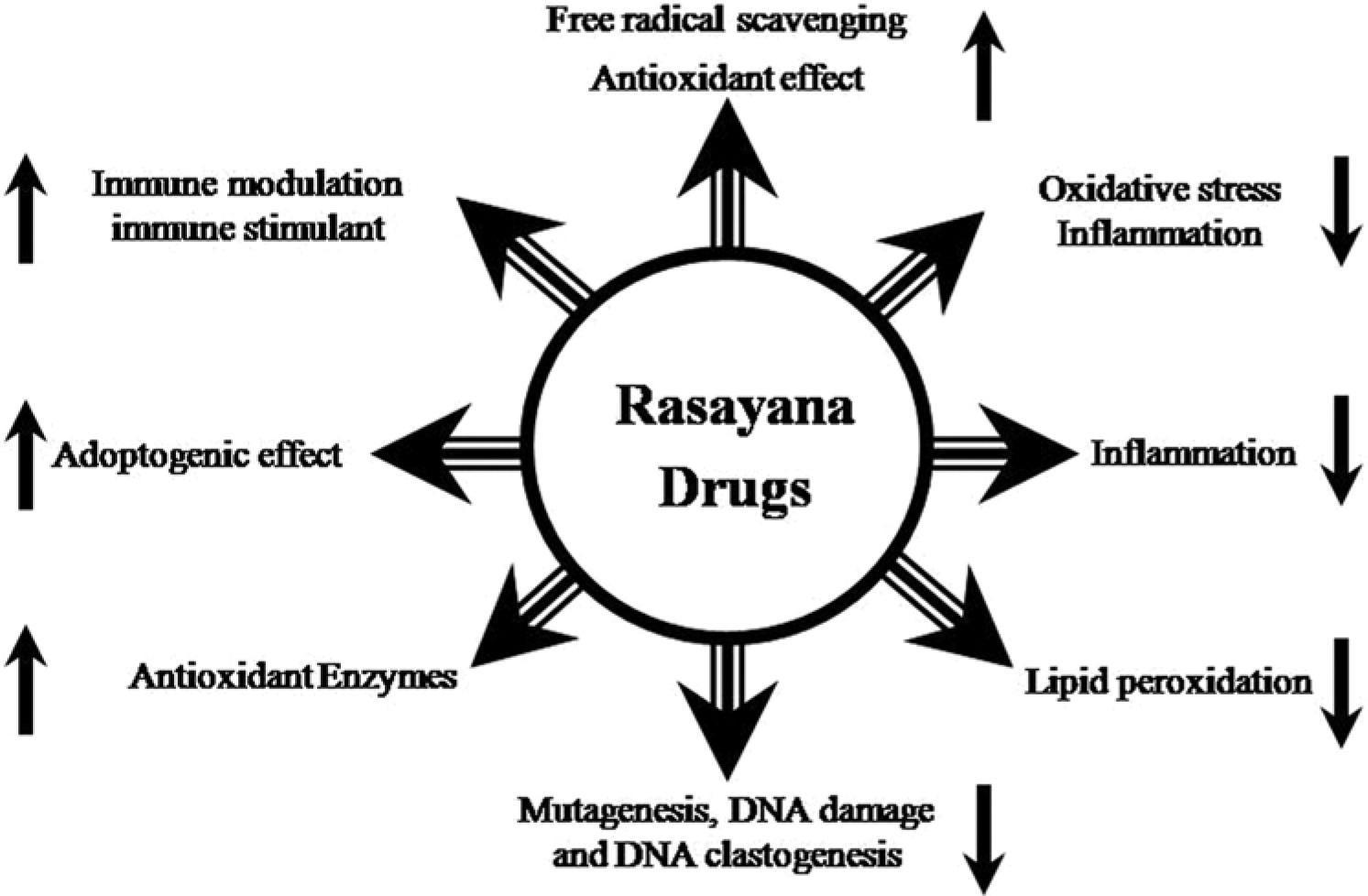
Palliative care in oncology has been a matter of study for over a couple of years. This branch of care deals with maintaining the quality of the life of a cancer patient while also helping the patient rejuvenate himself for a better living. This branch of Ayurveda deals with improving the immunity of such patients when curative treatment no longer plays the primary goal. Rasayana acts as an adaptogenic support system reducing the oxidative stress that the body suffers while also addressing the physical and the mental depletion that the patient suffers from. While modern Palliative care focuses on symptom management, it usually lacks a framework for physiological rejuvenation. Rasayana offers that paradigm aimed at restoring homeostasis and enhancing the “biological reserve” of the patient.
The Burden of Breast Cancer and the Palliative Need
?Breast cancer remains the most prevalent malignancy among women globally. While surgical and systemic interventions like chemotherapy, hormonal therapy (e.g., Tamoxifen), and radiation have significantly improved survival rates, they often leave patients in a state of chronic physiological and psychological exhaustion. In advanced or metastatic stages, the focus shifts to palliative care—not just as "end-of-life" care, but as a concurrent strategy to maximize functional life.
?Conventional palliative measures primarily target symptom suppression (e.g., opioids for pain). However, Rasayana, the Ayurvedic science of rejuvenation, offers a more proactive "host-centric" approach. By focusing on Dhatu-Shat-Kriya (tissue metabolism) and Ojas (immune resilience), Rasayana therapy provides a path to healing that revitalizes the patient's internal environment while undergoing aggressive conventional treatments.
?The Pathophysiology of Breast Cancer in Ayurveda
?In Ayurveda, breast cancer is primarily viewed through the lens of Stana-Arbuda. It is classified as a Tridoshaja condition where an imbalance in Vata, Pitta, and Kapha leads to the vitiation of Mamsa (muscle) and Medas (fatty) tissues.
?The disease process in breast cancer involves:
?Rasayana therapy intervenes by restoring Agni and clearing these obstructions, allowing for the healthy nourishment of tissues even in the presence of a tumor.
Key Rasayana Formulations in Breast Cancer Palliative Care
?These compound formulations are selected for their specific ability to address the unique challenges of breast cancer, such as hormonal imbalance, lymphedema, and chemotherapy-induced toxicity.
|
Formulations |
Compounds |
Mode of action |
Dosage and effects |
|
Rasayana Avaleha |
Guduchi, Ashwagandha, Amalaki. |
Hemato protection acts on the Rakta-Vaha Srotas to mitigate chemotherapy induced neutropenia and anemia. |
5g, 30 mins before chemotherapy cycles. myeloprotection; maintaining absolute neutrophil count. |
|
Brahma Rasayana |
Haritaki, Amalaki, Brahmi, Dashamoola. |
Psychoneuroimmunology support–specifically targets “chemo brain” and cognitive decline. It regulates cortisol levels, helps manage the severe anxiety and depression associated with breast cancer diagnosis. |
5-10g, early morning on an empty stomach. cognitive restoration alleviation of “chemo-brain” and mental fog. |
|
Hiraka Bhasma |
Hiraka Bhasma, Suvarna Bhasma, Shatavari |
Uses the Lekhana property to manage tumor bulk and prevent further tissue vitiation while acting as a deep acting catalyst, |
125-250mg, with honey or fresh ginger juice. targeting stubborn micro-metastasis; potent immune potentiation. |
|
Narasimha Rasayana |
Vidari Kanda, Shuddha Bhallatka, Ghrita |
Anabolic reconstruction, essential for managing cancer related cachexia by enhancing protein synthesis, |
Ghrita based 5-10ml, mixed with warm gruel or milk at bedtime. |
|
Maharishi Amrit Kalash |
Amalaki, Haritaki, Chandana, Shankapushpi |
Superantioxidant shield– it increases lymphocyte response by 300% and reduces chemotherapy side effects like anorexia and vomiting. |
Paste or tablet, 10g paste followed by 1 tab. Proven to reduce chemotherapy induced nausea, vomiting, anorexia. |
|
Triphala Rasayana |
Amalaki, Bibhitaki, Haritaki |
Gastro-mucosal protection- rich in gallic acid, it reduces oral mucositis and restores gut microbiome diversity, which is often killed by broad spectrum oncology drugs, |
3-5g, at bedtime with lukewarm water. Manages opioid induced constipation, acts as a selective pro-oxidant in Cancer cells while protecting healthy leukocytes from radiation. |
|
Vasant Kusumakara Rasayana |
Suwarna Bhasma, Rajat Bhasma and Abhrak Bhasma |
Cellular rejuvenation–a high potency hero mineral drug that acts as a metabolic catalyst improving the absorption of other Palliative medications and restoring the Luster of the skin. |
125-250mg, once or twice daily with honey or milk. highly effective for metastatic bone pain, severe emaciation and managing steroid induced hyperglycemia. |
Clinical Note on Administration:
?Anupana (Vehicle): The effectiveness of Rasayana is highly dependent on the "Anupana." For breast cancer patients, warm cow's milk or honey is preferred as they act as Yogavahi (catalysts) that carry the medicine deep into the Dhatus (tissues).
?Sequential Use: When using MAK-4 and MAK-5 together, the paste should be taken first, followed by the tablet after a 30-minute interval to ensure optimal absorption.
?Metal Safety: Formulations like Vasant Kusumakara and Hiraka Rasayana contain Bhasmas (calcined metals). These must be sourced from reputable pharmacies ensuring "Nirattha" (loss of metallic properties) to avoid any heavy metal toxicity in frail palliative patients.
Mechanisms of Action: The Science of Rejuvenation
?Chemotherapeutic agents like Doxorubicin and Paclitaxel are notoriously cardiotoxic and neurotoxic. Rasayana herbs like Ashwagandha contain withanolides that stabilize mitochondrial membranes in healthy cells. This provides Selective Cytoprotection, safeguarding healthy tissue from chemo-damage without shielding the cancer cells.
?CRF is the most common symptom reported by breast cancer patients. Ayurveda attributes this to Dhatu-kshaya (tissue wasting). Rasayana formulations improve the Dhatvagni (tissue-specific metabolism), ensuring that nutrients are converted into energy (Ojas) rather than metabolic waste (Ama).
?Many breast cancers are hormone-sensitive (ER/PR positive). Rasayana drugs like Shatavari act as phyto-selective estrogen receptor modulators (pSERMs), providing a balancing effect on the endocrine system. Additionally, Guduchi and Kanchnar help maintain lymphatic flow, potentially reducing the risk or severity of post-surgical lymphedema.
Clinical Evidence and Quality of Life (QoL)
Integrating Rasayana into the Modern Oncology Suite
?For successful integration, a "Time-Sequential" approach is recommended:
?Future Directions and Research Needs
While the traditional evidence for Rasayana is vast, the modern oncological community requires further data in the following areas:
CONCLUSION
Rasayana therapy presents a paradigm shift in the palliative management of breast cancer by moving beyond simple symptom suppression toward active physiological rejuvenation. By targeting cellular metabolism (Agni) and restoring vital essence (Ojas), these Ayurvedic formulations provide a "host-centric" support system that complements aggressive conventional treatments like chemotherapy and radiation. The integration of specific Rasayanas—such as Rasayana Avaleha for myeloprotection and Brahma Rasayana for cognitive restoration—offers a multi-dimensional approach to improving the Quality of Life (QOL) and functional status of patients. While modern oncology provides the tools for survival, Rasayana provides the framework for vitality, ensuring that patients do not merely survive their diagnosis but maintain a subjective sense of well-being throughout their journey.
REFERENCES

Dr. Bishnupriya Mohanty, Tania Naik, Rasayana Chikitsa: The Ayurvedic Path to Palliative Healing in Breast Cancer, Int. J. of Pharm. Sci., 2026, Vol 4, Issue 4, 388-392 https://doi.org/10.5281/zenodo.19395371
 10.5281/zenodo.19395371