

We use cookies to ensure our website works properly and to personalise your experience. Cookies policy
Abasaheb Kakade College of B. Pharmacy Bodhegaon
Since ancient times, creams have been widely used in cosmetic preparations because they are easy to apply and remove from the skin. Pharmaceutical creams serve various aesthetic purposes such as cleansing, beautifying, moisturizing, and improving appearance. They also help protect the skin from bacterial and fungal infections and may assist in treating minor skin injuries like burns, cuts, and wounds. These semi-solid preparations are commonly used by people to enhance beauty and maintain healthy skin and are referred to as herbal cosmetics .The aim of the present study is to formulate and evaluate a herbal cold cream containing plant extracts prepared by the water-in-oil method to provide moisturizing and nourishing effects to the skin. Almond oil and turmeric extract were incorporated into the formulation. Different evaluation methods were carried out to determine the quality of the prepared cream. The formulation showed good consistency, spreadability, homogeneity, suitable pH, non-greasy nature, and no phase separation. Stability studies indicated that there were no noticeable changes in viscosity, aroma, or appearance during the study period. As the water phase of the emulsion gradually evaporates, the herbal cold cream produces a cooling and soothing effect on the skin. Cold creams are highly moisturizing because they form an oily protective layer that prevents water loss from the stratum corneum, the outermost layer of the skin. These water-in-oil emulsions are mainly intended for topical application on the skin or accessible mucous membranes to produce local and, in some cases, systemic effects at the site of application. The formulated cream was assessed using various evaluation methods, which showed that it has suitable pH, good spread ability, appropriate viscosity, and stable appearance without phase separation. Additionally, it does not cause irritation, redness, or swelling when applied to the skin. Overall, the evaluation results indicate that the prepared polyherbal cold cream is safe and effective for use.
Cosmetics have been an important part of human life since ancient times. They are widely used to promote skin cell growth and help in body and facial rejuvenation. Due to their easy availability and low cost, the use of cosmetics in daily life is increasing. Their better quality and fewer side effects compared to other medical products make them popular among people. In herbal cold creams, the interaction between oil and water plays a key role. These creams contain a high amount of water, which helps them easily penetrate the skin and reach the epidermal layer, especially when applied at body temperature. Herbal cosmetics mainly use plant-based extracts instead of synthetic chemicals, reducing the risk of skin damage. In contrast, excessive use of synthetic products may lead to harmful skin effects, highlighting the importance of herbal formulations. Herbal cosmetics are derived from traditional systems of medicine such as Ayurveda, Unani, and Homeopathy. The herbs used provide several benefits like moisturizing, antibacterial, anti-inflammatory, and antiseptic effects, and some may even have anticancer properties. Turmeric (Curcuma longa) is an important herbal ingredient due to its multiple skin benefits, including wound healing, sun protection, anti-aging effects, skin brightening, prevention of skin cancer, and management of chronic skin problems. [1]
HISTORY
The history of cold cream preparation dates back to the 1st century. Early druggists prepared cold cream using rose water and stored it on ice so it could be applied as a soothing topical cream for the skin. The term “cold cream” originated from the cooling feeling it produced when applied to the skin. The first cold cream was developed by Galen, a famous Greek physician and chemist.
Cold creams were mainly used to treat dry skin, moisturize the body, and protect the skin from dryness. These creams were commonly prepared as water-in-oil emulsions. After application, the water content evaporated, leaving behind oils such as rose oil or coconut oil that softened and hydrated the skin. The cooling and slightly numb sensation on the skin also contributed to the name “cold cream.” In ancient times, cold creams were not very stable because vegetable oils easily spoiled when mixed with water. Later, formulations containing mineral oil or olive oil became more durable and effective. These creams were widely used as moisturizers and were also marketed as beauty creams or night creams.
Historical Development of Cold Cream
Ancient Origins (2000 BCE – 500 CE): Early skin creams were prepared using natural oils, waxes, and rose water for skin protection and hydration.
Middle Ages (500 – 1500 CE): Herbal and oil-based creams continued to be used for skincare and medicinal purposes.
Renaissance and Enlightenment (1500 – 1800 CE): Improvements in pharmaceutical and cosmetic preparation methods led to better cream formulation.
Industrialization and Mass Production (1800 – 1900 CE): Cold creams began to be manufactured commercially on a larger scale.
Modern Era (1900 CE – Present): Advanced formulations with preservatives, fragrances, and herbal ingredients are widely used in cosmetic and skincare products
Materials And Methodology :
Plant and profile :
Synonym : curcumin, Haldi, Curcumin
Biological Source: Turmeric is a product of curcuma longa, a rhizomatous herbaceous perennial plant belonging to the ginger.
Family : Zingiberaceae.
Chemical composition :
Curcumin, Curcuminiods, Cymene, Tumeron, Isdemethoxycurcumin
Uses :
Synonyms : Gauri, Sulabha
Biological source : L. Tulasi is made from the fresh and dried leaves of Ocimum sanctum L., Ocimum basilicum
Family : Lamiaceae
Chemical constituents: Linanol, eugenol, methyl, chavicol, lanolin, pinene, cineol, thymol, citral, anethol and camphor etc.
Uses :
Ideal properties of cold cream
Advantages of cold cream
Disadvantages of cold cream
Uses Of Cold Cream
Extraction Process Of Turmeric
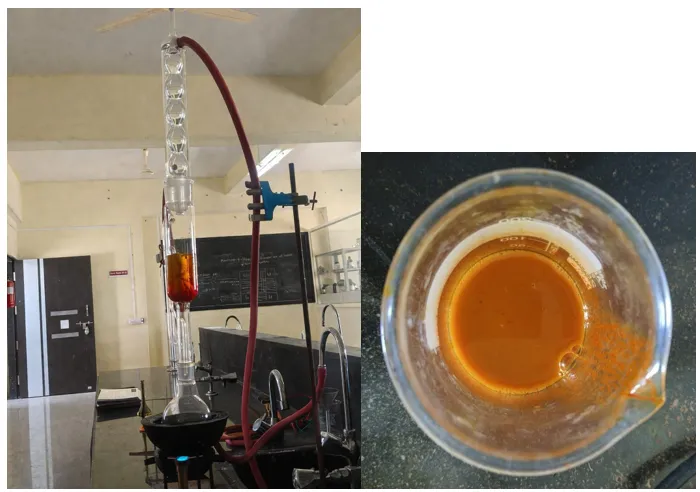
Conventional extraction using Soxhlet
The rhizomes of turmeric were first dried in an oven at 105 c for about 3 hours. After drying ,they were crushed using a mortar and pestle and then passed through a 60- mesh sieve to obtain a uniform powder with a particle size of approximately 0.18mm. The prepared turmeric powder was stored under refrigerator conditions to avoid moisture absorption . For extraction ,about 20 g of the powdered sample was accurately weighed ,placed in a thimble ,and introduced into the Soxhlet apparatus . Methanol was used as the extraction solvent, and the process was carried out at around 60 c for a duration of 8 hours after completion of extraction ,the solvent [methanol] was removed from the extract by heating ,resulting in the concentrated turmeric extract.[5,6]
Extraction of tulsi leaves
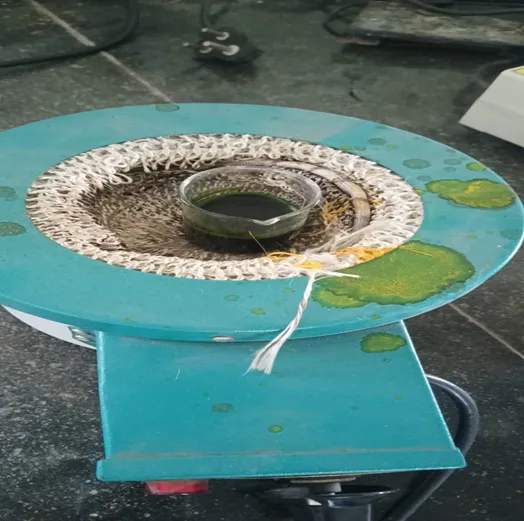
After collection, the Tulsi leaves were thoroughly washed with distilled water and dried using a hot air oven. Once completely dried, the leaves were ground into a fine powder. About 1 g of this powder was transferred into a volumetric flask, and 10 ml of ethanol was added. The mixture was shaken continuously for three days to ensure proper extraction. Later, the solution was heated on a water bath at a temperature range of 80–100°C for a few minutes. It was then concentrated to approximately 5 ml and filtered using filter paper to remove any impurities. The clear liquid obtained after filtration, known as the filtrate, was collected as the Tulsi leaf extract.[7]
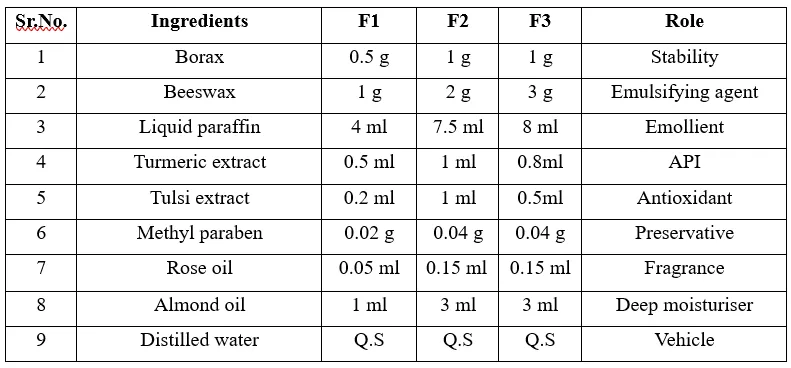
FORMULATION TABLE:-
Table No.1:Formulation table
Ingredients And Their Chemical Composition :
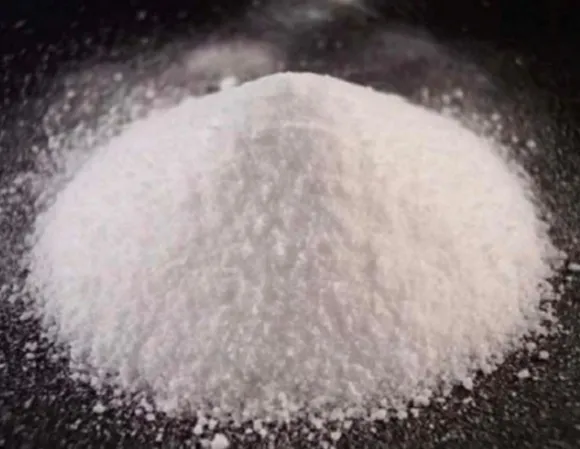
1. Borax :
Borax is white, crystalline substance that forms an alkaline solution when mixed with water. It is valued for its useful chemical properties, including its ability to act as an emulsifier ,regulate pH, and clean effectively. Although it is widely used in various fields,it must be handled carefully because too much exposure can lead to toxicity if swallowed or can irritate the skin. In summary, due to its emulsifying, cleaning, and mild antibacterial properties, borax is an important component in personal care products, industrial uses, and household cleaning items.
Application :
2. BEESWAX :
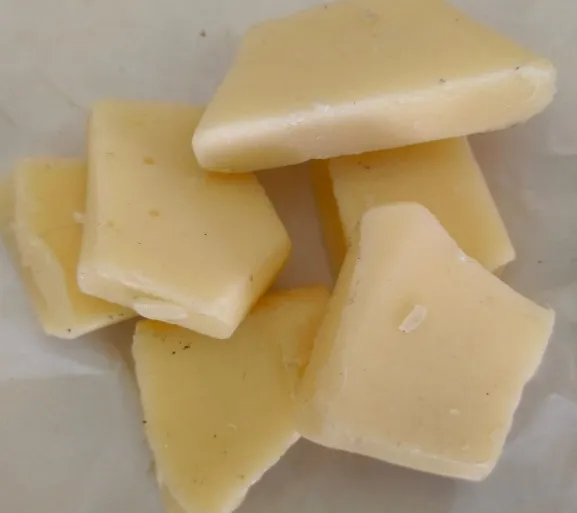
Beeswax is a natural wax widely used in cosmetics, pharmaceuticals due to its protective, thickening, and stabilizing properties. Beeswax helps protect the skin from irritation by forming a barrier when applied on the surface. It shields the skin from harsh weather and environmental pollutants. It also supports hair care by locking in moisture, keeping hair soft and hydrated. Beeswax can coat the skin, creating a protective layer and because it acts as a humectant, it attracts and retains moisture . these qualities help the skin stay hydrated. it works as a natural exfoliant , helping to remove dead skin cells.[18]
Application :
i)Used as a thickening agent in creams and lotions
ii) Acts as an emollient.
iii)Forms a protective barrier on the skin, common in lip balms, cold creams and ointments.
iv)Used as a base for ointments and creams.
v) Helps in controlled drug release provides stability to formulation.
3. METHYL PARABEN
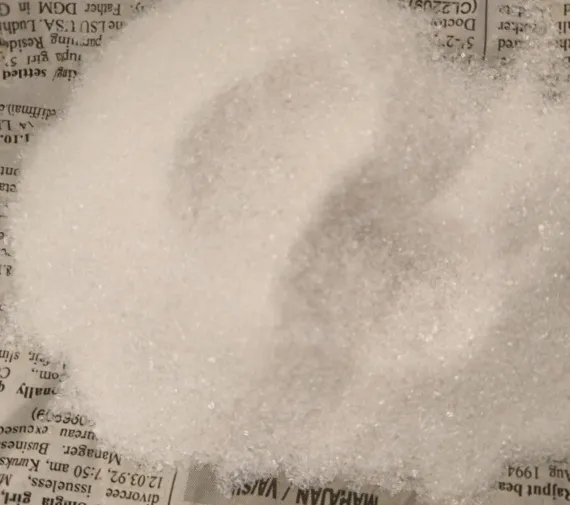
Methyl paraben is widely used as preservative to stop the growth of harmful micro-organisms .It is one type of paraben and parabens are chemicals commonly added to products to extend their shelf life. they help prevent the growth of mold and other harmful germs in food and cosmetic product. Many items that contain methyl paraben may also include other type of parabens. these substances are widely present in foods ,medicines ,and cosmetics . Various cosmetic products such as makeup, moisturizer, hair care items, and shaving products often contain parabens.[20]
Application :
4. Liquid paraffin:
Liquid paraffin , also called paraffinum liquidum or mineral oil ,is a highly purified oil used in cosmetic and medicinal products. It is a clear , colorless ,a almost , odourless , and oily liquid made up of saturated hydrocarbons obtained from petroleum .unlike industrial paraffin or kerosene , the liquid paraffin used in cosmetics is well- refined and considered safe for use on the skin .[21]
Application:
5. Turmeric :
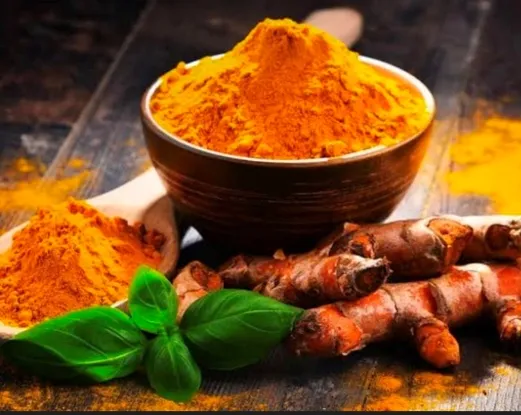
Turmeric, scientifically known as Curcuma longa, is a commonly used spice with many medicinal properties. It has anti-inflammatory, antimicrobial, and antioxidant effects, which help in treating various skin problems such as pigmentation, acne, and signs of aging. The main active compound in turmeric is curcumin, which is responsible for its anti-inflammatory action. Because turmeric is easily available in most Indian households, it is widely used as a natural remedy for skincare.
Application :
6. Tulsi
Tulsi (Holy Basil), scientifically known as Ocimum tenuiflorum, is a sacred and medicinal herb widely used in India. It is an important part of Ayurveda and is known for its antibacterial, antiviral, and anti-inflammatory properties. Tulsi is commonly used to treat cough, cold, and fever, and is also valued for its spiritual and health benefits.
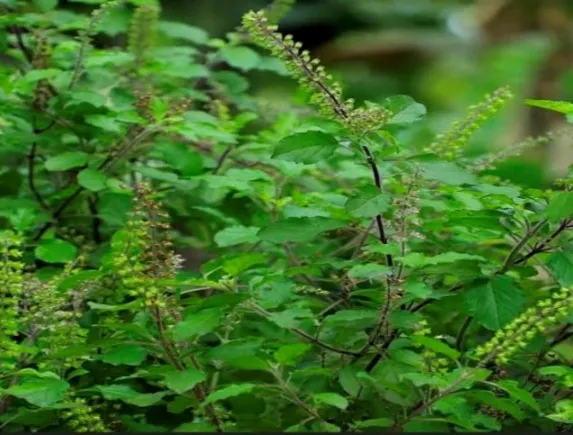
Application:
7. Rose oil
Rose oil is widely used because of its pleasant and rich fragrance, which helps improve the sensory appeal of products. It is obtained from rose petals and provides a soothing aroma that enhances the experience of using cosmetics, perfumes, and personal care products. In addition to its fragrance, rose oil may also offer medicinal benefits such as anti-inflammatory and antioxidant effects, which can improve the overall performance of a product. However, it should be carefully selected and used in the right concentration to ensure good fragrance, stability, and safety in the final formulation.[19]
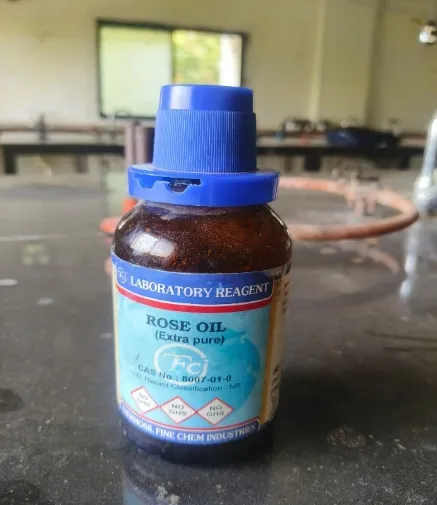
Application:
8. Almond oil
Almond oil is a natural oil extracted from almonds, mainly from Prunus dulcis. It is widely used in cosmetics and healthcare due to its rich content of vitamins ,fatty acids, and antioxidants.
It is known for its moisturizing, nourishing, and soothing properties, making it useful for skin care, hair care, and massage. Almond oil is gentle and suitable for most skin types, helping to improve skin softness and hair strength.
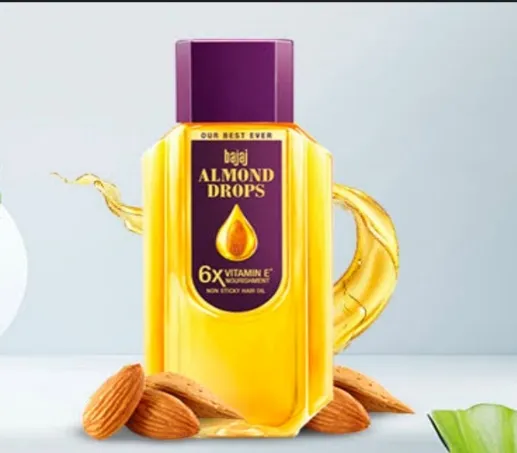
Application:
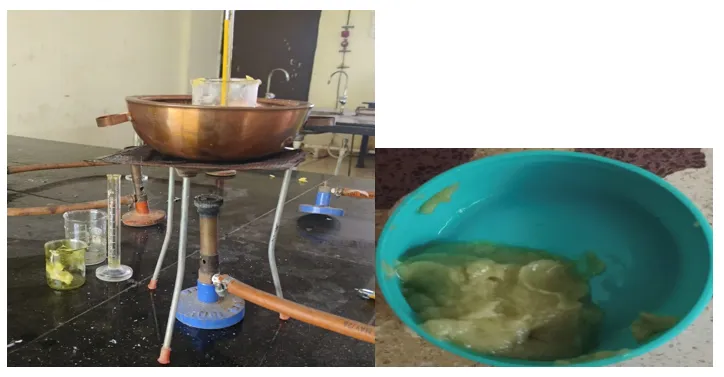
PROCEDURE OF COLD CREAMS :
Weigh all ingredients accurately according to the formulation table.
Preparation of oil phase: Take beeswax, liquid paraffin, and almond oil in a clean beaker.
Heat the mixture on a water bath at 70–75°C until all ingredients melt completely.
Preparation of aqueous phase: In another beaker, take purified water and dissolve borax and methyl paraben in it. Heat this phase separately to 70–75°C.
Emulsification: Slowly add the hot aqueous phase into the oil phase with continuous stirring.
Addition of herbal extracts: Add turmeric extract and tulsi extract slowly while stirring continuously.
Cooling , Continue stirring and allow the cream to cool gradually.
Addition of perfume.
When the temperature becomes around 40°C, add rose oil and mix properly.
Stir until a smooth and homogeneous cream is formed.
Transfer the prepared cold cream into a clean, dry container and close tightly.[14,15,16,17]
EVALUTION OF HERBAL COLD CREAM:
It is very important to take evaluation parameters to maintain safety and quality of cream.
1) Physical Appearance :
2) PH of the cream
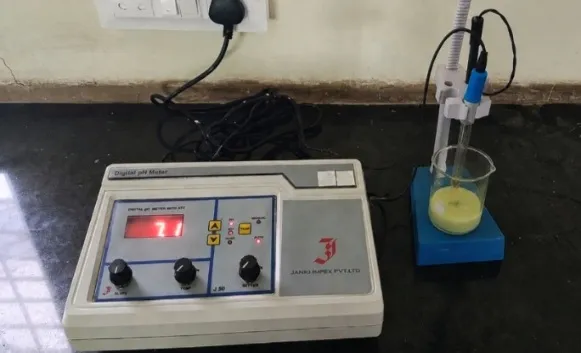
To determine the pH, 1 g of cream is dissolved in 100 ml of distilled water. The pH meter is first calibrated using a standard buffer solution, and then the pH of the prepared cream solution is measured.[22]
3) Viscosity :
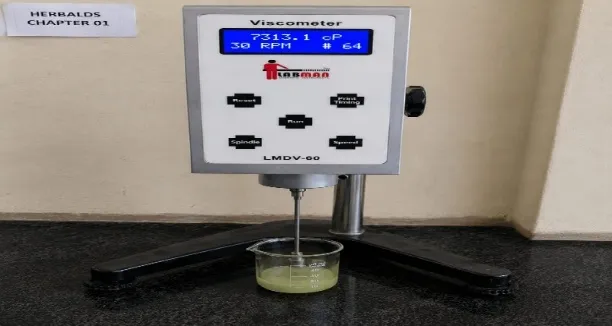
The viscosity of the cold cream was measured using a Brookfield viscometer at speed of 30 rpm ,using spindle number L4.[22]
4) Washability :
The polyherbal cold cream was applied on the hand and then checked by washing it under running water.[22,23]
5) Spreadability :
The cream sample was placed between two glass slides and compressed to obtain a uniform thickness by applying a 100 g weight for 5 minutes. Afterwards, additional weight was added to the weighing pan. The time required for the upper slide to move over the lower slide was recorded as an indicator of spreadability.
Where:
m = weight tied to the upper slide
l = length moved on the glass slide
t = time taken[24,25]
6) Irritancy test :
A 1 sq. cm area was marked on the dorsal surface of the left hand. The cream was applied to the selected area, and the application time was recorded. The treated area was observed at regular intervals for up to 24 hours to check for signs of irritancy, erythema, or edema, and the findings were documented. [26]
7) Stability test :
The prepared cream was kept in a closed container away from light at temperatures between 25°C and 100°C. It was observed for 30 days and 24 hours to check for any phase separation. Any changes noticed or confirmed were recorded .
8) Homogeneity :
Small samples are taken from different parts of the container and checked for texture and consistency. Any separation is observed. The samples are then mixed to see if the cream is uniform. If it is the same throughout it passes; otherwise changes are needed.
Result And Discussion :
Physical Appearance
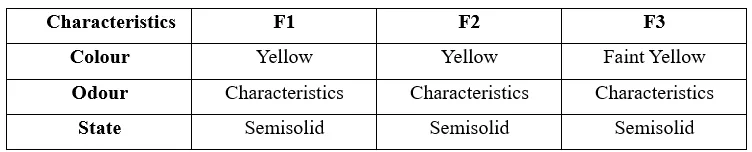
The three formulations colour, odour, state and texture were examined
Table no. 2 Colour , odour and state
PH
The results indicated that all three formulations F1, F2 and F3 showed pH values close to the natural skin pH, that they are safe and suitable for skin application.
Table no. 3 Observation of pH
|
Sr.no. |
Formulation |
pH |
|
1 |
F1 |
6.7 |
|
2 |
F2 |
6.9 |
|
3 |
F3 |
7.1 |
Viscosity
The viscosity of the cold cream was measured using a Brookfield viscometer at speed of 30 rpm ,using spindle number L4. Table no. 4 Observation of viscometer
Table no. 4 Observation of viscometer
|
Sr.no. |
Formulation |
Result |
|
1 |
F1 |
1025.1cp |
|
2 |
F2 |
7372.1cp |
|
3 |
F3 |
7313.1cp |
Washability
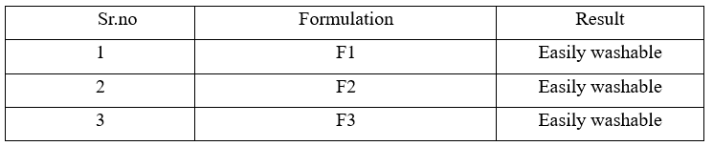
The washability test was performed by applying a small amount of cream on the hand and rinsing it with tap water. All three formulations were found to be easy to wash off.
Table no. 5 Observation of Washabilit
SPREADABILITY
The spreadability of formulations F1, F2, and F3 was evaluated. Among them, F3 showed faster separation of the two glass slides. According to the evaluation criteria, a shorter separation time indicates better spreadability; therefore, F3 exhibited superior spreadability compared to the other formulations.
Formula:
S= m x l/t
Where :
S= Spreadability
m=Weight tied to the upper glass slide
l=Length of the glass slide
t=Time taken to separate the slides
Table no 6.Observation of irritancy
|
Sr.no. |
Formulation |
Result |
|
1 |
F1 |
Easy spread |
|
2 |
F2 |
Easy spread |
|
3 |
F3 |
Easy spread |
Irritancy
A 1 cm² area was marked on the dorsal surface of the left hand. The cream was applied to the marked area, and the application time was noted. The site was then observed for 24 hours for any signs of irritation, redness (erythema), or swelling (edema). The results showed that formulations F1, F2, and F3 did not produce any irritation, erythema, or edema.
Table no.7 Obesrvation of irritancy
|
Sr.no |
Formulation |
Results |
|
1 |
F1 |
Irritancy |
|
2 |
F2 |
Non irritancy |
|
3 |
F3 |
Non irritancy |
Stability Test
The creams were put in closed containers and kept in the dark at temperatures between 25°C and 100°C. After checking them for 30 days and 24 hours, none of the three mixtures showed

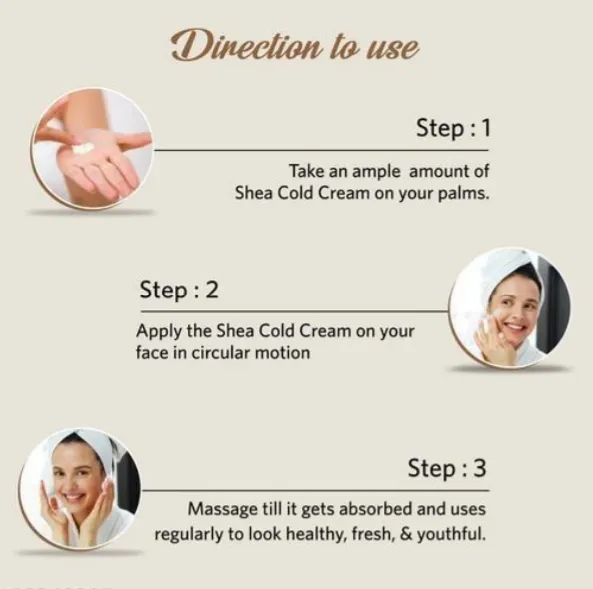
Direction To Use
CONCLUSION:
The study concluded that the polyherbal cold cream prepared using herbal extracts is safe and effective for skincare use. The formulation showed satisfied properties such as smooth , consistency , good homogeneity , suitable pH and absence of phase separation. Ingredients like turmeric and tulsi also exhibited antibacterial activity. Herbal cold creams are widely preferred because they conatain natural components such as herbs , plant extracts and essential oils that provide moisturizing and soothing effects to the skin. These products contain fewer synthetic chemicals and are associated with reduced side effects, making them suitable for sensitive skin and for people who prefer natural skincare products. The study also emphasizes the growing importance of herbal formulations in personal care for better safety and improved patient acceptance.
REFERENCES

Hemant Gangurde, Dhakane sonali, Dhangude sakshi, Daspute gauravi, Bharat Jadhav*, Formulation and Evaluation of Polyherbal Cold Cream, Int. J. of Pharm. Sci., 2026, Vol 4, Issue 5, 6603-6617. https://doi.org/10.5281/zenodo.20374526
 10.5281/zenodo.20374526