We use cookies to make sure that our website works properly, as well as some ‘optional’ cookies to personalise content and advertising, provide social media features and analyse how people use our site. Further information can be found in our Cookies policy
Since their development in the twenty century, oral medicated jellies have remained popular with consumer, leading to their continuous commercial production as a palatable dosage form that provides a local synthetic effect when consumed, particularly targeting the pharynx, oral medicated jellies are most attractive dosage form for the pediatrics, children and old people and they can be easily administered without water. It is a substitute for liquid and solid dosage forms. As a pharmaceutical composition, oral medicated jellies offer a number of benefits but also some drawbacks. Important parameter includes hiding the taste of several flavors, including mango, chocolate, strawberry and pineapple because pharmaceutical medication are bitter in tastes. Drugs for Arteritis antihypertensive sore throat can be administered by the in the buccal region, liable, gingival, and sublingual routes using oral medicinal jelly as a dose form. In 2012, Japan's Ministry of Health, Labor, and Welfare approved the first osteoporosis medication in history in the form of jelly. [1].
Oral medicated jellies are a tasty solid dose type that is taken orally. They have a systemic or local action and are made to disintegrate in the mouth or pharynx. Due to its noninvasive nature and generally modest treatment costs, patients typically feel at ease utilizing the oral medication delivery method. Furthermore, the oral drug delivery system's cost-effectiveness and safety increase patient compliance. Additionally, patient compliance is improved by the oral medication delivery system's safety, effectiveness, and affordability. The majority of pediatric formulas currently on the market are tablets, syrups, capsules, and solution drops. There are a lot of new products in the market. Children under the age of five are advised to use liquid formulations with volumes under 5 milliliters. For oral delivery, the jelly is a non-flowing, sticky preparation with a specific size and shape t is thought to be the safest, easy, practical, and natural way to deliver medications. Its shape allows for greater dosage flexibility, and its production is efficient and economical. It is also small and easy to make. The main issue with the commonly used oral dose type, such as tablets, is that they are difficult to swallow, which makes patients more likely to comply, especially when they are young or elderly and busy on the go, especially if they are dehydrated. Because oral medications have a big impact on patient compliance, demand for their development has grown significantly over the last ten years. A considerable portion of the population enjoys oral medicated jellies (OMJs), particularly those who have swallowing difficulties. Psychiatric disorders as well as those who experience nausea, vomiting, and movement Approximately 35% of people in general, as much as 60% of the elderly standardized population, and 18–22% of the patients in nursing homes have been found to have dysphasia. It has also been found that dysphasia is usual in all pediatric hospitalized patients and across all age groups. OMJs with a pleasing flavor and taste make bitter medications more palatable to a wider range of people. [2]
Figure 1: Medicated Jelly.
TypesofJellies:
Medicated Jelly: They are usually utilized on mucous membranes as well as skin and have regional spermicidal anesthetic and antibacterial qualities. There is enough water in these jellies to provide a small cooling effect after evaporation, and an additional film offers protection. For instance, because it is vasoconstrictor, ephedrine Sulphate the jelly is utilized to measure nose hemorrhage.
Lubricating Jelly: These jellies are made to lubricate diagnostic tools including cystoscopies.
Miscellaneous Jelly: They are created for a number of applications, including patch monitoring and electrocardiography. Jellies have enough water. After the water jelly evaporates, the remaining films offer local cooling. While offering defense as well. Ephedrine sulphate jelly, for instance, is used to stop nasal bleeding by narrowing blood vessels. Oral medicated jelly should have some desirable characteristics that distinguish it from previous dosing forms. Important ideal properties of this dosage form are that there is no water for ingesting, However, it should dissolve or decay in the tongue in less than a second. [3,4]
Challenges in formulating oral medicated jelly:
Palatability: Improving test results that are directly released to patient compliance whilw masking the bitterness of the medication
Hygroscopicity: Specialized product packaging is required for certain oral jelly dose forms because they are hygroscopic and requires protection from moisture.
The drug property: the final jelly properties were influenced by bulk density, particle size, crystal structure, and solubility.
Size of jelly: It has been reported that a jelly larger than 8 mm is the simplest to manage, while a jelly 78 mm is the easiest to swallow. As a result, finding a jelly thickness that is manageable and easy to consume is difficult.
Mouth feel: when taken orally, medicated jellies leaves the little to no trace in the mouth. Furthermore, the mouthfeel is enhancing by the addition of flavors and cooling substances like methanol. [5,6]
Objective of Oral Medicated Jellies:
To improve patient adherence.
A utilized a medication that is poorly soluble in medicated jellies.
Chipper dosage formulation base on the standard formulation.
Advantages of Medicated Jellies:
Since the jellies are easy to handle and don’t require water, they can be administered any place at any time.
Spiting the medication before receiving a full dose of medicated jelly allows you to transmute its therapeutic effect.
For the patients with dysphasia, it is the best way to administer medication since it lowers the danger of aspiration.
The jellies pleasant mouth feel contributes to altering the medication preparation.
Quick on-set action.
If necessary, the treatment can be stopped at any moment.
The shocking risk has decreased.
Disadvantages of Medicated Jelly:
It is the preparation of an aqueous base that must be packaged appropriately to preserve the drugs stability in a variety of environment.
If not prepared properly, it could result in an unpleasant taste.
There are issues with stability degradable.
Dosage measurement issue.
Variability between the patient around the age of six.[7]
Important Parameter of Jellies for Children:
Oral Mucosa
Gastrointestinal Tract
Taste Masking
TasteBuds
Oral Mucosa: It is a term used to describe the oral cavity's soft tissue lining, which contains the
Mucosa
Epithelium
lamina propia
sub mucosa
the mouth cavity is approximately 100cm in size, and saliva (around 0.5-2L) continuously wipes the oral mucous membrane to follow its surface. [8]
Figure 2: Oral Mucosa.
Functions of Oral Mucosa:
Protection: defense against microbiological assaults and mechanical trauma.
Sensation Secretion: Touch, pain, sense of taste, temperature (both hot and cold), and thirst reactions include gagging, etching, swallowing, and salivating.
Control of Temperature: it is essential for dogs not for the humans.[9]
Gastrointestinal Tract:
1. Upper gastrointestinal tract
2. Lower gastrointestinal tract
Figure 3: Gastrointestinal Tract.
Functions of GIT:
1. Digestion
2. Absorption
3. Excretion
4. Protection
The pH of upper portion is 4-6.5 and lower portion pH is 1.5-4. [10]
Taste Masking:
Taste is a key factor in oral administration, and children are better served by pharmaceuticals with a pleasing taste. Taste bud have a role in taste and are approximately 10,000 years old. To maintain taste, chemoreceptor provide signals to the brain. Since the majority of medications have bitter taste flavors, including sweeteners and flavors is a crucial parameter window switch design. [11]
Figure 4: Diverse types of taste on tongue.
Sweet
Salty
Sour
Bitter
Umami
Techniques of Taste Masking:
Flavors and sweeteners
Prodrug
Coating polymer and drug particle
By granulation
Microencapsulation gelation techniques
Viscosity modification
pH modifiers [12]
Taste Buds:
The tiny pores on the tongue's surface called papillae are the taste buds.
Approaches for which reduce a drug's strong taste:
Decreasing the drug solubility at the pH 6 to 6.8 of saliva
Drugs with involves with the taste receptor & its nature. [13]
MATERIALS AND METHODS:
Table 1: List of Material Used
Sr.no.
Materials
Source
1
Acyclovir
Obtained as a gift sample, Balaji Enterprises Surat
2
Xanthan gum
SD. Fine chemical Ltd Mumbai
3
Pectin
SD. Fine chemical Ltd Mumbai
4
Guar gum
SD. Fine chemical Ltd Mumbai
5
Citric acid
SD. Fine chemical Ltd Mumbai
6
Sodium citrate
SD. Fine chemical Ltd Mumbai
7
Sucrose
SD. Fine chemical Ltd Mumbai
8
Methyl paraben
SD. Fine chemical Ltd Mumbai
Preparation Method:
Every component will be properly weighed.
20 grams of sugar will be added to a beaker to create sugar syrup, which will fill it to 25 milliliters.
A gelling agent will be added to that solution, stirred continuously, and heated until it dissolves to the appropriate firmness.
Preservative will be applied to the aforementioned solution after it has boiled and properly mixed.
After transferring the entire solution into molds, the molds were properly covered to prevent exposure surroundings and allowed to cool and solidify, and stored in refrigerator.
Evaluation Parameter:
Physical Appearance: The oral jelly's shape, consistency, clarity, and smell were checked out.
Weight Variation: it is calculated by weighing ten jellies on average as they are remove from molds, separately weighed, and combined in a beaker.
Stickiness and Grittiness: A visual examination shows the stickiness and roughness of the jelly after it has been rubbed between two fingers.
Pour ability of the Mixture: When buffer salt is added, the main characteristic of jellies is how easily they pour into molds. Like Trisodium citrate, this salt acts as a retardant, which usually raises the formulation's pH.
pH Determination: the digital pH meter measures the pH when the substance is dissolved in 50% water and 1% solution is made.
Content Uniformity: To ensure the amount of substance present, these evaluation is carried out for each dose form. The jelly is crush and then is mixed, and the mixture is extracted using the appropriate medium. An analytical method was used to determine the quantity of drug present.
Viscosity: the viscosity It can be calculated with the help of Brookfield viscometer, and it is always computed using the following formula
Viscosity in centipoise = Dial reading × factor
Spreadability: Spread ability is measured by placing the jelly over the two slides of glass until it is uniformly thick and using a 1000g weight. The time it was predicted to take for both slides to separate was calculated by
S = m × L/T
Where m = weight tide to upper slide
T = time taken
L = length moved on glass slide
Stability Studies: According to the ICH rules, stability studies can be evaluated by keeping the pre-paid jelly at room temperature for ninety days and observing how its appearance improves.
Synergies: The concentration of a gel is used to separate a liquid, and the jelly preparation was tested for up to 24 hours at room temperature.
Microbial Studies: as the presence of water in jellies makes them more vulnerable to microbial proliferation, the investigation are crucial in defining the microbiological profile jellies.
Percent Drug Content: in order to create a consistent gel 20 jellies were compressed in specific amount of jelly equal to 50 mg of drug. Enough water was added and then thoroughly mixed. And then sonicated for 45 min with 50ml make up volume. then filtered and prepared. After that taking the absorbance through utilizing of the UV spectroscopy.
In vitro Taste Analysis: The Test Competency, the Prepared Jelly Was Examined Using 5ml of stimulated salivary Ph. Each Batch Should Be Place in A Solution That Is 60sec to 120 Sec Long For 5 Min. By Using Medication Content.
Dissolution Studies: vitro dissolution research was conducted using a USP type 2 paddle apparatus at 50 rpm and 900ml of dissolution medium 37 C+0.5.[14]
CONCLUSION:
There are a number of techniques used to cover up the taste of bitter medications. It's possible that pharmaceutical jellies may be among the most popular. dose forms in the pediatric age range. Its special qualities enable us to enhance patient complaints for the pediatric population. It can also offer notable therapeutic efficacy due to its early beginning of action and rapid medication absorption and dissolution. Because oral jellies have both liquid and solid properties and are easy to administer without requiring water intake, they are a good substitute for solid dose forms. Oral medicated jellies are consequently a recognized technology.
REFERENCES
S. Sarojini et.al. oral medicated jellies: volume 7, issue 6, 2018: 352- 365; World Journal of Pharmaceutical Research
Howard C. Ansell, Nicholas G. Popvich, Loyd V. Allen, “Pharmaceutical Dosage Forms and Drug Delivery System” (1995) First Edition; PP 78.
Cooper and Gun, Dispensing for Pharmaceutics, CBS Publishers & Distributors, Daraya Ganj New Delhi, Twelfth Edition. 2000, 214-216.
Mehta RM.” Vallabh Prakashan, Pharmaceutics – II Second Edition; 2003: 168-172.
Kumar Esan C,” Orally Disintegrating Tablet -Rapid Disintegration, Sweet Taste, And Target Release Profile, pharmainfonetsep9 2008.
Pfister WR, Ghosh TK. “Intraoral delivery systems: An overview, current status and future trends.] in Drug delivery to the oral cavity: Molecules to Market. CRC Press, NY, USA, 2005, 1-40.
Chiappetta DA, Hocht C, Sosnik A. A highly concentrated and taste-improved aqueous formulation of efavirenz for a more appropriate pediatric management of the anti-HIV therapy. Current HIV research. 2010 Apr 1;8(3):223-31.
Hooda R, Tipathi M, Kapoor K. A review on oral mucosal drug delivery system.The pharma innovation. 2012 Mar 1:1
Tabak, L.A., Levine, M.J., Mandel, I.D. and Ellison, S.A., role of salivary mucins in the protection of the oral cavity, J. Oral pathol., 1982;11:1-17
College open stax Anatomy & Physiolosy (jun 2013)
Steemit.com. (2017). Available at: https://steemit.com/science/@timsaid/life-explorers the-human-senses-part-iv-taste.
Tripathi A, Parmar D, Patel U, Patel G, Daslaniya D, Bhimani B. Taste masking: a novel approach for bitter and obnoxious drugs. JPSBR. 2011;1(3):36-142.
Cardoz MR, Ravikumar P. Design, Development and evaluation of novel oral medicated jellies. Indo American journal of pharmaceutical sciences. 2017 Jun 1;4(6): 1746-54.
Thoke SB, Gayke A, Dengale R, Patil P, Sharma Y. Review on: taste masking approaches and evaluation of taste masking. International Journal of Pharmaceutics Sciences. 2012;4(2): 1895-907.
Reference
S. Sarojini et.al. oral medicated jellies: volume 7, issue 6, 2018: 352- 365; World Journal of Pharmaceutical Research
Howard C. Ansell, Nicholas G. Popvich, Loyd V. Allen, “Pharmaceutical Dosage Forms and Drug Delivery System” (1995) First Edition; PP 78.
Cooper and Gun, Dispensing for Pharmaceutics, CBS Publishers & Distributors, Daraya Ganj New Delhi, Twelfth Edition. 2000, 214-216.
Mehta RM.” Vallabh Prakashan, Pharmaceutics – II Second Edition; 2003: 168-172.
Kumar Esan C,” Orally Disintegrating Tablet -Rapid Disintegration, Sweet Taste, And Target Release Profile, pharmainfonetsep9 2008.
Pfister WR, Ghosh TK. “Intraoral delivery systems: An overview, current status and future trends.] in Drug delivery to the oral cavity: Molecules to Market. CRC Press, NY, USA, 2005, 1-40.
Chiappetta DA, Hocht C, Sosnik A. A highly concentrated and taste-improved aqueous formulation of efavirenz for a more appropriate pediatric management of the anti-HIV therapy. Current HIV research. 2010 Apr 1;8(3):223-31.
Hooda R, Tipathi M, Kapoor K. A review on oral mucosal drug delivery system.The pharma innovation. 2012 Mar 1:1
Tabak, L.A., Levine, M.J., Mandel, I.D. and Ellison, S.A., role of salivary mucins in the protection of the oral cavity, J. Oral pathol., 1982;11:1-17
College open stax Anatomy & Physiolosy (jun 2013)
Steemit.com. (2017). Available at: https://steemit.com/science/@timsaid/life-explorers the-human-senses-part-iv-taste.
Tripathi A, Parmar D, Patel U, Patel G, Daslaniya D, Bhimani B. Taste masking: a novel approach for bitter and obnoxious drugs. JPSBR. 2011;1(3):36-142.
Cardoz MR, Ravikumar P. Design, Development and evaluation of novel oral medicated jellies. Indo American journal of pharmaceutical sciences. 2017 Jun 1;4(6): 1746-54.
Thoke SB, Gayke A, Dengale R, Patil P, Sharma Y. Review on: taste masking approaches and evaluation of taste masking. International Journal of Pharmaceutics Sciences. 2012;4(2): 1895-907.
Vrushali Pawar
Corresponding author
Department of Pharmaceutics, Loknete Dr. J. D. Pawar College of Pharmacy, Manur (Kalwan) 423501, Maharashtra, India.
Vrushali Pawar*, Mitesh Sonawane, Review on Formulation and Evaluation of Oral Medicated Jellies Containing Acyclovir for Children’s, Int. J. of Pharm. Sci., 2025, Vol 3, Issue 7, 4042-4049. https://doi.org/10.5281/zenodo.16601456

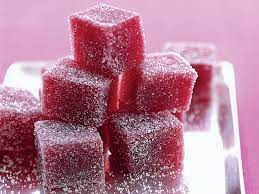
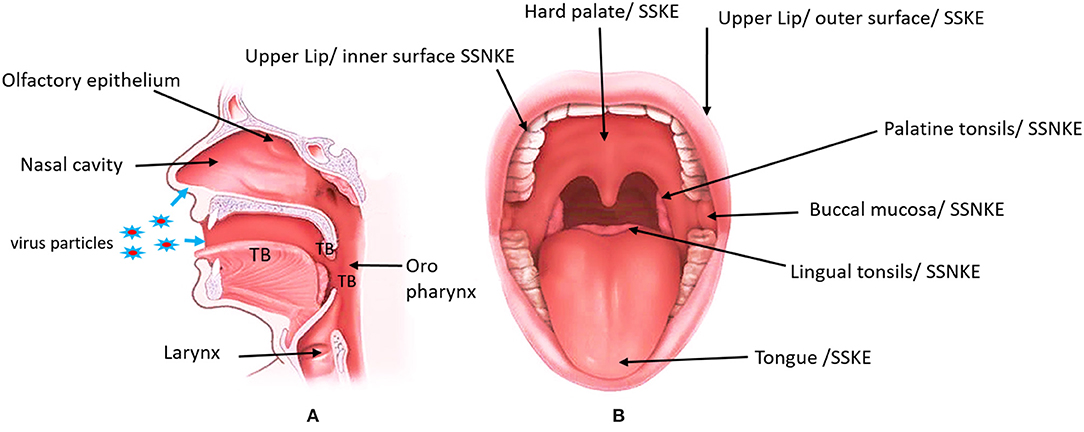 Figure 2: Oral Mucosa.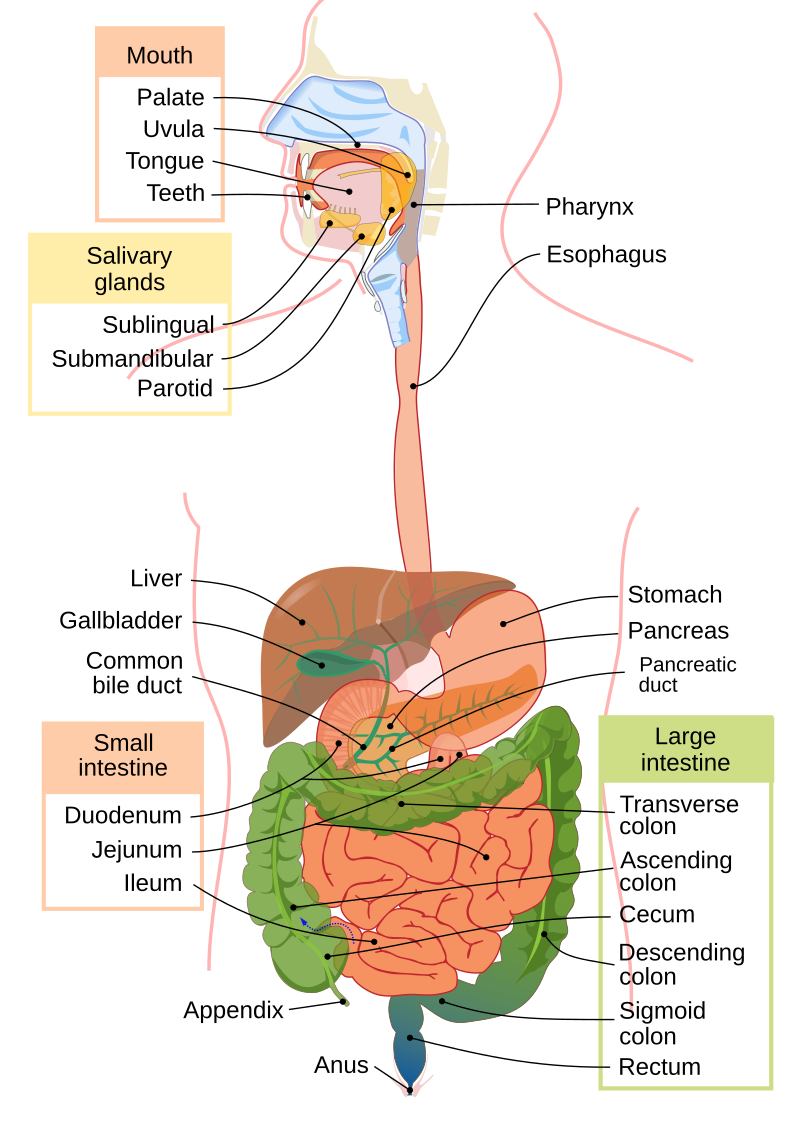
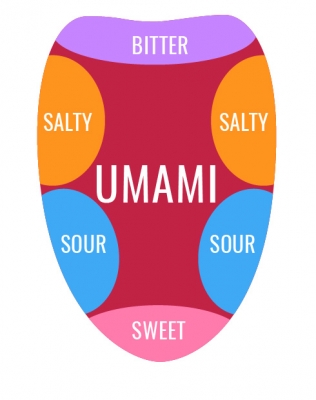 Figure 4: Diverse types of taste on tongue.

 10.5281/zenodo.16601456
