
Nootan Collage of Pharmacy, Kavathe Mahankal, Maharashtra, India
Lozenges are one of the widely used dosage forms. The benefits of the medicated lozenges is they increase the retention time of the dosage form in oral cavity which increases bioavailability, reduces gastric irritation and bypasses first pass metabolism. Lozenges provide a palatable means of dosage form administration and enjoy its position in pharmaceutical market owing to its several advantages but it suffers from certain disadvantages too. This dosage form can be adopted for local as well as systemic therapy and a wide range of active ingredient can be incorporated in them. The present review covers more or less all aspects associated with lozenges and also throws light on the applications of lozenges. Herbal lozenges have gained increasing attention as a natural and effective alternative to conventional cough and cold remedies. They are designed to provide symptomatic relief from throat irritation, cough, and mild respiratory infections while also offering antimicrobial, anti-inflammatory, and immunomodulatory benefits. This review highlights the therapeutic potential, formulation aspects, and pharmacological properties of herbal lozenges used in the management of cold, cough, and flu. Various medicinal plants such as Glycyrrhiza glabra (licorice), Zingiber officinale (ginger), Ocimum sanctum (holy basil), Mentha piperita (peppermint), Adhatoda vasica (vasaka), and Curcuma longa (turmeric) are commonly incorporated due to their proven efficacy in soothing the throat, reducing inflammation, and inhibiting microbial growth. The synergistic combination of herbal extracts with demulcent bases like honey or glycerin enhances mucosal protection and patient compliance. Overall, herbal lozenges represent a safe, palatable, and holistic approach for managing symptoms associated with upper respiratory tract infections, supporting both traditional and modern healthcare systems. Further clinical studies are warranted to validate their efficacy, optimize formulations, and standardize quality parameters. Lozenges are compact, single-dose medications intended to be slowly dissolved in the mouth to produce a targeted effect, usually in the throat and oral cavity. There are various types of lozenges utilized for soothing irritated throat tissues. These lozenges contain a variety of herbs such as Khadira (Acacia catechu), Kankol (Piper cubeba Linn), Karpura (Cinnamomum camphora), pomegranate (Punica granatum), Javetri (Myristica fragrans), lemon (Citrus limon), orange (Citrus sinensis), honey (Apis mellifera), ginger (Zingiber officinale), ajowan (Trachyspermum ammi), Vasaka (Justica adhatoda), dashmola (Aegle marmelo), gokhru (Tribulus terrestris), turmeric (Curcuma longa), and mentha (Mentha piperita L.), which serve as active components in the production of various lozenges for the treatment of sore throat and cough. The formulation of different types of lozenges and the excipients used in their preparation are elaborated upon. Quality control measures for lozenges are also discussed. This review provides insight into the diverse herbal and synthetic lozenges available in the market, as well as various research articles on herbal lozenges, including their preparation methods, herbal components, and additional ingredients. The comprehensive review encompasses all aspects concerning lozenges and sheds light on their application.
The word "Lozenge" comes from the French word "Losenge," which denotes a diamond-shaped geometry with four equal sides. Lozenges and pastilles have been developed in pharmacy during the twentieth century and are still being produced commercially. Lozenges are solid formulations meant to dissolve in the mouth or pharynx. They may contain one or more medications in a flavored and sweetened basis and are meant to treat local irritation, oral oropharyngeal infections, and systemic drug absorption. Drugs can be delivered into the oral cavity or mucosal surface. Lozenges are more novel dose forms used in the oral cavity.
Lozenges have long been used to relieve minor sore throat pain and irritation, as well as to deliver topical anaesthetics and antibiotics. Today, lozenges contain a variety of medications, including analgesics, anaesthetics, antimicrobial antiseptics, and antitussives.
Advantages
The word “Lozenge” is derived from French word “Losenge” which means a diamond Shaped geometry having four equal sides. Lozenges And pastilles have been developed since 20thcentury in pharmacy and is still under commercial production. Lozenges are solid Preparations that are intended to dissolve in mouth Or pharynx.
Medicaments in a flavored and sweetened base and Are intended to treat local irritation, Infection of mouth oropharynx and may also be Used for systemic drug absorption. They can Deliver drug into the oral cavity or to the mucosal Surface. Lozenges are better innovative dosage Forms placed in oral cavity. Lozenges historically Have Been used for the relief of minor sore throat pain and irritation and have been used Extensively to deliver topical Anesthetics and antibacterial. Today lozenges contain different category of medicament as follows: Analgesics, anesthetics, antimicrobial antiseptics And antitussives.
Advantages
Disadvantages:
Herbal lozenges are medicated, flavoured solid preparations that are designed to dissolve slowly in the mouth, releasing active herbal ingredients that provide relief from sore throat, cough, cold, and flu symptoms. They combine the therapeutic benefits of medicinal herbs with a pleasant taste, making them a convenient and effective form of natural remedy.
Traditionally, herbal lozenges have been used in Ayurvedic and Unani medicine to soothe throat irritation, reduce inflammation, and combat microbial infections. Modern herbal lozenges are formulated using plant-based ingredients such as Tulsi (Ocimum sanctum), Ginger (Zingiber officinale), Licorice (Glycyrrhiza glabra), Menthol, Honey, and Eucalyptus oil. These herbs possess antitussive, expectorant, antiseptic, and demulcent properties, which help in easing throat discomfort and promoting respiratory health. Herbal lozenges are gaining popularity due to their natural composition, minimal side effects, and pleasant flavour compared to synthetic cough drops. They are commonly used as an over-the-counter remedy for mild throat infections, hoarseness, and irritation caused by cold and flu.
In summary, herbal lozenges offer a safe, effective, and palatable alternative to conventional throat medications, aligning with the growing global demand for natural and herbal healthcare products.
The purpose of the lozenges is to gradually dissolve or break down in the mouth. They are formulated with one or more active ingredients and are flavored and sweetened to provide a pleasant taste. Lozenges are solid preparations made of sugar and gum, with the gum providing strength and cohesion to the lozenges, allowing for a slow release. In today’s modern society, throat infection is the most common ailment. It can lead to various throat conditions, including pharyngitis and even cancer. A sore throat caused by a viral infection, such as the flu or a viral sore throat, typically resolves on its own. Sore throats can also be caused by bacterial infections, irritants, or traumas. Symptoms may include hoarse or slurred speech, swollen glands in the neck or jaw, red and swollen tonsils, and pain or discomfort in the throat that worsens with swallowing or talking. Lozenges, which are solid, single-dose medications, are commonly used to alleviate minor throat irritation and sore throat symptoms. These lozenges are designed to be sucked, providing a localised effect in the throat and oral cavity. They are available in various shapes, such as flat, circular, octagonal, biconvex, or rod-shaped.
Classification of Lozenges :
Lozenges can be classified into various classes based on various methods like
(A) According to the site of action
(B) According to texture and composition-
These are the dosage form in which medicament is incorporated into a caramel base which is chewed instead of being dissolved in mouth. Most formulations are based on the glycerinated gelatin suppository formula which consists of glycerine, gelatin, and water. These lozenges are often highly fruit flavored and may have a slightly acidic taste to cover the acrid taste of the glycerine.
When the active ingredient is heat sensitive, it may be prepared by compression. The granulation method is similar to that used for any compressed tablet. These tablets differ from conventional tablets in terms of organoleptic property, non-disintegrating characteristics and slower dissolution profiles.
They are either meant for chewing or for slow drug release in mouth. They can be made from PEG 1000 or 1450, chocolate or sugar-acacia base while some soft candy formulations can also contain acacia and silica gel. Acacia is used to provide texture and smoothness and silica gel is used as a suspending agent to avoid settling of materials to the bottom of the mould cavity during the cooling.
The formulation requires heating process at about 50 0C, hence is only suitable to heat resistant ingredients.
Advantages of Lozenges:
Disadvantages
Medicaments
Drug candidates which can be incorporated in lozenges, belong to one of the following categories:
Methods of preparation of Medicated lozenges:
a) Chewy or caramel based medicated lozenges
Chewy lozenges are popular with the paediatric population since they are “gummy type” lozenges
The candy base is cooked at 95- 125oC and transferred to planetary/ sigma blade mixer. Mass is allow to cool to 120oC. This is Followed by addition of whipping agent below 105oC.The medicaments are added when the temperature is between 95-105oC.Colour is dispersed in humectants and added below 85oC followed by lubricant addition above 80oC.Chewable or caramel Lozenges are formed in the form of long rope of suitable thickness then cut to a desired size and then packed by using wrappers. This process is called as rope forming.
b) Compressed tablet lozenges:
i) Direct compression
In this method all the ingredients are thoroughly mixed and directly compressed in to lozenges tablets, Wet granulation method Involves grinding of sugar by mechanical agitation and passed through sieve 40-80 mesh size, Medicament is added to sugar mass and then mixed uniformly. Sufficient amount of sugar syrup or corn syrup is added to homogeneously mixed mass for the granulation And then passed through 2-8 mesh size to obtain wet granules. These wet granules are dried and once again passed through 10-30 Mesh size. Suitable flavour and lubricant are then added before compression into required size of tablet lozenges. Sugar is pulverized By mechanical agitator to a fine powder and passed through 40-80 mesh size. Add the medicament and blend the mass. Blend is Subjected to granulation with sugar or corn syrup and screened through 2-8 mesh screens. Drying and milling is carried out and Passed through 10-30 mesh size. Flavour and lubricant are added compression is carried out.
c) Soft lozenges
Soft lozenges are manufactured by hand rolled and then cut in to pieces by maintaining desired size and thickness. Another method Involves heating of all ingredients along with medicament at about 50oC and poured into a plastic mould. Mould cavity should be Overfilled if polyethylene glycol is used, as polyethylene glycol contracts as they cool. This is not required in case of chocolate as It does not shrink. Soft lozenges containing Clotrimazole is made by moulding method in which the increasing amount of Polyethylene glycol, xanthan gum or xylitol.
History of Lozenges:
Lozenges have been traced back to ancient times, particularly around 1000BC. Originally, they were commonly crafted from honey infused with various flavors like citrus and spice. However, during the 19th century, the composition of lozenges became more complex as physicians started incorporating morphine and heroin into the tablets to prevent coughs and colds. The first advertisement for cough drops appeared in 1850, while Loudens was established in 1880.A viral infection of the nose and throat is a common occurrence: Unlike the flu, which is caused by a specific virus, the common cold can be caused by various types of viruses. This condition is generally harmless and symptoms typically resolve within two weeks. Flu symptoms are similar, but also include fever, headache, and muscle soreness. On the other hand, cold symptoms include a runny nose, congestion, and coughing. The common cold is one of the most frequent illnesses experienced by humans and it leads to significant morbidity and economic loss. Despite this, there is no consistently effective therapy for the common cold that has been well documented. However, there is evidence to suggest that polyherbal treatments may be effective due to several possible mechanisms. The flu, on the other hand, is a viral infection that can be deadly, particularly for high-risk groups it primarily affects the lungs, nose, and throat. Young children, older adults, pregnant women, and individuals with chronic diseases or weak immune systems are at a higher risk of complications. Furthermore, the flu spreads easily from person to person. Herbal drugs, also known as herbal medicines, are derived from plants or plant parts and are used for their scent.
Herbs used for cold and Flu :
It is derived from the root of glycyrrhiza glabra, a plant in the leguminosae family, and is known for its distinct flavour. The liquorice plant is a perennial legume native to 3 regions. The sweet flavour extracted from the root of Glycyrrhiza glabra (Family: Leguminosae) is derived from the liquorice plant, a herbaceous perennial legume native to southern Europe and parts of Asia, including India. In India, it is also referred to as mulethi and Jestamadhu, and is commonly utilised in the Ayurvedic system of medicine to address respiratory-related ailments. Known for its expectorant and demulcent properties, these benefits are attributed to the presence of Glycyrrhetinic acid.
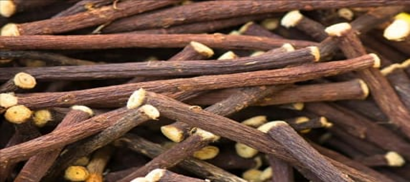
Fig No. 1 : liquorice
Cloves on the other hand, are aromatic flower buds from a tree in the myrtaceae family, specifically syzygium aromaticum, native to the Maluku islands in Indonesian. Cloves originate from the Maluku Islands (or Moluccas) in Indonesia and are the fragrant flower buds of the tree Syzygium aromaticum (Eugenia caryophyllus). They are known for their analgesic and antiviral properties, which can be attributed to the presence of Eugenol and other compounds found in the flower bud cloves.
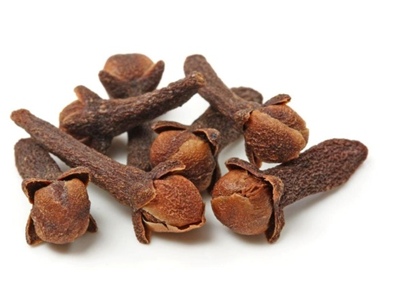
Fig No.2: Clove
It is a flowering vine in the piperaceae family, is cultivated for its dried fruit used as a spice. The dried unripe or nearly ripe fruits of perennial climbing vines (Family: Piperaceae) make up this product. It is known as long native pepper and pipli in Hindi. In Ayurveda, long pepper is extensively utilized in various formulations.
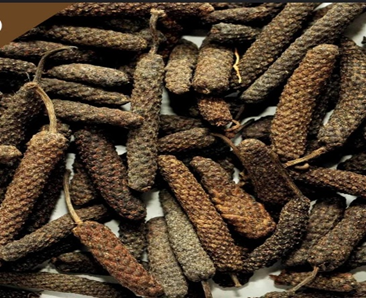
Fig No 3.: Long Paper
A sweet and viscous substance, is produced by honey bees from plant secretions or other insects. Honey, a sweet liquid derived from flower nectar and stored in honeycombs by various species of bees such as Apismallifera and Apisdorsata, is a popular natural remedy for both dry and wet coughs due to its thick texture.

Fig No 4.: Honey
It is a flowering plant with rhizomes used as a spice and folk medicine, grows as a herbaceous perennial with tall pseudostems. The product is made from the rhizomes of Zinziber officinale (Family: Zingiberaceae), which are peeled to remove the outer skin and then dried under the sun.
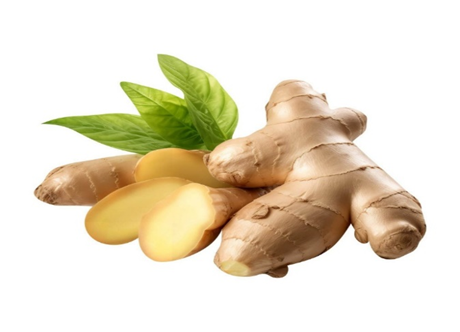
Fig No 5:Ginger
Guduchi is composed of dried, mature stem fragments from the Tinospora cordifolia plant, belonging to the Menispermaceae family. This herb, commonly referred to as Giloy, holds great significance in Ayurveda and is widely employed in the treatment of fever, respiratory ailments, diabetes, anaemia, cardiac disorders.
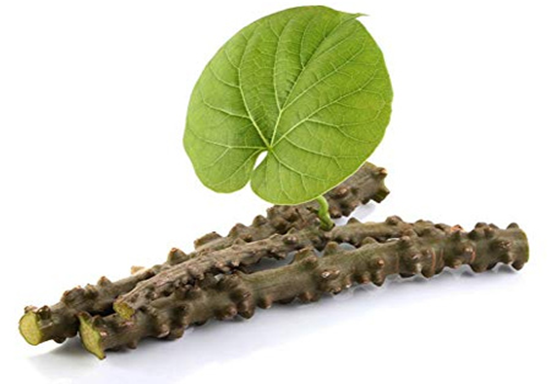
Fig No 6:Guduchi
Adhatoda vasica, belonging to the Acanthaceae family, is a significant Ayurvedic medicinal herb. Its fresh and dried leaves are utilized for treating a variety of ailments, including asthma, bronchitis, and tuberculosis.
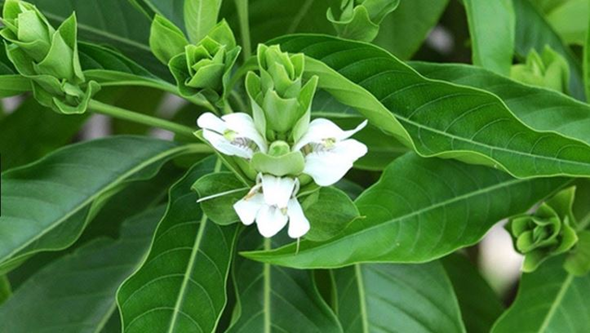
Fig No 7:Vasica
The dried rhizomes of Curcuma longa (Zingiberaceae) are known as turmeric. This spice is extensively utilized in Indian cuisine due to its vibrant yellow hue. Turmeric is valued for its antiseptic properties, making it beneficial for respiratory ailments such as the common cold, bronchitis, cough, and other upper respiratory issues. Additionally, it offers protective benefits for the skin, which is why it is commonly found in cosmetic products. Curcuminoids, including curcumin, are the primary constituents of turmeric and possess numerous therapeutic applications.
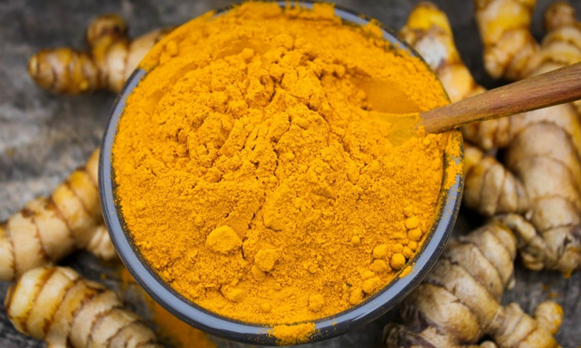
Fig No 8: Turmeric
II. METHODOLOGY:
Lozenges were prepared by melting and mold technique. Jaggery was melted and mixed with the other ingredients to form a homogeneous mixture. Subsequently, the mixture was poured into the stainless-steel mold.
Table 1 :
|
Sr.no |
Ingredients |
Quantity required |
|
1 |
Basil leaves |
1.5ml |
|
2 |
Honey |
6.7ml |
|
3 |
Corn flour |
q.s |
|
4 |
Vegetable oil |
1-2 drops |
Table 2 :
|
Sr.no |
Ingredients |
Quantity required |
|
1 |
Betel leaves |
1.5ml |
|
2 |
Honey |
6.7ml |
|
3 |
Corn flour |
q.s |
|
4 |
Vegetable oil |
1-2 drops |
Table 3 :
|
Sr.no |
Ingredients |
Quantity required |
|
1 |
Myrobalan powder |
1.5ml |
|
2 |
Jaggery |
6.7ml |
|
3 |
Corn flour |
q.s |
The Process for preparation of Herbal formulation in the form of lozenges, where in the process comprises the following steps.
Step 1: Prepare the extraction of herbal leaves (Basil, Betel leaves) by grinding the leaves in the mixer. After this process the fluid containing pulp is obtained. Then separate the water content and pulp content from this above extraction.The Myrobalan is prepared into the powder form by using the mixer grinder
Step 2: The preparation of the syrup content which consists the jaggery in the formulation 1, honey in the formulation 2, and in formulation 3 along with required amount of water respectively.The concentration of the liquid should be taken according to the base product and herbal extraction.
Step 3: The prepared extraction of the herbal leaves and myrobalan powder is introduced into the respective formulation. The liquid solution is stirring continuously throughout the process for mixing the herbal extracted product in the liquid solution.
Step 4: The concentrated products of the lozenges is obtained from the previous steps.By using the moulds (the containers which are used to give the different shapes) the liquid lozenges are turns into the different solid shaped candies.
EVALUATION TEST
CONCLUSION:
A systematic approach involving preparation and evaluation of Herbal lozenges using different formulation was attempted. The evaluation studies were conducted which projected the satisfactory results. The developed formulations can be used to medicate throat and also for cough remedies.
REFERENCES




Shraddha Chavan, Tanuja Deshmukh, Anjali Sagare, Mayuri Bhosale, Review on Herbal Lozenges Beneficial for Cough and Cold, Int. J. of Pharm. Sci., 2025, Vol 3, Issue 11, 2091-2100. https://doi.org/10.5281/zenodo.17605893
 10.5281/zenodo.17605893
