
Lecturer, Diploma in Pharmacy,RMP’S Bhalchandra Institute of Pharmacy
The liver plays a crucial role in metabolism, detoxification, protein synthesis, and nutrient storage in the human body. Due to its central metabolic role, it is highly vulnerable to injury from toxins, drugs, alcohol, infections, and metabolic disorders. Herbal medicines have been widely used in traditional systems of medicine such as Ayurveda, Traditional Chinese Medicine, and Unani for the management of liver disorders. Many medicinal plants possess hepatoprotective properties due to the presence of bioactive phytochemicals including flavonoids, alkaloids, terpenoids, glycosides, and phenolic compounds. These phytoconstituents exert antioxidant, anti?inflammatory, membrane?stabilizing, and regenerative effects on liver cells. Several herbs such as Silybum marianum, Phyllanthus niruri, Glycyrrhiza glabra, Curcuma longa, and Picrorhiza kurroa have shown promising hepatoprotective activity in experimental and clinical studies. This review discusses the importance of the liver, causes of liver damage, mechanisms of hepatoprotection, and important medicinal plants used in liver protection.
The liver is the largest gland in the human body and performs numerous essential physiological functions. It plays a vital role in detoxifying harmful substances, metabolizing drugs, synthesizing proteins, and storing glycogen, vitamins, and minerals. Due to continuous exposure to toxins, alcohol, drugs, and pathogens, the liver is highly susceptible to injury.
Liver diseases such as hepatitis, fatty liver disease, cirrhosis, and drug?induced liver toxicity are major global health concerns. Modern medicines used for liver disorders may have limitations including side effects, high cost, and incomplete effectiveness. As a result, there is growing interest in herbal medicines as alternative or complementary therapies. Herbal drugs have been used for centuries in traditional medicine systems. These natural remedies contain numerous bioactive compounds that exhibit protective effects against liver damage. Scientific research has validated the hepatoprotective properties of many medicinal plants.
2. Causes of Liver Damage
Liver injury can occur due to several factors. The most common causes include:
1. Excessive alcohol consumption
2. Viral infections such as hepatitis B and hepatitis C
3. Drug?induced liver injury
4. Environmental toxins and chemicals
5. Non?alcoholic fatty liver disease
6. Autoimmune diseases
7. Metabolic disorders
These factors may cause oxidative stress, inflammation, and destruction of liver cells leading to impaired liver function.
3. Hepatoprotective Activity of Herbal Drugs
Hepatoprotective agents are substances that help prevent damage to liver cells caused by toxic chemicals and drugs. Herbal drugs are gaining popularity because they are natural, affordable, and often have fewer side effects.
Many medicinal plants possess hepatoprotective activity due to the presence of phytochemicals such as flavonoids, alkaloids, tannins, saponins, and terpenoids. These compounds protect the liver by neutralizing free radicals, reducing inflammation, stabilizing cell membranes, and promoting regeneration of hepatocytes.
4. Mechanisms of Hepatoprotection
Herbal drugs protect the liver through multiple mechanisms:
Antioxidant Activity – Many herbs contain antioxidant compounds that neutralize free radicals and reduce oxidative stress in liver cells.
Anti?inflammatory Activity – Herbal compounds inhibit inflammatory mediators and reduce inflammation in liver tissues.
Membrane Stabilization – Herbal constituents help stabilize hepatocyte membranes and prevent leakage of liver enzymes.
Enhancement of Detoxification – Some herbs stimulate liver detoxifying enzymes that remove harmful substances from the body.
Regeneration of Liver Cells – Certain phytochemicals promote regeneration and repair of damaged hepatocytes.
5. Important Herbal Drugs Used for Liver Protection
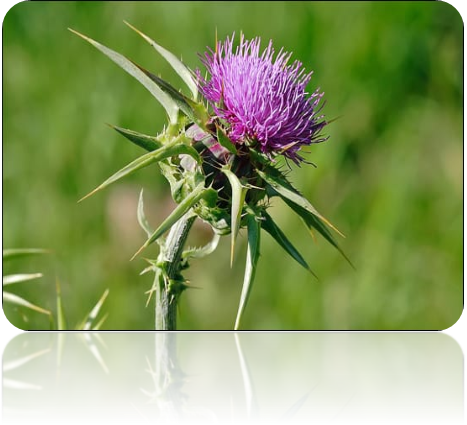
1. Milk Thistle (Silybum marianum)
Milk thistle is one of the most well?known hepatoprotective herbs. Its active constituent silymarin exhibits strong antioxidant and anti?inflammatory properties. It helps regenerate liver cells and is commonly used in hepatitis, cirrhosis, and alcohol?induced liver damage.
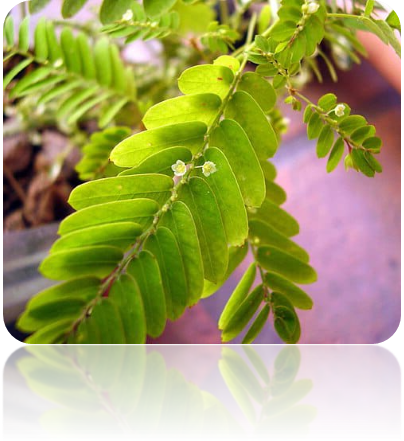
2. Phyllanthus niruri (Bhumyamalaki)
This plant is widely used in Ayurvedic medicine for liver disorders. It is effective in treating hepatitis and improving liver function.
3. Glycyrrhiza glabra (Licorice)
Licorice root contains glycyrrhizin which possesses anti?inflammatory and hepatoprotective properties. It protects the liver from toxin?induced damage.
4. Curcuma longa (Turmeric)
Turmeric contains curcumin which has strong antioxidant and anti?inflammatory activities. Curcumin protects liver cells from oxidative damage.
5. Picrorhiza kurroa (Kutki)
Kutki is an important Ayurvedic herb used for liver diseases. It stimulates bile secretion and protects liver cells from toxins.
6. Phytochemical Constituents Responsible for Hepatoprotection
The hepatoprotective activity of medicinal plants is mainly due to the presence of phytochemicals such as:
•Flavonoids
•Alkaloids
•Glycosides
•Terpenoids
•Phenoliccompounds
• Tannins
These compounds possess antioxidant and anti?inflammatory properties which protect liver cells from damage.
7. Advantages of Herbal Drugs
Herbal medicines provide several benefits:
•Natural origin
• Lower toxicity compared to synthetic drugs
•Cost?effective
•Easily available
• Multiple therapeutic actions
8. Limitations of Herbal Drugs
•Lack of standardization
•Limited clinical trials
•Variation in active constituents
• Possible drug interactions
FUTURE PROSPECTS
Future research should focus on identifying active phytochemicals responsible for hepatoprotective activity and developing standardized herbal formulations. Advanced technologies such as phytochemical analysis, clinical trials, and molecular studies can help validate the effectiveness of herbal drugs in liver diseases.
CONCLUSION
Herbal drugs play an important role in protecting the liver from toxic substances and disease conditions. Medicinal plants containing bioactive compounds such as flavonoids, alkaloids, and phenolic compounds show strong hepatoprotective activity through antioxidant, anti?inflammatory, and regenerative mechanisms. Herbs like milk thistle, turmeric, licorice, and Phyllanthus niruri have demonstrated promising therapeutic potential. Further scientific research and clinical studies are necessary to ensure their safety, efficacy, and standardization for use in modern medicine.
REFERENCES

Shailaja Khedkar, Role of Herbal Drugs in Liver Protection, Int. J. of Pharm. Sci., 2026, Vol 4, Issue 3, 1143-1146. https://doi.org/10.5281/zenodo.18955858
 10.5281/zenodo.18955858
