

We use cookies to ensure our website works properly and to personalise your experience. Cookies policy
Shri Jain Vidya Prasarakh Mandals Rasiklal M Dhariwal Institute of Pharmaceutical Education & Research, Chinchwad-411019, India
Perfume has been a timeless companion to humanity, weaving its way through the fabric of our cultures and personal lives. From ancient civilizations to modern times, the art of perfumery has evolved, captivating our senses and evoking emotions. Let’s embark on a journey to explore the significance of perfume, its ingredients and the benefits it brings to our lives.Fragrance innovation has advanced rapidly over the years, yet solid perfumes remain underexplored and relatively unfamiliar to many. Although solid cosmetics are not new, solid perfumes have not achieved the same level of popularity as their liquid counterparts. These products, however, hold unique value. By blending fragrant oils or compounds into a waxy base, solid perfumes create long-lasting scents that not only enhance personal elegance but also promote well-being by reducing stress, uplifting mood and even improving sleep. Traditionally made with beeswax and enriched with essential or fragrance oils- such as almond, jojoba, grape seed, or olive oil - solid perfumes provide moisturizing benefits along with therapeutic effects like pain relief and antimicrobial activity. Recently, there has been a rising interest in natural and vegan-friendly formulations, with solid perfumes emerging as a sustainable and skin-friendly choice. Despite their limited recognition, they are gradually gaining attention for combining fragrance with holistic care.
Unlike conventional liquid perfumes, solid perfumes are created using a waxy base- commonly beeswax or petroleum jelly - that melts easily during formulation and solidifies at room temperature. They are applied directly to the skin with a fingertip or cotton swab, releasing fragrance gradually as body heat warms the oils. The strength of the scent depends on the concentration of essential oils used. Compact and spill-proof, solid perfumes offer a convenient way to carry fragrance anywhere, without the risk of leakage. 1, 2, 3
Sometimes referred to as cream perfumes or solid colognes, these products provide an innovative alternative to alcohol-based sprays. Many luxury brands now offer solid versions of their signature scents, reflecting the growing consumer demand for portable, sustainable and natural options. In fact, the global solid perfume market was valued at USD 1.65 billion in 2023 and is expected to nearly triple by 2032. 4, 5
Although they may seem like a new trend, solid perfumes have ancient roots, tracing back to Egypt where scented balms were crafted from natural oils and waxes. Today, their advantages - such as alcohol-free formulations, longer-lasting fragrance, moisturizing properties and eco-friendliness make them appealing to modern users. Applied to pulse points like the wrists, neck, or even hair, solid perfumes release their aroma slowly, offering both practicality and a unique sensorial experience. 3, 4, 5
Historical Background: -
The term "perfume" derives from the Latin word “perfuma”. “The use of solid perfumes can be traced back thousands of years, with origins in ancient civilizations such as Egypt, Greece, Rome, China, and India. The Egyptians were pioneers, crafting fragrant balms from natural oils, resins and waxes more than 5,000 years ago. They even stored these perfumes in early glass containers and associated their creation with deities like the sun god, Ra. These solid aromatic preparations were often used in religious rituals, personal adornment and burial practices, highlighting both their cultural and spiritual importance. 2, 3
From Egypt, the tradition spread across Rome, Greece, and Asia, where perfumes became symbols of luxury and refinement. Early formulations typically combined plant or animal oils with natural waxes, creating pastes or balms that were applied to the skin. By the late 19th century, the rise of organic chemistry allowed for purification of plant odors and the synthesis of artificial fragrance compounds, vastly expanding the range of scents available. Despite these innovations, the solid form remained overshadowed by liquid alcohol-based perfumes, which dominated the modern fragrance industry. Today, however, solid perfumes are regaining attention as consumers rediscover their convenience, portability, and sustainable nature. 4, 6
What Are Solid Perfumes?
Definition:- “Solid perfumes are semi-solid fragrance formulations applied directly on skin. Unlike liquid perfumes that rely on alcohol for dispersion, these perfumes use waxes or butters as carriers, ensuring slow fragrance release, higher stability, portability, and eco-friendliness.” Solid perfumes, sometimes referred to as cream perfumes or solid colognes, are fragrance formulations prepared in a solid or semi-solid base rather than in the conventional liquid medium of alcohol and water. They are usually composed of a wax base (such as beeswax), carrier oils (almond, jojoba, coconut, grapeseed, etc.), and essential or fragrance oils, which together create a stable balm-like product. [7]Unlike spray perfumes, which rely on alcohol to disperse fragrance molecules, solid perfumes depend on body heat to gradually release aroma when applied to pulse points such as the wrists, neck, or behind the ears. This ensures a slow diffusion of fragrance and often enhances longevity. Research suggests that oil-based perfumes, including solid formulations, can last 6–15 hours on skin, compared to around 3 hours for alcohol-based perfumes. 8, 9
Key Features of Solid Perfumes: -
Solid perfumes stand out from conventional spray fragrances because of their unique formulation and user-friendly features. Made with natural waxes, carrier oils and essential oils, they provide not only a pleasant scent but also gentle care for the skin.
1. Alcohol-Free Formulation: -Unlike liquid perfumes that often contain high amounts of alcohol, solid perfumes are completely alcohol-free. This makes them gentler on the skin, especially for people with sensitivity or dryness. The absence of alcohol prevents irritation, redness or stinging, offering a more comfortable experience for daily wear.
2. Moisturizing Properties: -The base of natural oils such as almond, jojoba or coconut oil, solid perfumes do more than simply add fragrance-they also nourish and hydrate the skin. They are applied to pulse points, they leave the skin soft and smooth, acting almost like a perfumed moisturizer.
3. Portability and Convenience: -Solid perfumes are compact and leak-proof, making them ideal for travel or on-the-go use. They can easily fit into a purse or pocket without the risk of spillage, unlike glass spray bottles. Their solid form also complies with airport liquid restrictions, which adds to their practicality.
4. Sustainability and Eco-Friendliness: -Most solid perfumes are made using natural, biodegradable ingredients and are often packaged in recyclable or reusable containers. This makes them a more sustainable choice compared to conventional perfumes that rely on plastic packaging and alcohol-based solvents. As consumer awareness grows, these eco-conscious attributes are becoming an important reason for their rising popularity.
5. Discreet and Controlled Application: -Solid perfumes allow for precise and subtle reapplication-simply dabbing a small amount on the skin provides the right intensity of fragrance. This makes them perfect for public or professional settings where strong scents might be overwhelming. Their balm-like texture ensures the fragrance stays close to the skin, creating a personal scent aura rather than a cloud of perfume.
Solid perfumes combine comfort, skin care, sustainability and convenience in one product. Their natural composition and travel-friendly format make them a perfect blend of tradition and modern lifestyle needs. 10, 11
Modern Relevance: -
Though often marketed as a contemporary innovation, solid perfumes have ancient origins in Egypt, Greece, India and the middle east, where scented balms played cultural and spiritual roles. Today, luxury fragrance houses and indie brands alike are reviving solid perfumes, offering signature scents in this format to cater to consumers seeking natural, vegan, eco-friendly, and travel-friendly alternatives.
In essence, solid perfumes represent a fusion of tradition and modernity-blending ancient practices of fragrance application with today’s demand for wellness-oriented, sustainable products. 10, 11
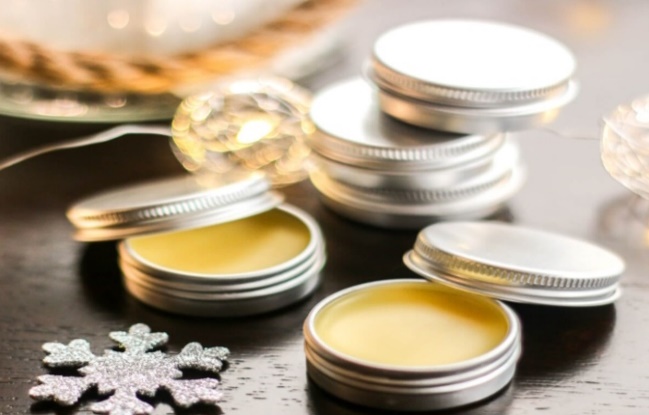
Fig.1: -Solid Perfumes
Cultural Significance: -
Solid perfumes have long been more than just pleasant fragrances; they are deeply woven into cultural traditions, spirituality and social identity. In ancient Egypt, solid balms infused with aromatic oils and resins were not only used for personal adornment but also in religious rituals and embalming practices, symbolizing purity and divine connection. Perfumes were considered a sacred gift from the gods and its use reflected both status and devotion. 2
Across Greek and Roman civilizations, scented balms and solid preparations were associated with luxury, elegance and social prestige. Fragrance was an essential part of banquets, theatre and personal grooming, often stored in ornate containers that reflected wealth and artistry. Similarly, in India and the middle east, solid perfumes such as attars became integral to daily life, weddings and spiritual ceremonies, signifying hospitality, refinement and cultural heritage. 3
In many cultures, solid perfumes also carried symbolic and emotional value. Scents were believed to attract positive energy, enhance confidence and even act as subtle aphrodisiacs. Certain oils such as sandalwood, rose and jasmine, held special meaning in rituals, meditation and traditional medicine, highlighting the fusion of beauty and spirituality. 4
Today, as consumers move toward natural, sustainable and eco-friendly products, solid perfumes are once again gaining cultural relevance. They not only echo the traditions of ancient civilizations but also align with modern values of mindful living, wellness and sustainability. Thus, solid perfumes serve as a bridge between ancient heritage and contemporary lifestyle, carrying with them centuries of cultural resonance. 6
Clinical Significance of Solid Perfume: -
Beyond aesthetics, solid perfumes offer several therapeutic and dermatological benefits. Unlike alcohol-based sprays, solid perfumes are typically formulated with natural waxes (such as beeswax) and carrier oils (almond, jojoba, grapeseed or olive oil), which moisturize the skin and reduce irritation. This makes them particularly suitable for individuals with sensitive or dry skin. 4
The incorporation of essential oils provides not only fragrance but also potential health benefits:
Lavender oil, obtained from the flower of Lavandula officinalis (family Lamiaceae) is one of the most widely used essential oils in solid perfume formulations. It possesses a pleasant floral aroma that provides a soothing and long-lasting fragrance. In solid perfumes, lavender oil serves not only as a fragrance component but also as a therapeutic agent due to its well-known calming, anxiolytic and antimicrobial properties. Its major constituents - linalool and linalyl acetate - contribute to both its characteristic scent and its physiological effects, such as reducing stress and improving sleep quality. When blended with waxes and carrier oils, lavender oil integrates well without volatility loss, ensuring a stable and skin-friendly product. In Ayurveda and aromatherapy, it is recognized for balancing the Pitta dosha and promoting relaxation and mental clarity.
Lemongrass oil, derived from the leaves of Cymbopogon citratus (family Poaceae) is a fresh, citrus-scented essential oil widely used in solid perfume formulations. Its major constituent, citral, imparts a sharp, clean aroma that provides an energizing and refreshing effect. In addition to its fragrance value, lemongrass oil exhibits antimicrobial, antifungal and deodorizing properties, which enhance the hygienic and preservative qualities of solid perfumes. It blends effectively with waxes and carrier oils, ensuring uniform diffusion of scent when applied to the skin. From an Ayurvedic perspective, lemongrass helps to balance the Kapha dosha, reducing lethargy and uplifting mood. Its invigorating aroma makes it especially suitable for unisex and summer-themed solid perfumes, offering both olfactory pleasure and therapeutic freshness.
Other oils contribute antioxidant, emollient and antimicrobial properties that enhance skin health.
Studies suggest that oil-based perfumes can retain fragrance on the skin for 6-15 hours, much longer than alcohol-based perfumes, which typically last only about 3 hours. Additionally, being alcohol-free, solid perfumes do not cause the dryness or irritation commonly associated with sprays. Their balm-like texture allows targeted application to pulse points, ensuring gradual fragrance release.
Clinically, the dual role of fragrance and skincare places solid perfumes at the intersection of cosmetics, aromatherapy and dermatology. Their portability, leak-proof nature and therapeutic potential make them not just beauty products, but also wellness tools that can support emotional well-being and skin health.
The Importance of Perfumes: -
Perfumes have been an integral part of human civilization for thousands of years, serving as more than just a means to mask odors. They hold deep cultural, emotional, and therapeutic significance, reflecting a unique blend of art, science, and tradition. Fragrance has the power to influence mood, evoke memories, and express individuality, making it an essential aspect of personal identity and social interaction. From an industrial and scientific perspective, perfumes are vital components of the cosmetic and wellness industry, contributing to products that enhance comfort, confidence, and psychological well-being. Beyond aesthetics, certain natural and essential oil-based perfumes offer aromatherapeutic benefits, such as stress relief, mental relaxation, and emotional balance. In various traditional systems of medicine like ayurveda, fragrances are also used for healing and harmonizing the body’s energies. 1
In modern times, the importance of perfumes extends to sustainability and innovation, as the industry increasingly embraces eco-friendly ingredients, biodegradable packaging, and cruelty-free practices. Thus, perfumes are not merely luxury items- they represent a fusion of sensory pleasure, cultural heritage, and scientific advancement, contributing to both personal well-being and the global beauty economy. 7
The Ingredients of Solid Perfume:-
Solid perfumes are composed primarily of natural ingredients that work together to deliver fragrance, stability and skin nourishment. These include waxes, carrier oils and essential oils, each contributing specific physicochemical and therapeutic properties.
Beeswax serves a dual purpose in solid perfume formulation. It solidifies the carrier oils, providing the structure that converts liquid fragrances into a solid form and it also acts as a natural fixative, helping retain volatile aromatic molecules. Derived from the wax portion of honeycomb produced by Apis mellifera, beeswax contains myricyl palmitate, cerotic acid and hydrocarbons, which contribute to its stability and protective qualities. It forms a thin occlusive layer on the skin, preventing moisture loss and ensuring the gradual release of fragrance. Yellow or light brown in color, beeswax has a faint, honey-like scent that complements floral and herbal aromas naturally.
Almond oil is a widely used carrier oil valued for its emollient and nourishing properties. Rich in oleic and linoleic acids, as well as vitamins A and E, it moisturizes and softens the skin, reducing dryness or irritation that can occur with synthetic alcohol-based perfumes. In solid perfumes, almond oil dissolves essential oils efficiently and enhances their spreadability and skin absorption. In Ayurveda, it is considered balancing for the Vata dosha, providing soothing and restorative effects. Other carrier oils such as jojoba, coconut or grapeseed oil may also be used, depending on desired texture and absorption characteristics.
Jojoba oil, a liquid wax obtained from the seeds of Simmondsia chinensis, closely resembles the skin’s natural sebum. It enhances the texture, stability and shelf life of solid perfumes and helps prevent the oxidation of essential oils. Rich in long-chain esters and eicosenoic acid, jojoba oil offers non-greasy moisturization and excellent skin compatibility, making it ideal for sensitive skin formulations.
Essential oils form the heart of the fragrance. These volatile aromatic compounds are obtained from flowers, leaves, stems or peels of plants through steam distillation or cold pressing. Each oil contributes distinct olfactory notes and therapeutic benefits: -
Each ingredient in solid perfume is carefully chosen not only for its aromatic properties but also for its cosmetic and therapeutic functions. Together, they create a stable, alcohol-free and skin-nourishing fragrance product that harmonizes modern cosmetic science with traditional natural formulations. 7, 9, 14, 15, 16
Benefits of Solid Perfumes: -
Perfume is not just a luxury; it’s a way to enhance our lives. By understanding the ingredients and benefits of perfume, we can appreciate the art of perfumery and make informed choices about the fragrances we wear. Whether you’re looking to boost your confidence, evoke memories or simply enjoy a pleasant scent, perfume has something to offer. 1
Solid perfumes have gained popularity due to their unique characteristics and advantages over traditional liquid perfumes. The article highlights the growing interest in plant derivatives, particularly essential oils, driven by the demand for natural ingredients in the cosmetics industry. 7
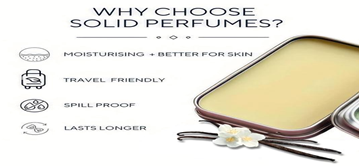
Fig 2: -Benefits of Solid Perfume.
Ayurvedic principles behind fragrance use:-
In ayurveda, fragrance (gandha) is regarded not merely as a sensory pleasure but as a therapeutic tool that influences both the body and mind. The use of natural aromas in solid perfumes aligns closely with ayurvedic principles of achieving balance among the three doshas - Vata, Pitta and Kapha - and maintaining harmony between physical and emotional well-being. Each natural scent carries vibrational and medicinal properties that can restore equilibrium, calm the mind and uplift the spirit. The ayurvedic principles behind fragrance used are as follows:-
1. Role of Aromas in Ayurveda:-According to ayurvedic philosophy, fragrances influence the flow of prana (life force) and affect the manas (mind). Scents are believed to act through the subtle channels (nadis), helping to balance energies and promote health.
The role of aroma in ayurveda and aromatherapy goes far beyond aesthetics - it represents a bridge between sensory pleasure and healing science. Solid perfumes embody this harmony, using natural ingredients to balance the doshas, nurture emotional well-being and reconnect individuals with the timeless art of holistic fragrance therapy.
For example, floral and cooling scents like lavender soothe Pitta (the dosha of heat and intensity), while invigorating citrus oils like lemongrass stimulate Kapha (the dosha of heaviness and inertia). Nourishing oils such as almond or sandalwood pacify Vata (associated with dryness and restlessness).
2. Aromatherapy and its Scientific Connection to ayurveda:-Aromatherapy, a modern evolution of ayurvedic fragrance therapy, also recognizes the profound impact of aroma on mood, stress and physiological responses. In scientific terms, fragrance molecules travel through the olfactory nerves to the limbic system, the brain region that governs emotions, memory and hormonal regulation. So certain scents can instantly trigger calmness, joy or alertness.
The integration of aromatherapy principles in solid perfumes enhances their therapeutic role:
Unlike alcohol-based perfumes, solid perfumes allow prolonged and controlled release of aroma through skin warmth, offering a more sustained aromatherapeutic effect throughout the day.
3. Ayurveda and Aromatherapy Overlap:-The ayurvedic approach aligns with modern aromatherapy by recognizing the scents can affects the mood, sleep and emotional balance. For example, lavender’s use for dysmenorrhea, stress and headaches mirrors. Ayurvedic applications for menstrual imbalances and nervous system health. Similarly, lemongrass’s role in mental stimulation reflects ayurvedic practice of using sharp, citrusy aromas to clear stagnation and uplift mood.
4. Holistic Perspective:-Ayurveda views perfumes not only as cosmetic but also as tools for inner harmony. Solid perfumes, made with natural oils and free of alcohol or harsh chemicals, align with ayurvedic ideals of purity (shuddhi) and balance (samyata). Their balm-like nature ensures direct absorption through the skin, supporting both physical nourishment and subtle energetic influence.
5. Harmonizing Ancient Wisdom with Modern Science: -The ayurvedic approach to fragrance and modern aromatherapy converge on the same principle -scent as a form of subtle medicine. While ayurveda explains it in terms of prana and dosha balance, modern science attributes these effects to neurochemical and hormonal modulation. Together, they form the foundation for using solid perfumes as wellness-oriented fragrance systems rather than merely cosmetic products. 6, 17, 18, 19
Ingredients used in ayurvedic solid perfumes: -
Method of preparation of solid perfume: -
The preparation of solid perfumes involves blending a waxy base with carrier oils and essential oils, followed by cooling to obtain a stable balm-like product. The process is relatively simple but requires precise proportioning to ensure consistency, fragrance intensity and stability.
1. Ingredients Required:-
Carrier oils-
Essential oils-
Instruments Required:-
3. Stepwise Procedure:-
Step 1: Measurement of ingredients:-
Accurately weigh 5 g of beeswax using a digital balance.
Measure 3ml jojoba oil, 2ml almond oil, 5ml lavender oil, and 5ml lemongrass oil using a graduated measuring cylinder.
Step 2: Melting of wax and carrier oils:-
Place beeswax, jojoba oil and almond oil into a 50 ml beaker.
Heat the beaker over a water bath until the beeswax completely melts and forms a homogeneous mixture with the carrier oils.
Rationale: Gentle heating via water bath prevents direct exposure to flame, reducing risk of degradation of oils.
Step 3: Preparation of essential oil blend:-
In a separate beaker, mix lavender oil and lemongrass oil.
Rationale: This step ensures uniform mixing of volatile essential oils before combining with the hot wax mixture.
Step 4: Incorporation of essential oils:-
Remove the melted beeswax–carrier oil mixture from the water bath and allow it to cool slightly (1–2 minutes) to avoid evaporation of volatile essential oils.
Add the pre-mixed essential oils gradually while stirring gently with a glass rod to achieve even distribution of fragrance.
Step 5: Molding and solidification:-
Immediately transfer the mixture into clean, airtight storage containers (such as lip balm tins).
Allow the mixture to cool at room temperature until solidified.
Step 6: Final storage:-
Seal the containers tightly to prevent loss of volatile oils.
Store in a cool, dry place away from direct sunlight.
4. Method of Use:-
Rub a clean fingertip across the surface of the solid perfume and apply to pulse points (wrists, neck, behind ears).
The warmth of the skin helps releases the fragrance gradually. Reapply as needed.
This method (with 5 g beeswax, 3 ml jojoba oil, 2 ml almond oil, and 10 ml essential oil blend) was found to produce a uniform, smooth, non-irritating and pleasantly aromatic product, with good spreadability, absorption and stability. 7,8,9,10,20
Pharmacognostic Evaluation of Ingredients:-
Pharmacognosy emphasizes the study of crude drugs of plant, animal or mineral origin based on their botanical identity, chemical composition and therapeutic potential. The ingredients employed in solid perfumes are predominantly of natural origin and offer both fragrance and medicinal benefits.
1. Beeswax:-
2. Almond Oil (Prunus dulcis, Family: Rosaceae):-
3. Jojoba Oil (Simmondsia chinensis, Family: Simmondsiaceae):-
4. Lavender Oil (Lavandula officinalis, Family: Lamiaceae):-
5. Lemongrass Oil (Cymbopogon citratus, Family: Poaceae/Gramineae):-
In this way, the pharmacognostic evaluation highlights both botanical authenticity and functional benefits, making it highly suitable. 15, 16, 21, 22, 23
Physicochemical & Analytical Evaluation: -
The quality and stability of solid perfumes depend on their physical appearance, chemical parameters and analytical evaluation. These tests ensure product uniformity, safety, efficacy and consumer acceptability.
1. Organoleptic (Sensory) Evaluation:-
Inference: Organoleptic evaluation confirmed that the developed formulations were pleasant, uniform and appealing.
2. Physicochemical Evaluation:-
Inference: Physicochemical parameters confirmed uniformity, good absorption, stability and skin compatibility.
3. Chemical Evaluation:-
Inference: Low acid value and high ester value indicate good stability, low rancidity and prolonged shelf life.
4. Irritancy Test:-
This test is conducted on marked skin area (dorsal hand) for 24 hours.No irritation, redness, or allergic reaction observed confirms that the product is non-irritant and dermatologically safe. This evaluation shows that solid perfumes prepared with beeswax, carrier oils and essential oils are stable, uniform, non-irritant and skin-friendly, with acceptable sensory and chemical characteristics. 7,10,11,23
Therapeutic benefits: -
Solid perfumes, beyond serving as cosmetic products, offer a range of therapeutic advantages due to their natural composition of beeswax, carrier oils and essential oils. The absence of alcohol and synthetic chemicals makes them skin-friendly, while the inclusion of essential oils provides aromatherapeutic and medicinal benefits.
1. Stress relief and mental well-being:-
Essential oils such as lavender and lemongrass have calming effects on the nervous system.
2. Sleep enhancement:-
3. Skin benefits:-
4. Antimicrobial and healing properties:-
5. Prolonged fragrance with wellness effect:-
Solid perfumes release fragrance slowly as body heat melts the balm, providing long-lasting aroma (6–15 hours) compared to alcohol-based sprays (~3 hours).
This prolonged exposure ensures continuous aromatherapeutic impact, maintaining relaxation and confidence throughout the day.
6. Holistic and ayurvedic benefits:-
In ayurveda, fragrances are linked to dosha balance:
Thus, solid perfumes serve as a natural tool for mind-body harmony.
Solid perfumes combine cosmetic elegance with therapeutic value-enhancing mood, supporting sleep, moisturizing skin, protecting against microbes and promoting holistic well-being. Their alcohol-free, natural composition makes them a safe and sustainable alternative to conventional liquid perfumes. 6, 16, 17, 18
Marketed Formulation:-
Solid perfumes, though less common than liquid sprays, are increasingly gaining popularity due to their portability, alcohol-free composition and natural appeal. Many global and niche brands have introduced solid formulations of their signature fragrances, reflecting a growing consumer demand for eco-friendly and convenient products.
1. Luxury Brand Solid Perfumes:-
Chanel Solid Perfume Compacts (e.g., Coco Mademoiselle, Chance, No. 5) -
Diptyque Solid Perfume (e.g., Philosykos, Do Son, Eau Rose) -
Jo Malone Solid Perfume Palettes-
2. Niche and Artisan Brands:-
Lush Solid Perfumes-
Le Labo Solid Perfumes-
Yves Rocher Solid Perfumes-
3. Indie & Eco-friendly Brands:-
Nomad Noé Solid Perfumes-
Byredo Solid Perfumes (e.g., Gypsy Water, Bal d’Afrique)-
Khadi Natural Solid Perfumes (India)-
4. Market Trends:-
The global solid perfume market was valued at USD 1.65 billion in 2023 and is projected to reach USD 4.7 billion by 2032.
Drivers of market growth include:
Marketed solid perfumes span luxury houses (Chanel, Jo Malone, Diptyque), eco-friendly artisans (Lush, Le Labo), and herbal/Ayurvedic brands (Khadi, Indian naturals). Their popularity highlights a consumer shift toward sustainable, portable and wellness-oriented fragrance solutions. 5, 7, 25, 26
Regulatory & Safety Aspects:-
Solid perfumes fall under the category of cosmetic products as per international and national regulatory agencies. Since they are intended for external application to impart fragrance and enhance personal grooming, their safety, stability and quality are of utmost importance.
1. Regulatory Classification:-
Perfumes, including solid perfumes, are regulated as cosmetics under the Federal Food, Drug and Cosmetic Act.
Manufacturers must ensure products are safe for intended use and free from harmful contaminants.
No pre-market approval is required, but labeling and ingredient disclosure are mandatory.
Solid perfumes must comply with EU Cosmetic Regulation.
Requires safety assessment by a qualified professional, registration in the Cosmetic Product Notification Portal (CPNP), and adherence to banned/restricted ingredient lists.
Perfumes are classified as cosmetics and regulated under BIS (Bureau of Indian Standards).
Mandates compliance with labeling standards, ingredient safety and non-toxicity.
2. Safety Testing Requirements:-
To ensure consumer protection, solid perfumes undergo several evaluations:
Dermatological Safety-
Physicochemical Tests:-
Physicochemical evaluation ensures that solid perfumes possess the desired stability, consistency, and sensory qualities required for consumer acceptance. These parameters also help confirm product safety, uniformity and performance over time.
These physicochemical tests provide a complete understanding of a solid perfume’s quality, safety and performance characteristics. Parameters like pH, melting point and fragrance retention are particularly critical for ensuring that the product remains stable, appealing and effective during its shelf life.
Microbial Safety:-
Although perfumes generally resist microbial growth due to essential oils and waxes, formulations must be tested for microbial contamination and preserved under ISO 17516:2014 guidelines.
Toxicological Considerations:-
Essential oils must be used in safe concentrations, as some may cause sensitization (e.g., citral in lemongrass oil).Regulatory authorities provide limits for fragrance allergens (e.g., IFRA standards).
3. Labeling Requirements:-
Regulations mandate the following details on packaging:
4. Safety Advantages of Solid Perfumes:-
Solid perfumes are regulated as cosmetics under global frameworks, requiring safety evaluations, labeling compliance and adherence to allergen restrictions. Their alcohol-free, natural composition makes them inherently safer than liquid sprays, but careful control of essential oil concentrations and stability testing is crucial to ensure consumer safety. 18, 27, 28, 29, 30
Challenges in Formulation & Commercialization:-
Despite their growing popularity, the development and large-scale production of solid perfumes pose several scientific, technicaland commercial challenges. These challenges range from maintaining fragrance stability to ensuring consistent product quality and consumer acceptance in a highly competitive fragrance market.
1. Formulation Challenges
a) Fragrance Stability:-The most critical concern in solid perfume formulation is maintaining fragrance integrity over time. Essential oils and aromatic compounds are prone to oxidation and degradation, especially when exposed to air, light or heat. High volatility of certain top notes can lead to rapid evaporation, causing early loss of freshness. To counter this, formulators must carefully select antioxidants (like vitamin E) and appropriate wax-to-oil ratios that protect volatile constituents and ensure long-lasting scent retention.
b) Base Compatibility:-Achieving compatibility between the waxy base and the essential oils is another challenge. Some oils may not blend well with beeswax or certain carrier oils, leading to separation or uneven texture. Texture control-ensuring the final product is smooth, non-gritty and spreads easily-is crucial for user satisfaction. Proper melting, stirring and cooling techniques are essential to maintain homogeneity.
c) Ingredient Selection:-Selecting ingredients that balance stability, natural appeal and sensory quality can be complex.
d) Release Mechanism:- Solid perfumes rely on body heat to release fragrance, which depends on the melting behaviour of the base. If the base is too hard, fragrance diffusion is limited; if too soft, it may feel greasy or melt prematurely. Designing the optimal release profile requires fine-tuning wax concentration and evaluating fragrance diffusion kinetics.
2. Manufacturing and Scalability Challenges:-
a) Small-Batch vs. Large-Scale Production:-In small-batch production, fragrance quality and texture are easier to control, ensuring artisanal precision and strong scent retention. However, this process is cost-intensive and time-consuming. When scaled up to large-batch manufacturing, challenges such as uneven scent distribution, texture variation and inconsistent cooling rates often arise. Achieving reproducibility while maintaining fragrance fidelity remains a key industrial hurdle.
b) Melting and Pouring Process:-The melting and pouring stages are temperature-sensitive. Overheating can degrade essential oils, while underheating causes poor mixing or grainy textures. Consistent temperature control, proper agitation and clean production environments are essential for maintaining product quality.
c) Quality Consistency:-Each batch must meet strict physicochemical standards, including uniformity, pH and fragrance strength. Small variations in raw materials, wax hardness or oil quality can significantly affect performance. Hence, standardized manufacturing protocols and quality control measures are indispensable.
3. Regulatory and Safety Challenges:-Solid perfumes are regulated as cosmetic products and compliance varies across regions (e.g., FDA in the U.S., EU Regulation 1223/2009 in Europe, and BIS standards in India).
4. Commercialization Challenges:-
a) Market Perception:-Many consumers still perceive solid perfumes as less luxurious or less potent than traditional liquid sprays. Educating customers about their benefits-such as being alcohol-free, travel-friendly and sustainable-is crucial for improving market acceptance.
b) Price Positioning:-Pricing plays a decisive role in consumer perception:
c) Packaging:-Packaging must be airtight, portable and aesthetically appealing. Containers must prevent fragrance loss and melting during transit while aligning with the product’s eco-conscious identity. Compact tins or biodegradable cases are increasingly favoured.
d) Brand Differentiation:-With many emerging niche brands, establishing a unique identity is challenging. Successful products often emphasize sustainability, traditional craftsmanship, or therapeutic benefits to stand out in the marketplace.
5. Distribution and Storage Challenges:-Solid perfumes are sensitive to temperature and light. High heat during transportation can cause melting or fragrance alteration, while prolonged exposure to light accelerates oxidation. Retail storage conditions must therefore be controlled and protective packaging should be used to preserve product quality. Moreover, their shelf life is typically shorter than alcohol-based perfumes unless stabilized with antioxidants and stored properly.
The formulation and commercialization of solid perfumes require a delicate balance between art and science. Challenges such as fragrance stability, manufacturing scalability and regulatory compliance must be addressed through innovative formulation techniques and consumer education. Overcoming these barriers will help solid perfumes evolve from niche products to mainstream, sustainable fragrance alternatives. 11, 23, 26, 30
Future Prospects & Research Opportunities:-
Solid perfumes represent a promising intersection of tradition, innovation and sustainability. As consumers increasingly move toward conscious beauty and multifunctional products, this category is expected to grow rapidly. The following areas highlight key trends and opportunities for future research and market development.
1. Growing Consumer Trends:-The fragrance industry is witnessing a noticeable shift in consumer priorities. Modern users prefer products that are eco-friendly, safe and sustainable, aligning with the global clean beauty movement.
2. Product Innovation Opportunities:-Future development of solid perfumes offers vast room for creative innovation and personalization:
3. Technological and Formulation Advances:-Emerging technologies can significantly improve the stability, longevity and sensory profile of solid perfumes: -
4. Market Expansion Potential:-The global market for solid perfumes is expected to expand as awareness and accessibility increase:
5. Sustainability and Regulatory Advantages:-Solid perfumes inherently align with sustainable and regulatory goals:
6. Cultural and Lifestyle Positioning:-Solid perfumes also carry cultural and emotional resonance. Their balm-based format echoes ancient perfumery traditions from Egypt, India, and the middle east, where aromatic pastes symbolized purity, spirituality and luxury. Reviving these traditional formats with modern sensibilities presents a unique opportunity to connect heritage with innovation. Moreover, their discreet and personal mode of application aligns perfectly with today’s minimalist and wellness-oriented lifestyles.
The future of solid perfumes lies in the seamless integration of science, sustainability and sensory artistry. Continued research into novel bio-materials, fragrance delivery technologies and eco-centric formulations will not only enhance product performance but also redefine how consumers experience scent - making solid perfumes a true symbol of modern, mindful luxury. 5, 25, 28, 29, 30
CONCLUSION
Solid perfumes, though rooted in ancient traditions, are re-emerging as a modern, sustainable and skin-friendly alternative to conventional liquid fragrances. Their unique formulation- blending natural waxes, carrier oils and essential oils - not only provides long-lasting aroma but also delivers therapeutic benefits such as stress relief, mood enhancement and skin nourishment. Unlike alcohol-based sprays, solid perfumes are non-irritant, travel-friendly and align with the growing consumer preference for natural and eco-conscious products.
Pharmacognostic and physicochemical evaluations confirm their stability, safety and user acceptability, while therapeutic insights highlight their role in aromatherapy and holistic wellness. The revival of solid perfumes reflects a broader shift in the fragrance industry toward minimalistic, natural and multifunctional products. Despite their promise, solid perfumes remain relatively underexplored in research and the commercial market. Future work should focus on optimizing formulations with diverse essential oils, conducting clinical studies on therapeutic claims and standardizing quality control measures. With their cultural heritage, modern relevance and wellness potential, solid perfumes represent a fascinating convergence of tradition and innovation in perfumery.
REFERENCE



Kashmira Shaikh, Prerna Solanki, Sayali Deth, Scented with Nature: Ayurvedic, Solid perfumes in the Age of Green Beauty, Int. J. of Pharm. Sci., 2025, Vol 3, Issue 11, 4236-4257. https://doi.org/10.5281/zenodo.17725149
 10.5281/zenodo.17725149