View Article

Abstract

Lutein is one of the beneficial xanthophyll carotenoids that help fight age-related diseases such as macular degeneration, loss of memory, and heart troubles as well as those related to oxidative stress. Besides, lutein’s therapeutic impact is limited by its extremely low water solubility, instability in the chemical form, and extensive metabolism before absorption into the bloodstream which leads to poor oral absorption. The current review provides evidence of the dramatic increase in lutein bioavailability that comes from combing the piperine (BioPerine) with the liposomal encapsulation which is a major breakthrough in overcoming the above department. Liposomes do not only provide protection to their phospholipid-based structure but also enhance stability of the physicochemical nature, promote enterocyte fusion, and provide the lymphatic transport that avoids first-pass metabolism in the liver, thus producing a 2 to 4 times increase in the systemic availability. Furthermore, BioPerine joins in the absorption ceaselessness by blocking the UGT- and CYP3A4-mediated metabolism, diminishing the P-glycoprotein efflux, modifying the epithelial permeability, and augmenting gastrointestinal perfusion, which results in an attestation of 1.5 to 2 times enhancement in absorption. The interaction of these all mechanisms forms a strong “protection–penetration–persistence” model which can give rise to a 5 to 8 times synergistic increase in lutein bioavailability. This combined approach is an evidence of scientific breakthrough in the nutraceutical’s formulation area especially in the clinical impact and wider applicability of the treatment.

Keywords

Lutein; Liposomes; BioPerine; Bioavailability; Pharmacokinetics.

Introduction

Carotenoids, which are brightly colored fat-soluble compounds, are formed in the course of photosynthesis and can be found in different living beings like higher plants, algae, and microbes.

According to chemical structures, carotenoids can be categorized into two different groups: carotenes (those which are hydrocarbons) and xanthophylls (the ones which have been mixed with oxygen). The most significant among the xanthophylls are lutein and zeaxanthin which is its structural isomer and are also commonly known as carotenoids with oxygen.

Lutein is produced only by plants and it is not synthesized by human body, hence the only means of getting it is through diet or supplementation. Lutein is a main component of the dark leafy veggies, as kale, spinach, parsley, broccoli, and turnip greens are. Moreover, it is found in the yellow-orange foods such as corn and egg yolk too.

From the over 600 carotenoids that are found naturally, only lutein and zeaxanthin occupy the macula lutea, which is referred to as the ‘yellow spot’.Meso-zeaxanthin, which is also known as the third xanthophyll, is generated when lutein, the main pigment in xanthophylls in the retina, undergoes metabolic conversion into xanthophylls and then further to zeaxanthin.

The xanthophylls are regarded as the most efficient photoprotectors in nature since they are capable of neutralizing reactive oxygen species (ROS) and photosensitizers that lead to retinal damage through oxidative processes as well as through blue light.

Lutein is chemically referred to as β, ε-carotene-3,3'-diol with the molecular formula C??H??O? and its molecular weight being 568.87 g/mol. Lutein's chemical structure is composed of a long chain of 11 double bonds that are alternating and sharing electrons with the two terminal rings (one β and one ε) and the two hydroxyl groups. There are three forms of lutein stereoisomers-(3R,3'R), (3R,3'S)-meso, and (3S,3'S) among which the one existing naturally is (3R,3'R,6'R)-lutein. Lutein and its isomer zeaxanthin structurally differ from each other in terms of the position of their double bond in only one of their rings.
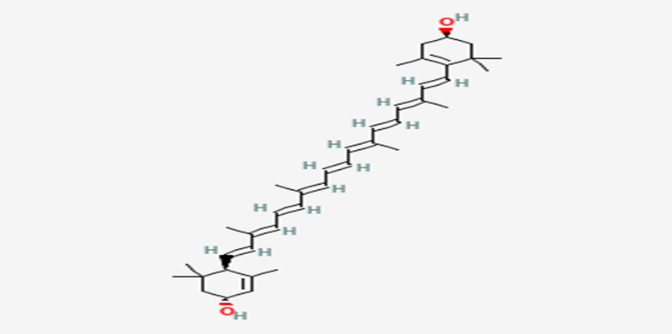
Figure 1: Chemical structure of lutein2

Currently, there is no RDI (Recommended Daily Intake) or RDA (Recommended Dietary Allowance) set for lutein but the nutritionists recommend a minimum daily intake of 6 mg of lutein for better eye health. More exactly, certain groups are recommended to practice a daily intake of up to 10 mg of lutein in the management of AMD (Age-related Macular Degeneration) [1].

1.1 Pharmacological importance of lutein

Antioxidant Activity: Lutein shows numerous biochemical properties, but its antioxidant activity is the most significant. The mechanism of action of lutein includes quenching of singlet oxygen, scavenging of free radicals (superoxide, hydroxyl, peroxyl), termination of lipid peroxidation, and activation of Nrf2-ARE signalling which leads to the upregulation of endogenous antioxidant enzymes (SOD, catalase, GPx).

Anti-inflammatory Effects: Lutein's mechanism of action also includes NF-κB inhibition and thus, reduced production of pro-inflammatory cytokines (IL-1β, IL-6, TNF-α) along with COX-2 suppression, leading to anti-inflammatory effects.

Ocular Health: The Age-Related Eye Disease Study 2 (AREDS2) trial, which was a decisive landmark, showed without a doubt that the daily intake of 10 mg lutein plus 2 mg zeaxanthin would slow down the progression of AMD by 10-25% among the people with a higher risk, hence, confirming the science-based role of lutein in the eye's defense against diseases.

Additional Therapeutic Applications: New clinical and preclinical studies are coming out to confirm the long list of health benefits that are associated with lutein use and to expand it to include such effects as: 1. protecting against cataracts, 2. filtering out blue light, 3. enhancing visual performance, 4. protecting the brain from further damage and supporting cognitive function, 5. reducing neuroinflammation, 6. protecting the skin from UV damage, 7. through antioxidant effect, protecting the heart health and improvement of the metabolic health. [1][3].

2. Absorption physiology and Bioavailability Barriers

2.1 Normal Absorption Cascade

The absorption of lutein starts with the digestion of lipids, which leads to the formation of mixed micelles that are necessary for the uptake in the intestine. Due to its lipophilic nature, lutein mixes with the micelles prior to the transport across the cells. The intake into the intestinal cells is facilitated by the following proteins: scavenger receptor class B type 1 (SR-B1), cluster of differentiation 36 (CD36), and Niemann-Pick C1-Like 1 (NPC1L1). Afterward, lutein is packed into chylomicrons and then released into the lymphatic circulation from the enterocytes [4].

2.2 Critical Physicochemical Barriers to Bioavailability

Extreme Hydrophobicity and Poor Aqueous Solubility: One of the most striking properties of lutein is its strong hydrophobic character (log P about 7.5) which leads to water solubility to the extent of being practically negligible thereby resulting in poor micellar incorporation. On top of that, the food matrix is likely to contain lutein in crystalline form which is another factor that significantly hampers the process of dissolution.

Chemical Instability: Lutein is subjected to the acid-base changes and enzyme actions during digestion, which are the main causes of its instability. Researches through oxidatively controlled experiments showed up to 40% degradation evinced in 12–24 months of storage, and even more losses occurred due to light and heat [5].

Low and Variable Oral Bioavailability: Only a tiny portion (5-10%) of the overshadowed lutein finds its way into the bloodstream. This poor bioavailability is caused by a range of factors, including poor aqueous solubility, low micellar incorporation, saturation of the transporters, competitive inhibition by other dietary fatty acids and carotenoids for the limited intestinal transporters, and fat-dependent absorption requiring concurrent lipid intake [6][7].

High Inter-Individual Variability: The range of variability in carotenoid responses in the human serum expressed as a percentage of the mean is 40-80 even in the case of the strictest dietary conditions which only can be interpreted as unpredictable pharmacokinetics for the entire population. [8].

Limited Tissue Targeting:There is a need for macular pigment deposition that might vary from case to case, and the blood-brain barrier challenges, and prolonged accumulation (4-12 weeks) are the conditions one has to go through to achieve therapeutic tissue concentrations [9].

3. Liposomal Delivery Technology : Mechanisms of improved Bioavailability

3.1 Liposomal Architecture and Fundamental Properties

Liposomes are vesicles that are spherical in shape and consist of phospholipid bilayers which have the capability of entrapping both hydrophilic and hydrophobic molecules.When phospholipids are combined with water, liposomes are formed spontaneously, having a size range of a few nanometres to a few micrometres. The characteristics of liposomes such as being biocompatible, having a high drug-loading capacity, and being able to protect unstable molecules have made them the preferred choice for drug delivery. The process of encapsulation in liposomes leads to the increase of the stability, absorption, and therapeutic potential of many natural compounds. This, in turn, makes liposomes a very efficient means of delivering sensitive herbal bioactives, such as lutein.

3.2 Liposomal Lutein: Enhanced Stability and Incorporation

Lutein, a very delicate carotenoid, is highly susceptible to degradation and, therefore, its liposomal encapsulation makes it highly resistant to oxidation, light, and heat. The oxygen-containing groups of lutein confer strong interaction with the liposomal bilayer and influence the properties of the membrane such as fluidity, polarity, and hydrophobicity. The research has found that lutein is the most incorporated and exhibits the highest antioxidant activity among carotenoids, thus gaining superb loading efficiency. Lutein in liposomal form has higher stability, excellent bioavailability, and better clinical utility. The encapsulated lutein is during storage and processing much more stable than that of non-encapsulated lutein, thus enabling the delivery of the compound and its biological activity to be enhanced.

3.3 Mechanisms of Enhanced Bioavailability

Solubilization Enhancement: Direct molecular incorporation of lutein by phospholipid bilayers leads to its solubilization and this way the process does not depend on either dietary fat or the formation of endogenous bile salt micelles.

Protection from Degradation: Production of liposomes for lutein encapsulation offers a physical barrier that protects the lutein from being degraded and also preserves its quality for an extended period during storage, gastrointestinal transit, and circulation throughout the body. The encapsulated lutein is shown to possess much better stability in the course of processing and longer shelf-life than non-encapsulated lutein.

Enhanced Membrane Interaction: Phospholipids of the liposomes are a direct link to the cell membranes of enterocytes, which along with their closing off ability promotes efficient intracellular delivery that is independent of transporter-mediated uptake as well as of limitations arising from transporter saturation.

Preferential Lymphatic Targeting: Getting incorporated into chylomicrons at a higher rate means lymphatic absorption (70-80% vs 40-50% for conventional lutein) which is followed by bypassing hepatic first-pass metabolism and hence a dramatic rise in systemic bioavailability.

Improved Tissue Distribution: Targeting by lipoproteins, which is a consequence of enhanced bioavailability, retinal accumulation (3-5-fold), brain delivery (2-3-fold), and other target tissues biocollection compared to conventional formulations are now becoming an obvious trend.

3.2 Advanced Preparation & Coating Technologies

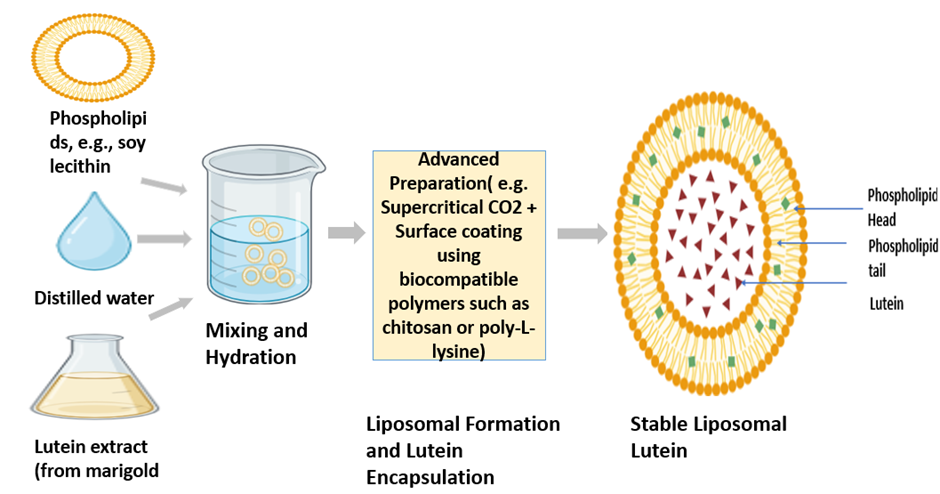
Advanced methods, including supercritical CO? techniques (SAS and SuperLip), are the ones that lead to liposomes with the same sizes and dual function over drug release, this being proved by the encasement of the active ingredient to the extent of 98%. The production of large volume and better storage are the other advantages of these methods. By layering the surface with the biocompatible polymers like chitosan or poly-L-lysine, carotenoid receives an additional dose of protection. Chitosan liposomes are a two-edged sword; their main disadvantage relates to the limitation of fluidity, while PLL liposomes are cell promising because they increase up to the point of activity of the antioxidants. The combination of all these technologies results in a huge leap forward in the stability, bioavailability, and therapeutic efficacy of lutein in liposomal doses [10,11,12].


Fig 2:  Schematic Representation of Liposomal Lutein Preparation

4. BioPerine (Piperine): The Bioavailability Enhancer

4.1 Chemical Characteristics and the Bioenhancer Concept

BioPerine® (a standardized piperine extract, ≥95% piperine) is derived from the fruits of Piper nigrum and Piper longum.Piperine (1-piperoylpiperidine) has a chemical formula of C??H??NO? and a molecular weight of 285.34 g/mol, and is the compound mainly responsible for the characteristic pungency of black pepper [13].Beyond its sensory properties, piperine has been extensively investigated for its ability to enhance the bioavailability of various nutrients, phytoconstituents, and drugs [14,15].

The concept of bioenhancers refers to substances that increase the bioavailability or efficacy of co-administered compounds without exerting significant pharmacological actions of their own at the administered doses. This concept originates from traditional Ayurvedic principles, where such agents are described as “Yogavahi,” indicating substances capable of potentiating the therapeutic value of other drugs [16].

4.2 Multi-Mechanistic Bioavailability Enhancement
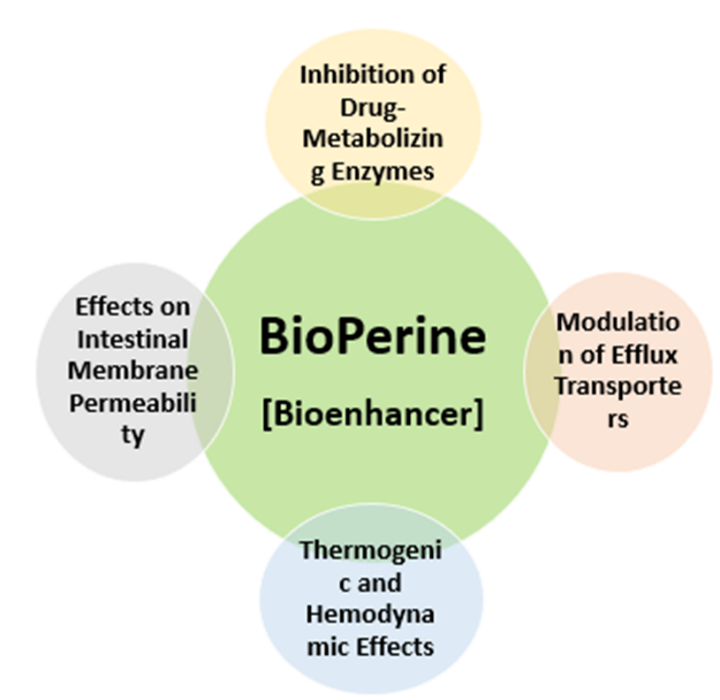
Fig 3: Mechanisms of Bioavailability Enhancement

4.2.1 Inhibition of Drug-Metabolizing Enzymes

Piperine, as one of the key players in herbal medicine, not only inhibits but also affects the activity of major metabolic enzymes that are responsible for the rapid biotransformation process of a wide range of nutrients and pharmaceuticals.

  • Different studies indicate that piperine decreases the activity of UDP-glucuronosyltransferases (UGTs) in both the liver and intestinal wall, thereby limiting glucuronidation and eventually boosting the amount of the drug getting into the circulation [17,18].
  • Piperine also regulates a variety of cytochrome P450 (CYP) enzymes, CYP3A4 and aryl hydrocarbon hydroxylase for instance, thus restricting oxidative metabolism and prolonging the half-life of compounds that are taken together with piperine [19,20].

4.2.2 Modulation of Efflux Transporters

By interfering with the functioning of P-glycoprotein (P-gp), the ATP-dependent efflux transporter, it is possible to modulate the movement of drugs across the intestine, thus implying piperine as the major actor.

  • Piperine, through the inhibition of P-gp activity, stops the active pumping of the absorbed substances into the intestine’s lumen [21,22] .
  • Consequently, the level of the substance in the cells is made higher while the entry of substances into the bloodstream is made easier

4.2.3 Thermogenic and Hemodynamic Effects

Piperine is thermogenic and its activity is mild, thus the metabolic rate and local production of heat are increased.

  • This is one of the factors that lead to an increase in blood flow in the digestive tract which gives better circulation of the nutrients through the intestinal tissue [23].
  • Increased blood flow makes the condition even better for absorption, especially for the lipophilic molecules [24].

4.2.4 Effects on Intestinal Membrane Permeability

Piperine changes the membrane dynamics at the absorption site.

  • It alters the proportions of lipids in the membrane and the degree of membrane fluidity, which leads to the raising of the permeability of the intestinal epithelium [25].
  • These alterations may assist in both passive diffusion and uptake of the drugs which are transported in cooperation with the use of a transporter [26].

5. Synergistic Mechanisms of Combined Liposomal Lutein and BioPerine

Liposomal encapsulation and BioPerine act through complementary mechanisms to overcome the major limitations of lutein, including poor solubility, chemical instability, low intestinal permeability, and extensive first-pass metabolism and Together, they form a synergistic system that maximizes lutein bioavailability and tissue delivery [27,27,29].

5.1 Mechanistic Complementarity of Liposomal Lutein and BioPerine

Table 1: Mechanistic Complementarity of Liposomal Lutein and BioPerine

Absorption Barrier

Liposomal Lutein Action

BioPerine Action

Combined Effect

Poor aqueous solubility

Phospholipid bilayer encapsulation [30,31]

Membrane fluidization [32,33]

↑↑↑ Solubility

Chemical instability

Chemical instability Protection from oxidation, light, and heat [34,35]

Extended GI residence time [36]

↑↑ Stability

Low intestinal permeability

Low intestinal permeability Membrane fusion with enterocytes [37]

Increases membrane fluidity; tight junction modulation [38,39]

↑↑↑ Permeability

P-gp efflux

P-gp efflux Phospholipid coating reduces recognition [40]

Direct P-gp inhibition [41,42]

↑↑↑ Net absorption

First-pass metabolism

Lymphatic targeting bypasses liver [43,44]

CYP3A4 and UGT inhibition [45,46]

↑↑↑ Systemic exposure

Poor tissue targeting

Enhanced chylomicron incorporation [47]

Improved blood flow to tissues [48]

↑↑↑ Tissue deposition

5.2 Quantitative Synergy

  • Liposomal encapsulation alone is said to enhance the bioavailability of lutein by 2 to 4 times due to the properties of being more soluble and more stable [49,50].
  • BioPerine alone gives the body 1.5 to 2 times more of the nutrients by preventing metabolism [51].

The synergy of the two is supposed to produce a 5 to 8 times increase in the bioavailability which beats the additive effect and thus confirms the existence of the real mechanistic synergy [52,53,54]].

Note: It is important to mention that the interaction of this combination has not been studied in human pharmacokinetics, thus making the predictions from results obtained in separate studies that need to be tested in a clinic.

5.3 Absorption Cascade Model

1. Pre-absorption (Gastric/Intestinal Lumen)

  • Liposomal action: Lutein is shielded from degradation and maintains stability [55,56]].
  • BioPerine action: Slowing down the gastric emptying and extends absorption window [57].

2. At Absorption Site (Enterocyte Membrane)

  • Liposomal action: The sticking of the liposomes to the membrane facilitates the micelle formation [58].
  • BioPerine action: Increases membrane permeability, inhibits P-gp efflux [59,60].

3. Post-absorption (Enterocyte/ Hepatocyte)

  • Liposomal action: Facilitates chylomicron packaging for lymphatic transport [61,62].
  • BioPerine action: Inhibits UGT/CYP metabolism, prolongs half-life [63,64].

4. Systemic Distribution

  • Combined effect: improved plasma concentrations with improved tissue penetration [e.g., the retina, brain, skin] [65.66].

5.4 Clinical Relevance

The use of this synergistic strategy would allow the reduction of dosages while maintaining the same level of therapeutic efficacy. Thus, based on the improved bioavailability [67,68,69], a 10 mg dose of the mixture of liposomal lutein-BioPerine might be able to achieve tissue levels as high as 40-50 mg of the standard lutein , This will lead to a reduction in the number of pills taken, less expense, and better adherence to the treatment. However, these predictions need to be confirmed through clinical studies [70].

5.5 Key Advantages

The complementary mechanisms allow the formation of the "protection–penetration–persistence" triad [71,72].

  • Protection: The crossing of the GI tract protects Lutein to some extents by liposomes [73,74].
  • Penetration: BioPerine enhances intestinal absorption [75,76,77].
  • Persistence: Metabolic inhibition ensures prolonged systemic exposure [78].

This multimodal approach represents the best and most complete solution to problems related to lutein bioavailability, since it covers the whole absorption process from the point of luminal stability to the delivery in the systemic circulation [79,80].

6. Comparative Pharmacokinetics

6.1 Comparative Pharmacokinetic Summary

Table 2: Comparative Pharmacokinetics of Conventional, Liposomal, and BioPerine-Enhanced Lutein

Parameter

Conventional Lutein

Liposomal Lutein

BioPerine (Piperine)

References

Absorption

5-10% bioavailability due to poor aqueous solubility, inefficient micelle formation, and transporter saturation

15-30% absorption (2-4× increase); improves phospholipid bilayer encapsulation; enhanced micelle stability; membrane fusion with enterocytes; longer intestinal residence

Increases intestinal permeability via membrane fluidization and tight junction modulation; inhibits P-gp efflux (1.5-2× enhancement for co-administered compounds)

[55,56,57]

Distribution

Distributed via chylomicrons → VLDL → LDL/HDL; selective tissue accumulation (retina, brain, skin); baseline half-life 5-7 days

Enhanced lymphatic chylomicron incorporation (70-80% vs 40-50%); 3-5× increased retinal deposition; 2-3× increased brain delivery; improved lipoprotein-mediated tissue targeting

Prolongs systemic exposure through metabolic inhibition; increases splanchnic blood flow; enhances tissue perfusion; extends half-life to 8-12 days

[58,59,60]

Metabolism

Extensive first-pass metabolism via CYP3A4, CYP2D6, and UGT1A1/UGT2B7 glucuronidation in enterocytes and hepatocytes; 40-60% hepatic extraction

Partial avoidance of first-pass metabolism via preferential lymphatic transport bypassing portal circulation; reduced metabolic substrate exposure

Inhibits UGT1A1/UGT2B7 and CYP3A4 by 40-70%; reduces glucuronidation and oxidative metabolism; increases intact lutein systemic exposure

[61,62,63]

Excretion

70-80% hepatic elimination via biliary glucuronide conjugates; 10-20% enterohepatic recycling; <5% renal clearance

Slower clearance due to sustained plasma concentrations; reduced metabolite formation decreases biliary excretion substrate pool

Reduces excretion indirectly by inhibiting UGT-mediated glucuronidation and MRP2 biliary transport; prolongs elimination half-life

[64,65]

Bioavailability Challenges Addressed

Poor aqueous solubility (log P ~7.5); chemical instability (oxidation); high first-pass metabolism; P-gp efflux; transporter saturation; competitive carotenoid absorption

Overcomes solubility via phospholipid encapsulation; protects against oxidation, light, heat; enhances stability; facilitates direct membrane fusion; improves lymphatic targeting

Overcomes metabolic limitations via enzyme inhibition; blocks P-gp/MRP efflux transporters; increases membrane permeability; extends absorption window

[66,67,68]

Abbreviations: VLDL = very-low-density lipoprotein; LDL = low-density lipoprotein; HDL = high-density lipoprotein; CYP = cytochrome P450; UGT = UDP-glucuronosyltransferase; P-gp = P-glycoprotein; MRP = multidrug resistance-associated protein.

Note: The combined pharmacokinetic profile of liposomal lutein + BioPerine represents theoretical predictions based on independent studies of each technology. Direct human pharmacokinetic trials evaluating the combination formulation are required to validate these mechanistic projections and quantify actual synergistic effects [69,70,71].

7. Multisystem Therapeutic Applications

7.1 Eye

Lutein has been shown to accumulate in the macula, increase MPOD, and, finally, decrease oxidative damage in the photoreceptors of AMD patients and Lutein scavenges singlet oxygen/peroxyl radicals, maintains glutathione, and activates Nrf2 in the process of preventing cataracts. [72].
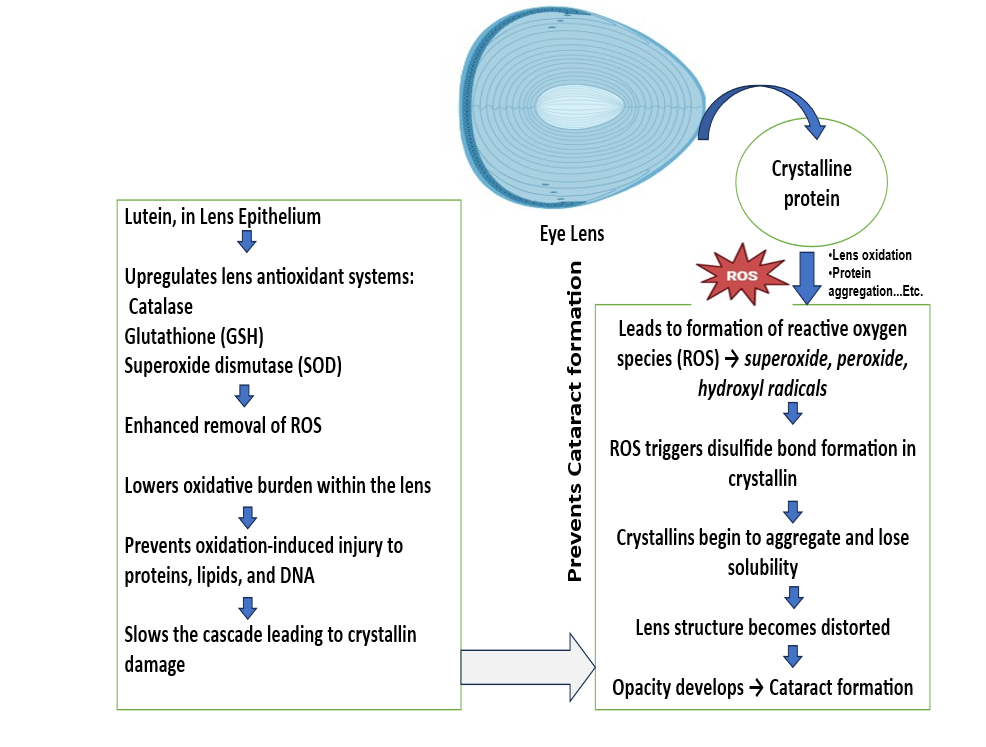
Fig 4: prevents Contract formation

Through liposomal/nano-lutein, the ocular bioavailability and the retinal targeting are improved as compared with free lutein [73].
Piperine (BioPerine) also has the effect of improving the micellar solubilization of carotenoids and the uptake in the intestine, which might lead to the retina the delivery of more lutein [74].

7.2 Cardiovascular System

The association between high plasma lutein and the lower risk of CVD along with the decreased oxidation of LDL is quite notable [75].
In vivo studies have shown that the nano/liposomal lutein administration enhanced the delivery of antioxidants to the whole body and the absorption of the tissues [76].
Moreover, Piperine makes carotenoids more accessible for absorption in the body, which could lead to lutein reaching the vascular tissues in higher amounts [77].

7.3 Liver (Hepatoprotection)

Lutein is reported to be effective in lowering liver oxidative stress, boosting the antioxidant enzyme activity and, consequently, lessening the fat accumulation in liver of experimental animals [78].

Nano/-liposomal lutein is the form chosen for hepatic stability and absorption over free lutein [79].

BioPerine supports the absorption of carotenoids through the intestines and thus the liver is receiving more lutein [80].

7.4 Brain (Cognition / Neuroprotection)

Lutein is found to be in the brain and is related to better cognitive performance in clinical studies , The Nrf2-ARE signaling pathway primarily controls the cellular defenses against oxidative stress and toxic substances through the antioxidative and detoxifying processes. The phytochemical substances are able to destabilize the interaction between Nrf2 and its suppressor Keap1, and thus, leading to the Nrf2 crisis, its passage to the nucleus, and the increase of the transcription of antioxidant enzymes such as HO-1, NQO1, SOD, and GPx. This cellular mechanism, indeed, makes the cells more resistant to oxidative stress, helps them keep a balance between the two processes, and prevents the tissues from being slowly damaged over time by oxidative stress. The natural products play the role of Nrf2 signaling pathway modulators in the area of neuroprotection. [81].
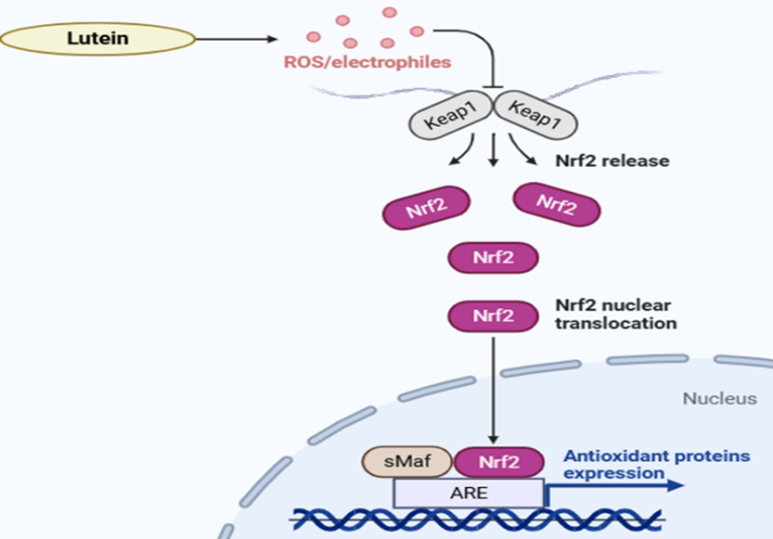
Fig.5: Nrf2-ARE signaling pathway

Nano-/liposomal lutein has great stability and CNS delivery in preclinical neuroprotection models [82].

Piperine increases the absorption of carotenoids all over the body, which could result in an increase in the blood levels of the carotenoids [83].

7.5 Skin (Photoprotection)

Oral lutein intake has altered the skin's redness caused by UV rays, and also resulted in skin that is more hydrated and at the same time more elastic [84]. The skin-targeted delivery system with liposomal/nano-lutein is compromising of the penetration and stability of the skin's photoprotective properties [85]. It is possible that the piperine in addition to stimulating the absorption of carotenoids might also be elevating the lutein levels in skin tissues [86].

7.6 Immune System

Inhibition of NF-κB Pathway: Lutein acts by blocking the transcription of the NF-κB-sensitive genes, COX-2, TNF-α, IL-1β, and iNOS, thus their production is reduced.Along with this, it neutralizes intracellular hydrogen peroxide, regulates the redox states of the NIK/IKK and PI3K/PTEN/Akt signaling pathways that are critical for NF-κB activation, and therefore its inhibition [87].
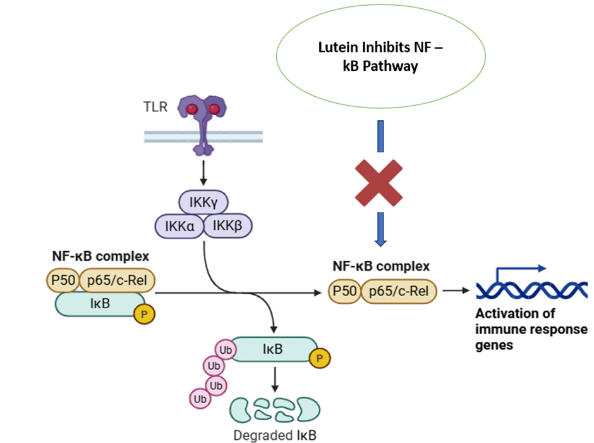
Fig.5: Inhibition of NF-κB Pathway

Liposomal/nano-lutein results in more cell absorption and more potent anti-inflammatory effects in immune models [88].

Piperine is increasing the availability of carotenoids in the gut by enhancing the absorption of carotenoid micelles, thereby the system is getting more lutein available for immune modulation [89].

7.7 Reproductive System

Lutein prevents sperm and oocyte from suffering oxidative damage and therefore, the reproductive outcome in animals gets better as noted in studies conducted on this topic [90].
In addition to stabilizing lutein, nano- and liposomal lutein increase its uptake in the reproductive organs [91].

The effect of piperine on carotenoids is that it makes them more absorbable and thus plasma lutein supporting reproductive tissues is plausibly increased [92].

7.8 Skeletal System (Bone Health)

Lutein has been shown in animal studies to diminish oxidative stress in bones and to hinder the formation of osteoclasts, which leads to an increase in bone mass [93]. The use of nano-/liposomal lutein as a delivery system has been proven to increase antioxidant penetration into bone cell and also to lead to better skeletal outcomes [94]. Piperine has a positive effect on the absorption of carotenoids in the intestine and this may lead to the enhancement of circulating lutein which is supportive for bone health [95].
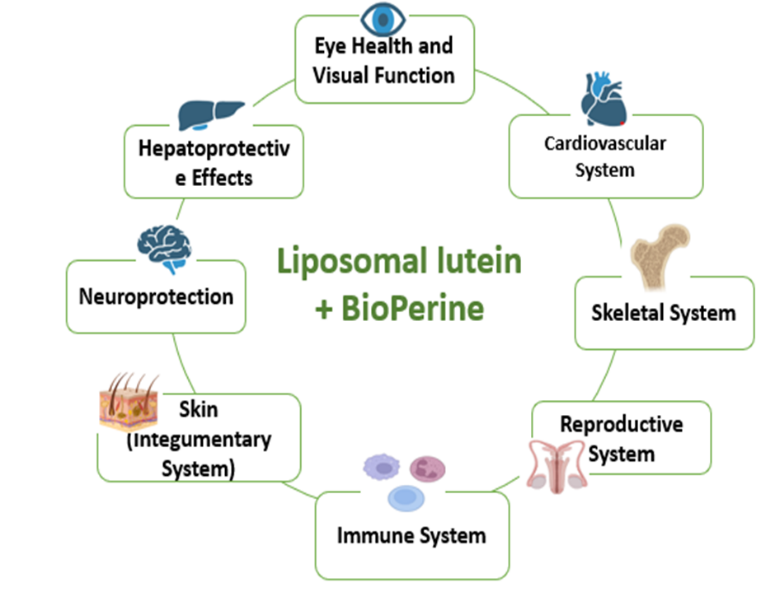
Figure 6: Biological Properties and Therapeutic Potentials of Lutein

8. Clinical Evidence for Lutein in Humans

Table 3: Summary of Clinical Trials

Study Type

Patient Population

Dose & Duration

Outcomes Measured

Key Findings

Reference

Randomized Controlled Trial – Ocular Health (AREDS2)

Adults at risk of Age-Related Macular Degeneration (AMD)

Lutein 10 mg + Zeaxanthin 2 mg/day for 5 years

Progression to advanced AMD; Macular Pigment Optical Density (MPOD)

• ↓ Progression to advanced AMD by 10–26% in specific subgroups
• ↑ MPOD by 0.03–0.09 OD units

96

Randomized Controlled Trials – Cognitive Function

Elderly adults

Lutein 10–20 mg/day, 12 months

Cognitive tests: memory, verbal fluency, processing speed, attention

• Improved memory recall
• Better verbal fluency
• Faster processing speed
• Enhanced complex attention

97

Epidemiological Study – Cardiovascular Health

Adults aged 40–60 years

Plasma lutein levels assessed; 18-month follow-up

Carotid intima-media thickness (IMT) progression

• Highest lutein quintile had 80% less arterial wall thickening vs. lowest
• Inverse relationship between lutein level and atherosclerosis progression

98

Macular Pigment Optical Density

Healthy adults

10–20 mg/day, 6 months

MPOD

Significant increase in macular pigment density

99

Visual Function

Healthy adults and AMD patients

10–12 mg/day

Contrast sensitivity, glare tolerance, visual acuity

Improved contrast sensitivity, glare tolerance, and visual acuity

100

9. Limitations of Current Clinical Evidence

The safety of lutein supplementation in older adults has been proved by the AREDS2 trial that reported no major negative side effects with lutein 10 mg/day and zeaxanthin 2 mg/day co-administration [96]. However, the majority of research has been done on ocular an outcome basis while the assessment of systemic safety and long-term effects is limited [101]. Research on nano-liposomal lutein is mainly preclinical and there is no human safety data [ [102]. Piperine (BioPerine) increases carotenoid absorption in vitro [103] ,but the safety of the lutein–BioPerine combination has not been clinically tested and therefore, the potential toxicity and the pharmacokinetics have not been assessed[104].

10. Safety and Toxicity Profile of Liposomal Lutein with BioPerine

The safety of the lutein supplementation acquired through human studies has been found to be important. The AREDS2 trial reported that the safety of lutein at the dose of 10 mg/day (combined with 2 mg of zeaxanthin) lasted for several years in elderly patients and no significant adverse effects were noticed [96]. The clinical and review literature confirms that lutein is a well-tolerated dietary carotenoid [105].

liposomal and nano-encapsulation technologies were developed to increase the bioavailability of lutein by making it more stable and easier for the intestine to absorb. These delivery systems overcome the water solubility and oral bioavailability barriers of lutein [106]. However, the nano-liposomal lutein formulations need special safety assessment due to its unique toxicological profile and include acute and chronic toxicity studies, organ function, and hematological monitoring [107].

Absorption Enhancement Lutein and other carotenoids were indicated to have increased uptake in intestinal cell models due to piperine facilitating the process, which was proved by the simultaneous increase in the formation of micelles and the transport of carotenoids to the cells [108]. Despite that piperine is a commercial bioavailability enhancer, still, to be thorough, one should keep in mind the toxicity data relating to BioPerine at absorption-enhancing doses, which should include liver and kidney function assessments, potential drug interactions, and long-term safety parameters[109].

CONCLUSION

This paper highlights that the integration of liposomal encapsulation and BioPerine (piperine) is a well-supported and mutually beneficial scientific approach to increase the oral bioavailability of lutein. Lutein, despite its great potential as a therapeutic agent in age-related macular degeneration and other diseases like cardiovascular dysfunction, cognitive impairment, and oxidative stress, is not used in the clinic mainly due to its poor solubility, instability, and high metabolism which together limit the absorption to about 5-10%. Liposomal encapsulation is a technique that counteracts these drawbacks by giving the drug a phospholipid-based shell which protects it from degradation, makes it more stable from physicochemical point of view, and allows it to enter and travel through the lymphatic system while avoiding first-pass hepatic metabolism—this results in a 2–4-fold increase in systemic bioavailability. At the same time, BioPerine increase the absorption in the intestines by making them take in more of the drug, that is through UGT- and CYP3A4-mediated metabolism inhibition, P-glycoprotein efflux suppression, epithelial permeability modulation, and gastrointestinal perfusion enhancement, contributing to an additional 1.5–2-fold increase. The protective, penetrative and metabolic persistence mechanisms working together allow a projection of a 5-8-fold synergistic enhancement in lutein bioavailability which is a significant increase over the simple additive effects. This new technology pathway paves the way for more translational benefits in terms of, inter alia, dose reduction, better therapeutic outcomes, patient compliance increase, and long-term treatment costs reduction.

Future research is advised to a great extent to focus on the development of standardized formulation protocols, well-designed human pharmacokinetic studies, and comprehensive long-term safety evaluations as the priority in supporting the proposed mechanistic claims and making it easier for the regulators to accept them. This is a pretty serious integrative advancement by which nutraceutical formulation science is raised to a higher level through scientifically rigorous justification and it becomes substantial for clinical application and therapeutic relevance to be wider.

REFERENCES

  1. Sommerburg O, Keunen JE, Bird AC, van Kuijk FJ. Fruits and vegetables that are sources for lutein and zeaxanthin: the macular pigment in human eyes. Br J Ophthalmol. 1998;82(8):907-910.
  2. PubChem [Internet]. Bethesda (MD): National Library of Medicine (US), National Center for Biotechnology Information; [cited 2025 Dec. 10]. Available from: https://pubchem.ncbi.nlm.nih.gov/compound/Lutein-A
  3. Algan AH, Gungor-Ak A, Karatas A. Nanoscale delivery systems of lutein: An updated review from a pharmaceutical perspective. Pharmaceutics. 2022 Sep 2;14(9):1852.
  4. During A, Doraiswamy S, Harrison EH. Xanthophylls are preferentially taken up compared with beta-carotene by retinal cells via a SRBI-dependent mechanism. J Lipid Res. 2008;49(8):1715-1724.
  5. Reboul E. Absorption of vitamin A and carotenoids by the enterocyte: focus on transport proteins. Nutrients. 2013;5(9):3563-3581.
  6. Yeum KJ, Russell RM. Carotenoid bioavailability and bioconversion. Annu Rev Nutr. 2002;22:483-504.
  7. Richelle M, Enslen M, Hager C, et al. Both free and esterified plant sterols reduce cholesterol absorption and the bioavailability of beta-carotene and alpha-tocopherol in normocholesterolemic humans. Am J Clin Nutr. 2004;80(1):171-177.
  8. Johnson EJ, Vishwanathan R, Johnson MA, et al. Relationship between serum and brain carotenoids, α-tocopherol, and retinol concentrations and cognitive performance in the oldest old from the Georgia Centenarian Study. J Aging Res. 2013;2013:951786.
  9. Castenmiller JJ, West CE. Bioavailability and bioconversion of carotenoids. Annu Rev Nutr. 1998;18:19-38.
  10. Xia S, Tan C, Zhang Y, Abbas S, Feng B, Zhang X, Qin F. Modulating effect of lipid bilayer-carotenoid interactions on the property of liposome encapsulation. Colloids Surf B Biointerfaces. 2015;128:172-180.
  11. Tan C, Zhang Y, Abbas S, Feng B, Zhang X, Xia S. Modulation of the carotenoid bioaccessibility through liposomal encapsulation. Colloids Surf B Biointerfaces. 2014;123:692-700.
  12. Liu W, Ye A, Han F, Han J. Advances and challenges in liposome digestion: Surface interaction, biological fate, and GIT modeling. Adv Colloid Interface Sci. 2019;263:52-67.
  13. Srinivasan K. Black pepper and its pungent principle-piperine: a review of diverse physiological effects. Crit Rev Food Sci Nutr. 2007;47(8):735-748.
  14. Shoba G, Joy D, Joseph T, Majeed M, Rajendran R, Srinivas PS. Influence of piperine on the pharmacokinetics of curcumin in animals and human volunteers. Planta Med. 1998;64(4):353-356.
  15. Anand P, Kunnumakkara AB, Newman RA, Aggarwal BB. Bioavailability of curcumin: problems and promises. Mol Pharm. 2007;4(6):807-818.
  16. Dudhatra GB, Mody SK, Awale MM, et al. A comprehensive review on pharmacotherapeutics of herbal bioenhancers. ScientificWorldJournal. 2012;2012:637953.
  17. Singh J, Dubey RK, Atal CK. Piperine-mediated inhibition of glucuronidation activity in isolated epithelial cells of the guinea-pig small intestine: evidence that piperine lowers the endogeneous UDP-glucuronic acid content. J Pharmacol Exp Ther. 1986;236(2):488-493.
  18. Reen RK, Jamwal DS, Taneja SC, et al. Impairment of UDP-glucose dehydrogenase and glucuronidation activities in liver and small intestine of rat and guinea pig in vitro by piperine. Biochem Pharmacol. 1993;46(2):229-238.
  19. Atal CK, Dubey RK, Singh J. Biochemical basis of enhanced drug bioavailability by piperine: evidence that piperine is a potent inhibitor of drug metabolism. J Pharmacol Exp Ther. 1985;232(1):258-262.
  20. Volak LP, Ghirmai S, Cashman JR, Court MH. Curcuminoids inhibit multiple human cytochromes P450, UDP-glucuronosyltransferase, and sulfotransferase enzymes, whereas piperine is a relatively selective CYP3A4 inhibitor. Drug Metab Dispos. 2008;36(8):1594-1605.
  21. Bhardwaj RK, Glaeser H, Becquemont L, Klotz U, Gupta SK, Fromm MF. Piperine, a major constituent of black pepper, inhibits human P-glycoprotein and CYP3A4. J Pharmacol Exp Ther. 2002;302(2):645-650.
  22. Li S, Lei Y, Jia Y, Li N, Wink M, Ma Y. Piperine, a piperidine alkaloid from Piper nigrum re-sensitizes P-gp, MRP1 and BCRP dependent multidrug resistant cancer cells. Phytomedicine. 2011;19(1):83-87.
  23. Srinivasan K. Biological activities of red pepper (Capsicum annuum) and black pepper (Piper nigrum). Crit Rev Food Sci Nutr. 2016;56(9):1488-1500.
  24. Badmaev V, Majeed M, Prakash L. Piperine derived from black pepper increases the plasma levels of coenzyme Q10 following oral supplementation. J Nutr Biochem. 2000;11(2):109-113.
  25. Khajuria A, Zutshi U, Bedi KL. Permeability characteristics of piperine on oral absorption--an active alkaloid from peppers and a bioavailability enhancer. Indian J Exp Biol. 1998;36(1):46-50.
  26. Shaikh J, Ankola DD, Beniwal V, Singh D, Kumar MN. Nanoparticle encapsulation improves oral bioavailability of curcumin by at least 9-fold when compared to curcumin administered with piperine as absorption enhancer. Eur J Pharm Sci. 2009;37(3-4):223-230.
  27. McClements DJ, Li Y. Structured emulsion-based delivery systems: controlling the digestion and release of lipophilic food components. Adv Colloid Interface Sci. 2010;159(2):213-228.
  28. Porter CJ, Trevaskis NL, Charman WN. Lipids and lipid-based formulations: optimizing the oral delivery of lipophilic drugs. Nat Rev Drug Discov. 2007;6(3):231-248.
  29. Müller RH, Mäder K, Gohla S. Solid lipid nanoparticles (SLN) for controlled drug delivery - a review of the state of the art. Eur J Pharm Biopharm. 2000;50(1):161-177.
  30. Tan C, Xue J, Abbas S, et al. Liposome as a delivery system for carotenoids: comparative antioxidant activity of carotenoids as measured by ferric reducing antioxidant power, DPPH assay and lipid peroxidation. J Agric Food Chem. 2014;62(28):6726-6735.
  31. Zhao L, Wang D, Yu J, Wang X, Wang T, Yu D, Elfalleh W. Complex phospholipid liposomes co-encapsulated of proanthocyanidins and α-tocopherol: Stability, antioxidant activity and in vitro digestion simulation. Food Chem. 2025;437:137774.
  32. Bano G, Raina RK, Zutshi U, Bedi KL, Johri RK, Sharma SC. Effect of piperine on bioavailability and pharmacokinetics of propranolol and theophylline in healthy volunteers. Eur J Clin Pharmacol. 1991;41(6):615-617.
  33. Lambert JD, Hong J, Kim DH, Mishin VM, Yang CS. Piperine enhances the bioavailability of the tea polyphenol (-)-epigallocatechin-3-gallate in mice. J Nutr. 2004;134(8):1948-1952.
  34. Tan C, Zhang Y, Abbas S, Feng B, Zhang X, Xia S. Liposomes as delivery systems for carotenoids: comparative studies of loading ability, storage stability and in vitro release. Food Hydrocoll. 2014;37:167-176.
  35. Liu W, Tian M, Kong Y, Lu J, Li N, Han J. Multilayer-assembled microparticles with enhanced water dispersibility, chemical stability, and bioavailability of β-carotene. J Agric Food Chem. 2016;64(7):1571-1581.
  36. Johnson JJ. Carnosol: a promising anti-cancer and anti-inflammatory agent. Cancer Lett. 2011;305(1):1-7.
  37. Akbarzadeh A, Rezaei-Sadabady R, Davaran S, et al. Liposome: classification, preparation, and applications. Nanoscale Res Lett. 2013;8(1):102.
  38. Dahan A, Amidon GL. Segmental dependent transport of low permeability compounds along the small intestine due to P-glycoprotein: the role of efflux transport in the oral absorption of BCS class III drugs. Mol Pharm. 2009;6(1):19-28.
  39. Turner JR. Intestinal mucosal barrier function in health and disease. Nat Rev Immunol. 2009;9(11):799-809.
  40. Li J, Wang X, Zhang T, et al. A review on phospholipids and their main applications in drug delivery systems. Asian J Pharm Sci. 2015;10(2):81-98.
  41. Choi JS, Choi BC, Kang KW. Effect of resveratrol on the pharmacokinetics of oral and intravenous nicardipine in rats: possible role of P-glycoprotein inhibition by resveratrol. Pharmazie. 2009;64(1):49-52.
  42. Gupta SK, Velpandian T, Dhingra N, Jaiswal J. Piperine inhibits P-glycoprotein mediated efflux pump and increases bioavailability of apigenin in intestinal cells. Int J Pharm Pharm Sci. 2009;1(Suppl 1):31-35.
  43. Trevaskis NL, Charman WN, Porter CJ. Lipid-based delivery systems and intestinal lymphatic drug transport: a mechanistic update. Adv Drug Deliv Rev. 2008;60(6):702-716.
  44. Gershkovich P, Wasan KM, Barta CA. A review of the application of lipid-based systems in systemic, dermal/transdermal, and ocular drug delivery. Crit Rev Ther Drug Carrier Syst. 2008;25(6):545-584.
  45. Pattanaik S, Hota D, Prabhakar S, Kharbanda P, Pandhi P. Effect of piperine on the steady-state pharmacokinetics of phenytoin in patients with epilepsy. Phytother Res. 2009;23(10):1462-1464.
  46. Zhai XJ, Chen F, Chen XH, et al. Effect of piperine on the pharmacokinetics of metformin in healthy volunteers. Pharm Biol. 2017;55(1):1193-1196.
  47. Reboul E, Borel P, Mikail C, et al. Enrichment of tomato paste with 6% tomato peel increases lycopene and beta-carotene bioavailability in men. J Nutr. 2005;135(4):790-794.
  48. Srinivasan K. Spices as influencers of body metabolism: an overview of three decades of research. Food Res Int. 2005;38(1):77-86.
  49. Zou L, Zheng B, Zhang R, et al. Enhancing the bioaccessibility of hydrophobic bioactive agents using mixed colloidal dispersions: Curcumin-loaded zein nanoparticles plus digestible lipid nanoparticles. Food Res Int. 2016;81:74-82.
  50. Frenzel M, Steffen-Heins A. Whey protein coating increases bilayer rigidity and stability of liposomes in food-like matrices. Food Chem. 2015;173:1090-1099.
  51. Fernández-Lázaro D, Fernandez-Lazaro CI, Mielgo-Ayuso J, et al. The Role of Selenium, Vitamin C, and Vitamin E in the Prevention of Osteoarthritis: A Systematic Review. Int J Mol Sci. 2021;22(15):8002.
  52. Liu D, Gao Y, Kisoh K, et al. Liposomal formulation of lutein enhances its stability, bioavailability and neuroprotective effects. Food Funct. 2016;7(9):3719-3726.
  53. Tan C, Feng B, Zhang X, Xia W, Xia S. Biopolymer-coated liposomes by electrostatic adsorption of chitosan (chitosomes) as novel delivery systems for carotenoids. Food Hydrocoll. 2016;52:774-784.
  54. Zou LQ, Liu W, Liu WL, et al. Characterization and bioavailability of tea polyphenol nanoliposome prepared by combining an ethanol injection method with dynamic high-pressure microfluidization. J Agric Food Chem. 2014;62(4):934-941.
  55. van het Hof KH, West CE, Weststrate JA, Hautvast JG. Dietary factors that affect the bioavailability of carotenoids. J Nutr. 2000;130(3):503-506.
  56. Borel P, Grolier P, Armand M, et al. Carotenoids in biological emulsions: solubility, surface-to-core distribution, and release from lipid droplets. J Lipid Res. 1996;37(2):250-261.
  57. Gupta SK, Dua K, Chawla R, et al. Effect of piperine on inhibition of lung metastasis induced by B16F-10 melanoma cells in mice. Clin Exp Metastasis. 2008;25(1):47-52.
  58. Borel P, Desmarchelier C, Nowicki M, Bott R. Lycopene bioavailability is associated with a combination of genetic variants. Free Radic Biol Med. 2015;83:238-244.
  59. Borel P, Desmarchelier C. Genetic variations associated with vitamin A status and vitamin A bioavailability. Nutrients. 2017;9(3):246.
  60. Borel P, Lietz G, Goncalves A, et al. CD36 and SR-BI are involved in cellular uptake of provitamin A carotenoids by Caco-2 and HEK cells, and some of their genetic variants are associated with plasma concentrations of these micronutrients in humans. J Nutr. 2013;143(4):448-456.
  61. Bohn T, Desmarchelier C, Dragsted LO, et al. Host-related factors explaining interindividual variability of carotenoid bioavailability and tissue concentrations in humans. Mol Nutr Food Res. 2017;61(6):1600685.
  62. Grolier P, Duszka C, Borel P, Alexandre-Gouabau MC, Azais-Braesco V. In vitro and in vivo inhibition of beta-carotene dioxygenase activity by canthaxanthin in rat intestine. Arch Biochem Biophys. 1997;348(2):233-238.
  63. Rao AV, Rao LG. Carotenoids and human health. Pharmacol Res. 2007;55(3):207-216.
  64. Schmitz HH, Poor CL, Wellman RB, Erdman JW Jr. Concentrations of selected carotenoids and vitamin A in human liver, kidney and lung tissue. J Nutr. 1991;121(10):1613-1621.
  65. Maoka T. Carotenoids as natural functional pigments. J Nat Med. 2020;74(1):1-16.
  66. Yonekura L, Nagao A. Intestinal absorption of dietary carotenoids. Mol Nutr Food Res. 2007;51(1):107-115.
  67. Priyadarsini KI. The chemistry of curcumin: from extraction to therapeutic agent. Molecules. 2014;19(12):20091-20112.
  68. Chimento A, De Amicis F, Sirianni R, et al. Progress to improve oral bioavailability and beneficial effects of lycopene. Int J Mol Sci. 2019;20(3):641.
  69. Kulkarni SA, Feng SS. Effects of particle size and surface modification on cellular uptake and biodistribution of polymeric nanoparticles for drug delivery. Pharm Res. 2013;30(10):2512-2522.
  70. des Rieux A, Fievez V, Garinot M, Schneider YJ, Préat V. Nanoparticles as potential oral delivery systems of proteins and vaccines: a mechanistic approach. J Control Release. 2006;116(1):1-27.
  71. Gleeson JP, Ryan SM, Brayden DJ. Oral delivery strategies for nutraceuticals: delivery vehicles and absorption enhancers. Trends Food Sci Technol. 2016;53:90-101.
  72. Bernstein PS, Li B, Vachali PP, et al. Lutein, zeaxanthin, and meso-zeaxanthin: The basic and clinical science underlying carotenoid-based nutritional interventions against ocular disease. Prog Retin Eye Res. 2016;50:34-66.
  73. Gómez-Mascaraque LG, Hernández-Rojas M, Tarancón P, et al. Impact of microencapsulation within electrosprayed proteins on the formulation of green tea extract-enriched biscuits. LWT Food Sci Technol. 2017;81:77-86.
  74. Ajazuddin, Saraf S. Applications of novel drug delivery system for herbal formulations. Fitoterapia. 2010;81(7):680-689.
  75. Dwyer JH, Navab M, Dwyer KM, et al. Oxygenated carotenoid lutein and progression of early atherosclerosis: the Los Angeles atherosclerosis study. Circulation. 2001;103(24):2922-2927.
  76. Kim JE, Leite JO, DeOgburn R, Smyth JA, Clark RM, Fernandez ML. A lutein-enriched diet prevents cholesterol accumulation and decreases oxidized LDL and inflammatory cytokines in the aorta of guinea pigs. J Nutr. 2011;141(8):1458-1463.
  77. Roodenburg AJ, Leenen R, van het Hof KH, Weststrate JA, Tijburg LB. Amount of fat in the diet affects bioavailability of lutein esters but not of alpha-carotene, beta-carotene, and vitamin E in humans. Am J Clin Nutr. 2000;71(5):1187-1193.
  78. Sindhu ER, Firdous AP, Ramnath V, Kuttan R. Effect of carotenoid lutein on N-nitrosodiethylamine-induced hepatocellular carcinoma and its mechanism of action. Eur J Cancer Prev. 2013;22(5):320-327.
  79. Chung HY, Rasmussen HM, Johnson EJ. Lutein bioavailability is higher from lutein-enriched eggs than from supplements and spinach in men. J Nutr. 2004;134(8):1887-1893.
  80. Mares JA, LaRowe TL, Snodderly DM, et al. Predictors of optical density of lutein and zeaxanthin in retinas of older women in the Carotenoids in Age-Related Eye Disease Study, an ancillary study of the Women's Health Initiative. Am J Clin Nutr. 2006;84(5):1107-1122.
  81. Johnson EJ, McDonald K, Caldarella SM, Chung HY, Troen AM, Snodderly DM. Cognitive findings of an exploratory trial of docosahexaenoic acid and lutein supplementation in older women. Nutr Neurosci. 2008;11(2):75-83.
  82. Vishwanathan R, Kuchan MJ, Sen S, Johnson EJ. Lutein and preterm infants with decreased concentrations of brain carotenoids. J Pediatr Gastroenterol Nutr. 2014;59(5):659-665.
  83. Stahl W, Sies H. Bioactivity and protective effects of natural carotenoids. Biochim Biophys Acta. 2005;1740(2):101-107.
  84. Roberts RL, Green J, Lewis B. Lutein and zeaxanthin in eye and skin health. Clin Dermatol. 2009;27(2):195-201.
  85. Morganti P, Fabrizi G, Bruno C. Protective effects of oral antioxidants on skin and eye function. Skinmed. 2004;3(6):310-316.
  86. Palombo P, Fabrizi G, Ruocco V, et al. Beneficial long-term effects of combined oral/topical antioxidant treatment with the carotenoids lutein and zeaxanthin on human skin: a double-blind, placebo-controlled study. Skin Pharmacol Physiol. 2007;20(4):199-210.
  87. Cheng SC, Wu YH, Huang WC, et al. Anti-inflammatory property of quercetin through downregulation of ICAM-1 and MMP-9 in TNF-α-activated retinal pigment epithelial cells. Cytokine. 2019;116:48-60.
  88. Arunkumar R, Calvo CM, Conrady CD, Bernstein PS. What do we know about the macular pigment in AMD: the past, the present, and the future. Eye (Lond). 2018;32(5):992-1004.
  89. Ribeiro D, Freitas M, Silva AM, et al. Antioxidant and pro-oxidant activities of carotenoids and their oxidation products. Food Chem Toxicol. 2018;120:681-699.
  90. Tvrda E, Peer R, Sikka SC, Agarwal A. Iron and copper in male reproduction: a double-edged sword. J Assist Reprod Genet. 2015;32(1):3-16.
  91. Raman G, Avendano EE, Chen S, et al. Dietary intakes of flavan-3-ols and cardiometabolic health: systematic review and meta-analysis of randomized trials and prospective cohort studies. Am J Clin Nutr. 2019;110(5):1067-1078.
  92. Neelakanta Reddy P, Lakshmana M. Carotenoids in spermatogenesis and male fertility. Carotenoids. 2013;1:239-258.
  93. Kim JH, Na HJ, Kim CK, et al. The non-provitamin A carotenoid, lutein, inhibits NF-κB-dependent gene expression through redox-based regulation of the phosphatidylinositol 3-kinase/PTEN/Akt and NF-κB-inducing kinase pathways: role of H(2)O(2) in NF-κB activation. Free Radic Biol Med. 2008;45(6):885-896.
  94. Inoue M, Tanabe H, Matsumoto A, et al. Astaxanthin functions differently as a selective peroxisome proliferator-activated receptor γ modulator in adipocytes and macrophages. Biochem Pharmacol. 2012;84(5):692-700.
  95. Yamaguchi M, Uchiyama S. Effect of carotenoid on calcium content and alkaline phosphatase activity in rat femoral tissues in vitro: the unique anabolic effect of beta-cryptoxanthin. Biol Pharm Bull. 2003;26(8):1188-1191.
  96. Age-Related Eye Disease Study 2 (AREDS2) Research Group, Chew EY, Clemons TE, et al. Secondary analyses of the effects of lutein/zeaxanthin on age-related macular degeneration progression: AREDS2 report No. 3. JAMA Ophthalmol. 2014;132(2):142-149.
  97. Power R, Coen RF, Beatty S, et al. Supplemental Retinal Carotenoids Enhance Memory in Healthy Individuals with Low Levels of Macular Pigment in A Randomized, Double-Blind, Placebo-Controlled Clinical Trial. J Alzheimers Dis. 2018;61(3):947-961.
  98. Dwyer JH, Paul-Labrador MJ, Fan J, Shircore AM, Merz CN, Dwyer KM. Progression of carotid intima-media thickness and plasma antioxidants: the Los Angeles Atherosclerosis Study. Arterioscler Thromb Vasc Biol. 2004;24(2):313-319.
  99. Bone RA, Landrum JT, Friedes LM, et al. Distribution of lutein and zeaxanthin stereoisomers in the human retina. Exp Eye Res. 1997;64(2):211-218.
  100. Loughman J, Akkali MC, Beatty S, et al. The relationship between macular pigment and visual performance. Vision Res. 2010;50(13):1249-1256.
  101. Stringham JM, Hammond BR Jr. Macular pigment and visual performance under glare conditions. Optom Vis Sci. 2008;85(2):82-88.
  102. Buscemi S, Corleo D, Di Pace F, Petroni ML, Satriano A, Marchesini G. The Effect of Lutein on Eye and Extra-Eye Health. Nutrients. 2018;10(9):1321.
  103. Kotake-Nara E, Kushiro M, Zhang H, Sugawara T, Miyashita K, Nagao A. Carotenoids affect proliferation of human prostate cancer cells. J Nutr. 2001;131(12):3303-3306.
  104. Meléndez-Martínez AJ, Mandi? AI, Bantis F, Böhm V, Borge GIA, Brn?i? M, et al. A comprehensive review on carotenoids in foods and feeds: status quo, applications, patents, and research needs. Crit Rev Food Sci Nutr. 2022;62(8):1999-2049.
  105. Ranard KM, Jeon S, Mohn ES, Griffiths JC, Johnson EJ, Erdman JW Jr. Dietary guidance for lutein: consideration for intake recommendations is scientifically supported. Eur J Nutr. 2017;56(Suppl 3):37-42.
  106. McClements DJ. Enhanced delivery of lipophilic bioactives using emulsions: a review of major factors affecting vitamin, nutraceutical, and lipid bioaccessibility. Food Funct. 2018;9(1):22-41.
  107. Martín MJ, Lara-Villoslada F, Ruiz MA, Morales ME. Microencapsulation of bacteria: A review of different technologies and their impact on the probiotic effects. Innov Food Sci Emerg Technol. 2015;27:15-25.
  108. Rein MJ, Renouf M, Cruz-Hernandez C, Actis-Goretta L, Thakkar SK, da Silva Pinto M. Bioavailability of bioactive food compounds: a challenging journey to bioefficacy. Br J Clin Pharmacol. 2013;75(3):588-602.
  109. Hiwale AR, Dhuley JN, Naik SR. Effect of co-administration of piperine on pharmacokinetics of beta-lactam antibiotics in rats. Indian J Exp Biol. 2002;40(3):277-281.

Reference

  1. Sommerburg O, Keunen JE, Bird AC, van Kuijk FJ. Fruits and vegetables that are sources for lutein and zeaxanthin: the macular pigment in human eyes. Br J Ophthalmol. 1998;82(8):907-910.
  2. PubChem [Internet]. Bethesda (MD): National Library of Medicine (US), National Center for Biotechnology Information; [cited 2025 Dec. 10]. Available from: https://pubchem.ncbi.nlm.nih.gov/compound/Lutein-A
  3. Algan AH, Gungor-Ak A, Karatas A. Nanoscale delivery systems of lutein: An updated review from a pharmaceutical perspective. Pharmaceutics. 2022 Sep 2;14(9):1852.
  4. During A, Doraiswamy S, Harrison EH. Xanthophylls are preferentially taken up compared with beta-carotene by retinal cells via a SRBI-dependent mechanism. J Lipid Res. 2008;49(8):1715-1724.
  5. Reboul E. Absorption of vitamin A and carotenoids by the enterocyte: focus on transport proteins. Nutrients. 2013;5(9):3563-3581.
  6. Yeum KJ, Russell RM. Carotenoid bioavailability and bioconversion. Annu Rev Nutr. 2002;22:483-504.
  7. Richelle M, Enslen M, Hager C, et al. Both free and esterified plant sterols reduce cholesterol absorption and the bioavailability of beta-carotene and alpha-tocopherol in normocholesterolemic humans. Am J Clin Nutr. 2004;80(1):171-177.
  8. Johnson EJ, Vishwanathan R, Johnson MA, et al. Relationship between serum and brain carotenoids, α-tocopherol, and retinol concentrations and cognitive performance in the oldest old from the Georgia Centenarian Study. J Aging Res. 2013;2013:951786.
  9. Castenmiller JJ, West CE. Bioavailability and bioconversion of carotenoids. Annu Rev Nutr. 1998;18:19-38.
  10. Xia S, Tan C, Zhang Y, Abbas S, Feng B, Zhang X, Qin F. Modulating effect of lipid bilayer-carotenoid interactions on the property of liposome encapsulation. Colloids Surf B Biointerfaces. 2015;128:172-180.
  11. Tan C, Zhang Y, Abbas S, Feng B, Zhang X, Xia S. Modulation of the carotenoid bioaccessibility through liposomal encapsulation. Colloids Surf B Biointerfaces. 2014;123:692-700.
  12. Liu W, Ye A, Han F, Han J. Advances and challenges in liposome digestion: Surface interaction, biological fate, and GIT modeling. Adv Colloid Interface Sci. 2019;263:52-67.
  13. Srinivasan K. Black pepper and its pungent principle-piperine: a review of diverse physiological effects. Crit Rev Food Sci Nutr. 2007;47(8):735-748.
  14. Shoba G, Joy D, Joseph T, Majeed M, Rajendran R, Srinivas PS. Influence of piperine on the pharmacokinetics of curcumin in animals and human volunteers. Planta Med. 1998;64(4):353-356.
  15. Anand P, Kunnumakkara AB, Newman RA, Aggarwal BB. Bioavailability of curcumin: problems and promises. Mol Pharm. 2007;4(6):807-818.
  16. Dudhatra GB, Mody SK, Awale MM, et al. A comprehensive review on pharmacotherapeutics of herbal bioenhancers. ScientificWorldJournal. 2012;2012:637953.
  17. Singh J, Dubey RK, Atal CK. Piperine-mediated inhibition of glucuronidation activity in isolated epithelial cells of the guinea-pig small intestine: evidence that piperine lowers the endogeneous UDP-glucuronic acid content. J Pharmacol Exp Ther. 1986;236(2):488-493.
  18. Reen RK, Jamwal DS, Taneja SC, et al. Impairment of UDP-glucose dehydrogenase and glucuronidation activities in liver and small intestine of rat and guinea pig in vitro by piperine. Biochem Pharmacol. 1993;46(2):229-238.
  19. Atal CK, Dubey RK, Singh J. Biochemical basis of enhanced drug bioavailability by piperine: evidence that piperine is a potent inhibitor of drug metabolism. J Pharmacol Exp Ther. 1985;232(1):258-262.
  20. Volak LP, Ghirmai S, Cashman JR, Court MH. Curcuminoids inhibit multiple human cytochromes P450, UDP-glucuronosyltransferase, and sulfotransferase enzymes, whereas piperine is a relatively selective CYP3A4 inhibitor. Drug Metab Dispos. 2008;36(8):1594-1605.
  21. Bhardwaj RK, Glaeser H, Becquemont L, Klotz U, Gupta SK, Fromm MF. Piperine, a major constituent of black pepper, inhibits human P-glycoprotein and CYP3A4. J Pharmacol Exp Ther. 2002;302(2):645-650.
  22. Li S, Lei Y, Jia Y, Li N, Wink M, Ma Y. Piperine, a piperidine alkaloid from Piper nigrum re-sensitizes P-gp, MRP1 and BCRP dependent multidrug resistant cancer cells. Phytomedicine. 2011;19(1):83-87.
  23. Srinivasan K. Biological activities of red pepper (Capsicum annuum) and black pepper (Piper nigrum). Crit Rev Food Sci Nutr. 2016;56(9):1488-1500.
  24. Badmaev V, Majeed M, Prakash L. Piperine derived from black pepper increases the plasma levels of coenzyme Q10 following oral supplementation. J Nutr Biochem. 2000;11(2):109-113.
  25. Khajuria A, Zutshi U, Bedi KL. Permeability characteristics of piperine on oral absorption--an active alkaloid from peppers and a bioavailability enhancer. Indian J Exp Biol. 1998;36(1):46-50.
  26. Shaikh J, Ankola DD, Beniwal V, Singh D, Kumar MN. Nanoparticle encapsulation improves oral bioavailability of curcumin by at least 9-fold when compared to curcumin administered with piperine as absorption enhancer. Eur J Pharm Sci. 2009;37(3-4):223-230.
  27. McClements DJ, Li Y. Structured emulsion-based delivery systems: controlling the digestion and release of lipophilic food components. Adv Colloid Interface Sci. 2010;159(2):213-228.
  28. Porter CJ, Trevaskis NL, Charman WN. Lipids and lipid-based formulations: optimizing the oral delivery of lipophilic drugs. Nat Rev Drug Discov. 2007;6(3):231-248.
  29. Müller RH, Mäder K, Gohla S. Solid lipid nanoparticles (SLN) for controlled drug delivery - a review of the state of the art. Eur J Pharm Biopharm. 2000;50(1):161-177.
  30. Tan C, Xue J, Abbas S, et al. Liposome as a delivery system for carotenoids: comparative antioxidant activity of carotenoids as measured by ferric reducing antioxidant power, DPPH assay and lipid peroxidation. J Agric Food Chem. 2014;62(28):6726-6735.
  31. Zhao L, Wang D, Yu J, Wang X, Wang T, Yu D, Elfalleh W. Complex phospholipid liposomes co-encapsulated of proanthocyanidins and α-tocopherol: Stability, antioxidant activity and in vitro digestion simulation. Food Chem. 2025;437:137774.
  32. Bano G, Raina RK, Zutshi U, Bedi KL, Johri RK, Sharma SC. Effect of piperine on bioavailability and pharmacokinetics of propranolol and theophylline in healthy volunteers. Eur J Clin Pharmacol. 1991;41(6):615-617.
  33. Lambert JD, Hong J, Kim DH, Mishin VM, Yang CS. Piperine enhances the bioavailability of the tea polyphenol (-)-epigallocatechin-3-gallate in mice. J Nutr. 2004;134(8):1948-1952.
  34. Tan C, Zhang Y, Abbas S, Feng B, Zhang X, Xia S. Liposomes as delivery systems for carotenoids: comparative studies of loading ability, storage stability and in vitro release. Food Hydrocoll. 2014;37:167-176.
  35. Liu W, Tian M, Kong Y, Lu J, Li N, Han J. Multilayer-assembled microparticles with enhanced water dispersibility, chemical stability, and bioavailability of β-carotene. J Agric Food Chem. 2016;64(7):1571-1581.
  36. Johnson JJ. Carnosol: a promising anti-cancer and anti-inflammatory agent. Cancer Lett. 2011;305(1):1-7.
  37. Akbarzadeh A, Rezaei-Sadabady R, Davaran S, et al. Liposome: classification, preparation, and applications. Nanoscale Res Lett. 2013;8(1):102.
  38. Dahan A, Amidon GL. Segmental dependent transport of low permeability compounds along the small intestine due to P-glycoprotein: the role of efflux transport in the oral absorption of BCS class III drugs. Mol Pharm. 2009;6(1):19-28.
  39. Turner JR. Intestinal mucosal barrier function in health and disease. Nat Rev Immunol. 2009;9(11):799-809.
  40. Li J, Wang X, Zhang T, et al. A review on phospholipids and their main applications in drug delivery systems. Asian J Pharm Sci. 2015;10(2):81-98.
  41. Choi JS, Choi BC, Kang KW. Effect of resveratrol on the pharmacokinetics of oral and intravenous nicardipine in rats: possible role of P-glycoprotein inhibition by resveratrol. Pharmazie. 2009;64(1):49-52.
  42. Gupta SK, Velpandian T, Dhingra N, Jaiswal J. Piperine inhibits P-glycoprotein mediated efflux pump and increases bioavailability of apigenin in intestinal cells. Int J Pharm Pharm Sci. 2009;1(Suppl 1):31-35.
  43. Trevaskis NL, Charman WN, Porter CJ. Lipid-based delivery systems and intestinal lymphatic drug transport: a mechanistic update. Adv Drug Deliv Rev. 2008;60(6):702-716.
  44. Gershkovich P, Wasan KM, Barta CA. A review of the application of lipid-based systems in systemic, dermal/transdermal, and ocular drug delivery. Crit Rev Ther Drug Carrier Syst. 2008;25(6):545-584.
  45. Pattanaik S, Hota D, Prabhakar S, Kharbanda P, Pandhi P. Effect of piperine on the steady-state pharmacokinetics of phenytoin in patients with epilepsy. Phytother Res. 2009;23(10):1462-1464.
  46. Zhai XJ, Chen F, Chen XH, et al. Effect of piperine on the pharmacokinetics of metformin in healthy volunteers. Pharm Biol. 2017;55(1):1193-1196.
  47. Reboul E, Borel P, Mikail C, et al. Enrichment of tomato paste with 6% tomato peel increases lycopene and beta-carotene bioavailability in men. J Nutr. 2005;135(4):790-794.
  48. Srinivasan K. Spices as influencers of body metabolism: an overview of three decades of research. Food Res Int. 2005;38(1):77-86.
  49. Zou L, Zheng B, Zhang R, et al. Enhancing the bioaccessibility of hydrophobic bioactive agents using mixed colloidal dispersions: Curcumin-loaded zein nanoparticles plus digestible lipid nanoparticles. Food Res Int. 2016;81:74-82.
  50. Frenzel M, Steffen-Heins A. Whey protein coating increases bilayer rigidity and stability of liposomes in food-like matrices. Food Chem. 2015;173:1090-1099.
  51. Fernández-Lázaro D, Fernandez-Lazaro CI, Mielgo-Ayuso J, et al. The Role of Selenium, Vitamin C, and Vitamin E in the Prevention of Osteoarthritis: A Systematic Review. Int J Mol Sci. 2021;22(15):8002.
  52. Liu D, Gao Y, Kisoh K, et al. Liposomal formulation of lutein enhances its stability, bioavailability and neuroprotective effects. Food Funct. 2016;7(9):3719-3726.
  53. Tan C, Feng B, Zhang X, Xia W, Xia S. Biopolymer-coated liposomes by electrostatic adsorption of chitosan (chitosomes) as novel delivery systems for carotenoids. Food Hydrocoll. 2016;52:774-784.
  54. Zou LQ, Liu W, Liu WL, et al. Characterization and bioavailability of tea polyphenol nanoliposome prepared by combining an ethanol injection method with dynamic high-pressure microfluidization. J Agric Food Chem. 2014;62(4):934-941.
  55. van het Hof KH, West CE, Weststrate JA, Hautvast JG. Dietary factors that affect the bioavailability of carotenoids. J Nutr. 2000;130(3):503-506.
  56. Borel P, Grolier P, Armand M, et al. Carotenoids in biological emulsions: solubility, surface-to-core distribution, and release from lipid droplets. J Lipid Res. 1996;37(2):250-261.
  57. Gupta SK, Dua K, Chawla R, et al. Effect of piperine on inhibition of lung metastasis induced by B16F-10 melanoma cells in mice. Clin Exp Metastasis. 2008;25(1):47-52.
  58. Borel P, Desmarchelier C, Nowicki M, Bott R. Lycopene bioavailability is associated with a combination of genetic variants. Free Radic Biol Med. 2015;83:238-244.
  59. Borel P, Desmarchelier C. Genetic variations associated with vitamin A status and vitamin A bioavailability. Nutrients. 2017;9(3):246.
  60. Borel P, Lietz G, Goncalves A, et al. CD36 and SR-BI are involved in cellular uptake of provitamin A carotenoids by Caco-2 and HEK cells, and some of their genetic variants are associated with plasma concentrations of these micronutrients in humans. J Nutr. 2013;143(4):448-456.
  61. Bohn T, Desmarchelier C, Dragsted LO, et al. Host-related factors explaining interindividual variability of carotenoid bioavailability and tissue concentrations in humans. Mol Nutr Food Res. 2017;61(6):1600685.
  62. Grolier P, Duszka C, Borel P, Alexandre-Gouabau MC, Azais-Braesco V. In vitro and in vivo inhibition of beta-carotene dioxygenase activity by canthaxanthin in rat intestine. Arch Biochem Biophys. 1997;348(2):233-238.
  63. Rao AV, Rao LG. Carotenoids and human health. Pharmacol Res. 2007;55(3):207-216.
  64. Schmitz HH, Poor CL, Wellman RB, Erdman JW Jr. Concentrations of selected carotenoids and vitamin A in human liver, kidney and lung tissue. J Nutr. 1991;121(10):1613-1621.
  65. Maoka T. Carotenoids as natural functional pigments. J Nat Med. 2020;74(1):1-16.
  66. Yonekura L, Nagao A. Intestinal absorption of dietary carotenoids. Mol Nutr Food Res. 2007;51(1):107-115.
  67. Priyadarsini KI. The chemistry of curcumin: from extraction to therapeutic agent. Molecules. 2014;19(12):20091-20112.
  68. Chimento A, De Amicis F, Sirianni R, et al. Progress to improve oral bioavailability and beneficial effects of lycopene. Int J Mol Sci. 2019;20(3):641.
  69. Kulkarni SA, Feng SS. Effects of particle size and surface modification on cellular uptake and biodistribution of polymeric nanoparticles for drug delivery. Pharm Res. 2013;30(10):2512-2522.
  70. des Rieux A, Fievez V, Garinot M, Schneider YJ, Préat V. Nanoparticles as potential oral delivery systems of proteins and vaccines: a mechanistic approach. J Control Release. 2006;116(1):1-27.
  71. Gleeson JP, Ryan SM, Brayden DJ. Oral delivery strategies for nutraceuticals: delivery vehicles and absorption enhancers. Trends Food Sci Technol. 2016;53:90-101.
  72. Bernstein PS, Li B, Vachali PP, et al. Lutein, zeaxanthin, and meso-zeaxanthin: The basic and clinical science underlying carotenoid-based nutritional interventions against ocular disease. Prog Retin Eye Res. 2016;50:34-66.
  73. Gómez-Mascaraque LG, Hernández-Rojas M, Tarancón P, et al. Impact of microencapsulation within electrosprayed proteins on the formulation of green tea extract-enriched biscuits. LWT Food Sci Technol. 2017;81:77-86.
  74. Ajazuddin, Saraf S. Applications of novel drug delivery system for herbal formulations. Fitoterapia. 2010;81(7):680-689.
  75. Dwyer JH, Navab M, Dwyer KM, et al. Oxygenated carotenoid lutein and progression of early atherosclerosis: the Los Angeles atherosclerosis study. Circulation. 2001;103(24):2922-2927.
  76. Kim JE, Leite JO, DeOgburn R, Smyth JA, Clark RM, Fernandez ML. A lutein-enriched diet prevents cholesterol accumulation and decreases oxidized LDL and inflammatory cytokines in the aorta of guinea pigs. J Nutr. 2011;141(8):1458-1463.
  77. Roodenburg AJ, Leenen R, van het Hof KH, Weststrate JA, Tijburg LB. Amount of fat in the diet affects bioavailability of lutein esters but not of alpha-carotene, beta-carotene, and vitamin E in humans. Am J Clin Nutr. 2000;71(5):1187-1193.
  78. Sindhu ER, Firdous AP, Ramnath V, Kuttan R. Effect of carotenoid lutein on N-nitrosodiethylamine-induced hepatocellular carcinoma and its mechanism of action. Eur J Cancer Prev. 2013;22(5):320-327.
  79. Chung HY, Rasmussen HM, Johnson EJ. Lutein bioavailability is higher from lutein-enriched eggs than from supplements and spinach in men. J Nutr. 2004;134(8):1887-1893.
  80. Mares JA, LaRowe TL, Snodderly DM, et al. Predictors of optical density of lutein and zeaxanthin in retinas of older women in the Carotenoids in Age-Related Eye Disease Study, an ancillary study of the Women's Health Initiative. Am J Clin Nutr. 2006;84(5):1107-1122.
  81. Johnson EJ, McDonald K, Caldarella SM, Chung HY, Troen AM, Snodderly DM. Cognitive findings of an exploratory trial of docosahexaenoic acid and lutein supplementation in older women. Nutr Neurosci. 2008;11(2):75-83.
  82. Vishwanathan R, Kuchan MJ, Sen S, Johnson EJ. Lutein and preterm infants with decreased concentrations of brain carotenoids. J Pediatr Gastroenterol Nutr. 2014;59(5):659-665.
  83. Stahl W, Sies H. Bioactivity and protective effects of natural carotenoids. Biochim Biophys Acta. 2005;1740(2):101-107.
  84. Roberts RL, Green J, Lewis B. Lutein and zeaxanthin in eye and skin health. Clin Dermatol. 2009;27(2):195-201.
  85. Morganti P, Fabrizi G, Bruno C. Protective effects of oral antioxidants on skin and eye function. Skinmed. 2004;3(6):310-316.
  86. Palombo P, Fabrizi G, Ruocco V, et al. Beneficial long-term effects of combined oral/topical antioxidant treatment with the carotenoids lutein and zeaxanthin on human skin: a double-blind, placebo-controlled study. Skin Pharmacol Physiol. 2007;20(4):199-210.
  87. Cheng SC, Wu YH, Huang WC, et al. Anti-inflammatory property of quercetin through downregulation of ICAM-1 and MMP-9 in TNF-α-activated retinal pigment epithelial cells. Cytokine. 2019;116:48-60.
  88. Arunkumar R, Calvo CM, Conrady CD, Bernstein PS. What do we know about the macular pigment in AMD: the past, the present, and the future. Eye (Lond). 2018;32(5):992-1004.
  89. Ribeiro D, Freitas M, Silva AM, et al. Antioxidant and pro-oxidant activities of carotenoids and their oxidation products. Food Chem Toxicol. 2018;120:681-699.
  90. Tvrda E, Peer R, Sikka SC, Agarwal A. Iron and copper in male reproduction: a double-edged sword. J Assist Reprod Genet. 2015;32(1):3-16.
  91. Raman G, Avendano EE, Chen S, et al. Dietary intakes of flavan-3-ols and cardiometabolic health: systematic review and meta-analysis of randomized trials and prospective cohort studies. Am J Clin Nutr. 2019;110(5):1067-1078.
  92. Neelakanta Reddy P, Lakshmana M. Carotenoids in spermatogenesis and male fertility. Carotenoids. 2013;1:239-258.
  93. Kim JH, Na HJ, Kim CK, et al. The non-provitamin A carotenoid, lutein, inhibits NF-κB-dependent gene expression through redox-based regulation of the phosphatidylinositol 3-kinase/PTEN/Akt and NF-κB-inducing kinase pathways: role of H(2)O(2) in NF-κB activation. Free Radic Biol Med. 2008;45(6):885-896.
  94. Inoue M, Tanabe H, Matsumoto A, et al. Astaxanthin functions differently as a selective peroxisome proliferator-activated receptor γ modulator in adipocytes and macrophages. Biochem Pharmacol. 2012;84(5):692-700.
  95. Yamaguchi M, Uchiyama S. Effect of carotenoid on calcium content and alkaline phosphatase activity in rat femoral tissues in vitro: the unique anabolic effect of beta-cryptoxanthin. Biol Pharm Bull. 2003;26(8):1188-1191.
  96. Age-Related Eye Disease Study 2 (AREDS2) Research Group, Chew EY, Clemons TE, et al. Secondary analyses of the effects of lutein/zeaxanthin on age-related macular degeneration progression: AREDS2 report No. 3. JAMA Ophthalmol. 2014;132(2):142-149.
  97. Power R, Coen RF, Beatty S, et al. Supplemental Retinal Carotenoids Enhance Memory in Healthy Individuals with Low Levels of Macular Pigment in A Randomized, Double-Blind, Placebo-Controlled Clinical Trial. J Alzheimers Dis. 2018;61(3):947-961.
  98. Dwyer JH, Paul-Labrador MJ, Fan J, Shircore AM, Merz CN, Dwyer KM. Progression of carotid intima-media thickness and plasma antioxidants: the Los Angeles Atherosclerosis Study. Arterioscler Thromb Vasc Biol. 2004;24(2):313-319.
  99. Bone RA, Landrum JT, Friedes LM, et al. Distribution of lutein and zeaxanthin stereoisomers in the human retina. Exp Eye Res. 1997;64(2):211-218.
  100. Loughman J, Akkali MC, Beatty S, et al. The relationship between macular pigment and visual performance. Vision Res. 2010;50(13):1249-1256.
  101. Stringham JM, Hammond BR Jr. Macular pigment and visual performance under glare conditions. Optom Vis Sci. 2008;85(2):82-88.
  102. Buscemi S, Corleo D, Di Pace F, Petroni ML, Satriano A, Marchesini G. The Effect of Lutein on Eye and Extra-Eye Health. Nutrients. 2018;10(9):1321.
  103. Kotake-Nara E, Kushiro M, Zhang H, Sugawara T, Miyashita K, Nagao A. Carotenoids affect proliferation of human prostate cancer cells. J Nutr. 2001;131(12):3303-3306.
  104. Meléndez-Martínez AJ, Mandi? AI, Bantis F, Böhm V, Borge GIA, Brn?i? M, et al. A comprehensive review on carotenoids in foods and feeds: status quo, applications, patents, and research needs. Crit Rev Food Sci Nutr. 2022;62(8):1999-2049.
  105. Ranard KM, Jeon S, Mohn ES, Griffiths JC, Johnson EJ, Erdman JW Jr. Dietary guidance for lutein: consideration for intake recommendations is scientifically supported. Eur J Nutr. 2017;56(Suppl 3):37-42.
  106. McClements DJ. Enhanced delivery of lipophilic bioactives using emulsions: a review of major factors affecting vitamin, nutraceutical, and lipid bioaccessibility. Food Funct. 2018;9(1):22-41.
  107. Martín MJ, Lara-Villoslada F, Ruiz MA, Morales ME. Microencapsulation of bacteria: A review of different technologies and their impact on the probiotic effects. Innov Food Sci Emerg Technol. 2015;27:15-25.
  108. Rein MJ, Renouf M, Cruz-Hernandez C, Actis-Goretta L, Thakkar SK, da Silva Pinto M. Bioavailability of bioactive food compounds: a challenging journey to bioefficacy. Br J Clin Pharmacol. 2013;75(3):588-602.
  109. Hiwale AR, Dhuley JN, Naik SR. Effect of co-administration of piperine on pharmacokinetics of beta-lactam antibiotics in rats. Indian J Exp Biol. 2002;40(3):277-281.

Photo
Dr. T Haribabu
Corresponding author

Acharya & BM Reddy College of Pharmacy, Soldevanahalli, Achit Nagar Post, Bengaluru, Karnataka, India

Photo
Mahalaxmi
Co-author

Acharya & BM Reddy College of Pharmacy, Soldevanahalli, Achit Nagar Post, Bengaluru, Karnataka, India

Photo
Dr. Manjunatha PM
Co-author

Acharya & BM Reddy College of Pharmacy, Soldevanahalli, Achit Nagar Post, Bengaluru, Karnataka, India

Photo
Dr. Udayraj Sharma
Co-author

Acharya & BM Reddy College of Pharmacy, Soldevanahalli, Achit Nagar Post, Bengaluru, Karnataka, India

Photo
Sougandh A
Co-author

Acharya & BM Reddy College of Pharmacy, Soldevanahalli, Achit Nagar Post, Bengaluru, Karnataka, India

Photo
Rajesh A
Co-author

Acharya & BM Reddy College of Pharmacy, Soldevanahalli, Achit Nagar Post, Bengaluru, Karnataka, India

Photo
Rahul Mallik
Co-author

Acharya & BM Reddy College of Pharmacy, Soldevanahalli, Achit Nagar Post, Bengaluru, Karnataka, India

Dr. T Haribabu, Mahalaxmi, Dr. Manjunatha PM, Dr. Udayraj Sharma, Sougandh A, Rajesh A, Rahul Mallik, Synergistic Enhancement of Lutein Bioavailability through Liposomal Encapsulation and BioPerine®: Mechanistic Insights and Therapeutic Implications, Int. J. of Pharm. Sci., 2026, Vol 4, Issue 3, 3922-3942. https://doi.org/10.5281/zenodo.19338793

More related articles
Isolation of Starch from Navy Beans (Phaseolus Vul...
Vishal Bade , Manojkumar Nitalikar , Ganesh Wadkar , Indrayani Ba...
Formulation And Evaluation of Herbal Antibacterial...
Siddartha H. N., Harshan K. V., Afnan Pasha, Charles Kiran A., Ve...
Sustainable Synthesis and Advanced Applications o...
Hezam Saleh Mohammed Dhaifallah , ...
Formulation Design and Optimization of Toners for Various Skin Conditions...
Prathibha C V, Naveen S, Roopesh K, Renuka K M, ...
Documentation of Liquid Chromatography-Mass Spectrometry (LC-MS) Technique for Q...
Iram Rashid Gore , Swati Wakchoure , Dhanashree Kathole, Dev Gaikwad, Nishita Hole, ...
Related Articles
UV Spectrophotometric Method Development and Validation for the Determination of...
Dipannita Naskar, Dr. Subhabrota Majumdar, Banhishikha Kar, ...
Comparative Anthelmintic Potential Study of Aqueous and Ethanolic Extracts of Le...
Khomendra Sarwa, Manisha Chandrakar, Gaurav Kashyap, Rahul Singh, Vijendra Kumar Suryawanshi, Varsha...
Advancements in Targeted Nanoparticle-Based Drug Delivery Systems: Improving The...
Aaditi Patil, Sakshi Bhalerao, Fardeen Ansari, Heba Khan, Rutuja Baburao Shinde, Anuradha Pokale, ...
Isolation of Starch from Navy Beans (Phaseolus Vulgaris) and Evaluation as Binde...
Vishal Bade , Manojkumar Nitalikar , Ganesh Wadkar , Indrayani Bandgar , Shrinivas Mohite , ...
More related articles
Isolation of Starch from Navy Beans (Phaseolus Vulgaris) and Evaluation as Binde...
Vishal Bade , Manojkumar Nitalikar , Ganesh Wadkar , Indrayani Bandgar , Shrinivas Mohite , ...
Formulation And Evaluation of Herbal Antibacterial Hand Wash Containing Boerhavi...
Siddartha H. N., Harshan K. V., Afnan Pasha, Charles Kiran A., Venkatesh, Hanumanthachar Joshi, ...
Isolation of Starch from Navy Beans (Phaseolus Vulgaris) and Evaluation as Binde...
Vishal Bade , Manojkumar Nitalikar , Ganesh Wadkar , Indrayani Bandgar , Shrinivas Mohite , ...
Formulation And Evaluation of Herbal Antibacterial Hand Wash Containing Boerhavi...
Siddartha H. N., Harshan K. V., Afnan Pasha, Charles Kiran A., Venkatesh, Hanumanthachar Joshi, ...