

We use cookies to ensure our website works properly and to personalise your experience. Cookies policy
Department of pharmacy practice,J.K.K.Nattraja college of pharmacy, Kumarapalayam, Namakkal Tamil Nadu, India.
Artificial Intelligence (AI) is transforming cardiovascular medicine by addressing adverse drug reactions (ADRs), drug-drug interactions (DDIs), and medication nonadherence. With up to 30% of cardiovascular patients affected by ADRs, AI-powered deep learning models achieve predictive accuracies of up to 89.4%, enabling proactive risk management and improved outcomes. AI-driven algorithms leverage electronic health records and pharmacogenomics to optimize polypharmacy treatment regimens, reducing inefficacy and adverse effects. By enhancing accessibility and reducing barriers such as treatment costs, geographic disparities, and preauthorization challenges, AI promotes equitable care. Advanced models like Random Forest, Gradient Boosting Machines, and Neural Networks excel in risk prediction and personalized treatment planning. AI also boosts medication adherence through tailored interventions addressing patient-specific barriers. Despite its potential, challenges like data privacy, integration, and economic costs require systemic reforms and ethical frameworks. Once addressed, AI promises a precise, efficient, and patient-centric future for cardiovascular care.
Integration of AI in cardiovascular medication management becomes increasingly recognized as an antidote with challenges by adverse drug reactions (ADRs) and drug-drug interactions (DDIs). ADRs have been regarded as one of the significant issues in cardiovascular therapies. According to the studies, up to 30% patients being treated on these medications are affected. Recently, a comprehensive review has reported that machine learning methods can predict the risk of ADRs based on analysis of clinical and omics data by accomplishing a mean validation accuracy of 89.4% using deep learning models. This makes the tool rather fundamental because it will enable clinicians to predict risks from a particular drug regimen, meaning that clinicians may diagnose risk factors linked to a number of drug regimens before experiencing adverse events, hence improving patient safety along with therapeutic results.[1] Further, AI would improve pharmacovigilance through automated coding of ADR reports, thus allowing prioritization of cases for manual review when reporting volumes peak as in the period of influenza outbreaks.[2]
Apart from ADRs, AI also plays a massive role in the management of DDIs, mainly in patients with cardiovascular diseases who most frequently suffer from polypharmacy. Studies have suggested that combinations such as clopidogrel and proton pump inhibitors reduce drug effectiveness quite considerably through interactions that occur at the metabolic level. Thus, AI algorithms will analyze electronic health records and genetic data obtained to better understand a patient's individual response to the treatment being offered. For example, the combination of pharmacogenomics and AI has been shown to optimize warfarin dosing, and therapeutic outcomes are improved.[3] Of particular interest is a recently published report discussing frequency regarding clinically relevant DDGIs that require AI-driven prediction of such interactions. These developments, apart from improving precision in the actual application of cardiovascular therapies, even mitigate risks associated with traditional approaches towards medication management, paving the way for a more customized and effective healthcare paradigm.[4]
Addressing barriers in cardiovascular care is critical, as these obstacles significantly impact patient outcomes and adherence to treatment regimens. High prescription costs, difficult preauthorization procedures, and administrative responsibilities that interfere with direct patient treatment are typical obstacles. According to a poll of cardiologists, 78% of respondents mentioned onerous preauthorization processes that frequently cause delays in critical treatments, and 85% of respondents named cost concerns as the main obstacle.[5] These obstacles not only irritate medical professionals but also lead to unequal access to successful treatments, especially for disadvantaged groups. By improving decision-making skills and optimizing procedures, the incorporation of artificial intelligence (AI) is a viable way to lessen these difficulties. AI can evaluate large datasets to forecast negative drug reactions and enhance patient-specific treatment regimens.
Current Barriers in Cardiovascular Medicine
Factors Associated With Nonadherence to Cardiovascular Medications
Since cardiovascular diseases (CVD) account for a large portion of morbidity and mortality worldwide, effective management and prevention measures are required. Cardiovascular drugs are known to slow the progression of the disease and increase lifespan, but adherence to recommended regimens is still not at its best. According to a recent study, rates vary by prescription class, with approximately 43% of patients not taking their cardiovascular medications as directed. Nonadherence frequently results from both deliberate and inadvertent causes, such as patients' worries about the need for or adverse effects of their medications, as well as from forgetting to take their medications. These actions worsen patient outcomes, raise hospital stays, and raise healthcare expenses. Targeted interventions that emphasize improving patient education, encouraging favorable attitudes about drugs, and removing obstacles to adherence are necessary to address these problems.[6]
With a focus on five domains - social/economic, patient-related, condition-related, therapy-related, and healthcare system-related - the World Health Organization's (WHO) multidimensional model provides a thorough framework for comprehending medication adherence. In this situation, it can be very important to use tools like medication reminders and individualized counseling to address inadvertent nonadherence, such as forgetfulness. In a similar vein, addressing deliberate nonadherence entails changing perceptions regarding the value and security of pharmaceuticals. In order to increase adherence rates, research emphasizes the value of patient-provider contact and suggests tailored, context-sensitive interventions.[7] Utilizing cutting-edge approaches, such patient monitoring and teaching programs powered by artificial intelligence (AI), has the potential to remove these obstacles and revolutionize the provision of cardiovascular care.[8]
Limitations of Fixed Dose Combination in Cardiovascular Care
Although FDC treatment promised to significantly improve medication adherence, several limitations were revealed in the study that counterbalance the usefulness of FDC in broader scenarios and impact. Among the major challenges, a high discontinuation rate was particularly striking: 37% of participants ceased treatment primarily because of side effects such as dizziness, hypotension, and fatigue.[10] This reduces the flexibility of FDC regimens because individual treatment adjustments in terms of either type of drugs or dosages cannot be accommodated, thereby making such treatment less suitable for patients who need tailored therapy. The clinical impact on risk factor control, such as blood pressure and LDL cholesterol levels, was also minimal and not statistically significant even though adherence to prescribed medications was highly improved. Baseline treatment rates may have been already very high, so not much scope remained for quantitative evidence of improvement. The design of an open-label trial may also have introduced bias in assessing treatment intensity or reporting adverse events.[9]
Patient-Reported Barriers
Barriers to medication adherence are prevalent among patients with cardiovascular diseases (CVD), making it challenging to manage conditions like hypertension and hyperlipidemia effectively.[11] The Cardiovascular Intervention Improvement Telemedicine Study (CITIES) explored these barriers through a tailored, telephone-based intervention administered by pharmacists to reduce CVD risk. In a cohort of 428 patients, primarily men (85%) and individuals with both hypertension and hyperlipidemia (64%), the most commonly reported barriers included managing an overwhelming number of medications (31%) and forgetting whether a dose had been taken (24%). Patients who were unemployed (adjusted score: 1.32; 95% CI: 0.50–2.14) or lacked assistance with daily tasks (adjusted score: 1.66; 95% CI: 0.42–2.89) reported significantly higher medication barrier scores. Additionally, those diagnosed solely with hypertension (adjusted score: 0.91; 95% CI: 0.04–1.79) faced greater barriers compared to patients with both conditions. These findings underscore the importance of identifying and addressing specific barriers to enhance medication adherence and optimize CVD management outcomes.[11]
Availability and Affordability
A study by Clara Kayei Chow et al, established that there is a quite big challenge in the availability and affordability of drugs for CVD treatment, particularly in LMICs and LICs. Strong associations were demonstrated between unavailability or unaffordability of drugs and the risk of MACE, even after controlling for sociodemographic, economic, and comorbidity factors.[12] Overall, previous studies uniformly indicated that medicines for CVD have poor availability and inadequate affordability in resource-constrained settings. For instance, a report by van Mourik et al in 2010 indicated that the availability of cardiovascular medicines was only 26.3% within the public sector and 57.3% within private sectors, with the poorest having the highest problems of unaffordability. Similarly, a 2007 survey of Mendis et al found extremely low availability of key medicines, such as hydrochlorothiazide and statins, in LICs and LMICs.[13] Recent studies further point out that though accessibility improved to a small extent, affordability is still high on the list. The issue of affordability is more highlighted in LICs and LMICs wherein vulnerable populations cannot reach brand and generic drugs. These are some factors that reflect the great and urgent need for interventions that not only improve access and affordability of this medicine for CVD but also influence treatment outcomes and survival rates worldwide.[12]
Factors Associated with Nonadherence
A study by Danielle M van der Laan et al., identified several challenges and barriers associated with nonadherence to cardiovascular drugs, many of which were unintentional but also some of which were intentional. The most significant unintentional factors identified were forgetting to take medications, and it was found that patients did not know what to do when they missed a dose. Again, this highlights a key role for HCPs as providers of comprehensive, individualised medication-related information. This includes information about dosage, timing, benefits, side effects, and how to take a missed dose. Although guidelines encourage patient activation, evidence indicates that pharmacy staff often provide minimal information, and potential side effects or difficulties in adhering are rarely discussed.[14]
Intentional nonadherence, related to the patient's beliefs and attitudes about treatment, was the most important barrier as well. An ambivalent attitude—patients balancing concerns about medication use with perceived necessity—was associated with lower rates of adherence. The concern about medications usually outweighs the perceived benefits concerning them and, thus affects adherence behavior. In addition, patients holding indifferent attitudes, characterized by low beliefs in the need for medication and minimal concern, were more likely to be nonadherent. It underscores the need to examine the beliefs of patients and work through their concerns to enhance adherence.[14] Other trends observed by the study involved males, limited resources for remembering, and apathy towards medication use. Notably, complicated medication regimens and comorbidities did not correlate significantly with non-adherence; however, more research might clarify their relationships. To overcome these barriers, HCPs should take into account strategies designed to counter forgetfulness; discussions that make sense for resolving conflicting beliefs; and adequate support to balance patients' concerns with the necessity of taking medication.
Suboptimal Adherence Rates
Rajiv Chowdhury's meta-analysis highlights significant challenges in achieving optimal adherence to cardiovascular medications, which remains a global issue. Suboptimal adherence was prevalent across all types of CVD medications, contributing to approximately 9% of CVD cases in Europe and an absolute risk difference of 13 CVD deaths per 100,000 annually.[16] Factors influencing poor adherence include low social status, health literacy, comorbid conditions, polypharmacy, and barriers such as high medication costs, irregular refills, side effects, and uncertainty about medication effectiveness.[15]
The meta-analysis also emphasizes the "healthy adherer effect," where good adherence may reflect healthier behaviors rather than direct medication benefits, although substantial evidence supports the clinical advantages of adherence. For instance, adherence to statin therapy resulting in a 1 mmol/L reduction in LDL cholesterol over four years corresponds to a 13% reduction in all-cause mortality. Nonadherence can lead to intensified treatment, adverse effects, misdiagnoses, and unnecessary interventions, further exacerbating health outcomes.[17] Global disparities in adherence are stark, with much lower rates observed in low- and middle-income countries (LMICs) due to high out-of-pocket expenses, limited medication availability, and fragile healthcare systems. The findings underscore the urgent need for cost-effective strategies to improve adherence and emphasize the importance of integrating adherence interventions into healthcare systems to maximize the benefits of cardiovascular therapies worldwide.[15-17]
Access Barriers in Low-Income Settings
Access to cardiovascular medications is significantly hindered in low-income countries due to factors such as low availability, high costs, and lack of insurance coverage. According to a study conducted in India and Ghana, patients with atherosclerotic cardiovascular disease (ASCVD) reported that the cost of medications and limited access to healthcare facilities were critical barriers affecting their adherence.[18] The study emphasized that patients often relied on alternative medications due to distrust in the healthcare system, which further complicates adherence to prescribed treatments. The findings suggest that strengthening healthcare systems and improving access to affordable medications are essential for enhancing patient outcomes in these regions.[18]
Physician Challenges:
This study has identified several challenges in the assessment, treatment, and management of cardiovascular (CV) risk factors. The most important barriers in this regard include poor adherence, suboptimal patient-physician communication, and complex comorbidities. Among cardiologists surveyed, 70% referred inadequate quality of referral from PCPs, frequently returning too early, too late, or devoid of critical clinical information. Consequently, cardiology evaluations of CV risk factors often end up as a premature assessment, hence delaying necessary interventions by cardiologists.[19,20]
Patient compliance was still a significant problem. In fact, 76% of cardiologists believed that inadequate patient knowledge of their condition and low commitment to risk-reducing behaviors are important barriers. Treatment costs and intricate drug regimens were the other factors that added to compliance problems.[21] Elderly patients and those having comorbidities were more difficult to manage mainly because of increased risk of drug interactions and adverse effects. Drug side effects, such as hypotension or cognitive impairment for example, are also cited by cardiologists to deter patients from adhering to recommended therapies. Clinical guidelines, though considered essential, were criticized by 65% of cardiologists for being overly simplistic and not accommodating patient-specific complexities. Deviations from guidelines were common, with cardiologists adopting more aggressive or individualized approaches for patients with highrisk profiles or unique comorbidities.[21,22] These findings emphasize the urgent need for systemlevel reforms, improved interprofessional communication, and targeted educational interventions to address these gaps and enhance patient outcomes.
COM-B Model of Behavior
From investigations done on the basis of COM-B model, which means Capability, Opportunity, Motivation - Behaviour, several important barriers that affect the adherence of patients to medication have been said. The first is that from a study by Pallavi Mishra et al. in the year 2021, who reported understanding of a patient's condition and treatment options as an important barrier to patient adherence to medication regimes. Many patients do not understand their cardiovascular disease well, causing them to be confused about how seriously they should take their treatments. Furthermore, following complicated medication schedules is also a barrier to adherence for those with multiple prescriptions. Vacations also interfere with medication routines, leading to missed doses.[23]
Opportunity barriers then further complicate adherence; the cost of the medications themselves is a major problem, as many patients report inability to afford necessary treatments due to monetary limitations. Largely inadequate coverage by insurance further compounds access problems and makes treatment unaffordable to the patient. For example, lack of access to pharmacies or healthcare settings can negatively impact adherence; in low-resource settings, for instance, patients may be handicapped by long distances to pharmacies or over extended waits to gain access to prescriptions.[24-25]
Motivational barriers also play a role, including the patient's beliefs regarding the treatment efficacy. For example, if patients do not think that their medications are effective, or fear possible side effects, they may not see a strong motivation to adhere to their regimens. Expectations related to the results of the treatment also have a motivating effect. In case the patients do not see tangible benefits from their use, they may stop taking their medications. Mood swings and psychosocial stress can also result in decreased levels of motivation and combined non-adherence. In summary, all these interrelated problems prove that complying with cardiovascular medication schemes is a hard procedure for patients and that new interventions particular to such challenges are needed (Mishra et al., 2021).[23-26]
Long-Term Use of Cardiovascular Drugs:
The long-term use of commonly prescribed cardiovascular drugs involves some issues, mainly related to interactions of polypharmacy and the reality that only a few have been tested using extensive clinical trial data over long periods.[27] A study of four of the most commonly prescribed cardiovascular drug classes-aspirin, statins, beta-blockers, and angiotensin-converting enzyme (ACE) inhibitors-found that although crucial to the management of post-myocardial infarction cardiovascular diseases, there is a challenging gap in knowledge about their long-term effects. Specifically, evidence drawn from RCTs generally does not extend more than a few years of follow-up, yet patients are often put on these drugs for decades. Important questions about safety and efficacy of long-term treatment now arise, especially for older patients who are often treated with multiple medications.[27]
According to the study, polypharmacy tends to occur significantly among the elderly, who suffer cardiovascular diseases.[28] Indeed, 82% of such patients are said to be on multiple drugs. The risks triggered by polypharmacy include increased potential for adverse drug reactions and drugdrug interactions plus complications such as acute kidney injury. Indeed, the study revealed that the practice currently lacks sufficient evidence in respect to the withdrawal of these drugs after long consumption, which may bring about avoidable medication burdens and health risks.[29]
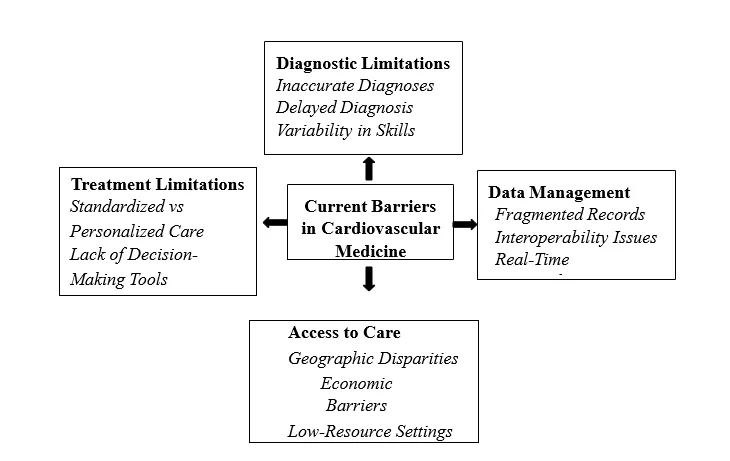
Figure 1: Challenges in Cardiovascular Medicine
This figure outlines the major challenges of cardiovascular medicine within the four domains of diagnostic challenges, limitations in treatments, access to care, and data management. Within each of these four domains, a unique issue exists relevant to delay in diagnosis, failure to offer appropriately individualized treatments, geographic and economic disparity, and fragmented patient data. These barriers conspire together to influence the delivery of cardiovascular health care and outcomes in patients.
Potential of Artificial Intelligence in Cardiovascular Medicine
AI has revolutionised cardiovascular medicine in diagnostics, tailoring treatment to the individual, and encouraging active involvement of the patient.[30] This is because more than 800 FDAapproved AI algorithms targeting cardiovascular diseases are currently significantly enhancing the system of healthcare delivery. Included in the list are early detection of potential risk, those areas where AI shines, such as in the detection of coronary artery calcium from non-ECG-gated chest CT scans with sensitivities ranging between 82-94% and specificity reaching 100%, even better than traditional biomarkers; the higher chest X-ray-based AI algorithm's ability to predict 10-year major adverse cardiovascular event (MACE) risks better than conventional risk scores with an adjusted hazard ratio of 1.73. AI-driven CDSS further expands its adherence to clinical guidelines by streamlining workflows through the alert system of preventive therapies including statins as the studies on introducing an increase of 28.1% were observed.[31-33]
Large language models also enable patient-physician communication to be enhanced through empathetic and high-quality responses, thus aiding clinicians in the summarizing of data about patients and drafting clinical notes. Digital health interventions, for instance, involve the integrated platforms that have been found to carry a very significant outcome in that the MiCORE study reduced 30-day readmissions from 16.8% to 6.5% with an average saving of $7,319 per patient.[32-33]
Machine Learning Algorithms in Cardiovascular Drug Prediction
As some studies have made tremendous advancements in the prediction of patient response towards cardiovascular drugs, this has improved the accuracy and effectiveness of a plan for treatment. Recently, several studies on ML algorithms and their applications in cardiovascular medicine were found.[34]
Random Forest (RF)
There has been immense potential use of machine learning, especially with the Random Forest algorithm, in overcoming all challenges associated with cardiovascular drug prediction and risk assessment. During a development study of predicting CAD, the authors used the Random Forest algorithm to examine the data from 3,112 CAD patients and 3,182 controls. The AUC for the model was significantly impressive in the development cohort at 0.948, with excellent discriminatory ability to pick out the CAD patients from the controls. This model had a sensitivity of 90%, and specificity of 85.4%, making the model well adept at predicting the risk of CAD based on conventional risk factors and laboratory test data.[35]
Further, the model was tested on various cohorts with an AUC value of 0.944 and 0.940 respectively, and sensitivity rate at nearly 89.5% and 79.5% respectively. The results clearly point towards the fact that Random Forest is a valuable tool for early identification and management of CAD with considerable reductions in mortality rates associated with CAD.[36,37]
Support Vector Machines (SVM)
Supporting the fact that SVM can be the molecule to tackle the challenges associated with Cardiovascular Drug Management and Risk Prediction, Recent studies point out the fact that SVM does provide better accuracy as compared to traditional methods in cardiovascular disease (CVD) risk assessments. For instance, Unnikrishnan et al demonstrated in one study that the model of SVM including six predictors, like gender and age, disease history in family for kidney disease, myocardial infarction, high blood pressure, and fasting blood glucose, performed better than logistic regression model that included seven predictors. The SVM model produced more accurate predictions of the outcome of angiography, suggesting it is better suited than the comparison models for handling complex data and nonlinear relationships that exist in clinical data.[38]
Another use of SVM is in the prediction of prognosis of patients with severe acute myocardial infarction with data given from electronic medical records. A study on the MIMIC-III database showed that a model based on SVM proved to be highly precise at 92.2% with an area under the receiver operating characteristic curve value of 0.98. The very high-performing results show the potential of SVM in clinical applications for risk stratification and decision-making processes in treating myocardial infarction.[39,40]
Besides, SVM proved to be an essential tool in countering the weaknesses of conventional cardiovascular risk prediction models Framingham Risk Score is one example, which frequently lacks good sensitivity and specificity. On the basis of multiple health factors and the power of machine learning algorithms, models using SVM gained considerably enhanced predictive abilities that have significantly counteracted traditional methods' failures.[40]
Logistic Regression
Logistic regression is one of the widely used statistical methods within cardiovascular medicine for predicting the probability of cardiovascular events based on many risk factors. Recently, there have been studies showing its improvement in predicting cardiovascular risk when combined with machine learning techniques. For example, logistic regression improved predictive accuracy over the traditional models compared to a prospective cohort study of 378,256 patients from UK family practices. The study said that for logistic regression, the area under the curve was 0.760, an increase of 3.2% over the established American College of Cardiology guidelines (AUC 0.728) 2. This means the logistic regression model would be able to better target the right patients for preventive treatment, not overtreating them.[41]
Tools like the Cardiovascular Risk Prediction Model were designed to mitigate the challenges of cardiovascular drug development. These models rely on logistic regression and other machine learning algorithms in the analysis of very wide clinical data, considering variables that include demographic and laboratorial data. For example, combining 104 laboratory variables and 369 clinical variables in a logistic regression scheme improved the AUC of the model up to 0.774, showing the ability of this model to capture complex interaction among risk factors.[42] This combination can identify patient's risk with higher accuracy, allowing for personalized treatment plans for these patients that may determine better clinical outcomes.
Also, advances in machine learning techniques have furthered the penetration of logistic regression application into cardiovascular medicine.[43] Hybrid models that combine logistic regression with ensemble methods such as Random Forest and Gradient Boosting have been developed for better utilization of their complementary strengths toward improving predictive performance. Such hybrid models might allow for better estimations of patient risk profiles than could be achieved with traditional logistic regression alone and therefore counter some of the inherent shortcomings when applied in isolation.[44]
Gradient Boosting Machines (GBM)
Gradient Boosting Machines (GBM) has emerged as the strong tool in the field of cardiovascular medicine, especially when it comes to dealing with difficult tasks related to prediction of patient response of antihypertensive drugs. A recent study succeeded in demonstrating the efficacy of an Extreme Gradient Boosting model that was developed using data from a pragmatic, clusterrandomized trial involving 19,013 hypertension management visit records from 6,282 patients. This model was designed to predict individual blood pressure (BP) responses to a range of antihypertensive drugs. Findings indicated that the GBM performed better than other machine learning algorithms, with a mean absolute error of 8.57 mmHg and an R^2 value of 0.28, thus establishing that it has the capability to accurately predict outcomes in clinical populations.[45]
Another research applied GBM to develop the risk forecasting model for CVD for patients with CKD. By utilizing EMR data of 8,894 patients, the model gained an AUC of as high as 0.89. Its great predictive power indicates that it could play a good role in improving risk evaluations and treatment choices in subjects at high risk of CVD.[46] The application of GBM in these contexts exemplifies its utility in overcoming the usual issues related to cardiovascular drug therapy, such as variability in patient responses and the need for personalized treatment regimens. Using vast clinical datasets and critical predictors—such as age, comorbidities, and current medication regimens—GBM models can enhance clinicians' ability to tailor antihypertensive therapies effectively. This tailored approach maximizes the ability to control blood pressure and minimizes the adverse effects, hence improving patient outcomes in general.[45,46]
Neural Networks
The This integration of neural networks and artificial intelligence in cardiovascular drug development is transforming the treatment options and is able to answer important questions in that domain. From this vast array of tools, the Deep Residual Convolutional Neural Network (2DCNN) has been very successful in classifying several diseases associated with the cardiovascular system by means of electrocardiogram signals. In a recent study, the model achieved accuracy of 87.85% for binary classification and up to 96.88% when distinguishing among 23 classes, which proves its potential to enhance the diagnostic precision of cardiology.[47]
Additionally, machine learning algorithms and especially neural networks can be used to optimize drug dosing, thus achieving better patient outcomes. For example, backpropagation neural network was used in the prediction of warfarin maintenance doses post-heart valve replacement that bettered the dosing compared to other methodologies. Such treatment is not only tailored to the need of the individual patient but also lessens the adverse effects associated with improper dosing.[48]
Beyond dosing, AI's role has enabled it to drive the stride of precision medicine by providing ample opportunities for discovering novel therapeutic targets through enormous data analysis. This is due to the involvement of significant complexity in cardiovascular diseases that may always result in very high failure rates in clinical trials.[49] With the application of AI tools, the drug discovery process is not only streamlined but also achieves better predictive accuracy in drug efficacy and safety levels, ensuring improved therapeutic outcomes for patients suffering from cardiovascular conditions.[50]
Extreme Gradient Boosting (XGBoost)
Extreme Gradient Boosting (XGBoost) has recently emerged as a powerful tool in the field of cardiovascular drug development and risk prediction. According to newer studies, this can help better predict myocardial infarction and cardiovascular complications and is superior to conventional approaches like logistic regression. For instance, a study using UK Biobank data with over 500,000 participants reported that XGBoost attained an ROC score of 0.86 to predict MI, outperforming the logistic regression model by many folds at 0.771. This kind of capability is of paramount importance in clinical practice as the appropriate risk assessment will drive the preventive measures and make specific personalized treatment plans.[51]
A second study published on patients with type 2 diabetes mellitus (T2DM) included the development of risk engines using XGBoost in conjunction with a gated recurrent unit (GRU)based algorithm. In it, the XGBoost model obtained an area under the ROC curve (AUROC) of 0.781, further indicating high accuracy in predicting cardiovascular complications. This performance makes up the promise of doing challenging medical datasets using XGBoost, discovering information that better outcomes for patients can be achieved if the ones at a higher risk of severe cardiovascular events are identified.[52]
XGBoost has also recently been utilized in evaluating drug-induced risks, such as the risks of developing torsades de pointes (TdP), which would be critical in the development of new drugs. Coupled with numerous biomarkers and clinical information, XGBoost may predict adverse cardiac events associated with new pharmacological agents with much precision.[53] This flexibility makes it a valuable asset in overcoming challenges often encountered in cardiovascular drug research and development while making interventions timely and effective.
Prediction models for specific treatments
One recent paper applied machine learning techniques to advance the development of prediction models in cardiovascular treatments for enhancing clinical decision-making and improving outcomes in patients. By way of a specific example, it was found that, among 8,894 patients with CKD, those features most important in the prediction of CVD risk were the age, history of hypertension, sex, use of antiplatelet drugs, and several biochemical markers, according to LASSO regression. The area under curve of the model developed using Extreme Gradient Boosting is 0.89, hence better predictive power than traditional methods.[54]
AI has been realized as the transforming tool in addressing challenges in drug delivery for cardiovascular, particularly personalized therapy. This can analyze large biomedical data sets to identify new therapeutic targets for drug discovery and greatly improve accuracy in predicting drug efficacy and safety. This does not only improve the drug delivery systems but also overcomes issues of regulatory compliance and scalability for manufacture. For instance, it was recently discovered that AI-based models can outperform traditional CVD risk prediction tools: in one such analysis, the AUC values predicting atherosclerotic cardiovascular disease improved from the value of 0.724 for the Framingham score to 0.774 when other clinical variables were also considered.[55]
In addition, the computational models relevant to the prediction of ADRs in cardiovascular drugs have emerged as a key development recently. Researchers have produced overall models that can provide potential ADR early in the drug development process by using various biological and chemical features integrated by applying machine learning techniques. The developed predictive capability is essential for improving drug safety and efficacy, thereby ensuring improved patient outcomes in cardiovascular treatment scenarios.[56]
Table 1: AI Applications in Cardiovascular Medicine
|
AI Tool |
Data |
Uses |
How it Works |
Cite Number |
|
Random Forest |
Clinical and laboratory test data from CAD patients and controls |
Prediction of coronary artery disease (CAD) risk |
Uses ensemble methods to classify data and predict CAD risks with high sensitivity and specificity. |
[35-37] |
|
Gradient Boosting Machines (GBM) |
Hypertension management records, CKD patient EMR data |
Prediction of blood pressure response, cardiovascular risk forecasting |
Employs boosting techniques to minimize errors and optimize predictive models for clinical populations. |
[45-46] |
|
Neural Networks |
Electrocardiogram signals, warfarin dosing data |
Disease classification, drug dosing optimization |
Processes data through layers to classify diseases and optimize therapeutic dosing. |
[47-50] |
|
Support Vector Machines (SVM) |
Patient data including family disease history, clinical data |
CVD risk assessment, treatment prognosis |
Applies hyperplane classification to separate and predict outcomes in nonlinear data relationships. |
[38-40] |
|
XGBoost |
UK Biobank data, T2DM patient records |
Prediction of myocardial infarction and cardiovascular complications |
Utilizes gradient boosting to enhance prediction accuracy for cardiovascular events. |
[51-53] |
|
Logistic Regression |
Clinical and demographic variables, laboratory test data |
Risk prediction for cardiovascular events, treatment planning |
Analyzes complex interactions among clinical variables to improve risk estimations. |
[41-44] |
|
Deep Residual Convolutional Neural Network (2D-CNN) |
Electrocardiogram signals for disease classification |
Enhanced diagnostic precision for cardiovascular diseases |
Utilizes convolutional layers to process ECG data for disease detection and classification. |
[47] |
|
Ensemble Models |
Combination of data sources including biomarkers, clinical records |
Improved predictions using hybrid approaches combining tools |
Combines multiple algorithms for robust risk assessment and prediction accuracy. |
[50, 53] |
|
Large Language Models |
Patient data, medical history, clinical summaries |
Enhanced patientphysician communication, data summarization |
Uses natural language processing for better clinical note generation and predictive insights. |
[30, 32] |
This table summarizes key AI tools used in cardiovascular medicine, detailing the data sources utilized, their primary applications, how they function, and corresponding citation references. It highlights advancements in risk prediction, treatment personalization, diagnostic accuracy, and patient-physician communication driven by various machine learning and AI technologies.
Challenges in Integrating AI into Cardiovascular Medicine
Ethical and legal hurdles to integrate AI into cardiovascular medicine are necessary in ensuring its proper implementation. Issues of privacy and data security will play a prominent role because most of the AI would be sensitive in terms of the data available to them. According to one study, "Concerns related to data privacy and security remain key inhibitors to trust in AI-enabled healthcare, with both providers and patients worried about breaches of confidentiality and misuse of their personal health information.".[57] In addition, accountability and transparency questions arise from the ethical implications of algorithms making decisions. Many clinicians are wary of the transparency that may be linked with coming up with decisions by AI algorithms. Such lack in transparency breeds general distrust in these technologies. Furthermore, the lack of more robust regulatory frameworks addressing the ethical use of AI in clinical settings thus could alleviate some of these concerns.[58]
Technical barriers also restrict the spread of AI in cardiovascular medicine, particularly with regards to data quality and representation. Most AI models have been developed to use enormous datasets that very often are incomplete or otherwise inherently biased, reducing their validity and generalizability across a population. There is a natural need to train and validate the model; most healthcare institutions do not have the infrastructure and resources to support this process. It was discovered that sometimes, the introduction of AI tools may cause difficulties with integration in EHR systems due to interoperability problems. This would result in inconsistent data presentation and reduce the usability level. This further emphasizes the need for standardized protocols so as to allow effective integration of AI tools in clinical practice.[59]
Economic and infrastructural hindrances are significant barriers to the integration of AI in cardiovascular care. The cost of developing AI technologies is usually prohibitively expensive for healthcare providers to undertake investments in such technologies, especially in scarce resource settings. Additionally, the greatest deficit of professionals trained in AI by professionals in healthcare settings highlights the challenges of adopting advanced technologies.[60] A mixedmethods study found that, although a significant number of cardiologists believe that AI tools could be of potential value, resistance to their use remains mainly based on lack of knowledge and training. These economic and infrastructural barriers must be overcome if the environment for AI to flourish is to be established within cardiovascular medicine.
CONCLUSION
The integration of AI in cardiovascular medicine promises to be one major advance in overcoming the limitations presented by ADRs, DDIs, and adherence-related issues. Deep learning models achieve mean validation accuracy of as high as 89.4% in AI-powered systems for predicting ADRs. This possibility ensures that clinicians could proactively measure against specific drug regimens raising individual risks and contribute to better patient safety and therapeutic outcome. AI further involves significant improvements in managing DDIs, particularly to cardiovascular patients, who are mainly exposed to polypharmacy. The AI models adapt drug dosage and treatment plans based on the analysis of electronic health records as well as integration of pharmacogenomic data to minimize the risk of inefficacy and adverse interactions. AI tools have also been great promises in overcoming high prescription costs, complex preauthorization processes, and geographic disparities to ensure equitable access.
The multifaceted potential of AI is also improved adherence to medication through specific interventions or reminders and addressing unintentional nonadherence in adding shifts on the perspectives of patients toward treatment. Algorithms in machine learning, like Random Forest, Gradient Boosting Machines, and Neural Networks, have been shown to be effective in predicting greater accuracy in cardiovascular risks than traditional methods; technologies now form robust frameworks for early detection, personalized care, and better clinical decision-making. Some of these challenges, such as data privacy, technical integration, and economic constraints, remain; however, they all speak to the need for systemic reforms and investment. Infrastructural deficits coupled with ethical implementation of AI will be crux to harnessing AI's full potential in the transformation of cardiovascular care. In the ultimate analysis, it is application of AI in cardiovascular medicine bringing benefits in terms of improved clinical outcomes while heralding a new paradigm in precision and efficiency in health delivery.
ACKNOWLEDGEMENT
I extend my sincere gratitude to Dr. Venkateswaramurthy.N, Head of the Department, in the Department of Pharmacy Practice, for his invaluable support and contributions to this review. His expert guidance, thoughtful advice, and unwavering encouragement were pivotal in the successful completion of this work. This endeavor would not have been possible without his mentorship.
Conflicting Interests: The authors declared no potential conflicts of interest.
Funding sources: None
REFERENCES
2022;24(10):813-820. doi:10.1007/s11883-022-01055-1
Heart J Digit Health. 2021;2(3):424-436. Published 2021 Jun 8. doi:10.1093/ehjdh/ztab054
doi:10.1002/psp4.13229
2022;24(10):813-820. doi:10.1007/s11883-022-01055-1
Heart J Digit Health. 2021;2(3):424-436. Published 2021 Jun 8. doi:10.1093/ehjdh/ztab054
doi:10.1002/psp4.13229


Dr. R. S. Goshika, M. L. Akshaya Sharon, A New Era of Ai-Driven Cardiovascular Care, Int. J. of Pharm. Sci., 2026, Vol 4, Issue 8, 1974-1991, https://doi.org/10.5281/zenodo.21900918
 10.5281/zenodo.21900918