

We use cookies to ensure our website works properly and to personalise your experience. Cookies policy
Bharathi College of Pharmacy, Bharathinagara, Maddur, Mandya, Karnataka, India 571422.
Herbal peel-off face masks have gained considerable attention in cosmetic formulations due to their natural origin, ease of application, and potential skin-beneficial properties. The present study was undertaken to formulate and evaluate a herbal peel-off face mask gel containing aqueous extracts of Shankhapushpi flower and Bael leaves for potential antioxidant and skin-rejuvenating activity. Shankhapushpi and Bael were selected due to their phytochemical constituents and reported antioxidant properties. Polyvinyl alcohol (PVA) was used as a film-forming agent, while hydroxypropyl methylcellulose (HPMC) was incorporated to improve the viscosity and consistency of the gel. Glycerine and propylene glycol were used as humectants and moisturizing agents, while rose water was incorporated to provide a pleasant fragrance and additional cosmetic benefits. Thunbergia erecta was used as a natural colouring agent, and benzyl alcohol was incorporated as a preservative. Different formulations were prepared and evaluated for organoleptic characteristics, homogeneity, pH, spreadability, drying time, peelability, folding endurance, washability, stability, phytochemical constituents, and antioxidant activity. The antioxidant potential of the herbal extracts was assessed using the DPPH free-radical scavenging assay. The developed formulations showed satisfactory physical characteristics, acceptable pH, good spreadability, satisfactory drying and peel-off properties, and stability up to 40°C. the developed herbal peel-off face mask gel demonstrated promising characteristics and may serve as a natural cosmetic formulation for antioxidant protection and skin rejuvenation
Previous studies have indicated that Shankhpushpi (Convolvulus pluricaulis) flowers and Bael (Aegle marmelos) leavesare promising sources of naturally occurring antioxidant phytoconstituents. These plants contain various bioactive compounds, including flavonoids, phenolic compounds, tannins, polyphenols, and other secondary metabolites, which may contribute to their antioxidant activity. These antioxidant constituents can scavenge free radicals and may help reduce oxidative damage associated with environmental stress and ultraviolet (UV) exposure.
Premature skin aging is characterized by visible changes such as wrinkles, fine lines, reduced elasticity, and alterations in skin texture. Prolonged exposure to UV radiation can stimulate the formation of reactive oxygen species (ROS), which may cause oxidative damage to skin cells and contribute to photoaging Excessive free-radical formation can result in oxidative stress and accelerate changes associated with skin aging . Therefore, antioxidant-rich herbal ingredients may be useful in topical cosmetic formulations for supporting skin protection and maintaining a healthy appearance.
In the present study, Shankhpushpi flower and Bael leaf extracts are incorporated together into a peel-off gel mask to explore their potential antioxidant, skin-protective, and skin-rejuvenating properties. Although these herbal ingredients have previously been investigated individually and their combination has been reported in a face-gel formulation, their incorporation into the present peel-off gel mask provides a different topical dosage-form approach. The formulation is intended to utilize the complementary properties of the selected herbal extracts while providing the practical benefits of a peel-off mask.1
Cosmetics:
The peel-off gel mask may provide several cosmetic benefits, including refreshing and softening the skin, supporting skin-cell activity, removing superficial impurities and dead skin cells, and improving the overall appearance and texture of the skin . After application, the formulation forms a thin film upon drying that can be gently peeled from the skin without extensive rinsing, facilitating the removal of superficial debris and dead skin cells. Thus, the proposed Shankhpushpi–Bael herbal peel-off gel mask may serve as a promising natural cosmetic formulation for antioxidant protection, skin rejuvenation, and supporting the reduction of visible signs associated with premature skin aging.2
The word "cosmetics" originates from the ancient Greek term kosmētikos, pearance of the skin, hair, nails, and other external parts of the body. which means "skilled in adornment" or "having the ability to arrange and beautify." It is derived from the verb kosmein, meaning "to adorn" or "to arrange," and the noun kosmos, meaning "order," "harmony," or "ornament." This origin reflects the historical purpose of cosmetics in enhancing personal appearance, maintaining beauty, and promoting aesthetic harmony. Over time, the term has come to encompass a broad range of products used for cleansing, protecting, and improving the appearance of the skin, hair, nails, and other external parts of the body.3
Herbal cosmetics are cosmetic preparations that incorporate natural ingredients derived from plants to enhance appearance while also supporting skin and hair health. These products may provide moisturizing, soothing, nourishing, and protective effects due to the presence of biologically active compounds found in medicinal plants. Herbal cosmetics are widely used for maintaining healthy skin, improving complexion, and managing common skin conditions such as acne. Their growing popularity is largely attributed to their natural origin, perceived safety, and reduced likelihood of causing adverse effects compared to some synthetic products. The long-standing use of medicinal plants in traditional healthcare systems has further contributed to the development of modern herbal cosmetic formulations.4
Herbal cosmetics are cosmetic formulations prepared using plant-derived ingredients such as extracts, essential oils, fixed oils, gums, waxes, and other natural substances. These products are designed to enhance appearance while simultaneously improving skin and hair health through the biological activities of medicinal plants. Herbal cosmetics are increasingly preferred because they are considered safer than many synthetic products and are generally associated with fewer adverse effects when used appropriately.5
Physiology of Skin
The skin is the largest organ of the human body and serves as the first line of defense against external environmental factors. In adults, it covers an approximate surface area of 1.5–2.0 m², with thickness varying according to the anatomical location. On average, the skin is about 1.3 mm thick in males and 1.26 mm in females. Besides providing physical protection, the skin plays a vital role in maintaining homeostasis by regulating body temperature, preventing excessive water loss, and performing sensory and metabolic functions. It has a slightly acidic surface pH ranging from 4.5 to 6.0, commonly known as the acid mantle, which helps preserve the skin barrier and inhibits the growth of pathogenic microorganisms.
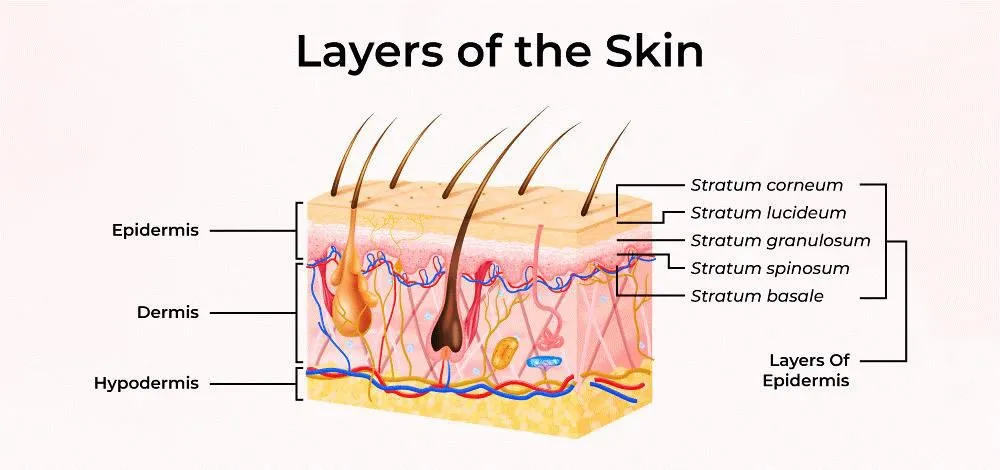
Layers of the Skin
A. Epidermis
The epidermis is the outermost layer of the skin and functions as the primary protective barrier against physical injury, harmful chemicals, microorganisms, and ultraviolet (UV) radiation. This layer is avascular, receiving nutrients and oxygen through diffusion from the underlying dermis. It is mainly composed of keratinocytes, along with melanocytes, Langerhans cells, and Merkel cells, each contributing to skin protection and sensory functions.
The epidermis consists of five distinct layers:
a.StratumCorneum:
The stratum corneum is the outermost layer composed of flattened, dead keratinized cells embedded in lipids. It forms a strong protective barrier that minimizes water loss while preventing the entry of harmful microorganisms and chemicals.
b.StratumLucidum:
This thin, transparent layer is present only in thick skin, such as the palms and soles. It provides additional protection against mechanical stress and friction.
c.StratumGranulosum:
Cells in this layer contain keratohyalin granules that promote keratin formation and contribute to the development of the skin's waterproof barrier.
d.StratumSpinosum:
Known as the prickle-cell layer, the stratum spinosum consists of polygonal keratinocytes connected by desmosomes, providing structural integrity and mechanical strength to the epidermis.
e.StratumBasale(StratumGerminativum):
The deepest epidermal layer contains actively dividing basal cells responsible for continuous epidermal renewal. It also houses melanocytes, which synthesize melanin to protect the skin from ultraviolet radiation, and Merkel cells involved in tactile sensation.
B. Dermis
The dermis lies immediately beneath the epidermis and is composed primarily of connective tissue rich in collagen and elastin fibers. It provides structural support, elasticity, and nourishment to the epidermis through an extensive network of blood vessels. The dermis also contains hair follicles, sebaceous glands, sweat glands, sensory nerve endings, lymphatic vessels, and blood vessels that collectively contribute to skin function and repair.
C. Hypodermis (Subcutaneous Tissue)
The hypodermis, also known as the subcutaneous layer, is situated beneath the dermis and, although not considered a true part of the skin, plays an important supportive role. It consists mainly of adipose tissue and loose connective tissue containing fibroblasts, macrophages, and adipocytes. This layer provides thermal insulation, mechanical cushioning, energy storage, and anchors the skin to the underlying muscles and bones.
Types of Skin and Their Characteristics
Normal Skin
Dry Skin
Oily Skin
Combination Skin
Functions of the Skin
Peel-Off Face Masks
Peel-off face masks are topical skincare formulations that are applied as a thin layer to the skin and allowed to dry, forming a flexible film that can be removed by peeling. These masks are widely used for facial cleansing and cosmetic care because they effectively eliminate accumulated dirt, excess sebum, dead skin cells, and other surface impurities. The film-forming property of peel-off masks enables close contact with the skin, facilitating the removal of debris while leaving the skin smooth, clean, and refreshed.
In addition to their cleansing action, peel-off masks help improve skin texture, enhance hydration, and provide a temporary tightening effect that promotes a healthy and radiant appearance. The occlusive film formed during application increases the contact time of active ingredients with the skin, allowing better penetration and improved efficacy. Herbal peel-off masks are particularly popular because they incorporate natural plant extracts possessing antioxidant, anti-inflammatory, antimicrobial, and skin-conditioning properties.
Exposure to ultraviolet (UV) radiation and environmental pollutants generates reactive oxygen species (ROS) and free radicals, which accelerate oxidative stress and contribute to premature skin aging, pigmentation, erythema, and loss of skin elasticity. Peel-off masks containing antioxidant-rich herbal ingredients help neutralize these free radicals, thereby protecting the skin from oxidative damage and supporting overall skin health. Owing to their convenience, ease of application, and ability to deliver multifunctional benefits, peel-off masks have become an important category of modern cosmetic and cosmeceutical products.6,7
Types of Peel-Off Face Masks
a. Peel-Off Masks
Peel-off masks are applied uniformly over the face and allowed to dry until they form a continuous film. Once dried, the film is gently removed in a single layer, carrying away dead skin cells, excess oil, and impurities from the skin surface. These masks provide deep cleansing and leave the skin feeling smoother and revitalized.
b. Sheet Masks
Sheet masks consist of fabric, hydrogel, or bio-cellulose sheets impregnated with concentrated serums. They are designed to deliver moisturizing, soothing, brightening, or anti-aging ingredients directly to the skin while minimizing evaporation and enhancing ingredient absorption.
c. Charcoal and Clay Masks
Charcoal- and clay-based masks are formulated to absorb excess sebum, remove impurities, and unclog pores. Activated charcoal and natural clays possess excellent adsorptive properties that help detoxify the skin and improve complexion, making these masks particularly suitable for oily and acne-prone skin.
d. Leave-On Masks
Leave-on masks are moisturizing formulations that remain on the skin for an extended period, ranging from 15–30 minutes to overnight. They are enriched with humectants, emollients, and nourishing ingredients that provide prolonged hydration and improve skin softness without requiring immediate removal.7
Benefits of Peel-Off Face Masks
Precautions Before Using a Herbal Peel-Off Face Mask
Keep the product tightly closed and out of the reach of children
OBJECTIVES OF THE FORMULATION
MATERIALS AND METHODS
Materials
Shankhapushpi flowers and Bael (Aegle marmelos) leaves were collected from a suitable local source and authenticated before use. The collected plant materials were cleaned, shade-dried and powdered separately. The powdered materials were used for the preparation of aqueous extracts. Polyvinyl alcohol (PVA), hydroxypropyl methylcellulose (HPMC E15), glycerin, propylene glycol, Thunbergia erecta flower extract, benzyl alcohol and rose water were used for the preparation of the herbal peel-off face mask gel. All other chemicals and excipients used were of laboratory grade.
METHOD OF PREPARATION
Table 01:Formulation of Herbal Peel off Face Mask Gel.
|
Ingredients |
F1 |
F2 |
F3 |
F4 |
|
Shankhapusphi |
10ml |
10ml |
10ml |
10ml |
|
Beal Leaf |
5ml |
5ml |
5ml |
5ml |
|
Thunbergia erecta |
0.5ml |
0.5ml |
0.5ml |
0.5ml |
|
PVA(Polyvinyl Alcohol) |
10gm |
16gm |
10gm |
16gm |
|
HPMC(Hydroxy Propyl Methyl Cellulose) |
1gm |
1gm |
3gm |
3gm |
|
Glycerin |
5ml |
5ml |
5ml |
5ml |
|
Propylene Glycol |
3ml |
3ml |
3ml |
3ml |
|
Benzyl Alcohol |
0.5ml |
0.5ml |
0.5ml |
0.5ml |
|
Rose Water |
5ml |
5ml |
5ml |
5ml |
Procedure of Peel off Face mask Application
EVALUATION PARAMETERS
A. Organoleptic Evaluation
The prepared herbal peel-off mask was evaluated for basic physicalcharacteristics:
B. Physiochemical Evaluation
Formula
Where,
D = Diameter of formulation after compression (cm)
𝜋 = 3.14 (Approximate value)
C. Phytochemical Screening : Preliminary phytochemical screening of Shankhapushpi and Bael leaf extracts revealed the presence of various bioactive phytoconstituents, including flavonoids, phenolic compounds, alkaloids, triterpenoids, saponins, glycosides, and phytosterols. The presence of flavonoids and phenolic compounds is particularly important due to their reported antioxidant potential. These phytoconstituents may contribute to the biological activity of the herbal extracts. The findings support the selection of Shankhapushpi and Bael leaves as herbal ingredients for cosmetic application. Thus, the phytochemical screening results support their incorporation into the herbal peel-off face mask gel.20
D. Antioxdiant Assay : The antioxidant activity was evaluated using the DPPH radical scavenging assay. The extracts demonstrated free-radical scavenging activity, indicating their potential antioxidant properties. This activity may be mainly associated with the presence of phenolic compounds and flavonoids identified during phytochemical screening. Antioxidant activity may help protect the skin from oxidative stress and support its rejuvenating properties. Therefore, the results support the potential use of the formulated herbal peel-off face mask gel for skin rejuvenation and anti-aging cosmetic applications.21
RESULTS
A. Organoleptic Parameters
The Physical properties of the formulated Herbal Peel off mask were evaluated by Colur, Odour, Appearance, Consistency and texture.
Table 02: Result of Organoleptic Properties.
|
SI.No. |
Properties |
F1 |
F2 |
F3 |
F4 |
|
1
|
Colour |
Dark Purple |
Purple |
Bluish-Green |
Bluish-Green |
|
2
|
Odour |
Pleasant |
Pleasant |
Pleasant |
Pleasant |
|
3
|
Appearance |
Semi-solid |
Semi-solid |
Semi-solid |
Semi-solid |
|
4
|
Texture |
Good |
Good |
Good |
Good |
|
5
|
Consistency |
Good |
Good |
Good |
Good |
B.Physiochemical Parameters
The physicochemical properties of the formulated herbal peel-off mask were evaluated based on the following parameters:
Table 03: pH of Formulation F1 to F4.
|
SI.No. |
Formulation |
pH |
|
1 |
F1 |
6.4 |
|
2 |
F2 |
6.8 |
|
3 |
F3 |
7.0 |
|
4 |
F4 |
6.7 |
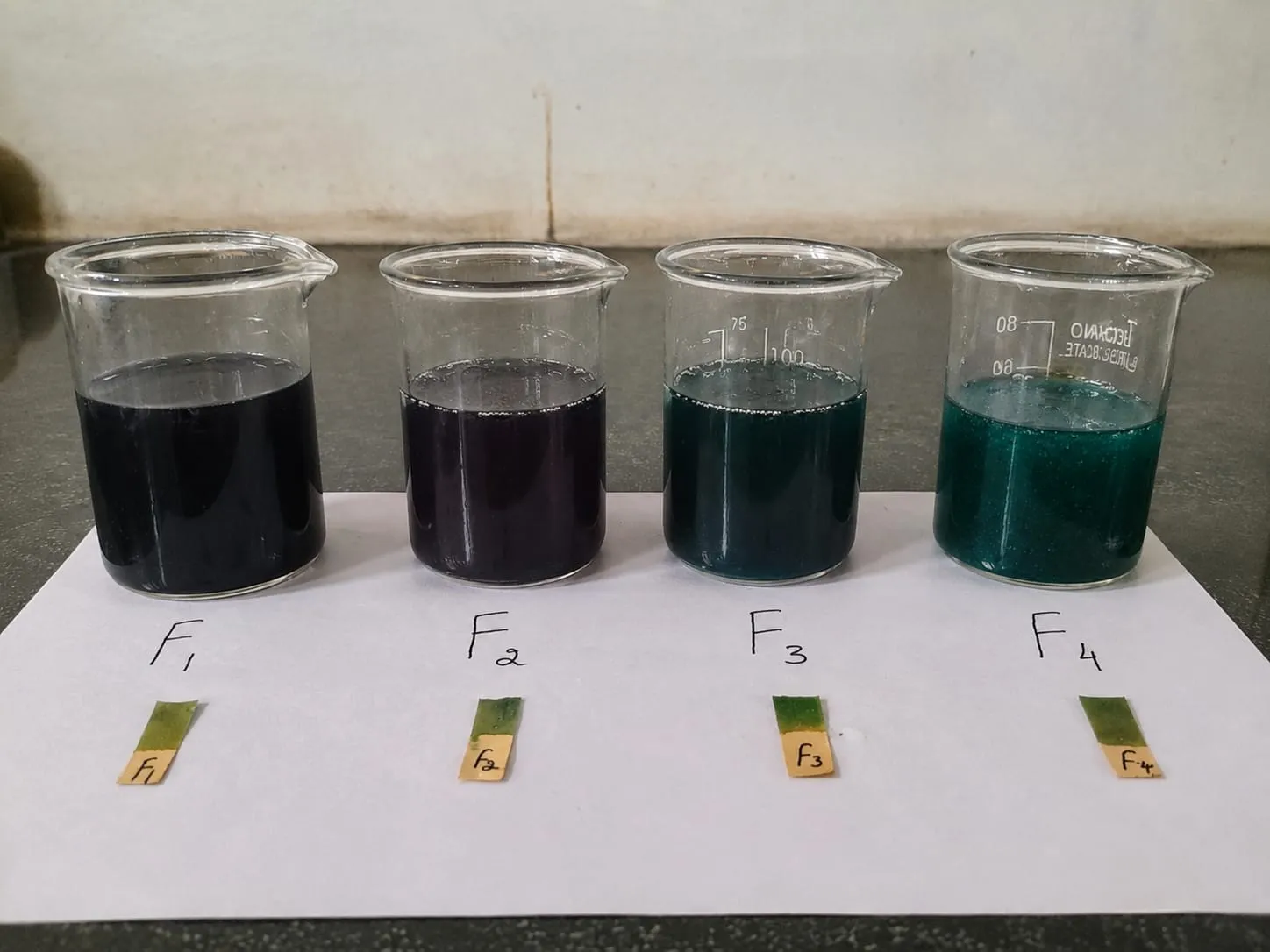
Figure 02:pH test
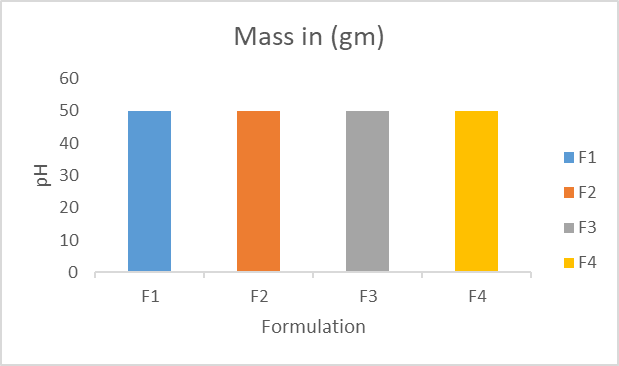
Figure 03:pH of Formulation F1 to F4
Table 04: Spreadabity of Formulation F1 to F4
|
Formulation |
Mass in (gm) |
Diameter Of spread (cm) |
Spreadability (Cm2) |
|
F1 |
50 |
5.5 |
23.74 |
|
F2 |
50 |
5.1 |
20.41 |
|
F3 |
50 |
4.8 |
18.34 |
|
F4 |
50 |
4.4 |
15.19 |
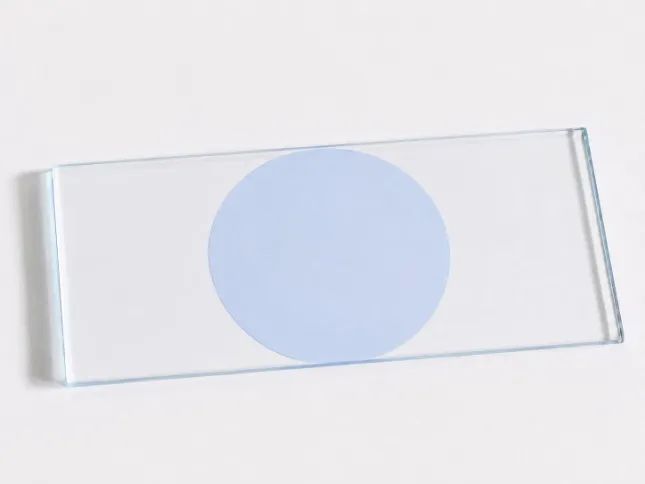
Figure 04: Spreadability Test.
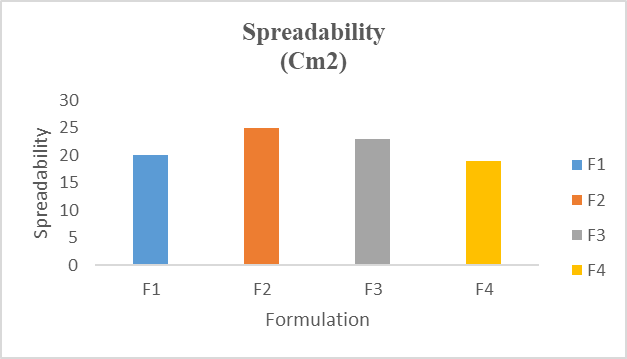
Figure 05: Spreadability of Formulation F1 to F4.
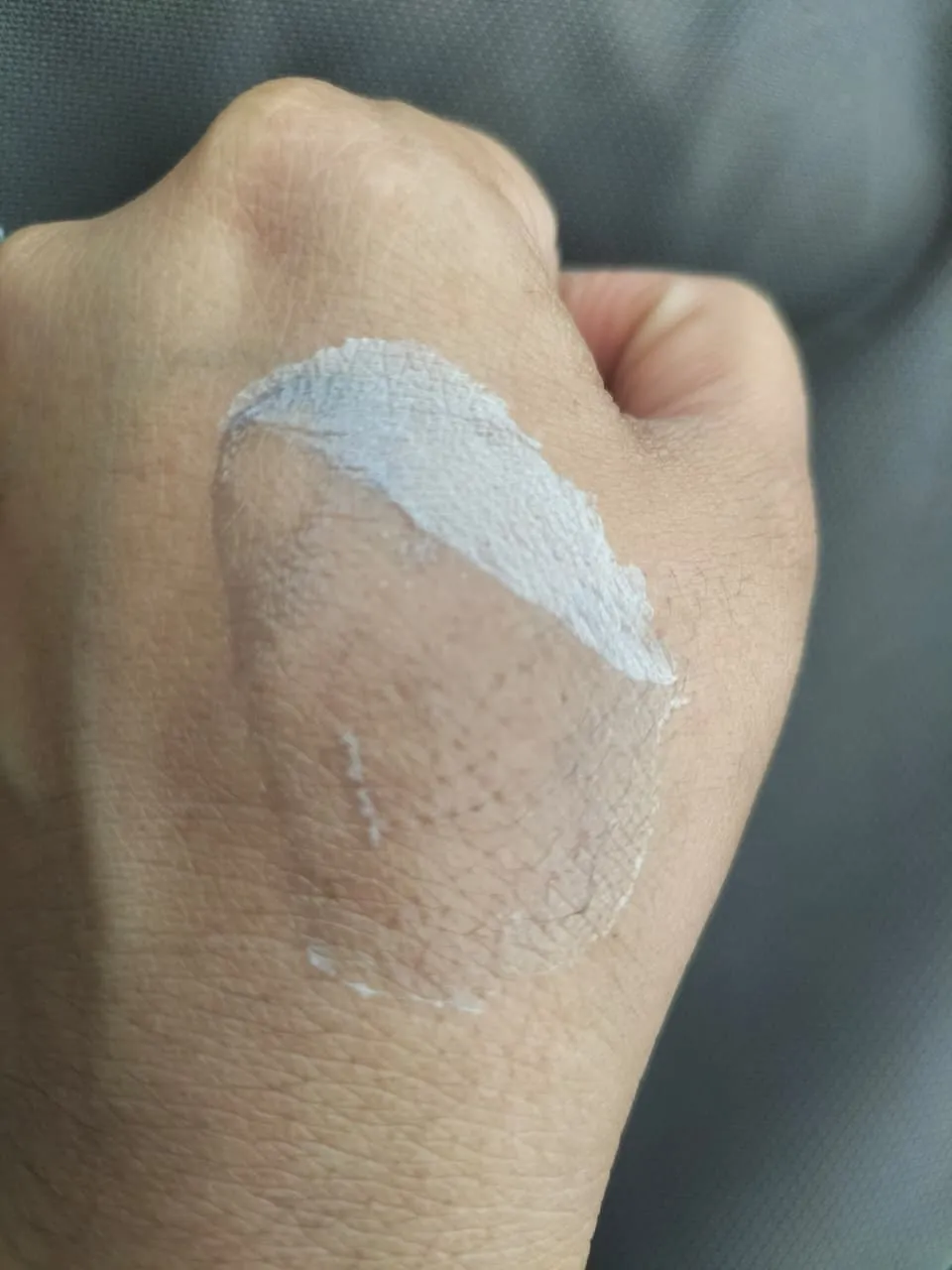
Figure 06: Peelability Test.
Table 06 :Preliminary phytochemical screening of the extracts
|
SL.No.
|
Chemical test |
Shankhapusphi Extract |
Beal Extract |
|
1. |
ALKALOIDS |
|
|
|
|
Dragendorff' s |
+ |
+ |
|
|
Wagner's |
+ |
+ |
|
|
Mayer's |
+ |
+ |
|
|
Hager's |
+ |
+ |
|
2. |
GLYCOSIDES |
|
|
|
|
Legal 's |
+ |
+ |
|
|
Modified Borntrager's |
- |
- |
|
3. |
PHYTOSTEROLS AND TRITERPENOIDS |
|
|
|
|
Salkowaski |
+ |
+ |
|
|
Libermannburchard |
+ |
+ |
|
4.
|
SAPONINS |
|
|
|
|
Froth test |
+ |
+ |
|
5.
|
PHENOLIC COMPOUNDS |
|
|
|
|
Ferric chloride |
+ |
+ |
|
6.
|
FLAVONOIDS |
|
|
|
|
Ferric chloride |
+ |
+ |
|
|
Lead acetate |
+ |
+ |
|
|
Shinoda test |
+ |
+ |
|
7. |
CARBOHYDRATES |
|
|
|
|
Molisch's test |
+ |
+ |
|
|
Barfoed's test |
+ |
+ |
|
|
Fehling's test |
+ |
+ |
|
8. |
PROTEINS AND AMINO ACIDS |
|
|
|
|
Ninhydrin test |
+ |
+ |
|
|
Millon's test |
+ |
+ |
|
9. |
FIXED OILS AND FATS |
|
|
|
|
Spot test |
- |
- |
|
|
Saponification test |
- |
- |
Table 07 :In-vitro anti-oxidant activity of clitorea ternatea flower extract by DPPH radical
scavenging assay.
|
SL No. |
Concentration ( g/ml) |
Absorbance |
Percentage Inhibition % |
|
1 |
5 |
0.620 |
12.0 |
|
2 |
10 |
0.510 |
27.6 |
|
3 |
15 |
0.400 |
43.2 |
|
4 |
20 |
0.320 |
54.5 |
|
5 |
25 |
0.250 |
64.6 |
|
6 |
30 |
0.180 |
74.4 |
22 Factorial Design with PVA and HPMC by using Design Expert Software:


Figure 7 :22 Factorial Design with PVA and HPMC
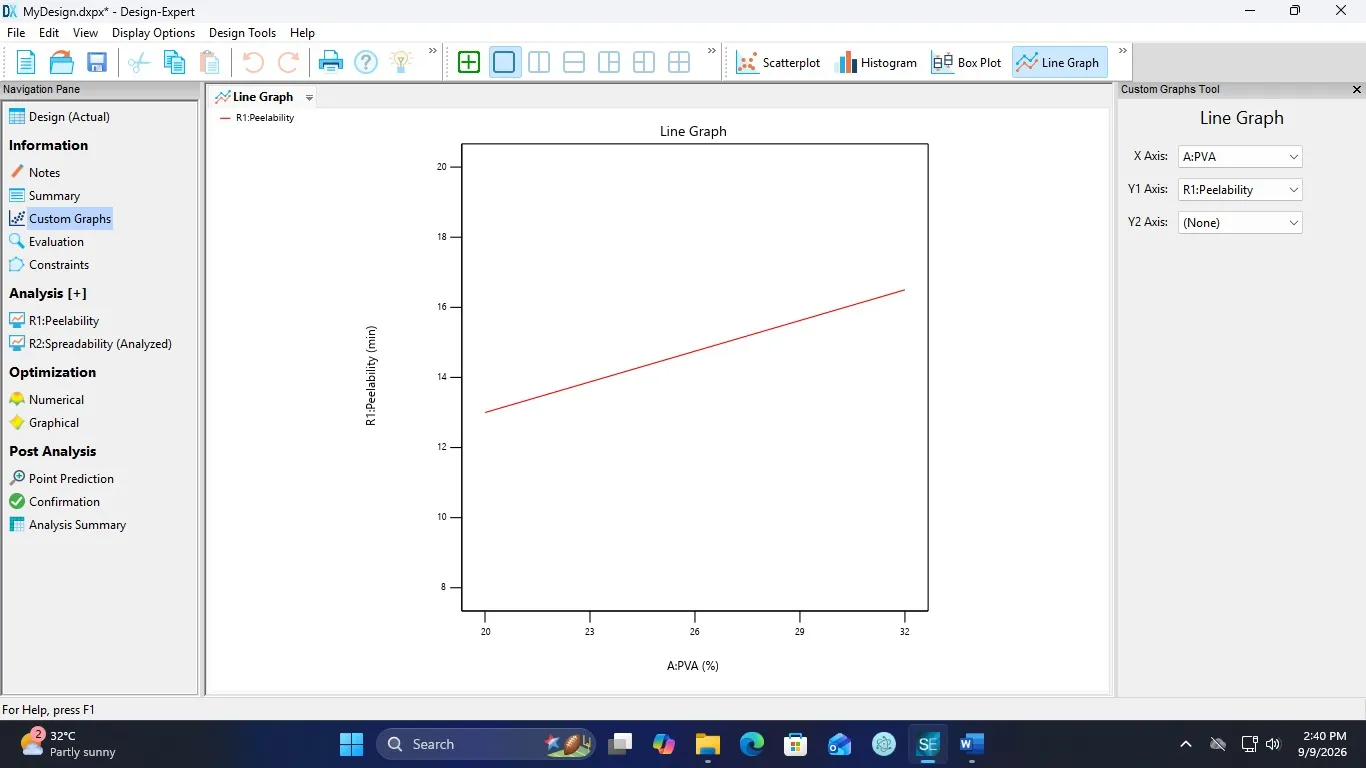
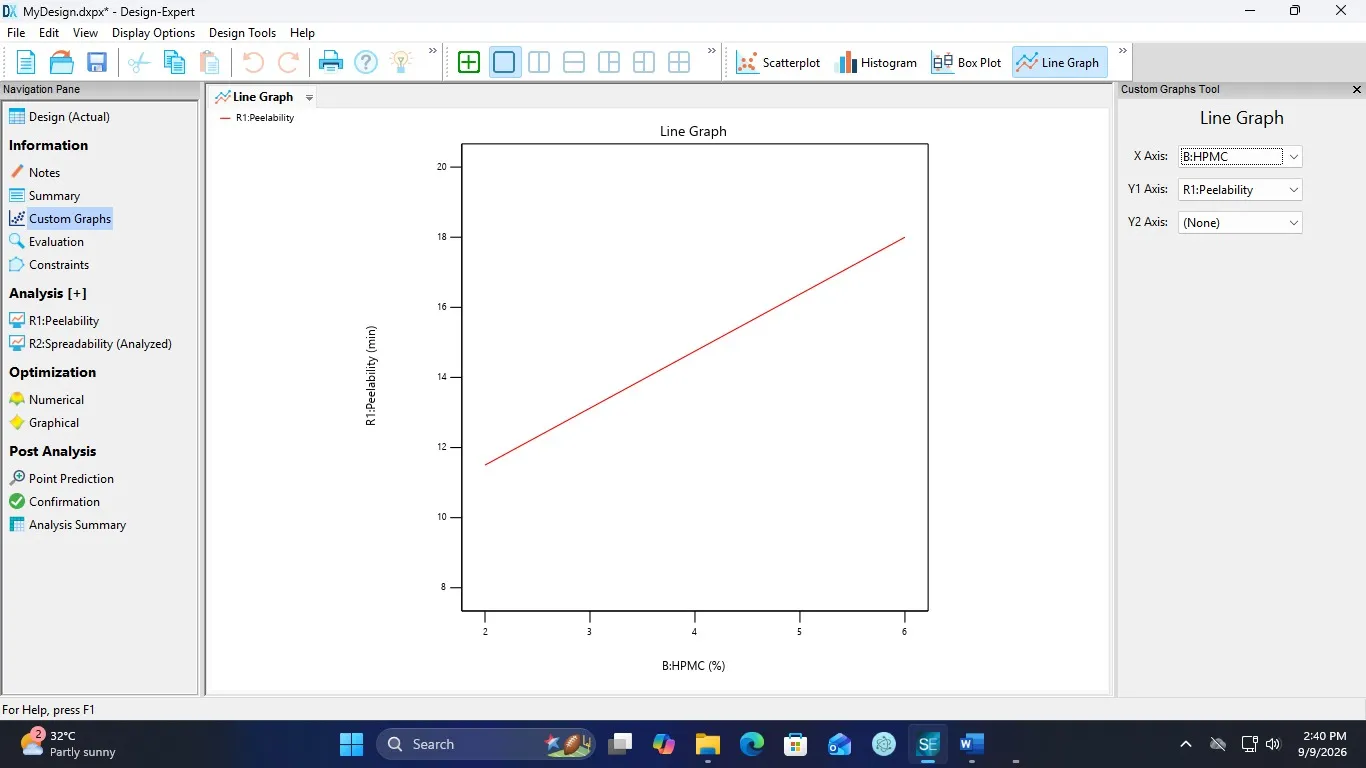
Figure 8: The Line graph showing the effect of PVA and HPMC Concentration on Peelability
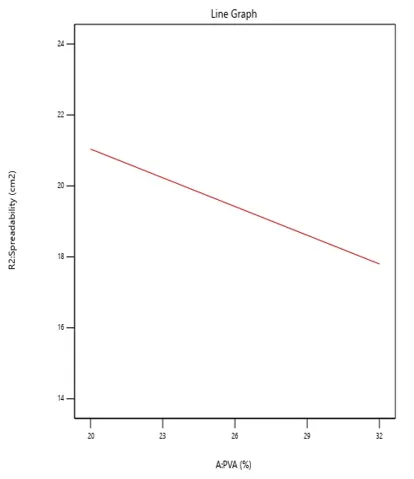
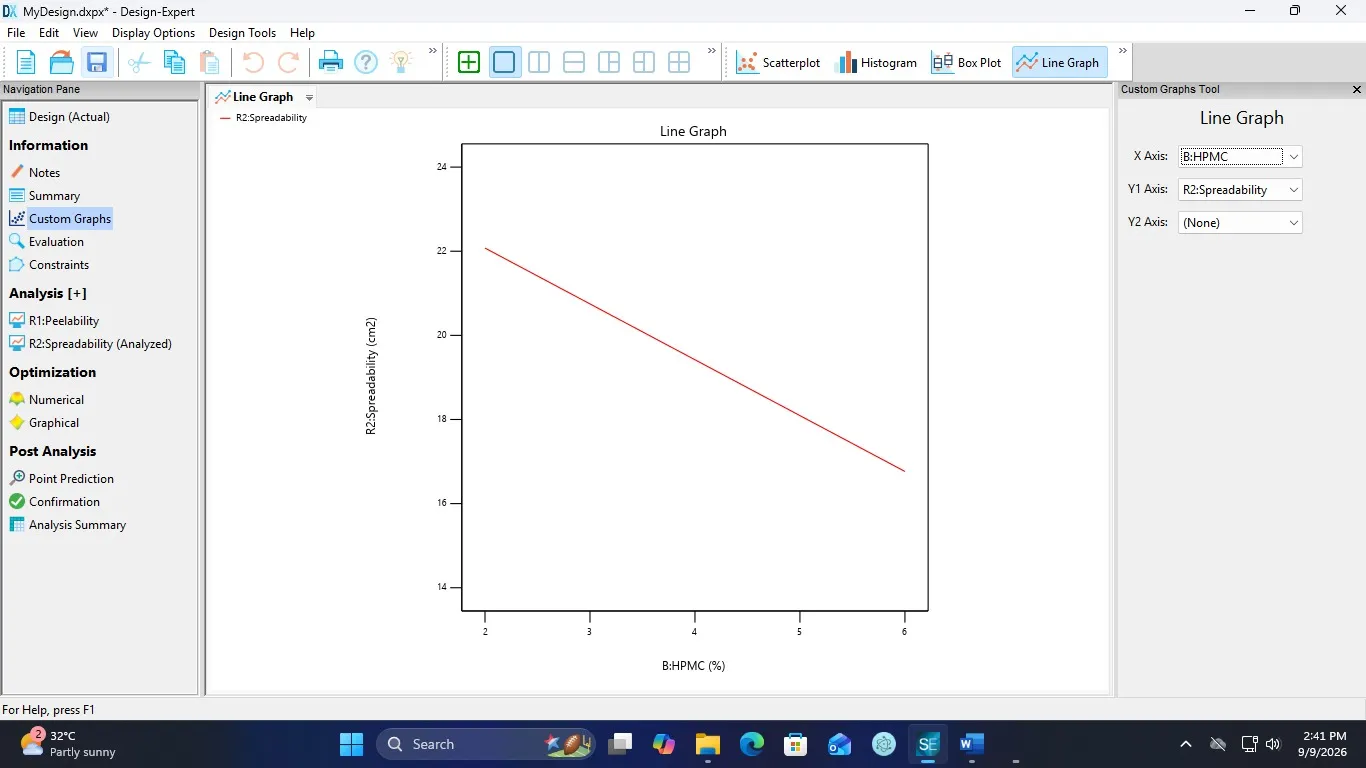
Figure 9: The Line graph showing the effect of PVA and HPMC Concentration on Spreadability

Figure 10 : Numerical Optimization/Desirability analysis
ACKNOWLEDGEMENT
We want to express our sincere gratitude to the Principal, Bharathi College of Pharmacy, Bharathinagara, Mandya, for their valuable support and encouragement throughout this study.
We also extend our heartfelt thanks to our guide Ms. Dhanyashree K ,Associate Professor, Department of Pharmaceutics, for his guidance, constant support, and valuable suggestions during the course of this research.
CONFLICT OF INTEREST
The authors declare that there is no conflict of interest associated with this research work. The study was carried out solely for academic and educational purposes.
CONCLUSION
The present study successfully developed and evaluated a herbal peel-off face mask gel containing Shankhapushpi flower and Beal leaf extracts. The prepared formulations exhibited acceptable appearance, colour, homogeneity, pH, spreadability, peelability, viscosity and washability, indicating good physical properties and skin compatibility. The herbal extracts contributed to the antioxidant potential of the formulation, supporting its possible role in protecting the skin from oxidative stress and promoting skin rejuvenation. Among the prepared formulations, the optimized formulation showed comparatively better overall evaluation characteristics.Numerical optimization was performed using the desirability function to obtain an optimized formulation. The selected solution consisted of 29.99% PVA and 5.97% HPMC, with predicted peelability and spreadability values of 14.75 min and 19.42 cm², respectively. The overall desirability value was 0.959, indicating a highly desirable optimized formulation that closely satisfied the predefined target responses. Hence, the developed herbal peel-off face mask can be considered a promising natural cosmetic formulation for skin care and anti-ageing applications, with scope for further stability and clinical studies.
REFERENCES



Dhanyashree, Hemavathi N, Chaithra M P, Rakshith K J, Formulation And Evalution of Herbal Peel Off Face Mask Gel Using Shankhapusphi Flower and Beal Leaves, Int. J. of Pharm. Sci., 2026, Vol 4, Issue 10, 1516-1531, https://doi.org/10.5281/zenodo.23315785
 10.5281/zenodo.23315785