

We use cookies to ensure our website works properly and to personalise your experience. Cookies policy
1,2Pharm D 5th year, College of Pharmacy, Sri. Ramakrishna Institute of Paramedical Sciences, Coimbatore, Tamil Nadu, India.
3Department of Pharmacy Practice, College of Pharmacy, Sri. Ramakrishna Institute of Paramedical, Sciences, Coimbatore, Tamil Nadu, India.
Scleroderma, or systemic sclerosis, is a rare and diverse autoimmune disorder characterized by excessive collagen buildup in the skin and internal organs, leading to fibrosis and vascular tissues. A 44-year-old female patient visited the dermatology department with complaints of corns and sciatica pain. She has a known history of scleroderma. On general examination, she was alert, oriented, and afebrile. She reported difficulty with tongue movements and clubbing of her fingers, with a non-contributory social and family history. The patient also experienced skin tightness and shortness of breath when climbing stairs. She consulted a pulmonologist, who recommended spirometry, but she was unable to complete it. She tried Siddha medicine, which led to some improvement in her breathing. Due to cold weather, Raynaud’s phenomenon worsened, and finger clubbing persisted. The patient was prescribed tadalafil and calcium Dobesilate to manage the symptoms of Raynaud's, though she declined calcium channel blockers due to a history of hypotension. There is no established consensus on a specific treatment protocol for scleroderma. While controversial, penicillamine has been used to reduce collagen buildup, while corticosteroids have shown no effect on disease progression. A novel approach to replace immunosuppressive medicines with one single infusion of CAR-T cells therapy. Other treatments aim to manage symptoms, with care tailored to the specific organs affected by the disease. [1]
Scleroderma or systemic sclerosis is a rare and heterogeneous autoimmune disease characterized by excess collagen deposition in the skin and internal organ , leading to fibrosis and vascular abnormalities. The term scleroderma derives from the Greek word Sclero means hard , and Derma means Skin. The global prevalence of scleroderma is 18.87 per 100000 persons respectively. Relatively higher incidence and prevalence were observed in income , adults and high income level countries. The Pathophysiology of systemic sclerosis is intricate and not entirely understood , it is believed to involve a complex interplay of genetic predisposition , immune dysregulation and environmental triggers. Scleroderma can be classified into two form; Localized scleroderma (including morphea , linear scleroderma) and systemic scleroderma .Systemic sclerosis is further classified as limited systemic sclerosis (formely known as CREST syndrome , characterized by calcinosis ,Raynaud phenomenon , esophageal dysmotility, Sclerodactyly and Telangiectasia) or diffuse systemic sclerosis based on clinical and serological criteria. Localized scleroderma primarly affects the skin and subcutaneous tissues, whereas systemic sclerosis is associated with systemic manifestation and internal organ involvement , leading to increase mortality . Its pathophysiology is complex and involves an early endothelial, an inflammatory infiltrate and a resulting fibrotic reaction. Based on a predisposing genetic background , an altered balance of the acquired and innate immune system leads to the release of many cytokines and chemokines as well as autoantibodies , which induces the activation of fibroblasts with the formation of myofibroblasts and deposition of a stiff and rigid connective tissue. A curative treatment is still not available but remarkable progress has been made in the management of organ complication. Clinically , the disease is often characterized by Raynaud’s phenomenon , skin thickening , join pain, GI disturbances and pulmonary and cardiac involvement . One of the unique challenges of scleroderma is the chronicity – patients often experience a lifelong progression of the disease. In case of long term or lifetime scleroderma, the disease can fluctuate in severity , presenting a range of symptoms over the years. This case report highlights the long term management and evolution of a patient with lifetime scleroderma. The patient in this case was diagnosed with systemic sclerosis at the age of 30 and surviving with the disease for over 14 years . Despite the chronic nature of the condition , the patient has managed various complications including pulmonary fibrosis, GI issue and vascular involvement with a combination of pharmacological treatments and supportive care. Through this case, we aim to provide insights into the evolving challenges faced by patients with chronic scleroderma explore the multisystem involvement of the disease, and review the long term management strategies that have been effective in improving the patient’s quality of life. [2]
CASE STUDY
A 44-year-old female patient with scleroderma came for her regular check up and she also had complaints of corns and sciatica pain at that time. She is a known case of scleroderma from 2011. In 2011 she had scars under the eyes for which she consulted a dermatologist and was advised to take a ANA test in which she was found positive for ANA HEp-2 serum and anti-Scl-70 antibodies. On consultation with pulmonologist she was prescribed with MontekLC as she had continuous sneezing. On general examination, the patient was conscious , oriented and afebrile. On physical examination, pitted scars (fig 1) on the fingertips were observed.The patient has history of difficulty in tongue movements and clubbing of fingers (fig 2) and her past social and family history were non- contributory.
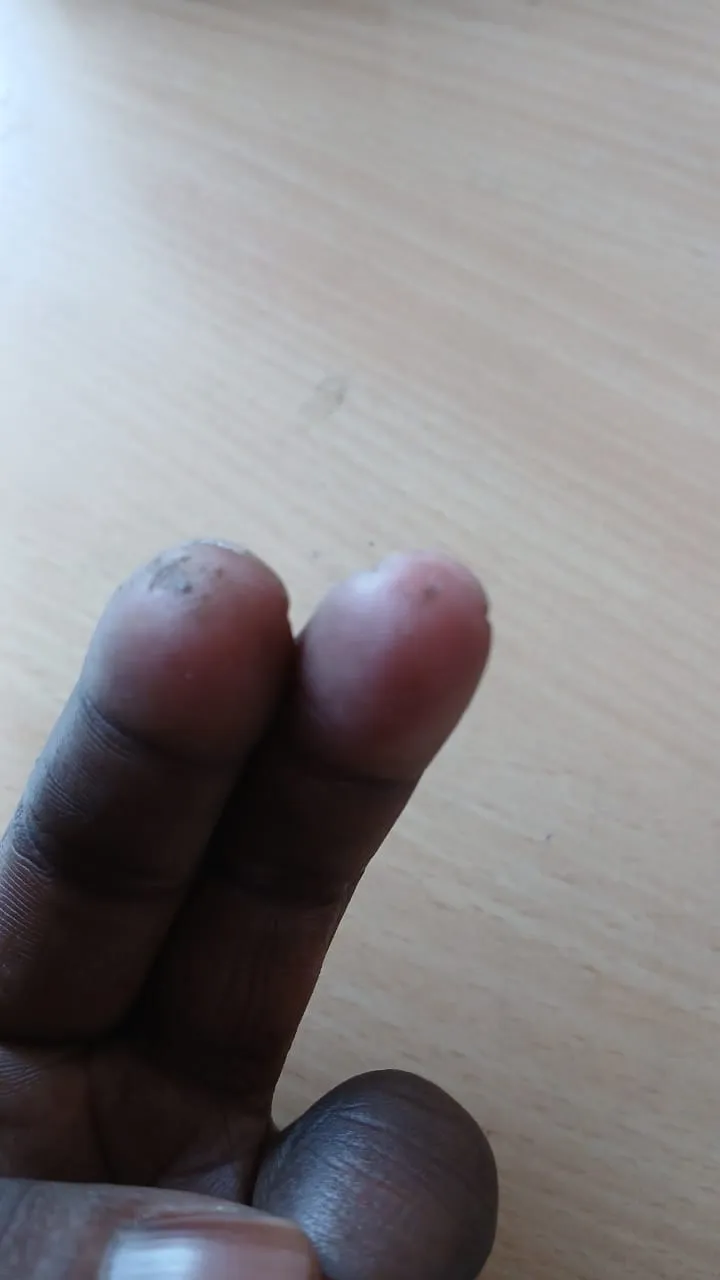
Figure 1: Pitted Scar on the Fingertips
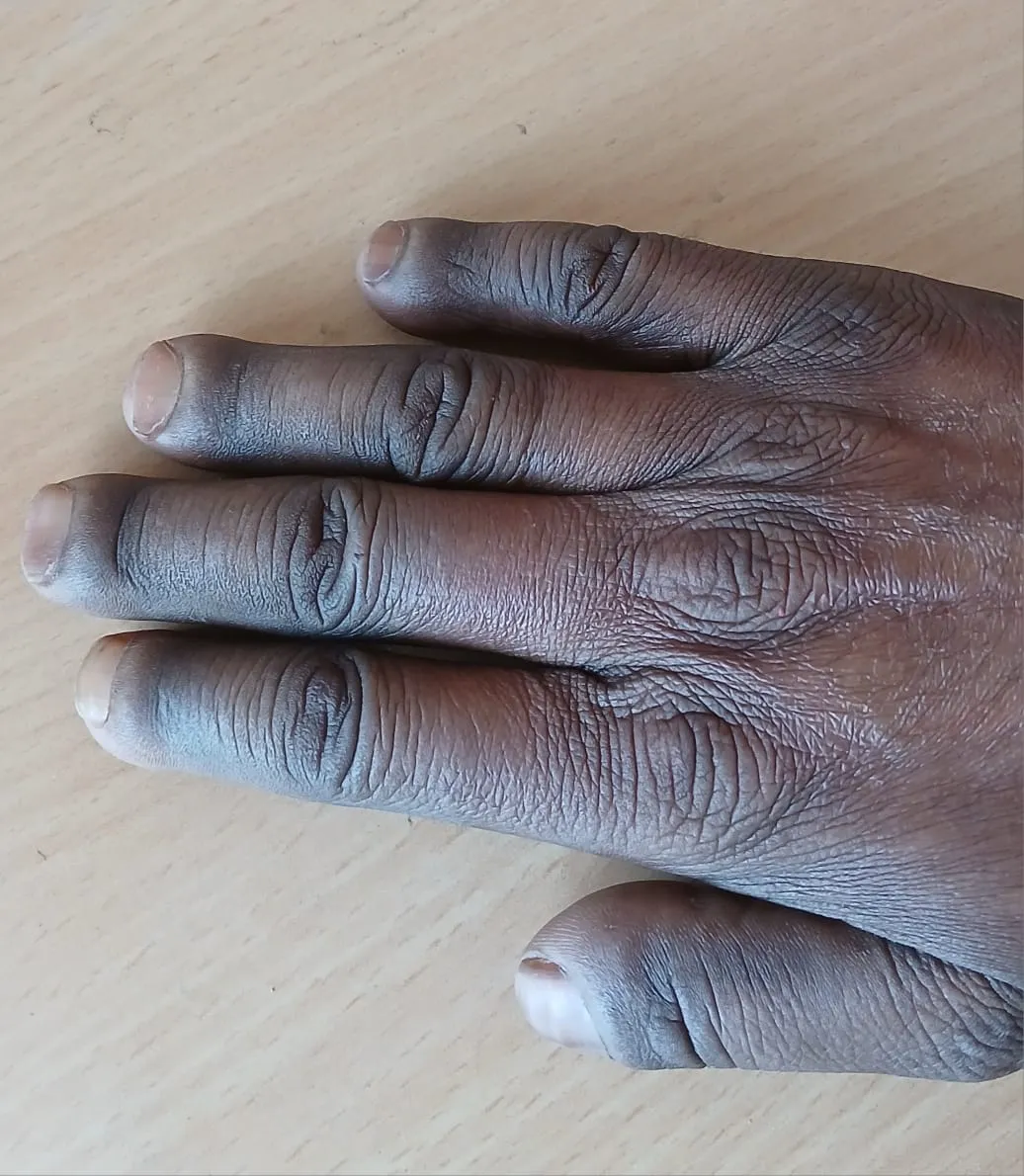
Figure 2: Clubbing of Fingers
By October 2012, the patient experienced a miscarriage , skin tightening and experienced difficulty breathing, particularly when climbing stairs. She consulted a pulmonologist and was advised for a spirometry in which she failed. By 2013 she started developing Raynaud’s phenomenon and on consultation she was prescribed with Tadalafil. As the patient wanted to try alternate medicine she tried siddha where she was prescribed with Thirikadugu chooranam and had improvement in breathing problem but Raynaud’s phenomenon worsened. So she was prescribed with Calcium Dobisilate on consultation with dermatologist. Additionally, microstomia, caused by collagen accumulation around the mouth, limited her ability to open and close her mouth effectively. By December of 2012 due to chillness Raynaud’s syndrome became prominent and clubbing of fingers were experienced. [4]
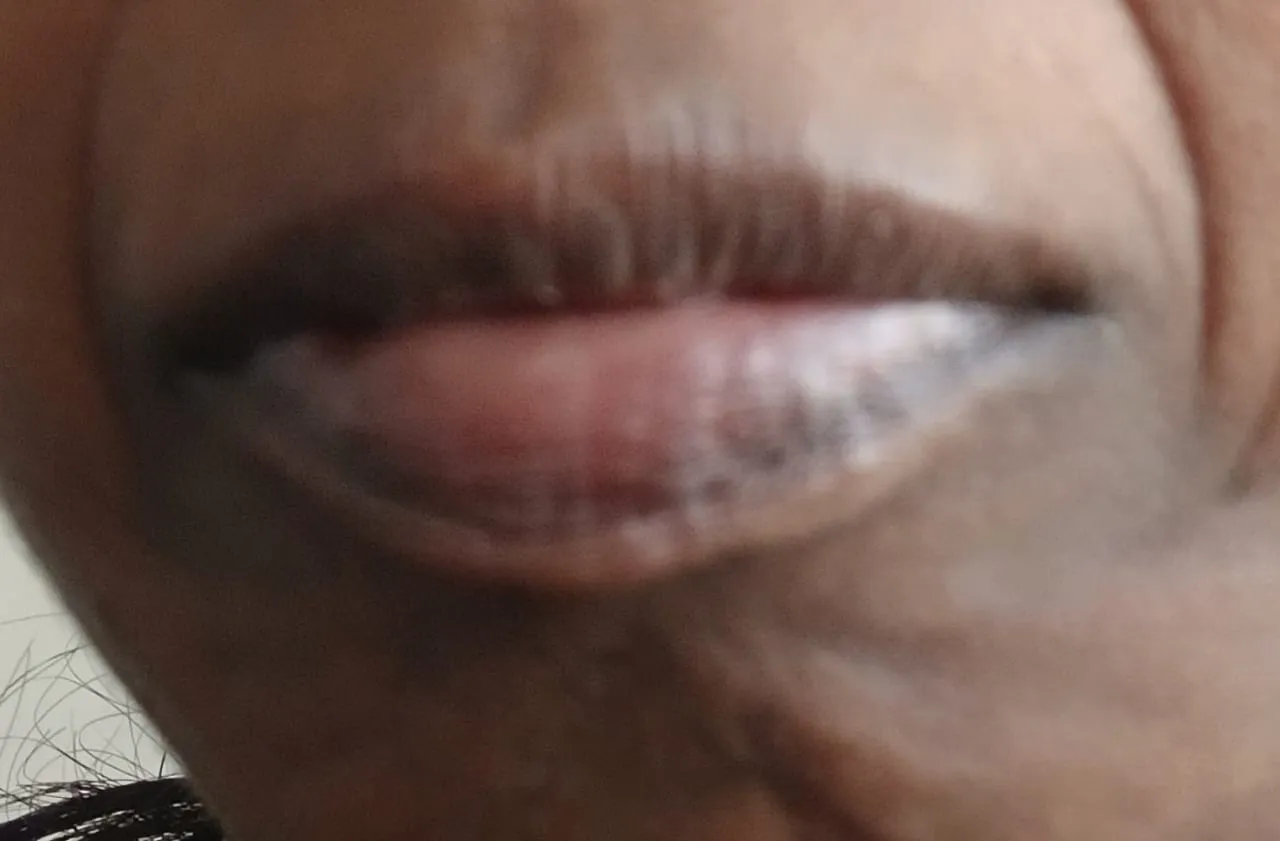
Figure 3: Microstomia, Collagen Accumulation Around the Mouth
In 2013 the patient was prescribed with amlodipine 5mg OD dose but refused to take because she had history of hypotension .As the patient had pain she was prescribed with Nimugesic ointment for topical application . In 2020 she was diagnosed with covid and she also took the vaccine after getting opinion from general medicine physician. In 2024 she had irregular periods and she was diagnosed with adenomyosis and was prescribed with hormone therapy. She was suggested to take methotrexate but the patient was not interested . Since she also started to develop higher gastric reflux and was not comfortable in taking food after 7 pm she had been taking antacid on daily basis. The patient also suffered severe hair-loss, varicose vein and tightening of skin. She usually takes medication only when symptoms worsens and go for her check up every 6 months.
DISCUSSION
This case involves a 44-year-old female patient with a longstanding history of systemic scleroderma, diagnosed in 2011, who presents with multiple clinical manifestations. Scleroderma is a heterogeneous autoimmune disease characterized by fibrosis of the skin and internal organs, including the lungs, heart, and gastrointestinal system. The patient's clinical history and presentation highlight the progressive nature of the disease, impacting various organ systems. Key symptoms, Raynaud's phenomenon, breathing difficulties, gastric reflux, corns, sciatica pain and adenomyosis, all of which necessitate a comprehensive approach to her management. [4]
Scleroderma can be classified into two primary forms: localized scleroderma and systemic sclerosis, the latter of which involves internal organ involvement. In this case, in 2011 the patient exhibits features of systemic sclerosis, as evidenced by a positive ANA test such as ANA HEp-2 serum and anti-Scl-70 antibodies., skin tightening, Raynaud's phenomenon, and pulmonary involvement. By 2013 the patient was prescribed amlodipine 5 mg daily for Raynaud's phenomenon. Raynaud’s phenomenon, a frequent complication of systemic sclerosis, results in vasoconstriction in response to cold or stress, leading to color changes in the extremities (such as white or blue fingers and toes) and associated pain. But then patient declined it due to a history of hypotension. As an alternative, she was prescribed tadalafil 20 mg daily and calcium dobesilate 500 mg daily to manage her Raynaud’s symptoms. While calcium channel blockers are commonly used for Raynaud's, the patient opted out due to hypotension history. Tadalafil, a phosphodiesterase 5 inhibitor, can help reduce the frequency and duration of Raynaud’s episodes and mitigate the risk of ischemic ulcers when combined with other treatments. Calcium Dobesilate, an antioxidant and vascular protective agent, is sometimes used as adjunctive therapy for Raynaud’s phenomenon. It works by decreasing blood viscosity and enhancing blood flow, thus benefiting patients with excessive vasoconstriction. [4]
For pain management, Nimugesic ointment was prescribed topically. Additionally, Montelukast LC was given to manage sneezing and potential allergic rhinitis symptoms. The patient developed Raynaud’s in 2013, and the presence of clubbed fingers suggests chronic hypoxia . By October 2012, the patient experienced a miscarriage likely linked to vascular dysfunction, which impairs placental blood flow. At that time she also experienced breathing difficulties, including difficulty climbing stairs and a failed spirometry test, point toward restrictive lung disease, a common manifestation of systemic sclerosis that significantly impairs pulmonary function [4]
In 2020, the patient was diagnosed with COVID-19 and, after consulting with her general physician, received the COVID-19 vaccine.
A notable concern in this patient’s presentation is the development of corns on her feet, a common complication among individuals with scleroderma. Sclerodactyly, a hallmark of systemic sclerosis, involves the thickening and tightening of the skin, particularly on the fingers and toes. This fibrosis (scarring) reduces skin flexibility, making it more susceptible to friction. The loss of skin elasticity leads to thickening of the epidermis in response to pressure or rubbing, which in turn facilitates the formation of corns. In scleroderma, the skin’s reduced ability to stretch, combined with joint deformities such as hammer toes or claw fingers, creates areas of increased pressure that are prone to corn formation. Sciatica pain in this patient could be due to nerve compression, muscle tightness, or spinal deformities associated with scleroderma. Sciatica refers to pain that radiates from the lower back or buttock along the path of the lumbosacral nerve roots. On physical examination the patient was experienced pitted scar, due to the skin's fibrosis and reduced elasticity. As the disease progresses, excessive collagen production leads to the thickening and hardening of the skin. This fibrosis impairs the skin's ability to stretch, making it more prone to pressure and friction. Areas of the skin subjected to constant pressure or rubbing, such as the fingers or toes, may develop thickened patches. Over time, these areas can form small ulcers that heal with depressions, creating the characteristic "pitted" appearance of scars.
In systemic sclerosis, skin involvement commonly begins with the thickening and hardening of the skin, particularly in the fingers and hands, known as sclerodactyly. This can lead to joint contractures and impaired range of motion. As the patient reports difficulty with tongue movements and clubbing of the fingers, both of which indicate fibrotic changes affecting both the skin and internal organs .
Additionally, the patient experiences gastric reflux and difficulty eating after 7 PM, which is suggestive of gastroesophageal reflux disease (GERD). GERD is often associated with systemic sclerosis due to esophageal dysmotility caused by fibrosis of the esophagus, leading to a weakened lower esophageal sphincter and reflux of stomach contents.
In 2024, the patient was diagnosed with adenomyosis and prescribed hormonal therapy to manage her condition. Adenomyosis is a gynecological condition in which endometrial tissue grows within the uterine myometrium, leading to symptoms such as dysmenorrhea, pelvic pain, and heavy menstrual bleeding. Hormonal therapy is commonly used to manage these symptoms by regulating the menstrual cycle and inhibiting the growth of endometrial tissue. In this patient, hormonal therapy must be carefully monitored to avoid potential interactions with scleroderma treatment, particularly concerning bone health and vascular risks.
The patient also experiences hair loss and varicose veins. Hair loss may be linked to autoimmune activity associated with scleroderma, and evaluation should include considering topical agents like minoxidil or systemic treatments if appropriate. Varicose veins may be a complication of the vascular involvement seen in systemic sclerosis, which can impact blood flow.
Prognosis depends on the extent of organ involvement and timely interventions, with survival rates improving due to better treatments. Long-term management is key to improving quality of life and slowing disease progression. This patient was pregnant, but fetal growth was significantly affected beyond the second month. Due to concerns about fetal viability, the gynecologist recommended abortion .Scleroderma causes vascular abnormalities, including Raynaud’s phenomenon, leading to poor placental blood flow, intrauterine growth restriction (IUGR), and fetal distress. Vessel thickening increases the risk of hypertension, preeclampsia, and uteroplacental insufficiency, resulting in low birth weight. Additionally, gastrointestinal involvement causes nutrient malabsorption, contributing to fetal malnutrition and restricted growth.[4]
FUTURE DIRECTION
CAR-T cell therapy, initially developed for cancer treatment, is showing promise as a potential treatment for autoimmune diseases like scleroderma (systemic sclerosis), by targeting and eliminating specific immune cells, potentially resetting the immune system. CAR T-cell therapy involves modifying a patient’s T cells to recognize and remove B cells in the patient’s body. Kyverna’s CD19 CAR T-cell therapy, KYV-101, specifically targets CD19, a protein expressed on the surface of B cells, which is involved in various types of autoimmune diseases. We believe our approach may present a significant advantage over current standard-of-care therapies by aiming to directly deplete B cells and potentially resetting disease-contributing B cells. [10]
CAR T-cell therapy is now available in India, thanks to the efforts of ImmunoACT, a company incubated at IIT Bombay. Their indigenous CAR-T cell therapy, NexCAR19, has received market authorization approval from the Central Drugs Standard Control Organisation (CDSCO). [10]
FOOD AND SCLERODERMA
To manage gastrointestinal symptoms such as severe bloating, gas, discomfort, diarrhea, and/or constipation, it may be beneficial to eliminate foods containing wheat (gluten) or dairy (lactose) from the diet, one at a time. These foods can often be challenging to digest. If symptom relief is not achieved by eliminating wheat or dairy, initiating a low FODMAP diet may provide further benefit. FODMAP is an acronym for Fermentable Oligosaccharides (e.g., fructans and galactans), Disaccharides (e.g., lactose), Monosaccharides (e.g., excess fructose), and Polyols (e.g., sugar alcohols like sorbitol, maltitol, mannitol, xylitol, and isomalt), all of which can exacerbate gastrointestinal symptoms in some individuals.[2]
Bitter gourd, known for its immunomodulatory effects, may potentially aggravate autoimmune conditions like scleroderma. It is thought to stimulate collagen synthesis, which could contribute to worsening fibrosis and thickening of the skin in patients with scleroderma.
Vitamin D deficiency is common in patients with scleroderma, and in some cases, the severity of the disease may be influenced by the patient's vitamin D levels. Monitoring and addressing vitamin D deficiency may be crucial in managing disease progression.[4]
CONCLUSION:
This case study underscores the complexity of scleroderma, with the patient experiencing multisystem involvement. While there is no standardized treatment, managing symptoms and organ complications is key. The patient’s response to Siddha medicine suggests the potential for complementary treatments, although more research is needed in this area. Timely interventions and ongoing management are crucial for improving survival rates, maintaining quality of life, and slowing disease progression.[5]
REFERENCES



Nandana Sajeevan, Varshini T. S., Dr. Andhuvan Gandhi, Unraveling Scleroderma: Case of Resiliance and Treatment Challenges, Int. J. of Pharm. Sci., 2026, Vol 4, Issue 11, 4293-4298. https://doi.org/10.5281/zenodo.24458716
 10.5281/zenodo.24458716