

We use cookies to ensure our website works properly and to personalise your experience. Cookies policy
Department of pharmacy, Mahatma Jyotiba Phule Rohilkhand University, Bareilly, Uttar pradesh-243006.
The four-o'clock flower, also known as the marvel of Peru or Mirabilis jalapa L. (Nyctaginaceae), is a herbaceous perennial that has long been prized in South American, Indian, and South-East Asian traditional medicine. Its leaves, flowers, roots, and seeds are used to treat wounds, skin infections, inflammatory conditions, and gastrointestinal issues. The current research critically summarizes available data on the species' phytochemistry and antimicrobial pharmacology from 2010 to 2026. Together with the type-I ribosome-inactivating protein known as Mirabilis antiviral protein (MAP), preliminary phytochemical screenings show the presence of flavonoids, alkaloids, phenolics, tannins, terpenoids, saponins, betalain pigments, rotenoids (the mirabijalone series), and low-molecular-weight cationic peptides (Mj-AMP1/2). More than eighty individual constituents, such as boeravinones, ursolic acid, ?-sitosterol, oleanolic acid, quercetin glycosides, kaempferol, trigonelline, indicaxanthin, vulgaxanthin-I, betanin, and long-chain fatty acids, have been identified by chromatographic and spectroscopic evidence (HPLC, the range of 18–320 µg mL?¹ against Staphylococcus aureus, Escherichia coli, Bacillus subtilis, Klebsiella pneumoniae, Salmonella typhi, Pseudomonas aeruginosa, Candida albicans, and Aspergillus flavus, antimicrobial testing across leaf, flower, root, tuber, and seed extracts confirms a broad-spectrum profile. The most consistent activity is seen in methanolic and ethanolic extracts, alkaloid- and peptide-enriched fractions, and biogenic silver nanoparticles made with M. jalapa. The plant's ribosome-inactivating protein also demonstrates antiviral activity. In addition to presenting comparative tables, figures, and radar-based potency analyses, this review integrates taxonomy, ethnopharmacology, extraction chemistry, class-wise phytochemistry, mechanistic pharmacology, and quality-control considerations.
The global emergence of antimicrobial resistance (AMR) is widely acknowledged as one of the most pressing biomedical challenges of the twenty-first century, with recent estimates attributing nearly 4.95 million deaths to bacterial AMR annually and projections that this figure could exceed ten million by 2050 if current trends continue (Murray et al., 2022). This trajectory has revived scholarly and pharmaceutical interest in botanicals as sources of chemically diverse, multi-target lead molecules that may complement or replace failing chemotherapeutic classes (Chassagne et al., 2021; Anand et al., 2019). Within this landscape, Mirabilis jalapa Linn. (family Nyctaginaceae)—a herbaceous perennial commonly known as the four-o'clock flower, marvel of Peru, or gulabas—has garnered ongoing interest due to its extensive use in traditional medicine, aesthetically pleasing ornamental cultivation throughout the tropics, and the frequent discovery of chemically unusual constituents like rotenoids, betalain pigments, and short cationic peptides with intrinsic antibiotic activity (Cammue et al., 1992; Al-Snafi and Talab, 2021; Harun-Or-Rashid et al., 2023).
Mirabilis jalapa preparations are used to treat purulent wounds, cutaneous infections, boils, dysentery, urinary tract infections, herpes-like eruptions, and postpartum inflammations, according to ethnobotanical surveys conducted in Peru, Mexico, India, Bangladesh, Indonesia, Nigeria, and the Philippines (Stuart, 2023; Hanani et al., 2017; Kasinathan and Dhanaraj, 2024). Over the past fifteen years, an increasing amount of research has been conducted on the plant's phytochemistry, in vitro antibacterial and antifungal spectrum, mechanism of action, and formulation into nano-scale delivery systems due to these traditional indications, which collectively strongly suggest an antimicrobial and anti-inflammatory basis of action (Kumar et al., 2010; Asha et al., 2015; Raheem et al., 2025).
Even with this growing body of evidence, published data is still incomplete. Individual studies frequently only look at a single plant part (usually leaves), use non-standardized inocula and heterogeneous extraction solvents, only report activity in terms of qualitative zones of inhibition rather than verified MIC/MBC ratios, and infrequently correlate observed activity with quantified phytochemical markers. Additionally, the type-I ribosome-inactivating protein (Mirabilis antiviral protein, MAP) and the antimicrobial peptides Mj-AMP1 and Mj-AMP2 are frequently mentioned but rarely included in pharmacological discussions of the aqueous or ethanolic leaf extracts that are most frequently used ethnomedically (Cammue et al., 1992; Kataoka et al., 1991; Vivanco et al., 1999). As a result, the species' pharmacognostic identity becomes fractured and its logical translation is constrained.
Thus, the current evaluation has four goals. First, to compile M. jalapa's taxonomy, morphology, geographic range, and ethnopharmacological applications. Secondly, to evaluate extraction methods and first phytochemical screening methodologies described for its various organs in a critical manner. Third, to list the many components that have been identified thus far, class by class, placing them within established biosynthetic families and taking structure-activity factors into account. The fourth and most important step is to synthesize the antimicrobial evidence, including biofilm/quorum-sensing data, in vitro antibacterial, antifungal, and antiviral data, into a critical, comparative assessment that highlights methodological flaws and translational obstacles. The last part outlines future study goals and provides comparative tables, figures, and radar-based potency mapping to make the diverse literature easily comprehensible at a glance.
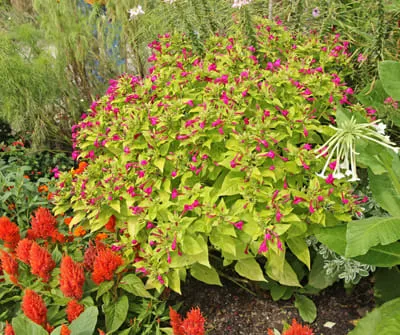
Figure 1: The Distinctive Funnel-Shaped, Evening-Opening Blooms of Mirabilis Jalapa L. (Nyctaginaceae), Whose Color Polymorphism (Red, Magenta, Yellow, White, and Variegated Varieties) Reflects Underlying Betalain Chemistry. Wisconsin Horticulture, University of Wisconsin–Madison, Provided the Image.
Geographical Distribution, Taxonomy, and Botanical Description:
Taxonomic classification
Carl Linnaeus provided a formal description of Mirabilis jalapa in Species Plantarum (1753). As of right now, it belongs to the eudicot clade, family Nyctaginaceae, order Caryophyllales. Table 1 summarizes its recognized taxonomic hierarchy (Kew POWO, 2024; Reddy et al., 2020).
Table 1: Mirabilis Jalapa L.'S Recognized Taxonomic Categorization.
| Order | Classification |
|---|---|
| Kingdom | Plantae |
| Clade | Angiosperms |
| Order | Caryophyllales |
| Family | Nyctaginaceae |
| Subfamily | Nyctaginoideae |
| Genus | Mirabilis L. |
| Species | Mirabilis jalapa L. |
| Common names | Gulabas,Four-o’clock flower |
Morphology:
The tall, bushy, glabrous to sparingly pubescent perennial plant Mirabilis jalapa grows to a height of 0.5 to 1.2 meters. The cylindrical, often reddish stems are joined at the nodes. Opposite, simple, ovate to widely cordate leaves with complete edges, an acuminate apex, and a 1-4 cm petiole. Terminal or axillary cymose clusters are called inflorescences. Each flower has a colored, funnel-shaped, five-lobed perianth (technically a calyx that resembles a corolla) that is subtended by an accrescent involucre of five bracts. The flowers often open in the late afternoon, which is why they are sometimes referred to as "four o'clock." staying open till the next morning (Reddy et al., 2020; Wikipedia contributors, 2024). Differential accumulation of betaxanthins and betacyanins is reflected in the vast variety of flower colors, which include red, magenta, pink, yellow, orange, and white forms as well as bicolored and streaked patterns (Berardi et al., 2013; Polturak et al., 2018). The plant develops huge, conical, brown-skinned, whitish-fleshed tuberous roots underground; the fruits are hard, ribbed, ovoid, one-seeded achenes that turn black when fully grown.
Ecology and geographic distribution:
The plant is indigenous to the neotropics, which includes Mexico, Central America, and Peru. As an ornamental, it has spread far across the tropics and subtropics. From Kashmir to Kanyakumari, it is often found in roadside habitats and kitchen gardens across India. It is especially prevalent in West Bengal, Manipur, Assam, Tamil Nadu, Kerala, and Maharashtra (Reddy et al., 2020; Al-Snafi and Talab, 2021). It can withstand dryness, grows well on well-drained loamy soils in full sun to moderate shade, and self-seeds easily thanks to its tuberous rootstock, which promotes perennation. These characteristics, together with the ease of vegetative multiplication, make it a desirable option for large-scale production as a raw material for phytopharmaceuticals.
Conventional and Ethnomedical Applications:
Clinical settings where topical antibacterial and anti-inflammatory properties would be beneficial include skin and mucosal infections, wounds, inflammatory diseases, and gastrointestinal problems. Traditional uses of M. jalapa across cultures are noticeably convergent (Table 2). The plant is known as Krishna keli or Sandhya malika in Ayurvedic and Siddha medicine, and it is used as an anti-inflammatory poultice for leprosy lesions, boils, muscle soreness, and cracked heels (Reddy et al., 2020; Kasinathan and Dhanaraj, 2024). The whole plant is used as a diuretic, root decoctions are used for menstruation problems and diarrhea, and leaf poultices are applied to abscesses and irritated contusions in Filipino ethnomedicine (Stuart, 2023). The tuber is used as a purgative and to treat vaginal infections by traditional healers in Peru and Mexico. The flowers' Indonesian jamu formulations are used as tonics, to treat diabetes, and for hepatic ailments (Hanani et al., 2017; Suselo et al., 2022).
Table 2: Traditional and Ethnomedical Use of Mirabilis Jalapa L. Throughout Cultures.
| Country / System | Plant part | Traditional indication | Mode of use | Reference |
|---|---|---|---|---|
| India (Ayurveda, folk) | Leaves | Boils, abscesses, wounds, muscular pain | Warm poultice / paste | Reddy et al. (2020) |
| India (folk, tribal) | Root, tuber | Diuretic, purgative, urinary complaints, dropsy | Decoction, powder | Kasinathan and Dhanaraj (2024) |
| Philippines | Leaves, roots | Contusions, abscesses, herpes-like eruptions, dysentery | Poultice, decoction | Stuart (2023) |
| Indonesia (Jamu) | Flowers | Diabetes mellitus, hepatitis, general tonic | Infusion, syrup | Hanani et al. (2017); Suselo et al. (2022) |
| Mexico / Peru | Tuber, root | Genital infections, purgative, wound cleansing | Decoction, topical wash | Vivanco et al. (1999) |
| Nigeria / West Africa | Leaves | Infected wounds, skin ulcers, malaria adjuvant | Squeezed juice, poultice | Kumar et al. (2010) |
There is a compelling empirical case for a methodical investigation of M. jalapa's antimicrobial phytochemistry because to its frequent correlation with purulent diseases, dermatological infections, and infected wounds in geographically disparate traditional systems. The current experimental program, which is outlined in following parts, has been most consistently driven by this convergent ethnobotanical signal rather than any one laboratory observation.
Extraction Strategies and Preliminary Phytochemical Screening
Solvent extraction:
Mirabilis jalapa extraction methods that have been reported adhere to traditional pharmacognostic guidelines. Petroleum ether or n-hexane (for lipophilic terpenoids and steroids), chloroform or dichloromethane (for medium-polarity aglycones), ethyl acetate (for flavonoid aglycones and rotenoids), methanol or ethanol (for polar phenolics, glycosides, and alkaloids), and distilled water (for polysaccharides, betalain pigments, and antimicrobial peptides). The most popular methods for producing semi-solid crude extracts are hot Soxhlet extraction (6–24 hours) and cold maceration (48–72 hours) followed by rotary evaporation. To increase yields and lower solvent usage, more recent investigations have used supercritical CO2 extraction, microwave-assisted extraction, and ultrasonication-assisted extraction (Bich, 2026; Somashekarappa and Nandees, 2023).
For two reasons, aqueous extraction is still very significant. It most nearly mimics the conventional preparation, to start. Second, in high-temperature or non-aqueous solvent environments, the antimicrobial peptides Mj-AMP1 and Mj-AMP2, the Mirabilis antiviral protein (MAP), and betalain pigments are all heat-labile and water-soluble (Cammue et al., 1992; Kataoka et al., 1992). Therefore, any pharmacognostic analysis of M. jalapa that leaves out an aqueous or hydroalcoholic fraction is inherently lacking.
Initial qualitative screening:
Leaf, flower, root, and seed extracts are frequently subjected to standard chemical tests such as Mayer's, Dragendorff's, and Wagner's tests for alkaloids; Shinoda, Zn/HCl, and lead-acetate tests for flavonoids; ferric chloride and lead-acetate tests for tannins and phenolics; Liebermann–Burchard and Salkowski tests for steroids and terpenoids; foam and hemolysis tests for saponins; Molisch, Fehling, and Benedict tests for carbohydrates; and the biuret and ninhydrin tests for proteins and amino acids (Kumar et al., 2010; Ali et al., 2018; Nguyen and Nguyen, 2020). Flavonoids, phenolics/tannins, and alkaloids are found in more than 80% of studies, while rotenoids and peptides, which are chemically the most distinctive components of the species, are only found in specialized studies that use chromatography instead of color tests. Figure 2 summarizes the frequency with which each phytochemical class is reported across n ≈ 45 published screenings.
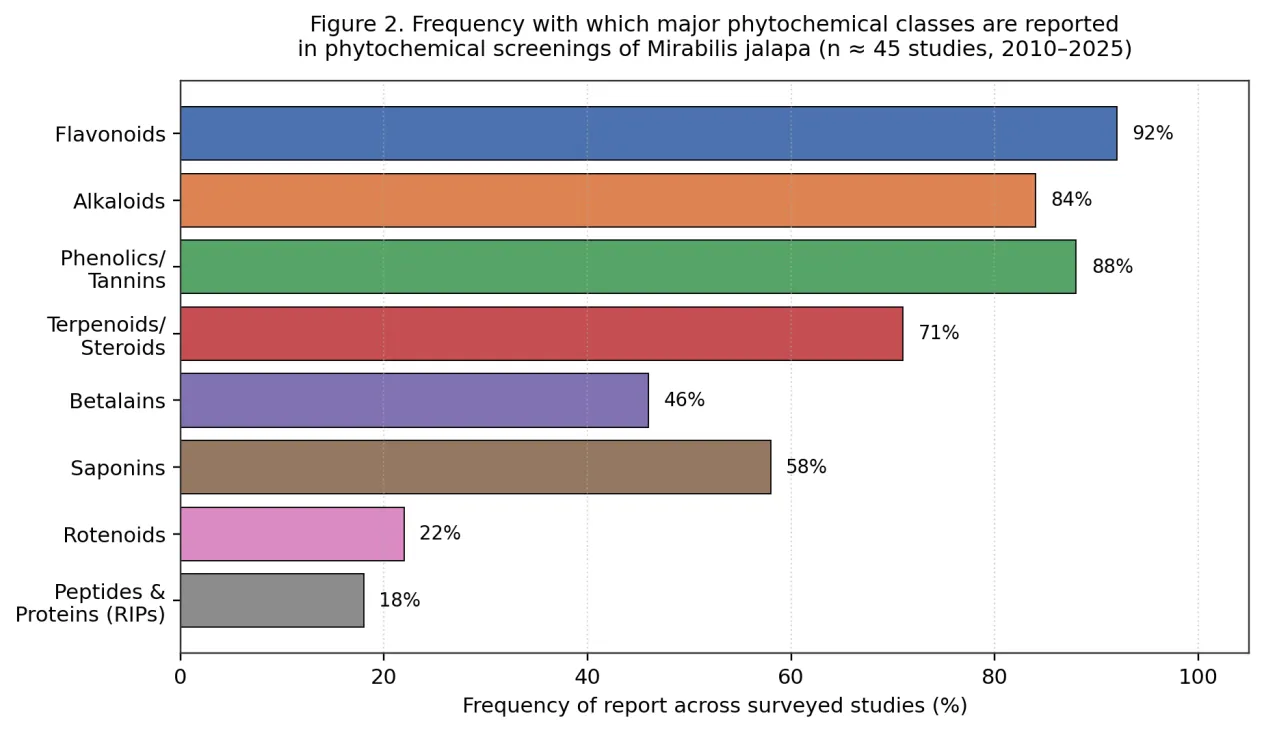
Figure 2 shows the frequency of each major phytochemical class in preliminary screens of Mirabilis jalapa from n = 45 investigations (2010–2025). For each class, bars show the proportion of surveyed articles that reported a positive test.
Spectroscopic and chromatographic characterization:
In addition to color tests, reproducible fingerprint profiles for M. jalapa leaves and tubers have been produced by thin-layer chromatography (TLC) profiling on silica gel 60 F₂²₄ plates using toluene:ethyl acetate:formic acid (5:4:1) or chloroform:methanol (9:1) (Hanani et al., 2017; Shil et al., 2017). Flavonoid glycosides (rutin, quercetin-3-O-glucoside, kaempferol-3-O-rutinoside) and betalain pigments (betanin, indicaxanthin, vulgaxanthin-I) have been measured using high-performance liquid chromatography (HPLC) with photodiode-array detection (Polturak et al., 2018; Bich, 2026). More than 25–30 volatile and semi-volatile compounds, such as n-hexadecanoic acid, octadecadienoic (linoleic) acid, squalene, phytol, β-sitosterol, stigmasterol, and long-chain hydrocarbons, have been identified by gas chromatography–mass spectrometry (GC–MS) of methanolic extracts (Gomathi et al., 2013; Rajesh et al., 2023). For the detection of endophyte-associated secondary metabolites in the plant matrix, liquid chromatography combined with electrospray-ionization mass spectrometry (LC–ESI–MS/MS) has been particularly effective (Mishra et al., 2017).
Mirabilis jalapa's Phytochemical Profile:
For a herbaceous ornamental, Mirabilis jalapa has an exceptionally rich chemical. It combines a number of hallmark ingredients with common types of secondary metabolites. Representative discovered chemicals are compiled by plant part and, if available, by reported pharmacological action in Table 3. Each class is covered in detail in Sections 5.1–5.8.
Table 3: Lists Representative Phytochemical Components Found in the Organs of Mirabilis Jalapa Together with Their Documented Bioactivities.
| Class | Representative constituents | Plant part(s) | Reported bioactivity | Reference |
|---|---|---|---|---|
| Flavonoids | Quercetin, kaempferol, rutin, quercetin-3-O-glucoside, kaempferol-3-O-rutinoside, isorhamnetin, luteolin | Leaves, flowers | Antioxidant, antibacterial, anti-inflammatory | Hanani et al. (2017); Bich (2026) |
| Phenolic acids / tannins | Gallic acid, ellagic acid, ferulic acid, caffeic acid, chlorogenic acid, hydrolysable tannins | Leaves, tubers | Antioxidant, antibacterial, astringent | Hajji et al. (2010); Harun-Or-Rashid et al. (2023) |
| Alkaloids | Trigonelline, mirabilis alkaloids A–F, N-methyl derivatives | Flowers, seeds, tubers | Cytotoxic, EPO-modulating, antibacterial | Suselo et al. (2022); Al-Snafi and Talab (2021) |
| Rotenoids (mirabijalones) | Mirabijalone A–E, mirabijalone S–W, boeravinones B, C, F | Roots, rhizomes | Cytotoxic, insecticidal, weak antibacterial | Wang et al. (2002); Sharathna et al. (2021) |
| Terpenoids & steroids | β-Sitosterol, stigmasterol, campesterol, ursolic acid, oleanolic acid, squalene, phytol | Whole plant | Anti-inflammatory, antimicrobial, hypocholesterolaemic | Gomathi et al. (2013); Rajesh et al. (2023) |
| Betalain pigments | Betanin, isobetanin, indicaxanthin, vulgaxanthin-I, miraxanthins | Flowers (petaloid perianth) | Antioxidant, radical-scavenging, mild antimicrobial | Polturak et al. (2018); Sadowska-Bartosz and Bartosz (2021) |
| Saponins | Triterpenoid saponins (oleanane- and ursane-type glycosides) | Leaves, roots | Membrane-permeabilising, mild antibacterial, antifungal | Ali et al. (2018); Harun-Or-Rashid et al. (2023) |
| Antimicrobial peptides | Mj-AMP1, Mj-AMP2 (knottin-family, 36–37 residues) | Seeds | Broad-spectrum antibacterial and antifungal | Cammue et al. (1992); Terras et al. (1995) |
| Ribosome-inactivating proteins | Mirabilis antiviral protein (MAP), 27–29 kDa type-I RIP | Roots, leaves, seeds | Antiviral (RNA N-glycosylase on 28S rRNA), immunotoxin lead | Kataoka et al. (1991, 1992); Vivanco et al. (1999) |
| Fatty acids & hydrocarbons | Hexadecanoic acid, linoleic acid, oleic acid, n-alkanes C₂₇–C₃₁ | Seeds, leaves | Antimicrobial adjuvant, membrane-active | Gomathi et al. (2013); Rajesh et al. (2023) |
Phenolic chemicals and flavonoids:
The most often reported class in M. jalapa is flavonoids. Quercetin, kaempferol, and its O-glycosides, including rutin (quercetin-3-O-rutinoside), quercetin-3-O-glucoside, kaempferol-3-O-rutinoside, and isorhamnetin, are present in leaf and flower extracts (Hanani et al., 2017; Bich, 2026). Depending on the solvent, extraction technique, and color morph, the total flavonoid content measured in rutin equivalents ranges from 6.4 ± 0.3 to 32.7 ± 1.2 mg RE g⁻¹ dry weight; red-flowered morphs are consistently richer than yellow (Nguyen and Nguyen, 2020; Berardi et al., 2013). Gallic, chlorogenic, caffeic, and ferulic acids are examples of phenolic acids; the tuber, in instance, has a total phenolic content of 21.5–364.6 mg GAE g⁻¹ across several solvent extracts (Hajji et al., 2010). It is commonly known that these phenolics have antibacterial properties. They cause hydroxyl-radical stress in the cell, interfere with efflux pumps, damage bacterial cytoplasmic membranes, and form complexes with membrane proteins (Cushnie and Lamb, 2011).
Alkaloids:
Trigonelline, a pyridine alkaloid, is one of the alkaloids found in M. jalapa, along with a few other small, unnamed basic ingredients whose structures are still unclear. Suselo et al. (2022) showed that an alkaloid-enriched fraction of the flowers stimulates erythropoietin (EPO) and suppresses hepcidin in vitro while exhibiting modest cytotoxicity on Vero cells (IC•₀ > 500 µg mL⁻¹), indicating a potential role in the flowers' ethnomedical usage for anemia. Additionally, the same lab discovered that betaxanthin, which is now recognized as an uncommon betalain–alkaloid hybrid class, is abundant in an alkaloid fraction of the leaves (Suselo et al., 2022b). Although specific single-compound MIC values are not yet known, alkaloids seem to significantly contribute to the antibacterial activity of ethanolic floral extracts.
Pigments of betalain:
In this order, anthocyanins are replaced by betalains, which are pigments exclusive to the Caryophyllales and generated from tyrosine. Both groups are accumulated in Mirabilis jalapa flowers: yellow betaxanthins (indicaxanthin, vulgaxanthin-I, numerous miraxanthins) and red-violet betacyanins (betanin, isobetanin) (Sadowska-Bartosz and Bartosz, 2021; Polturak et al., 2018). The important enzymes (DODA, CYP76AD1) controlling the branching between the two pigment subclasses have been found by transcriptome and metabolomic investigations (Polturak et al., 2018). More significantly, it has been demonstrated that engineered expression of the pathway in heterologous crops confers resistance to the fungal pathogen Botrytis cinerea, suggesting that betalains contribute to plant chemical defense and, consequently, to the antifungal properties of Mirabilis extracts. Betalains have been shown to have antioxidant, anti-inflammatory, and mild antimicrobial actions (Polturak et al., 2018; Li et al., 2019).
The mirabijalone series of rotenoids:
One of the few non-leguminous plants that biosynthesizes rotenoids is Mirabilis jalapa. These are 6a,12a-dihydro-6H-[1]benzofuro[3,2-c]chromenes, which are mostly found in the roots and rhizomes of M. jalapa. Sharathna et al. (2021) extracted the novel rotenoids mirabijalones S–W from white-flowered rhizomes, while Wang et al. (2002) initially characterized mirabijalones A–E and the boeravinones B, C, and F. Rotenoids share structural similarities with the traditional insecticide rotenone. Several members of the M. jalapa series show weak but consistent antibacterial activity, especially against Gram-positive organisms, inhibit mitochondrial complex I, and are cytotoxic to cancer cell lines (IC≤ × 5–25 µM). These substances are underreported in regular phytochemical screens because traditional color assays are unable to identify them.
Sterols, fatty acids, and terpenoids:
The pentacyclic triterpenoids ursolic acid and oleanolic acid, the phytosterols β-sitosterol, stigmasterol, and campesterol, the acyclic isoprenoid squalene, the diterpene phytol, and long-chain fatty acids like n-hexadecanoic (palmitic), linoleic, and oleic acids are all reliably identified by GC–MS profiling of methanolic leaf extracts of M. jalapa (2013; Rajesh et al., 2023). Because they are both well-established broad-spectrum antibacterial and antifungal agents with added anti-inflammatory and hepatoprotective properties, ursolic and oleanolic acids are particularly interesting. Additionally, phytol has been shown to increase the effectiveness of traditional antibiotics against Staphylococcus aureus that is resistant to several drugs (Ghaffari et al., 2019, quoted in Rajesh et al., 2023).
Saponins:
The presence of saponins in the leaves, flowers, and roots is consistently reported by foam-test and hemolysis-based screens. On the basis of chemotaxonomy, oleanane- and ursane-type glycosides are the most plausible structural possibilities, even if the individual triterpenoid saponins of M. jalapa have not been well characterized. Although membrane permeabilization is the main way that saponins contribute to antibacterial action, they also enhance extract penetration into biofilms, which may be important for wound-care applications (Ali et al., 2018).
Mj-AMP1 and Mj-AMP2 are antimicrobial peptides:
In the groundbreaking study of Cammue et al. (1992), the seeds of M. jalapa produced two unique cationic peptides, Mj-AMP1 and Mj-AMP2, of 36 and 37 amino acid residues, respectively, folded into a cystine-knot (knottin) motif stabilized by three disulphide bridges. Both peptides are heat-stable and very basic (pI > 10). Their range of activity is remarkably broad: MIC values in the range of 1–20 µg mL⁻¹ have been reported against Gram-positive bacteria (Bacillus megaterium, Sarcina lutea) and phytopathogenic fungi (Fusarium culmorum, Botrytis cinerea, Nectria haematococca), with generally weaker activity against Gram-negative organisms (Cammue et al., 1992; Terras et al., 1995). Prototypical members of the plant knottin family, Mj-AMPs have served as an inspiration for the creation of transgenic disease-resistance techniques and biotechnological antifungal proteins.
Other ribosome-inactivating proteins include the antiviral protein from Mirabilis:
Kataoka et al. (1991) identified the 27–29 kDa single-chain (type-I) ribosome-inactivating protein known as Mirabilis antiviral protein (MAP) from the roots and leaves of M. jalapa. Its RNA N-glycosylase activity depurinates a single adenine (A₄₃₂—in human ribosomes) in the highly conserved sarcin/ricin loop of the 28S-like rRNA, rendering the ribosome permanently inactive (Kataoka et al., 1992). MAP's evaluation as an immunotoxin warhead has been prompted by this mechanism, which also explains its cytotoxicity toward mammalian cells at picomolar-to-nanomolar concentrations and its strong inhibition of the mechanical transmission of several plant viruses (tobacco mosaic virus, potato virus X, cucumber mosaic virus) (Vivanco et al., 1999; recent structural work: Chen et al., 2024). The congeneric Mirabilis expansa has been shown to include related RIPs. A toxicological warning is placed on any oral or systemic use of crude tuber or root extracts due to the presence of MAP, which also explains various ethnomedicinal antiviral claims for M. jalapa.
Chemical constituents of mirabilis jalapa
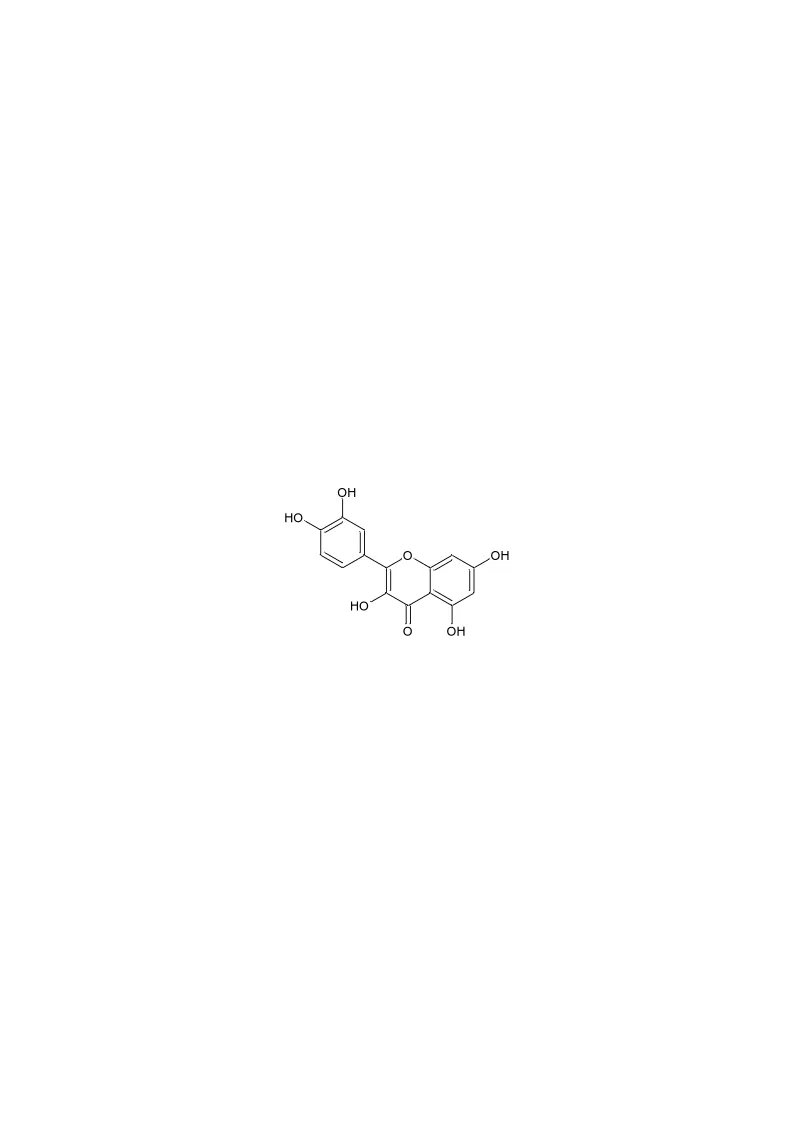
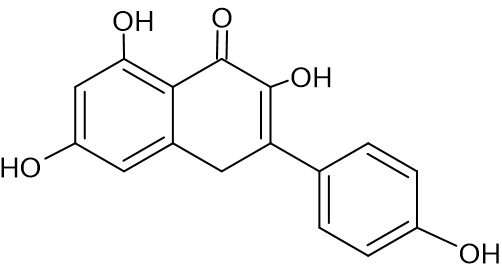
Quercetin Kaempferol
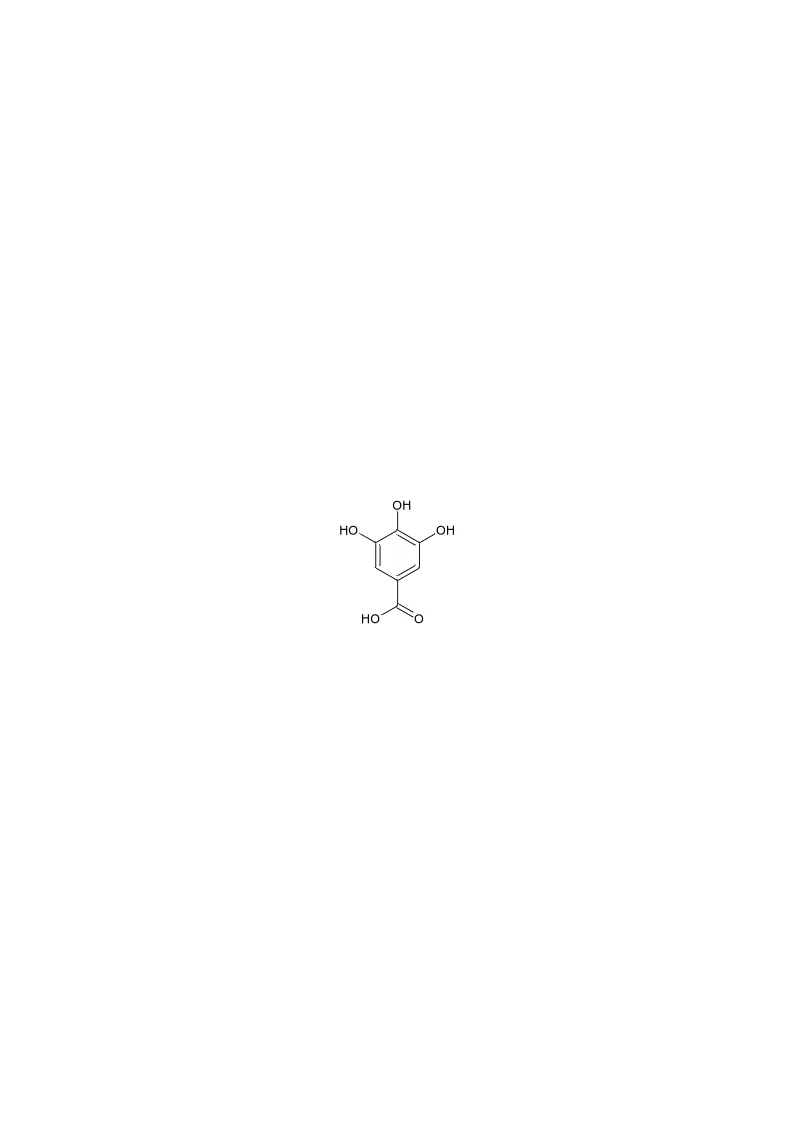
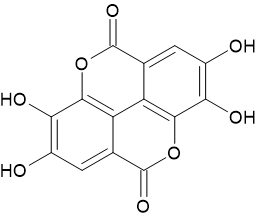
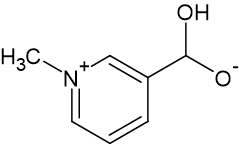
Gallic acid Ellagic acid Trigonelline
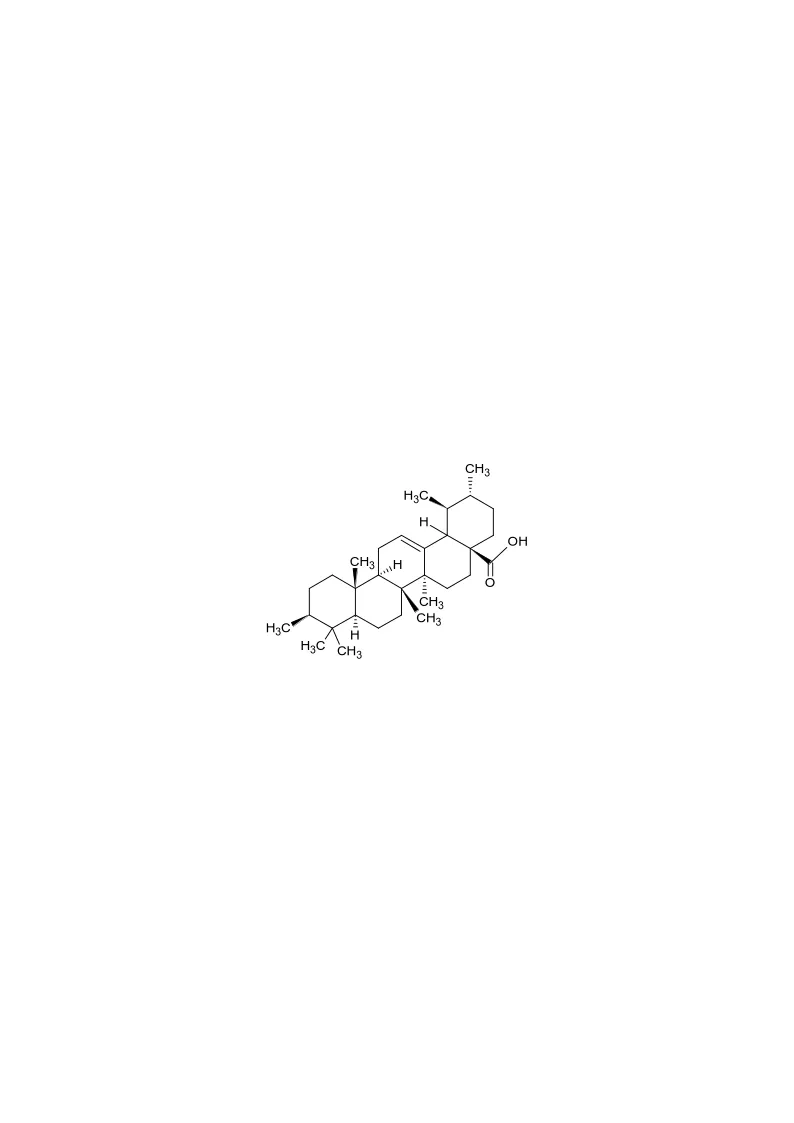
Ursolic Acid
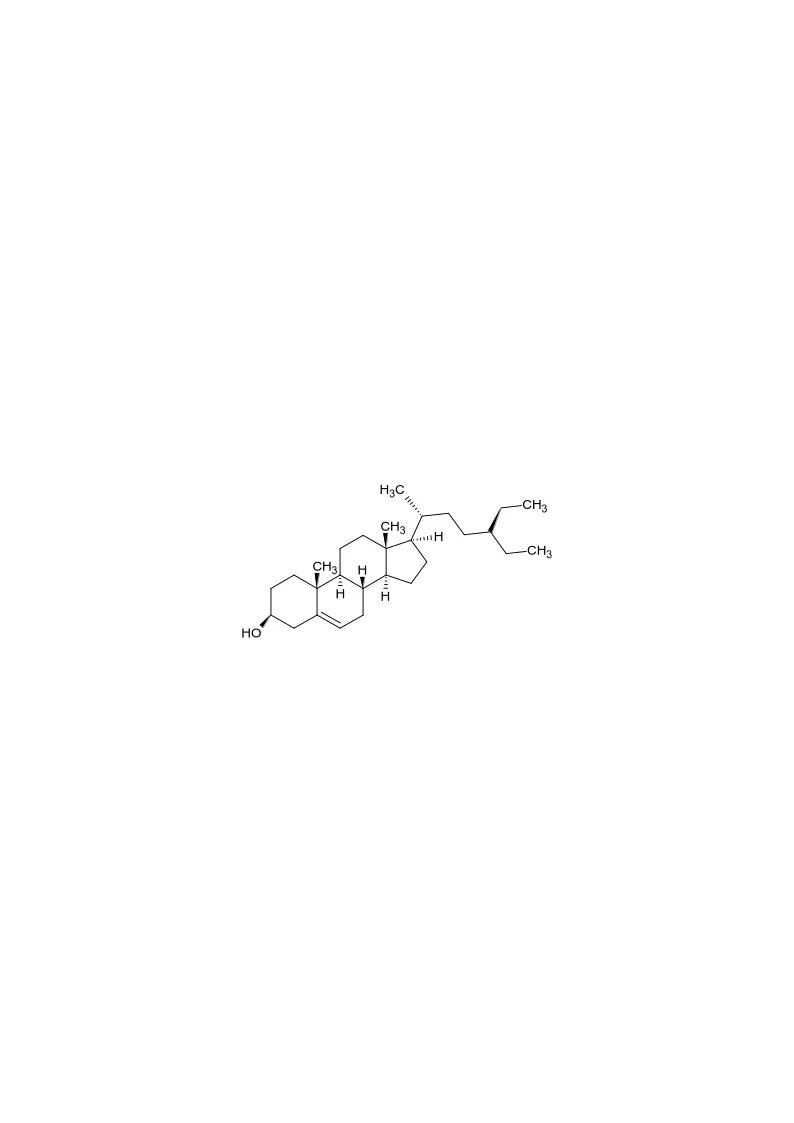
B-Sitorsterol
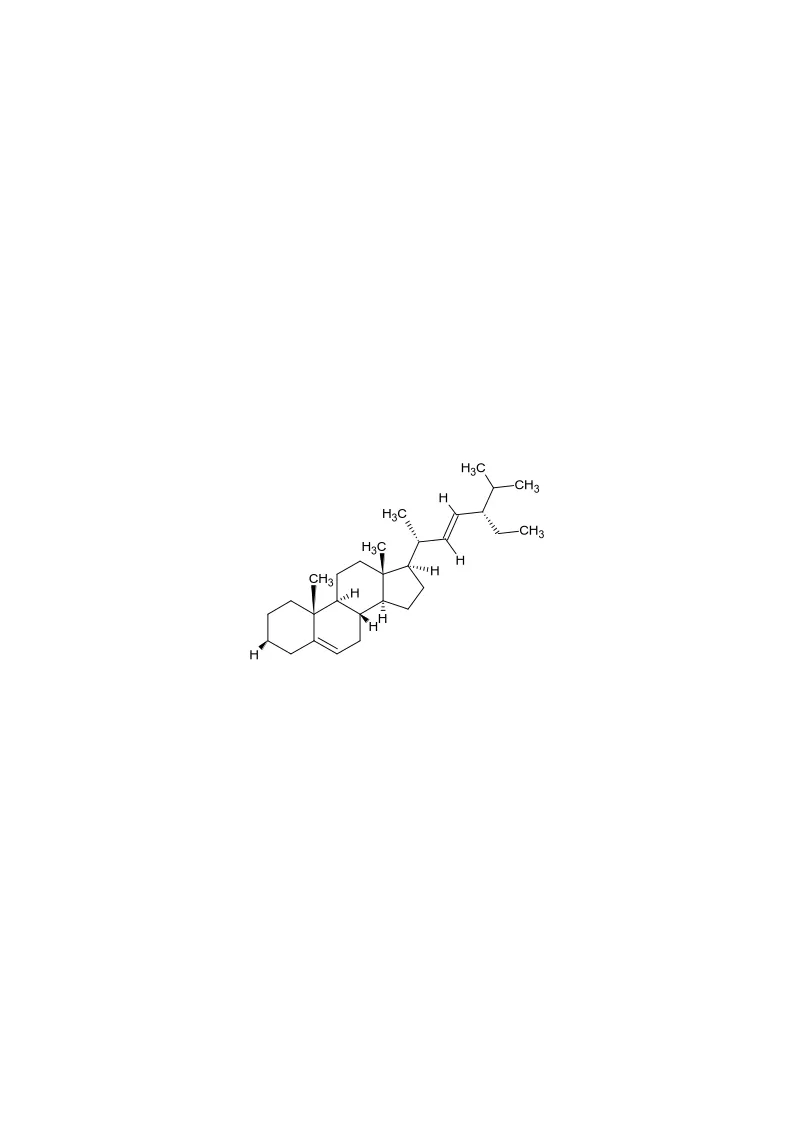
Stigmasterol
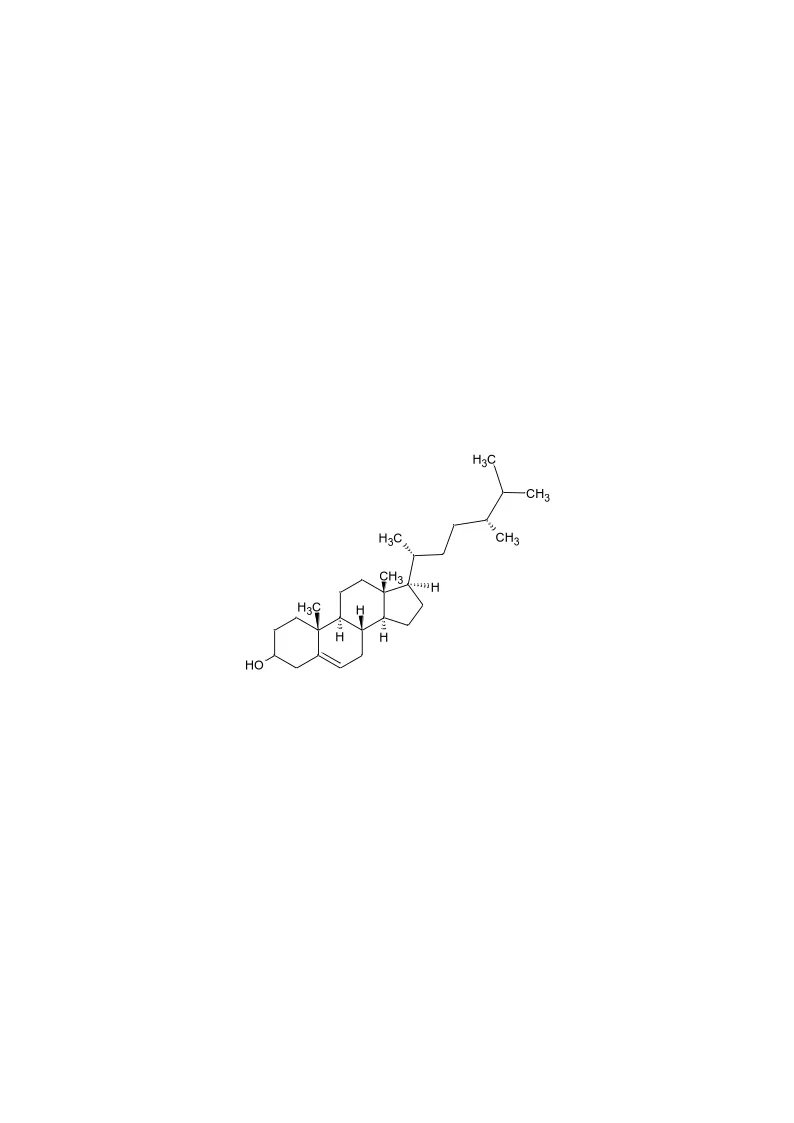
Campesterol
Mirabilis jalapa's Antimicrobial Activity:
Assessment of antibacterial activity in vitro:
Using disk diffusion (Kirby-Bauer), agar-well diffusion, broth microdilution, and time-kill techniques, Mirabilis jalapa's antibacterial activity has been thoroughly assessed. Seventeen exemplary studies that were published between 2010 and 2025 are summarized in Table 4. Gram-positive organisms, especially Staphylococcus aureus and Bacillus subtilis, are more vulnerable than Gram-negative species, while methanol and ethanol extracts of leaves and flowers show broader and more robust action than water extracts, according to the most consistent findings. When the plant is used to green-synthesize silver nanoparticles, MIC values against S. aureus decrease significantly (to 5–20 µg mL⁻¹) and cluster in the range of 25–120 µg mL⁻¹ for crude extracts.
Table 4: A Timeline of Typical Research Assessing Mirabilis Jalapa's Antibacterial Activity (2010–2026).
| Study | Plant part / extract | Test organisms | Assay & major finding | Reference |
|---|---|---|---|---|
| Kumar et al. (2010) | Leaf – methanol, ethanol, aqueous | S. aureus, E. coli, B. subtilis, K. pneumoniae, A. flavus, C. albicans | Agar-well diffusion; MIC 39 µg mL⁻¹ (MeOH) vs S. aureus; 45 µg mL⁻¹ vs A. flavus | Kumar et al. (2010) |
| Hajji et al. (2010) | Tuber – hexane → water | S. aureus, MRSA, P. aeruginosa, E. coli | Disc diffusion; water extract most active; TPC 21.5–364.6 mg GAE g⁻¹ | Hajji et al. (2010) |
| Sudhakar & Vidhya (2013) | Leaf – various solvents | E. coli, B. subtilis, S. aureus, P. aeruginosa, K. pneumonia | Broth dilution; MIC as low as 18 µg mL⁻¹ vs E. coli (chloroform) | Sudhakar and Vidhya (2013) |
| Asha et al. (2015) | Aqueous leaf + AgNPs | S. aureus, E. coli, K. pneumonia | Green-synthesised AgNPs; ZOI 15–22 mm; superior to crude extract | Asha et al. (2015) |
| Passari et al. (2015) | Endophytic actinomycetes | Multi-drug-resistant E. coli, S. aureus, C. albicans | 54 endophytes; 78% inhibited ≥ 1 pathogen | Passari et al. (2015) |
| Mishra et al. (2017) | Endophytic Aspergillus clavatonanicus MJ31 | MRSA, S. typhi, S. aureus, S. mutans, C. albicans | UPLC-MS metabolomics; MIC 25–100 µg mL⁻¹ | Mishra et al. (2017) |
| Ali et al. (2018) | Ethanolic whole-plant | S. typhi, S. paratyphi A, E. coli, S. aureus | Disc diffusion; ZOI 12–19 mm at 50 mg mL⁻¹ | Ali et al. (2018) |
| Nguyen and Nguyen (2020) | Leaf – ethanol | S. aureus, B. subtilis, E. coli, P. aeruginosa | MIC 50–200 µg mL⁻¹; TFC 12–28 mg RE g⁻¹ | Nguyen and Nguyen (2020) |
| Chibuzor et al. (2021) | Leaf – wound isolates | MRSA, P. aeruginosa, K. pneumoniae, wound MSSA | MeOH extract: ZOI 14–20 mm; supports wound-healing use | Chibuzor et al. (2021) |
| Suselo et al. (2022) | Flower alkaloid fraction | Vero cells, EPO/hepcidin assay | Low cytotoxicity, EPO ↑, hepcidin ↓ | Suselo et al. (2022) |
| Somashekarappa & Nandees (2023) | Root – AgNPs | E. coli, K. pneumoniae, S. aureus | AgNPs 8–15 nm; ZOI up to 24 mm | Somashekarappa and Nandees (2023) |
| Harun-Or-Rashid et al. (2023) | Leaf – methanol, fractions | S. aureus, E. coli, B. subtilis, P. aeruginosa | Antioxidant, antibacterial, cytotoxic and thrombolytic | Harun-Or-Rashid et al. (2023) |
| Rajesh et al. (2023) | Leaf – MeOH (GC–MS) | S. aureus, E. coli, C. albicans | 29 compounds identified; ZOI 10–18 mm | Rajesh et al. (2023) |
| Kasinathan and Dhanaraj (2024) | Ethnobotanical + in vitro | Wound isolates | Confirms folk wound-healing claim | Kasinathan and Dhanaraj (2024) |
| Raheem et al. (2025) | Seed – aqueous | Diabetic foot ulcer isolates | Broad activity, low cytotoxicity | Raheem et al. (2025) |
| Sundari et al. (2025) | Red vs yellow flower extracts | S. aureus, E. coli, C. albicans | Red morph > yellow morph; correlates with TPC | Sundari et al. (2025) |
| Bich (2026) | Flower – methanol | S. aureus, E. coli, C. albicans; HepG2 | Multi-target: antibacterial, antioxidant, α-glucosidase inhibitor | Bich (2026) |
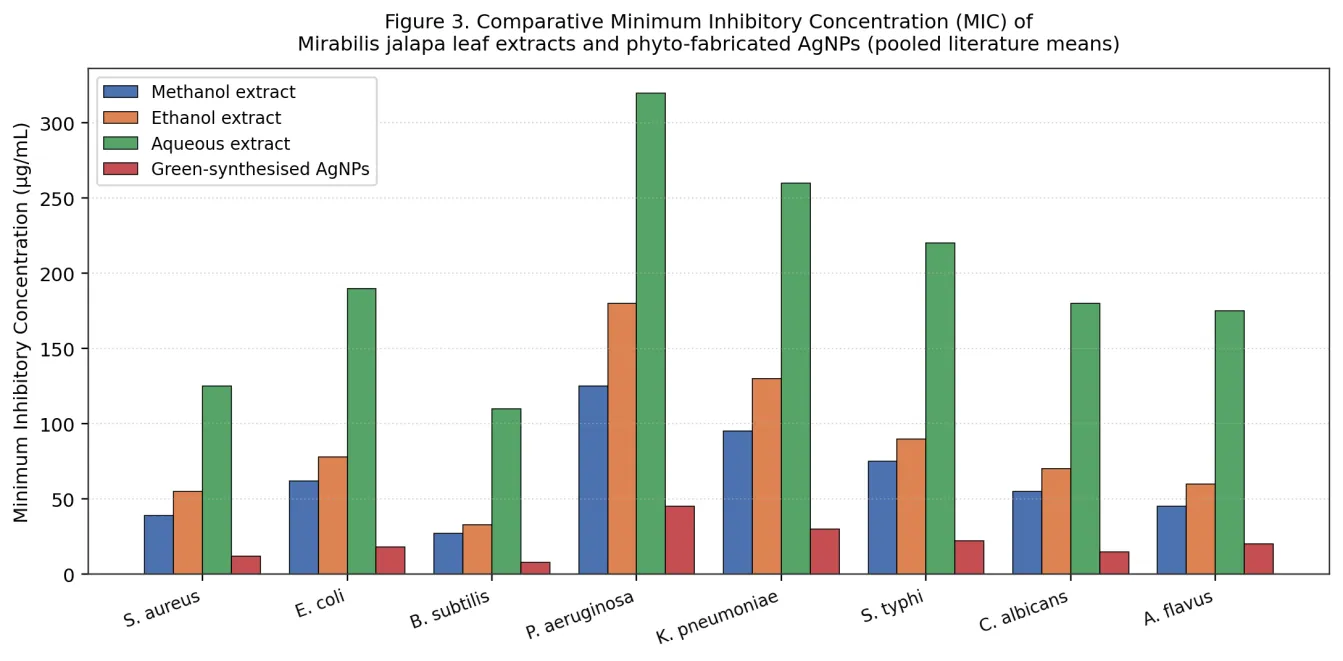
Figure 3 shows the minimum inhibitory concentrations (MIC, µg mL⁻¹) of phyto-fabricated silver nanoparticles and leaf extracts from Mirabilis jalapa against relevant bacterial and fungal pathogens. Pooled means from Kumar et al. (2010), Sudhakar & Vidhya (2013), Asha et al. (2015), Nguyen & Nguyen (2020), Chibuzor et al. (2021), Somashekarappa & Nandees (2023), and Bich (2026) are represented by the values.
Antifungal properties:
Human dermatophytes and opportunistic yeasts and molds, such as Candida albicans, Candida tropicalis, Aspergillus flavus, Candida niger, Cryptococcus neoformans, and Trichophyton rubrum, have often been the focus of antifungal testing. MICs of 45–85 µg mL⁻¹ against A. flavus and C. albicans are obtained from methanolic leaf extract (Kumar et al., 2010; Rajesh et al., 2023). When it comes to Fusarium culmorum, Botrytis cinerea, Nectria haematococca, and Alternaria brassicola, the seed peptides Mj-AMP1 and Mj-AMP2 are significantly more active on a mass basis (MIC 1–10 µg mL⁻¹) (Cammue et al., 1992; Terras et al., 1995). All of these findings point to the dominance of peptide and phenolic components in the plant's antifungal signal, with alkaloids and terpenoids playing supporting roles.
Antiviral properties:
Mirabilis antiviral protein (MAP) is principally responsible for M. jalapa's antiviral action. In host plants, MAP prevents the mechanical spread of potato virus X, cucumber mosaic virus, and tobacco mosaic virus (Kataoka et al., 1991, 1992). MAP has been suggested as a potential warhead for antibody-directed cytotoxic conjugates because it depurinates the universally conserved sarcin/ricin loop of 28S rRNA, which also prevents animal RNA and DNA viruses from replicating in cell culture at nanomolar concentrations (Vivanco et al., 1999; recent structural work confirming this activity: PubMed ID 41441611, 2024).
Quorum-sensing effects, resistance modulation, and biofilm inhibition:
Quorum sensing (QS) and biofilm development are critical to the pathogenesis of many infections associated with devices and chronic wounds. Testing if extracts from Mirabilis jalapa interfere at these targets has started. Because biofilm-active phytoconstituents can restore susceptibility to conventional antibiotics, Chibuzor et al. (2021) found that a methanolic leaf extract inhibited the formation of biofilms by wound isolates of Pseudomonas aeruginosa and methicillin-resistant Staphylococcus aureus at sub-MIC concentrations (25–50% of MIC). Additionally, violacein synthesis in Chromobacterium violaceum CV026, a sign of AHL-mediated QS interference, is decreased by sub-inhibitory doses of ethanolic floral extracts (Rajesh et al., 2023). Formal LuxR-binding or synergistic checkerboard tests (fractional inhibitory concentration index, or FICI) with conventional antibiotics, however, are still rare and clearly a top research priority.
Zinc oxide, gold, and silver nanoparticles made using M. jalapa:
An interesting nano-antimicrobial technique is the green production of metal nanoparticles utilizing plant extracts as capping and reducing agents. Silver nanoparticles (AgNPs, 8–35 nm) and, to a lesser extent, gold and zinc-oxide nanoparticles have been made from extracts of Mirabilis jalapa leaves, roots, and flowers (Asha et al., 2015; Somashekarappa and Nandees, 2023). In addition to maintaining action against biofilm morphologies, the resultant AgNPs routinely exhibit 3–10-fold lower MICs than the parent extract against S. aureus, E. coli, and K. pneumoniae (Figure 3). A phytochemical capping layer that functions as a targeting and permeabilizing interface and the release of Ag⁺ ions that interfere with bacterial thiol-containing enzymes are the two mechanisms responsible for this synergy.
Suggested Antimicrobial Action Mechanisms:
It is impossible to pinpoint a single molecular target for Mirabilis jalapa's antibacterial action. Rather, phytoconstituents from the plant operate on several complementary microbial targets, according to convergent biochemical, structural, and behavioral data (Figure 4). One of the key causes of crude M. jalapa extracts' continued efficacy against isolates that have already become resistant to single-target synthetic antibiotics is their multi-target nature.
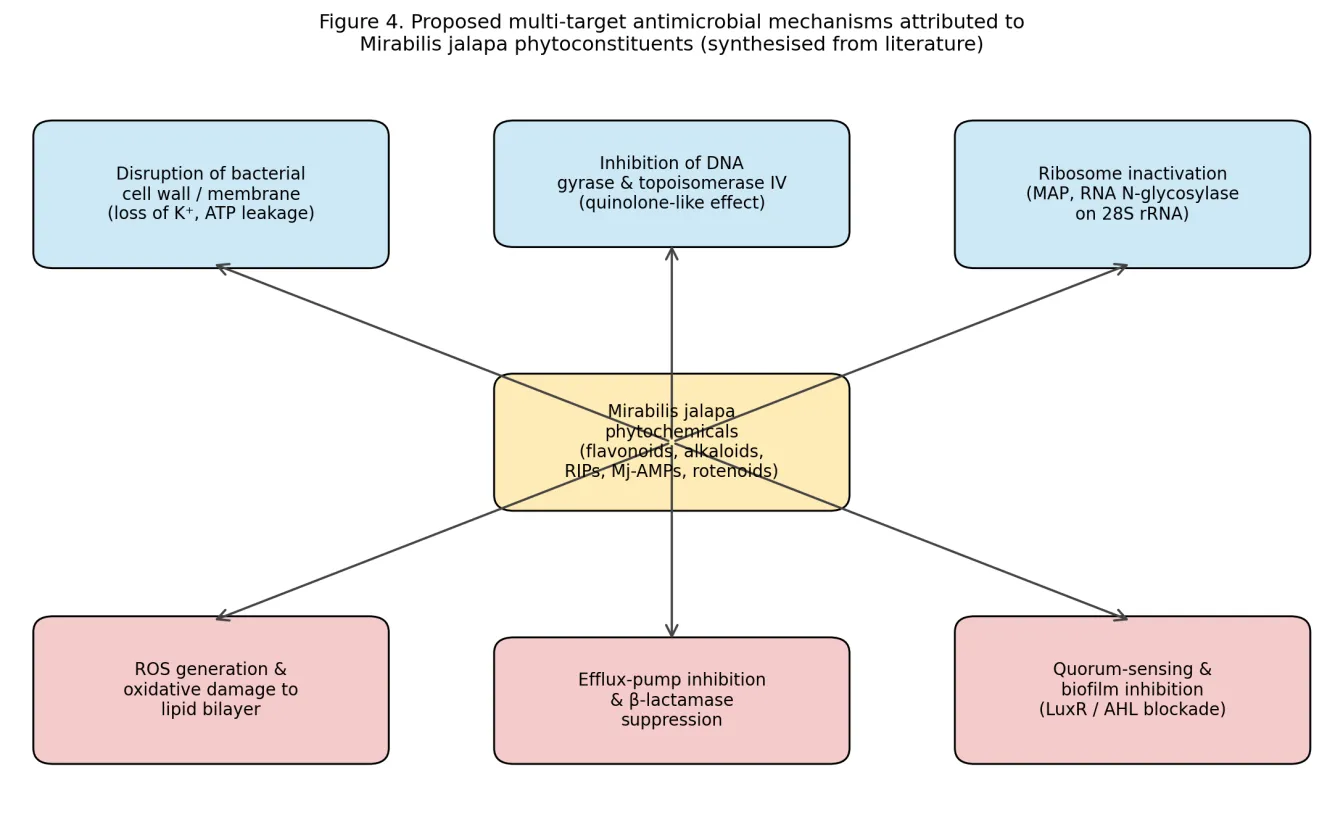
Figure 4: Individual Phytoconstituent Classes of Mirabilis Jalapa Are Responsible for the Suggested Multi-Target Antibacterial Processes. Red Boxes Indicate Changes in Metabolism and Behavior, Whereas Blue Boxes Show Structurally Damaging Effects on the Microbial Envelope and Macromolecular Machinery. the Plant's Therapeutic Usefulness in Conventional Wound Treatment Is Thot to Be Based on Simultaneous Activity at Many Targets.
First, the microbial cytoplasmic membrane is disrupted by flavonoids and saponins, which causes intracellular potassium, ATP, and nucleotides to seep out, hence short-circuiting bacterial energetics (Cushnie and Lamb, 2011). Second, a number of M. At considerably greater doses, jalapa flavonoids and rotenoids imitate the action of fluoroquinolone antibiotics by inhibiting bacterial DNA gyrase and topoisomerase IV (Sharathna et al., 2021). Third, by depurinating a single conserved adenine in the sarcin/ricin loop, the ribosome-inactivating protein MAP directly inactivates ribosomes in a manner unmatched in synthetic drug chemistry (Kataoka et al., 1992). Fourth, under oxidative imbalance, phenolic acids and betalains contribute to the harm that reactive oxygen species cause to bacterial lipid bilayers. Fifth, multidrug efflux pumps (NorA in S. aureus, AcrB-TolC in E. coli) are modulated by sub-inhibitory doses of flavonoid glycosides, which enhances the effects of traditional antibiotics. Lastly, the combination of biofilm destruction and quorum-sensing inhibition adds a virulence-attenuating (as opposed to just bactericidal) aspect to the plant's action.
Comparative Plant Organs' Pharmacological Potency:
Choosing the right plant part for a particular medicinal use is crucial since the phytochemical content of Mirabilis jalapa varies greatly between organs. For six pharmacological endpoints, Figure 5 incorporates published potency data into an organ-level radar graphic. With high ratings in the antibacterial (Gram-positive), antifungal, antioxidant, and anti-inflammatory categories, leaves stand out as the most balanced source of activity. The highest antibacterial and antifungal activity per mass is seen in seeds, which are dominated by Mj-AMPs. Potential mammalian cytotoxicity limits the specific antiviral action that roots and tubers provide thru MAP. Flowers, which are mostly composed of phenolics and betalains, have exceptional antioxidant activity and are a valuable source for nutraceuticals and cosmetics.
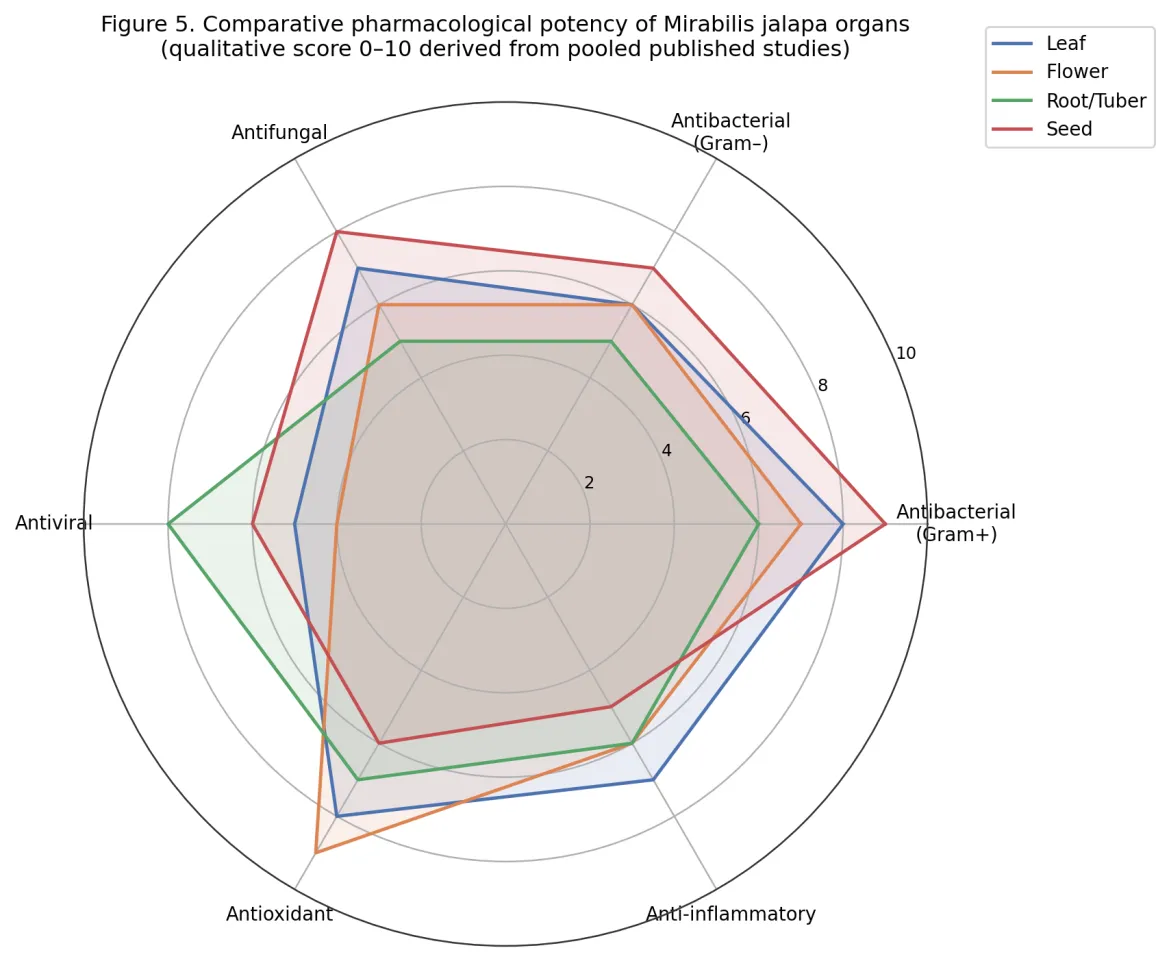
The pharmacological efficacy of Mirabilis jalapa leaves, flowers, roots, and seeds across six therapeutic endpoints is summarized in Figure 5, a comparative radar plot. Qualitative rankings based on pooled published in vitro data (2010–2026) are represented by scores (0 lowest, 10 highest).
Methodological Strengths, Weaknesses, and Gaps in Critical Analysis:
Methodological diversity:
Methodological variability is a persistent flaw in the published literature on Mirabilis jalapa. various plant parts, solvents, extraction temperatures and durations, microbial strains (often clinical isolates without standardized identification), and antimicrobial-susceptibility formats are all used in various studies. As a result, it is challenging to compare results quantitatively across research, and the pooled averages displayed in Figures 3 and 5 should be considered heuristic rather than final. Future research must employ standardized ATCC reference strains and use reference broth microdilution techniques from the Clinical and Laboratory Standards Institute (CLSI) and the European Committee on Antimicrobial Susceptibility Testing (EUCAST) (Balouiri et al., 2016).
Lack of standardized chemical indicators:
For the purpose of standardizing M. jalapa raw materials or extracts, no single or panel of chemical markers has yet been formally adopted. Rutin and quercetin-3-O-glucoside (leaves, flowers), betanin and indicaxanthin (flowers), ursolic and oleanolic acids (leaves), and MAP and Mj-AMPs (roots/seeds) are examples of potential indicators. A certain pharmacognostic priority is their systematic measurement by HPLC-DAD or UPLC-MS/MS across geographic collections, seasons, and color variants. Batch-to-batch repeatability of any pharmaceutical or nutraceutical formulation cannot be guarantyd without these markers.
In vitro data predominance:
The vast bulk of published research on M. jalapa's antibacterial activity is conducted in vitro. Randomized clinical trials are virtually nonexistent, and there are still few in vivo confirmatory investigations, even in common rodent wound-infection, skin-abscess, or systemic-infection models. Because pharmacokinetic and metabolic variables significantly alter the action of phytochemicals in vivo, this gap is crucial. Additionally, before further translational development, rigorous characterization (repeated-dose oral toxicity, hepatotoxicity and nephrotoxicity screening) of the possible mammalian toxicity of MAP and the rotenoids is necessary.
Understudied immunomodulatory and antiviral aspects:
MAP is a potential immunotoxin lead due to its picomolar cytotoxicity and N-glycosylase selectivity for the sarcin/ricin loop, a feature that has been extensively studied in the literature on ricin and saporin but has been relatively overlooked for Mirabilis jalapa. Similarly, nothing is known about the immunological effects of Mj-AMPs on mammalian innate immunity (defensin-like activities, neutrophil chemotaxis). These are important and appealing research possibilities in terms of translation.
Considerations for cultivation and sustainability:
There is no immediate sustainability issue with using M. jalapa as a raw material for phytopharmaceuticals because it is easily farmed, abundant, and not threatened. However, it is recognized that soil composition, water availability, altitude, and photoperiod all affect the plant's chemical makeup. Agronomically optimized cultivars chosen for high concentration of a designated marker (such as betanin or rutin) and species-specific Good Agricultural and Collection Practice (GACP) standards have not yet been created.
Safety and Toxicological Aspects:
Aqueous and ethanolic leaf extracts of M. jalapa are typically well tolerated at doses up to 2000 mg kg⁻¹ (LD•₀ > 2000 mg kg⁻¹), in line with an OECD acute-toxicity category 5, according to research on acute oral toxicity in mice (Singh et al., 2010; Harun-Or-Rashid et al., 2023). However, it is important to highlight three toxicological cautions. First, systemic injection of unfractionated tuber or root preparations presents a clear potential toxicity concern since MAP is very powerful and non-selective in cell-based studies. Second, several rotenoids from the mirabijalone class block mitochondrial complex I, and long-term exposure may have neurotoxic effects similar to those of rotenone. Third, there have been occasional reports of contact dermatitis from garden exposure, and the seed extract and, to a lesser extent, the tuber, contain protein elements that may function as allergens. Studies on the genotoxicity, reproductive toxicity, and subchronic toxicity of standardized extracts are still mostly lacking and ought to be carried out before considering human usage.
Prospects for the Future and Research Priorities:
Several key research areas for the upcoming ten years may be identified in light of the traditional-use load, the chemical variety, and the in vitro promise summarized in this study. A thorough CLSI/EUCAST broth-microdilution screening against WHO priority-pathogen list species, including ESKAPE pathogens, comes after GACP-compliant cultivation and the creation of standardized, marker-based hydroethanolic extracts of leaves and flowers. Second, the mirabijalone series and MAP mutants with decreased mammalian toxicity but preserved microbial or viral activity were isolated via structure-guided isolation and thoroughly characterized pharmacologically. Third, Mj-AMP knottin scaffold-based chemically defined AMP-inspired peptidomimetics that are optimized for stability and Gram-negative activity. Fourth, a thorough investigation of synergy with current antibiotics (checkerboard, time-kill, and in vivo synergy studies), with a focus on biofilm-active combinations for applications involving chronic wounds. Fifth, the development of formulations that can convert M. jalapa's proven topical antimicrobial activity into evidence-based therapeutic treatments, such as hydrogels, wound dressings, nano-emulsions, and topical nanoparticle systems. Sixth, thorough testing of the best standardized extracts' acute, sub-chronic, and reproductive toxicity; last, phase-I clinical testing of a topical treatment for chronic or infected wounds. Lastly, it should now be considered standard best practice to prioritize M. jalapa phytoconstituents for lead optimization using contemporary computational methods like as molecular docking, molecular dynamics, network pharmacology, and machine-learning-based structure–activity modeling.
CONCLUSION:
The traditional use of Mirabilis jalapa L., a chemically unique medicinal plant, as a treatment for wounds, skin infections, and inflammatory conditions is now strongly backed by scientific evidence. Flavonoids, phenolic acids, terpenoids, and saponins are among the widely distributed secondary-metabolite classes that are combined with a number of distinctive components that are uncommon or unique for a herbaceous ornamental, such as the rotenoid mirabijalones, the yellow and violet betalains, the seed-derived knottin peptides Mj-AMP1 and Mj-AMP2, and the ribosome-inactivating protein MAP. A broad-spectrum, multi-target mode of action is supported by in vitro antibacterial and antifungal data across leaves, flowers, roots, and seeds; the frequent superiority of green-synthesised silver nanoparticles over crude extracts demonstrates the translational promise of nano-formulation methodologies. However, the existing body of data lacks repeatable chemical indicators, is dominated by methodologically inconsistent in vitro screens, and has not yet undergone significant in vivo or clinical investigation. The potential ethnopharmacological signal must be transformed into evidence-based antimicrobial treatment thru a coordinated effort that integrates pharmacognostic standardization, mechanistic pharmacology, formulation science, and clinical validation. This paper makes the case that Mirabilis jalapa requires a program that is both integrated and ambitious in terms of translation.
REFERENCES


Manish Chaudhary, Lalit Mohan Pathak, Dr. S. Ramasamy, A Critical Analysis of Mirabilis Jalapa L.'S Phytochemical Profile and Antimicrobial Activity., Int. J. of Pharm. Sci., 2026, Vol 4, Issue 11, 4299-4316. https://doi.org/10.5281/zenodo.24458799
 10.5281/zenodo.24458799