

We use cookies to ensure our website works properly and to personalise your experience. Cookies policy
Department of Pharmacognosy, Latur College of Pharmacy, Hasegaon, Latur, India
According to some studies, two-thirds of all species of plants have medicinal properties. The ability to provide antioxidants of medicinal plants is extremely significant. Antioxidants decrease the oxidative stress in cells so they are useful in the treatment of many human diseases, like cardiovascular diseases, diabetes, atherosclerosis, coronary artery disease, liver diseases, cataracts, nephrotoxicity, and neurodegenerative processes associated with aging, inflammatory diseases and cancer. Each part of the plant has unique therapeutic characteristics and contains several secondary metabolites that have crucial for the treatment of various diseases. The antioxidant activity of plant parts such as stems, roots, bark, leaves, fruits, and seeds of various prominent medicinal species are discussed in the present article. There are also synthetic antioxidants, butylated hydroxytoluene (BHT) and butylated hydroxyl anisole (BHA), which are currently utilized as food additives and prevent the oxidation of the body caused by free radicals. Similar antioxidant potential can be seen in many plant species. The present paper provides comprehensive information on the green extraction technologies of natural antioxidants, assessment of antioxidant activity at chemical and cellular based levels and their main resources from food and medicinal plants.
Considering the potential role in food industry and human health, antioxidants are gaining popularity all across the globe. Antioxidants are defined as a substance that even in small amounts, is capable of preventing or delaying the oxidation of easily oxidizable materials. Antioxidant are also defined as a substance which are capable of inhibiting a specific oxidising enzymes or a substance that reacts with oxidizing agents prior to causing damage to other molecules or a substance that sequesters metal ions or even a substance capable of repairing system such as iron trans-porting protein (Brewer 2011). As such, production of free radicals and other reactive oxygen species in the human body by numerous physiological and bio-chemical processes is reported (Halliwell 1994); however, over production of these could lead toward development of diseases. Exogenous and endogenous antioxidants typically work together to achieve a balance between antioxidation protection and oxidant generation, which is thought to be vital in maintaining a healthy biological system (Dias TR, et al., 2020). Increased levels of oxidants/Reactive Oxygen Species (ROS) make a path for oxidative stress, which has been linked to the creation of a wide range of chronic illnesses, including cardiovascular and periodontal disorders (Pampani P, et al., 2021). Herbal antioxidants have been successfully used as rejuvenators in Indian systems of alternative medicine for several millennia. Several studies have demonstrated that various herbal remedies include a variety of compounds, many of which have antibacterial and radical scavenging characteristics that can protect the human body against infections as well as cellular oxidation events (Parham S, et al., 2020). Rasaynas are a type of non-toxic polyherbal medical preparation that boosts immunity, prevents illness, and promotes health and life. Antioxidants are a class of chemical substances naturally found in our food that can prevent or reduce the oxidative stress of the physiological system. Plants are the major source of natural antioxidants. Many previous reviews revealed that medicinal plants are efficient sources of antioxidant and free radical scavenging activities.
LITERATURE REVIEW :-
This review includes a brief description of a report on plants with antioxidant potential. This review deals with antioxidant potential of some medicinal plant such as Clitoria ternatea (gokarna), Epipremnum aureum (money plant), Ocimum tenuiflorum (tulsi), Vinca rosea (sadafuli), Azadirachta indica (neem), Zingiber officinale (ginger).
1] Clitoria ternatea
Synonym:- Butterfly pea, blue pea, girikarnu, kakkattan, aparagita, shankupushpam.
Family:- Fabacea
Chemical constituents:- Flavonoids, tannins, saponins, triterpenoids, proteins, alkaloids, steroids, volatile oil.
Medicinal and antioxidant property: Antibacterial, antidiabetic, anti-inflammatory, anti-stress, anti-convulsant, nootropic. Used for digestive issues, skin disease, liver problem and neurological disorder. Clitoria ternatea flower is a traditional medicinal herb that has been used as a natural food colourant. As there are limited studies on investigating the bioactivities of the anthocyanin-rich fraction of Clitoria ternatea flower, this study aimed to determine an efficient column chromatography method to obtain the anthocyanin-rich fraction from this flower and characterise its composition, antioxidant, antibacterial, and cytotoxic activities. Amberlite XAD-16 column chromatography was more efficient in enriching the total anthocyanin content (TAC) of the fraction with the highest TAC to total phenolic content (TPC) ratio of 1:6 than that using C18-OPN. A total of 11 ternatin anthocyanins were characterised in the anthocyanin-rich fraction by LC–MS analysis. The antioxidant activity of the anthocyanin-rich fraction was more potent in the chemical-based assay with an IC50 value of 0.86 ± 0.07 mg/mL using 1,1-diphenyl-2-picrylhydrazyl (DPPH) assay than cellular antioxidant assay using RAW 264.7 macrophages.
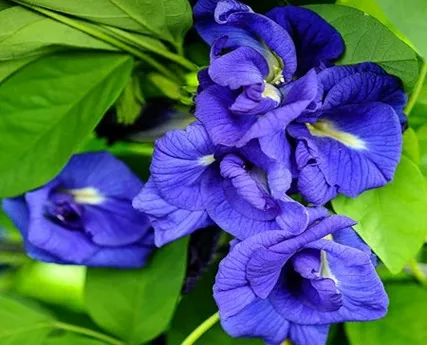
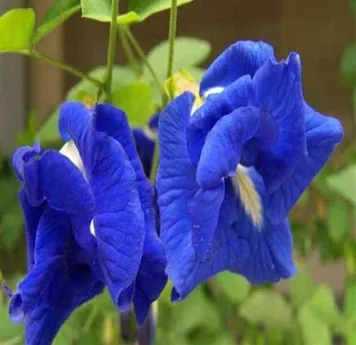
Figure.1: Clitoria ternatea flowers(Gokarna)
2] Epipremnum aureum
Synonym:- Scindapsus aureus, epipremnum pinnatum ‘Aureum’.
Family:- Araceae
Kingdom: Plantae
Subkingdom: Phanerogames
Division: Angiosperm
Class: Monocotyledonae
Series: Nudiflorae
Family: Araceae
Genus: Epipremnum
Species: aureum
Chemical constistuents:- alkaloids, flavonoids, tannins, saponins, terpenoids, reducing sugars, and phenols
Medicinal and antioxidant property:- Antimicrobial, antioxidant, anti-inflammatory effects. Epipremnum aureum Linn. is a popular ornamental foliage plant used in hanging baskets and as a vine for totem poles. Pathos, Scindapsus aureus, Pathos aurea, Silver vine, Devil’s Ivy, Solomon Island’s Ivy and money plant are some among the names by which Epipremnum aureum Linn. is mentioned. It belongs to the family of Araceae. It is a popular house plant with numerous cultivars and efficient at removing indoor pollutants such as formaldehyde, xylene and benzene. A study has been conducted to uncover the phytochemicals present in the leaves of this plant and to evaluate the antioxidant effect of the extracts. Epipremnum aureum species is one of the most popular houseplant and generally used for a ornamental purposes. It is a common indoor plant and has air purifying properties which removes air pollutants such as xylene, formaldehyde and benzne.. We review origin, distribution, morphological characters, Qualitative screening, ethnomedicinal uses and medicinal properties of Epipremnum aureum. Every part of the E.aureum possess antioxidant and antibacterial properties. It can also contain anti-malarial, anti-cancerous and wound healing etc properties. There are many more hidden properties in Epipremnum species that need to be exposed through using the scientific investigation to make it useful for the human health and environment.
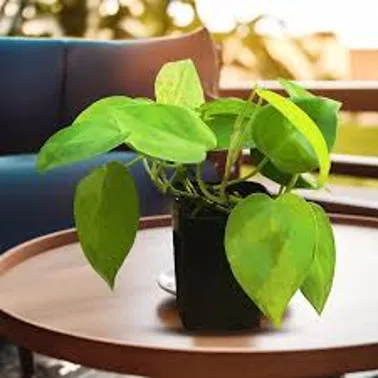
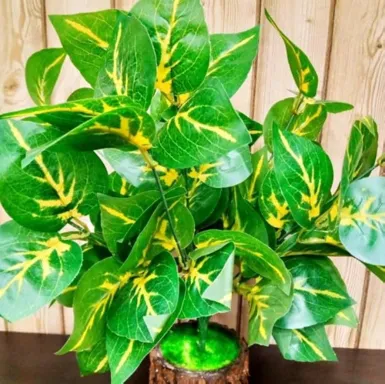
Figure.2 Epipremnum aureum (money plant).
3] Ocimum tenuiflorum
Synonym:- Ocimum sanctum.
Family:- Lamiaceae
Chemical constituents:- eugenol, rosmarinic acid, ursolic acid, orientin, and vicenin.
Medicinal and antioxidant property:- antimicrobial, anti-inflammatory, antidiabetic, antioxidant, and anticancer effects. Anti-oxidant is a substance that inhibits oxidation, which leads to damage the cells of the organism. Sridivya et al. conducted an experiment that stated that ethanolic extracts of Alpinia galanga shows tremendous antioxidant and antidiabetic action. Ethanolic extract of galangal confirmed the robust scavenging action by the way of DPPH approach by using Lipid per oxidation technique, hydrogen peroxide radical scavenging activity, radical scavenging approach. Two groups were tested with varying concentration. 400 mg/kg treated group showed that the serum glucose level reduced than 200 mg/ treated group.
The level of Serum triglyceride become reduced when compared with diabetic manages in addition to diabetes handled with Glibenclamide. Medeni et al. (2014) showed that the extraction of polyphenols is highly dependent on the type of solvent used, its polarity, and the degree of polymerization of phenolics and their interactions with other constituents, in addition to biological factors such as genotype, organ and ontogeny, and edaphic and environmental factors. Hence, the differences in polarity of solvents used in the present study may be the reason for the differences in extraction yield and antioxidant activity.
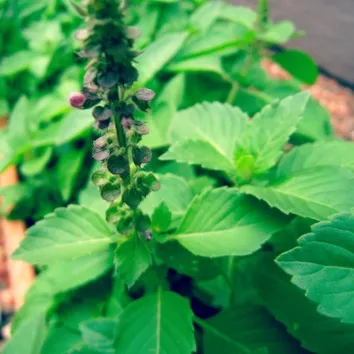
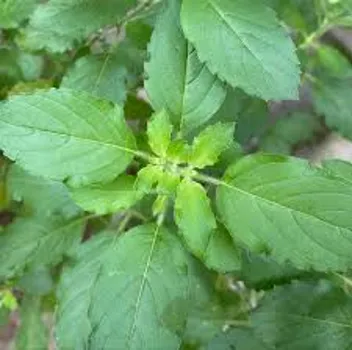
Figure.3. Ocimum tenuiflorum (Tulsi).
4] Vinca rosea
Synonym:- Catharanthus roseus.
Family:- Apocynaceae.
Chemical constituents:- Alkaloids, vinblastine and vincristine.
Medicinal and antioxidant property:- it possesses significant antioxidant properties, primarily due to its rich content of phenolic compounds and flavonoids. These compounds act as free radical scavengers, protecting the body from oxidative stress and potentially offering anti-aging and disease-preventive benefits. The plant's antioxidant activity. Medicinal plants have a long history of use in traditional medicine, one of which is Catharanthus roseus which is one of the medicinal plants that has a long history . Catharanthus roseus also known as Vinca rosea, Vinca multiflora, Ammocallis rosea and Lochnera rosea, vinca grows 7-24 inches tall and wide, forming a mound of colorful flowers such as white, pink, or reddish-purple at the tip. branch. Catharanthus roseus is a medicinal plant from the Apocynaceae family. There are about two common cultivars of C. roseus named after flower colour namely the pink flower “Rosea” and the white flower “Alba”. Catharanthus roseus known as the Madagascar periwinkle is a native species of Catharanthus and is also endemic to Madagascar. This plant is usually used to treat various diseases . The antioxidant exertion of C. roseus was assured by DPPH assays at distinct attention (200, 400, 600, 800 and 1000 µg). Among the five-attention tested, 800 µg shows the apex antioxidant exertion. Vinca alkaloids are having poisonous activities have physiological effects too that makes them useful as medicines. The alkaloids are distributed in all parts of the plant. The maximum being in the root bark particularly during flowering. The physiologically important alkaloids are antineoplastic dimeric alkaloids, vinblastine, vincristine in the aerial parts and ajmalicine, serpentine in the roots. Another alkaloid, vinflunine, not universally accepted except in Europe and said to possess anti-tumour activity. Vinblastine and vincristine are chemotherapy medications used to deal with several types of cancers and are biosynthesised from the linking of the alkaloids catharanthine and vindoline. The newer semisynthetic chemotherapeutic agent vinorelbine is used to deal with non- small-cell lung cancer, can be prepared either from vindoline and catharanthine or from the vinca alkaloid leucosin in both cases via anhydro vinblastine.
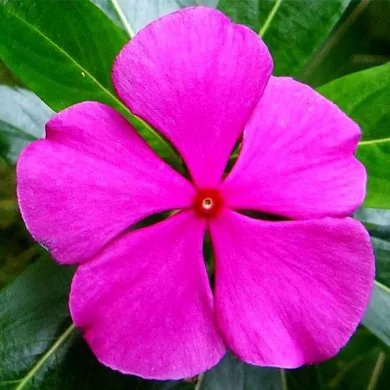
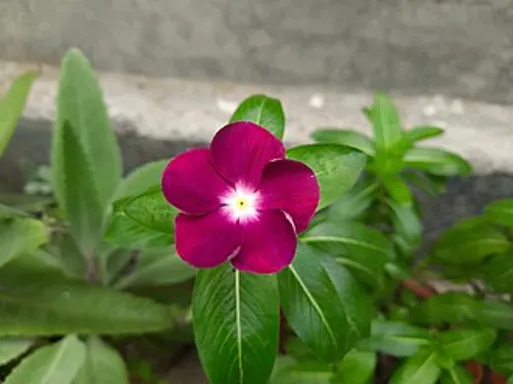
Figure.4. Vinca rosea (Sadafuli).
5] Zingiber officinale (ginger)
Synonym:- Ginger (Freethesaurus, 2021).
Family:- Zingiberaceae
Chemical constituents:- Ginger rhizomes consist of carbohydrates, lipids, terpenes and phenolic compounds. Terpene includes zingiberene, β-bisabolene, α-farneses, β-sesquiphellandrene, and α-curcumene some phenolic components are gingerols, paradols, and shogaol found in large quantity. Other shagol related compounds include 6-paradol, 1-dehydrogingerdione, 6-gingerdione, 10-gingerdione, 4-gingerdiol, 6-gingerdiol, 8-gingerdiol and 10-gingerdiol and diarylheptanoids.
Medicinal and antioxidant property:- It helps to reduce nausea, prevent nausea due to chemotheraoy, motion sickness, and surgery. It’s also essential remedy for nausea during pregnancy. It’s widely used for various GI problems such as morning sickness, colic, upset stomach, gas, bloating, heartburn, flatulence, diarrhea, loss of appetite, and dyspepsia. Other uses are pain relief for arthritis, muscle soreness, chest pain, low back pain, stomach pain and menstrual pain; treat upper respiratory tract infections, cough, and bronchitis and anti-inflammatory agent, lowers blood pressure. It also used in treatment of cold and flu. The anti-oxidant capabilities of ginger (Zingiber officinale) were assessed using three parameters: Antioxidant capacity, total phenolic and flavonoid content, and phenolic acid identification in Water Extract (WEG) and Ethanol Extract (EEG). FRAP, CUPRAC assay, Fe2+ chelating ability, DPPH and DMPD radical scavenging activities were used to determine antioxidant capacity. Folin Ciocalteu’s technique was also used to determine total phenolic and flavonoid content in both extracts. The HPLC-MS/MS method was used to identify the phenolic acids. In all experiments, the data showed that EEG had higher antioxidant activity than WEG. In all experiments, the data showed that EEG had higher antioxidant activity than WEG. According to HPLC-MS/MS study, ginger contains at least eight distinct phenolic acids, with pyrogallol p-hydroxybenzoic acid, ferulic acid, and p-coumaric acid being the most prevalent in both extracts. This study clearly proved that ginger extracts have potent antioxidant activities, and that their consumption can help to prevent or delay the onset of diseases caused by oxidative stress in the absence of antioxidant supplements (Mbaveng AT and Kuete V, 2017; Stoilova I, et al., 2007).
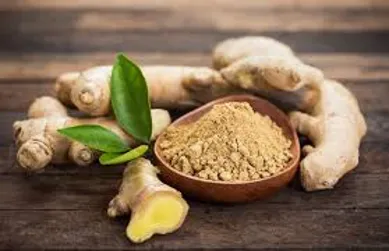
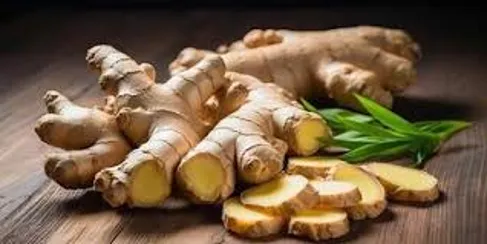
Figure.5. Zingiber officinale (ginger).
6] Azadirachta indica
Synonym:- Margosa, nimtree, indian lilac.
Family:- Meliaceae.
Chemical constituents:- phenolic compounds (like gingerols and shogaols), terpenes, polysaccharides, lipids, organic acids, and raw fibers.
Medicinal and antioxidant property:- Anti-inflammatory, Antioxidant, Anti-cancer, Ginger contains various antioxidants, including gingerol and shogaol, which can neutralize harmful free radicals and protect cells from oxidative damage. Free radical or reactive oxygen species are one of the main culprits in the genesis of various diseases. However, neutralization of free radical activity is one of the important steps in the diseases prevention. Antioxidants stabilize/deactivate free radicals, often before they attack targets in biological cells and also play role in the activation of antioxidative enzyme that plays role in the control of damage caused by free radicals/reactive oxygen species. Medicinal plants have been reported to have antioxidant activity. Plants fruits, seeds, oil, leaves, bark, and roots show an important role in diseases prevention due to the rich source of antioxidant. Leaf and bark extracts of A. indica have been studied for their antioxidant activity and results of the study clearly indicated that all the tested leaf and bark extracts/fractions of neem grown in the foothills have significant antioxidant properties. Another important study was performed based on leaves, fruits, flowers, and stem bark extracts from the Siamese neem tree to assess the antioxidant activity and results suggest that extracts from leaf, flower, and stem bark have strong antioxidant potential.
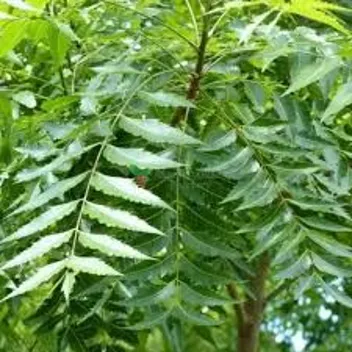
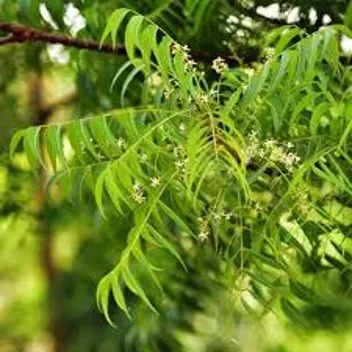
Figure.6. Azadirachta indica (Neem).
CONCLUSION
Medicinal plants have long been recognized as a vital source of therapeutic agents, with antioxidant properties playing a significant role in their health benefits. The presence of phytochemicals such as flavonoids, phenolic acids, tannins, and alkaloids contributes to their ability to neutralize free radicals, thereby reducing oxidative stress and preventing a wide range of chronic diseases including cancer, cardiovascular disorders, diabetes, and neurodegenerative conditions. This review highlights the importance of exploring and preserving plant biodiversity as a natural reservoir of antioxidants. Further scientific validation through clinical studies and standardized extraction methods is essential to fully harness the potential of these natural compounds for pharmaceutical and nutraceutical applications. Continued research in this field may lead to the development of safer, more effective, and accessible antioxidant therapies derived from medicinal plants.
ACKNOWLEDGEMENT
The authors would like to express their sincere gratitude to all those who contributed to the successful completion of this review. We extend our appreciation to our mentors and academic advisors for their invaluable guidance and support throughout the research process. We also acknowledge the contributions of researchers and scholars whose work in the field of medicinal plants and antioxidant studies formed the foundation of this review. Special thanks to our institution and its library staff for providing access to essential resources and research materials. Finally, we are grateful to our families and peers for their encouragement and moral support.
REFERENCES



Hippale Sakshi, Chaure Anita, Karad Shrinivas, A Review on Medicinal Plant with Antioxidant Properties, Int. J. of Pharm. Sci., 2026, Vol 4, Issue 7, 4787-4794. https://doi.org/10.5281/zenodo.21510776
 10.5281/zenodo.21510776