

We use cookies to ensure our website works properly and to personalise your experience. Cookies policy
Ezhuthachan college of pharmaceutical Science, Marayamuttom.
Chronic obstructive pulmonary disease (COPD) is a progressive inflammatory disorder of the airway characterized by persistent airflow limitation, recurrent exacerbations, and substantial morbidity and mortality worldwide. The Global Initiative for Chronic Obstructive Lung Disease (GOLD) recommend escalating to triple inhaler therapy for patients who continue to experience symptoms and frequent exacerbations despite dual bronchodilator therapy. Single inhaler triple therapy (SITT) improves adherence, reduces exacerbations, and simplifies treatment regimens compared with multiple inhaler use.Two major SITT combinations widely used in COPD management are fluticasone furoate/umeclidinium/vilanterol (FF/UMEC/VI) and budesonide/glycopyrrolate/formoterol fumarate (BUD/GLY/FOR). FF/UMEC/VI combines an inhaled corticosteroid (ICS), long-acting muscarinic antagonist (LAMA), and long-acting ?2-agonist (LABA) delivered once daily, whereas BUD/GLY/FOR provides similar pharmacological classes in a twice-daily regimen.The IMPACT trial demonstrated that FF/UMEC/VI significantly decrease the risk of moderate to severe exacerbations compared with dual therapy with a higher incidence of pneumonia. Similarly, the ETHOS trial showed that BUD/GLY/FOR reduced exacerbations and all-cause mortality while maintaining an acceptable safety profile. However, safety concerns persist regarding the risk of pneumonia, cardiovascular events, oral candidiasis, osteoporosis, hyperglycemia, glaucoma, urinary retention, and treatment discontinuation.This review aims to compare the safety profiles of FF/UMEC/VI and BUD/GLY/FOR evidence obtained from randomized controlled trials, meta-analyses,
Chronic obstructive pulmonary disease (COPD) is a widespread, preventable, and treatable chronic respiratory condition marked by ongoing respiratory symptoms and airflow limitation resulting from abnormalities of the airways and alveoli[1,2]. It represents a major global public health issue and a leading contributor to morbidity, mortality, disability, and healthcare costs. COPD is linked to progressive worsening of respiratory function and can substantially affect patients' physical activity, emotional well-being, and overall quality of life[1,2].
COPD is a heterogeneous condition that includes chronic bronchitis, emphysema, and abnormalities of the small airways. Chronic bronchitis is marked by persistent cough and sputum production, while emphysema involves destruction of the alveolar walls and enlargement of the air spaces. Together with airway inflammation, mucus hypersecretion, and airway remodeling, these pathological changes lead to persistent airflow limitation and impaired gas exchange[2,3]. The course of the disease differs among individuals and is shaped by genetic susceptibility, environmental exposures, smoking history, comorbidities, and the frequency of acute exacerbations[2].
Cigarette smoking is among the principal risk factors for COPD. Yet exposure to household air pollution, biomass fuels, occupational dust, chemical fumes, and ambient air pollution also plays a role in the development of the disease. Genetic factors, impaired lung development, respiratory infections, and early-life environmental exposures may further heighten susceptibility in some individuals[2,3]. The growing burden of COPD underscores the value of early diagnosis, reduction of risk factors, suitable pharmacological management, and long-term monitoring.
Acute exacerbations are significant events in the clinical course of COPD. They are defined by worsening respiratory symptoms, including dyspnea, cough, and sputum production, that go beyond normal day-to-day variation. Exacerbations may call for additional medication, emergency treatment, hospitalization, or respiratory support. Frequent and severe exacerbations are linked to faster lung-function decline, poorer health-related quality of life, greater healthcare utilization, and a higher risk of mortality[2,4]. As a result, preventing exacerbations is a key goal of long-term COPD management.Pharmacological treatment seeks to ease symptoms, improve lung function and exercise tolerance, lower exacerbation frequency, and enhance health-related quality of life. Long-acting β₂ agonists (LABAs) and long-acting muscarinic antagonists (LAMAs) are essential maintenance therapies, as they induce bronchodilation through complementary mechanisms. LABAs activate β₂ adrenergic receptors to relax airway smooth muscle, while LAMAs suppress muscarinic receptor-mediated bronchoconstriction. Combining these agents can achieve greater bronchodilation and symptom control than either drug class used alone[2,5].
Even with the advantages of dual LABA/LAMA therapy, certain patients still suffer exacerbations even when treated appropriately. In carefully chosen patients, especially those with ongoing exacerbations and clinical signs indicating a higher probability of responding to inhaled corticosteroids (ICS), the addition of an ICS could deliver extra benefit. In patients who are suitably selected, ICS decreases airway inflammation and can reduce the risk of exacerbations. Nevertheless, its use needs to be weighed against possible adverse effects, especially pneumonia and local or systemic complications linked to corticosteroids[2,5].
Single-inhaler triple therapy (SITT) puts an ICS, a LABA, and a LAMA together in a single inhaler. This strategy addresses multiple mechanisms involved in COPD: the ICS targets corticosteroid-responsive airway inflammation, the LABA produces bronchodilation by stimulating β₂ receptors, and the LAMA lessens cholinergic bronchoconstriction. By merging these complementary effects, triple therapy can enhance lung function and decrease exacerbations in suitably selected patients[2,6,7].
Another benefit of SITT is that it may simplify treatment. One inhaler can cut down the number of devices a patient has to handle, which may boost adherence and treatment persistence provided the patient is able to use the prescribed inhaler correctly. Yet these advantages hinge on proper inhaler technique, patient preferences, device suitability, and the capacity to use the prescribed inhaler. As a result, choosing a treatment should take into account both clinical effectiveness and the practical elements of medication use[2,8].Of the SITT regimens available, fluticasone furoate/umeclidinium/vilanterol (FF/UMEC/VI) and budesonide/glycopyrrolate/formoterol fumarate (BUD/GLY/FOR) are key combinations backed by large randomized controlled trials. FF/UMEC/VI brings together the inhaled corticosteroid fluticasone furoate, the LAMA umeclidinium, and the LABA vilanterol, and it is given once daily. BUD/GLY/FOR combines budesonide, glycopyrrolate, and formoterol fumarate and is taken twice daily using the widely studied formulation. Both regimens deliver the three main pharmacological classes used in triple therapy, yet they vary in active ingredients, dosing frequency, and inhaler devices[6,7].
The IMPACT trial assessed FF/UMEC/VI in patients with COPD and showed a decrease in moderate-to-severe exacerbations relative to selected dual-therapy regimens. The ETHOS trial assessed BUD/GLY/FOR and likewise showed a reduction in COPD exacerbations compared with dual therapies. These trials offer key evidence supporting the role of SITT in suitably selected patients with COPD who continue to be at risk of exacerbations[6,7].
Even though both combinations deliver clinical benefits, their safety profiles call for careful assessment. Pneumonia is an especially significant concern with regimens that contain an ICS. Additional adverse outcomes of interest encompass oral candidiasis, dysphonia, cardiovascular events, metabolic effects including hyperglycemia, possible impacts on bone health, ocular complications, urinary retention, and discontinuation of treatment. How often these adverse effects occur and how clinically significant they are may differ depending on the drug components, the dose, the duration of treatment, patient characteristics, and underlying comorbidities[2,9].
When fluticasone-based therapies are compared with budesonide-based therapies, the risk of pneumonia warrants special attention. Variations in the pharmacological properties of individual corticosteroids may affect their retention in the lungs and their local effects. However, differences in pneumonia rates reported across separate clinical trials should not be taken automatically as evidence that one regimen is safer than another. The results observed can be shaped by differences in study populations, follow-up periods, treatment doses, outcome definitions, and baseline disease severity. For this reason, direct head-to-head comparisons and suitably designed systematic analyses are important when comparative safety is being interpreted[6,7,9].
Assessing the safety of triple therapy is further complicated by the comorbidities present in patients with COPD. Older adults, as well as individuals with cardiovascular disease, diabetes mellitus, osteoporosis, glaucoma, or benign prostatic hyperplasia, may need extra consideration when treatment is selected and monitored. The potential risks of therapy should be weighed together with the patient's exacerbation history, symptom burden, previous response to treatment, blood eosinophil count, inhaler technique, and personal preferences. Selecting treatment on an individualized basis can help strike a balance between preventing exacerbations and limiting the risk of adverse effects[2,9].
In addition, discontinuation of treatment and adherence are key considerations in the long-term management of COPD. Adverse effects, complicated medication schedules, poor inhaler technique, difficulties with the device, and patient concerns can all interfere with continuing treatment. For some patients, a once-daily regimen may be more convenient, while the choice of inhaler device and the patient's capacity to use it correctly may matter just as much. As a result, dosing frequency by itself should not be regarded as sufficient proof of better adherence or greater overall safety[8,9].
Although the IMPACT and ETHOS trials offer substantial evidence on the efficacy and safety of FF/UMEC/VI and BUD/GLY/FOR, differences in their trial designs and populations prevent straightforward comparisons of individual adverse outcomes. A structured review of the available randomized controlled trials, systematic reviews, meta-analyses, and relevant real-world studies is therefore valuable for identifying established safety concerns, assessing how consistent the reported findings are, and recognizing areas in which further comparative research is needed[6,7,9].
This review aims to assess and compare the safety profiles of FF/UMEC/VI and BUD/GLY/FOR in patients with COPD, with particular focus on pneumonia, cardiovascular safety, oral candidiasis, bone health, metabolic effects, ocular complications, urinary retention, mortality outcomes, and treatment discontinuation. By reviewing the evidence and its limitations, this review aims to support evidence-based, individualized treatment decisions and to pinpoint areas that call for further investigation.
COPD BACKGROUND AND NEED FOR TRIPLE THERAPY
Persistent exposure to noxious particles results in oxidative stress, protease-antiprotease imbalance, and chronic inflammatory cell recruitment, leading to irreversible airflow limitation [15].Acute exacerbations are major events in COPD progression because they accelerate lung function decline, worsen health status, and increase hospitalization and mortality risk [16]. Preventing exacerbations is therefore a primary therapeutic goal .Dual bronchodilator therapy with LABA/LAMA improves airflow obstruction and dyspnea more effectively than monotherapy [17]. However, many patients continue to experience exacerbations despite optimized dual bronchodilation [18].ICS addition is beneficial particularly in patients with eosinophilic inflammation and frequent exacerbations because corticosteroids reduce inflammation in airways and exacerbation frequency [19]. The IMPACT trial, which included more than 10,000 COPD patients shows that FF/UMEC/VI significantly reduced the annual rate of moderate to severe exacerbations compared to FF/VI and UMEC/VI dual therapy [6]. The annual exacerbation rate was 0.91 with triple therapy compared with 1.07 and 1.21 in dual therapy groups [6].Similarly, the ETHOS trial involving over 8,500 patients demonstrated that BUD/GLY/FOR significantly reduced rate of COPD exacerbations compare to dual bronchodilator therapy and showed lower all-cause mortality [7]. These findings strengthened the role of triple therapy in guideline-directed COPD care [7].Despite these benefits, ICS-containing regimens associated with an increase risk of pneumonia and other systemic adverse effects, making safety evaluation essential when choosing between available triple therapy options [10].
SAFETY ASSESSMENT OVERVIEW
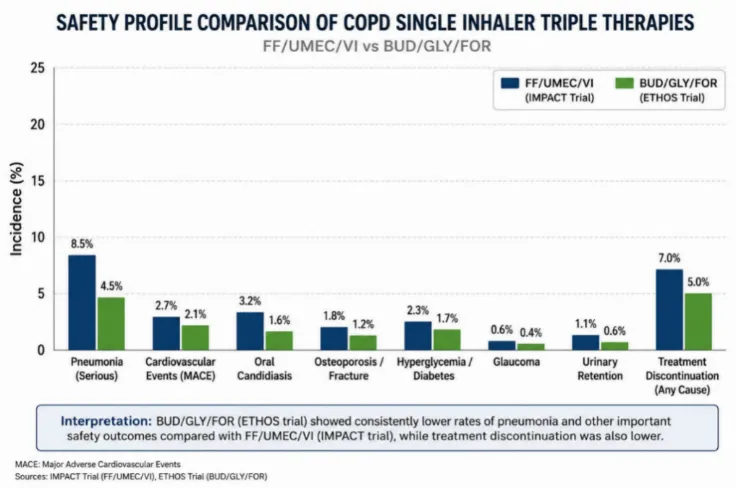
Figure 1: Overall safety profile comparison of FF/UMEC/VI and BUD/GLY/FOR triple therapies.
Safety evaluation of SITT includes both local and systemic adverse effects are associated with ICS, LAMA, and LABA components [10]. The most clinically significant safety outcomes include pneumonia, cardiovascular events, oral candidiasis, osteoporosis, hyperglycemia, glaucoma, urinary retention, mortality, and treatment discontinuation [10, 11,12].
ICS-related pneumonia remains the most important concern, particularly with Fluticasone-containing regimens because Fluticasone has greater lipophilicity and longer pulmonary residence time than Budesonide [20]. This may partly explain the higher pneumonia rates observed in FF/UMEC/VI studies [21]. LAMA components such as Umeclidinium and Glycopyrrolate may contribute to urinary retention and glaucoma due to anticholinergic effects, especially in elderly patients with pre-existing risk factors [22]. LABA-related cardiovascular concerns include tachycardia, arrhythmias, and ischemic events, although large clinical trials generally shows that acceptable cardiovascular safety [23]. Systemic corticosteroid exposure may leads to bone mineral density reduction, hyperglycemia, cataracts, and adrenal suppression during prolonged use, although inhaled formulations have reduced systemic exposure compare with oral corticosteroids [24].Drug discontinuation rates serve as an indirect measure of tolerability and real-world acceptability because poor tolerability frequently leads to treatment failure [13].A comprehensive comparative safety assessment between FF/UMEC/VI and BUD/GLY/FOR is therefore essential to guide individualized therapy selection, particularly in older patients with multiple disease conditions.
ICS-ASSOCIATED PNEUMONIA RISK
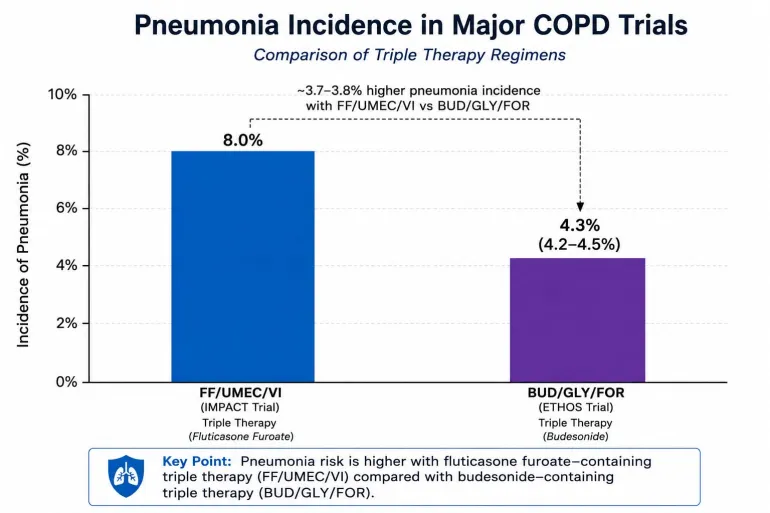
Figure 2: Comparison of pneumonia incidence between FF/UMEC/VI and BUD/GLY/FOR triple therapies.
Pneumonia is the common adverse effect associated with inhaled corticosteroid (ICS)-containing triple therapy in COPD management [25]. The risk is particularly relevant in regimens containing fluticasone because of its greater lipophilicity, prolonged airway retention, and stronger local immunosuppressive effect compared with budesonide [26].
The IMPACT trial reported a increased risk of pneumonia in the FF/UMEC/VI group compared to the UMEC/VI dual bronchodilator group [6]. Pneumonia occurred in approximately 8% of patients who taking triple therapy compared with 5% in the LAMA/LABA group, confirming the ICS-associated risk [6].
Patients receiving fluticasone furoate-containing regimens had a greater exposure-adjusted pneumonia rate than those receiving non-ICS therapy, especially among older adults, individual with low body mass, and those with prior pneumonia history [28].In contrast, the ETHOS trial demonstrated that BUD/GLY/FOR also carried a pneumonia risk, but the incidence was lower than that reported in fluticasone-based studies [7]. Confirmed pneumonia occurred in approximately 4.2–4.5% of patients receiving budesonide-containing triple therapy [7].
The lower pneumonia risk observed with budesonide may be related to its faster dissolution in airway lining fluid and shorter residence time in pulmonary tissue compared with fluticasone [28]. This pharmacokinetic difference is considered clinically important in long-term COPD treatment [28].Meta-analyses have consistently demonstrated that fluticasone-based triple therapy carries higher risk of pneumonia than budesonide-based regimens, although both therapies reduce exacerbation frequency significantly [11,29].Clinicians should therefore carefully evaluate pneumonia risk factors including age, prior hospitalization, low eosinophil count, low BMI, and severe airflow limitation before selecting FF/UMEC/VI over BUD/GLY/FOR [10].
CARDIOVASCULAR SAFETY PROFILE
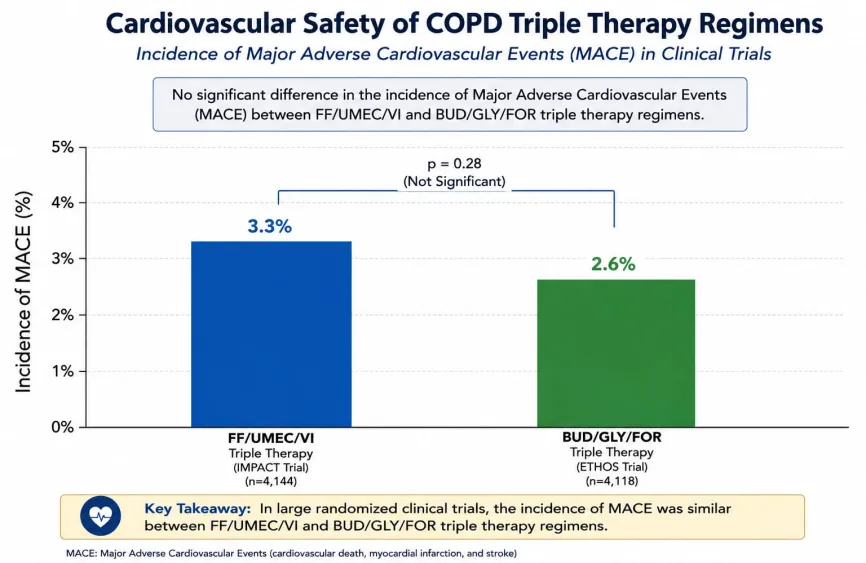
Figure 3: Comparison of major adverse cardiovascular events (MACE) between FF/UMEC/VI and BUD/GLY/FOR.
Cardiovascular disease is highly prevalent in COPD patients because of shared risk factors such as smoking, systemic inflammation, oxidative stress, and advanced age [30]. Therefore, cardiovascular safety is a major consideration when prescribing LABA/LAMA-containing triple therapy [31].
LABAs may theoretically increase the risk of tachycardia, palpitations, arrhythmias, and myocardial ischemia due to β2-receptor stimulation, while LAMAs may affect autonomic balance and heart rate variability [23].However, randomized controlled trials have generally demonstrated acceptable cardiovascular safety profiles for both FF/UMEC/VI and BUD/GLY/FOR [6,7].
In the IMPACT trial, major adverse cardiovascular events (MACE) were not significantly increased with FF/UMEC/VI compared to dual therapy arms [6].Similarly, the ETHOS trial showed no significant increase in serious cardiovascular adverse events with BUD/GLY/FOR compared with glycopyrrolate/formoterol or budesonide/formoterol dual therapy [7].Post hoc analyses from ETHOS also suggested that mortality reduction observed with budesonide-containing triple therapy was not associated with increased cardiovascular toxicity [33].
Real-world observational studies support these findings and suggest that optimized COPD control itself may reduce cardiovascular risk by decreasing systemic inflammation and exacerbation-related stress [32]. Recent arrhythmias, severe heart failure, or prolonged QT interval, where close monitoring is advised during triple therapy initiation [31].Overall, current evidence suggests no major clinically significant difference in cardiovascular safety between FF/UMEC/VI and BUD/GLY/FOR [6,7,31].
ORAL CANDIDIASIS AND LOCAL STEROID EFFECTS
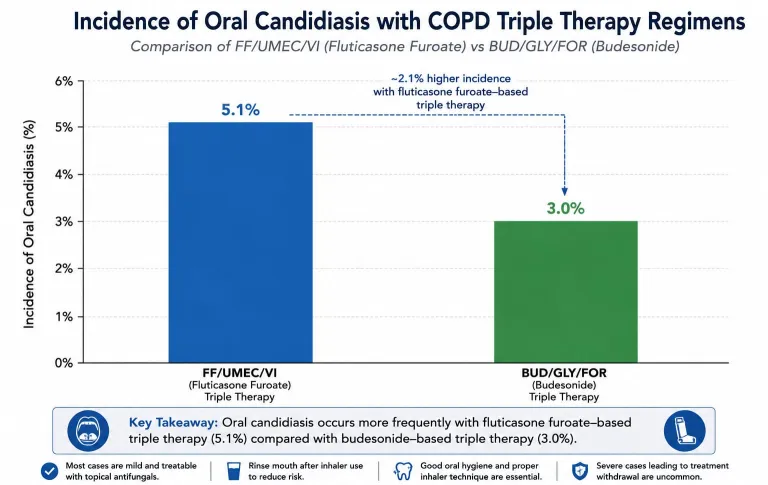
Figure 4: Comparison of oral candidiasis incidence between FF/UMEC/VI and BUD/GLY/FOR triple therapies.
Oral candidiasis is a common local adverse effect of ICS-containing inhaler therapy and occurs due to local immune suppression and steroid deposition in the oropharynx [34]. It is more frequently observed with higher ICS doses and poor inhaler technique [36].Fluticasone-containing inhalers are associated with a relatively higher incidence of oral candidiasis compared with budesonide because of stronger glucocorticoid receptor affinity and prolonged mucosal exposure [36].In the IMPACT study, oral candidiasis was reported more frequently in the FF/UMEC/VI group than in non-ICS treatment groups, although the majority of cases were mild and manageable [6].
Similarly, the ETHOS trial reported oral candidiasis in approximately 3% of patients receiving BUD/GLY/FOR triple therapy [7]. This rate was considered clinically acceptable and consistent with previous budesonide-based studies [7].Rinsing the mouth after inhaler use, proper spacer technique where applicable, and regular oral hygiene significantly lower the risk of candidiasis [37].Most cases respond well to topical antifungal therapy without the need for treatment discontinuation [34]. Severe candidiasis leading to withdrawal from therapy is uncommon in both FF/UMEC/VI and BUD/GLY/FOR regimens [6,7].Patient education remains essential because fear of local side effects may reduce adherence and lead to avoidable discontinuation of effective COPD maintenance therapy [13].
EFFECTS ON REDUCED BONE MINERAL DENSITY AND OSTEOPOROSIS RISK
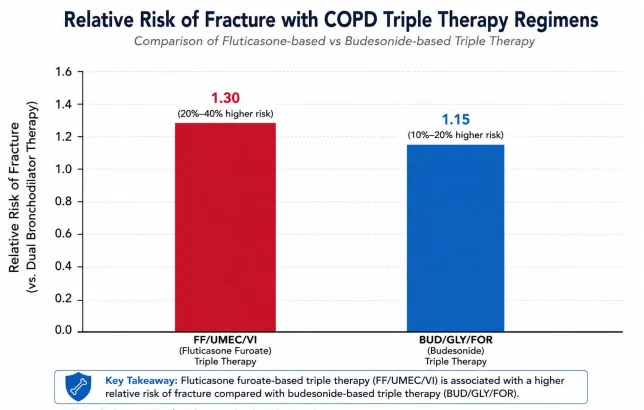
Figure 5: Comparison of fracture risk associated with FF/UMEC/VI and BUD/GLY/FOR therapies.
Long-term exposure to inhaled corticosteroids may lead to decreased bone mineral density and increase risk of fracture, particularly in elderly COPD patients who have multiple pre-existing risk factors for osteoporosis [24].These risk factors include smoking, low BMI, systemic inflammation, physical inactivity, vitamin D deficiency, hypogonadism, and frequent oral corticosteroid use during exacerbations [38].
Fluticasone has greater systemic steroid exposure than budesonide due to slower clearance and higher receptor potency, raising concerns regarding long-term skeletal effects [40].Observational studies suggest that cumulative high-dose ICS exposure have high risk of hip fractures and vertebral fractures, findings obtained from random clinical trials have been inconsistent [24].
The IMPACT trial do not show a significant short-term increase in fracture incidence with FF/UMEC/VI compared with dual therapy, but the study duration is too short to detect long-term skeletal complications [6].Similarly, ETHOS did not demonstrate a clinically significant increase in osteoporosis-related adverse events with BUD/GLY/FOR during the trial period [7].Meta-analysis suggest, inhaled corticosteroids are associated with only a modest increase in fracture risk compared with systemic corticosteroids, and the clinical benefit in exacerbation prevention often outweighs this risk [24].
Patients with pre-existing osteoporosis, postmenopausal women, elderly men, and those receiving repeated systemic steroid courses require periodic bone health monitoring including calcium status, vitamin D assessment, and dual-energy X-ray absorptiometry when indicated [40].Among the two regimens, budesonide-based triple therapy may theoretically offer a slightly safer long-term bone profile compared with fluticasone-based therapy, although direct head-to-head evidence remains limited [39].
METABOLIC ADVERSE EFFECTS AND HYPERGLYCEMIA
Systemic absorption of inhaled corticosteroids (ICS) may contribute to disturbances in glucose metabolism, particularly in older patients and with pre-existing diabetes mellitus [41]. Although inhaled corticosteroids produce lower systemic exposure compare to oral corticosteroids, prolonged high-dose use may still influence insulin sensitivity and hepatic glucose production [42].
Fluticasone-containing regimens are generally associated with high systemic corticosteroid exposure than Budesonide because of higher receptor affinity and longer pulmonary retention, which may theoretically increase the risk of hyperglycemia [38,35].
Observational studies shows that high cumulative doses of ICS may be associated with a modest increases the diabetes risk progression and new-onset hyperglycemia in COPD patients [36]. This effect appears due to dose-dependent and more relevant in long-term treatment [36].
According to the IMPACT trial, clinically significant hyperglycemia was not reported as a major adverse event requiring frequent treatment discontinuation in Fluticasone furoate/Umeclidinium/Vilanterol (FF/UMEC/VI) [6]. Similarly, the ETHOS trial did not demonstrate major glycemic safety concerns with Budesonide/Glycopyrrolate/Formoterol (BUD/GLY/FOR) [7].
Routine monitoring of fasting blood glucose and glycated hemoglobin is advisable in diabetic patients receiving prolonged ICS-containing triple therapy, especially when repeated systemic corticosteroid courses are also required for exacerbations [43].
Current evidence suggests that both regimens remain clinically acceptable, although Budesonide-based therapy may theoretically offer a slightly safer metabolic profile than Fluticasone-based therapy [36,39].
OCULAR SAFETY AND GLAUCOMA RISK
Anticholinergic agents,including Umeclidinium and Glycopyrrolate may increase intraocular pressure and worsen narrow-angle glaucoma, particularly in susceptible elderly patients [44]. This risk is mainly related to accidental ocular exposure during inhaler administration rather than systemic absorption [45].LAMA-containing inhalers may cause pupillary dilation and reduced aqueous humor drainage, which can precipitate acute angle-closure glaucoma in predisposed individuals [44].The incidence of glaucoma-related serious adverse events in IMPACT and ETHOS trials was low and no significant difference was observed between triple therapy and dual therapy groups [6,7].Inhaled corticosteroids, associated with cataract formation and possible ocular hypertension during prolonged use, although the risk is much lower than with systemic corticosteroid therapy [46].
Patients with a pre-existing history of glaucoma, ocular hypertension, or recent ophthalmologic surgery should be monitored carefully during triple therapy initiation [47]. Proper inhaler technique and avoidance of aerosol contact with the eyes are important preventive measures [45].Overall, neither FF/UMEC/VI nor BUD/GLY/FOR demonstrates a major clinically significant glaucoma signal in large trials, but caution is recommended in high-risk populations [6,7].
ANTICHOLINERGIC EFFECTS AND URINARY RETENTION
Urinary retention is an important anticholinergic adverse effect associated with LAMA therapy, particularly in older male patients with benign prostatic hyperplasia or bladder outlet obstruction [22].Both umeclidinium and glycopyrrolate can inhibit detrusor muscle contraction by blocking muscarinic receptors, potentially increasing the risk of urinary hesitancy and acute urinary retention [48].Population-based studies shows that initiation of inhaled anticholinergic therapy may increase the short-term risk of acute urinary retention, especially in elderly men with pre-existing urological disease [22].
In the IMPACT and ETHOS trials, urinary retention events were uncommon and generally mild, with no major safety imbalance between treatment arms [6,7].Patients with previous urinary retention, prostate enlargement, or neurogenic bladder require individualized risk assessment before initiation of triple therapy [22].Clinical monitoring during the first months of treatment is particularly important because most urinary complications occur early after therapy initiation [21].Currently there is insufficient evidence to indicate a clinically meaningful difference in urinary retention risk between FF/UMEC/VI and BUD/GLY/FOR [10].
Lack of direct head-to-head comparative studies
The IMPACT trial studied FF/UMEC/VI, whereas the ETHOS trial studied BUD/GLY/FOR. Comparing results from separate trials cannot reliably establish which regimen is safer because the study populations, designs, and treatment conditions may differ.
2. Insufficient long-term safety evidence
The review identifies uncertainty about long-term outcomes, particularly osteoporosis, fractures, metabolic complications and other adverse effects that may take years to develop.
3. Limited evidence in high-risk patient subgroups
More comparative evidence is needed for older adults, patients with diabetes, cardiovascular disease, recurrent pneumonia, osteoporosis, glaucoma or urinary obstruction, and patients with multiple comorbidities.
4. Limited real-world comparative safety evidence
The review discusses real-world evidence but does not present a systematic, quantitative comparison of adverse-event rates, hospitalizations and treatment discontinuation between the two regimens in routine clinical practice.
5. Uncertainty about differences in individual adverse effects
Although the review suggests a possible difference in pneumonia risk, comparative evidence is less conclusive for cardiovascular events, bone complications, hyperglycemia, glaucoma and urinary retention.
IMPACT ON ALL-CAUSE MORTALITY
Reduction in all-cause mortality is a key clinically outcomes in management of COPD because severe exacerbations are strongly associated with death and long-term functional decline [16].The IMPACT trial reported lower all-cause mortality with FF/UMEC/VI compared with UMEC/VI dual bronchodilator therapy, particularly for patients having prior exacerbations and high symptom [49].Similarly, the ETHOS trial demonstrated a statistically significant reduction in mortality rate with high-dose BUD/GLY/FOR compared with Glycopyrrolate/Formoterol dual therapy [7]. This finding strengthened the role of ICS-containing triple therapy in high-risk COPD populations [32].
Mortality reduction is believed to result from fewer severe exacerbations, reduced hospitalization, improved lung function, and better systemic inflammation control rather than a direct survival effect of ICS alone [50].Post hoc analyses suggest that benefits are greatest in patients with eosinophilic inflammation and frequent exacerbation history, supporting individualized therapy selection according to GOLD recommendations [1,19].Both regimens therefore demonstrate clinically meaningful mortality benefits, although direct head-to-head mortality comparisons remain unavailable [6,7].
TREATMENT DISCONTINUATION AND PATIENT ADHERENCE
Treatment discontinuation is an important real-world indicator of tolerability, adherence, and patient satisfaction [14]. High discontinuation rates reduce treatment effectiveness and increase exacerbation risk [14].Single inhaler triple therapy generally improves persistence compared with multiple inhaler regimens because it reduces inhaler complexity and improves convenience [3].
In the IMPACT trial,patient receiving FF/UMEC/VI had lower treatment discontinuation rates than those who receiving dual bronchodilator therapy, indicating good tolerability and better treatment adherence [6].Similarly, ETHOS reported favorable treatment persistence with BUD/GLY/FOR, with adverse event-related withdrawal remaining relatively low [7].
Common causes of discontinuation included pneumonia, oral candidiasis, poor inhaler technique, dry mouth, urinary symptoms, and patient preference [14].Patient counseling, inhaler training, and regular follow-up significantly improve persistence and reduce avoidable discontinuation [14].
Direct comparative evidence is limited — results from IMPACT and ETHOS should not be treated as a direct comparison of the two regimens.
Long-term and real-world safety data are insufficiently compared — especially for uncommon or delayed adverse outcomes.
Safety in patients with comorbidities remains uncertain — further evidence is needed to guide treatment selection in higher-risk patients.
DISCUSSION
Single-inhaler triple therapy (SITT), which comprises an inhaled corticosteroid (ICS), a long-acting muscarinic antagonist (LAMA), and a long-acting β₂-agonist (LABA), is an important treatment option for chronic obstructive pulmonary disease (COPD) patients who fail to achieve adequate control of exacerbations with appropriate dual therapy[51,52]. The combined treatment helps to modulate airway inflammation, enhance bronchodilation and lung function, and reduce the frequency of exacerbations in appropriately selected patients[51,52]. Fluticasone furoate/Umeclidinium/Vilanterol (FF/UMEC/VI) and Budesonide/Glycopyrrolate/Formoterol (BUD/GLY/FOR) are two single-inhaler triple-therapy combinations that have been extensively studied in the IMPACT and ETHOS trials, respectively[6,7]. Each combination has shown beneficial effects in reducing exacerbations compared with selected dual therapies, albeit with differences in terms of safety profiles and dosing schedules[6,7].The IMPACT trial showed that FF/UMEC/VI decreased the risk of having at least one moderate-to-severe COPD exacerbation compared with Fluticasone Furoate/Vilanterol (FF/VI) and Umeclidinium/Vilanterol (UMEC/VI)[6]. moreover, the trial showed improvement in lung function and health-related quality of life with triple therapy compared with the dual-therapy regimens[6]. Similarly, the ETHOS trial showed that BUD/GLY/FOR reduced moderate-to-severe exacerbations compared with glycopyrrolate/formoterol and budesonide/formoterol in patients with moderate-to-very-severe COPD[7]. These effects of SITT support its use in patients who continue to have exacerbations despite maintenance treatment[51,52]. However, the IMPACT and ETHOS trials were conducted independently and differed significantly in terms of study populations, treatment regimens, and study designs; therefore, their results cannot be used to establish the superiority of FF/UMEC/VI over BUD/GLY/FOR or vice versa[6,7].
Pneumonia is an important safety concern that should be taken into account when considering inhaled corticosteroid (ICS)-containing regimens in patients with COPD[51,6,7]. In the IMPACT trial, pneumonia occurred in approximately 8% of patients who received FF/UMEC/VI, compared with 7% who received FF/VI and 5% who received UMEC/VI[53]. In the ETHOS trial, confirmed pneumonia occurred in approximately 4.2% of patients who received higher-dose BUD/GLY/FOR and 3.5% who received lower-dose BUD/GLY/FOR, compared with 2.3% who received Glycopyrrolate/Formoterol[7]. These findings suggest that the risk of pneumonia should be considered when prescribing ICS-containing triple therapy, particularly for those with a history of pneumonia or other risk factors for respiratory infections[51,7,53]. Nevertheless, the difference in pneumonia incidence between IMPACT and ETHOS should not be interpreted as definitive proof that BUD/GLY/FOR is definitively safer than FF/UMEC/VI because these combinations were not compared directly in a trial[6,7,53]. The potential benefits and risks should therefore be balanced for each patient when deciding between the two combinations[51,52].Cardiovascular safety is another important consideration because COPD often overlaps with hypertension, coronary artery disease, and other cardiovascular conditions[51,52]. Both FF/UMEC/VI and BUD/GLY/FOR are combinations that include a long-acting bronchodilator, so it is important to take into account the patient's cardiovascular history and monitor for any adverse effects in this regard during treatment[6,7]. The IMPACT and ETHOS trials provide safety data for their respective treatments, but their results do not establish a definitive cardiovascular safety advantage for either the triple regimens[6,7] or the dual-therapy regimens[3,4]. Therefore, the treatment should consider cardiovascular comorbidities, concomitant medications, and the patient's response to the treatment[51,52].Local adverse effects associated with inhaled corticosteroids include oral candidiasis and dysphonia[51,52]. Proper inhaler technique and rinsing the mouth with water followed by spitting it out after ICS administration can help prevent oral candidiasis[51,52]. Long-term ICS treatment may also require evaluating the effects on bone health, glucose regulation, and ocular health in patients with predisposing risk factors[51,52]. However, the evidence does not show that either FF/UMEC/VI or BUD/GLY/FOR is consistently safer for all these adverse effects[6,7]. Routine clinical assessment is therefore necessary to identify adverse effects and weigh the benefits of continuing ICS treatment against the risks[51,52].
Dosing frequency and inhaler usability can affect treatment adherence in patients with COPD[51,52]. FF/UMEC/VI is given once daily, whereas the BUD/GLY/FOR regimen evaluated in the ETHOS trial was given twice daily[6,7]. While once-daily administration may be more convenient for some patients, adherence also depends on inhaler technique, cost, device preference, and the patient's understanding of the prescribed treatment[51,52]. Healthcare professionals should provide education on inhaler technique and regularly assess adherence and treatment response during subsequent visits[51,52]. The choice of treatment with FF/UMEC/VI or BUD/GLY/FOR should therefore be individualized based on the patient's history of exacerbations, risk of pneumonia, previous response to treatment, comorbidities, preferred dosing frequency, and ability to use the inhaler correctly[51,52].Overall, both treatments offer valuable therapeutic benefits, but further studies are needed to compare their overall effectiveness and safety profiles to determine whether either combination is consistently superior to the other[6,7].
CONCLUSION
Single inhaler triple therapy represents an important therapeutic option for moderate-to-severe COPD patient, who continue to experience symptoms or frequent exacerbations despite dual therapy. Both FF/UMEC/VI and BUD/GLY/FOR are effective in improving lung function, reducing exacerbations, enhancing quality of life, and lowering hospitalization rates. Among the major safety concerns, pneumonia remains the most significant adverse effect, with FF/UMEC/VI showing a slightly higher risk compared to BUD/GLY/FOR because of fluticasone component .BUD/GLY/FOR may therefore be preferred in patients have history of recurrent infections. FF/UMEC/VI, however, offers the advantage of once-daily dosing, which may improve adherence. Overall, both therapies are effective and safe, and treatment selection should be individualized based on patient needs, comorbidities, and clinical response.
REFERENCES



Jerin. M., Krishna B., Sam Jeeva Kumar, Dr. Chintha Chandran, Dr. Shaiju Dharan, A Review on the Safety of Two Single-Inhaler Triple Therapy Regimens: Fluticasone/Umeclidinium/Vilanterol Versus Formoterol/Budesonide/Glycopyrronium, Int. J. of Pharm. Sci., 2026, Vol 4, Issue 11, 1480-1494. https://doi.org/10.5281/zenodo.24008428
 10.5281/zenodo.24008428