

We use cookies to ensure our website works properly and to personalise your experience. Cookies policy
K. M. Kundnani College of Pharmacy, (Government Aided, PCI Approved, NBA Accredited, Affiliated to University of Mumbai), Cuffe Parade, Mumbai – 400005, India.
PMS is an incredibly common disorder that is marked by negative moods, poor sleep and a host of other behaviors, including anxiety, tension, irritability and crying spells during this period of the menstrual cycle; these symptoms will typically clear up when the woman has started her period (menses). The medications typically prescribed for PMS include both hormone replacementtherapy (HRT) and the selective serotonin reuptake inhibitors (SSRIs). Many times these medications may not help relieve PMS symptoms, or they could worsen them; they are also difficult to take and often result in problems surrounding long-term compliance due to their side effects. Underlying health conditions may also make taking these types of medications problematic. New nutraceutical approaches to treating PMS can offer women better, safer alternatives that are more appealing to many women. The goal of this study was to create an innovative chocolate product infused with ashwagandha, shatavari, ginger and cinnamon to help alleviate PMS symptoms. This review will present information about the pathophysiology of PMS, the reasons for choosing these various herbs to treat PMS symptoms, their different mechanisms of action, how each of the herbs works in combinationwith the others as a nutraceutical and the various phytochemicals that have been identified in these herbs. In addition, we will examine how using a chocolate base to infuse the herbs enhances the taste, masks bitterness and increases the likelihood of women taking this product. Finally, we will present the results of various studies on the safety, stability and ease of use of this innovative nutraceutical dosage form of PMS
2.1 Premenstrual Syndrome (PMS)
PMS is a combination of various emotional, behavioral and physical issues. It arises as part of the monthly menstrual cycle (during the luteal phase) and ends when a woman begins her period. A woman will typically notice symptoms beginning between 5 to 7 days before she gets her period. A woman may experience mood swings, irritability, tension and/or anxiety, fatigue, breast tenderness, abdominal cramps and bloating during this time. PMS has a significant impact on a woman's daily life, her ability to work and the quality of her life.
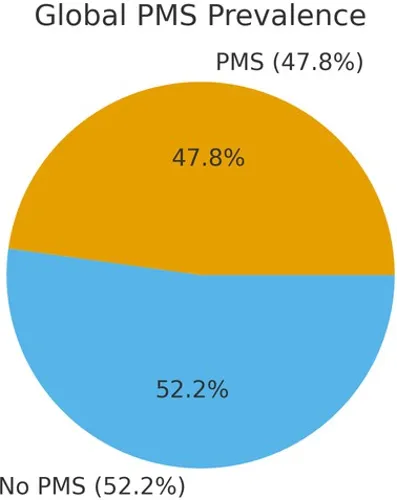
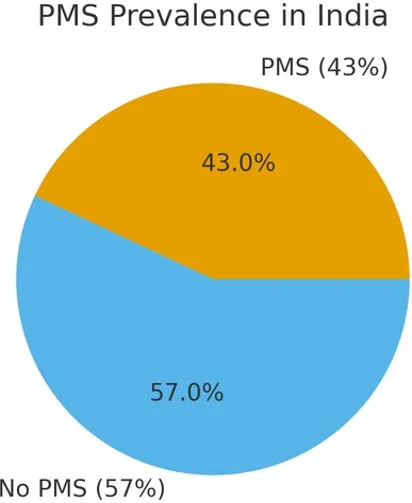
The rate of PMS is reported to differ in degree by population and there is a large number of women with moderate to severe PMS symptoms. The only standard pharmacologic treatment options at this time include hormone replacement therapy
and/or antidepressant medications; although they can alleviate symptoms they also have side effects and the acceptance rate of this type of medication is low. Interest is growing in the use of herbal and nutraceutical formulations that can be used by women suffering from PMS as a safe, efficacious and feasible option. This article reviews the rationale and strategy for using a herbal chocolate formulation for PMS relief and future directions for this formulation.
2.2 Pathophysiology of PMS
PMS is a complex condition affecting many women worldwide, but there is no single explanation for their causes. There are multiple theories, but no single cause of PMS has been identified, meaning that there is no clear and defining cause of PMS
Studies on PMS show a clear association between cycles of changing ovarian hormones and PMS symptoms. Although PMS are not associated with low levels of estrogen and progesterone in women who have them, they do involve increased sensitivity to normal fluctuations in hormone levels that occur during the menstrual cycle. Evidence of this is that women experience improvements in PMS symptoms when ovulation has been suppressed, during the course of a pregnancy, and after menopause. There is also evolving symptom presentation of PMS in some women as they progress towards menopause, and those with a history of having had PMS appear to have an increased risk of experiencing more severe menopausal symptoms.
As it stands, the vast majority of researchers have produced data that supports the conclusion that PMS are disorders that are the results of an exaggerated or abnormal central nervous system response to cyclic variations in the production of ovarian steroid hormones. Based upon this interpretation of research data, it is believed that there are serotonergic dysfunction(s) that account for the development of some, if not most, of the PMS symptoms. Serotonin is an important neurotransmitter in the regulation of mood, aggression, and behavior, and its interaction with sex hormone fluctuations may be an important contributor to the development of PMS symptoms.
Serotonin circuits may impact the current state of function and development in parts of the brain, such as the amygdala, where hormones from the ovaries may also have an effect.
Additionally, neurotransmitter systems such as gamma-amino butyric acid (GABA), endorphins, and other neurochemical systems have been considered. Hormonal fluctuations during the luteal phase of the menstrual cycle are believed to influence neurotransmitter activity; thus, altering mood and behaviour. There is also some suggestion that a decline in progesterone during the late luteal phase may negatively influence GABAergic activity, while another theory suggests that symptoms of PMS are associated with a rise in estradiol prior to ovulation or an elevation in progesterone post ovulation, or both. The above would not fully account for why some women experience their PMS symptoms at different times.
Another neurosteroid that has gained some attention is allopregnanolone (AP), which is a metabolite of progesterone. AP is a positive modulator of GABA receptors; therefore, it is believed to modulate mood, cognition and behaviour. Levels of AP are believed to be decreased in women with PMS or PMDD due to decreased synthesis. Furthermore, HPA provides evidence of a dose-dependent relationship between AP levels and anxiety, and sedative effects (i.e., higher levels provide increased sedative effect, lower levels raise anxiety). In addition, a variance in sensitivity to GABA receptors may also be relevant to the development of PMS PMS is best viewed as disorder of increased sensitivity to normal hormonal changes, resulting from the intricate relationships between the ovarian steroid hormones and central nervous system neurotransmitters (i.e. serotonin and GABA)..
2.3 Limitations of Conventional PMS Therapy
Traditionally, PMS has been treated using NSAIDs to reduce pain, SSRIs to improve mood, hormones to replace hormone levels, and diuretics to decrease swelling or bloating. These treatments are effective but often produce negative side effects such as gastrointestinal discomfort, hormonal changes, changes in weight, mood disturbances, and reduced long-term tolerability.
Additionally, the requirement for continual administration of some these medications makes it difficult for patients to adhere and comply with a treatment regimen. This ultimately underscores the need for more gentle, effective alternatives to
conventional medical approaches.
2.4 Rationale for Herbal-Based Management
Herbal medicines take a multi-target therapeutic approach, acting on multiple areas of hormonal balance, neurotransmitter
regulation, anti-inflammation, and stress pathways at the same time. Traditionally used medicinal herbs for women's health have proven to be safer and more appropriate for long-term treatments than conventional medicines. The holistic way medicinal herbs function makes them an option for treating PMS symptoms, providing a safe option for those seeking relief from PMS symptoms without experiencing major side effects from traditional medications.
2.5 Rationale for Chocolate as a Delivery System
Chocolate is a very popular snack and an acceptably viewed food source, especially for women who have frequent candy cravings in some part due to their low serotonin levels during pre-menstrual syndrome (PMS). Eating chocolate helps to
naturally boost the levels of both serotonin and dopamine, improving people's moods, but it also provides certain vitamins (e.g., magnesium) that help relax the muscles and reduce the effects of PMS. By adding herbal extracts to chocolate, the bitter taste of the extracts is masked, thus making the product more palatable and encouraging users to follow through with their
prescribed dosage. This form of product also fits within the category of "Functional Foods" and "Nutraceuticals," while also providing stability for the herbal extracts during the manufacturing process.
2.6 Aim and Objectives of the Study
Purpose of the Study:
The purpose of this investigation is to create and test a product made from chocolate combined with herbs for the treatment of premenstrual syndrome.
Aims:
Identify a method to extract plant materials to create herbal extracts.
Use phytochemical analysis to identify the active components of the herbal extracts. Create a chocolate formulation containing standardized concentrations of herbal extracts. Test the formulation for physicochemical, sensory, microbial, and stability properties.
Evaluate how the formulation compares to other commercially available treatments.
2.7 Mechanism of Action of Selected Herbs
1. Ashwagandha (Withania somnifera) – Modulation of HPA Axis and GABAergic Activity
Withania somnifera exerts its anti-stress and mood-stabilizing effects primarily through modulation of the hypothalamic–pituitary–adrenal (HPA) axis. Bioactive constituents such as withanolides attenuate stress-induced activation of the HPA axis by downregulating corticotropin-releasing hormone (CRH) expression in the hypothalamus, thereby reducing adrenocorticotropic hormone (ACTH) secretion from the anterior pituitary and subsequent cortisol release from the adrenal cortex.
Additionally, Ashwagandha demonstrates GABA-mimetic activity, potentially through interaction with GABA
receptor complexes. This enhances inhibitory neurotransmission, leading to reduced neuronal excitability and anxiolytic effects. The combined attenuation of hypercortisolemia and enhancement of GABAergic tone contributes to stabilization of mood and reduction of stress-induced mood fluctuations.
2. Shatavari (Asparagus racemosus) – Phytoestrogenic Regulation of Hormonal Homeostasis
Asparagus racemosus contains steroidal saponins (shatavarins) that exhibit phytoestrogenic activity, structurally and functionally analogous to endogenous estrogens. These compounds interact with estrogen receptors (ERα and ERβ), modulating gene expression involved in reproductive and neuroendocrine regulation.
Through partial agonistic activity at estrogen receptors, Shatavari helps restore hormonal equilibrium, particularly in conditions of estrogen fluctuation (e.g., premenstrual phase). This modulation influences serotonergic and dopaminergic pathways, contributing to improved mood stability and reduction in irritability. Furthermore, estrogenic activity enhances endometrial stability and may reduce prostaglandin-mediated uterine hypercontractility, thereby alleviating dysmenorrhea.
3. Ginger (Zingiber officinale) – Inhibition of Prostaglandin Biosynthesis
Zingiber officinale exerts analgesic and anti-inflammatory effects via inhibition of cyclooxygenase (COX-1 and COX-2) and lipoxygenase (LOX) pathways. Active constituents such as gingerols and shogaols suppress the conversion of arachidonic acid into prostaglandins (e.g., PGE2_22, PGF2α_2α2α) and leukotrienes.
Reduced prostaglandin synthesis leads to decreased uterine smooth muscle contractions and diminished nociceptor sensitization, thereby alleviating menstrual pain (dysmenorrhea). Additionally, ginger enhances gastrointestinal motility and exhibits carminative properties, which help reduce bloating and abdominal discomfort associated with menstrual cycles.
4. Cinnamon (Cinnamomum verum / Cinnamomum cassia) – Anti-inflammatory and Vasomodulatory Effects
Cinnamomum verum contains bioactive compounds such as cinnamaldehyde and eugenol, which exhibit significant anti-inflammatory and vasodilatory properties. These compounds inhibit inflammatory mediators including nitric oxide (NO), tumor necrosis factor-alpha (TNF-α), and interleukins via downregulation of NF-κB signaling pathways.
Cinnamon also promotes peripheral blood circulation by inducing vasodilation, which may improve uterine blood flow and reduce ischemia-induced cramping. Furthermore, its mild antispasmodic effect on smooth muscle contributes to decreased uterine contractions. Collectively, these mechanisms support its role in reducing menstrual pain and associated inflammatory symptoms.
MATERIALS AND METHODS
3.1 Selection of Herbal Ingredients
The herbal ingredients selected for the formulation were:
Ashwagandha (Withania somnifera)
Shatavari (Asparagus racemosus)
Ginger (Zingiber officinale)
Cinnamon (Cinnamomum spp.)
3.2 Justification for Selection of Herbs
The chosen herbs have long histories of use for treating women's health issues and stress-related illnesses. The adaptogenic and anxiolytic properties of Ashwagandha, hormonal balancing benefits of Shatavari, anti-
inflammatory and analgesic properties of Ginger and the ability of Cinnamon to enhance blood circulation as well as alleviate uterine cramping make these herbs beneficial for the treatment of PMS due to their
complementary pharmacology.
3.3 Method of Extraction
3.3.1 The Solvent System of Choice
70% of the solvent used will be alcohol. 70% Ethanol, 30% water represents the hydro-alcoholic solvent of choice for both extraction of Polar and Non-Polar phytochemicals, i.e., withanolides, Saponins | Flavonoids | Gingerols
3.3.2 Ultrasonication Extraction
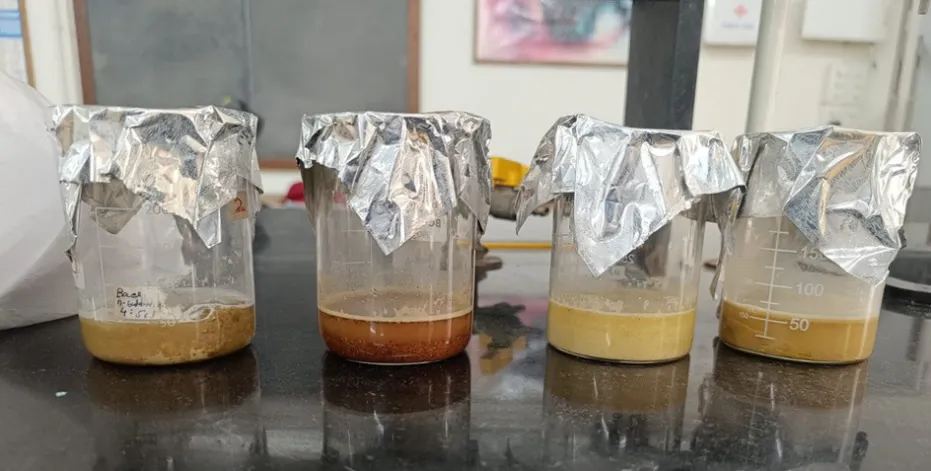
Ultrasonication Extraction assisted extraction was chosen for its ability to work at low temperature and at high efficiency (the extraction of; e TAN and ESM). To facilitate ultra-sonication extraction, herbal material was powdered and mixed with solvent in the ratio of 1:10, then sonicated for 30-45 minutes. Following sonication, the resultant
supernatant was filtered, the soluble extracts were subjected to Vacuum distillation to concentrate the extracts into a viscous product, and then finally were subjected to air drying.
3.4 Standardization of Herbal Extracts
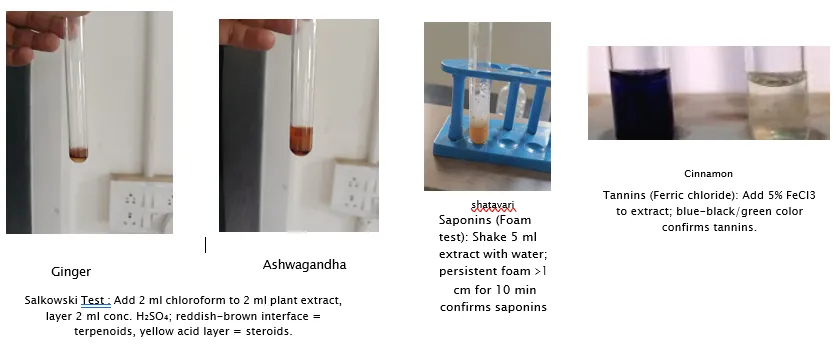
Phytochemical analysis was performed to validate the presence of standard constituents in ginger, aswagandha
,shatavari, cinnamon that were saponins, tannins, terpenoids and steroids. Marker compounds including withanolides, shatavarin, 6-gingerol, and cinnamaldehyde were used for quality-control-comparison by spectroscopic and chromatographic methods.
Ashwagandha works to balance the hypothalamus-pituitary-adrenal (HPA) axis, keep cortisol levels low and exhibit GABA-like activity, leading to a reduction in stress level and fluctuations of mood.
Shatavari contains phytoestrogens which support and stabilize hormonal changes.
Ginger decreases the production of prostaglandins by inhibiting cyclooxygenase enzymes, thereby reducing pain throughout the body.
Cinnamon has anti-inflammatory properties and improves blood flow to the uterus, thus relieving cramping. Together they help improve mood and lessen the physical discomforts of premenstrual syndrome (PMS).
4. Formulation Development of Herbal Chocolate
4.1 Ingredients and Their Role
The formulation was designed as a herbal chocolate-based nutraceutical delivery system, incorporating selected medicinal plant extracts into a palatable matrix.
Ingredients
Compound Chocolate (q.s. to 10 g)
Serves as the primary base and carrier. It provides structural integrity, enhances palatability, and masks the bitter taste of herbal extracts. The lipid matrix also aids in improving the bioavailability of lipophilic phytoconstituents.
Herbal Extract Blend (0.45 g total)
A combination of standardized extracts of:
Withania somnifera
Asparagus racemosus
Zingiber officinale
Cinnamomum verum
These herbs were selected for their adaptogenic, phytoestrogenic, anti-inflammatory, and antispasmodic properties, targeting stress, hormonal imbalance, and dysmenorrhea.
4.2 Composition of Herbal Extract Blend
Herbal Extract Quantity (mg) Functional Role
Ashwagandha 150mg Adaptogen, anti-stress
Shatavari 120mg Hormonal balance
Ginger 100mg Analgesic, anti-inflammatory
Cinnamon 80mg Circulatory stimulant, antispasmodic
Total 450mg --
|
Herbal Extract |
Quantity (mg) |
Functional Role |
|
Ashwagandha |
150mg |
Adaptogen, anti-stress |
|
Shatavari |
120mg |
Hormonal balance |
|
Ginger |
100mg |
Analgesic, anti-inflammatory |
|
Cinnamon |
80mg |
Circulatory stimulant, antispasmodic |
|
Total |
450mg |
-- |
Justification of Dose Selection
The dose was selected based on literature-reported therapeutic ranges and safety profiles:
Ashwagandha: Clinical studies support efficacy in stress reduction at doses of 125–300 mg of extract per day; hence 150 mg was selected to provide a moderate adaptogenic effect.
Shatavari: Traditionally used in doses ranging from 100–500 mg extract for female reproductive health; 120 mg ensures efficacy while maintaining formulation balance.
Ginger: Effective for dysmenorrhea at 250–1000 mg/day; a lower dose (100 mg) was used due to its strong organoleptic properties and synergistic action.
Cinnamon: Demonstrates anti-inflammatory and uterine relaxant effects at 50–200 mg; 80 mg provides therapeutic support without overpowering flavor.
The combination aims to achieve synergistic therapeutic action while ensuring palatability and safety.
4.3 Method of Preparation
1. Mixing
Compound chocolate was melted using a double boiler method (40°C ± 2°C). The pre-weighed herbal extracts were sieved (mesh #60) to ensure uniform particle size and then incorporated into the molten chocolate under continuous stirring to obtain a homogeneous mixture.
2. Refining
The mixture was subjected to manual trituration or mechanical refining to reduce particle size and ensure smooth texture. This step enhances mouthfeel and prevents grittiness.
3. Conching
The mixture was continuously stirred at controlled temperature (35–40°C) for a defined period to improve flavor development, texture, and uniform dispersion of extracts within the lipid matrix.
4. Tempering
The chocolate mass was subjected to tempering by controlled cooling and reheating cycles to stabilize cocoa butter crystals (Form V), ensuring:
Glossy appearance
Proper snap
Resistance to fat bloom
5. Molding and Cooling
The tempered mixture was poured into 10 g molds, tapped gently to remove air bubbles, and refrigerated at 4–8°C for 30 minutes. After solidification, the chocolates were demolded and stored in airtight containers.
4.4 Optimization Considerations
1. Temperature Stability of Extracts
Herbal extracts, particularly withanolides and volatile oils, are heat-sensitive.
Processing temperature was maintained below 45°C to prevent degradation and loss of bioactivity.
2. Uniform Distribution
Ensured by fine sieving and continuous stirring during mixing and conching. Proper dispersion is critical for dose uniformity and consistent therapeutic effect.
3. Organoleptic Balance
Chocolate base masks bitterness; however, extract ratios were optimized to avoid pungency (ginger) and strong aroma (cinnamon).
4. Physical Stability
Proper tempering prevents fat bloom and phase separation, ensuring product stability during storage.
5. Evaluation Parameters
5.1 Organoleptic Evaluation
Organoleptic properties of the formulated herbal chocolate were evaluated using sensory perception methods to ensure patient acceptability and product quality.
Parameters Assessed
Color: Visually inspected for uniformity and absence of discoloration.
Odor: Evaluated for characteristic chocolate aroma and absence of unpleasant odor. Taste: Assessed for sweetness, bitterness, and aftertaste.
Texture: Evaluated for smoothness and absence of grittiness.
Appearance: Checked for glossiness, surface smoothness, and uniform shape. Acceptance Criteria
The formulation should exhibit uniform color, pleasant odor, acceptable taste, smooth texture, and glossy appearance.
5.2 Physical Evaluation
1. Weight Variation Test
Ten individual chocolate units were weighed separately using an analytical balance. The average weight was calculated, and individual weights were compared with the mean. The percentage deviation was determined. The formulation passes the test if the deviation is within ±5% of the average weight.
2. pH Determination
A dispersion was prepared by dissolving 1 g of chocolate in 10 mL of distilled water with gentle heating. The pH was measured using a calibrated digital pH meter. The pH should be within the range of 5.5–7.0.
3. Melting Point (Softening Test)
A small piece of the chocolate (~1 g) was placed in a test tube and immersed in a water bath. The temperature was gradually increased while monitoring with a thermometer. The temperature at which the chocolate started to soften and lose its shape was recorded as the melting point. The expected range is 30–35°C.
5.3 Consumer Acceptability Study
Hedonic Scale Evaluation
A sensory evaluation study was conducted using 10–20 volunteers. A 9-point hedonic scale was used, where 1 indicates “dislike extremely” and 9 indicates “like extremely.” Participants evaluated taste, texture, aroma, appearance, and overall acceptability. The scores were recorded and expressed as mean ± standard deviation. A formulation with an average score of 7 or above was considered acceptable. Informed consent was obtained from all participants prior to the study.
6. Safety and Toxicological Considerations
The formulated herbal chocolate contains plant-based extracts that are generally regarded as safe when used within recommended limits. However, safety evaluation is essential to ensure non-toxicity, tolerability, and suitability for human consumption.
6.1 General Safety Considerations
All ingredients used in the formulation, including Withania somnifera, Asparagus racemosus, Zingiber officinale, and Cinnamomum verum, have a long history of traditional use and established safety profiles.
The formulation utilizes food-grade chocolate, ensuring compatibility for oral consumption.
The selected doses of herbal extracts are within therapeutically safe limits as reported in literature.
Proper manufacturing practices were followed to avoid microbial contamination and degradation of active constituents.
6.2 Toxicological Considerations
Ashwagandha: Generally safe; high doses may cause mild gastrointestinal disturbances such as nausea or diarrhea. Shatavari: Considered safe; however, excessive intake may lead to mild digestive discomfort due to its mucilaginous nature. Ginger: High doses may cause gastric irritation, heartburn, or anticoagulant effects in sensitive individuals.
Cinnamon: Excessive consumption, particularly of cassia cinnamon, may lead to hepatotoxicity due to the presence of coumarin. No acute toxicity is expected at the formulated dose; however, long-term safety should be evaluated through further studies.
6.3 Contraindications
Pregnancy and Lactation: Use with caution, especially due to hormonal effects of Shatavari and uterine activity-modulating properties of ginger and cinnamon.
Allergic Individuals: Contraindicated in individuals with known hypersensitivity to any of the herbal components or chocolate constituents.
Bleeding Disorders: Ginger may potentiate anticoagulant effects; hence, caution is advised in patients with bleeding disorders or those on anticoagulant therapy.
Hormone-Sensitive Conditions: Shatavari, due to its phytoestrogenic activity, should be used cautiously in conditions such as estrogen-sensitive cancers.
Liver Disorders: Excess intake of cinnamon may pose a risk in individuals with hepatic impairment. Conclusion
The herbal chocolate formulation is considered safe and well-tolerated when consumed within recommended limits. However, awareness of contraindications and individual variability is essential to ensure safe use.
6.4 Herb–Drug Interaction Potential
The incorporation of herbal extracts in the formulation necessitates evaluation of potential interactions with conventional pharmacotherapy. The selected herbs—Withania somnifera, Asparagus racemosus, Zingiber officinale, and Cinnamomum verum
—may influence drug action through pharmacodynamic and pharmacokinetic mechanisms.
1. Interaction with Anticoagulants
Ginger and cinnamon possess mild antiplatelet and anticoagulant properties.
They may potentiate the effects of drugs such as warfarin or aspirin, increasing the risk of bleeding complications. Caution is advised when co-administered with anticoagulant or antiplatelet medications.
2. Interaction with Hormonal Therapies
Shatavari exhibits phytoestrogenic activity, which may interact with hormonal therapies such as oral contraceptives or hormone replacement therapy (HRT).
This may lead to additive or modulatory effects on estrogen receptors, potentially altering therapeutic outcomes. Careful monitoring is recommended in patients receiving estrogen-sensitive treatments.
3. Interaction with CNS-Active Drugs
Ashwagandha demonstrates GABA-mimetic and anxiolytic effects, which may enhance the action of central nervous system (CNS) depressants such as benzodiazepines, sedatives, or antidepressants.
This may result in increased sedation or drowsiness.
Dose adjustment or medical supervision may be required when used concurrently.
6.5 Comparison with Conventional PMS Drugs
The herbal chocolate formulation offers a natural, multi-targeted alternative to conventional pharmacological treatments for premenstrual syndrome (PMS).
1. Safety Advantages
Herbal ingredients are generally well-tolerated and derived from natural sources with long-standing traditional use. The formulation avoids synthetic hormones and high-dose NSAIDs, reducing the risk of systemic adverse effects.
The chocolate-based delivery system improves patient compliance and acceptability.
2. Reduced Side Effects
Conventional PMS drugs such as NSAIDs and hormonal therapies are associated with adverse effects including gastric irritation, hormonal imbalance, and cardiovascular risks.
In contrast, the herbal formulation provides therapeutic benefits with minimal side effects when used at recommended doses. The synergistic action of the herbs allows for lower individual doses, reducing toxicity risk.
Conclusion
The formulation demonstrates a favorable safety profile with reduced side effects compared to conventional PMS therapies; however, potential herb–drug interactions should be carefully considered.
7. RESULTS AND DISCUSSION
7.1 Interpretation of Formulation Outcomes
The developed herbal chocolate formulation demonstrated acceptable physicochemical and organoleptic characteristics, indicating successful incorporation of herbal extracts into a palatable dosage form. Uniformity in weight, appropriate melting behavior, and satisfactory sensory attributes suggest that the formulation process was optimized effectively.
The chocolate matrix successfully masked the inherent bitterness and pungency of the herbal extracts, particularly those of Withania somnifera and Zingiber officinale, thereby enhancing patient compliance. Additionally, the melting profile (30–35°C) supports its suitability for oral consumption, ensuring proper disintegration.
7.2 Relevance of Extraction and Standardization
The use of standardized extracts of Asparagus racemosus, Cinnamomum verum, and other selected herbs ensures consistency in phytochemical content and therapeutic efficacy. Standardization minimizes batch-to-batch variability and improves reproducibility. Proper extraction techniques help preserve bioactive constituents such as withanolides, shatavarins, gingerols, and cinnamaldehyde, which are responsible for the pharmacological activity of the formulation.
7.3 Functional Food Approach vs Pharmaceutical Dosage Forms
The developed formulation represents a functional food approach, bridging the gap between nutrition and pharmacotherapy. Compared to conventional dosage forms such as tablets and capsules, the chocolate-based system offers improved palatability, better patient compliance, and ease of administration.
However, limitations such as dose precision, stability concerns, and large-scale manufacturing challenges must be considered. Despite these limitations, functional foods offer a promising strategy for preventive healthcare and long-term management.
7.4 Potential Clinical Relevance in PMS Management
The selected herbal combination targets multiple pathways involved in premenstrual syndrome (PMS), including hormonal imbalance, inflammation, and stress response.
Withania somnifera contributes to stress reduction and mood stabilization. Asparagus racemosus supports hormonal balance through phytoestrogenic activity. Zingiber officinale reduces pain and inflammation.
Cinnamomum verum helps in improving blood circulation and reducing uterine cramps.
The synergistic action of these herbs suggests potential effectiveness in managing both physical and psychological symptoms of
CONCLUSION
In conclusion, the present study managed to develop an herbal chocolate formulation using standardized extract from selected medicinal herbs and has shown that it has acceptable organoleptic attributes, homogeneity, stability, and acceptability among patients. The chocolate delivery method is innovative since it makes the delivery of lipophilic herbal phytoconstituents easy, making the herbal medications more palatable and increasing compliance on the part of the patient. Moreover, the new product holds great potential for use in the long-term treatment of PMS due to its multimodal approach to treatment, which could bring about lasting relief.
REFERENCES






Mukund Sharma, Dhiraj Rewlani, Monica Rohra, Nikhil Tawarmalani, Rujuta Gandhi, An Herbal Chocolate: A Nutraceutical Approach to PMS Relief, Int. J. of Pharm. Sci., 2026, Vol 4, Issue 8, 4786-4797, https://doi.org/10.5281/zenodo.22145255
 10.5281/zenodo.22145255