

We use cookies to ensure our website works properly and to personalise your experience. Cookies policy
Department of Pharmaceutical chemistry, JKK Munirajah Institute of Health Sciences College of Pharmacy, T.N Palayam, Erode (DT), Tamil Nadu.
Neurofibromatosis type I (NF-1) is an autosomal dominant genetic disorder, typically accompanied by plexiform neurofibroma. NF1 mutations cause aberrant activation of the RAS/RAF/MEK/ERK signaling pathway, which results in unchecked tumor growth. While recent research has investigated a number of treatments, such as mitogen-activated protein kinase kinase (MEK) inhibitors, which target the RAS/mitogen-activated protein kinase (MAPK) pathway, a major driver of NF1-associated tumorigenesis, surgical intervention for plexiform neurofibromas is reserved for high-risk cases. The US Food and Drug Administration (FDA) recently approved mirdametinib (GOMEKLI), an oral small molecule inhibitor of mitogen-activated protein kinase kinases 1 and 2 (MEK1/2) developed by Spring Works Therapeutics, for the treatment of adult and pediatric NF-1 patients with symptomatic, inoperable PNs who are two years of age or older. The EU is now reviewing the EU, mirdametinib. Clinical trials for the therapy of juvenile low-grade gliomas are now underway for mirdametinib. This article describes the stages of mirdametinib's development that resulted in its initial approval. This article summarizes the development of NF1, the role of MEK inhibition, and the discovery of mirdametinib as a treatment for NF1-associated plexiform neurofibromas. PubMed searches were used to locate pertinent information using keywords related to NF1, plexiform neurofibromas, MEK inhibition, and mirdametinib. This contained details about mirdametinib's pharmacologic properties, safety profile, clinical efficacy, and comparability with other MEK inhibitors.
Pathogenic variations in the NF1 gene, which produces neurofibromin, a GTPase-activating protein that typically downregulates RAS signalling, cause neurofibromatosis type 1 (NF1), a genetic, autosomal dominant condition [1]. This results in MEK hyperactivation, which encourages unchecked cell division and the growth of tumors. One in 2500–3500 individuals worldwide suffer from NF1, one of the most common hereditary tumor syndromes. (OR) Neurofibromatosis type 1 (NF1), an autosomal-dominant genetic disorder caused by loss-of-function mutations in the NF1 gene, has a birth frequency of approximately 1 in 2,500 [2]. Neurofibromin malfunction and chronic stimulation of the mitogen-activated protein kinase (MAPK) system are caused by NF1 variations [3]. Non-malignant peripheral neuronal sheath tumors, sometimes called plexiform neurofibromas (PN), are one of the most prevalent (present in up to 50% of patients with NF1) tumor-related signs of NF1 [4] . The somatic inactivation of the normal NF1 allele in Schwann cells, resulting in RAS activation, is believed to be the primary starting event in their pathogenesis. PN frequently develops more quickly in kids under the age of five and is either congenital or initially manifests in early childhood [5]. They may occasionally be connected to significant morbidity. Low-grade glioma (LGG) is the most common CNS tumor in children with NF1.The cerebellum is the next most common location, following the optic pathway [6]. Plexiform neurofibromas (PNs), which are non-malignant nerve sheath tumors of the nerves that often cause pain, organ movement or compression, diminished physical function, disfigurement, and a significant decline in the patients' and caregivers' health-related quality of life (HRQOL) [8,9], occur in 30% to 50% of patients with NF1 [7]. They also have the potential to develop into malignant peripheral nerve sheath tumors [10]. The condition reduces average life expectancy by 8–15 years in both men and women, primarily due to cardiovascular reasons and malignant neoplasms. NF1 is a highly variable multisystem illness with clinical symptoms that vary in severity and course across individuals and families. Between 3–5 × 10⁻⁵ and 1.4–2.6 × 10⁻⁴, the NF1 gene has one of the highest mutation rates in humans.This is about the average human mutation[11].
Neurofibromin's 360-amino acid region exhibits Ras-GAP activity because it is similar to the catalytic domains of IRA1/IRA2 and p120GAP. Yeast functional investigations have demonstrated that this region, called the GAP-related domain (GRD), increases Ras GTPase activity. The RAS pathway's activation is one of the primary causes of cancer and tumor growth. The RAS-MAPK pathway is one of the effector pathways that GTP-bound RAS activates to start the RAF-MEK-ERK (Figure 1) cascade [12]. The clinical manifestation of the clinical manifestation [13]. It is the second most common RASopathy and the most common genetic disorder affecting the human nerve system [14]. The tumor suppressor gene NF1, which suppresses RAS activity, is found on chromosome 17. The development of the development of fundamental development of constitutive development of constitutive development.
The most sophisticated working model describes at least three types of variables to explain the notable phenotypic variety of NF1. The first factor is germline germline germline germline germline germline germline germline. A mutation may be a mutation may be a mutation may be a mutation may be a mutation may be a mutation may not be a mutation may not be small mutation. The second element describes the presence of certain neurofibroma modifiers, including genetic variables [15], sex hormones, and the tumor microenvironment [16]. The third element element is the third, loss of the third element inactivation of the third element of the lifespan, loss of the known spatiotemporal lifespan, loss of the known spatiotemporal lifespan, loss of the spatiotemporal lifespan.
About 20% of NF1 patients get primary tumors of the central nervous system, which are physiologically heterogeneous. These CNS gliomas can appear histologically low-grade or high-grade, occur in childhood and adults, develop along the neuroaxis, including the spinal cord and optic pathway, and have an aggressive or indolent clinical history.Molecularly, these gliomas are brought on by the inactivation of the NF1 tumor suppressor gene, which generates the neurofibromin protein, a negative regulator of the RAS family of oncoproteins and the downstream mitogen-activated protein (MAP) kinase signaling pathway [17].
The surgical response to plexiform neurofibroma in NF-1 is confined to high-risk and symptomatic cases and involves a thorough review of the tumor's pathology, location, imaging characteristics, and patient health. For individuals with neurological impairments, such as spinal cord compression, surgery is strongly advised; in other situations, patient-physician preferences are critical. However, for high-risk procedures or incurable tumors, the surgical approach is not advised [18].
But until recently, the main treatment choice for persons with NF1-PN was partial or total surgical resection because standard chemotherapy or radiation therapy had no therapeutic advantages. However, it has been shown that a treatment approach that may be helpful for patients with symptomatic and inoperable (e.g., due to location or size) NF1-PN is to target the dysregulated MAPK pathway [e.g., by blocking the mitogen-activated protein kinase kinase kinase kinase (MEK), downstream of RAS].
For NF1-associated PNs, MEK inhibitors (MEKi) have demonstrated notable effectiveness. In particular, MEKi selumetinib has been licensed by the FDA for individuals with symptomatic and incurable PNs between the ages of 2 and 18, and ongoing Phase 2 trials in adults have demonstrated similar positive outcomes [19]. The success has led to research into other MEKi, such as binimetinib, cobimetinib, and mirdametinib, to enhance clinical efficacy and impacts on the tumor microenvironment [20]. Clinical research indicates that PNs have less pain, indicating that the MEK pathway is implicated in NF1-related pain and that the tumor microenvironment is important in NF1-PN pathogenesis [20]. Despite MEKi's potential, a lot of problems still need to be resolved, including long-term safety, treatment resistance, diverse responses, and dosing strategies.
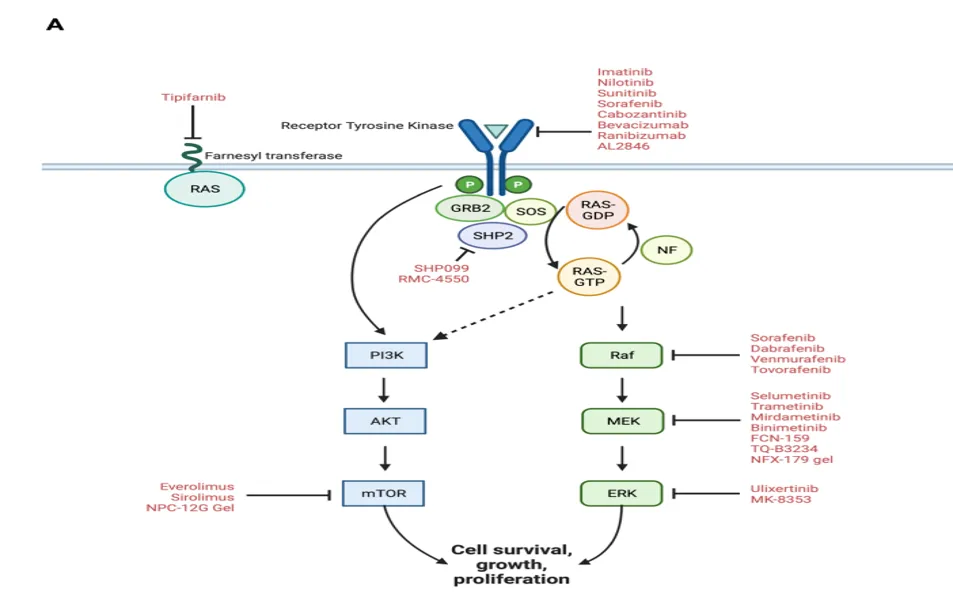
Figure 1: NF1-associated tumorigenesis pathways. The MAPK pathway is affected by RAF/MEK/ERK inhibitors; the PI3K/AKT/mTOR pathway is affected by mTOR inhibitors; receptor tyrosine kinase (RTK) inhibitors and SHP2 inhibitors affect both pathways.RAS signaling is suppressed by farnesyl transferase inhibitors.
DRUG PROFILE:
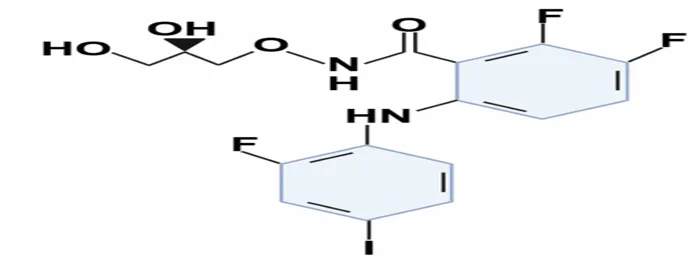
Figure 2: Chemical structure of mirdametinib (PD-0325901).
The hydroxamic acid group of benzohydroxamic acid is transformed into a 2,3-dihydroxypropyl ester to produce mirdametinib, a hydroxamic acid ester. Because of its chemical structure, which includes a 2-fluoro-4-iodophenylamino group at position 2 of the benzene ring with fluorine replacements at positions 3 and 4, it is a secondary amino compound, difluoro benzene, and organoiodine molecule with potent MAPK kinase inhibitory properties [21].
Mirdametinib is a potent, selective, non-ATP-competitive inhibitor of MEK1 and MEK2 (mitogen-activated protein kinases 1 and 2, MAP2K1/2). These kinases play a vital part in the RAF–MEK–ERK (MAPK/ERK) signaling cascade, which governs cell migration,differentiation, and survival in response to stressors and growth stimuli. On February 11, 2025 (table 1), the US Food and Drug Administration authorized mirdametinib (GOMEKLI) for patients aged ≥2 years who have symptomatic, incurable NF1-associated PNs that cannot be entirely excised. The approval was supported by the pivotal ReNeu phase IIb trial (n = 114; 58 adults, 56 children), which reported blinded independent central review-confirmed objective response rates (≥20% volumetric reduction) of 41% in adults and 52% in children, with durable responses and clinically significant improvements in pain and health-related quality of life [22].
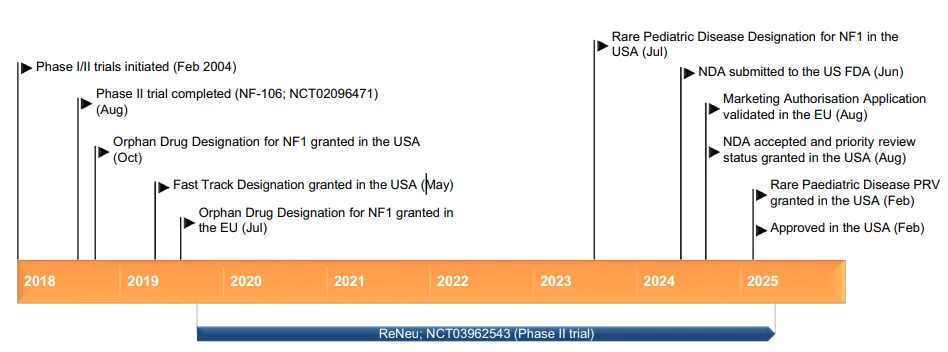
Figure 3: Important turning points in the development of mirdametinib for the treatment of inoperable plexiform neurofibromas linked to neurofibromatosis 1. NDA New Drug Application, NF1 neurofibromatosis 1, PRV priority review voucher.
For oral suspension, mirdametinib is provided in tablets or capsules [23]. The recommended dosage [based on body surface area (BSA)] for the first 21 days of each 28-day cycle is 2 mg/m2 twice day (about every 12 hours), with or without meals. There are four milligrams of milligrams. Specifically, for those with a BSA of 0.40 to 0.69 m2, 0.70 to 1.04 m2, 1.05 to 1.49 m2, and > 1.50 m2, the suggested dosage is 1 mg twice daily, 2 mg twice daily, 3 mg twice daily, and 4 mg twice daily. The ideal dosage has not been identified for people whose BSA has not been determined for people whose optimal dosage has not been determined.
PATENT INFORMATION :
In July 2021, the US Patent and Trademark Office granted a '358 patent to Warner-Lambert Company, a Pfizer affiliate. This composition is covered by the polymer polymer. Due to a current global agreement with Pfizer, SpringWorks Therapeutics is the only owner of the '358 patent [24].
Table 1: Summary of drug profile.
|
S.NO |
CATEGORY |
DETAILS |
|
|
Drug name |
Mirdametinib. |
|
|
Drug class |
MEK1/2 inhibitor. |
|
|
Indication |
NF1-associated plexiform neurofibromas (PN) in pediatric and adult patients with inoperable tumors. |
|
|
Mechanism of action |
Selectively inhibits MEK1/2 in the MAPK/ERK pathway, reducing tumor proliferation and modulating the tumor microenvironment. |
|
|
Administration |
Oral, twice daily(BID). |
|
|
Bioavailability |
High oral bioavailability. |
|
|
Half-life |
~28 hours. |
|
|
CNS penetration |
Yes. |
|
|
Common adverse effect |
Dermatitis acneiform, diarrhea, nausea, vomiting, fatigue, ocular toxicity, left ventricular dysfunction. |
|
|
Regulatory status |
FDA -approval (February 11,2025). |
|
|
Key clinical trial |
ReNeu (NCT03962543). |
MECHANISM OF ACTION:
An FDA-approved medicine called mirdametinib (Gomekli) is used to treat neurofibromatosis type 1 (NF1), a disorder in which symptoms are caused by plexiform neurofibromas that cannot be surgically removed. Mird, rel rel rel rel rel rel rel rel rel rel rel rel rel rel rel. Mirdametinib can be used by adults and patients who are two years of age and older. It is a neurofibromatosis is a prevalent neurofibromatosis. The proteins MEK1 and MEK2, which are a part of the messenger system that controls cell division and proliferation, are blocked by mirdametinib.Cell division is controlled and the spread of cancer is slowed by MEK protein
suppression (Figure 4) [25].
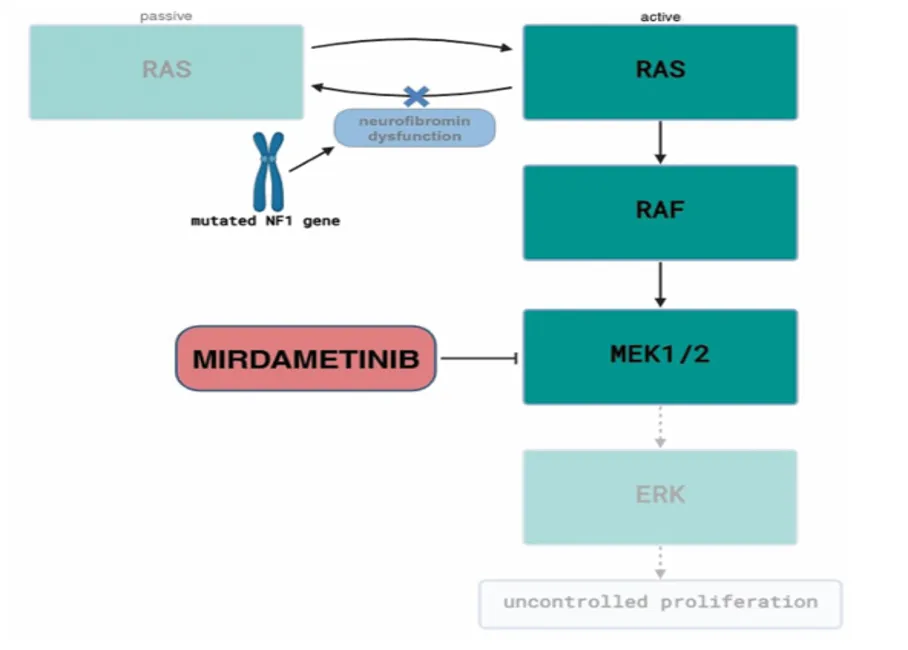
Figure 4: Mirdametinib inhibits MEK to target the MAPK pathway in NF1-associated malignancies.
PHARMACOKINETICS:
The oral MAPK/ERK kinase inhibitor PD-0325901 was shown to be quickly absorbed after being taken on an empty stomach, with peak plasma concentrations occurring one to two hours after the dose [26]. The oral bioavailability of mirdametinib is high. In the first cycle of an open-label, multicenter phase II study, mirdametinib's mean area under the concentration–time curve (AUC) from time 0 to 12 hours following a single dosage of 2 mg/m2 [27].
Mirdametinib is associated with human plasma proteins in over 99% of cases. The enzymes carboxyl esterase (CES) and uridine diphosphate-glycosyltransferase (UGT; primarily UGT1A6 and UGT2B7) are primarily responsible for its oxidation and glucuronidation
Mirdametinib has been demonstrated to substantially permeate cerebrospinal fluid (CSF) and inhibit ERK phosphorylation in preclinical and clinical conditions. CSF penetration was shown to be between 1.3 to 1.6% of plasma concentrations in a non-human primate model.
In preclinical and clinical settings, mirdametinib has been shown to significantly penetrate cerebrospinal fluid (CSF) and suppress ERK phosphorylation. CSF penetration was shown to be between 1.3 to 1.6% of plasma concentrations in a non-human primate model. This increases the prospect of CNS targeting and validates the efficacy of mirdametinib in treating both NF1-PNs and CNS symptoms of NF1 [28].
The pee was retrieved, and the urine, and the urine, and the urine, and the urine, and the urine, and the urine. Mird's apparent system had a clear clear clear clear clear clear clear clear clear clear clear clear clearance. There are terminal terminal elimination terminal elimination terminal elimination terminal elimination terminal elimination terminal elimination.
DRUG INTRACTION:
Mirdametinib has not been the subject of any clinical drug-drug interaction investigations, and it is unknown how strong CYP3A4 inducers—which also co-induce UGTs, P-gp, and CES enzymes—affect its pharmacokinetics. Mirdametinib does not inhibit or induce CYP1A2, CYP2B6, CYP2C8, CYP2C9, CYP2C19, CYP2D6, or CYP3A4, according to in vitro tests. Furthermore, it serves as a substrate for BCRP and P-gp but does not inhibit BCRP, P-gp, OATP1B1, OATP1B3, OCT2, OAT1, OAT3, MATE1, or MATE2K transporters [25].
CLINICAL EFFICACY :
Mirdametinib's safety and initial effectiveness have been evaluated in early-phase clinical studies. In a Phase 1 investigation of individuals with advanced cancers, mirdametinib was found to be usually well tolerated and to successfully lower ERK phosphorylation [29]. This encouraged additional clinical development and offered early pharmacological proof of MEK pathway inhibition. The ReNeu research evaluated the effectiveness of mirdametinib as a Phase 2 trial in a multicenter, single-arm trial with 114 individuals aged ≥2 years with symptomatic, inoperable NF1-associated PNs that resulted in severe morbidity. Because of their high vascularity, invasiveness, or encasement of critical structures, tumors that could not be totally removed without posing a serious risk were categorized as inoperable PN.
WARNING AND PRECAUTION:
Pregnancy testing and proper contraception advice are necessary since mirdametinib is teratogenic [23].
ADVERSE REACTIONS AND TOLERABILITY :
Common adverse reactions (≥25%) in adults and children include dermatitis acneiform, diarrhea, nausea, vomiting, fatigue, dry skin, alopecia, decreased ejection fraction, increased blood creatinine phosphokinase, dizziness, pruritus, constipation, rash, abdominal pain, acne, dry mouth, peripheral edema, skin pain, urticaria, blurred vision, eczema, stomatitis, paronychia, headache, hypertriglyceridemia, hypocalcemia, decreased neutrophil count, and decreased white blood cell count [25]. Additionally, increased creatine phosphokinase and, less frequently, neutropenia have been reported as laboratory abnormalities in pediatric patients [1]. Notably, visual events (retinal vein occlusion and retinal pigment epithelial separation) and cardiac repercussions (left ventricular failure) were seen. Depending on how severe the side effects are, mirdametinib should be withheld, the dosage lowered, or permanently stopped.
COMPARISON WITH OTHER MEK INHIBITORS:
The approval of mirdametinib is a significant advancement in the treatment of patients with NF-1 and incurable plexiform neurofibroma. As a potent, selective MEKi with good efficacy and safety, mirdametinib shows the therapeutic potential of targeting the RAS/MAPK pathway in NF1-associated tumors. The advent of MEKis, such as selumetinib and now mirdamitinib, highlights a paradigm shift toward molecularly targeted therapies for NF-1. . To identify the best-in-class MEKis, clarify long-term safety, improve treatment approaches, and investigate possible combination (Table 2) treatments to improve clinical outcomes for NF-1 patients with progressive plexiform neurofibromas, ongoing and future research will undoubtedly be crucial.
Table 2: Comparison of MEK inhibitors in NF1-associated plexiform neurofibroma (PN) treatment.
|
S.NO |
NAME OF MEK INHIBITORS |
RESPONSE RATE (RR) |
PROGRESSION-FREE SURVIVAL (PFS) |
REFERENCE |
|
|
Trametinib |
pooled Overall Response Rate was 45.3% |
Not reported |
Wang, Dun et al. “Efficacy and Safety of Trametinib in Neurofibromatosis Type 1. 2022 [30] |
|
|
Binimetinib |
74% |
Not reported |
Mueller, Sabine et al.NFB-17. MEKINHIBITOR BINIMETINIB SHOWS CLINICAL ACTIVITY IN CHILDREN WITH NEUROFIBROMATOSIS TYPE 1- vol.22, 2020 [31] |
|
|
Selumetinib |
~70% (children partial response)*, 63.6% (adults) |
~84% at 3 years |
Gross, Andrea M et al., “Selumetinib in Children with Inoperable Plexiform Neurofibromas.,” NEJM 2020 [32] |
|
|
Mirdametinib |
52% (children), 41% (adults) |
Not reported |
Moertel, Christopher L et al., “ReNeu: A Pivotal, Phase IIb Trial of Mirdametinib in Adults and Children With Symptomatic Neurofibromatosis Type 1-2024 [1] |
ADVANTAGES: [25]
Pharmacokinetic studies indicate that mirdametinib successfully targets the central nervous system because to its high oral bioavailability, considerable cerebrospinal fluid penetration, and extensive tissue penetration with an apparent volume of distribution of 255 L.
Mirdametinib has strong possibilities for combination treatment and expanded clinical usage in other MAPK-driven malignancies due to its ability to traverse the blood-brain barrier and its dual impacts on the immune microenvironment and tumor cell killing.
Mirdametinib is a perfect illustration of the broader advancements in targeted cancer treatment, in addition to establishing a new benchmark for the management of NF1-associated plexiform neurofibromas.
FUTURE PERSPECTIVES: [25]
Studies in the earlier directions of the usage of the usage of the usage of the usage of the usage of the future stages of the disease. Preclinical research indicates that MEK inhibition may promote immune modulation and tumor microenvironment remodeling, or it may cooperate with other targeted therapies such as BET or TYK2 inhibitors. A sensible and critical next step is to investigate its capacity to halt the formation of malignant peripheral nerve sheath tumors (MPNSTs) from PN. By investigating combination medications or early intervention, benign tumors may be prevented from progressing into more malignant malignancies, perhaps improving long-term patient outcomes.
RESULT AND DISCUSION:[1,25]
For patients who have difficulty swallowing, such as children and adults with head and neck tumors, the tablet formulation for oral suspension of mirdametinib was deemed extremely acceptable by patients and caregivers.Additionally, because mirdametinib can be given without taking food into account, it provides dosing flexibility.
Mirdametinib's safety profile was similar to that of other MEK inhibitors, and its side effects were largely manageable.Among the disorders with a ≥20% variance between age groups were paronychia, which is more common in children, and dermatitis acneiform, which is more common in adults; these variations are likely caused by group differences and age-related development.Adults were more likely than children to stop treatment because of adverse events (22% vs. 9%). ReNeu showed lower rates of acneiform rash, nausea, vomiting, diarrhea, and paronychia in pediatric patients with NF1-PN when compared to previously reported phase I studies of other MEK inhibitors. Furthermore, compared to the previously stated research, AEs that resulted in dosage reduction and stoppage were less common in our study.
Mirdametinib showed therapeutic benefit in both adults and children with symptomatic NF1-PN in ReNeu. Mirdame tinib showed a tolerable safety profile, significant and clinically meaningful improvements in patient- or parent proxy-reported outcome measures of worst tumor pain severity, pain interference, and important HRQOL measures from baseline to cycle, and significantly confirmed ORRs by BICR with deep and durable target PN volume reductions. In conclusion, considering these findings and the fact that mirdametinib is available as an oral suspension pill, it may be a unique therapeutic option for adults and children with NF1-PN.
REFERENCES

Suvetha S, Manojkumar A, Marudhamuthu M, Mathumitha M, Ponajantha P, Vimal P, An Overview of Mirdametinib: Drug Profile, Mechanism, Clinical efficacy, and Safety study in the Management of NF1-Associated Tumors, Int. J. of Pharm. Sci., 2026, Vol 4, Issue 10, 1652-1663, https://doi.org/10.5281/zenodo.23332933
 10.5281/zenodo.23332933