

We use cookies to ensure our website works properly and to personalise your experience. Cookies policy
P.S.G.V.P. Mandal’s College of Pharmacy, Shahada, Maharashtra, India.
Artificial Intelligence (AI) is transforming pharmaceutical sciences and pharmacy practice by improving drug discovery, pharmaceutical manufacturing, medication management, and patient care. This review highlights the major applications of AI in pharmacy, including clinical decision support systems, prescription screening, pharmacovigilance, personalized medicine, automated dispensing, and pharmaceutical quality control. Technologies such as machine learning, deep learning, natural language processing, and predictive analytics offer opportunities to improve accuracy, efficiency, and treatment outcomes. However, AI implementation also presents several challenges, including patient data privacy, cybersecurity risks, algorithmic bias, lack of transparency, high implementation costs, and limited professional training. Ethical principles and regulatory frameworks established by organizations such as WHO, FDA, EMA, and NIST provide guidance for responsible AI adoption. This review also discusses future perspectives and recommendations, emphasizing pharmacist supervision, data protection, system validation, and professional education. Responsible integration of AI can strengthen pharmaceutical services while maintaining patient safety and ethical standards.
A new technology called artificial intelligence (AI) is revolutionizing the healthcare industry by enhancing the effectiveness, precision, and quality of medical care. It describes computer systems' capacity to carry out activities like learning, reasoning, problem-solving, decision-making, and data processing that often call for human intelligence [1, 5, 8]. AI's ability to assist drug development, medication management, clinical decision-making, and patient care has drawn significant interest in pharmaceutical sciences and pharmacy practice in recent years [3, 9, and 15]. Drug research, formulation development, manufacturing, quality control, and post-marketing surveillance are just a few of the intricate procedures involved in the pharmaceutical sector. Conventional methods for these tasks can be costly, time-consuming, and resource-intensive. Machine learning, deep learning, natural language processing, and predictive analytics are examples of AI-based technologies that can analyze vast amounts of clinical and pharmaceutical data, spot trends, and facilitate quicker and better decision-making [3, 4].Prescription screening, drug interaction detection, medication mistake prevention, adverse drug reaction monitoring, inventory management, and customized medication recommendations are just a few of the possible uses of AI in pharmacy practice. Additionally, it can help pharmacists promote clinical pharmacy services, enhance drug adherence, and counsel patients [2,9–12].The use of AI in pharmacy presents significant ethical, legal, and regulatory issues notwithstanding its advantages. Major issues include algorithmic bias, patient data privacy, information security, accountability, lack of transparency, and the dependability of AI-generated recommendations [5–8,16,17]. AI systems' effective application may also be hampered by insufficient validation, a lack of technical expertise, and challenges integrating them into the current healthcare infrastructure.As a result, proper ethical standards, legal frameworks, data security measures, system validation, and ongoing professional supervision are necessary for the responsible application of AI [18–23]. In order to encourage the safe, efficient, and responsible use of AI in pharmaceutical practice, this study addresses the uses of AI in pharmacy, ethical issues, regulatory concerns, present constraints, and future prospects.
Overview of Artificial Intelligence in Pharmacy:
The creation of computer systems that can learn, reason, make decisions, and solve problems—tasks that often require human intellect—is known as artificial intelligence (AI). AI is being utilized more and more in pharmacy to enhance patient care, medication management, pharmaceutical research, and drug discovery. Pharmacists and pharmaceutical scientists can use it to analyze complicated data, spot trends, forecast results, and make well-informed judgments [1,3,9].
• Key Technologies Used in AI
The following AI technologies help to improve pharmacy practice:
1. Machine Learning (ML): This area of artificial intelligence (AI) allows computer systems to learn from current data and enhance their performance without explicit programming. It is employed in pharmacy to enhance clinical decision-making, identify possible adverse medication reactions, and forecast drug responses [3,10].
2. Deep Learning (DL): Deep learning is a sophisticated type of machine learning that analyzes difficult datasets using multi-layered artificial neural networks. It can help with molecular analysis, biological activity prediction, and drug development [3, 4].
3.Natural Language Processing (NLP): NLP makes it possible for computers to comprehend, analyze, and interpret human language. It can be applied in pharmacy to assist clinical documentation, study medical literature, analyze electronic health records, and extract information from prescriptions [2,9]
4. Robotics and Automation: AI-based robotics and automation solutions assist in carrying out routine pharmaceutical tasks including inventory management, medicine dispensing, packing, and sorting. These technologies can lessen manual labor and increase operational efficiency [4].
5. Predictive Analytics: Predictive analytics makes predictions about the future based on both past and present data. In pharmacy, it can enable individualized treatment choices, identify patients at risk of adverse drug reactions, and forecast prescription requirements [10,11].
• Role of AI in Pharmacy Practice
AI is crucial to several aspects of pharmacy, such as:
• Drug Discovery and Development: AI speeds up early -stage drug development, predicts molecular interactions, and finds possible drug candidates [3, 4].
•Clinical Pharmacy: AI helps with clinical decision-making, medication evaluation, prescription screening, and drug interaction identification [2, 9].
• Pharmacovigilance: AI helps identify potential adverse medication reactions by analyzing massive amounts of safety data [10].
• Hospital Pharmacy: AI-based solutions can assist with inventory management, pharmaceutical safety, and medication delivery [11,14].
• Personalized medicine: AI is capable of analyzing patient-specific data to facilitate customized medication selection and therapy [3,15].
• Importance of AI in Pharmacy
AI integration in pharmacy has a number of possible advantages. It can promote drug safety, lessen repetitious workload, increase pharmaceutical operations' accuracy and efficiency, and help pharmacists make evidence-based decisions. Through more effective use of medical data and tailored treatment suggestions, AI also offers chances to enhance patient-centered care [9,11,15].But rather than taking the position of pharmacists, AI should be viewed as a supporting technology. For safe and efficient pharmacy practice, professional judgment, clinical knowledge, patient interaction, and human supervision are still crucial [6,8].
Applications of Artificial Intelligence in Pharmacy Practice:-
By enhancing the precision, effectiveness, and security of pharmaceutical services, artificial intelligence (AI) is progressively changing pharmacy practice. Drug discovery, prescription screening, medication management, pharmacovigilance, patient counseling, and individualized treatment are just a few of the tasks that AI-based solutions help pharmacists with. These applications facilitate clinical decision-making, lessen burden, and enhance patient care [1,3,9,15].
• Drug Discovery and Development
AI is crucial in speeding up the process of finding and developing new drugs. Chemical structures can be analyzed, molecular properties can be predicted, possible drug targets can be found, and drug-target interactions can be assessed using machine learning and deep learning algorithms. The time and expense involved in early-stage drug development can be decreased by using AI to anticipate biological activity and toxicity [3, 4].
• Clinical Decision Support Systems
AI-based clinical decision support systems (CDSS) help medical professionals, including pharmacists, make the right judgments about medications. To find possible drug interactions, contraindications, and incorrect dosages, these systems examine patient records, test findings, medical histories, and prescribed drugs. Additionally, they can enhance prescription safety and optimize medication alerts [2,9].
• Prescription Screening and Medication Error Prevention
AI may be used to analyze electronic prescriptions to find potentially dangerous drug combinations, duplicate drugs, improper dosages, and prescribing errors. It makes it easier for pharmacists to evaluate prescriptions and spot issues with medications before they are given out. This may help lower the likelihood of avoidable mistakes and increase pharmaceutical safety [2,9].
• Pharmacovigilance and Adverse Drug Reaction Monitoring
Pharmacovigilance is the process of identifying, evaluating, comprehending, and preventing side effects related to medications. AI methods, especially machine learning and natural language processing, can analyze databases of adverse drug reactions, clinical reports, and electronic health records to find possible safety indicators. These tools can enhance medication safety monitoring and facilitate early detection of adverse drug responses [10].
• Personalized Medicine
By analyzing specific patient variables, such as age, medical history, genetic information, clinical data, and therapy response, artificial intelligence (AI) promotes personalized medicine. The choice of appropriate drugs and dosages can be aided by machine learning algorithms that can forecast drug reactions. This strategy may lessen the chance of negative reactions and increase therapeutic efficacy [3,15].
• Hospital and Community Pharmacy Management
Hospital and community pharmacies can operate more efficiently thanks to AI-based technology. They support automated dispensing, medication distribution, demand forecasting, inventory management, and stock monitoring. Automation driven by AI can decrease human mistake, cut down on repetitive operations, and guarantee the timely delivery of medications [4,11,14].
• Patient Counselling and Medication Adherence
Artificial intelligence (AI)-driven chatbots and virtual assistants can offer basic medication-related information, dosing reminders, and usage directions. These tools can help patients comprehend their care and stick to their prescription regimens. However, trained pharmacists must oversee and guide complicated medical questions and treatment choices [9,15].
• Pharmaceutical Manufacturing and Quality Control
AI is being used more and more in pharmaceutical manufacturing to increase productivity and quality. AI-based solutions are capable of tracking manufacturing procedures, spotting deviations, anticipating equipment malfunctions, and assisting with quality control tasks. Additionally, they can help maintain uniformity in pharmaceutical goods and optimize formulation parameters [4].
• Drug Information and Literature Analysis
Large volumes of scientific literature, clinical recommendations, pharmacological databases, and medical records can be analyzed by natural language processing and other AI technologies. These tools assist pharmacists in gathering pertinent drug data, summarizing scientific findings, and bolstering evidence-based choices. However, legitimate scientific sources must be used to confirm the precision and dependability of AI-generated data [1,9].
• Medication Therapy Management
Pharmacists can use AI to analyze patients' prescription schedules, spot possible drug-related issues, and track treatment results. AI systems can assist in identifying patients who might need further medication reviews or pharmacist assistance by analyzing patient-specific clinical data. This may facilitate the administration of drug therapy in a safer and more efficient manner [9,11].
Table 1: Applications of AI in Pharmacy Practice
| Application | Major Role |
|---|---|
| Drug Discovery and Development | Drug target identification and toxicity prediction |
| Clinical Decision Support Systems | Drug interaction and dose assessment |
| Prescription Screening | Detection of prescribing errors and duplicate medications |
| Pharmacovigilance | Adverse Drug Reaction (ADR) detection and monitoring |
| Personalized Medicine | Individualized drug selection and dosage optimization |
| Hospital and Community Pharmacy Management | Inventory control and automated dispensing |
| Patient Counselling and Medication Adherence | Medication information and dosage reminders |
| Pharmaceutical Manufacturing and Quality Control | Process monitoring and product quality assessment |
| Drug Information and Literature Analysis | Scientific literature retrieval and evidence analysis |
| Medication Therapy Management | Identification of drug-related problems and treatment monitoring |
Ethical Challenges of AI in Pharmacy:
While there are many benefits to incorporating artificial intelligence (AI) into pharmaceutical practice, there are also significant ethical issues. Implementing AI systems must guarantee patient safety, privacy, fairness, transparency, and accountability because they handle sensitive patient data and have an impact on medication-related decisions. Maintaining public confidence and guaranteeing the proper application of AI in pharmaceutical practice depend on addressing these ethical issues [5–8,16].
• Patient Privacy and Confidentiality
Large volumes of patient data, such as prescriptions, test results, medical histories, and personal health information, are needed for AI systems. Patient confidentiality and privacy may be violated if this information is improperly gathered, stored, or shared. As a result, patient data needs to be managed securely, and only those with permission should be able to access it [6,7,18].
• Data Security and Cybersecurity
AI-based pharmaceutical systems are susceptible to data breaches, hacks, illegal access, and exploitation of private medical data. Such occurrences may jeopardize patient safety and erode confidence in medical services. Healthcare information must be protected by robust cybersecurity safeguards, data encryption, safe storage, and frequent security evaluations [5,18,21].
• Algorithmic Bias and Fairness
Historical datasets are used to train AI algorithms. AI systems may generate incorrect recommendations for certain patient groups if these datasets are biased, imbalanced, or incomplete. Healthcare inequities and unfair treatment decisions may arise from this. In order to guaranty equity and equitable access to healthcare, AI systems should be trained and assessed utilizing a variety of representative datasets [7,8,17].
• Lack of Transparency and Explainability
Certain AI systems, especially deep learning models, function as intricate black-box systems that make it challenging to comprehend how they produce particular recommendations. Lack of openness in pharmacy practice could make it harder to spot mistakes and lower pharmacists' trust in AI-generated judgments. To enhance comprehension and facilitate well-informed therapeutic decisions, explainable AI techniques are crucial [7,8,17].
• Accountability and Responsibility
Inaccurate medicine selection, improper dosage, or possible patient injury could result from mistakes in AI-generated suggestions. Because AI systems involve developers, healthcare organizations, pharmacists, and other specialists, assigning blame for such mistakes can be difficult. To guarantee that the right people and organizations continue to be accountable for their choices and deeds, clear accountability procedures must be put in place [5,8,16].
• Patient Consent and Autonomy
Concerns about informed consent and patient autonomy are raised by the use of patient data in AI-based healthcare systems. Patients should be made aware of the ways in which their personal information is gathered, handled, and utilized. Additionally, they ought to be given the chance to comprehend how AI influences treatment and healthcare judgments [6,16,18].
• Overdependence on AI Technology
Pharmacists' ability to make independent clinical judgments and professional decisions may be diminished by an over-reliance on AI-generated advice. AI systems may also generate inaccurate or deceptive outcomes. Therefore, before making decisions about medications, pharmacists must critically assess AI-generated material and apply their professional knowledge and experience [8,9].
• Professional Ethics and Human Supervision
It is the ethical duty of pharmacists to safeguard patients, encourage sensible medication usage, and deliver safe pharmaceutical care. AI should enhance professional knowledge and patient engagement rather than take its place. To guarantee that AI-based recommendations are suitable, trustworthy, and compliant with professional norms, ongoing human oversight is required [6,8,16].
Regulatory Considerations and Guidelines:
The need for suitable regulatory frameworks to guaranty the safe, efficient, transparent, and responsible application of artificial intelligence (AI) has arisen due to its rapid development in pharmaceutical sciences and healthcare. Standards for AI system development, validation, performance monitoring, data security, and risk management are established with the aid of regulatory guidelines. These recommendations are especially crucial when AI technologies are applied to patient care, pharmacovigilance, clinical decision-making, and drug development [18–23].
World Health Organization (WHO) Guidelines
Guidelines addressing the moral and legal implications of AI in healthcare have been released by the World Health Organization (WHO). Its recommendations place a strong emphasis on patient safety, responsibility, transparency, privacy, human oversight, and the responsible application of AI. Before using AI systems in healthcare settings, WHO emphasizes the significance of assessing their accuracy, dependability, and potential dangers [18,21].
• US Food and Drug Administration (FDA) Draft Guidance
In January 2025, the US Food and Drug Administration (FDA) released Draft Guidance titled Considerations for the Use of Artificial Intelligence to Support Regulatory Decision-Making for Drug and Biological Products. It suggests a paradigm for evaluating AI models used to assist regulatory decisions on the efficacy, safety, and quality of drugs using a risk-based credibility assessment. The guidelines place a strong emphasis on describing the model's context of use, evaluating model performance, analyzing potential hazards, and keeping the necessary documentation [19].
• European Medicines Agency (EMA) Guidelines
In September 2024, the European Medicines Agency (EMA) released its Reflection Paper on the Use of Artificial Intelligence (AI) in the Medicinal Product Lifecycle. It offers suggestions for applying AI and machine learning at every stage of the lifecycle of a pharmaceutical product, including drug research, manufacturing, clinical trials, and post-marketing operations. To guaranty patient safety and dependable results, the paper places a strong emphasis on data quality, model validation, transparency, risk assessment, and human oversight [20].
• WHO Regulatory Considerations for AI in Health
Important regulatory factors, such as safety, efficacy, quality, accountability, transparency, data protection, and continuous monitoring, are highlighted in the paper. Rather than creating a legally obligatory framework, it offers a summary of important factors for the responsible regulation of AI in healthcare [21].
• NIST Artificial Intelligence Risk Management Framework
In 2023, the Artificial Intelligence Risk Management Framework (AI RMF 1.0) was released by the National Institute of Standards and Technology (NIST). This framework offers recommendations for recognizing, evaluating, controlling, and keeping an eye on dangers related to AI systems. It is predicated on four main purposes:
•Govern: Create organizational guidelines, roles, and accountability for managing AI risks. •Map: Determine the background, objective, and possible dangers of AI applications. •Measure: Assess the accuracy, dependability, performance, and any hazards of AI systems. •Manage: Set priorities and take the necessary precautions to monitor and control hazards. Pharmaceutical companies can use this architecture to create dependable and trustworthy AI systems [22].
• European Union Artificial Intelligence Act
To create uniform regulations for AI systems, the European Union passed Regulation (EU) 2024/1689, also referred to as the Artificial Intelligence Act. It presents requirements for several types of AI applications and takes a risk-based approach. Certain criteria of risk management, data governance, technical documentation, transparency, human oversight, accuracy, and cybersecurity apply to high-risk AI systems. AI applications utilized in regulated healthcare settings are subject to these regulations [23].
• Importance of Regulatory Compliance in Pharmacy
Regulatory compliance is essential for ensuring the safe and effective integration of AI into pharmacy practice. Healthcare providers and pharmaceutical companies should adhere to relevant regulations and take the necessary actions such as :
• Appropriate AI system validation and performance assessment. • Confidentiality and patient data protection. • AI models are regularly updated and monitored. • AI-based decision-making and procedure documentation. • Human oversight of important drug-related choices. • Evaluating risks and putting remedial actions in place. • Adherence to relevant national and international regulations.[23].
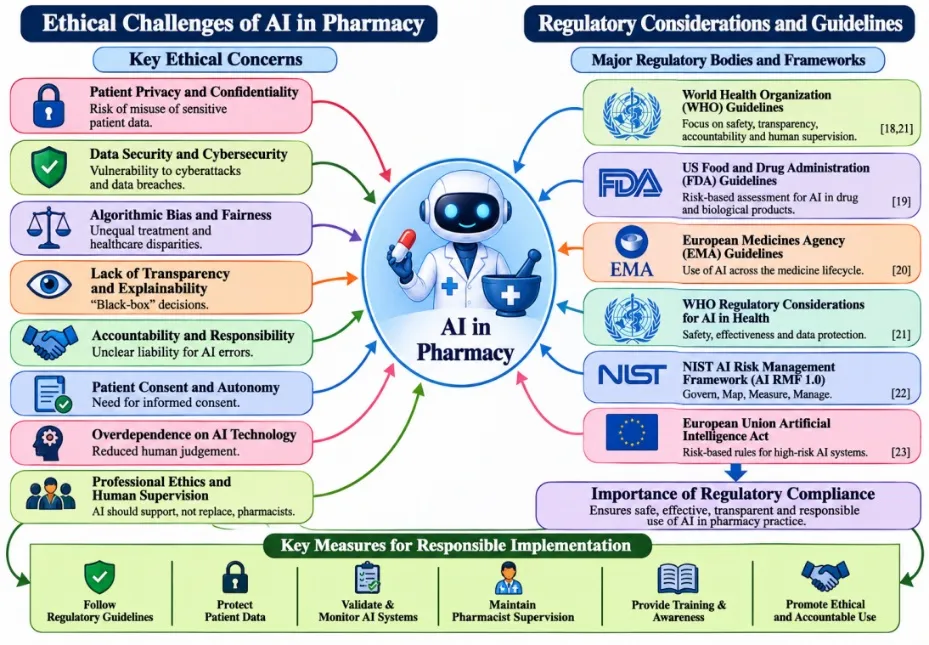
Figure 1: Ethical Challenges and Regulatory Considerations of Artificial Intelligence in Pharmacy
Challenges and Limitations of AI Implementation:
Even though artificial intelligence (AI) has a lot to offer pharmaceutical sciences and pharmacy practice, there are a number of operational, ethical, economical, and technical obstacles to overcome before it can be used. These restrictions could have an impact on AI-based systems' acceptability, accuracy, dependability, and accessibility. For AI to be safely and successfully incorporated into pharmacy practice, it is critical to comprehend these difficulties [4–7,9,16].
• High Implementation Costs
Significant financial investments in software, hardware, computer infrastructure, data storage, and technical support are necessary for the creation and deployment of AI systems. Due to their limited funding, small pharmacies and healthcare facilities may find it challenging to implement these technology. Operational costs may also rise as a result of routine maintenance, system upgrades, and employee training [4,9].
• Poor Data Quality and Availability
Large amounts of precise, comprehensive, and trustworthy data are necessary for AI systems to function well. Inaccurate, inconsistent, out-of-date, or incomplete patient data can lead to improper recommendations and deceptive outcomes. The creation and validation of AI models may also be impacted by the scarcity of standardized pharmaceutical and clinical datasets [4,7,17].
• Technical Limitations and System Errors
When AI algorithms come with unexpected circumstances or low-quality data, they may produce forecasts or suggestions that are not accurate. Additionally, some sophisticated AI models are opaque, which makes it challenging to comprehend how they make decisions. If AI-generated outputs are not adequately assessed, technical flaws may impact clinical decision-making and pharmaceutical safety [7,17].
• Limited Knowledge and Training
It's possible that many pharmacists and medical professionals don't know much about machine learning, artificial intelligence, and data interpretation. Inadequate training can make people less confident in AI-based systems and make it harder to use them in real-world situations. To increase the efficient application of AI in pharmacy practice, professional training and ongoing education are required [9,12,13].
• Data Privacy and Security Issues
Sensitive patient data, including as prescriptions, treatment histories, and medical records, is frequently processed by AI applications. Unauthorized access, data breaches, and abuse of private information can all be made more likely by inadequate security measures. Implementing robust data protection mechanisms and protecting patient privacy continue to be significant difficulties [5,6,18].
• Integration with Existing Healthcare Systems
It can be difficult to integrate AI technology with current hospital information systems, electronic health records, pharmacy management software, and other healthcare platforms. Operational challenges may arise from variations in data formats, program compatibility, and technical infrastructure. Effective pharmacy services and seamless information interchange depend on proper system integration [4,9].
• Lack of Standardization and Regulatory Uncertainty
Establishing consistent criteria for the validation, assessment, and monitoring of AI systems is challenging because to their rapid evolution. Pharmaceutical companies implementing AI systems may face difficulties due to variations in national regulations. To guarantee consistent quality, safety, and dependability, clear criteria and standardized evaluation processes are required [18–23].
• Resistance to Technological Change
Concerns around employment roles, dependability, accountability, and an over-reliance on technology may make some pharmacists and healthcare professionals reluctant to embrace AI. Resistance may be exacerbated by ignorance and a lack of real-world experience. Acceptance of AI-based technology can be promoted through awareness campaigns, professional engagement, and suitable training [12,13].
Future Perspectives of AI in Pharmacy:
It is anticipated that artificial intelligence (AI) will become more significant in the future of pharmacy practice and pharmaceutical sciences. Drug research, pharmaceutical production, clinical decision-making, and patient care could all be enhanced by ongoing developments in machine learning, deep learning, robotics, and data analytics. AI's integration with cutting-edge technologies is probably going to open up new possibilities for enhancing pharmaceutical services' effectiveness, safety, and quality [3,4,9,15].
• Advancement in Drug Discovery and Development
AI has the potential to speed up drug discovery in the future through lead compound optimization, molecular interaction prediction, and the identification of new therapeutic targets. Researchers may be able to more effectively find possible therapy options by using sophisticated algorithms to analyze complex biological data. Early-stage medication research may require less time, money, and resources as a result [3, 4].
• Growth of Personalized and Precision Medicine
By analyzing genetic data, medical history, lifestyle factors, and individual treatment responses, AI is anticipated to improve personalized medicine. These tools could assist medical practitioners in choosing the right medications and adjusting dosages to meet the needs of specific patients. This strategy may lessen negative medication effects and enhance therapeutic results [3,15].
• Smart and Automated Pharmacy Systems
Future pharmacies might use intelligent prescription screening technology, computerized inventory management, and robotic dispensing systems driven by artificial intelligence. These technologies could increase the overall efficiency of pharmacy operations, minimize pharmaceutical errors, decrease repetitive workload, and improve dispensing accuracy [4,11,14].
• Improved Pharmacovigilance
By continuously analyzing clinical reports, electronic health records, and drug safety databases, AI-based pharmacovigilance systems may be able to detect adverse drug responses more quickly and efficiently. Additionally, sophisticated predictive algorithms could support prompt interventions to enhance patient safety by identifying possible safety signs [10].
• Integration with Digital Health Technologies
AI integration with wearable technology, telepharmacy services, mobile health apps, and electronic health records may enhance medication administration and patient monitoring. These tools could assist pharmacists in tracking the course of treatment, reminding patients to take their medications, and identifying patients who might need more pharmaceutical care [9,15].
• Development of Explainable and Trustworthy AI
It is anticipated that future AI research would concentrate on creating dependable, transparent, and understandable systems. Pharmacists may find it easier to comprehend how algorithms produce suggestions and spot any biases or errors with the use of explainable AI. Building confidence between patients and healthcare providers will require increased accountability, validation, and transparency [7,17,22]
.
• Strengthening Regulatory and Ethical Frameworks
Guidelines for AI development, validation, deployment, and monitoring will need to be strengthened by regulatory bodies and healthcare organizations as AI applications continue to grow. Future regulatory strategies might concentrate on algorithmic fairness, patient safety, data security, human oversight, and ongoing assessment of AI systems [18–23].
• Role of Pharmacists in the AI-Driven Healthcare System
As AI technologies become more widely used, pharmacists' roles are anticipated to change. In prescription evaluation, clinical decision-making, pharmacovigilance, and individualized patient care, pharmacists may increasingly collaborate with AI systems. Future pharmacists will need to learn about digital technology, data analysis, and AI ethics. Appropriate medication-related decisions will continue to depend on human skill and professional judgment [9,12,14].
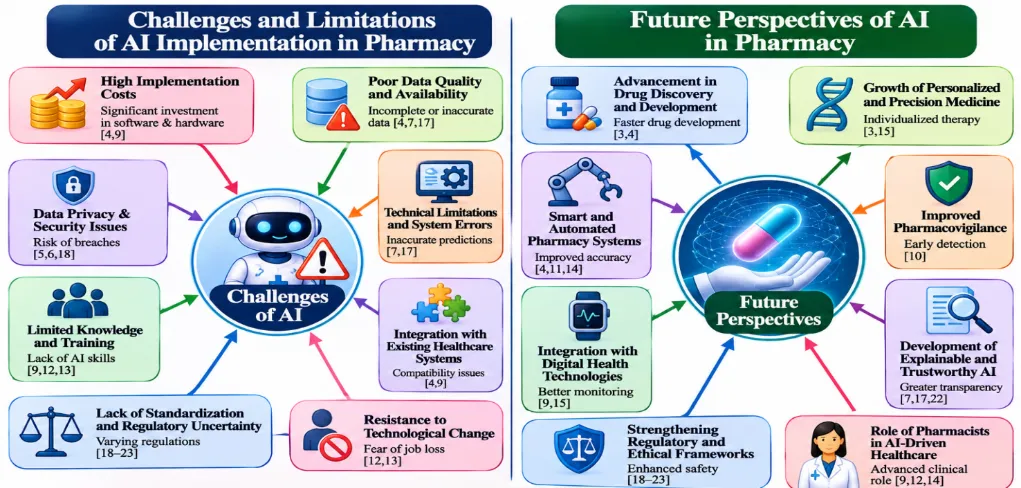
Figure 2: Challenges, Limitations and Future Perspectives of Artificial Intelligence in Pharmacy
Recommendations for Responsible AI Implementation:
Proper planning, ethical behavior, regulatory compliance, and ongoing assessment are necessary for the effective application of artificial intelligence (AI) in pharmacy. AI technology should be applied sensibly to enhance pharmaceutical services while upholding professional standards, patient safety, and privacy. The safe and efficient incorporation of AI into pharmacy practice can be ensured by following these suggestions [5,6,18–23].
• Establish Ethical Guidelines
To guaranty justice, accountability, openness, and responsible usage of AI in pharmacy, clear ethical standards should be created. In AI-based healthcare applications, these rules ought to uphold patient rights and encourage moral decision-making [5,8,18].
• Ensure Patient Data Protection
Encryption, controlled access, secure data storage, and suitable data protection policies should all be used to preserve patient privacy and confidentiality. Strong cybersecurity measures should be put in place by healthcare institutions to stop illegal access to and misuse of private patient data [6,18,21].
• Validate and Monitor AI Systems
Before being used in clinical settings, AI-based technologies should be thoroughly tested and validated. Regular monitoring of their performance, accuracy, dependability, and safety is necessary. To find mistakes and preserve system efficacy, ongoing assessment and update are required [19, 20, 22].
• Maintain Pharmacist Supervision
Instead of taking the position of pharmacists, AI should be utilized as a helpful tool. AI-generated recommendations should be reviewed, medication-related information should be verified, and final therapeutic choices should be made by qualified pharmacists based on patient needs and professional experience [8,9,19].
• Provide AI Training and Education
Appropriate training in AI technologies, data interpretation, digital healthcare systems, and ethical issues should be provided to pharmacists and other healthcare workers. Workshops and educational programs can increase knowledge, self-assurance, and the efficient application of AI in pharmacy practice [12,13].
• Promote Transparency and Accountability
Whenever feasible, AI systems should produce outputs that are comprehensible and explicable. To guaranty accountability for AI-assisted judgments, developers, healthcare organizations, and pharmacists should clearly define their roles. Clinical choices and system performance should also be properly documented [7,17,22].
• Strengthen Regulatory Compliance
When developing and implementing AI, pharmaceutical companies and healthcare facilities should adhere to relevant national and international regulatory norms. To guaranty the security and dependability of AI-based systems, regular risk assessments, quality inspections, and compliance monitoring should be carried out [18–23].
• Encourage Research and Collaboration
It is important to promote cooperation between pharmacists, pharmaceutical scientists, medical experts, AI developers, researchers, and regulatory bodies. Such interdisciplinary collaboration can help develop trustworthy AI applications, enhance therapeutic results, and solve ethical and technical issues [3,4,16].
CONCLUSION:
Artificial Intelligence has emerged as a promising technology with the potential to transform pharmacy practice and pharmaceutical sciences. Its applications in drug discovery, personalized medicine, pharmacovigilance, clinical decision support, and pharmaceutical manufacturing can improve efficiency, accuracy, and patient care. However, challenges related to data privacy, cybersecurity, algorithmic bias, technical limitations, regulatory compliance, and professional training must be addressed. The successful implementation of AI requires strong ethical guidelines, reliable data management, proper system validation, regulatory supervision, and continuous monitoring. Pharmacists should develop the necessary digital knowledge and skills to work effectively with AI-based technologies. Importantly, AI should complement rather than replace pharmacists' clinical expertise and professional judgement. Collaboration among pharmacists, researchers, technology developers, and regulatory authorities will be essential. Overall, responsible and human-centred AI integration can contribute to safer medication practices, improved healthcare delivery, and the future advancement of pharmaceutical sciences.
REFERENCES



Shwetakumari Sharma, Mohini Patil, Dr. Sunil Pawar, Artificial Intelligence in Pharmacy Ethical Challenges, Regulatory Considerations, and Future Perspectives, Int. J. of Pharm. Sci., 2026, Vol 4, Issue 11, 5618-5629. https://doi.org/10.5281/zenodo.24582090
 10.5281/zenodo.24582090