

We use cookies to ensure our website works properly and to personalise your experience. Cookies policy
Department of Pharmaceutics, GES’s Sir Dr. M. S. Gosavi College of Pharmaceutical Education and Research, Nashik - 05.
Conventional oral drug delivery is widely preferred considering its convenience, patient acceptability, and cost-effectiveness; however, rapid gastric emptying, variable gastrointestinal transit, insufficient drug solubility, and narrow absorption windows can significantly impair drug bioavailability and therapeutic performance. Gastroretentive drug delivery systems (GRDDS) have attracted significant attention as a method of extending stomach residency and optimising drug absorption. This review examines emerging formulation strategies to increase the performance of GRDDS, with an emphasis on floating, swelling, expandable, bioadhesive, raft-forming, high-density, magnetic, and multifunctional systems. Recent breakthroughs in polymeric hydrogels, porous matrices, lipid-based formulations, and smart excipient systems are also explored in terms of their effects on stomach retention, drug release kinetics, dissolution, and absorption. In addition, novel technologies such as three-dimensional printing and shape-memory systems offer opportunities for tailoring dosage-form geometry, porosity, drug loading, and release profiles according to therapeutic requirements. The review additionally investigates key physiological and formulation factors governing gastric retention, along with contemporary evaluation approaches and challenges associated with interindividual variability, fed-fasted conditions, mechanical stability, scalability, and limited clinical translation. GRDDS have the potential to significantly improve oral drug bioavailability, prolong therapeutic action, reduce dose frequency, and improve patient adherence by combining improvements in formulation science, polymer technology, and upcoming production platforms. Continued development of physiologically responsive and patient-oriented gastroretentive platforms could solidify GRDDS as an important technique for overcoming the constraints of traditional oral drug delivery.
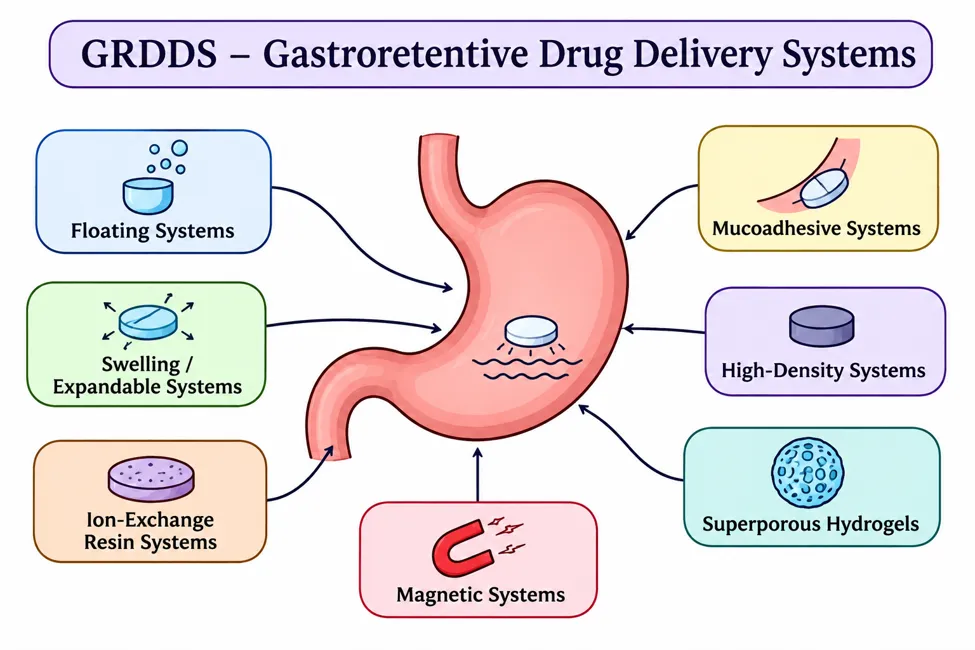
Figure 1: GRDDS – Gastroretentive Drug Delivery System
Oral administration remains one of the most widely accepted routes for systemic drug therapy because it is convenient, non-invasive, economical, and generally associated with good patient acceptability. Nevertheless, conventional oral dosage forms are strongly influenced by gastrointestinal physiology. Rapid and variable gastric emptying can shorten the time available for drug dissolution and absorption, while differences in gastrointestinal pH, motility, fluid volume, food intake, and transit may contribute to variability in systemic exposure. These limitations become particularly important for drugs that are absorbed predominantly from the stomach or proximal small intestine, show pH-dependent solubility, or possess a narrow absorption window. [1,2]
Gastroretentive drug delivery systems (GRDDS) are modified oral dosage forms designed to prolong the residence of a formulation within the stomach. By delaying gastric emptying, a GRDDS can provide an extended period for drug release and may maintain the formulation close to the preferred absorption region. The principal scientific objective is therefore not simply to make a dosage form remain in the stomach, but to coordinate gastric retention with drug release, dissolution, absorption, and the therapeutic requirement of the selected drug. [1,2,3]
The concept of gastro retention is especially relevant when conventional dosage forms release a substantial fraction of their drug load after the dosage form has already moved beyond the optimal absorption site. Prolonged gastric residence may increase the opportunity for dissolution and absorption of suitable drug molecules and can also support localized gastric therapy. However, gastric retention alone does not guarantee improved bioavailability; the drug must possess appropriate physicochemical, biopharmaceutical, and pharmacokinetic characteristics for a gastroretentive approach to provide a meaningful therapeutic advantage. [4]
Several gastroretentive mechanisms have been investigated, including floating or low-density systems, swelling and expandable systems, mucoadhesive systems, high-density systems, raft-forming formulations, magnetic systems, and other specialized approaches. Floating systems remain among the most extensively investigated because a formulation with suitable buoyancy can remain at the gastric fluid surface while releasing drugs in a controlled manner. More recent approaches increasingly combine two or more retention mechanisms to reduce dependence on a single physiological phenomenon. [5,6]
The performance of GRDDS is determined by a complex interaction between formulation design and the gastric environment. Gastric motility, fed or fasted state, meal composition, fluid availability, posture, dosage-form dimensions, density, polymer hydration, and mechanical strength can all influence gastric residence. Consequently, a formulation that performs well under simple laboratory conditions may not necessarily demonstrate the same retention behavior in vivo. This is why systematic in-vitro characterization followed by appropriate in-vivo assessment is essential during GRDDS development. [7]
Recent research has expanded GRDDS beyond conventional floating tablets. Advanced polymeric matrices, multifunctional systems, three-dimensional printing, nanoparticle-containing platforms, stimuli-responsive materials, and optimized manufacturing strategies are being explored to improve control over gastric retention and drug release. These developments aim to create dosage forms with more predictable performance, greater design flexibility, and improved suitability for patient-specific therapy. [8]
Rationale for Developing GRDDS
The central rationale for GRDDS development is to overcome the mismatch between the residence time of a conventional oral dosage form and the time or location required for optimal drug absorption. A gastroretentive formulation can potentially prolong the release process in the upper gastrointestinal region and thereby improve drug exposure when the pharmacological candidate is appropriate. [9]
GRDDS may also be useful when controlled gastric delivery is desirable for local treatment. Maintaining a formulation within the stomach can increase the duration of contact between the dosage form and the gastric environment, which is relevant for drugs intended to act locally or for therapies in which prolonged gastric exposure is advantageous. [10]
At the formulation level, the objective is to establish a reproducible relationship between retention mechanism, dosage-form structure, hydration, drug release, and gastric physiology. This requires evaluation of both pharmaceutical quality attributes and the actual gastroretentive behavior of the dosage form. [11]
Importance of Scientific Evaluation
Evaluation of GRDDS should be viewed as a stepwise process rather than a single dissolution test. Conventional quality attributes establish the physical integrity and dose uniformity of the dosage form; specialized in-vitro tests characterize buoyancy, swelling, erosion and release; and in-vivo methods determine whether the intended gastric retention actually occurs under physiological conditions. The combined interpretation of these data is important for formulation optimization and for judging whether laboratory performance is likely to translate into meaningful gastrointestinal behavior. [11,12]
PRINCIPLE
Gastroretentive drug delivery systems (GRDDS) are designed to prolong the gastric residence time of dosage forms and facilitate the controlled release of incorporated drugs. The primary principle of these systems is to retain the dosage form in the stomach for an extended period, thereby improving drug delivery for medications intended for local action in the stomach or proximal small intestine, as well as for drugs that are preferentially absorbed from the upper gastrointestinal tract [13,14].
Several formulation approaches can be employed to achieve gastric retention, including floating or low-density systems, expandable or swelling systems, bioadhesive or mucoadhesive systems, high-density systems, and raft-forming systems. These approaches utilize different mechanisms to enhance gastric retention or delay gastric emptying, depending on the physiological conditions of the stomach and the design characteristics of the dosage form [13,16].
The performance of GRDDS is influenced by various physiological, drug-related, and formulation-related factors. Physiological factors include gastric motility and fed or fasted conditions, whereas formulation-related factors include dosage-form density, swelling and floating characteristics, polymer properties, drug solubility, and drug-release behaviour. Therefore, the selection and evaluation of an appropriate GRDDS should be based on the physicochemical properties of the drug, its intended site of action or absorption, and suitable in vitro and, where justified, in vivo performance studies [13,16].
NEED FOR GASTRORETENTIVE DRUG DELIVERY SYSTEMS
Conventional oral dosage forms may pass through the gastrointestinal tract before the drug has been released completely or absorbed adequately. Gastroretentive drug delivery systems (GRDDS) are designed to prolong the gastric residence of a dosage form and may provide controlled drug release over an extended period.[17,18] They can be useful for drugs that act locally in the stomach, have an absorption window in the stomach or upper small intestine, are unstable in the intestinal environment,[18,19] or show reduced solubility at higher pH. For suitable drug candidates, longer gastric residence may increase the time available for dissolution and absorption; however, the effect depends on the drug’s physicochemical and biopharmaceutical properties and the performance of the formulation [17,19,20].
Several strategies have been investigated to retain dosage forms in the stomach, including floating, mucoadhesive, swelling or expandable, high-density, magnetic, and raft-forming systems. These approaches use different mechanisms and have different limitations; therefore, the technology should be selected according to the drug and the intended therapeutic objective [17,18,19,20]. A drug is not automatically a suitable candidate simply because prolonged gastric residence is possible. Drug stability, dose, absorption characteristics, safety, and the likelihood of achieving meaningful in-vivo retention should be considered during development [17,18,20].
4. LIMITATIONS AND CHALLENGES OF GRDDS
4.1 Variability in gastric physiology
Gastric emptying and gastrointestinal motility vary between individuals and can be affected by food composition, fed or fasted state, gastric contents, and other physiological factors. These variations may influence the retention and drug-release behaviour of a gastroretentive formulation.[24,26] Consequently, a system that floats or swells for a long time during laboratory testing may not remain in the human stomach for the same duration. In-vitro findings should therefore be interpreted with caution and supported by appropriate in-vivo evidence when needed [24,25,26].
4.2 Formulation and manufacturing challenges
GRDDS performance may depend on polymer type and concentration, dosage-form size and geometry, density, swelling capacity, mechanical strength, porosity, and gas-generating components. [17,19,20,21,22]Changes in raw materials or manufacturing conditions can affect floating lag time, buoyancy, drug loading, and release rate. Achieving reproducible performance therefore requires suitable formulation optimisation, process control, stability assessment, and quality testing [17,25,26].
4.3 Limitations of evaluation methods
No single in-vitro test can fully reproduce the changing environment of the human stomach. Differences in gastric fluid volume, pH, mechanical forces, and fed/fasted conditions may influence the results.[23,24,25] Animal models may also fail to represent human gastric physiology accurately. For these reasons, buoyancy and dissolution results alone are insufficient to confirm effective gastric retention; evaluation methods should be selected to reflect the intended use and should be complemented by suitable in-vivo studies where appropriate [21,22,23].
4.4 Challenges associated with 3D printing
Three-dimensional (3D) printing is being explored to produce gastroretentive systems with customised geometry and drug-release profiles. Nevertheless, wider implementation faces challenges related to material selection, printabilitytability, process consistency, scale-up, biocompatibility, stability, and quality assurance. The release behaviour and buoyancy of printed systems can be influenced by design and material characteristics, so results from individual prototypes should not be assumed to establish clinical benefit or manufacturing readiness [25,26].
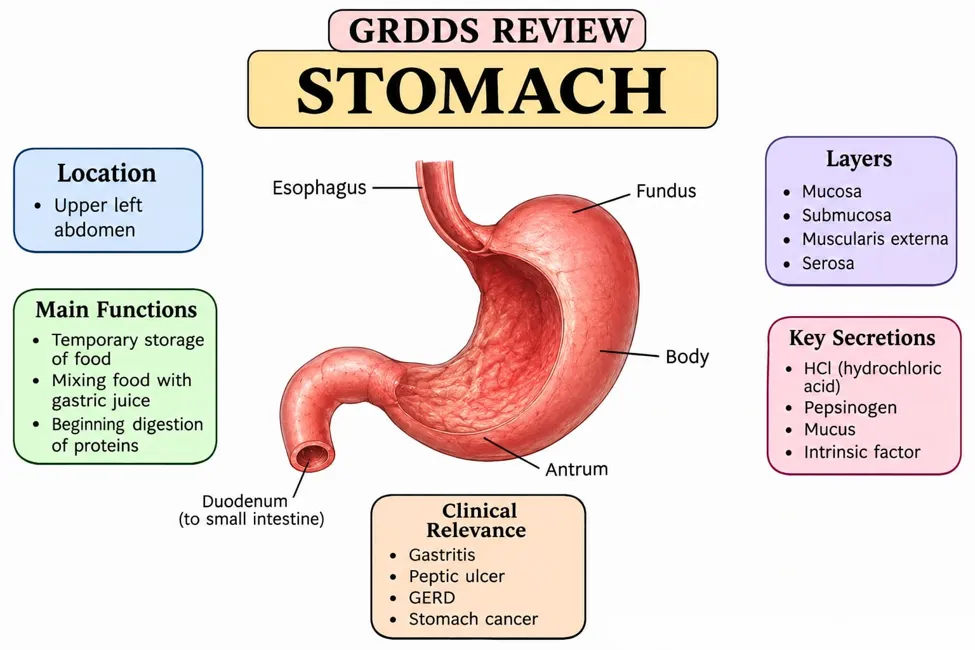
Figure 2: GRDDS Review of Stomach
PHYSIOLOGY OF GRDDS
The effectiveness of oral medication delivery methods is significantly influenced by the complex physiology of the gastrointestinal (GI) tract. Gastroretentive drug delivery systems (GRDDS) are advanced oral technologies made especially to stay in the stomach for a long time [27,29]. This prolonged gastric residence time increases the bioavailability of medications that are mostly absorbed in the upper portion of the small intestine or the stomach [28-30]. The physiological features of the stomach, such as gastric architecture, pH, motility, secretions, and gastric emptying, have a significant impact on their clinical efficacy.
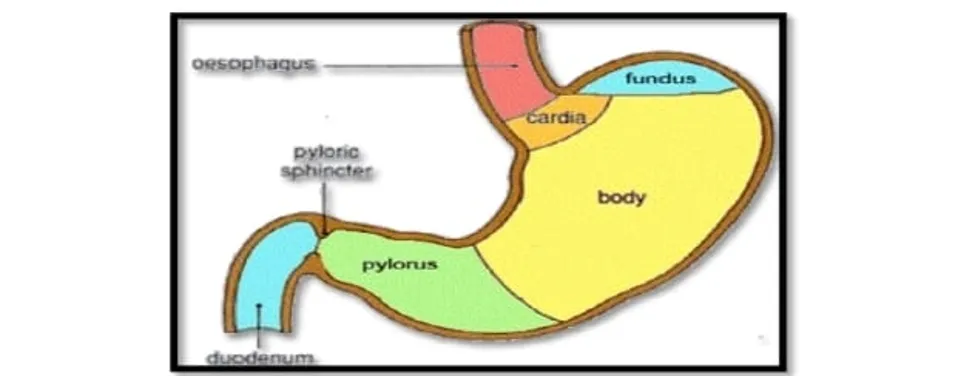
Figure 3: Physiology of GRDDS
The stomach is shaped like a 'J' and features two main openings: an esophageal end just at the termination of the esophagus, and a duodenal end opening into the gut. Anatomically, the entire stomach region is divided into four distinct divisions: the cardia, fundus, body (corpus), and pylorus. [30] While the cardia takes food from the esophagus, the fundus and body serve as reservoir chambers where food is kept, combined, and exposed to specific gastric secretions. Functionally, the body secretes essential hydrochloric acid and pepsinogen, the fundus gathers digestive gases, and the pylorus secretes mucus, gastrin, and pepsinogen. The passage of stomach contents into the duodenum is stringently controlled by the pyloric area. [28,31]Together, these distinct anatomical areas offer a precise structural setting that facilitates the extended retention of gastroretentive dosage forms. [28,30,31.]Another significant physiological element influencing drug release, polymer swelling, and absorption is the dynamic pH profile of the stomach. The pH of the stomach is extremely acidic while fasting (around 1–2), but it typically increases to about 3–6 after eating. These severe variations in gastric pH directly impact drug solubility, formulation stability, polymer swelling rates, and the floating behavior of gastroretentive formulations [30,31]. Through synchronous pushing movements, the stomach functions as a muscular pump to regulate gastric emptying. The two states of gastric emptying—one during fasting and the other while feeding—have completely distinct motility patterns. Through regular contractions, gastric motility controls how the contents of the stomach move and mix. An interdigestive sequence of electrical processes known as the migrating motor complex (MMC) takes place during the fasting state. This cyclic MMC pattern periodically transports undigested food and traditional dosage units into the small intestine, acting as a physiological barrier to retention. [27-31]. Conversely, dosage forms can stay in the stomach significantly longer when the stomach is fed since gastric emptying slows down. Beyond the fed state, gastric residence time is further influenced by factors like meal composition, dosage-form size and density, patient posture, age, medical conditions, and concurrent medications.[27,31].
GASTRIC RETENTION APPROACHES
To increase the drug’s absorption and prolong its stay in the stomach, various methods can be applied to design gastroretentive compounds [31].
1. Low Density Approaches (Floating Systems):These systems are sometimes refered to as floating drug delivery systems (FDDS) or hydro dynamically balanced systems (HBS). Their bulk density is less than 1, which is smaller than the density of stomach fiuid. Because the specific gravity of gastric fluid is between 1.004 and 1.01 g/cm3, FDDS stays buoyant in the stomach for a long time without influencing the pace of gastric emptying, releasing the medication gradually at the intended rate.
2.High Density Method: By covering the medication with a heavy inert substance like barium sulfate, zinc oxide. titanium dioxide, or iron powder, high density formulations are made to have a density higher than that of stomach contents. [32]
3.Expanding and Growing Systems: 3.Expanding and Growing Systems After being administered, these systems grow to the point that they are unable to pass thru the pyloric sphincter and leave the stomach. The dosage form is therefore kept in the stomach for a considerable amount of time.[32,33,34].
4.Systems of Bio-adhesion: These utilize bioadhesive polymers (like carbopol or chitosan) that form hydrogen or electrostatic bonds with the mucosal membrane, localizing the device to improve site-specific absorption [34].
5.Shape System Modification: Depending on the size, shape, and flexural modulus of the drug delivery system, these non- disintegrating geometric shapes that are extruded from polyethylene blends or molded from plastic elastomers extend the stomach retention.[32].
Floating Drug Delivery System for Drugs :
Floating systems prolong medication administration, reduce dose frequency, and offer targeted treatment for upper GI disorders while reducing variations in drug concentration [25,26]. However, they require sufficient gastric fluid to function, are not superior for drugs uniformly absorbed throughout the GIT, and are unsuitable for drugs that cause gastric mucosal irritation or are unstable in acidic environments [26].
Advantages-
1. Prolonged medication administration and fewer doses[32,33].
2.Targeted treatment for upper gastrointestinal disorders. Decreased drug concentration variations[34].
3.Enhanced selectivity of receptor activation[33].
4.The body's counteractivity is decreased[33,35].
5. Extended periods of critical (effective) concentration[33,43].
6.Reduced negative colonic activity[34,37].
7. Drug delivery that is site-specific[35,37].
Disadvantages:
1. For medication distribution to float and function effectively, these systems need a lot of fluid in the stomach[35,36].
2. It is not appropriate for medications with GIT stability or solubility issues [37].
3. Drugs that undergo first pass metabolism and are well absorbed throughout the GIT, like nifedipine, might not be ideal.
4. Additionally, medications that irritate the stomach mucosa are inappropriate [36,37].
5. It is not appropriate to include medication compounds that are" unstable in the stomach's acidic environment[32].
6. It is recommended to administer the dose form with a full glass of water (200-250 ml).
7.For those medications, which are absorbed throughout the gastrointestinal tract, these systems are not superior to the traditional dosage forms.
Classification of Floating Systems
1) Effervescent Single Unit Systems:
Referred to as a gas generating system. The CO gas is released and trapped in the gellified hydrocolloid layer of single unit systems like tablets or capsules when carbomates like sodium bicarbonate and acid-natural gastric fluid, citric acid, or tartaric acid—interact. This lowers the density of the systems, which stay buoyantin the stomach for a long time and release the medication gradually at the intended rate. For gas production, the ideal stoichiometric ratio of sodium bicarbonate to citric acid is to be 0.76:1.[33].
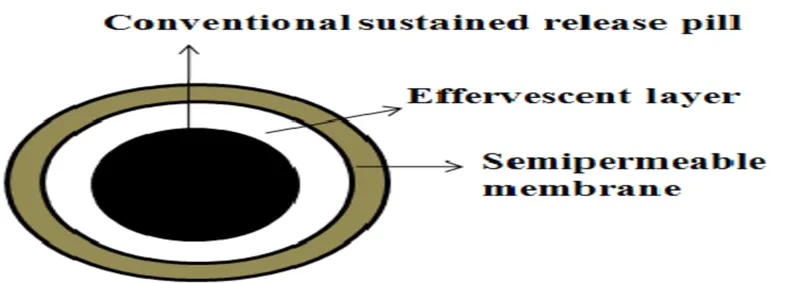
Figure 4: Effervescent System
2) Non-Effervescent Single Unit Systems:
The system functions through either polymer swelling or bioadhesion to the GI tract's mucosal layer.Gelforming or highly swellable excipients are frequently utilized in non-effervescent FDDS. Bioadhesive polymers like carbopol and chitosan are typically utilized in conjunction with hydrocolloids, polysaccharides, and matrix- forming substances like polymethacrylate, polystyrene, polycarbonate, and polyacrylate.When these dose forms come into contact with stomach fluids, they swell. A bulk density of less than one is attained. The air trapped in the expanded matrix is what gives the dose form its buoyancy.[33,35].
3) Double Layer Effervescent System:
The method is made up of double-layered sustained-release capsules that act as "seeds." Effervescent agents make up the inner layer, and swellable material makes up the outer layerW hen the system is submerged in a dissolving medium at body temperature, it immediately lowers before expanding into a balloon. like pills that float because of the system's decreased density brought on by the production and trapping of CO2.[36].
4) Hydrodynamically Balanced System (HBS):
(HBS) is made up of a homogenous drug and hydrocolloid mixture in a capsule that, when it comes into contact with gastric fluid, acquires and retains a bulk density of less than 1, making it buoyant on the stomach's contents until all of the drug is released.[36].
5) Raft Forming Systems:
Polymers like alginate, which in the presence of GI fluid produce a thick gel or "raft." are typically the fundamental component of raft-forming systems. Components that generate gas can provide the designed raft buoyancy. For drugs meant to have a prolonged stomach or gastroesophageal action, these systems are especially important. Improving raft strength, floating properties, drug-loading capacity, and release control are the main goals of current research. To enhance overall performance, raft formation can be supplemented with other Gastroretentive mechanisms. [35,36].
EMERGING FORMULATION STRATEGIES IN GRDDS AND NDDS
A dosage form determines, to a large extent, when and where a drug is released and how long therapeutic concentrations may be maintained[37]. Standard tablets and capsules remain suitable for many treatments, but certain drugs present challenges such as low aqueous solubility, degradation in the gastrointestinal tract, rapid clearance, limited absorption regions or dose-related adverse effects. NDDS describes a broad group of technologies developed to address one or more of these problems[38]. Examples include modified-release formulations, lipid-based carriers, polymeric particles, site-directed delivery platforms, implants, microneedles and digitally manufactured dosage forms
A dosage form determines, to a large extent, when and where a drug is released and how long therapeutic concentrations may be maintained[37]. Standard tablets and capsules remain suitable for many treatments, but certain drugs present challenges such as low aqueous solubility, degradation in the gastrointestinal tract, rapid clearance, limited absorption regions or dose-related adverse effects. NDDS describes a broad group of technologies developed to address one or more of these problems[39]. Examples include modified-release formulations, lipid-based carriers, polymeric particles, site-directed delivery platforms, implants, microneedles and digitally manufactured dosage forms
GRDDS are designed specifically for oral administration when longer gastric residence may support the intended delivery profile. Depending on the drug, a longer residence period may help maintain local action in the stomach, support release in the upper gastrointestinal tract, or improve opportunities for absorption before the formulation moves onward. However, gastric retention is not inherently beneficial for every drug; suitability depends on the molecule's stability, solubility, absorption characteristics and therapeutic purpose [40].
Emerging formulation strategies in GRDDS
3.1 Floating drug delivery systems
Floating systems are formulated so that their apparent density remains lower than that of gastric contents, allowing the dosage form to stay buoyant for some time. In effervescent designs, a gas-generating ingredient reacts in gastric fluid and produces bubbles that become trapped in a hydrated polymer matrix. Non-effervescent designs instead rely on swelling polymers, porous structures or other low-density materials to maintain buoyancy [41].
Polymer grade and concentration, gas-forming agent level, tablet porosity, compression, drug loading and matrix erosion all influence performance. Tests commonly include floating lag time, duration of flotation, swelling, matrix integrity, mechanical strength and drug-release behaviour[42]. A formulation may float successfully in a laboratory vessel yet show different retention in a person because gastric motility, food, fluid volume and physiological variation affect transit. In-vivo evidence may therefore be needed to verify the intended benefit [43].
3.2 Raft-forming and biopolymer systems
Raft-forming formulations are usually liquids or dispersible systems that form a cohesive gel after exposure to gastric conditions. Alginate-based polymers may be combined with a calcium source and, in some formulations, a gas-generating ingredient. Gel formation can create a buoyant layer over gastric contents and may support local action or modify release near the stomach [44].
The formulation must form a raft promptly while retaining sufficient strength and controlling erosion. Polymer type, calcium level, gas generation, viscosity and the pH of the surrounding medium can alter the resulting structure. Because food and gastric conditions vary, testing under relevant conditions is important before assuming that laboratory raft formation predicts performance in people [45].
3.3 Expandable systems and superporous hydrogel
Expandable gastroretentive formulations increase their dimensions after administration by absorbing fluid, unfolding or recovering a redesigned shape. Superporous hydrogel can take up liquid rapidly through interconnected pores, while the polymer network provides the structure needed to maintain expansion[46]. The formulation must be small enough to swallow comfortably, expand only after administration, and ultimately pass safely from the stomach or break down as intended [47].
Important development measures include expansion time, swelling ratio, wet-state mechanical strength, dimensional stability, release rate and safe post-use clearance. The central challenge is to provide reliable retention without introducing a risk of obstruction or discomfort [48].
3.4 Mucoadhesive systems
Mucoadhesive formulations aim to extend contact with the gastric mucus layer through interactions between the polymer and mucosal surface. Materials studied for this purpose include chitosan, carbomer, cellulose derivatives and certain natural gums. Adhesion depends on factors such as polymer structure, charge, hydration, molecular weight and the physical forces acting on the dosage form [49].
Laboratory adhesion measurements alone cannot establish that a formulation will remain attached in the stomach. Mucus is continually renewed, while food, fluid and muscular contractions may disrupt contact. Assessment should combine suitable adhesion tests with drug-release studies, mucosal compatibility and in-vivo confirmation when justified [50].
3.5 High-density, magnetic and ion-exchange approaches
High-density dosage forms attempt to influence gastric positioning by increasing formulation density. Magnetic approaches incorporate magnetic material and rely on an external magnetic field to influence location, while ion-exchange systems associate ionisable drugs with resins and release them through exchange with ions in gastrointestinal fluids. These mechanisms demonstrate different ways of controlling retention or release, but each requires evidence that its added complexity produces a reliable and safe benefit [38,51].
3.6 Polymer and excipient engineering
Polymers are key functional ingredients in GRDDS because their hydration, viscosity, gel strength, swelling and erosion affect both gastric behaviour and drug release. Materials discussed in this area include hydroxypropyl methylcellulose, polyethylene oxide, sodium carboxymethylcellulose, alginate, chitosan, pectin, xanthan gum and carbomer. Adjusting polymer grades, combining compatible polymers or changing their proportions may help balance buoyancy, structural strength and release rate [52].
Excipient selection should also address drug compatibility, reproducibility, compendial quality, patient acceptability and suitability for the intended manufacturing process. Natural materials require quality controls too, since their composition may vary with source, harvest, processing and storage [42,46].
3.7 Three-dimensional printing in GRDDS
Three-dimensional (3D) printing builds a dosage form layer by layer from a digital design. This gives formulators greater control over shape, internal voids, porosity and the placement of different materials. In GRDDS research, printed architectures may be designed to influence buoyancy, expansion, swelling or the timing of drug release, making additive manufacturing a promising option for specialised gastroretentive designs [53,46,48].
Potential advantages include rapid prototyping, flexible geometry and the possibility of incorporating more than one release profile. Barriers include the printability of drug-containing materials, exposure to heat or solvents, dose uniformity, production throughput, scale-up and process validation. Printed products must be evaluated for dimensional accuracy and mechanical properties as well as gastric performance and release [54].
4. Emerging formulation strategies in NDDS
4.1 Liposomes and polymersomes
Liposomes are lipid-bilayer vesicles that can carry water-soluble substances within their internal aqueous compartment and lipid-soluble substances within the membrane. Their composition and surface properties can be adjusted to influence drug loading, stability and interactions with biological tissues. Polymersomes are vesicles formed from amphiphilic block copolymers and may offer alternative membrane properties. Both are investigated as carriers for drugs that are difficult to deliver effectively using conventional formulations [55,56].
Current design approaches include surface modification, ligand attachment, hybrid carriers and systems that respond to a selected stimulus. Key quality concerns include particle-size distribution, encapsulation, leakage, storage stability, sterilisation compatibility, scale-up and biological effects. A proposed targeting mechanism should not be described as clinically effective until supported by appropriate evidence [55,56].
4.2 Polymeric nanoparticles and nanocarriers
Polymeric nanoparticles can incorporate a drug within a polymer matrix or associate it with the particle surface. Depending on the material and design, they may protect the active ingredient, change the release profile or influence transport across biological barriers. Their behaviour is affected by polymer chemistry and degradation, particle size, surface characteristics, drug loading and the route of administration [55,57].
Characterisation often includes particle size and distribution, morphology, surface charge where relevant, drug-loading and encapsulation measures, release profile, storage stability and route-appropriate safety testing. Translation from laboratory research can be difficult because particle manufacture must be reproducible at scale, and biological distribution or targeting effects may differ from those observed in simplified experimental models [55,57].
4.3 Stimuli-responsive delivery systems
Stimuli-responsive, sometimes called smart, systems are designed to alter their structure or drug-release behaviour in response to a trigger. Possible triggers include pH, enzymes, temperature or redox conditions within the body, as well as external inputs such as light, ultrasound or magnetic fields. For instance, a pH-sensitive polymer may swell or dissolve differently in different environments, potentially changing the rate or location of release [55,57].
The trigger must be sufficiently predictable at the intended site, and the formulation should respond consistently without releasing too much drug prematurely. Biological variability, unwanted material effects, storage instability and complicated manufacturing may reduce the usefulness of these systems. Evidence should distinguish a response demonstrated in a test medium from a therapeutic improvement shown in an appropriate biological model or clinical study [55,57].
4.4 Combined delivery platforms
Some research combines multiple functions in one formulation, such as nanocarriers embedded in a polymer matrix, printed dosage forms with separate release compartments, or stimulus-sensitive materials incorporated into a local-delivery device. These hybrid platforms may address more than one barrier, but they also introduce additional variables that must be controlled during formulation, stability assessment and manufacturing [46,47,48,49,50].
5. Comparative overview
Table 1: Comparative Overview
| Strategy | Design principle | Potential application | Important development issue |
|---|---|---|---|
| Floating GRDDS | Low-density matrix or gas-assisted buoyancy | Prolonged gastric residence and modified release | Physiological variability; flotation and release testing [38,39,41] |
| Raft-forming systems | Gel formation under gastric conditions | Local gastric action or sustained release | Raft strength, formation and erosion [38,42] |
| Expandable systems | Swelling, unfolding or shape recovery | Physical retention in the stomach | Safe expansion, strength and clearance [38,39] |
| Mucoadhesive systems | Interaction with mucus or mucosa | Longer contact at a selected surface | Mucus turnover and in-vivo relevance [38,39] |
| Liposomes / polymersomes | Lipid- or polymer-based vesicles | Encapsulation of different drug types | Leakage, stability, scale-up and safety [55,56] |
| Polymeric nanoparticles | Drug carried by a nanoscale polymer structure | Protection and altered release | Particle quality, biodistribution and reproducibility [55,57] |
| Stimuli-responsive systems | Trigger-dependent change in release | Environment-responsive delivery | Trigger reliability and clinical evidence [55,57] |
| 3D-printed formulations | Digital control of geometry and composition | Flexible dose and release design | Print quality, dose uniformity and validation [43,45,47] |
6. Evaluation of emerging formulations
Evaluation methods should be chosen according to the formulation's mechanism and intended use. For GRDDS, relevant tests may include assay and content uniformity, tablet strength or friability, density, swelling, floating lag time, floating duration, raft strength, mucoadhesion, dissolution and stability. Where the principal claim is prolonged gastric residence or improved systemic exposure, suitable in-vivo imaging or pharmacokinetic studies may be necessary.
For vesicular and nanoscale systems, useful quality attributes may include particle size distribution, morphology, surface charge, encapsulation efficiency, drug loading, residual solvents, release characteristics and stability. Depending on the route, sterility, endotoxin and biological safety assessments may also be required. Printed formulations need additional checks for dimensional accuracy, mass and dose uniformity, mechanical properties and consistency between batches. The test plan should be justified for the specific product rather than copied as a universal list [46-59].
POLYMER
Polymer Profile Polymers serve as critical pharmaceutical excipients within the architectural design of gastro-retentive drug delivery systems (GRDDS) [60]. These macromolecular agents play a central role in modulating gastric retention, matrix swelling behavior, controlled floating characteristics, site-specific mucoadhesion, in situ gel formation, structural matrix setup, and long-term drug release kinetics [60-63].
Depending on their derivation and origin, the primary polymers deployed in GRDDS formulations are broadly classified into natural, semi-synthetic, and synthetic polymers [60,61,].
Structural and Source Classification
1. Based on Source:
• Natural Polymers: These consist of plant-derived agents such as starch and sodium alginate [61,66], alongside animal-derived structural proteins like gelatin [3]. • Synthetic Polymers: These represent completely man-made macromolecular materials, including tailored matrices like polyethylene [60].
• Semi-Synthetic Polymers: These include exact chemical combinations such as cellulose acetate [63], as well as hybrid natural-synthetic coupled structures like cellulose nitrate platforms [60,61].
2. Based on Structure:
● Linear Polymers: Characterized by single, continuous long-chain carbon backbones [60].
● Branched Polymers: Comprising linear backbones with distinct lateral structural side-chains [60,61].
● Cross-linked Polymers: Interconnected multi-dimensional networks that directly restrict active chain movement [63,64].
3. Mode of Polymerization: Achieved via either additional polymerization pathways or condensation polymerization mechanisms to optimize raw molecular distributions and chain lengths [60].
Physicochemical Importance of Polymers
The systematic selection of a specific polymer matrix candidate is determined by balancing fourteen core material requirements during early preformulation trials [60,62,66]:
1. Complete biological safety and comprehensive systemic biocompatibility [60,62].
2. Predictable, non-toxic operational biodegradability when required in vivo [62].
3. Precise control over commercial viscosity grades and molecular weight thresholds [63].
4. Extended capacity for hydro-swelling and continuous system hydration [61,63].
5. High mucoadhesive bond strength when exposed to gastric mucus membranes [64].
6. Active capacity for immediate in situ gel formation and gel barrier maintenance [60,62].
7. Optically tuned cross-linking density governing internal mesh porosity [63,64].
8. Controlled permeability to water ingress into the polymer core [63].
9. Strict physicochemical compatibility with active drugs and adjacent excipients [60].
10. Resilience against environmental shifts in medium gastric pH and local ionic strength [60,65].
11. High mechanical strength of the final structural dosage form [60,61].
12. Alignment with the ideal target mechanism for prolonged gastric retention [60,61].
13. Matching the targeted medication release kinetic profiles [60,61].
14. Long-term manufacturing stability and large-scale industrial scale-up viability [60].
Factors Impacting the Performance of Polymers
• Polymer Concentration:
Progressively increasing the polymer loading in the matrix directly results in increased internal diffusional resistance, enhanced swelling volume, and higher micro-viscosity across the boundary layer [60,63].
• Polymer Viscosity / Molecular Weight:
Implementing higher viscosity classes or long-chain molecular weights results in the formation of tougher gel barriers, leading to slower drug release kinetics [61,63].
• Particle Size:
Granular variations significantly affect initial matrix hydration rates and subsequent uniform gel setup [60,61].
• Degree of Cross-linking:
The cross-linking ratio alters internal network porosity, maximum swelling thresholds, and active drug release parameters [63,64].
• Polymer Combinations:
Synergistic blending of multiple polymers helps balance matrix swelling, mucoadhesive duration, overall mechanical strength, and final release profiles [60,65].
• Drug Characteristics:
The operational delivery profiles are influenced by intrinsic active compound traits, including aqueous solubility, total dosage, molecular size, and biological membrane permeability [60,51].
• Gastrointestinal Conditions:
Real-world performance remains dependent on physical stomach parameters, including variable gastric pH, available fluid volumes, mechanical motility cycles, and fasted vs. fed status [60,65].
Advantages of Polymer Use in GRDDS
• When an ideal retention mechanism is established, a significantly prolonged stomach residence time can be successfully accomplished [60,65].
• The overall frequency of clinical administration can be decreased via highly regulated and sustained medication release profiles [60,61].
• Utilizing target-specific polymers can elevate the local medication concentration within the upper stomach regions [60,62,63].
• Polymer-based platforms can be uniquely modified into expandable, mucoadhesive, floating, or raft-forming oral architectures [62,64,65].
• Formulation qualities can be easily customized to fit specific pharmacokinetic goals using multi-polymer mixes [63,65,66].
EVALUATION PARAMETERS
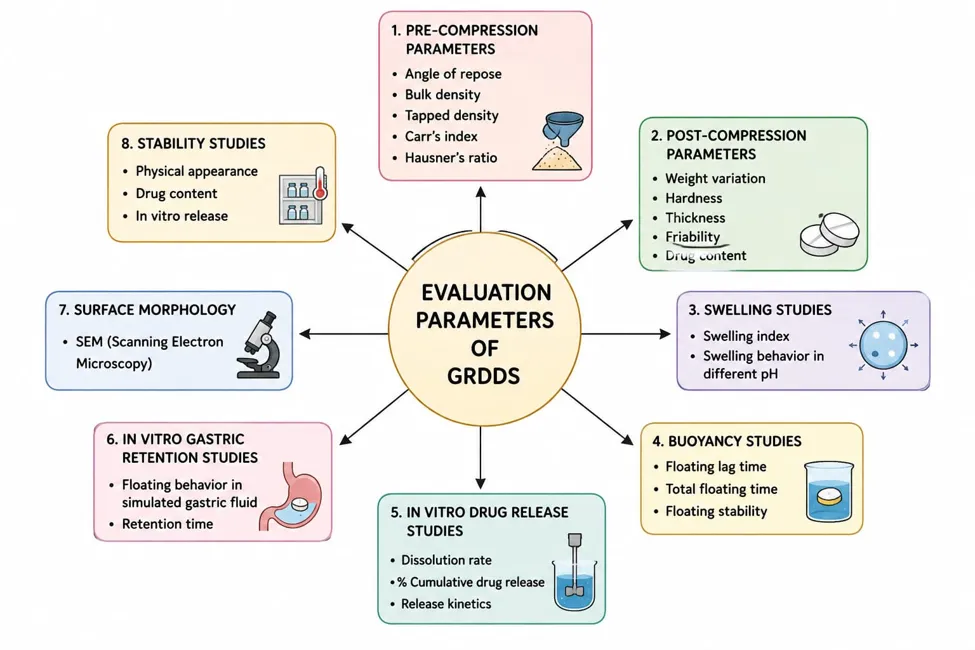
Figure 5: Evaluation Parameters of GRDDS
9. Evaluation Parameters Of Grdds
Evaluation of gastroretentive systems generally includes pharmaceutical quality testing, mechanism-specific in-vitro characterization, drug-release analysis, stability assessment, and in-vivo confirmation of gastric residence. The exact test battery should be selected according to the design of the dosage form—for example, a floating tablet requires detailed buoyancy testing, whereas an expandable system requires emphasis on dimensional expansion and mechanical integrity. [67]
9.1 Preformulation and Compatibility Studies
Drug–excipient compatibility: Compatibility studies are performed to identify potential physicochemical interactions between the active pharmaceutical ingredient and formulation components. Differential scanning calorimetry (DSC), Fourier-transform infrared spectroscopy (FTIR), and related analytical techniques may be used during formulation development. Compatibility is particularly important when polymers, gas-generating agents, plasticizers, or other functional excipients are used in relatively high concentrations. [68]
Particle size and powder properties: For powders or granules used in compressed GRDDS, particle-size distribution, bulk density, tapped density, angle of repose, Carr’s index and Hausner ratio may be assessed. These parameters influence flow, packing, compression behavior and ultimately the uniformity and mechanical properties of the dosage form. [69]
Moisture and solid-state characterization: Moisture content and solid-state properties can affect polymer hydration, tablet integrity, drug stability and release behavior. Such characterization is particularly relevant for hydrophilic matrices and formulations in which controlled swelling is central to gastroretention. [70]
9.2 General Pharmaceutical Evaluation of Solid GRDDS
· Appearance – The dosage form is examined for uniformity of shape, surface characteristics, colour and visible defects. Cracks, capping, lamination or surface damage can alter mechanical integrity and may influence buoyancy, swelling and drug release. [71]
· Weight variation – Individual units are weighed to determine whether the manufacturing process produces consistent dosage-form mass. Consistent weight supports dose uniformity but should be interpreted together with assay and content-uniformity data. [72]
· Hardness/crushing strength – Mechanical strength is measured to determine whether the dosage form can withstand handling and gastrointestinal mechanical stresses without premature fragmentation. Excessively weak tablets may lose their intended retention mechanism, whereas excessive compaction can alter hydration and drug-release behavior. [73]
· Friability – Friability provides an indication of resistance to mechanical abrasion. Low friability is desirable because excessive erosion or chipping can change tablet mass, surface area and effective density, thereby affecting both release and buoyancy. [74]
· Drug content and content uniformity – Assay and content-uniformity testing confirm that the intended amount of active ingredient is present and distributed consistently among individual dosage units. These are fundamental quality attributes before specialized gastroretentive performance is interpreted. [75]
· Thickness and dimensions – Tablet thickness, diameter and other geometric parameters should be monitored because dosage-form dimensions can affect buoyancy, swelling, mechanical resistance and gastric transit. [75,77]
9.3 Evaluation of Floating GRDDS
· Floating lag time (FLT) – Floating lag time is the interval between immersion of the dosage form in the test medium and attainment of stable buoyancy. A short and reproducible lag time is generally desirable when the formulation is intended to begin floating rapidly after administration. FLT is influenced by density, porosity, polymer hydration, gas generation and tablet geometry.
· Total floating time (TFT) – Total floating time represents the duration for which the formulation remains buoyant without losing its functional integrity. The target duration should correspond to the intended drug-release period rather than being selected as an isolated numerical value.
· Floating strength/force – Floating force or buoyancy-force measurements provide more information than simple visual observation. They can help characterize the ability of a dosage form to resist submersion and maintain buoyancy under different experimental conditions.
· Density or apparent density – The density of a floating system is a key determinant of its ability to remain buoyant. However, density should not be interpreted independently because polymer hydration, gas entrapment, surface characteristics and the surrounding gastric environment also influence floating behavior.
· Effect of pH and physiological stress – Because gastric conditions are not constant, floating performance may be examined under different pH conditions and, when possible, under physiologically relevant stress. Such testing can reveal changes in floating force, hydration and drug release that may not be apparent in a simple static medium. [76]
9.4 Evaluation of Swelling, Expandable and Unfoldable Systems
· Swelling index/water uptake – The increase in mass after exposure to simulated gastric medium can be used to quantify water uptake. Swelling behavior is commonly followed at predetermined time points and reported as a percentage increase relative to the initial mass. [77]
· Dimensional expansion – Changes in diameter, thickness, length or volume are recorded to determine whether the dosage form reaches and maintains the intended dimensions. For expandable systems, dimensional stability is important because insufficient expansion may permit premature gastric emptying. [78]
· Mechanical strength after hydration – An expandable or swellable system must retain adequate mechanical strength after hydration so that gastric motility does not cause premature fragmentation. Therefore, swelling should be evaluated together with mechanical integrity rather than as an isolated parameter. [79,80]
· Erosion – Mass loss during hydration can be monitored to distinguish swelling from simultaneous polymer erosion. Erosion may contribute to drug release and may also reduce the ability of the system to remain gastroretentive for the desired period. [81]
9.5 Evaluation of Mucoadhesive GRDDS
Mucoadhesive strength – The ability of a formulation to interact with gastric mucus can be investigated by measuring detachment force, work of adhesion or related parameters using appropriate ex-vivo or in-vitro models. The objective is to determine whether the formulation can establish sufficient adhesive interaction without compromising safety or drug release. [82]
Residence/adhesion time – The duration for which the formulation remains associated with a mucosal surface can provide additional information about the functional performance of a bioadhesive system. Because mucus is continuously renewed and gastrointestinal motility is dynamic, laboratory adhesion time should not automatically be interpreted as equivalent to in-vivo gastric residence. [83]
Surface and polymer characteristics – Polymer type, molecular weight, hydration, charge and concentration can influence mucoadhesion. Therefore, formulation optimization should consider adhesion together with swelling, mechanical properties and drug-release characteristics. [82,83]
9.6 In-vitro Drug Release and Release-Kinetic Analysis
In-vitro dissolution/release testing is a central evaluation step because gastroretention is useful only when the formulation provides the desired release profile. Dissolution media, agitation, temperature, sampling intervals and apparatus should be selected with consideration of the formulation mechanism and, where feasible, physiological relevance. [84]
Release data may be fitted to mathematical models such as zero-order, first-order, Higuchi and Korsmeyer–Peppas models to explore the apparent mechanism of drug liberation. These models are useful for interpretation, but model fitting should not be treated as direct proof of a single molecular mechanism; polymer relaxation, diffusion, swelling and erosion may occur simultaneously. [84,85]
For advanced GRDDS, dissolution testing may be combined with assessment of floating or swelling behavior so that drug release can be interpreted in relation to the physical state of the dosage form. Such combined evaluation can identify formulations in which rapid erosion, delayed hydration or inadequate buoyancy compromises the intended sustained-release profile. [84,85]
9.7 In-vivo Evaluation of Gastric Retention
· Radiographic/X-ray imaging – Radiopaque markers or materials such as barium-containing components can permit visualization of the dosage form by X-ray imaging. This approach can provide direct evidence of the location and approximate gastric residence of the formulation, although radiation exposure and two-dimensional imaging are important limitations. [86,87]
· Gamma scintigraphy – Gamma scintigraphy is a well-established technique for assessing gastrointestinal transit and gastric residence when an appropriate radiolabel is incorporated. Serial imaging can provide quantitative information on the time-dependent location of the dosage form, but specialized facilities, radiotracers and ethical considerations are required. [86,87]
· Endoscopy/gastroscopy – Endoscopic observation can provide direct visualization of a dosage form and its interaction with the gastric environment. Its invasive nature, need for trained personnel and limited suitability for repeated measurements restrict its routine use. [86]
· Ultrasonography – Ultrasound provides a non-ionizing method for investigating gastrointestinal contents and, in selected situations, the position of a dosage form. Its performance can be affected by gas, body habitus and operator expertise. [87]
· Magnetic tracking/biosusceptometry – Magnetic materials incorporated into a dosage form can be monitored using specialized magnetic detection systems. Recent work demonstrates that such approaches can provide real-time information about gastric residence under different physiological conditions, although equipment availability and technical complexity remain limitations. [86]
9.8 Pharmacokinetic and Bioavailability Evaluation
When the scientific objective of a GRDDS is enhancement of systemic exposure, pharmacokinetic studies can complement gastric-retention measurements. Parameters such as Cmax, Tmax, AUC and elimination characteristics may be compared with an appropriate conventional or marketed reference formulation.
Human or animal studies may also be designed to compare gastric residence under fed and fasted conditions because food can substantially alter gastric motility and transit. Such comparisons are important when the formulation is intended for routine clinical use across different dosing conditions. [85,87]
9.9 Stability Studies
Stability testing is necessary to determine whether the formulation maintains its critical quality attributes during storage. Appearance, assay, drug content, hardness, friability, floating behavior, swelling characteristics and drug-release profile may be monitored at appropriate intervals. For gastroretentive formulations, stability assessment should specifically verify that aging does not alter the mechanism responsible for gastric retention. [88]
9.10 Critical Quality Attributes for GRDDS [89,90]
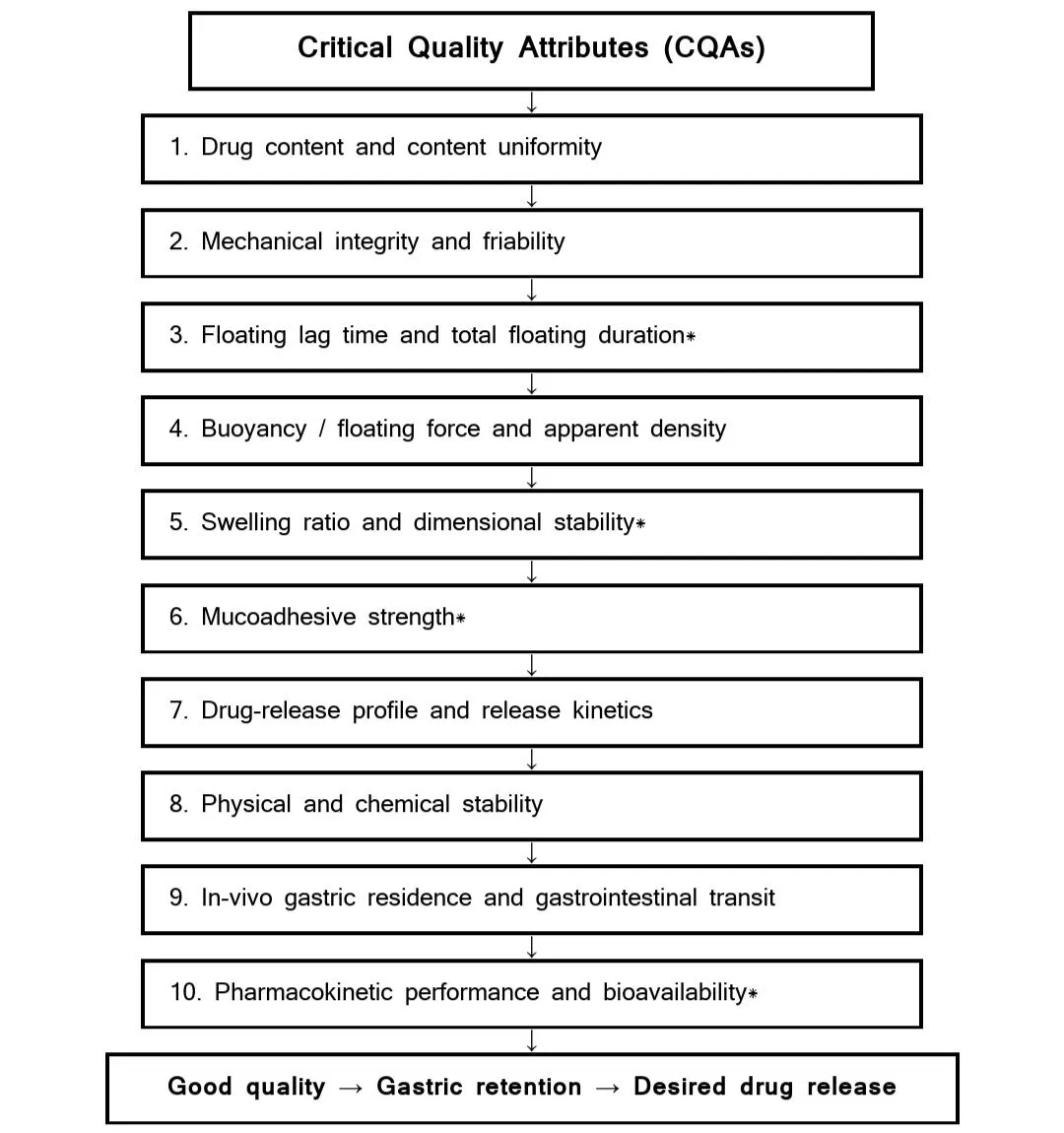
Figure 6: Quality Control Attributes
ADVANTAGES OF GASTRORETENTIVE DRUG DELIVERY SYSTEMS -
Gastroretentive drug delivery systems provide numerous benefits compared to traditional oral dosage forms by extending the duration of the dosage form's presence in the stomach and upper gastrointestinal tract.[91] The major advantages include:
1. Enhanced oral bioavailability: Prolonged stomach residence offers additional time for drug disintegration and absorption, which is especially beneficial for pharmaceuticals having a small absorption window or preferential absorption in the upper gastrointestinal tract.[71]
2.Improved drug absorption: GRDDS can keep the dose form close to the primary site of absorption for an extended period of time, resulting in increased and consistent drug uptake.[43]
3. Prolonged gastric residence time: Floating, expandable, mucoadhesive, high-density, raft-forming, and other gastroretentive strategies can delay gastric emptying and keep the formulation in the stomach for an extended period of time.[92]
4. Controlled and sustained drug release: GRDDS can provide controlled drug release over time, allowing drug concentrations to remain within the therapeutic range.[93]
5. Reduced dose frequency: Prolonged drug release and increased absorption can reduce the number of administrations, potentially enhancing patient convenience and adherence to therapy [.90]
6. Improved therapeutic efficacy: Increased absorption, longer drug exposure, and more stable drug concentrations can all help to enhance therapeutic outcomes, especially for medicines with short half-lives or variable .[94]
7. Effective medication delivery with a small absorption window: GRDDS are especially useful for medications absorbed primarily in the stomach or proximal small intestine, where conventional dosage forms can be rapidly moved beyond the ideal absorption site [95][96][97]
8. Improved performance of medications with pH-dependent solubility or stability: Gastric retention can be beneficial for drugs that are more soluble in acidic environments or become unstable at higher pH levels in the intestine.[98]
9. Potential for site-specific gastric therapy: Prolonged retention allows for localised medicine administration within the stomach, which can help control gastric diseases and infections like Helicobacter pylori.[99]
10. Potential reduction in drug waste: Prolonged retention and controlled release can reduce the dosage form's premature transit through the gastrointestinal tract, allowing a greater proportion of the integrated drug to be released at the desired spot. [100]
11. Potentially improved patient compliance: Reduced dosing frequency, extended therapeutic efficacy, and better treatment convenience may improve patient adherence when compared to commonly used traditional dosage forms. [101]
MARKETED GASTRORETENTIVE DRUG DELIVERY PRODUCTS
Table 2: Marketed Gastroretentive Drug Delivery Products [90][101][103]
| Product | Active Drug | Gastroretentive Technology | Mechanism of gastroretention | Manufacturer / Company |
|---|---|---|---|---|
| Glumetza® | Metformin hydrochloride | AcuForm™ polymer-based swelling system | Hydrophilic polymers absorb gastrointestinal fluid and undergo substantial swelling, increasing the dosage-form dimensions and promoting prolonged gastric residence while allowing extended drug release. | Depomed, Inc. (original developer) |
| Madopar® HBS | Levodopa + Benserazide | Hydrodynamically Balanced System (HBS); floating controlled-release capsule | The hydrated polymeric matrix forms a low-density, gel-like system that remains buoyant in gastric fluid and gradually releases the drug by diffusion and matrix erosion. | Roche |
| Valrelease® | Diazepam | Hydrodynamically Balanced System (HBS); floating controlled-release capsule | Hydration of the polymeric matrix produces a low-density dosage form that remains in the stomach and provides prolonged drug release. | Roche |
| Liquid Gaviscon® | Sodium alginate + sodium bicarbonate + calcium carbonat | Raft-forming system | In the acidic gastric environment, alginate forms a viscous gel raft, while carbon dioxide generated from bicarbonate becomes entrapped within the raft, producing buoyancy and allowing it to remain on the gastric contents. | Reckitt (formerly Reckitt Benckiser Healthcare) |
REFERENCES

M. R. Kulkarni, M. B. Gaikwad, S. D. Avhad, M. B. Chavan, N. V. Jagtap, Gastroretentive Drug Delivery Systems: Emerging Formulation Strategies for Enhanced Oral Drug Bioavailability, Int. J. of Pharm. Sci., 2026, Vol 4, Issue 11, 5635-5657. https://doi.org/10.5281/zenodo.24582372
 10.5281/zenodo.24582372