

We use cookies to ensure our website works properly and to personalise your experience. Cookies policy
1,3,5,6 K. B. Institute of Pharmaceutical Education and Research, Gandhinagar, Gujarat, India
2 Manjushree Institute of Pharmacy, Piplaj, Gandhinagar, Gujarat, India
4 Anand Pharmacy College, Anand, Gujarat, India.
Semaglutide and liraglutide are long-acting agents of the native peptide hormone glucagon-like peptide-1 receptor agonist (GLP-1 RA) class, designed with their structure to optimize receptor pharmacology, circulating half-life, and dose flexibility. While originally established for the management of type 2 diabetes and obesity, both agents now show emerging clinically relevant effects beyond those targeted with their initial indications. This review synthesizes currently available pharmacology and molecular profiling of semaglutide and liraglutide, highlighting analogue-specific structural modifications, receptor signalling, albumin binding, and dosing profiles, and reviewing emerging evidence for extra-glycemic indications. Mechanistic, translational, and clinical evidence are reviewed across a spectrum of conditions, including cardiovascular disease, renal disease, obesity, metabolic dysfunction-associated steatohepatitis, and neurodegenerative disease, with an emphasis on mechanisms of positive reward to the substance. Although the evidence base is limited by significant heterogeneity among study populations, the challenge of differentiating class from molecule-specific effects, and the nuance of indication-specific mechanisms, as well as the safety of drug provision for an off-label indication with limited long-term evidence, overall, semaglutide and liraglutide provide an example of a rapidly growing and evolving therapeutic platform whose potential indications appear to extend well beyond the traditional boundaries of metabolic disease, although the barriers of long-term data and indication-specific mechanisms remain.
1.1 GLP-1 receptor agonists: from glucose homeostasis to pleiotropic therapy
Glucagon-like peptide-1 receptor agonists (GLP-1RAs) have progressed from a niche incretin-based antidiabetic approach to a fundamental modality in modern cardiometabolic pharmacology. What emerged from this development of liraglutide and semaglutide was merely an elegant pharmacological concept: native GLP-1 is a biologically powerful target but clinically troublesome due to ceaseless dipeptidyl peptidase-4 degradation and a plasma half-life of a few minutes. Artistically designed by rational peptide synthesis, long-acting agonists emerged with capacity for receptor activation and dramatically increased systemic stability [1]. This pharmacological insight uncovered the notion that long-term GLP-1 receptor stimulation impacted not only pancreatic islets but also appetite and body weight regulation, vasculature, cardiac tissue stress, renal filtration, immune and inflammatory control, and a handful of neural pathways [1, 4].
As more outcome-focused trials shifted away from the previous glucose-focused development paradigm, the clinical significance of these effects became more evident for obese, insulin-resistant PCOS patients. Advantages in body weight, blood pressure, albuminuria, and inflammation far surpassed what could be achieved by lowering blood glucose alone, especially among those with obesity and established cardiovascular disease [4–7]. Equally important, the game‘s changed: semaglutide and liraglutide can now be considered not only as antihyperglycemics but also as therapies that modify the course of complex metabolic and vascular disease systems.
1.2 Semaglutide and liraglutide: approved indications and clinical positioning
Liraglutide is indicated as a once-daily subcutaneous (s.c.) GLP-1RA for glycemic management in type 2 diabetes (T2D) and for reduction of major adverse cardiovascular events (MACE) in adults with T2D and established cardiovascular disease [3]. Higher-dose liraglutide is indicated for obesity management, although this indication is associated with a different commercial formulation. Semaglutide is indicated in both subcutaneous weekly and oral daily formulations for T2D, with the weekly formulation also achieving an indication for obesity management, reduction of cardiovascular risk in the setting of obesity without diabetes, and chronic kidney disease (CKD) (pending a forthcoming regulatory announcement).
Today, semaglutide is widely considered the more powerful agent for weight reduction, with liraglutide therapeutically relevant for cardiovascular reasons based on the earlier level of evidence, longer post-marketing experience, and greater historical use in diabetes and obesity [5-10]. Nonetheless, potency is not the only factor affecting the treatment paradigm: variations in half-life, titration rate, gastrointestinal tolerability, number of versions available, trial population, and evidence base for both kidney and liver considerations all further define how the two GLP-1RAs should be viewed in the context of their metabolic uses.
1.3 Discovery of extra-glycemic effects: a paradigm shift
The concept of additional glucose-dependent effects did not emerge with a single mechanistic revelation; rather, it was underpinned by a confluence of findings from laboratory and clinical studies. Initial clues were gleaned from observed weight loss, small blood pressure improvements, albuminuria reduction, and changes to vascular markers, followed by large CV outcome studies assuring these were not artifacts. The LEADER trial established that the type 2 diabetes medication liraglutide was superior to placebo with respect to the incidence of major adverse CV events, and results from the SUSTAIN 6 trial indicated similar benefit for semaglutide [5, 6]. More recent data from the SELECT and FLOW trials showed semaglutide to be beneficial also in patients with obesity alone or diabetic chronic kidney disease [10, 16]; these findings highlighted that clinically relevant benefits are not restricted to the narrow definition set by HbA1c modification. Simultaneously, preclinical investigations proliferated that elucidated the roles of GLP-1 receptor signalling in neuroinflammation, mitochondrial resilience, endothelial tone, and mesolimbic reward regulation. These results sparked investigations into Alzheimer’s disease, Parkinson’s disease, alcohol use disorder, smoking behaviour, steatohepatitis, and obesity-related heart failure. This body of evidence has shifted the focus from whether semaglutide and liraglutide have additional effects beyond lowering blood sugar to comparing those effects that are clinically useful, scientifically valid, and long-lasting enough to justify expanding their use to new conditions
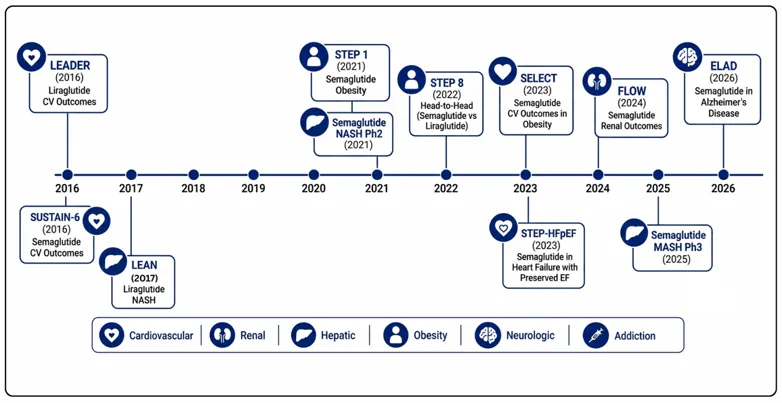
Figure 1. Timeline of Landmark Outcome Trials Expanding Semaglutide and Liraglutide Indications
1.4 Scope and objectives of the review
This review will focus on semaglutide and liraglutide as emerging multi-system therapeutics with a predominance of evidence pertaining to cardiometabolic, neurodegenerative, renal, hepatic, inflammatory, and addictive processes. While molecule-focused evidence will be emphasized, class-level data from the GLP-1RA list will be used if the demonstration of the mechanistic effect or clinical signal is instructively informative and to contextualize pharmacological and clinical differences where relevant. Differences between semaglutide and liraglutide will be emphasized when highlighting the nature of the evidence base to ensure a translational path and to speculate on where a therapeutically relevant body of evidence for expanded indication use may emerge from the available knowledge base.
2. Pharmacology of Semaglutide and Liraglutide
2.1 Structural modifications and receptor binding kinetics
Both liraglutide and semaglutide are based on native human GLP-1 protein but employ different structural approaches to prolong clinical activity: Liraglutide incorporates a C16 palmitoyl fatty acid conjugated to Lys26 via a spacer Glu that also encompasses the Lys34Arg amino acid substitution pathway, which allows selective acylation [1]. The apoagonist profile and affinity for albumin generated by the conjugate allow for delayed absorption, decreased renal filtration, and partial protection against enzymatic cleavage [1]. Semaglutide takes a more complex approach: substitution of Ala8 by aminoisobutyric acid hinders DPP-4 cleavage, while a C18 fatty di-acid conjugate attached to Lys26 also via a linker further increases affinity for albumin [1]. In the real world, these differences also have practical pharmacologic implications. Liraglutide is able to provide once-daily dosing with sustained receptor activation over a twenty-four-hour window, while semaglutide could give once-weekly dosing with an even longer elimination phase of receptor activation [1-4]. While both medications are high-potency GLP-1 receptor agonists, it is looking as though this prolonged exposure with semaglutide has a more profound effect on body weight, and, in some circumstances, there is greater extra-glycemic benefit. However, the prolonged exposure does mean that dose escalation may be more difficult and the adverse effects may continue for longer after stopping treatment.
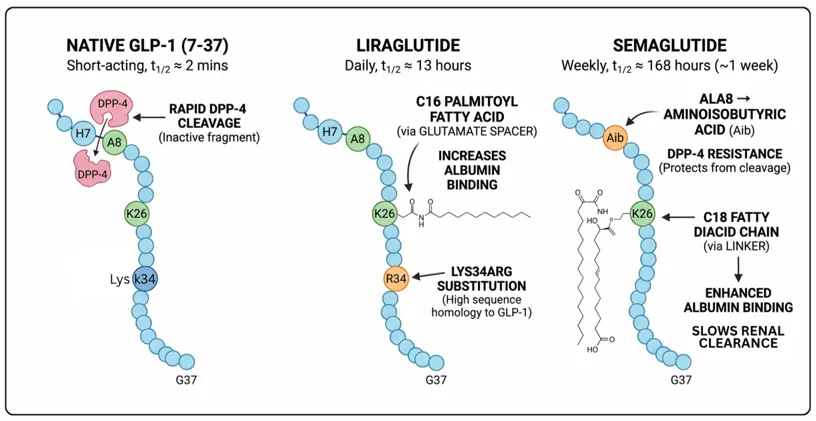
Figure 2. Structural Modifications Enabling Prolonged GLP-1 Receptor Agonism
2.2 Pharmacokinetic and pharmacodynamic comparison
Based on regulatory pharmacology data, semaglutide has a duration of elimination of approximately 1 week with once-weekly subcutaneous injections and is metabolized through peptide cleavage or beta-oxidation of the fatty-acid side chain, with metabolites being excreted in faeces and urine [2]. On the other hand, liraglutide is cleared from the body in about 13 hours after being injected under the skin once a day, without needing extra injections, and it is broken down in a way similar to large proteins, with only a small amount of its by-products found in urine and faeces. This pharmacology may explain why semaglutide has advantages over liraglutide in providing long-term obesity management by suppressing appetite, with less frequent injections potentially leading to high compliance.
Pharmacodynamically, both agents enhance glucose-dependent insulin secretion, inhibit glucagon secretion, delay gastric emptying (to various extents), and decrease energy intake [4]. However, the clinical effects of these two drugs are not identical: directly comparing STEP 8 evidence (the only phase 3 GLP-1 receptor agonist comparison with both arms to the placebo group) showed that semaglutide 2.4 mg results in markedly more weight loss than liraglutide 3.0 mg, despite similar category distributions of gastrointestinal adverse events between the two arms [9]. Not this difference may be the result of varying levels of cumulative receptor occupancy and central signals of satiety, rather than a true qualitative difference in mechanism. Nonetheless, potency should not be generalized as universal superiority because evidence of indication-specific benefits is, after all, so variable.
Table 1. Comparative Pharmacological Profile of Semaglutide and Liraglutide
|
Feature |
Semaglutide |
Liraglutide |
Clinical Relevance |
Reference |
|
Backbone engineering |
Ala8 replaced by aminoisobutyric acid; Lys26 acylated with C18 fatty di-acid via linker |
Lys26 acylated with C16 palmitate via glutamate spacer; Lys34Arg substitution |
Both prolong exposure; semaglutide adds stronger DPP-4 resistance and more prolonged systemic persistence |
[1,4] |
|
Albumin binding |
High reversible albumin binding |
Reversible albumin binding |
Reduces renal clearance and supports sustained exposure |
[1–4] |
|
Elimination half-life |
~1 week |
~13 hours |
Explains once-weekly vs. once-daily dosing and duration of adverse effects after discontinuation |
[2,3] |
|
Usual route and frequency |
Subcutaneous once weekly; oral formulation also available for diabetes |
Subcutaneous once daily |
Injection burden and adherence differ substantially across agents |
[2–4] |
|
Metabolism/ elimination pathway |
Peptide cleavage and beta-oxidation of fatty-acid side chain; excreted in faeces and urine |
Degraded similarly to a large endogenous protein; low measurable urinary/faecal recovery of metabolites |
Influences dosing in renal/hepatic impairment considerations |
[2,3] |
|
Primary receptor signalling |
Gs-coupled adenylate cyclase/cAMP; PKA and Epac downstream |
Gs-coupled adenylate cyclase/cAMP; PKA and Epac downstream |
Shared mechanistic basis for glycemic and extra-glycemic effects |
[4] |
2.3 GLP-1 receptor signalling pathways
The GLP-1 receptor is a class B G protein–coupled receptor that mediates signalling primarily by Gs-coupled adenylate cyclase activation and cAMP generation, with common downstream signalling pathways defined by protein kinase A and exchange protein directly activated by cAMP, and eventual regulation of insulin secretion, ion channel activity, and cell survival [4]. In addition to these classical actions on the endocrine system, the study of the GLP-1 receptor reveals several canonical pathways on which the receptor acts at the level of phosphoinositide 3-kinase/Akt, AMP-activated protein kinase, endothelial nitric oxide synthase, and transcriptional responses subsequent to oxidative stress, autophagy, mitochondrial activity, and inflammatory signalling. [4]
This range of signalling is the foundation for the extra-glycemic effects of semaglutide and liraglutide. In the vasculature, GLP-1 receptor stimulation may promote nitric oxide bioavailability, thereby reducing endothelial dysfunction and activating anti-microbial and anti-inflammatory signalling cascades; in the kidney, it may prevent maladaptive glomerulo-tubular feedback; in the brain, it may increase neuronal resilience and synaptic plasticity. None of these mechanisms alone would inevitably lead to clinical success in every disease state, but they do provide a biologically plausible rationale for how chronic GLP-1 receptor stimulation might result in multisystem benefits beyond just improving glycemia.
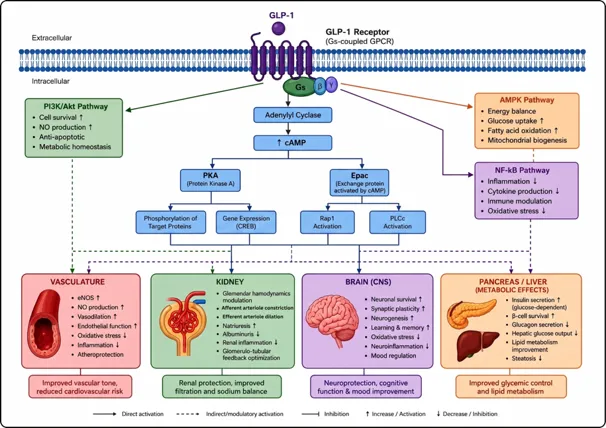
Figure 3. GLP-1 Receptor Downstream Signaling Cascades Across Organ Systems
3. Cardiovascular Protective Effects
3.1 Evidence from cardiovascular outcome trials
Cardiovascular outcomes trials first demonstrated a high level of evidence that semaglutide and liraglutide have clinically important effects on outcomes beyond the lowering of serum glucose levels. In the LEADER trial, 9,340 high-risk type 2 diabetic patients were randomized to liraglutide or placebo, and the primary composite end point of cardiovascular death, nonfatal myocardial infarction (MI), or nonfatal stroke was seen in 13.0% and 14.9% of patients, respectively, with an HR of 0.87 (risk reduction (RR) in cardiovascular death and all-cause mortality: 15% and 13%) [5]. In the SUSTAIN 6 trial, semaglutide was seen to reduce the same primary composite end point from 8.9% to 6.6% (HR 0.74, RR in nonfatal stroke: 39%) [6].
Following a meta-analytical pooling, these findings were confirmed to be not merely ‘trial artefact.' In eight larger cardiovascular prognostic end-point studies of GLP-1RAs in more than 60,000 patients, the effects of these drugs were a 14% reduction in major adverse cardiovascular (CV) events, a 12% reduction in all-cause mortality, a 11% reduction in hospitalization for heart failure, and a 21% reduction in combined kidney endpoints [7]. While this class-wide evidence is definitely orienting, the evidence on specific GLP-1 molecules is, at present, admittedly better for liraglutide and semaglutide than for some other drugs in this modality, and so they represent particularly significant benchmarks for non-glycaemic drug therapy generalisation.
Most conclusive beyond the first foray into diabetes was SELECT, an events-driven superiority trial of semaglutide 2.4 mg in 17,604 adults with overweight/obesity, established cardiovascular disease, and no diabetes, which demonstrated a significant reduction in the primary cardiovascular endpoint from 8.0% to 6.5% (HR 0.80), thereby definitively showing cardiovascular benefit when the designation is not explicitly one of hyperglycaemia [10]. None better exemplifies how GLP-1RA fundamentally shifted the conceptual paradigm in this arena and why semaglutide represents more than a big pharma solution to obesity.
3.2 Mechanisms: endothelial function, atherosclerosis, and vascular inflammation
As none of the aforementioned mechanisms are exclusive, each of these mechanisms may participate, at least in part, in cardioprotection. Weight loss, reduced blood pressure, decreased postprandial lipemia, and enhanced insulin sensitivity all decrease vascular risk, but these changes may not be sufficient to account for the timing and magnitude of outcome separation in some experimental literature [18, 19]. An expanding mechanistic literature recognizes direct or indirect vascular effects on endothelial nitric oxide bioavailability, oxidative stress, leukocyte recruitment and activation, and inflammation [18, 19].
Liraglutide attenuated angiotensin II-induced endothelial dysfunction, vascular inflammation, and oxidative stress through endothelial GLP-1 receptor activation, suppressing inflammatory cell infiltration and improving nitric oxide signalling [18]. Liraglutide prevented tumour necrosis factor-alpha-induced oxidative stress in cultured endothelial cells via suppression of NADPH oxidase and NF-kappa B pathways and induction of antioxidant enzyme expression [19]. Collectively, this data points to a biologically plausible anti-atherosclerotic program by reducing oxidative injury, decreasing endothelial cell activation, and restoring a more normal vascular homeostatic state.
However, we should be cautious in our mechanistic interpretations. Several cardiovascular tissues with expression of the GLP-1 receptor are controversial, and many direct vascular effects may be indirect via changes in adiposity, systemic inflammation, neurohumoral tone, or renal handling of sodium. Therefore, cardiovascular benefit should only be assumed to be the end result of integrated systems pharmacology rather than a single receptor effect on vasculature.
Table 2. Comparative Clinical Outcome Evidence for Semaglutide and Liraglutide
|
Outcome Domain |
Semaglutide |
Liraglutide |
Clinical Relevance |
Reference |
|
Weight-loss potency (head-to-head) |
15.8% mean weight loss (STEP 8) |
6.4% mean weight loss (STEP 8) |
Semaglutide currently has the stronger obesity efficacy profile |
[8,9] |
|
Cardiovascular outcomes (T2D population) |
HR 0.74 for primary MACE composite (SUSTAIN-6) |
HR 0.87 for primary MACE composite (LEADER) |
Both cardioprotective; semaglutide shows a numerically larger relative reduction |
[5,6] |
|
Cardiovascular outcomes (obesity without diabetes) |
Primary MACE reduced 8.0%→6.5%, HR 0.80 (SELECT) |
Not studied in this population |
Semaglutide uniquely extends CV benefit beyond a diabetes diagnosis |
[10] |
|
Renal outcomes |
Dedicated kidney-outcome RCT; 24% reduction in composite kidney/ CV death (FLOW) |
Renal benefit inferred from LEADER secondary/ albuminuria analyses only |
Semaglutide has the more direct hard-outcome kidney evidence |
[15–17] |
|
Hepatic outcomes (MASH) |
Steatohepatitis resolution 62.9% vs. 34.3% placebo, F2–F3 fibrosis (Phase 3) |
Steatohepatitis resolution 39% vs. 9% placebo (LEAN, Phase 2) |
Semaglutide has more advanced (Phase 3, biopsy-defined fibrosis stage) hepatic evidence |
[28,29] |
|
Heart failure (HFpEF, obesity-related) |
Improved KCCQ-CSS, 6-minute walk distance (STEP-HFpEF) |
Not established in this phenotype |
Benefit appears specific to obesity-driven HFpEF biology |
[12] |
|
Heart failure (HFrEF, advanced) |
Not established in this phenotype |
No benefit on clinical stability (FIGHT); no LV function improvement, increased HR/cardiac AEs (LIVE) |
Caution against extrapolating benefit to reduced-ejection-fraction heart failure |
[13,14] |
3.3 Effects on heart failure and blood pressure regulation
Heart failure is a prototypical example of GLP-1RA effects being context-dependent. In obesity-related HFpEF, semaglutide has delivered substantial clinical benefit. In STEP-HFpEF, 529 patients with obesity and HFpEF experienced greater improvements in the Kansas City Cardiomyopathy Questionnaire clinical summary score, longer 6-minute walk distance, and better hierarchical composite outcomes with semaglutide 2.4 mg compared to placebo [12], most likely related to effects on adiposity, systemic inflammation, filling pressures, and cardiorespiratory efficiency.
As far as advanced heart failure with reduced ejection fraction is concerned, when compared to insulin glargine, liraglutide has not been shown to confer convincing benefit. IN FIGHT, liraglutide failed to improve clinical stability following hospitalization in recently decompensated patients [13]. Furthermore, in LIVE, liraglutide failed to improve left ventricular systolic function but increased HR and serious cardiac adverse events [14]. findings caution against assuming that all atherosclerotic and obesity-related effects apply uniformly to atherosclerotic and obesity-related effects in different heart failure phenotypes.
Reducing blood pressure is another plausible and potentially important mediator. A systematic review and meta-analysis of semaglutide trials in people without diabetes demonstrated mean placebo-corrected reductions of 4.83 mmHg and 2.45 mmHg in systolic and diastolic blood pressure, respectively [11]. Although small on their own, these hemodynamic effects may combine with other factors to significantly contribute to reducing cardiovascular risk.
4. Neuroprotective Potential in Neurodegenerative Disease
4.1 GLP-1 receptor signalling in the central nervous system
The interest in the emerging field of GLP-1 receptor agonists for neurodegeneration stems largely from the almost complete biologic overlap between metabolic derangement and neuronal injury. Insulin resistance, problems with mitochondria, stress from harmful substances, issues with cell clean-up, and long-term brain inflammation are common problems in type 2 diabetes, Alzheimer's disease, and Parkinson's disease. GLP-1 receptor agonists have been shown to potentially affect many of these mechanisms in parallel, including macrophage activity, synaptic preservation, trophic regulation, and neuronal energetics [20].
The primary pharmacology remains complicated. Data indicate that some GLP-1 RAs have incomplete penetration of the blood-brain barrier, while others demonstrate that small but functionally appropriate central exposure is possible, possibly augmented by indirect peripheral-to-central signalling [20]. The next important question in regard to translation is not just physical penetration but whether doses in the clinically used range are capable of sustained modulation of disease-relevant neural circuits; currently preclinical evidence is far greater than unequivocal human evidence, especially for semaglutide and liraglutide in particular.
4.2 Preclinical and clinical evidence in Alzheimer’s disease
Preclinical data for liraglutide in AD models have been largely positive. In the senescence-accelerated mouse prone/8 (SAMP8) mouse model of aging accelerated by oxidative insult, chronic liraglutide improved memory performance and hippocampal CA1 neuron number, indicating neuroprotection even in a model dominated by general accelerated aging rather than classic amyloid-related pathology [22]. Broader preclinical reviews show that liraglutide decreases amyloid plaques, reduces tau-related changes, improves synaptic deficits, and reduces neuroinflammation in a number of different experimental systems [23]. These effects are compatible with known effects of GLP-1 signalling on oxidative stress, insulin signalling, and neuronal survival.
The human evidence is more subtle. The ELAD phase 2b trial randomly assigned 204 patients with mild-to-moderate Alzheimer’s disease syndrome without diabetes to liraglutide or placebo for 52 weeks. Although liraglutide did not significantly affect the primary endpoint of cerebral glucose metabolic rate, there was a promising signal for the ADAS-Exec domain, and the drug was well tolerated [21]. While the clinical results are promising, they are not significant enough to determine disease modification. The discrepancy between mechanistic plausibility and modest clinical effect may be explained by insufficient trial duration, irreversibility of pathology at the study stage, insensitivity of endpoints, or biological heterogeneity of patients.
4.3 Preclinical and clinical evidence in Parkinson’s disease
For PD, the data on direct semaglutide and liraglutide therefore still remain overwhelming in preclinical studies. Both semaglutide and liraglutide administered once weekly in a chronic MPTP mouse model ameliorated motor impairment, restored tyrosine hydroxylase level, decreased alpha-synuclein, attenuated neuroinflammation and lipoperoxidation, and upregulated glial cell line-derived neurotrophic factor expression, with semaglutide potentially more effective on several endpoints [24]. Importantly, these data associated GLP-1 receptor agonists with pathophysiological mechanisms central to PD as opposed to confounding symptomatic effects of abnormalities in glucose utilization.
Clinical translation is ongoing. The MOST-ABLE trial is a double-blind, placebo-controlled phase 2 study of oral semaglutide in 99 early idiopathic PD patients, designed to assess motor, cognitive, quality-of-life, and dopaminergic imaging outcomes [25]. To date, the preclinical and indirect evidence for semaglutide in PD exceeds the clinical evidence. Regarding neurodegeneration more generally, a 2024 review of GLP-1 class drugs stated that “clinical signals emerging at the class level in PD and AD are compelling, but semaglutide-specific evidence remains essentially prospective" [26].
4.4 Effects on neuroinflammation, synaptic plasticity, and neurogenesis
This neuroprotective attractiveness of semaglutide and liraglutide rests in pathway convergence. GLP-1 receptor stimulation has been found to activate the cAMP, Akt, and other survival pathways; enhance mitochondrial stability; decrease immune cytokine generation; and allow for preservation of synaptic proteins. In vitro, these actions have been associated with diminished microglial activity, enhanced autophagic flux, attenuated proapoptotic signalling, and increased trophic factors such as GDNF [20, 23, 24]. These mechanisms may make sense for both AD and PD, in spite of the differing neurodegenerative proteins.
Nevertheless, trial design for neurodegenerative indications is an ongoing challenge. Whether a prodromal or early symptomatic disease stage poses the best application remains uncertain; metabolically defined subgrouping and weight loss may serve as confounders of central effectiveness, especially among frail or advanced patients. Therefore, while current evidence warrants further pursuits in neurologic spheres, routine neurologic repurposing cannot be supported. Most firmly, our current understanding is that both semaglutide and liraglutide are plausible neuroprotective agents, though their benefit has yet to be proved.
5. Metabolic and Hepatic Applications Beyond Diabetes
5.1 Obesity management and weight-independent metabolic effects
Obesity remains the most advanced extra-glycemic indication for both agents and the clinical space in which semaglutide has outperformed liraglutide most clearly. In the semaglutide 2·4 mg subcutaneously daily (plus lifestyle intervention) arm of STEP 1, the estimated average weight loss at 68 weeks was 14·9% in adults with overweight or obesity without diabetes [8], while in the semaglutide 2·4 mg weekly arm of STEP 8, the average was 15·8% compared to 6·4% achieved with liraglutide in this phase 3b powered head-to-head comparison [9].
These actions are relevant far beyond the simple issues of weight. Reduction in body weight is nearly invariably associated with improvements in blood pressure, waist circumference, CRP, fasting glucose, and insulin resistance [8, 9, 11, 41]. The issue of weight independence is, however, relevant. Several of the identified benefits, the reduction in inflammatory indices and in endothelial function, seem to be proportional to levels of body adiposity, whereas other effects may simply be driven by neurohormonal or direct vascular actions of GLP-1 receptor stimulation. In simple terms, the treatment of obesity involves both achieving a physical reduction in body mass and providing a pathway for realizing other benefits.
5.2 Non-alcoholic fatty liver disease/metabolic dysfunction-associated steatotic liver disease
This change from NAFLD/NASH status to MASLD/MASH has not changed the main therapeutic dilemma: To suppress activity of steatohepatitis and halt or reverse fibrosis. In a recently completed 72-week phase 2 dose-finding trial, several doses of the subcutaneous GLP-1 analogue, semaglutide, caused dose-dependent increases in resolution of steatohepatitis from 17% with placebo to 59% at the 0.4 mg daily dose, but with no statistically significant effect on stage of fibrosis 27. It appeared that semaglutide was strongly inhibiting the necro-inflammatory activity of steatohepatitis, but it would require perhaps a longer duration of therapy (or higher doses) or concomitant therapy for a robust antifibrotic result.
Indeed, liraglutide demonstrated the same concept quite convincingly earlier in the LEAN study, where histologic resolution of definitive steatohepatitis was observed in 39% of patients on liraglutide in comparison to 9% of those on placebo, and less fibrosis progression was seen with active therapy [28]. These two trials respectively validated GLP-1 receptor agonism as a potentially effective treatment in steatohepatitis and its feasibility in patients with obesity and insulin resistance.
The 2025 phase 3 semaglutide trial in biopsy-proven MASH with stage F2-F3 fibrosis has advanced the field greatly. At 72 weeks, resolution of steatohepatitis without fibrosis progression occurred in 62.9% of semaglutide 2.4 mg patients versus 34.3% of placebo, while fibrosis improvement without steatohepatitis progression occurred in 36.8% versus 22.4%, respectively [29]. Such data have profound translational implications given that the study paves the path of semaglutide from metabolic hepatology into outcome-measured histology-based liver disease modification. However, the extent to which weight loss contributes relative to hepatic direct effects has not yet been determined, and findings in more advanced cirrhosis are less robust.
5.3 Polycystic ovary syndrome and reproductive endocrinology
In the context of PCOS, the attractiveness of semaglutide and liraglutide lies in their potential to simultaneously combat excess weight, IR, hyperandrogenism, and potentially even menstrual irregularities. Although substantial evidence is lacking, what is available looks hopeful. In a randomized placebo-controlled phase 3 study, 3.0 mg of liraglutide resulted in a body weight reduction of 5.7% compared to 1.4% in the placebo group with a significant remission of free androgen index in women with obesity and PCOS [32].
Semaglutide data are relatively more early-stage but still clinically interesting. In a pilot study of 27 obese women with PCOS (of whom 12 had failed lifestyle interventions), weekly semaglutide 0.5 mg achieved a mean weight loss of 7.6 kg at 3 months and 11.5 kg at 6 months, with improved basal insulin and HOMA-IR and recoupled menstrual cycles in many responders [30]. A later 2-year follow-up (not controlled for dose titration but suggesting the maintenance of some of the effects after cessation of semaglutide when metformin continued) was also encouraging [31].
A 2024 meta-analysis of randomized trials reported that GLP-1RAs also lowered waist circumference, BMI, triglycerides, and total testosterone in women with PCOS living with obesity, though evidence for improving total cholesterol or HOMA-IR was not definitive [33]. Thus, the current stance is supportive but not yet a change in clinical practice: Semaglutide and liraglutide are reasonable options in obese, insulin-resistant PCOS people, but reproductive outcomes (ovulation, fertility, pregnancies, long-term endocrine safety) are still underpowered in the existing trials.
6. Renal Protective Effects
6.1 Evidence from renal outcome sub-analyses of major trials
Renal benefits were initially discovered through secondary analyses of cardiovascular outcome trials. In LEADER, the composite renal outcome was decreased with liraglutide, as compared to placebo, mainly through decreased new-onset persistent macro-albuminuria [15]. In a pooled analysis of LEADER and SUSTAIN 6, the use of semaglutide or liraglutide decreased albuminuria over 2 years by 24%, decreased time to EPP (Estimated Glomerular Filtration Rate (GFR) Progression Phase) decline, and decreased risk of persistent 40% and 50% EPP decline, respectively, with suggestions of larger effects among those with pre-existing CKD [17].
The most robust kidney-specific evidence now comes from the FLOW trial. Among 3,533 people with T2D and CKD, semaglutide significantly reduced the primary combination of major kidney disease events or cardiovascular death by 24%, 95% CI 0.62–0.93, reduced the measure of kidney-specific composite outcomes, and reduced cardiovascular death and major CV events as well [16]. The trial changed the evidentiary landscape as it demonstrated semaglutide is not simply albuminuria-active but able to improve definitive renal outcomes in a specific kidney trial.
At the class level, new meta-analysis of individual patient data from GLP-1RA cardiovascular outcome trials showed a 21% reduction in composite kidney outcomes and a signal for slower deterioration in renal function [7]. Such effects may be of clinical significance, as they add to the hemodynamic and heart failure benefits of sodium-glucose cotransporter-2 inhibitors through some distinct pathways.
6.2 Mechanisms of nephroprotection
The nephroprotective effects of both these agents are thought to be multifactorial. Indirect effects include weight loss, slight reductions in blood pressure, improved glycemic variability, and reduced systemic inflammation. Further effects include improved endothelial function, natriuresis, reduced glomerular hyperfiltration stress, and direct mitigation of oxidative and inflammatory injury [7, 15-17].
An additional note is that mediation analyses lean towards the fact that the renal benefit cannot be entirely attributed to HbA1c and systolic blood pressure changes alone, again strengthening the argument that kidney protection results from more systemic effects. Other than these findings, however, the evidence is more mature for semaglutide compared with liraglutide, as the former now has dedicated hard-outcome data. The take-home message for further expanded clinical use is that renal protection should not be viewed through the lens of a class effect based on a discrete assumption with the potential for absolute equivalence but rather as a continuum of graded evidence.
7. Emerging Role in Addiction and Reward-Related Disorders
7.1 GLP-1 signalling in mesolimbic reward pathways
The possible relevance of semaglutide and liraglutide to addictive disorders derives from GLP-1 receptor expression within neural circuits that regulate reward salience, motivation, and consummatory behaviour. Preclinical work has implicated the nucleus tractus solitarius and its projections to the ventral tegmental area, nucleus accumbens, and laterodorsal tegmental regions as key nodes through which GLP-1 signalling can dampen alcohol- and drug-related reinforcement [34]. The same network-level logic that explains reduced food reward may therefore extend, at least partly, to alcohol and nicotine use.
7.2 Preclinical evidence in alcohol and nicotine use disorders
Alcohol-related preclinical data has become more compelling. An overall review of the field concluded that GLP-1RAs decrease alcohol consumption, alcohol seeking, motivation to consume alcohol, and relapse-like drinking across multiple rodent models, a large number of studies involving liraglutide, semaglutide, and other members of the class [34]. More specifically, liraglutide decreased alcohol consumption and preference in alcohol-dependent mice, improved withdrawal-related anxiety and memory deficits, and reversed synaptic impairments in the medial prefrontal cortex and hippocampus, suggesting that its anti-addictive effects may be linked to broader neurorestorative actions.
In the case of nicotine, mechanisms research indicates that GLP-1 receptor stimulation blocks the dopamine release elicited by nicotine, decreases self-administration and seeking motivated by nicotine, and decreases nicotine withdrawal hyperphagia and weight gain [37]. This is significantly relevant because weight gain after smoking cessation remains a major factor negatively predicting abstinence [46], enhancing the potential conceptual attractiveness of GLP-1RAs as agents acting on both reinforcement and metabolic relapse.
7.3 Clinical observations and ongoing trials
While still preliminary, clinical evidence no longer remains purely anecdotal: In a phase 2 randomized, controlled trial of 48 adults with alcohol use disorder, once-weekly, low-dose semaglutide decreased the grams of alcohol consumed in a laboratory self-administration paradigm, decreased drinks per drinking day and weekly alcohol craving, and predicted attenuations in future heavy drinking in comparison to placebo [36]. Though limited by both scope and duration, this study was the first prospective randomized trial to support semaglutide in the context of alcohol use.
These findings are also compatible with clinical promise based on real-world pharmacoepidemiologic data. Compared to the never use of a medication, using semaglutide was associated with a much lower risk of hospitalization for alcohol use disorder in the Swedish nationwide cohort of 227,866 persons with alcohol use disorder (adjusted HR 0.64), while using liraglutide was associated with the second-lowest risk of all classes of antidiabetic medications (adjusted HR 0.72) [37]. In a target trial emulation of subjects with tobacco use disorder based on US electronic health records, semaglutide was associated with lower hazards of tobacco use disorder-related measures of health care compared with seven other classes of antidiabetic medications, including other GLP-1RAs [39].
However, we await conclusive evidence for clinical implementation. Sample sizes are still limited, confounding is inevitable in observational analysis, and it is not yet clear if the greatest benefit will be observed in individuals with comorbid obesity, metabolic dysregulation, or reward phenotype. In addition, smoking cessation GLP-1RA clinical trials have yet to identify semaglutide or liraglutide as evidence-based monotherapy intervention strategies [38]. For this reason, addiction medicine remains one of the most promising but nascent frontiers for GLP1-RA repurposing.
8. Anti-Inflammatory and Antioxidant Properties
8.1 Systemic inflammatory marker modulation
Inflammation may be both a cause and a marker of extra-glycemic benefit. In a new 2024 update of a systematic review and meta-analysis of 13 RCTs of 26,131 individuals, semaglutide treatment lowered CRP index values versus placebo or other glucose-lowering comparators across treatment regimens, patient populations, and comparator groups [40]. Parallel secondary analyses of the individual trials in the STEP 1, 2, and 3 trials found a 39-48% relative CRP reduction with semaglutide 2.4 mg for 68 weeks relative to baseline: large effects with important heterogeneity; the change roughly tracked body-weight change but was not an exact mirror of it [41].
Within the broader class at the level of GLP-1RAs, inflammatory and oxidative stress biomarkers such as CRP and TNF-alpha are improved, and adiponectin is increased [42]. While the anti-inflammatory effects alone are unlikely epiphenomena, because low-grade inflammatory processes form the core link between atherosclerosis, steatohepatitis, obesity-related heart failure, and neurodegeneration, the reduction of inflammatory biomarkers should not automatically be regarded as absolute evidence of immunomodulation in every scenario, since weight loss and metabolic reversal themselves have potent anti-inflammatory effects.
8.2 Oxidative stress attenuation across tissues
Attenuation of oxidative stress is another common phenomenon in vascular, hepatic, neural, and renal models. Liraglutide inhibits production of reactive oxygen species induced by TNF-alpha in endothelial cells, decreases NADPH oxidase signalling, inhibits the NF-kappa B pathway, and increases antioxidant enzymes such as superoxide dismutase, catalase, and glutathione peroxidase in endothelial cells [19]. Also, the GLP-1 analogue liraglutide reduces oxidative stress caused by high blood pressure and helps restore nitric oxide levels through the endothelial GLP-1 receptor. Under the context of neurodegenerative and addiction models, GLP-1 analogues, such as semaglutide and liraglutide, inhibit lipid peroxidation and inflammation stress fingerprints [24, 35].
Collectively, these data imply that anti-inflammatory and antioxidant effects are not merely fringe interests of the GLP-1 pharmacological approach but are foundational features of the pleiotropic fingerprint of semaglutide and liraglutide. Their translational importance will most likely be enhanced when oxidative stress and metabolic inflammation are central to pathogenesis, as in obesity-related cardiovascular disease, MASH, diabetic renal disease, and potentially in some neurodegenerative or addictive phenotypes.
9. Safety and Tolerability Beyond Approved Indications
9.1 Gastrointestinal and metabolic adverse effects
The adverse event profile of both semaglutide and liraglutide is dominated by class-specific gastrointestinal adverse events, including nausea, vomiting, constipation, diarrhoea, and decreased appetite. They tend to be dose- and titration-related [2, 3, 8, 9]. Since semaglutide‘s half-life is much longer than that of liraglutide, adverse effects could last for longer after dose interruption. In the trials of obesity and liver disease, gastrointestinal events were frequent but were manageable with gradual up-titration [27-29].
There are, however, context-specific issues that require further attention. In SUSTAIN 6, semaglutide was associated with an increased number of diabetic retinopathy complications, which on the whole have been interpreted to relate to rapid glycemic lowering in patients who are predisposed rather than to any effect of the drug on the retina [6]. Both labels prompt caution in relation to gallbladder events, pancreatitis warnings, risk of dehydration, and more uncommon yet clinically significant adverse events related to vomiting or inadequate oral intake [2, 3].
9.2 Considerations for off-label and expanded use
Increased therapeutic use prompts further inquiry questions that are not as clearly addressed in the diabetes and obesity domains. Neurodegenerative groups may have older age, be on the frailer end of the lifespan, and be at greater risk of excessive weight loss. Addiction groups may have psychiatric comorbidity, nutritional instability, or concomitant medications that make adherence and attribution of adverse events difficult. In HFREF, the published liraglutide data are more likely to reassure cautious clinicians than to inspire them [13, 14]. In hepatology, six-year histologic benefit must be viewed with ambiguity about the relative contributions of weight loss, treatment duration, and fibrosis stage [27-29].
Therefore, safety should be regarded as indication-specific rather than molecule-specific. The application of a well-known metabolic agent does not necessarily imply low risk in a substantially different disease state. The dosage scheme, safety monitoring, nutritional follow-up, decision to stop, etc., may need significant reconfiguration in the use of semaglutide or liraglutide in indications other than proven metabolic ones.
Table 3. Indication-Specific Safety Considerations and Special Populations
|
Population / Indication |
Key Safety Consideration |
Supporting Evidence |
Reference |
|
T2D with pre-existing retinopathy |
Early worsening of diabetic retinopathy associated with rapid glycemic improvement |
SUSTAIN-6 |
[6] |
|
Advanced HFrEF (recently decompensated) |
No clinical stability benefit; increased heart rate and serious cardiac AEs with liraglutide |
FIGHT, LIVE |
[13,14] |
|
Older adults / neurodegenerative disease populations |
Increased vulnerability to excessive weight loss and GI intolerance given baseline frailty |
Author discussion |
[20,21] |
|
Addiction/ psychiatric comorbidity populations |
Confounding by psychiatric medications, nutritional instability; adherence and AE attribution difficult |
Author discussion |
[34–39] |
|
MASH / advanced fibrosis or cirrhosis |
Efficacy and safety data less robust in advanced cirrhosis vs. earlier fibrosis stages |
Phase 3 MASH trial discussion |
[27–29] |
|
General off-label/expanded use |
Gallbladder events, pancreatitis risk, dehydration from GI intolerance |
FDA labelling |
[2,3] |
10. Future Perspectives and Research Gaps
Table 4. Summary of Selected Non-Glycemic Clinical Studies Involving Semaglutide and Liraglutide
|
Indication |
Drug / Study |
Design and Population |
Key Findings |
Interpretation |
Ref |
|
Cardiovascular prevention in obesity without diabetes |
Semaglutide, SELECT |
Randomized, placebo-controlled superiority trial; 17,604 adults with obesity/ overweight and established CVD |
Primary MACE reduced from 8.0% to 6.5% (HR 0.80) |
Landmark proof that benefit extends beyond diabetes |
[10] |
|
Obesity-related HFpEF |
Semaglutide, STEP-HFpEF |
RCT; 529 patients with HFpEF and obesity |
Improved KCCQ-CSS, 6-minute walk distance, hierarchical composite outcomes |
Supports use in obesity-driven heart failure biology, not universal heart failure |
[12] |
|
Chronic kidney disease in T2D |
Semaglutide, FLOW |
Dedicated kidney-outcome RCT; 3,533 participants |
Primary kidney/ CV death composite reduced 24% (HR 0.76) |
Most direct kidney-outcome evidence for semaglutide |
[16] |
|
Alzheimer's disease |
Liraglutide, ELAD |
Phase 2b RCT; 204 participants with mild-to-moderate AD, no diabetes |
No significant improvement in primary cerebral glucose metabolism endpoint; signal on executive function; acceptable tolerability |
Promising but not disease-modifying proof |
[21] |
|
Parkinson's disease |
Semaglutide, MOST-ABLE |
Phase 2 protocol; 99 participants with early idiopathic PD |
Motor, cognitive, QoL, dopaminergic imaging endpoints planned |
Direct semaglutide clinical evidence in PD remains pending |
[25] |
|
MASH / steatohepatitis |
Semaglutide, Phase 3 MASH trial |
Phase 3 histology trial; biopsy-defined MASH, F2–F3 fibrosis |
Steatohepatitis resolution without fibrosis progression 62.9% vs. 34.3%; fibrosis improvement without steatohepatitis progression 36.8% vs. 22.4% |
Moves semaglutide into disease-modifying hepatology |
[29] |
|
PCOS |
Liraglutide 3.0 mg, Phase 3 trial |
RCT; women with obesity and PCOS |
Greater weight loss and lower free androgen index vs. placebo |
Supports metabolic and androgen benefit; fertility data remain limited |
[32] |
|
Alcohol use disorder |
Semaglutide, Phase 2 trial |
Double-blind RCT; 48 adults with AUD |
Reduced laboratory alcohol self-administration, craving, some heavy-drinking outcomes |
Earliest prospective evidence in addiction medicine |
[36] |
|
Smoking-related outcomes |
Semaglutide, cessation and TUD studies |
Protocol-driven cessation trial and real-world target trial emulation |
Signals for reduced TUD-related encounters; interest in limiting post-cessation weight gain |
Evidence remains preliminary and indirect |
[38,39] |
10.1 Indication-Specific Trial Design Requirements for Non-Metabolic Conditions.
The most immediate research priority is for dedicated, adequately powered, indication-specific trials. The cardiovascular, renal, obesity, and MASH evidence base is now robust enough to allow for broadening of therapeutic indications, but the same is not the case for Alzheimer’s disease, Parkinson’s disease, alcohol use disorder, nicotine use disorder, or polycystic ovarian syndrome. In these areas, the evidence base is dominated by promising mechanisms, positive but modest early-phase trials, and significant room for uncertainty in applicability [20, 21, 25, 30-39].
Table 5. Ongoing and Early-Phase Clinical Trials in Non-Approved Indications
|
Indication |
Drug / Trial |
Phase & Design |
Status / Primary Endpoint(s) |
Reference |
|
Alzheimer's disease |
Liraglutide, ELAD |
Phase 2b RCT, n=204 |
Completed; cerebral glucose metabolic rate (primary, not met), ADAS-Exec (secondary signal) |
[21] |
|
Parkinson's disease |
Semaglutide, MOST-ABLE |
Phase 2 RCT, n=99 |
Ongoing; motor, cognitive, QoL, dopaminergic imaging |
[25] |
|
PCOS |
Semaglutide, pilot study |
Open-label pilot, n=27 |
Completed; weight loss, HOMA-IR, menstrual cyclicity |
[30] |
|
PCOS |
Semaglutide, follow-up cohort |
2-year observational |
Completed; durability of weight loss post-withdrawal (metformin continued) |
[31] |
|
PCOS |
Liraglutide 3.0 mg |
Phase 3 RCT |
Completed; weight loss, free androgen index |
[32] |
|
Alcohol use disorder |
Semaglutide, Phase 2 trial |
RCT, n=48 |
Completed; lab self-administration, craving, heavy drinking |
[36] |
|
Tobacco use disorder |
Semaglutide, target trial emulation |
Real-world EHR emulation |
Completed; TUD-related healthcare encounters |
[39] |
|
MASH (advanced fibrosis) |
Semaglutide, Phase 3 |
Phase 3 RCT, biopsy-proven F2–F3 fibrosis |
Completed; steatohepatitis resolution, fibrosis improvement |
[29] |
10.2 Patient selection using biomarkers
A second goal is biomarker-guided stratification. It seems unlikely that all patients with similar clinical conditions will respond the same way to treatment; therefore, future research should look into whether factors like cardiometabolic type, level of inflammation, insulin resistance, obesity, kidney function, brain imaging results, or behaviour related to rewards are better at predicting who will respond to medication than just using the clinical diagnosis. Such prediction may be especially vital in neurodegeneration and addiction, in which disease heterogeneity can confound a true biologic signal.
10.3 Dual and triple agonists next-generation
The advent of dual and triple incretin agonists offers both an opportunity and an interpretational challenge. Such drugs may achieve more weight loss or comprehensive metabolic reorganization than semaglutide or liraglutide, something that should not overshadow the importance of appreciating first-generation pleiotropic mechanisms. Rather, we need to evaluate the extent to which multi-agonist therapies surpass the standard of semaglutide and liraglutide and quantify the true disease-modifying therapeutic benefit conferred by each incremental increment of receptor complexity.
10.4 Unexplored translational overlaps: wound healing and tissue repair
Another less examined potential application that is worth highlighting is whether the anti-inflammatory, antioxidant, and vascular effects observed with GLP-1RA therapy are sufficiently relevant to a relatively common complication of T2DM and obesity impaired wound healing. The pathogenesis of poorly healing chronic wounds exemplifies many of the oxidative, inflammatory, angiogenic, and endothelial parameters addressed throughout this review and it is tempting to speculate whether systemic effects of drugs like semaglutide or liraglutide could provide a tissue-specific benefit (directly or indirectly) to tissue repair processes in the patient with T2DM. Discussions of current applications for biomaterials-based approaches to wound healing such as electrospun nanofiber scaffolds for chronic wound healing [43], indicate translational interest in such common pathogenesis from a material-science perspective, and further research can explore the extent to which systems-level modulators like GLP-1RA could serve to enhance pharmacological and biomaterials-based therapeutic strategies. There are no current publications specifically relating semaglutide or liraglutide to specific wound-healing outcomes.
CONCLUSION
Semaglutide and liraglutide have long outgrown their glucose-centric monikers. Pharmacologic tailoring affords durable GLP-1 receptor agonism with salutary effects on cardiovascular risk, CKD progression, weight management, steatohepatitis activity, inflammatory milieu, and selected neural pathways. Semaglutide presently commands the more substantial and up-to-date non-glycemic evidence base of the two drugs, notably in overweight and obesity, cardiovascular prevention in non-diabetic disease, CKD, and MASH. Liraglutide retains key clinical significance as the first drug in its class to demonstrate cardiovascular benefit and as a proof-of-concept agent for hepatic, gonadal, and neurological translational applications.
However, enthusiasm must remain within appropriate limits. Many of the attractive signals, particularly those involving neurodegeneration and addiction, remain promising but require further clinical validation. Mechanistic pleiotropy is not synonymous with clinical efficacy, and weight loss remains a major confounder in interpreting multisystem effects. We have therefore yet to determine whether the future of GLP-1 receptor agonist repurposing hinges on the precise disentanglement of direct signalling effects from subsequent metabolic benefits, well-targeted patient cohorts, and randomized controlled trials evaluating outcomes that are clinically relevant rather than merely derived from metabolic improvements.
In conclusion, semaglutide and liraglutide have established the role of GLP-1 receptor agonists within a new therapeutic landscape, extending their relevance beyond glycemic control toward the multisystem management of chronic disease. Their emerging applications underscore the potential to address interconnected metabolic, inflammatory, vascular, hepatic, and neural pathologies as components of a broader therapeutic framework.
FUNDING
This review received no specific grant or funding from any funding agency in the public, commercial, or not-for-profit sectors.
CONFLICT OF INTEREST
The authors declare no conflict of interest.
ABBREVIATIONS
AD, Alzheimer’s disease; ADAS-Exec, Alzheimer’s Disease Assessment Scale-Executive domain; AUD, alcohol use disorder; CKD, chronic kidney disease; CRP, C-reactive protein; DPP-4, dipeptidyl peptidase-4; eGFR, estimated glomerular filtration rate; GLP-1RA, glucagon-like peptide-1 receptor agonist; HFpEF, heart failure with preserved ejection fraction; HOMA-IR, homeostatic model assessment of insulin resistance; HR, hazard ratio; KCCQ-CSS, Kansas City Cardiomyopathy Questionnaire clinical summary score; MACE, major adverse cardiovascular events; MASLD, metabolic dysfunction-associated steatotic liver disease; MASH, metabolic dysfunction-associated steatohepatitis; NASH, non-alcoholic steatohepatitis; PCOS, polycystic ovary syndrome; PD, Parkinson’s disease; RCT, randomized controlled trial; TUD, tobacco use disorder.
REFERENCES


Aarav Chaudhary, Dr. Hiren Chaudhary, Aayushi Shah, Akruti Patel, Krish Patel, Het Solanki, Beyond Glycemic Control: Expanding Therapeutic Horizons of Semaglutide and Liraglutide in Cardiometabolic, Neurodegenerative, and Addictive Disorders, Int. J. of Pharm. Sci., 2026, Vol 4, Issue 9, 412-433. https://doi.org/10.5281/zenodo.22260501
 10.5281/zenodo.22260501