

We use cookies to ensure our website works properly and to personalise your experience. Cookies policy
1 IPS Academy College of Pharmacy, Indore, Madhya Pradesh, India
2 State Forest Research Institute Jabalpur
Bhilawa (Semecarpus anacardium L.f.) is an important medicinal and minor forest produce species of the Indian subcontinent whose fruit, kernel and seed-coat oil have long-standing applications in Ayurvedic and folk medicine. The present field-survey-based research article integrates the research findings and background information contained in the two supplied manuscripts into a single research-oriented account. The study consolidates botanical identity, vernacular nomenclature, distribution, collection practice, grading criteria, traditional oil-extraction technology, marketing pathways, seed-kernel composition, phytochemical constituents, traditional therapeutic applications and a proposed pharmacological/safety framework. The supplied field-survey material identifies major Bhilawa-producing areas of Madhya Pradesh and reports an estimated annual collection of approximately 23,650 quintals, with 75–80% of production entering trade. Traditional grading distinguishes well-filled, ripe, dark-black seeds with milky-white kernels from lower-grade brownish-black, floating or immature material. A distinctive indigenous oil-extraction process documented at Prabhat Pattan, Betul, uses an inverted earthen-pot arrangement and heated coal to recover phenolic seed-coat oil. The compiled phytochemical evidence identifies bhilawanols, anacardic acid, cardol, semecarpol, anacardol and biflavonoids including semecarpetin, jeediflavanone and tetrahydroamentoflavone. Proposed pharmacological mechanisms include antioxidant/free-radical scavenging, xanthine-oxidase inhibition, pro-apoptotic signalling and lipoprotein-lipase-associated hypolipidaemic activity. The research source also contains numerical n=120 datasets for traditional-use frequency, adverse-event incidence and first-aid resolution time; these values are explicitly identified in the source as simulated and are therefore presented separately as illustrative rather than as verified clinical findings. Overall, the integrated paper demonstrates the ethnopharmacological, technological and socio-economic importance of Bhilawa while emphasising the need for standardised collection, safer handling, validated pharmacological studies and better value-chain organisation.
Semecarpus anacardium L.f., commonly known as Bhilawa or Bhallataka and also referred to as the marking nut tree, is a deciduous member of the family Anacardiaceae. The supplied review describes a tree approximately 12–14 m in height, with rough smoky dark-brown bark, smooth shiny leaves, greenish-yellow flowers and a characteristic heart-shaped drupe that changes from green to black during ripening. A fleshy, reddish, sweet-astringent hypocarp occurs at the base of the fruit. The species is distributed from the outer Himalayan tract through the hotter plains and is represented in several parts of central and peninsular India, including numerous forest divisions of Madhya Pradesh [1,2].
Bhilawa occupies a distinctive position in Indian ethnomedicine because the same phenolic-rich seed-coat oil associated with pharmacological activity can also produce marked irritation, vesication and contact dermatitis when raw material or concentrated oil is handled improperly. The research manuscript therefore frames Bhilawa as both a therapeutically valued folk remedy and a plant requiring careful handling and dose control. The integrated interpretation is especially relevant for forest-dependent communities in which collection, processing and traditional use are linked to household income and access to healthcare [1–4].
The supplied review further indicates that Bhilawa is not merely a medicinal raw material but a commercially important minor forest produce. Collection, grading, local trading, oil extraction and inter-state movement create a multi-stage value chain. In Madhya Pradesh, the field-survey material identifies Chhindwara, Betul, Bilaspur and Mandla as relatively high-producing areas and describes Chhindwara, Pendra, Betul, Katni and Jagdalpur as important trading centres. The traditional processing method documented at Prabhat Pattan in Betul is of particular research interest because it represents an indigenous oil-recovery technology developed around the chemical and handling characteristics of Bhilawa seed coat [2].
Phytochemically, the supplied sources describe a complex mixture of phenolic lipids and flavonoid constituents. Bhilawanols, anacardic acid, cardol, semecarpol and anacardol are associated with the seed-coat oil, whereas published phytochemical literature cited in the review identifies biflavonoids such as semecarpetin, jeediflavanone and tetrahydroamentoflavone, together with other classes including flavones, tannins, saponins, coumarins, alkaloids, glycosides, polyphenols, carotenoids, triterpenoids and steroids [3–7].
Accordingly, the objective of the present combined research article is not to reproduce the second manuscript as a review, but to use its botanical, chemical, technological and mechanistic material to strengthen the field-survey research paper. The resulting structure places the field-survey evidence and documented traditional practices at the centre, while the review-derived material is used to interpret those findings and to construct a coherent pharmacological and safety framework.
1.1 Objectives of the Study
2. MATERIALS AND METHODS
2.1 Study Design
The present manuscript is a combined field-survey-based research article prepared from two supplied source documents: (i) a research manuscript focused on traditional therapeutic uses and prevention of Bhilawa-associated adverse effects, and (ii) a comprehensive review containing botanical, phytochemical, collection, grading, oil-extraction, marketing and pharmacological information. The field-survey information is treated as the primary descriptive research component, while published literature contained in the supplied review is used for scientific interpretation.
The original research manuscript explicitly states that it combines source field-survey information with a clinical-observation component. Because the numerical clinical/adverse-event values were labelled simulated in the source, they are not treated as actual patient outcomes in this integrated paper. They are retained only in a separate illustrative section so that the original dataset is not silently converted into clinical evidence [1].
2.2 Field-Survey Data Source
The supplied manuscripts describe structured interviews and direct observation involving collectors, traders and users in major Bhilawa-producing areas of Madhya Pradesh. The documented variables include vernacular names, botanical description, collection practice, grading, oil-extraction technology, marketing/distribution and traditional therapeutic indications. The exact number of field-survey respondents and a complete sampling frame are not specified in the supplied documents; therefore, no additional sample size is invented in this paper.
2.3 Botanical and Ethnobotanical Documentation
Botanical characteristics, taxonomic identity, regional names and distribution were compiled directly from the supplied review. Traditional uses were organised according to plant part, preparation and reported indication. The accepted scientific name used throughout this paper is Semecarpus anacardium L.f., as given in the supplied review [2,8].
2.4 Collection, Grading and Marketing Assessment
Collection practices, estimated annual production, district-wise production pattern, grading criteria, market prices, trader volumes and distribution pathways were transcribed from the field-survey data presented in the supplied review. Grading was interpreted using the documented seed-coat colour, water-flotation behaviour, kernel colour and maturity criteria.
2.5 Traditional Oil-Extraction Technology
The traditional extraction technology was documented from the field-survey account of Prabhat Pattan (Betul district, Madhya Pradesh), with comparison to the related larger-scale practice described for Akola, Maharashtra. The process involves placing seed coat/peel in an inverted earthen pot over a second collection pot sunk into a pit and heating the assembly with burning coal so that phenolic oil drains into the lower vessel [2]. The associated protective practice of polythene and cloth covering during kernel processing was also retained.
2.6 Phytochemical and Pharmacological Synthesis
Phytochemical and pharmacological information was consolidated from the references already cited in the supplied review and research manuscript. Particular attention was given to bhilawanols, anacardic acid, cardol, semecarpol, anacardol and biflavonoids, and to the mechanisms described for antioxidant activity, xanthine oxidase inhibition, apoptosis, hypolipidaemia and antimicrobial effects [3–7,11–19]. Where the supplied review proposes a molecular mechanism by analogy with related biflavonoid systems, this paper explicitly describes it as a proposed or inferred mechanism rather than a confirmed Semecarpus-specific pathway.
2.7 Treatment of the Simulated Numerical Dataset
The original research manuscript contains three quantitative groups of simulated data: (a) n=120 simulated responses for traditional-use frequency, (b) simulated adverse-event frequencies under three precaution-adherence groups, and (c) simulated mean resolution times under four first-aid regimens. These values were explicitly identified in the source as and are therefore presented in Section 3.9 as illustrative methodological data only. They must not be cited as clinical evidence or as verified epidemiological findings.
3. RESULTS
3.1 Taxonomic and Botanical Profile
Table 1. Taxonomic and botanical profile of Semecarpus anacardium L.f. [2,8].
|
Attribute |
Detail |
|
Scientific name |
Semecarpus anacardium L.f. |
|
Common/English names |
Marking nut tree; dhobi nut tree; varnish tree; oriental cashew |
|
Regional name |
Bhilawa (Madhya Pradesh, Hindi belt) |
|
Family |
Anacardiaceae (Amrakul) |
|
Habit |
Deciduous tree, 12–14 m in height |
|
Bark |
Rough, approximately 1 inch thick, smoky dark brown |
|
Leaves |
Smooth, shiny; approximately 17.5 cm long and 10–30 cm wide |
|
Flowers |
Greenish yellow |
|
Fruit |
Heart-shaped drupe; green when unripe and black when ripe; red, sweet-astringent hypocarp at base |
|
Native range |
Outer Himalayas to Coromandel Coast; Indian subcontinent to Myanmar |
|
Conservation status |
Least Concern (as reported in the supplied review) |
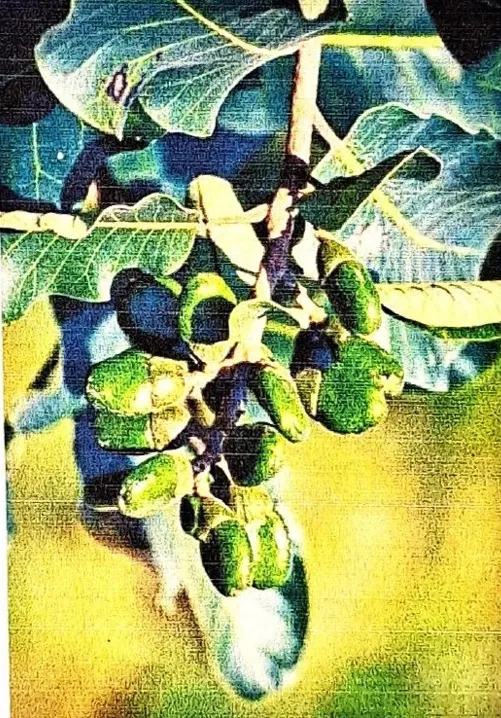
Figure 1. Bhilawa fruit clusters (green, unripe drupes)
3.2 Vernacular Names Across India
Table 2. Vernacular names of Bhilawa reported across Indian regions [2].
|
State/Region |
Local name(s) |
|
Madhya Pradesh |
Bhilawa, Bhilwa, Bhilma, Kaani, Kadir, Bilarna |
|
Gujarat |
Bhilawan, Belatak |
|
Karnataka |
Agnimukhi, Jeru, Jerubija, Bhaltaka, Jeru Kaani |
|
Tamil Nadu |
Vitthal, Chera, Cherkotta, Kampira, Kohka |
|
Assam |
Malayo, Me |
|
Maharashtra |
Viva, Bhilma, Viva Bilambi |
|
Calcutta (West Bengal) |
Mela, Melatuki |
3.3 Chemical and Nutritional Composition
The field-survey chemical analysis reproduced in the supplied review reports a relatively high fat and protein content in the seed kernel. The values below are presented as source-reported field-survey composition and should be treated as such until independently revalidated using a standard analytical protocol.
Table 3. Proximate and biochemical composition of Bhilawa seed kernel reported in the supplied field-survey review [2,11].
|
Constituent |
Value per 100 g |
|
Moisture |
3.8 % |
|
Protein |
26.4 % |
|
Fat |
36.4 % |
|
Fiber |
1.4 % |
|
Amino acids (organic) |
9.6 % |
|
Histidine |
1.8 % |
|
Leucine |
7.3 % |
|
Lysine |
4.1 % |
|
Other carbohydrates |
28.4 % |
|
Mineral elements |
3.6 % |
|
Calcium |
0.295 % |
|
Phosphorus |
0.836 % |
|
Iron |
6.1 mg |
|
Isoleucine |
4.4 % |
|
Methionine |
1.5 % |
|
Thionine (cystine) |
1.1–1.6 g |
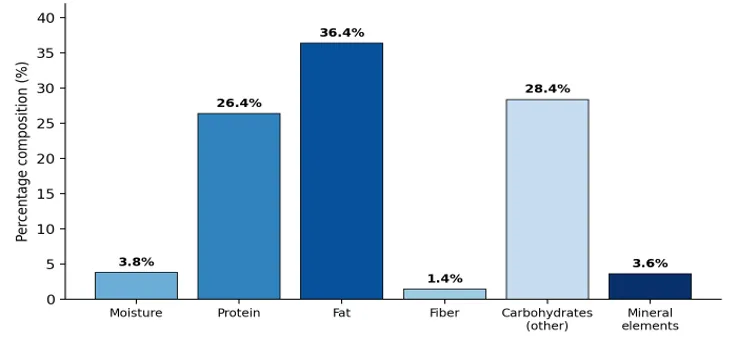
Figure 2. Approximate proximate composition of Bhilawa seed kernel per 100 g
3.4 Phytochemical Profile
The supplied literature synthesis identifies a broad phytochemical spectrum in S. anacardium, including flavones, biflavonoids, tannins, saponins, xanthoproteins, coumarins, alkaloids, glycosides, xanthophylls, polyphenols, carotenoids, triterpenoids and steroidal constituents. The seed-coat pericarp yields a viscid phenolic oil containing bhilawanol, anacardic acid, cardol, semecarpol and anacardol. The review also reports saponin in leaves [2].
Table 4. Principal phytochemical groups and constituents described for S. anacardium [3–7,11–13].
|
Constituent/class |
Source/role described in supplied papers |
|
Bhilawanols |
Major phenolic fraction of seed-coat oil; associated with both pharmacological and vesicant activity. |
|
Anacardic acid |
Phenolic constituent associated with antimicrobial/ pharmacological effects and dermal irritation. |
|
Cardol |
Phenolic oil constituent contributing to the bioactive/irritant profile. |
|
Semecarpol |
Phenolic constituent of seed-coat oil; linked to irritant and pharmacological activity. |
|
Anacardol |
Phenolic seed-coat constituent. |
|
Semecarpetin |
Biflavonoid reported in phytochemical literature. |
|
Jeediflavanone |
Biflavonoid reported in phytochemical literature. |
|
Tetrahydroamentoflavone |
Biflavonoid reported as a potent xanthine-oxidase inhibitor in the supplied literature synthesis. |
|
Other phytochemical classes |
Flavones, tannins, saponins, coumarins, alkaloids, glycosides, polyphenols, carotenoids, triterpenoids and steroids. |
3.5 Distribution and Habitat in Madhya Pradesh
The supplied field-survey material records Bhilawa in the Madhya Pradesh forest divisions of Chhindwara, Bilaspur, Mandla, Jagdalpur, Kanker, Seoni, Katni, Umaria, Durg, Jabalpur and Shahdol. The review identifies Chhindwara, Betul, Bilaspur and Mandla as comparatively high-producing districts on the basis of production and storage quantities, while Jagdalpur, Seoni, Kanker, Shahdol, Umaria, Durg, Jabalpur and Katni are described as comparatively low-producing areas [2].
3.6 Collection Practices
Collection is described as being carried out predominantly by landless and small tribal farmers and by women and children of forest-dwelling families. Reported collection methods include hand-picking, shaking branches and beating trees with bamboo sticks. An individual collector is reported to gather approximately 1–3 kg of seed per day. Raw fruit may be plucked and sun-dried, during which the green fruit becomes black. Collection is often combined with cattle grazing and fuelwood gathering. The field-survey estimate reports approximately 23,650 quintals collected annually in Madhya Pradesh, with 75–80% entering trade and the remainder consumed by wildlife or lost through inadequate storage [2].
3.7 Grading Criteria
Table 5. Traditional grading criteria used by minor forest-produce traders [2].
|
Grading parameter |
First (good) grade |
Second (lower) grade |
|
Seed-coat colour |
Dark black |
Brownish black |
|
Water-flotation test |
Sinks to bottom; heavier and well-filled |
Floats on surface |
|
Kernel colour |
Milky white |
Muddy or black |
|
Harvest maturity |
Ripe; collected March–April |
Plucked before ripening / raw-dried |
|
Typical price outcome |
Higher market price |
Lower market price |
The supplied review notes that premature harvesting in Madhya Pradesh can reduce quality and market value, whereas regulated maturation practices reported for Karnataka and Odisha are associated with superior quality and pricing. This observation supports the study objective of linking biological maturity with grading and value addition.
3.8 Traditional Oil-Extraction Technology
A major finding of the field-survey material is the traditional seed-coat oil-extraction technology documented at Prabhat Pattan in Betul district, Madhya Pradesh. The seed coat/peel is packed into an inverted earthen pot. This pot is positioned over a second empty earthen pot sunk into a pit, and burning coal is placed over the assembly. On heating, the phenolic oil released from the seed coat drips downward and is collected in the lower vessel. The supplied review states that the first-stage process in Prabhat Pattan, Satner and Tirmau is traditionally undertaken by women of the Nahal community, whereas a comparable method is practiced on a larger commercial scale at Akola, Maharashtra [2].
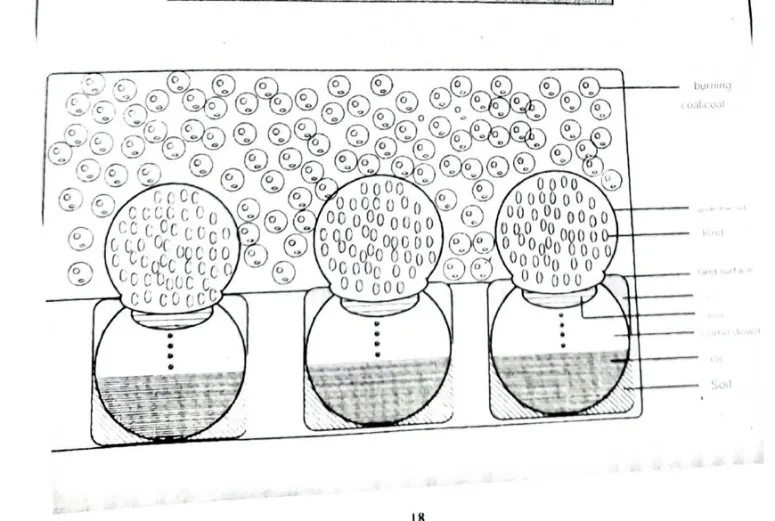
Figure 3. Traditional inverted-pot pit distillation method for extraction of Bhilawa seed-coat oil
The field survey further records occupational protection during kernel processing: workers cover the body with polythene sheeting and cloth because direct exposure to fresh phenolic oil can cause burning and blistering. The review reports piece-rate arrangements in which traders supply seed to extracting families and purchase recovered kernel/oil, indicating that extraction technology is embedded within the local economic chain [2].
3.9 Marketing and Distribution Chain
The supplied field-survey review describes a four- to five-stage marketing chain between rural collectors and end users. Local traders purchase at village level, followed by weekly market traders/middle-scale traders and larger minor-forest-produce mandis. Chhindwara is identified as having the largest arrivals, followed by Pendra and Betul, with Katni and Jagdalpur also handling important trade. From these markets, produce is supplied principally to Maharashtra, West Bengal and Bihar, while the remainder is used locally by drug manufacturers and grocers [2].
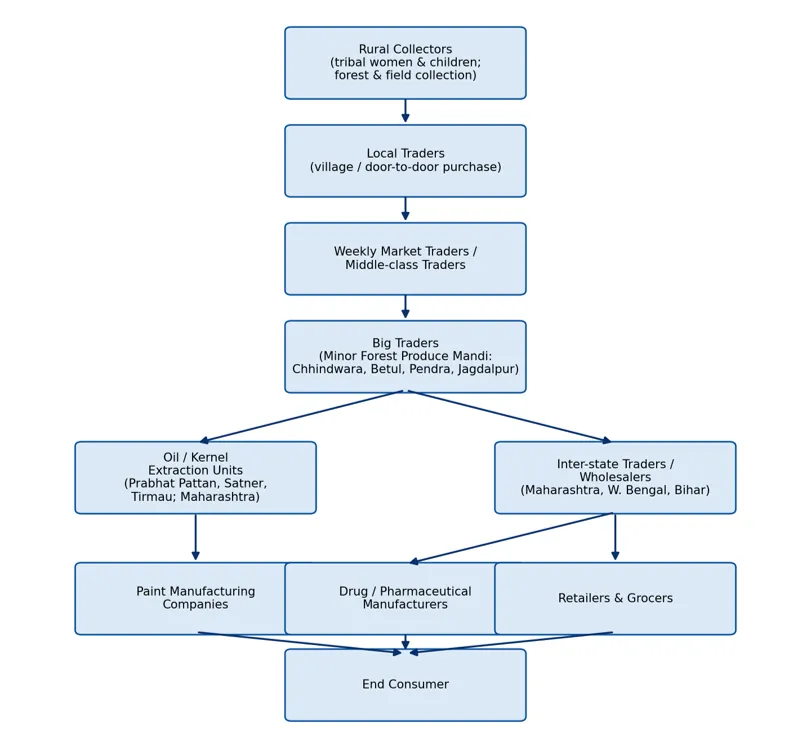
Figure 4. Marketing and distribution chain of Bhilawa seed from rural collector to end consumer in Madhya Pradesh
Table 6. Socio-economic and marketing indicators reported in the supplied Madhya Pradesh field-survey review [2].
|
Indicator |
Value reported in supplied field-survey review |
|
Total annual collection |
≈ 23,650 quintals |
|
Share of total production traded |
75–80% |
|
Average per-trader seasonal trade volume |
≈ 276 quintals |
|
Average per-trader seasonal expenditure |
≈ ₹71,000 |
|
Estimated annual state trade value |
> ₹80 lakh |
|
Local collector's realised share of market price |
≈ 46% |
|
Middlemen/traders' share of price margin |
≈ 54% |
|
Bhilawa price, Madhya Pradesh tribal sale rate |
₹150–200 per quintal |
|
Bhilawa price, Maharashtra tribal sale rate |
₹500–600 per quintal |
|
Historical seed price (1995–96) |
₹200–1,000 per quintal |
|
Historical kernel price (1995–96) |
₹14,000–16,000 per quintal |
3.10 Traditional and Therapeutic Uses
Table 7. Traditional therapeutic applications documented in the supplied field-survey review [2].
|
Condition |
Part/ preparation |
Traditional method reported |
|
Indigestion, gas, stomach pain, arthritis-related pain |
Whole seed |
One seed lightly crushed and boiled with tea/sugar or milk; consumed twice daily for 2–3 days to one week. |
|
Diarrhoea, piles/external warts |
Seed/peel smoke |
Seed or peel burned and affected area fumigated; eyes protected from smoke. |
|
Post-partum weakness, low breast milk, asthma, Vata–Kapha disorders |
Kernel |
Kernel boiled with jaggery/milk into laddus or 3–4 kernels boiled in milk. |
|
Sprains, swelling, Vata-type pain |
Oil |
Oil applied point-by-point to affected area. |
|
Leukoderma/white patches; insect, snake and mad-dog bites |
Oil |
Lukewarm oil applied topically; oil drops additionally described with milk. |
|
Whooping cough, pneumonia in children |
Ash of burnt seed |
Seed ash mixed with honey and lentil seeds, with age-related administration described. |
|
Cracked heels, thorn pricks, wounds |
Oil |
Direct topical application. |
|
Cold and throat congestion |
Oil |
A few drops described in tea. |
|
Cattle seasonal disease prevention / foot-and-mouth disease |
Whole seed/oil |
6–8 seeds with roti/jaggery before monsoon; oil applied to hooves. |
3.11 Proposed Pharmacological Mechanisms
The integrated pharmacological interpretation in the supplied review attributes the broad activity profile of Bhilawa to converging actions of phenolic and biflavonoid constituents. The proposed mechanisms should be interpreted according to the level of evidence available for each constituent and model.
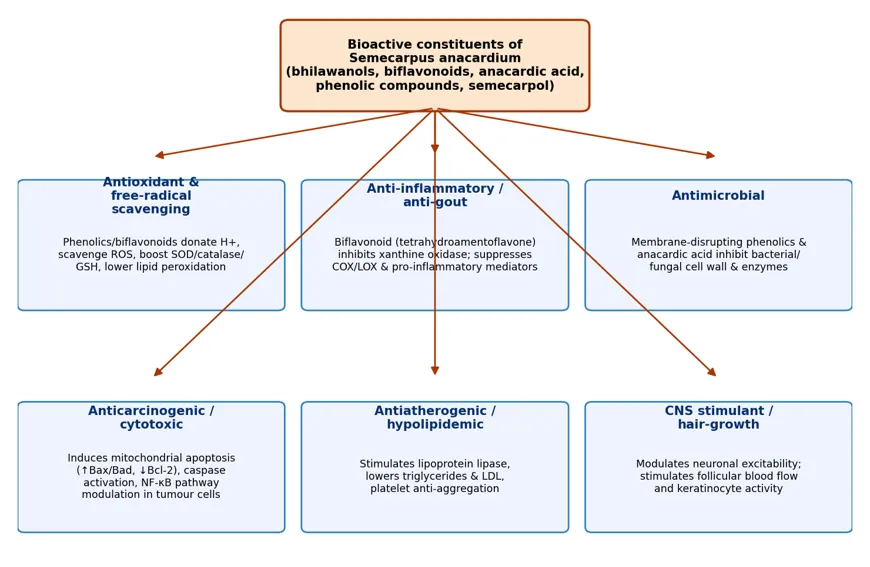
Figure 5. Proposed integrated mechanism of pharmacological action of Bhilawa bioactive constituents
3.11.1 Antioxidant and Free-Radical-Scavenging Activity
The phenolic and biflavonoid fractions are described as hydrogen-donating antioxidants capable of neutralising reactive oxygen species and supporting endogenous antioxidant systems including superoxide dismutase, catalase and glutathione. Reduction of lipid peroxidation is proposed to contribute to hepatoprotective and chemopreventive effects [5,14].
3.11.2 Anti-inflammatory and Anti-gout Activity
The supplied review cites isolation of tetrahydroamentoflavone from Bhilawa seed and reports xanthine-oxidase inhibition with an IC50 of approximately 92 nM, described as comparable to allopurinol in the cited source. Because xanthine oxidase participates in uric-acid production, this mechanism provides a biochemical rationale for the traditional use of Bhilawa in gout and inflammatory disorders [12].
3.11.3 Anticarcinogenic/Cytotoxic Activity
In-vitro studies cited in the supplied review report cytotoxic effects of Bhilawa extracts against several tumour cell lines, with antitumour activity also described in rodent models. The review proposes that biflavonoid-rich systems may influence mitochondrial apoptosis through increased pro-apoptotic Bax/Bad, reduced Bcl-2, caspase-9/PARP-1 cleavage and suppression of survival signalling such as STAT3/Akt/NF-κB. Importantly, the supplied review states that direct confirmation of this complete pathway in Semecarpus-specific models remains an active research question [15–18].
3.11.4 Antiatherogenic and Hypolipidaemic Activity
The review attributes the antiatherogenic activity of Bhilawa nut oil to combined antioxidant, anticoagulant, hypolipidaemic and platelet anti-aggregation properties. Stimulation of lipoprotein lipase is identified as a proposed contributor to the hypotriglyceridaemic effect [19].
3.11.5 Antimicrobial and Other Activities
Phenolic and anacardic-acid constituents are described as having membrane-disrupting antimicrobial activity. CNS-stimulant and hair-follicle-stimulating effects have also been reported in pharmacological screening, although the precise molecular targets for these latter effects are less clearly established [5,6].
3.12 Safety, Adverse Effects and Exposure Pathways
The dual therapeutic and irritant profile of Bhilawa is central to interpretation of the field-survey findings. The research manuscript attributes contact irritation principally to bhilawanol and anacardic acid. Direct skin or mucosal exposure to concentrated phenolic material can produce burning, itching, blistering and vesication. Excessive or prolonged internal exposure is also described as potentially causing unwanted symptoms, while fumes generated during traditional oil cooking/paint manufacture may cause respiratory and ocular irritation [1,4].
3.13 Prevention and Management Framework
Table 8. Consolidated prevention and management framework derived from the supplied field-survey research paper [1].
|
Risk scenario |
Documented prevention/management approach |
|
Kernel extraction / oil handling |
Full-body polythene covering and cloth wrapping during shell-breaking and kernel extraction; avoid bare-hand contact with fresh oil. |
|
Oral kernel consumption |
The supplied source describes limited traditional quantities such as 3–4 kernels boiled in milk and avoidance of excessive use. |
|
Accidental skin oil contact |
The source documents immediate wiping with a kerosene-moistened cloth followed by coconut oil; camphorated coconut/sesame oil is described in the folk framework for persistent itching/rash. |
|
Persistent/worsening reaction |
Stop Bhilawa use and seek medical attention if symptoms persist or concerning symptoms occur. |
|
Pregnancy |
The supplied source reports avoidance of internal use and cautious external use only. |
|
Seasonal use |
The field-survey source reports preferential traditional use during July–March and avoidance/minimisation during April–June. |
|
Oil-cooking/paint-manufacturing fumes |
Adequate ventilation and emission-control measures; avoid unprotected inhalation exposure. |
3.14 Illustrative Simulated Numerical Dataset from the Original Research Manuscript
Important methodological note: the following numerical datasets are reproduced because the user requested integration of the research manuscript's data. However, the original manuscript explicitly labels them as simulated/hypothetical. They are therefore not presented as verified field or clinical results and must be replaced with actual observations before submission to a journal as original research.
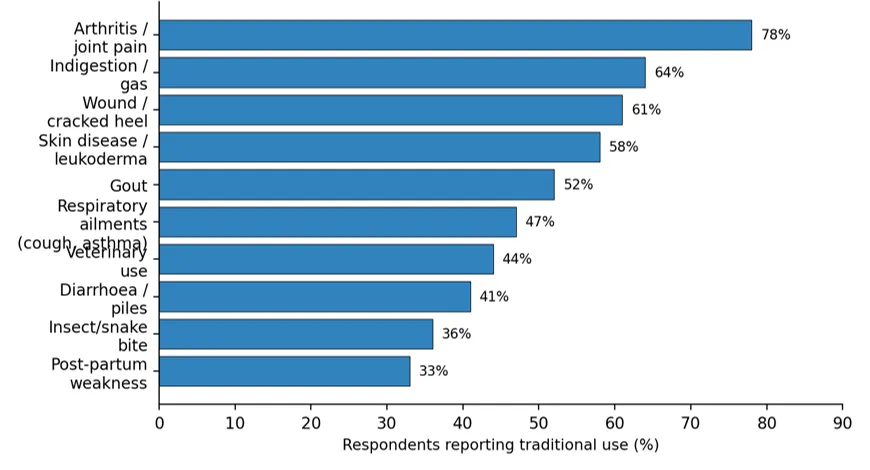
Figure 7. frequency of reported traditional uses of Bhilawa among n=120 simulated respondents
Table 9. Simulated traditional-use frequency dataset from the original research manuscript (n=120).
|
Indication |
Part/preparation used |
Reported frequency (%) –simulated |
|
Arthritis / joint pain |
Whole seed boiled in tea/milk |
78 |
|
Gout |
Whole seed decoction |
52 |
|
Indigestion / gas |
Whole seed boiled in tea/sugar water |
64 |
|
Diarrhoea / piles |
Seed/peel smoke fumigation |
41 |
|
Skin disease / leukoderma |
Oil, topical |
58 |
|
Insect / snake bite |
Oil, topical ± oral drops in milk |
36 |
|
Respiratory ailments |
Oil in tea; ash of burnt seed with honey |
47 |
|
Wound / cracked heel |
Oil, topical |
61 |
|
Post-partum weakness / lactation support |
Kernel boiled with jaggery/milk |
33 |
|
Veterinary use (cattle) |
Whole seed with roti/jaggery; oil on hooves |
44 |
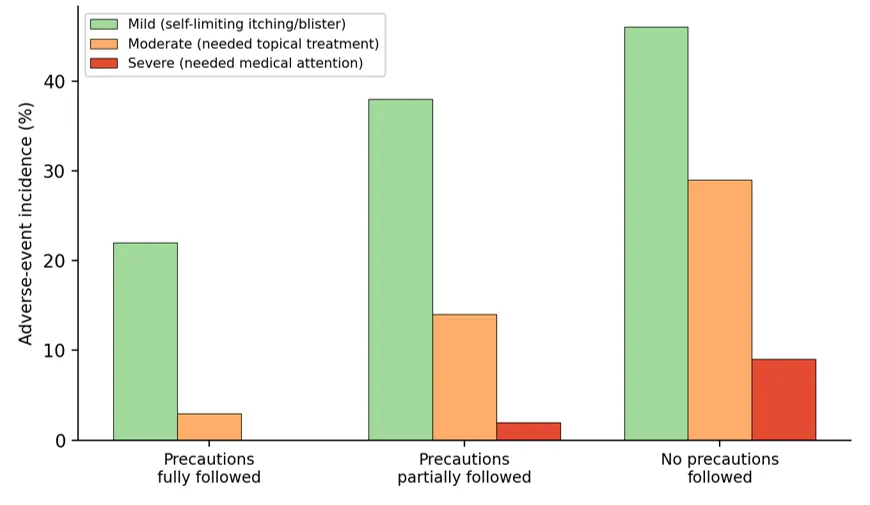
Figure 8. adverse-event incidence by precaution adherence
Table 10. Simulated adverse-event dataset from the original research manuscript.
|
Precaution-adherence group |
Mild AE (%) |
Moderate AE (%) |
Severe AE (%) |
Overall AE (%) |
|
Precautions fully followed |
22 |
3 |
0 |
25 |
|
Precautions partially followed |
38 |
14 |
2 |
54 |
|
No precautions followed |
46 |
29 |
9 |
84 |
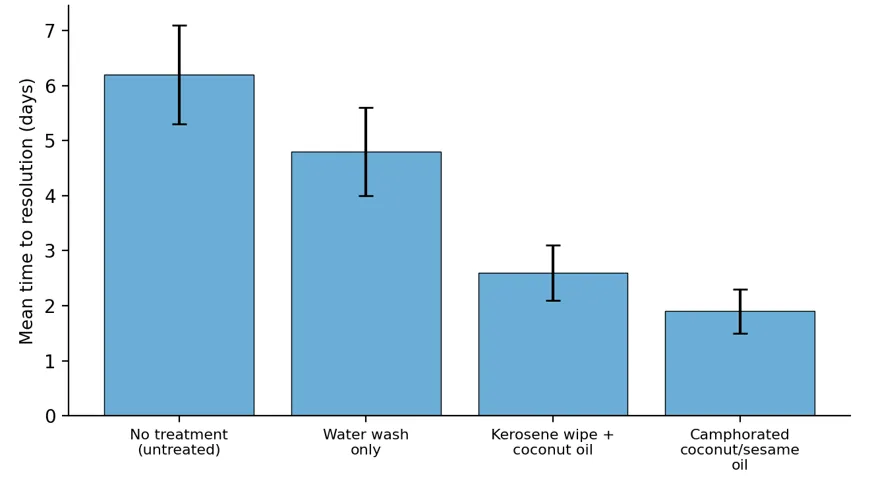
Figure 9. mean time to resolution of Bhilawa-oil-induced dermal irritation under different first-aid measures
Table 11. Simulated first-aid resolution-time dataset from the original research manuscript.
|
First-aid measure |
Mean resolution time (days) – simulated |
SD |
|
No treatment (untreated) |
6.2 |
0.9 |
|
Water wash only |
4.8 |
0.8 |
|
Kerosene wipe + coconut oil |
2.6 |
0.5 |
|
Camphorated coconut/sesame oil |
1.9 |
0.4 |
4. DISCUSSION
The integrated findings place Bhilawa at the intersection of ethnopharmacology, indigenous processing technology and rural forest-based livelihoods. The botanical profile and broad vernacular nomenclature indicate longstanding recognition across different regions of India. The field-survey data further demonstrate that Bhilawa collection is not an isolated medicinal activity but part of a larger minor-forest-produce economy involving collectors, village traders, mandis, processors, inter-state wholesalers and end users [2].
The grading criteria are particularly relevant to the research interpretation because they connect physical characteristics with economic value. Dark-black, well-filled, heavy seeds with milky-white kernels and appropriate maturity are considered higher grade, whereas immature or poorly filled material is assigned lower grade. The supplied review suggests that premature harvesting is driven partly by short-term income needs, but this practice can reduce quality and price realisation. Thus, scientific collection training and regulated maturation could improve both raw-material quality and collector income.
The traditional oil-extraction process is one of the most distinctive elements of the combined study. The inverted-pot pit distillation arrangement demonstrates an indigenous approach to recovering the phenolic oil from a material that is hazardous to handle directly. The occupational use of polythene and cloth protection further illustrates how local processing knowledge has incorporated practical risk reduction. At the same time, the historical use of Bhilawa oil in paint manufacture generated environmental concerns because of fumes; the supplied review therefore recommends emission-control technology if such processing is revived [2].
The phytochemical profile provides a plausible biochemical bridge between traditional uses and pharmacological activity. Phenolic compounds and biflavonoids can contribute antioxidant effects, while the reported xanthine-oxidase inhibition of tetrahydroamentoflavone provides a more specific mechanistic explanation for the traditional association with gout. The proposed anticancer mechanisms are more tentative because some pathway details are inferred from biflavonoid systems outside direct Semecarpus-specific experiments. This distinction is important for a research article: a mechanistic hypothesis should not be written as a clinically established mechanism [12,17,18].
The safety findings also require careful interpretation. The research manuscript's simulated n=120 data show a numerical gradient in adverse-event frequency according to precaution adherence and a shorter simulated resolution time with camphorated coconut/sesame oil. However, these values are explicitly hypothetical. The appropriate research conclusion is therefore not that the intervention has been clinically proven, but that the field-survey-derived prevention practices form a testable hypothesis that warrants controlled dermatological and toxicological evaluation.
The socio-economic data suggest that value addition could be as important as pharmacological development. If collectors receive only a fraction of the final market value, improved grading, storage, organised procurement and direct market access could increase local benefit without increasing harvesting pressure. The supplied review also identifies poverty, illiteracy, weak institutional capacity and loss of urban industrial demand as important barriers to value realisation [2].
5. LIMITATIONS
The supplied field-survey manuscripts do not provide a complete respondent-level dataset, sampling frame, dates, questionnaire or statistical analysis plan; these should be added from the original field records before journal submission.
The n=120 traditional-use frequencies, adverse-event frequencies and first-aid resolution times in the research manuscript are explicitly simulated and must not be presented as verified clinical or epidemiological evidence.
Several bibliographic entries in the supplied manuscripts are incomplete (for example, some journal volume/page details are absent); the reference list below preserves the supplied source information and should be bibliographically verified before submission.
Some proposed molecular mechanisms, particularly the complete apoptosis-signalling pathway, are described in the supplied review by analogy with related biflavonoid systems; they require direct Semecarpus-specific validation.
The proximate composition values are reported as field-survey data and should be independently confirmed using validated analytical methods before being used for quantitative nutritional claims.
6. CONCLUSION
The combined field-survey research demonstrates that Semecarpus anacardium L.f. is simultaneously a medicinal plant, a minor forest produce species, an indigenous-processing resource and a source of livelihood for forest-dependent communities. The integrated dataset documents a recognisable botanical identity, diverse vernacular nomenclature, broad distribution in Madhya Pradesh, defined traditional grading practices, a distinctive inverted-pot oil-extraction technology and a multi-stage marketing chain. Its phytochemical profile is dominated by phenolic and biflavonoid constituents that provide plausible mechanistic bases for antioxidant, anti-inflammatory, antigout, anticancer, hypolipidaemic and antimicrobial activities.
At the same time, the same phenolic oil fraction creates a genuine safety challenge through dermal irritation, vesication and potential exposure to processing fumes. The integrated research therefore supports a prevention-oriented approach based on protective handling, controlled traditional use, improved processing conditions, scientific grading, organised marketing and formal validation of pharmacological and safety claims. The simulated numerical datasets retained from the original research manuscript should be treated only as methodological illustrations until replaced by verified field or clinical data.
7. RECOMMENDATIONS FOR FURTHER RESEARCH
Conduct a prospective, ethically approved field study with a defined sampling frame to quantify traditional-use prevalence and safety outcomes.
Standardise the traditional Bhilawa oil-extraction process and determine yield, physicochemical properties and batch-to-batch variation.
Perform validated chromatographic profiling of bhilawanols, anacardic acids, cardol, semecarpol, anacardol and biflavonoids.
Evaluate antioxidant activity using validated in-vitro assays and correlate activity with total phenolic/flavonoid content and chemical markers.
Directly test the proposed xanthine-oxidase, inflammatory and apoptosis-related mechanisms in Semecarpus-specific experimental models.
Characterise occupational exposure during traditional oil extraction and develop engineering controls and personal protective measures.
Assess the effect of scientific grading, regulated maturation, storage and direct market access on collector income and raw-material quality.
Replace the simulated n=120 datasets in the original research manuscript with verified observations before any clinical or epidemiological inference is made.
REFERENCES

Nitin Mishra, Dr. Ganga Sharan Mishra, Bhilawa (Semecarpus anacardium L.f.) in Madhya Pradesh: An Integrated Field-Survey Investigation of Traditional Uses, Phytochemistry, Collection, Grading, Oil Extraction, Marketing and Safety, Int. J. of Pharm. Sci., 2026, Vol 4, Issue 9, 284-299. https://doi.org/10.5281/zenodo.22236437
 10.5281/zenodo.22236437