

We use cookies to ensure our website works properly and to personalise your experience. Cookies policy
Bachelor of Pharmacy, Genba Moze College Of Pharmacy, Wagholi, Pune, Maharashtra, India.
Biosurfactants are molecules made mainly by microbes such as bacteria, yeasts and fungi. They are drawing interest as possible pharmaceutical excipients thanks to their amphiphilic character, biodegradability, low toxicity, surface activity and varied biological traits. Unlike conventional synthetic surfactants, biosurfactants such as rhamnolipids, sophorolipids, surfactin, iturin and mannosylerythritol lipids give both functional and biological benefits in drug formulations. Because they lower tension, help dissolve substances, create emulsions and form micelles or vesicles, biosurfactants look promising as excipients that can boost solubility, stability, bioavailability and controlled release of drugs that do not dissolve well in water. Recent work shows biosurfactants used in nanoemulsions, microemulsions, liposomes, nanoparticles, hydrogels and other advanced drug?delivery systems. Moreover, biosurfactants possess antimicrobial, antibiofilm, anti?inflammatory, antioxidant and immunomodulatory actions that could give benefits beyond ordinary excipients. New studies focus on using biosurfactants in targeted drug delivery, antimicrobial products, wound?healing devices, cancer treatment and nanomedicine. Challenges such as high production and purification costs, variable composition, issues with scaling up, toxicity testing, stability and regulatory approval still block wide use of biosurfactants in medicine. Thus, more research on production, detailed structure studies, formulation work and regulatory checks is needed to make biosurfactants the next?generation excipients for drugs.
1.1 Pharmaceutical Excipients
Pharmaceutical excipients are substances that're not the active pharmaceutical ingredient (API) but are intentionally added to a drug product. These substances help in the manufacturing process, improve stability, make it easier to deliver the drug and keep the formulation in physical and chemical condition. According to the U.S. FDA, an inactive ingredient is any part of a drug product that's not the active ingredient. Excipients can have roles, such as acting as binders, diluents, preservatives, lubricants, emulsifiers, solubilisers, stabilisers, and agents that change viscosity. U.S. Food and Drug Administration
Choosing the excipient is important because it can affect the stability, solubility, how well the drug works in the body, how the drug is released, how easy it is to make and how well patients like the product. As drug-delivery systems become more advanced, there is interest in excipients that can do more than one thing. These excipients help make the formulation better while keeping it safe and compatible.[1]
1.2 Surfactants in Pharmaceutical Formulations
Surfactants, also known as surface agents, are molecules that have both water-loving (hydrophilic) and oil-loving (hydrophobic) parts. Because of this nature, they are able to reduce surface tension and interfacial tension. When present in sufficient amounts, they form structures like micelles above a certain concentration called the critical micelle concentration or CMC. These behaviours make surfactants very useful in pharmaceutical formulations.[2,3]
In drug products, surfactants play roles. They act as solubilisers, helping drugs that don’t dissolve well in water become more soluble. They also function as emulsifiers, wetting agents, dispersing agents and stabilisers. Surfactants help drugs dissolve faster by trapping them in micelles. They help wet hydrophobic drug particles so they mix better in aqueous environments. Surfactants are essential in making drug delivery systems, including emulsions, microemulsions, nanoemulsions and liposomes. These systems improve how drugs are delivered in the body. [2,3]
Common surfactants used in medicines include polysorbates and poloxamers. Polyethoxylated castor oil derivatives. The choice of surfactant depends on its chemical properties, the amount used and how well it works with the drug and other ingredients. Because of this, careful testing is needed during formulation development to ensure stability and effectiveness.[2]
1.3 Introduction to Biosurfactants
Biosurfactants are surface compounds made mainly by living things such as bacteria, yeasts and fungi. Like surfactants, biosurfactants have parts that like water and parts that like oil and biosurfactants can lower surface and interfacial tension. Key groups of biosurfactants are glycolipids, lipopeptides, phospholipids, fatty‑acid derivatives and polymeric biosurfactants. Some familiar biosurfactants are rhamnolipids, sophorolipids, trehalolipids, surfactin, iturin and fengycin. [2,3]
Biosurfactants have become popular as replacements for synthetic surfactants. Many biosurfactants are biodegradable, biocompatible, low in toxicity, come from natural sources and have strong surface activity. Because of these traits, biosurfactants can act as emulsifiers, solubilisers, wetting agents, stabilisers, and parts of drug‑delivery systems. [2,3]
Scientists are studying biosurfactants for uses such as drug solubilization, emulsification, nanoformulations, micellar systems, controlled drug delivery, antimicrobial products, and to improve the bioavailability of drugs that do not dissolve well in water. There are still problems to solve. These include the cost of making biosurfactants, the need to purify biosurfactant variations between batches, full toxicity tests, stability of the formulation and meeting regulatory rules before biosurfactants can be used in medicine.[3,4]
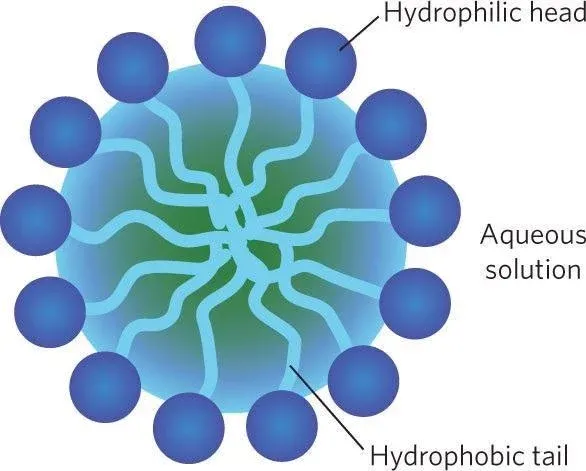
Figure 1: Basic Structure of Biosurfactants [19]
2. Biosurfactants: An Overview
2.1 Definition and Characteristics
Biosurfactants are surface- substances made by microorganisms like bacteria, yeasts and fungi. They have both water-loving (hydrophilic) and oil-loving (hydrophobic) parts. This allows them to gather at the boundary between two liquids that don’t mix, such as oil and water. By doing this, they lower surface tension and interfacial tension. Because of their structure, biosurfactants can form micelles, emulsions and other organised arrangements.
Biosurfactants are known for surface activity, easy breakdown in the environment, safety with living systems, low toxicity, a wide variety of chemical forms and the ability to work well in different pH levels, temperatures and salt conditions. These features make them useful in fields including medicine, food production, cosmetics, environmental cleanup and biotechnology. [2,3]
2.2 Classification of Biosurfactants
| Glycolipids | Rhamnolipids, sophorolipids, trehalolipids | Pseudomonas, Starmerella, Rhodococcus |
|---|---|---|
| Lipopeptides | Surfactin, iturin, fengycin | Bacillus spp. |
| Phospholipids | Microbial phospholipids | Corynebacterium, Rhodococcus |
| Fatty acids | Long-chain fatty acids | Various bacteria and fungi |
| Polymeric biosurfactants | Emulsan, alasan | Acinetobacter spp. |
| Particulate biosurfactants | Vesicles, membrane-associated structures | Various microorganisms |
| Class | Examples | Major microbial sources |
|---|
Biosurfactants can be classified mainly according to their chemical structure and molecular composition.
Among these, glycolipids and lipopeptides are particularly important because of their strong surface activity and potential pharmaceutical applications. Rhamnolipids, sophorolipids, and surfactin have been extensively investigated for their emulsifying, solubilizing, antimicrobial, and drug-delivery properties. [2,3,5]
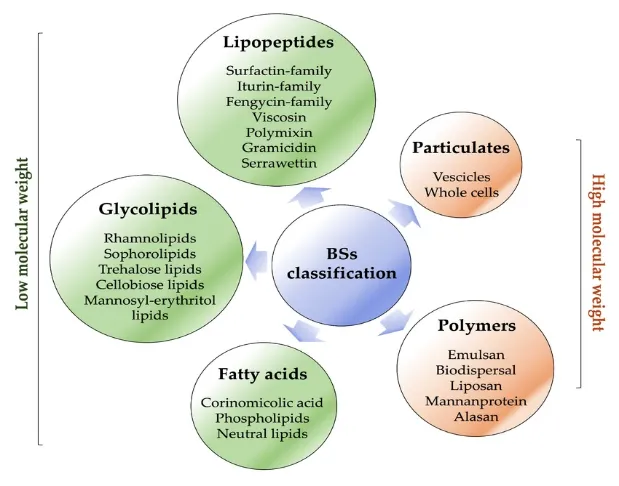
Figure 2: Classification of Biosurfactants [20]
2.3 Microbial Sources
Biosurfactants are made by various kinds of microorganisms, especially bacteria, yeasts and filamentous fungi. Key bacterial producers are Pseudomonas aeruginosa, Bacillus subtilis,
Bacillus licheniformis and Acinetobacter species. Yeasts like Starmerella bombicola are also producers of sophorolipids.
I have seen that the type and amount of biosurfactant that a microbe can make depend on things such as the exact microbial strain, what carbon and nitrogen sources it uses, the temperature, the pH level, how much air is mixed and the rules of fermentation. We have also looked at materials and industrial waste as cheap feedstocks for making biosurfactants, which could lower the cost of production. [3,5]
2.4 Physicochemical Properties
The physicochemical properties of biosurfactants determine how good biosurfactants are for making medicines. Important physicochemical properties include surface tension reduction, critical micelle concentration (CMC), emulsification ability, hydrophilic–lipophilic balance (HLB), solubility, thermal stability and tolerance to ionic strength.
Biosurfactants can lower surface and interfacial tension and build micelles or other clusters when the concentration passes the CMC. This physicochemical property is very useful for dissolving drugs that do not mix well with water, for making emulsions for wetting surfaces, and for keeping mixtures stable. The physicochemical behaviour of biosurfactants can change depending on the chemical structure of the biosurfactant and the conditions under which the biosurfactant is produced. [2,3,6]
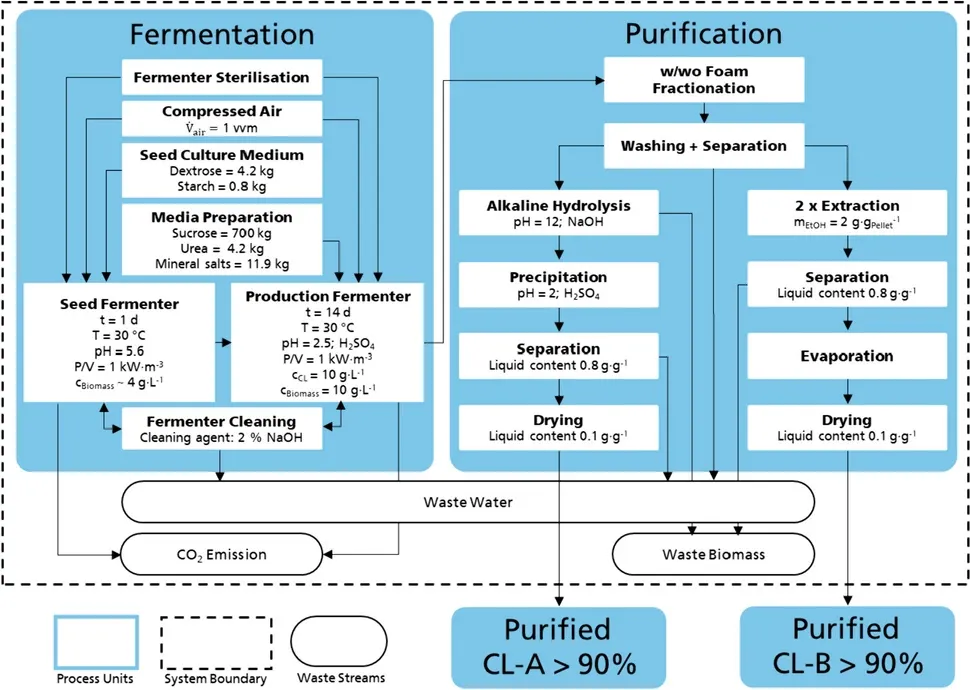
Figure 3: Microbial Production of Biosurfactants [21]
2.5 Advantages over Synthetic Surfactants
Biosurfactants have attracted attention as replacements for surfactants because they have many good features. They are usually easy to break down in nature. They can be created from natural sources. Many biosurfactants also work well with living things. They have effects, which makes them very attractive for use in medicines and health products
Another major advantage is their range and the ability to work well on surfaces even when used in small amounts. They can continue to work in environments. Some biosurfactants also have features like fighting germs and stopping things from sticking. Because of these features, biosurfactants are being tested as things that help mix, blend, spread, keep things stable and add function in medicine delivery systems
With these benefits, using biosurfactants on a scale in medicine still has some problems. Producing them can be expensive. Getting a product may require steps. Differences between the batches made not enough information about how harmful they're not staying the same in mixtures and rules from officials can also stop their use in treatments. More study is needed to develop ways to make them steps to clean them properly and rules to make sure they are good enough for use in medicines [2,5,7]
3. Major Types of Biosurfactants
Biosurfactants are a group of compounds that have chemical structures and different compositions. They are mainly divided based on their structure, the way they are made and the microorganisms that create them. When looking at size, biosurfactants are usually separated into two types: low-molecular-weight biosurfactants and high-molecular-weight biosurfactants.
Low-molecular-weight biosurfactants include glycolipids, lipopeptides and phospholipids. These are known for their ability to reduce surface tension and interfacial tension. High-molecular-weight biosurfactants include forms and particulate types. These are mostly known for their role in forming and stabilising emulsions [5,8]
3.1 Glycolipids
Glycolipids are one of the well-researched types of biosurfactants. They have a part that loves water, which's a carbohydrate and a part that avoids water, which is a fatty acid or a hydroxy
fatty acid. Important examples are rhamnolipids, sophorolipids and trehalolipids. Rhamnolipids are mainly found in Pseudomonas species, while sophorolipids are usually made by yeasts, like Starmerella bombicola.
Because of their ability to reduce surface tension and to mix oils and water, glycolipids can be used in dissolving substances, mixing oils and water, delivering medicine, making beauty products and creating medicines. Rhamnolipids and sophorolipids have also drawn interest because of their ability to fight microbes and other useful biological effects. [2,9]
3.2 Lipopeptides
Lipopeptides are a type of biosurfactant. They have a lipid part linked to a peptide or a cyclic peptide. Most lipopeptides are produced by bacteria in the genus Bacillus. Examples of lipopeptides include surfactin, iturin and fengycin.
Surfactin is a well‑known lipopeptide. Surfactin can lower surface tension well. Surfactin also shows antifungal and anti‑adhesive properties. Because of these properties, lipopeptides are being studied for pharmaceutical and biomedical uses. [9,10]
3.3 Phospholipids
Phospholipid biosurfactants contain a hydrophilic group and hydrophobic fatty‑acid chains. Microorganisms produce phospholipids. They can appear in cell membranes or be released into the environment. Phosphatidylethanolamine and other microbial phospholipids belong to this group.
The structure of phospholipids has both a water-friendly part and an oil‑friendly part. This lets phospholipids work well at the boundary between water and oil. As a result, phospholipids are surface agents and emulsifiers. Because phospholipids naturally occur in membranes, they attract interest in applications, especially in emulsions, liposomal formulations and drug‑delivery systems. [2]
3.4 Polymeric Biosurfactants
Polymeric biosurfactants are usually surface‑active molecules built from complex structures like polysaccharides, proteins, lipopolysaccharides or mixes of these parts. Key examples are emulsan, alasan, biodispersan, liposan and lipomanan.
Unlike low‑molecular‑weight biosurfactants, polymeric biosurfactants work well at keeping emulsions stable. Polymeric biosurfactants can stick to the oil–water boundary. Stop dispersed droplets from clumping together. Because of this, polymeric biosurfactants can be used as emulsifiers and stabilisers in medicines and other products. [5,8]
3.5 Particulate Biosurfactants
Particulate biosurfactants form another class of surface‑active materials. Particulate biosurfactants can appear as vesicles, membrane‑associated particles or whole microbial cells that carry traits. Particulate biosurfactants work because of parts located on the microbial surface or inside released membrane structures.
Even though particulate biosurfactants have not been studied deeply as glycolipids and lipopeptides, particulate biosurfactants hold promise for use in emulsification, biodegradation and other biotech processes. Because particulate biosurfactants have a structure and natural origin, more research is needed to decide if particulate biosurfactants are fit, for pharmaceutical use. [5,8]
4. Biosurfactants as Pharmaceutical Excipients
Biosurfactants are being studied more and more as helpers in medicine because they can act on both water and oil sides and change how surfaces behave. I think Biosurfactants can help mix oil and water, make drugs dissolve, keep liquids stable and carry medicine to the right place. Biosurfactants are also friendly to the body, break down naturally and sometimes have health effects, which make them even more promising for medicine. [2,3,6]
4.1Emulsifying Agents
Biosurfactants can work as emulsifying agents by lowering the tension between oil and water layers, which helps in creating and keeping emulsions stable. They can stick to the boundary between oil and water. Create a covering around small drops, which stops the drops from joining together.
Glycolipids like rhamnolipids and sophorolipids and large-molecular-weight biosurfactants, like emulsan, have shown emulsifying abilities. These traits make them replacements for regular emulsifiers in medicines, creams and other products. [2,3,11]
4.2 Solubilizing Agents
Poor aqueous solubility is a challenge when formulating many pharmaceutical drugs. Biosurfactants can help increase the solubility of hydrophobic drugs by forming micelles and using other aggregation methods. When the concentration of biosurfactants goes above the micelle concentration or CMC, the molecules arrange themselves into micelles. These micelles have hydrophobic cores that can trap water-soluble substances.
This ability makes biosurfactants promising tools for improving drug dissolution, solubility and bioavailability— for drugs that do not dissolve well in water [3,6,11]
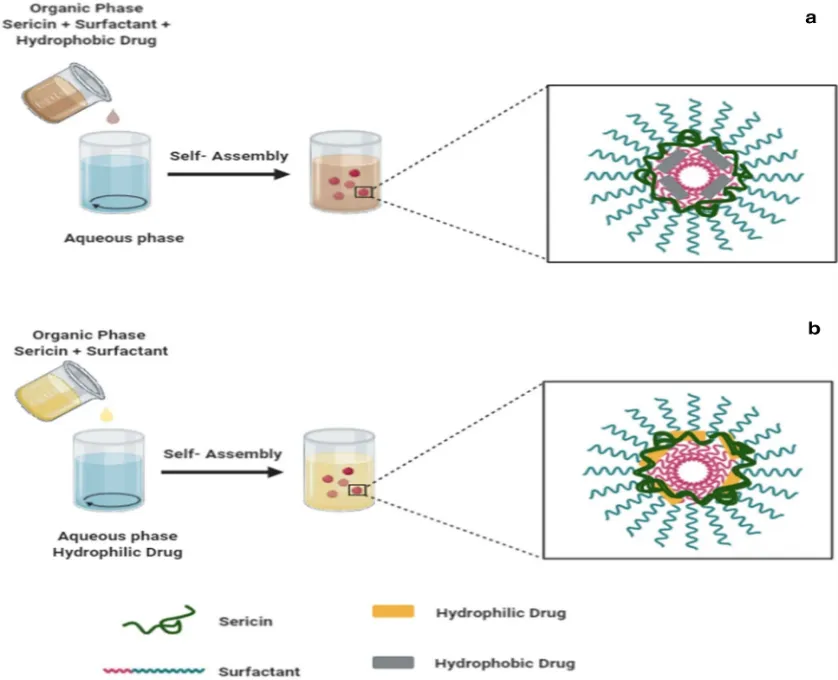
Figure 4: Micelle Formation and Drug Solubilization [22]
4.3 Wetting Agents
Wetting is key for the spread and break apart of drug particles that do not like to be wet. Biosurfactants can lower the surface tension of the mix. Reduce the angle, between the liquid and the drug surface. This lets the liquid spread better over the drug particles. Because of this biosurfactants can serve as wetting agents in suspensions, tablets, powders and other solid forms. Their power to improve wetting may also help the drug spread and dissolve better [2,3]
4.4 Stabilizers
Biosurfactants are used as stabilizing agents in pharmaceutical formulations. They help keep systems dispersed. Biosurfactants lower surface tension. They stop particles from sticking. They also keep droplets from merging. These actions make biosurfactants very useful for stabilizing emulsions, suspensions, nanoemulsions and other colloidal systems used in drug delivery.
The effective biosurfactants are those with high molecular weight. These molecules form a layer around each particle or droplet. This layer helps prevent instability. Biosurfactants reduce the chance that the different parts of a system will separate. These qualities show that biosurfactants can take the place of stabilizers, in pharmaceutical formulations [2,3,6]
4.5 Penetration-Enhancing Agents
Biosurfactants have a feature that lets them change the way biological membranes work because they have both water-loving and water-repelling parts. This feature has made scientists look into using them as tools to help drugs move easily through the bodys barriers.
Biosurfactants might change how flexible the membranes are or they might connect with the fats, in the membranes, which could help drugs get through better. But how well they work and how safe they are depends on what kind of biosurfactant's used and how much is used. More research is needed before these agents can be used regularly in medicines to help drugs get through barriers [2,6]
4.6 Drug-Delivery Applications
Because of their nature biosurfactants can talk to both water and oil which makes them handy in many drug delivery systems. They help build micelles, emulsions, nanoemulsions, liposomal carriers and other colloidal carriers. These carriers can make water‑soluble drugs more soluble and can sometimes control how the drug is released.
Biosurfactants like surfactin, rhamnolipids and sophorolipids have been studied for use in drug delivery. Besides their properties some of these biosurfactants have biological activities, such as antimicrobial effects. These extra properties can give benefits in pharmaceutical and biomedical products.
Even though the potential is high many challenges must be solved before biosurfactant‑based drug delivery can be used widely. These challenges are toxicity and safety tests, purity, stability of the formulation how well the production can be scaled up consistency from one batch to another and getting approval. More research is needed to prove their safety, effectiveness and suitability, for large‑scale use. [6,11]
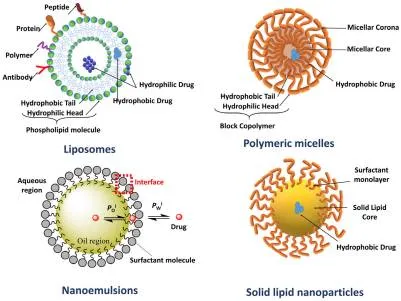
Figure 4: Examples of Surfactant-Based Encapsulation Systems. [23]
5.Pharmaceutical Applications of Biosurfactants
Biosurfactants are being studied for uses in the pharmaceutical field because they have a special structure that allows them to work on surfaces and between different materials. These features make them useful for creating drug-delivery systems and other kinds of medicines. Depending on what they're made of biosurfactants can help dissolve, mix, spread or keep things stable. However whether they are good, for an use depends on how safe they are, how well they work with other ingredients how long they last and how well they perform in the final product. [2,4,6]
5.1Oral Drug Delivery
Biosurfactants have gotten attention in drug delivery because they have an amphiphilic structure. This structure lets them connect with both water parts and oil parts. These traits can help make it easier for drugs that do not mix well with water to spread out and look like they mix better with water. By lowering the tension between layers and making small groups called micelles when conditions are right some biosurfactants can help put oil-based drug parts into water. Better mixing can help the drug dissolve more. Might make it easier for the body to use the drug when taken by mouth. However how better it works depends on the specific drug and how it is made.
Biosurfactants might also change how drug parts work with the parts of the stomach and intestines. Their effects on how the body can take in the drug depend on what they are made of and how much is there. So when they are added to medicines taken by mouth it is important to check how they work in the stomach and intestines how they work with the lining of the stomach how safe they are and how they mix with parts of the medicine. These traits make biosurfactants good options to study as things that help mix, spread and make mixtures of liquid and oil, in medicines taken by mouth. [2,6,12]
5.2 Topical and transdermal formulations
Biosurfactants are excipients in topical and transdermal formulations because of their ability to act as emulsifiers, wetting agents and to work at interfaces. They can be added to creams, gels, lotions and emulsions to help spread ingredients better and to make the formulations more stable. Their structure that has both water-loving and oil-loving parts allows them to connect with parts, which can affect how some medicines move through the outer layer of the skin called the stratum corneum.
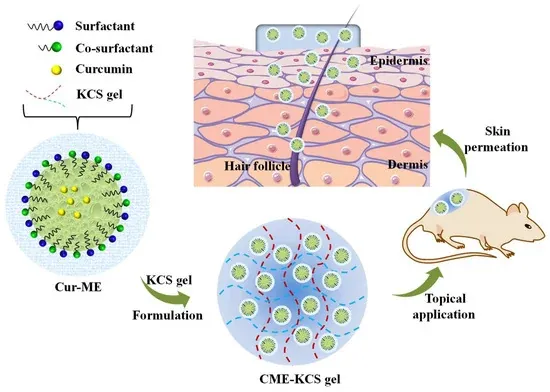
In drug delivery some biosurfactants can help medicine get through the skin better by changing how the medicine interacts with the skins barrier.. It is not certain that every biosurfactant or every medicine will work this way. What happens depends on the type of biosurfactant how much is used, the chemical properties of the medicine and what else is in the formulation. Skin irritation, allergic reactions and harm to cells must also be checked. Because of this more work on formulations and safety is needed to find out if each biosurfactant is right for use on the skin or , through the skin. [2,4,12] Fig: Biosurfactants in topical and transdermal drug delivery. [24]
5.3 Parenteral Formulations
Parenteral formulations need excipients that make sure the drug can be dissolved stays stable and works with body tissues. Biosurfactants have been studied as things that help drugs dissolve spread out and stay the same for drugs that do not mix well with water. Their special shape lets them connect with drug parts that do not like water, which could help in making formulations that work well.
Using biosurfactants in preparations brings important safety and quality concerns. Just because they come from sources does not mean they are safe or work with the body. Depending on what they're made of and how much is used some biosurfactants can hurt cells destroy red blood cells or cause bad immune reactions. For this reason the right biosurfactants for use in medicines must be checked through cleaning checking for substances making sure they are clean testing how they work with blood and doing proper studies before they are used. Now using biosurfactants, in products should be seen as an area that needs more research rather than something that is already proven. [2,4,6]
5.4 Nanoparticles and Nanoemulsions
I have seen that nanoparticles and nanoemulsions are tools in drug delivery. Nanoparticles and nanoemulsions help improve how drugs spread out in the body and give control over how the drugsre released. Biosurfactants play a role in these systems because biosurfactants can reduce surface tension and stick to interfaces between oil and water or between particles and water.
In nanoemulsions biosurfactants help form droplets. In nanoemulsions biosurfactants keep droplets from clumping by lowering the tension at the oil-water boundary. In nanoparticle systems certain biosurfactants can stabilize the particles. In nanoparticle systems biosurfactants change their surface features. These changes can affect how big the particles are, whether the particles stick together and how drug the particles can carry.
Biosurfactants can also help put drugs into nanoscale carriers. Biosurfactants make the drugs appear soluble and easier to mix in water. Still making these systems work well needs tuning. The concentration of biosurfactant the ratio of drug to ingredients the way the system is made and how it is stored all need to be optimized.
Key things to check when testing these systems include particle size, how the size distributions and polydispersity index behave, zeta potential how much drug is trapped inside (encapsulation efficiency) how the drug is released over time and how stable the system stays during storage. These factors help judge how good the system is, for delivering drugs. [2,4,6]
5.5 Liposomes and Other Advanced Drug-Delivery Systems
Liposomes, micelles and other advanced drug-delivery systems are created to improve drug solubilization protect pharmaceutical ingredients and change how drugs are released. Biosurfactants are being studied as parts of these systems because their hydrophilic and hydrophobic areas let them work with both water-based environments and fat-based structures.
In drug-delivery systems, biosurfactants can come together under the right conditions to form groups that can hold hydrophobic drug molecules. This can help make some drugs easier to mix with water and spread out better. In these systems, biosurfactants can affect how lipid membranes and drug molecules work together; however, what happens depends on how the biosurfactants are shaped and how much is used. Much interaction with the membrane might make the liposomes leak more or break apart.
Other ideas involve biosurfactant-filled hydrogels and mixed nanocarriers that are meant to give controlled drug release. These ideas might help make drugs more stable and improve how they are delivered.. The success of these ideas needs to be tested in experiments that look at drug loading how well the drug is held inside the strength of the carrier, how fast the drug comes out and how well the body works with them. Most of these ideas are still in the research and development stage of being standard ways to make medicines. [4,6,12]
5.6 Antimicrobial Formulations
Some biosurfactants have antifungal and antibiofilm abilities, which makes them possible choices for use in medicine and health care. Examples are rhamnolipids, sophorolipids and surfactin which have shown effects in studies done in labs. The way they work depends on their chemical makeup how much is used, which microorganism is targeted and the conditions in the experiment.
The way biosurfactants work against microbes might include touching the cell membranes of the microbes changing how permeable the membranes are and breaking down the structure of the cells. Some biosurfactants can also stop microbes from sticking and forming biofilms. These features are very important for creating products used on the skin treatments for wounds and coatings on tools that stop germs. Also some biosurfactants can make traditional medicines more effective when used together. Each combination needs to be tested.
Even though these features are good the antimicrobial effect seen in the lab does not mean it works in life. It is important to check if they harm cells if they cause irritation what dose is needed, if the mixture stays good and if they work with other things. Therefore more testing, before use is needed before these kinds of products can be regularly used in medicine. [4,6,13]
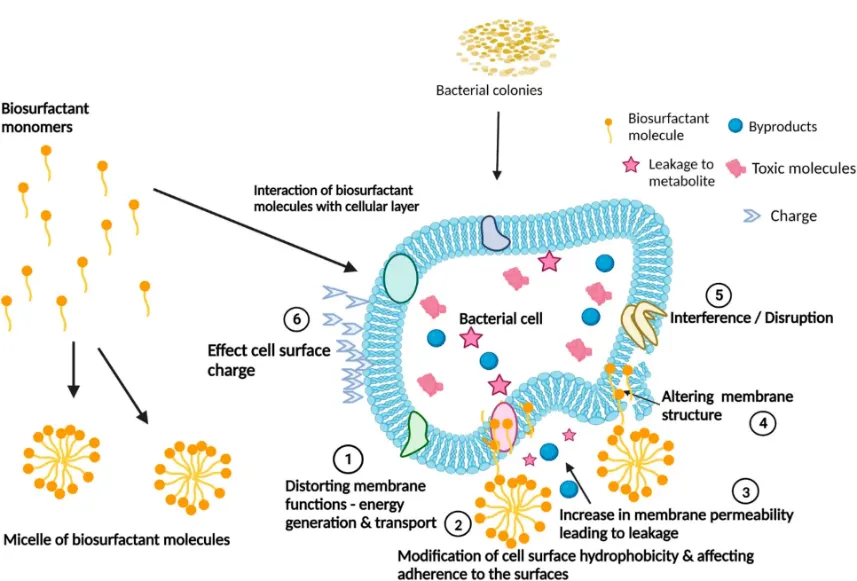
Figure 7: Antimicrobial Mechanism of Biosurfactants [25]
6. Advantages and Limitations of Biosurfactants
6.1 Biocompatibility and Biodegradability
Biosurfactants have gained interest as possible helpers in medicines because many come from microbes and have chemical shapes that can break down. Biosurfactants can mix with water and oil because they have both water-loving and oil-loving parts. This makes biosurfactants good for mixing oils and water for dissolving hard-to-dissolve drugs and for carrying drugs to where they're needed. Biodegradability is a plus for the environment because it helps biosurfactants disappear faster than some surfactants that do not break down easily. Biocompatibility matters a lot when biosurfactants touch body tissues. Some biosurfactants have shown compatibility in lab tests, which makes scientists want to use them in creams wound dressings and drug delivery.. Biocompatibility is not the same, for every biosurfactant. It depends on the chemical shape the amount used how pure it is, any leftover matter and how it is given to the body. So it is very important to test for cell damage tissue reaction and how the body breaks down the biosurfactant before putting it into medicines. [3,4]
6.2 Low Toxicity
Low toxicity is an important factor when developing biosurfactants as ingredients used in medicines. Some biosurfactants have shown safety records in certain experiments, which makes them worth studying for use in medical treatments. Their origin from living organisms can be helpful in some cases. It does not mean they are automatically safe.
The level of toxicity of biosurfactants can be very different. Some substances, especially when used in amounts can damage cell membranes be harmful to cells cause irritation or have other bad effects on the body. Also leftover materials from the microbes that make them and other impurities can affect how toxic they are. Because of this it is important to test their safety. This includes testing, for cell damage checking for skin irritation and allergic reactions and looking at how they affect the body depending on how they're given. For medicines that go into the blood more tests are needed like checking how they affect blood and making sure there are no substances called endotoxins. It is also necessary to find the amount to use so that the biosurfactant works well but does not harm the body. [4,7]
6.3 Functional Versatility
Biosurfactants show physical and chemical traits that make Biosurfactants useful in many roles. Biosurfactants can lower the surface tension between liquids, which helps Biosurfactants act as emulsifiers, wetting agents and solubilizers. Depending on how the molecules of Biosurfactantsre arranged Biosurfactants can also keep dispersed systems stable and affect how drugs interact with their carrier materials.
In formulations Biosurfactants can help spread drugs that do not dissolve well in water make emulsions easier to form and aid in creating tiny particles such as nanoparticles, nanoemulsions and micellar drug delivery systems. Some Biosurfactants also fight microbes and biofilms opening up chances for topical and medical uses. This mix of biological traits can cut down the need for many different ingredients in some products.
Nonetheless the way a Biosurfactant works depends on how much's used, its molecular shape, the acidity or alkalinity of the mix the heat, the salt level and how well it plays with other ingredients. Because of this the role of a Biosurfactant, as an emulsifier, solubilizer, stabilizer or antimicrobial agent must be checked for every formula. [3,4,5]
6.4 Stability and Production Challenges
Although biosurfactants offer benefits biosurfactants still face challenges that involve physicochemical stability product consistency and manufacturing reproducibility. The composition of each batch of biosurfactants may vary depending on the strain the fermentation medium the carbon source temperature other production variables. These variations can impact the surface activity of biosurfactants the ability of biosurfactants to emulsify the purity of biosurfactants and the biological performance of biosurfactants.
Stability is an aspect in the pharmaceutical development of biosurfactants. When storage temperature pH ionic strength or formulation composition change the functional performance of biosurfactants may be affected. Moreover interactions between biosurfactants and active pharmaceutical ingredients or other excipients can influence the stability of the product. Therefore these factors must be studied during formulation development and during stability testing of biosurfactants.
Manufacturing consistency presents another issue because pharmaceutical products need to keep the composition and quality in every batch of biosurfactants. To achieve this standardized fermentation procedures purification steps detailed structural characterization thorough impurity profiling and validated analytical methods are needed for biosurfactants. By improving process control and setting specifications the challenges of manufacturing biosurfactants can be solved which will support the move of biosurfactants, into pharmaceutical use. [5,14]
6.5 Cost and Scalability
The cost of biosurfactants is a reason why they are not used more in pharmaceuticals. To make biosurfactants you first grow microorganisms in a fermentation process then recover and purify the product. The total cost depends on the type of microorganism used the kind of material how well the fermentation goes how much biosurfactant is made and what methods are used after fermentation.
Using low-cost materials like waste can help cut down production costs. Even if the raw materials are cheap the overall cost can still be high. This is because separating and purifying the biosurfactant often takes up a part of the expense. In pharmaceuticals the product must be very pure. You have to control impurities which means extra steps are needed in the processing.
Scaling up from lab experiments to industrial production brings new challenges. Conditions that work well in the lab may not give the results in bioreactors. Keeping the product consistent, in quality yield and composition is especially important when the biosurfactant is meant for use. To make biosurfactants commercially viable improvements are needed in fermentation processes better microorganisms faster recovery methods and purification technologies that can work at scale. [5,14]
6.6 Regulatory Limitations
Regulatory approval is a factor in the development of biosurfactants as ingredients used in medicines. Even though these biosurfactants might have qualities the fact that they come from living organisms does not mean they are safe or of good quality or suitable for people. Whether the biosurfactants are accepted depends on how the biosurfactant's made, what it is used for how it is given to patients and the evidence that is available.
Developing medicines needs an understanding of what the biosurfactant contains, how pure it is and how consistent each batch is. The way the biosurfactant is made must be controlled so that there is no bacteria, leftover materials from production or other unwanted substances. Depending on how the medicine's made more tests might be needed to check for harmful effects how stable the biosurfactant is, how it works with other ingredients in the medicine and how it reacts with the containers it is put in.
There are not rules and full information about the effects of some biosurfactants, which can make it harder to decide if the biosurfactants are good to use as ingredients in medicines. Also proof that the biosurfactants work in one type of medicine or when given in one way does not mean they will work in another. For example being good for a cream does not mean it is good, for a liquid that goes into the body. More safety tests, ways to check quality and special papers for the rules might be needed before the product can be sold. [4,7]
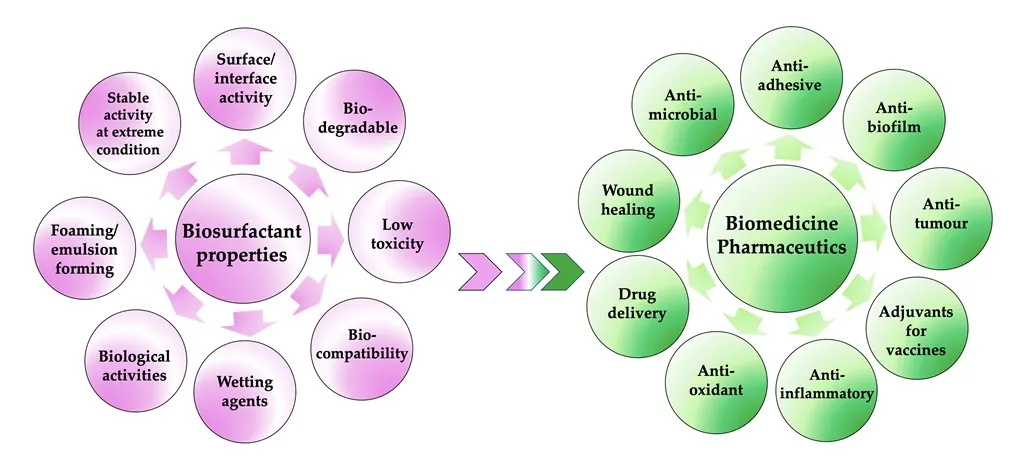
Figure 8: Major Challenges Associated with the Pharmaceutical Applications of Biosurfactants [20]
7. Safety and Regulatory Considerations
7.1Toxicity and Biocompatibility
The safety and how well biosurfactants work with the body are important when looking at whether they can be used as ingredients in medicines. Even though some biosurfactants have shown compatibility with living tissues in tests their safety can be different depending on their chemical makeup how much is used how pure they are and how they are given to the body. How they interact with cell membranes can change how easy it is for substances to get through the cells and at amounts they can harm the membranes or be toxic to the cells.
Toxicity testing needs to take into account what the medicine is for. For products applied to the skin checking for skin irritation allergic reactions and local effects is important. For medicines taken by mouth looking at how they affect the stomach and intestines and what they do to the cells in the gut is needed. For medicines given into the blood more tests are required to check for breaking down blood cells how they affect the body overall if they cause the immune system to react and how they work with blood parts. So tests that look at how harmful they're proper tests in the lab and studies done in living animals are needed to show a safe profile. Each biosurfactant and each use should show it is safe, than assuming it is just because it comes from a living thing. [3,6,7]
7.2 Purity Requirements
Purity is important when using biosurfactants in medicines. Since biosurfactants come from living things the final product might still have bits left over from the making process.
These leftover bits can include living cells, proteins, DNA, things made during production and other unwanted materials.Depending on what tiny living thing made it and how it was made there might also be things called endotoxins and other bad microbes. So cleaning it up properly is needed to get rid of these things. Make the final product better.
Different ways of cleaning like taking out with liquids making things fall down using holes to filter and special ways to separate can be used to get biosurfactants that are clean enough. Choosing the way depends on what the biosurfactant's made of and what it will be used for in medicines.
After cleaning the biosurfactant has to be checked to make sure it is what it says it is, what it is made of and how clean it is. More checks can be done to find any leftover liquids, bad microbes and endotoxins especially if the product is going to be used in medicine situations.
Keeping it clean is really important because bad things can change how safe and how well the medicine works. So using ways that have been proven to work and having checking steps are needed to make sure biosurfactants are clean enough for what they're meant to do. [3,6,15]
7.3 Standardization
Standardization is important to make sure biosurfactants are the same every time. They need to be reliable and good for medicines. Biosurfactants can be different in their chemicals, shape, surface power and health effects. This happens because different bacteria are used and because they are made in ways. When the same bacteria make them. In different ways to grow pull out or clean the product can change it.
Standardization means creating rules about what the chemicalsre. It also means setting rules about how pure they're what they contain how they behave physically and chemically and how they work biologically. Important tests may look at how surface tension they lower. They may also look at the point where they form micelles. They may check how well they mix oils and water the pH, how water they hold and any leftover dirt. If the product is for an use we may also need to check how many bacteria are left how much endotoxin there is and other safety checks.
Good tests and fixed production steps are needed so each batch stays the same. Good quality checks should also look at how stable the biosurfactantsre while stored and after they are put into medicines. Using clear medicine quality rules can help find the qualities and reduce changes, in production. These steps help make the biosurfactants repeatable and trustworthy as medicine helpers. [3,6,15,16]
7.4 Regulatory Considerations for Pharmaceutical Use
The use of biosurfactants as pharmaceutical excipients requires regulatory assessment to make sure they are of good quality, safe and right for the job they are meant to do. Their acceptance depends on things like what they're made of how they are made how they are given to patients and what safety information is available. Just because a biosurfactant was approved or used before in one kind of medicine does not mean it will work well in another type of medicine.
Before biosurfactants can be put into medicine they need to be checked for what they're how pure they are how long they stay good and how they work with the medicine and other ingredients. The check should also look at any things that might come from the way they are made by microbes and the possible harm the final product might cause. The amount of testing needed depends on how the medicine's given and how much patients will be exposed to it.
The US Food and Drug Administration (FDA) has a database of ingredients that're not active. This database has information about ingredients that were used in approved medicines before.. Just because something is in this database does not mean it is right for every kind of medicine or every strength. Also, biosurfactants that are meant to be used in medicine in India and other countries must follow the rules in those places.
The International Council for Harmonisation (ICH) has rules, ICH Q8, Q9 and Q10 that help with making medicines managing risks and setting quality standards. These rules help make medicines and good processes but they do not approve biosurfactants as ingredients on their own.
Even though biosurfactants can be used in medicine, they have problems with the rules because there is not information about their safety over a long time their makeup can change and there are no standard rules, for some of them. More research, tests that work making them in the way every time and studies that show they are safe are needed to help them be used more in medicines. [1,7,15]
8. Future Perspectives
8.1Green Pharmaceutical Excipients
Biosurfactants are becoming popular as excipients because many can be made by microbial fermentation and by using renewable raw materials. The ability of biosurfactants to lower surface tension makes them good choices as emulsifying agents, wetting agents solubilizing agents and stabilizing agents in medicine. Compared with some surfactants certain biosurfactants may have benefits such as being easier to break down in the environment and being better, for the planet.
Future studies might look into making biosurfactants from waste, plant-based materials and other sustainable sources to cut down on the need for costly ingredients. Using materials that come from waste could also help turn waste into something and make better use of resources. However the mix of nutrients harmful substances and other unwanted materials in these sources needs to be managed to keep the product reliable. Also the environmental benefits of biosurfactants need to be checked from start to finish including the steps of growing them cleaning them up using energy and creating waste. Evaluating their life cycle and checking their safety for medicine will be important in proving they are good choices, for sustainable excipients. [5,7]
8.2 Biosurfactants in Advanced Drug Delivery
Biosurfactants give chances to make advanced drug-delivery systems better. Biosurfactants have a shape that likes both oil and water which lets them talk to drug molecules and water. Because of this Biosurfactants can help drugs that do not dissolve well in water spread evenly. Some Biosurfactants can build ball‑like structures when the right conditions exist. These tiny structures can hold drug molecules. Change how the drug comes out of the delivery system. In the future Biosurfactants may join topical, transdermal and slow‑release drug formulations. Biosurfactants can also interact with cell membranes, which may help drugs cross barriers in the body.. The effect of Biosurfactants depends on the exact type of Biosurfactant how much is used and how well it fits with the drug and the delivery system. If Biosurfactants touch membranes much Biosurfactants might damage cells or break the carrier. To move forward researchers must look at how drug Biosurfactants can hold how well the drug stays inside how fast the drug releases how stable the product is over time and how safe it is for the body. Scientists also need to compare Biosurfactants with the pharmaceutical helpers to see if Biosurfactants really give an edge in drug delivery. The future of Biosurfactants will rely on showing that they work consistently and are safe, in the intended drug products. [3,6]
8.3 Combination with Nanotechnology
Combining biosurfactants with nanotechnology is a path for creating new pharmaceutical formulations. Biosurfactants can serve as agents or stabilizers inside tiny particles, nanoemulsions, micelles and other small drug delivery systems. By lowering surface tension and touching particle surfaces biosurfactants help form dispersed systems and keep particles from clumping when the formulation conditions are right.
In nanoemulsions biosurfactants help form droplets. Spread oily drug substances more evenly. In systems based on nanoparticles biosurfactants can change the size of the particles how their surfaces look and how stable the particles stay in suspension. Adding biosurfactants can also change how much drug is loaded and how the drug is released depending on the ingredients and how the system is made. These traits can help create delivery systems for drugs that do not dissolve well in water.
Future research should look at how the amount of biosurfactant affects particle size, how uniform the particlesre the surface charge how well drugs are held inside how drugs are released and how stable the system stays over time. The compatibility of biosurfactants with polymers, lipids and other nanocarrier parts must also be proven. Importantly the safety of the whole nanocarrier system should be checked because the combined effects of nanoparticles and biosurfactants may be different, from the effects of each one.More studies are needed to find out how useful these systems are, in medicines. [3,6]
8.4 Commercialization and Scale-Up
The process of making biosurfactants into something that can be sold as an excipient will depend on creating manufacturing methods that work well can be repeated and are not too expensive. Microbial fermentation is a way to make these substances in a controlled way. Making them on a large scale might be difficult because of the cost of the materials needed not enough of the product being made, long times to make it and high costs for the steps that come after fermentation.
Future studies need to focus on finding the kinds of microbes improving the conditions for fermentation and finding cheaper sources of carbon and nitrogen. Using things left over from farming and other materials that can be used again might lower the cost of the materials if their quality is good enough. Improvements in how the machines are designed how the process is watched and how the fermentation is made better could help make more product and make sure it is the same each time.
Getting the biosurfactants clean and taking them out is just as important because medicines need to have little of the bad stuff like microbes, toxins and other things that are not wanted. Good ways to separate and test the product could lower the cost of making it while still making sure it is good enough. Also making it in amounts has to show that each batch is the same that it stays good and that it follows all the rules, for making medicines.
The chances of making biosurfactants work in the world should finally be checked by looking at how much it costs to make how well it works what quality is needed and how much it affects the environment compared to the old excipients. Making it work on a scale will need progress in how the microbes are used how it is cleaned up how it is checked for quality and how it is looked at by the people who make the rules. [5,7]
8.5 Research Gaps
Even though biosurfactants have shown physicochemical and biological properties there are still important research gaps that need to be filled before they can be used more widely in pharmaceutical formulations.
Characterization and structure–activity relationships: We need more detailed studies to understand how the molecular structure, chain length, charge and composition of biosurfactants affect their ability to emulsify, solubilize, interact with cell membranes and perform biological functions. This information would help choose the biosurfactants for specific uses in medicine.
Toxicity and long-term safety: There is no safety data for many biosurfactants especially when used over time or through specific routes like inhalation, injection or topical application. Future studies should look into cell toxicity, irritation potential, allergic reactions, systemic toxicity and other safety factors that depend on how the substance's delivered. The impact of impurities and breakdown products must also be evaluated.
Formulation stability and compatibility: More research is needed to see how biosurfactants behave when mixed with drug ingredients, polymers, lipids, preservatives and packaging materials. Long-term and accelerated stability tests should examine changes in properties, chemical structure, drug release patterns and biological activity over time.
Standardization and analytical methods: Differences in how biosurfactants are produced and measured make it hard to compare results from different studies. We need methods to measure purity, surface activity, emulsification strength and biological effects. These standards would make results more reliable and reproducible. Clear specifications for pharmaceutical-grade biosurfactants should also be developed based on their intended use.
Industrial. Economic feasibility: More work is needed to increase fermentation yields cut down on purification costs and keep product quality steady when scaling up production. Economic analysis and environmental impact assessments will help decide if biosurfactants are truly better than excipients in terms of cost, sustainability and performance.
Clinical translation and regulatory evidence: Most biosurfactant applications in pharmaceuticals are still at the stage. Research must move beyond chemical tests and in vitro studies to include well-designed preclinical trials and if needed clinical studies. Proper documentation of quality and safety will be essential, for approval.
Closing these research gaps will help us better understand the strengths and weaknesses of biosurfactants and show where they offer benefits compared to traditional pharmaceutical excipients. [5,6,7]
CONCLUSION
Biosurfactants have become a choice to replace traditional surfactants in drug products. They work well because they can lower surface tension break down easily in nature and may be safe for the body. These properties help them dissolve drugs better mix oil and water wet surfaces and carry medicine to where it’s needed. That makes them useful in pills, creams, patches and tiny delivery systems like nanoemulsions, liposomes, micelles and drug-loaded nanoparticles.
Even with these benefits biosurfactants are not used widely in medicine yet. The main problems are cost to make them hard-to-handle purification steps, differences between batches, stability issues and not enough data on how safe they are or how to regulate them. Scientists need to work on ways to produce them consistently make them work better in formulas check their safety over time and see if they can be made on a big scale in real factories. Also studies comparing them to surfactants used today are needed to prove they are truly better.
In short biosurfactants are a group of helpers in medicine. Their real use in drug products will come down to having quality, solid safety proof, affordable production and meeting all the rules set by regulators. With research and effort biosurfactants could move from being lab experiments to trusted ingredients, in real medicines.
REFERENCES



Shahil Ghadage, Priya Daingade, Tushar Shelke, Biosurfactants as Pharmaceutical Excipients: Emerging Applications, Int. J. of Pharm. Sci., 2026, Vol 4, Issue 11, 1508-1526. https://doi.org/10.5281/zenodo.24034364
 10.5281/zenodo.24034364