

We use cookies to ensure our website works properly and to personalise your experience. Cookies policy
M. pharm Department of pharmacology , Shivajirao Pawar College of Pharmacy, Pachegaon. Nevasa, Ahmednagar – 413721 Email-ankitagaikwad0707@gmail.com.
Crohn's disease (CD) and ulcerative colitis (UC) are the two primary subtypes of inflammatory bowel disease (IBD), a chronic immune-mediated inflammatory condition of the gastrointestinal system. Recurrent intestinal inflammation, stomach pain, diarrhea, rectal bleeding, weight loss, and a lower quality of life are the hallmarks of these disorders. Genetic vulnerability, environmental factors, intestinal microbiota, malfunction of the epithelial barrier, and aberrant immune responses interact intricately to cause IBD. The goal of conventional therapies is to reduce inflammation and sustain remission, although long-term therapy may have drawbacks. Herbal remedies have therefore drawn interest as possible medicinal substitutes. The potential use of medicinal herbs, especially Albizia lebbeck and Coix lacryma-jobi, in the treatment of ulcerative colitis is the main topic of this review. There includes discussion of their pharmacological activity, modes of action, experimental doses, length of therapy, therapeutic results, benefits, and drawbacks. According to experimental research, Albizia lebbeck has antioxidant and anti-inflammatory qualities that may lessen oxidative damage and intestinal inflammation.
Crohn's disease (CD) and ulcerative colitis (UC) are the two main immune-mediated inflammatory disorders of the gastrointestinal (GI) tract that make up inflammatory bowel disease (IBD). These conditions are typified by recurring or persistent inflammation of the intestinal mucosa, which can cause a variety of systemic and gastrointestinal symptoms.
Genetic vulnerability, environmental variables, intestinal microbiota, epithelial barrier failure, and dysregulated immune responses all interact to cause IBD, a complicated, multifaceted disease. It arises from the interplay of gut microbiota, dysregulated immune responses, environmental factors, epithelial barrier dysfunction, and genetic vulnerability.
Because of its rising incidence, chronic course, significant healthcare cost, and detrimental effects on patients' quality of life, IBD is acknowledged as a serious worldwide health concern. IBD is typically diagnosed in teens and early adulthood, while it can occur at any age.
Long-term medical care, frequent clinical monitoring, and, in certain situations, surgical intervention are often necessary for the illness. Intestinal damage, problems, incapacity, and psychological suffering can result from recurrent episodes of inflammation and remission.
Unlike acute intestinal infections, IBD is characterized by an abnormal and prolonged
inflammatory response in the gastrointestinal tract. Although the precise etiology is still unknown, recent studies indicate that a compromised relationship between the gut microbiota and intestinal immune system is crucial to the onset and advancement of disease.
CLASSIFICATION OF INFLAMMATORY BOWEL DISEASE (2-3)
1. Ulcerative Colitis
The large intestine (colon) and rectum are the main organs affected by ulcerative colitis, a chronic inflammatory disease. Usually starting in the rectum, the inflammation spreads continuously proximally. The gut wall's mucosal and submucosal layers are typically affected. Bloody diarrhea, abdominal pain, urgency, tenses, rectal bleeding, and an increase in bowel movements are common clinical symptoms.
2. Crohn's disease
Any area of the gastrointestinal tract, from the mouth to the anus, can be affected by Crohn's disease, a chronic inflammatory condition. Crohn's disease, which typically affects the colon and terminal ileum, is distinguished from ulcerative colitis by intermittent or patchy inflammation. All of the intestinal wall's layers may be affected by the inflammation (transmural inflammation). Chronic diarrhea, stomach discomfort, weight loss, exhaustion, fever, malnourishment, intestinal strictures, fistulas, and abscess formation are common symptoms.
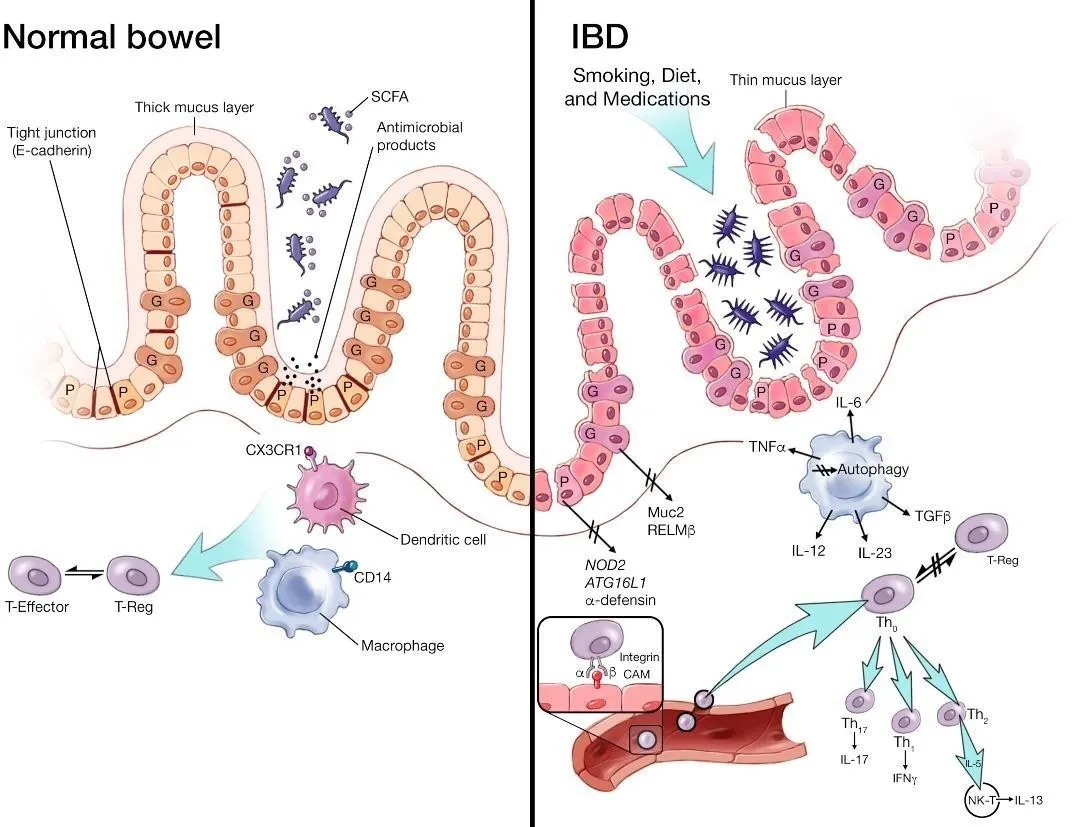
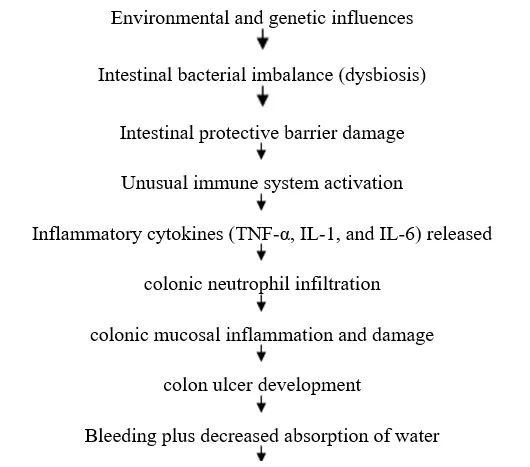
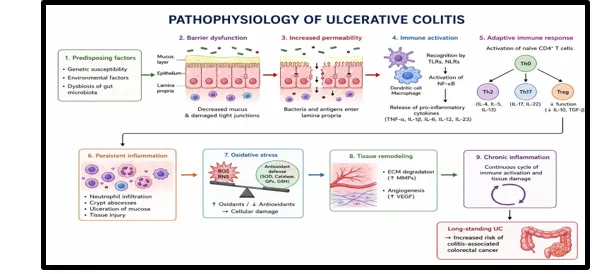
PATHOPHYSIOLOGY OF ULCERATIVE COLITIS (3-6)
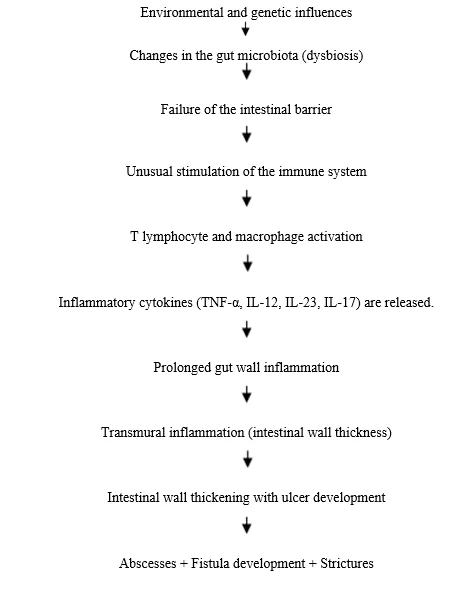
PATHOPHYSIOLOGY OF CROHN'S DISEASE
HERBAL PLANT PROFILE FOR TREATMENT OF ULCERATIVE COLITIS (7-8)
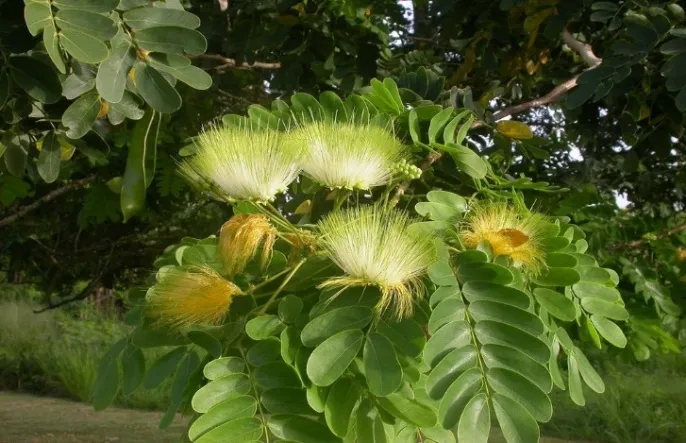
Figure 1: Albizia lebbeck
1. Albizia lebbeck
Biological source: Mimosa pudica Linn. is a small, creeping or semi-prostrate prickly perennial herb belonging to the family Fabaceae
Botanical classification
Kingdom Plantae
Family Fabaceae
Genus Albizia
Species Albizia lebbeck
Chemical constituent Alkaloids, Kaempferol, Tannins
Mechanism of action
|
Dose |
Duration |
Outcome |
|
50, 100, 200 and 400 mg/kg, depending on extract and study |
No validated UC treatment duration identified |
Significant anti-inflammatory action and suppression of inflammation brought about by experiments |
Advantages
Anti-inflammatory activity
Antioxidant activity
Reduction of oxidative damage
Disadvantages
Unknown long-term toxicity
Variable phytochemical composition
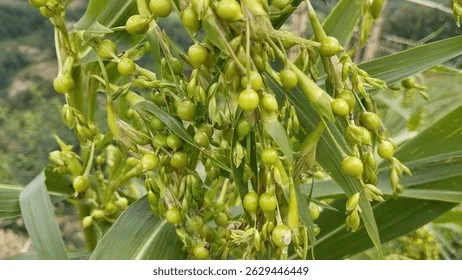
2.Coix lacryma-jobi (9-10)
Biological source: Dried mature seeds of Coix lacryma-jobi L.
Figure 1: Coix lacryma-jobi
Botanical classification :
Kingdom Plantae
Family Poaceae
Genus Coix
Species Coix lacryma-jobi L.
Chemical Constituent : Carbohydrates, Lipids, Flavonoids
Mechanism of action
|
Dose |
Duration |
Outcome |
|
12.5 mg/kg and 50 mg/kg |
7 days of extract administration |
Reduced inflammatory markers, oxidative stress and colon damage; improved intestinal barrier integrity |
Advantages
Protection of the intestinal barrier
Regulation of oxidative stress pathways
Reduction in disease severity
Disadvantages
Lack of standardised dosage
Mechanism not fully established
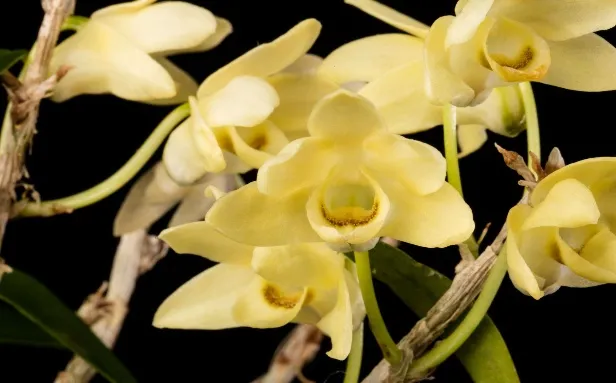
Figure 3: Dendrobium huoshanense
2. Dendrobium Huoshanense
Biological source: . Dendrobium huoshanense C.Z. Tang & S.J. Cheng is a medicinal plant
Botanical classification :
Kingdom Plantae
Family Orchidaceae
Genus Dendrobium
Species Dendrobium huoshanense
Chemical Constituent : Polysaccharides, Flavonoids, Phenolic compounds
Mechanism of action
|
Dose |
Duration |
Outcome |
|
200 mg/kg |
2 weeks |
possible colon-protective and anti-inflammatory benefits via lowering inflammatory cytokines |
Advantages
Colon protection
Mucosal protection
Gut microbiota regulation
Disadvantages
Lack of standardization
Drug interactions
Not a proven cure
CONCLUSION
Inflammatory Bowel Disease (IBD) is a chronic inflammatory ailment that necessitates long-term care, especially Crohn's disease and ulcerative colitis. Promising pharmacological actions, including anti-inflammatory, antioxidant, and intestinal protecting effects, are demonstrated by herbal medicinal plants including Coix lacryma-jobi and Albizia lebbeck. While Coix lacryma-jobi may enhance intestinal barrier integrity and lessen colon tissue damage, Albizia lebbeck may assist lower inflammation and oxidative damage. These results imply that both plants could be used as natural remedies to treat ulcerative colitis. However, there are several significant drawbacks, including a lack of uniform dosing, a dearth of toxicity trials, and inadequate clinical evidence. To determine their safety, efficacy, and therapeutic uses, more investigation is required, including thorough phytochemical analysis, experimental tests, and human clinical trials.


Ankita Gaikwad, Rushikesh Jadhav, Dr. Megha Salve, Pharmacological Assessment of Herbal Plants for Ulcerative Colitis Treatment, Int. J. of Pharm. Sci., 2026, Vol 4, Issue 11, 5422-5428. https://doi.org/10.5281/zenodo.24580311
 10.5281/zenodo.24580311