

We use cookies to ensure our website works properly and to personalise your experience. Cookies policy
Department of Pharmaceutical Chemistry, P.E.S. Modern College of Pharmacy, Nigdi, Pune - 411044, Maharashtra, India.
Given their potent biological activity and low toxicity, fused heterocyclic compounds—particularly those with imidazole and thiadiazole rings—are significant in chemical and medical chemistry. Because of their easy synthesis and extensive range of therapeutic applications, imidazole-based compounds are frequently employed in the creation of medicines. The demand for novel chemical compounds with enhanced therapeutic effects has also been brought about by the rise in medication resistance. Due to its many actions, including antibacterial, anti-inflammatory, anticancer, antiviral, antidiabetic, and anticonvulsant qualities, thiadiazole compounds have garnered a lot of interest. The antiviral efficacy of certain recently created thiadiazole compounds against HIV and CMV is also being investigated. These substances are helpful not only in medicine but also in agrochemical and plant protection applications to create more potent insecticides.
The creation of novel medications with enhanced therapeutic efficacy and decreased toxicity is greatly aided by medicinal chemistry. Modifying current molecules to increase their efficacy while reducing undesirable side effects is one of the main strategies used in pharmaceutical development. Alkaloids, xanthines, cardiac glycosides, and vitamins are just a few examples of the many biologically active substances utilized in medicine that come from synthetic or natural sources. Because of their numerous biological and commercial uses, heterocyclic molecules with nitrogen and sulphur atoms have become more important.[1]
The imidazole nucleus holds a specific place among five-membered nitrogen-containing heterocyclic molecules, which are particularly significant in medical chemistry. Due to the transfer of hydrogen between the nitrogen atoms, imidazole, a five-membered aromatic ring with two nitrogen atoms, can exist in tautomeric forms. It may function as both an acid and a base and is extremely soluble in water due to its polar and amphoteric properties. Numerous naturally occurring and physiologically necessary compounds, including histidine, histamine, vitamin B12, pilocarpine alkaloids, and carnosine, contain the imidazole ring. While histamine functions as a vasodilator and is implicated in allergy responses, histidine residues in enzymes are essential for catalytic reactions and protein transfer activities. [1,2]
The many pharmacological actions of imidazole derivatives have garnered significant interest. The imidazole ring system is included in a number of therapeutically significant medications. For instance, miconazole, clotrimazole, and ketoconazole are significant antifungal medications that prevent the production of ergo sterol in fungal cell membranes, whereas metronidazole is frequently used as an antibacterial and antiprotozoal agent. Adrenergic medications used for nasal and ocular decongestion also include imidazole derivatives. Medicinal chemists have created a large number of imidazole-based molecules to treat a variety of illnesses because of their wide therapeutic potential. [1,2]
Imidazole compounds have been shown to exhibit a broad range of biological actions, including antifungal, antibacterial, anti-inflammatory, analgesic, antitubercular, antiviral, anticancer, antimalarial, antidiabetic, antidepressant, anticoagulant, and antileishmanial qualities. Developing novel imidazole derivatives with enhanced antibacterial activity has become even more crucial in recent years due to the rising issue of multidrug-resistant pathogens. Consequently, the imidazole nucleus is regarded as a preferred structure in medicinal chemistry and remains a crucial field of study for the identification of new therapeutic drugs. [2]
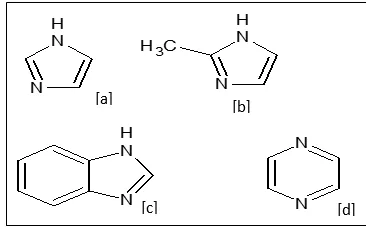
Figure 1: Structure of Imidazole Derivative
3. CHEMISTRY OF IMIDAZOLE’S: -
3.1 Structure and Properties: -
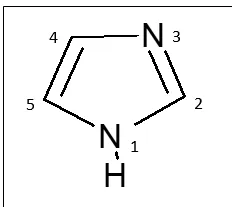
Figure 2: Basic Structure of Imidazole
Imidazole has the chemical formula C3H4N2 and is a planar, five-membered heterocyclic ring structure. Three carbon atoms and two nitrogen atoms, with the nitrogens in the first and third places of the ring, are its defining characteristics. It adheres to Huckel's rule as an aromatic molecule and has a sextet of π-electrons that significantly increases stability. [2] Imidazole's existence in two equivalent tautomeric forms is one of its distinguishing characteristics. The fourth and fifth locations are frequently chemically identical unless a substituent is present to break the symmetry because the hydrogen atom might live on either of the two nitrogen atoms in the ring. [2,3]

Figure 3: Tautomerism in Imidazole Derivatives
Imidazole can function as both an acid and a base since it is amphoteric. While the nitrogen at the first position [pyrrole-like] can give a proton, the nitrogen at the third position [pyridine-like] can easily take one. Its function in biological systems, where it frequently serves as a buffer or a proton shuttle, depends on its ionizable character. [3,4] The ring has a lot of electrons and is very polar. Because of its electrical distribution, it may create a variety of weak contacts, including as cation-π interactions and π–π stacking, which are crucial for binding to receptors and enzymes. [4]
3.2 Physical and Chemical Properties: -
Imidazole is typically soluble in water and other polar solvents because of its strong polarity and the presence of two nitrogen atoms. When added to medicinal molecules, its capacity to create hydrogen bonds greatly improves its pharmacokinetic profile and bioavailability. [4] Because of its strong intermolecular hydrogen bonding, imidazole usually exists as a solid at ambient temperature with a high melting point (about 88–90°C) and high boiling point (about 256°C). The structure is a great option for creating stable hydrogen bond networks because it offers both a donor (the N-H group) and an acceptor (the lone pair on the other nitrogen). [4,5]
3.3 Methods of Synthesis: -
3.4 Recent Synthetic Advancements: -
The focus of current research is on using supramolecular catalysts and multi-component reactions [MCRs] to construct complex imidazole structures with great atom economy and accuracy.[6]
4. STRUCTURE–ACTIVITY RELATIONSHIP [SAR]
Imidazole's distinctive structural framework—a five-membered planar aromatic ring with two nitrogen atoms at the first and third positions—is fundamental to its biological effectiveness. The imidazole ring may easily participate in a variety of non-covalent interactions [such as hydrogen bonding, π-π stacking, and ion-dipole interactions] with biological targets because it is electron-rich and amphoteric. [6,7]
4.1 Effect of Substitutions on the Imidazole Ring: -
One of the main methods for optimizing its therapeutic qualities is to alter the imidazole nucleus through different replacements.
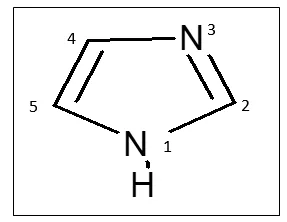
Figure 4: SAR of Imidazole Derivatives
4.2 Electron-Donating vs. Electron-Withdrawing Groups: -
The imidazole ring's reactivity and binding affinity are significantly influenced by the electronic character of its substituents. [7]
4.3 Influence on Potency and Selectivity: -
Finding the "sweet spot" where a replacement maximizes therapeutic activity while reducing off-target consequences is the main goal of SAR research. [7,8] By strengthening their binding to the lanosterol 14 alpha-demethylase enzyme, halogens—especially fluorine or chlorine—often improve metabolic stability and boost the efficacy of antifungal imidazoles. Selectivity can change dramatically when chiral centers are added. The [S]-isomer of ornidazole, for example, is frequently the only isomer that has a therapeutic effect; the other isomer may be inert or have adverse consequences. [8]
4.4 Hybrid Pharmacophore Design: -
The "hybrid pharmacophore" method, which fuses or links the imidazole ring with other bioactive moieties to provide synergistic effects, is a contemporary trend in imidazole SAR. [8] Researchers develop "supramolecular drugs" that may employ multiple modes of action to help overcome drug resistance in bacteria and cancer cells by combining imidazole with other frameworks (such as quinolones or naphthalimides). [8,9] To increase water solubility and bioavailability without sacrificing the initial biological activity, imidazole is frequently employed as a bioisostere for other heterocycles, such as triazole or amide.
4.5 Mechanism of Biological Action: -
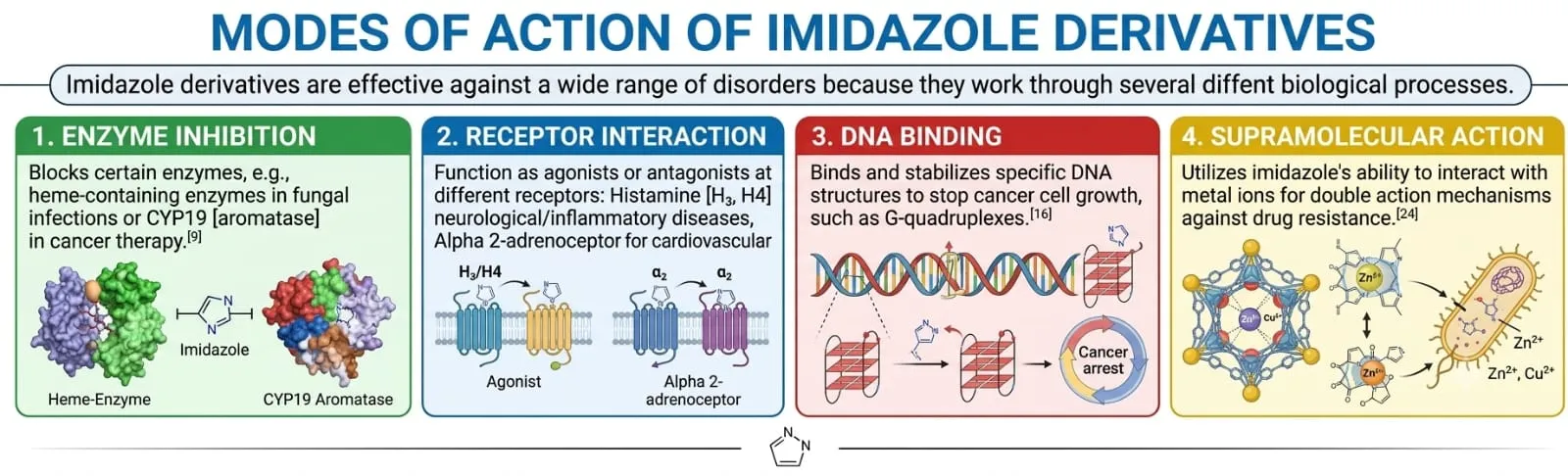
Figure 5: Mechanism of Biological Action of Imidazole Derivatives
Imidazole derivatives are effective against a wide range of disorders because they work through several different biological processes. A lot of imidazoles work by blocking certain enzymes, including heme-containing enzymes in fungal infections or CYP19 [aromatase] in cancer therapy. [9] They can function as agonists or antagonists at different receptors, such as the histamine receptors [H3 and H4] for neurological and inflammatory diseases or the alpha 2-adrenoceptor for cardiovascular problems. To stop the growth of cancer cells, certain derivatives are made to bind and stabilize particular DNA structures, such as G-quadruplexes. [9] Due to imidazole's capacity to interact with metal ions, supramolecular medications that may use double action mechanisms to combat drug resistance can be developed. [9]
5. BIOLOGICAL ACTIVITIES OF IMIDAZOLE DERIVATIVES
The imidazole ring is a five-membered, planar heterocyclic structure with two nitrogen atoms at the first and third positions and three carbon atoms. It can easily associate with a variety of biological receptors and enzymes through a variety of weak interactions, including hydrogen bonding and π-π stacking, thanks to its distinct electron-rich nature and amphoteric characteristics. Imidazole derivatives are crucial in medicinal chemistry to treat a variety of ailments because of their structural adaptability. [10]
5.1 Antimicrobial Activity: -
Imidazole derivatives are very effective against both Gram-positive and Gram-negative bacteria. [14] These substances frequently function by preventing the production of bacterial cell walls or interfering with the creation of proteins. Certain derivatives use non-microbicidal processes to specifically target bacterial biofilms and prevent their production. Clinical medications such as Ciprofloxacin [when hybridized with imidazole] and new selenium-based imidazolium salts that demonstrate notable effectiveness against S. aureus and E. coli are common examples. [10]
5.2 Antifungal Activity: -
One of imidazole’s most well-known clinical uses is for their antifungal qualities. They mainly cause membrane breakdown and cell death by preventing ergo sterol production, which is an essential part of the fungal cell membrane. [10] They are essential for the treatment of superficial and systemic fungal diseases.
Key Antifungal Drugs: -
5.3 Anticancer Activity: -
Because they can stop tumor growth, imidazole-based compounds are essential to oncology. They work by interacting with DNA to cause damage that causes cancer cells to undergo apoptosis, or programmed cell death. Additionally, they block certain enzymes that are necessary for the growth of tumors. [10,11] In order to overcome medication resistance and enhance targeting, recent research focuses on combining imidazoles with other anticancer pharmacophores or metal complexes [such as silver or platinum supramolecular medicines]. Medications like tipifarnib and dacarbazine are utilized in clinical settings to treat a variety of malignancies. [10,11]
5.4 Anti-inflammatory Activity: -
By focusing on important enzymatic pathways, imidazole derivatives effectively reduce inflammation. They prevent the production of inflammatory mediators such prostaglandins by inhibiting the enzymes COX [Cyclooxygenase] and LOX [Lipoxygenase]. Because of this, they are useful in the treatment of long-term inflammatory diseases such rheumatoid arthritis. [10,11]
5.5 Antiviral Activity: -
By disrupting the viral life cycle, imidazole analogs have demonstrated great promise in the treatment of viral diseases. They are active against influenza, hepatitis, and HIV. [12] A number of compounds, including HIV integrase inhibitors, work as viral enzyme inhibitors to stop the virus from multiplying inside host cells. [11]
5.6 Antiparasitic Activity: -
These substances are quite efficient against helminths and protozoa, among other parasites. Used widely to treat giardiasis, amoebiasis, and malaria. The main therapeutic medication used to treat infections brought on by anaerobic bacteria and protozoa, such as Trichomonas vaginalis, is metronidazole. [11]
5.7 Antitubercular Activity: -
Imidazole derivatives are being explored as effective novel treatments due to the rise in drug-resistant tuberculosis. By preventing vital metabolic functions, they target Mycobacterium tuberculosis. [11,12]
5.8 Antioxidant Activity: -
By neutralizing dangerous reactive species, imidazoles help safeguard cells. The imidazole ring gives electrons to stabilize radicals by free radical scavenging, which lowers oxidative stress that can cause tissue damage. [11,12]
5.9 Analgesic and CNS Activities: -
The Central Nervous System [CNS] is significantly impacted by imidazole derivatives. They have sedative, analgesic [pain-relieving], and anticonvulsant properties. Many treat epilepsy and neuropathic pain by interacting with GABA receptors or other neurological pathways. Nafimidone is a well-known anticonvulsant medication based on imidazoles. [11,12]
5.10 Cardiovascular Activities: -
Imidazole's structural characteristics enable it to control a number of cardiovascular processes. By interacting with angiotensin receptors or calcium channels, they can function as vasodilators. Clinical medications with possible antiarrhythmic properties, such as olmesartan and losartan, are used as antihypertensives to treat high blood pressure. [12]
5.11 Enzyme Inhibition Activities: -
Imidazoles are broad-spectrum enzyme inhibitors that go beyond particular illnesses. A key component of azoles' antifungal action is their inhibition of P450 enzymes, which also has an impact on drug metabolism. [12] Inhibitors that prevent signal transmission in illnesses like cancer are created using imidazoles. The potential of certain derivatives to inhibit carbonic anhydrase is being investigated; this is important for the treatment of glaucoma and some types of malignancies. [12]
6. IMIDAZOLE IN CLINICALLY USED DRUGS
A "privileged scaffold" in medicinal chemistry is the imidazole nucleus. It may effectively bind to a variety of biological targets due to its capacity to generate several non-covalent interactions, such as hydrogen bonding and π-π stacking. The comprehensive profiles of a number of commercially available medications that make use of this moiety are shown below: [13]
6.1. Cimetidine: -
Cimetidine has a thioether bond and an imidazole ring that has been replaced with a guanidine group. It functions as a selective H2-receptor antagonist. It reduces the formation of stomach acid by competitively inhibiting the activity of histamine by binding to these receptors on gastric parietal cells. [22] It is mostly used to treat pathological hypersecretory disorders such as Zollinger-Ellison syndrome, gastroesophageal reflux disease (GERD), and peptic ulcers. Dizziness, somnolence, and diarrhea are typical side effects. Gynecomastia and impotence are examples of anti-androgenic effects that can result from prolonged use or high dosages. [13]
6.2. Metronidazole: -
2-[2-methyl-5-nitro-1H-imidazol-1-yl] ethanol is a nitroimidazole derivative. [3] It is a prodrug that produces extremely reactive nitro-radical anions when reduced by anaerobic microbes. Cell death results from these intermediates' damage to the pathogen's DNA. It is frequently used to treat illnesses like giardiasis, trichomoniasis, and amebiasis that are brought on by anaerobic bacteria and protozoa. If patients drink alcohol while undergoing treatment, they may have nausea, a disulfiram-like reaction, and a metallic taste. [9]
6.3. Ketoconazole: -
A complex imidazole derivative containing a dichlorophenyl group and a piperazine ring. It prevents lanosterol from being converted to ergo sterol by inhibiting the fungal enzyme 14-alpha-demethylase. The integrity and functionality of the fungal cell membrane are compromised by this disturbance. [2] In shampoo form, it is used to treat cutaneous and systemic fungal diseases, such as dandruff and candidiasis. Hepatotoxicity and inhibition of steroid production (such as cortisol and testosterone) are notable adverse effects that might cause endocrine disorders. [13,14]
6.4. Clotrimazole: -
An imidazole ring is joined to a chlorinated triphenylmethane backbone to form a tritylimidazole derivative. Like other azoles, it prevents lanosterol's C14-demethylation, which increases membrane permeability and causes fungal cell lysis by interfering with ergo sterol synthesis. [5] Mostly applied topically to treat vaginal yeast infections, ringworm, and athlete's foot. Although generally well tolerated topically, the application site may experience burning, itching, or local irritation. [13,14]
6.5. Miconazole: -
A derivative of imidazole with two rings of chlorinated benzene. It works by preventing the production of ergo sterol and may also lead to the build-up of hazardous peroxides inside the fungal cell, which further accelerates cell death. It can be used to treat a number of fungal infections, such as tinea corporis, tinea pedis, and vulvovaginal candidiasis. [15] Topical use may cause irritation or localized dermatitis. Sometimes gastrointestinal distress might result from systemic absorption, despite its low level.
7. CURRENT RESEARCH AND RECENT DEVELOPMENTS
Imidazole-based medicinal chemistry is rapidly evolving from straightforward structural changes to complex, multidisciplinary drug development strategies. [15,16]
7.1 Nanotechnology-Based Imidazole Delivery: -
Current initiatives aim to address the issues of imidazole derivatives' solubility and bioavailability. In order to modify the thermal and physical characteristics of biofield-treated imidazole derivatives and possibly improve their distribution and efficacy, research has investigated the physical and structural characterization of such derivatives. The imidazole ring is increasingly used as a polar lead molecule to enhance the pharmacokinetic properties and water solubility of poorly soluble drug candidates because its nitrogen atoms make it easy to form hydrogen bonds. [15,16]
7.2 Molecular Docking & Computational Drug Design: -
As rational drug design has taken hold, computational methods have become essential for forecasting the interactions of novel imidazole compounds with biological targets. Because imidazole is electron-rich, it can bind to a wide range of enzymes and receptors through weak interactions such as hydrophobic effects, hydrogen bonding, and π -π stacking. [16,17] Current study uses molecular docking to evaluate the antibacterial, anticancer, and antiquorum-sensing potential of novel benzimidazole series, assisting scientists in identifying the most promising analogs prior to laboratory testing. Understanding structure-activity relationships (SAR) through computational studies is increasingly commonplace, enabling the "rational design" of more potent and less hazardous medications. [16,17]
7.3 Green Chemistry Approaches: -
To produce these essential heterocycles, eco-friendly synthetic techniques are becoming more and more important. In comparison to conventional heating techniques, the parallel synthesis of tetra-substituted imidazoles using microwave irradiation greatly shortens reaction times and increases yields. [17,18] Researchers are actively searching for efficient, "green" methods to synthesize new heterocyclic moieties that have a bright scientific insight into biological systems while minimizing chemical waste. [17,18]
7.4 Patented Imidazole Derivatives & Clinical Trials: -
Imidazole's success is reflected in its massive presence in the current pharmaceutical market and ongoing clinical investigations. Several medicines based on imidazoles are already effective therapeutic staples, such as: [17,18]
As possible clinical therapeutic candidates, a growing number of new imidazole compounds are entering the active stages of research and development. Imidazole's potential as anti-neuropathic, anti-obesity, and even diagnostic medicines has been explored in recent research, expanding its application to "irremediable" illnesses. [18,19]
8. TOXICITY AND SAFETY PROFILE
Imidazole-based medications must strike a balance between great therapeutic potency and few side effects in order to be clinically successful. [19]
8.1. Toxicological Studies: -
The logical development of less hazardous pharmaceuticals depends on an understanding of the safety profile of imidazoles. Selective Toxicity In comparison to conventional drugs, the development of more recent imidazole derivatives aims to achieve broad-spectrum efficacy while guaranteeing lower toxicity and fewer side effects. [19,20] Before being taken into consideration for additional therapeutic development, studies on novel series, such as benzimidazole derivatives, undergo stringent cytotoxicity testing to ascertain their safety for human cells. It's interesting to note that toxicity and efficacy might differ greatly between isomers. For instance, ornidazole's therapeutic impact is entirely attributed to the [S]-isomer, underscoring the necessity of stereospecific toxicological evaluations. [19,20]
8.2. Drug Interactions: -
The imidazole ring's structural adaptability enables it to interact with a variety of biological targets, which can result in intricate drug interaction patterns. [20] Through weak interactions including hydrogen bonds and van der Waals forces, imidazole derivatives easily bind with a range of enzymes and receptors. Imidazoles can combine with other organic compounds or coordinate with metal ions to create supramolecular medications. Although these interactions may result in "double action" processes, they also necessitate close observation for unanticipated drug-drug or drug-ion interactions within the body. [20]
8.3. Resistance Mechanisms: -
The development of resistance is a major issue with imidazole therapy, as it is with many antibacterial and anticancer drugs. [20,21] Despite extensive clinical use, several nitroimidazoles continue to be developed because the incidence of resistance in anaerobic bacteria is very low. To fight resistant strains like metronidazole-resistant Giardia lamblia, researchers are actively creating innovative imidazole frameworks, such as styryl nitroimidazoles. By simultaneously affecting several pathways, imidazole derivatives' capacity to interact with various binding sites is being used as a tactic to overcome current drug resistance. [20,21]
8.4. Limitations in Therapy: -
Imidazoles are widely used, yet there are still certain restrictions on their therapeutic use. Many lead compounds still need to be optimized to achieve optimal bioavailability criteria, even though the imidazole ring can increase water solubility through hydrogen bonding. [21]
The continuous quest for analogs with better safety margins is necessary because some imidazole-based treatments are hampered by side effects such respiratory depression [in some neuropathic applications]. Although imidazole derivatives are frequently broad-spectrum, their effectiveness can be very selective, meaning that a single chemical may not be effective against every strain of a target pathogen. [21]
9. FUTURE PERSPECTIVES
9.1 Need for Novel Imidazole Derivatives: -
Because of the scaffold's chemical versatility and its involvement in essential biological molecules like DNA and hemoglobin, the quest for novel imidazole derivatives is still of utmost importance. [22] Researchers think there is "infinite space" to create imidazole derivatives that are less toxic and have superior therapeutic effects. The imidazole ring is a strong option for rational drug design since it is electron-rich and may easily bind with a variety of enzymes and receptors through a variety of weak interactions [such as hydrogen bonds and π-π stacking]. Future research will concentrate on exploiting structure-activity relationship [SAR] data to create more potent and safe pharmaceuticals as well as more efficient diagnostic tools. [22]
9.2 Drug Resistance Challenges: -
The growing worldwide problem of drug resistance in numerous therapeutic domains is a key motivator for next imidazole research. New structures are constantly needed to fight growing resistant strains in microbial infections and cancer, even though resistance in some areas, such as anaerobic bacteria, is still low. Coordinating imidazole with metal ions to create supramolecular medications is one possible avenue for the future. These could use "double action mechanisms" to get beyond conventional medication resistance pathways. [22,23]
9.3 Potential in Targeted Therapy: -
Imidazole's potential to be tailored for particular biological targets while minimizing off-target effects is what will determine its future. Aromatic heterocycle-derived imidazoles are being investigated as strong inhibitors of particular enzymes, such CYP19, which are essential for treating hormone-related disorders. [22,23] E-cadherin targeting medicines, which may be essential in stopping the growth of cancer cells, are being produced using new derivatives.
9.4 Personalized Medicine Applications: -
Imidazole compounds are being included into the next generation of precision and individualized medicine, going beyond conventional treatment. [22,23] To produce synthetic chemicals that function as diagnostic agents, imidazole rings are progressively integrated into fluorescent skeletons. These probes are able to track molecular biochemical processes in biological systems. Imidazoles have the ability to function as both a therapeutic medication and a diagnostic probe (pathologic probes), making them important participants in the future of "theranostics," a field in which a patient's therapy is customized based on their current biological state. [23]
CONCLUSION
10.1 Summary of Biological Importance: -
The imidazole ring is an essential component of life itself, not only a synthetic chemical structure. Its inherent occurrence in vital molecules like these is the source of its biological relevance. It is a fundamental part of the signalling molecule histamine and the necessary amino acid histidine. [23,24] Imidazole is essential for the storage and transfer of genetic information because it is present in the structures of purines and nucleic acids [DNA/RNA]. It is a crucial component of both the oxygen-carrying protein hemoglobin and vitamin B12.
This five-membered ring's special structure, particularly its electron-rich nitrogen atoms and its capacity to function as both an acid and a base (amphoteric nature), enables it to readily bind with a variety of enzymes and receptors in the human body through weak interactions like hydrogen bonding and coordination. [24]
10.2 Therapeutic Significance: -
Imidazole's adaptable chemistry has made it a "privileged scaffold" in medicinal chemistry, resulting in the creation of several medications that save lives. Its therapeutic benefits have been demonstrated for a wide range of medical conditions:
It is the foundation of many antifungal medications, such as ketoconazole and clotrimazole, as well as antibacterial and antiparasitic treatments, such as metronidazole. [24] Imidazole derivatives are used to treat inflammatory diseases, obesity, and hypertension (losartan). It is essential for neurological care (dexmedetomidine) and anticancer therapy (dacarbazine). [24] In addition to its direct action, the imidazole ring is frequently added to other pharmacological molecules to increase their solubility and bioavailability, which aids in the body's better absorption and utilization of medication.
10.3 Future Opportunities in Medicinal Chemistry: -
Imidazole's drug development odyssey is far from over. Future studies are heading into a number of fascinating areas: -
As novel therapeutic pathways are discovered, there is an increasing emphasis on employing imidazole-based medicines to treat "irremediable" disorders. [24] To assist physicians in tracking biological processes and identifying illnesses early in the clinical setting, researchers are creating fluorescent probes and diagnostic agents based on imidazoles. Researchers are developing supramolecular medications that may employ several pathways simultaneously to combat the escalating worldwide danger of drug resistance by coordinating imidazole with metal ions. [24]"Rational drug design," in which pharmaceutical chemists employ imidazole's established structure-activity connections to produce "designer drugs" that are more potent yet noticeably less hazardous than existing alternatives, is the way of the future. [24]
REFERENCES




Chopade Vitthal, Malkar Shailesh, Patil Tejal, Kharche Arpita, Chemistry, Biological Activity and Therapeutic Uses of Imidazole Derivatives in Medicinal Chemistry, Int. J. of Pharm. Sci., 2026, Vol 4, Issue 11, 5403-5413. https://doi.org/10.5281/zenodo.24579888
 10.5281/zenodo.24579888