

We use cookies to ensure our website works properly and to personalise your experience. Cookies policy
1,2,3,4,5Siddhi's Institute of Pharmacy, Nandgaon, Murbad, Thane - 421401, Maharashtra, India.
6Assistant Professor, Siddhi's Institute of Pharmacy, Nandgaon, Murbad, Thane -421401,Maharashtra, India.
Clitoria ternatea L., commonly known as butterfly pea or aparajita, is a perennial climbing plant belonging to the family Fabaceae. It is cultivated as an ornamental plant and used in traditional medicine, food colouring, and forage systems. Different parts of the plant contain bioactive constituents, including anthocyanins, flavonoids, phenolic compounds, triterpenoids, and cyclotides. The blue flower pigments known as ternatins are polyacylated anthocyanins that have attracted interest because of their colour properties and antioxidant activity in experimental assays. Research has examined possible antioxidant, anti-inflammatory, glucose-regulating, neuropharmacological, antimicrobial, and cytoprotective activities. Proposed mechanisms include interactions with reactive species, modulation of inflammatory signalling, effects on post-meal glucose responses, and influence on pathways associated with memory. However, the strength of evidence differs among these activities, and much of the literature is based on chemical assays, cell cultures, or animal studies. A small human crossover study has investigated acute postprandial responses to a flower beverage, but this does not establish long-term therapeutic efficacy. This review summarizes the botanical identity, synonyms, morphological features, phytochemical constituents, proposed mechanisms, and reported pharmacological properties of C. ternatea. Further research is needed on standardized preparations, bioavailability, safety, and clinical effectiveness before definitive therapeutic claims can be made. [12]
Medicinal plants have contributed to traditional healthcare systems for centuries and continue to attract scientific interest as sources of chemically diverse natural products. Research into medicinal plants can help identify bioactive substances, investigate biological functions, and assess possible applications in pharmaceutical and healthcare research. Nevertheless, traditional use alone does not establish clinical effectiveness or safety [1,2,12,13,15].
Clitoria ternatea L. is a flowering plant in the family Fabaceae, recognized by its distinctive blue or occasionally white flowers. It is cultivated in tropical and subtropical regions and is commonly known as butterfly pea, blue pea, or aparajita. In traditional Indian systems, it has been used in preparations associated with memory and general well-being, although these traditional uses should not be interpreted as proof of clinical benefit [1,2,12,15].
Phytochemical investigations have identified anthocyanins, flavonol glycosides, phenolic compounds, triterpenoids, and cyclotides in the plant. Its flower pigments, called ternatins, have received particular attention because of their chemical structures, colour properties, and activity in experimental antioxidant assays. Studies have also investigated a range of biological effects, but findings depend on plant part, extraction method, composition, dose, and study model. Results obtained with concentrated extracts cannot automatically be applied to ordinary flower tea or whole-plant preparations.
This review discusses the botanical identity, synonyms, morphological characteristics, phytochemical composition, possible pharmacological mechanisms, and reported biological properties of C. ternatea. It also distinguishes preclinical findings from the limited evidence currently available from human studies. [2]
2. What is meant by Clitoria ternatea?
Clitoria ternatea L. is a species of flowering plant in the family Fabaceae, also known as the legume or pea family. It is a perennial climbing or trailing herb with compound leaves and characteristic pea-shaped flowers. Common names include butterfly pea, blue pea, Asian pigeonwings, and aparajita. The species is valued for its ornamental appearance, traditional uses, natural blue pigment, and potential agricultural applications [1,2,7].
The scientific name should be written as Clitoria ternatea, with the genus capitalized and the species epithet in lowercase; both words are italicized. The botanical authority, L., is not italicized.
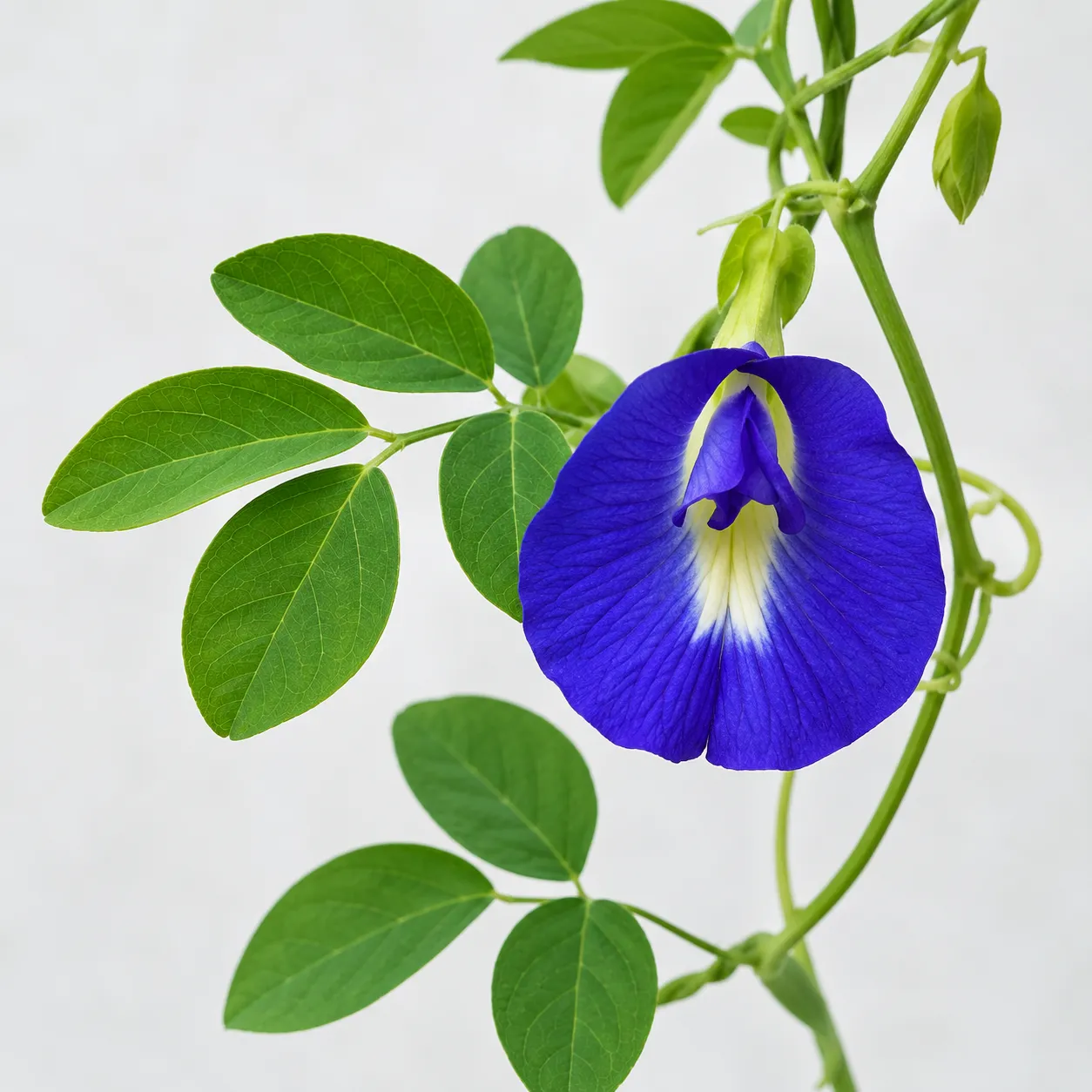
Figure 1: Illustrative representation of a blue butterfly pea flower (Clitoria ternatea)
3. Synonyms and common names
The accepted botanical name is Clitoria ternatea L. Botanical databases record scientific synonyms for the species; taxonomic names should be checked against an authoritative current database before publication [7].
4. Morphological features
The morphology of C. ternatea helps distinguish it from other members of the Fabaceae family. Its main characteristics are summarized below [2,7, 8].
| Plant part / feature | Description |
|---|---|
| Habit and growth | A perennial climbing or trailing herb, sometimes with a somewhat woody base. It can twine around supporting vegetation and is commonly cultivated in warm climates. |
| Stem | Generally slender, branched, and climbing or trailing. The surface may be smooth or finely hairy depending on the specimen. |
| Leaves | Alternate compound leaves, usually with five to seven leaflets. Leaflets are commonly oval, elliptic, or oblong, with variation in size and shape. |
| Flowers | Usually solitary or paired in leaf axils. Flowers have a papilionaceous pea-flower structure and are typically blue or violet, sometimes with a white or yellowish central area. White-flowered forms also occur. |
| Fruit | An elongated, flattened legume pod that develops after pollination and contains several seeds. |
| Seeds | Generally oval to oblong and may be brown, dark brown, or mottled. Colour and dimensions vary among specimens. |
| Habitat and distribution | Grows in tropical and subtropical environments and is cultivated or naturalized across many warm regions. Distribution reflects both natural occurrence and human introduction. |
For research use, botanical identity should be supported by collection details, authentication by a qualified botanist where possible, and a voucher specimen. Morphological identification is especially important when selecting plant material for phytochemical or pharmacological experiments [2,7].
5. Phytoconstituents
Phytoconstituents are naturally occurring chemical substances produced by plants. In C. ternatea, these compounds are distributed across flowers, leaves, roots, stems, and seeds. Their identity and concentration depend on plant part, growing conditions, maturity, and extraction method [3]
| Phytochemical group | Examples or reported constituents | Research significance |
|---|---|---|
| Anthocyanins | Ternatins; delphinidin-derived pigments | Blue flower colour; antioxidant activity in experimental assays; pigment stability research. |
| Flavonoids | Kaempferol and quercetin glycosides | Investigated for antioxidant and inflammation-related effects. |
| Phenolic compounds | Various phenolic compounds reported in extracts | May contribute to antioxidant activity measured in chemical assays. |
| Triterpenoids | Taraxerone and taraxerol have been reported | Investigated as plant-derived bioactive compounds. |
| Cyclotides | Cyclic peptides reported in multiple plant tissues | Investigated for membrane interactions and selected biological activities. |
| Primary metabolites | Proteins, carbohydrates, lipids, and fibre | Contribute to nutritional and physiological properties. |
5.1 Anthocyanins and ternatins
Anthocyanins are water-soluble pigments responsible for red, purple, and blue colours in many plants. The flowers of C. ternatea are notable for ternatins, which are polyacylated derivatives of delphinidin-based anthocyanins. Individual ternatins have been isolated and chemically characterized [3,4,5]. Their research importance includes contribution to flower colour, radical-scavenging activity in laboratory tests, and possible use as natural food-colouring ingredients. These findings do not, by themselves, prove that consuming the pigments prevents or treats disease.
5.2 Flavonoids and other phenolic compounds
Flavonoids are a diverse group of plant metabolites. Kaempferol, quercetin derivatives, and other flavonol glycosides have been reported in C. ternatea extracts. Their chemical structures can support redox reactions and interactions with reactive species. Some compounds may also influence biological signalling in experimental systems, but their effects depend on the specific compound, dose, and model [1,2,6,10].
5.3 Triterpenoids and cyclotides
Triterpenoids such as taraxerone and taraxerol have been reported in phytochemical investigations. Cyclotides are small cyclic peptides with characteristic disulfide bonds and compact structures. Some cyclotides isolated from C. ternatea have demonstrated biological activity in laboratory experiments, including effects on membranes and selected organisms. Their selectivity, toxicity, and therapeutic potential require further investigation [1,2].
5.4 Primary metabolites
The plant also contains proteins, carbohydrates, lipids, and dietary fibre. These substances contribute to its nutritional and agricultural value. Quantitative statements about their concentrations should identify the plant part, preparation method, analytical method, and whether values are reported on a fresh-weight or dry-weight basis [2,8].
6. Mechanisms of action of pharmacological activities
A mechanism of action describes how a chemical compound or plant extract produces a biological response. Because C. ternatea contains multiple constituents, its effects may involve several pathways rather than a single mechanism. The following explanations are proposed or experimentally investigated and should not be interpreted as fully established mechanisms in humans [1,2,9,10].
6.1 Antioxidant mechanism
Oxidative stress occurs when reactive oxygen species exceed the capacity of antioxidant defence systems. Anthocyanins and other phenolic compounds in C. ternatea can scavenge certain radicals in chemical assays and may influence cellular antioxidant responses. Proposed steps include interaction with reactive species, stabilization of some radicals through electron or hydrogen donation, and possible changes in selected oxidative-stress indicators in cellular models. The response depends on concentration, metabolism, and experimental conditions. Activity in DPPH or ABTS assays does not establish clinical protection against oxidative-stress-related disease [10].
6.2 Anti-inflammatory mechanism
Inflammation involves signalling molecules, enzymes, and immune-cell responses. Some C. ternatea extracts and constituents have been investigated for their effects on inflammatory mediators. Potential explanations include modulation of inflammatory signalling and changes in selected cytokine responses. The responsible compounds and molecular targets must be confirmed for each preparation and experimental model [1,2].
6.3 Antidiabetic and glucose-regulating mechanism
Research has examined possible effects of C. ternatea on post-meal glucose regulation and carbohydrate metabolism. Potential explanations include modulation of enzymes involved in carbohydrate digestion and changes in postprandial glucose or insulin responses. A randomized crossover study in 15 healthy men reported changes in postprandial glucose, insulin, and antioxidant measurements when a flower beverage was consumed with sucrose. This small, acute study does not establish long-term diabetes treatment or prevention [9].
6.4 Neuropharmacological mechanism
Traditional use of C. ternatea includes preparations associated with memory and cognitive function. Experimental studies have investigated memory-related behaviour and central cholinergic activity in animals. The cholinergic system uses acetylcholine as a neurotransmitter and participates in learning and memory. Animal findings provide a basis for further investigation but do not establish cognitive benefits in humans [1,2].
6.5 Antimicrobial mechanism
Some extracts and isolated compounds have been evaluated against selected microorganisms. Proposed explanations include interactions with microbial membranes or other cellular components, but the mechanism may differ according to the extract and organism tested. Antimicrobial activity in a laboratory assay does not mean that a preparation is an effective antibiotic in clinical practice. Active compounds, effective concentrations, selectivity, and safety must be established [1,2].
6.6 Cytoprotective mechanism
In a laboratory study using human keratinocytes, an aqueous flower extract was evaluated against hydrogen-peroxide-associated cytotoxicity and ultraviolet-induced mitochondrial DNA damage. Protective effects were reported under the study's experimental conditions. These cell-based results do not establish that consuming or applying the plant prevents skin ageing or treats skin disease [10].
7. Pharmacological properties
The pharmacological properties of C. ternatea have been explored using chemical assays, cell cultures, animal experiments, and a limited number of human studies. The evidence level differs considerably among the reported activities [1,2,13,14].
| Property | Main research findings | Evidence and limitations |
|---|---|---|
| Antioxidant | Flower pigments and phenolic compounds show radical-scavenging activity. | Supported by chemical assays and selected cellular research; not proof of disease prevention [3,10]. |
| Anti-inflammatory | Extracts have been investigated for changes in inflammatory responses. | Predominantly preclinical; active compounds and mechanisms need confirmation [1, 2]. |
| Glucose-regulating | Extracts have been studied for effects on glucose-related measurements. | A small acute human study exists; this is not proof of long-term diabetes treatment [9]. |
| Neuropharmacological | Animal research has examined memory-related behaviour and cholinergic activity. | Mainly preclinical; human cognitive benefits remain uncertain [1, 2]. |
| Antimicrobial | Some extracts and compounds have shown activity against selected microorganisms. | Laboratory findings do not establish clinical antimicrobial effectiveness [1, 2]. |
| Cytoprotective | Flower extract showed protective effects in an experimental human skin-cell model. | Cell-based evidence for the specific model studied [10]. |
| Cytotoxic / anticancer research | Some extracts or constituents have been investigated for effects on cell viability. | Cell cytotoxicity does not demonstrate an effective or safe cancer treatment [1, 2]. |
| Hepatoprotective and other reported activities | Experimental literature has explored several additional pharmacological effects. | Evidence and reproducibility vary; treatment claims require well-designed clinical research [1, 2]. |
7.1 Antioxidant activity
Antioxidant research is particularly relevant because C. ternatea flowers contain anthocyanins. Studies have examined extraction, chemical stability, and antioxidant activity of ternatins and other phenolic compounds. These results support further investigation of the plant as a source of natural pigments and antioxidant ingredients, but chemical assay results should not be equated with disease prevention [3,6, 10].
7.2 Antidiabetic potential
The plant has been investigated for possible effects on glucose metabolism. A human crossover study found that consuming flower extract with sucrose affected selected postprandial glucose, insulin, and antioxidant measurements. Its small sample size and acute design mean that larger, longer-term controlled studies are needed to establish clinical relevance [9].
7.3 Neuropharmacological potential
Experimental research has explored memory-related effects of C. ternatea extracts in animals. Although relevant to investigating traditional claims, these findings cannot be directly translated into recommendations for improving memory, treating anxiety, or managing neurological disorders in humans [1,2].
7.4 Antimicrobial and cytotoxic activities
Extracts and selected compounds have been evaluated for antimicrobial effects and changes in cell viability under laboratory conditions. Such findings can help identify candidate bioactive compounds, but effects on cultured cells may differ substantially from effects in the human body. Research must establish selectivity, achievable exposure, and safety before medical use can be considered [1,2,10].
7.5 Safety and limitations
The safety of C. ternatea depends on plant part, preparation, amount consumed, duration of use, and individual circumstances. Traditional use or short-term studies do not establish the safety of every extract or concentrated supplement. Standardization, toxicological evaluation, interaction studies, and additional clinical research are needed before firm conclusions about therapeutic use can be drawn [1,2].
CONCLUSION
Clitoria ternatea L. is a distinctive leguminous plant with ornamental, agricultural, food-colouring, and traditional medicinal uses. Its phytochemical profile includes ternatin anthocyanins, flavonoids, phenolic compounds, triterpenoids, and cyclotides, which have attracted scientific interest because of their chemical and biological properties. Experimental studies have investigated antioxidant, anti-inflammatory, glucose-regulating, neuropharmacological, antimicrobial, and cytotoxic activities. However, the strength of evidence varies, and many findings remain limited to chemical assays, cell cultures, or animal models. A small human crossover study provides preliminary information about acute postprandial responses, but it does not establish long-term therapeutic efficacy. Future research should prioritize chemically standardized extracts, identification of active constituents, reproducible mechanistic studies, pharmacokinetic and safety assessments, and adequately designed clinical trials. Until stronger evidence becomes available, C. ternatea should be regarded as a promising subject for phytochemical and pharmacological research rather than an established treatment for specific diseases [6,9,10].
REFERENCES


Chaitanya Patil, Saniya Shelar, Raj Khateghare, Ashish Jamghare, Abhilasha Gambhirao, Rupali Karale, “Clitoria Ternatea (Butterfly Pea): A Comprehensive Review of Its Phytochemical Constituents, Pharmacological Properties, and Therapeutic Potential”, Int. J. of Pharm. Sci., 2026, Vol 4, Issue 11, 1160-1166. https://doi.org/10.5281/zenodo.23999284
 10.5281/zenodo.23999284