

We use cookies to ensure our website works properly and to personalise your experience. Cookies policy
School of Pharmacy, RK University, Kasturbadham, Rajkot-360020, Gujarat, India.
Poor aqueous solubility remains a major challenge in pharmaceutical development, as it can limit drug dissolution, absorption, and overall bioavailability. Co-amorphous solid dispersions (CASDs) have gained attention as a promising approach to overcome this problem by combining poorly soluble drugs with suitable small-molecule co-formers. This review explores the role of CASDs in improving drug solubility and dissolution, with a focus on the molecular interactions responsible for their formation and stability. Interactions such as hydrogen bonding, ionic interactions, and ?–? interactions help improve drug–co-former compatibility, reduce molecular mobility, and minimize the risk of recrystallization. The review also discusses how co-former selection, drug-to-co-former ratio, and physicochemical properties influence formulation performance. Different preparation techniques, including ball milling and spray drying, are examined along with their advantages, limitations, and potential for industrial application. In addition, the relationship between improved dissolution, super saturation, precipitation inhibition, and oral bioavailability is highlighted.
Poor aqueous solubility is a major challenge in pharmaceutical development because it can reduce drug dissolution and consequently limit oral absorption and therapeutic effectiveness. Although converting a crystalline drug into an amorphous form can increase its apparent solubility and dissolution rate due to its higher energetic state, amorphous drugs are thermodynamically unstable and may recrystallize during processing, storage, or dissolution. Therefore, maintaining the amorphous state while preserving its solubility advantage remains an important formulation challenge.
Co-amorphous solid dispersions (CASDs) have emerged as a promising approach to address these limitations. They are generally homogeneous, single-phase amorphous systems consisting of a drug combined with one or more low-molecular-weight co-formers. Depending on the drug and co-former chemistry, these systems may involve drug–drug or drug–co-former combinations. Suitable co-formers can interact strongly with drug molecules and help stabilize the amorphous phase while maintaining improved dissolution characteristics. Amino acids, carboxylic acids, nicotinamide, saccharin, and other small molecules have been investigated as potential co-formers (1).
The enhanced performance of CASDs is closely related to molecular interactions between the drug and co-former (2). Hydrogen bonding, ionic interactions, and π–π interactions can promote molecular miscibility and restrict molecular movement, thereby reducing the tendency of the drug to recrystallize. These interactions can consequently improve both the physical stability of the amorphous system and its dissolution behavior. reported several drug–drug, drug–carboxylic acid, and drug–amino acid systems in which such intermolecular interactions contributed to stabilization and improved dissolution and absorption (2).
Experimental evidence further demonstrates the potential of co-amorphization for poorly soluble drugs. Investigated co-amorphous formulations of baicalin using different organic acids and amino acids as co-formers. The baicalin–histidine system showed substantial improvement in aqueous solubility and dissolution compared with crystalline baicalin, while also maintaining the amorphous state during the reported storage period. This example demonstrates that appropriate co-former selection can simultaneously address the problems of poor solubility, slow dissolution, and inadequate physical stability.
From a pharmaceutical product-development perspective, successful CASD formulation requires more than simply producing an amorphous material. Factors such as co-former selection, drug–co-former ratio, preparation technique, molecular interactions, solid-state characteristics, stability, dissolution performance, scale-up, and regulatory requirements must be considered. particularly emphasized these factors in the development of co-amorphous systems as pharmaceutical products. Consequently, understanding the relationship between molecular interactions and amorphous stability is essential for designing CASDs that can provide consistent solubility enhancement and remain stable during manufacturing and storage.
Co-amorphous solid dispersions represent a promising strategy for improving the performance of poorly water-soluble drugs. Their potential arises from the combination of the high dissolution characteristics of the amorphous state with molecular-level stabilization provided by suitable co-formers. However, further understanding of molecular interactions, stability dynamics, dissolution enhancement, and industrial scalability is required to translate these systems from laboratory-scale formulations into robust pharmaceutical products (3).
1.1 Poor aqueous solubility as a pharmaceutical development challenge
Poor aqueous solubility is an important barrier to oral drug bioavailability, particularly for compounds categorized within BCS Class II and Class IV. BCS Class II drugs are characterized by low solubility with comparatively favorable permeability, making dissolution a major factor limiting their absorption. In contrast, BCS Class IV drugs exhibit both poor solubility and inadequate permeability and therefore represent a more challenging formulation problem. Consequently, formulation strategies for these drug classes should be selected according to the underlying biopharmaceutical limitation, with solubility- and dissolution-enhancement approaches being particularly relevant for BCS Class II drugs, while BCS Class IV drugs generally require approaches capable of addressing both dissolution and permeability constraints (4).
Table 1: Biopharmacetical Classification System (BCS) Grid Mapping Solubility and Permeability Horizons for Poorly Soluble Drug Candidates.
| Class I | Class II |
|---|---|
| High solubility High permeability Example. Metoprolol |
Low solubility High permeability Example. Carbamazepine |
| Class III | Class IV |
| High solubility Low permeability Example. Atenolol |
Low solubility Low permeability Example. Furosemide |
1.2 Impact on dissolution and oral bioavailability
Poor aqueous solubility represents a critical biopharmaceutical limitation for many drug candidates, particularly those belonging to Biopharmaceutics Classification System (BCS) class II. In such compounds, inadequate dissolution in gastrointestinal fluids can restrict the concentration of drug available for intestinal absorption, resulting in low and variable oral bioavailability. Transformation of a crystalline drug into an amorphous form can overcome part of this limitation because the amorphous state possesses higher Gibbs free energy and thermodynamic activity than the corresponding crystalline state. Consequently, amorphous drugs generally exhibit enhanced apparent solubility and dissolution rates. However, their thermodynamic instability predisposes them to molecular rearrangement and recrystallization, which can diminish the dissolution advantage during storage or after administration. Co-amorphous solid dispersions (CASDs) have therefore emerged as a strategy for simultaneously enhancing dissolution and improving the physical stability of amorphous drugs (5).
The dissolution behavior of CASDs is governed by several interrelated factors, including the physicochemical properties of the drug, the identity and concentration of the co-former, drug–co-former miscibility, molecular interactions, and the stability of the amorphous phase. Intermolecular hydrogen bonding, ionic interactions, and π–π interactions can facilitate molecular-level mixing and restrict molecular mobility, thereby inhibiting recrystallization during dissolution. Such interactions can enable the formulation to maintain an elevated dissolved-drug concentration for a longer duration compared with the crystalline drug. Nevertheless, the presence of strong intermolecular interactions alone does not necessarily ensure optimal dissolution, as the dissolution rate and aqueous behavior of the co-former, drug/co-former ratio, and propensity for precipitation also influence overall performance (6).
An important mechanism underlying the improved biopharmaceutical performance of CASDs is the generation and maintenance of a supersaturated drug concentration. Owing to the higher free energy of the amorphous state, rapid dissolution can produce drug concentrations exceeding the equilibrium solubility of the crystalline form. If recrystallization and precipitation are effectively inhibited by the co-former, this supersaturated state can persist for an extended period, thereby increasing the concentration gradient across the intestinal membrane and potentially enhancing drug absorption. Thus, the performance of a CASD should be evaluated not only in terms of equilibrium solubility but also with respect to dissolution kinetics, supersaturation generation, precipitation inhibition, and maintenance of the amorphous state (6).
Experimental studies have demonstrated that these physicochemical improvements can translate into enhanced systemic exposure. For example, co-amorphous formulations developed using epigallocatechin-3-gallate as a co-former for poorly water-soluble drugs demonstrated improved dissolution and increased pharmacokinetic exposure compared with their crystalline counterparts. The observed enhancement was associated with improved molecular miscibility and intermolecular interactions that contributed to stabilization of the amorphous phase Similarly, studies summarized in previous reviews have demonstrated improvements in pharmacokinetic parameters such as maximum plasma concentration (Cmax) and area under the plasma concentration–time curve (AUC) following administration of selected co-amorphous formulations (2).
However, enhanced dissolution does not necessarily result in a proportional increase in oral bioavailability. Following administration, drug absorption is influenced by several additional processes, including intestinal precipitation, membrane permeability, gastrointestinal residence time, luminal conditions, and presystemic metabolism. Therefore, an increase in dissolution observed under in-vitro conditions should not be interpreted directly as an equivalent increase in systemic exposure. Comprehensive evaluation of CASDs should consequently integrate dissolution testing with supersaturation and precipitation studies and, where feasible, in-vivo pharmacokinetic assessment (6).
The effect of CASDs on oral drug delivery can be understood as a dissolution–supersaturation–precipitation–absorption cascade. Amorphization increases the thermodynamic driving force for dissolution, while appropriate drug–co-former interactions retard molecular rearrangement and recrystallization. This facilitates generation and maintenance of supersaturation, increasing the concentration of dissolved drug available for intestinal absorption and potentially improving systemic exposure. However, the magnitude of these benefits remains formulation- and drug-dependent and is strongly influenced by co-former selection, molecular ratio, intermolecular interactions, amorphous-state stability, and gastrointestinal conditions (2).
1.3 Amorphous Drug as a Solubility Enhancement Strategy
The conversion of a crystalline drug into the amorphous state is a widely used strategy for improving the aqueous solubility and dissolution of poorly water-soluble drugs. Because amorphous materials lack long-range molecular order and possess higher Gibbs free energy and thermodynamic activity than their crystalline counterparts, they exhibit a greater driving force for dissolution and can generate supersaturated drug concentrations, potentially enhancing gastrointestinal absorption and oral bioavailability (7)(8).
The amorphous state is thermodynamically unstable and may undergo molecular relaxation, nucleation, phase separation, and recrystallization during storage or dissolution. These processes can reduce the solubility and dissolution advantage of the amorphous drug .Therefore, maintaining the physical stability of the amorphous state is essential for achieving sustained solubility enhancement (9)(10).
The performance of amorphous formulations depends on molecular mobility, drug–excipient interactions, supersaturation, and precipitation behavior. Suitable stabilizing excipients can restrict molecular mobility and delay recrystallization, thereby maintaining higher drug concentrations in solution and supporting improved absorption .These limitations provide the scientific basis for the development of co-amorphous solid dispersions, in which low-molecular-weight co-formers can stabilize the amorphous drug through favorable intermolecular interactions while retaining its dissolution advantage. (11).
1.4 Problems/Limitations of Amorphous Drugs as a Solubility-Enhancement Strategy
Although amorphization can substantially improve the apparent solubility and dissolution of poorly water-soluble drugs, its thermodynamic instability remains a major limitation. The higher Gibbs free energy of the amorphous state provides the driving force for dissolution but simultaneously promotes molecular rearrangement, nucleation, crystal growth, and recrystallization. These processes can progressively eliminate the solubility advantage during storage or dissolution (8)(10).
The physical stability of amorphous drugs is strongly influenced by molecular mobility, glass-transition temperature (Tg), drug–excipient miscibility, and environmental conditions. Exposure to moisture can plasticize the amorphous phase, decrease Tg, and increase molecular mobility, thereby accelerating crystallization and phase separation. Consequently, temperature and relative humidity must be carefully controlled during manufacturing and storage (10).
The solubility advantage of an amorphous drug is dynamic rather than an absolute equilibrium property. Upon hydration, an amorphous drug may generate a supersaturated solution that subsequently undergoes phase separation or precipitation. Therefore, the concentration measured experimentally may not directly represent the maximum thermodynamic activity of the amorphous drug, particularly in the presence of excipients or gastrointestinal components (12).
The major challenge is to retain the high-energy amorphous state while preventing recrystallization and maintaining supersaturation. These limitations provide the rationale for co-amorphous systems, in which suitable low-molecular-weight co-formers can establish favorable intermolecular interactions, reduce molecular mobility, and improve resistance to crystallization while retaining the dissolution advantage of amorphization.
1.5 Emergence of Co-Amorphous Systems
The emergence of co-amorphous systems (CAMS) represents a formulation strategy developed to overcome the physical instability of conventional amorphous drugs while retaining their solubility and dissolution advantages. In these systems, a poorly soluble drug is combined with a suitable low-molecular-weight co-former, such as an amino acid, organic acid, nicotinamide, or another drug, to generate a homogeneous single-phase amorphous material. The incorporation of a co-former can enhance molecular miscibility and establish favorable intermolecular interactions, thereby reducing molecular mobility and inhibiting recrystallization of the amorphous drug (13).
The pharmaceutical performance of CAMS is primarily governed by co-formability, physical stability, and dissolution performance. Molecular interactions such as hydrogen bonding, ionic interactions, and π–π interactions, together with appropriate drug-to-co-former ratios, can contribute to stabilization of the amorphous phase. At the same time, maintenance of supersaturation during dissolution can enhance the concentration of drug available for absorption and potentially improve oral bioavailability (13).
Compared with conventional polymeric amorphouus solid dispersions, CAMS may provide advantages such as higher drug loading, reduced polymer dependence, improved physical stability, and enhanced dissolution. However, their performance remains highly dependent on drug–co-former compatibility, molar ratio, preparation method, molecular interactions, and storage conditions. Therefore, rational co-former selection and mechanistic understanding of molecular interactions are essential for developing robust co-amorphous formulations (10)(13).
1.6 Why Co-Amorphous Systems?
Co-amorphous systems (CAMS) have been developed to address the dual challenges of poor aqueous solubility and inadequate physical stability associated with many amorphous drug formulations. Although conversion of a crystalline drug to an amorphous form increases its thermodynamic activity and dissolution potential, the high-energy state is susceptible to molecular relaxation and recrystallization. Incorporation of a suitable low-molecular-weight co-former can stabilize the amorphous phase while preserving its dissolution advantage (13).
The effectiveness of CAMS is primarily attributed to drug–co-former molecular interactions and intimate molecular mixing. Hydrogen bonding, ionic interactions, and π–π interactions can promote miscibility, restrict molecular mobility, and hinder nucleation and crystal growth. Consequently, appropriately designed CAMS may exhibit improved physical stability and maintain higher drug concentrations during dissolution (6).
Another important advantage is the potential for higher drug loading compared with many polymeric amorphous solid dispersions because CAMS can employ small-molecule co-formers rather than large quantities of polymeric carriers. In addition, CAMS can enhance dissolution and sustain supersaturation, which may increase the concentration of drug available for intestinal absorption and consequently improve oral bioavailability (6).
CAMS are not universally superior to polymeric amorphous solid dispersions. Their performance is highly dependent on co-former selection, drug-to-co-former molar ratio, molecular interactions, preparation method, molecular mobility, and environmental stability. Therefore, rational formulation design and mechanistic understanding are essential for obtaining a stable system with reproducible dissolution and biopharmaceutical performance (13).
1.7 Current Knowledge Gaps in Co-Amorphous Systems
Despite considerable research into co-amorphous systems (CAMS) as a strategy for improving the dissolution and bioavailability of poorly water-soluble drugs, several aspects remain insufficiently understood. Most reported formulations have been developed through empirical screening, and predictive approaches for selecting suitable co-formers and determining the optimal drug-to-co-former ratio are still limited. A better understanding of molecular descriptors and drug–co-former compatibility is required to enable rational formulation design rather than extensive experimental trial-and-error (14).
Another important gap concerns the molecular mechanisms governing physical stability. Although hydrogen bonding, ionic interactions, π–π interactions, and molecular miscibility are frequently associated with improved stability, their precise influence on molecular mobility, glass-transition behavior, phase separation, nucleation, and recrystallization is not completely established. In addition, the effects of humidity, temperature, and prolonged storage on the molecular structure and performance of CAMS require further systematic investigation (10).
The relationship between enhanced in-vitro dissolution and actual oral bioavailability also remains incompletely defined. Increased dissolution and supersaturation do not necessarily translate into proportional increases in systemic exposure because precipitation, intestinal permeability, gastrointestinal conditions, residence time, and presystemic metabolism can influence drug absorption. Therefore, more standardized dissolution–super saturation–precipitation models and well-designed pharmacokinetic studies are needed to establish reliable in-vitro–in-vivo relationships for CAMS (10) (13) .
Furthermore, industrial translation and scale-up remain relatively underexplored. Although several preparation techniques, including spray drying, milling, and melt-based processes, have demonstrated laboratory-scale feasibility, information regarding large-scale manufacturing, process reproducibility, critical process parameters, batch-to-batch consistency, and long-term product stability is comparatively limited. Regulatory considerations and standardized quality-control strategies for CAMS also require further development (13).
1.8 Objective and Scope of the Review
1.8.1 Objective
The present review aims to critically examine co-amorphous solid dispersions (CASDs) as an advanced formulation strategy for overcoming the limited aqueous solubility and dissolution of poorly water-soluble drug substances. Particular emphasis is placed on elucidating the relationship between drug–co-former molecular interactions, co-formability, molecular mobility, amorphous-state stability, recrystallization behavior, supersaturation, and dissolution performance. In addition, the review evaluates how formulation composition and processing conditions influence the physicochemical properties and biopharmaceutical performance of CASDs. Previous literature has identified co-formability, drug-to-co-former ratio, physical stability, dissolution, and in-vitro/in-vivo performance as key determinants of successful co-amorphous formulation development (10).
1.8.2 Scope
The review encompasses the fundamental principles governing the formation and performance of CASDs, beginning with the thermodynamic basis of amorphization and its influence on drug solubility and dissolution. It subsequently examines the selection of suitable low-molecular-weight co-formers and the influence of drug–co-former ratios and molecular compatibility on the formation of homogeneous amorphous systems. Particular attention is given to hydrogen bonding, ionic interactions, π–π interactions, molecular miscibility, and restriction of molecular mobility, as these factors can influence both amorphous-state stabilization and dissolution behavior (13).
The review further addresses the physical stability and stability dynamics of CASDs, including molecular relaxation, phase separation, nucleation, crystal growth, recrystallization, and the effects of environmental conditions such as temperature and humidity. These aspects are important because the pharmaceutical advantage of the amorphous state depends not only on its enhanced thermodynamic activity but also on its ability to remain physically stable during storage and subsequent dissolution (13).
Another major focus is the biopharmaceutical performance of CASDs, including dissolution rate, apparent solubility, supersaturation generation and maintenance, precipitation inhibition, intestinal absorption, and pharmacokinetic outcomes. Particular consideration is given to the limitations of directly extrapolating enhanced in-vitro dissolution to improve in-vivo bioavailability, highlighting the importance of integrated dissolution and pharmacokinetic evaluation (10)(13).
The review considers preparation and characterization techniques, formulation optimization, scale-up challenges, reproducibility, long-term stability, and future translational opportunities. Emphasis is placed on identifying unresolved issues in rational co-former selection, optimization of drug-to-co-former ratios, mechanistic prediction of physical stability, and the translation of laboratory-scale formulations into robust pharmaceutical products. The review therefore seeks to connect molecular-level understanding with formulation performance and industrial applicability, providing a framework for the rational development of stable, effective, and scalable CASDs (10)(13).
2. Fundamentals of Co-Amorphous Solid Dispersions
2.1 Definition
Co-amorphous solid dispersions (CASDs) are homogeneous amorphous formulations containing two or more low-molecular-weight constituents, typically a poorly water-soluble active pharmaceutical ingredient combined with an appropriate co-former. These systems are designed to exploit the enhanced thermodynamic activity of the amorphous state while simultaneously improving its physical stability through favorable drug–co-former interactions. Molecular interactions, including hydrogen bonding, ionic association, and π–π interactions, together with intimate molecular miscibility, can decrease molecular mobility and retard nucleation and crystal growth, thereby reducing the tendency toward recrystallization. The absence of long-range crystalline order also increases the thermodynamic driving force for dissolution and may promote the formation of supersaturated drug solutions. Thus, the pharmaceutical performance of CASDs is determined by the combined effects of thermodynamic activity, drug–co-former compatibility, formulation composition, molecular mobility, amorphous-phase stability, and dissolution–precipitation processes (13).
2.2 Co-amorphous vs. Crystalline Systems
Crystalline and co-amorphous drug systems exhibit distinct solid-state characteristics that significantly affect their pharmaceutical performance. Crystalline drugs contain molecules arranged in a highly ordered lattice and generally represent a thermodynamically stable form. However, the strong intermolecular forces within the crystal lattice can restrict molecular detachment into the aqueous medium, resulting in relatively poor solubility and slower dissolution. In contrast, co-amorphous systems lack long-range molecular order and possess a higher thermodynamic energy state, which increases the driving force for dissolution and can consequently improve the apparent solubility and dissolution rate of poorly water-soluble drugs (5).
Although the amorphous state provides a dissolution advantage, its higher energy also increases the tendency toward molecular rearrangement and recrystallization. Co-amorphous formulations can overcome this limitation through incorporation of suitable low-molecular-weight co-formers. Hydrogen bonding, ionic interactions, π–π interactions, and favorable drug–co-former miscibility can reduce molecular mobility and interfere with nucleation and crystal growth. These interactions may therefore enhance the physical stability of the amorphous phase while retaining its dissolution advantage (13).
Compared with crystalline drugs, co-amorphous formulations can produce faster dissolution and higher drug concentrations in solution, particularly when the selected co-former provides strong molecular interactions and effectively inhibits precipitation. The extent of improvement, however, depends on several formulation variables, including the nature and concentration of the co-former, drug-to-co-former ratio, preparation technique, molecular miscibility, and stability of the amorphous phase (13).
The principal distinction is that crystalline systems prioritize thermodynamic and physical stability, whereas co-amorphous systems aim to balance enhanced dissolution with adequate amorphous-state stability. This makes co-amorphous formulations particularly attractive for poorly water-soluble drugs for which conventional crystalline forms provide insufficient dissolution. Nevertheless, long-term physical stability and the possibility of recrystallization must be systematically assessed before their pharmaceutical application (10).
2.3 Co-amorphous vs. Polymeric Amorphous Solid Dispersions
Co-amorphous systems (CASDs) and polymeric amorphous solid dispersions (PASDs) are widely investigated approaches for improving the dissolution of poorly water-soluble drugs by maintaining the drug in a high-energy amorphous state. PASDs incorporate the drug within a polymeric carrier, whereas CASDs generally combine the drug with a low-molecular-weight co-former. The stabilization of CASDs is primarily associated with drug–co-former interactions, while PASDs rely largely on polymer-mediated restriction of molecular mobility and inhibition of crystallization (9).
PASDs can effectively delay molecular relaxation and recrystallization; however, their application may be associated with limitations such as restricted drug loading, hygroscopicity, phase separation, and increased formulation volume. In comparison, CASDs can potentially provide higher drug loading because low-molecular-weight co-formers are required in relatively small quantities. Specific interactions, including hydrogen bonding, ionic interactions, and π–π interactions, can promote molecular miscibility and contribute to stabilization of the amorphous phase (13).
Comparative studies indicate that neither system is universally superior. CASDs may offer advantages in drug loading and formulation efficiency, whereas PASDs can provide greater physical stability and, in some cases, improved biopharmaceutical performance. The extent of dissolution enhancement, supersaturation maintenance, and physical stability depends on the physicochemical properties of the drug, type of co-former or polymer, composition, molecular interactions, and manufacturing process (15).
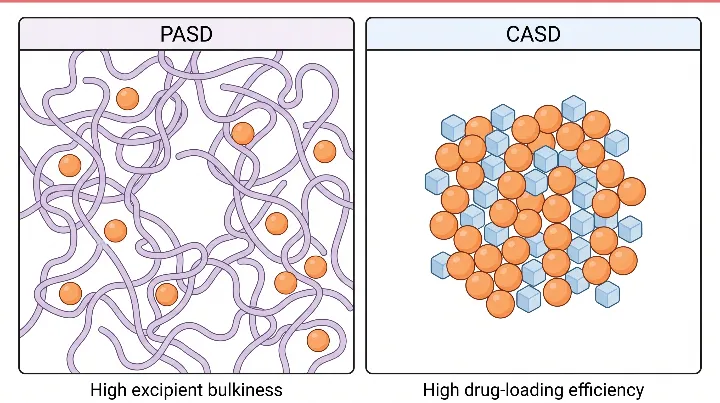
Figure 1: Comparative Molecular Architecture of Polymeric Amorphous Solid Dispersions (PASDs) versus Co-Amorphous Solid Dispersion (CASDs).
CASDs provide a promising alternative to polymeric amorphous solid dispersions, particularly for formulations requiring high drug loading and molecular-level stabilization. Nevertheless, selection between CASDs and PASDs should be based on systematic evaluation of drug–excipient compatibility, amorphous-phase stability, dissolution behavior, drug loading, processability, and in-vivo performance (15).
2.4 Drug–Drug Co-Amorphous Systems
Drug–drug co-amorphous systems (DD-CASs) are homogeneous amorphous formulations containing two or more pharmacologically active compounds. This approach has gained attention as a strategy for improving the dissolution of poorly water-soluble drugs while reducing dependence on conventional polymeric carriers. In such formulations, one active drug may function as a co-former for another, allowing a high proportion of the formulation to remain therapeutically active (16).
The enhanced performance of DD-CASs is largely attributed to specific intermolecular interactions between the drug molecules, including hydrogen bonding, ionic interactions, and π–π interactions. These interactions can promote molecular miscibility, decrease molecular mobility, and inhibit nucleation and crystal growth. As a result, the amorphous phase may exhibit improved physical stability while maintaining the increased thermodynamic activity associated with amorphous materials, thereby promoting faster dissolution and prolonged supersaturation (13).
A major advantage of DD-CASs is their ability to combine solubility enhancement with combination therapy. Since both components possess pharmacological activity, the formulation can potentially provide two therapeutic agents in a single dosage form while maintaining relatively high drug loading. This approach may be particularly useful when two drugs have complementary therapeutic effects or when one drug can effectively stabilize the amorphous state of another through favorable molecular interactions (16).
The development of DD-CASs requires careful selection of the drug pair. Drug–drug miscibility, molecular interactions, component ratio, glass-transition behavior, preparation technique, and environmental conditions can strongly influence the stability and performance of the resulting system. Inadequate compatibility may lead to phase separation or recrystallization, thereby reducing the dissolution benefit. Therefore, comprehensive evaluation of solid-state properties, physical stability, dissolution, supersaturation, and pharmacokinetic performance is necessary for rational development of DD-CAS formulations (10)(13).
Drug–drug co-amorphous systems represent a promising formulation platform that integrates amorphous-state solubility enhancement, improved physical stability, high drug loading, and the potential for combination therapy. However, successful application depends on rational drug-pair selection and a detailed understanding of the molecular interactions responsible for stabilization and dissolution enhancement (16).
2.5 Advantages and Limitations of Co-Amorphous Systems.
Co-amorphous systems (CAMS) have emerged as a promising formulation approach for improving the biopharmaceutical performance of poorly water-soluble drugs. Their major advantages include increased apparent solubility and dissolution resulting from the high thermodynamic activity of the amorphous state. Molecular interactions between the drug and co-former, such as hydrogen bonding, ionic interactions, and π–π interactions, can enhance miscibility and reduce molecular mobility, thereby delaying nucleation and recrystallization. The use of low-molecular-weight co-formers also permits relatively high drug loading and reduced excipient requirements compared with conventional polymeric amorphous solid dispersions. In suitable systems, these properties can promote supersaturation and potentially improve oral drug absorption and bioavailability (10)(13).
CAMS also present several formulation and development challenges. Their physical stability depends strongly on co-former selection, drug–co-former ratio, molecular miscibility, glass-transition behavior, molecular mobility, and the strength of intermolecular interactions. Inappropriate combinations may undergo phase separation or recrystallization during storage or dissolution, resulting in loss of the solubility advantage. In addition, improved dissolution does not necessarily translate into proportional enhancement of bioavailability, and comparative evidence indicates that polymeric amorphous solid dispersions may provide superior physical stability or bioavailability for certain drug molecules (17).
CAMS provide an attractive platform for enhancing solubility, dissolution, drug loading, and potentially oral bioavailability; nevertheless, their successful pharmaceutical development requires rational co-former selection and systematic evaluation of physical stability, dissolution–precipitation behavior, processing, in Vivo performance.
Table 2: Advantages and limitations of co-amorphous solid dispersions
| Parameter | Advantages | Limitations/Challenges |
|---|---|---|
| Aqueous solubility | Improved apparent solubility | Recrystallization may reduce the benefit |
| Dissolution behavior | Promote rapid dissolution | Super saturation may not be maintained |
| Physical stability | Interactions can inhibit crystallization | Recrystallization may occur |
| Drug-loading capacity | Allow relatively high drug loading | Improper ratio may reduce stability |
| Drug-co-former interaction | Improve amorphous- phase stability | Weak interaction may cause poor stability |
| Oral bioavailability | May improve drug absorption | In-vitro improvement may not translate in-vivo |
| Co-former selection | Various co-formers can be used | Selection is drug-specific |
| Drug-drug system | Allow combination therapy | Compatibility issues may arise |
| Manufacturing | Several preparation method are available | Scale-up can be challenging |
| Industrial applicability | High drug loading can be advantageous | Long –term stability and regulatory issues |
3. Molecular Interactions Governing Co-Amorphous Systems
Molecular interactions between the drug and co-former are central to the formation, stabilization, and pharmaceutical performance of co-amorphous systems. Since these systems possess a high-energy, disordered structure, they are susceptible to molecular rearrangement and recrystallization. Suitable drug–co-former interactions can improve molecular miscibility, reduce molecular mobility, and inhibit nucleation and crystal growth, thereby enhancing the physical stability of the amorphous phase (18).
3.1 Hydrogen Bonding
Hydrogen bonding is one of the most commonly reported interactions responsible for stabilizing co-amorphous systems. Functional groups such as hydroxyl, carboxyl, amino, amide, and carbonyl groups can participate in intermolecular hydrogen bonding between the API and co-former. These interactions promote intimate molecular mixing and restrict molecular movement, which can delay nucleation and recrystallization and consequently improve the physical stability of the formulation (13).
3.2 Ionic Interactions
Ionic interactions can provide substantial stabilization when the drug and co-former contain complementary acidic and basic functional groups. Proton transfer or electrostatic attraction may result in the formation of an amorphous salt, producing strong interactions between the components. Such interactions can reduce molecular mobility and inhibit crystal formation. Therefore, the pKa and ionization characteristics of both the drug and co-former should be considered during co-former selection (17).
3.3 π–π Interactions
π–π interactions may contribute to the stabilization of co-amorphous systems containing aromatic structures. These non-covalent interactions facilitate molecular association between aromatic regions of the drug and co-former and may contribute to improved miscibility and amorphous-phase stability. Studies using epigallocatechin-3-gallate as a co-former have demonstrated the contribution of π–π interactions, together with hydrogen bonding, to the stabilization and dissolution enhancement of co-amorphous formulations (19).
3.4 Dipole–Dipole Interactions
Dipole–dipole interactions are intermolecular forces that occur between molecules possessing permanent polar groups. In co-amorphous formulations, these interactions can facilitate association between the drug and co-former and promote uniform molecular distribution, thereby supporting the formation of a homogeneous amorphous phase (20).
Interactions between complementary polar groups can restrict molecular mobility and hinder the rearrangement of drug molecules into an ordered crystalline lattice. This restriction may delay nucleation and crystal growth, consequently contributing to improved physical stability. Dipole–dipole interactions may also act synergistically with hydrogen bonding, ionic interactions, and other intermolecular forces in maintaining the amorphous state (21).
The stabilizing effect of dipole–dipole interactions is influenced by the molecular structure, polarity, and compatibility of the drug and co-former. Therefore, their contribution should be considered together with molecular miscibility, glass-transition temperature, and molecular mobility when developing stable co-amorphous formulations (22).
Dipole–dipole interactions can contribute to co-amorphous stability by promoting drug–co-former association, improving molecular miscibility, limiting molecular mobility, and reducing the tendency of the drug to recrystallize (20)(21).
3.5 Hydrophilic Interactions
Hydrophilic interactions arise from the affinity of polar or water-attracting functional groups toward water and other polar molecules. In co-amorphous formulations, hydrophilic components can increase the interaction of the formulation with the aqueous medium, improving wetting and hydration and thereby facilitating drug dissolution. They may also promote better molecular dispersion of the drug within the amorphous phase (13).
During dissolution, the interaction of water with hydrophilic groups can enhance hydration of the formulation and support faster drug release. However, excessive hydrophilicity may increase moisture absorption, which can lower the glass-transition temperature and increase molecular mobility, potentially promoting phase separation and recrystallization during storage (8)(9).
The influence of hydrophilic interactions depends on the chemical characteristics and compatibility of the drug and co-former. Thus, hydrophilicity should be considered together with molecular miscibility, intermolecular interactions, glass-transition temperature, and molecular mobility rather than being regarded as an independent determinant of formulation performance (13).
3.6 Drug–Drug Interactions
Drug–drug interactions in co-amorphous systems involve the incorporation of two active pharmaceutical ingredients into a uniform, single-phase amorphous matrix. In such formulations, one drug can function as a co-former for the other, while hydrogen bonding, ionic interactions, π–π interactions, and electrostatic forces can facilitate molecular mixing and contribute to stabilization of the amorphous phase (13).
Intermolecular interactions between the two drugs can restrict molecular mobility and prevent the molecular rearrangement necessary for crystal formation. This can enhance the physical stability of the amorphous system while preserving its high-energy state, potentially leading to faster dissolution and improved oral bioavailability. The extent of stabilization depends on the physicochemical compatibility and composition of the selected drug pair (16).
A major benefit of drug–drug co-amorphous formulations is that both components may contribute to the therapeutic effect, making them particularly useful for combination therapy. Using an active drug as the co-former can also reduce dependence on inactive excipients and permit relatively high drug loading. Nevertheless, careful consideration of drug compatibility, molar ratio, intermolecular interactions, and long-term physical stabiy is necessary during formulation development (13).
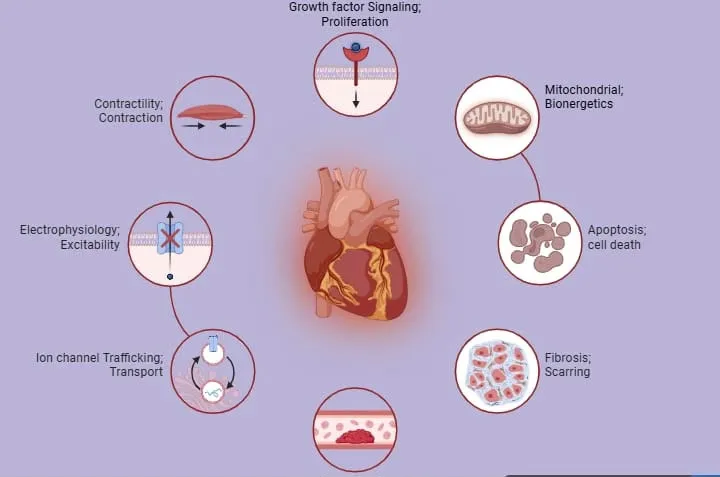
Figure 2: Drug-drug interaction.
4. Relation of Co-Former Selection to Co-Amorphous System Performance
The selection of a suitable co-former is essential for developing stable and effective co-amorphous systems. The physicochemical properties of the co-former can influence co-formability, molecular miscibility, physical stability, dissolution, and supersaturation. Important factors include molecular compatibility, glass-transition temperature (Tg), crystallization tendency, and the ability to establish favorable interactions with the drug (17).
A suitable co-former should provide good molecular miscibility with the drug to promote formation of a homogeneous amorphous phase. Co-formers with a higher Tg may increase the Tg of the formulation and consequently reduce molecular mobility, which can delay nucleation and crystal growth. Thus, miscibility and Tg are important considerations when selecting co-formers for improving physical stability (17).
The chemical nature and functional groups of the co-former also influence stabilization through interactions such as hydrogen bonding, ionic interactions, π–π interactions, and other intermolecular forces. The suitability of a co-former may therefore depend on the functional groups and acid–base characteristics of the drug. Appropriate drug–co-former combinations can improve molecular association and reduce the tendency of the drug to recrystallize (23).
The drug-to-co-former molar ratio is another important parameter affecting co-amorphous performance. Different ratios can modify intermolecular interactions, Tg, miscibility, physical stability, and dissolution behavior. Although a 1:1 ratio is commonly investigated, optimization of the molar ratio may be necessary to obtain the most stable formulation with desirable dissolution characteristics (13).
4.1 Physicochemical Properties
The physicochemical characteristics of a drug and its co-former play an important role in determining whether a stable co-amorphous system can be obtained. Important properties include glass-forming ability, crystallization tendency, glass-transition temperature (Tg), melting point, molecular flexibility, hydrogen-bonding capacity, and polarity. These parameters can influence co-formability, molecular mixing, and the physical stability of the resulting amorphous phase (17).
Glass-transition temperature and crystallization tendency are particularly important for maintaining the amorphous state. A suitable co-former can increase the Tg of the formulation and reduce molecular mobility, thereby slowing molecular rearrangement and crystallization. Conversely, components with a strong tendency to crystallize may reduce the stability of the co-amorphous system (24).
Molecular miscibility and flexibility also influence successful co-amorphization. Good miscibility favors intimate molecular mixing and formation of a homogeneous single-phase system, whereas poor compatibility may promote phase separation and subsequent recrystallization. Molecular flexibility can additionally affect the ability of the components to form and maintain the amorphous phase (17).
The chemical structure and polarity of the co-former can determine the strength and type of drug–co-former interactions. Functional groups capable of hydrogen bonding, ionic association, or aromatic interactions may promote molecular stabilization. For example, studies of drug–amino-acid systems showed that basic amino acids were particularly suitable for some acidic drugs, while aromatic amino acids such as tryptophan and phenylalanine were promising for basic and neutral drugs because of their favorable effects on Tg, physical stability, and dissolution (23).
4.2 Hydrogen Bond Donor/Acceptor Groups
Hydrogen-bond donor (HBD) and hydrogen-bond acceptor (HBA) groups are important structural characteristics to consider during co-former selection. Functional groups such as hydroxyl, amino, carboxyl, amide, carbonyl, and heteroatom-containing groups can participate in drug–co-former hydrogen bonding. These interactions can improve molecular association and promote formation of a homogeneous amorphous phase (17).
The compatibility between donor and acceptor sites may influence the ability of two components to form a co-amorphous system. Complementary hydrogen-bonding groups can enhance molecular mixing and reduce the tendency of drug molecules to reorganize into a crystalline structure. Computational analysis has also indicated that differences in HBD/HBA characteristics and hydrogen-bonding energetics can contribute to predicting co-amorphous formation (25).
Hydrogen bonding may further improve physical stability by reducing molecular mobility and inhibiting nucleation and crystal growth. However, the presence of several HBD or HBA groups alone does not ensure successful co-amorphization. The strength and compatibility of the interactions must be considered together with miscibility, glass-transition temperature, and the overall thermodynamic properties of the drug–co-former combination (17)(25).
Studies involving amino-acid co-formers demonstrate that the chemical functionality of the co-former can influence co-amorphous performance. Basic amino acids such as arginine, histidine, and lysine were found to be effective for acidic drugs, whereas aromatic amino acids such as tryptophan and phenylalanine were suitable candidates for some basic and neutral drugs. These combinations demonstrated favorable effects on glass-transition temperature, physical stability, and dissolution behavior (23).
4.3 pKa and Ionisation
The pKa and ionisation behavior of the drug and co-former are important factors in selecting suitable components for co-amorphous formulations. The acid–base characteristics of the two molecules determine their ability to undergo proton transfer and form ionic interactions or amorphous salts. Therefore, the pKa relationship between the drug and co-former can provide useful information about their potential compatibility and ability to stabilize the amorphous phase (17).
A suitable acid–base combination may promote proton transfer and formation of an amorphous salt, generating strong ionic interactions within the formulation. Such interactions can improve molecular association and reduce molecular mobility, thereby limiting crystallization and improving physical stability. For example, basic amino acids such as arginine, histidine, and lysine have been reported as effective co-formers for acidic drugs, with favorable effects on co-formability, stability, and dissolution (23).
Ionisation can also influence the dissolution and supersaturation behavior of co-amorphous formulations. When the drug becomes ionised in the dissolution medium, its aqueous solubility may increase, potentially enhancing drug release. However, the extent of this effect depends on the pH of the medium, the ionisation state of the drug, and the nature of the drug–co-former interactions. Thus, ionisation should be evaluated under conditions relevant to the intended route of administration (17).
Importantly, pKa alone cannot predict successful co-amorphization. Although acid–base complementarity can favor ionic interactions, other properties such as molecular miscibility, hydrogen-bonding capacity, glass-transition temperature, and crystallization tendency also determine the final performance of the system. Predictive studies have therefore suggested that several molecular descriptors should be considered simultaneously when identifying suitable co-formers (25).
4.4 Molecular Weight
The molecular weight of the co-former is an important physicochemical parameter that can influence co-amorphous formation and co-former selection. Co-amorphous systems commonly use relatively small molecules, such as amino acids and organic acids, because their low molecular size can facilitate close molecular mixing with the drug and formation of a homogeneous amorphous phase. However, molecular weight should be considered together with other properties such as molecular structure, miscibility, intermolecular interactions, and glass-forming ability (17).
Molecular weight may also contribute to the prediction of co-amorphous formation. Chambers et al. reported that a relatively higher average molecular weight, together with differences in hydrogen-bond donor and acceptor characteristics and favorable mixing interactions, was associated with a greater tendency to form co-amorphous systems. Their predictive model successfully identified most of the tested drug–co-former combinations, suggesting that molecular weight can be useful as one variable in rational co-former screening (25).
The influence of molecular weight is also related to glass-transition behavior and molecular mobility. Changes in molecular size can affect molecular packing, intermolecular interactions, and the Tg of the resulting co-amorphous formulation. Since lower molecular mobility generally reduces the possibility of nucleation and crystal growth, molecular weight should be assessed together with Tg and crystallization tendency when evaluating physical stability (17).
Molecular weight alone is not a sufficient criterion for selecting a co-former. Studies comparing amino-acid-based co-formers indicate that molecular structure, hydrogen bonding, acid–base characteristics, and the ability to form favorable interactions with the drug can have a greater influence on formulation performance than molecular weight alone. Therefore, co-formers with different molecular weights may provide similar or different outcomes depending on their chemical compatibility with the drug (23).
4.5 Experimental Screening
Experimental screening is an important approach for identifying suitable co-formers because physicochemical parameters alone cannot always predict whether a drug–co-former combination will successfully form a stable co-amorphous system. Screening commonly involves preparation of drug–co-former mixtures followed by assessment of amorphization, physical stability, thermal behavior, and dissolution performance (23).
Ball milling can be used as a rapid preliminary screening technique because it promotes intimate mixing and amorphization of drug–co-former combinations. Kasten et al. evaluated six drugs with 20 amino acids and found that the extent of crystallinity reduction after short milling periods could provide an early indication of successful co-amorphization. Thus, changes in crystallinity can be used to eliminate unsuitable co-formers at an early stage of formulation development (23).
After initial screening, promising formulations should undergo further solid-state and thermal characterization. XRPD can be used to determine whether crystalline material is present or develops during storage, while DSC provides information about Tg and thermal behavior. Dissolution or intrinsic dissolution studies can then determine whether the selected co-former provides an actual improvement in drug release rather than simply producing an amorphous material (23).
Systematic screening has demonstrated that the performance of a co-former can depend strongly on the chemical nature of the drug. For example, basic amino acids such as arginine, histidine, and lysine were effective for several acidic drugs, whereas aromatic amino acids such as tryptophan and phenylalanine were promising for basic and neutral drugs. These combinations showed favorable Tg, physical stability, and dissolution behavior, demonstrating the value of combining co-formability, stability, and dissolution assessments during screening (23).
4.6 Drug–Drug vs. Drug–Excipient Co-Amorphous Systems
Co-amorphous formulations can be developed using either two active pharmaceutical ingredients (drug–drug systems) or one drug combined with a low-molecular-weight excipient/co-former (drug–excipient systems). Both approaches produce a homogeneous amorphous phase and can enhance dissolution and apparent solubility while reducing the tendency of the drug to crystallize. The selection of either system depends mainly on molecular compatibility, intermolecular interactions, physical stability, and the intended therapeutic application (26).
Drug–drug co-amorphous systems combine two therapeutically active compounds, allowing the second drug to function as a co-former while also contributing to pharmacological activity. Favorable interactions between the drugs can improve molecular mixing, stabilize the amorphous phase, and enhance dissolution. An important advantage is the possibility of combining solubility enhancement with combination therapy; however, the selected drugs must have compatible doses, physicochemical properties, and therapeutic profiles (16).
In drug–excipient co-amorphous systems, the co-former is a low-molecular-weight pharmaceutical excipient, such as an amino acid or organic acid, selected mainly for its ability to interact with the drug and improve amorphous-phase stability. Co-former selection can be guided by parameters such as molecular miscibility, glass-transition temperature, pKa, hydrogen-bonding capacity, and crystallization tendency. This approach generally provides greater flexibility because the co-former can be selected specifically for stabilization and dissolution enhancement (26).
Table 3: Comparison of Drug–Drug and Drug–Excipient Systems
| Parameter | Drug-Drug System | Drug-Excipient System |
|---|---|---|
| Composition | Two or more active drugs | One drug+ Low – MW excipient/co-former |
| Role of co-former | Provide both stabilization and therapeutic activity | Primary provide stabilization and formulation benefits |
| Main Objective | Solubility enhancement + possible combination therapy | Solubility/dissolution enhancement and stabilization |
| Drug loading | Potentially high because both component are active | Depends on optimized drug: co-former ratio |
| Molecular interaction | H-bonding, ionic,π-π, electrostatic and other interactions | H-bonding ,ionic, π-π, and other favorable interactions |
| Co-former selection | Restriction by therapeutic and dose compatibility | Greater flexibility based on physicochemical properties |
| Combination therapy | Possible | General not applicable |
| Physical stability | Depends on compatibility between the two drugs | Depends on drug-co-former miscibility and stabilization |
| Formulation flexibility | Relatively lower | Generally higher |
| Major advantages | Combines amorphous stabilization with therapeutic activity | Allow targeted selection of a stabilizing co-former |
| Major limitation | Dose compatibility and pharmacological/regulatory considerations | Suitable co-former must be identified and optimized |
5. Preparation and Manufacturing Approaches
5.1 Ball Milling
5.1.1 Principle
Ball milling is a mechanochemical approach in which mechanical energy is transferred to a drug–co-former mixture through repeated impact, friction, and shear. The applied mechanical forces disrupt the original crystal lattice, introduce structural defects, and enhance intimate mixing between the components. With sufficient milling energy, these changes can lead to conversion of the crystalline materials into a homogeneous amorphous phase. Since the process can be conducted without organic solvents and without intentional heating, it is particularly advantageous for thermally sensitive drugs and co-formers (13).
5.1.2 Process Parameters
The effectiveness of ball milling is governed by several variables, including milling duration, milling frequency or rotational speed, temperature, ball size, ball-to-powder ratio, milling equipment, and processing atmosphere. Vibrational and planetary mills are frequently employed for pharmaceutical co-amorphous systems. Appropriate optimization is essential because insufficient milling may result in incomplete amorphization, whereas excessive mechanical input can generate heat and potentially cause degradation or affect the physical stability of the formulation (27).
Among these variables, milling time has a major influence on the degree of amorphization. Kasten et al. (2016) evaluated six drugs with 20 amino-acid co-formers at different milling times ranging from 1 to 60 min. Their findings showed that substantial crystallinity reduction during the early stages of milling could be useful for predicting successful co-amorphization, demonstrating the potential of milling kinetics as a preliminary tool for co-former screening (23).
5.1.3 Advantages
Ball milling provides several benefits for the preparation of co-amorphous formulations. It is a solvent-free, relatively straightforward process that requires only a small amount of material and can generally be performed without deliberate heating. The technique can provide high material recovery and, when appropriately controlled, relatively low chemical degradation. Mechanical activation may also facilitate intimate drug–co-former interactions and, for suitable combinations, promote the formation of amorphous salts (27).
Another important benefit is its application in early-stage formulation screening. Small quantities of different drug–co-former combinations can be processed and subsequently examined using techniques such as XRPD to assess their degree of amorphization. Consequently, ball milling is particularly useful for rapidly identifying promising co-formers before more extensive formulation development (23).
5.1.4 Limitations
Despite its usefulness, ball milling has several limitations. Mechanical treatment may not completely destroy the crystalline lattice, resulting in residual crystallinity within the final product. These remaining crystalline domains can act as nucleation sites and increase the likelihood of recrystallization during storage. In addition, prolonged milling can increase processing time, while excessive mechanical energy may generate heat and adversely affect thermolabile components (26).
The final solid state is also strongly influenced by both the drug–co-former combination and milling conditions. In some cases, mechanical activation may favor formation of a co-crystalline phase rather than the intended co-amorphous material. Because the relationship between processing conditions and the resulting solid form may be difficult to predict, post-processing characterization and optimization are essential (26).
5.1.5 Laboratory Suitability
Ball milling is particularly well suited to laboratory-scale formulation development and co-former screening because it requires relatively small quantities of material, eliminates the need for organic solvents, and allows multiple drug–co-former combinations to be evaluated efficiently. It therefore serves as a useful preliminary technique for identifying formulations that can subsequently be investigated using scalable manufacturing processes (23).
5.2 Spray Drying
5.2.1 Principle:
Spray drying is a solvent-based technique in which the drug and co-former are dissolved or dispersed in a suitable solvent system and then atomized into fine droplets. Rapid solvent evaporation produces an amorphous powder and can minimize molecular rearrangement and crystallization, facilitating formation of a homogeneous co-amorphous phase (23).
5.2.2 Process Parameters:
Important parameters include inlet and outlet temperature, atomization gas flow rate, feed flow rate, solvent composition, drying-gas flow rate, nozzle characteristics, and droplet size. These factors influence drying efficiency, particle formation, yield, residual crystallinity, and the degree of co-amorphization. identified atomization gas flow rate and outlet temperature as critical parameters for indomethacin–lysine co-amorphous formulations. (23).
5.2.3 Advantages:
Major advantages include rapid solvent removal, effective amorphization, particle-size control, and suitability for scale-up. Spray drying has also demonstrated successful transition from laboratory to pilot scale, supporting its potential for industrial production of co-amorphous formulations (23).
5.2.4 Limitations:
Limitations include the requirement for suitable solvents, solvent-handling requirements, possible residual solvent, and sensitivity to drying conditions. Inappropriate process conditions may result in incomplete amorphization or residual crystallinity. Scale-up may also require adjustment of feed and drying-gas flow rates because of differences in dryer geometry (23)
5.2.5 Laboratory Suitability:
Spray drying is highly suitable for laboratory-scale formulation development and optimization, particularly when rapid production of amorphous powders and systematic process screening are required. Although the equipment and solvent requirements are greater than those of ball milling, spray drying has a stronger potential for pilot- and industrial-scale manufacturing (23).
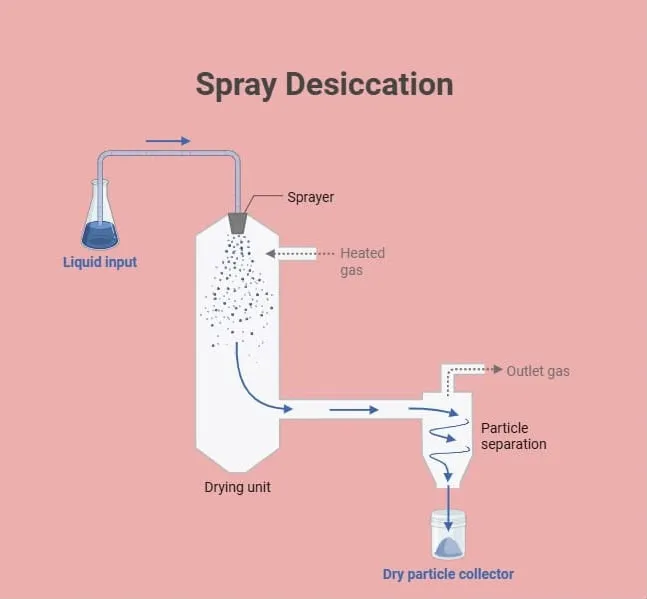
Figure 3: Spray Desiccation
5.3 Solvent Evaporation
5.3.1 Principle
Solvent evaporation is a solution-based technique in which the drug and co-former are dissolved in a common solvent or suitable solvent mixture, followed by controlled removal of the solvent under reduced pressure or heating. Rapid solvent removal promotes precipitation of the components before they can reorganize into an ordered crystal lattice, thereby favoring formation of a homogeneous co-amorphous phase. However, successful amorphization depends strongly on the drug–co-former combination and evaporation conditions (18).
5.3.2 Solvent Selection
Selection of an appropriate solvent is critical because both the drug and co-former should possess adequate solubility in the selected solvent system. Important solvent characteristics include polarity, volatility, boiling point, evaporation rate, viscosity, and pharmaceutical acceptability. The solvent should allow complete dissolution of the components while permitting efficient removal without inducing crystallization during processing (17) (18).
5.3.3 Advantages
Solvent evaporation offers a simple and flexible approach for laboratory preparation of co-amorphous systems and generally requires less specialized equipment than some other manufacturing techniques. It is also useful for compounds that may be unsuitable for high-temperature proce (18)ssing because solvent removal can be performed under relatively mild conditions. In addition, different drug–co-former ratios and solvent compositions can be readily investigated during formulation screening (18).
5.3.4 Limitations
A major limitation is the possibility of crystallization during solvent removal. If evaporation is too slow or the drug and co-former have poor molecular compatibility, the components may reorganize into a crystalline phase instead of forming the desired amorphous system. Therefore, evaporation rate, temperature, solvent composition, and drug–co-former compatibility must be carefully controlled (18).
5.3.5 Residual-Solvent Considerations
Residual solvent requires particular attention because incomplete solvent removal can influence the physical properties and stability of the amorphous product. Retained solvent may act as a plasticizer, lowering the glass-transition temperature and increasing molecular mobility, which can enhance the tendency toward recrystallization. Consequently, additional drying and appropriate analytical testing are generally required to ensure adequate solvent removal (8).
5.3.6 Scale-Up Potential
Conventional solvent evaporation, particularly rotary evaporation, is mainly useful for laboratory-scale preparation and has limitations for direct industrial scale-up because solvent removal and heat/mass transfer become more difficult to control at larger volumes. Nevertheless, the underlying solution-processing principle can be adapted to more scalable technologies, particularly spray drying, which provides rapid solvent removal and has demonstrated potential for larger-scale production of co-amorphous formulations (26).
5.3.7 Laboratory Suitability
Solvent evaporation is highly suitable for laboratory-scale formulation development and preliminary co-former screening because small quantities can be processed using relatively simple equipment. It allows rapid investigation of drug–co-former ratios, solvent systems, and evaporation conditions. However, because of solvent-handling requirements, residual-solvent control, and limited direct scalability, more scalable approaches such as spray drying may be preferable for industrial manufacturing (26).
5.4 Freeze Drying
5.4.1 Principle
Freeze drying, also known as lyophilization, is a low-temperature drying technique in which the drug and co-former are first dissolved or dispersed in an appropriate solvent system. The formulation is subsequently frozen, and the frozen solvent is removed by sublimation under reduced pressure. This approach limits molecular mobility during drying and can facilitate the formation of a homogeneous amorphous phase (28).
5.4.2 Advantages for Thermolabile Systems
The major advantage of freeze drying is its mild processing temperature, which makes it particularly appropriate for thermolabile drugs and co-formers that may degrade during melt-based processing. The technique has been successfully used to prepare co-amorphous drug–amino acid systems, with most investigated formulations showing a homogeneous amorphous phase immediately after preparation (28).
Freeze drying can also be advantageous when conventional thermal techniques are unsuitable. The porous structure produced during lyophilization may facilitate rapid wetting and dissolution, although the final performance depends on the composition and physical stability of the resulting amorphous system (18).
5.4.3 Process Parameters
The important variables include freezing conditions, freezing rate, formulation concentration, solvent composition, primary-drying temperature and pressure, secondary-drying conditions, and total drying time. The ability to obtain a suitable starting solution is particularly important because many poorly water-soluble APIs have limited solubility in water. Organic solvent mixtures, pH adjustment, or surfactants may therefore be required to achieve adequate solubilization before freeze drying (28).
The composition of the formulation can also affect the final solid state. Demonstrated that surfactant type, surfactant concentration, and total solid content influenced the physical state of freeze-dried naproxen–arginine and naproxen–lysine systems. Thus, both formulation composition and lyophilization-cycle conditions require optimization.
5.4.4 Limitations
Despite its suitability for heat-sensitive materials, freeze drying has several limitations. The process is relatively slow and equipment-intensive, and incomplete drying may leave residual moisture that can increase molecular mobility and affect the stability of the amorphous phase. Furthermore, successful amorphization during production does not necessarily ensure long-term stability. Reported recrystallization of naproxen and amino acids in some formulations during storage. (28).
Another challenge is the limited aqueous solubility of many poorly water-soluble APIs. Additional formulation strategies, such as cosolvents, pH modification, or surfactants, may therefore be necessary. These modifications can increase formulation complexity and may themselves influence the physical stability of the final product (28).
5.4.5 Cost and Processing Time
Compared with simpler techniques such as ball milling, freeze drying generally requires higher capital investment and longer processing periods because the process involves freezing followed by primary and secondary drying. These factors can reduce production throughput and increase manufacturing costs. Consequently, freeze drying is generally more attractive for specialized formulations or thermolabile systems than for high-throughput manufacturing (28).
5.4.6 Scale-Up
Freeze drying can be transferred from laboratory to larger-scale equipment, but scale-up requires careful control of heat and mass transfer, freezing behavior, drying resistance, chamber conditions, and product temperature. Changes in equipment size and loading can alter the drying cycle, making process optimization necessary to obtain consistent product quality. Therefore, although technically scalable, freeze drying can be less attractive for large-scale co-amorphous manufacturing than faster continuous or semi-continuous approaches (28).
5.4.7 Laboratory Suitability
Freeze drying is particularly suitable for laboratory-scale development of thermolabile co-amorphous formulations because it avoids the high temperatures associated with melting-based techniques. It is useful for investigating drug–co-former compatibility, amorphous-phase formation, and dissolution behavior. However, its relatively long processing time, specialized equipment, and higher cost make it less convenient for rapid high-throughput screening than ball milling (13).
5.5 Hot-Melt Processing
5.5.1 Principle
Hot-melt processing is a solvent-free thermal technique in which the drug and co-former are subjected to controlled heating and mechanical mixing. In hot-melt extrusion (HME), the components are conveyed through a heated extruder, where thermal energy and shear promote melting, intimate mixing, and disruption of the original crystalline structure. Rapid cooling of the extrudate can subsequently preserve the components in an amorphous state. Demonstrated that melting-solvent extrusion could successfully produce a stable indomethacin–arginine co-amorphous system. (29).
5.5.2 Melt/Quench and Hot-Melt Extrusion
Hot-melt processing can be performed through melt–quench processing or hot-melt extrusion. Melt–quench involves heating the drug–co-former mixture above its melting point followed by rapid cooling to suppress recrystallization. In contrast, HME provides continuous melting, mixing, and shaping within an extruder and is therefore more attractive for continuous pharmaceutical manufacturing. Highlighted the potential of HME for producing amorphous and other multicomponent pharmaceutical systems (30)(31).
5.5.3 Temperature and Shear
The processing temperature, screw speed, residence time, feed rate, and screw configuration are important parameters controlling the quality of the extruded product. Temperature must be sufficiently high to enable adequate melting and molecular mixing but should remain below the degradation temperature of the drug and co-former. Screw configuration and rotational speed determine the extent of shear and mixing, while residence time influences the duration of thermal and mechanical exposure. Demonstrated that changes in temperature profile, screw speed, and feed rate affected the properties of co-amorphous indomethacin–arginine formulations. (32).
5.5.4 Thermal Degradation
A major limitation of hot-melt processing is the potential for thermal degradation. This is particularly relevant for co-amorphous drug–amino acid systems because some amino acids may undergo degradation rather than melting at the temperatures required for conventional HME. Consequently, the thermal stability of both drug and co-former must be established before processing. .Addressed this challenge by using a melting-solvent extrusion approach to prepare indomethacin–arginine, demonstrating that appropriate process design can overcome the thermal limitations of certain co-formers.(32).
5.5.5 Advantages
Hot-melt processing offers several important advantages, including solvent-free operation, efficient molecular mixing, relatively short processing times, and the possibility of continuous production. It can also be integrated with process analytical technology (PAT), allowing important process and product attributes to be monitored during manufacturing. These characteristics make HME particularly attractive for pharmaceutical products intended for large-scale production (33)(34).
5.5.6 Continuous Manufacturing
One of the major advantages of HME over batch-based preparation methods is its compatibility with continuous manufacturing. A twin-screw extruder can continuously feed, melt, mix, and process the formulation, reducing the need for separate solvent-removal or drying operations. Recent reviews have emphasized the potential of HME for continuous pharmaceutical manufacturing and its compatibility with process monitoring and quality-by-design approaches (33)(34).
5.5.7 Industrial Potential
Hot-melt extrusion has considerable industrial potential because it is scalable, solvent-free, continuous, and already established within pharmaceutical manufacturing. However, scale-up requires careful control of thermal history, screw configuration, feed rate, residence time, and mechanical energy. The suitability of HME for a particular co-amorphous formulation also depends on the thermal stability and processability of the drug–co-former combination. specifically identified processing temperature and screw configuration as important factors affecting the quality of multicomponent systems prepared using HME (31).
5.5.8 Laboratory Suitability
Hot-melt processing can be used during laboratory-scale formulation development, particularly for evaluating the thermal processability and molecular compatibility of drug–co-former combinations. However, compared with ball milling, it requires greater control of temperature and mechanical processing conditions. Its major advantage is that laboratory optimization can be directly connected to a scalable continuous manufacturing process, making HME particularly valuable when industrial translation is an important development objective (32)(33).
5.6 Emerging Manufacturing Approaches
Recent advances in amorphous solid-dispersion technology have introduced several emerging manufacturing strategies aimed at improving formulation flexibility, processing efficiency, scalability, and product-quality control. These approaches include 3D printing, KinetiSol® and other high-shear technologies, continuous manufacturing, process analytical technology (PAT), and data-driven formulation development. Such technologies may help overcome limitations associated with conventional batch-based preparation methods (35).
5.6.1 Inkjet and 3D Printing
Inkjet and 3D-printing technologies are being explored as flexible manufacturing platforms for personalized pharmaceutical dosage forms. These techniques allow accurate deposition or layer-by-layer construction of drug-containing materials, providing greater control over drug loading, dosage-form geometry, composition, and release characteristics. 3D printing has also been investigated for producing amorphous formulations of poorly water-soluble drugs, offering opportunities for customized dosage strengths and complex drug-release profiles (35).
These advantages, their application to co-amorphous formulations remains relatively exploratory. Important challenges include control of printing parameters, material flow and viscosity, thermal or mechanical stability, dose uniformity, reproducibility, and scale-up. Therefore, further investigation is required before these technologies can be widely adopted for industrial co-amorphous manufacturing (36).
5.6.2 KinetiSol® and Mechanochemical Approaches
KinetiSol® is a high-shear fusion technology in which intense mechanical friction and shear rapidly generate heat within a drug–carrier mixture. Unlike conventional hot-melt extrusion, the required processing temperature is generated predominantly through mechanical energy rather than prolonged external heating. This enables rapid conversion of the physical mixture into a homogeneous amorphous dispersion (37).
The short processing time can be advantageous for compounds that have high melting temperatures, limited organic-solvent solubility, or susceptibility to thermal degradation. KinetiSol® has also demonstrated potential for processing high-viscosity polymers and achieving relatively high drug loading. Nevertheless, further validation of process reproducibility and large-scale continuous manufacturing is necessary before its broader industrial implementation (37)(38).
5.6.3 Continuous Manufacturing
Continuous manufacturing is an important strategy for translating amorphous and co-amorphous formulations from laboratory development to industrial production. In contrast to conventional batch processing, continuous systems integrate material feeding, mixing, processing, and downstream operations into a controlled production stream. HME is particularly suitable for this purpose because it enables continuous mixing and processing under defined thermal and mechanical conditions (35)
For co-amorphous formulations, continuous HME has been demonstrated using indomethacin–arginine, showing that co-amorphous systems can be produced using a scalable twin-screw extrusion process. Continuous manufacturing can improve process consistency and facilitate scale-up; however, temperature, screw speed, residence time, feed rate, and mechanical energy must be carefully controlled to prevent degradation or recrystallization (31)(32).
5.6.4 Process Analytical Technology and Real-Time Monitoring
Process Analytical Technology (PAT) provides a means of monitoring critical process and product characteristics during manufacturing rather than relying exclusively on end-product testing. Spectroscopic techniques such as near-infrared and Raman spectroscopy can potentially be integrated into continuous manufacturing systems to monitor composition, process conditions, and solid-state characteristics in real time (39)
For amorphous and co-amorphous formulations, real-time monitoring is particularly valuable because changes in residual crystallinity, molecular distribution, temperature, moisture, and glass-transition behavior can influence physical stability and dissolution performance. Integration of PAT with continuous processing may therefore improve process control and facilitate more consistent product quality (35).
5.6.5 Data-Driven Optimization
The use of computational modelling, machine learning, and data-driven approaches is emerging as a strategy for accelerating formulation development. Conventional co-amorphous and ASD development often requires extensive experimental screening to identify suitable drug–co-former or drug–polymer combinations. Data-driven approaches can integrate molecular descriptors, formulation composition, material properties, and processing parameters to identify promising formulations and predict their performance.
Such approaches can potentially reduce experimental workload, material consumption, and development time by helping predict amorphization, molecular compatibility, physical stability, and dissolution behavior. Recent reviews have highlighted computational tools and data science as promising approaches for improving prediction of drug–carrier interactions and accelerating ASD development (39).
6. Stability Dynamics
The physical and chemical stability of co-amorphous systems is a critical determinant of their pharmaceutical performance. Although the amorphous state can provide a substantial dissolution and apparent-solubility advantage, it represents a higher-energy and thermodynamically metastable state relative to the corresponding crystalline form. Consequently, co-amorphous systems may undergo molecular relaxation, phase separation, nucleation, and recrystallization during storage. Their stability is governed by the interplay of thermodynamic driving forces and kinetic barriers associated with molecular mobility, intermolecular interactions, glass-transition temperature (Tg), composition, and environmental conditions (6)(13).
6.1 Thermodynamic Stability
From a thermodynamic perspective, co-amorphous systems possess a higher Gibbs free energy than their crystalline counterparts and therefore have an intrinsic tendency to transform toward the more stable crystalline state. Incorporation of a suitable co-former does not eliminate this thermodynamic driving force; rather, it can increase the kinetic barrier to crystallization by promoting molecular miscibility and intermolecular interactions.
Hydrogen bonding, ionic interactions, π–π interactions, and other favorable drug–co-former associations can reduce the tendency of molecules to reorganize into an ordered crystal lattice. Formation of a homogeneous single-phase system is particularly important because poor miscibility can facilitate phase separation and subsequent crystallization (17).
6.2 Kinetic Stability
Kinetic stability describes the ability of a co-amorphous formulation to retain its amorphous structure over time despite its thermodynamic tendency toward crystallization. It is primarily determined by the rate of molecular diffusion, nucleation, crystal growth, and structural relaxation.
Appropriate co-formers can increase resistance to molecular rearrangement through strong intermolecular interactions and improved miscibility. Consequently, crystallization may be sufficiently delayed to provide practical pharmaceutical stability. Assessment of kinetic stability therefore requires systematic storage studies rather than relying solely on confirmation of amorphization immediately after preparation (17).
6.3 Glass Transition Temperature
The glass transition temperature (Tg) is a fundamental parameter for evaluating the physical stability of amorphous pharmaceutical systems. Below Tg, molecular mobility is comparatively restricted, whereas mobility increases markedly as the temperature approaches Tg. A higher Tg generally corresponds to reduced molecular mobility and consequently slower molecular rearrangement and crystallization.
The incorporation of an appropriate co-former may increase the Tg of the co-amorphous phase and thereby improve its physical stability. Nevertheless, Tg should not be regarded as an independent predictor of stability because crystallization behavior is also influenced by molecular interactions, miscibility, composition, and crystallization kinetics (17)
6.4 Molecular Mobility
Molecular mobility is closely associated with the physical stability of co-amorphous. formulations. Increased molecular mobility facilitates the diffusion and rearrangement of drug and co-former molecules, thereby promoting nucleation, crystal growth, and phase separation. Conversely, restricted molecular movement can suppress these processes and prolong the amorphous state.
Drug–co-former interactions, high Tg, and favorable molecular miscibility can collectively reduce molecular mobility. Environmental factors such as elevated temperature and moisture exposure can have the opposite effect by increasing molecular movement and accelerating physical instability (10).
6.5 Recrystallization
Recrystallization represents a major physical-instability pathway in co-amorphous formulations. It involves the transformation of disordered amorphous molecules into an energetically more favorable crystalline arrangement. Such transformation can decrease the thermodynamic driving force for dissolution and consequently diminish the solubility and dissolution advantages associated with the amorphous state.
Recrystallization generally involves two principal stages: nucleation and subsequent crystal growth. Suitable co-formers can interfere with these processes by improving molecular miscibility, establishing intermolecular interactions, and restricting molecular mobility. Optimization of drug–co-former composition is therefore essential for minimizing recrystallization during storage (13).
6.6 Phase Separation
Phase separation can occur when the drug and co-former exhibit insufficient molecular compatibility within the amorphous phase. Amorphous–amorphous phase separation may generate drug-rich and co-former-rich domains with different molecular mobilities and local thermodynamic properties. These heterogeneous regions can subsequently serve as favorable sites for nucleation and crystallization.
Therefore, adequate drug–co-former miscibility is essential for maintaining a homogeneous single-phase co-amorphous structure. Evaluation of phase behavior should be incorporated into co-former screening and formulation optimization, particularly when the components have substantially different physicochemical characteristics (17).
6.7 Moisture Effects
Moisture can substantially influence the stability of co-amorphous systems. Water may function as a plasticizing agent, resulting in a decrease in Tg and an increase in molecular mobility. Enhanced molecular mobility can subsequently accelerate structural relaxation, phase separation, nucleation, and recrystallization.
Water uptake may also modify drug–co-former interactions and alter the physical state of the formulation. The effect of moisture is highly formulation-dependent, and its influence should therefore be experimentally established for individual drug–co-former combinations. Appropriate moisture-protective packaging and controlled storage humidity may be required to maintain physical stability (13).
6.8 Temperature Effects
Temperature is a major determinant of co-amorphous stability because it directly affects molecular mobility. Increasing the storage temperature toward or above Tg facilitates molecular motion and increases the probability of nucleation, crystal growth, and phase separation. Accordingly, storage at temperatures sufficiently below Tg generally favors preservation of the amorphous state.
Elevated-temperature studies are frequently employed for accelerated stability assessment. However, accelerated conditions should be interpreted cautiously because the crystallization mechanism observed at elevated temperatures may not necessarily reproduce the behavior occurring under long-term storage conditions. Therefore, both accelerated and real-time stability studies are important for reliable prediction of shelf life (13).
6.9 Drug/Co-former Ratio
The drug-to-co-former molar ratio can significantly affect co-amorphous formation and subsequent stability. Changes in composition may modify intermolecular interactions, molecular miscibility, Tg, molecular mobility, dissolution behavior, and crystallization tendency.
Although equimolar drug–co-former combinations are frequently investigated, the optimum ratio is formulation-specific. An appropriate composition may maximize drug–co-former interactions and maintain a homogeneous amorphous phase, whereas an unsuitable excess of either component may promote compositional heterogeneity or reduce stabilization. Consequently, systematic optimization of the molar ratio is necessary rather than assuming that a 1:1 ratio will always provide optimum stability (10).
6.10 Long-Term Storage
Long-term storage studies are essential to establish whether the amorphous structure can be maintained throughout the intended pharmaceutical shelf life. Stability evaluation should consider temperature, relative humidity, storage duration, crystallinity, Tg, phase behavior, dissolution performance, and chemical integrity.
Analytical techniques including powder X-ray diffraction (PXRD), differential scanning calorimetry (DSC), spectroscopy, and dissolution testing can be used collectively to detect structural and performance changes during storage. Because many reported co-amorphous systems have been evaluated for relatively limited periods, extended real-time studies remain important for establishing their practical pharmaceutical stability (13).
6.11 Chemical Stability
Chemical stability should be distinguished from physical stability because an amorphous formulation may retain its disordered structure while undergoing chemical degradation. Potential degradation pathways include hydrolysis, oxidation, thermal degradation, and chemical reactions between the drug and co-former.
Processing conditions can also influence chemical stability. Mechanical energy during milling may induce degradation in susceptible compounds, whereas elevated temperatures during melt processing can accelerate thermal decomposition. Accordingly, chemical stability should be evaluated using suitable chromatographic or spectroscopic methods alongside solid-state characterization to ensure that maintenance of the amorphous state is accompanied by preservation of chemical integrity (13)(17).
7. Solubility and Dissolution Enhancement
Co-amorphous solid dispersions (CAMs) represent an effective formulation strategy for improving the aqueous solubility and dissolution performance of poorly water-soluble drugs. Conversion of a crystalline drug into an amorphous state increases its free energy and thermodynamic activity, thereby providing a greater driving force for dissolution. Incorporation of an appropriate co-former can further stabilize the amorphous phase through intermolecular interactions and influence the dissolution, supersaturation, and precipitation behavior of the drug. The overall performance of CAMs is therefore determined by the combined effects of amorphization, molecular interactions, composition, drug/co-former ratio, and molecular mobility (18).
7.1 Increased Thermodynamic Activity
The amorphous form possesses a higher Gibbs free energy and chemical potential than the corresponding crystalline form. Consequently, amorphous drugs exhibit greater thermodynamic activity and a higher driving force for dissolution. In CAMs, this energetic advantage is maintained while drug–co-former interactions can reduce molecular mobility and retard conversion toward the thermodynamically favored crystalline state. Thus, increased thermodynamic activity constitutes one of the fundamental mechanisms responsible for the enhanced solubility of CAMs (6)(18).
7.2 Apparent Solubility
CAMs may exhibit substantially greater apparent solubility than their crystalline counterparts. This behavior results from the high-energy amorphous phase, which can generate drug concentrations exceeding the equilibrium solubility of the crystalline form. However, such elevated concentrations may represent a transient supersaturated state rather than a true equilibrium solubility. Therefore, apparent solubility measurements should be interpreted in relation to the temporal stability of the supersaturated solution and the subsequent precipitation behavior (10).
7.3 Dissolution Enhancement
Amorphization eliminates or substantially reduces the energetic barrier associated with the crystal lattice, facilitating more rapid drug release into the dissolution medium. In addition, improved molecular dispersion, wetting characteristics, and drug–co-former interactions may further contribute to enhanced dissolution. Consequently, CAMs frequently demonstrate higher dissolution rates and greater dissolved drug concentrations than the corresponding crystalline drug, although the magnitude of enhancement is formulation-dependent (13).
7.4 Supersaturation
Rapid dissolution of the high-energy amorphous phase can result in drug concentrations exceeding the equilibrium solubility of the crystalline drug, thereby producing a supersaturated solution. Supersaturation increases the concentration gradient available for drug permeation across biological membranes and can consequently contribute to improved oral absorption. Nevertheless, supersaturation represents a metastable condition and may be followed by drug precipitation or recrystallization. Therefore, both the magnitude and duration of supersaturation are important determinants of the biopharmaceutical performance of CAMs (6)(10).
7.5 Precipitation Inhibition
Maintenance of supersaturation is essential for translating enhanced dissolution into improved drug absorption. Appropriate co-formers can inhibit precipitation by establishing drug–co-former interactions and modifying molecular organization within the aqueous phase. These effects may delay nucleation and crystal growth, thereby prolonging the period during which elevated drug concentrations are maintained. The extent of precipitation inhibition is dependent on the physicochemical characteristics of the co-former, its concentration, the drug/co-former ratio, and the composition of the dissolution medium (6).
7.6 “Spring–Parachute” Behavior
The dissolution mechanism of CAMs can be conceptually described using the “spring–parachute” model. The amorphous drug functions as the spring, providing rapid dissolution and generating a transient supersaturated concentration. The co-former and associated molecular interactions function as the parachute by delaying precipitation and sustaining the supersaturated state. Accordingly, an effective CAM should provide both rapid generation of supersaturation and adequate resistance to subsequent precipitation. An imbalance between these two processes may result in rapid loss of the dissolution advantage (6)(18).
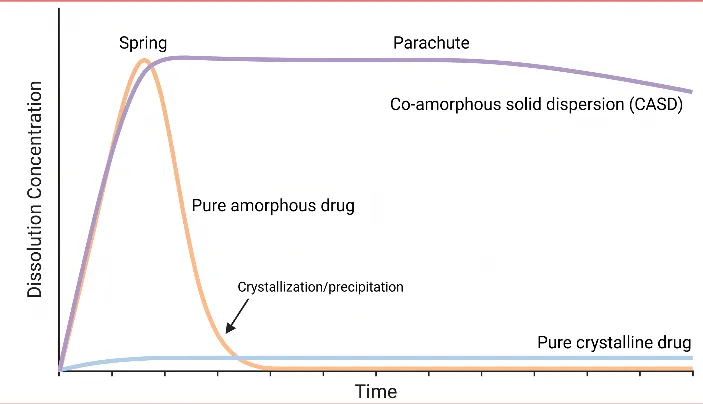
Figure 4: The “spring and Parachute” Kinetic Profile Representing in Vitro Dissolution Dynamics of Co-Amorphous System.
7.7 Influence of Co-former
Co-former selection is a critical determinant of the dissolution behavior of CAMs. Depending on its chemical structure, the co-former may establish hydrogen bonding, ionic interactions, π–π interactions, or other molecular associations with the drug. These interactions can influence molecular miscibility, glass-transition behavior, molecular mobility, dissolution kinetics, and precipitation tendency. Consequently, co-former selection should be based not only on its ability to stabilize the amorphous solid state but also on its capacity to modulate drug behavior after contact with the aqueous dissolution medium (40).
7.8 Influence of Drug/Co-former Ratio
The drug/co-former ratio directly influences the molecular environment within a CAM and can consequently alter its physical stability and dissolution performance. Variation in composition may affect the extent of intermolecular interactions, molecular miscibility, glass-transition temperature, molecular mobility, supersaturation, and precipitation kinetics. Although equimolar formulations are frequently investigated, a 1:1 ratio does not necessarily provide optimal dissolution or stability for every drug–co-former combination. Therefore, systematic optimization of the drug/co-former ratio is required to achieve an appropriate balance between amorphous stability, dissolution enhancement, and maintenance of supersaturation (18).
8. Current Challenges and Research Gaps
Despite the potential of co-amorphous solid dispersions (CAMs) to enhance the solubility, dissolution, and oral bioavailability of poorly water-soluble drugs, several scientific and technological barriers continue to limit their broader pharmaceutical application. These limitations involve rational co-former selection, prediction of solid-state stability, environmental sensitivity, formulation-dependent behavior, manufacturing reproducibility, insufficient long-term and in-vivo evidence, and regulatory and commercial considerations. Moreover, much of the available research has focused ons individual drug–co-former combinations, limiting the development of universally applicable formulation principles (13).
8.1 Lack of Universal Co-former Selection Criteria
The rational selection of an appropriate co-former remains a major challenge in CAM development. Co-former suitability is governed by multiple physicochemical and molecular characteristics, including miscibility, glass-forming ability, glass-transition temperature, crystallization tendency, hydrogen-bonding capacity, ionization properties, and the potential to establish favorable intermolecular interactions. Although several experimental and computational screening approaches have been proposed, co-former selection remains largely dependent on the specific drug–co-former combination and often requires empirical evaluation (17).
8.2 Difficulty in Predicting Recrystallization
Recrystallization is one of the principal factors limiting the physical stability of CAMs. Because the amorphous state is thermodynamically metastable, the drug may undergo molecular rearrangement, nucleation, and crystal growth during storage or upon exposure to environmental stress. The rate and extent of recrystallization are influenced by molecular mobility, intermolecular interactions, residual crystallinity, phase separation, temperature, and humidity. The simultaneous contribution of these factors makes accurate prediction of recrystallization kinetics difficult (6)(13).
8.3 Limited Long-term Stability Data
Although many CAM formulations have demonstrated satisfactory stability over relatively short experimental periods, comprehensive long-term stability information remains limited. Extended studies are required to determine changes in crystallinity, glass-transition temperature, molecular mobility, phase behavior, dissolution characteristics, and chemical integrity under realistic storage conditions. The scarcity of long-duration datasets represents an important limitation for reliable shelf-life prediction and establishment of appropriate storage conditions (6).
8.4 Moisture Sensitivity
Moisture is a critical environmental factor that can adversely affect the physical stability of CAMs. Water may function as a plasticizing agent, resulting in a reduction in glass-transition temperature and an increase in molecular mobility. Enhanced molecular mobility can subsequently promote phase separation, nucleation, and recrystallization. In addition, water uptake may modify drug–co-former interactions and alter dissolution behavior. Consequently, humidity control, moisture-resistant packaging, and appropriate accelerated stability studies are essential during CAM development (40).
8.5 Drug-specific Behaviour
The physicochemical performance of CAMs is highly dependent on the structural and molecular characteristics of the incorporated drug. Variations in molecular size, functional groups, ionization behavior, hydrogen-bonding capacity, melting characteristics, crystallization tendency, and miscibility can substantially influence amorphization, physical stability, dissolution, and supersaturation. Therefore, findings obtained from one drug–co-former combination cannot necessarily be extrapolated to other systems, highlighting the need for drug-specific mechanistic evaluation (17).
8.6 Lack of Standardized Dissolution Methods
A further limitation is the absence of universally standardized dissolution methodologies specifically designed for CAM formulations. Conventional dissolution tests may not adequately characterize the transient supersaturation and precipitation phenomena associated with amorphous formulations. Differences in dissolution media, pH, sink conditions, sampling procedures, and precipitation assessment can lead to variability among reported results. Development of harmonized dissolution and supersaturation-testing protocols would improve comparison among CAM formulations and facilitate more reliable formulation optimization (6)(13).
8.7 Limited In-vivo Evidence
A considerable proportion of CAM research has focused on in-vitro dissolution and supersaturation studies, whereas comparatively fewer investigations have established a direct relationship between these improvements and oral pharmacokinetic performance. The gastrointestinal environment can substantially modify the behavior of amorphous formulations through changes in pH, dilution, precipitation, intestinal absorption, metabolism, and food effects. Therefore, additional in-vivo studies are required to establish robust relationships between solid-state characteristics, dissolution behavior, supersaturation maintenance, and systemic drug exposure (13).
8.8 Limited Industrial-scale Studies
Most CAM formulations reported in the literature have been developed using laboratory-scale techniques such as ball milling, solvent evaporation, and small-scale spray drying. Translation of these approaches to industrial production may be affected by changes in mixing efficiency, heat and mass transfer, residence time, particle formation, and process control. Consequently, systematic scale-up investigations are necessary to demonstrate that the desired amorphous structure, composition, and performance can be consistently maintained during larger-scale manufacturing (13).
8.9 Difficult Process Reproducibility
Reproducibility of CAM preparation can be affected by relatively small changes in processing conditions. Parameters such as milling intensity and duration, solvent composition, drying temperature, feed rate, cooling rate, and residence time can influence amorphization, molecular mixing, particle characteristics, and residual crystallinity. Such process sensitivity may result in variability in physical stability and dissolution performance between batches. Identification of critical material attributes and critical process parameters is therefore essential for establishing robust and reproducible manufacturing processes (13).
8.10 Regulatory Uncertainty
The regulatory development of CAM-based pharmaceutical products remains less established than that of conventional polymeric amorphous solid dispersions. Particular considerations include the classification and safety of co-formers, especially in drug–drug systems; control of the amorphous state; specification of critical solid-state properties; assessment of physical and chemical stability; and demonstration of batch-to-batch consistency. Development of clearer quality specifications and regulatory strategies for multicomponent amorphous formulations would facilitate their progression from research formulations to pharmaceutical products.
8.11 Limited Commercial Translation
Despite extensive academic research, relatively few CAM formulations have progressed toward commercial pharmaceutical development. This limited translation reflects the combined challenges associated with long-term physical stability, scalable manufacturing, process reproducibility, dosage-form development, regulatory requirements, and demonstration of meaningful clinical benefit. Importantly, CAMs should not be considered universally superior to polymeric amorphous solid dispersions. Comparative studies indicate that CAMs may provide advantages such as higher drug loading, whereas polymeric systems may demonstrate superior physical stability or bioavailability for particular drug candidates (15).
CONCLUSION
Co-amorphous solid dispersions (CASDs) have emerged as a viable formulation approach for improving the biopharmaceutical performance of poorly water-soluble drugs. Conversion of a crystalline drug into an amorphous state, together with incorporation of an appropriate low-molecular-weight co-former, can increase thermodynamic activity, accelerate dissolution, enhance apparent solubility, and promote supersaturation. Nevertheless, these benefits are highly formulation-dependent and do not establish CASDs as a universally superior alternative to crystalline formulations or polymer-based amorphous solid dispersions.
The successful development of CASDs largely depends on achieving effective molecular compatibility between the drug and co-former. Intermolecular forces, including hydrogen bonding, ionic interactions, and π–π interactions, can contribute to molecular miscibility and resistance to recrystallization. However, the effectiveness of these interactions varies according to the molecular and physicochemical characteristics of the components. Therefore, systematic and rational co-former selection remains essential for obtaining stable and therapeutically effective CASDs (17).
Several preparation techniques, including ball milling, spray drying, solvent evaporation, freeze drying, and hot-melt processing, have demonstrated successful formation of CASDs at laboratory scale, industrial implementation requires further optimization. Consistent control of processing conditions, molecular mixing, amorphous content, particle characteristics, and product quality is necessary to achieve reproducible manufacturing. Scalable processing technologies and process analytical tools may therefore play an important role in facilitating the transition from laboratory formulations to commercial production.
Physical stability remains a major limitation because the amorphous phase is thermodynamically metastable and susceptible to molecular relaxation, phase separation, and recrystallization. Environmental factors, particularly temperature and moisture, can increase molecular mobility and compromise the integrity of the amorphous system. Consequently, extended stability investigations under relevant storage conditions are required to establish shelf life, packaging requirements, and reliable product specifications (6).
Improved dissolution does not necessarily result in a proportional increase in oral bioavailability. The ultimate therapeutic benefit depends on the ability of the formulation to generate and maintain supersaturation while minimizing precipitation under gastrointestinal conditions. Therefore, comprehensive development should integrate solid-state characterization, dissolution and supersaturation studies, stability assessment, and in-vivo pharmacokinetic evaluation.
REFERENCES




Doreen Mwalukosya, Timothy Abaho, Ssempijja Palvin Gloria, Aasha Makavana, Co-Amorphous Solid Dispersions in Solubility Enhancement: Molecular Interactions, Stability Dynamics, and Industrial Scalability, Int. J. of Pharm. Sci., 2026, Vol 4, Issue 11, 4664-4694. https://doi.org/10.5281/zenodo.24528777
 10.5281/zenodo.24528777