

We use cookies to ensure our website works properly and to personalise your experience. Cookies policy
1Student, JBIT College of Pharmacy, 23rd Milestone, NH-07, Chakrata Road, Shankarpur, Near Sahaspur, Dehradun, Uttarakhand – 248197, India.
2Assistant Professor, JBIT College of Pharmacy, 23rd Milestone, NH-07, Chakrata Road, Shankarpur, Near Sahaspur, Dehradun, Uttarakhand – 248197, India.
3Professor, JBIT College of Pharmacy, 23rd Milestone, NH-07, Chakrata Road, Shankarpur, Near Sahaspur, Dehradun, Uttarakhand – 248197, India.
4Professor, JBIT College of Pharmacy, 23rd Milestone, NH-07, Chakrata Road, Shankarpur, Near Sahaspur, Dehradun, Uttarakhand – 248197, India.
Cancer immunotherapy has emerged as one of the most significant developments in modern oncology, providing new treatment opportunities for patients with several types of malignant disease. Unlike conventional treatments that primarily target rapidly dividing cells, immunotherapy aims to stimulate, restore, or redirect the immune system to recognise and eliminate cancer cells. Over recent years, advances in immune checkpoint inhibitors, chimeric antigen receptor T-cell therapy, tumour-infiltrating lymphocyte therapy, bispecific antibodies, therapeutic cancer vaccines, and oncolytic viruses have transformed the management of selected haematological malignancies and solid tumours. Immune checkpoint inhibitors targeting programmed cell death protein 1, programmed death-ligand 1, and cytotoxic T-lymphocyte-associated protein 4 have demonstrated durable responses in several cancers. Meanwhile, engineered cellular therapies have produced substantial clinical benefits in selected patients with treatment-resistant blood cancers and are increasingly being investigated for solid tumours. Personalised neoantigen vaccines, improved biomarker technologies, and combinations of immunotherapy with chemotherapy, radiotherapy, and targeted treatments represent additional areas of progress.
Cancer is a major global public health problem characterised by uncontrolled cell proliferation, invasion of surrounding tissues, and the potential to spread to distant organs. Although surgery, chemotherapy, radiotherapy, hormonal treatment, and molecularly targeted therapies have improved cancer outcomes, many patients continue to experience treatment resistance, disease recurrence, metastatic progression, and treatment-associated toxicity. These limitations have encouraged the development of alternative therapeutic strategies that can recognise and eliminate malignant cells more selectively. Cancer immunotherapy refers to a broad group of treatments that use the immune system to recognise, attack, or control cancer. The immune system normally protects the body against infectious organisms and abnormal cells through coordinated interactions among T lymphocytes, B lymphocytes, natural killer cells, dendritic cells, macrophages, and other immune components. Cancer cells, however, can acquire mechanisms that enable them to escape immune surveillance. Immunotherapy attempts to overcome these mechanisms by strengthening antitumour immune responses or directly redirecting immune cells towards malignant targets [1–4]. The scientific basis of cancer immunotherapy developed over several decades. Early approaches included nonspecific immune stimulation, interferon therapy, and high-dose interleukin-2. Although these treatments demonstrated that immune activation could produce tumour regression, their effectiveness was limited to selected patients and was often accompanied by significant toxicity. The development of monoclonal antibodies and the identification of immune checkpoint pathways subsequently enabled more precise manipulation of antitumour immunity. A major breakthrough occurred with the clinical development of antibodies targeting cytotoxic T-lymphocyte-associated protein 4 (CTLA-4).
The subsequent introduction of programmed cell death protein 1 (PD-1) and programmed death-ligand 1 (PD-L1) inhibitors further transformed cancer treatment. These agents can restore the activity of tumour-reactive T cells and have produced long-lasting responses in selected patients with melanoma, lung cancer, renal-cell carcinoma, and several other malignancies [2–5]. However, immune checkpoint inhibition does not benefit every patient. Some tumours lack sufficient immune-cell infiltration, while others suppress immune responses through altered antigen presentation, inhibitory signalling, or the recruitment of regulatory immune cells. These observations have stimulated research into additional therapeutic platforms, including adoptive cellular therapies, bispecific antibodies, cancer vaccines, oncolytic viruses, and immune-modulating cytokines. Recent advances have also expanded immunotherapy into earlier stages of cancer treatment. Neoadjuvant and adjuvant immunotherapy are being investigated and used in selected clinical settings to reduce recurrence risk and improve long-term outcomes. At the same time, molecular profiling and biomarker testing increasingly help clinicians identify patients who are more likely to benefit from particular treatments. The emerging field of precision immuno-oncology integrates tumour genomics, immune-cell profiling, molecular biomarkers, and clinical characteristics to develop more individualised treatment strategies. Nevertheless, the clinical application of these approaches requires careful evaluation of efficacy, safety, cost, and accessibility.
1.1 Aim of the review
The primary aim of this review is to examine recent advances in cancer immunotherapy and evaluate their biological mechanisms, clinical applications, limitations, and future potential.
1.2 Objectives of the review
The specific objectives are:
1. To explain the biological basis of antitumour immunity and immune evasion.
2. To review advances in immune checkpoint inhibitors and emerging checkpoint targets.
3. To examine adoptive cellular therapies, including CAR-T cells, tumour-infiltrating lymphocytes, and T-cell receptor-engineered cells.
4. To discuss bispecific antibodies, therapeutic cancer vaccines, and oncolytic viruses.
5. To evaluate the role of biomarkers and personalised immunotherapy.
6. To identify major limitations, safety concerns, and barriers to clinical implementation.
7. To recommend research priorities for improving the efficacy, safety, affordability, and accessibility of cancer immunotherapy.
1.3 Scope of the review
This article presents a narrative review of foundational studies, clinical developments, and recent literature on cancer immunotherapy. It considers established therapeutic approaches alongside emerging technologies and investigational strategies. The discussion focuses on biological mechanisms, representative clinical applications, and challenges that influence translation into routine practice. The review is not a systematic review or meta-analysis and does not claim to include every relevant clinical trial. Regulatory approvals and treatment recommendations vary across countries and change over time. Consequently, specific clinical indications should be verified against current regulatory guidance before clinical application or final academic submission.
2. Biological Basis of Cancer Immunotherapy
Cancer cells develop the ability to evade immune surveillance by expressing inhibitory ligands like PD-L1 and recruiting immunosuppressive cells. Normally, T-cells recognize tumour antigens presented via MHC through TCR, but checkpoints like CTLA-4, PD-1 and LAG-3 downregulate this response. Cancer immunotherapy blocks these inhibitory signals, restoring T-cell activation and enabling immune attack on tumour cells. This biological principle forms the basis for checkpoint inhibitors, CAR-T, and cancer vaccines.
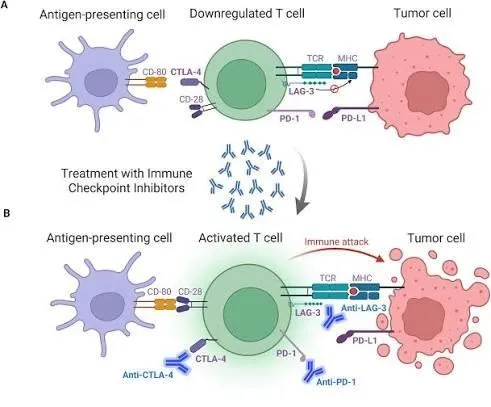
Figure 1: The mechanism of immune checkpoint inhibitors where downregulated T cells are reactivated by blocking CTLA-4, PD-1 and LAG-3 pathways to induce immune attack on tumor cells.
2.1 Antitumour immune surveillance
Immune surveillance describes the capacity of the immune system to recognise and eliminate abnormal cells before they develop into clinically detectable tumours. This process involves both innate and adaptive immunity. Innate immune cells, including natural killer cells, macrophages, and dendritic cells, provide early responses to abnormal cellular signals. Dendritic cells are particularly important because they capture tumour-derived antigens and present them to T lymphocytes. This process can initiate tumour-specific adaptive immune responses.CD8-positive cytotoxic T lymphocytes recognise tumour-derived peptides presented by major histocompatibility complex class I molecules. Once activated, these cells can destroy malignant cells through mechanisms involving perforin, granzymes, and death-receptor signalling. CD4-positive helper T cells support immune responses by producing cytokines and coordinating the activities of other immune populations’ lymphocytes may contribute through antibody production, antigen presentation, and interactions with T cells. Natural killer cells can eliminate certain abnormal cells without requiring the same antigen-specific recognition mechanisms used by conventional T lymphocytes. Despite these protective mechanisms, cancer cells may evolve under immune pressure and acquire characteristics that allow them to escape recognition or resist destruction.
2.2 Cancer immunoediting
Cancer immunoediting describes the relationship between tumour development and immune selection. It is commonly divided into three phases: elimination, equilibrium, and escape [3].
Elimination: Immune cells recognise and destroy susceptible malignant cells. Some transformed cells may be removed before a clinically detectable tumour develops. Equilibrium: Certain malignant cells survive initial immune attacks but remain controlled for a period. Continued immune pressure can select tumour variants with reduced immunogenicity or enhanced resistance.
Escape: Tumour cells acquire or select mechanisms that allow them to evade immune
destruction and proliferate despite the presence of immune cells.
This framework helps explain why cancer may progress despite an apparently functional immune system. It also provides a biological rationale for treatments that strengthen immune recognition or interfere with tumour-associated immune suppression.
2.3 Tumour antigens and antigen presentation
Tumour antigens are molecules that can be recognised by immune cells. They include mutation-derived neoantigens, viral antigens, cancer-testis antigens, differentiation antigens, and proteins that are abnormally expressed in malignant tissues. Neoantigens arise from genetic changes acquired by cancer cells. Because some neoantigens are absent from normal tissues, they may provide relatively tumour-specific targets for therapeutic vaccination or engineered T-cell approaches. For a T cell to recognise a tumour-derived antigen, the relevant peptide generally must be processed and presented by an appropriate major histocompatibility complex molecule. Defects in antigen-processing pathways, loss of antigen expression, or reduced MHC expression can therefore weaken antitumour immunity.
2.4 Immune checkpoint pathways
Immune checkpoints regulate the intensity and duration of immune responses. Their normal physiological function is to prevent excessive inflammation and minimise damage to healthy tissues. Cancer cells can exploit these pathways to suppress antitumour immune activity. Two of the best-established checkpoint pathways involve CTLA-4 and PD-1/PD-L1.CTLA-4 limits T-cell activation, particularly during early stages of immune priming. PD-1 is expressed on activated and chronically stimulated immune cells, and interaction with PD-L1 or PD-L2 can reduce T-cell signalling. Tumours may exploit this pathway to inhibit immune responses within the tumour microenvironment. Checkpoint inhibitors interfere with these suppressive signals, allowing tumour-reactive immune cells to regain activity. Nevertheless, removing inhibitory signals can also produce immune-mediated inflammation in normal organs.
2.5 The tumour microenvironment
The tumour microenvironment consists of malignant cells, immune cells, blood vessels, fibroblasts, extracellular matrix, and signalling molecules surrounding a tumour. A supportive immune microenvironment may facilitate antigen presentation, T-cell recruitment, and tumour destruction. In contrast, an immunosuppressive environment can prevent effective immune responses. Regulatory T cells, myeloid-derived suppressor cells, tumour-associated macrophages, and certain stromal populations may inhibit cytotoxic lymphocytes. Hypoxia, acidity, nutrient depletion, and suppressive cytokines can further reduce immune-cell activity. These characteristics vary between tumour types and even among different lesions within the same patient. Consequently, an immunotherapy that produces a strong response in one cancer may have limited activity in another.
3. Literature Review
Tumour-infiltrating lymphocytes (TILs) are critical components of the tumour immune microenvironment and play an important role in determining responses to cancer immunotherapy. Their antitumour activity is influenced by four major dimensions: cell abundance, functional state, antigen specificity, and spatial distribution within tumour tissues. Immune-hot tumours with abundant, activated and tumour-specific T cells generally exhibit greater sensitivity to immune checkpoint inhibitors, whereas immune-cold, immune-excluded and T-cell-exhausted phenotypes are often associated with therapeutic resistance. Furthermore, T-cell clonality, differentiation status and coordinated immune responses contribute to the effectiveness of tumour-directed immunity. Collectively, these features highlight the importance of evaluating the quantitative, qualitative and spatial characteristics of TILs as potential biomarkers for predicting immunotherapy outcomes.
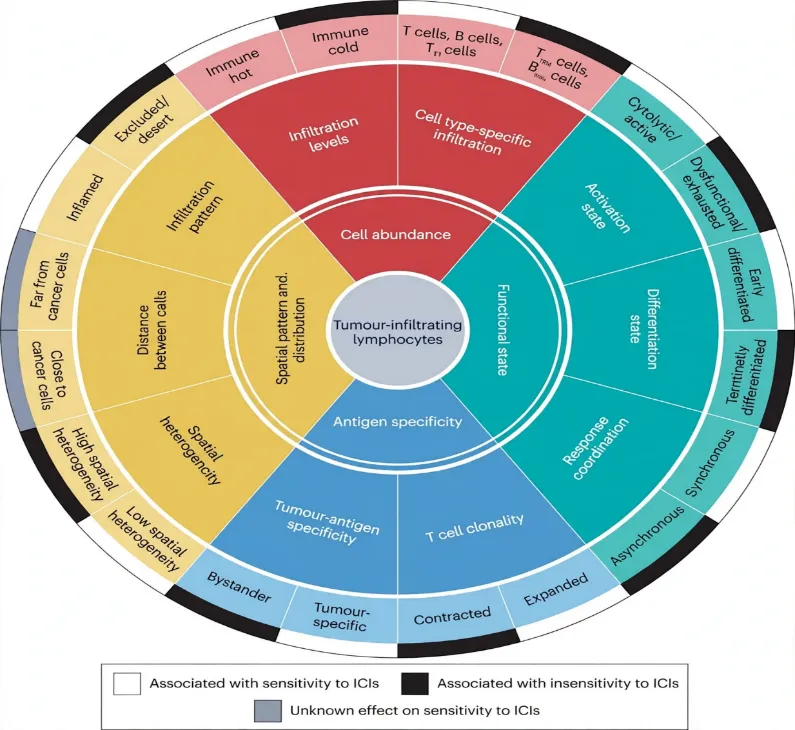
Figure 2: Multidimensional characteristics of tumour-infiltrating lymphocytes (TILs)
3.1 Historical development of cancer immunotherapy
The development of cancer immunotherapy reflects a transition from nonspecific immune stimulation to increasingly precise manipulation of immune pathways. Early approaches included bacterial preparations, interferons, and interleukin-2. Although their clinical effectiveness was limited, these interventions established that immune activation could occasionally produce substantial tumour regression. The development of monoclonal antibodies improved the ability to target specific molecules associated with cancer cells or immune regulation. Researchers subsequently identified inhibitory immune pathways that tumours could exploit to evade immune surveillance. The clinical success of CTLA-4 and PD-1 blockade represented a turning point. Rather than directly destroying malignant cells through conventional cytotoxic mechanisms, these treatments enabled existing immune responses to function more effectively. Research has since expanded towards engineered immune cells, tumour-specific vaccines, immune-cell-engaging antibodies, oncolytic viruses, and combinations designed to address multiple mechanisms of immune escape [1,2,4].
3.2 Immune checkpoint inhibitors
Immune checkpoint inhibitors are among the most influential advances in cancer treatment. These agents block inhibitory pathways that normally regulate immune activation.
3.2.1 CTLA-4 inhibitors
CTLA-4 is an inhibitory receptor expressed by activated T cells and regulatory T cells. It competes with the stimulatory receptor CD28 for binding to the costimulatory molecules CD80 and CD86.Ipilimumab, an anti-CTLA-4 antibody, demonstrated that checkpoint blockade could improve outcomes in selected patients with advanced melanoma. Its development helped establish immune regulation as a clinically actionable therapeutic target. However, CTLA-4 inhibition can cause substantial immune-related toxicity because it affects mechanisms involved in maintaining immune tolerance. Diarrhoea, colitis, hepatitis, skin inflammation, and endocrine disorders are among the possible adverse effects.
3.2.2 PD-1 inhibitors
PD-1 inhibitors include agents such as pembrolizumab and nivolumab. By blocking PD-1 signalling, these treatments can restore the activity of certain exhausted or suppressed T cells. PD-1 inhibitors have demonstrated clinical benefit across multiple cancers, including melanoma, non-small-cell lung cancer, renal-cell carcinoma, and selected gastrointestinal and head-and-neck malignancies. The magnitude of benefit depends on cancer type, disease stage, biomarkers, previous treatment, and the specific regimen. Some patients experience durable responses, while others show little initial benefit or develop resistance.
3.2.3 PD-L1 inhibitors
PD-L1 inhibitors, including atezolizumab, durvalumab, and avelumab, interfere with interactions between PD-L1 and its immune receptors. These agents have clinical applications in selected cancers, including lung cancer, urothelial carcinoma, and other malignancies depending on the specific product and treatment setting. PD-1 and PD-L1 inhibitors have overlapping but not identical pharmacological properties. Their clinical use must be determined by disease-specific evidence rather than assuming that all checkpoint inhibitors are interchangeable.
3.2.4 Clinical significance of checkpoint blockade
Checkpoint inhibitors have changed the management of several advanced cancers and are increasingly being incorporated into perioperative treatment strategies. In selected settings, combining checkpoint inhibitors with chemotherapy, antiangiogenic agents, or another checkpoint inhibitor can improve clinical outcomes. However, combinations may also increase adverse events and treatment costs. The challenge is to determine which patients benefit from combination treatment and whether the additional toxicity is justified by improvements in survival or quality of life.
3.3 Emerging immune checkpoint targets
The success of PD-1/PD-L1 and CTLA-4 blockade has stimulated research into additional immune-regulatory pathways. Lymphocyte activation gene 3 (LAG-3) is an inhibitory receptor expressed on certain activated and dysfunctional T cells. Blocking LAG-3 may complement PD-1 inhibition by addressing overlapping mechanisms of immune suppression. The combination of relatival and nivolumab demonstrated clinical activity in melanoma and established LAG-3 as an important therapeutic target. Other targets under investigation include T-cell immunoglobulin and mucin-domain containing-3 (TIM-3), T-cell immunoreceptor with immunoglobulin and ITIM domains (TIGIT), and several costimulatory receptors. These pathways may help explain why some tumours become resistant to established checkpoint inhibitors. However, clinical development has been variable, and many investigational agents have not yet demonstrated clear benefits in large randomised trials. Future research must establish the appropriate biological context, combination strategy, and patient population for each new target.
3.4 Adoptive cellular therapy
Adoptive cellular therapy involves collecting immune cells, expanding or modifying them outside the body, and administering them to a patient to strengthen antitumour activity. This approach differs from checkpoint blockade because it supplies or modifies immune effector cells rather than primarily releasing inhibitory signals. Major approaches include chimeric antigen receptor T-cell therapy, tumour-infiltrating lymphocyte therapy, and T-cell receptor-engineered therapy.
3.4.1 Chimeric antigen receptor T-cell therapy
Chimeric antigen receptor T-cell therapy, commonly called CAR-T therapy, is an advanced form of personalised immunotherapy. The process generally involves collecting a patient's T cells, genetically modifying them to express a receptor that recognises a selected tumour-associated antigen, expanding the modified cells, and reinfusing them. CAR typically combine an extracellular antigen-binding domain with intracellular signalling components that activate the T cell when the target is recognised. CAR-T therapies targeting CD19 have produced substantial responses in selected B-cell malignancies, while BCMA-directed therapies have expanded treatment options for selected patients with multiple myeloma [7,8]. The major advantages of CAR-T therapy include the possibility of potent immune activation, antigen-directed killing, and persistence of modified cells after infusion. Nevertheless, CAR-T therapy is associated with important limitations. Cytokine release syndrome can cause fever, low blood pressure, and breathing difficulties. Immune effector cell-associated neurotoxicity syndrome may cause confusion, language disturbances, seizures, or reduced consciousness. Other complications include infections, prolonged low blood-cell counts, antigen-negative relapse, and difficulties related to manufacturing.
3.4.2 CAR-T therapy in solid tumours
Solid tumours present additional barriers to CAR-T treatment. Unlike many blood cancers, solid tumours frequently contain heterogeneous cell populations with different levels of target-antigen expression. A therapy directed against a single antigen may eliminate some malignant cells while allowing antigen-negative populations to survive. Engineered T cells must also enter the tumour, survive within an immunosuppressive microenvironment, and maintain activity despite chronic exposure to tumour antigens. Researchers are investigating dual-target CARs, logic-gated receptors, cytokine-producing CAR-T cells, regional delivery, and combinations with checkpoint inhibitors. These approaches are promising, but many remain investigational. Their long-term effectiveness and safety must be established through carefully designed clinical trials [7,8].
3.4.3 Tumour-infiltrating lymphocyte therapy
Tumour-infiltrating lymphocyte therapy uses immune cells that have already entered a patient's tumour. Tumour tissue is collected, tumour-reactive lymphocytes are isolated and expanded in a laboratory, and the expanded cells are returned to the patient. Because a TIL product may contain lymphocytes recognising multiple tumour antigens, it can potentially address some forms of antigen heterogeneity. Lifecycle represents an important clinical development in TIL-based treatment for selected patients with advanced melanoma following previous therapies. However, TIL therapy requires specialised tissue processing, cell expansion, lymphodepleting treatment, and careful clinical monitoring. The process may be unsuitable for some patients because of disease progression, poor general health, or the absence of adequate tumour tissue.
3.4.4 T-cell receptor-engineered therapy
T-cell receptor-engineered therapy modifies T cells to express receptors that recognise particular tumour-derived peptides presented by MHC molecules. Unlike conventional CARs, engineered T-cell receptors can recognise peptides derived from intracellular proteins. This potentially broadens the range of tumour targets. However, TCR-engineered therapies are generally restricted by the patient's HLA type and the expression and presentation of the selected antigen. A further concern is cross-reactivity, in which an engineered receptor recognises a similar peptide in healthy tissues. Accurate target selection and rigorous safety testing are therefore essential.
3.5 Bispecific antibodies and immune-cell engagers
Bispecific antibodies are engineered molecules capable of binding two different targets. Some bispecific antibodies bind a tumour-associated antigen and CD3, a component of the T-cell receptor complex. This interaction brings T cells into close contact with malignant cells and can trigger targeted cytotoxic activity. Other bispecific constructs engage natural killer cells or combine tumour recognition with additional immune-regulatory functions. One advantage of these treatments is that they can often be manufactured as standard pharmaceutical products rather than individually engineered for every patient. However, some agents require repeated administration, step-up dosing, or prolonged monitoring. Cytokine release syndrome, target-related toxicity, and tumour antigen loss remain important limitations [9]. Terentius is an important example of T-cell redirection in solid cancer. It recognises a gp100-derived peptide presented by HLA-A*02:01 and redirects T cells towards malignant cells in selected patients with uveal melanoma. Its use is limited by HLA requirements and the specific clinical indication-cell engagers are also being investigated across additional solid and haematological malignancies. Recent research focuses on improving tumour specificity, reducing systemic immune activation, and extending the duration of clinical response.
3.6 Therapeutic cancer vaccines
Cancer vaccines aim to stimulate immune responses against antigens associated with malignant cells. They differ from prophylactic vaccines, which prevent infections associated with cancer development. Therapeutic cancer vaccines are intended to treat existing malignant disease. Several vaccine platforms have been developed, including peptide vaccines, protein vaccines, dendritic-cell vaccines, DNA vaccines, RNA vaccines, and personalised neoantigen vaccines. Sipuleucel-T is an established example of a therapeutic cellular vaccine for selected patients with advanced prostate cancer. Recent research has increasingly focused on personalised neoantigen vaccines. Tumour sequencing is used to identify mutations that may produce antigens recognisable by the patient's immune system. Computational methods help prioritise candidate targets, and a vaccine is developed to stimulate immune responses against selected neoantigens [10,11]. Personalised mRNA vaccines are particularly interesting because they can encode multiple selected antigens and may stimulate both CD4-positive and CD8-positive T-cell responses. However, personalised vaccine development requires high-quality tumour sequencing, reliable antigen prediction, manufacturing infrastructure, and sufficient time for production. Cancer vaccines may also be insufficient when used alone in strongly immunosuppressive tumour environments. Combining them with checkpoint inhibitors or other immune-modulating treatments is therefore an important area of investigation. Recent research continues to explore how vaccine design, antigen selection, delivery systems, and treatment timing influence clinical effectiveness. A 2026 review of neoantigen vaccines highlights their potential while emphasising that optimal design and clinical applications still require refinement [12].
3.7 Oncolytic virus therapy
Oncolytic viruses are designed or selected to infect and destroy cancer cells while stimulating antitumour immune responses. When infected tumour cells are destroyed, they can release tumour antigens and inflammatory signals that support immune-cell recruitment and antigen presentation. Some oncolytic viruses are genetically modified to express immune-stimulatory molecules. Talimogene laherparepvec, also known as T-VEC, is an established example of oncolytic virotherapy for selected melanoma settings. The potential advantages of this approach include direct tumour-cell destruction and the possibility of converting an immunologically inactive tumour into a more inflammatory environment. However, treatment effectiveness may be limited by antiviral immunity, difficulties delivering the virus to all tumour sites, tumour heterogeneity, and the suppressive tumour microenvironment. Researchers are investigating combinations of oncolytic viruses with checkpoint inhibitors and other immune therapies. Such combinations require clinical evidence demonstrating improved outcomes and acceptable safety.
3.8 Cytokine-based immunotherapy
Cytokines are signalling proteins that regulate immune-cell development, activation, and communication. Interleukin-2 and interferons were among the earliest immunotherapeutic agents used in oncology. Although they produced durable responses in selected patients, systemic toxicity restricted their clinical application. Newer strategies aim to modify cytokine activity to increase antitumour effects while reducing harmful inflammation. Investigational approaches include engineered interleukin-2 variants, interleukin-15-based treatments, and cytokine molecules designed to concentrate activity within tumours. The objective is to strengthen the function of cytotoxic T cells and natural killer cells without causing excessive systemic immune activation. Although cytokine engineering is promising, improved biological activity must translate into meaningful clinical benefit before these approaches can be considered established treatments.
3.9 Innate immunity and macrophage-targeted approaches
Innate immunity contributes to tumour recognition, antigen presentation, inflammation, and the recruitment of adaptive immune cells. Macrophages can either support antitumour immunity or promote tumour growth, depending on their functional state and local environment. Some tumour-associated macrophages suppress cytotoxic T cells, support abnormal blood-vessel development, and contribute to tumour progression. Researchers are investigating approaches that reprogramme macrophages, interfere with suppressive signalling, or enhance the ability of immune cells to engulf malignant cells. The CD47–SIRPα pathway is one example. CD47 can function as a protective signal that reduces phagocytosis by macrophages. Blocking this pathway may improve the removal of selected malignant cells. However, the same pathway can be important in healthy tissues, and some investigational treatments have encountered safety or efficacy limitations. Other approaches target innate immune signalling pathways, including cGAS, to improve inflammation and antigen presentation. The central challenge is to stimulate beneficial immune activity without causing widespread inflammation or damaging normal tissues.
3.10 Combination immunotherapy
a meaningful improvement in Combination treatment has become an important strategy for overcoming the limitations of individual immunotherapeutic agents. Checkpoint inhibitors may be combined with chemotherapy, radiotherapy, antiangiogenic drugs, targeted therapies, or another immunotherapy. Chemotherapy can reduce tumour burden and may alter the release of tumour antigens. Radiotherapy can produce local tumour-cell death and inflammatory signalling. Antiangiogenic treatments may improve aspects of abnormal tumour vasculature, potentially facilitating immune-cell entry. Dual-checkpoint blockade may overcome more than one inhibitory pathway, but it can increase the risk of immune-related adverse events. Similarly, combining immunotherapy with chemotherapy can introduce additional complications, including infection risk, fatigue, and bone-marrow suppression. A successful combination must therefore demonstrate clinical outcomes that justifies its additional toxicity, complexity, and cost.
3.11 Biomarkers in cancer immunotherapy
Biomarkers are increasingly important for selecting patients, monitoring responses, and understanding resistance. PD-L1 expression is used to guide treatment in certain cancers. However, its predictive value depends on the tumour type, assay, scoring method, and clinical context. Mismatch-repair deficiency and microsatellite instability-high status can identify selected tumours that may respond to checkpoint inhibition. Tumour mutational burden is another biomarker under investigation. A higher mutation burden may increase the possibility of generating recognisable neoantigens, but mutation count alone does not reliably predict treatment response in every cancer. Additional biomarkers include tumour antigen expression, HLA genotype, immune-cell infiltration, gene-expression signatures, and circulating tumour DNA. Each marker has limitations. Tumour samples may not represent all metastatic lesions, biomarker expression can change over time, and different laboratory methods may produce different results. Future approaches may combine several biomarkers to improve prediction and reduce the likelihood of treating patients who are unlikely to benefit.
3.12 Liquid biopsy and circulating tumour DNA
Liquid biopsy involves analysing tumour-derived material in blood or other body fluids. Circulating tumour DNA is released into the bloodstream by malignant cells and can contain genetic alterations associated with the tumour.
Changes in circulating tumour DNA levels may help researchers evaluate treatment response, detect molecular residual disease, and identify emerging resistance. In immunotherapy, liquid biopsy may offer a less invasive method of monitoring disease than repeated tissue sampling. However, circulating tumour DNA is not detectable at sufficient levels in every patient. Tumour location, disease burden, and biological characteristics can influence the amount of DNA released into circulation. Clonal haematopoiesis and other biological factors can also complicate interpretation. Consequently, liquid-biopsy approaches should be used according to validated clinical evidence, and prospective studies are required before using them as the sole basis for major treatment decisions in settings where their clinical utility is uncertain.
3.13 Immunotherapy in early-stage cancer
Immunotherapy is increasingly being studied in neoadjuvant, adjuvant, and perioperative treatment. Neoadjuvant treatment is given before surgery, potentially stimulating immune responses while the primary tumour remains present. Adjuvant treatment is given after definitive local treatment to reduce the risk of recurrence. Perioperative strategies combine preoperative and postoperative treatment. These approaches may improve outcomes in selected cancers, but they also introduce important questions about treatment duration, patient selection, and overtreatment. Some patients may already be cured by surgery alone, while others may have a high risk of recurrence and derive substantial benefit from additional therapy. Biomarkers, pathological response, and molecular residual-disease assessment may eventually help clinicians identify patients who require more intensive treatment and those who can safely avoid unnecessary therapy.
3.14 Recent advances in solid-tumour immunotherapy
Solid tumours have historically been difficult to treat using several immune-engineering platforms because of antigen heterogeneity, poor immune-cell trafficking, and immunosuppressive tumour environments. =Recent reviews have highlighted progress in combining checkpoint inhibition with antibody-based treatments, cellular therapies, vaccines, and engineered cytokines [13]. Adoptive cellular therapies and immune-cell engagers are also being developed for solid tumours. Research increasingly focuses on selecting suitable antigens, improving immune-cell persistence, and reducing toxicity to healthy tissues [14]. Despite these advances, many solid tumours remain resistant to current immunotherapies. Effective treatment may require coordinated approaches that improve antigen presentation, promote immune-cell entry, and reduce local immunosuppression.
3.15 Precision immuno-oncology and artificial intelligence
Precision immuno-oncology integrates tumour genomic information, immune profiles, clinical history, and biomarkers to guide treatment. Artificial intelligence and machine-learning methods are being investigated to identify complex relationships between tumour features and treatment outcomes. =Potential applications include analysing digital pathology images, identifying immune-cell distributions, predicting treatment response, and integrating multi-omics data. However, machine-learning models can be affected by biased training datasets, inconsistent testing methods, and poor external validation. An algorithm that performs well in one hospital or patient population may not perform equally well elsewhere. Therefore, AI-based predictions must undergo rigorous validation, and their clinical usefulness should be demonstrated before they are used to direct high-stakes treatment decisions.
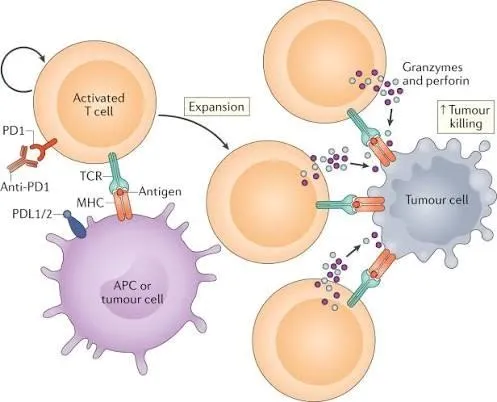
Figure 3: Major approaches to cancer immunotherapy targeting tumor cells.
DISCUSSION
Cancer immunotherapy has changed the treatment landscape by demonstrating that the immune system can be manipulated to produce clinically meaningful and sometimes durable tumour control. The reviewed literature shows that different therapeutic platforms address distinct aspects of antitumour immunity. Checkpoint inhibitors remove inhibitory signals, adoptive cellular therapies provide or modify immune effectors, bispecific antibodies redirect immune cells towards malignant targets, and cancer vaccines attempt to generate or strengthen tumour-specific responses. Oncolytic viruses and cytokine-based approaches offer additional mechanisms for stimulating inflammation and improving immune-cell activity. These developments demonstrate that cancer immunotherapy is not a single treatment but a broad therapeutic field involving different biological mechanisms and clinical applications.
4.1 Clinical significance of recent advances
Checkpoint inhibitors remain central to modern immunotherapy because they have demonstrated clinical benefit across several cancer types. Their use has expanded from advanced disease into selected early-stage and perioperative settings. Cellular therapies have also demonstrated that immune cells can be manufactured as therapeutic products. CAR-T treatments have been particularly successful in selected haematological malignancies, while TIL and TCR-engineered approaches provide additional possibilities for selected cancers. Bispecific antibodies offer another important development because they can redirect immune cells without requiring patient-specific cell manufacturing. Personalised vaccines represent a different strategy: rather than directly supplying immune effector cells, they aim to train the patient's immune system to recognise selected tumour antigens. These approaches may eventually complement one another. However, their relative effectiveness depends on cancer biology, disease stage, treatment history, and patient characteristics.
4.2 Importance of patient selection
A major challenge is determining which patients are most likely to benefit from each treatment. Biomarkers such as PD-L1 expression, mismatch-repair deficiency, microsatellite instability, and selected tumour-antigen profiles can inform treatment decisions. Nevertheless, biomarker testing is imperfect. Tumours evolve, different lesions may have different biological characteristics, and the immune environment can change during treatment. Future patient selection may require combining genomic data, immune-cell profiling, circulating biomarkers, and clinical characteristics. The goal should be to improve treatment effectiveness while reducing unnecessary toxicity and expense.
4.3 Resistance remains a central problem
Primary resistance occurs when a tumour does not respond adequately to treatment from the beginning. Acquired resistance develops when a tumour initially responds but later progresses. Mechanisms include antigen loss, impaired antigen presentation, changes in interferon signalling, immune-cell exclusion, suppressive cytokines, and the selection of resistant tumour populations. These mechanisms frequently coexist, making resistance difficult to overcome with a single intervention. Combination treatment may address multiple resistance pathways, but it also increases complexity and potential toxicity. Research must establish which combinations provide clinically meaningful benefits and which patients require them.
4.4 Safety and quality of life
The benefits of immunotherapy must be balanced against its potential risks. Immune checkpoint inhibitors can cause inflammatory complications affecting the skin, gastrointestinal tract, liver, lungs, endocrine organs, kidneys, heart, and nervous system. Cellular therapies and immune-cell engagers may cause cytokine release syndrome and other serious immune-mediated complications. Some adverse events develop after treatment has ended and may require prolonged management. Patient education, early recognition of symptoms, coordinated specialist care, and long-term monitoring are therefore essential components of immunotherapy delivery. Quality of life should also be evaluated alongside survival and tumour-response outcomes. Treatment burden, hospitalisation, financial costs, and long-term complications can substantially influence a patient's experience.
4.5 Importance of multidisciplinary care
Cancer immunotherapy often requires collaboration among oncologists, pathologists, radiologists, immunologists, pharmacists, nurses, and other specialists. Cellular therapies may require specialised manufacturing facilities and centres experienced in managing severe immune-related complications. Biomarker-guided treatment requires reliable laboratory testing and appropriate interpretation of molecular results. Multidisciplinary care can help ensure that treatment decisions consider tumour biology, patient health, toxicity risk, and the practical requirements of delivering therapy.
4.6 Translating scientific advances into routine practice
Promising laboratory results do not always translate into improved patient outcomes. Early-stage trials may involve small populations or highly selected participants. Results may not apply to patients with substantial comorbidities, poor performance status, or limited access to specialist care. Large, well-designed clinical trials are needed to establish the effectiveness and safety of emerging treatments. Long-term follow-up is particularly important because immune-mediated effects may persist beyond treatment completion. Researchers should also evaluate cost-effectiveness, accessibility, and patient-centred outcomes rather than relying exclusively on tumour-response rates. Overall, the future success of cancer immunotherapy will depend on combining biological innovation with reliable clinical evidence, appropriate patient selection, safety monitoring, and equitable implementation.
5. Limitations and challenges
5.1 Primary and acquired resistance
Resistance remains one of the greatest barriers to successful immunotherapy. Some tumours do not respond because they lack sufficient tumour antigens, fail to attract immune cells, or contain mechanisms that suppress immune activation. Other tumours initially respond but develop resistance through antigen loss, altered antigen presentation, or changes in the tumour microenvironment. A better understanding of these mechanisms is necessary to develop more effective treatment combinations.
5.2 Tumour heterogeneity
Tumours contain different cellular populations with distinct genetic and biological characteristics.A therapy targeting one antigen may eliminate susceptible cells while allowing cells that lack the antigen to survive. This problem is especially relevant to CAR-T cells and bispecific antibodies. Ulti-target approaches may reduce antigen escape, but they also increase the complexity of treatment design and the potential risk of damaging healthy tissues.
5.3 Immunosuppressive tumour microenvironment
The tumour microenvironment can limit the activity of immune cells through regulatory T cells, suppressive macrophages, myeloid-derived suppressor cells, inhibitory cytokines, hypoxia, and nutrient depletion. These factors may prevent immune cells from entering the tumour or maintaining effective antitumour activity. Although researchers are developing treatments to modify the tumour microenvironment, the pathways involved also contribute to normal physiological processes. Therefore, interventions must be sufficiently selective to avoid unacceptable toxicity.
5.4 Immune-related adverse events
Checkpoint inhibition can disrupt immune tolerance and cause inflammation in healthy tissues. Adverse events may range from mild skin reactions to severe pneumonitis, colitis, hepatitis, myocarditis, neurological complications, or endocrine dysfunction. Some complications require treatment interruption, immunosuppressive therapy, or long-term hormone replacement. Cellular therapies introduce additional risks, including cytokine release syndrome and neurotoxicity. These risks highlight the need for specialised monitoring and clear clinical management protocols.
5.5 Manufacturing complexity
Personalised cellular therapies require cell collection, laboratory processing, manufacturing, quality testing, transport, and reinfusion. Delays can be clinically important in patients with rapidly progressing disease. Some products may not meet manufacturing specifications, while others may require extensive hospital resources. Personalised vaccines also require tumour sequencing, antigen selection, production, and timely delivery. Improving manufacturing efficiency and developing suitable off-the-shelf alternatives are important research priorities.
5.6 High treatment costs
Advanced immunotherapies can involve substantial expenses associated with drug production, specialised infrastructure, hospitalisation, monitoring, and management of complications. The financial burden may be particularly difficult in health systems with limited reimbursement or specialist facilities. Cost-effectiveness must be evaluated in relation to treatment outcomes, durability of benefit, quality of life, and alternative treatment options. More efficient manufacturing, appropriate pricing, and broader availability of specialist services may improve access.
5.7 Limited access to specialised facilities
Cellular therapies require infrastructure that may not be available in every hospital or region. Patients may need to travel long distances to access specialist centres, creating additional financial and logistical difficulties. Limited access to molecular testing can also prevent patients from receiving biomarker-guided treatments. Healthcare systems must therefore consider not only the development of new therapies but also the facilities and workforce required to deliver them safely.
5.8 Limitations of current biomarkers
No single biomarker predicts response across all immunotherapies and cancer types. PD-L1 expression can vary between tumour regions, while tumour mutational burden does not fully reflect antigen quality or immune-cell function. Circulating tumour DNA may be difficult to detect in some patients, and computational biomarkers may lack sufficient external validation. More reliable approaches will probably require multiple biomarkers assessed over time.
5.9 Limitations of clinical research
Clinical trials may use different endpoints, biomarker assays, patient-selection criteria, and follow-up periods. Small early-stage trials can produce encouraging findings that are not reproduced in larger studies. Some patient populations are underrepresented, including individuals with complex comorbidities or limited access to specialist care. Improved trial design, transparent reporting, longer follow-up, and real-world evidence are necessary to understand the full benefits and risks of immunotherapy.
5.10 Ethical and regulatory concerns
Cell and gene therapies raise questions regarding long-term safety, manufacturing quality, informed consent, and equitable access. Personalised treatments may also require sensitive genomic data, creating concerns about privacy, data security, and the responsible use of artificial intelligence. Regulatory systems must evaluate new treatments carefully while ensuring that patients receive accurate information about the strength and limitations of available evidence.
6. Future directions
6.1 Personalised immunotherapy
Future cancer treatment is likely to become increasingly personalised through the integration of tumour genomics, immune profiling, molecular biomarkers, and clinical information. Personalised neoantigen vaccines and engineered T-cell therapies may enable treatment strategies directed towards the unique characteristics of an individual tumour. However, personalisation must improve clinical outcomes sufficiently to justify its cost, complexity, and manufacturing requirements.
6.2 Next-generation CAR-T cells
Future CAR-T development will focus on improving target specificity, cell persistence, resistance to exhaustion, and activity within solid tumours. Dual-target receptors may reduce antigen escape, while logic-gated systems may require recognition of selected combinations of tumour-associated signals before activating. Armoured CAR-T cells can be engineered to produce supportive immune signals, potentially improving activity in suppressive tumour environments. Gene editing and allogeneic cell platforms may improve availability and reduce manufacturing delays, although rejection and other safety concerns remain important.
6.3 Improved treatment of solid tumours
Solid tumours require strategies that address antigen heterogeneity, immune-cell trafficking, and immunosuppressive microenvironments. Future approaches may combine engineered cellular therapies with checkpoint inhibitors, cytokine-based agents, local delivery systems, and treatments that modify the tumour stroma. Improved tumour models and better methods for evaluating immune-cell behaviour may help researchers identify which combinations are most promising.
6.4 Personalised neoantigen vaccines
Neoantigen vaccines remain an important area of research because they can be designed around mutations present in an individual's tumour. Future work should improve antigen prediction, vaccine delivery, manufacturing speed, and the selection of patients most likely to benefit. Combining vaccination with checkpoint inhibition may improve the activity of vaccine-induced T cells. Clinical trials must establish whether these approaches reduce recurrence or improve survival, rather than relying solely on immune-response measurements.
6.5 Artificial intelligence and multi-omics
Artificial intelligence may support the analysis of tumour sequencing, immune-cell composition, spatial biology, and digital pathology. Integrating these datasets could improve the identification of response biomarkers and mechanisms of resistance. However, models must be externally validated and tested in diverse patient populations. Transparency, data quality, privacy protection, and evidence of clinical usefulness will be essential for responsible implementation.
6.6 Microbiome and host factors
The gut microbiome may influence immune activity and response to checkpoint inhibitors. Microbial communities can affect immune signalling, inflammation, and the production of metabolites that interact with host immunity. Age, previous treatments, antibiotic exposure, nutritional status, and other host factors may also influence treatment outcomes. Although these relationships are promising, interventions such as microbiome modification require controlled clinical studies. Unproven supplements or restrictive diets should not be presented as established ways to improve immunotherapy outcomes.
6.7 Safer immune activation
A major goal is to improve the therapeutic window by concentrating immune activity within tumours and reducing systemic exposure. Potential approaches include tumour-targeted cytokines, conditionally activated antibodies, local delivery systems, and engineered receptors with safety controls. Improved toxicity biomarkers and early monitoring may also reduce the severity of complications.
6.8 Improved affordability and global access
Scientific advances will have limited population impact if treatments remain inaccessible to most patients. Future strategies should include efficient manufacturing, appropriate health-economic evaluation, regional specialist networks, and improved access to biomarker testing. Clinical trials should also include diverse populations and evaluate how new treatments can be delivered in health systems with different levels of resources.
6.9 Response-adapted treatment
A future objective is to adjust treatment according to how an individual patient responds. Circulating tumour DNA, imaging, tissue biomarkers, and clinical assessment may help determine whether treatment should be continued, modified, or reduced. However, response-adapted strategies require prospective evidence showing that treatment decisions based on these markers improve outcomes and do not increase recurrence risk.
7. Recommendations
Based on the literature reviewed, the following recommendations are proposed for researchers, clinicians, healthcare institutions, and policymakers.
7.1 Recommendations for researchers
1. Investigate mechanisms of primary and acquired resistance to checkpoint inhibitors and cellular therapies.
2. Develop therapies that address antigen heterogeneity and immune suppression within solid tumours.
3. Improve the reliability of biomarkers through standardised testing and independent validation.
4. Conduct well-designed clinical trials that evaluate survival, quality of life, long-term toxicity, and treatment burden.
5. Investigate personalised vaccines and next-generation cellular therapies using appropriate comparative clinical evidence.
6. Improve the reproducibility of AI-based biomarker models and validate their performance in diverse populations.
7. Publish negative as well as positive findings to support accurate assessment of clinical benefit.
7.2 Recommendations for clinicians
1. Select immunotherapy according to validated clinical evidence, cancer type, disease stage, biomarkers, and patient characteristics.
2. Educate patients about possible immune-related adverse events and the importance of reporting new symptoms promptly.
3. Establish appropriate monitoring and referral pathways for managing serious toxicities.
4. Use multidisciplinary care for complex treatment decisions and advanced cellular therapies.
5. Discuss the expected benefits, uncertainties, risks, and financial implications of treatment with patients.
6. Avoid assuming that an immunotherapy effective in one cancer type will necessarily benefit another.
7.3 Recommendations for healthcare institutions
1. Strengthen access to reliable molecular and biomarker testing.
2. Develop specialist capacity for administering and monitoring advanced immunotherapies.
3. Establish standardised protocols for managing immune-related adverse events and cellular-therapy complications.
4. Maintain long-term follow-up systems for evaluating treatment effectiveness and delayed toxicity.
5. Support patient education and provide clear information about treatment costs and available assistance.
7.4 Recommendations for policymakers
1. Promote equitable access to clinically effective immunotherapies.
2. Support research into affordable manufacturing and delivery models.
3. Encourage inclusive clinical trials and strengthen representation of under-served populations.
4. Improve regulatory oversight and long-term safety surveillance.
5. Support evidence-based health-economic assessment and appropriate reimbursement.
6. Encourage collaboration between research institutions, healthcare providers, and industry to improve treatment accessibility.
CONCLUSION
Cancer immunotherapy has become an important component of modern oncology by demonstrating that the immune system can be harnessed to recognise and control malignant disease. Immune checkpoint inhibitors have transformed treatment for selected patients with melanoma, lung cancer, renal-cell carcinoma, and several other malignancies. CAR-T cells, tumour-infiltrating lymphocytes, TCR-engineered cells, bispecific antibodies, cancer vaccines, and oncolytic viruses have further expanded the therapeutic possibilities. Recent advances in tumour sequencing, biomarker development, and immune profiling are helping researchers understand why some patients respond while others develop resistance. Personalised neoantigen vaccines, next-generation cellular therapies, and engineered immune-modulating agents represent important areas for continued investigation.
Nevertheless, several limitations remain. These include primary and acquired resistance, tumour heterogeneity, immunosuppressive tumour microenvironments, immune-related adverse events, manufacturing complexity, high costs, and unequal access to specialist treatment.
Future progress will require stronger integration of biological research, biomarker-guided treatment, clinical trials, toxicity management, and health-system planning. Treatments should be evaluated not only by their ability to produce tumour responses but also by their effects on survival, quality of life, long-term health, and affordability. In conclusion, cancer immunotherapy should be viewed as an evolving component of multidisciplinary cancer care rather than a universal replacement for surgery, chemotherapy, radiotherapy, or targeted treatment. Continued research and responsible clinical implementation will be essential for extending its benefits to more patients while minimising harm and improving equitable access.
9.Acknowledgement
The author expresses sincere appreciation to the Research Wing, JBIT College of Pharmacy, for its valuable contributions and academic support in advancing the understanding of cancer immunology and immunotherapy. The author acknowledges the scientific efforts that have provided a strong foundation for the development of innovative treatment approaches and enhanced understanding of the benefits and limitations of immune-based cancer therapies. The author also extends gratitude to scientific journals, academic databases, and publicly available cancer-information resources for providing access to relevant research findings for educational and scientific purposes. Furthermore, the author sincerely acknowledges the supervising faculty and institution for their valuable academic guidance, encouragement, and support throughout the preparation of this work.
10.Conflict of Interest
The author declares no financial, personal, or professional conflicts of interest.
REFERENCES


Vikram Singh Bhandari, Ashish Kushwaha, Dr. Arun Kumar Maurya, Dr. Lalit Bisht, Natural Killer Cell-Based Immunotherapy: Emerging Therapeutic Approaches in Oncology, Int. J. of Pharm. Sci., 2026, Vol 4, Issue 11, 4696-4713. https://doi.org/10.5281/zenodo.24528865
 10.5281/zenodo.24528865