

We use cookies to ensure our website works properly and to personalise your experience. Cookies policy
Fabtech College of Pharmacy, Sangola-413307, Dist. Solapur, Maharashtra, India.
Alternatives to conventional products that could lead to dryness, irritation, allergic reactions, and other unwanted effects in certain cases. The present paper discusses the formulation of a polyherbal hair growth and scalp protection serum that contains Moringa oleifera leaves, Prunus dulcis, Clitoria ternatea, Phyllanthus emblica extract, and Psidium guajava as active ingredients, and Tween 80, propylene glycol, methylparaben, rose water, and distilled water as excipients. It is expected that the final product will demonstrate antioxidant, antimicrobial, nourishing, and conditioning properties due to the ability of its components to exhibit flavonoid, phenolic, anthocyanin, vitamin, tannic, and fatty acid contents. The serum is assumed to aid in protecting the scalp and preventing hair from drying, damaging, and splitting and to promote hair growth by reducing oxidative stress. Moreover, the prepared formulation will be subjected to the analysis of its colour, pH, homogeneity, viscosity, spreadability, skin compatibility, particle size, preliminary stability, and microorganism content in terms of quality control. Comparing the obtained results with those of commercial serums and discussing their implication for prototype formulation could provide insight into the attributes of a polyherbal hair product and its potential benefits for the skin and hair. It is postulated that the proposed herbal composition may prove effective in promoting hair growth and protecting the scalp; however, further experimentation is required to confirm its safety and efficacy. The chosen herbs may be suitable for the preparation of substances capable of maintaining healthy hair and scalp. The serum will provide the foundation for keeping hair moisturized, improving its structure and quality, and protecting it from free radicals. Moreover, it should be possible to ensure the optimal ratio of desired effects along with the compound’s safety and stability through the reduced use of harsh chemicals. It is critical to conduct further research to reveal the condition of the developed serum.
In today’s life consumer demand is increasing for the plant-based hair care product because there is rising the adverse effect due to synthetic hair care product. Synthetic hair care products contain harsh chemicals and cause side effects. These artificial ingredients like sulfate, artificial fragrance, paraben can disturb the scalp balance causes irritation, dryness, itching and more serious conditions such as allergic reaction and hair loss (Khairnar et al., 2025). But dandruff is one of the common problems that mostly occur in people of all ages. It has become increasingly common in modern lifestyle because of the various reasons like increasing dust, pollution exposure, psychological stress, lack of nutrition (Choudhary et al., 2025). Synthetic products such as shampoo and other topical preparations contain artificial anti–fungal agents. Such as selenium supplied as well as ketoconazole. These all-conventional therapies help to reducing fungal infection but side by side it’s causing the side effects. Due to all that reasons consumer actively seeing for plant-based hair care products. The natural products are having less side effect and compatible with scalp and skin. This may explain why herbal cosmetic is become more popular and frequently used in recent years. Herbal preparation contains various bioactive substance which provides benefits. The polyherbal formulations demands are increasing because it contains several medicinal plants has more therapeutic efficacy as compare to the single herb. Flavonoids, Terpenes, glycosides, vitamin E and essential oils provide better antifungal, anti-inflammatory, antioxidant, and hair-cleansing effects. (Chowdary et al., 2026).
Scalp Infection
Scalp infections often include dandruff, fungal infections (ringworm), inflammatory conditions such as psoriasis and seborrheic dermatitis, parasitic infections like pediculosis (head lice), and allergic reactions. Tinea capitis (ringworm) is caused by a contagious fungal infection, resulting in scaly, inflamed, round bald patches. Folliculitis is inflammation or bacterial infection of hair follicles, causing small, pimple-like bumps that may cause tenderness or itchiness. Psoriasis is a long-lasting skin condition that affects the scalp and causes skin cells to multiply rapidly, causing thick, silvery scales and redness (Trüeb et al., 2018).
Dandruff is a frequently occurring scalp disorder marked by excessive shedding of dead skin cells, which may cause symptoms including itching, redness, and flaking. This condition is very common around the world, affecting a large proportion of the population, causing psychological distress and affecting social interactions. The main causes of dandruff are associated with the overgrowth of microorganisms like Malassezia species, Candida albicans, and Staphylococcus aureus which thrive on oily scalp skin disrupting the delicate balance of the skin disrupting the delicate balance of the skin microbiome leading to accelerated shedding of skin cells. In bas cases, scaling and redness may occur on such other areas as the forehead, eyebrows and behind the ears causing social embarrassment (Pache et al., 2026).
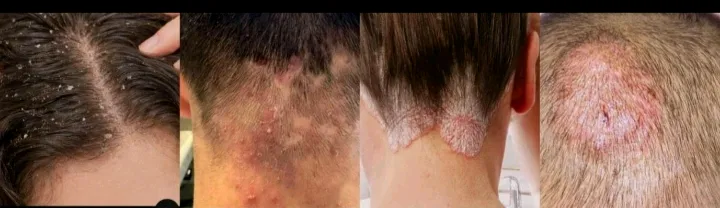
Figure 1: Scalp Infection (Pache et al., 2026)
It including four main scalp infections, that is dandruff, folliculitis, scalp psoriasis, scalp ringworm. The current study focuses on the creation assessment of a polyherbal scalp –protective hair serum made with five carefully chosen herbal ingredients: M. oleifera (moringa leaves), P. dulcis (Almond), C. ternatea (butterfly pea flower), P. Emblica (Amla) and P. guajava (guava leaves) These herbs were selected because it contains various of therapeutic benefits and long history of use in hair care. M. oleifera provides protein and nutrients for healthy hair growth.
Table 1: Chemical Constituents of Polyherbs (Patel et al., 2025; Avhale et al., 2024)
| Sr. No | Category | Chemical Constituents | Activity | M. oleifera extract | P. dulcis extract | C. ternatea extract | P. emblica extract | P. guajava extract |
|---|---|---|---|---|---|---|---|---|
| 1 | Flavonoids | Quercetin, Kaempferol | Antioxidant activity, protect scalp from oxidative stress | ✓ | – | ✓ | ✓ | ✓ |
| 2 | Phenolic acid | Gallic acid | Protect against free-radical damage | ✓ | – | ✓ | ✓ | ✓ |
| 3 | Vitamin | A, C, E | Support scalp maintenance | ✓ | – | ✓ | ✓ | ✓ |
| 4 | Fatty acids | Oleic acid, linolic acid | Improve moisture retention and helps to reduce dryness | – | ✓ | – | – | – |
| 5 | Anthocyanins | Ternatins | Provide antioxidant activity and natural blue-purple pigmentation | – | – | ✓ | – | – |
| 6 | Essential oils | Terpenoid/ volatile oil | Emollient | – | – | – | – | ✓ |
| 7 | Tannins | Emblicanin | Contribute to the antioxidant properties of P. emblica | ✓ | – | – | – | – |
PLANT PROFILE
1) MORINGA OLEIFERA
M. oleifera, commonly known as Moringa or Drumstick tree, belongs to the family Moringaceae. Its biological source consists of the dried, elongated, slender, triangular-shaped seed pods of M. oleifera.
M. oleifera leaves are full of vitamins and help to support health hair follicles. It contains vitamin A, which is help to moisturizes the scalp and promotes healthy hairs growth. M. oleifera contain biotin, it is regarded as one of the key B vitamins for the hair growth and help to prevent the hair loss. Vitamin C is key for the production of collagen which help for strengthening. M. oleifera containing iron content which play the role for scalp health as it improves blood circulation to the scalp. Moringa is packed with the potent antioxidant including quercetin that help to shield the hair follicles against antioxidant stress caused by free radicals (Patel et al., 2025). This protection helps to prevent premature aging of hail and keep its healthy. Also, M. oleifera can help cool down scalp irritation due to its anti- inflammatory benefits to the scalp (Shinde and Kaulage, 2024). M. oleifera are a rich source of nutrients that can support healthy hair growth and scalp care. They contain vitamins such as vitamin A, which helps maintain healthy scalp cells and supports normal tissue growth. Minerals including zinc and iron plays an important role in maintaining the health of hair follicles and supporting proper oxygen supply to the roots, which may help reduce excessive hair thinning and shedding. The presence of proteins and antioxidants further supports hair shaft strength, helps reduce dryness and breakage, and may minimize problems such as split ends. In addition, the anti-inflammatory properties of M. oleifera can help soothe an irritated scalp and contribute to overall scalp health (Bhandekar and Sargar, 2026: Mahakal et al., 2025).
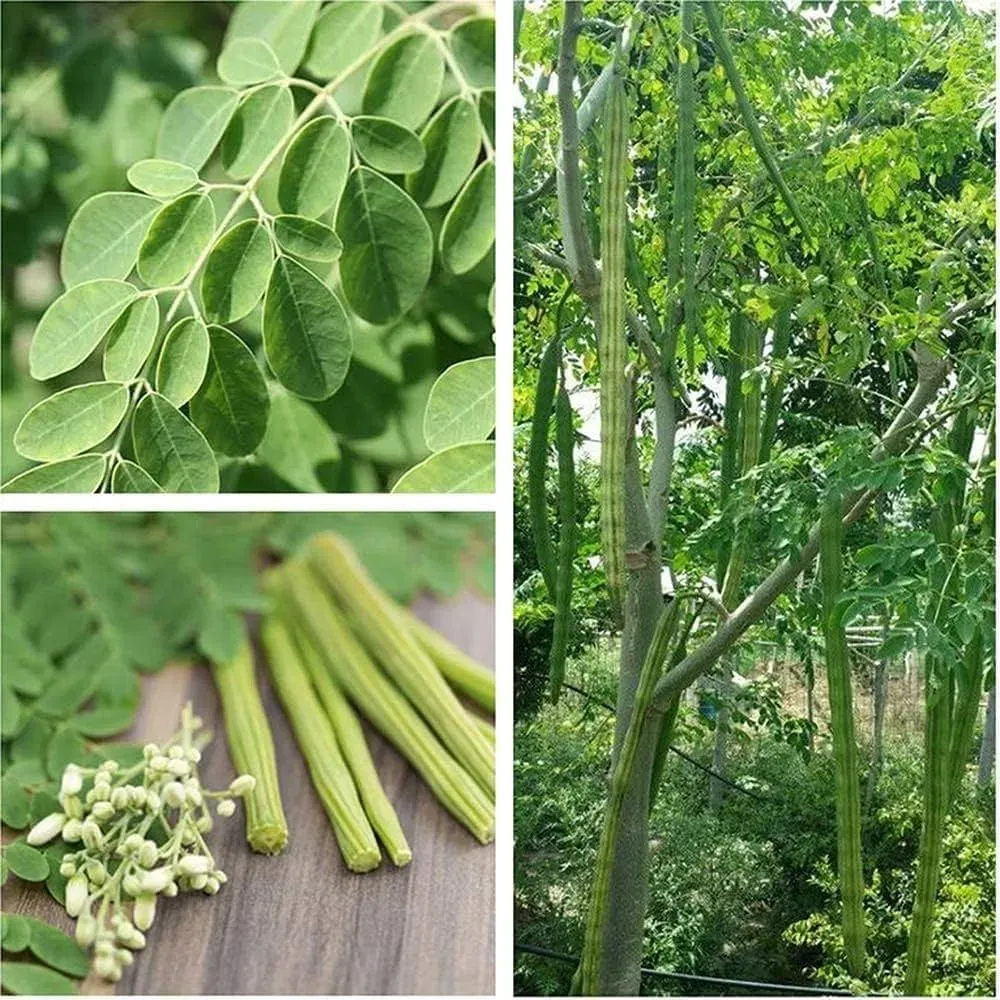
Figure 2: M. oleifera Leaves (Abha et al.,2026).
PHARMACOLOGICAL ACTIVITY OF M. OLEIFERA LEAVES
Antimicrobial and Antifungal Activity
Methanolic extract of the leaves obtained from M. oleifera can prove to work successfully in treating infections of the urinary tract caused due to both Gram-positive and Gram-negative bacteria including K. pneumoniae, S. aureus, E. coli, and S. saprophyticus. The growth-inhibitory action of the extract of M. oleifera leaves, seeds, and stems have been described in different fungi including A. flavus, A. terreus, A. nidulans, R. solani, A. Niger, A. oryzae, F. solani, P. sclerotigenum, C. cladosporioides, T. mentagrophytes, P. species, and Pullarium species. The capability of the juice of M. oleifera have been evaluated for their activity against the human pathogenic bacteria. Methanolic extract obtained from the leaves of M. oleifera inhibited B. cinerea (Necrotrophic plant fungi) almost 99% (Maurya and Singh, 2014). Antifungal activity of M. oleifera leaf extracts on these fungi such as saccharomyces cerevisae, Candida albicans and Candida tropicalis. Ethanol and water-based extract obtained from the leaves exhibited activity on yeast such as saccharomyces cerevisae and Candida tropicalis while there was no activity obtained in Candida albicans. The water and ethanol extracts of Moringa showed maximum inhibition against saccharomyces cerevisae (Raubilu et al., 2019).
Cytotoxicity and Anti- cancer Activity
Antitumor effects of M. oleiferahave been attributed to the two-well characterized phytochemicals moringinine and quercetin that counteract tumorigenesis (Maldini et al., 2014). Study has shed light on the neuroprotective properties of M. oleiferaisothiocyanate towards H2O2-induced oxidative stress. The isolated compounds, 4-(α-L-rhamnopyranosyloxy) benzyl ITC (moringin) complexed with alpha-cyclodextrin (moringin + α-CD; MAC) were found to be antiproliferative towards SHSY5Y human neuroblastoma cells (Jaafaru et al., 2018).
Immunomodulatory Activity
The preparation derived from M oleifera leaves, which is abundant in isothiocyanates, has the potential of inhibiting both gene and protein expression of IL-1 β and IL-6 in RAW 264.7 cell line in lipopolysaccharide stimulation (Shah and Oza, 2022). In addition, M. oleiferaethyl acetate fraction containing substantial amounts of phenolic compounds, has shown an ability to restrict the activation of macrophages caused by either lipopolysaccharide or cigarette smoke. As a result, there is a considerable reduction in gene and protein expression of pro-inflammatory cytokines such as IL-6, IL-8, and TNF-α. The plant’s methanolic extract contains bioactive agents such isothiocyanate and glycoside cyanide, which stimulate immune responses and increase immunity in an efficient manner. Recent literature highlights the potential role of various bioactive compounds in the treatment of some diseases related to immune system such as diabetes, cancer, and hypertension, which has increased host immunity. Methanolic extract of the plant contains active compounds such isothiocyanate and glycoside cyanide, which are stimulators of immune system and increase immunity in an effective way (Kooltheat et al., 2014).
Hepatoprotective Activity
M. oleifera hepatoprotective activity is associated to the abundance of bioactive substances present in its aerial parts, particularly in aqueous leaf extracts, which contain high amounts of phytochemicals, flavonoids, phenolic acids, carotenoids, and other compounds with antioxidant activity. The occurrence of these substances contributes to its therapeutic effect, and owing to its potential health-promoting effects, it is recommended to consume M. oleifera on a daily basis. However, it is vital to keep in mind that in high dosages, it might cause iron overload, resulting in gastrointestinal problems and hemochromatosis. According to in vitro investigations, M. oleifera hepatoprotective properties against a variety of drugs, including acetaminophen, pyrazinamide, gentamicin, and rifampicin, are primarily connected to its leaves. In many instances, defining the half-maximal inhibitory concentration is essential, particularly when it comes to determining the protective function of M. oleifera aqueous leaf extract in vitro. (Chikara et al., 2021). The aqueous leaf extract, which is packed with antioxidant molecules, protects the AOE from diseases caused by oxidative stress (Paikra et al., 2017). In vitro, scientific studies have reported the potential of M. oleifera to protect against renal and hepatic damage resulting from drugs such as gentamicin, pyrazinamide, rifampicin, and acetaminophen, and again, this mostly comes from its leaves (Brilhante et al.,2017).
Antidiabetic Activity
The study reported that oral administration of moringa contains protein insulin-like antigens that have antigens to insulin, so they have significant antihyperglycemic activity. The aqueous extract of M. oleifera leaves (100 mg/kg) improved insulin sensitivity and increased total antioxidant capacity and immune tolerance in experimental animals. The antidiabetic effect of the leaves of M. oleifera was also manifested in higher levels of catalase and malondialdehyde and lower levels of fasting plasma glucose, hemoglobin, low-density lipoprotein cholesterol, and VLDL cholesterol concentration in patients with type 2 diabetes. In addition, this extracts also increased insulin levels in healthy people. These results indicate that M. oleifera leaf extract and seed powder may have therapeutic potential in the treatment of diabetic nephropathy and pancreatitis (Sena et al., 2007). Decreased fasting plasma glucose FPG and reversed pancreatic damage, as it restores the symptoms of anxiety and depression. It decreases the impact of alcohol on the damage, increases the concentration of glutathione (GSH), and decreases malondialdehyde (MDA) pancreas (Yassa and Tohamy, 2014).
Antioxidant Activity
The high antioxidant activities of M. oleifera are often attributable to its high content of polyphenol compounds. Antioxidant activities are beneficial to plenty of applications, and previous research suggests that dietary polyphenols help to alleviate the complications of many critical illnesses like cancer, cardiac diseases and chronic inflammation, that are generally associated with oxidative stress. Mechanistically, polyphenol are naturally occurring plant compounds produced through secondary metabolic in plants, which are identified to be potent antioxidant agents that complement. They help eliminate free radicals by donating an electron or hydrogen atom, making them important contributor to the overall antioxidants in fruits, followed by vitamins. However, studies found that chlorophyll has higher radical scavenger and reducing agent potential than phenolic compounds and flavonoids (Wang et al., 1996).
Anti-inflammatory Activity
M oleifera seed extracts regulate the generation of NO, TNF- α, and I1- β in lipopolysaccharide-induced mouse macrophages. Isothiocyanates GMG-ITC (compound 126) and 4-[(4'-O-acetyl-alpha-L-rhamnosyloxy) benzyl] isothiocyanate (125) regulate the production of proinflammatory mediators at gene expression level via inhibition of iNOS through regulation of NF- κ B; this is thought to be the main anti-inflammatory mechanism of action for these compounds (Waterman et al., 2014). Aurantiamide acetate (compound 61), one of the constituents from roots, and 1, 3-dibenzyl urea regulated TNF-α and IL-2 production in macrophage models. Hydro-alcoholic and chloroform fractions of the seeds are effective in the experimental acute colitis caused by acetic acid in rats, and lower mucosal injury markers (Minaiyan et al., 2014). Besides their significant medicinal effects, the bioactive constituents of Moringa are powerful antioxidants and may help to inhibit bacterial and fungal growth. Moringa is rich in phenolic compounds significantly prevent oxidation of food (Ibrahim et al., 2022)
Anti-ulcer Activity
Number of different bioactive compounds, such as alkaloids, flavonoids, rutin, steroids, and others, are present in M. oleifera. The flavonoids rutin, which is found in moringa, have a gastro-cytoprotective effect, and quercetin acts as an anti-ulcer agent. Moreover, it has been noted that M. oleifera leaf ethanolic extract possesses antiulcer properties. In connection with the previous, the work has used ethanol-induced stomach ulcers and pylorus ligation-induced ulcers to study the antiulcer potential of an ethanolic root-bark of M. oleifera (Caceres et al., 1991).
Neuropharmacological Activity
Leaves extract restores monoamine levels in the brain and is very effective in Alzheimer’s disease, while an in vitro investigation of the ethanolic leaf extract demonstrated an anticonvulsant effect is mediated through the regulation of dopamine, noradrenaline, locomotor activity, and serotonin (5HT) levels in the brain in penicillin-induced convulsions (Amrutia et al., 2011). Leaves showed good anticonvulsant properties in a phenyl tetrazoline and maximal electric shock-induced model in male albino mice. Aqueous extract of roots was found to block the epileptic seizures induced by penicillin in adult albino rats. Ethanolic leaves extract showed anxiolytic tendencies that were proven by behavioral experiments on an actophotometer and a rotarod device, respectively (Bhattacharya et al., 2018).
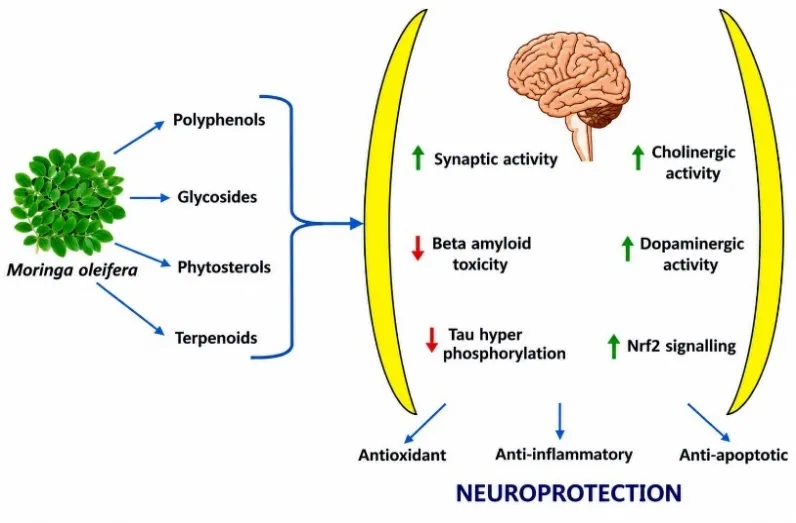
Figure 3: Neuroprotective Effects of M. oleifera (Pareek et al., 2023).
The various bioactive compounds found in M. oleifera are accountable for numerous neuro-protective effects. M. oleifera is accountable for up-regulating synaptic activity, cholinergic activity, dopaminergic activity, signaling of NrF2 (Nuclear factor erythroid 2-related factor 2), while decreasing beta-amyloid toxicity and phosphorylation of tau proteins.
2) PRUNUS DULCIS
Prunus dulcis, commonly known as Badam or Almond, belongs to the family Rosaceae. It is obtained from the dried, ripe fruits of P. dulcis, which are widely used for their nutritional and medicinal properties.
P. dulcis oil has nutrients it that your hair requires, such as magnesium, phospholipid, vitamin E and Omega -3 fatty acids. P. dulcis oil is the ideal nourishing remedy for frizzy hair and hair loss since it improves and strengthens your hair. Just a few drops of this oil may give hair shine and silkiness while also nourishing the scalp. P. dulcis oil plays a vital role to provide nourishment and hydration to hair and scalp. Most commercial brands have a high quality of petroleum paraffin and low concentrations of P. dulcis oil. Because of its high concentration of vitamins B-7, also known as biotin, P. dulcis oil may assist you in achieving beautiful and shiny hair (Avhale et al., 2024; Zagade et al., 2025)
P. dulcis oil contains high levels of beneficial fatty acids, especially oleic acid (about 60–70%), linoleic acid (20–30%), and palmitic acid (5–10%), along with vitamin E. Due to its nourishing and emollient properties, it is commonly used in hair-care formulations. It helps condition the hair, improve softness and shine, and reduce dryness and hair breakage. The antioxidant and anti-inflammatory properties of P. dulcis oil may also help nourish and protect the scalp, supporting healthier-looking hair and maintaining overall scalp health (Sahare et al., 2024; Shewale et al., 2026).
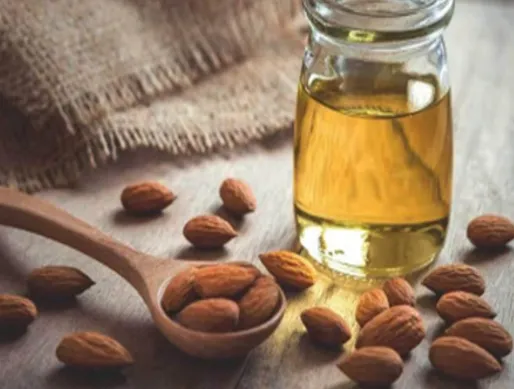
Figure 4: P. dulcis Oil (Dhonde and Gaikwad, 2026)
PHARMACOLOGICAL ACTIVITY OF P. DULCIS
Cholesterol lowering Activity
P. dulcis have been proven to have a sustained reduction in LDL-cholesterol in healthy individual as well as in individuals with high cholesterol and diabetes, in controlled and free – living environments (Rao and Lakshmi, 2012). P. dulcis consumption boosts level of Vitamin E in plasma and red blood cells thus it lowers the cholesterol level. The study's results were published in the journal of the American dietetic association. Vitamin E is an antioxidant that prevents artery clogging oxidation of cholesterol. The daily consumption of P. dulcis (Prunus Amygdalus) gives you the vitamin E that helps to reduce cholesterol. In a study among adults with hyperlipidemia, P. dulcis consumption favorably alters the serum fatty acid profile by increasing the proportions of total monounsaturated fatty acids (MUFA) and decreasing saturated fatty acids. As a result, improvements in blood lipoproteins and decrease 10-year coronary heart disease risk (Rajagopal et al., 2022).
Amnesia
P. dulcis have a memory enhancing activity as it facilitates the retention of special memory in scopolamine induced amnesia. They concluded that P. dulcis reduced the serum cholesterol in rats. They were also observed to elevate the Ach levels in the brain and ultimately improve the memory (special and avoidance) of rats. In another investigation, the memory improving effect of P. dulcis paste was assessed by using of EPM (Elevated plus Maze) and RAM (Radial Arm Maze) assays. The oral administration of P. dulcis paste for 28 days significantly improved the learning and memory parameters of model animals (Mushtaq et al., 2015).
Anti- Inflammatory Activity
Methanolic extracts of P. dulciss had antioxidant and anti-radical activities and P. dulcis phenolic extract could make a contribution to the prevention or slowing down of various oxidative stress-associated pathologies. The anti-inflammatory potential of P. dulciss was examined in a randomized crossover trial with 25 healthy volunteers who were randomly divided into the three-four-week treatment group and the high P. dulcis diet. After the treatment, E-selectin levels were lower in the group on a high-P. dulcis diet than in the placebo group; in addition, the findings indicated that 1% increase in energy intake replacement with P. dulcis resulted in a 0.18 µg/L decrease in E-selectin levels. Moreover, both the diets with P. dulcis significantly decreased the levels of C-reactive protein (CRP) compared to the control. As reported by the researchers, the decrease in inflammation markers was probably because of high concentration of MUFA which could decrease the concentration of E-selectin and CRP, and other components of P. dulcis, including magnesium, arginine and phytochemicals, could also contribute to prevention of inflammation (Rao and Lakshmi, 2012). An in vitro study found that P. dulcis kernel demonstrated inhibitory effects on the growth of various bacterial strain. (Dhingra et al., 2017).
Anti-Cancer Activity
Some studies have found cytotoxic activities of P. dulcis and its fractions against several human cancers. It is postulated that P. dulcis could be regarded as a new drug in controlling cancerous tumors. The incorporation of P. dulcis or its oil into the rats’ diet may result in a significant reduction of aberrant crypt foci (ACF) and colonic epithelial cell turnover. 1 P. dulcis reduces cancer risk. The person who consumed P. dulcis in a higher quantity reduces breast cancer 2 to 3 times. P. dulcis are provides a substantial number of anti-oxidants. It may help minimize oxidative damage which contributes to inflammation, aging and cancer. Antioxidants have high content in brown layer of P. dulcis. It is helpful to treat cancer (Javaid et al., 2019).
Serum Uric Activity
A large, randomized, nut-free diet-controlled study showed the uricemia-lowering effect of 12 weeks of regular consumption of P. dulciss (10 g daily) in 150 coronary artery disease patients. After the period, at week 6 and week 12 significantly reduced serum levels of uric acid were registered in both men (-15% and -17%, respectively; p < 0.05 for all, compared to nut-free diet group) and women (-12% and -16%, respectively; p < 0.05 for all, compared to nut-free diet group) (Barreca et al., 2020).
Emollient Activity
Emollients are substances that facilitate the skin’s surface by filling the gaps between superficial cells to enhance the skin texture. P. dulcis oil has capacity to form a thin layer of lipids on the skin, thus, smoothing and softening it (Ahmad, 2010). Due to the abundance of oleic acid, P. dulcis oil becomes spreadable and spreads its lipids throughout the epidermis. The acids contained lubricate the skin, while the lipid layer on the surface reduces the rate of transpiration. That is why P. dulcis oil is utilized in the composition of creams, lotions, massage oils, and other emollient topical preparations (Quzir et al., 2021). In a murine model of chronic ultraviolet bexposure (four groups of 20 animals) topical pretreatment with P. dulcis oil decreased visible skin damage, lowered lipid peroxidation, maintained glutathione levels and demonstrated a pattern of photoprotection on histology, slowing the progression of photoaging (Sultana et al., 2007).
3) Clitoria ternatea
C. ternatea, commonly known as Butterfly Pea Flower or Shankhapushpam, belongs to the family Fabaceae. It is a medicinal plant from which various phytochemical constituents are isolated and used for their therapeutic properties.
A C. ternatea is valued for its beauty as well as it's possible health benefits. These include anti- inflammatory and antioxidant qualities. In year a C. ternatea has gained increasing popularity, particularly in hair care. It is believed to improve hair texture support hair growth and reduce damage.
This herb provides conditioning, protection, color and bioactive effects. It is also focus on safety and sustainability. The C. ternatea also known as BPF is choice for serums. This is because it contains ternatin anthocyanin, which give a blue color. It also offers anti- inflammatory activity. These compounds may influence the tissue environment in ways that supports hair health. The C. ternatea contains substance with anti- fungal and scalp nourishing properties. C Ternatea the scientific name for the C. ternatea may offers molecules. Its effects have been reported in several studies. It could be useful, in treating conditions. The plant BPF accumulates polyacrylate delphinidin glycosides and quercetin/kaempferol glycosides (Sharnarthi et al., 2025; Vijayan et al., 2025). Both types of metabolites exhibit strong antioxidant activity and pH dependent color characteristic, which make them suitable for use in the cosmetics industry as an active ingredient. It is mostly used in Thailand and other Asian countries for hair care (Jogdand et al., 2025; Ungphaiboon et al., 2026).
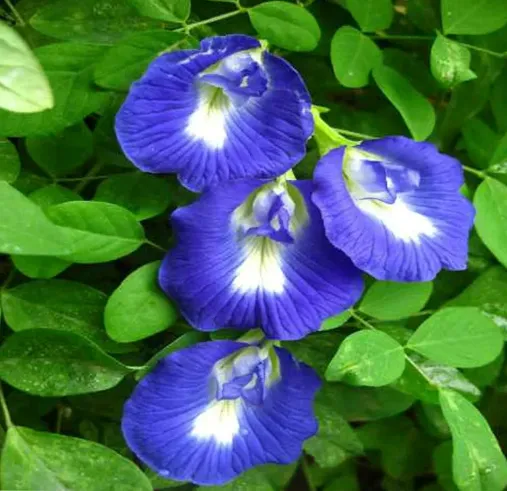
Figure 5: C. ternatea Flowers and Leaves (Jogdand et al.,2025).
PHARMACOLOGICAL ACTIVITY OF C. TERNATEA
Antioxidant Activity
Aqueous and ethanolic extracts from C. ternatea showed antioxidant potential. Flowers of C. ternatea possess chemical constituents that contribute to this activity. Ethnopharmacological findings indicate that 15 traditional methods in which C. ternatea extract is used. Researchers tested petroleum ether, chloroform and methanol extracts of roots of both of blue and white flowered plants. Three distinct antioxidant assays were performed to determine their capacity. DPPH radical-scavenging assay tested one aspect. The reducing power assay evaluated another. Hydroxyl free radical neutralization assay assessed a third measure. All three extract types from both plant varieties significantly blocked DPPH free radicals at concentrations between 50-600 micrograms per milliliter. Blue flowered variety roots showed the strongest inhibition across all three solvents (Patil AP and Patil VR, 2011). Evidence exists to substantiate the use of antioxidants such as anthocyanins in treating the oxidative stress and vascular complications are commonly observed among individuals with diabetes. This is achieved by decreasing the production of free radicals in the cells and increasing the effects of defense enzymes (Prawitasari, 2019).
Hypolipidemic Activity
C. ternatea L. was evaluated for its capacity to lower cholesterol in rats with high blood lipids. Researchers used two models: one with Poloxamer 407 to create acute high lipid levels, and another using diet to induce the condition. oral doses of hydroalcoholic extract from the plant's roots and seeds showed significant decrease in serum of triglycerides, total cholesterol, VLDL cholesterol, and low-density lipoprotein cholesterol (p<0.05). Diet-induced hyperlipidemic rats also had normalized index of atherogenic risk HDL/LDL ratios after treatment. Results matched up against atorvastatin for comparison (Rajathi and Daisy, 2009).
Anti- diabetic Activity
C. ternatea fights diabetes mainly through antioxidant power. Anthocyanins and flavonoids do the heavy lifting here. Pancreatic β-cells get protected from oxidative stress, which helps manage type 1 DM. That's half the story. Anthocyanins and flavonoids also hit α-amylase, an enzyme that breaks down carbs. Shut down that enzyme and glucose releases from your intestine drop. Postprandial blood glucose levels go down too (Hungeford et al., 2019). Flavonoids, anthocyanins, and alkaloids in C. ternatea boost insulin production. Cells become highly sensitive to the hormone. Beyond diabetes management, this opens doors to treating complications like cardiovascular disease and cognitive problems. One study tracked 15 healthy male volunteers. Acute consumption of the flower extract with sucrose suppressed postprandial plasma glucose and insulin levels. Antioxidant capacity improved. No fast postprandial hypoglycemia happened. Another trial ran 12 weeks. Individual with type 2 diabetes mellitus and moderate diabetic distress got the flower extract daily, 5-10 g doses. Serum protein carbonyls dropped significantly. Urinary levels increased. Oxidative stress improved. Diabetic distress got better (Mani et al., 2025). It is an effective traditional medicine. The results of studies have demonstrated that the anthocyanins may help lower blood glucose levels by inhibiting the activity of α-amylase enzyme (Chu et al., 2017).
Anticarcinogenic Activity
The extracts of C. ternatea were widely studied due to their unique biological properties. Moreover, the potential of this species to combat cancer has increasingly gained significant interest because of its potential implication in pharmaceutical industries for diverse malignancies. This feature of the plant is associated with the abundant flavonoid content and phenolic acids in the extract that might affect the cancer cells by triggering apoptosis and inhibiting cell proliferation and other molecular mechanisms (Maia et al., 2025). The majority of tannate fower extract consisted of various variety of favonols (queretin, kaempfern and myricetin) and anthonins. While anthonins are the predominate components of anthonin-rich fraction, other existing variety of favonols could also contributed (Jeyaraj et al., 2022).
Anti-ulcer Activity
Peptic ulcer is a term that is used in reference to a gastrointestinal disease. It is characterized by an increased secretion of gastric acid into the parietal cell of the gastric mucosa of the stomach. This causes an increase in extracellular H + ions concentration that are translocated into the parietal cells by way of H +/K+ ATPase. The main hallmark of a peptic ulcer is the erosion of the epithelial lining of the gastric mucosa. CT is effective against chronic gastric damage that is brought about by Indomethacin and the deposition of pyloric acid. CT has a cytoprotective effect of the gastric mucosa with antisecretory properties because it contains flavonoids, tannins, and antioxidants, which play a role in its ulcer healing ability. The chloroform and ethanolic extracts of CT, administered at a dose of 250 mg/kg, showed ulcer curative effects that were comparable to the positive control Omeprazole (Rai et al., 2015).
Nootropic Activity
Nootropic drugs enhance learning performance and memory retention. GABA and DA are neurotransmitters whose levels are reduced in the brain after administration of the paracitam. CT has an effect on the central nervous system. Upon administration of the oil of Celastrus paniculatus, a reduction in the dopamine concentration is observed. The drug Celastrus paniculatus has nootropic effects and it can improve IR and discrimination index by CT. In another study, the memory was improved by the aq. methanolic extract (Mahajan et al., 2025).
Anxiolytic and Antidepressant Effects
Anxiolytic and antidepressant effects: Historically valued for its calming and mood-enhancing properties. Preclinical investigations in animal models indicate that extracts of Clitoriaternatea possess anxiolytic (anxiety-reducing) and antidepressant-like properties, potentially mediated through modulation of neurotransmitter systems within the central nervous system (Singh and Agrawal., 2023). The duration taken to cross the maze was significantly delayed by oral administration of alcoholic extract of C. ternatea (460 mg/kg). C. ternatea (100mg/kg) induced a significant alteration in the number of inflexion ratio and the discrimination index which can be evidence for the nootropic activity. As a result, C. ternatea produced by chlorpromazine in rat showed pronounced effects on anxiety (Dhakad et al., 2021).
Analgesic and Anti-pyretic Activity
Studies show that preparations of the flowers and leaves of C. ternatea have a strong anti-inflammatory effect. Ethanolic and petroleum ether extracts of this plant have a significant pain-relieving activity lasting approximately two hours. The analgesic, anti-inflammatory, and antipyretic effects are primarily attributed to the substantial content of flavonoids in this plant (Kambale et al., 2025).
4) Phyllanthus Emblica
P. emblica, commonly known as Amla or Indian Gooseberry, belongs to the family Euphorbiaceae. Its biological source consists of the fresh and dried fruits of P. emblica, which are widely used for their nutritional, and medicinal properties.
The chemical constituents of P. emblica include vitamin C, Ascorbic acid, Emblicanin A, Emblicanin B and Punigloconin. Flavonoids including Quercetin and Kaempferol are present along with ellagic acid, gallic acid, and minerals like iron and calcium (Hajgude et al., 2026). P. emblica contain,s a substantial amount of vitamin C and antioxidants that helps nourish the scalp and strengthens the hair roots. It promotes hair growth and provides hydration to scalp. P. emblica has anti- inflammatory properties which help to prevent dandruff (Pache et al., 2026).
P. emblica, traditionally used in Ayurveda and valued in herbal hair-care products for its rich nutritional and therapeutic properties. It contains vitamin C, tannins, flavonoids, and various antioxidants that help nourish the scalp, strengthen hair roots, and support healthy hair growth. Its antimicrobial and anti-inflammatory properties may also help maintain a clean and healthy scalp by reducing dandruff and irritation. The antioxidative activity of P. emblica helps protect hair and scalp from oxidative damage, and it may contribute to premature greying. In addition, P. emblica supports collagen formation and may improve hair thickness, shine, and smoothness, making it a valuable ingredient in herbal hair growth and anti-hair fall serums. (Katare and Thokal., 2025; Majeed et al., 2020).
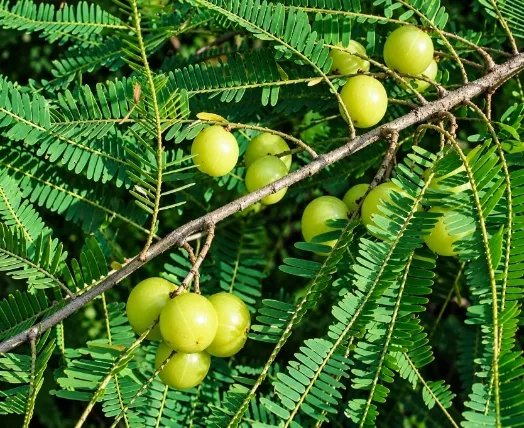
Figure 6: P. emblica Leaves and Fruits (Prananda et al., 2023).
PHARMACOLOGICAL ACTIVITY OF P. EMBLICA
Antidiabetic and Hypoglycemic Activity
Herbal formulations prepared from extracts of Tinospora cordifolia, Trigonella foenum and Emblica officinalis were assessed for hypoglycemic effects and Oral Glucose Tolerance Test (OGTT) in normal and rats with Alloxan induced diabetes and significant, marginal and very less reduction in blood glucose levels was noted when different herbal combinations were used (Deep et al., 2011).
Anti-ulcer Activity
In diabetes these involved in above doses. EO and Glycyrrhiza glabra have a "diameter dependent. The study was carried out to investigate the anti-ulcer and anti-oxidant activity of a herbomineral preparation of the Ayurveda medicine called Pepticare containing EO, Glycyrrhiza glabra and Tinospora cordifolia in rats. It was reported that "Pepticare have an anti-ulcer activity and the property can be ascribed to anti-oxidant property." The methanolic extract of EO was studied on the ulcers. EO had a significant ulcer protective and ulcer healing action which might be due to its action on offensive and defensive mucosal factors (Sairam et al., 2002).
P. emblica as Snake Venom Neutralizer
P. emblica (Emblica officinalis) and Vitex negundo, were assessed for their snake-venom neutralising activity. The findings revealed that extracts of these plants were capable of significantly neutralising the toxic effects of Naja kaouthia and Vipera russellii venoms both in in vivo and in vitro experiments. They were also found to be capable of inhibit V. russellii venom -induced coagulation, haemorrhage, defibrinogenation and inflammation. The lack of any precipitating band between the venom and the extracts suggested that the neutralising effect might be mediated through an antigen-antibody reaction, but without direct visibility as clear precipitates. The investigation may provide further evidence for those two plants as potential natural sources of antivenom agents, though more research must be done to confirm that (Alam and gomes, 2003).
Remedy for Menstrual Disorders
The Neem leaves (Azadirachta indica) and P. emblica combo pack work very beneficially for people suffering from deficiency of blood in the body. P. emblica-fruit helps to keep the monthly periods in order and healthy. It helps to regulate the reproductive systems of males and females and will help to overcome difficulty in conceiving. It is very much needed for and improves the reproductive tissue and nourishes the ovum and sperm production which, ultimately, enhances fertility and improves the possibilities of conception. This is primarily beneficial for women and it will help strengthen the uterus and protect the reproductive system. White discharge is a major issue in women, can be reduced by using dried P. emblica seeds with honey. P. emblica helps to increase in the sperm number and it also works as a stimulant. The juice of the fruit mixed with sugar, when used is to relieve the burning in the vagina (Tapade et al., 2023).
Anti- inflammatory Activity
Liver inflammation can lead to liver infection. P. emblica fruit is traditionally used to manage Liver injury due to presence of abundant biochemical constituents including Vitamin C, flavonoids, and tannin present in it. The P. emblica fruit drugs seem to absorb Nnitrosodiethylamine into the liver which is the oxidation inhibitor, anti-inflammatory, apoptosis inhibitor and autophagy inhibitor (Golechha et al., 2018).
Eye Disorders
For treatment of eye disease E. officinalis and its tannoids are used. Which diminished the potentials of oxidative stress as there was a Reversal of adjustments with appreciate to lipid peroxidation, carbonyl Content of protein, and functions of antioxidant enzymes. P. emblica also Dived aggregation and insolubsation of lens proteins resulting from hyperglycemia (Suryanarayana et al., 2007).
Derma-protective Activity
Other than the various other holy plants, E. officinalis is also very effective in skin care, antiaging, dermatology condition for over 20 years. P. emblica Extract has the protective effect against the oxidative stress in human skin. E. officinalis Extract is there to avoid free radicals to be derived from oxidative damage of skin. P. emblica is most suitable for antiaging & elaborately used as a cosmetic to make skin glow (Hassan et al., 2020).
5) Psidium Guajava
P. guajava, commonly known as Guava or Guava leaves, belongs to the family Myrtaceae. Its biological source consists of the leaves obtained from the plant P. guajava, which are widely used for their medicinal, antioxidant, antimicrobial, and therapeutic properties.
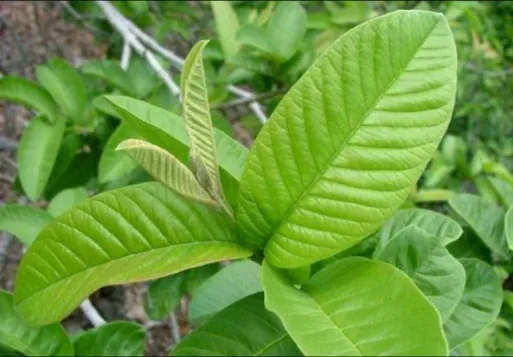
Figure 7: P. guajava Leaves (Sharavan et al., 2026)
P. guajava leaves having various advantageous effects on hair care. It contains various chemical constituents which responsible for hair growth and scalp protection. Polysaccharides responsible for shows the powerful antioxidant properties. It contains protein and essential minerals including calcium, potassium, sodium and iron, which providing nutrition to the body and maintenance of body tissues (Patel et al.,2023). It contains phenolic compound like Quercetin and Guavinosides A, B, C is help to increase blood circulation to the scalp. These constituents help to thicken and nourish the hair to give a shiny appearance. It has antimicrobial and antifungal activities that help maintain the scalp free from infection and dandruff. It also has radio- protective nature. This leaf extract help to eliminate scalp accumulation (debris) and reduce oiliness, leaving the hair smooth and silky (Pache et al.,2026; Patil et al., 2026; Ruksiriwanich et al., 2022). P. guajava leaves are considered a potential natural ingredient for hair care, that has been extensively used in traditional Indonesian medicine. The leaves contain a number of bioactive compounds including flavonoid tannin, alkaloid, essential oil, and vitamins A, B, and C. They have antioxidant, antimicrobial, and anti-inflammatory properties that can improve scalp condition, strengthen hair, reduce dandruff, and stimulate growth (Sipayung and Sitompul, 2025).
PHARMACOLOGICAL ACTIVITY OF P. GUAJAVA
Anti-Bacterial Activity
The essential oil of P. guavaja leaves demonstrated a weak growth preventive activity of that, on the other hand, demonstrated on the other hand strong antibacterial and anti-fungal activity. The leaves of it have anti-bacterial action by the reason of flavonoids this belongs to P. guajava. According to aqueous it has antibacterial activity and against Staphylococcus aureus, Staphylococcus enteritidis, Bacillus cereus, Proteus species and Shigella species. P. guajava extract show the existence of anti-bacterial activity against the gram +ve and gram -ve bacteria. An in vitro study showing the activity of aqueous mixture and water-soluble methanol extract of P. guajava leaves and bark with respect to multi drug resistant VIBREO cholorea have a powerful anti-bacterial activity. P. guajava leaves extract having good activity against the intestinal microbes and Viberin cholorestation causative organism for cholera. The anticueation ethnobotochemical studies on the leaves and bark of this plant known for wound healing and anti-bacterial activity, it has very big quantity of Tannins. (Aswar et al., 2024).
Anticancer Activity
The bioactive chemical components in the P. guajava leaves; vitamin E, â-sitosterol, tetracosane are responsible for the anticancer properties of P. guajava. P. guajava extracts have demonstrated anticancer property against colorectal, breast, cervical, prostate, and other types of cancer. The phytoconstituents found across various parts of the P. guajava have shown various therapeutic properties like Antimicrobial, Antioxidant, Anti-inflammatory, and Antidiabetic property suggesting that P. guajava extracts and its bioactive substances could be a potential and viable substitute or as a complimentary therapy for human cancer (lok et al., 2023).
Cardiovascular Activity
The resulting from this present study demonstrated the cardioprotective effect of aqueous leaf extract of P. Guajava was investigated for its protective effects against myocardial ischemia-reperfusion injury. The augmentation of endogenous antioxidants, the preservation of the myocardial antioxidant status and the marked reversal of the majority of the altered hemodynamic parameters may contribute to its cardioprotective effect. Aqueous fractions from the acetic extract of P. Guajava leaf induce the negative inotropic effect by both decreasing atrial contractile force through reduced calcium (Ca2+) entry into myocardial cells and by opening potassium channels of cardiac tissue (Gondim et al., 2009).
Anti- diarrhoeal Activity
Diarrhoea; represents a major challenge in the world. The ripe fruit of P. guajava has been reported as laxa tive and constipation. P. guajava leaves have traditionally served as an intestinal anti-diarrhoea, decoction of leaves has been used to help reduce constipation and diarrhoea, and unripe fruit, unripe fruit in sufficient quantity causes indigestion and vomiting. A decoction prepared from the leaves has traditionally been used for gastroenteritis and chronic diarrhoea while young shoots and leaves for dysentery and diarrhoea. Querce tine as one of the active components in extract of P. guajava leaves prevents the increased intestinal motility, and reduces the capillary permeability in the abdominal cavity and prevent on of increased watery secretion that occurs in the acute diarrhoeal diseases. The leaf extract of the P. guavaja contains Quercetine and quercetine-3-arboisinod which have been reported to be effective in the treatment of diarrhoea in Costa Rica. The extract at concentraings of 1.6 ug/ml produce a morphine-like inhibition of acetylcholine release in calf ileum by the co-axial stimulation and initially increase to a maximum then produce a gradual decrease of muscles tone (Lutterodt et al.,1999).
Antitussive Activity
The water infusion from the P. guajava leaves extract has been observed to reduce the coughing due to capsaicin aerosol. Decoction made from boiling leaves of P. Guajava together to prepare a medicinal decoction has been revealed to be most effective for cough and for treating the trachea bronchitis in Senegal and Peru (Rishika and Sharma, 2012).
Antimalarial Activity
In the antimalarial property the leaves extract of P. guajava were showed good. Extract from P. guajava leaves has been said to fight malaria vector in an effective manner so that it can cause permanent eradication from the field. P. guajava leaves extract had positive larvicidal action in high concentration and reported as a potential nematicide. Extract of P. guajava that consists of flavonoids and flavonoid glycoside exhibited potential antimalarial activity (in vitro) as compared with positive controls like chloroquine and amodiaquine (Ramola et al., 2023).
Antihypertensive and Hypolipidemic Activity
P. guajava is a good for treatment of Hypertension, hyperlipidaemia and heart disease. It also has some amount of potassium which relaxes blood vessels and helps in lowering of blood pressure. Studied have shown that daily consumption of P. guajava fruit can show a significant fall in the blood pressure and blood lipids because of greater potassium and fibres present in the P. guajava fruit. Besides that, it is also found that high pectin levels in the P. guajava leads to significant decline in the blood lipids by slowing absorption of foods and reducing the risk for cardiovascular disease. Many have speculated that gallic acid, catechins, epicatechins, rutin, naringenin and kaempferol in the leaves are responsible for enzyme inhibition of pancreatic cholesterol esterase lowering cholesterol in the blood. Catechins are important as a secondary therapy for hypercholesterolemia (Kafle et al, 2018).
Wound Healing
P. guajava leaves have been used for ages as common wound dressing. Usually, some other forms of the leaves were ground with a small quantity of oil or water to form a fine paste, which is applied to the wound surface by the ancient people of China and India. It has been observed that the presence of tannins and flavonoids could be useful for speedy healing of experimental wound when methanolic extract of P. guajava leaves were topically applied twice daily. The ointment prepared from the leaves can heal the wound much faster than the market supply one. The leaves are washed and ground then extracted with oil to allow the absorption of the compound without the licking of the wounded part, a vehicle most like melted candle wax was added to the extract, then the final compound was applied to the wound part 2 times in the day's interval for 4 days (Okoli et al., 2009).
Table 2: Common Chemical Constituents Used for Hair Growth and Scalp Care
| Class | Chemical Constituents | Structure | Reference |
|---|---|---|---|
| Flavonoid | Quercetin | Singh et al., 2022 | |
| Kaempferol | Ndong et al., 2007 | ||
| Guaijaverin | Kumar et al., 2021 | ||
| Fatty Acid | Oleic acid | Pareek et al., 2023 | |
| Phytosterol | β- sitosterol | Pareek et al., 2023 | |
| Phenolic acid | Chlorogenic acid | Kumar et al., 2021 | |
| Caffeic acid | Pareek et al., 2023 | ||
| Gallic acid | Kumar et al., 2021 | ||
| Ellagic acid | Gul et al., 2022 | ||
| Anthocyanins | Ternatins | Oguis et al 2019 | |
| Tannins | Emblicanin A | Gul et al., 2022 | |
| Vitamin C | Ascorbic acid | Gul et al., 2022 | |
| Catechins | Epicatechin | Kumar et al., 2021 | |
| Catechin | Kumar et al., 2021 |
PROPOSED FORMULATION OF POLYHERBAL HAIR GROWTH AND SCALP CARE PREPARATION
The proposed polyherbal hair growth and scalp care formulation is designed by incorporating selected herbal extracts and suitable pharmaceutical excipients to provide potential benefits for scalp health and hair conditioning. The formulation comprises P. guajava leaves extract, M. oleifera extract, BPF extract, and Phyllanthus emblica extract as the principal herbal ingredients. These extracts are selected based on their reported antioxidant, antimicrobial, and hair-conditioning properties, which may contribute to maintaining scalp health and protecting hair from oxidative stress.
P. dulcis oil and vitamin E are proposed as conditioning and antioxidant agents, respectively, to improve hair softness and provide protection against oxidative damage. Tween 80 is incorporated as an emulsifying agent to facilitate the uniform incorporation of oil-soluble ingredients. Propylene glycol acts as a humectant and cosolvent, while methyl paraben is included as a preservative to minimize microbial contamination. Triethanolamine is proposed for pH adjustment, rose water serves as an aqueous base and fragrance component, and distilled water acts as the main vehicle to make the final volume up to 30 mL.
Table 3: Proposed Formulation of Polyherbal (Kanimozhi et al., 2026, Patil et al., 2026)
| Sr. No | Ingredients | Quantity (30 mL) | Role |
|---|---|---|---|
| 1 | P. guajava extract | 1 ml | Antioxidant, anti-microbial |
| 2 | M. oleifera extract | 1 ml | Scalp conditioning support |
| 3 | C. ternatea extract | 1 ml | Help protect against oxidative stress |
| 4 | P. emblica extract | 1 mL | Hair conditioning support |
| 5 | P. dulcis oil | 1 mL | Provide emollient effect |
| 6 | Vitamin E | 0.5 mL | Protect formulation and conditions hair |
| 7 | Tween 80 | 0.8 mL | Emulsifier |
| 8 | Propylene glycol | 2 mL | Humectant |
| 9 | Methyl paraben | 0.05 g | Preservative against microbial growth |
| 10 | Triethanolamine (TEA) | Q. s for pH adjustment | pH adjustment |
| 11 | Rose water | 8 mL | Aqueous base & fragrance |
| 12 | Distilled water | Q. s to 30 mL | Main aqueous vehicles |
EVALUATION PARAMETERS OF POLYHERBAL HAIR GROWTH AND SCALP CARE PREPARATION
1. Physical Appearance
The first impression focuses on the serum’s texture and smell. These two quality features of the product are assessed visually and manually. By looking at the consistency and color of the sample, it is possible to make sure that there are no significant issues (Thakur et al., 2025; Tiwari et al., 2021; Zagade et al., 2025).
2. PH Measurement
The pH of the hair serum will be determined using a digital pH meter. The electrode of the device will be inserted directly into the solution, and the pH value will read once the meter has stabilized (Rudroju et al., 2023).
3. Homogeneity Test
To check the homogeneity, a drop of the serum is spread on a clean glass slide and covered with a cover slip. Then, the sample is examined with the visual inspection for possible coarse particles or lumps (Patil et al., 2026; Shende et al., 2024; Vakhariya et al., 2022).
4. Viscosity Evaluation (Ostwald Viscometer)
Ostwald viscometer are used to determining viscosity of polyherbal hair serum, which applies the principle of capillary flow. Herbal hair serum is poured until the level of marked volume and place in a water-bath that has a constant temperature. The liquid was drawn up to a level above the top mark and allow to flow freely under the force of gravity. The time needed for the liquid to reach the specific points was measure and compare to the flow time of the distilled water. The viscosity can be calculated by taking the ratio of the flow time and density of the sample (Khanvilkar et al., 2025; Ingole et al., 2026).
5. Spreadability Test
The spreadability of the formulation is determining by using the area method; which is commonly used for liquid and semi-solid dosage forms. One or two drop of the serum is place between two horizontal petri plates measuring 20×20. A weight of 50g is place on the upper plate and the length and width of the spread sample is record after30 sec (shahidulla et al., 2025; Musmade and Gawande et al., 2025; Kalgunde et al., 2024).
Spreadability is calculate using the formula:
S =(M ×L )/T
Where,
S = Spreadability
B = Weight in the pan
L = Length moved by the glass slide
T = Time required for complete separation
6. Skin Irritation Test
Formulation of the herbal hair serum undergoes dermatological testing to determining any potential irritants on the skin using the patch test method. In particular, the herbal formulation is applying in a disinfected and clear area of the forearm for 24 hours. The area where the formulation is applied is observed for any form of reaction that can occur such as redness, itching, and irritation. Lack of any reaction suggests that the formulation is safe; otherwise, the formulation is not safe (Rawat et al., 2023).
7. Particle Size Analysis
The particle size of the herbal hair serum formulation is analyzing by using a dynamic light scattering (DLS) particle size analyzer. The serum sample was appropriately diluted before being transferred into the instrument’s sample cell. The analyzer detected the light scattered by the particles and used this information to determine their mean particle size. The obtained particle size distribution is then evaluated to understand the uniformity and physical stability of the prepared formulation (Gaonkar et al., 2020; Patil et al., 2026).
8. Skin Sensitivity Test
Skin irritation testing is conduct to determine the safety and tolerance of the herbal hair serum formulation when using on the skin. A small amount of the hair serum wis applying to a select area of skin. The treated area is then exposes to natural sunlight for some time. After about 10 minutes, the treating area is thoroughly inspected for any signs of irritation, such as redness, itching, burning sensation, swelling, rash, or discomfort. Observations is making on any changes on the skin immediately after treatment. In case there is no unusual signs after the specific time, it indicate that the formulation is safe for use on the skin. This test provide preliminary results on the safety of the herbal hair serum formulation on the skin (Kanimozhi et al., 2026).
9. Stability Test
Preliminary physical stability test is perform on the herbal hair serum formulation to determine its stability in room temperature conditions. The formulation of the herbal hair serum is keep in room temperature condition for one week in a close container so as to prevent unnecessary environmental exposure. Observations of the formulation before storage is record with regard to pH, homogeneity, and color of the formulation. After the expiry of one-week period, observations of the formulation is make regarding the same parameters. Comparison between the observations made after the expiration of the period and the observations taken before the storage show no significant changes in terms of pH, color, or homogeneity of the formulation. Absence of any change in these parameters indicate that the herbal hair serum was stable in room temperature conditions (Shinde and Kaulage, 2024; Hussain et al., 2026).
10. Sterility Test
For the sterility test of the herbal hair serum formulation, the discs is properly load with a 1% of the prepare formulation and place on the surface of the sterile nutrient agar medium under aseptic condition. The cultures is then incubated at an optimum temperature of about 32°C for 24 hours. The plates is examining for any microbial growth such as bacterial or fungal colonies. The absence of microbial growth around the disks shows that the herbal hair serum formulation is free of contamination by any kind of bacteria, fungi or any other kind of microorganism as there is no growth on the culture medium. This test is performing to check the microbial quality of the preparation of herbal hair serum (Rudroju et al., 2023; Begum et al., 2021).
DISCUSSION
The selected ingredients, namely, M. oleifera, P. dulcis Oil, C. ternatea, P. emblica, and P. guajava Leaves contain biologically active substances that can be beneficial for hair care. M. oleifera contain flavonoids, such as quercetin and kaempferol, as well as vitamins, minerals, and antioxidant that may improve the condition of the scalp. P. dulcis oil, in turn, is a good source of oleic acid, linolic acid and vitamin E that can penetrate the hair roots and improve its condition making it’s softer, shinier and more manageable while preventing split ends and dryness. C. ternatea contain anthocyanins, including ternatins, and flavonoids that may contribute to achieving color and enhancing the condition of the scalp, while P. emblica consist of vitamin C, tannins, emblicanin, gallic acid and ellagic acid, that could act as antioxidants. Finally, P. guajava leaves contain phenolic compounds, such as quercetin, and flavonoids that may also improves the condition of the scalp and have antimicrobial properties. However, since the ingredients are derived from natural plant sources, they may nonetheless involve some possible side effects and cause irritation or allergic reactions. For these reasons, determining the optimal concentrations, pH, stability, and conducting skin irritation tests are essential for the proposed polyherbal hair growth and protection serum. A review of the literature also suggests that additional research should be undertaken to evaluate the combined use of the five selected herb in a single hair growth and scalp protection serum. Thus, the formulation, stability, and safety as well as effectiveness analysis, need to be conducted to prove the proposed polyherbal concept’s viability. Still, a large part of the existing data is related to the characteristics of the separate components or other formulations, and there is little evidence about the effectiveness of this combination. Compatibility of the extracts, influence on the physicochemical parameters of the serum and the stability of the active components should be examined. At the same time, despite the natural presence of phytochemicals in the components, it cannot be considered that the safety and quality of the formulation have been already established. There is a need to check the antioxidant activity, microbiological purity, irritancy and stability of the serum. It is also interesting to study the effect of the combined components and influence in the pure form in the future.
FUTURE PROSPECTS
The mixture of these five ingredients (M. oleifera, P. dulcis oil, C. ternatea, P. emblica and P. guajava leaves) may have future applications in herbal cosmetic industries. Some possible uses,
1. Hair growth serum: The mixture could be used to create a lots of hair growth serums and tonics.
2. Anti-dandruff products: The study can support the production of anti-dandruff lotions and shampoos.
3. Hair conditioning products: P. dulcis oil used in the mixture to produce hair conditioning products.
4. Antioxidant products: The mixture contains antioxidant elements and can be used to develop antioxidant-based products for hair and scalp.
5. Scalp protection: This composition can be used to develop serums, lotions, and gels for nourishing and protecting the scalp.
6. Cosmetic products: This herbal mixture may be used in developing cosmetics with the use of C. ternatea as a coloring agent.
Therefore, developing herbal hair care products made by using these ingredients mixture has multiple future prospective. However, there is a need for further studies to establish the effectiveness of this mixture in hair growth and dandruff control. In addition, it might be interesting to evaluate the potential synergistic effects of these components in order to determine if the combination is more effective than the individual extracts. For instance, advanced delivery systems, such as nano emulsions, could be investigated to ensure the optimal distribution of selected botanical compounds on the scalp, so long as their safety and efficacy are demonstrated. Moreover, future studies should assess the product’s shelf-life, microbiological quality, potential irritation, and overall safety when used regularly. Comparative analyses against competing hair-care products, as well as controlled trials, might also be performed to determine its practical effectiveness and consumer appeal. Lastly, the sustainable sourcing of botanical extracts, environmentally-friendly packaging, and appropriate preservative systems could be explored to maximize the quality of the herbal formulation. However, more experimental and clinical studies are required to demonstrate its efficacy, safety, and general applicability in terms of regular scalp care.
CONCLUSION
The chosen ingredients, which include M. oleifera, P. dulcis oil, C. ternatea, P. emblica and P. guajava leaves, contain biologically active substances which may be used for hair care purposes. Thus, M. oleifera, for instance, include quercetin, kaempferol, vitamins, minerals and antioxidants that may improve scalp conditions. As regards P. dulcis oil, it includes oleic acid, linoleic acid and vitamin E. These components have the ability to permeate into hair roots and Hence, the components found in M. oleifera may include quercetin, kaempferol, vitamins, minerals, and antioxidants that can help improve scalp problems. In the case of P. dulcis oil, the ingredients include oleic acid, linoleic acid, and vitamin E. This allows such ingredients to penetrate the hair shafts, thereby improving their condition and making them soft, shining, and easily combed. Besides, P. dulcis oil can prevent split ends and hair dryness. On the other hand, C. ternatea contain anthocyanins such as ternatins and flavonoids which may help to color hair and improve the health of scalp. At the same time, P. emblica leaves include vitamin C, tannins, emblicanin, gallic acid and ellagic acid which work as antioxidants. Lastly, P. guajava leaves include phenolic compounds, for example, quercetin and flavonoids which also improve scalp condition and have antimicrobial effect. However, since all the ingredients are of natural origin, they may still include certain side effects and irritate or cause allergy. Therefore, it is necessary to determine the optimal concentrations, pH and stability and perform skin irritation tests for the proposed polyherbal hair growth and protection serum. In addition, more research is needed to confirm the ingredients’ potential to promote hair growth and improve the condition of the scalp. In general, the proposed polyherbal formulation for stimulating hair growth and protecting the scalp aims to combine the active principles of these selected ingredients in a single formulation. The application of optimal concentrations can reduce the risk of irritation, but at the same time, it allows the desired cosmetic effect to remain. Therefore, evaluation of physicochemical properties, stability, skin irritation potential and antimicrobial activity is necessary to determine the suitability of the final formulation for the hair and scalp care.
REFERENCES



Naheed Waseem A. Sheikh, Sanjay K. Bais, Pallavi R. Koli, Phytochemical and Pharmacological Perspectives of Medicinal Plants for Polyherbal Hair Growth and Scalp Care: A Comprehensive Review, Int. J. of Pharm. Sci., 2026, Vol 4, Issue 11, 4715-4739. https://doi.org/10.5281/zenodo.24528972
 10.5281/zenodo.24528972