

We use cookies to ensure our website works properly and to personalise your experience. Cookies policy
Department of Pharmaceutics Late Bhagirathi Yashwantrao Pathrikar College of Pharmacy, Pathri. Phulambri, Chh.Sambhajinagar. 431111, India.
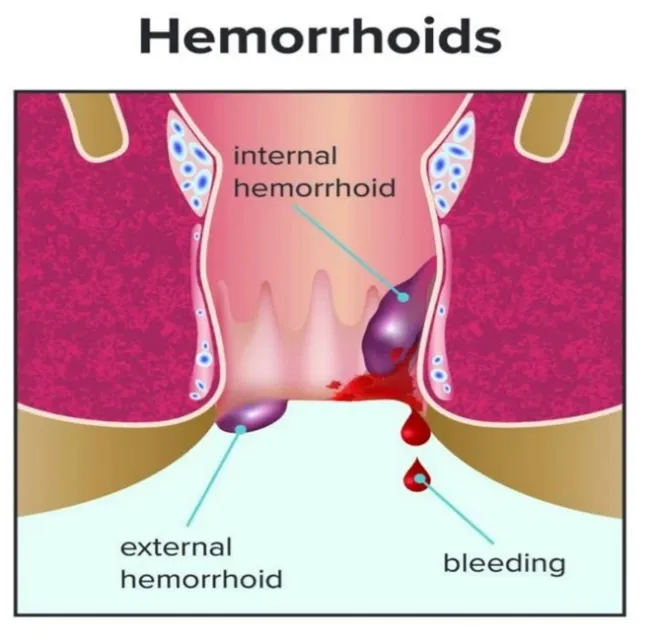
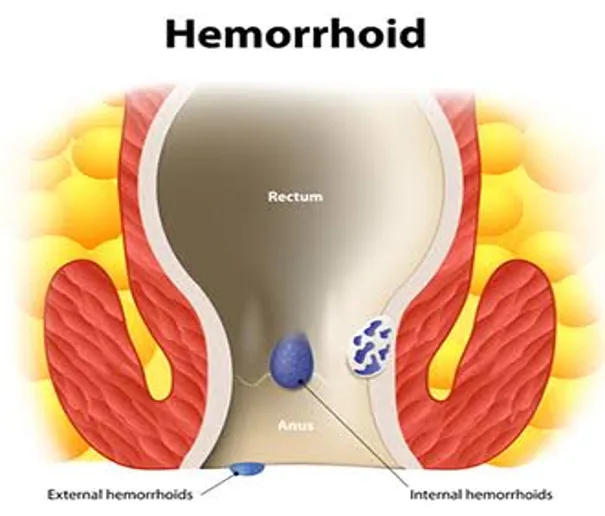
Hemorrhoids, commonly referred to as piles, are enlarged and inflamed blood vessels found in the rectum and anus. They can be divided into two primary categories: internal and external. Internal hemorrhoids are situated inside the rectum and typically do not cause pain, while external hemorrhoids are found around the anal opening and may be painful, particularly if a clot develops. Hemorrhoids are a common anorectal issue that are often treated with corticosteroids, pain relievers, and phlebotonics. However, these standard treatments typically provide only temporary relief and may lead to negative side effects when administered over an extended period. Alternative herbal treatments derived from traditional medicine, supported by evidence of their pharmaceutical properties, offer promising benefits. This review examines the efficacy of various plants that may possess anti-inflammatory, venotonic, astringent, antioxidant, and wound-healing properties in reducing hemorrhoidal symptomsTherapeutically notable plants such as witch hazel (Hamamelis virginiana), horse chestnut (Aesculus hippocastanum), and triphala have shown beneficial therapeutic effects on pain, bleeding, and swelling, as well as preventing recurrence. Moreover, Triphala Guggulu and Pilex are polyherbal formulations that offer synergistic benefits in addition to foods rich in polyphenols and the dietary compound, rutin. These promising findings have so far faced challenges related to the standardization, quality control, and clinical validation. The incorporation of these herbal therapies into clinical practice is a well-tolerated holistic approach to the management of hemorrhoids, which requires further investigation to gain evidence-based validation.
Hemorrhoids are a common medical issue that affects a large section of the population. They can cause discomfort and lower the quality of life. Herbal therapy has become a viable method for addressing the symptoms and underlying causes of hemorrhoids as people look for holistic alternatives [1]. This article explores the relationship between herbal medicine and hemorrhoid treatment, looking at historical practices and cutting-edge ideas. Around 4.4% of the world’s population is affected by hemorrhoids, which has the highest rate of prevalence at ages 45 to 65 [1,2]. It includes low fiber intake and chronic constipation, along with being sedentary. Options for standard treatments of these conditions are corticosteroids or surgery. They provide only temporary relief and are associated with adverse effects, such as mucosal atrophy and recurrence [2]. Holistic alternatives to modern medicine are herbal medicines based on systems like Ayurveda and Traditional Chinese Medicine. These approaches aim to treat the physiological and systemic causes of hemorrhoids utilizing anti-inflammatory, astringent, and venotonic actions and to support digestive and vascular health by employing natural compounds such as flavonoids, saponins, and mucilage.
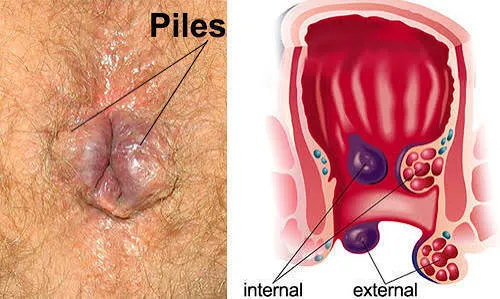
PILES
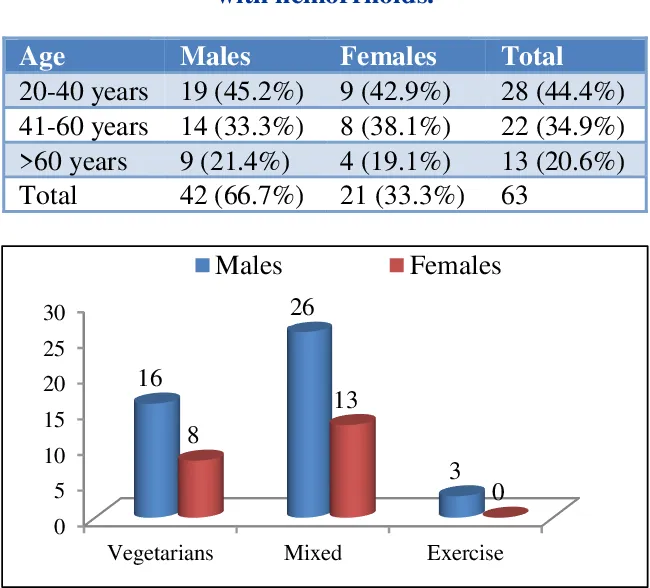
prevalence data patient of Piles2
This are a common condition affecting a significant portion of the population. While exact prevalence rates can vary based on geographical location, age, and lifestyle factors, here are some general data points:
1. General Prevalence: It's estimated that approximately 50% of people will experience hemorrhoids by the age of 50.
2. Age: Hemorrhoids are more common in adults, particularly in those aged between 45 and 65. However, they can occur at any age, including in pregnant women due to increased pressure on pelvic blood vessels.
3. Gender: While both men and women can be affected, some studies suggest that men may experience hemorrhoids slightly more frequently than women.
4. Lifestyle Factors: Factors such as a low-fiber diet, prolonged sitting, straining during bowel movements, obesity, and a sedentary lifestyle can increase the risk of developing hemorrhoids.
5. Pregnancy: Approximately 25% of pregnant women may experience hemorrhoids, primarily due to hormonal changes and increased pressure on the pelvic area.
6. Chronic Conditions: People with chronic constipation, diarrhea, or conditions that increase intra-abdominal pressure (such as liver cirrhosis) are at higher risk.
Type Of Piles -
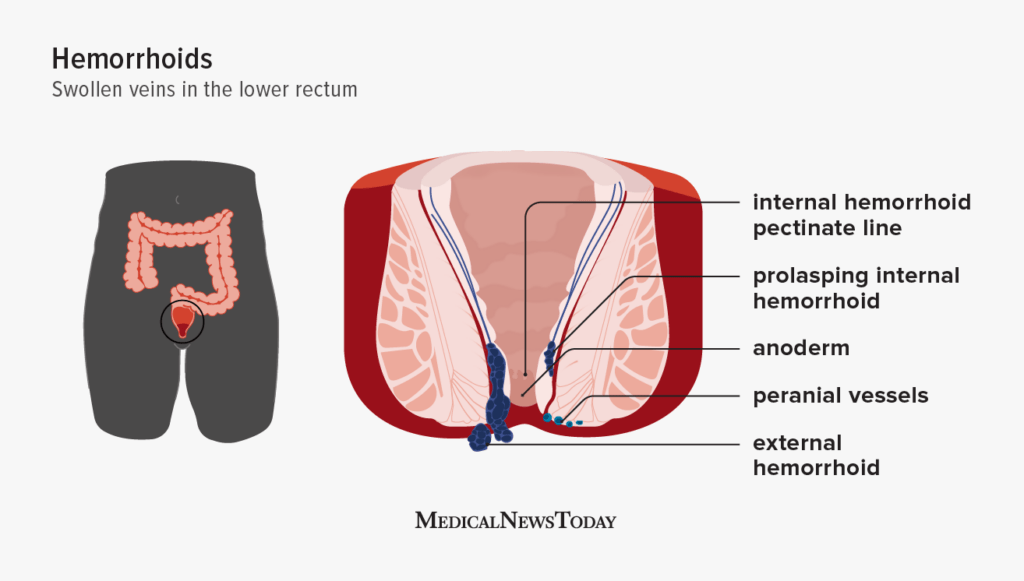
Piles, or hemorrhoids, can be classified into several types based on their location and characteristics. The two primary classifications are internal and external piles, but they can be further divided into subtypes. Here’s a breakdown of the different types:
1. Internal Piles3
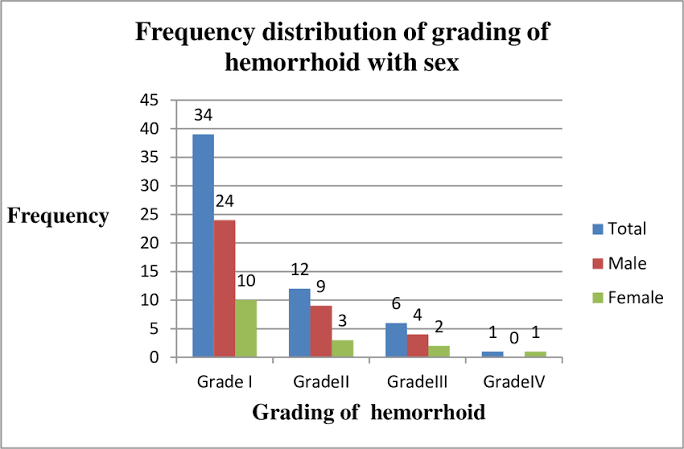
Internal piles are located inside the rectum and are generally not visible from the outside. They can be categorized into four grades based on their severity:4
Causes of Internal Piles5
1)Increased Pressure: The primary cause of internal piles is increased pressure within the rectal veins. This pressure can result from:6
- Straining during bowel movements due to constipation or hard stools.
- Chronic diarrhea, which can also lead to straining.
- Prolonged sitting on the toilet.
2) Pregnancy: Hormonal changes and the growing uterus exert pressure on the pelvic area, increasing the risk of developing internal piles.
3) Obesity:Excess weight puts additional pressure on the veins.
4)Aging:As individuals age, the connective tissue supporting the veins can weaken, making the veins more susceptible to distension.
5) Sedentary Lifestyle:Lack of physical activity can contribute to poor circulation and increased pressure in the rectal veins.
2. External Piles7
External piles occur under the skin around the anus and can be easily seen or felt. They are typically more painful than internal piles and can lead to discomfort and swelling.89
Thrombosed External Piles: These occur when a blood clot forms inside an external pile, resulting in significant pain, swelling, and a hard lump around the anal area. This condition often requires medical intervention, such as a minor surgical procedure to remove the clot.
Causes external piles1011
The veins around the anus tend to stretch under pressure and may bulge or swell. Hemorrhoids can develop from increased pressure in the lower rectum due to: ● Straining when passing stool.
● Sitting for long periods of time, especially on the toilet.
● Having long-lasting diarrhea or constipation.
● Being obese.
● Being pregnant.
● Having anal intercourse.
● Eating a low-fiber diet.
● Regularly lifting heavy items111213.
3. Mixed Piles14
Mixed piles consist of both internal and external hemorrhoids. Individuals with mixed piles will experience symptoms associated with both types, such as pain, itching, and bleeding Causes
s Of Piles
Symptoms of hemorrhoids usually depend on the type of hemorrhoid.
Internal hemorrhoids1516
Internal hemorrhoids lie inside the rectum. You usually can't see or feel them, and they rarely cause discomfort. But straining or irritation when passing stool can cause:
These are under the skin around the anus. Symptoms might include:17 18
Blood can pool in an external hemorrhoid and form a clot, called a thrombus. A thrombosed hemorrhoid can result in:19
PATHOPHYSIOLOGY OF HEMORRHOIDAL DISEASE2021
The exact pathophysiology of hemorrhoidal development is poorly understood. For years the theory of varicose veins, which postulated that hemorrhoids were caused by varicose veins in the anal canal, had been popular but now it is obsolete because hemorrhoids and anorectal varices are proven to be distinct entities. In fact, patients with portal hypertension and varices do not have an increased incidence of hemorrhoids[5]. Today, the theory of sliding anal canal lining is widely accepted[6]. This proposes that hemorrhoids develop when the supporting tissues of the anal cushions disintegrate or deteriorate. Hemorrhoids are therefore the pathological term to describe the abnormal downward displacement of the anal cushions causing venous dilatation. There are typically three major anal cushions, located in the right anterior, right posterior and left lateral aspect of the anal canal, and various numbers of minor cushions lying between them[7]2223(Figure 1). The anal cushions of patients with hemorrhoids show significant pathological changes. These changes include abnormal venous dilatation, vascular thrombosis, degenerative process in the collagen fibers and fibroelastic tissues, distortion and rupture of the anal subepithelial muscle (Figure 2). In addition to the above findings, a severe inflammatory reaction involving the vascular wall and surrounding connective tissue has been demonstrated in hemorrhoidal specimens, with associated mucosal ulceration, ischemia and thrombosis Several enzymes or mediators involving the degradation of supporting tissues in the anal cushions have been studied. Among these, matrix metalloproteinase (MMP), a zinc-dependent proteinase, is one of the most potent enzymes, being capable of degrading extracellular proteins such as elastin, fibronectin, and collagen. MMP-9 was found to be over-expressed in hemorrhoids, in association with the breakdown of elastic fibers[8]24
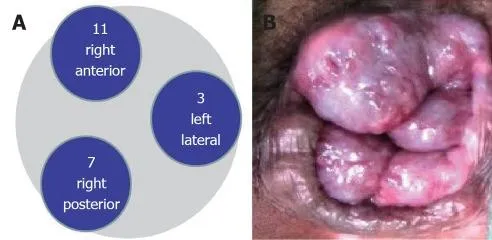
Fig.1
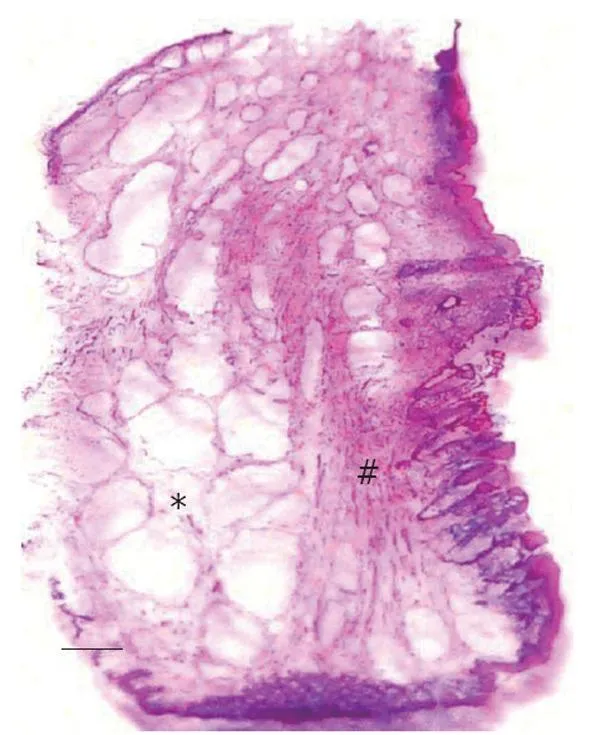
Fig . 2
Activation of MMP-2 and MMP-9 by thrombin, plasmin or other proteinases resulted in the disruption of the capillary bed and promotion of angioproliferative activity of transforming growth factor β (TGF-β)[9]. Recently, increased microvascular density was found in hemorrhoidal tissue, suggesting that neovascularization might be another important phenomenon of hemorrhoidal disease. In 2004, Chung et al [4] reported that endoglin (CD105), which is one of the binding sites of TGF-β and is a proliferative marker for neovascularization, was expressed in more than half of hemorrhoidal tissue specimens compared to none taken from the normal anorectal mucosa. This marker was prominently found in venules larger than 100 μm. Moreover, these workers found that microvascular density increased in hemorrhoidal tissue especially when thrombosis and stromal vascular endothelial growth factors (VEGF) were present.25 Han et all [8] also demonstrated that there was a higher expression of angiogenesis-related protein such as VEGF in hemorrhoids. Regarding the study of morphology and hemodynamics of the anal cushions and hemorrhoids, Aigner et al[3,10] found that the terminal branches of the superior rectal artery supplying the anal cushion in patients with hemorrhoids had a significantly larger diameter, greater blood flow, higher peak velocity and acceleration velocity,26 27compared to those of healthy volunteers. Moreover, an increase in arterial caliber and flow was well correlated with the grades of hemorrhoids. These abnormal findings still remained after surgical removal of the hemorrhoids, confirming the association between hypervascularization and the development of hemorrhoids. Using an immunohistochemical approach, Aigner et al[3] also identified a sphincter-like structure, formed by a thickened tunica media containing 5-15 layers of smooth muscle cells, between the vascular plexus within the subepithelial space of the anal transitional zone in normal anorectal specimens. Unlike the normal specimens, hemorrhoids contained remarkably dilated, thin-walled vessels within the submucosal arteriovenous plexus, with absent or nearly-flat sphincter-like constriction on the vessels. These investigators concluded that a smooth muscle sphincter in the arteriovenous plexus helps in reducing the arterial inflow, thus facilitating an effective venous drainage. Aigner et al28 then proposed that, if this mechanism is impaired, hyperperfusion of the arteriovenous plexus will lead to the formation of hemorrhoids. Based on the histological findings of abnormal venous dilatation and distortion in hemorrhoids, dysregulation of the vascular tone might play a role in hemorrhoidal development. Basically, vascular smooth muscle is regulated by the autonomic nervous system, hormones, cytokines and overlying endothelium. Imbalance between endothelium-derived relaxing factors (such as nitric oxide, prostacyclin, and endothelium-derived hyperpolarizing factor) and endothelium-derived vasoconstricting factors (such as reactive oxygen radicals and endothelin) causes several vascular disorders. In hemorrhoids, nitric oxide synthase, an enzyme which synthesizes nitric oxide from L-arginine, was reported to increase significantly29.Several physiological changes in the anal canal of patients with hemorrhoids have been observed. Sun et alrevealed that resting anal pressure in patients with non-prolapsing or prolapsing hemorrhoids was much higher than in normal subjects, whereas there was no significant change in the internal sphincter thickness. Ho et all30 performed anorectal physiological studies in 24 patients with prolapsed hemorrhoids and compared with results in 13 sex- and age-matched normal subjects. Before operation, those with hemorrhoids had significantly higher resting anal pressures, lower rectal compliance, and more perineal descent. The abnormalities found reverted to the normal range within 3 mo after hemorrhoidectomy, suggesting that these physiological changes are more likely to be an effect, rather than the cause, of hemorrhoidal disease.
How are hemorrhoids diagnosed?
Your doctor can often diagnose hemorrhoids based on your medical history and a physical exam. He or she can diagnose external hemorrhoids by checking the area around your anus. To diagnose internal hemorrhoids, your doctor will perform a digital rectal exam and may perform procedures to look inside your anus and rectum
Your doctor will ask you to provide your medical history and describe your symptoms. He or she will ask you about your eating habits, toilet habits, enema and laxative use, and current medical conditions. Your doctor will ask you to provide your medical history and describe your symptoms.
Your doctor will check the area around your anus for
Your doctor will perform a digital rectal exam to
Herbal treatments for piles (hemorrhoids)
treatments for piles (hemorrhoids) focus on reducing inflammation, softening stools, and promoting healing, using herbs like Turmeric (anti-inflammatory), Butcher's Broom (strengthens vessels), Horse Chestnut, and fibers like Psyllium Husk to prevent straining, with Triphala in Ayurveda for digestion
Internal Herbal Support (Dietary/Supplements)33
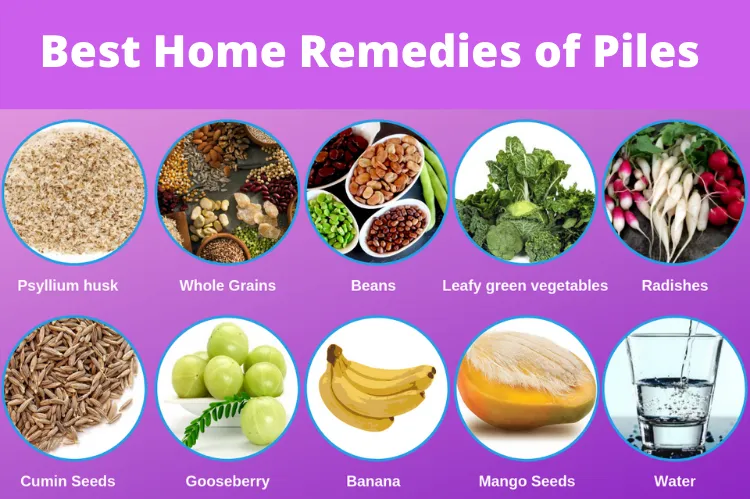
Topical Herbal Relief (Sitz Baths & Applications)34
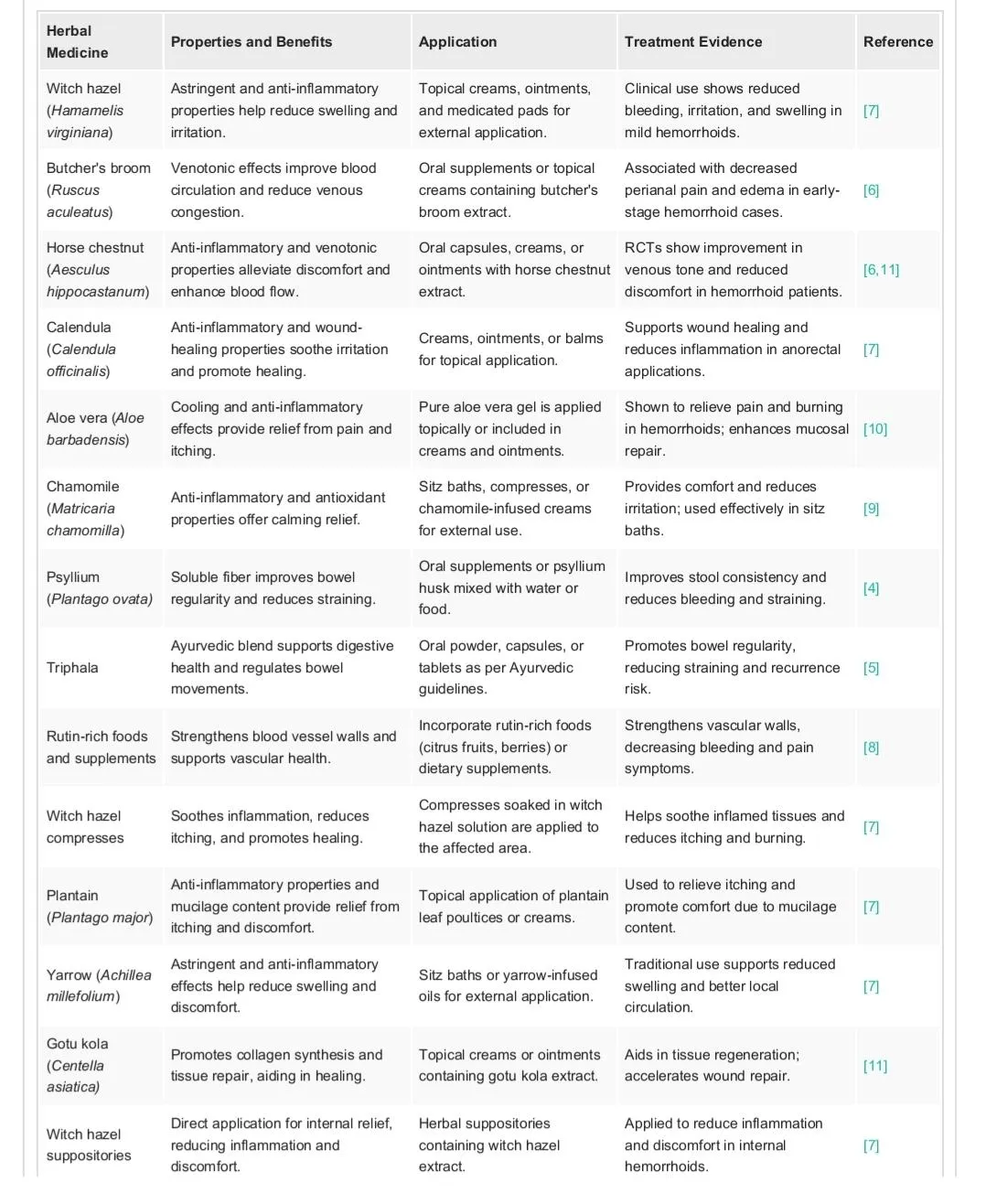
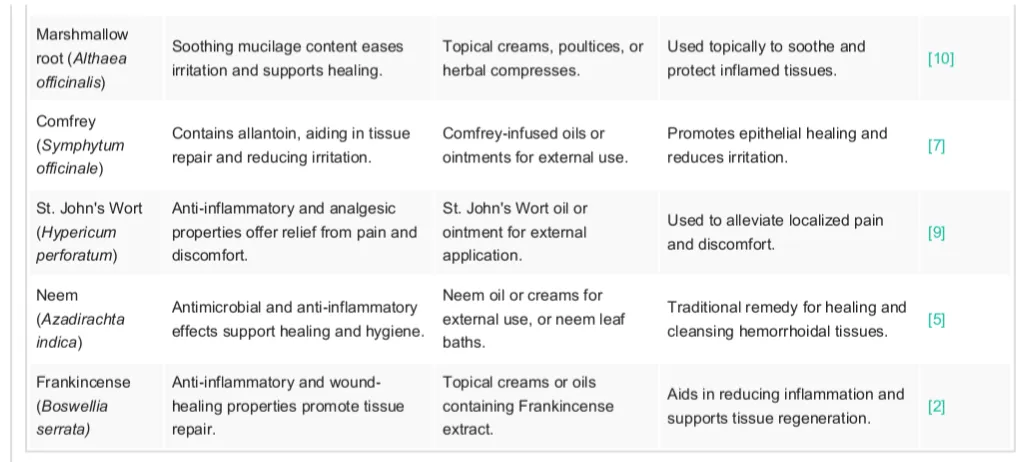
Some Herbal remidies with Proper benifits 30
Synthetic drug of piles.34
Synthetic drugs for piles (hemorrhoids) primarily aim to reduce pain, inflammation, and bleeding. These are categorized into topical applications (creams/ointments) and oral systemic medications.
1. Topical Synthetic Drugs
These medications provide localized relief for itching, pain, and swelling.
2. Oral Synthetic Drugs (Phlebotonics)
Systemic drugs help improve vein health and reduce chronic symptoms from the "inside out".
3. Combination Drugs33
Many over-the-counter and prescription products combine multiple synthetic agents for a multi-action approach.
Patient-centered benefits and compliance
Patients prefer herbal remedies as their choice for natural and sustainable alternative treatments comparedto traditional hemorrhoid therapies. Medical research activities focused on patient needs demonstrate that herbal medications show better patient satisfaction through better tolerability, along with life stylemodification interventions consisting of adequate hydration and physical activity, and increased fiber consumption [3,4]. Different forms of herbal products, such as creams and gels and teas, and capsules, allow patients to customize their use according to symptom intensity and personal choice. Patients who use these accessible herbal treatments for chronic or recurrent hemorrhoids experience better adherence and quality
Future directions and innovations
The process of standardization and safety profiling and dosage precision, along with safety profiling for herbal treatments, remains a scientific challenge. The combination of nano-encapsulation systems is expected to transform the bioavailability of aloe vera and witch hazel active agents by developing sustained release and targeted delivery methods [8]. Plant synergy modeling with artificial intelligence represents a promising tool for pharmacological optimization because it can identify effective combinations along with precise dosing strategies when multiple herbs are used together. The integration of herbal medicine with conventional therapeutic approaches should have formal clinical testing to boost the scientific support behind combined strategies for treatment [1,3]. New digital health applications allow patients and medical practitioners to access personalized herb-drug interaction features and advisory systems, which support safe.
Collaborative research for advanced herbal solutions20
Scientific breakthroughs in herbal hemorrhoid therapies require professionals from herbalists and pharmacologists, and clinical research backgrounds to work together. The development of safe and effective novel formulations becomes possible through the unification of traditional knowledge with strict scientific methodologies. The scientific community must invest efforts into pharmacokinetic profiling and bioactive standardization alongside conducting large-scale randomized clinical trials to strengthen proof of
Education and awareness (empowering patients and healthcareprofessionals)
The acceptance of herbal medicine demands both societal focus on education and patient safety practices to create safe medical use possibilities. Patients obtain better results when healthcare providers provide them with precise, evidence-based information about medication dosages and formulations, together with herbdrug interaction warnings. The integration of integrative care practices depends on healthcare professionals maintaining current knowledge, together with physicians, naturopaths, and pharmacists. Medical education programs should integrate herbal medicine knowledge to create patient-focused healthcare models that unite conventional and complementary treatments for hemorrhoid care.
CONCLUSION
Herbal medicine is recognized as a valid treatment option for hemorrhoids, supported by growing research evidence. Various botanical substances such as witch hazel, butcher's broom, horse chestnut, calendula, aloe vera, and triphala exhibit anti-inflammatory, venotonic, and astringent properties that aid in addressing both the symptoms of hemorrhoids and the underlying causes,35 including venous congestion, oxidative stress, and irregular bowel movements. Observations from clinical practice, combined with traditional knowledge and the use of both internal and topical treatments, enhance the therapeutic effectiveness of these agents in alleviating pain, bleeding, swelling, and the likelihood of recurrence. Herbal mixtures that contain polyphenols tend to yield better treatment outcomes, and patients are generally more inclined to use these therapies since they feature natural ingredients that are easy to access and comfortable to apply. To effectively integrate these agents into clinical practice, there is a need for standardized methods and dosing strategies, as well as the incorporation of research-based evidence, which can be facilitated by further pharmacological investigations and clinical research. Advancements such as nano-encapsulation, along with AI-driven models of plant synergies and databases for herb-drug interactions, hold promise for enhancing the safety and accuracy of phytotherapeutic interventions. Herbal medicine continues to offer the potential to evolve into a novel and sustainable approach to healthcare, enhancing the treatment options available for hemorrhoids.32
REFERENCES

Ganesh Raut, Nitin Kale, Shivajiraj Satpute, Dhiraj Gawai, Dr Gajanan Sanap, Comperhensive Review of Piles: Treatment Statery Herbal Remedies & Synthetic Drug, Int. J. of Pharm. Sci., 2026, Vol 4, Issue 9, 3033-3047, https://doi.org/10.5281/zenodo.22938753
 10.5281/zenodo.22938753