

We use cookies to ensure our website works properly and to personalise your experience. Cookies policy
Department of Pharmaceutics, Shree Dev Bhoomi Institute of education Sciences and Technology, Veer Madho Singh Bhandari Uttrakhand Technical University Dehradun, Uttrakhand.
Migraine is a common neurological disorder characterized by severe headache, nausea, and vomiting, often requiring rapid onset of therapeutic action. Conventional oral dosage forms sometimes show delayed onset due to slow dissolution and gastric irritation. Orodispersible tablets (ODTs) offer a promising alternative, as they disintegrate rapidly in the oral cavity, allowing faster absorption and improved patient compliance, particularly in individuals with swallowing difficulties. The present study focuses on the formulation and evaluation of orodispersible tablets containing Naproxen Sodium, a non-steroidal anti-inflammatory drug (NSAID) for pain relief, and Ondansetron Hydrochloride, an antiemetic for nausea control. Various superdisintegrants and excipients were employed to optimize tablet properties such as disintegration time, wetting time, hardness, friability, and drug release profile. In vitro evaluation demonstrated rapid disintegration within seconds, satisfactory mechanical strength, and enhanced dissolution rates for both drugs, indicating potential for quick onset of action. The formulated ODTs showed uniformity in weight, content, and physical stability, highlighting their suitability as an effective and patient-friendly dosage form for migraine management. The rapid disintegration and dissolution of ODTs facilitate faster drug absorption, leading to quicker onset of therapeutic action. Moreover, ODTs improve patient compliance, especially in pediatric, geriatric, and bedridden patients. Advances in formulation technologies, including the use of superdisintegrants, sublimation techniques, and lyophilization, have further enhanced the performance and stability of ODTs.
Migraine is a highly prevalent and disabling neurological disorder characterized by recurrent episodes of moderate to severe throbbing headache, typically unilateral in nature and often associated with nausea, vomiting, photophobia, and phonophobia. It is now recognized not merely as a vascular disorder but as a complex neurobiological condition involving the central and peripheral nervous systems. According to recent global health analyses, migraine ranks among the top causes of years lived with disability, particularly affecting young and middle-aged individuals, thereby imposing a significant socio-economic burden. The pathophysiology of migraine involves activation of the trigeminovascular system, cortical spreading depression, and release of neuropeptides such as calcitonin gene-related peptide (CGRP), leading to neurogenic inflammation and sensitization of pain pathways. Teddy Hervias (2024) emphasized that advancements in understanding migraine mechanisms have opened new avenues for targeted therapies, yet effective management remains challenging due to variability in patient response and disease heterogeneity.
In recent years, considerable research has focused on improving therapeutic strategies for migraine management. Conventional pharmacotherapy includes non-steroidal anti-inflammatory drugs (NSAIDs), triptans, antiemetics, and preventive medications. Among these, NSAIDs such as Naproxen Sodium are widely used due to their ability to inhibit cyclooxygenase enzymes and reduce prostaglandin synthesis, thereby alleviating inflammation and pain. However, monotherapy often fails to provide complete relief, especially in patients experiencing severe migraine attacks with gastrointestinal symptoms. Robyn-Jenia Wilcha et al. (2024) reported that combination therapy targeting multiple aspects of migraine pathophysiology offers superior efficacy compared to single-drug treatment. Their findings highlighted that combining analgesics with antiemetics not only improves pain relief but also enhances patient comfort and treatment outcomes.
A major limitation associated with conventional oral dosage forms in migraine therapy is impaired drug absorption due to delayed gastric emptying, which commonly occurs during migraine attacks. Additionally, nausea and vomiting further reduce the effectiveness of orally administered drugs by preventing adequate drug retention and absorption in the gastrointestinal tract. Jitender Sharma et al. (2025) discussed that these challenges necessitate the development of alternative drug delivery systems that can bypass gastrointestinal limitations and provide rapid onset of action. In this context, oro-dispersible tablets (ODTs) have emerged as a promising and patient-friendly dosage form.
Orodispersible tablets are solid dosage forms designed to disintegrate rapidly in the oral cavity, usually within seconds, without the need for water. This unique property makes them particularly suitable for patients who have difficulty swallowing or are experiencing nausea and vomiting, as is often the case in migraine.
The inclusion of an antiemetic agent in migraine therapy is crucial for comprehensive symptom management. Ondansetron HCl, a selective 5-HT3 receptor antagonist, effectively blocks serotonin receptors in the central nervous system and gastrointestinal tract, thereby preventing nausea and vomiting. Afsaneh Talai et al. (2020) highlighted that the use of antiemetics significantly improves the overall efficacy of migraine treatment by ensuring better drug retention and absorption. Therefore, combining Ondansetron HCl with an analgesic such as Naproxen Sodium provides a synergistic therapeutic approach that addresses both pain and associated gastrointestinal disturbances.
The formulation of a combined oro-dispersible tablet containing Naproxen Sodium and Ondansetron HCl represents an innovative strategy in migraine management. Such a formulation not only ensures rapid onset of action but also enhances bioavailability and patient compliance. Furthermore, the use of appropriate excipients such as superdisintegrants (e.g., crospovidone, croscarmellose sodium) and taste-masking agents plays a critical role in optimizing the performance and acceptability of ODTs. Recent advancements in pharmaceutical technology have enabled the development of robust and efficient ODT formulations with improved mechanical strength, rapid disintegration, and enhanced drug release profiles.
Need for orodispersible tablets in migraine
Migraine is a complex neurological disorder that not only involves severe headache but is also frequently associated with debilitating gastrointestinal symptoms such as nausea, vomiting, and delayed gastric emptying. These associated symptoms significantly interfere with the effectiveness of conventional oral drug delivery systems. During a migraine attack, gastric stasis slows down the absorption of orally administered drugs, resulting in delayed onset of action and reduced therapeutic efficacy. In many cases, vomiting leads to the expulsion of the administered dose before absorption can occur, further compromising treatment outcomes. Therefore, there is a critical need for alternative drug delivery systems that can bypass these physiological limitations and provide rapid and reliable drug action.
In this context, oro-dispersible tablets (ODTs) have emerged as a highly advantageous dosage form for migraine management. ODTs are designed to disintegrate rapidly in the oral cavity, typically within seconds, without the need for water. This characteristic makes them particularly beneficial for migraine patients, who often experience difficulty in swallowing (dysphagia) and intolerance to oral intake during acute attacks. By dissolving directly in saliva, ODTs allow for pre-gastric absorption of the drug through the oral mucosa, thereby partially bypassing the gastrointestinal tract and first-pass metabolism. This leads to faster onset of action, which is crucial for effective migraine relief.
Robyn-Jenia Wilcha et al. (2024) emphasized that rapid onset of action is a key determinant in successful migraine therapy, as early intervention can prevent progression of the attack and reduce symptom severity. Orodispersible formulations fulfill this requirement by ensuring quick drug release and absorption. Additionally, Jitender Sharma et al. (2025) reported that patient compliance is significantly improved with ODTs due to ease of administration, especially in conditions where patients are unable to take medications with water.
Another important aspect that necessitates the use of ODTs in migraine is the presence of nausea and vomiting, which not only hinder drug absorption but also reduce patient willingness to take medications. The incorporation of antiemetic agents such as Ondansetron HCl in ODT formulations further enhances their therapeutic value by controlling these symptoms and ensuring better retention of the drug in the body. This combination approach addresses both the primary symptom (pain) and secondary symptoms (nausea and vomiting), thereby providing comprehensive management of migraine.
Furthermore, ODTs are particularly suitable for special patient populations such as pediatric, geriatric, and bedridden patients who may have difficulty swallowing conventional tablets or capsules. The convenience of administration without water makes ODTs a preferred choice in emergency situations and during travel. Advances in formulation technologies, including the use of superdisintegrants like crospovidone and croscarmellose sodium, have significantly improved the disintegration time and mechanical strength of ODTs, making them more effective and reliable.
Afsaneh Talai et al. (2020) highlighted that effective control of gastrointestinal symptoms enhances overall therapeutic success in migraine treatment. By integrating both analgesic and antiemetic drugs into a single oro-dispersible dosage form, it is possible to achieve synergistic effects and improved patient outcomes. Additionally, recent pharmaceutical innovations have focused on taste masking and improved mouthfeel, addressing one of the key challenges associated with ODT formulations.
DRUG PROFILE:
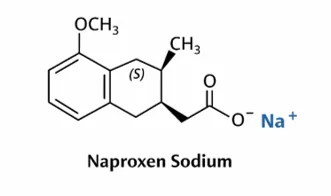
Naproxen Sodium:
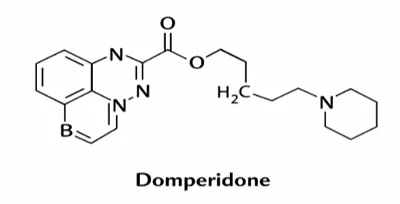
Ondansetron Hcl:
ROLE OF COMBINATION THERAPY IN MIGRAINE
Migraine is a multifactorial neurological disorder involving complex pathophysiological mechanisms such as activation of the trigeminovascular system, release of inflammatory mediators, cortical spreading depression, and disturbances in gastrointestinal function. Due to this complexity, single-drug therapy (monotherapy) often fails to provide complete and sustained relief in many patients. In clinical practice, a significant proportion of migraine sufferers continue to experience residual pain, recurrence of headache, or associated symptoms such as nausea and vomiting even after taking standard medications. This has led to increasing interest in combination therapy, which targets multiple pathways simultaneously to achieve better therapeutic outcomes.
Combination therapy in migraine typically involves the use of an analgesic along with an antiemetic or other adjunctive agents. The rationale behind this approach is to address both the primary symptom (headache pain) and secondary symptoms (nausea, vomiting, and gastric stasis) that significantly impact drug absorption and patient comfort. Robyn-Jenia Wilcha et al. (2024) reported that combination therapies demonstrate superior efficacy compared to monotherapy by providing faster onset of action, improved pain relief, and reduced recurrence rates. Their findings suggest that targeting different mechanisms of migraine pathogenesis results in a more comprehensive therapeutic response.
Naproxen Sodium, a widely used non-steroidal anti-inflammatory drug (NSAID), plays a crucial role in migraine management by inhibiting cyclooxygenase enzymes and reducing the synthesis of prostaglandins, which are key mediators of inflammation and pain. However, while Naproxen effectively alleviates headache, it does not address the gastrointestinal symptoms commonly associated with migraine. This limitation can reduce patient compliance and overall treatment effectiveness. On the other hand, Ondansetron HCl, a selective 5-HT₃ receptor antagonist, effectively controls nausea and vomiting by blocking serotonin receptors in both the central nervous system and gastrointestinal tract.
The combination of Naproxen Sodium and Ondansetron HCl represents a rational and synergistic therapeutic strategy. While Naproxen targets the inflammatory and pain pathways, Ondansetron ensures control of nausea and vomiting, thereby improving drug retention and absorption. Afsaneh Talai et al. (2020) emphasized that the use of antiemetic agents alongside analgesics significantly enhances treatment success in migraine patients by preventing drug loss due to vomiting and improving patient comfort. Additionally, controlling gastrointestinal symptoms helps restore normal gastric motility, which further facilitates drug absorption.
Another important advantage of combination therapy is the potential for dose reduction of individual drugs, which may minimize the risk of adverse effects. By using two drugs with complementary mechanisms of action, it is possible to achieve enhanced efficacy at lower doses compared to high-dose monotherapy. This approach not only improves safety but also reduces the likelihood of medication overuse headache (MOH), a common complication associated with frequent use of analgesics in migraine patients.
The role of combination therapy becomes even more significant when integrated with advanced drug delivery systems such as oro-dispersible tablets (ODTs). ODTs allow rapid disintegration and drug release in the oral cavity, providing faster onset of action and bypassing the limitations of gastrointestinal absorption. When a combination of Naproxen Sodium and Ondansetron HCl is formulated as an ODT, it offers dual benefits: immediate relief from pain and prompt control of nausea and vomiting. This is particularly advantageous during acute migraine attacks, where patients may be unable to swallow conventional tablets or retain oral medications.
Furthermore, Jitender Sharma et al. (2025) highlighted that patient-centric drug delivery approaches, including combination formulations and fast-dissolving dosage forms, significantly improve adherence to therapy. Improved compliance leads to better clinical outcomes and enhanced quality of life for migraine patients. Recent advancements in pharmaceutical formulation have enabled the development of stable, effective, and patient-friendly combination ODTs with optimized drug release profiles and acceptable taste characteristics.
ADVANTAGES OF ORODISPERSIBLE TABLETS:
Orodispersible tablets (ODTs) have emerged as an innovative and patient-centric drug delivery system that offers numerous advantages over conventional oral dosage forms such as tablets and capsules. These dosage forms are specifically designed to disintegrate rapidly in the oral cavity, usually within a few seconds, without the need for water. This unique property makes ODTs highly suitable for a wide range of patients and clinical conditions, particularly in the management of acute disorders such as migraine, where rapid onset of action and ease of administration are critical.
One of the most significant advantages of ODTs is their ability to provide a rapid onset of therapeutic action. Since these tablets disintegrate quickly in saliva, the drug becomes readily available for dissolution and absorption. In some cases, partial absorption occurs through the oral mucosa, which helps bypass the gastrointestinal tract and first-pass metabolism in the liver. This leads to faster drug action compared to conventional tablets, which require disintegration in the stomach before absorption. In conditions like migraine, where immediate relief from pain and associated symptoms is essential, this rapid onset plays a crucial role in improving treatment outcomes.
Another major advantage of ODTs is improved patient compliance. Many patients, including pediatric, geriatric, and bedridden individuals, experience difficulty in swallowing conventional solid dosage forms, a condition known as dysphagia. Additionally, patients suffering from migraine often experience nausea and vomiting, making it difficult to ingest medications with water. ODTs eliminate the need for water and can be easily administered by placing them on the tongue, where they quickly disintegrate. This convenience enhances patient acceptance and adherence to therapy, which is a key factor in achieving successful clinical outcomes.
ODTs also offer enhanced bioavailability of drugs. The rapid disintegration and dissolution increase the surface area of the drug particles, facilitating faster absorption. Furthermore, by partially bypassing hepatic first-pass metabolism, ODTs can improve the systemic availability of certain drugs. This is particularly beneficial for drugs that undergo extensive first-pass metabolism or have poor bioavailability when administered through conventional oral routes.
The ease of administration associated with ODTs makes them highly advantageous in emergency situations and during travel. Patients can take the medication anytime and anywhere without the need for water, which is particularly useful during sudden migraine attacks. This feature also makes ODTs suitable for use in remote areas or situations where access to water is limited.
Another important benefit of ODTs is their suitability for combination therapy. Multiple drugs can be incorporated into a single ODT formulation, allowing for simultaneous management of different symptoms. For example, the combination of an analgesic (Naproxen Sodium) and an antiemetic (Ondansetron HCl) in an ODT provides comprehensive relief from both pain and nausea associated with migraine. This reduces the need for multiple medications, simplifies the treatment regimen, and improves patient compliance.
ODTs are also associated with reduced risk of choking and improved safety, especially in pediatric and geriatric populations. Since the tablets rapidly disintegrate in the mouth, there is minimal risk of obstruction in the throat. This makes them a safer alternative to conventional tablets, particularly for patients with swallowing difficulties or neurological disorders.
From a formulation perspective, advancements in pharmaceutical technology have enabled the development of ODTs with improved mechanical strength and stability, despite their rapid disintegration properties. The use of superdisintegrants such as crospovidone, croscarmellose sodium, and sodium starch glycolate has significantly enhanced the performance of ODTs. Additionally, taste-masking techniques and the use of pleasant flavoring agents have improved the palatability and mouthfeel of these formulations, making them more acceptable to patients.
ODTs also contribute to better therapeutic outcomes by ensuring accurate dosing and rapid drug release. Unlike liquid formulations, which may require measuring devices and are prone to dosing errors, ODTs provide a fixed and precise dose in a convenient solid form. This ensures consistency in drug administration and enhances treatment reliability.
In addition, ODTs are cost-effective and easy to manufacture using conventional techniques such as direct compression, sublimation, and lyophilization. Among these, direct compression is widely preferred due to its simplicity, scalability, and cost efficiency. This makes ODTs a commercially viable option for pharmaceutical industries.
DISADVANTAGES OF ORODISPERSIBLE TABLETS:
Despite the numerous advantages offered by oro-dispersible tablets (ODTs), certain limitations and challenges are associated with their formulation, manufacturing, stability, and overall performance. These disadvantages must be carefully considered during the development and optimization of ODT formulations to ensure product quality, efficacy, and patient acceptability.
One of the major limitations of ODTs is their high sensitivity to moisture and humidity. Due to the presence of highly porous structures and superdisintegrants, ODTs tend to absorb moisture from the environment very rapidly. This can lead to premature disintegration, loss of mechanical strength, and degradation of the active pharmaceutical ingredient. As a result, ODTs require specialized packaging such as moisture-resistant blister packs or aluminum strips, which can increase the overall cost of the product. Maintaining stability during storage and transportation becomes a significant challenge, especially in regions with high humidity.
Another important drawback is the poor mechanical strength and friability of ODTs. Since these tablets are designed to disintegrate quickly, they are often less compact and more fragile compared to conventional tablets. This makes them prone to breakage, chipping, and powdering during handling, packaging, and transportation. Achieving an optimal balance between rapid disintegration and sufficient mechanical strength is a critical challenge in ODT formulation.
Taste masking is another significant issue associated with ODTs. As the tablet disintegrates in the oral cavity, the drug comes into direct contact with taste buds, which can result in an unpleasant or bitter taste. Many drugs, including NSAIDs like naproxen, have inherently bitter or irritating tastes, making it difficult to formulate palatable ODTs. Although various taste-masking techniques such as coating, complexation, and use of sweeteners and flavors are employed, achieving complete taste masking remains challenging and may increase formulation complexity and cost.
ODTs also face limitations in drug loading capacity. Due to the need for rapid disintegration and the inclusion of excipients such as superdisintegrants, diluents, and flavoring agents, the amount of active drug that can be incorporated into an ODT is often limited. This makes ODTs less suitable for drugs that require high doses. For example, incorporating large quantities of drug may compromise the tablet’s disintegration properties and overall stability.
Another disadvantage is the risk of dose uniformity issues, especially in low-dose formulations. Ensuring uniform distribution of the active pharmaceutical ingredient throughout the tablet matrix is critical, particularly when dealing with potent drugs. Any variation in drug content can lead to inconsistent therapeutic outcomes, which is a major concern in pharmaceutical formulations.
ODTs may also exhibit hygroscopic behavior, which can affect their physical and chemical stability. Absorption of moisture can lead to changes in tablet hardness, disintegration time, and drug release profile. In some cases, it may also promote chemical degradation of moisture-sensitive drugs, thereby reducing the shelf life of the product.
From a manufacturing perspective, ODTs often require specialized formulation techniques and careful process optimization. Methods such as lyophilization (freeze-drying) and sublimation, although effective in producing fast-disintegrating tablets, are relatively expensive and time-consuming compared to conventional tablet manufacturing methods. Even in direct compression techniques, the selection of appropriate excipients and process parameters is critical to achieve the desired product characteristics.
Another limitation is the potential for irritation of the oral mucosa. Certain drugs may cause a tingling sensation, bitterness, or irritation when they come into contact with the oral cavity. This can affect patient acceptability and compliance, particularly in sensitive individuals.
ODTs also have limited applicability for controlled or sustained release formulations. Since they are designed for rapid disintegration and immediate drug release, it is challenging to modify them for prolonged drug action. This restricts their use primarily to conditions where immediate therapeutic effect is required, such as migraine or pain management.
Additionally, cost considerations can be a disadvantage. Although some ODTs can be prepared using cost-effective methods like direct compression, others require advanced technologies and specialized packaging, which increase production costs. This may limit their accessibility, particularly in low-resource settings.
LIMITATIONS OF ORODISPERSIBLE TABLETS:
Although oro-dispersible tablets (ODTs) represent a significant advancement in drug delivery systems, their development and large-scale application are associated with several limitations that must be critically addressed. These limitations arise from formulation challenges, physicochemical instability, manufacturing constraints, and patient-related factors. A thorough understanding of these issues is essential for optimizing ODT performance and ensuring their successful therapeutic application.
One of the most critical limitations of ODTs is their high sensitivity to environmental conditions, particularly moisture and humidity. ODTs are generally formulated using highly porous matrices and superdisintegrants that facilitate rapid water uptake and tablet disintegration. However, this same property makes them extremely hygroscopic. Exposure to moisture during storage or handling can lead to premature disintegration, softening, and degradation of the tablet. In addition, moisture-sensitive drugs incorporated into ODTs may undergo hydrolysis or other degradation reactions, thereby reducing their potency and shelf life. To overcome this issue, specialized packaging materials such as aluminum–aluminum blister packs or desiccant-containing containers are required, which increases production and packaging costs.
Another significant limitation is the poor mechanical strength and high friability of ODTs. In order to achieve rapid disintegration, tablets are often compressed with lower hardness or prepared using techniques that produce highly porous structures, such as lyophilization or sublimation. As a result, these tablets are fragile and prone to breakage during manufacturing, transportation, and handling. Ensuring adequate mechanical strength without compromising disintegration time remains a major formulation challenge. Excessive friability can also lead to weight variation and dose inconsistency, which may affect therapeutic efficacy.
Taste masking is another major hurdle in the development of ODTs. Since the tablet disintegrates in the mouth, the drug is directly exposed to taste buds, making palatability a critical factor for patient acceptance. Many active pharmaceutical ingredients, including non-steroidal anti-inflammatory drugs like naproxen, possess a bitter or unpleasant taste. Inadequate taste masking can lead to poor patient compliance, especially among pediatric and geriatric populations. Although various techniques such as coating, inclusion complex formation, and use of sweeteners and flavors are employed, achieving effective and long-lasting taste masking without affecting drug release is often difficult and may increase formulation complexity.
ODTs also suffer from limited drug loading capacity, which restricts their use for high-dose medications. The formulation of ODTs requires the inclusion of a significant amount of excipients such as superdisintegrants, diluents, and flavoring agents to achieve rapid disintegration and acceptable mouthfeel. This limits the amount of active drug that can be incorporated into a single tablet. For drugs requiring large doses, the resulting tablet may become too bulky, negatively affecting patient acceptability and disintegration performance.
Another important limitation is the challenge of achieving uniform drug distribution, particularly for low-dose and highly potent drugs. Ensuring content uniformity is critical for maintaining consistent therapeutic effects. However, due to the presence of multiple excipients and the need for low compression force, achieving uniform mixing and distribution of the drug within the tablet matrix can be difficult. Any variation in drug content may result in sub-therapeutic or toxic effects.
The hygroscopic nature of excipients used in ODT formulations further complicates stability issues. Many commonly used excipients, such as mannitol and certain superdisintegrants, tend to absorb moisture, which can alter tablet properties such as hardness, disintegration time, and dissolution rate. This can lead to variability in product performance over time, especially under improper storage conditions.
From a manufacturing perspective, ODTs may require specialized technologies and stringent process control. Techniques such as freeze-drying (lyophilization) produce highly porous tablets with rapid disintegration, but they are expensive, time-consuming, and not easily scalable for large-scale production. Even conventional methods like direct compression require careful selection of excipients and optimization of compression parameters to achieve the desired balance between mechanical strength and disintegration. These complexities can increase production costs and limit widespread industrial adoption.
Another limitation is the potential for irritation or discomfort in the oral cavity. Some drugs may cause a burning sensation, bitterness, or irritation when released in the mouth. This can negatively affect patient experience and reduce compliance. Additionally, certain excipients used for rapid disintegration may also contribute to an unpleasant mouthfeel if not properly optimized.
ODTs are also generally unsuitable for sustained or controlled drug delivery systems. Their primary design is focused on rapid disintegration and immediate drug release, making it difficult to incorporate mechanisms for prolonged or controlled release. This limits their application to conditions requiring immediate therapeutic action, such as migraine, pain, or allergic reactions, rather than chronic conditions requiring long-term drug release.
Furthermore, packaging and storage requirements for ODTs are more demanding compared to conventional tablets. Due to their fragile and moisture-sensitive nature, ODTs cannot be stored in bulk containers and often require unit-dose packaging. This increases packaging material costs and may also impact environmental sustainability.
Lastly, cost considerations remain a concern, particularly for advanced ODT formulations. While some ODTs can be produced using cost-effective methods, others that involve sophisticated technologies, taste-masking techniques, and specialized packaging can be significantly more expensive. This may limit their accessibility in low- and middle-income regions.
APPLICATIONS OF ORODISPERSIBLE TABLETS:
Neurological Disorders:
Orodispersible tablets (ODTs) have emerged as a highly beneficial drug delivery system in the management of neurological disorders. These disorders often require rapid onset of action and improved patient compliance, especially in conditions where swallowing difficulties, nausea, or impaired consciousness are common. ODTs dissolve quickly in the oral cavity without the need for water, making them particularly advantageous in neurological conditions.
Migraine:
Migraine is one of the most common neurological disorders characterized by severe headache accompanied by nausea, vomiting, photophobia, and phonophobia. During migraine attacks, patients frequently experience difficulty in swallowing conventional tablets due to nausea.
ODTs provide a rapid onset of action by dissolving quickly in saliva, ensuring faster absorption of the drug. The combination of Naproxen sodium (analgesic) and Ondansetron HCl (antiemetic) in ODT form is particularly effective as it simultaneously relieves pain and controls nausea. This dual-action therapy improves patient compliance and therapeutic outcomes.
Parkinson’s Disease:
Parkinson’s disease is a progressive neurodegenerative disorder characterized by tremors, rigidity, and bradykinesia. Patients often develop dysphagia (difficulty in swallowing), which makes conventional oral dosage forms inconvenient.
ODTs of antiparkinsonian drugs offer significant advantages by:
This leads to better symptom control and improved quality of life in patients with advanced stages of the disease.
Epilepsy:
Epilepsy is a chronic neurological disorder characterized by recurrent seizures. Immediate drug administration is crucial during seizure episodes.
ODTs are beneficial in epilepsy management because:
These properties are particularly useful in emergency situations where conventional tablet administration is difficult.
Alzheimer’s Disease:
Alzheimer’s disease is associated with cognitive decline, memory loss, and impaired motor function. Patients often have difficulty swallowing due to neurological deterioration.
ODTs improve treatment adherence by:
Drugs used in Alzheimer’s therapy, when formulated as ODTs, can provide better patient acceptance.
Schizophrenia and Psychiatric Disorders:
Patients with schizophrenia and other psychiatric disorders may refuse medication or have difficulty swallowing tablets.
ODTs are advantageous because:
This is particularly useful in managing acute psychotic episodes.
Multiple Sclerosis:
Multiple sclerosis is a chronic autoimmune neurological disorder affecting the central nervous system. Patients may experience muscle weakness, coordination problems, and swallowing difficulties.
ODTs help in:
Stroke and Post-Stroke Management:
Stroke patients often suffer from dysphagia, making oral administration of conventional tablets difficult.
ODTs provide:
This is particularly important in post-stroke rehabilitation where consistent medication is essential.
Brain Tumors:
Patients with brain tumors frequently experience nausea, vomiting, and difficulty swallowing due to increased intracranial pressure and treatment side effects.
ODTs are useful in such cases because they:
Anxiety and Panic Disorders
In acute anxiety and panic attacks, rapid onset of drug action is essential.
ODTs are beneficial as they:
CHALLENGES IN ORODISPERSIBLE TABLET (ODT) DEVELOPMENT:
The development of orodispersible tablets (ODTs), despite offering numerous therapeutic and patient compliance advantages, presents several formulation and technological challenges. One of the primary difficulties is achieving an optimal balance between rapid disintegration and sufficient mechanical strength. ODTs are designed to disintegrate quickly in the oral cavity, often within seconds; however, this rapid disintegration can compromise tablet hardness and increase friability, making the tablets fragile and prone to breakage during handling, packaging, and transportation. Ensuring adequate mechanical integrity without delaying disintegration remains a critical formulation challenge.
Another significant issue in ODT development is taste masking. Since ODTs dissolve directly in the mouth, the drug comes into immediate contact with taste buds, which can lead to a bitter or unpleasant taste, especially in drugs like analgesics and antiemetics. Effective taste masking techniques such as coating, complexation, or the use of flavoring agents are essential but can increase formulation complexity and cost. Additionally, maintaining palatability while ensuring rapid drug release is often difficult to achieve.
Moisture sensitivity is also a major concern in ODT formulations. Many excipients used in ODTs, particularly superdisintegrants, are highly hygroscopic and can absorb moisture from the environment. This may lead to premature disintegration, reduced stability, and altered drug release profiles. As a result, specialized packaging such as aluminum blister packs or desiccant-containing containers is often required, which increases production costs and handling requirements.
Another challenge lies in drug loading capacity. ODTs are generally suitable for low-dose drugs because incorporating high doses can increase tablet size, making it uncomfortable for patients and negatively affecting disintegration time. High drug loading may also impact tablet porosity and mouthfeel, thereby reducing patient acceptability. This limits the application of ODT technology for drugs requiring higher doses.
Uniformity of drug content is also critical and sometimes difficult to achieve, particularly in low-dose formulations. Ensuring homogeneous distribution of the active pharmaceutical ingredient (API) throughout the tablet matrix is essential for consistent therapeutic efficacy. Poor flow properties of powder blends can further complicate this issue, necessitating the use of suitable granulation or flow-enhancing techniques.
Furthermore, achieving rapid disintegration without compromising dissolution and bioavailability is another complex aspect. While ODTs disintegrate quickly, the drug must also dissolve efficiently to be absorbed. In some cases, especially with poorly water-soluble drugs, rapid disintegration does not necessarily translate into rapid dissolution, thereby limiting therapeutic effectiveness.
Manufacturing challenges also exist, particularly with advanced techniques such as freeze drying (lyophilization), which produces highly porous tablets with excellent disintegration properties but is expensive and time-consuming. Scaling up such technologies for industrial production can be difficult. Direct compression, although cost-effective, requires careful selection of excipients to ensure proper tablet performance.
Patient-related factors also pose challenges. Mouthfeel, grittiness, and residue after disintegration can affect patient acceptance. An ideal ODT should leave minimal or no residue in the mouth while providing a pleasant sensory experience. Achieving this requires careful formulation design and excipient selection.
In addition, stability issues such as degradation of moisture- or heat-sensitive drugs during processing and storage must be addressed. Compatibility between drug and excipients must be thoroughly evaluated to prevent chemical interactions that could affect the safety and efficacy of the formulation.
Overall, the development of ODTs involves a complex interplay of formulation, manufacturing, and patient-related factors. Overcoming these challenges requires a strategic approach involving appropriate excipient selection, advanced formulation techniques, and robust evaluation methods to ensure the production of safe, effective, and patient-friendly dosage forms.
FUTURE PROSPECTS OF ORODISPERSIBLE TABLETS (ODT) IN MIGRAINE THERAPY:
The future prospects of orodispersible tablets (ODTs) in migraine therapy are highly promising due to continuous advancements in pharmaceutical technology, increased understanding of migraine pathophysiology, and the growing demand for patient-centric drug delivery systems. Recent developments in targeted therapies, particularly calcitonin gene-related peptide (CGRP) receptor antagonists, have significantly improved migraine management. The introduction of novel ODT formulations such as rimegepant demonstrates the potential of combining advanced pharmacology with innovative drug delivery systems to achieve rapid, sustained relief from migraine symptoms. These ODTs provide faster onset of action, improved bioavailability, and enhanced patient convenience, especially for individuals experiencing nausea and vomiting during migraine attacks.
In addition, the integration of combination therapy within ODT formulations, such as analgesic and antiemetic drugs (e.g., Naproxen sodium and Ondansetron HCl), is expected to gain more attention in future research. Such combinations can address multiple symptoms of migraine simultaneously, improving therapeutic outcomes and reducing the need for multiple medications. The increasing focus on personalized medicine is also likely to influence ODT development, where drug formulations can be tailored based on patient-specific factors such as severity of migraine, frequency of attacks, and individual response to therapy.
Technological advancements such as nanotechnology, solid dispersion techniques, and taste-masking innovations are expected to overcome current limitations of ODTs, including poor solubility and unpleasant taste of drugs. Furthermore, the application of artificial intelligence and machine learning in formulation design is emerging as a powerful tool to optimize ODT formulations, reduce development time, and enhance product quality. These technologies can predict critical formulation parameters such as disintegration time, stability, and drug release behavior, thereby streamlining the development process.
Another important future direction is the development of multifunctional ODT systems that not only provide immediate relief but also offer sustained or controlled drug release. This approach may help in preventing recurrence of migraine attacks and improving long-term management. Additionally, the expansion of ODT technology into biologics and peptide-based drugs represents a significant area of research, which could revolutionize migraine therapy by enabling non-invasive delivery of complex therapeutic agents.
The global migraine drug market is also expected to grow steadily due to increasing disease prevalence, improved diagnosis, and rising awareness, which will further drive innovation in ODT formulations. Moreover, the shift towards patient-friendly dosage forms and the need for rapid-acting medications in acute migraine conditions will continue to support the adoption of ODTs in clinical practice.
RECENT ADVANCEMENTS IN ORODISPERSIBLE TABLETS
In recent years, oro-dispersible tablets (ODTs) have undergone significant advancements driven by innovations in pharmaceutical technology, material science, and patient-centric drug delivery approaches. From 2015 to 2025, research has focused on improving disintegration efficiency, drug loading capacity, stability, taste masking, and personalized medicine applications. These advancements have expanded the scope of ODTs beyond conventional formulations, making them more effective and versatile in modern therapeutics.
One of the major advancements during this period is the development of novel superdisintegrants and co-processed excipients. Traditional superdisintegrants such as crospovidone and croscarmellose sodium have been further optimized, while co-processed excipients have been introduced to enhance tablet performance by combining multiple functionalities such as improved flowability, compressibility, and rapid disintegration. According to Rita Soyam et al. (2023), these advanced excipients significantly improve disintegration time and mechanical strength, overcoming key formulation challenges.
Another important advancement is the application of nanotechnology in ODT formulations. Nanoparticles, nanoemulsions, and solid lipid nanoparticles have been incorporated into ODTs to enhance the solubility and bioavailability of poorly water-soluble drugs. These nanocarriers improve drug dissolution rate and enable targeted delivery. The integration of nanotechnology has also facilitated controlled drug release and improved therapeutic outcomes.
The emergence of 3D printing technology represents a breakthrough in ODT development. This technology allows the fabrication of tablets with precise control over drug dose, geometry, and release characteristics. Manimozhi Kumaraswamy et al. (2025) reported that 3D printing enables personalized medicine by producing patient-specific ODTs with tailored drug combinations and dosages. This advancement is particularly beneficial for chronic diseases and conditions requiring individualized therapy.
Another significant innovation is the development of sustained-release oro-dispersible tablets (SR-ODTs). Traditionally, ODTs were limited to immediate drug release; however, recent research has explored the incorporation of polymers, ion-exchange resins, and encapsulated nanoparticles to achieve controlled and prolonged drug release. Alany and ElShaer (2015) highlighted that these technologies allow the combination of rapid disintegration with extended therapeutic action, reducing dosing frequency and improving patient adherence.
Advancements in taste-masking technologies have also played a crucial role in improving ODT acceptability. Techniques such as microencapsulation, coating, complexation with cyclodextrins, and the use of ion-exchange resins have been extensively developed to mask the bitter taste of drugs. These methods ensure that the drug is released only after swallowing, thereby enhancing patient compliance, especially in pediatric and geriatric populations.
The introduction of orodispersible films (ODFs) is another important development in this field. These thin polymeric films dissolve rapidly in the oral cavity and offer advantages such as flexibility, improved stability, and ease of administration. Shery Jacob et al. (2023) reported that ODFs represent a promising alternative to ODTs, particularly for drugs requiring rapid onset of action and improved patient comfort.
Recent studies have also focused on improving evaluation techniques and quality control methods for ODTs. Advanced analytical tools such as texture analyzers, imaging techniques, and predictive modeling have been developed to assess disintegration behavior, mechanical strength, and palatability. Razan Haddad et al. (2024) demonstrated that optimized formulation strategies can significantly enhance the dissolution and bioavailability of hydrophobic drugs in ODT systems.
Another emerging trend is the use of artificial intelligence (AI) and digital formulation tools in tablet development. Modern computational models and automated systems can predict optimal formulation parameters, reducing the need for extensive experimental trials. Recent research (2025) highlights that AI-driven formulation platforms can accelerate tablet development, optimize excipient selection, and improve product quality while reducing cost and time.
Additionally, multi-drug combination ODTs (polypills) have gained attention in recent years. These formulations combine multiple active pharmaceutical ingredients into a single dosage form, enabling simultaneous treatment of multiple symptoms or conditions. This approach is particularly useful in diseases like migraine, where both pain and nausea need to be addressed simultaneously.
Furthermore, advancements in manufacturing technologies such as spray drying, sublimation, and lyophilization have improved the porosity and disintegration characteristics of ODTs. These techniques produce highly porous tablets that disintegrate rapidly while maintaining adequate mechanical strength. According to recent reviews, continuous improvements in manufacturing processes have enhanced scalability and commercial viability of ODT formulations.
Recent studies (2025) also highlight the growing importance of patient-centric and personalized drug delivery systems, where ODTs are designed based on individual patient needs, preferences, and disease conditions. This shift toward personalized medicine is expected to drive future innovations in ODT technology.
CONCLUSION
Migraine is a complex and debilitating neurological disorder that significantly affects the quality of life of patients due to its recurrent nature and associated symptoms such as nausea, vomiting, and sensitivity to light and sound. Conventional oral dosage forms often fail to provide optimal therapeutic outcomes in migraine management due to delayed gastric emptying, poor drug absorption, and frequent vomiting during acute attacks. These limitations necessitate the development of innovative drug delivery systems that can ensure rapid onset of action, improved bioavailability, and enhanced patient compliance.
In this context, oro-dispersible tablets (ODTs) have emerged as a promising and patient-friendly drug delivery system. Their ability to rapidly disintegrate in the oral cavity without the need for water makes them particularly suitable for migraine patients, who may have difficulty swallowing and retaining conventional oral medications. The rapid disintegration and dissolution characteristics of ODTs facilitate quicker drug absorption, leading to faster therapeutic action, which is crucial for effective migraine relief.
The combination of Naproxen Sodium and Ondansetron HCl in an ODT formulation represents a rational and synergistic therapeutic approach. Naproxen Sodium, as a non-steroidal anti-inflammatory drug, effectively reduces pain and inflammation by inhibiting prostaglandin synthesis, while Ondansetron HCl, as a selective 5-HT₃ receptor antagonist, controls nausea and vomiting associated with migraine. This dual-action strategy not only enhances the overall therapeutic efficacy but also improves patient comfort and compliance by addressing multiple symptoms simultaneously.
Extensive research and advancements in pharmaceutical formulation techniques have contributed to the successful development of ODTs with improved performance characteristics. The use of superdisintegrants, co-processed excipients, and advanced manufacturing methods such as direct compression, sublimation, and lyophilization has enabled the production of tablets with rapid disintegration, adequate mechanical strength, and enhanced stability. Additionally, recent innovations such as nanotechnology-based drug delivery, 3D printing, and artificial intelligence-driven formulation design have further expanded the scope and potential of ODTs in modern therapeutics.
Despite their numerous advantages, ODTs are associated with certain limitations, including moisture sensitivity, fragility, taste-masking challenges, limited drug loading capacity, and higher production costs. However, ongoing research and technological advancements continue to address these challenges, leading to the development of more robust, stable, and patient-acceptable formulations.
Overall, the formulation of oro-dispersible tablets containing Naproxen Sodium and Ondansetron HCl offers a highly effective and innovative approach for migraine management. By providing rapid relief from pain and associated gastrointestinal symptoms, improving bioavailability, and enhancing patient compliance, this formulation holds significant promise in improving therapeutic outcomes. Furthermore, the integration of combination therapy with advanced drug delivery systems aligns with the current trend toward patient-centric and personalized medicine.
REFERENCES


Raj Nandani, Arti Kori, Shivanand Patil, Development of Anti Migrane Orodispersible Tablets of Naproxen Sodium and Ondansetron Hcl, Int. J. of Pharm. Sci., 2026, Vol 4, Issue 9, 483-501. https://doi.org/10.5281/zenodo.22260976
 10.5281/zenodo.22260976